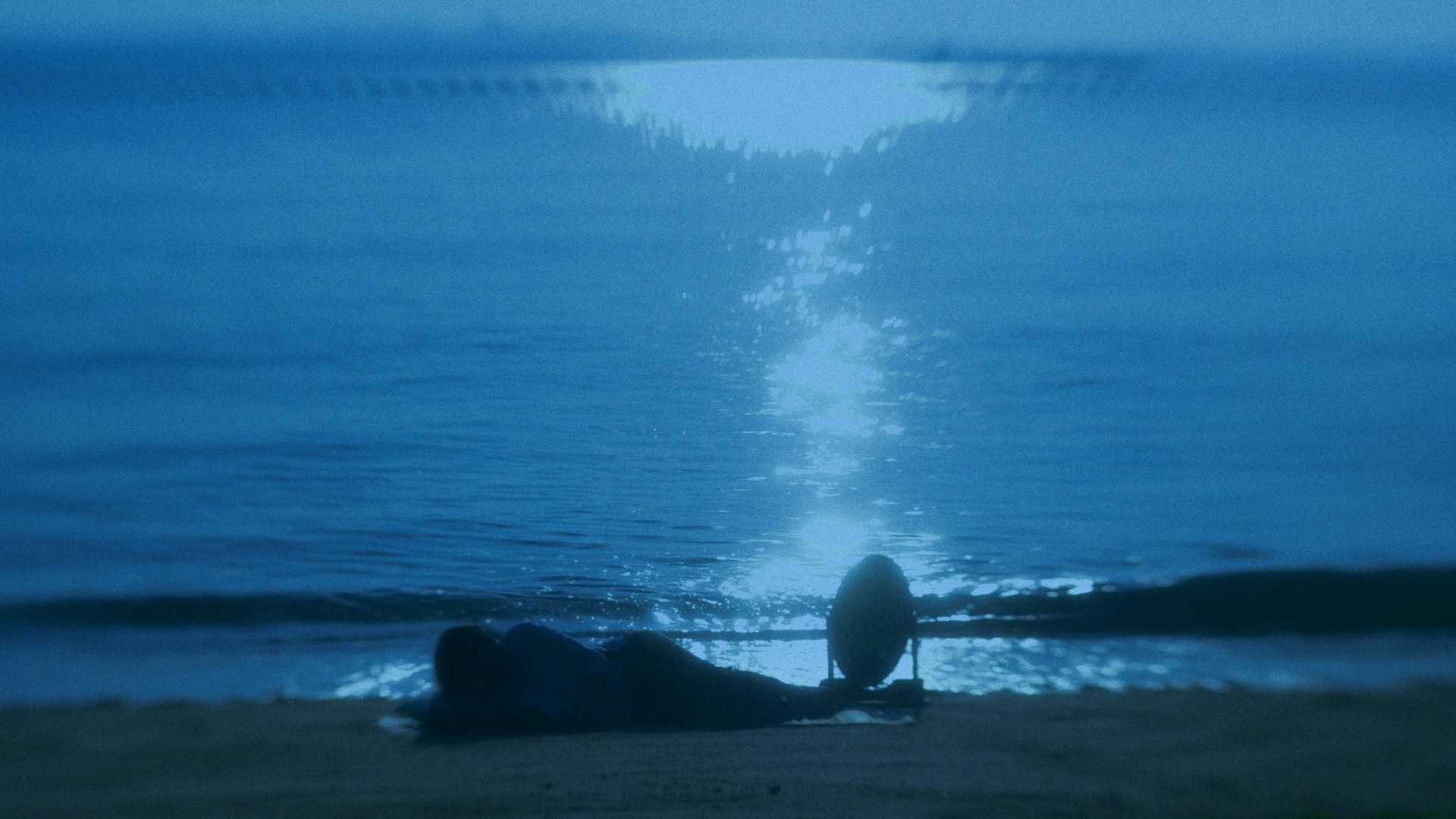
“All I can really think of is who we hold close as the world as we know it ends… how do we be precious about the fleeting time we have? In this way my works are about surviving the here and now.”—Charmaine Poh
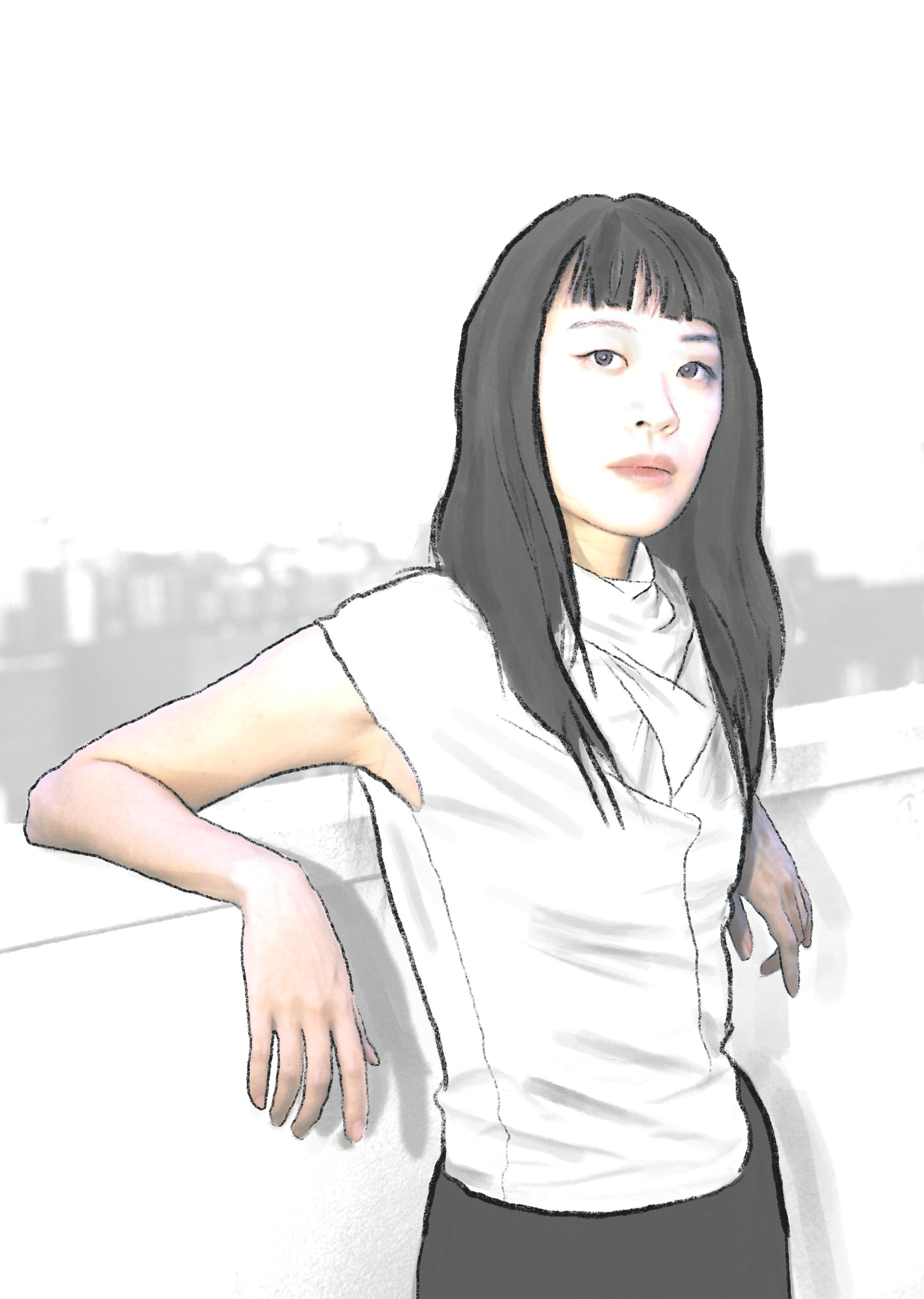
CNTRFLD. You’ve spoken about working with care, visibility and embodiment across film, photography and performance. When you look back at your childhood in Singapore, were there early moments or influences that you now recognise as shaping how you see the world — and your path toward becoming an artist?
CP. I’ve always been introverted and spent a lot of my time alone, reading or dreaming up worlds. I was put in a drama class at the age of 9 and I distinctly remember this feeling of putting on someone else’s shoes and embodying another life, even for a moment, that fuelled my curiosity and imagination.
CNTRFLD. Questions of identity — cultural, personal and embodied — feel central to your practice. How do your heritage and lived experiences inform the way you approach visibility and opacity, especially as a woman and queer artist working across Asian contexts?
CP. The experience of going through puberty in public during my time as a child actor on Singapore television gave me an instinct for negotiating visibility and opacity. John Berger in Ways of Seeing wrote that a woman is someone who continually watches herself, and I had to learn that much too early.
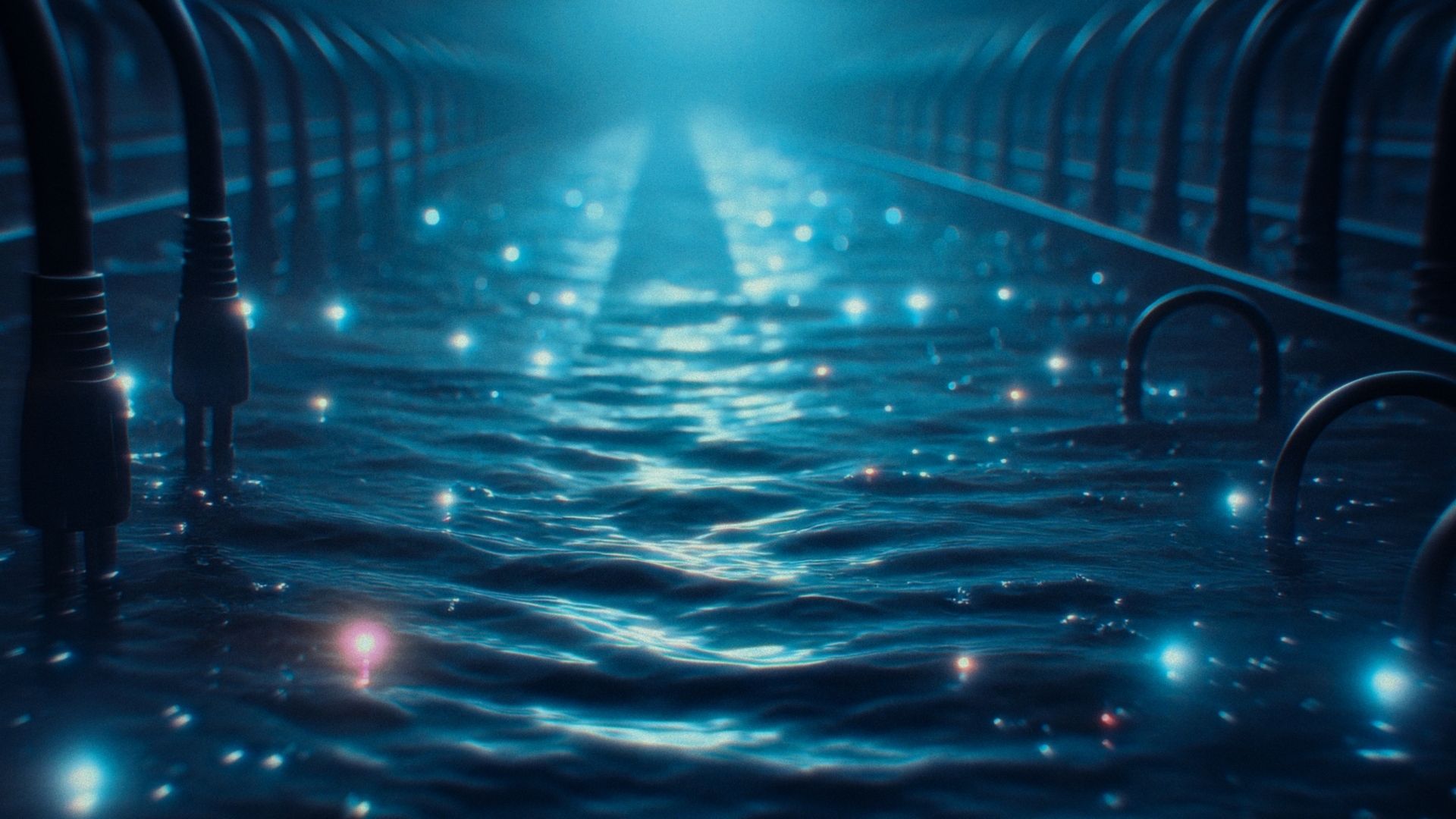
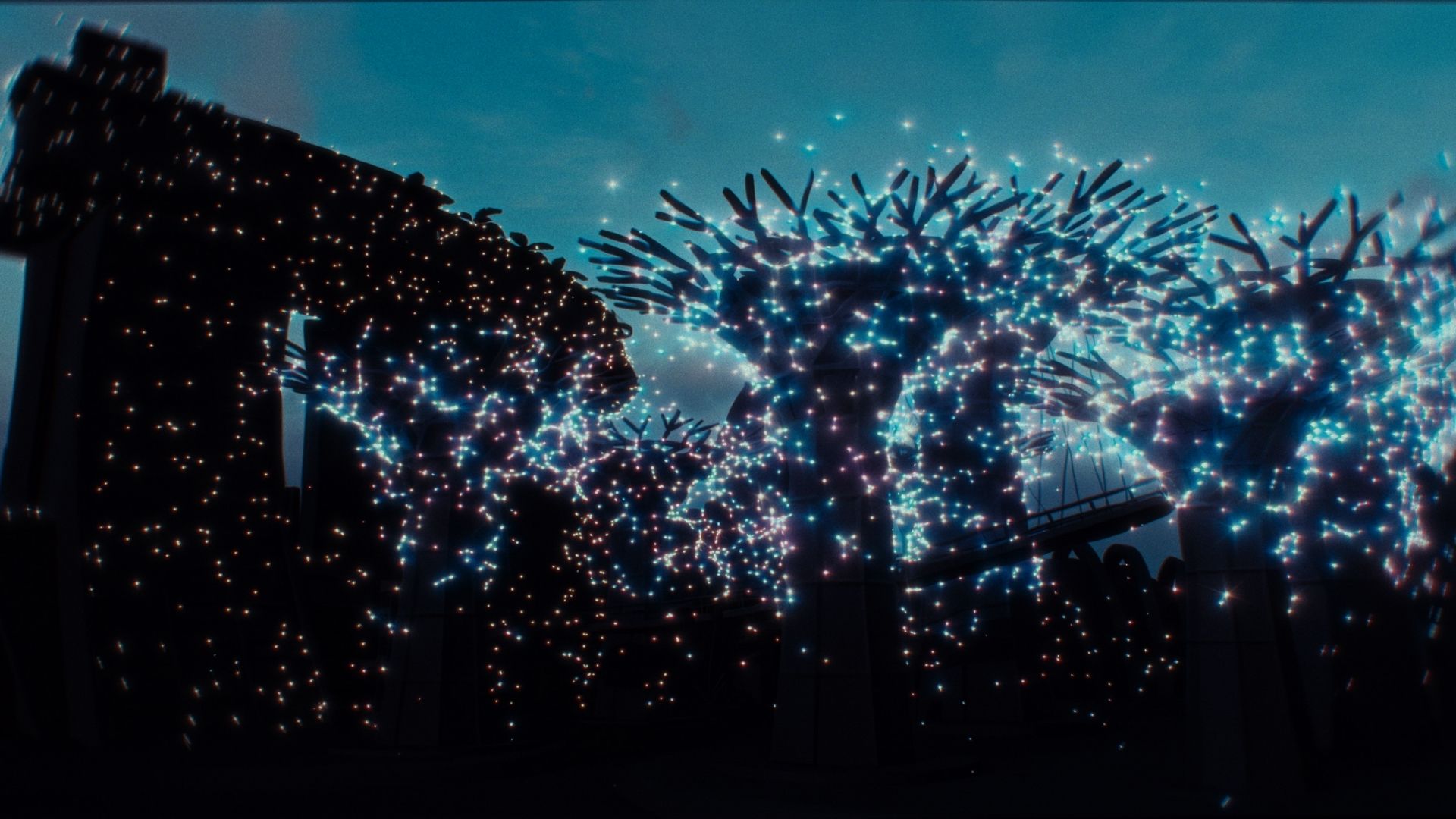
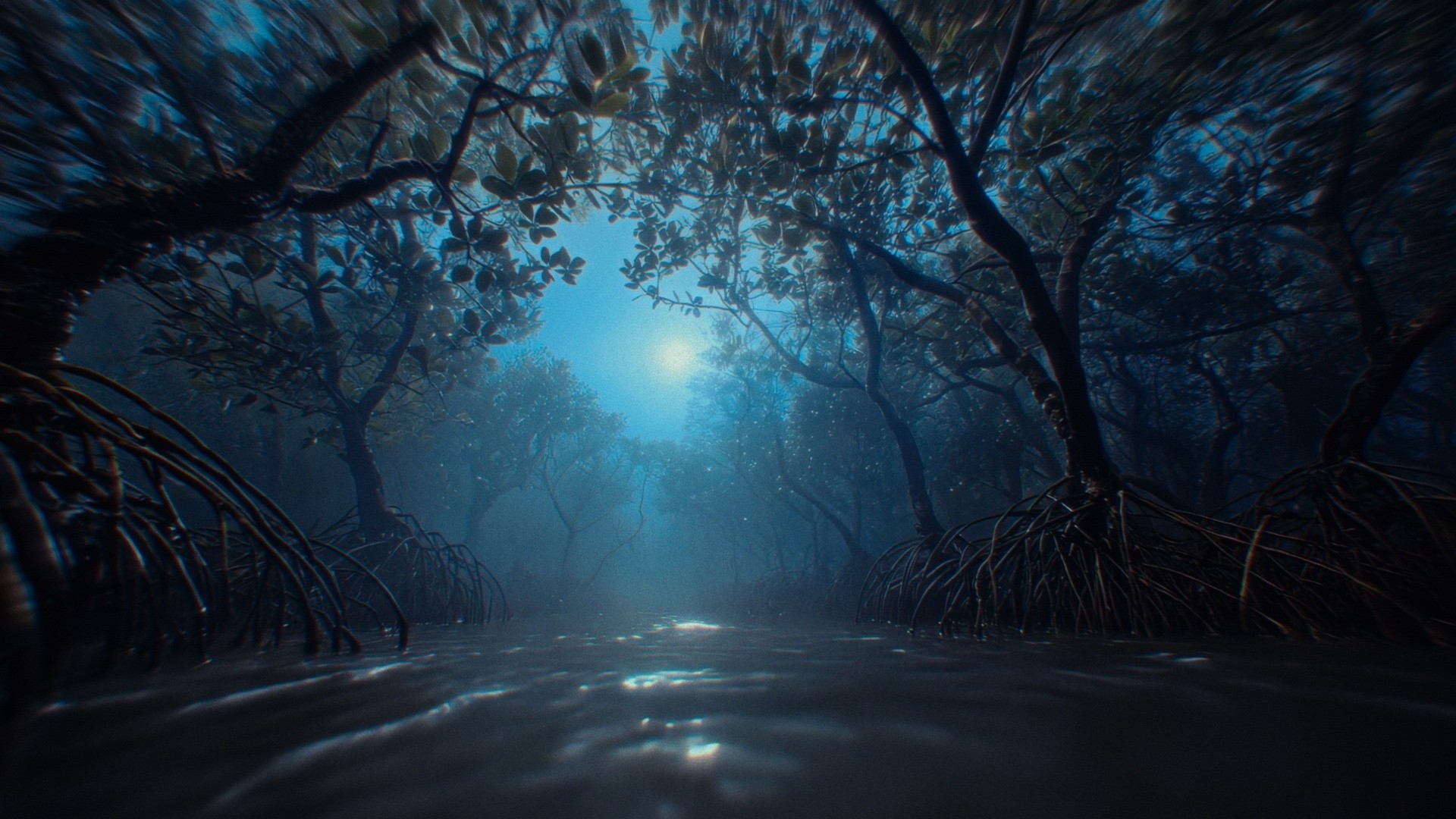
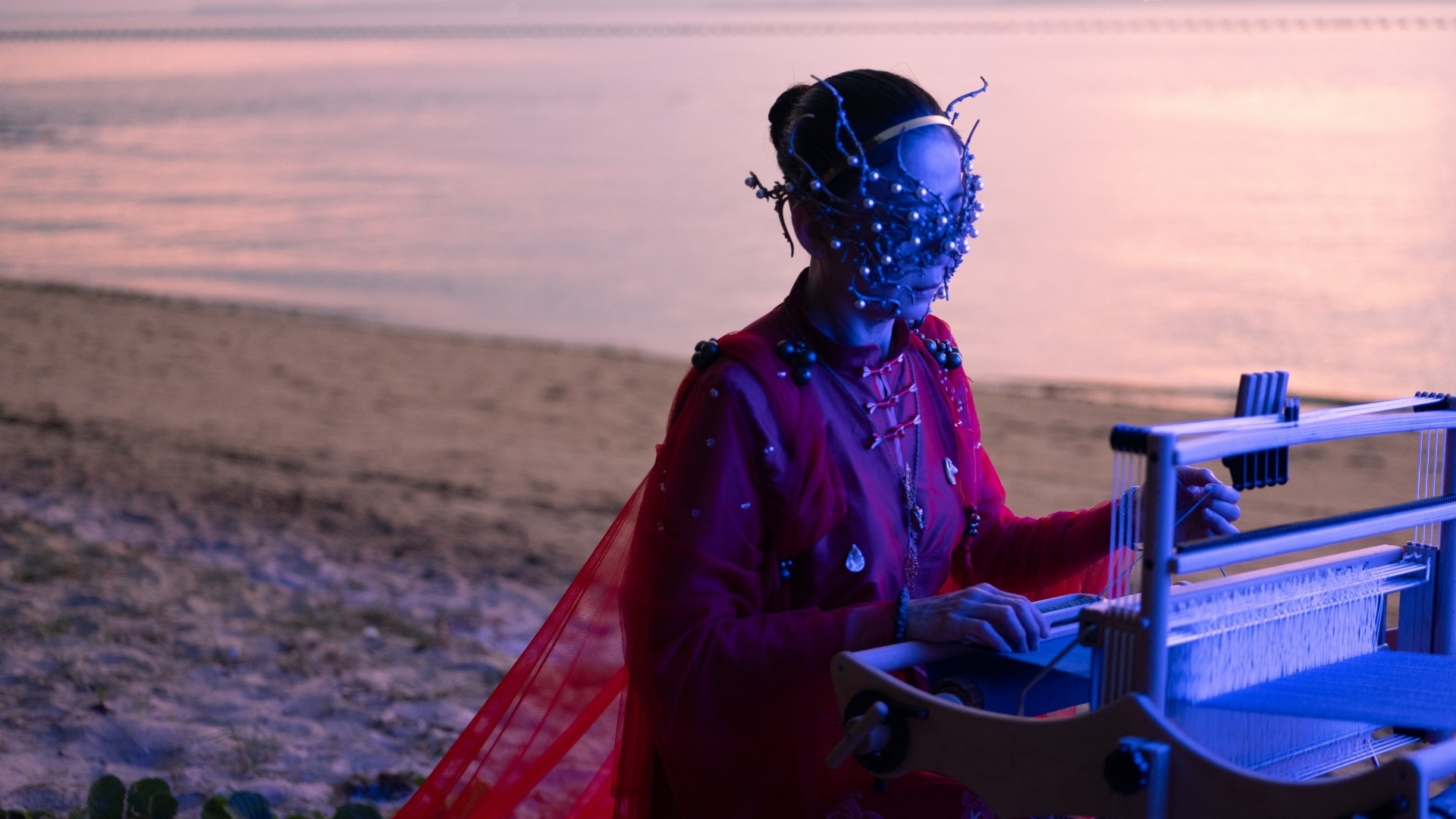
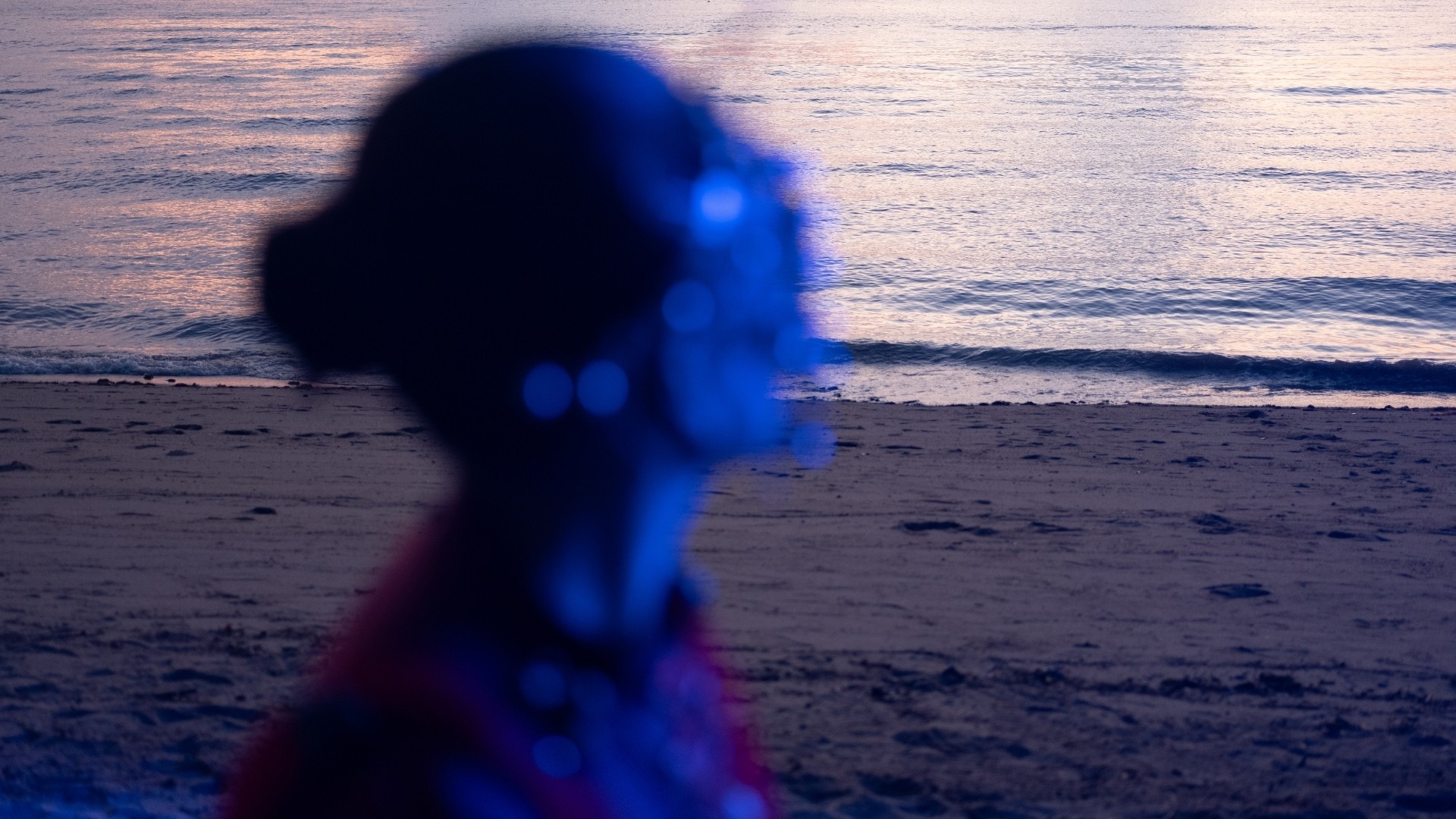
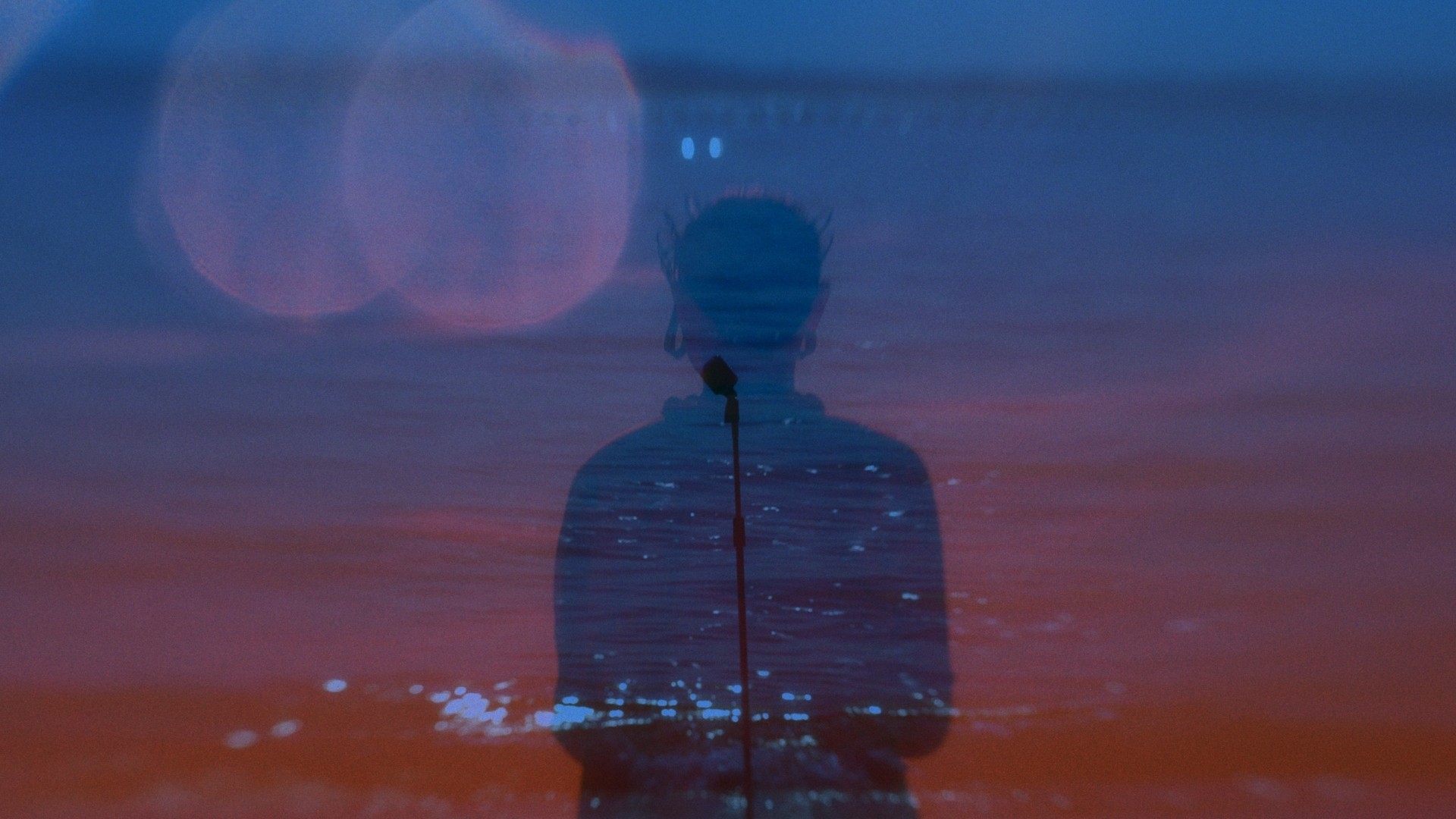
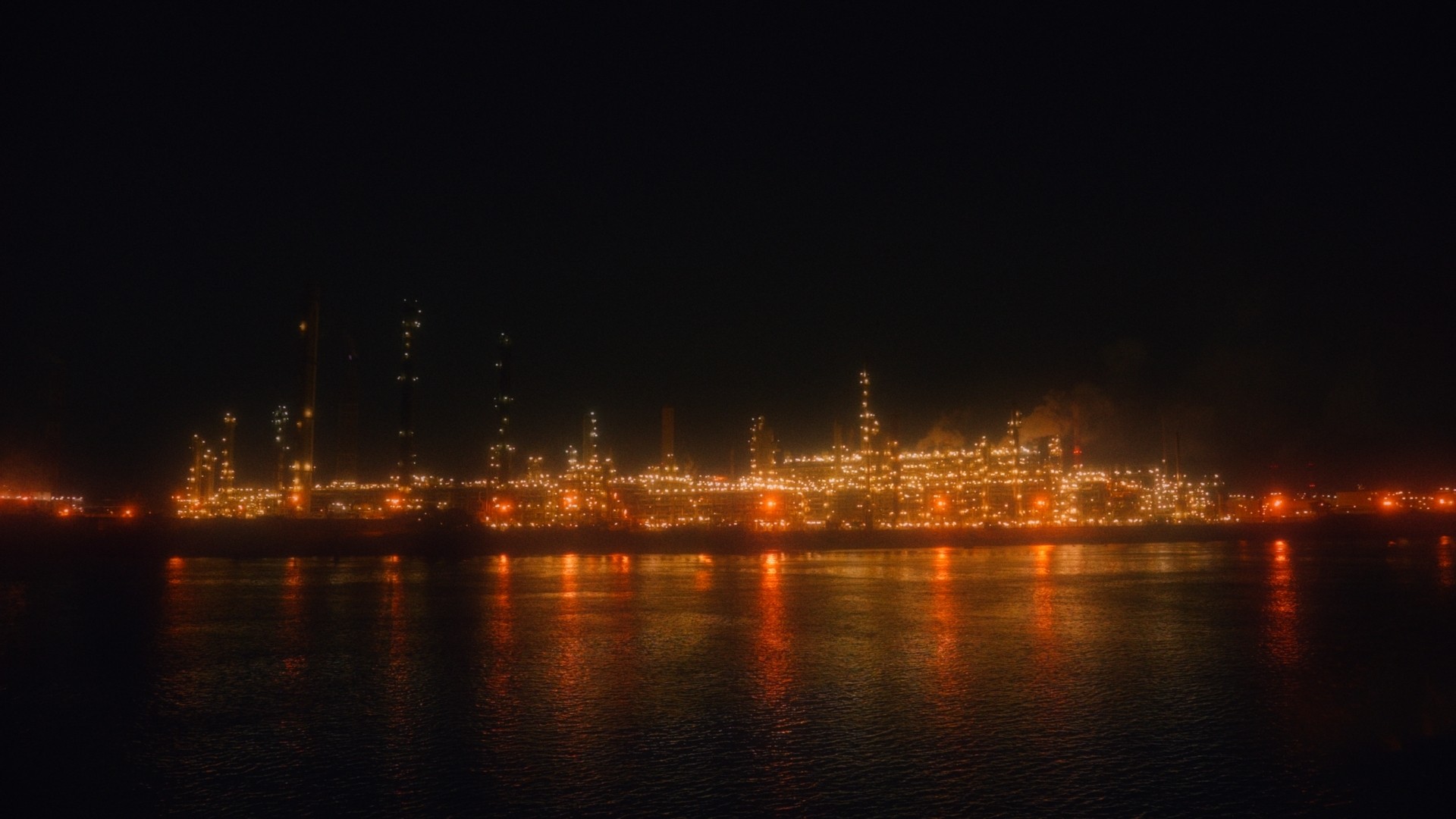
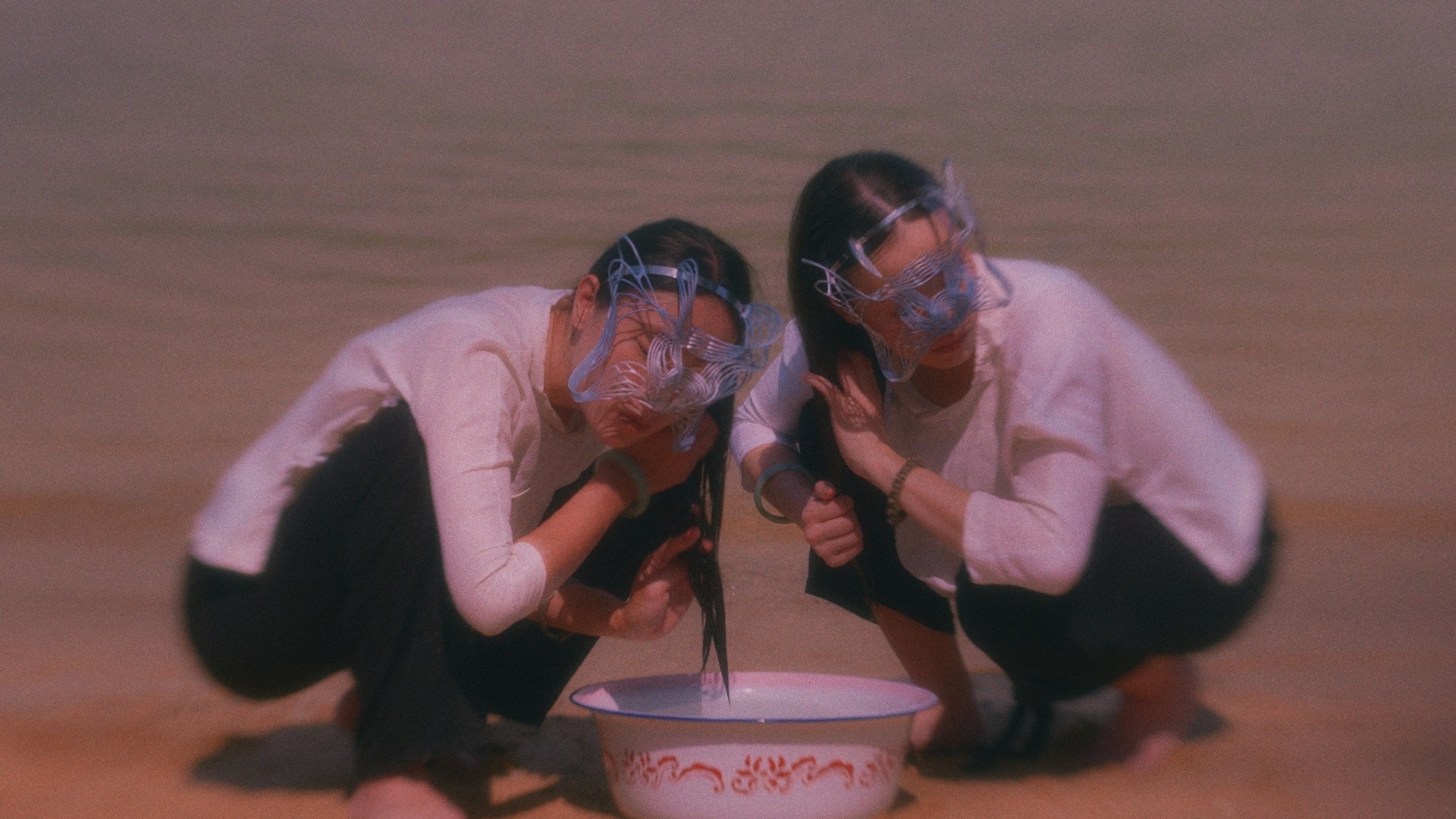
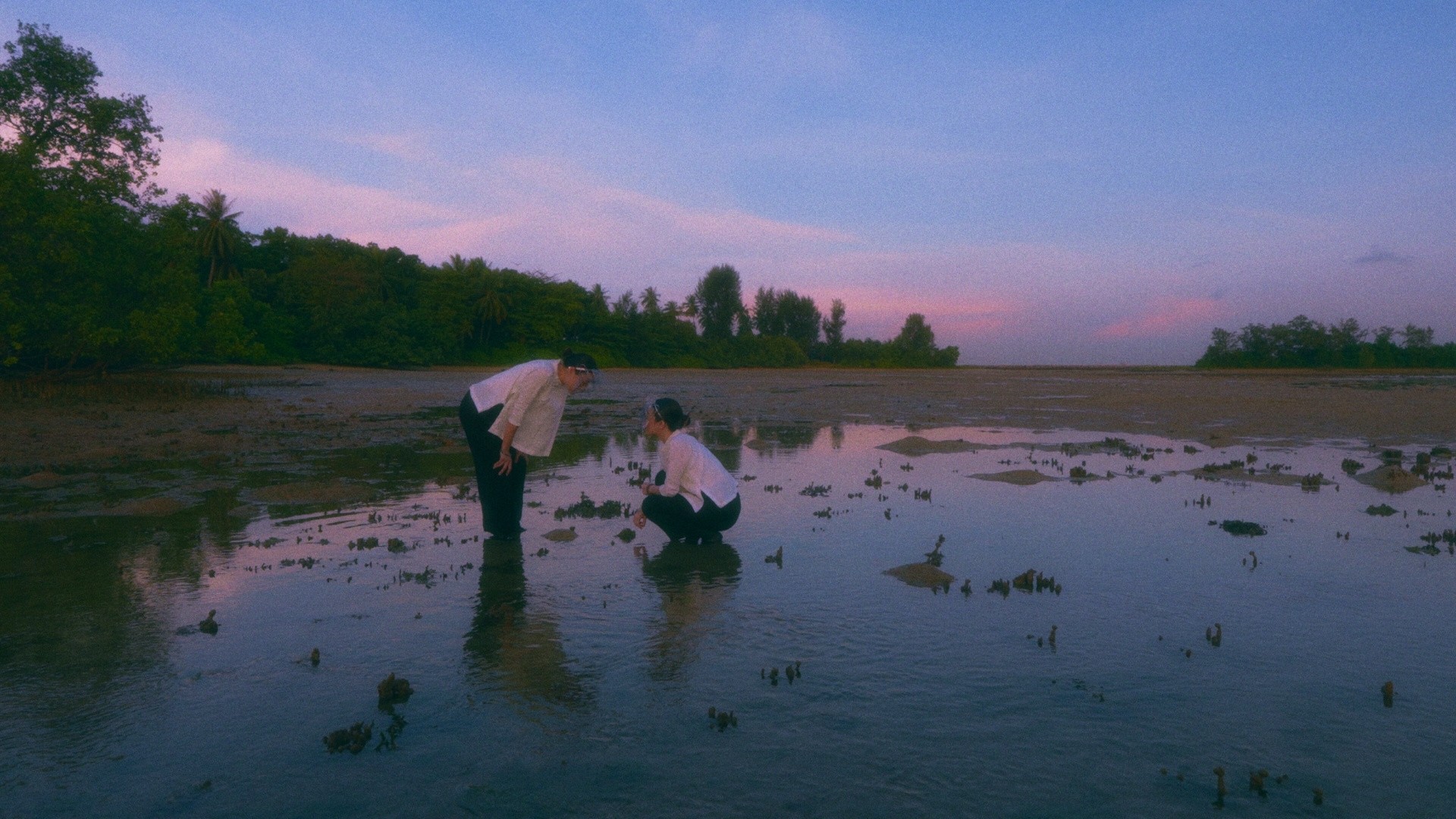
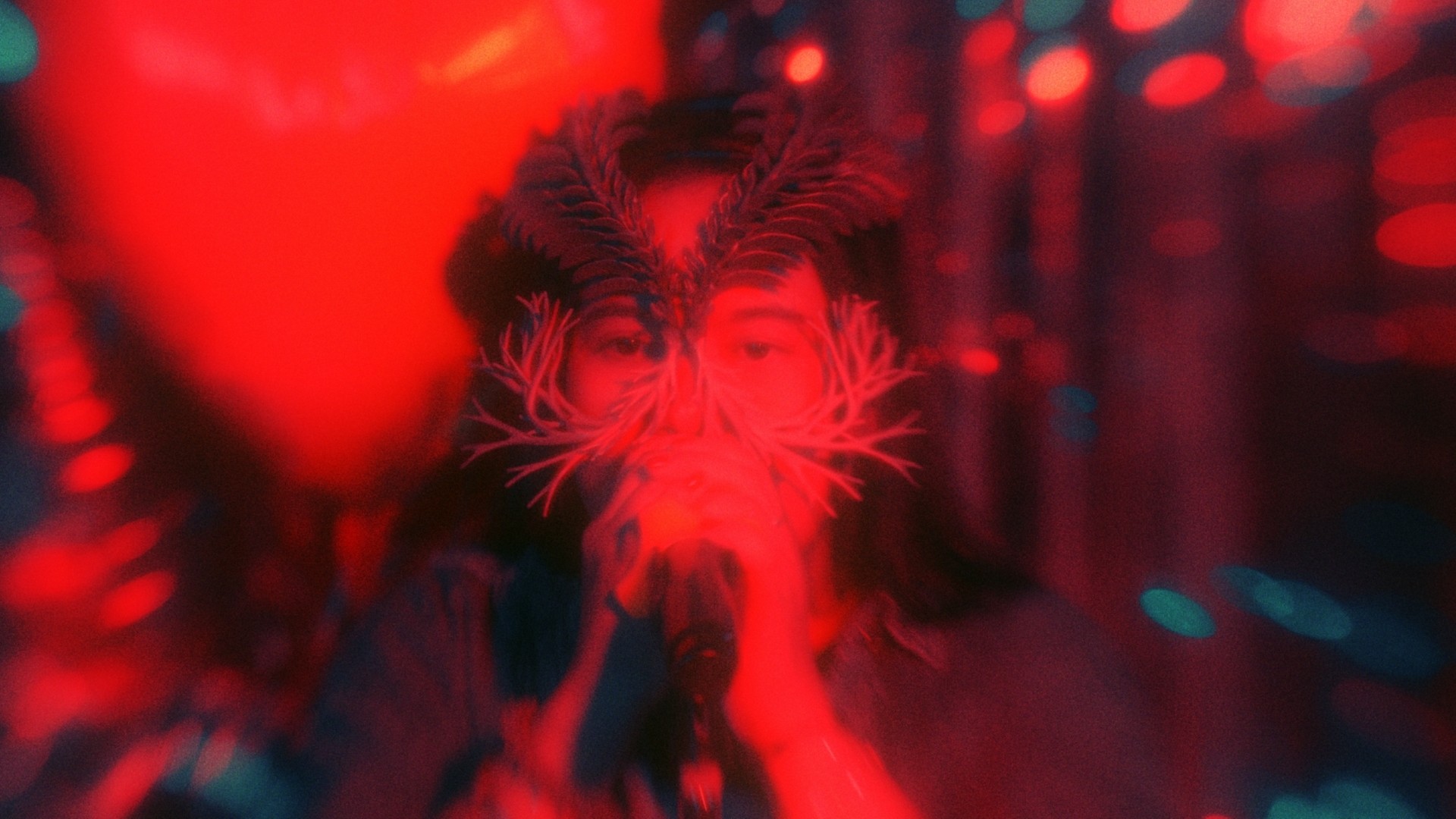
CNTRFLD. Your installation The Moon Is Wet brings together memory, ritual and queer longing with larger ecological and infrastructural forces. Where did this work begin for you emotionally or conceptually, and how did it grow into the form we see in the exhibition?
CP. The seeds were planted when I photographed a few of the last remaining Majie in Singapore in 2016. My practice looked very different then, but I knew that there was so much that couldn’t be contained within the photograph. I am so thankful to have the opportunity to return to these stories. In spring 2024, when the collective Asian Feminist Studio for Art and Research (AFSAR) was invited to perform a storytelling session at the Neuer Berliner Kunstverein (n.b.k.), I began to piece together the first components of the script. The Moon is Wet grew from there.
CNTRFLD. Thresholds of Becoming frames instability and transition as generative states. Do those ideas resonate with how you think about your own work — particularly your interest in repair, futurity and in-between spaces where identities are still unfolding?
CP. I see my practice as helping me to navigate my own concerns and even a way of walking down a certain path. So, my ideas come quite organically and slowly; there is no grand trajectory that I have mapped out, rather an internal response that unfolds step by step. To me, this is important. I need to have the freedom to move in multiple directions, because my practice is a form of life to me. I need it more than it needs me.
CNTRFLD. There’s often a tension in your work between documentary traces and more staged or speculative gestures. What draws you to that space between the real and the imagined, and what becomes possible there?
CP. I came to photography through documentary practice, and I was taught by photographers who often photographed war and conflict and published in editorial journalism. But when I began to ask myself what I felt drawn to, it tended to fall into that space between the speculative and the documentary. Some of the photographers whose work I kept pouring over were Rebecca Norris Webb, Graciela Iturbide and Nan Goldin. They opened up a way of seeing the world that felt so engaged yet had a strong sense of direction and I think this was an important sentiment that stayed with me.
CNTRFLD. Installing The Moon Is Wet in Manchester — within an institution rooted in East and Southeast Asian diasporic dialogue — feels like a meaningful context. Did being there shape how you thought about the work or its audience? Were there any reflections that surfaced during that process?
CP. Manchester has a significant Chinese population so it’s always meaningful to show work that might resonate with a diasporic audience in the West. I had never been there apart from the opening night, so it’s too early to say very much, but I hope the languages and songs in the film give them a sense of familiarity and comfort.
CNTRFLD. You move between Berlin and Singapore, two very different artistic and social environments. How does living across these spaces influence your rhythm, your thinking, or the kinds of conversations that feed into your practice?
CP. Singapore is a very generative place for me, and a lot of it has to do with the fact that I grew up there, so I have a lot of concerns and questions about this place. When I am in Berlin I am able to quieten the noise and listen to myself more, so it’s helped me to have the necessary distance to reconfigure my ideas.
CNTRFLD. Themes of kinship, care and intergenerational memory appear throughout your projects. How are those ideas evolving for you right now — especially as you think about bodies, technology and shared futures?
CP. All I can really think of is who we hold close as the world as we know it ends. It might sound dramatic, but singularity doesn’t seem like such a far-off concept. So how do we be precious about the fleeting time we have? In this way my works are about surviving the here and now.
CNTRFLD. Your work often resists easy interpretation, embracing opacity and ambiguity. In a moment when art is frequently expected to be immediately legible, what does it mean to you to protect that space of uncertainty?
CP. I’m interested in creating multiple emotional registers; this is the condition that eludes easy interpretation and asks that the viewer-visitor return to it again and again.
CNTRFLD. This exhibition arrives at a milestone moment for esea contemporary and during the Lunar Year of the Horse — both tied to ideas of movement and transformation. As you look ahead, what are you excited to explore next? And what would you share with artists navigating their own paths across cultures and disciplines?
CP. I need to finish my doctoral thesis! As for what I’d share with other artists: always try to hold the door open.