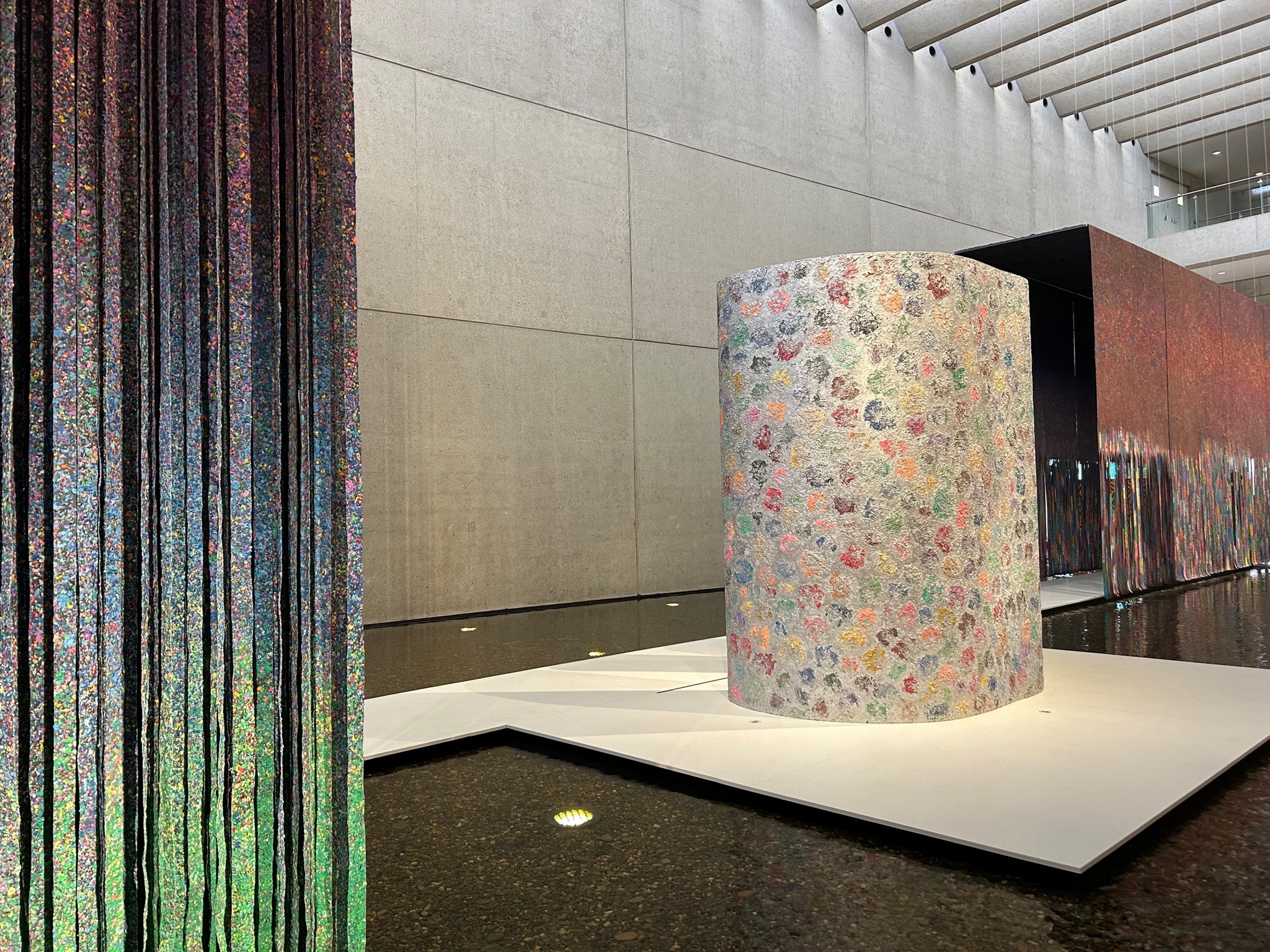
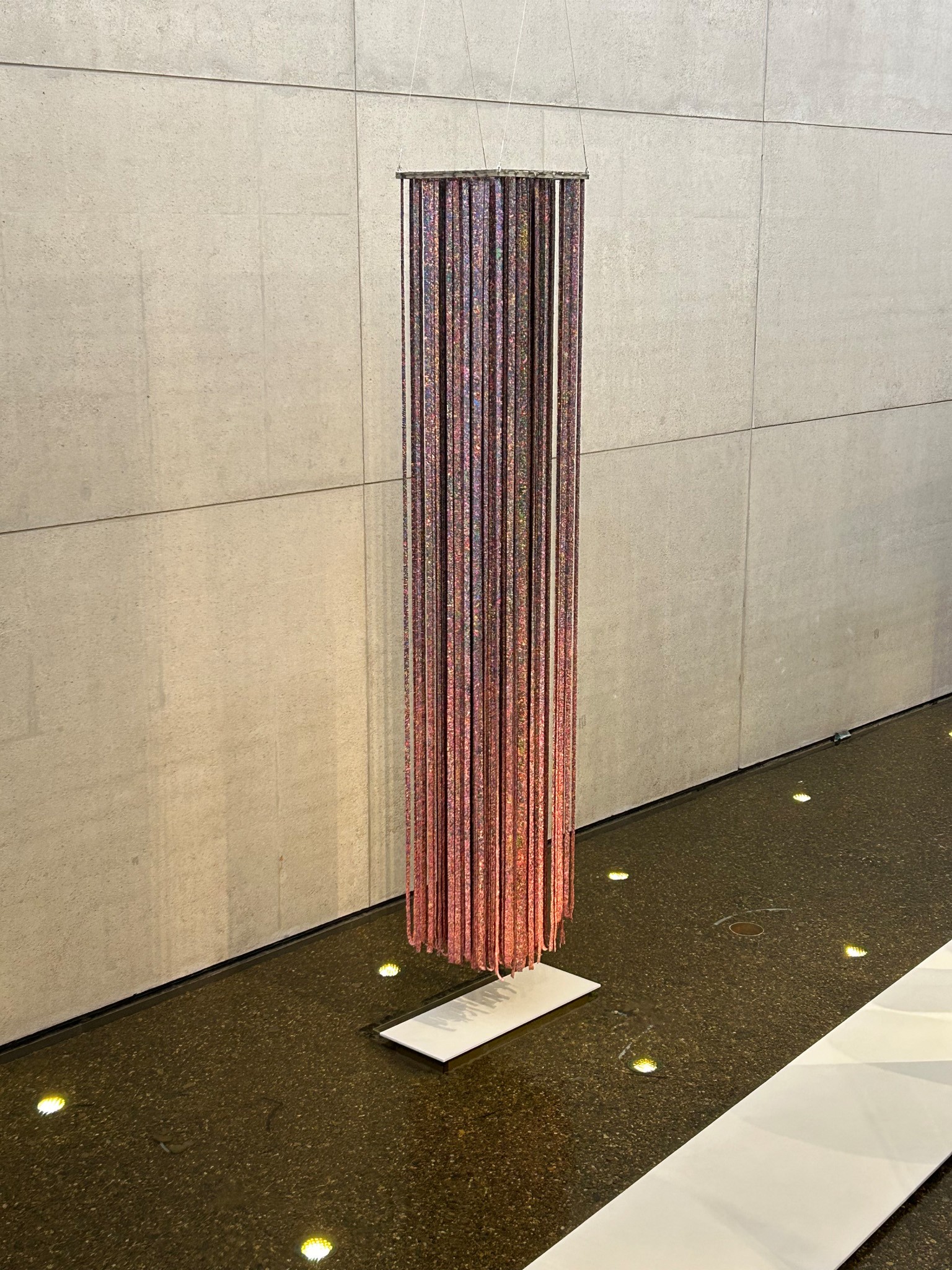
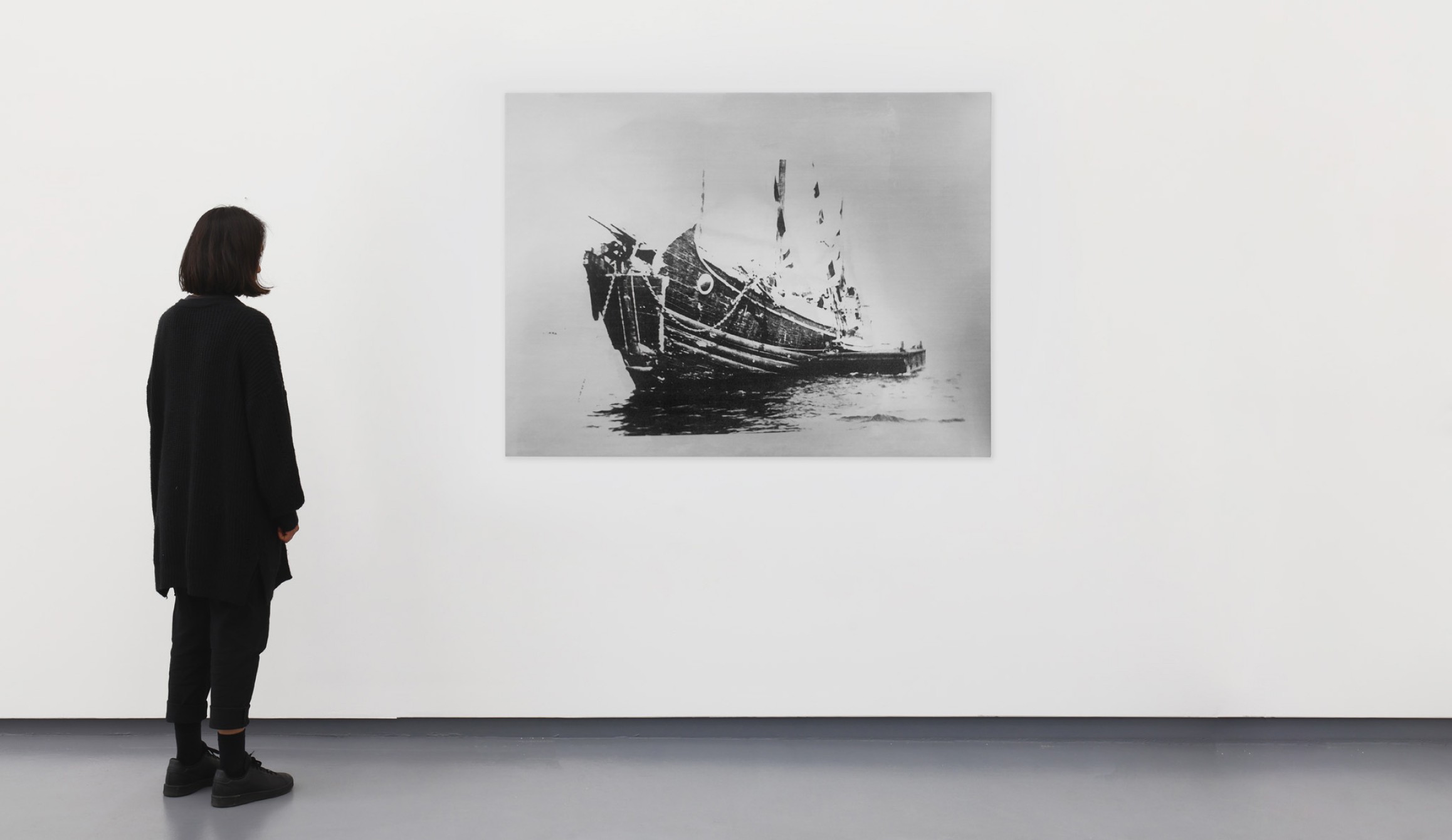
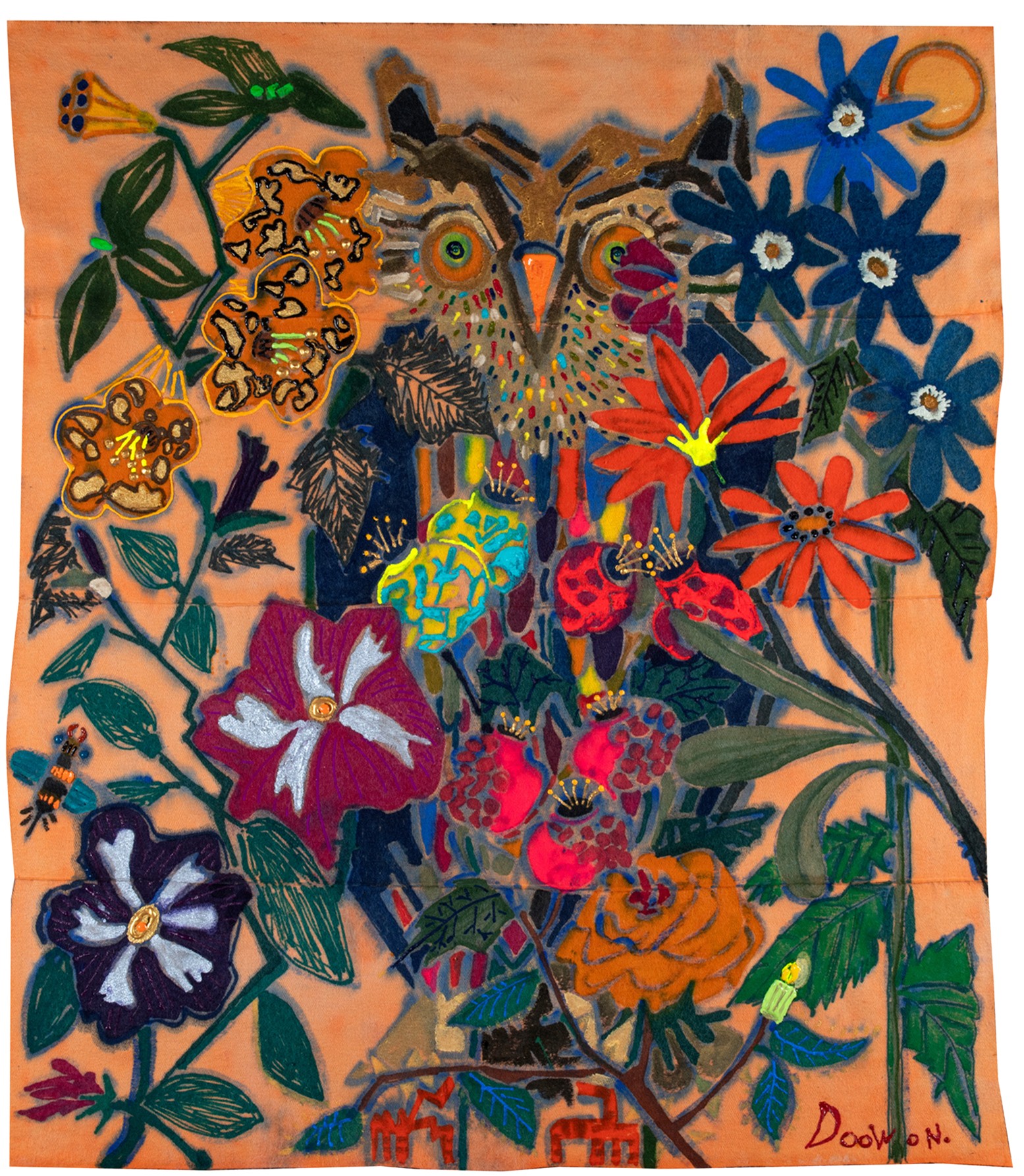
CNTRFLD. Your work reflects a profound connection to your upbringing and heritage. How did growing up in Chiang Mai shape your creative perspective and your approach to art?
MJI. On one side, the sensory markers of my hometown, full of temples, crafts and rice fields, have impacted my aesthetics, but on the other side, maybe as a contrary reaction, it provoked a restlessness and agitation since I was very young.
CNTRFLD. Can you share what motivated you to pursue art and how you chose painting as your primary medium, especially given its unconventional, tactile, and layered nature in your practice?
MJI. Painting and sculpting have always been the only things I could do. It is my karma to do what I do and how I do it. It seems like I reincarnate in art thousands of lifetimes. Again, and again…
CNTRFLD. Your time in Vienna, particularly working with Franz West, was pivotal in your career. How did studying and creating art in Europe influence your artistic journey and your perception of global art practices?
MJI. That period showed me both the possibilities and the failures of art and life in this unfinished project we call Modernism.
CNTRFLD. You mentioned that it’s only recently you have been able to earn a living as an artist. What
challenges did you face earlier in your career, and how did you sustain yourself during those years?
MJI. I also don’t fully understand how I was able to survive those times. As many young artists it was a struggle, but I was lucky in having my peers around me to bounce the smell of the stupidity of the contemporary zeitgeist.
CNTRFLD. As a co-founder of initiatives like Chiang Mai Social Installation and Cartel Artspace, how have you balanced your socially engaged projects with your individual artistic practice?
MJI. The only way I found to balance all of this, is with the help and involvement of other people.