CNTRFLD. Heritage Influence: How has your heritage and upbringing in Tecate shaped your artistic practice and the themes you explore in your work?
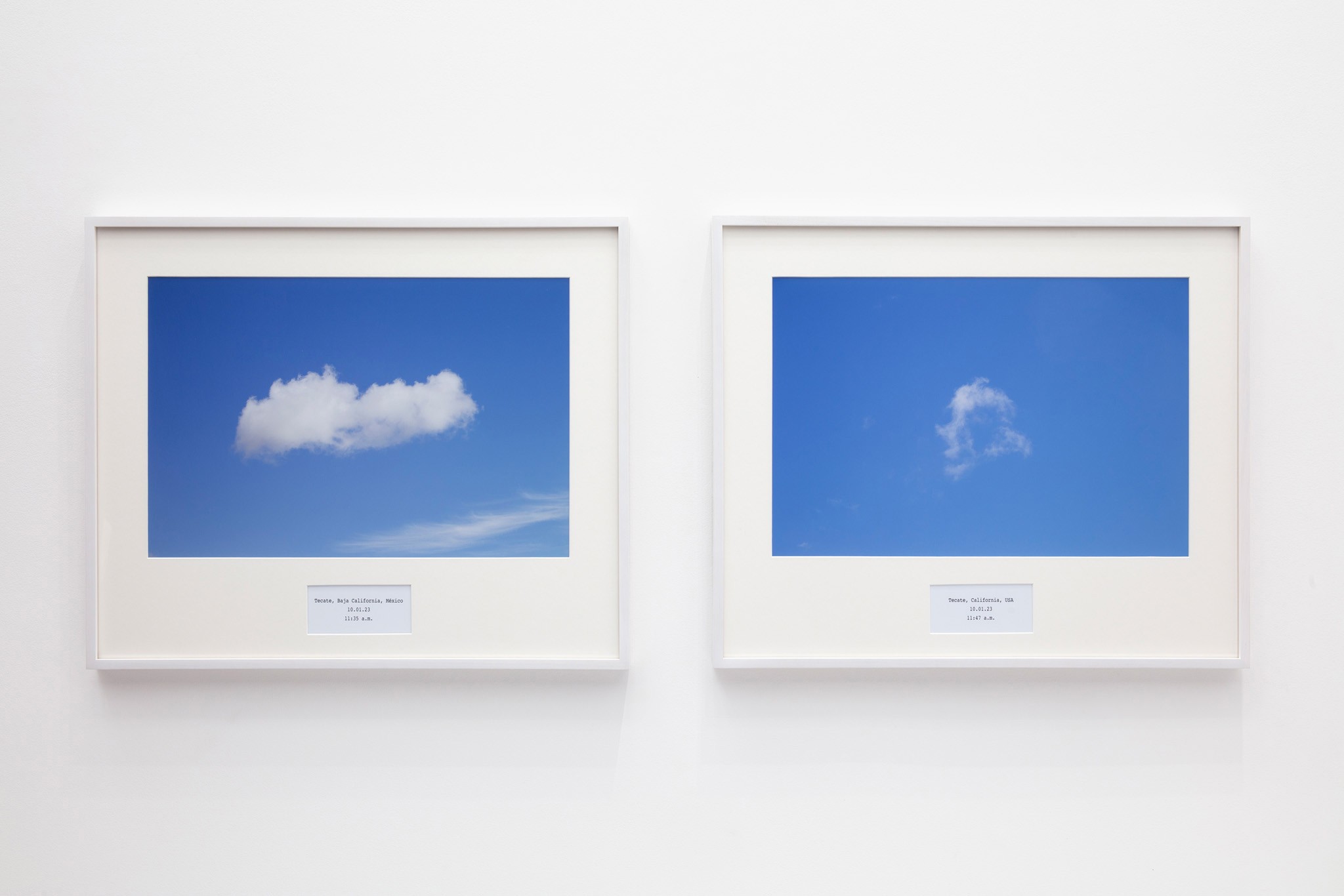
CPF. I have always thought that Tecate is like a time capsule, somewhat like a U.S. suburb trapped in the '70s, a small town with an ethos divided between Americana and Mexican culture.
This in-between space is where my works come from. Not from one side or the other. It comes from what’s inside, a sort of mutation, something strange.
That’s why some of my projects have to do with liminal spaces in a certain transition between life and death, a suspension of time, ghostly places, and incomplete or forgotten narratives.
Unlike other border cities with a faster pace, my hometown is slower. Tecate, being a non-main city, is more in touch with certain mysticisms and a slowing down of time. Other stories emerge, so to speak, from this further margin of margins.
Naturally, I am drawn to books or scenes that happen on peripheries or remote places; there’s something that attracts me to non-protagonist lives telling a story.
I imagine my projects dialogue with those mythologies through micro-stories that actually hide fundamental aspects to understanding what often remains outside certain capitalist logics. In this sense, I think they are forms of resistance.
I would say Tecate was my first artist's studio.
At the same time, I think of it as an oneiric place built between the blurry lines of fiction and reality. In the end, I believe everyone builds and demolishes their own cities.
CNTRFLD. Diasporic Perspective: As an artist of diasporic Chinese heritage, how do you navigate and express the complexities of identity, history, and belonging in your work?
CPF. I'm interested in the silences that exist between things, identifying certain voids that can open up other possibilities to reappropriate a story. I’m also very aware of the insufficiency of memory.
In my processes, I think a lot about the media I use and how they will interact with the ideas; it's part of creating a sort of constellation.
Reality is so complex and presents itself to us in many different forms, and that’s why sometimes it’s more effective for me to work with photography, video, installation, or any other medium—because that’s how I experience the world, as a place where the same message sometimes appears represented in multiple ways.
Fiction is another resource that helps me navigate those silences; I think of fiction as a mechanism that also constructs possible realities, futures that haven’t been, or pasts that were lost. I'm especially interested in those relationships with the present. I believe art is like a time machine that makes conversations between different historical moments possible, or that presents intuitions about what is coming.
It is by re-making history that a narrative can be re-appropriated.
CNTRFLD. Cultural Memory: In what ways do you incorporate elements of cultural memory and personal narrative into your art, particularly in relation to your family's history?
Working with personal and public archives reveals aspects absent in just one of these two. How to weave them is where my work occurs. Here is where I re-think a story. I am not so convinced now of thinking in terms of micro and macro narratives; rather, due to a series of decisions in the world, it has been considered that there are events that are more relevant in universal and, of course, capitalist terms. That is to say, some stories are more profitable than others and also more convenient for certain discourses, which is why what gets erased, forgotten, and disappears reveals aspects of what we fail to understand in the present. This is why I am interested in the past—not as a nostalgic aspect, but as something that can give us clues to see what is coming.
Fiction, in addition, is something that interests me, especially in the realm of the autobiographical. I believe there is a very thin line between memory and fiction. In the way a story is told through what we forget or add. This alteration can range from certain details to reworking an entire event.
In the case of my family history, the women who were left alone decided to change their Asian surname to a Western one to avoid harassment. For that reason, I use Fong in my name as a recovery and reclamation of what my maternal legacy had to hide.
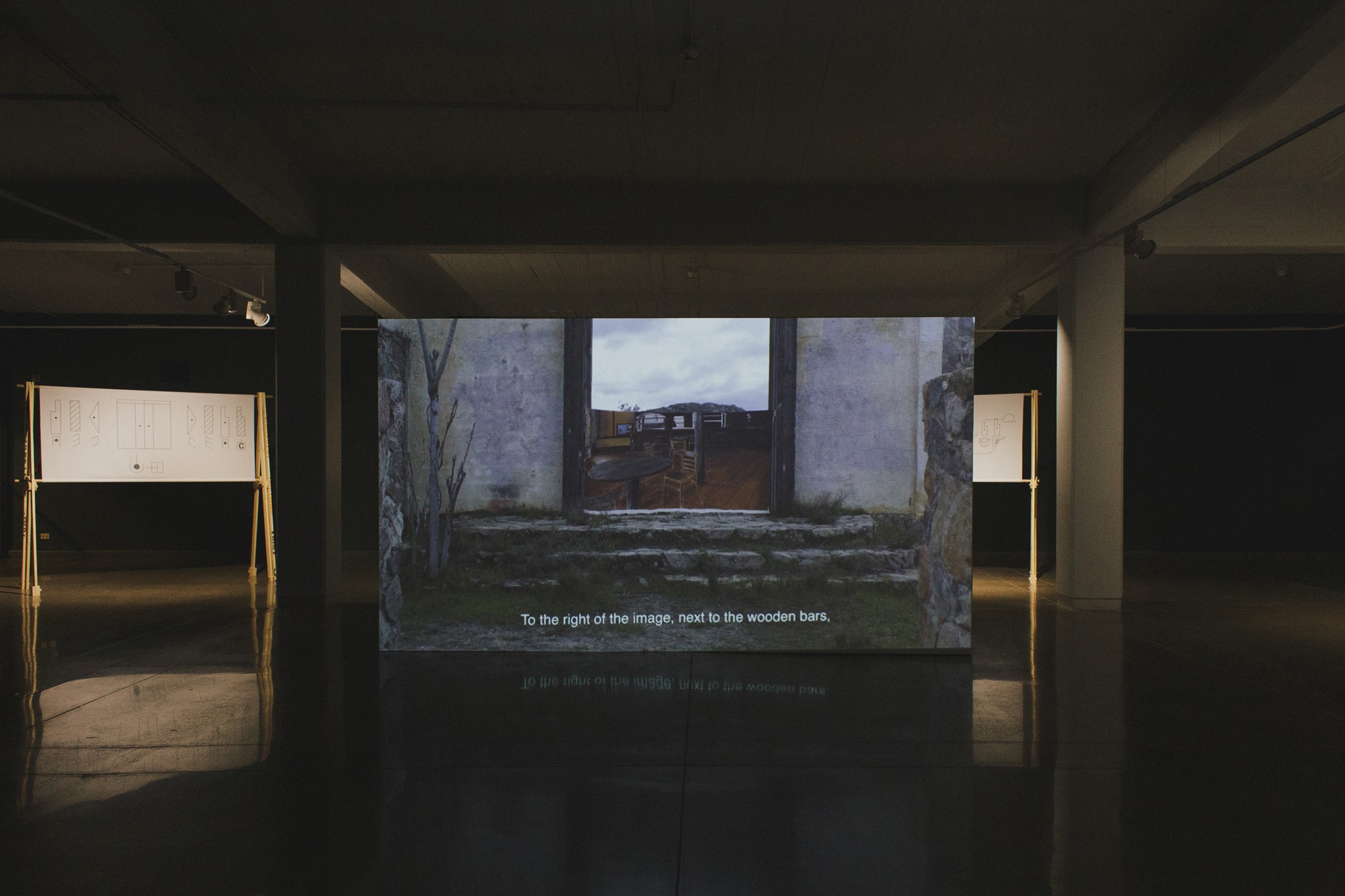
CNTRFLD. Artistic Process: Can you describe your creative process when developing a project like “Fong”, which blends documentary research with fiction? What challenges and discoveries have you encountered?
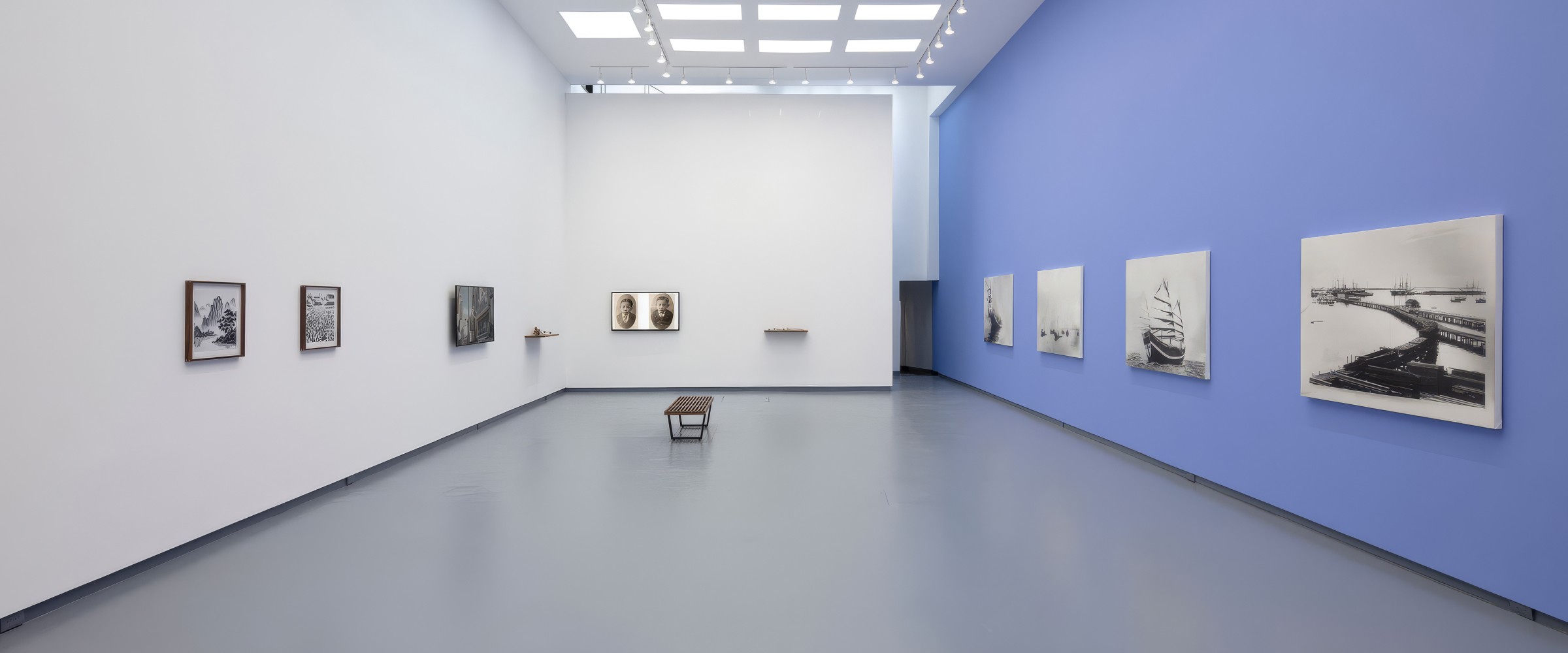
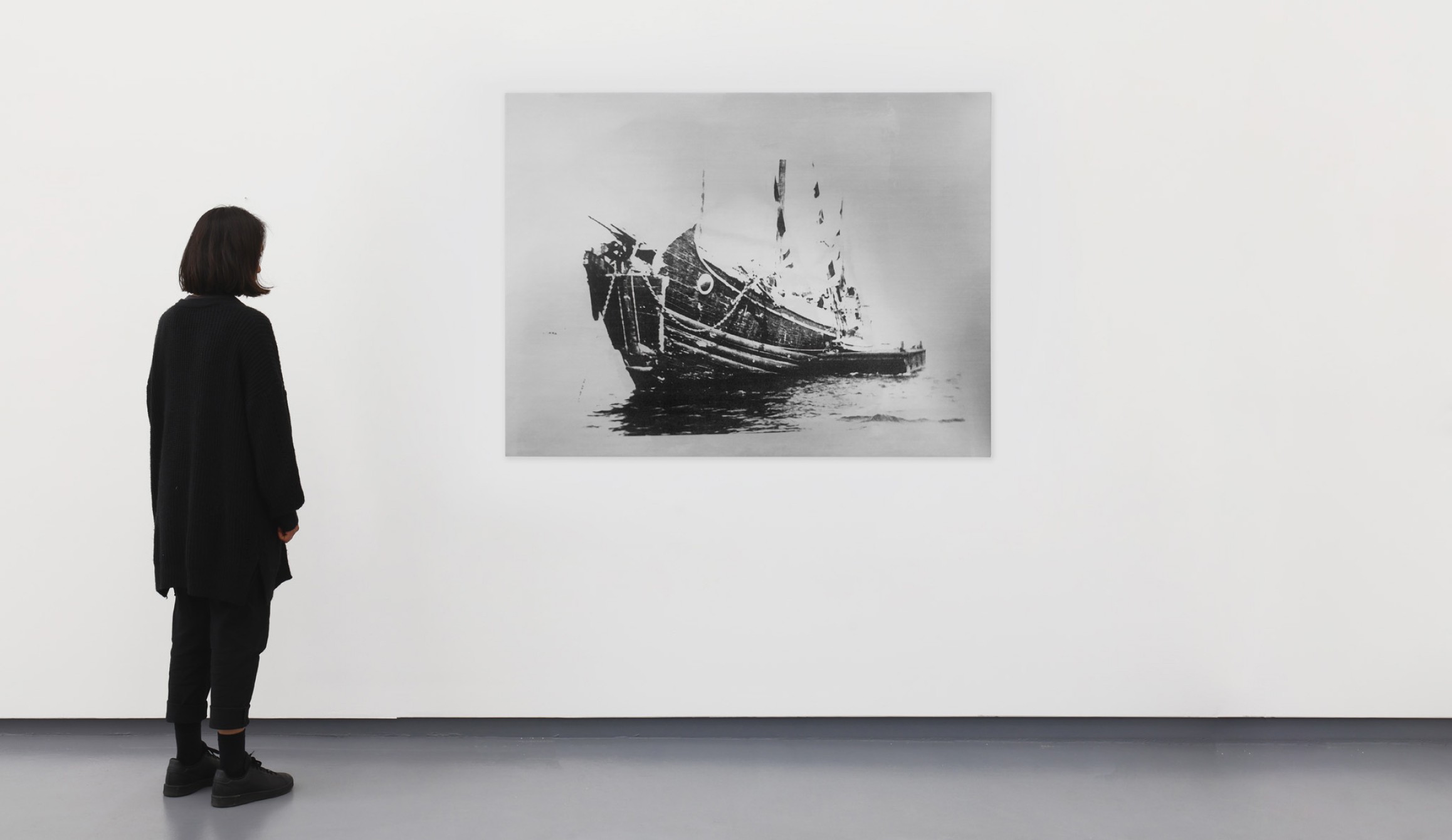
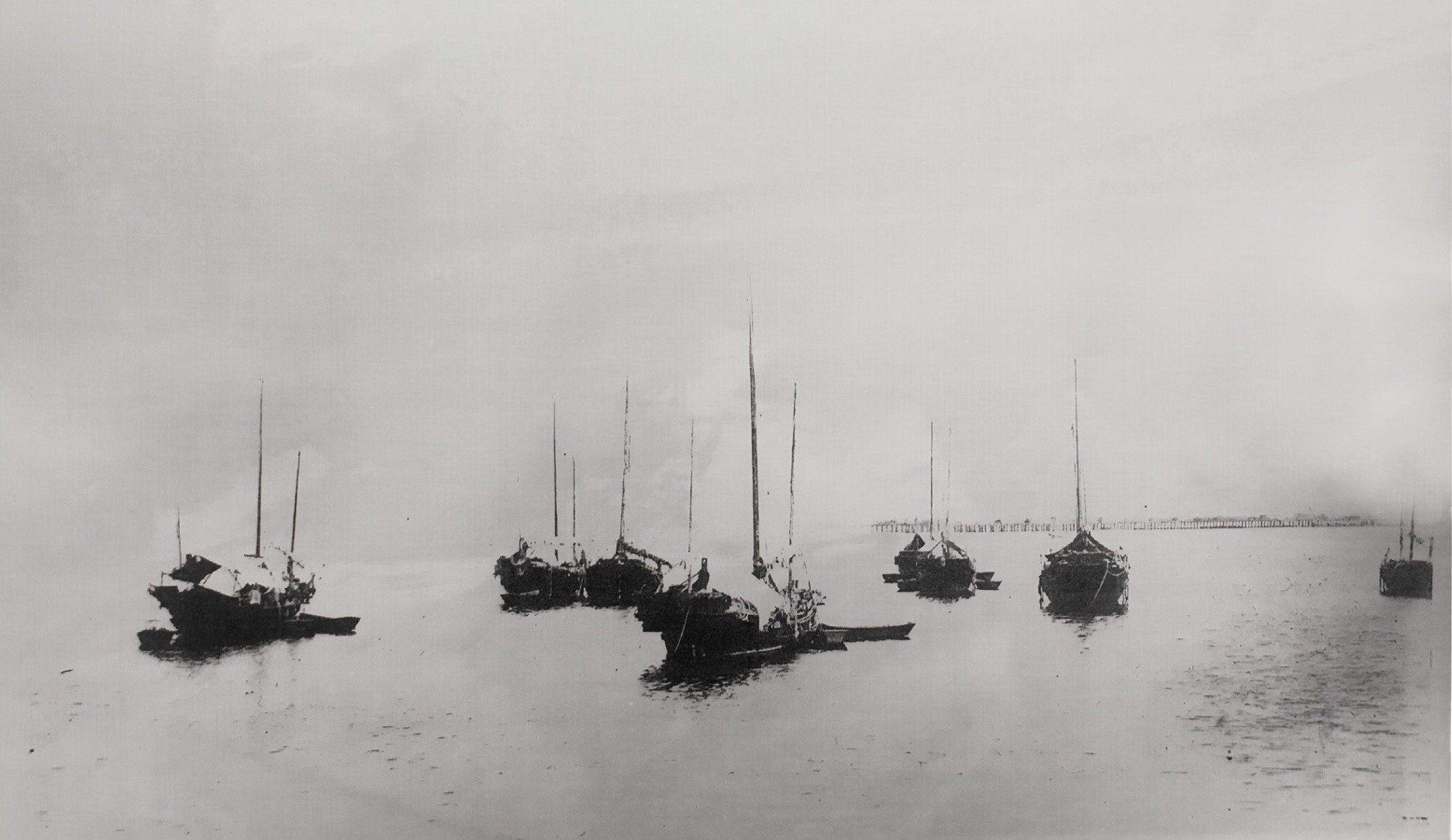
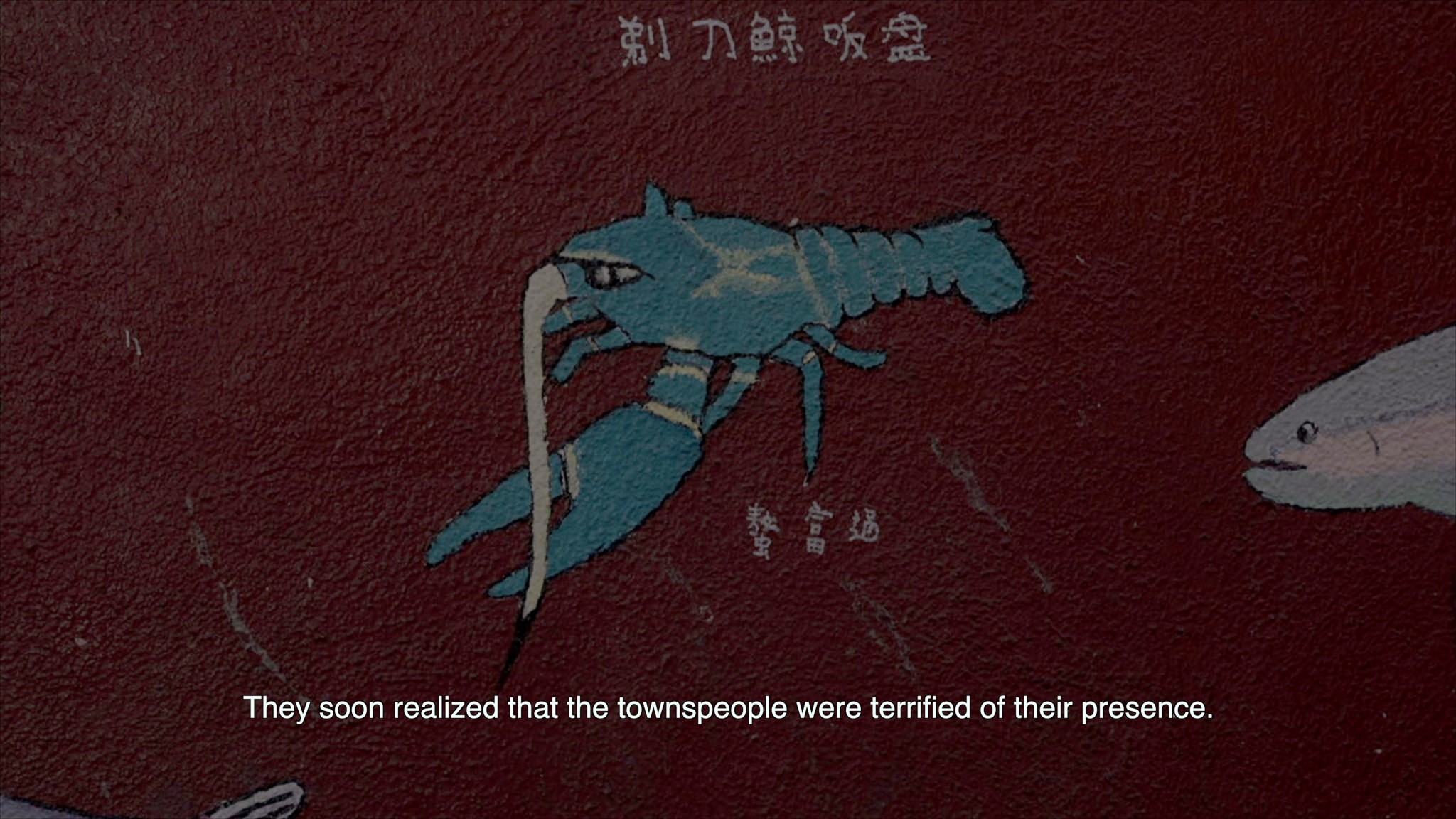
CPF. "Fong" is primarily a love letter dedicated to the men in my family who disappeared during the anti-Chinese campaigns in Mexico. At some point, they went to San Francisco, California, intending to reunite when things changed, but that never happened.
The women who stayed in Mexico, including my grandmother, changed their names to Western ones, and talking about this history was forbidden until very recently.
Through this letter, I write about the experience of women in my family from the Mexican side who lived through the anti-Chinese campaigns and naturalized the idea of silence as protection—that is, not speaking about the past.
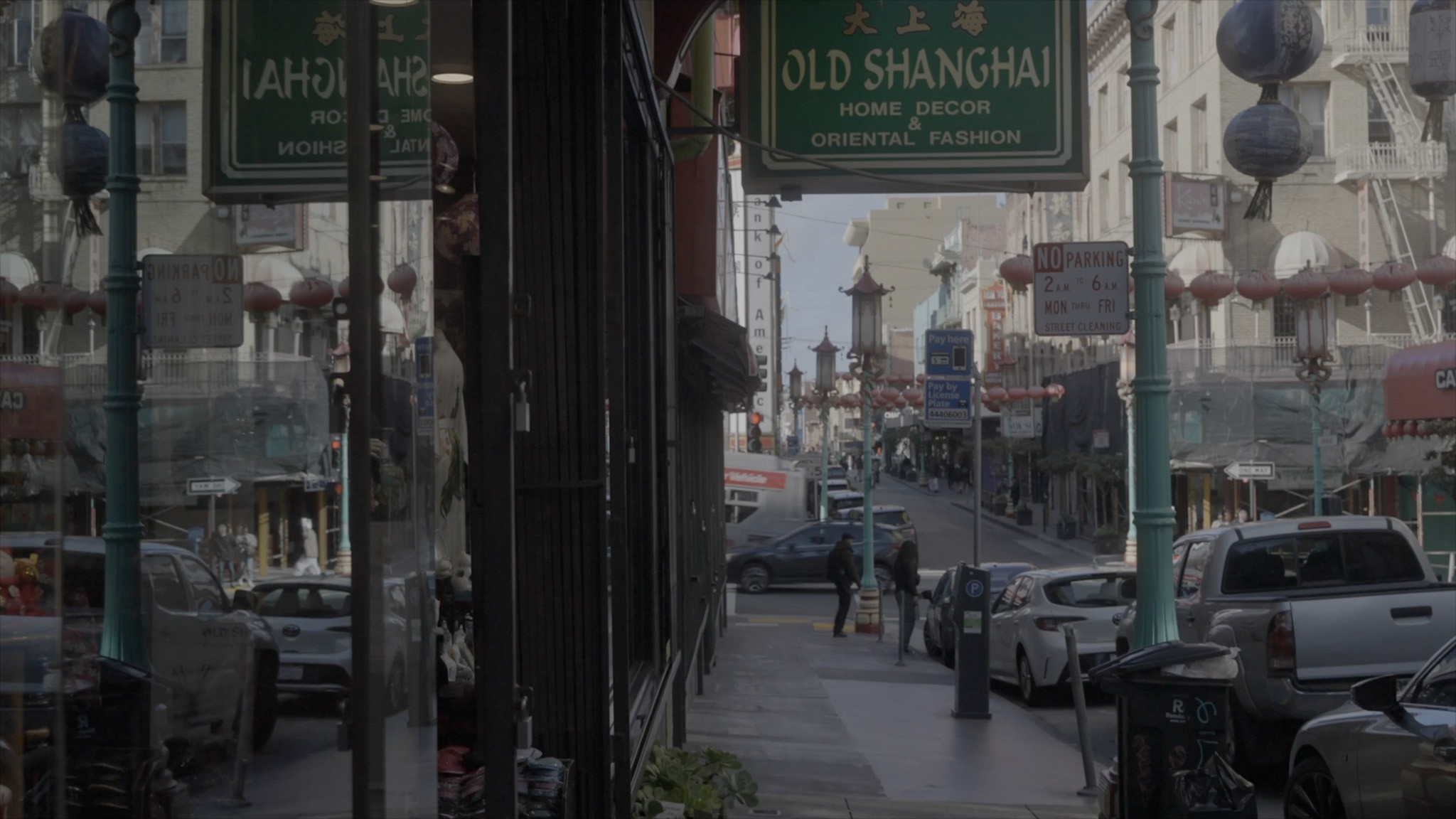
The process involved going to San Francisco, California, where I spent several days in the Chinatown area simply observing life through the camera—watching how people walked, the sounds, the shops, the colors, the decorations. I constantly thought about the possibility that, maybe without knowing it, I might suddenly cross paths with a family member I'll never recognize because we don’t know each other, or I thought perhaps they had all died or maybe returned to China. However, for me, it was essential to think of these presences in that place, with the possibility of finding each other, even if only through architecture or the same streets they saw.
I tried to intervene as little as possible while I was there, doing nothing but holding the camera and recording for long periods.
During those days, one night after filming, I wrote the letter that appears in the video.
Before all this, there was a prior process of reviewing several public archives in both Baja California and California about Chinese migration. It was in one of those archives that I saw my great-grandfather’s face for the first time. I had really found a missing family member, and all I could do at that moment was cry inconsolably, looking into his eyes. I couldn’t believe it. I printed the image and brought it to my grandmother, who initially couldn’t recognize him until she finally saw her father after 80 years of not seeing his photo. She is now 99 years old. Honestly, it has been one of the most beautiful and powerful experiences of working as an artist.
CNTRFLD. Women in the Arts: What is your perspective on being a woman in the contemporary arts scene, and how do you think it influences your work and experiences as an artist?
CPF. I think of my mother, my grandmothers, and other women I have known who didn’t have the opportunity to fulfil certain desires they had; however, they opened many paths that have shaped my sensitivity as a woman throughout my life. I owe much of this to them. For me, then, it is a responsibility to rework and even transform parts of those worlds. It’s a conversation with them and, at the same time, a tool to confront situations in the present, where gender roles and positions of privilege are still heavily marked in society and even within the art world.
I like to think that it is also the possibility of proposing another perspective on things happening in the world, which may have previously been explored from a masculine point of view. But it also holds the agency to propose new universes as well—something that a great legacy of women in the arts has long done from this awareness.