“Performance is where I can collapse categories — gender, nation, even time — to imagine a different cosmology.”—Joshua Serafin
CNTRFLD. You grew up in Bacolod and later trained at the Philippine High School for the Arts before moving abroad—how did your early life and education in the Philippines shape your artistic voice, particularly your focus on performance and identity?
JS. I come from a working-class family in Bacolod. We didn’t have access to the arts, but I was always a very active child—interested in drawing and extracurricular activities. I got into a regional drawing competition, then later joined a school performance for the MassKara Festival, which became my first experience with dance.
I auditioned for the Philippine High School for the Arts as a visual artist but got accepted instead into theatre. While majoring in theatre, I trained in ballet every summer, eventually becoming a ballet scholar with Ballet Philippines. I mixed theatre, ballet, visual arts—everything I could.
After high school, I realised I didn’t want to work with text anymore and shifted to dance, studying briefly in Hong Kong, then auditioning for P.A.R.T.S. in Brussels, where I trained intensively. Later, I took up Fine Arts at KASK and earned both a BA and MA, exploring filmmaking, scenography, drawing, and writing.
My practice now combines everything—movement, visual art, theory—and it's all shaped by my early experience of resourcefulness and navigating art education through scholarships. I learned to create from scarcity, which deeply informs how I make work today.
CNTRFLD. You’ve lived and worked in multiple cultural contexts—Hong Kong, Belgium, and across Europe. What made Brussels your chosen base, and how does that city’s environment support or influence your creative process?
JS. I studied here for six years, so I built a strong community. There are systems in place—funding, social security, institutional support—that allow artists like me to live and create.
As someone with a Filipino passport, mobility is limited, so staying here also became practical. But more than that, I feel mentally free here. I can imagine and make work without censorship or cultural conservatism. I’m also not bound by the codes of this place because I wasn’t born here—I don’t fully internalize its norms, which gives me space to just be.
CNTRFLD. As someone navigating diasporic life, how does your experience of migration and dislocation inform the narratives and aesthetic languages in your work?
JS. Even though I live in Europe, I return to the Philippines at least once or twice a year. I stay connected—with the people, the politics, and the struggles. My works are often inspired by these ongoing relationships.
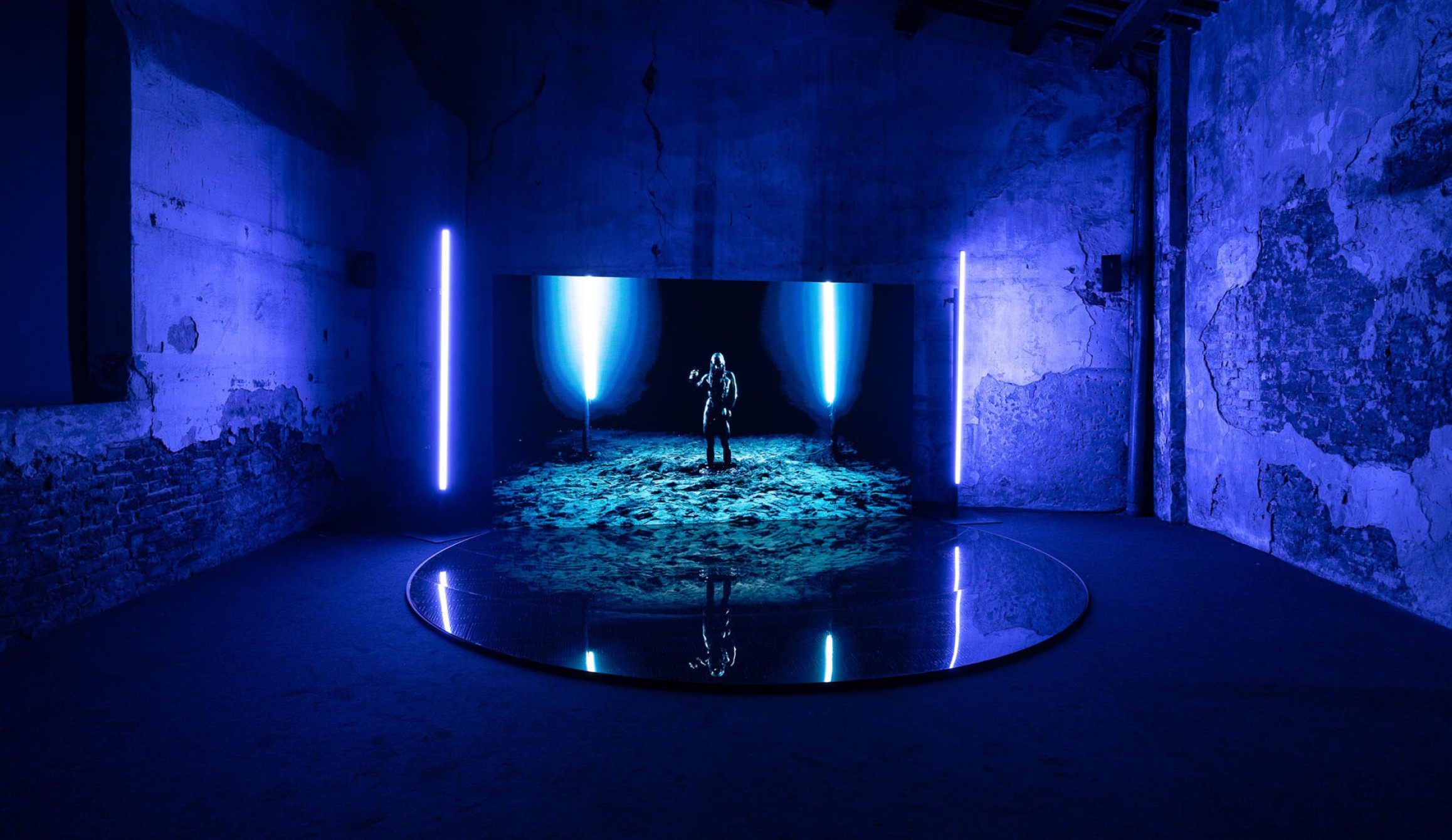
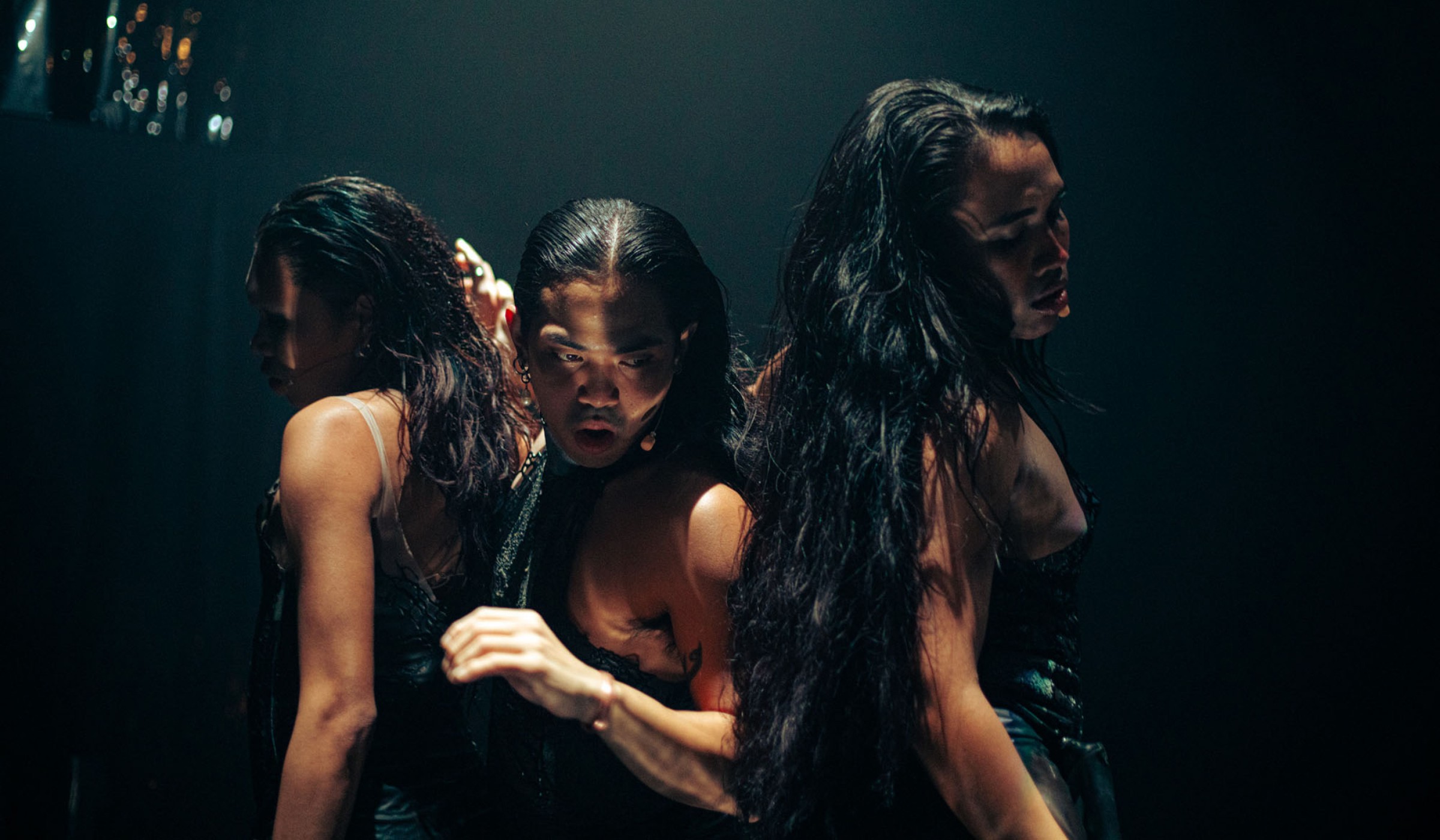
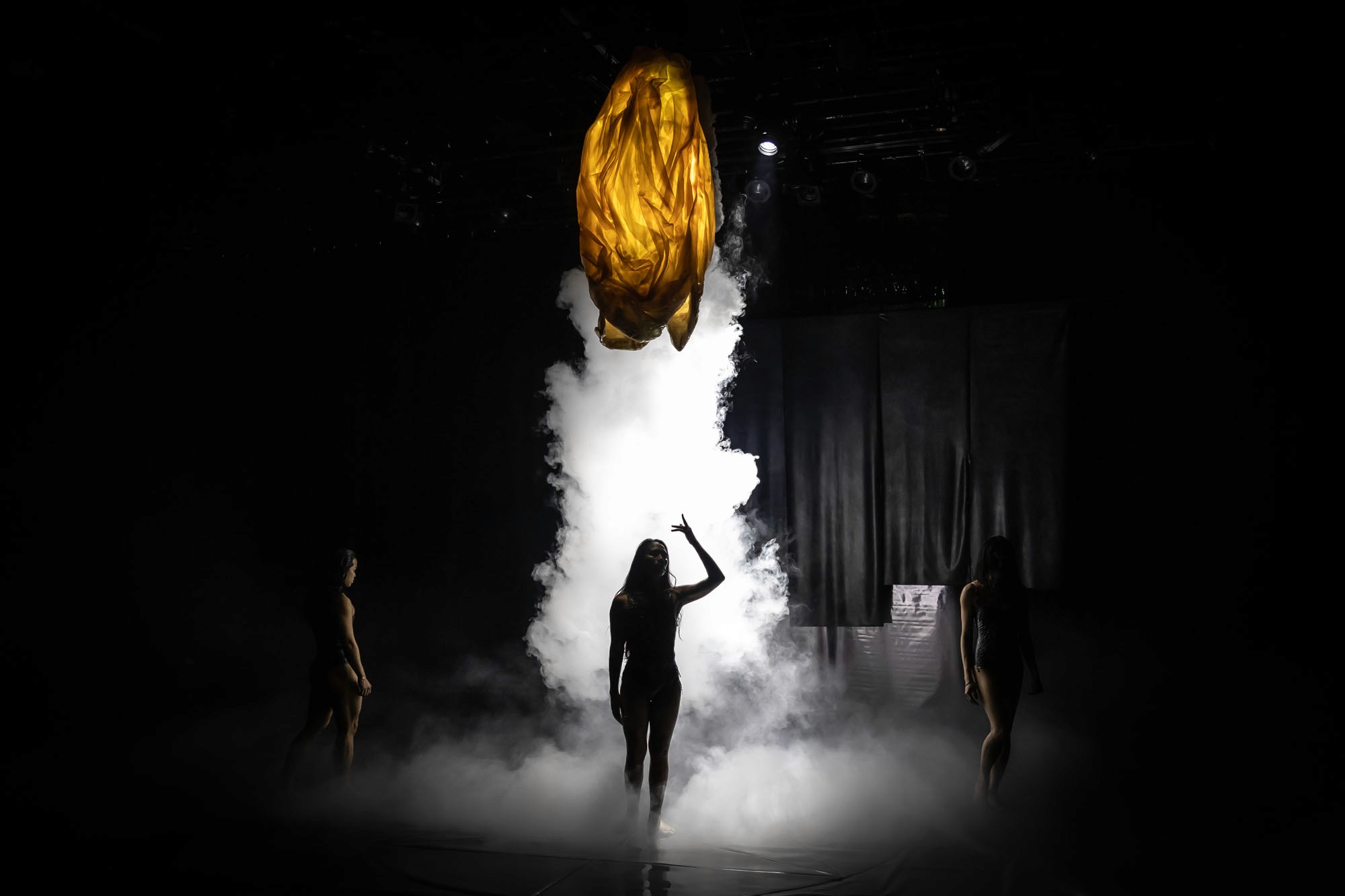
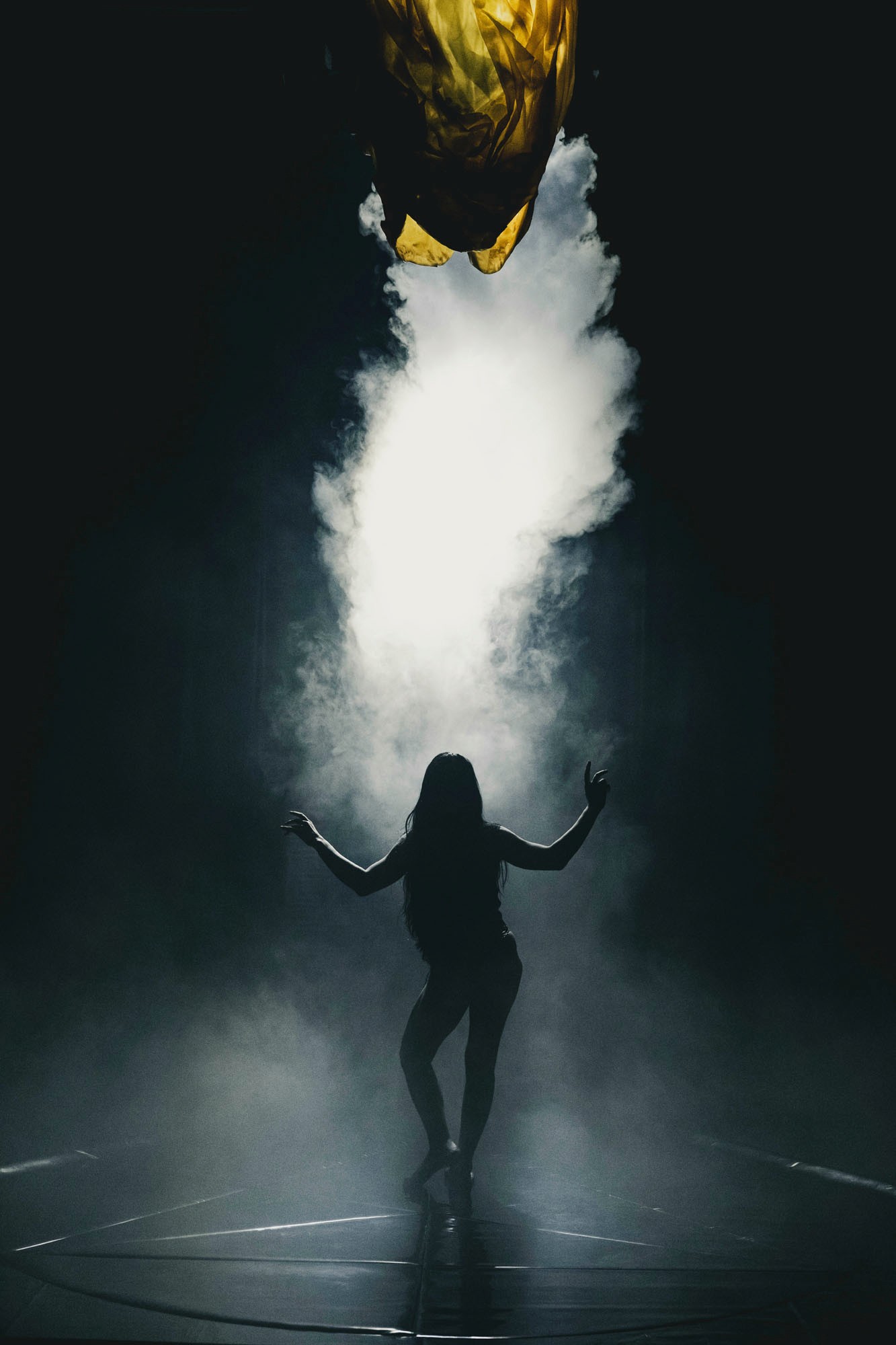
Diaspora means I’m both here and not here, there and not there. I created an entire trilogy (Cosmological Gangbang) around that tension. My body is always in a state of displacement, adapting constantly.
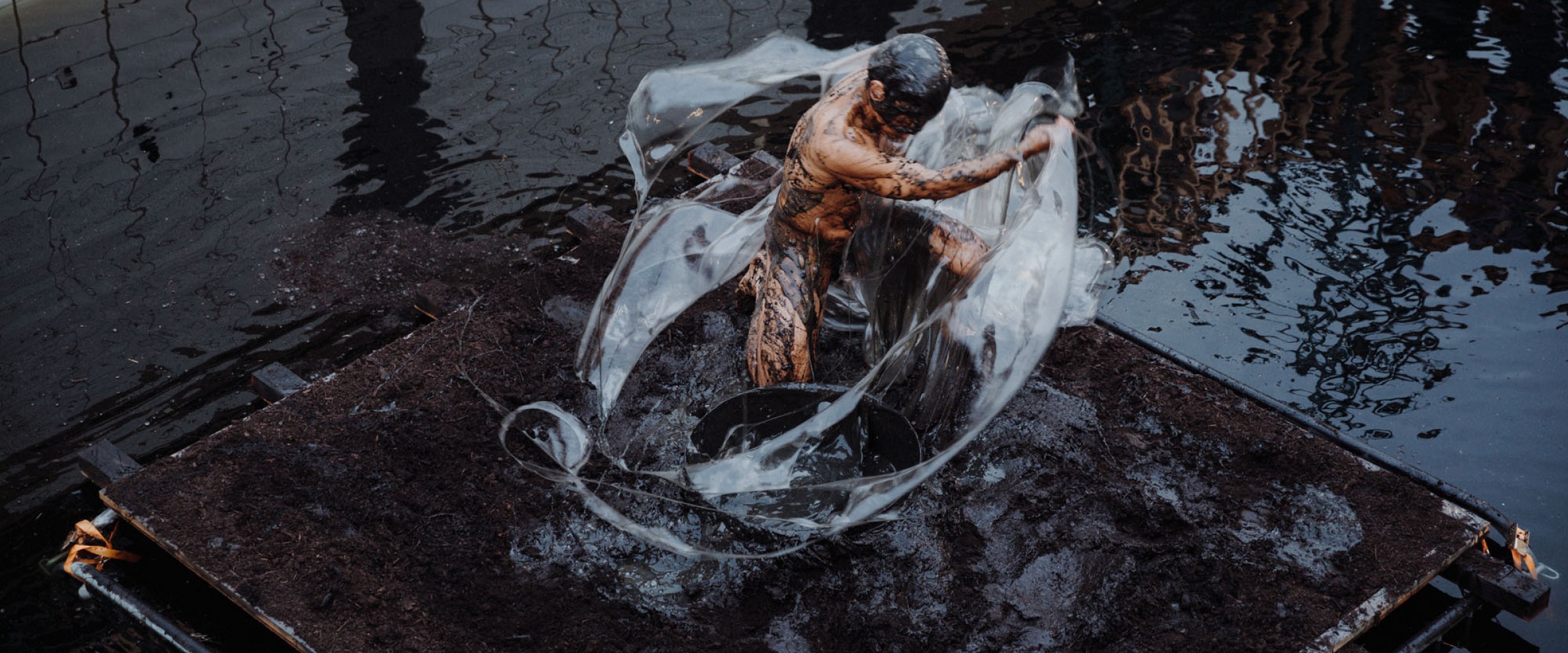
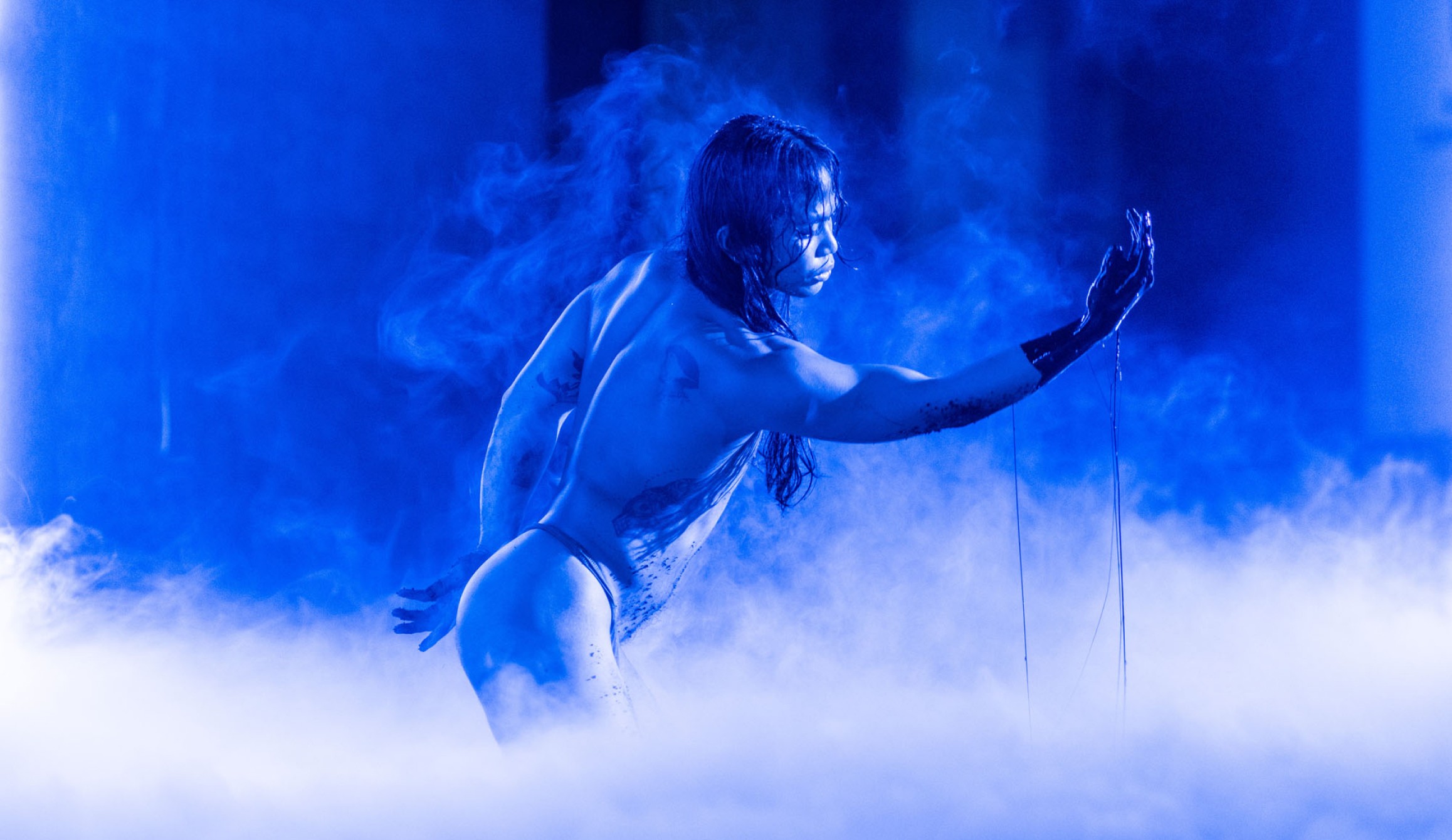
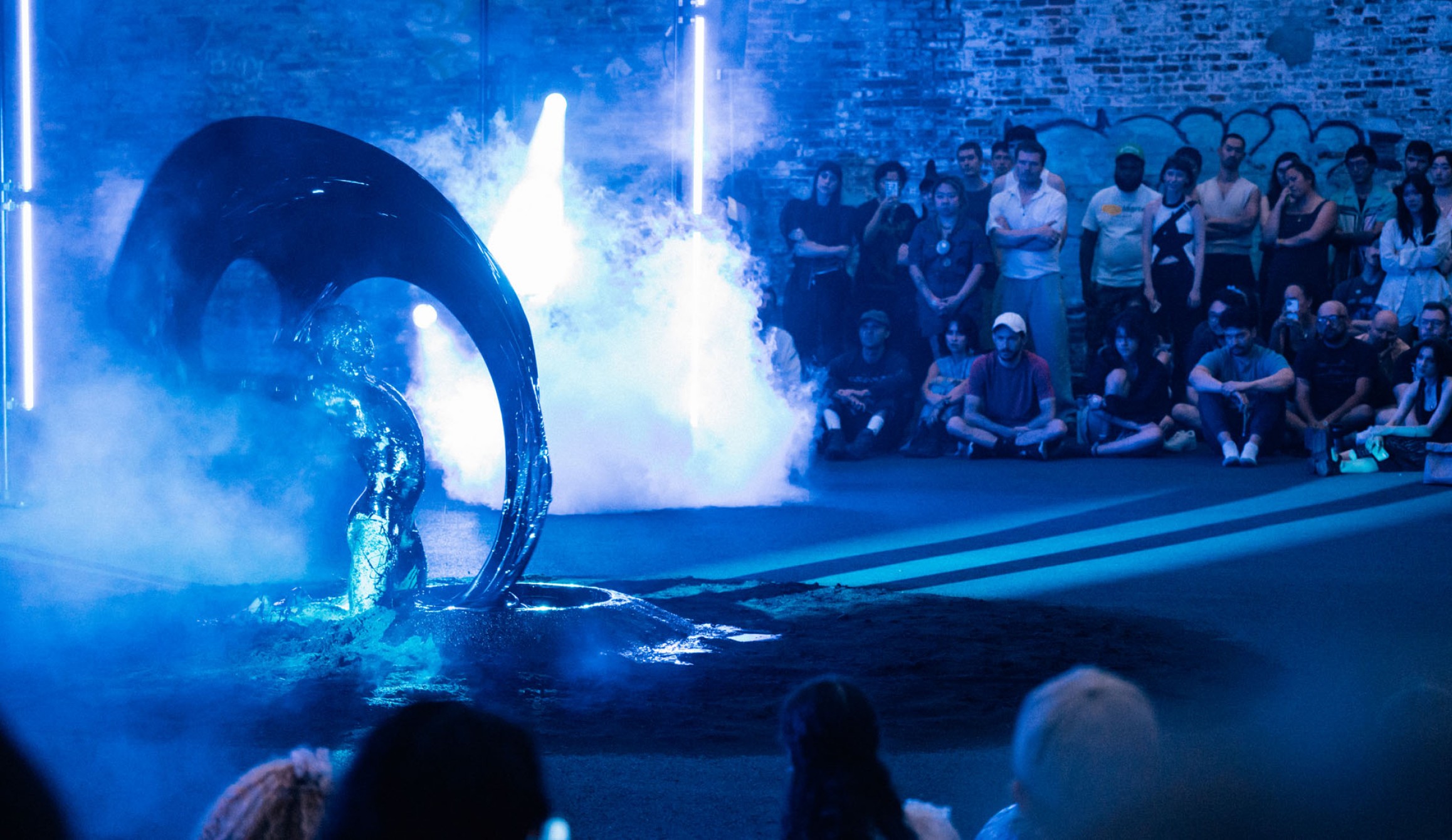
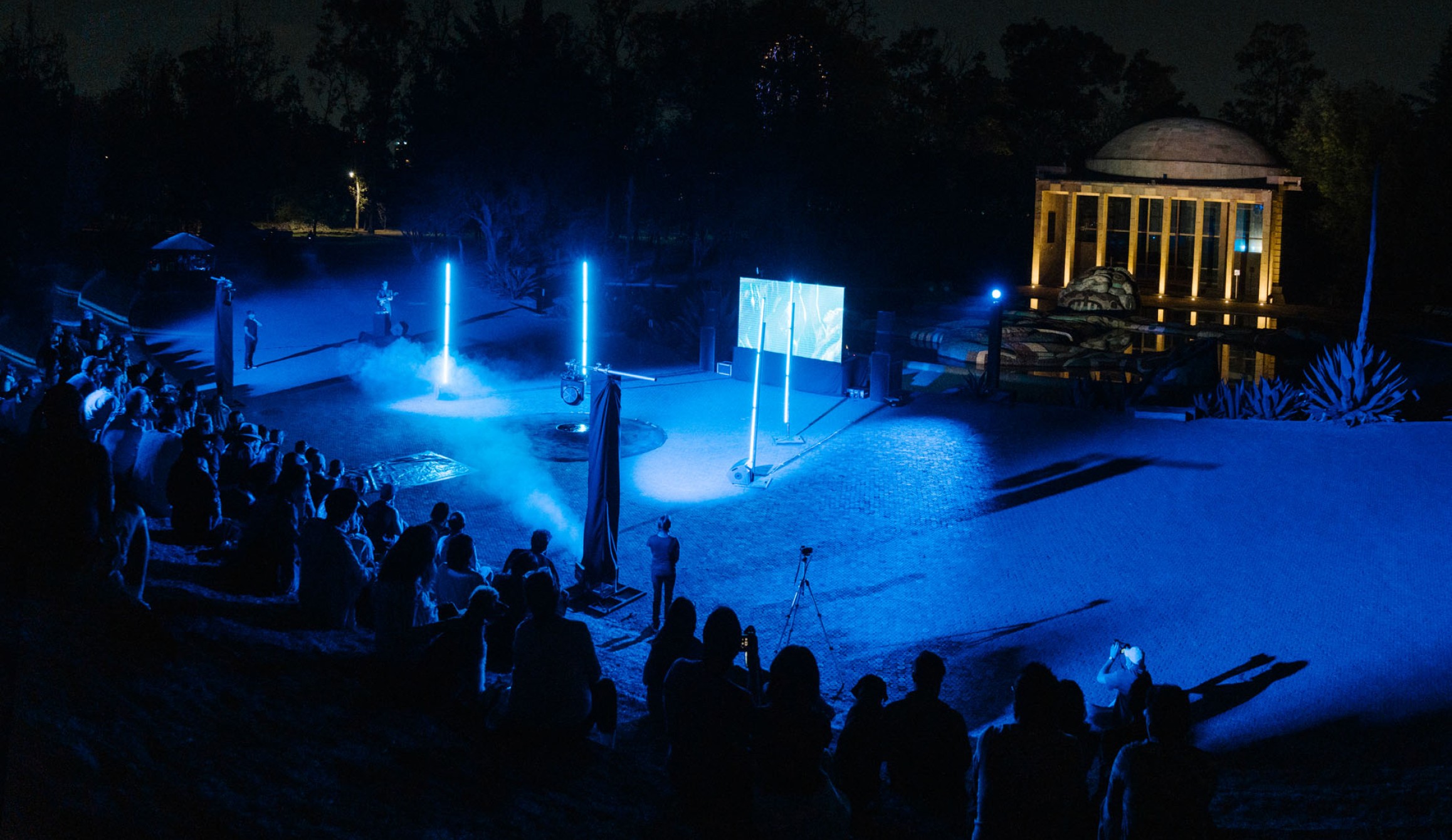
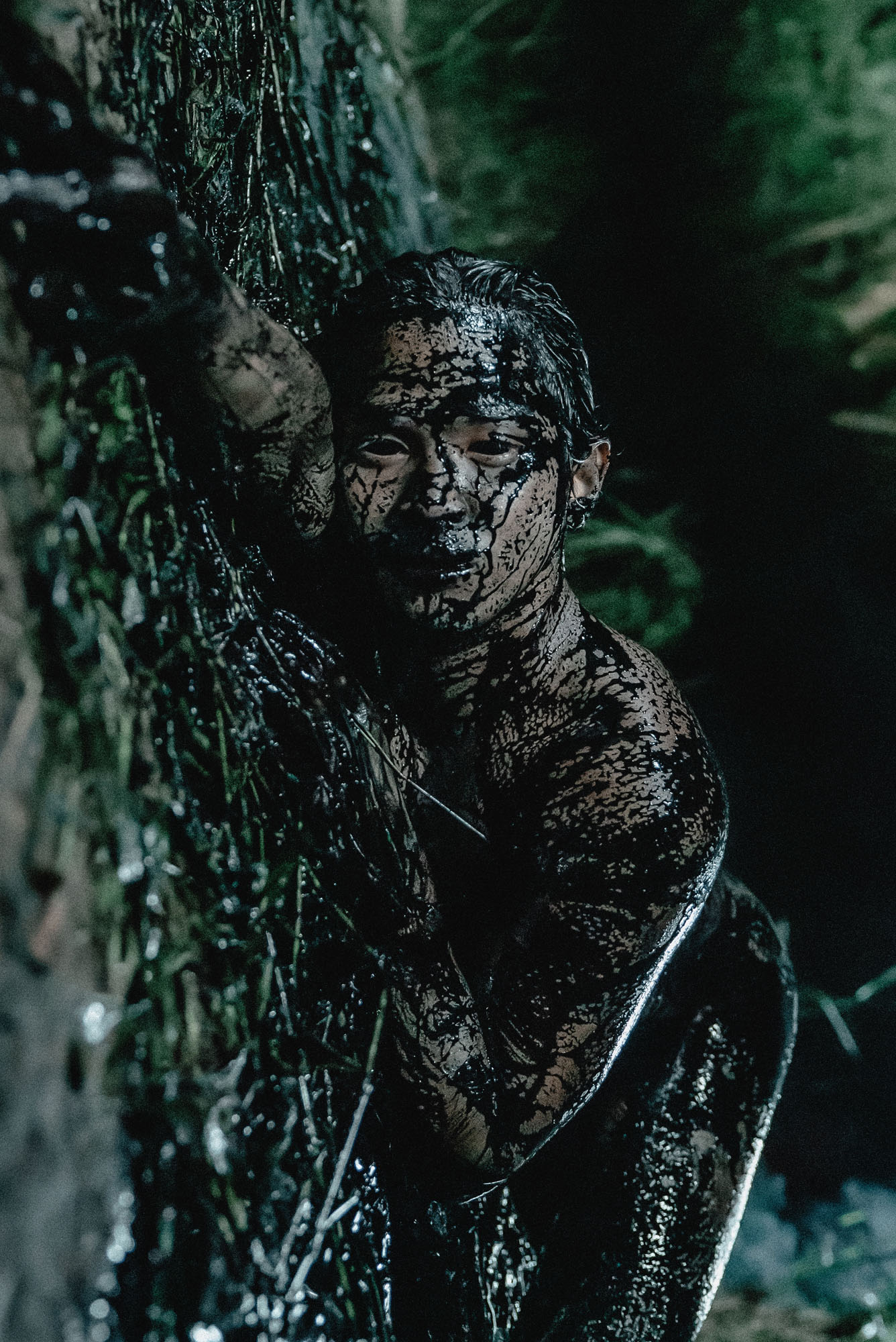
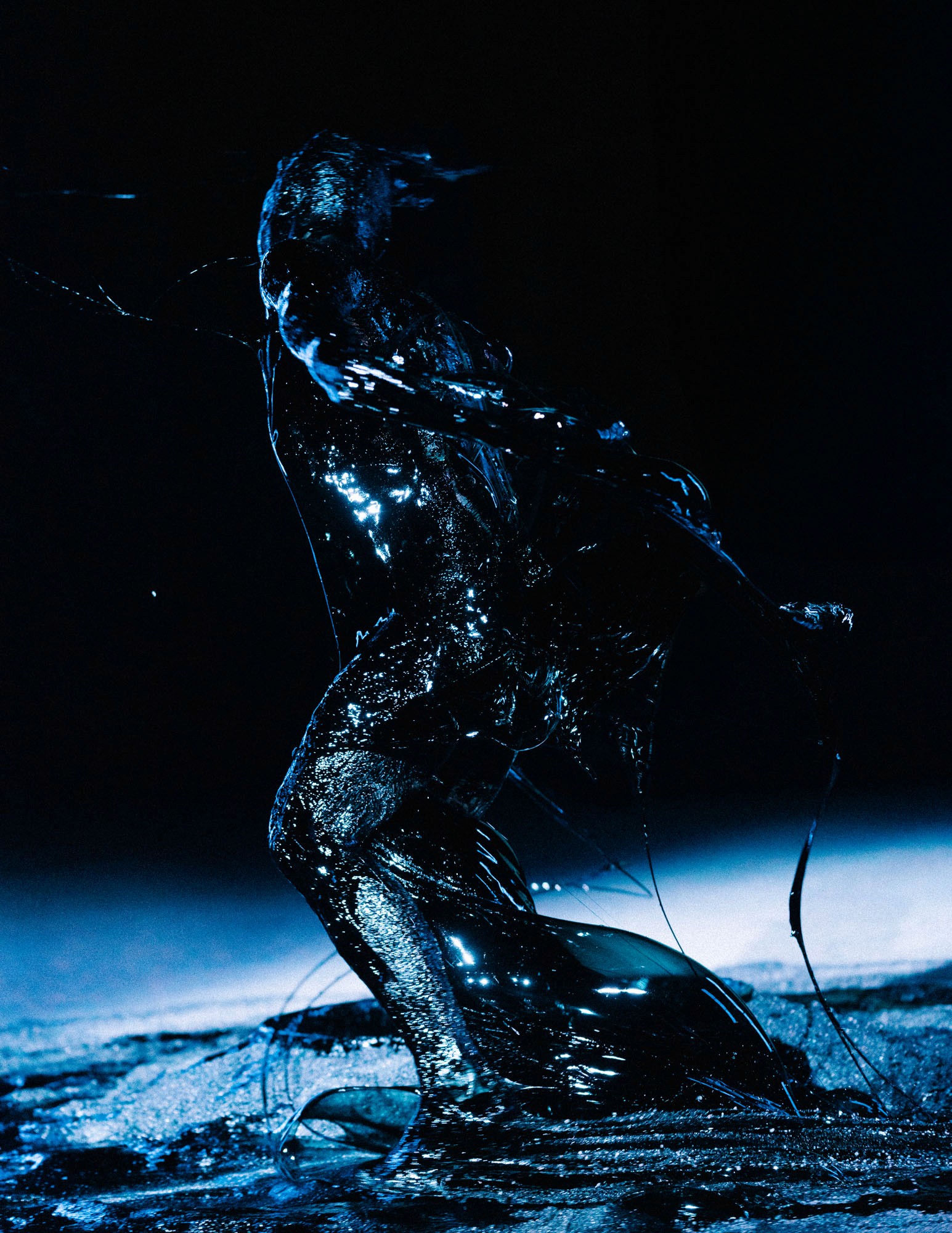
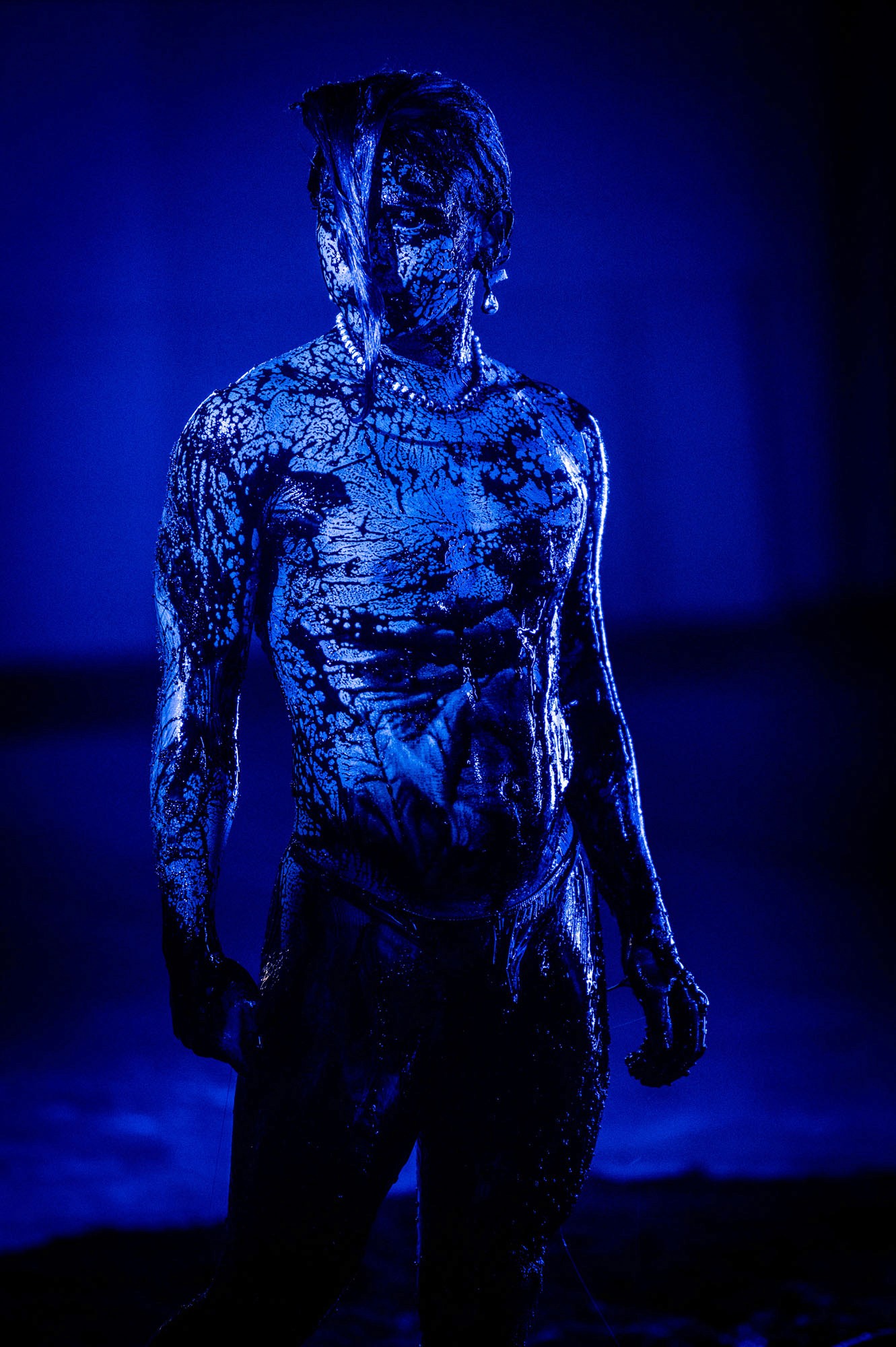
With VOID, I imagined a being that can exist beyond gender, identity, or cultural codes—a body designed to navigate many worlds. That comes from my lived experience as a migrant and queer person. The issues I engage with—colonialism, systemic violence—aren’t just Philippine problems. They’re global, and my work reflects that.
CNTRFLD. Your performances often embody fluid, otherworldly figures that exist beyond binaries. How do you define or approach the concept of identity in your work—particularly in relation to queerness, spirituality, and indigeneity?
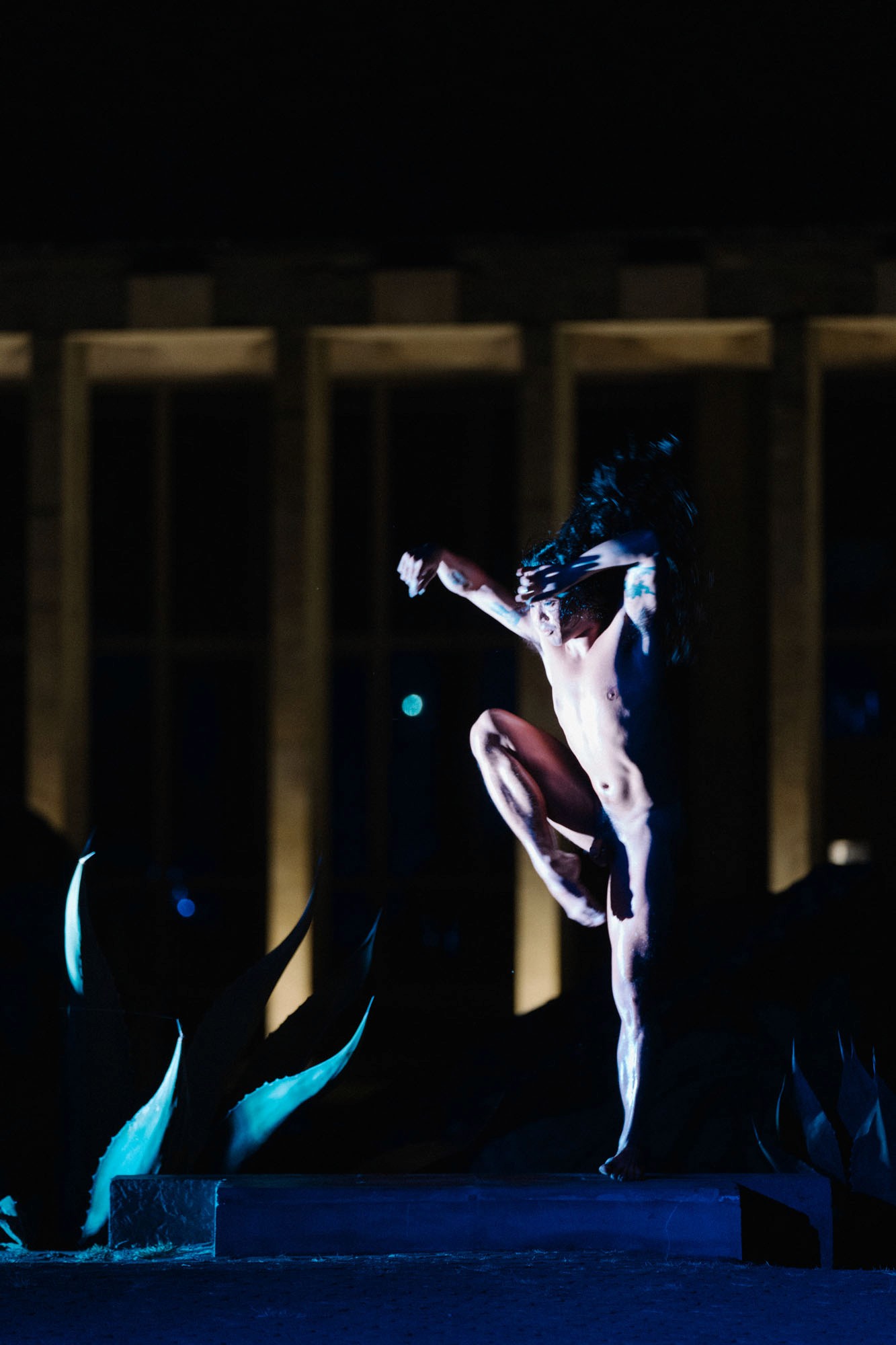
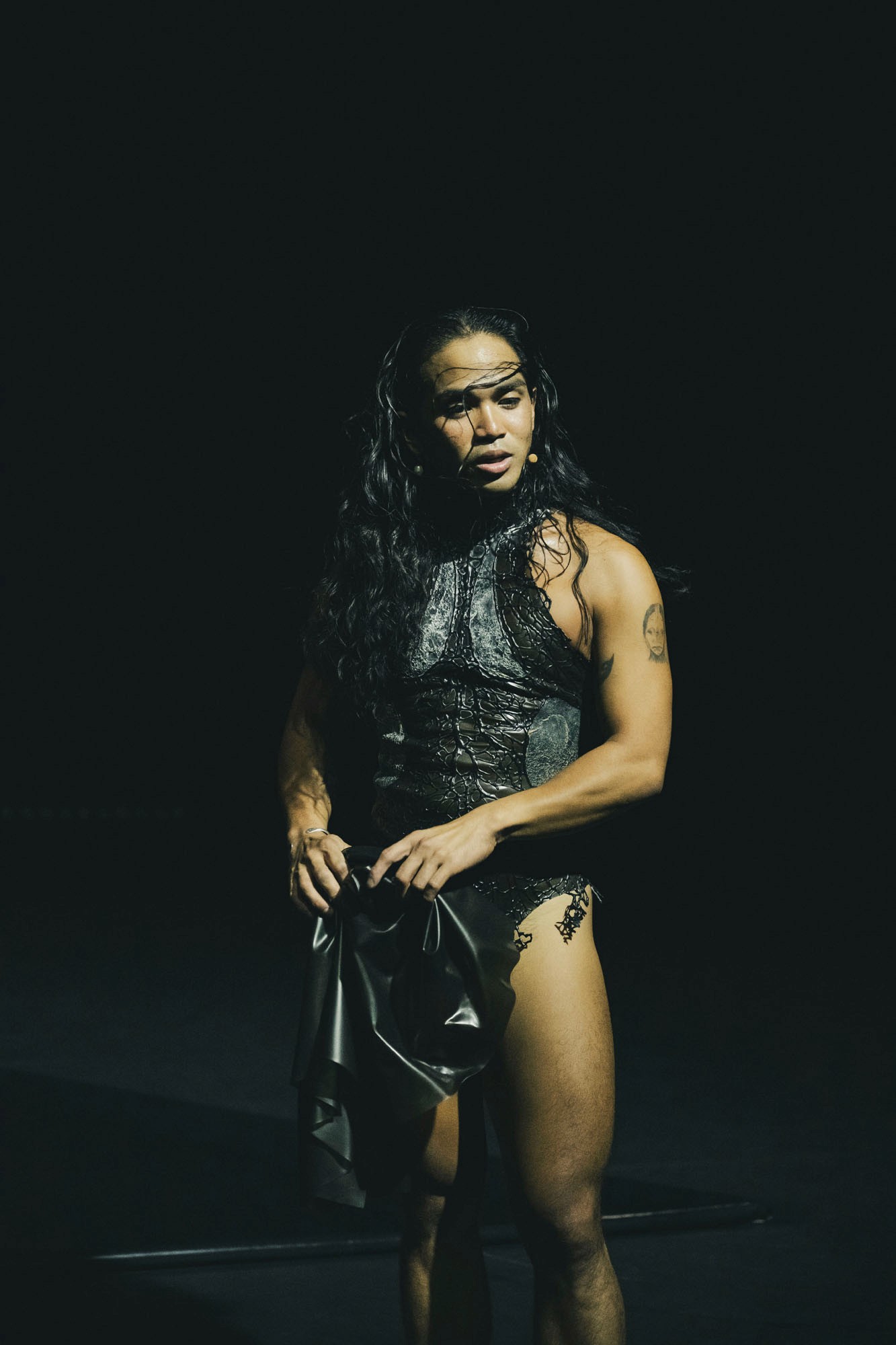
JS. I’m not interested in binary thinking. It limits how we understand bodies, identities, and even spirituality. My work tries to propose something else—a fluid state of becoming. It’s not about being one thing or another, but being many things at once, or even something undefinable.
CNTRFLD. In projects like Void and Cosmological Gangbang, you draw from pre-colonial Philippine mythologies and reimagine alternate futures. How do you navigate the tension between reclaiming the past and envisioning speculative futures in your practice?
JS. I look to the past not to repeat it, but to imagine what could’ve been if we weren’t colonised—what systems or cosmologies might have developed on our own terms.
My speculative worlds are acts of reclamation. In these works, I imagine bodies governed not by binary systems, but by spirit, queerness, and myth. These aren’t just fantasy—they’re proposals for the kind of world I want to live in.