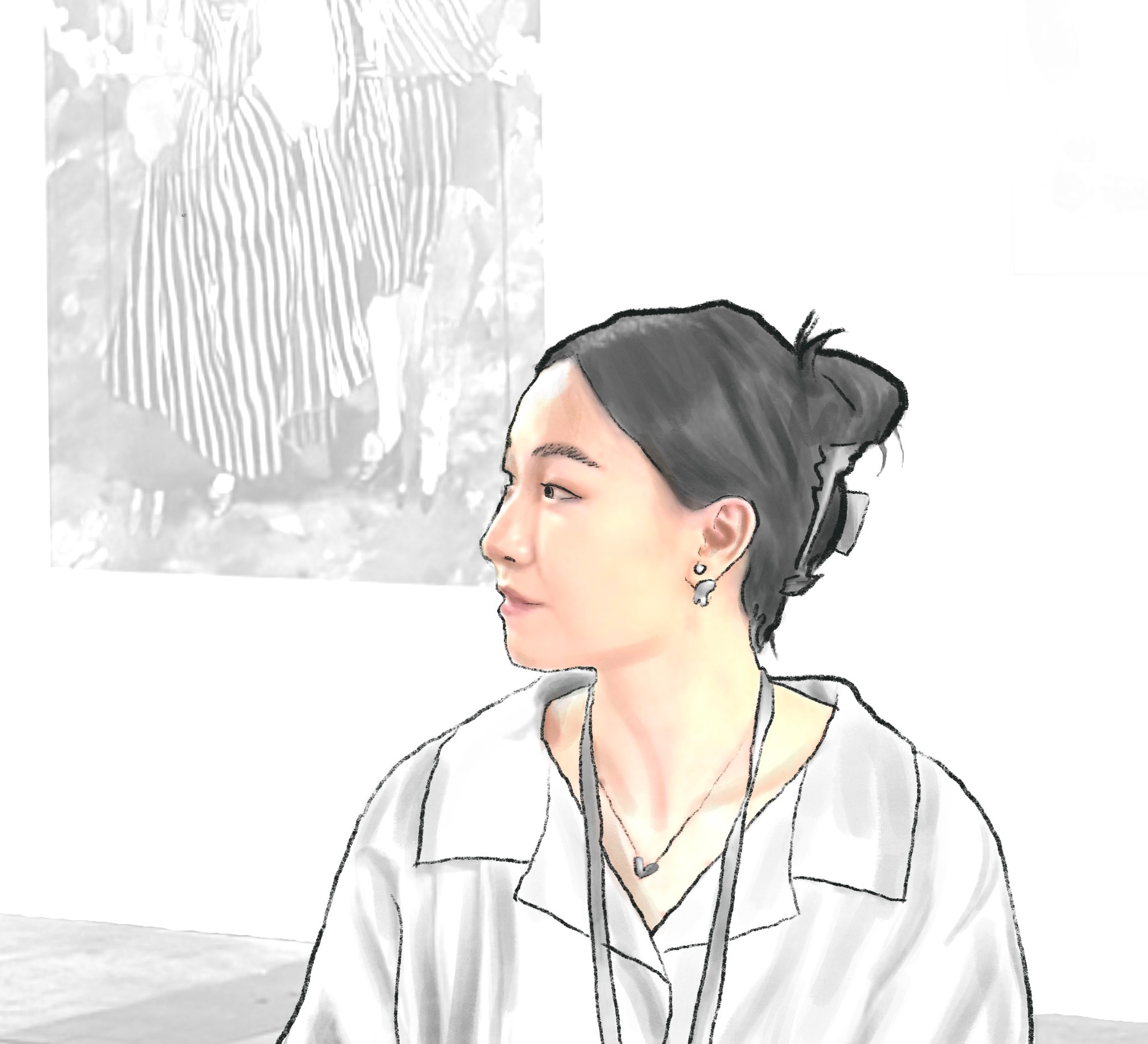
"Leadership, especially in this ‘new generation,’ is less about hierarchy and more about coordination and stewardship—making sure that each part of the ecosystem is working in dialogue with the others, and that the artist remains at the center of that structure.”
—Lucy Liu
NEW LEADERSHIP
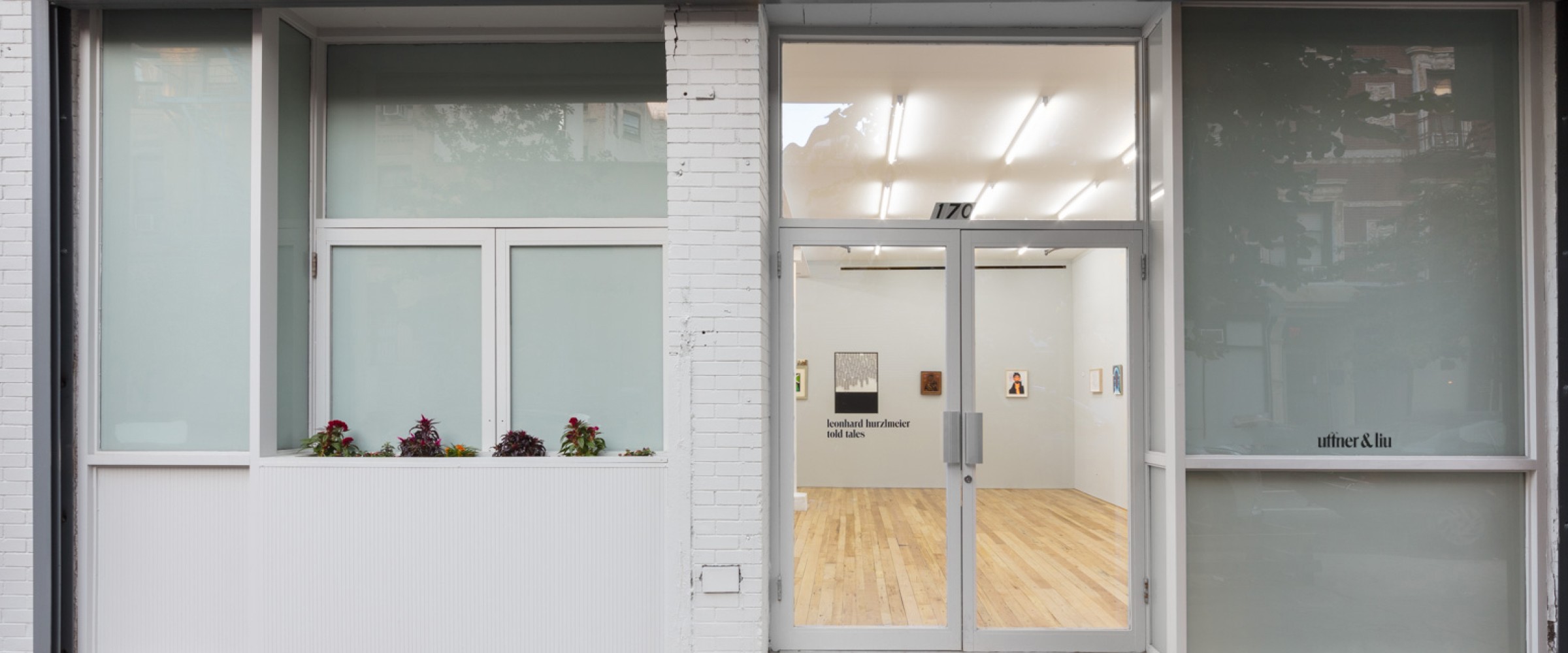
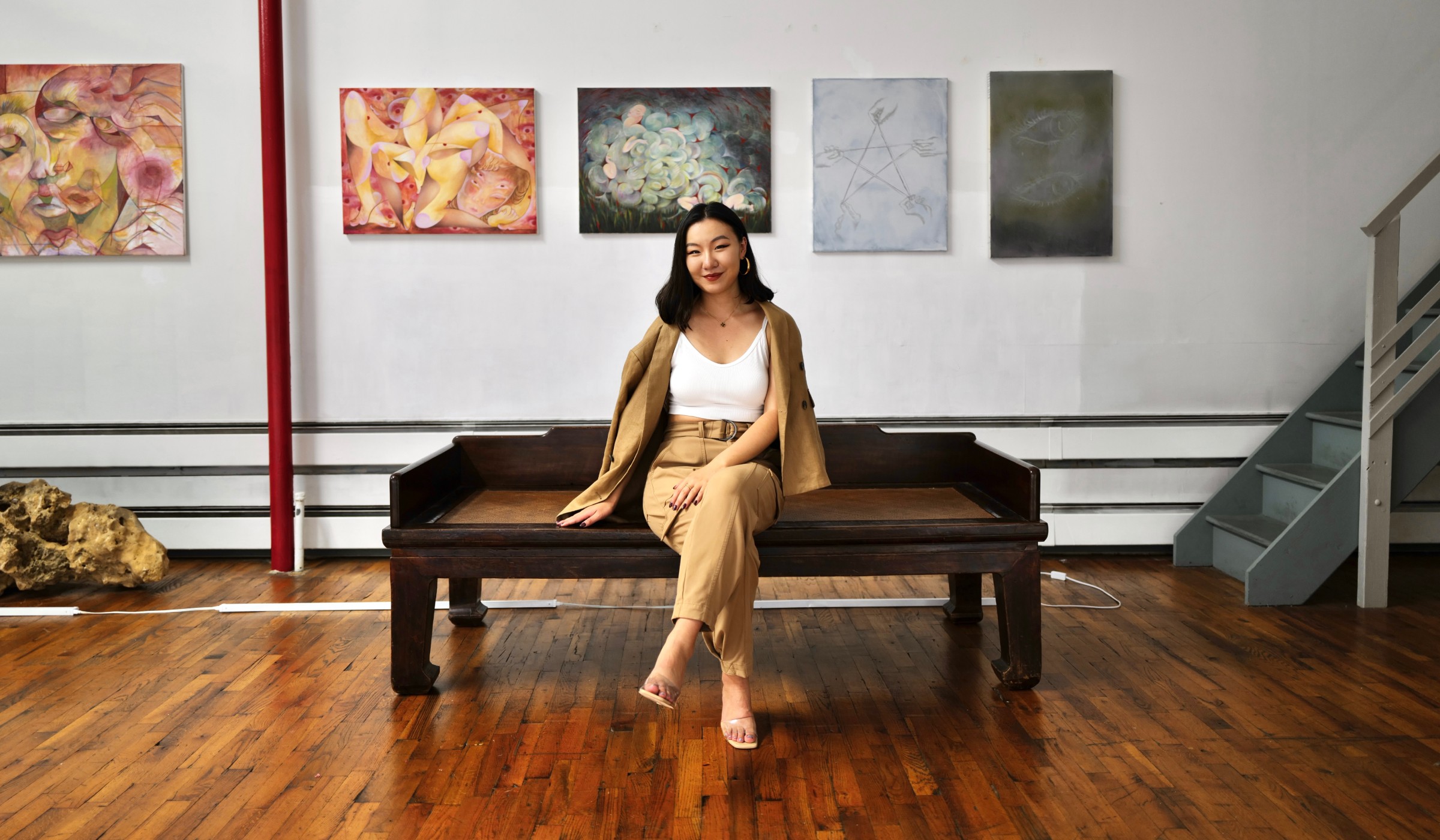
CNTRFLD. You stepped into a partnership role at Uffner & Liu at just 25—a moment that feels symbolic of a wider “new guard” in the art world. How did your journey from Yale University, alongside your experience at David Zwirner and beyond, shape your approach to leadership so early on?
LL. I think the idea of 25 being unusually young is a perception that’s quite specific to certain parts of the art world. Many gallerists began building spaces in their early twenties, and if you look across other creative industries—whether it’s music, film, dance, or even tech—that’s a point at which people are already taking on significant leadership roles.
At Yale, I received a strong foundation in art history, but just as important was the energy of my peers across a variety of disciplines—their passion, drive, and vision for what they wanted to create. My experience at David Zwirner exposed me to the operational rigor and long-term thinking behind a global gallery. And it is one of my favourite programs.
Stepping into partnership at Uffner & Liu felt less like an early arrival and more like a natural continuation of the trajectory I’ve always been on—one rooted in curiosity, discovery, and creative agency—and of course one intimately connected with the lives and careers of visual artist.
CNTRFLD. You’ve moved rapidly from sales associate to partner in under two years—something quite rare in the industry. What do you think you saw differently, or did differently, that allowed you to become a catalyst within the gallery’s evolution?
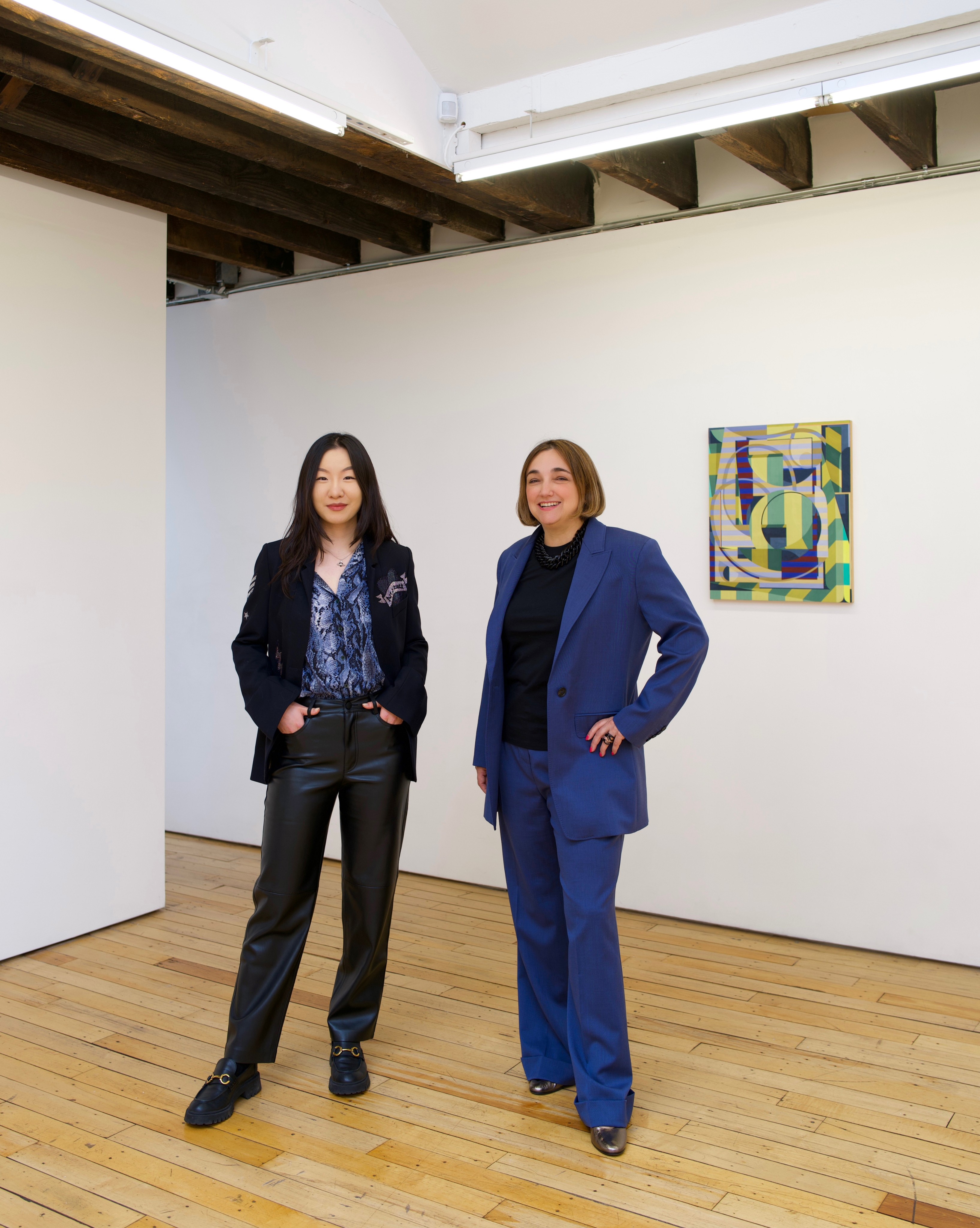
LL. It was a rare and unexpected opportunity, and not without real risk. Stepping into it required a leap of faith—on my part, but also on the part of Rachel Uffner, who not only believed in me but also generously changed the name of the gallery to reflect this partnership. I’m conscious of not wanting to frame that transition in a self-congratulatory way; it had as much to do with timing, trust, and circumstance as anything else.
That being said, if there’s anything I brought to the table, it’s an indefatigable excitement for the work. The past few years have been challenging for the art market, and I think there’s a real sense of fatigue in many parts of the industry—questions around overcommercialization and whether the work of being a gallerist still holds meaning in the way it once did.
I believe that the work we do is vital: building contexts for artists, sustaining practices over time, and creating relationships that allow the work to live and more importantly, evolve. There might be some naivety involved, but it’s also what allows me to eat, sleep, and breathe this work with an unassailable sense of purpose.
CNTRFLD. You’ve taken on roles across operations, artist development, and curatorial programming. How do you define leadership today in a gallery context—and what needed to shift for a new generation to step into that space?
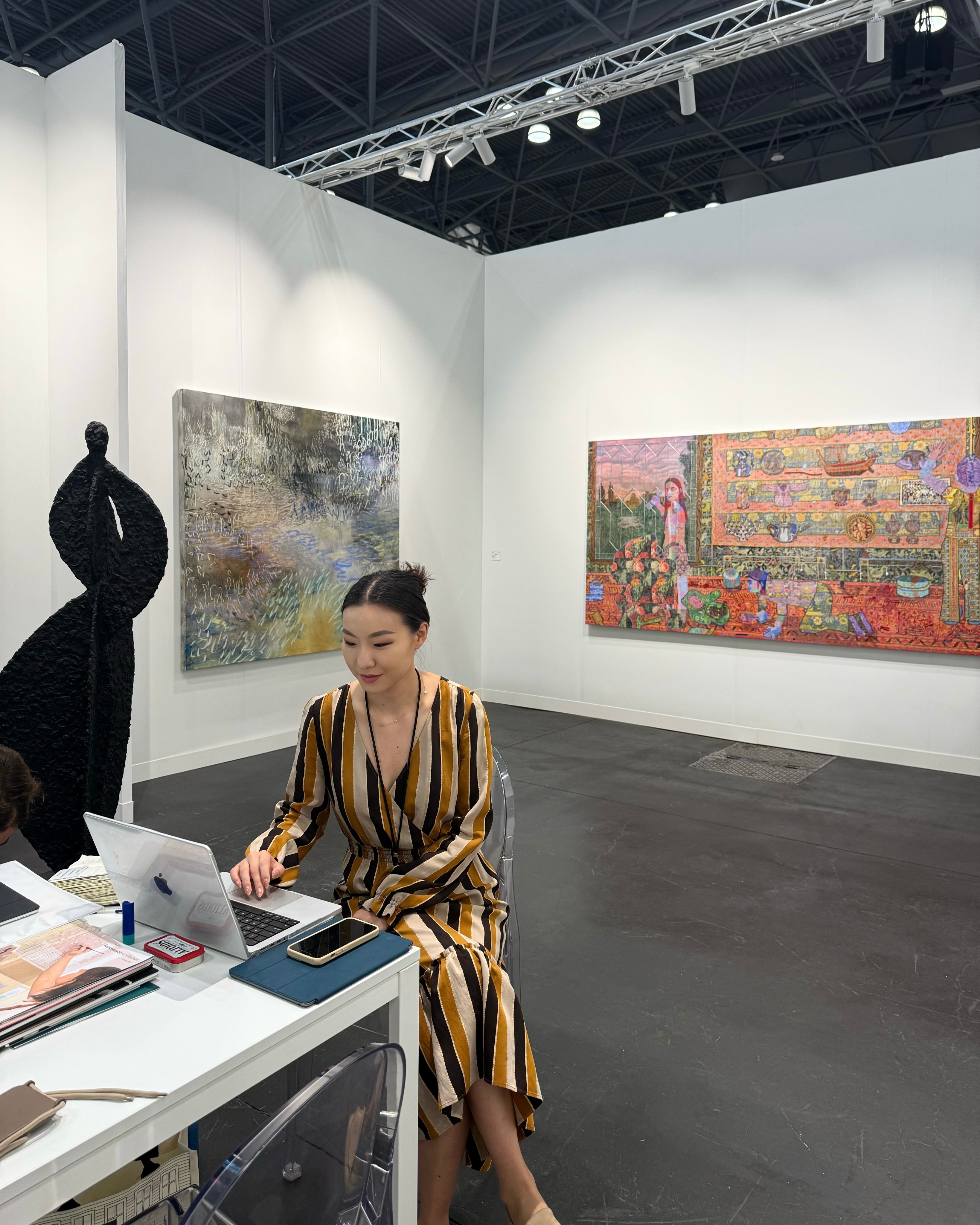
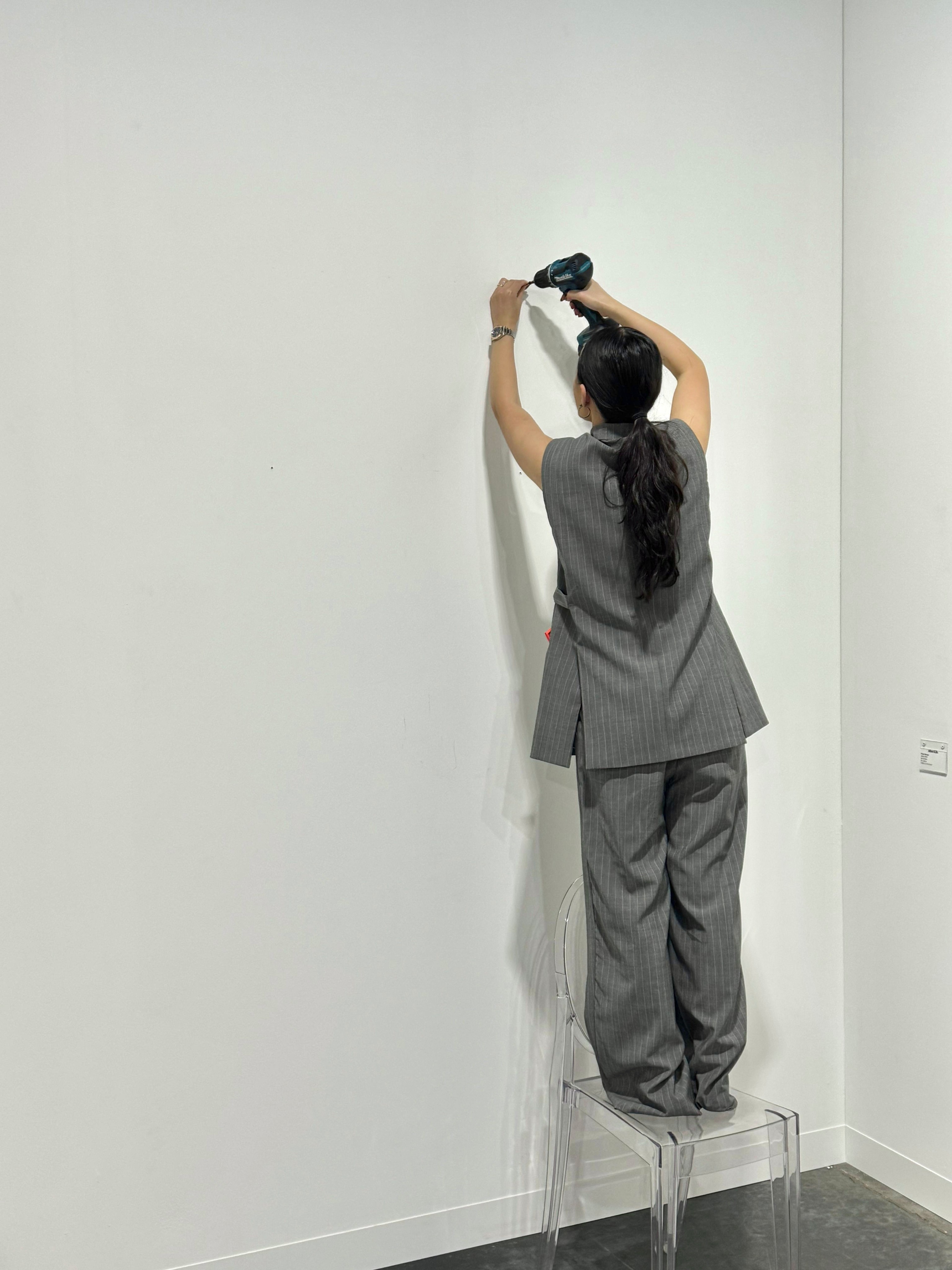
LL. Wearing multiple (or all) hats is par for the course in a small gallery context. Working across programming, exhibition design, artist management, shipping, operations, art fairs, etc; is just part of what it takes to keep a gallery running.
Leadership, to me, is about bringing those different functions into alignment in service of a singular goal. The same is true beyond the gallery as well—collectors, curators, writers—we’re all working toward the same end, which is to support artists, elevate their work, and help articulate their stories in a meaningful way.
Leadership, especially in this “new generation” is less about hierarchy and more about coordination and stewardship—making sure that each part of the ecosystem is working in dialogue with the others, and that the artist remains at the center of that structure.
GLOBAL BRIDGE
CNTRFLD. Born in China, raised in Canada, and now based in New York, you bring a distinctly diasporic perspective to your work. How has that shaped your instinct for building bridges between local scenes—particularly the Lower East Side—and broader international contexts, from Asia to platforms like Art Basel Hong Kong? And within that, how do you balance staying rooted in a specific community while cultivating a genuinely global programme and collector base?
LL. I’m a fairly classic Third Culture Kid—which is just someone raised in multiple cultures. This makes most of us pretty comfortable across very different environments, which is a helpful state of being in an industry that’s simultaneously super global and intimately interconnected.
One week you’re hosting a gallery dinner in Marylebone during Frieze London, the next you’re in Hong Kong during Basel week watching Hwasa perform at M+. In between, you’re back in New York doing studio visits in Bushwick. And then in August, to be humbled as many of us in the art world need to be on an annual basis, you go home to Ningbo and explain the concept of an art fair to your grandma using the apt analogy of haggling prices at a vegetable market.
That kind of fluidity—being able to move between different registers, different audiences, different value systems—is, in many ways, what art does as well. At its best, it’s a universal language that distils complex human histories and experiences down to something essential and shared, while still holding onto specificity.
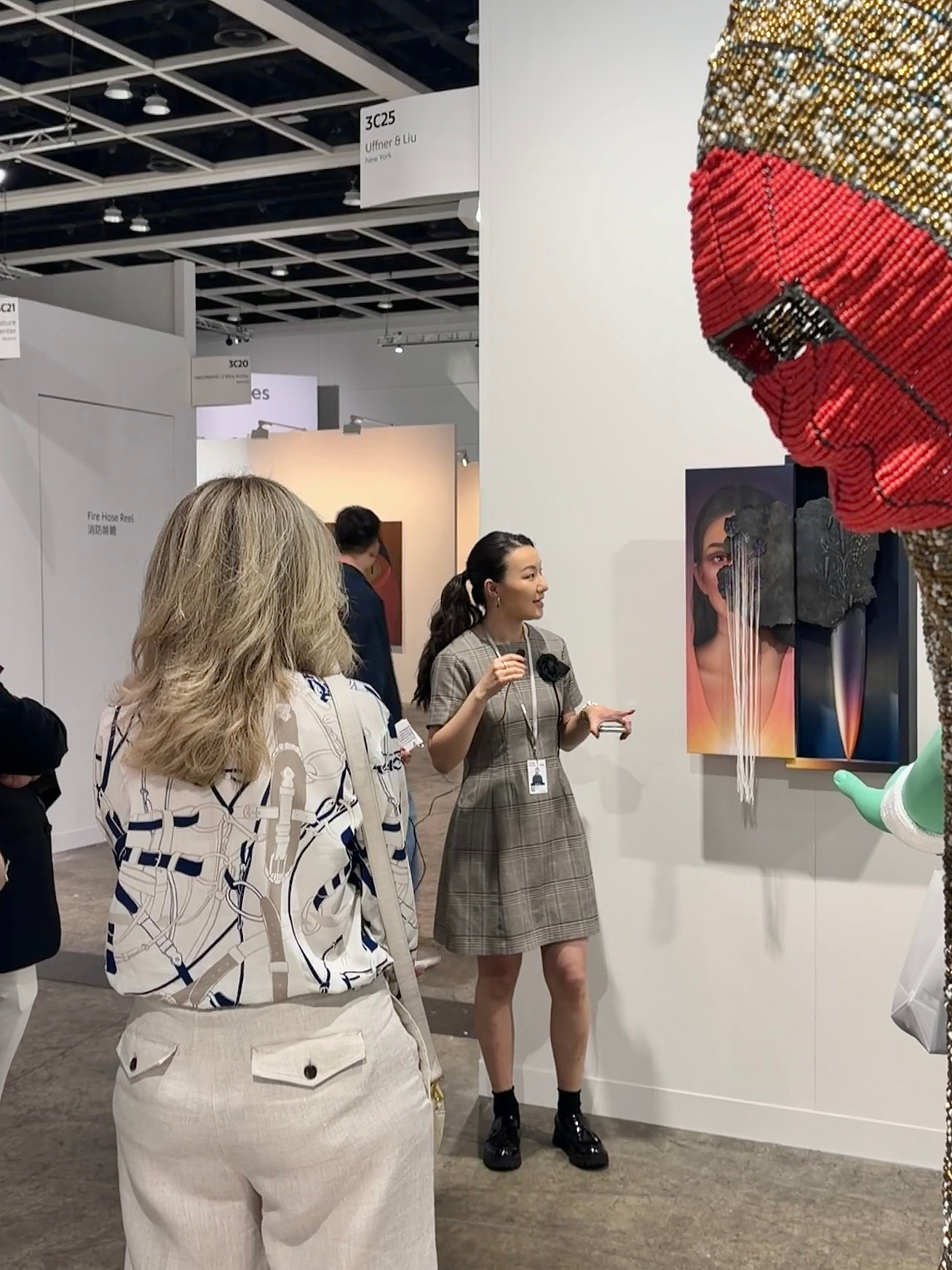
That’s part of the reason why it’s been so exciting to introduce our program, which is pretty American, to Asia. This year we participated in Art Basel Hong Kong for the first time, and last October, our artist Talia Levitt opened an exhibition at K11 art museum in Shanghai. We’re in a position to build meaningful dialogue between the US and Asia, not just as a form of expansion, but as a way of creating new readings for the work.
I’m still bullish on Asia. The more speculative energy that defined parts of the market before has cooled, and what remains is a deeper, more curious form of engagement. That kind of attention—thoughtful, sustained—is what we’re hoping to continue to build in the region.