“Today, I believe the curator’s role is to create unexpected and serendipitous encounters… By activating public spaces, we can promote exchange and dialogue, creating a sphere where people can coexist, acknowledge their differences, and leave with a sense of renewed inspiration.”—Jamie Chung
CNTRFLD. Looking back at your childhood and early life in Taiwan, were there particular environments, experiences, or ways of observing the world that shaped your path toward arts management, curating, and facilitation?
JC. Born and raised in Taipei, I grew up in a household deeply rooted in the performing arts and news media. This environment naturally shaped my perception of art. For me, it is never merely about the final, polished performance or exhibition. Instead, I have always been captivated by the work that happens behind the scenes—the intricate orchestration and logistics that occur long before a project is ever unveiled. This encompasses everything from strategic long-term planning and meticulous scheduling to the specific nuances of language used to engage the public.
With the Lunar New Year celebrations only just behind us, I am reminded of a proverb often heard at our family gatherings: ‘One minute on stage takes ten years of work off stage’ (台上一分鐘,台下十年功). While this usually refers to a performer’s gruelling years of practice, my perspective—having been raised by those working backstage—is slightly different. Growing up around the Cloud Gate Dance Theatre and GuoGuang Opera Company, I saw firsthand the professional rigour required for world-class productions. It was only when I moved into curation myself that I truly grasped the gravity of those ‘ten years’. I came to realise they represent a vast system of collective effort: from strategic formulation and personnel logistics to costume management and international communication. I witnessed how every small, invisible decision dictates the quality of a show and the reputation it builds.
This was also the case at our family dining table, which was perpetually blanketed in newspaper galley proofs. I grew up with the scent of printing ink and red markers, and the logic of traditional printing became second nature to me—the journey from manuscript and layout to proofreading, platemaking, and the final press run. It was a process of conjuring something from nothing, identifying errors, and refining the work until perfection was reached. Unlike today’s instantaneous digital media, the print industry demanded absolute precision within unforgiving daily deadlines. This sense of accountability is now part of my professional DNA. I have come to realise that I do not seek the spotlight as a creator or a high-profile curator. Rather, I find my purpose as a ‘facilitator’—a pivotal force behind the scenes. I am driven to integrate resources and ensure the birth of great work, whether that be an exhibition, a performance, or a cross-cultural exchange. I am less interested in being the ‘author’ and more invested in being the one who ensures a vision is realised with integrity and grace.
CNTRFLD. Your route into curating came through arts administration and museum studies. How did these early experiences influence your understanding of what a curator’s role can be today, particularly in relation to audiences and public space?
JC. During my Master’s in London (Enterprise and Management for the Creative Arts), one of my mentors, Alix Slater, profoundly influenced my understanding of audience motivation. At the time, she was conducting research on membership engagement at Tate, which introduced me to the concepts of the third place and the sanctuary. I began to realise that a museum’s role extends far beyond the traditional display of objects and transmission of knowledge; it has the potential to become a site that responds to the psychological needs of a contemporary audience. It is a space where one can wander at will, linger without purpose, and simply let the time pass—a sanctuary for city dwellers to escape pressure, find quietude, and undergo self-repair. This audience-centric view has remained the bedrock of my practice ever since.
Upon returning to Taiwan, I began my career in commercial galleries as an administrative and PR assistant, where my work was centred on managing audience and media relations. At that time, spaces dedicated to emerging artists were scarce, and visiting galleries had not yet become a common public habit. In 2011, encouraged by colleagues in the industry, we co-founded Café Showroom in the Minsheng Community in Taipei. This venture served as the practical application of my Master’s research: a sustainable model where revenue from food and beverages supported the promotion of art. By merging an independent gallery with a café, we aimed to create a relaxed environment for engaging with art and introduced the works of numerous young artists from both Taiwan and abroad. We curated between six and eight exhibitions annually—many of these artists have since established successful careers—and eventually expanded to new locations. Throughout this decade, I handled the behind-the-scenes operations: managing exhibition logistics, communicating with artists, writing and executing grant proposals, and overseeing daily café management. I believe these years of grassroots experience built my resilience and practical capabilities as a facilitator.
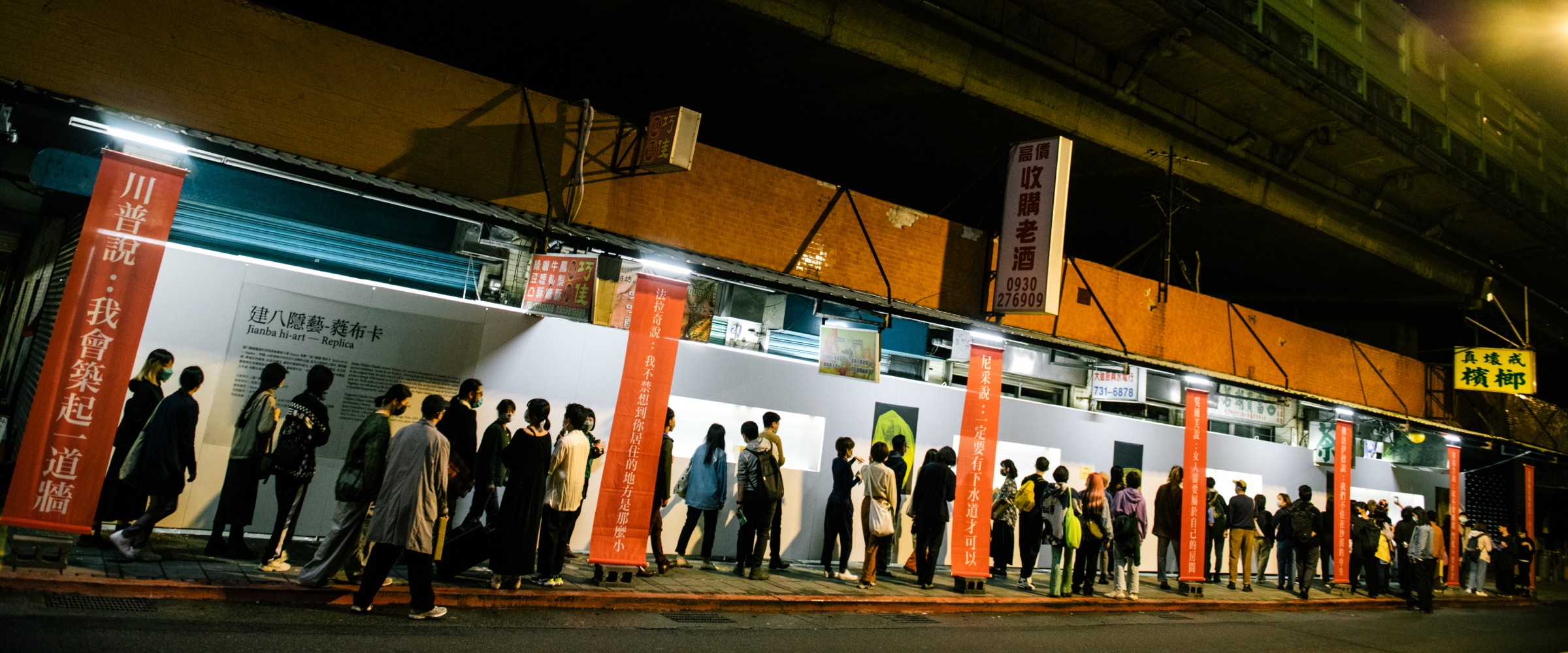
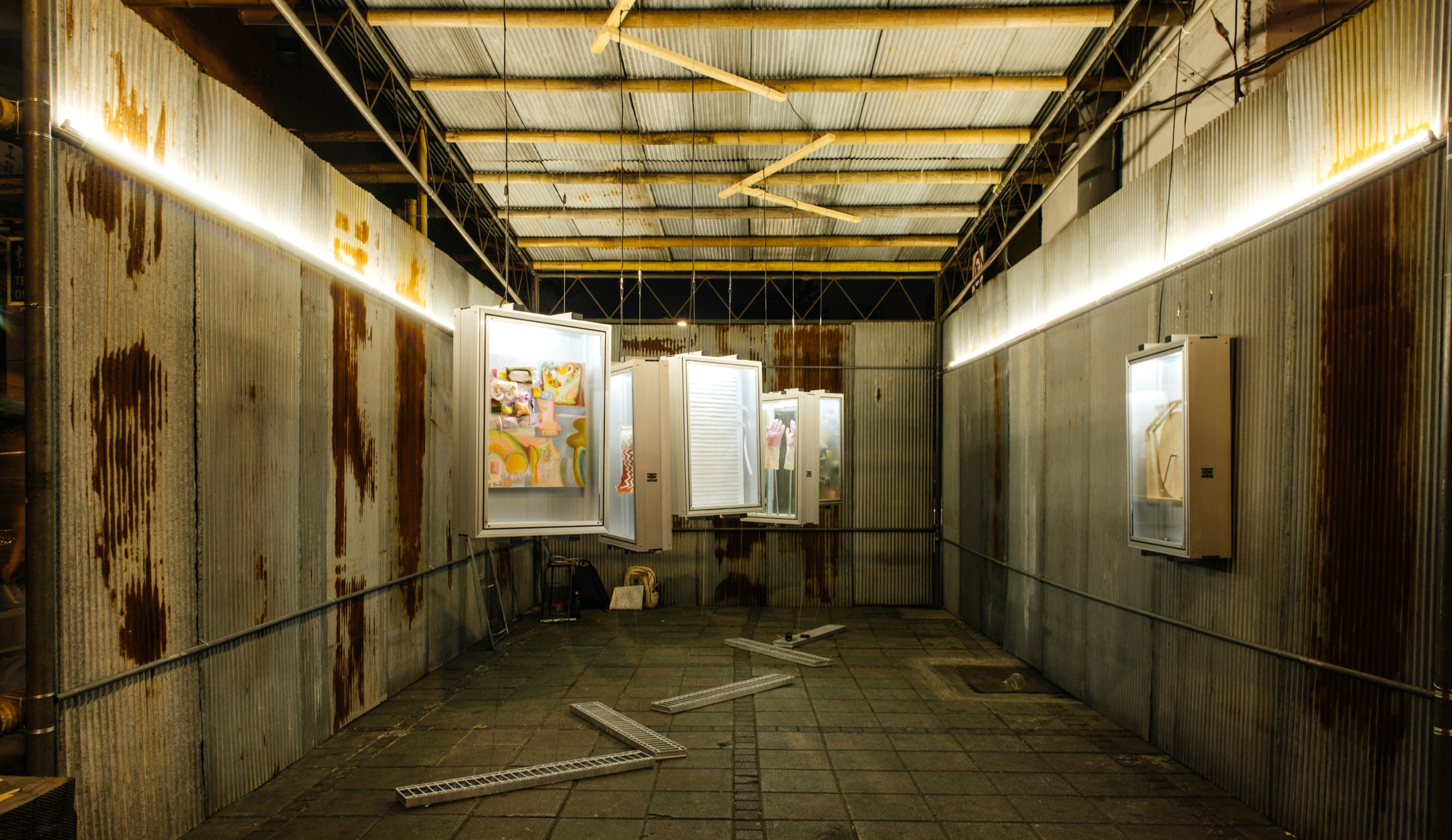
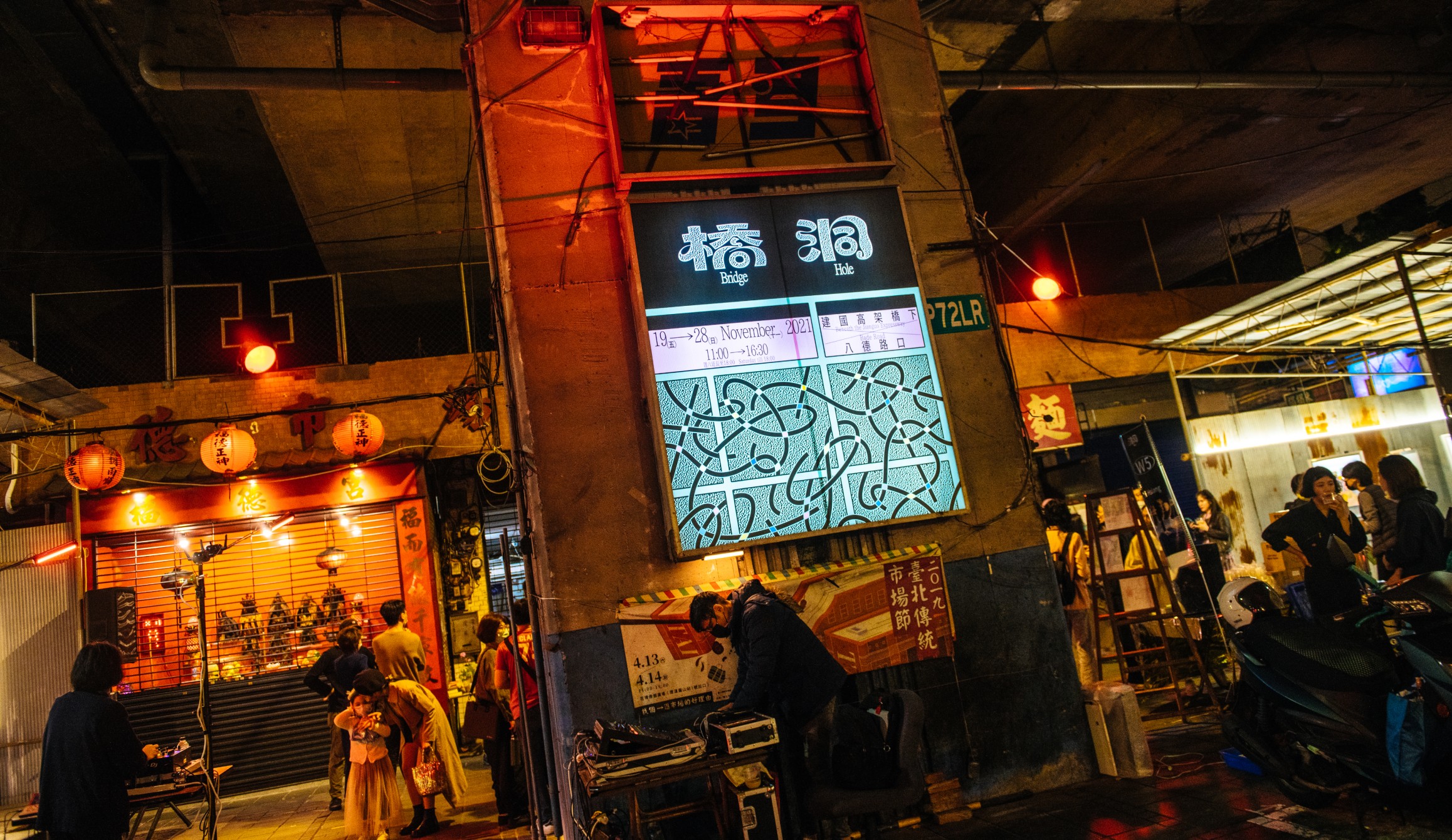
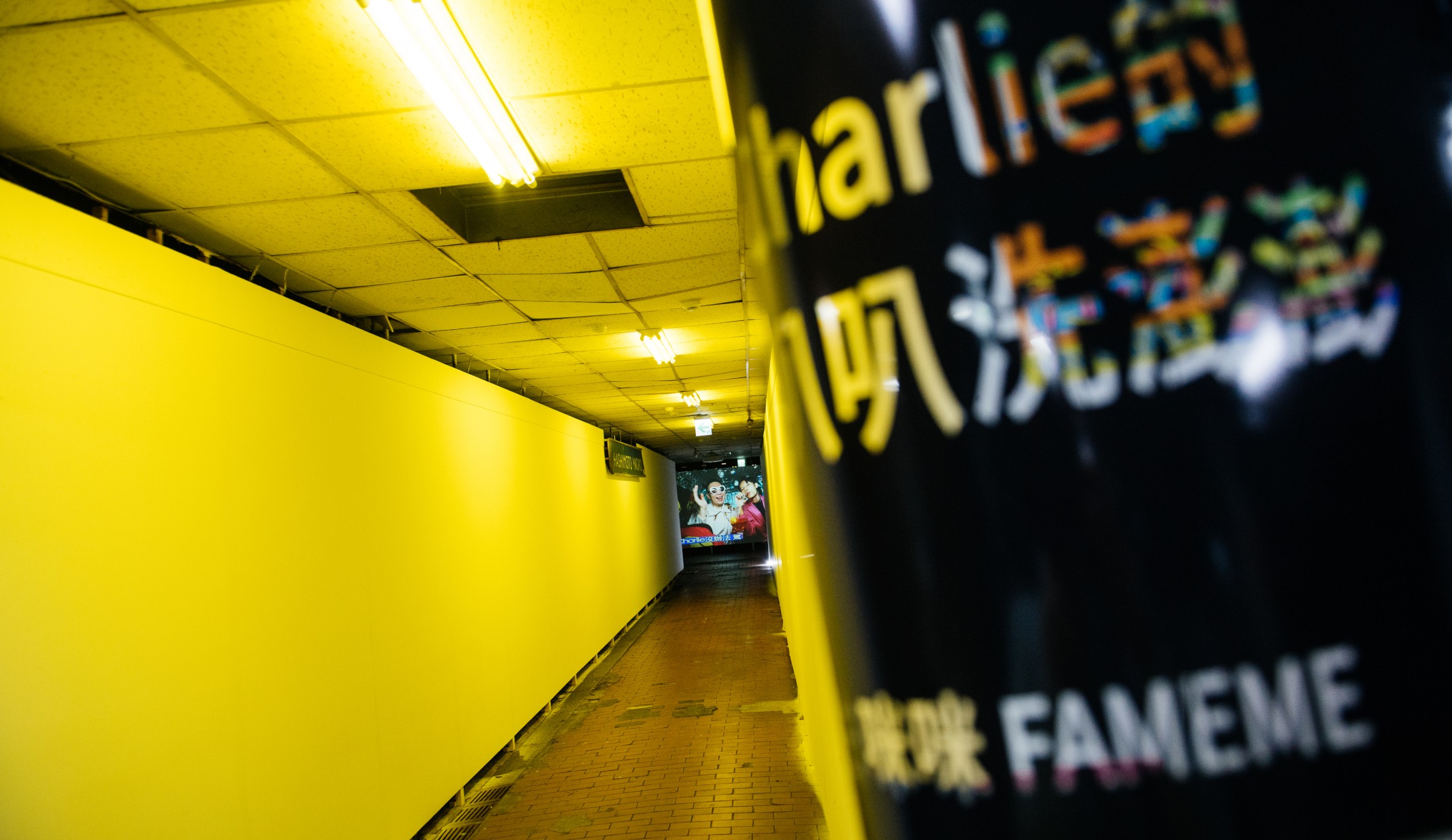
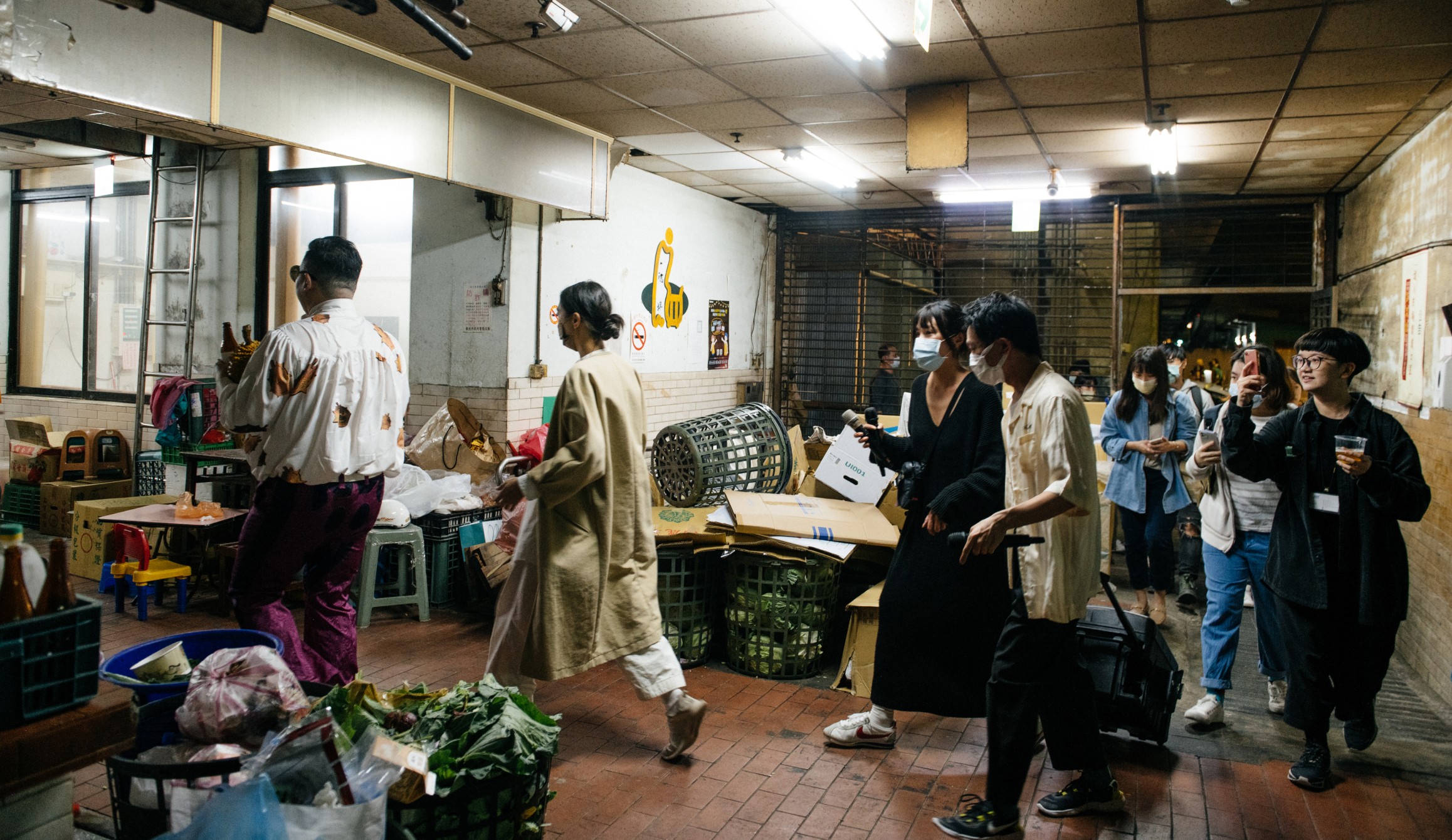
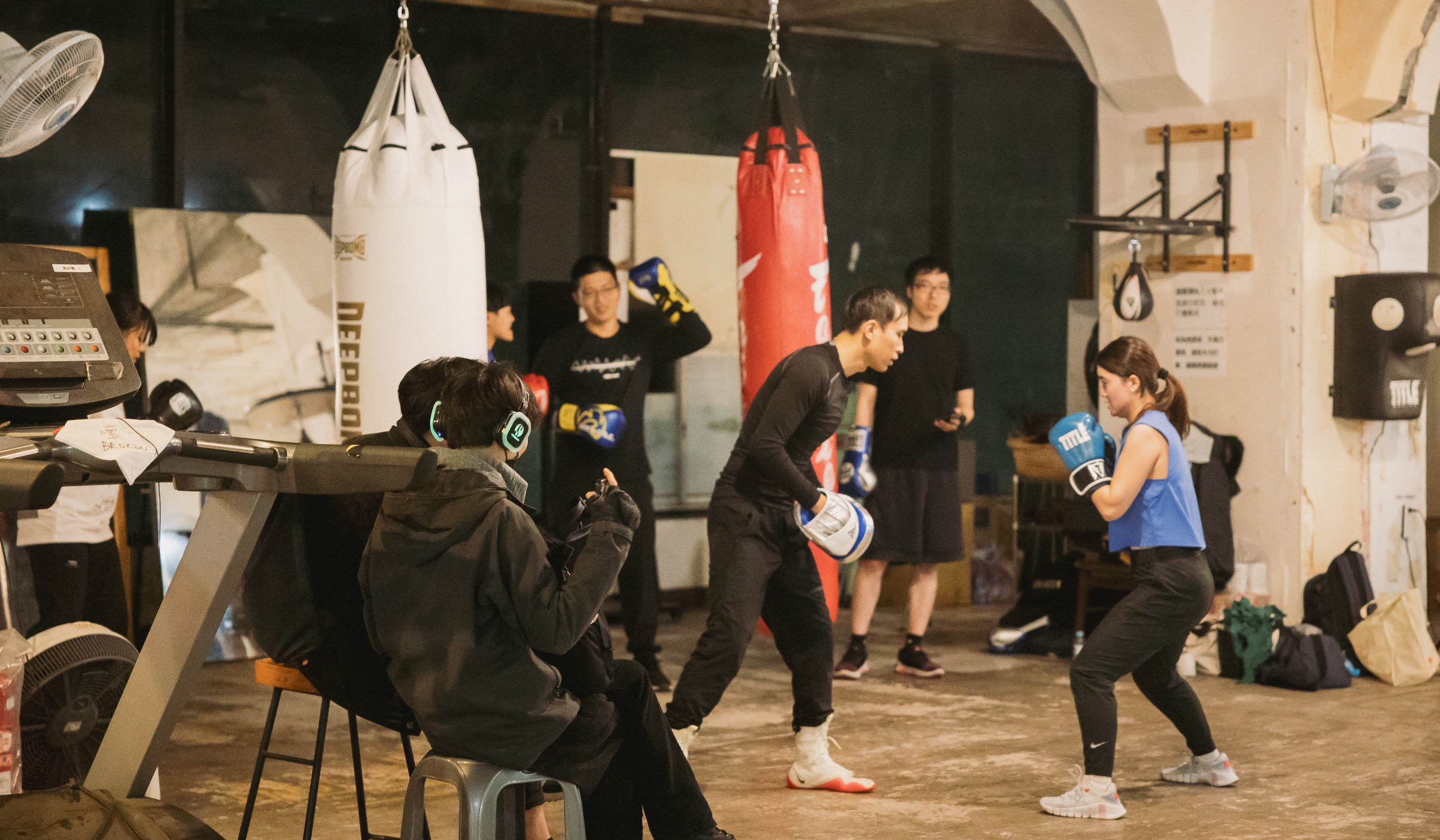
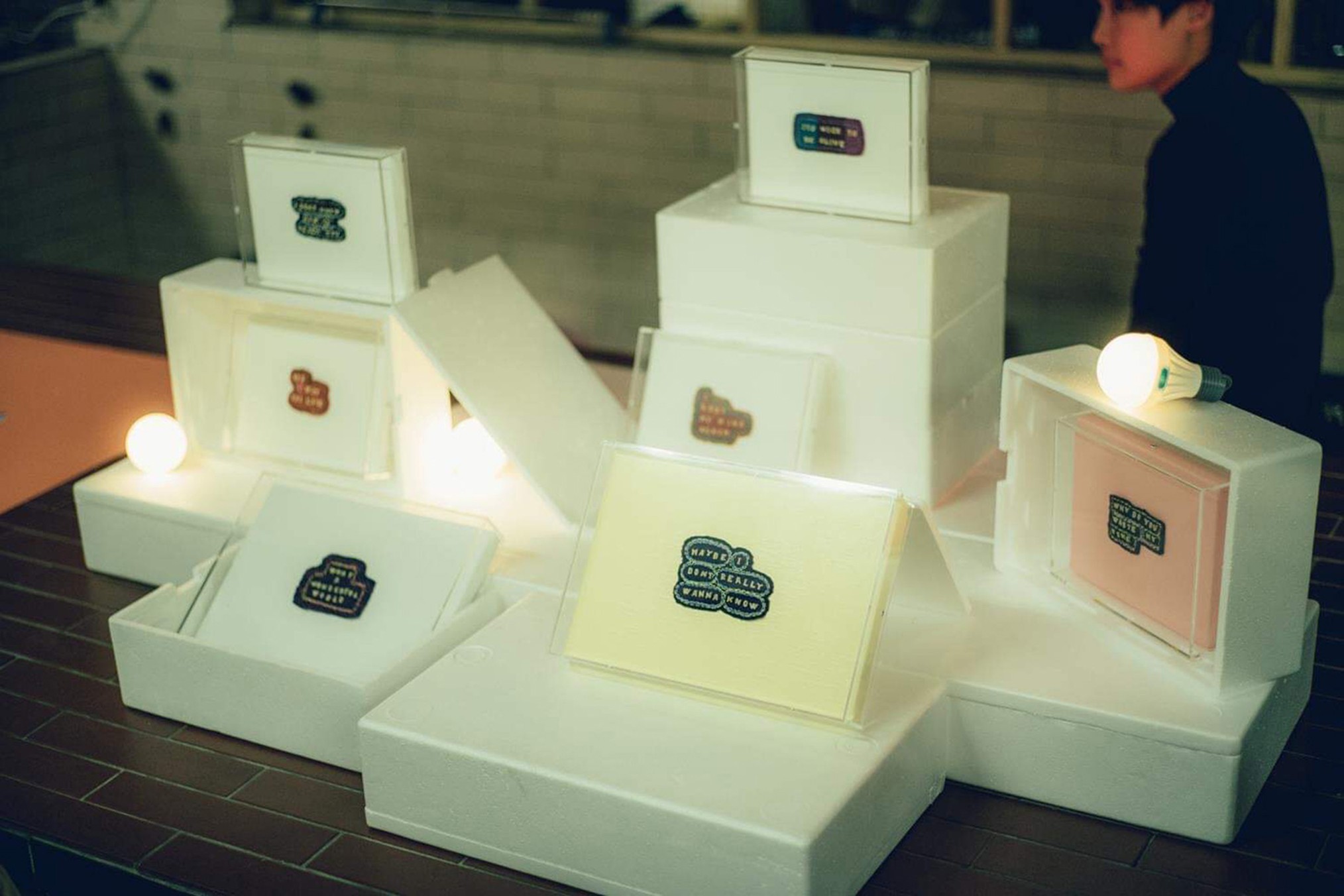
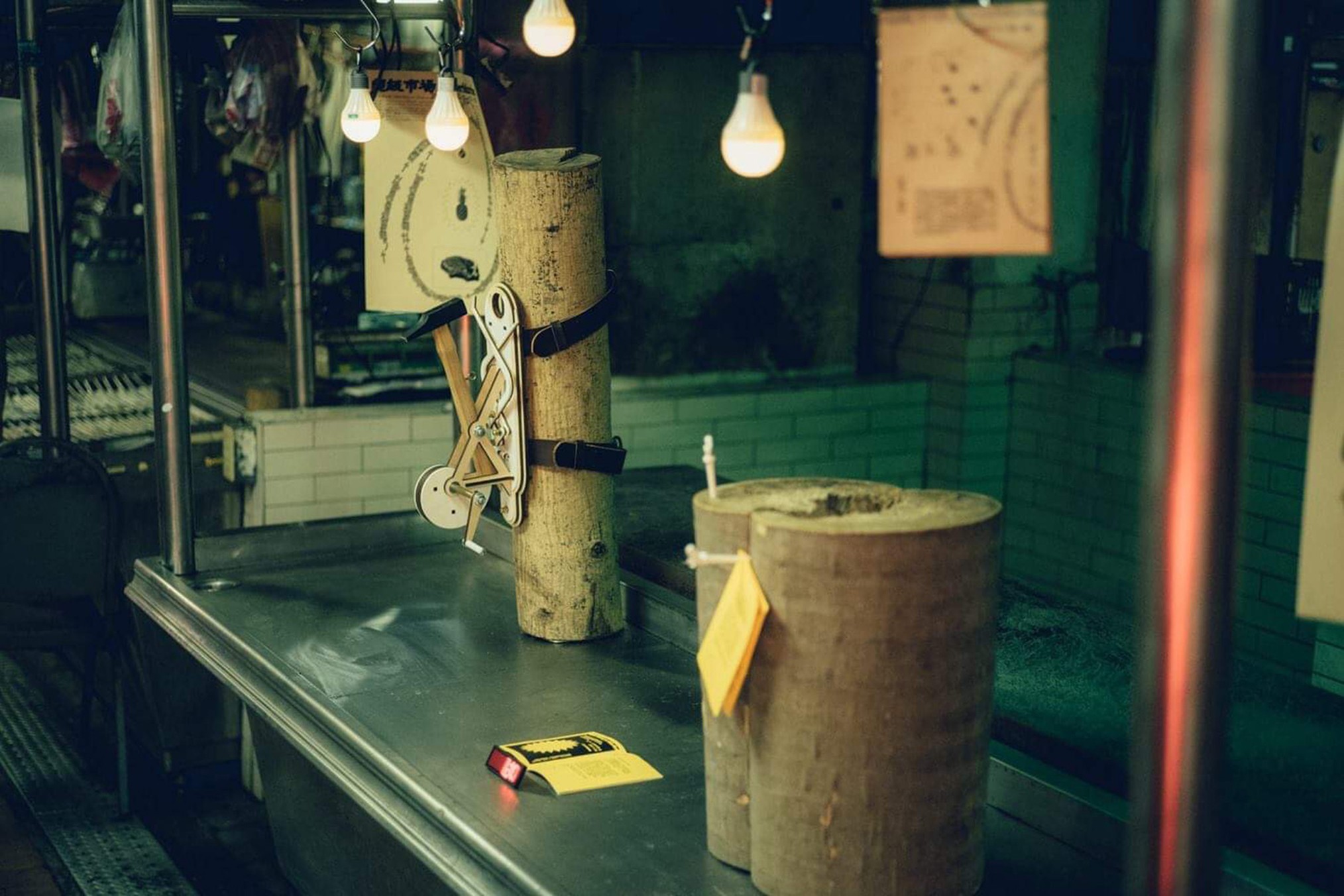
For a long time, because my work consistently focused on marginal spaces—museum commercial areas, community art centres, or urban interstices—I struggled with professional self-doubt. I worried that my focus on the periphery was a sign of insufficient professional capability to enter the mainstream. However, years later, I have come to embrace this fascination with marginality. These non-central spaces offer a freedom and a potential for exploration that the centre does not, allowing me to question and challenge the existing art ecosystem. For instance, the ‘SuperMarket’ project (2018) was a deliberate challenge to the prevailing exhibition norms of the time, which were heavily academic, painting-centric, and confined to conventional white cubes. By inviting artists from various backgrounds and mediums to practice within an everyday setting, I was deeply moved by their willingness to participate and the feedback we received from such a diverse audience. This experience defined my curatorial path and solidified my understanding of the curator’s role. Today, I believe the curator’s role is to create unexpected and serendipitous encounters. Art could serve as a platform and a catalyst, allowing audiences from diverse backgrounds and motivations to gather in public spaces. By activating these areas, we can promote exchange and dialogue, creating a sphere where people can coexist, acknowledge their differences, and leave with a sense of renewed inspiration.
CNTRFLD. You studied in London at the University of the Arts London. As a Taiwanese student living and learning there, what did London’s cultural and institutional environment reveal to you about museums, independent spaces, and public engagement with art?
JC. In London, where many museums offer free admission, the perspective of the museum as a third place resonated deeply with my experience as an international student. For me, cultural activities were more than just aesthetic experiences; they were vital for alleviating loneliness and establishing a sense of ritual and social connection. Being able to meet people or simply observe others in those spaces helped me feel connected to the fabric of society. For my final major project, I focused on the artistic, social, and economic roles of museum cafes and shops. Through dialogues with curators and managers, I explored how these ‘subsidiary’ spaces serve as crucial self-funding mechanisms for non-profit organisations, while also providing multiple entry points for arts engagement and participation.
Public engagement with art is not confined to the galleries; it extends into the seating areas, the curated selection of books, the promotion of artist-led products, and the simple act of sharing a meal and discussing an exhibition in the cafe. Structurally, large international museums often operate on a dual-track system: a non-profit arm dedicated to collections and research, and a commercial arm managing business operations. Their close collaboration in resource management and marketing not only ensures financial sustainability but also guarantees the inclusivity of their services, allowing them to cater to audiences from all backgrounds and needs. These subsidiary spaces effectively lower the barriers to art, allowing visitors with varying levels of interest to find their own way of coexisting with it. To me, a museum is an essential piece of social infrastructure. Its professionalism is reflected not only in the curated experiences within the galleries but also in how it fosters long-term, deep emotional connections with urban residents through these inclusive, everyday public spaces.
CNTRFLD. You have worked in international contexts such as Venice and Norway, including the Venice Architecture Biennale and projects in Bergen. How did these experiences shape your thinking about site, process, and the relationship between art, architecture, and everyday life?
JC. The influence of a site is immense. I have observed that even for the same artist’s work, an exhibition at Northing Space in Norway carries an entirely different aura compared to one in Taipei—shaped by the unique character of the streets and the distinct atmosphere of the neighbourhood. On a personal level, even when performing the same tasks in different cities, the local texture and pace fundamentally alter one's physical experience.
In Venice, my daily routine was centred on commuting by boat through the waterways between the islands; in Norway, it was the first-hand experience of the grand fjords from the deck of a ferry. While Taiwan is also an island surrounded by the sea, our sensory perception of water, transport, and natural landscapes is starkly different. To me, art, architecture, and daily life are not isolated entities but concrete manifestations of local culture; the relationship between these three ultimately forms a holistic ecosystem.
CNTRFLD. Comparing London, Venice, Norway, and Taiwan, what differences have you observed in arts support systems — including funding, institutional structures, and working culture? Are there aspects Taiwan could learn from, or areas where Taiwan already offers something distinctive?
JC. In London, art has developed through a mature mechanism of public-private collaboration; the interplay between museums, non-profit organisations, art fairs, and commercial galleries has effectively turned art into a self-sustaining industry. Norway, by contrast, integrates art support into its comprehensive welfare system, providing artists with a stable environment for creation. Meanwhile, Venice operates on a project-based model—a global stage driven by the Biennale, where resources converge to create intense and spectacular cultural moments within a concentrated timeframe.
In comparison, Taiwan exhibits a unique flexibility and agility, a quality I have experienced first-hand since 2023 through my collaboration with Taipei Dangdai. Under the leadership of the two directors, Magnus Renfrew and Robin Peckham, we successfully established non-profit curatorial forums, creative workshops, and special exhibitions showcasing Taiwanese artists within the heart of a highly commercial art fair. This agility—the ability to rapidly carve out academic and educational spaces within a commercial centre—is perhaps Taiwan’s distinct advantage. I have observed that the Taiwanese government is actively propelling artists and practitioners into the international discourse through subsidies. What Taiwan can learn from international models, however, is how to foster a friendlier, more creative social environment—one that is regenerative and offers sustained, circular support to its practitioners.