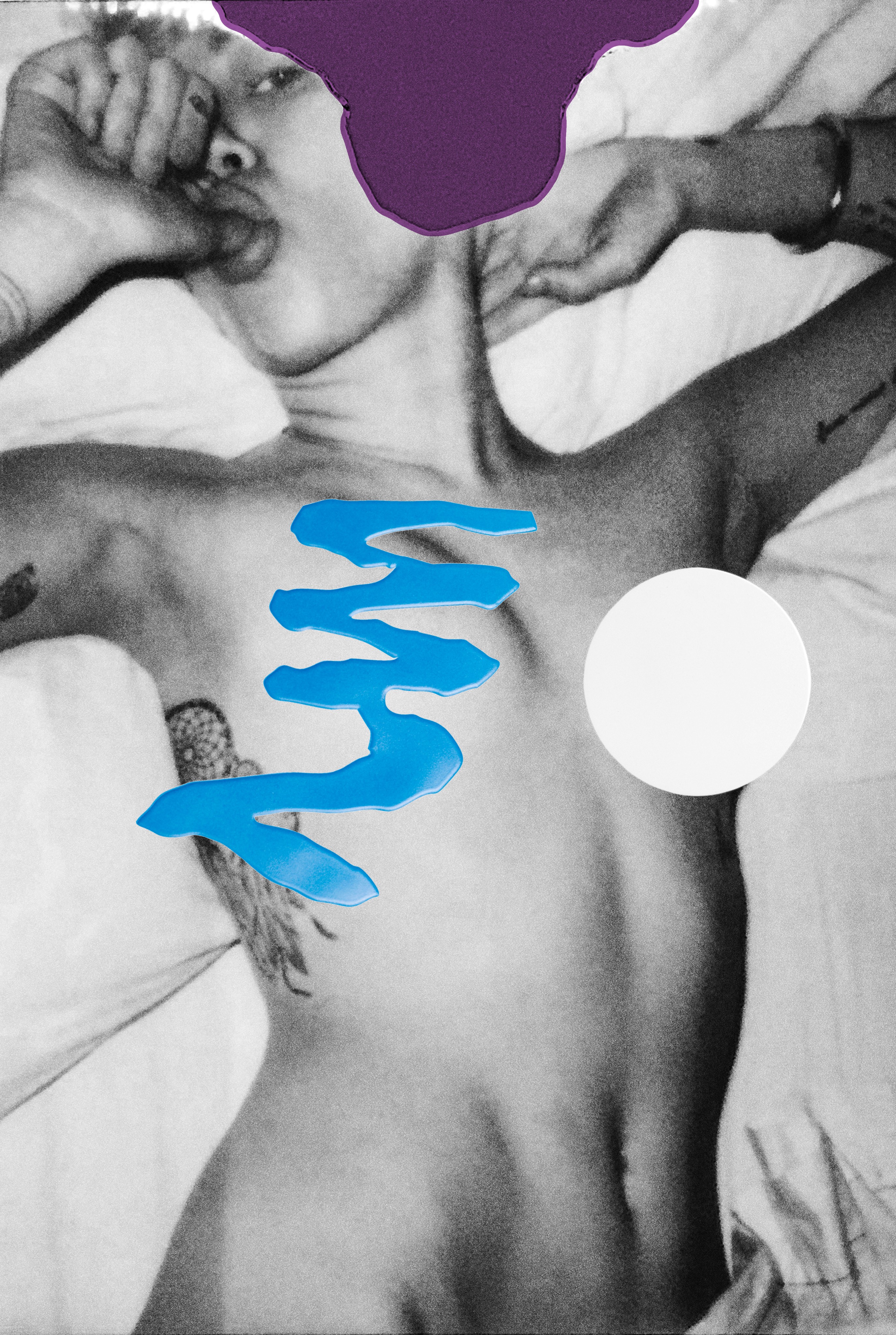
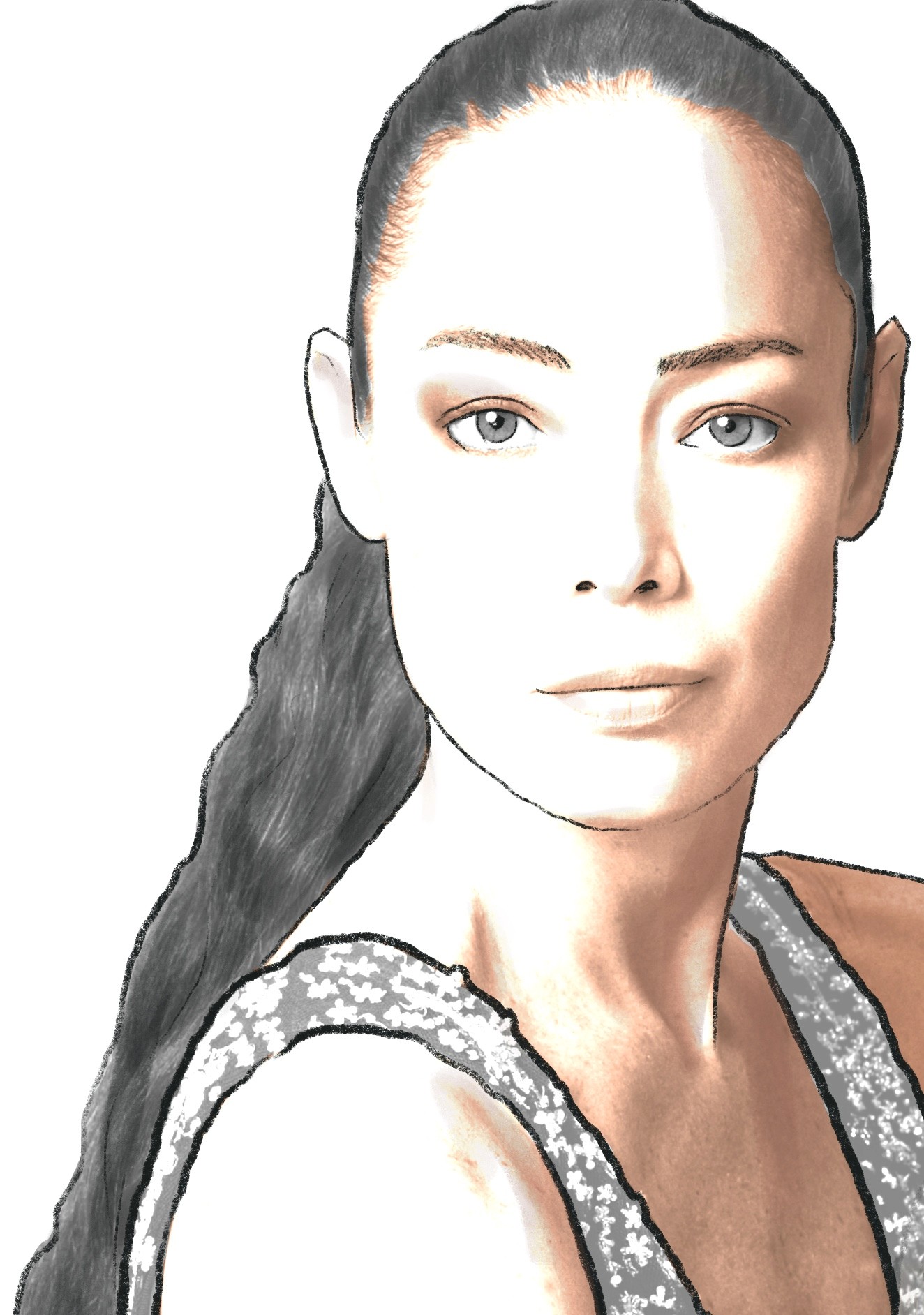
Cecilia Dean, illustrated by Maria Chen. Inspired by a photo by François Nars

DATE

2026/04/28

ARTICLE

Maria Chen

PHOTOS

Courtesy of Cecilia Dean and Visionaire

Cecilia Dean on Visionaire: Outsider Identity, Independent Publishing, and the ArtFashion Intersection

The Visionaire co-founder reflects on building a defining independent publication from the margins—navigating diasporic identity, creative independence, and the evolution of culture between art and fashion.

In the evolving landscape of global contemporary culture—where the boundaries between art, fashion, publishing, and performance continue to dissolve—few figures have shaped the dialogue as profoundly as Cecilia Dean. As co-founder of Visionaire, Dean helped pioneer a form of independent publishing that operated beyond traditional systems. As the only woman among the founding trio, she navigated both cultural and gendered boundaries in the art–fashion landscape—long before the digital platforms that now shape visual culture.

In this CNTRFLD.ART Beyond the Frame conversation, we turn our focus to cultural connectors—the curators, facilitators, and visionaries who create the conditions for art to exist, circulate, and resonate. Dean’s practice sits precisely at that intersection: a space where image-making, collaboration, and experimentation converge without hierarchy. Visionaire emerged not as a conventional magazine, but as a radical publishing experiment—one that redefined how art and fashion could coexist on equal footing.

Visionaire publications challenged the structures that traditionally separated disciplines. It created a platform for work that resisted categorisation—foregrounding emerging voices alongside established figures, and privileging instinct over industry convention.

At the heart of Dean’s approach is a deeply personal perspective shaped by diasporic identity and a lifelong sense of existing between worlds. That “outsider” position—both within the fashion industry and the broader cultural sphere—became a generative force, enabling Visionaire to operate beyond institutional constraints and reimagine what independent publishing could be.

Today, as Visionaire expands into immersive experiences spanning performance, film, and interdisciplinary environments—and as Dean works on a documentary exploring the life and legacy of Isabel Toledo, a designer who challenged conventional fashion systems through an independent, artist-led practice, often in close collaboration with her husband, artist and illustrator Ruben Toledo—the questions raised by her early practice feel more urgent than ever. What does it mean to create outside the system? How do we sustain creative integrity in collaborative work? And where do art and fashion truly meet in a post-digital age?

This conversation traces those threads—offering insight into the instincts, encounters, and cultural conditions that shaped Visionaire, while reflecting on the enduring role of the arts as a space for connection, experimentation, and meaning-making in times of uncertainty.
Previous

Next

Previous

Next

CREDITS


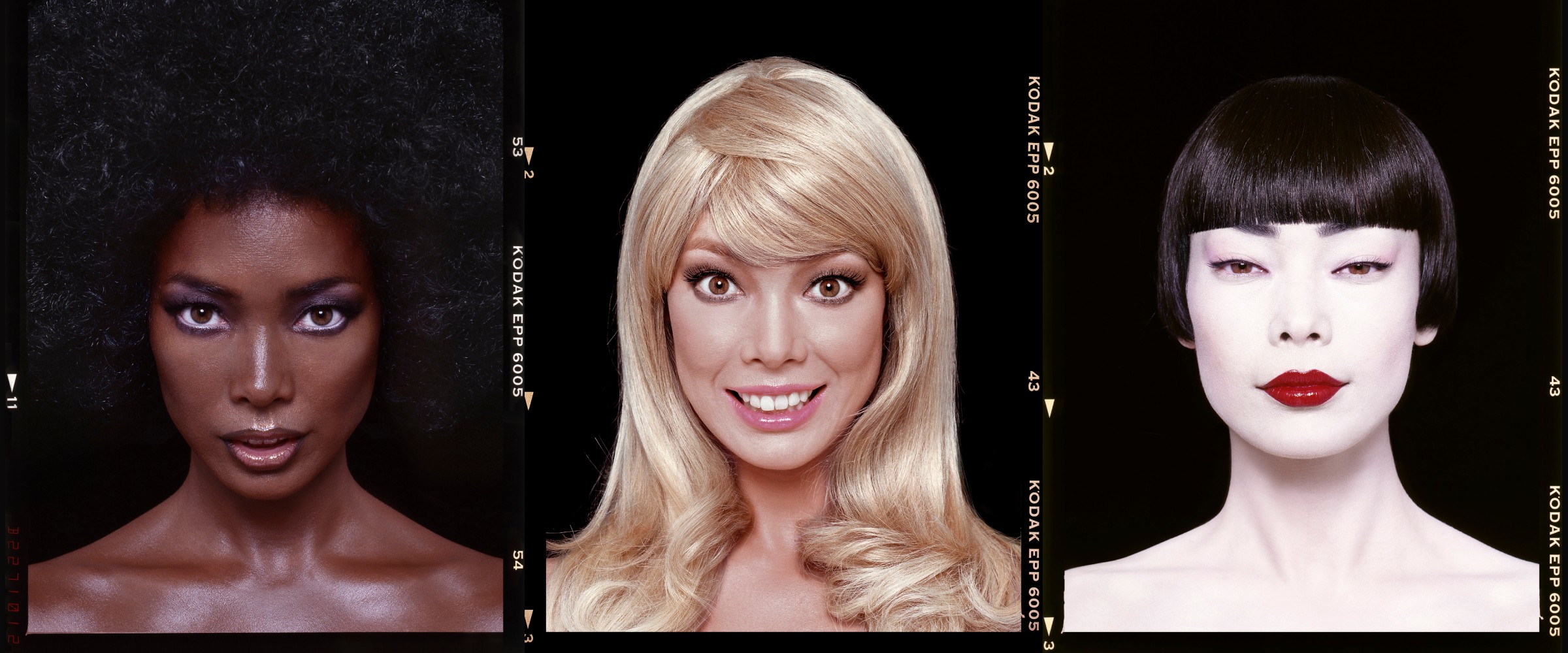
Header image: BEAUTY 1996, Cecilia Dean transformed by James Kaliardos.

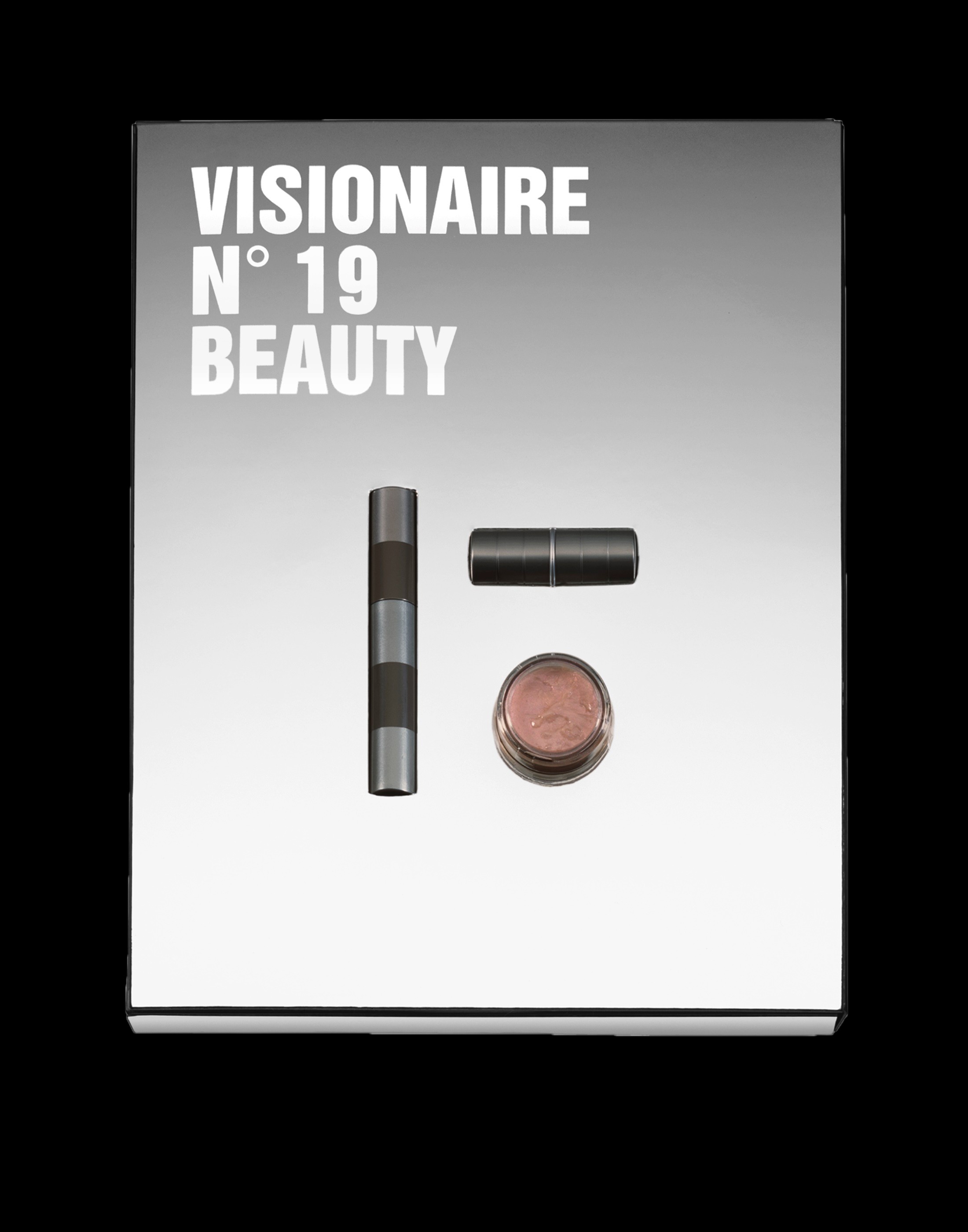
Released in 1996, Visionaire 19: Beauty challenged the era’s rigid aesthetic standards by championing a "fluid notion of beauty". Housed in a mirrored mylar case containing bespoke Prescriptives cosmetics, the issue featured a seminal series by co-founder James Kaliardos, who used make-up to radically transform Cecilia Dean across racial and cultural archetypes. Reflecting on the project thirty years later, Dean notes the work’s enduring relevance: "We were celebrating a fluid notion of beauty, not at all what was in the mainstream." This early experiment in identity and transformation remains a definitive example of Dean’s career-long commitment to subverting the status quo.

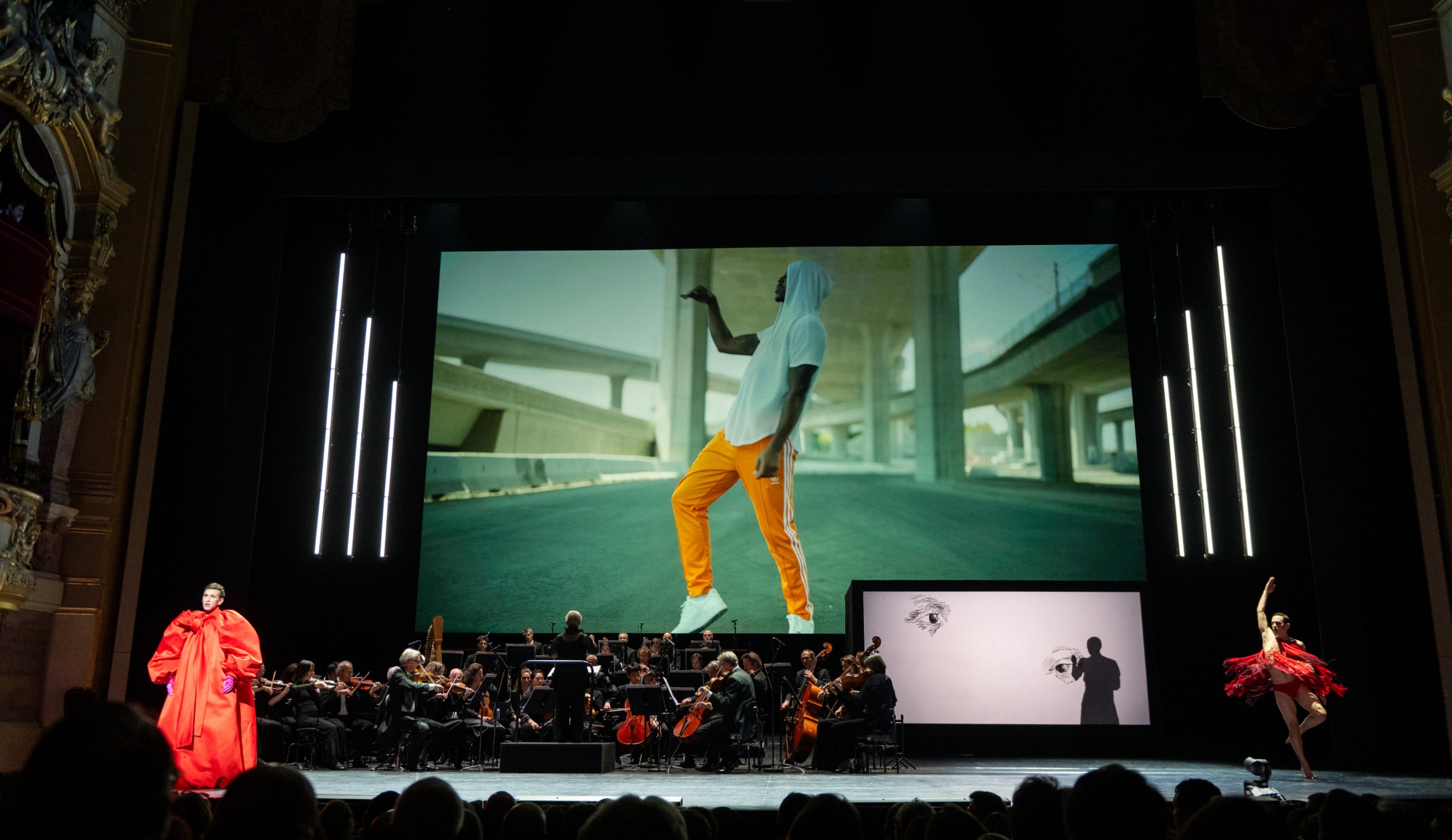
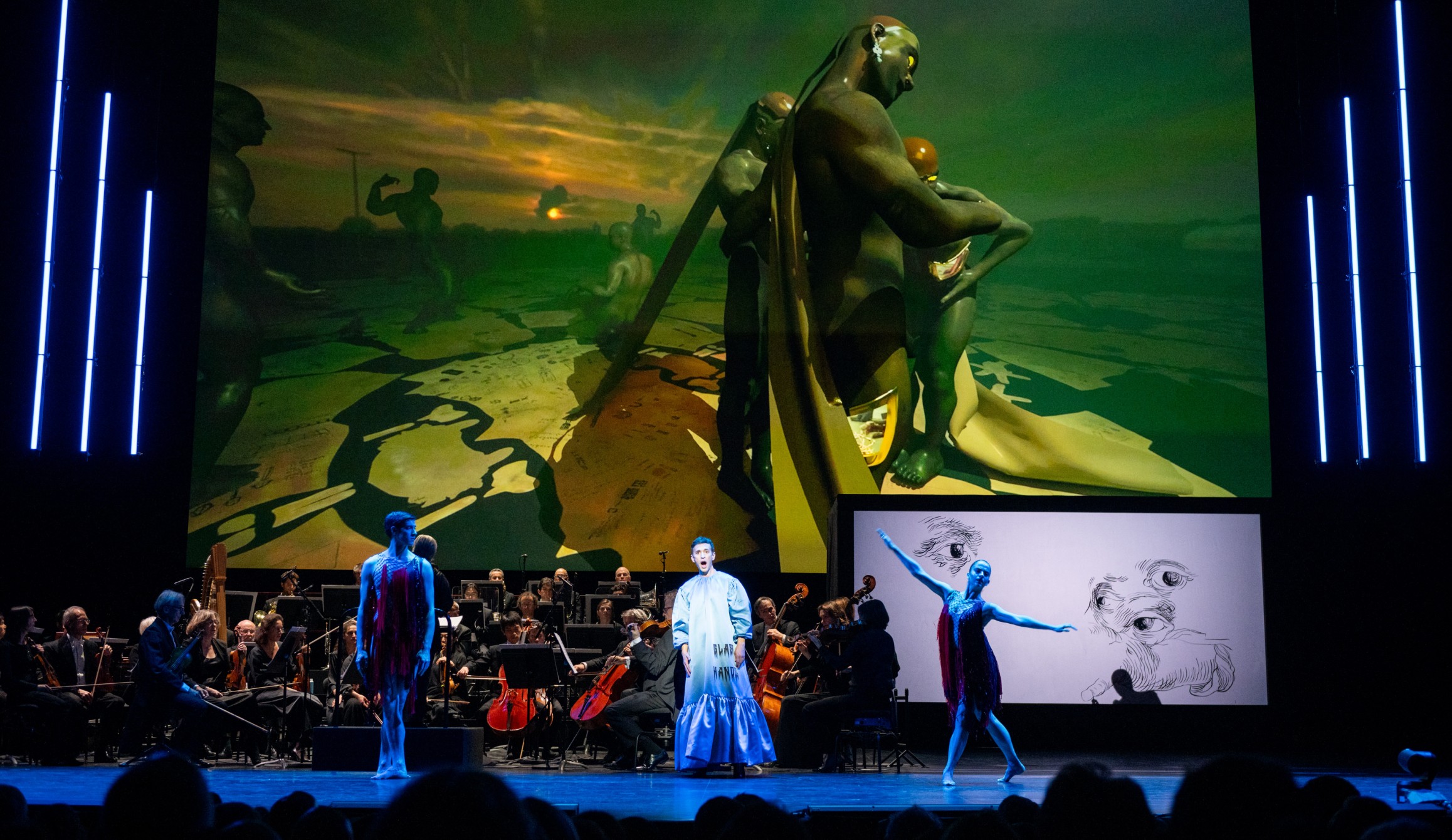
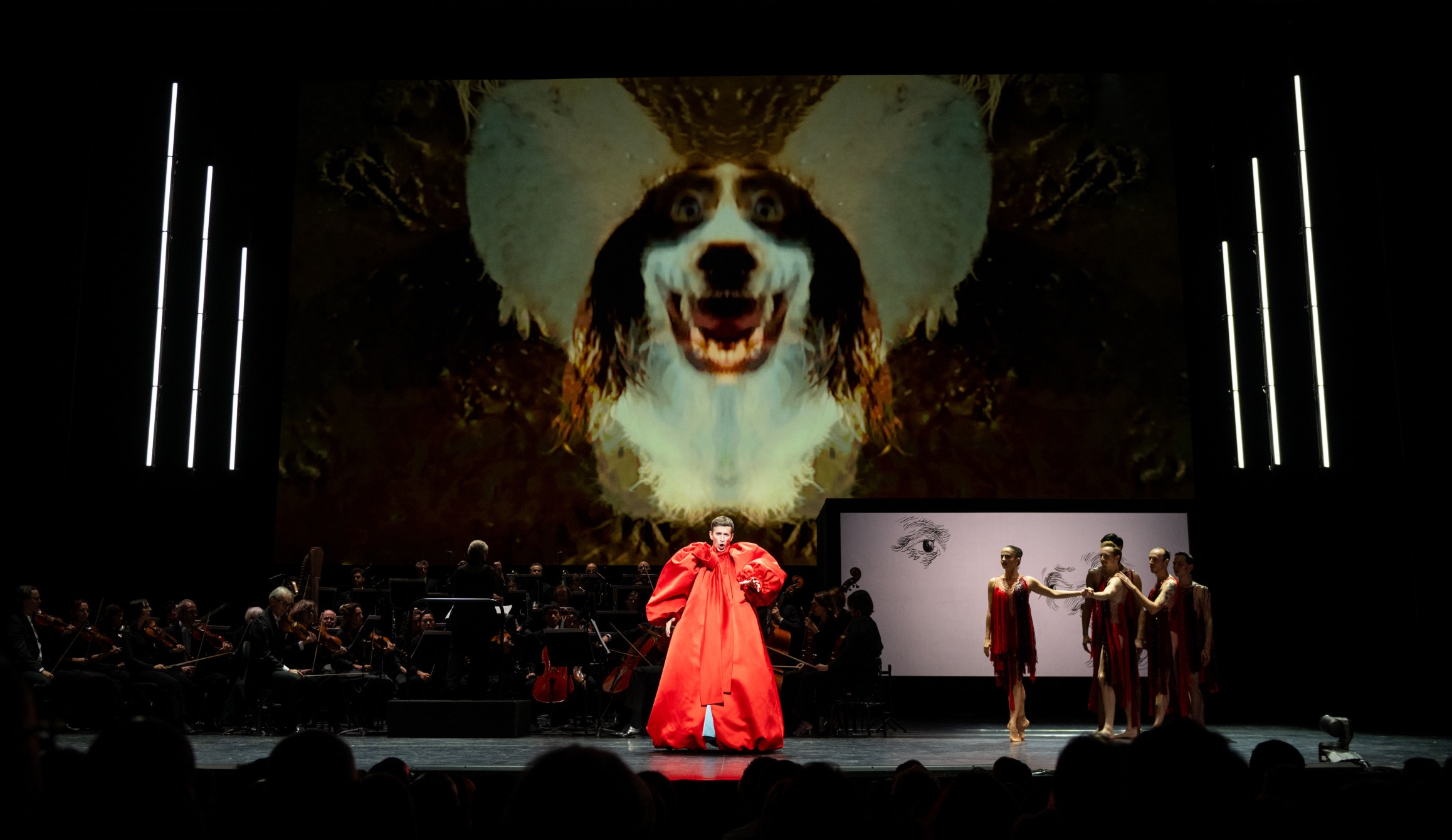
Slide 1-4: GLASS HANDEL at Saint John The Divine NYC

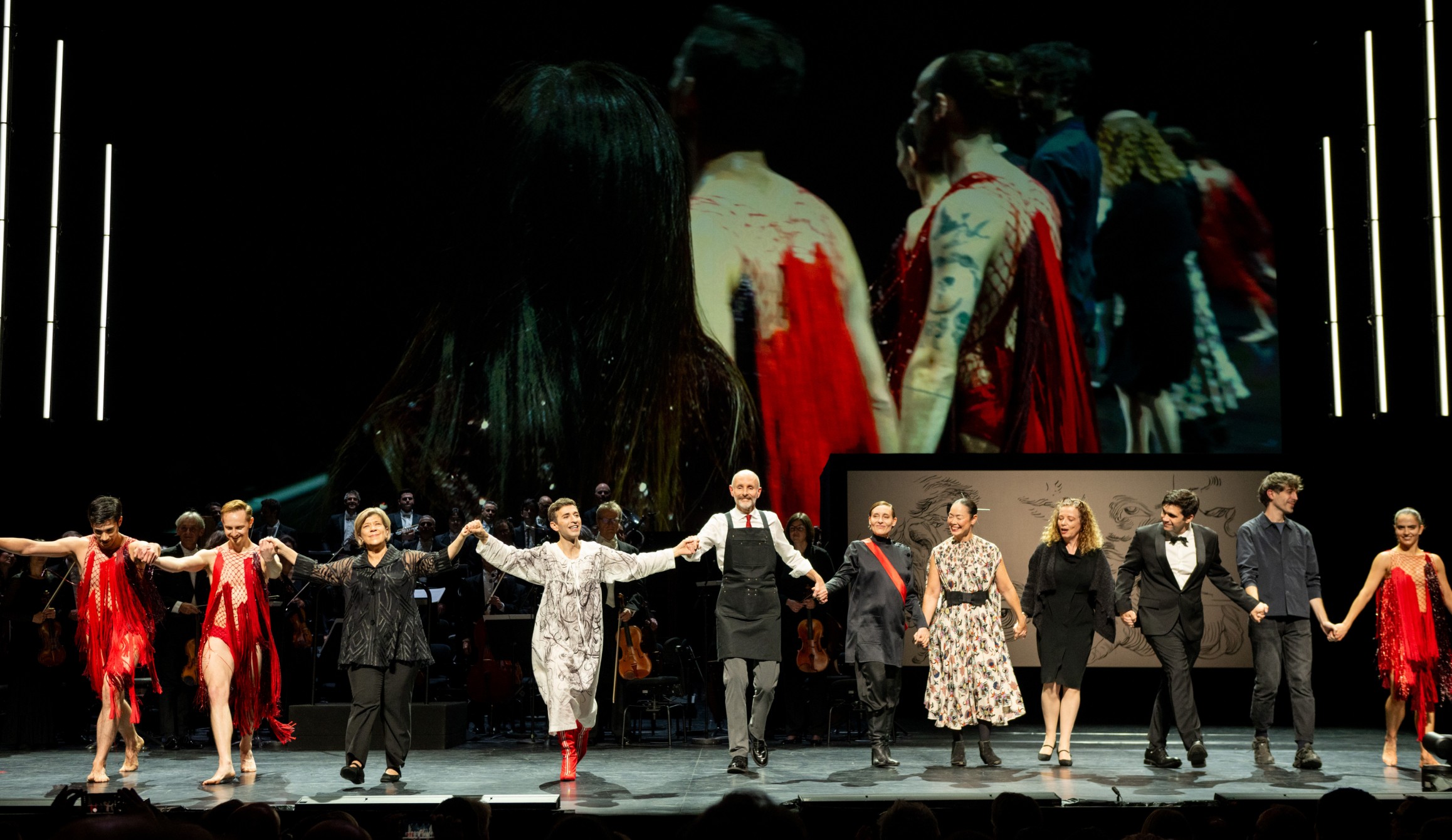
Visionaire presents GLASS HANDEL, Opera National de Paris at Le Palais Garnier (2025). Produced by Cecilia Dean, James Kaliardos, Anthony Roth Costanzo, and Cath Brittan. Photo: Benjamin Girette for Opera National de Paris.

For the Gala Lyrique at Le Palais Garnier, Visionaire re-imagined its "operatic spectacle," GLASS HANDEL. This immersive production combined the music of Philip Glass and George Frideric Handel with fashion by Raf Simons, choreography by Pam Tanowitz, and a series of commissioned art films. The performance signals Cecilia Dean’s evolution from experiential publishing toward large-scale, multidisciplinary stage works.

Pictured: Countertenor Anthony Roth Costanzo and dancers in Raf Simons Live painting by Glenn Brown CBE
Music Video by Jacolby Satterwhite

“I’ve always felt like an outsider… and that outsider perspective is actually a strength. It allows me to operate differently, without being constrained by existing systems.”
— Cecilia Dean

CNTRFLD. Thinking back to the very beginning, how did Visionaire first come into being—and what do you remember about those early instincts that shaped it?

CD. I always hesitate when people ask about a “beginning,” because it wasn’t a fixed moment. It was much more fluid than that. There wasn’t a clear point A and point B—it was just a series of encounters, conversations, and instincts unfolding in real time.

I had started out modelling, traveling between Paris, Milan, Tokyo, and New York, working with incredible photographers like Richard Avedon, Mario Testino, and Pamela Hanson. What I kept noticing was that after the commercial shoots—once the client left—everyone stayed. We’d keep shooting, experimenting, testing ideas. Some of the most interesting work came out of those moments, but it had nowhere to go.

There was no internet, no social media, and publishing was expensive and inaccessible. So, all this incredible work just lived in drawers.

Visionaire came from that gap. We wanted to create a space where that work could exist—almost like a printed version of what Instagram would later become. It was about showing what wasn’t being seen. In many ways, it functioned less as a magazine and more as an independent publishing experiment—a way of surfacing work that had no clear home within either the art or fashion systems.

We didn’t have a business plan. We didn’t have investors. We just made it—literally going to printers, using discarded paper, figuring things out as we went. It was naïve and exhilarating.

CNTRFLD. You’ve often worked in a space that connects artists, designers, and ideas—how do you think about that role now? Did it feel intentional, or something that evolved naturally over time?

CD. It wasn’t intentional at all. It was just how we saw things.

From the beginning, we didn’t distinguish between art and fashion. If something was a strong image, we wanted it—whether it came from a student or an established photographer. It was very democratic in that sense.

That mix became part of Visionaire’s DNA. Established artists liked being alongside emerging voices, and younger creatives wanted proximity to their mentors. That dialogue was important.

Over time, people started to see Visionaire as this bridge between art and fashion, but for us, there was never a boundary to begin with. The categories didn’t really matter—the work did.

CNTRFLD. Was there a particular moment when you realised Visionaire had moved beyond a more intimate, downtown project into something with a much wider cultural reach?

CD. We never saw Visionaire as a downtown project, although others did. We felt international, even if we were not seen that way—yet.

At the time, we didn’t really see it—it’s only clear in hindsight.

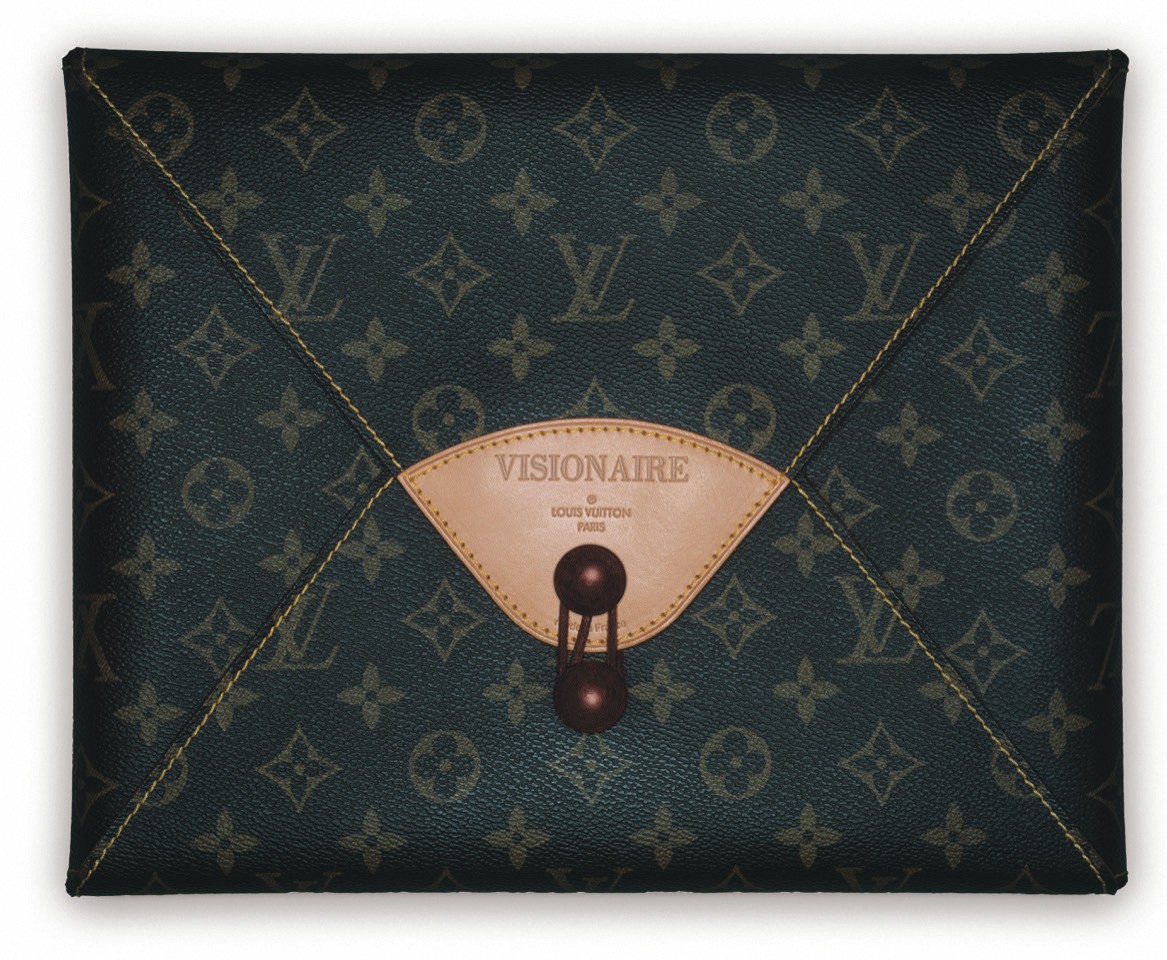
But one key moment was our collaboration with Louis Vuitton. I sometimes call it our “crossover album.” It brought Visionaire into a different level of visibility and legitimacy.

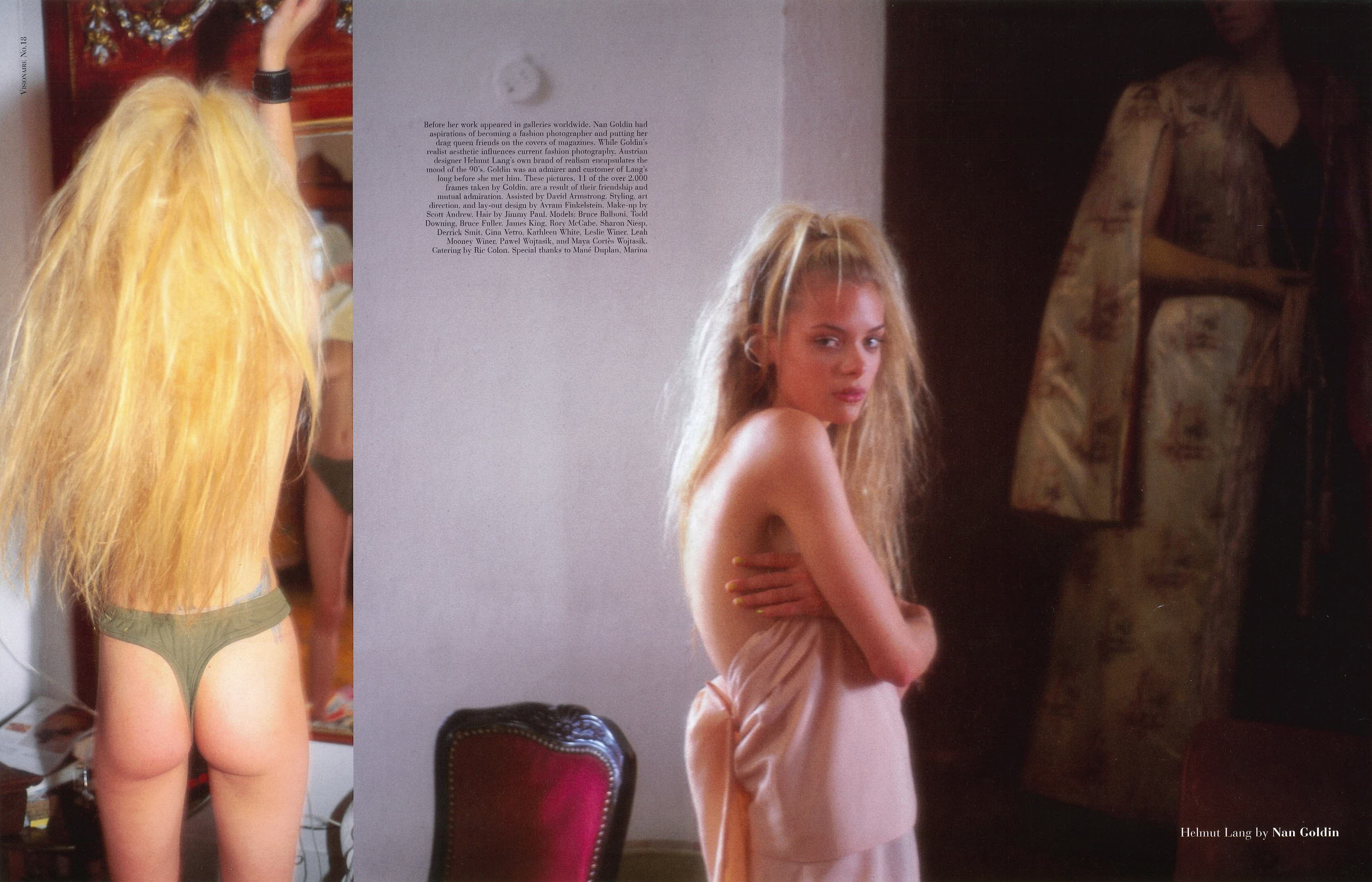
We paired artists and designers in ways that felt unusual then—like asking photographers to work with a single designer’s full looks, which wasn’t how fashion operated at the time. One example was pairing Nan Goldin with Helmut Lang. It created something that existed simultaneously as art and fashion—intimate, raw, but still unmistakably fashion.

That project opened up a much broader audience, and it also showed what was possible when disciplines really intersect.

CNTRFLD. You’ve collaborated with so many artists across disciplines—what do you think makes a creative collaboration truly work?

CD. There has to be a genuine connection—something that makes sense beyond surface-level alignment.

I think in terms of “puzzle pieces.” I have themes, artists, formats, technologies—and every once in a while, something clicks and brings it all together. That’s when you know it’s the right collaboration.

Also, trust is crucial. The best collaborators—including major brands we worked with—gave us complete creative freedom. They didn’t need to control the outcome. Without that, the work wouldn’t have been as strong.

And we were very clear about protecting that. If a sponsor wanted to remove something creatively essential, we were willing to walk away. That integrity matters.

CNTRFLD. I’m also curious whether your background and identity shaped how you moved through those spaces, or how you approached building something like Visionaire.

CD. I don’t think I was consciously thinking about identity at the time—but I’ve always felt like an outsider.

Growing up half-Chinese in predominantly white environments, then working as one of very few Asian models—that sense of being outside was constant. And Visionaire itself was always positioned as an outsider too. Fashion saw us as art, art saw us as fashion—we never fully belonged anywhere.

Looking back, that outsider perspective is actually a strength. It allows me to operate differently, without being constrained by existing systems.

There are also things I only understand in hindsight—like how much the industry was dominated by white men, and how that shaped who was visible. At the time, I thought we were just working with “the best,” but of course that was influenced by the system itself.

Later on, I became more conscious about diversifying voices—but that awareness came over time.

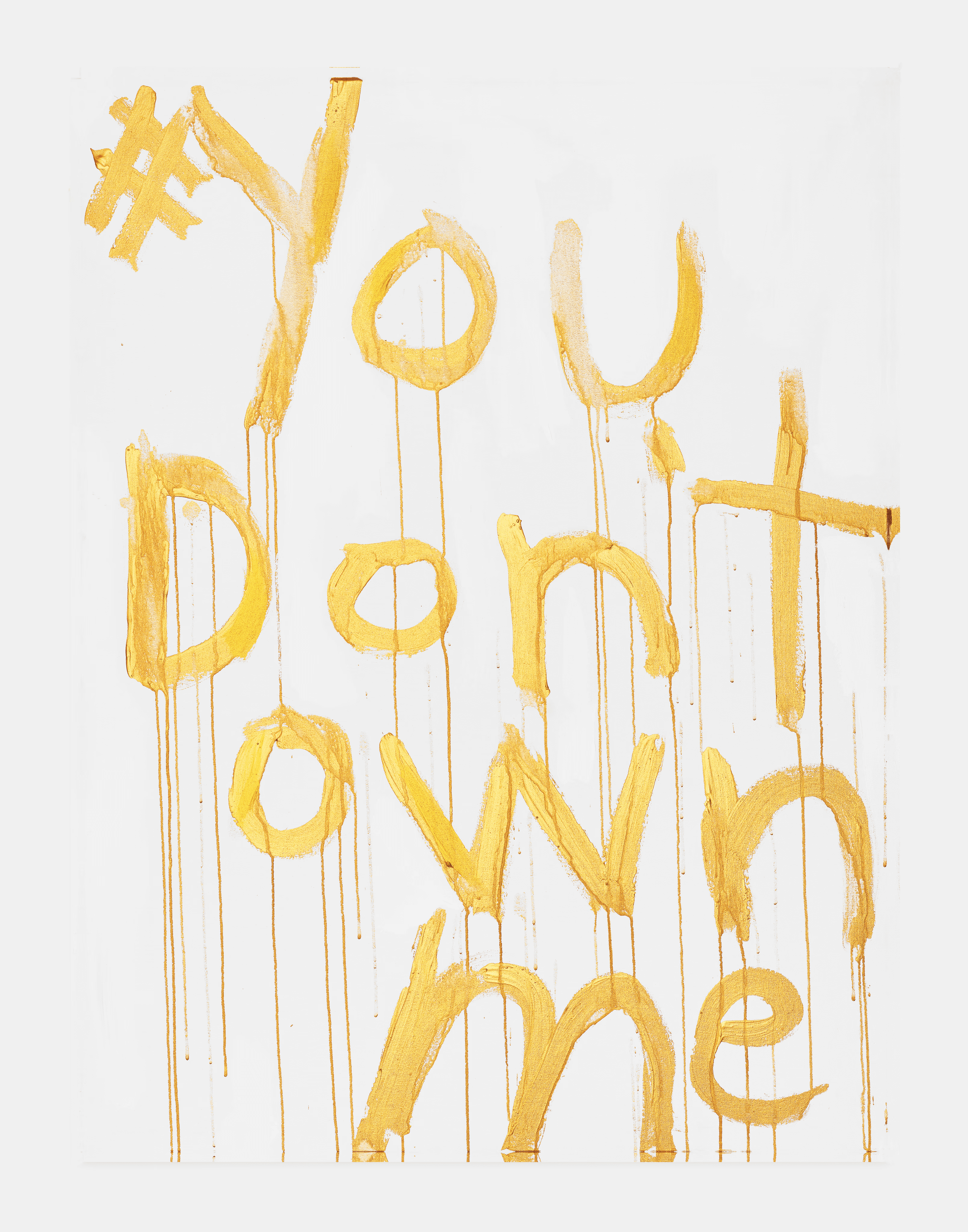
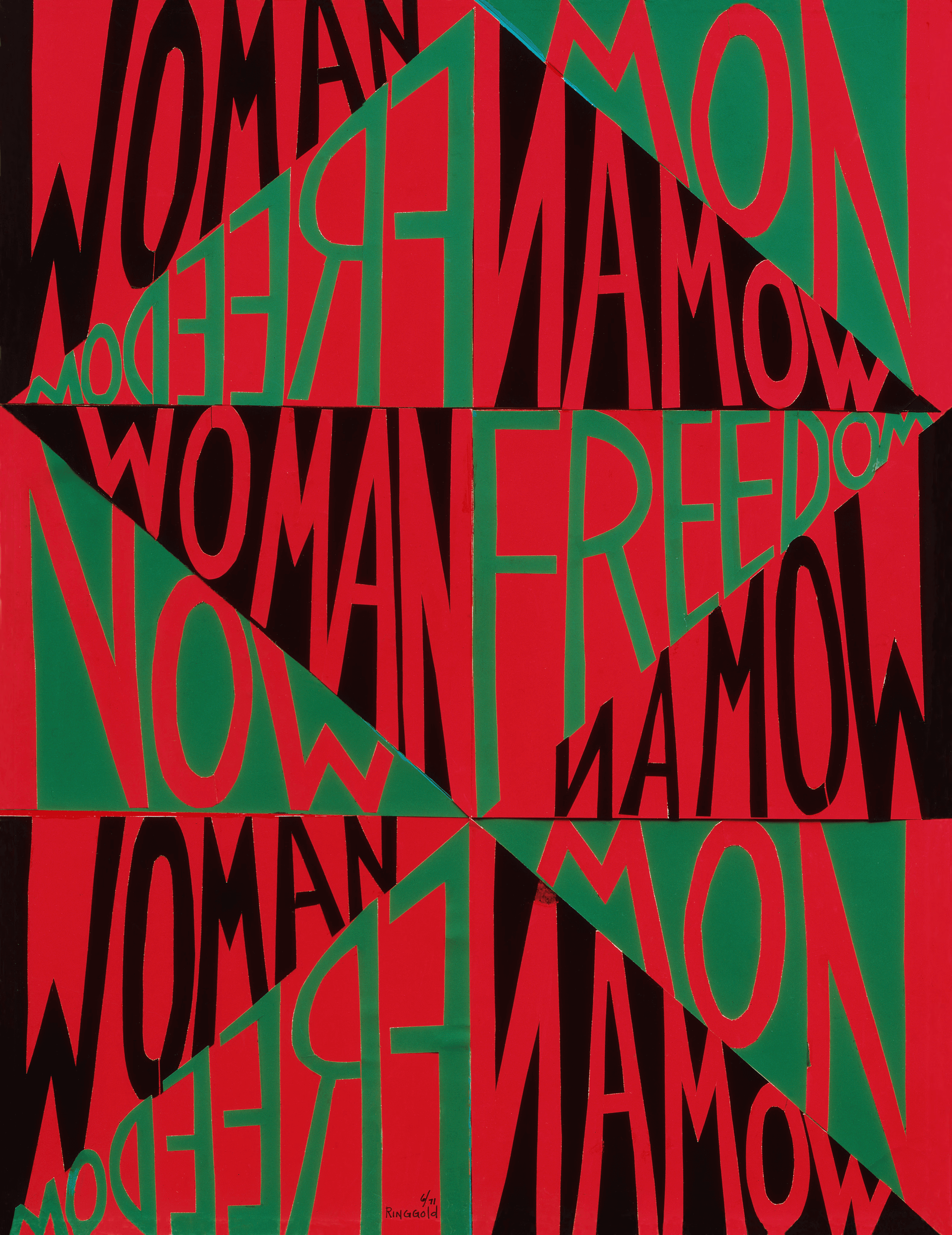
The Visionaire 68 NOW!

Image 1: Faith Ringgold

Image 2: Kim Gordon

Image 3: Zoe Buckman and Hank Willis Thomas

Image 4: Tiona Nekkia McClodden and Pusha T

CREDITS

Video: The Visionaire 68 NOW! collector’s series, featuring ten artist-designed canvases addressing gender equality, climate change, and human rights.


Image 1: Faith Ringgold


Image 2: Kim Gordon


Image 3: Zoe Buckman and Hank Willis Thomas


Image 4: Tiona Nekkia McClodden and Pusha T


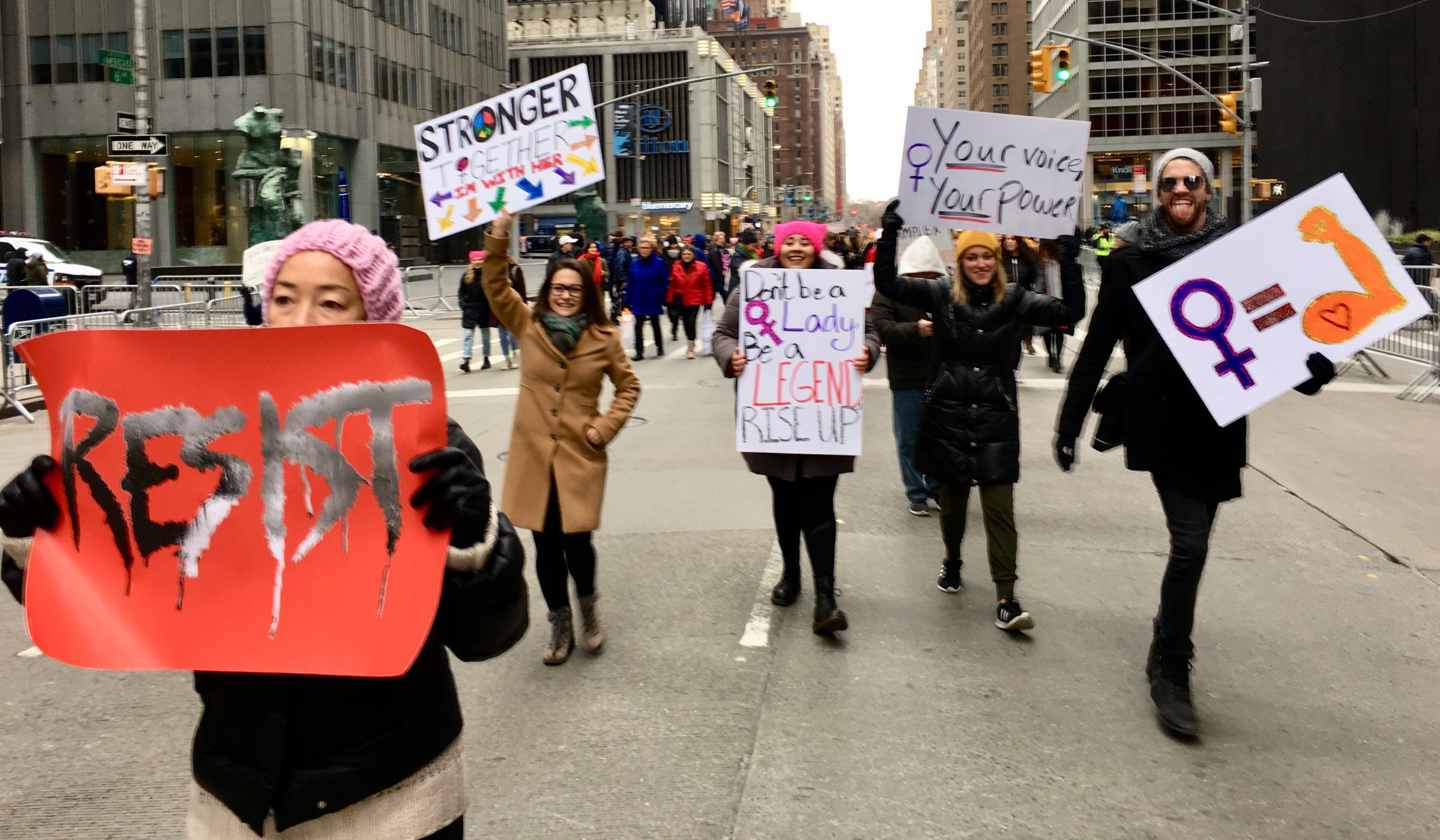
Divider: Cecilia Dean at the Women's March in NYC Jan 19, 2019 holding poster by Marilyn Minter

Video 1: Glass Handel at Saint John The Divine NYC

Visionaire 68 NOW! (2018). Co-produced by Cecilia Dean and James Kaliardos. Featuring works by Kim Gordon, Nan Goldin, Faith Ringgold, and Marilyn Minter.

Born from Cecilia Dean’s own frustration at lacking effective signage for the rallies she attended post-2016, Visionaire 68 NOW! re-imagined the protest poster as a functional art object. In a landmark collaboration with the Women’s March, Dean made works by icons such as Kim Gordon and Nan Goldin available as free digital downloads, ensuring high-calibre art could reach the front lines of global protest.

For the limited edition, the posters were printed on durable canvas designed to be rolled up and reused—a practical commitment to activism that still resonates. "This edition is very personal," Dean reflects. "It came about simply because I never had a good sign for all the marches and rallies I started attending... we exploited the democratic power of art to proclaim what we hold dear.”

Video 2: Visionaire Peacebird X Toiletpaper apparel collaboration 2022

CNTRFLD. Looking back now, is there anything you understand differently about that time—or something you would want younger creatives and publishers today to hold onto?

CD. The biggest thing is: just do it.

We didn’t wait until everything was figured out. We didn’t ask how much money we needed or build a perfect plan. We just started—and learned along the way.

I think today there’s often too much thinking before doing. But you can’t know anything until you actually begin.

The other thing is the importance of being physically present. So much of what happened with Visionaire came from being out—going to events, meeting people, having conversations. Those moments create opportunities you can’t replicate online.

And finally, follow your instincts—but also learn to understand them. It’s not just about reacting to something but asking why you feel that way. That’s how you sharpen your perspective.

CNTRFLD. What still feels most meaningful to you now, looking across that journey from then to today?

CD. It all feels meaningful because it led to where I am now.

Visionaire has evolved beyond print into interdisciplinary environments, such as GLASS HANDEL, which brings together opera, fashion, art, film, and dance. My current work exists very much in that space—creating immersive environments that integrate these forms. My Visionaire co-founder James Kaliardos and I have always viewed Visionaire as an experience, so now it simply exists without the physical object.

I’m also working on a documentary—executive produced by Visionaire—on fashion designer Isabel Toledo, which reflects on that earlier period, exploring themes of creative independence, the immigrant experience, and the perspective of a Cuban woman navigating life as an outsider. Film allows those stories to reach a much wider audience.

On a more personal level, I’ve started reconnecting with my Chinese heritage—something I didn’t fully explore growing up. That coincides with establishing Visionaire in China to facilitate cross-cultural collaborations. As with many creative practices, the line between the personal and the professional is fluid.

That’s been an important shift too, especially in thinking about identity in a more global, diasporic way.

CNTRFLD. Finally, how do you see the role of the arts today, especially in times of uncertainty?

CD. The arts help us process—to make sense of the world, to connect people, and to create meaning where things feel fragmented. And that feels just as important now as ever.

CREDITS

Video 1: Glass Handel at Saint John The Divine NYC

Video 2: Peacebird X Toiletpaper 2022

Glass Handel at Saint John The Divine NYC

Peacebird X Toiletpaper 2022

Image 1: Visionaire 18 Fashion Special 1996, Portfolio by Louis Vuitton, featuring Helmut Lang by Nan Goldin

Image 2: Visionaire 18 Fashion Special1996, Portfolio by Louis Vuitton, featuring Helmut Lang by Nan Goldin

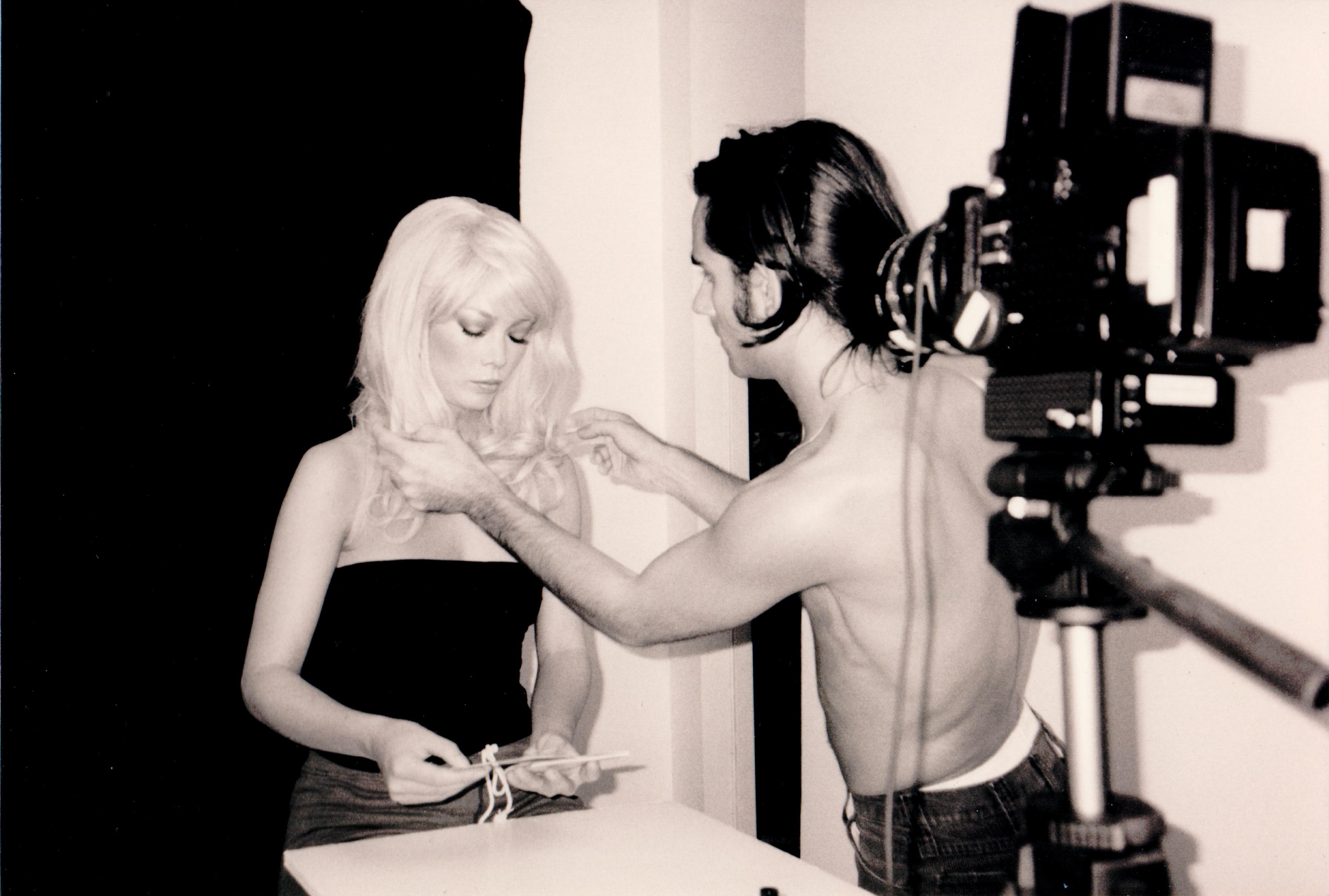
Image 3: Visionaire 19 Beauty Cecilia Dean by James Kaliardos on set 1996.

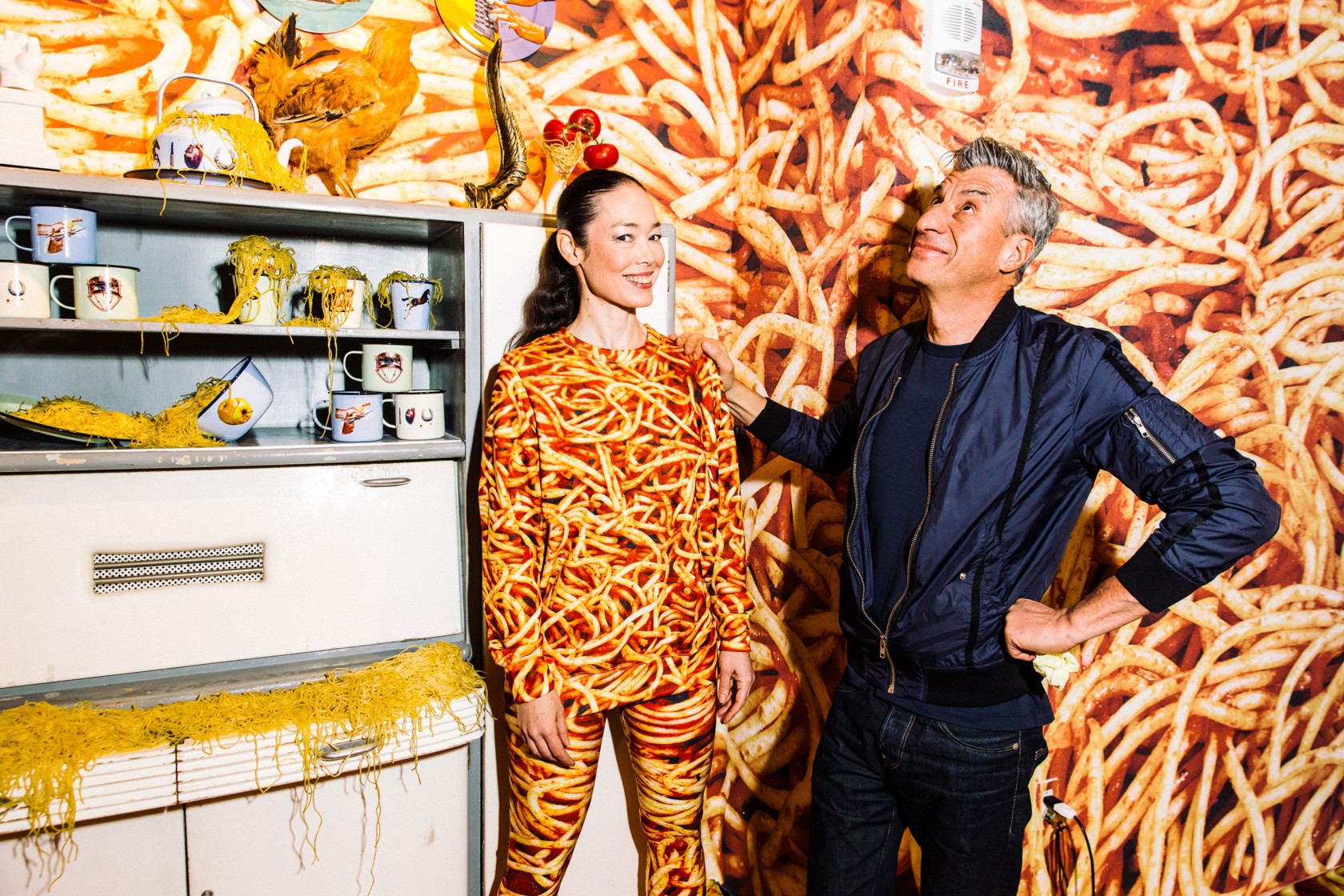
Image 4: Visionaire Presents Toiletpaper Paradise at Cadillac House_Cecilia Dean and Maurizio Cattelan_2017

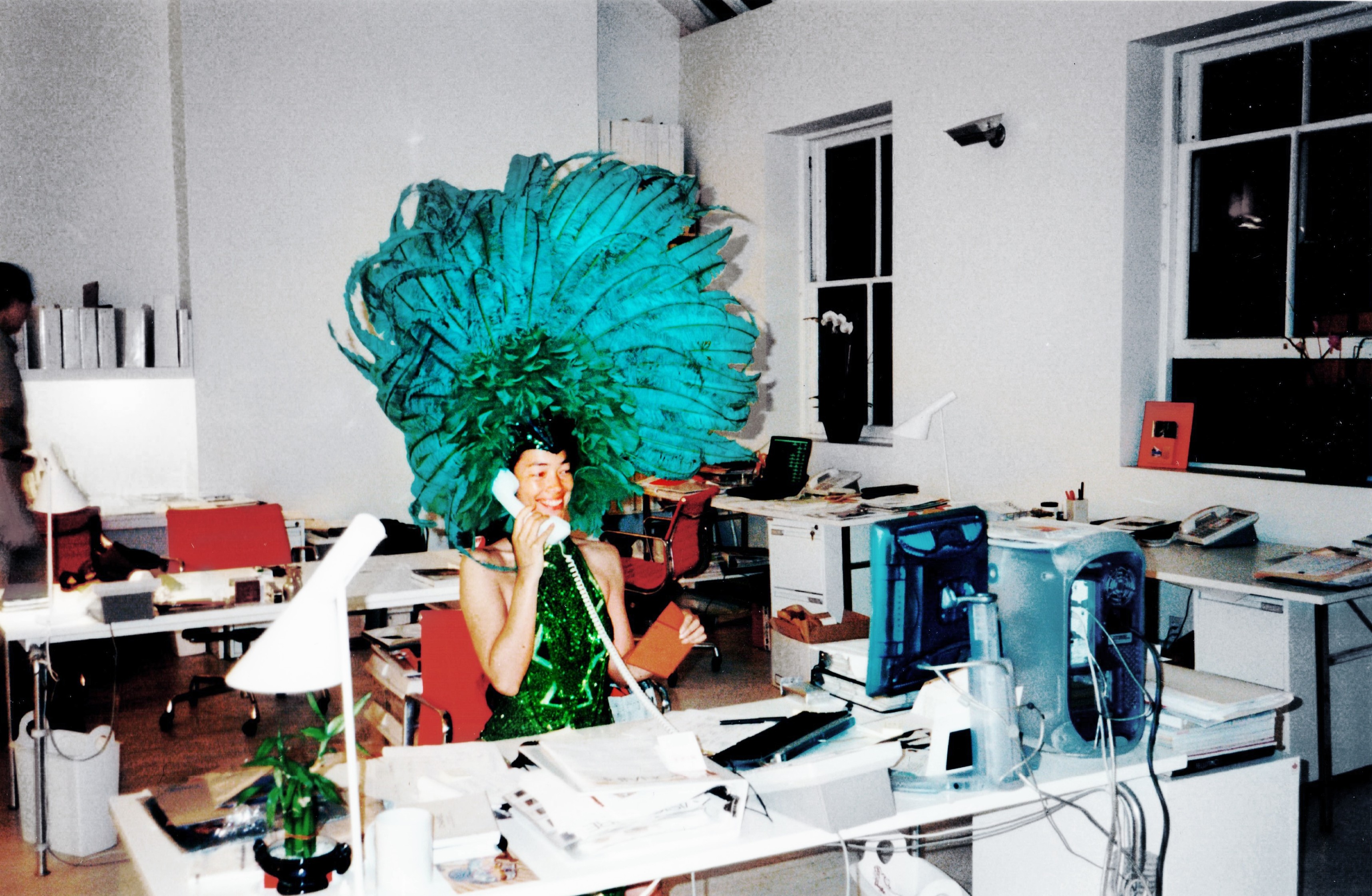
Image 5: Visionaire 32 WHERE? Cecilia Dean in Bob Mackie at Visionaire's SoHo office before the launch event 2000

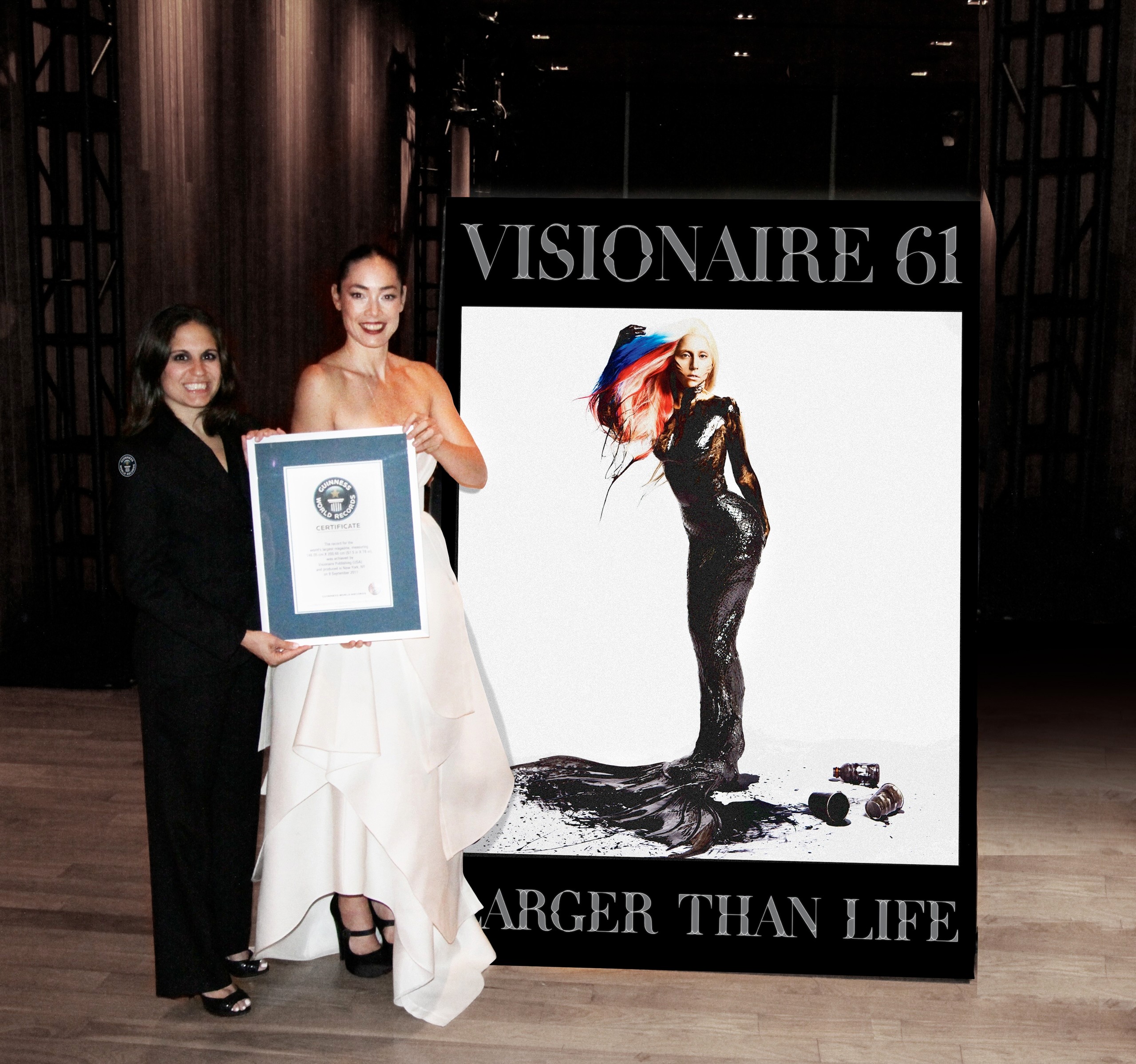
Image 6: Visionaire 61 Larger Than Life Guinness World Record CertIficate Presentation 2011.

Image 7: Visionaire 19 Beauty.

Image 8: Visionaire 64 Art John Baldessari Miley Cyrus 2014.

CREDITS

Image 1-2: Visionaire 18 1996, Portfolio by Louis Vuitton, featuring Helmut Lang by Nan Goldin

For photography enthusiasts, the pairing of Nan Goldin and Helmut Lang represents a definitive collision of two "heroes" of the contemporary era. In this series, Goldin’s signature diaristic style strips away the artifice of the fashion industry, capturing Lang’s minimalist aesthetic through a lens of raw, lived-in humanity. It is exactly this type of cross-pollination that defined Cecilia Dean’s editorial philosophy: placing the most provocative artists of the day into the context of global fashion.

A landmark moment in the "arts x fashion" crossover, Visionaire 18 saw 45 of the world’s most influential designers interpreted by 44 visionary image-makers. Housed in a deluxe monogrammed Louis Vuitton portfolio, the issue is anchored by the raw, intimate collaboration between Helmut Lang and contemporary art icon Nan Goldin. This edition remains a quintessential example of Cecilia Dean's ability to bridge the grit of the art world with the luxury of high fashion, creating a collectible that serves as a time capsule for 1990s avant-garde culture.


Image 3: Visionaire 19 Beauty Cecilia Dean by James Kaliardos on set 1996.

Behind the scenes with co-founders Cecilia Dean and James Kaliardos during the 1996 shoot—a partnership that has defined the vanguard of experiential publishing for over three decades.


Image 4: TOILETPAPER Paradise 2017

Visionaire presents TOILETPAPER Paradise, The Gallery at Cadillac House, New York City (2017). Cecilia Dean and Maurizio Cattelan. Photo: Plamen Petkov.

Described by Cecilia Dean as "Mad Men on acid," TOILETPAPER Paradise saw Visionaire transform a Manhattan gallery into a fully interactive, kitsch-saturated apartment. Featuring the irreverent work of Maurizio Cattelan and Pierpaolo Ferrari, the exhibition invited visitors to jump on beds and lounge in a "spaghetti-filled" kitchen. For Dean, the project was a vital exercise in stripping away the "intimidation" of the white-cube gallery, replacing art-world austerity with a refreshing, darkly humorous sense of play.


Image 5: Visionaire 32 Cecilia Dean in Bob Mackie at Visionaire's SoHo office before the launch event 2000

WHERE? 2000. Travel pouch by Hermès. Featuring Cecilia Dean in Bob Mackie.

The "Hermès issue" saw Cecilia Dean collaborate with Jean-Louis Dumas to create a sensory exploration of travel and distance. Housed in a bespoke Hermès leather pouch, the issue consisted of postcards from contributors like Andreas Gursky and Wolfgang Tillmans, which were mailed from around the globe to acquire the "inevitable wear and tear" of transit. Dean herself is pictured here in Bob Mackie at the SoHo office, embodying the glamorous, high-energy spirit that made Visionaire the ultimate arbiter of turn-of-the-millennium style.


Image 6: Visionaire 61 Larger Than Life Guinness World Record CertIficate Presentation 2011.

LARGER THAN LIFE 2011. Featuring Lady Gaga by Inez & Vinoodh.

Driven by a desire to break the Guinness World Record for the world’s largest magazine, Cecilia Dean partnered with Brazilian advertising magnate Nizan Guanaes to produce an issue of mythical proportions. Measuring up to 145cm x 200cm, the edition featured an "epic" portrait of Lady Gaga by Inez & Vinoodh. By literally outscaling the industry, Dean transformed the act of reading into a monumental physical experience, featuring contributions from Karl Lagerfeld and Marina Abramović.


Image 7: Visionaire 19 Beauty.

The mirrored mylar packaging for Visionaire 19, complete with limited-edition lipstick, mascara, and lip gloss.

Image 8: Visionaire 64 Art John Baldessari Miley Cyrus 2014.

ART (2014). A collaboration with John Baldessari. Miley Cyrus (Red Edition).

In an early exploration of "selfie culture," Cecilia Dean invited legendary conceptual artist John Baldessari to intervene in the digital world. Baldessari took digital self-portraits from celebrities—including Miley Cyrus and Drake—and applied his signature primary-coloured "dot" motifs using traditional printmaking techniques. The project bridged the gap between the "ease of digital" and the "time-honoured craftsmanship of art," reflecting Dean’s ongoing interest in how technology and mass culture collide with fine art practices.

About Cecilia Dean

Cecilia Dean is an American curator, creative director, and co-founder of Visionaire, the influential New York–based platform that has redefined the possibilities of independent publishing since its inception in 1991. Conceived as an experimental space for collaboration across art, fashion, and design, Visionaire became known for its radical formats—spanning sculptural objects, vinyl records, and scent-based editions—foregrounding creative freedom and challenging the conventions of print media.

Originally working as a fashion model, Dean collaborated with leading photographers including Richard Avedon and Mario Testino before transitioning into publishing and curatorial practice. Together with her collaborators, she has worked with an expansive network of artists, designers, and cultural figures, positioning Visionaire as a site of cross-disciplinary exchange and experimentation.

Informed in part by a diasporic perspective rooted in her Chinese heritage, Dean’s practice often operates between disciplines, cultures, and systems. Beyond publishing, her work extends into exhibitions, film, and immersive environments, including projects with MoMA PS1. She has also taught at Parsons School of Design, contributing to new generations of image-makers and cultural producers.

Today, Visionaire operates as a multi-media creative studio, continuing to explore the intersections of art, fashion, and contemporary culture through experiential formats and global collaborations.

Share Article

Share Article

More to Read