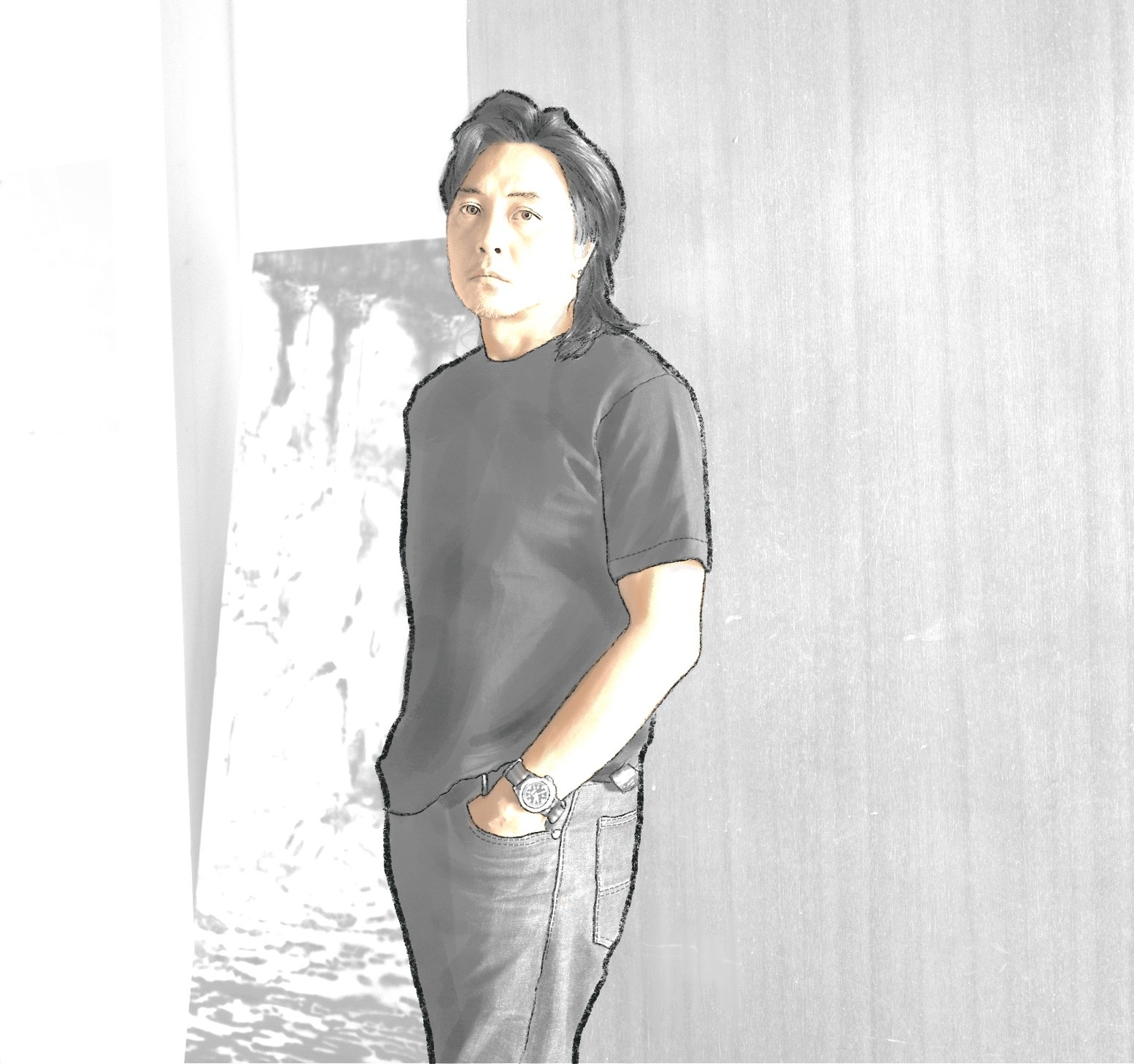
Willy Tay illustrated by Maria Chen

DATE

04/2026

ARTICLE

Maria Chen

PHOTOS

Courtesy of the Artist and iPRECIATION

Inside Willy Tays Studio: Navigating History, Diaspora, and Contemporary Art in Singapore.

From Osage Gallery to ART SG 2025, Tay shares his creative process, the evolution of his postcolonial narratives, and the ideas behind his 2026 iPreciation exhibition, Distance Resonance

Singaporean painter Willy Tay has long been celebrated for his nuanced exploration of memory, identity, and the legacies of colonial history. Across three decades of practice, Tay’s work has transformed archival photographs, historical fragments, and visual motifs into textured oil canvases that interrogate the ways power, displacement, and collective memory shape contemporary society. From early exhibitions at Osage Gallery in Hong Kong to the Jinji Lake Art Museum in Suzhou and his recent presence at ART SG 2025, Tay’s paintings consistently bridge the personal and the political, the past and the present.

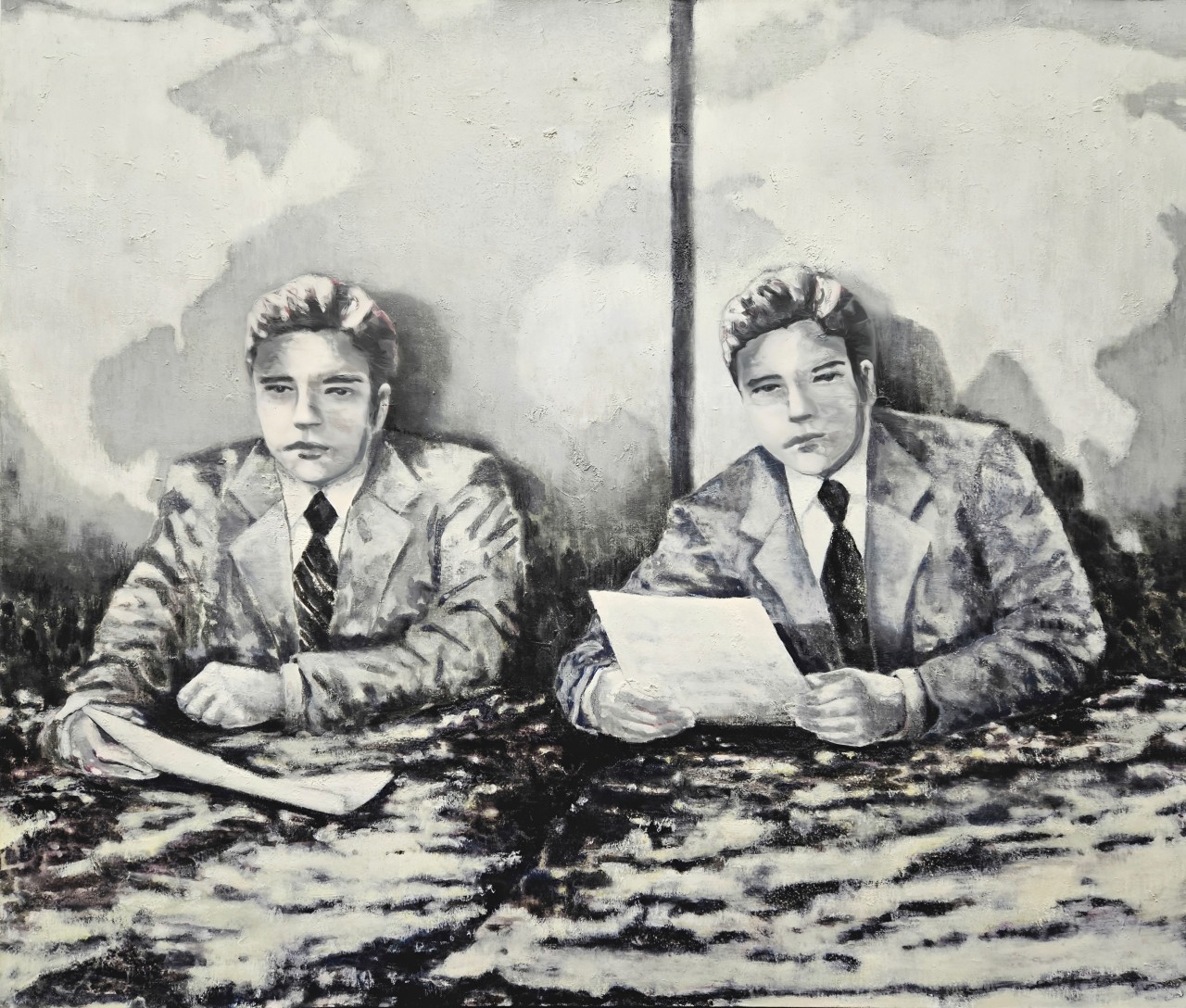
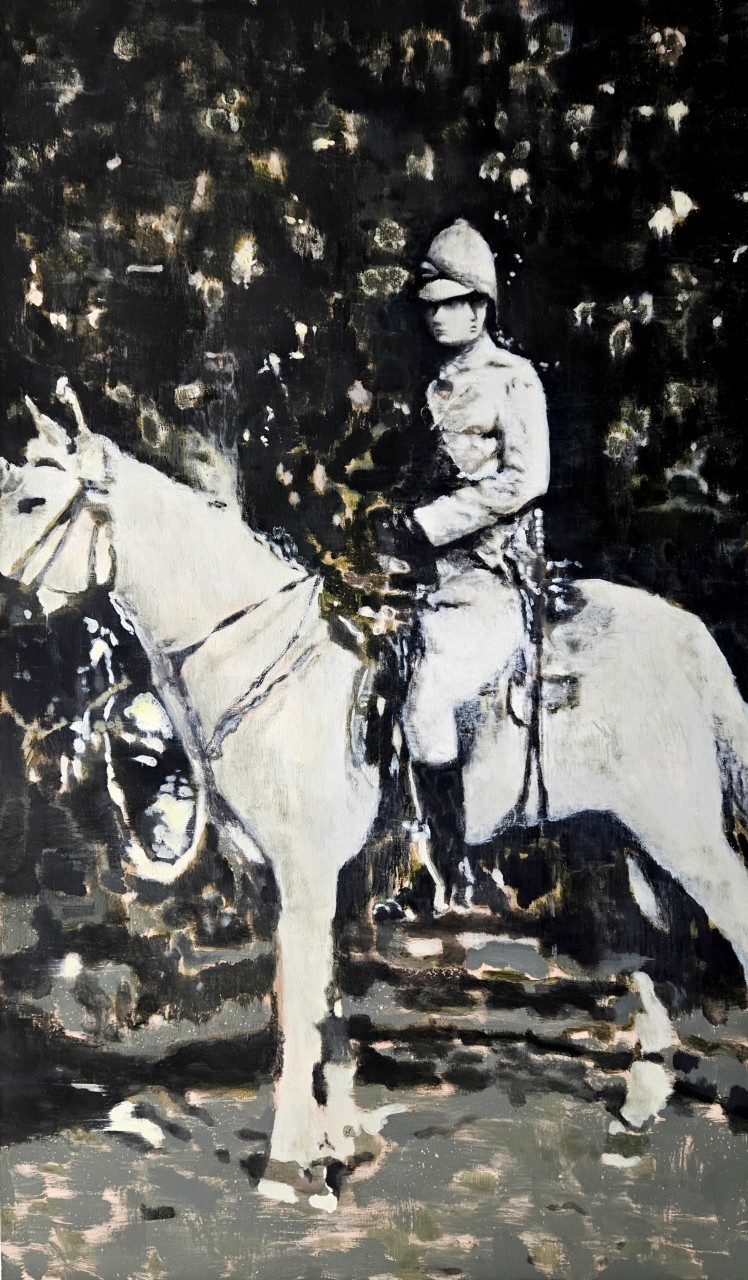
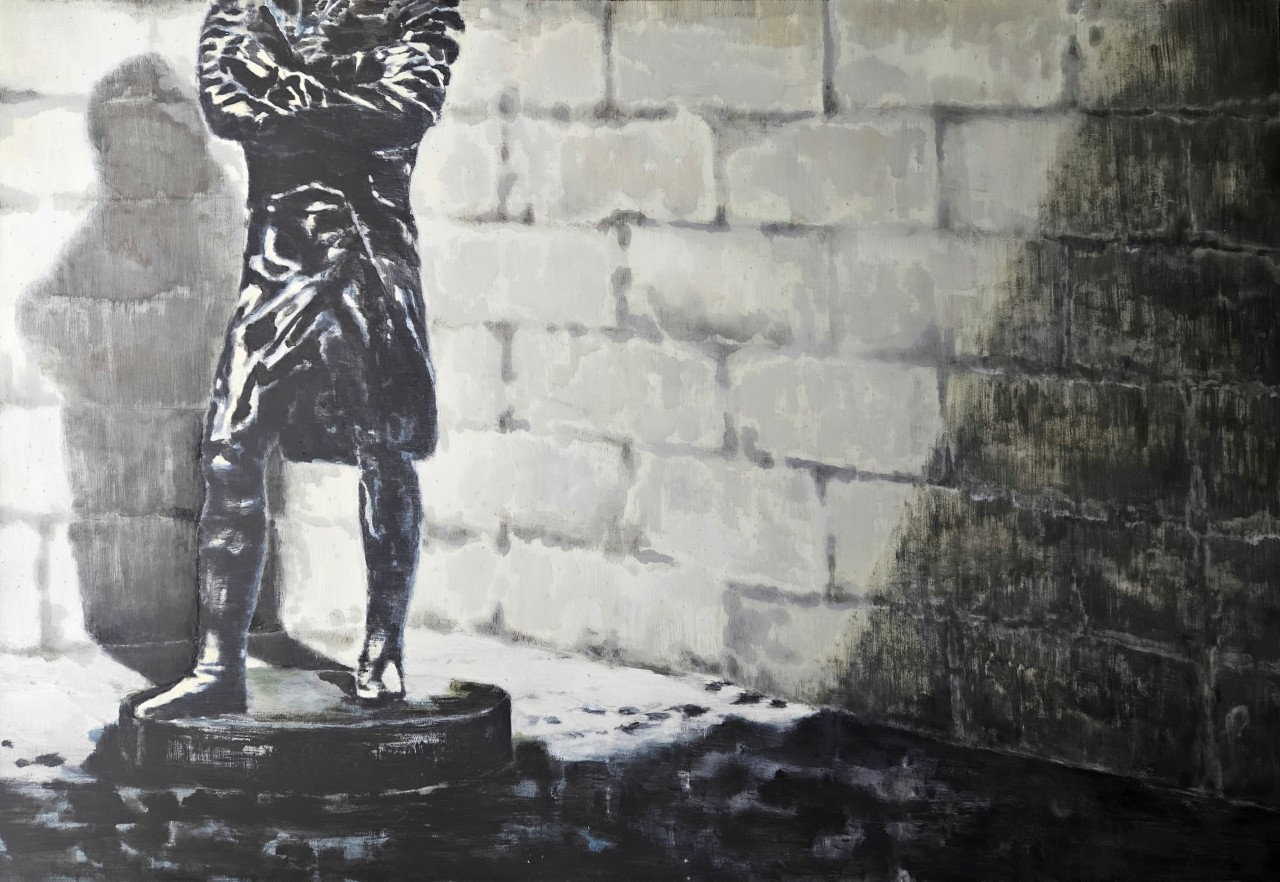
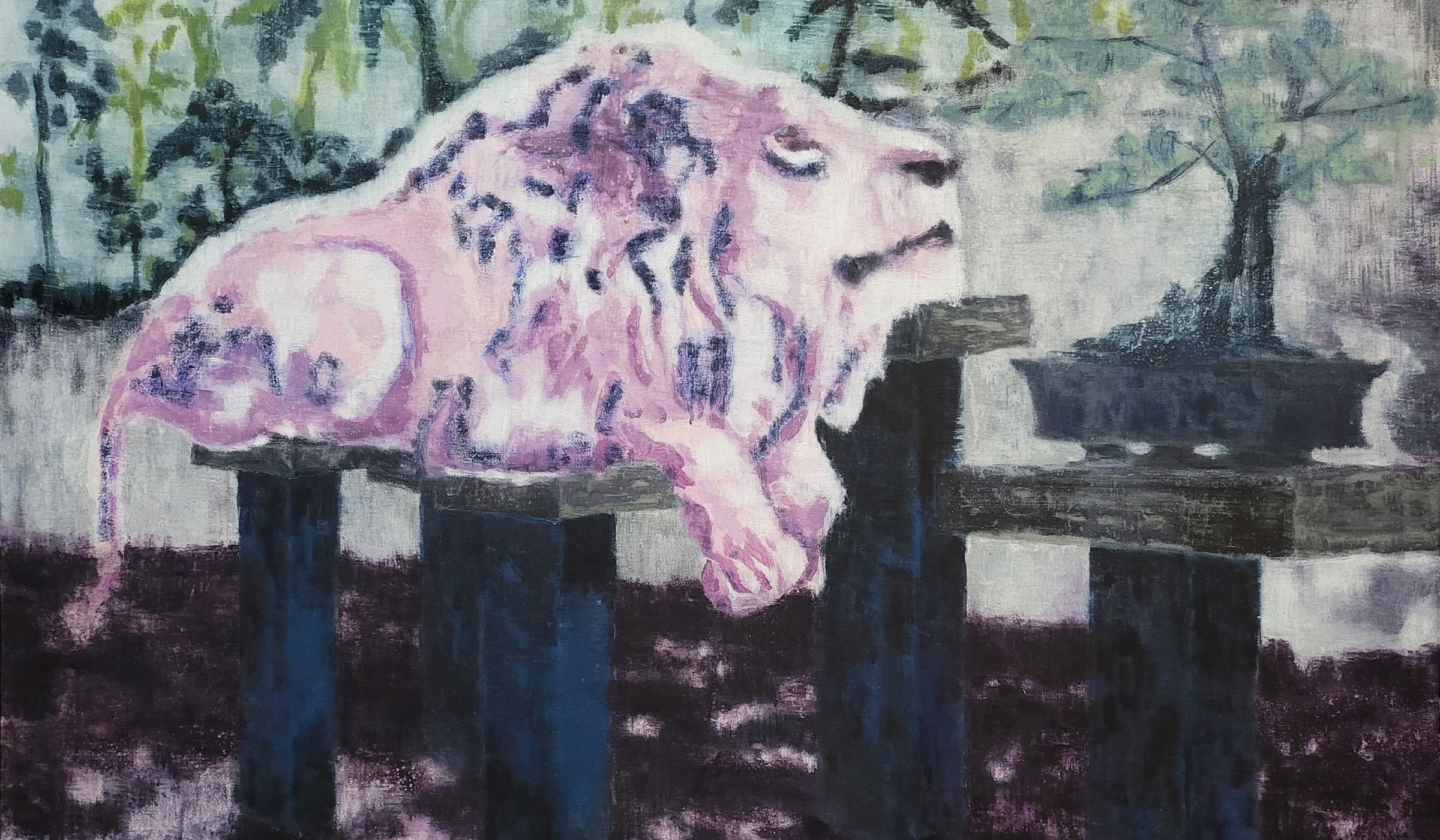
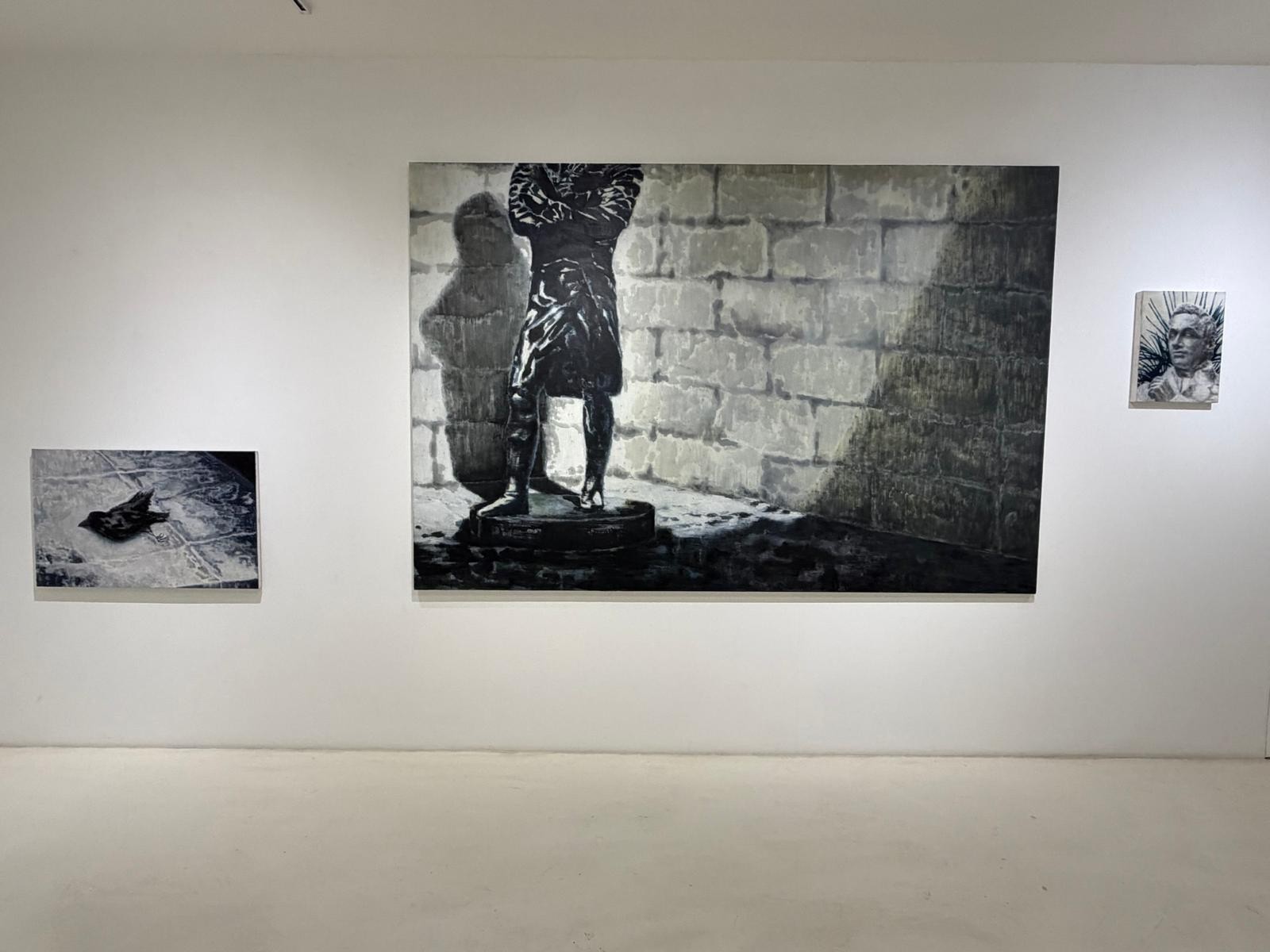
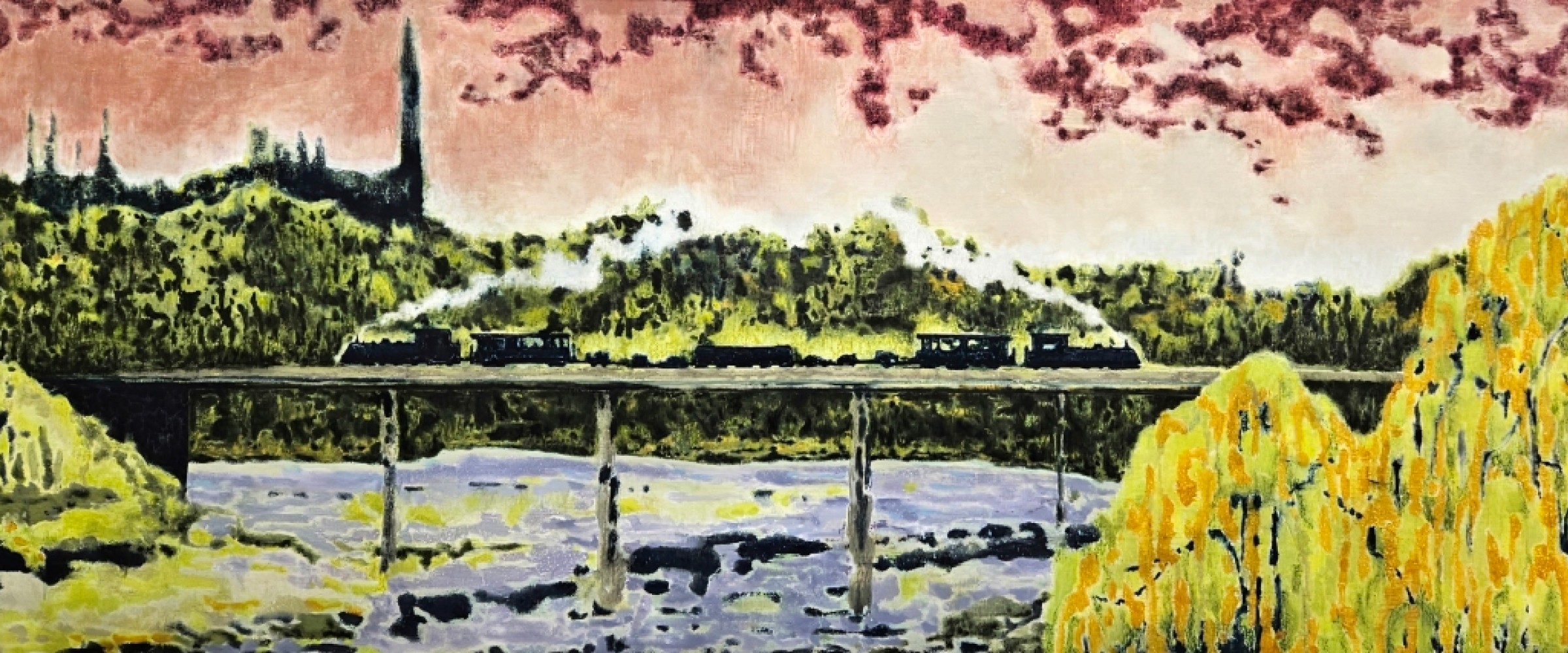
His upcoming solo exhibition, Distance Resonance, opening on 13 April 2026 at iPreciation in Singapore, delves into the “enduring imprint” of colonial histories on the city-state. Featuring still lifes, landscapes, interiors, equestrian figures, and recomposed photographic snapshots, the show exemplifies Tay’s signature tension between continuity and rupture, transforming history into a dynamic, contemplative experience. Works such as Snowfall, Deity, and Repackaged and Retold invite viewers to consider how collective memory and historical narratives continue to shape identity, belonging, and Singapore’s postcolonial imagination.

In the following interview, Tay reflects on his artistic evolution, the influence of his upbringing in Singapore and studies in Melbourne, and his ongoing negotiation of identity within diasporic and transnational contexts. He shares insights into his process, the challenges of representing complex historical themes through painting, and advice for the next generation of artists navigating the ever-shifting terrain of contemporary art.

Whether you are a seasoned collector, an aspiring painter, or a curious observer of postcolonial narratives, this conversation offers a rare glimpse into the conceptual and technical rigor that underpins Willy Tay’s compelling body of work.

Previous

Next

CREDITS

Header: Embracing impasse

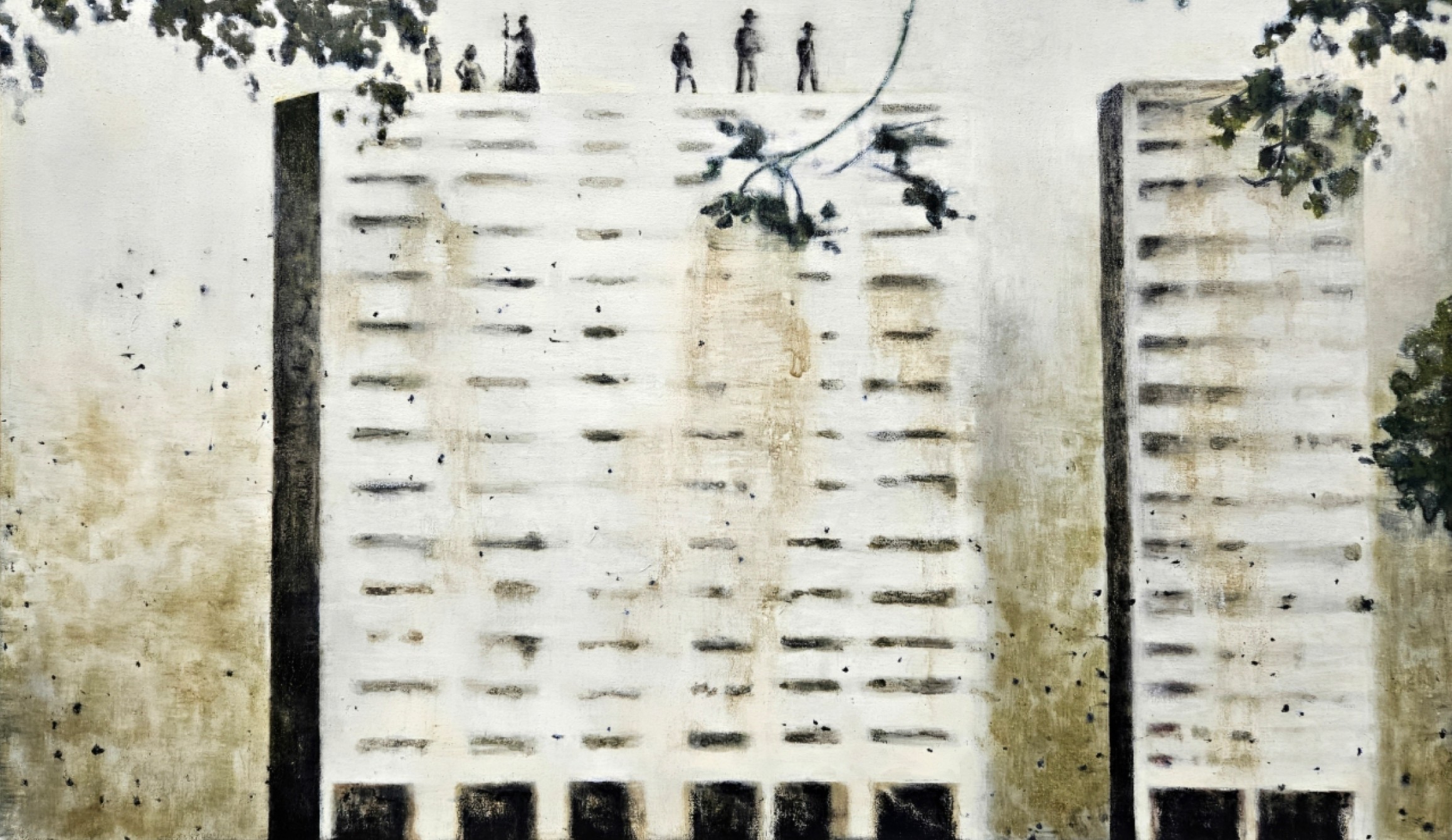
Slide 1: Natural Tendency of Inertia

Slide 2: Missing Friends

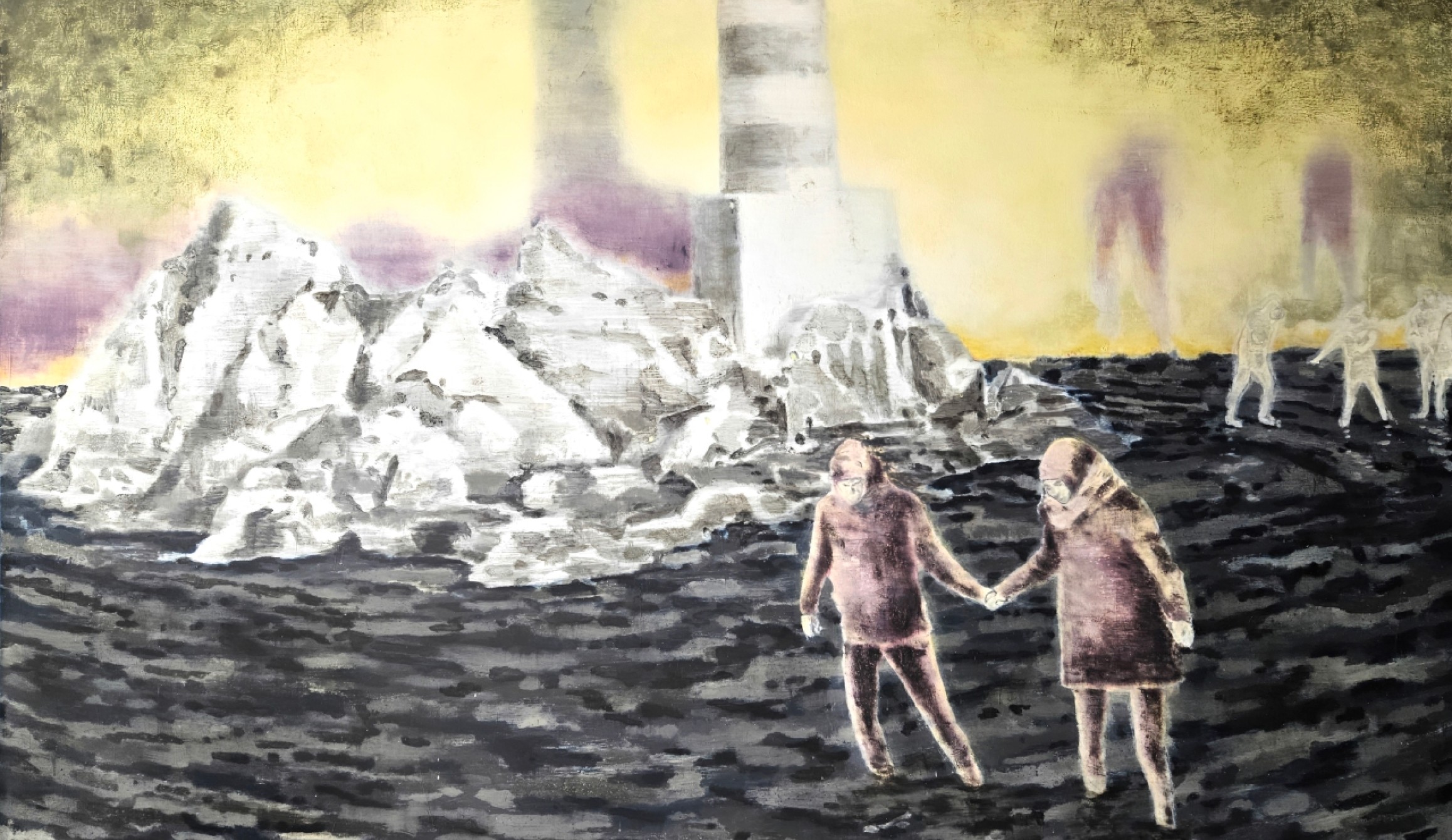
Slide 3: Mirage of Memories

Slide 4: Arriving in Toa Payoh

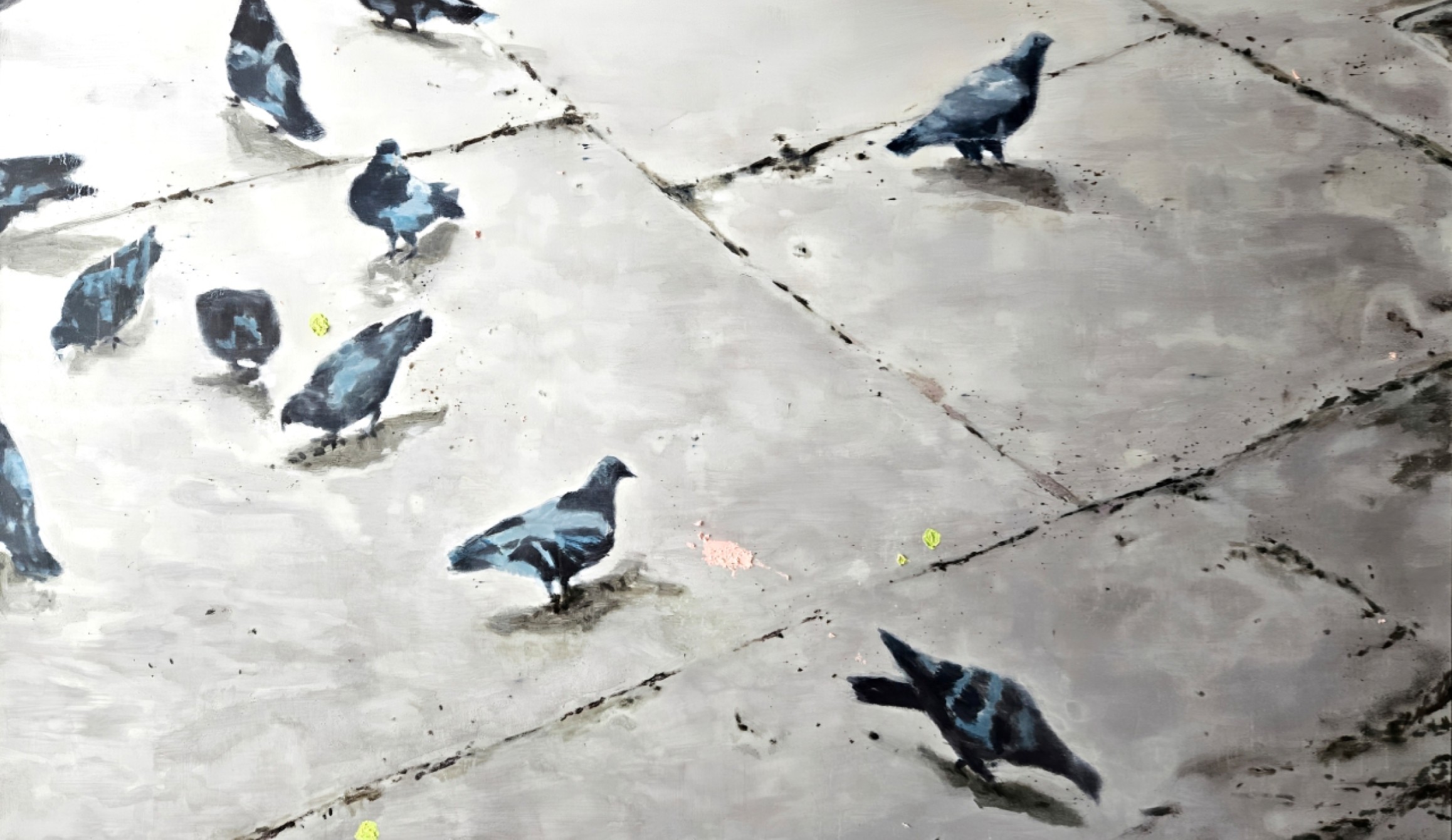
Image 1: Talking Heads

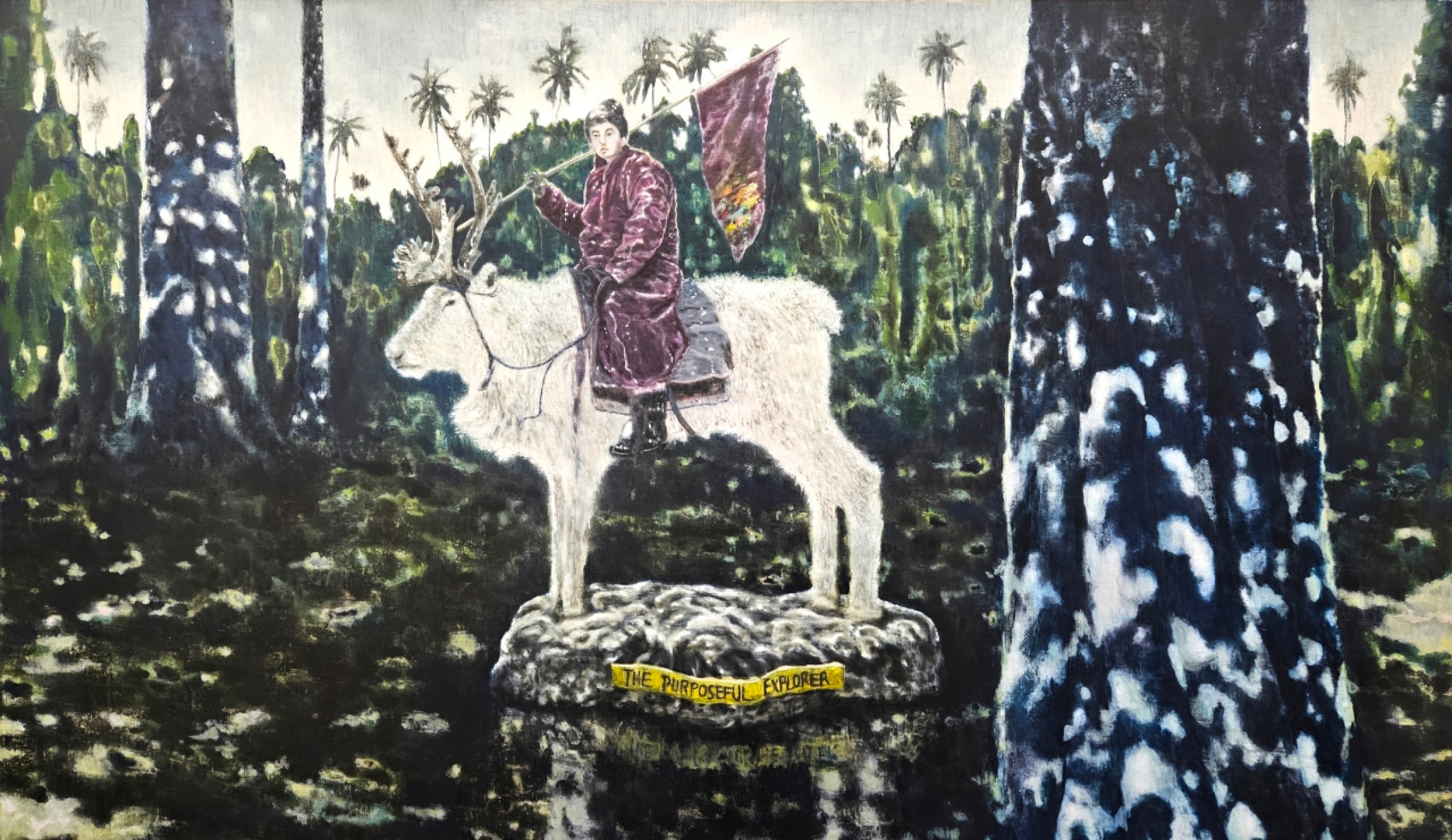
Image 2: Deity

Image 3: Repackaged and retold

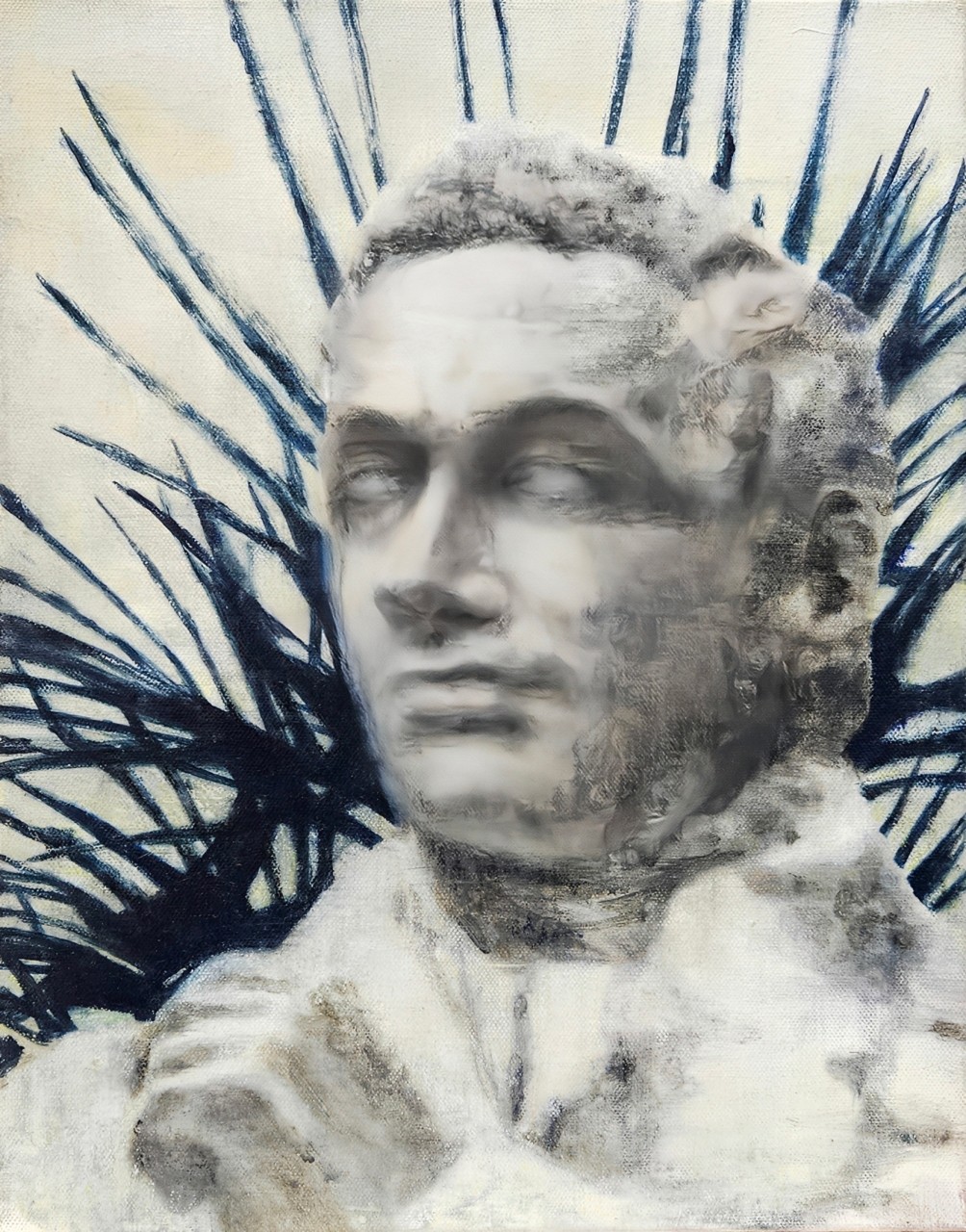
Image 4: To See

Divider: Tropical Lion

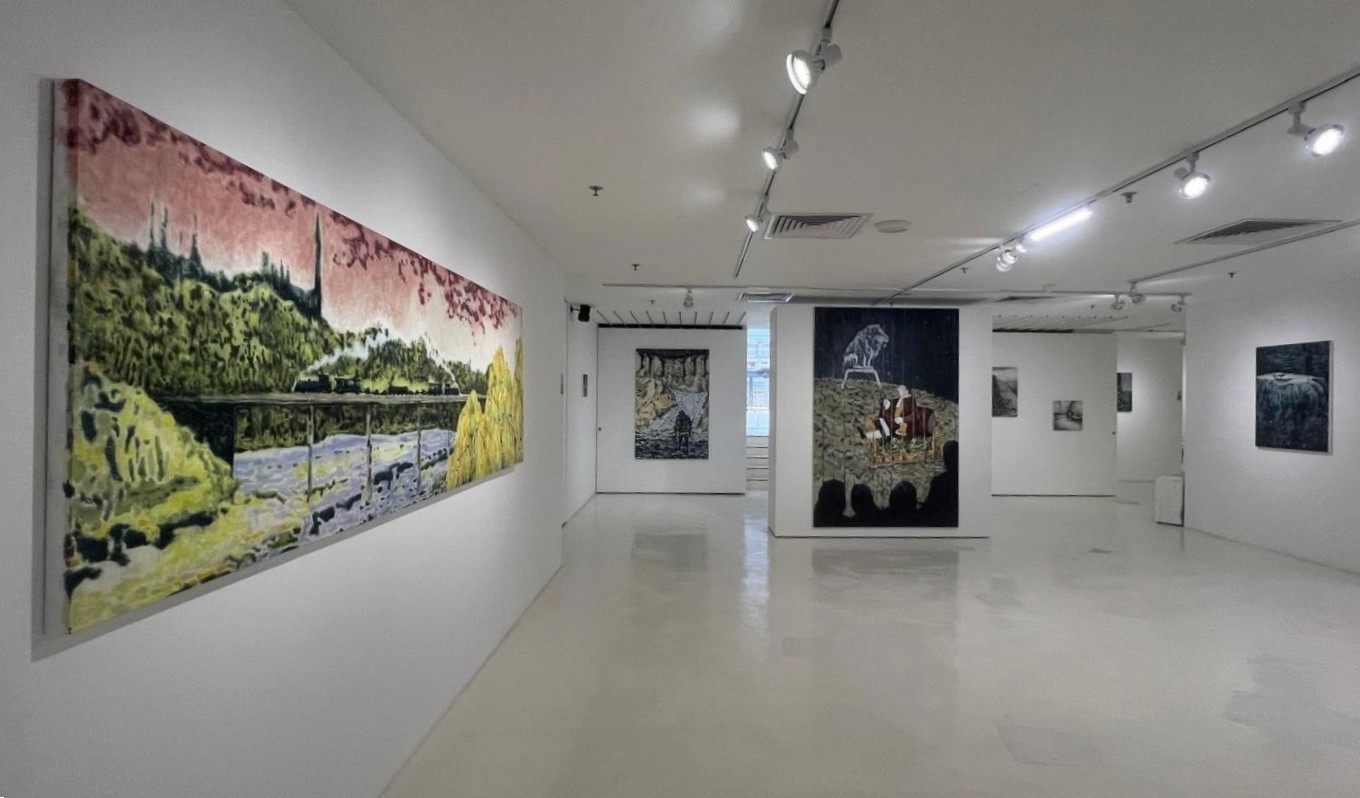
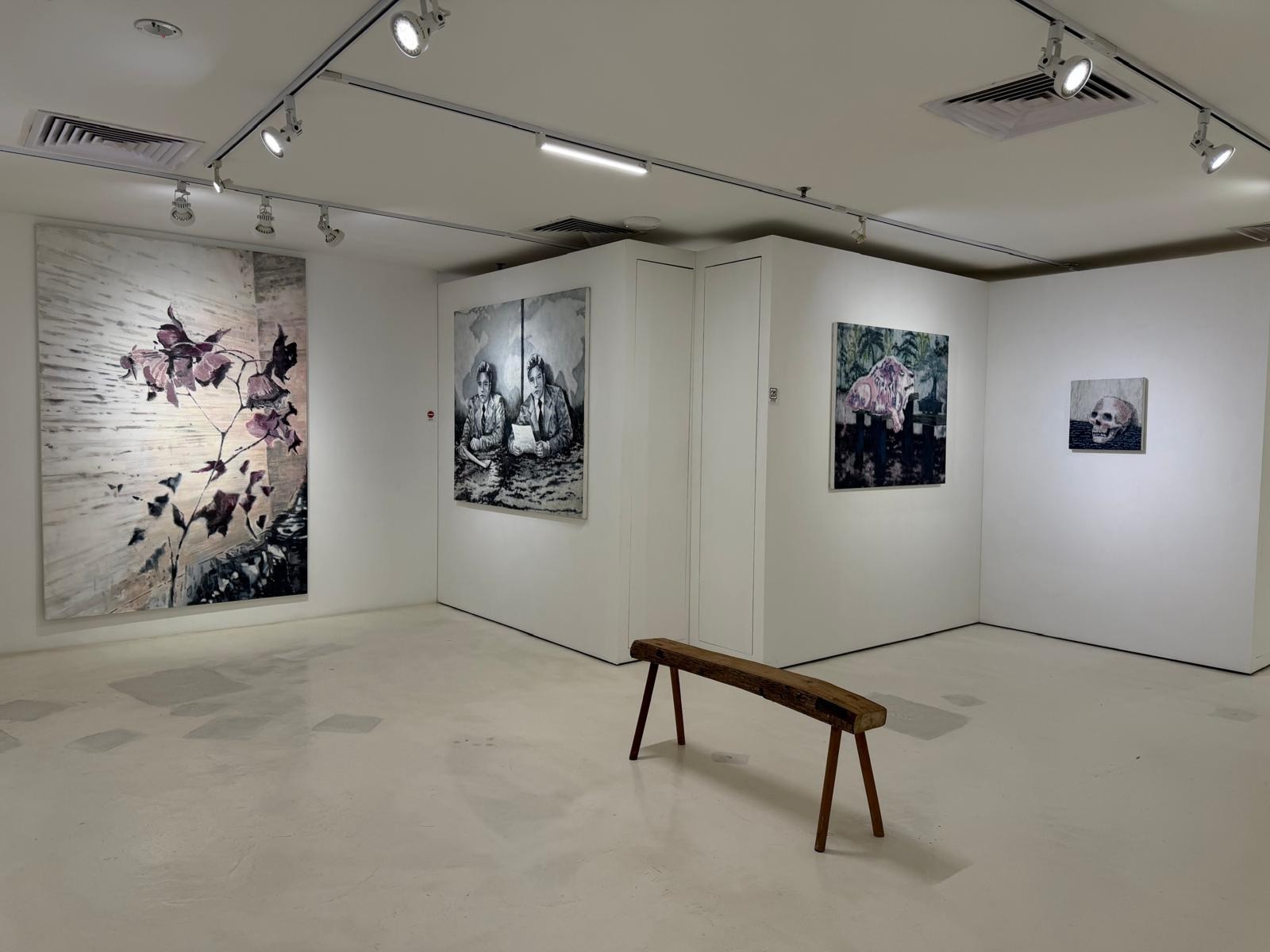
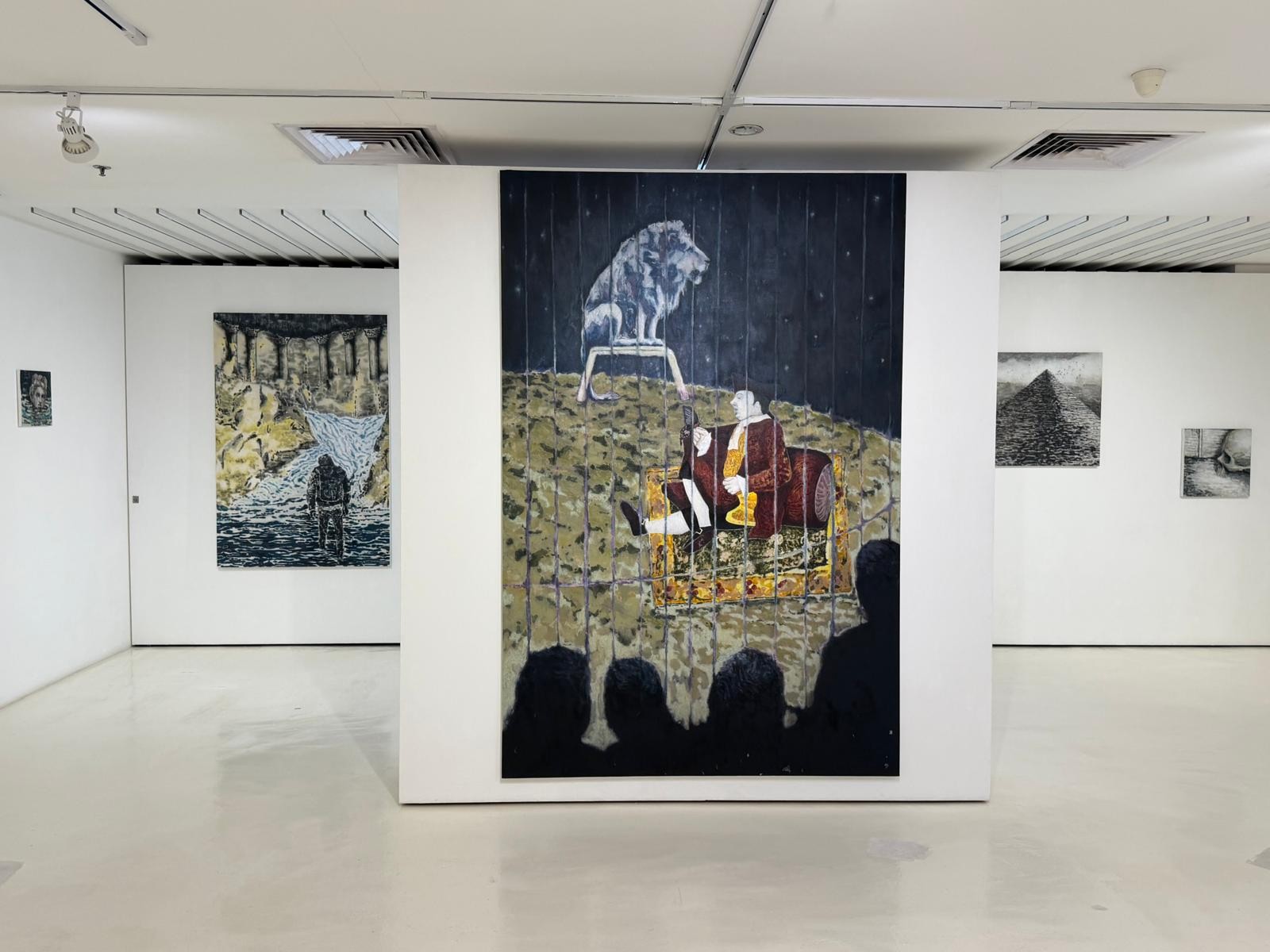
Image 1-4: GALLERY VIEWS Distance Resonance Gallery view imagery courtesy iPRECIATION

“Sometimes, it's necessary to reflect on the past in order to progress. Here, ‘distance’ refers to the space that exists between what has happened and what is yet to come.”—Willy Tay

CNTRFLD. The Solo Show: "Distance Resonance"

Willy, your upcoming solo exhibition at iPreciation, Distance Resonance, opening April 13th, explores the "enduring imprint" of colonial histories on Singapore. Your work often feels like a bridge between memory and myth—how did the title of this show come to be, and what does "distance" mean to you in the context of painting these textured canvases?

WT. Sometimes, it's necessary to reflect on the past in order to progress. Here, "distance" refers to the space that exists between what has happened and what is yet to come. This space allows accumulated knowledge to influence the present and provides opportunities to make choices by considering previous experiences. I'm especially intrigued by these intervals, as there are numerous ways to interpret history and countless possibilities for shaping the future based on those interpretations.

CNTRFLD. The Weight of the Canvas

The media release describes your work as "sites of tension" where the colonial gaze is unsettled. For the aspiring painters reading this, could you walk us through your physical process? How do you use texture and the medium of oil to represent something as heavy and complex as "accumulated histories"?

WT. Paintings are illusory, and I enjoy the idea of contradiction. At first glance, the surface may seem textured, but the paint is actually applied flatly, leaving it physically smooth overall. This contrast helps express that, although the themes can be challenging and complex, they can also be easily overlooked—much like a polished marble countertop. I find this tension captivating, particularly as perspectives are rarely strictly binary.

CNTRFLD. Notable Milestones

Looking back at your trajectory—from showing at Osage in Hong Kong to the Jinji Lake Art Museum in Suzhou and your recent presence at ART SG 2025—how has your perspective on the "migrant condition" evolved? Is there a particular past work or exhibition that you feel was the true "turning point" for the themes we see in your work today?

WT. From 2004 to 2012, my work primarily explored abstract styles; however, I increasingly found this approach inadequate for expressing my ideas. The 2014 exhibition marked a significant turning point, initiating my transition from abstraction to figuration after experimenting with various techniques.

My current approach to work presents some challenges due to old habits; previously, I relied heavily on intuition and seldom planned my compositions. Now, I need to carefully consider my creative process before I begin. Despite this shift, I feel both satisfied and fulfilled with the new direction.

CNTRFLD. Roots & Influence

You graduated from LASALLE in the mid-90s before heading to RMIT in Melbourne for your Bachelor’s and Master’s. Thinking back to your upbringing and childhood in Singapore, were there specific "fragments" of the city’s architecture or social rhythm that stayed with you and eventually pushed you toward a life in fine art?

WT. I was raised in a household with little exposure to art, particularly fine art. My earliest encounters with art were limited to observing the wall murals at the Chinese temple my mother frequently visited. A friend’s recommendation led me to study at LASALLE, where I developed an interest in Fine Art.

CNTRFLD. Identity as a Negotiation

Your work suggests that belonging is an "ongoing negotiation." How has your own sense of identity shifted through the years of living and studying between Singapore and Australia? Does the version of "Willy Tay" that paints in the studio today feel different from the one who first started exploring postcolonial desire?

WT. Since 2004, I have been working in China, frequently moving between two different places. This experience has profoundly influenced me, encouraging deeper reflection on my identity and heritage. Before this, while in Singapore, I seldom considered these issues—perhaps because there was a familiar, shared sense of heritage that seemed ordinary. 

As the sole foreigner among my Chinese peers, conversations about nationality often emerged. I felt embarrassed by how little I knew about my own country's history; my knowledge was limited to basic dates and key events. Meanwhile, my friends had a much more thorough and analytical grasp of their nation's past, along with a strong national identity. This is based on my assumption, partly due to China’s continuous historical lineage and rich traditions stretching back thousands of years.

Being a third-generation immigrant of Chinese descent in Singapore, I find myself in a somewhat awkward position. My ancestral roots are firmly planted in China, yet my sense of self is shaped by the life I’ve led in Singapore. This duality gradually inspired me to begin my journey where it feels most genuine: developing a critical understanding of the history of the place I grew up.

Exploring Singapore’s past becomes meaningful for me to reconcile the complex relationship between heritage and identity.
CNTRFLD. The Diaspora & The "Threshold"

You describe Singapore as a migrant city where people inhabit time with "one foot in departure and another in arrival." As someone who has navigated the international art circuit, do you feel this "diasporic" state of being is a superpower for an artist? How does it help you see things that others might miss?

WT. In my experience, this is comparable to a state of limbo, where the sense of suspension enables one to observe with enhanced clarity.

Translating such a feeling is challenging: should one relinquish the past or preserve it? Is it preferable to accept or decline the unfamiliar? There is no definitive answer, and perhaps none will ever emerge.

CNTRFLD. Navigating Support Systems

The arts can be a challenging path to navigate. Having worked and exhibited in Singapore, Manila, Hong Kong, and China, what is your take on the importance of support systems—like your relationship with iPreciation or your time in Melbourne? How should a young artist go about finding their "tribe" or the right gallery to call home?

WT. Art making is a continuous journey in which artists seek solutions or answers to their questions.  Any art group or gallery that aligns with your vision can provide valuable support, regardless of location.

CNTRFLD. Base of Operations

You’ve spent significant time abroad but remain deeply engaged with the Singaporean narrative. Where are you currently based, and what is it about that specific environment—the light, the noise, or the community—that makes it the right place for you to create right now?

WT. As both a native and resident in Singapore, it is inevitable that elements of the locale influence my work, whether consciously or otherwise. The colour palette often reflects an immediate response to the local light; environment may subtly impact the composition.  Ultimately, the work emerges as an indirect result of its surroundings.

CNTRFLD. The Future "Reverberations"

Beyond the opening at iPreciation on April 13th, what is exciting you in the studio right now? Are there any new "unseen consequences" or historical figures you are currently researching for your next body of work?

WT. I am exploring new media, incorporating them to broaden the theme's narratives and dimensions.

CNTRFLD. Advice to the Next Generation

For the creatives who look at your career—spanning three decades of education and high-level practice—what is the one piece of advice you’d give them about staying resilient? How do you keep the "act of looking" fresh after all these years?

WT. 3 points that work for me...

Stay inquisitive.

Take your time to work

Don't hesitate to make changes - Destruction will bring new creations.

About the artist.

Willy Tay is a Singaporean painter whose work navigates memory, history, and postcolonial narratives. Born in Singapore, he graduated from LaSalle College of the Arts (Diploma in Fine Art, 1994) and continued his studies at the Royal Melbourne Institute of Technology, earning a BA (Fine Art, 1998) and MA (Fine Art, 2004).

Tay’s paintings often recombine archival photographs, historical events, and visual fragments into complex canvases that explore how power, displacement, and collective memory shape contemporary society. His practice has been exhibited internationally, including the Impression Culture and Art Festival in Chengdu, China (2023), Do You Believe in Angels? at Equator Art Projects, Singapore, and Mo Space, Manila (2014), The Realm in the Mirror, the Vision out of Image at Jinji Lake Art Museum, Suzhou, China (2013), and Moments on White at Osage Gallery, Hong Kong and Singapore (2007).

Most recently, Tay participated in ART SG 2025 with iPRECIATION in Singapore. Across his career, his work continues to probe the lingering effects of history on the contemporary imagination, positioning painting as a space where memory, myth, and ethical reflection intersect.


About the Exhibition.

Distance Resonance – Paintings by Willy Tay

Distance Resonance presents the latest paintings by Singaporean artist Willy Tay, exploring the lingering imprint of colonial histories on contemporary Singapore. Opening on 13 April 2026 at 50 Cuscaden Road, HPL House, the exhibition features a diverse range of works, including still life, landscapes, interiors, equestrian figures, and recomposed photographic snapshots.

Tay’s textured oil canvases transform archival imagery and historical fragments into dynamic, unresolved compositions that interrogate memory, myth, and power. Works such as Snowfall, Deity, and Repackaged and Retold reveal the hidden consequences of historical decisions and the ongoing reinterpretation of Singapore’s colonial past.

Central to the exhibition is the tension between continuity and rupture: the canvas becomes a threshold where collective memory, nostalgia, and ethical engagement converge. Tay’s paintings invite viewers to reconsider how history shapes present-day identity and belonging, framing Singapore as a postcolonial city defined by movement, hybridity, and reflection. Spanning works from 2022 to 2026, Distance Resonance positions painting as both a contemplative practice and a means of negotiating the enduring reverberations of empire.

iPRECIATION. 50 Cuscaden Road, HPL House #01-01, Singapore 249724
13th - 30th April 2026

Share Article

Share Article

More to Read

Create a free website with Framer, the website builder loved by startups, designers and agencies.