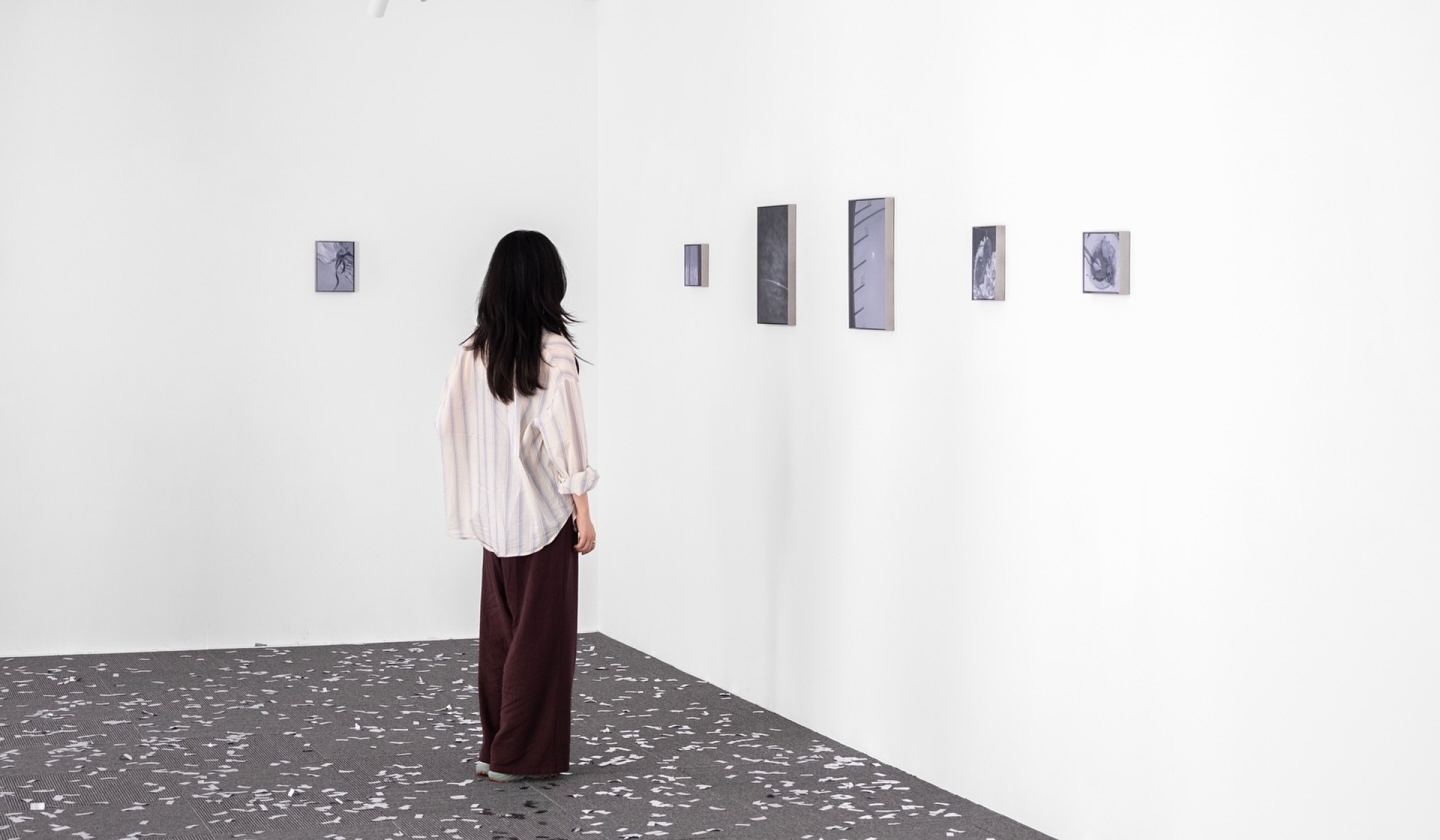
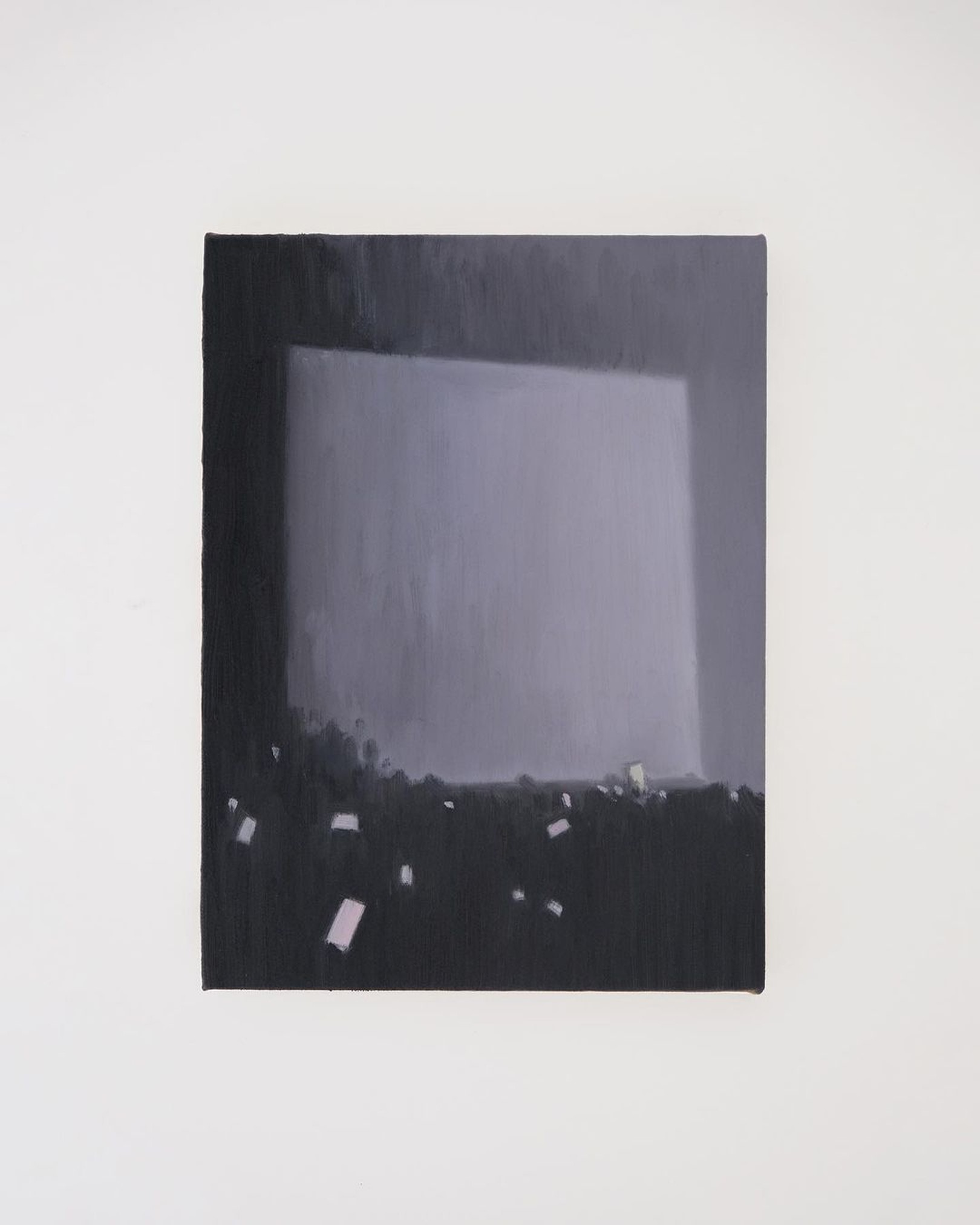
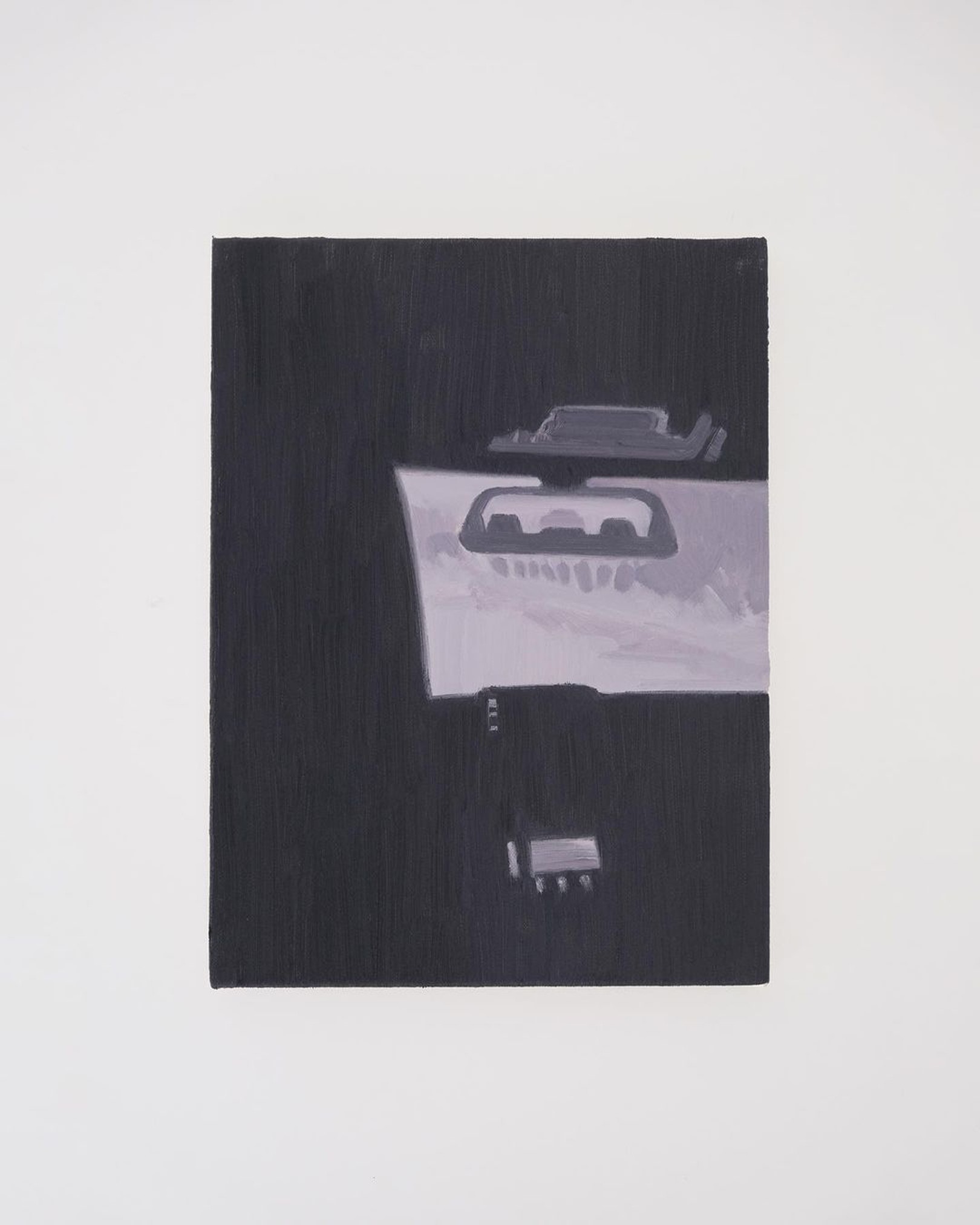
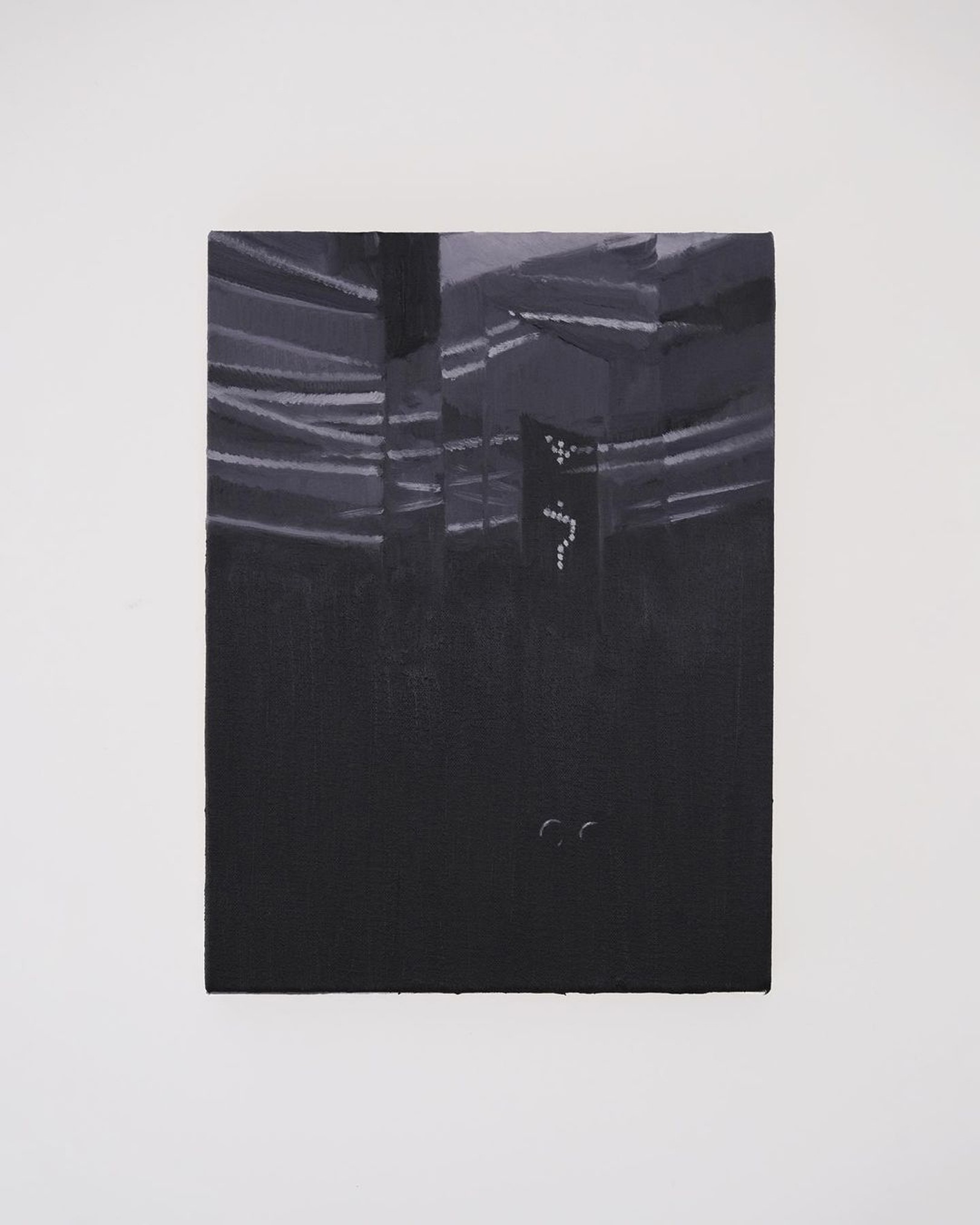
CNTRFLD. Can you tell us about your upbringing in China and how it has influenced your approach to art, particularly in relation to your exploration of media imagery and its effects?
CL. In East Asian culture, expression tends to be subtle and indirect. Growing up in such an educational system presents a unique challenge—reading comprehension. In exams, we’re asked to interpret the limited and often obscure language of texts or poems, trying to grasp the writer’s innermost thoughts. This process subtly trains every child from a young age to become adept at detecting and developing metaphors. Even now, it shapes the way I view things; whenever I encounter anything on the surface, I instinctively search for deeper meanings, whether they exist or not.
CNTRFLD. Your work often contrasts the speed of media consumption with the slower process of painting. How did this idea first come to you, and how has it evolved throughout your career?
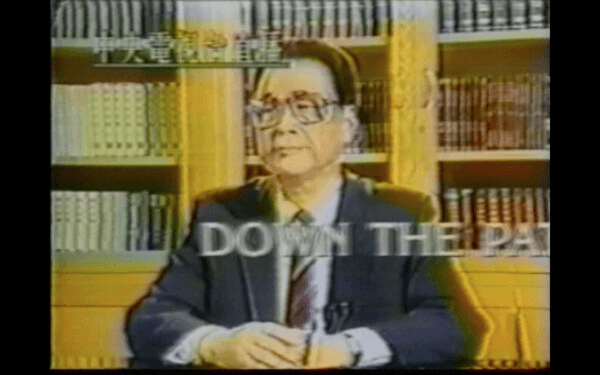
CL. It stems from a long time spent immersed in endless scrolling, enjoying the pure and straightforward dopamine or anxiety injections delivered by algorithms. We are constantly asked to inform the internet of our needs, desires, and preferences, while documenting our lives in images and texts on social media. But after putting down my phone, I started to regret the time I wasted and began reflecting on this conditioned way of seeing and the underlying structures that shape it. What is driving this transformation?
CNTRFLD. In what ways do you think your experience studying at the Royal College of Art has shaped your artistic practice and your approach to depicting media images?
CL. “Habits are the biggest enemy of an artist.” This was something my tutor once told me, and it sparked my curiosity to explore new methods and push the boundaries of my research. Eventually, I discovered my own artistic voice—though it wasn’t until three months after I’d already graduated.
The short, intensive program felt more like an artist residency than a traditional course of study. However, I was fortunate to meet many passionate artists and form lasting friendships. You can’t expect to accomplish everything within the walls of an institution; life experience is far more valuable than a diploma. In the end, learning is a lifelong journey.
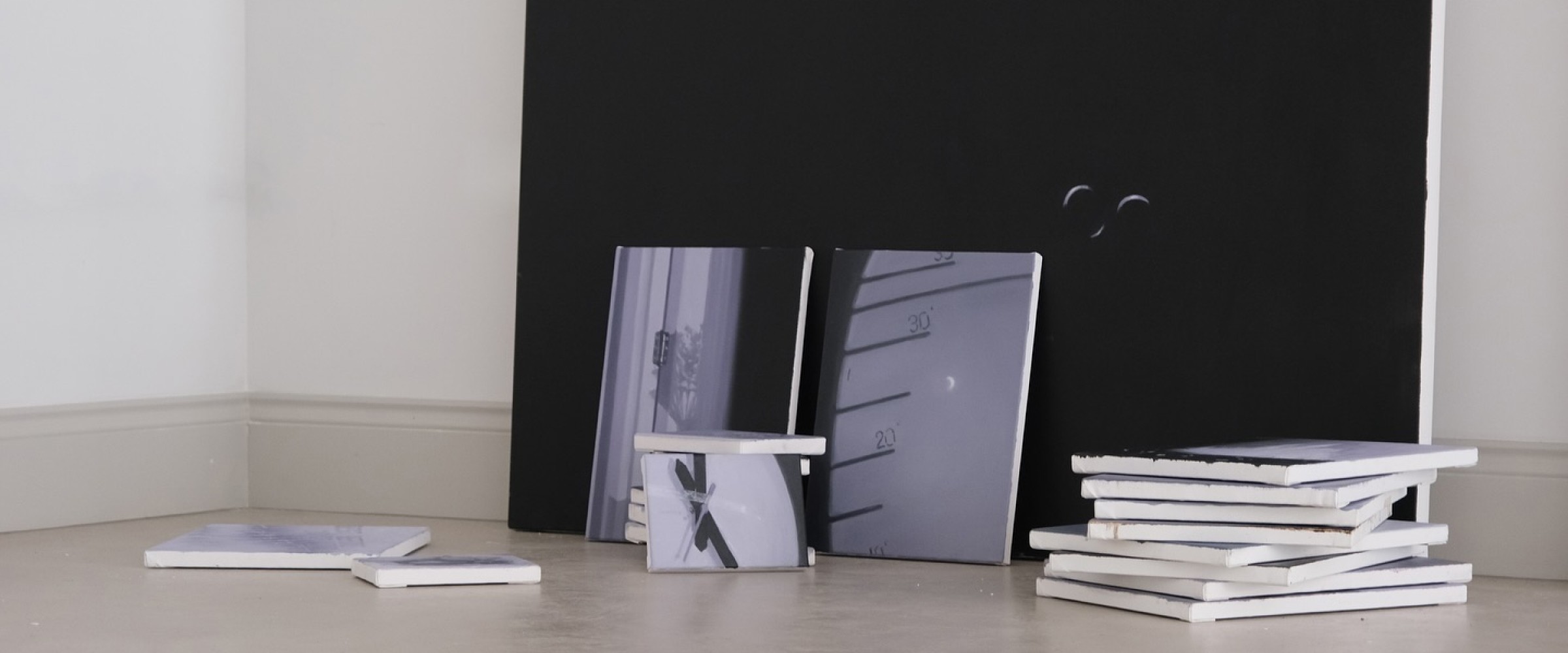
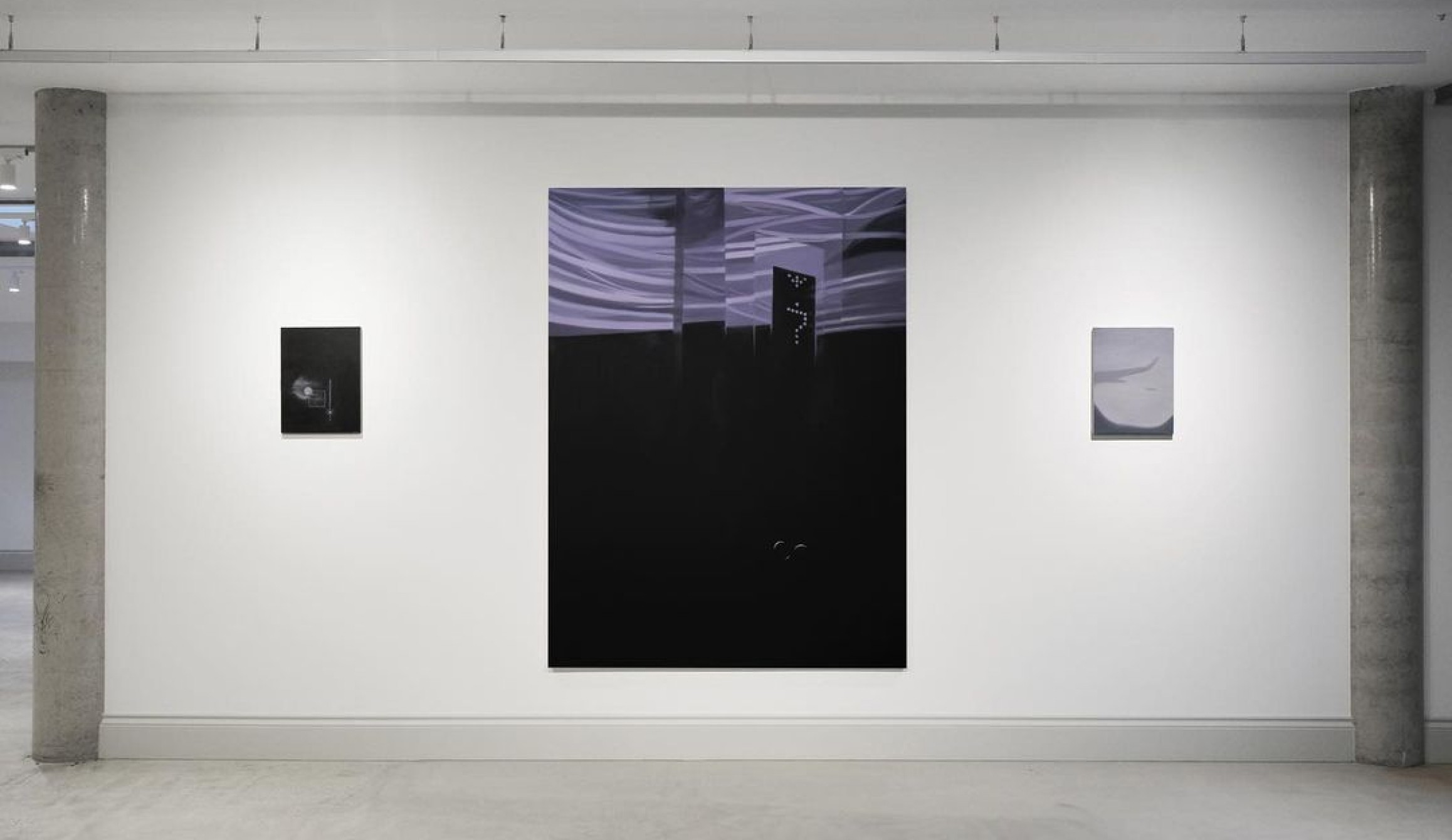
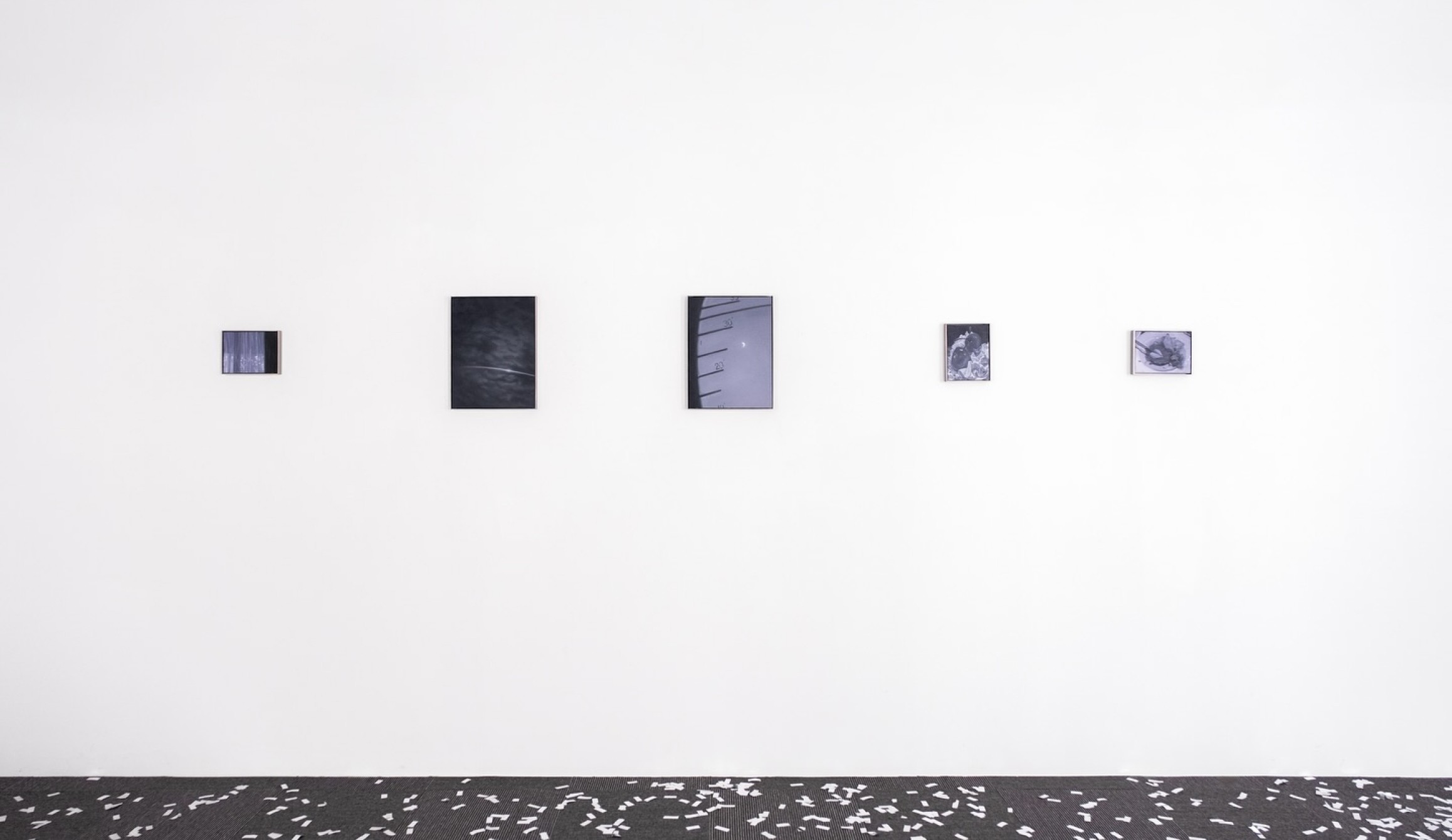
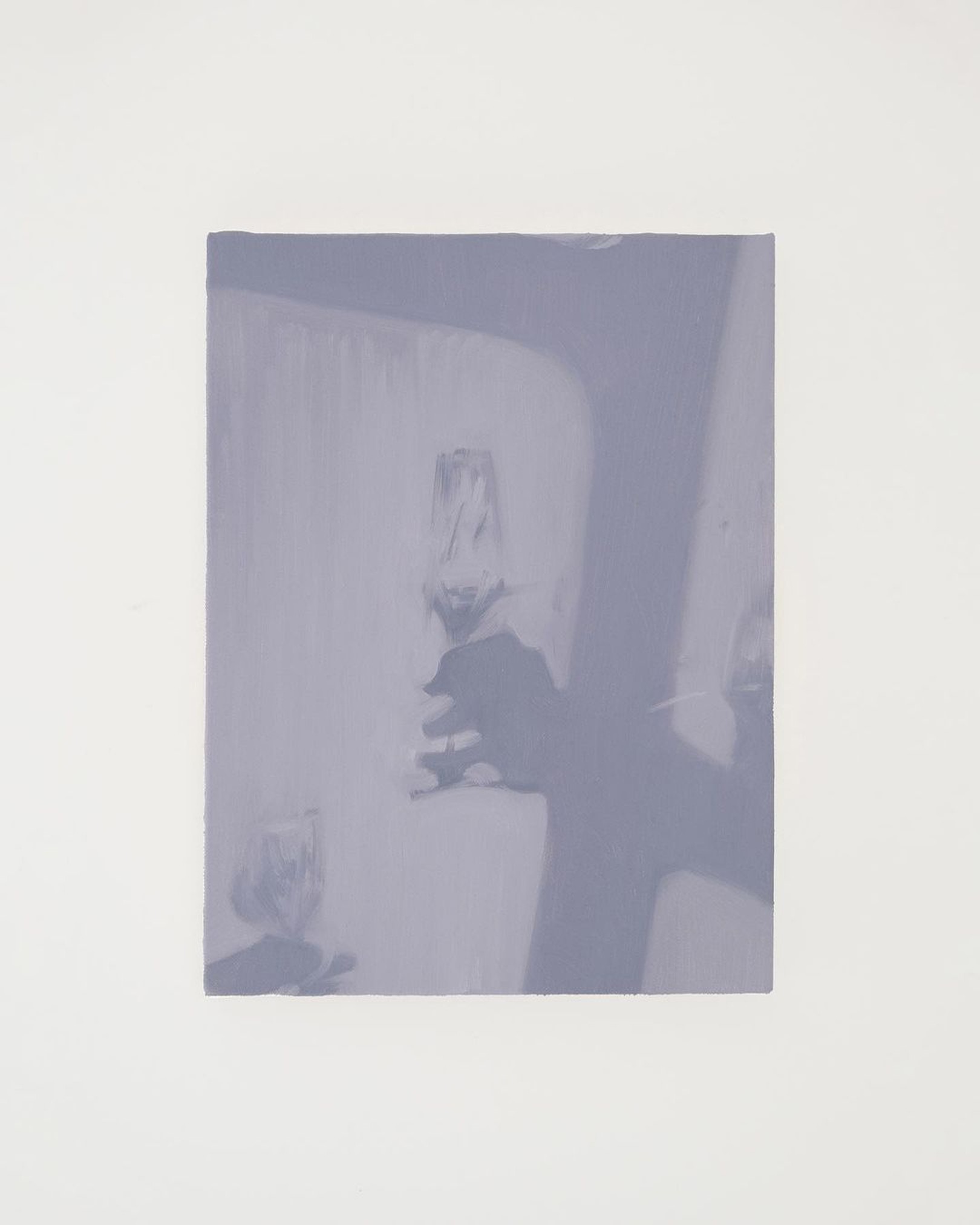
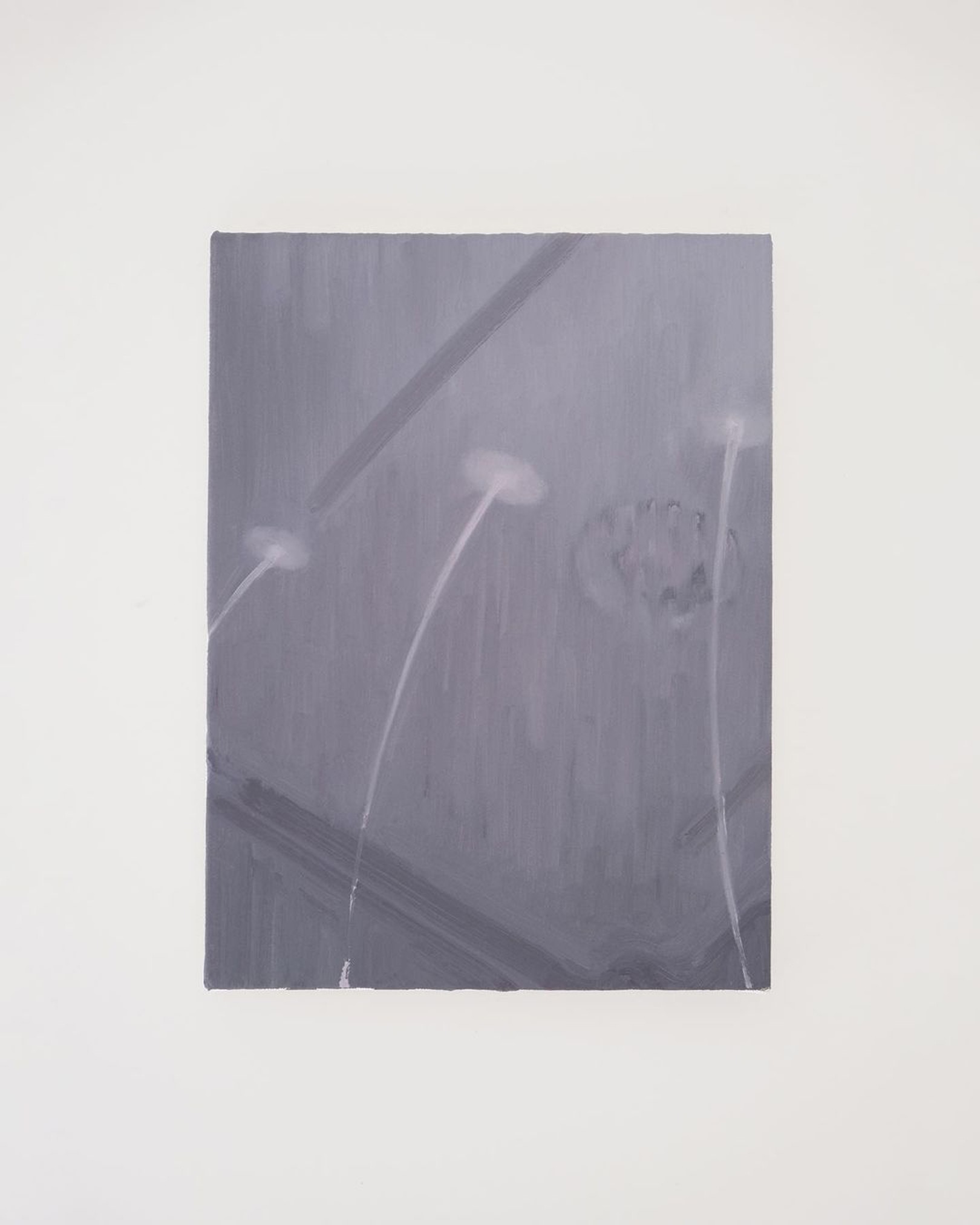
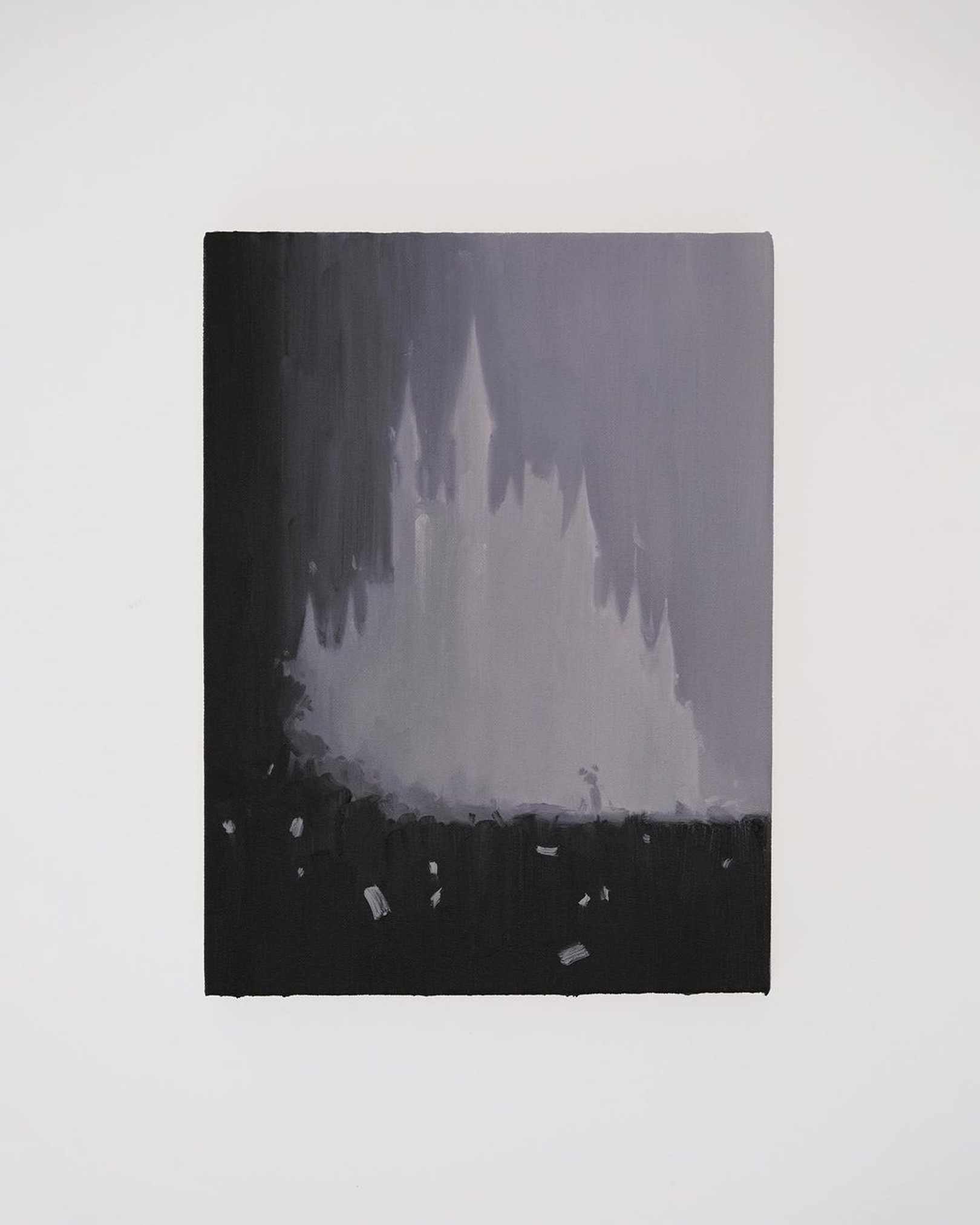
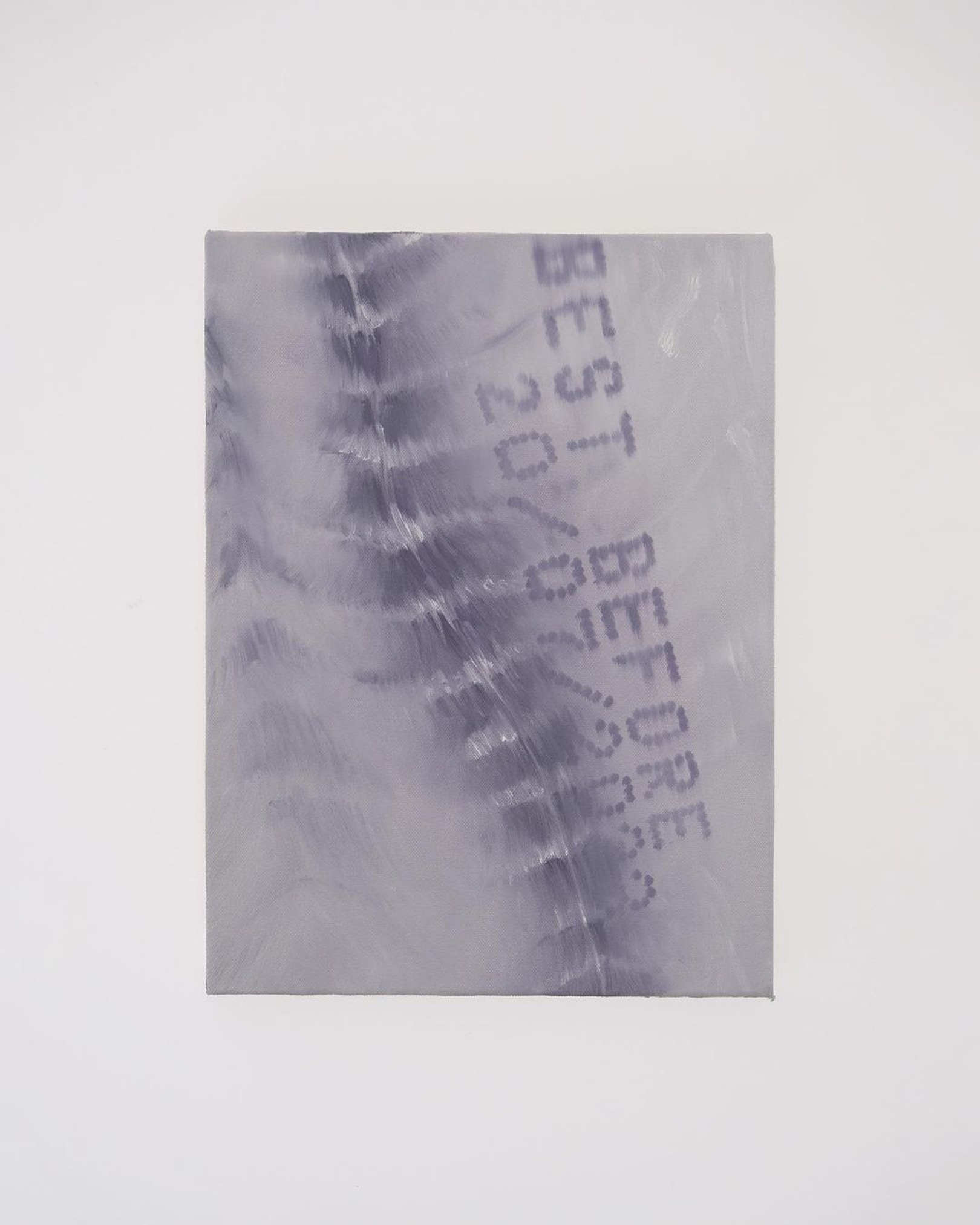
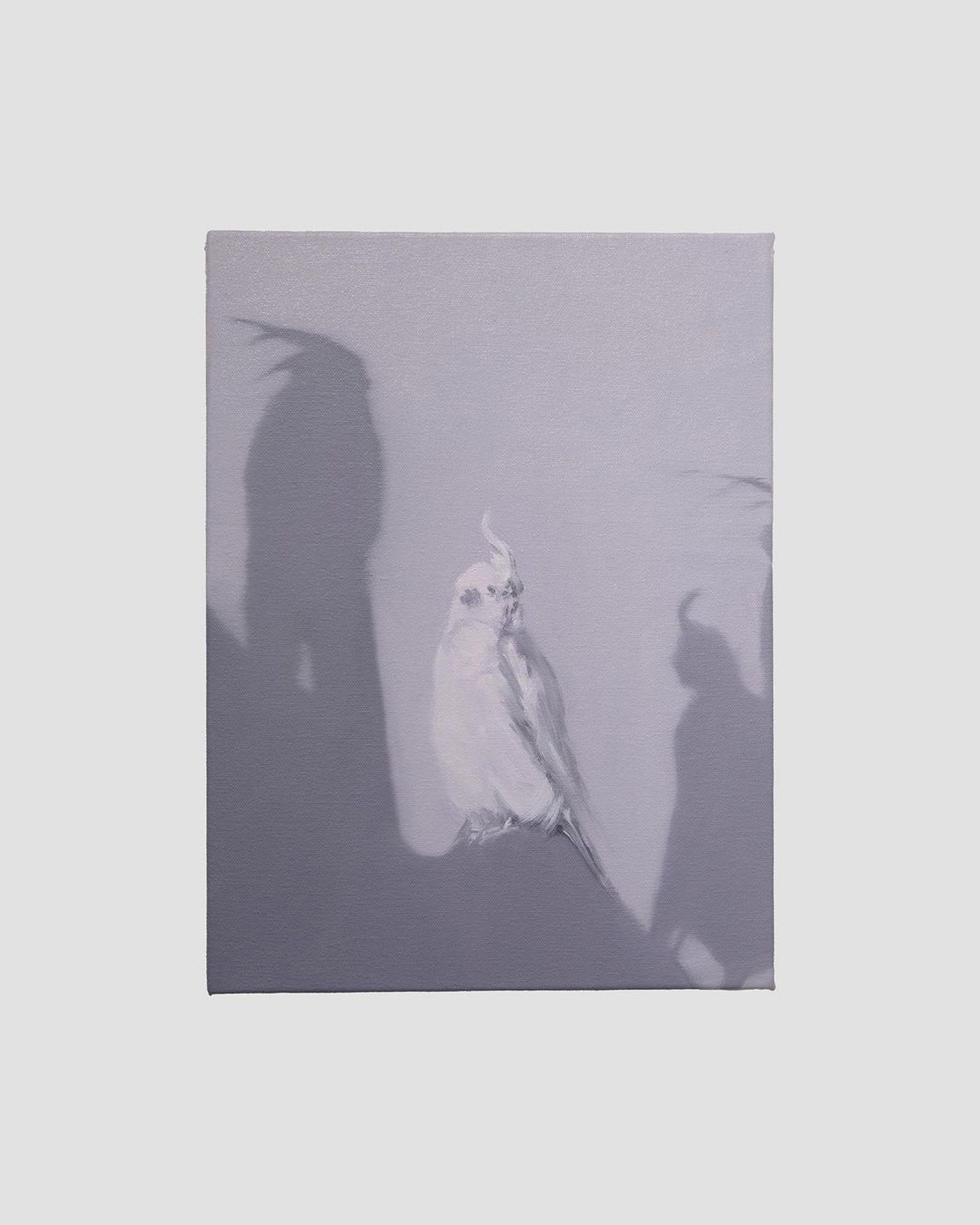
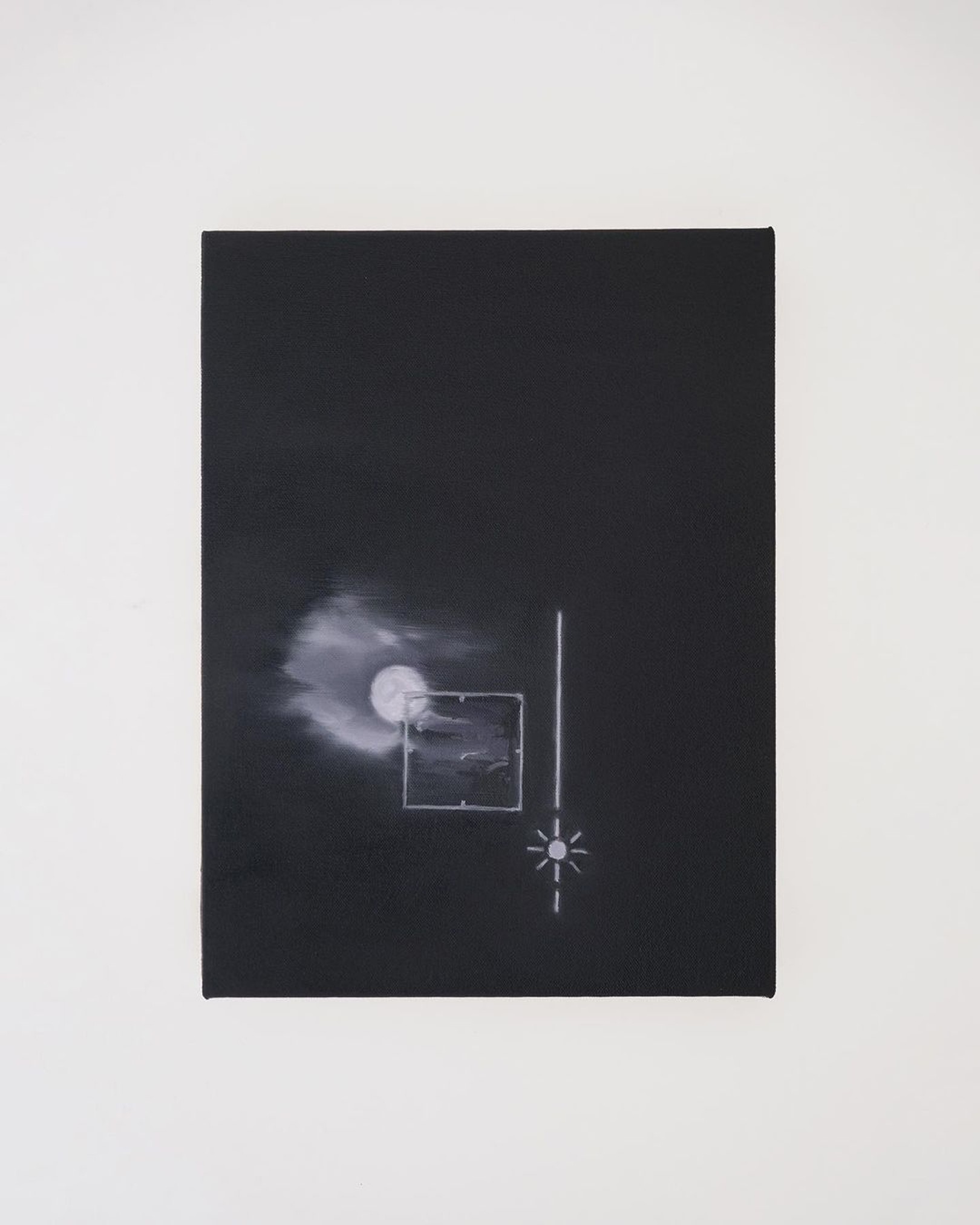
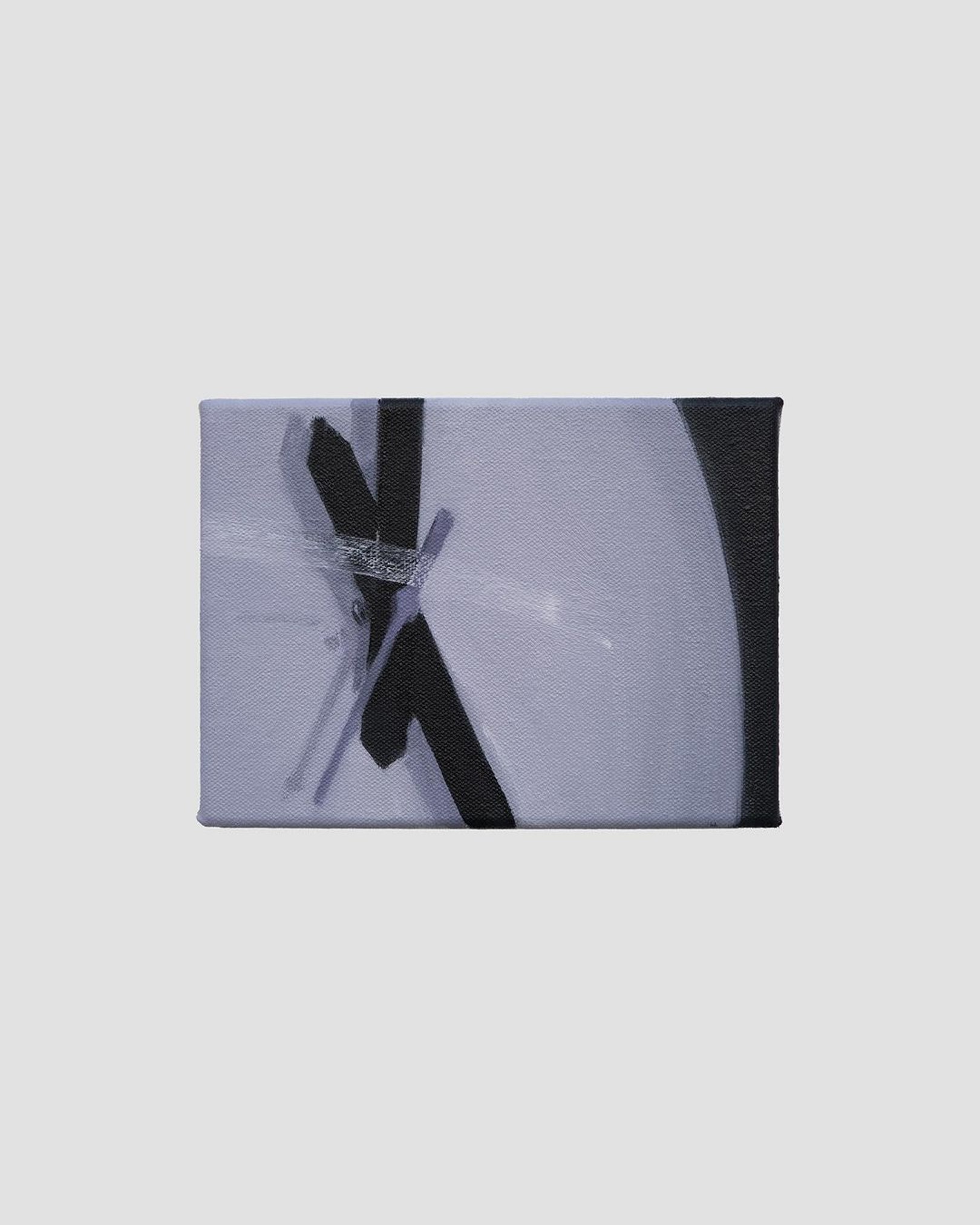
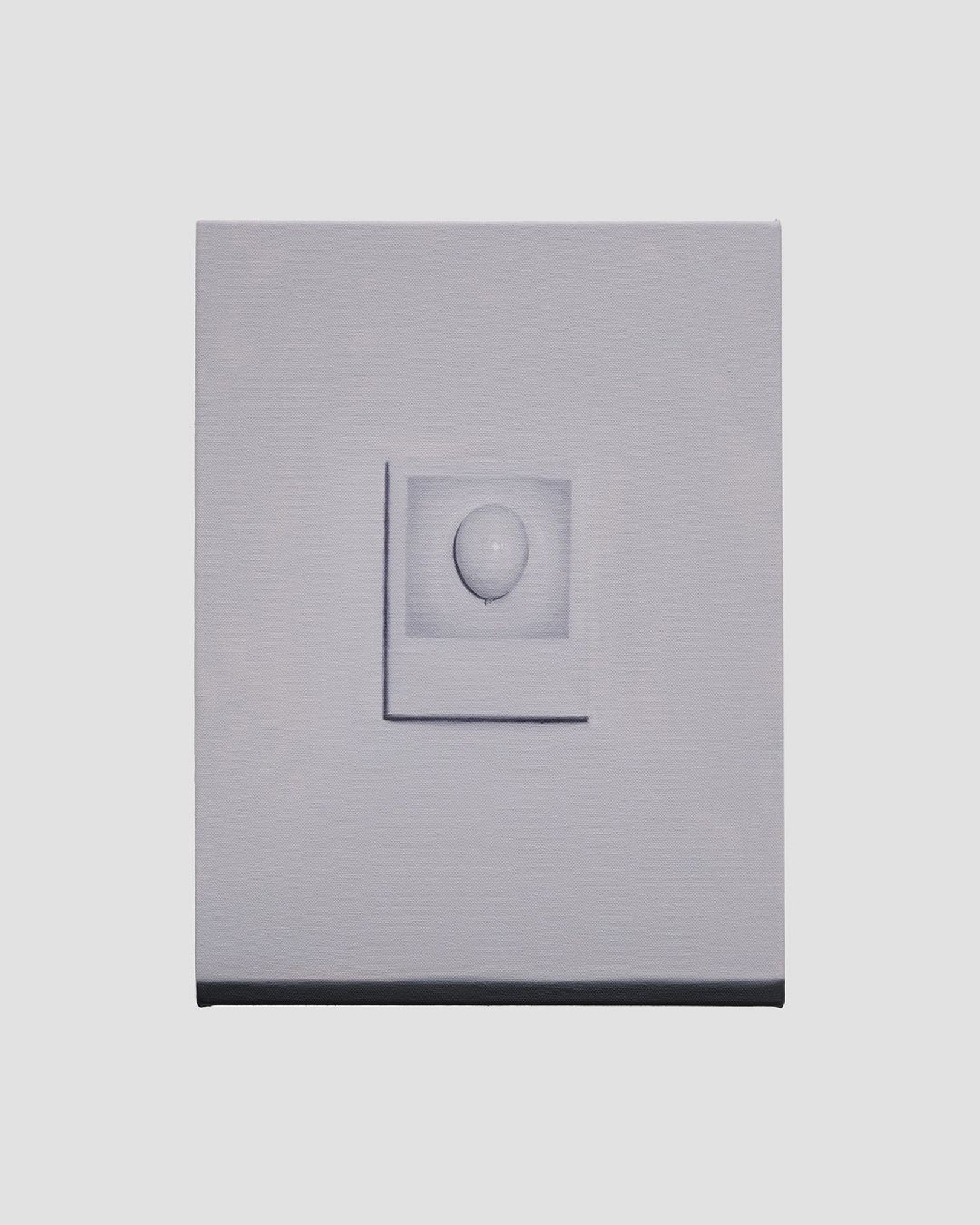
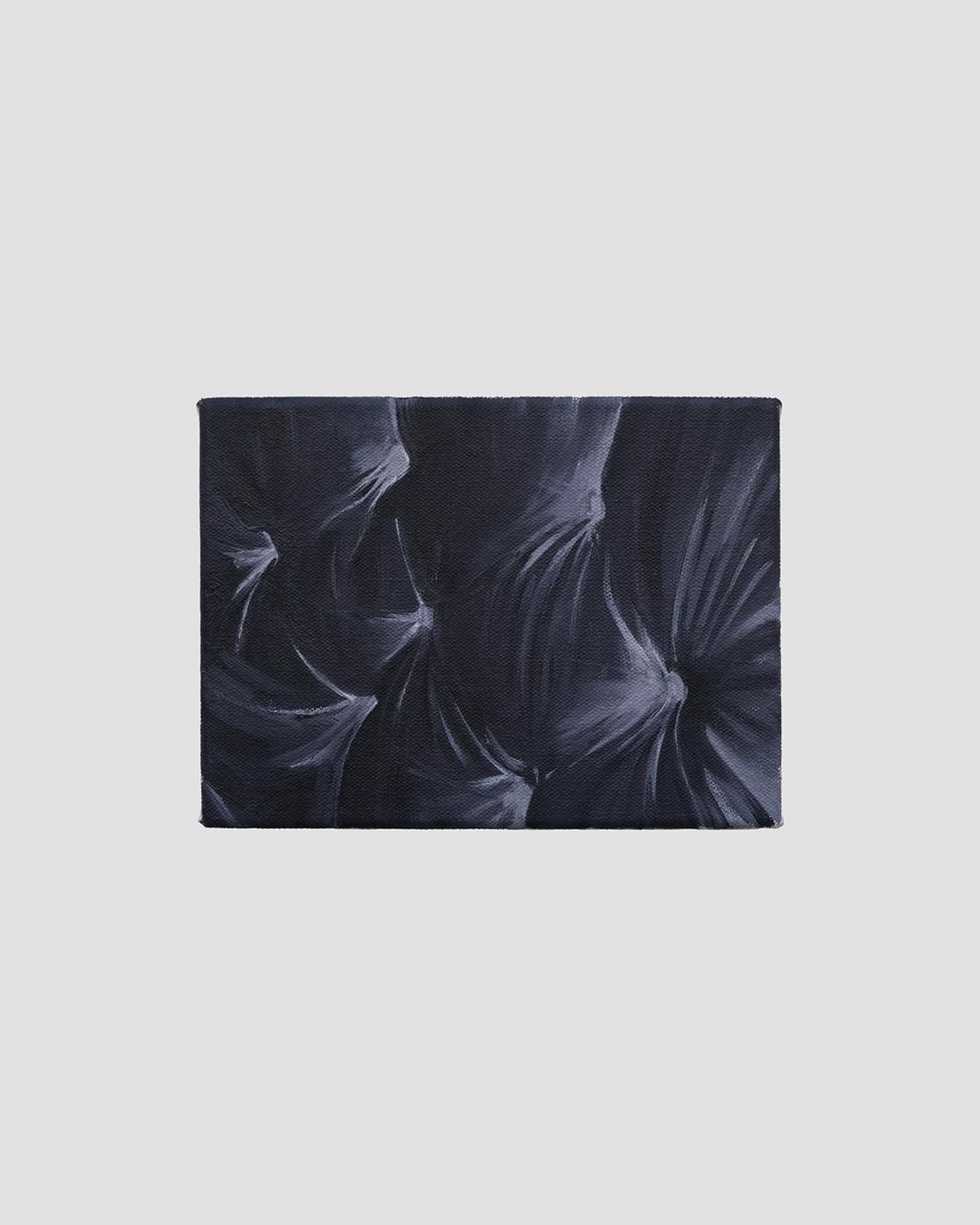
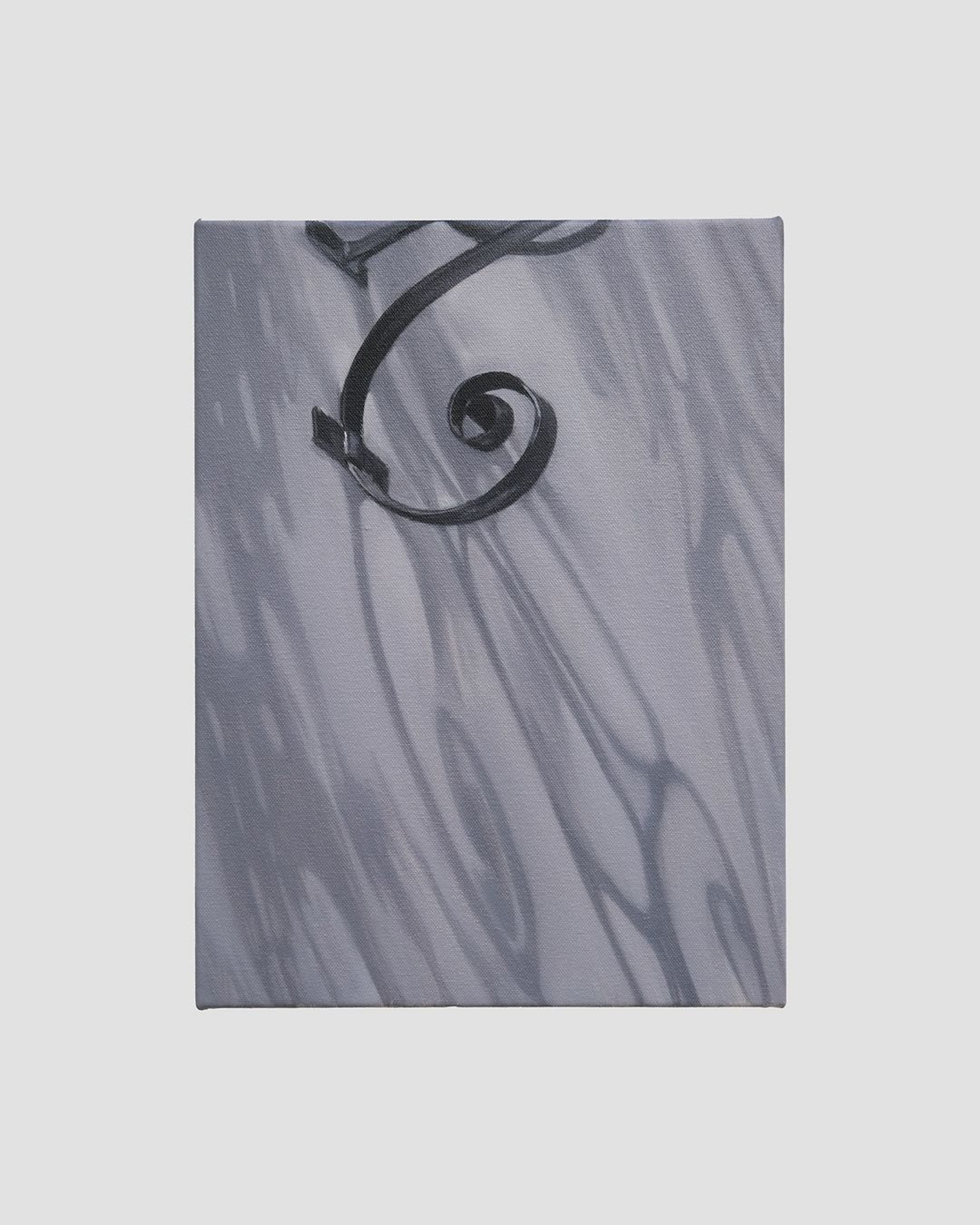
CNTRFLD. Your paintings reframe media images as if they were negatives developed in a darkroom, and feature a distinct purple hue. Can you explain the significance of this colour in your work?
CL. To be more precise, the purple hue is mauve, which was used by the Impressionists to depict shadows, complementing the warm tones of light. This marked a major shift in art history—moving from focusing on the subject to emphasising the relationships between colours. To me, mauve represents relationships—the interplay between colours, between people, and between my creative process and my daily life. This shade enshrouds me and my work in a midnight room, distancing from the scorching reality of daytime. It also reflects the chronic insomnia I’ve suffered in this overwhelming age of imagery.
CNTRFLD. You mention that your paintings create a deliberate distance between the viewer and the depicted scenes. How do you hope this distance affects the viewer’s engagement with the work?
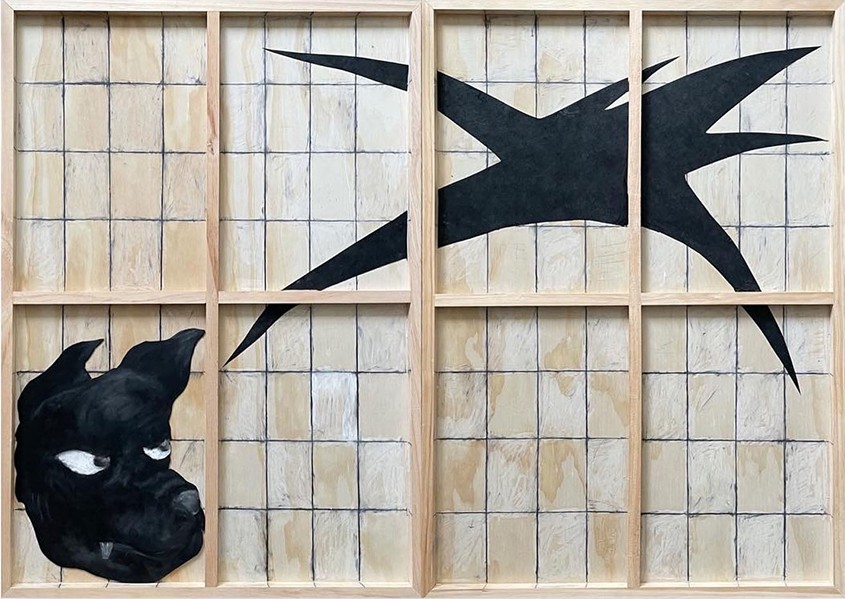
CL. The distance comes from the absence of human figures in my paintings. To me, human figures are too dominant—whether it’s their expressions, movements, clothing, or skin colour. I deliberately avoid putting such obvious signals directly into the painting. I want my works to be like a cinematic empty shot, freezing the momentum right before a climax, inviting viewers to use their imagination to complete the narrative in their own way. Plus, there’s always a person standing in front of the painting—if there were people inside my paintings as well, it would feel too crowded.