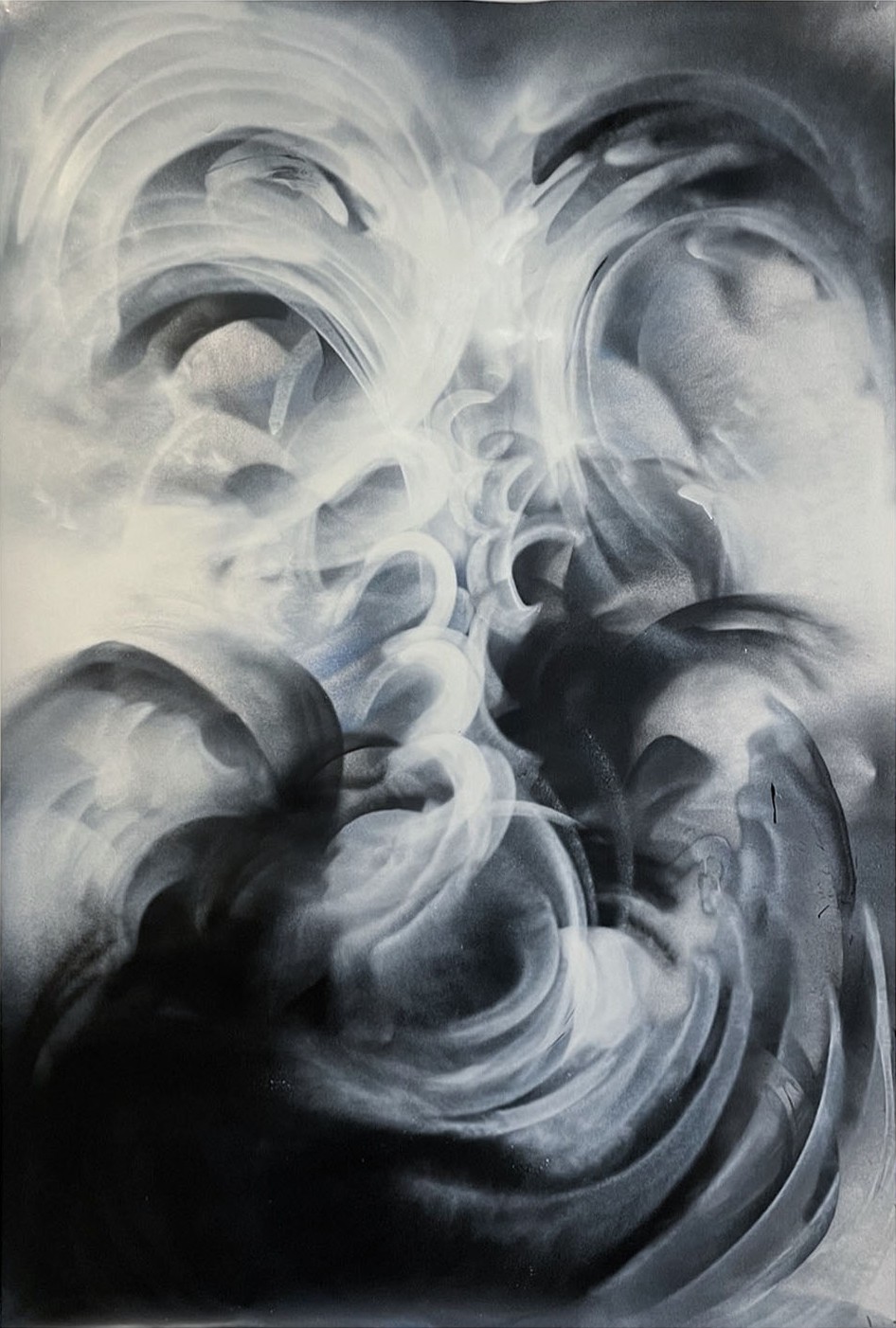
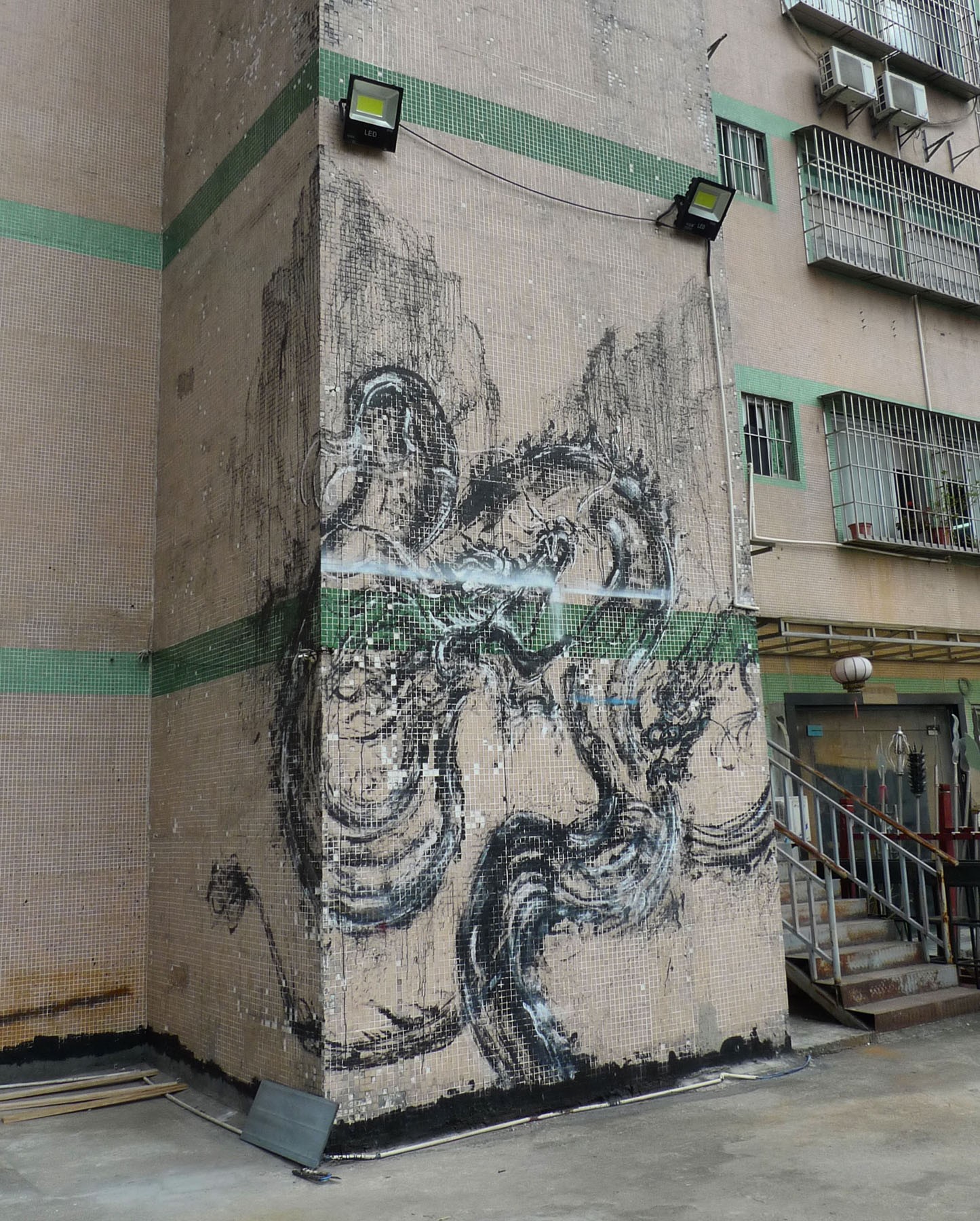
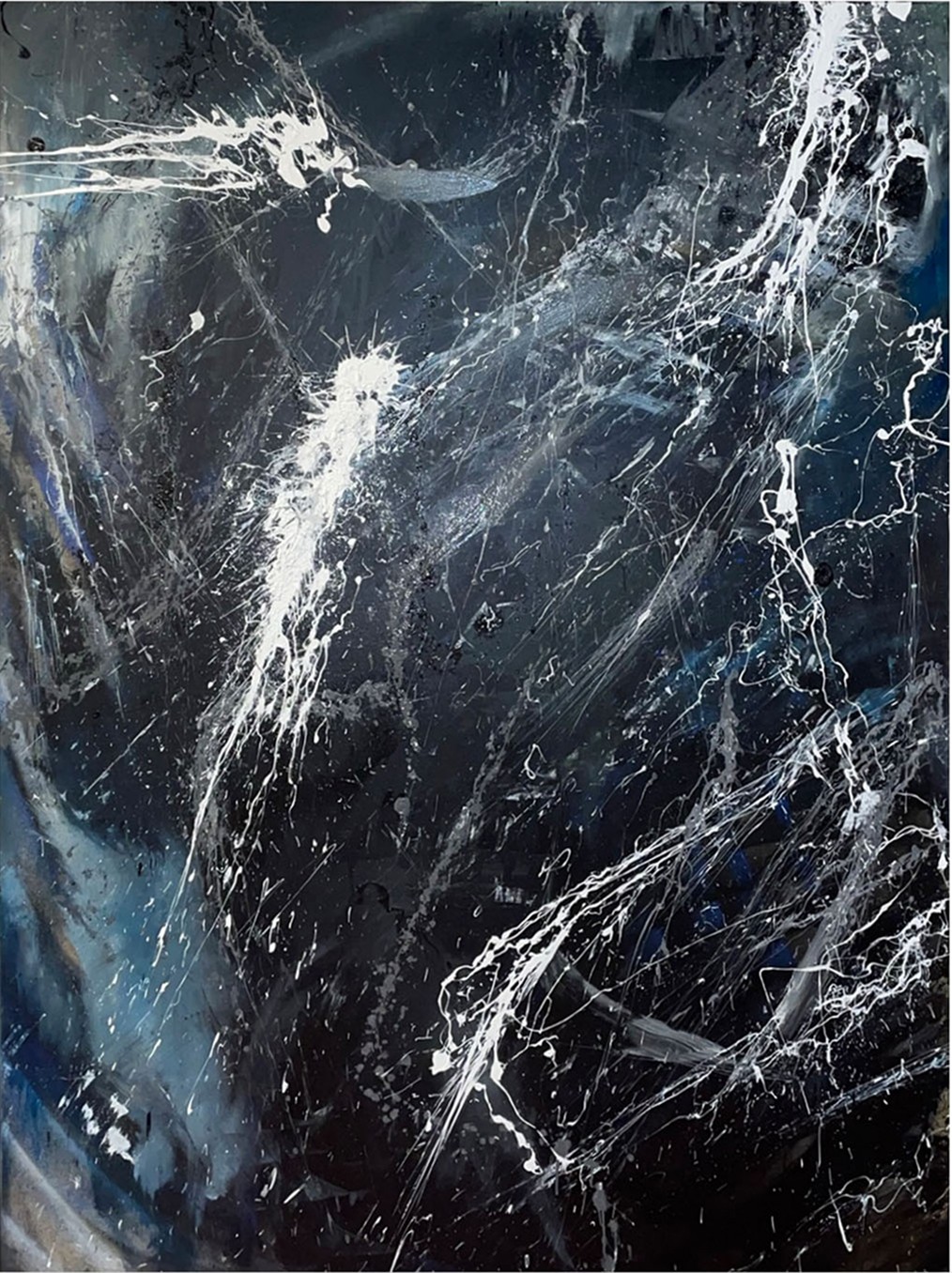
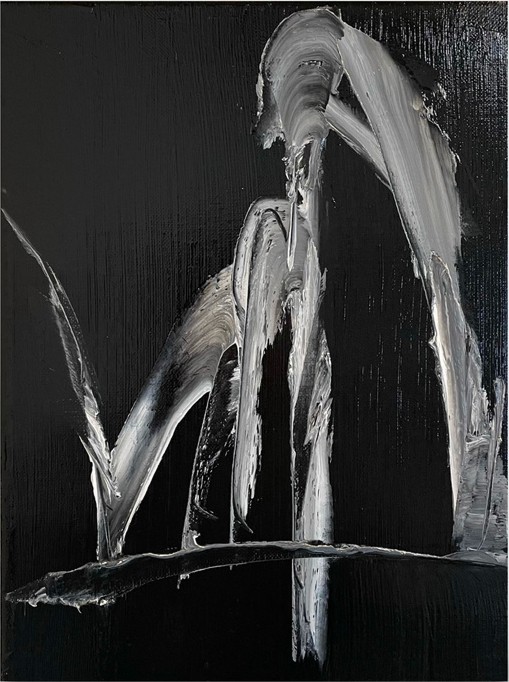
CNTRFLD. Can you tell us about your early experiences and background? How did your upbringing influence your journey into the arts?
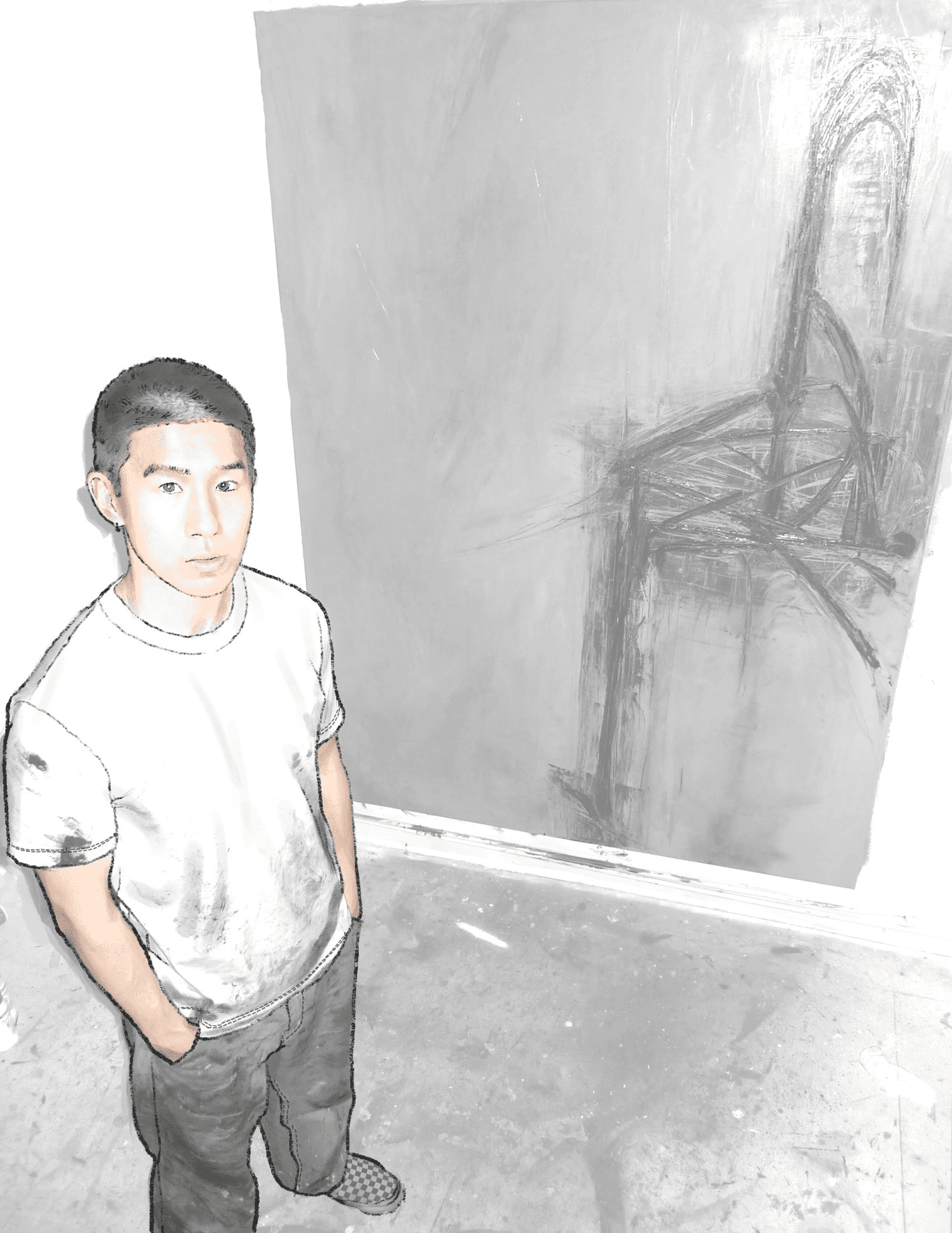
ZG. I was born in China in 1999. At 12, I struggled to understand or find my place in the traditional education system, so I dropped out. Before returning to formal schooling, I spent three years studying on my own. During this period, reading, painting, and sports supported my mental and physical well-being. By practising these activities, I was slowly exploring my existence in the world. Those three years had a profound impact on me; they form the foundation, and the actual beginning of my extremely personal projects centred around the theme of 'motion'.
CNTRFLD. You’ve mentioned that motion is a central theme in your practice. Could you elaborate on how you define motion in your work and why it is so significant to you?
ZG. To me, understanding motion as a way of thinking—rather than just a concept—offers a clearer perspective, as perceived through a particular lens. Emphasising 'motion' is crucial to me because its sincere existence fosters natural trust. 'Motion' is the origin of all; the symbol of me living, the way of me learning, the method of me expressing. However, sometimes this focus on 'motion' leads to excessive attention to it as a central idea or theme in my work, which is not my intention.
CNTRFLD. Your recent piece, Downstairs in Winter, was part of the TRA Collective’s Always container, sometimes contained exhibition. How does this work reflect your exploration of spatialised time and its elasticity?
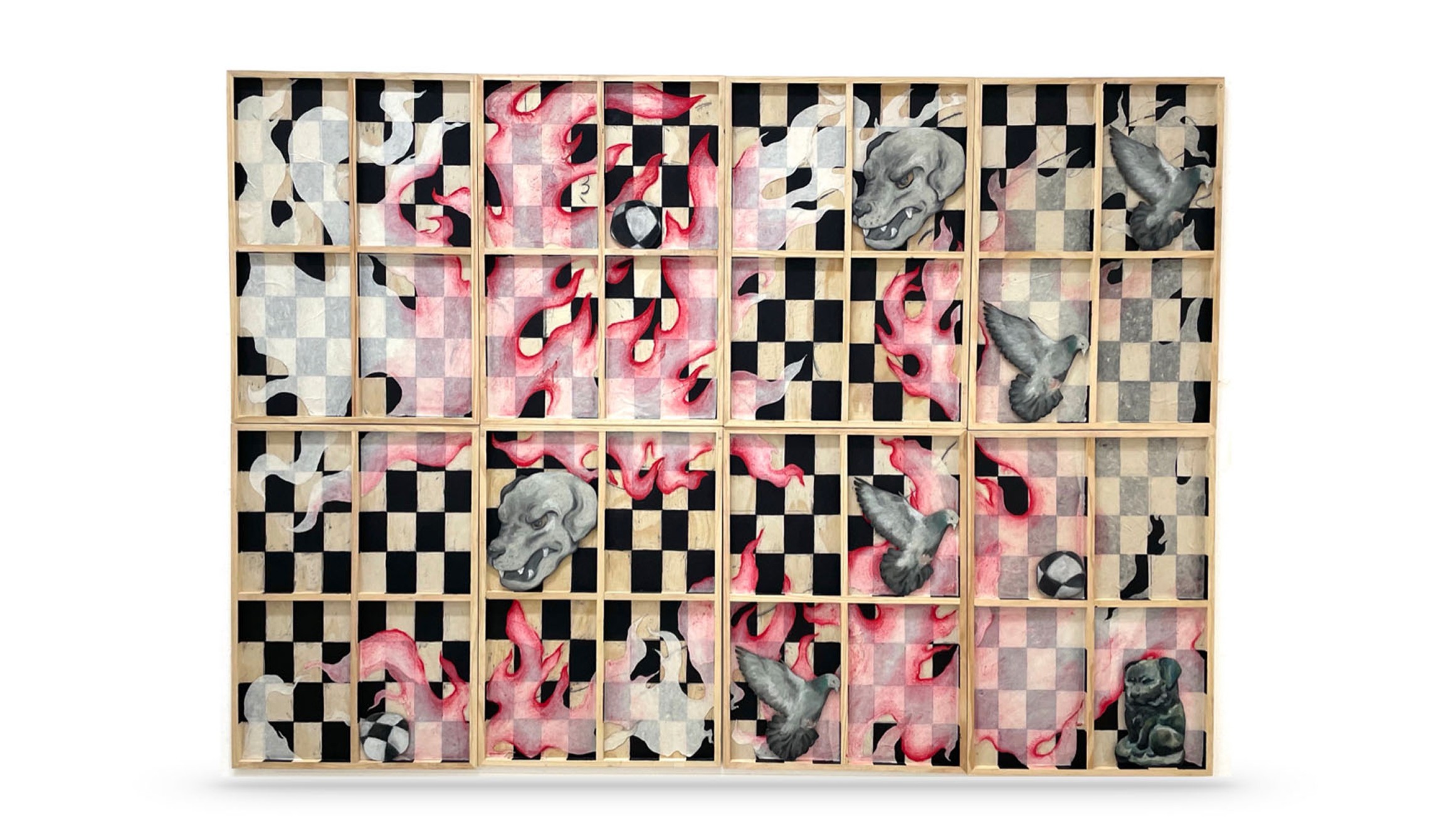
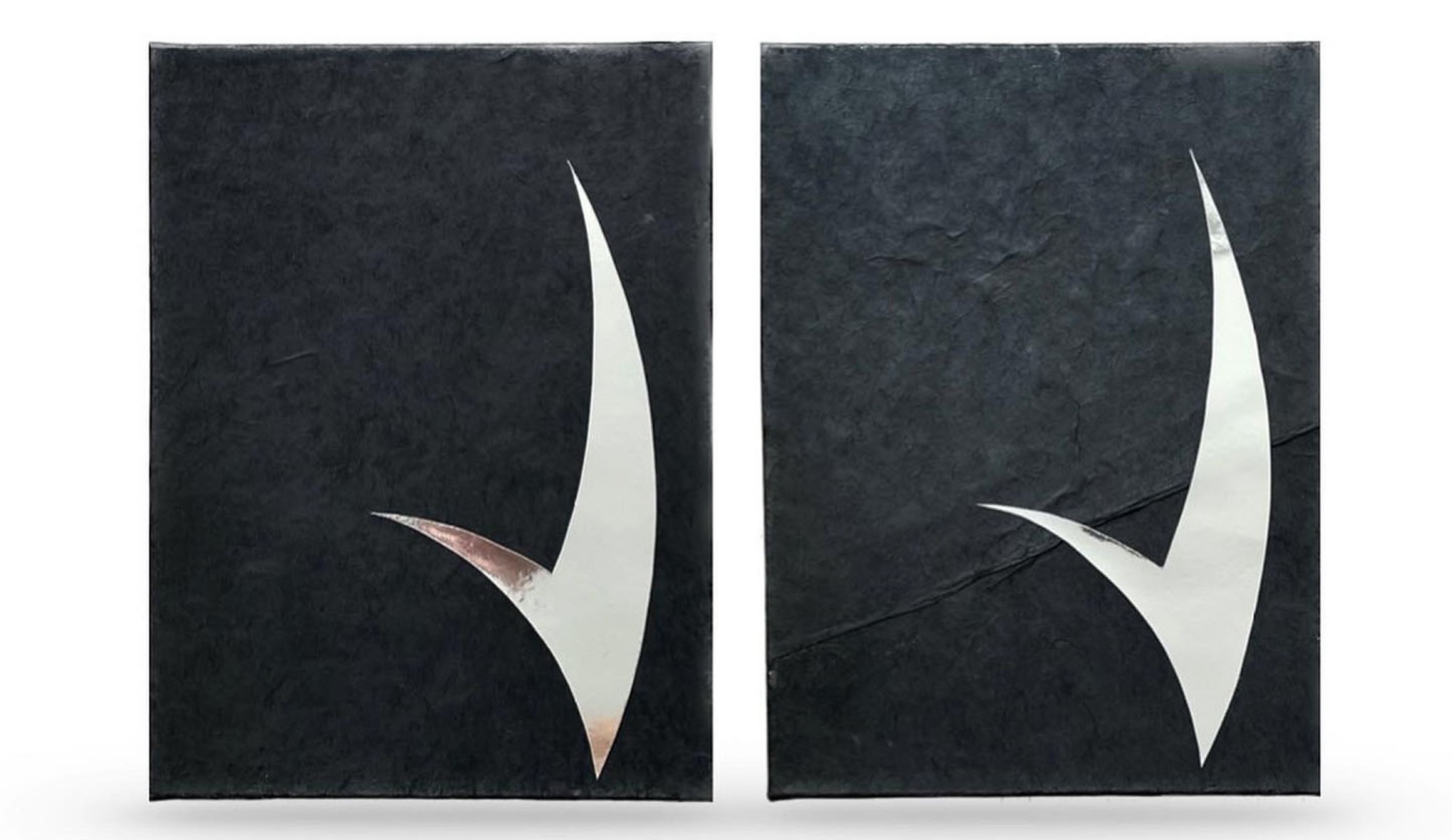
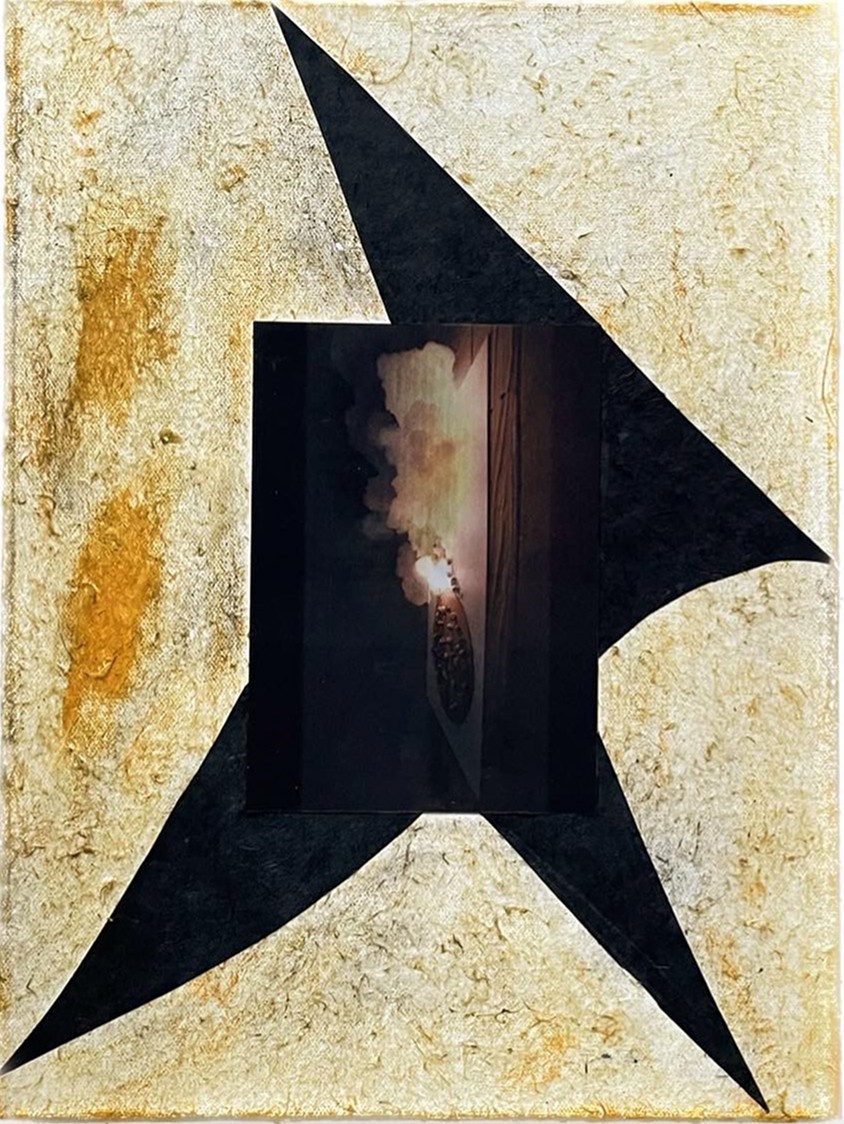
ZG. Working with TRA was a unique and exciting experience; it felt like being in four dimensions simultaneously. Downstairs in Winter was the first piece that truly brought the concept of ‘motion’ to life; it captures a frozen moment, compressing months of stories into one. The conventional rules of time and space often constrain my thinking, which can be exhausting. From my experience, the past, present, and future seem to converge in the same moment, with spatial locations acting as markers for this intertwining of time. Downstairs in Winter is a past happening in the present—a moment I wish I could relive. However, narrating the story piece by piece and detail by detail would dilute my respect for this moment and risk turning it into unnecessary self-indulgence. Instead, I chose to compress it into a single moment, much like Hiroshi Sugimoto’s theatre series, where he captures the essence of sliding time and relentless motion in a single frame.
“Before I fall asleep, there’s an absolute moment. I become the cold air surrounding my body, my vision stretches endlessly, and the sounds get amplified. I should be forgetting about myself, but my existence feels incredibly real and concrete.”
This paragraph comes from my diary, before I created the piece.
CNTRFLD. In your artistic practice, you describe motion as a life force and a way to escape physical constraints. How do you translate these abstract concepts into visual forms in your artwork?
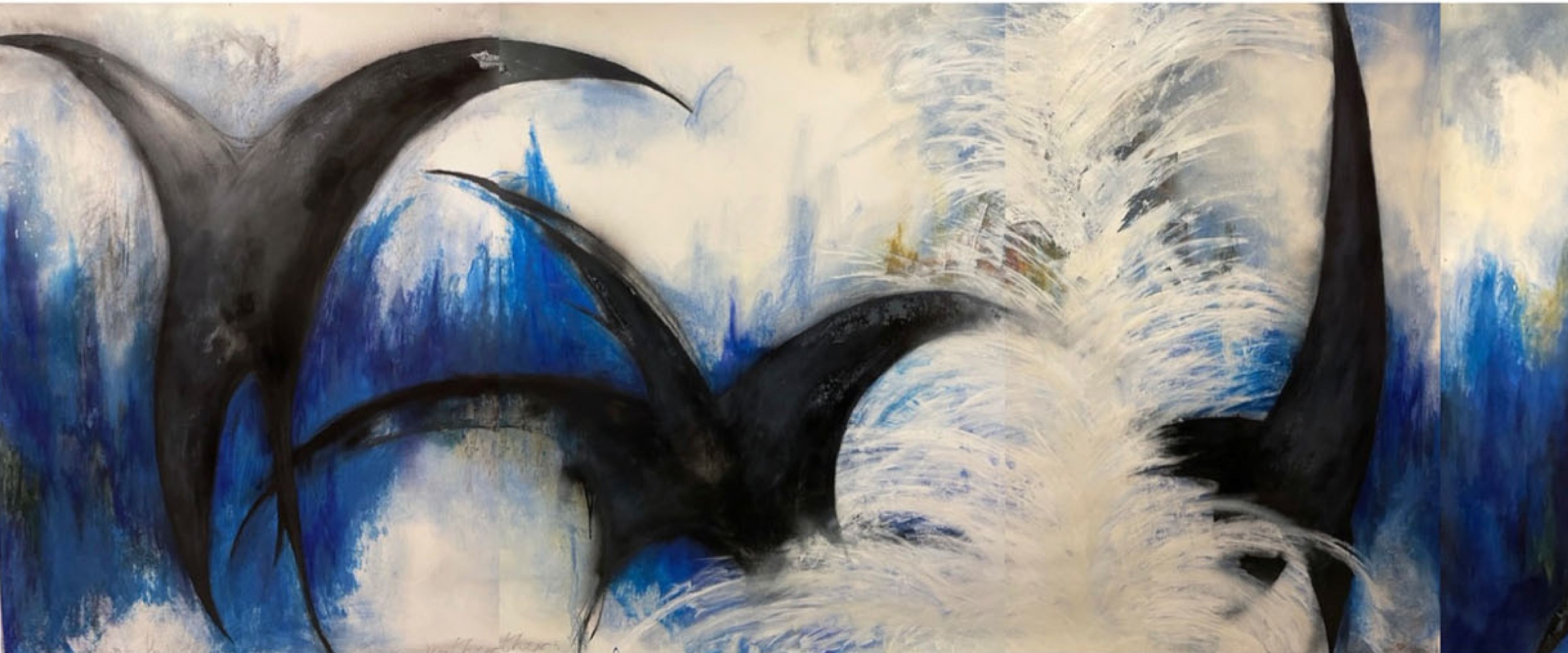
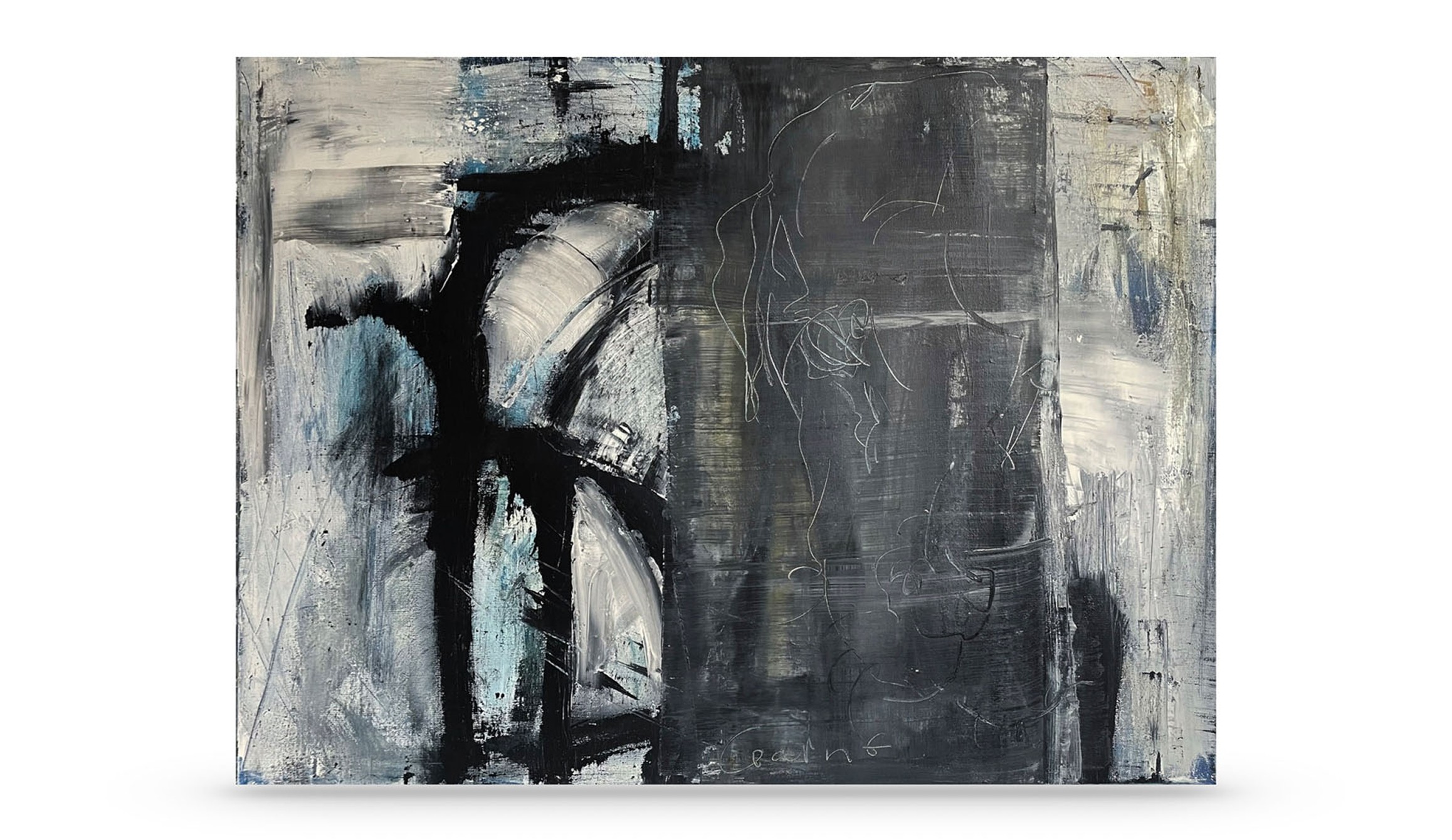
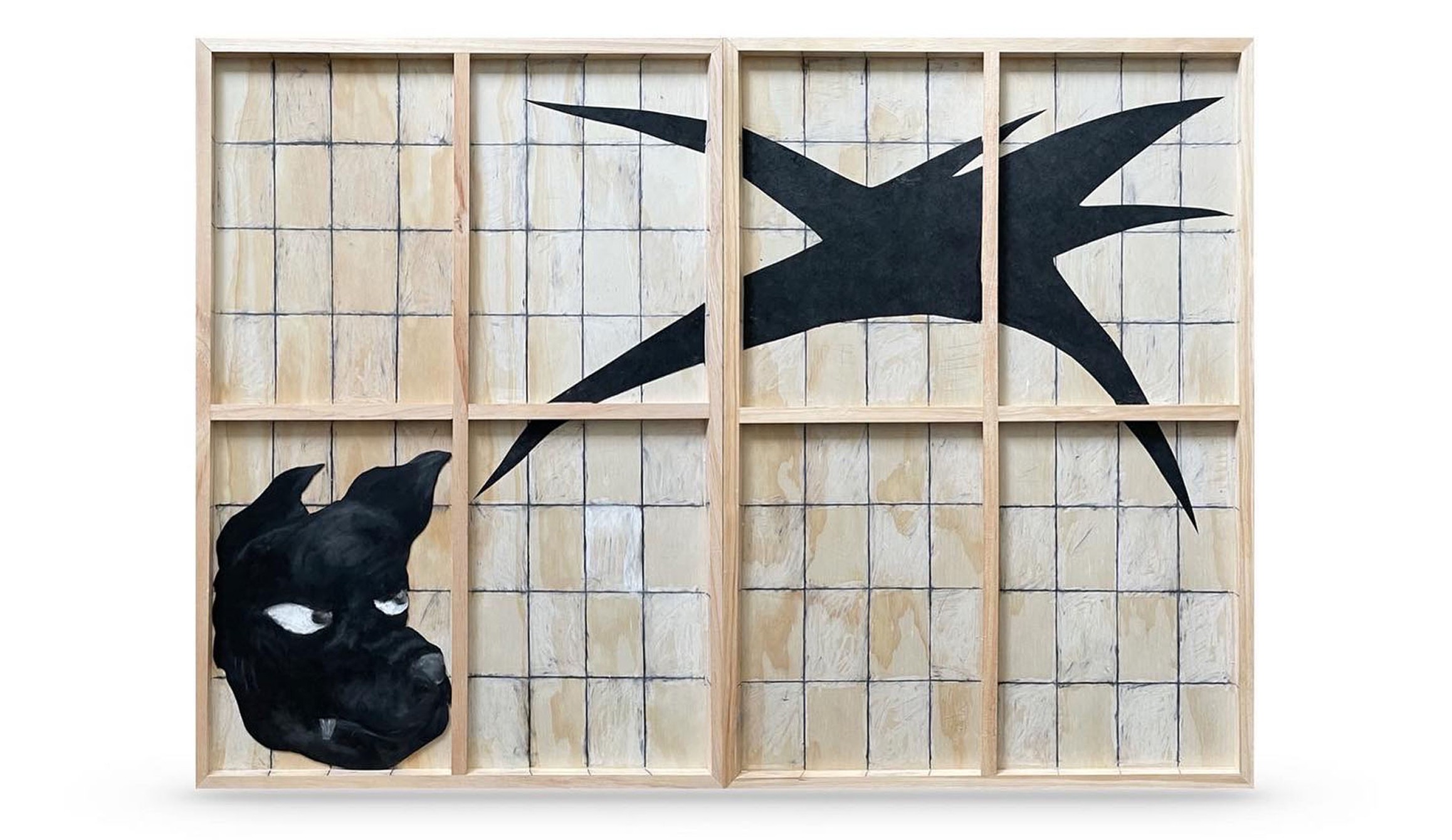
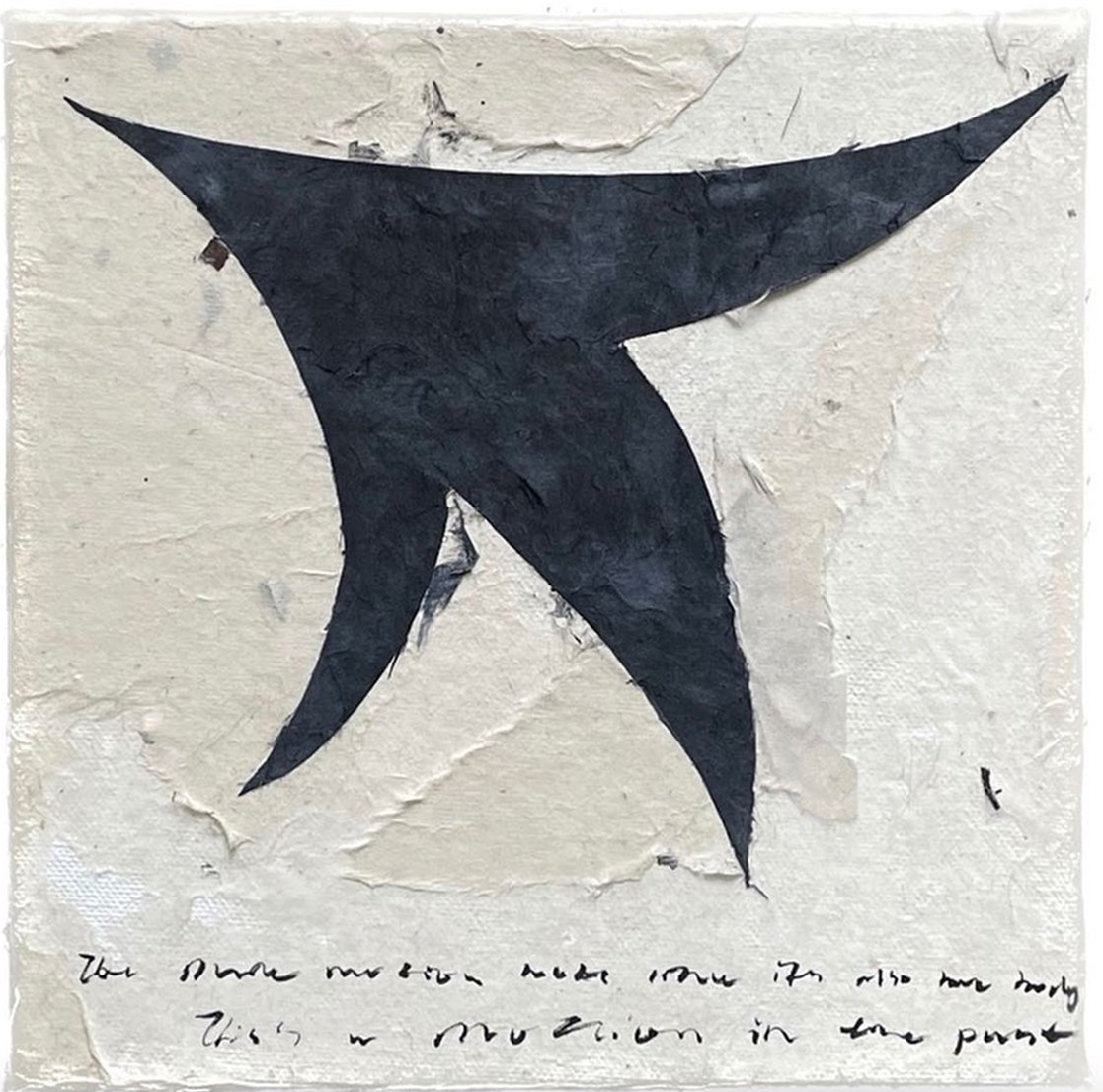
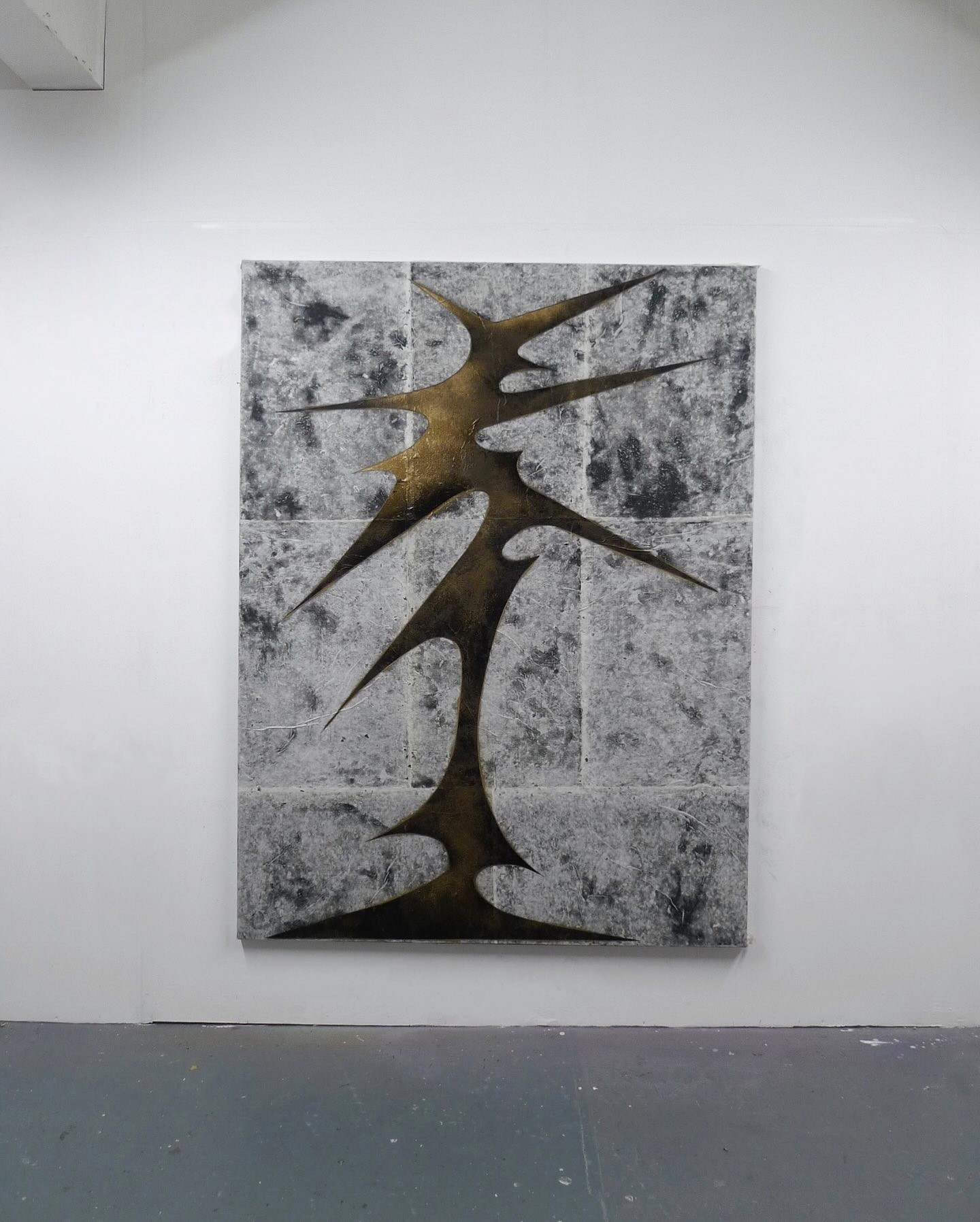
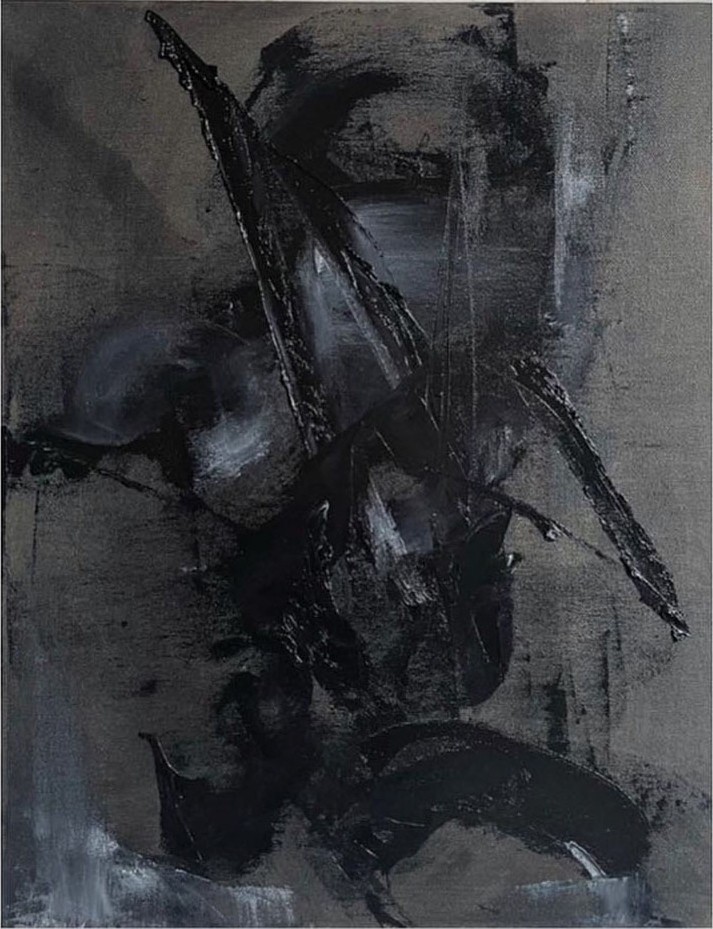
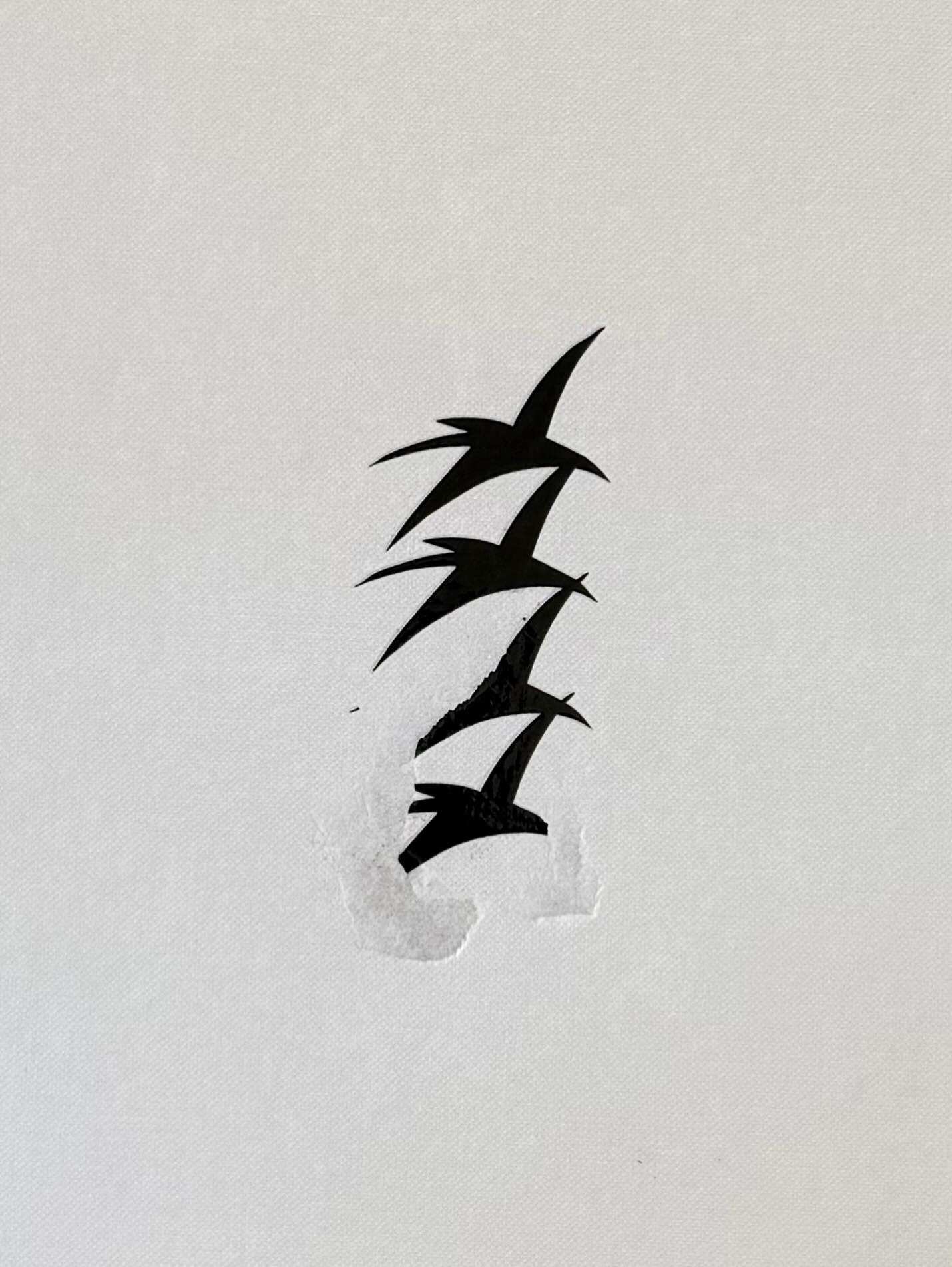
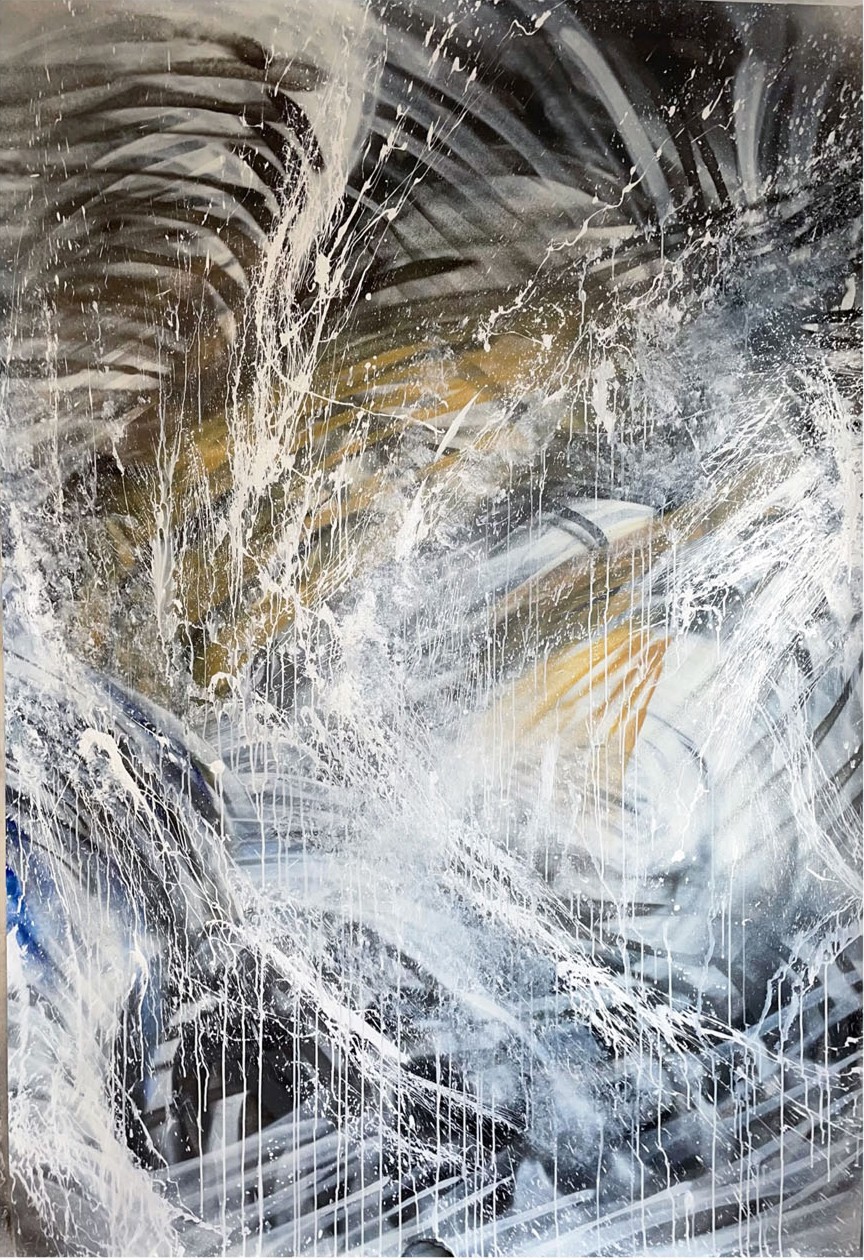
ZG. When I first came to London to study fine art, the culture shock was immense. It made me reflect on my cultural background, self-identity, and personal experiences—things I had never considered seriously before. I began to delve into traditional Asian arts and discovered something truly fascinating: the creators of that era treated their art pieces as if they were living beings rather than mere objects. These artworks seemed to possess vibrant characters, with elements that constantly shifted and evolved, full of life. This dynamic quality is akin to my concept of 'motion', which involves moving paths and underlying flows. Imagine if the wind had a life of its own—what would that be like? This creative logic enriched my entire process, making it akin to observing someone’s actions as a child. Naturally, I incorporated this approach into both my work and my life. Once this logic is established, it transforms abstract concepts into vivid, practical images, making them both insightful and actionable.
CNTRFLD. Your approach to art often involves treating space and time as flexible constructs. Can you walk us through your process of creating a piece like Downstairs in Winter and how you manipulate these elements?
ZG. Conceptually, creating a piece like Downstairs in Winter begins with a specific experience, a story, or a moment I want to explore, learn from or simply share. Then I will ask myself two questions: How can I concentrate on that entire experience and long period in a single moment? And how to transform that moment into a rich and worth-reading story? Clearly, this requires me to capture so many memories to recreate the most sincere experience. It is personal, emotional, exactly like so-called the ‘absolute moment’ that was mentioned in my diary. I discover and redefine my relationship with the ‘thing’, while enjoying this process so much, akin to performing a precise and accurate surgery.
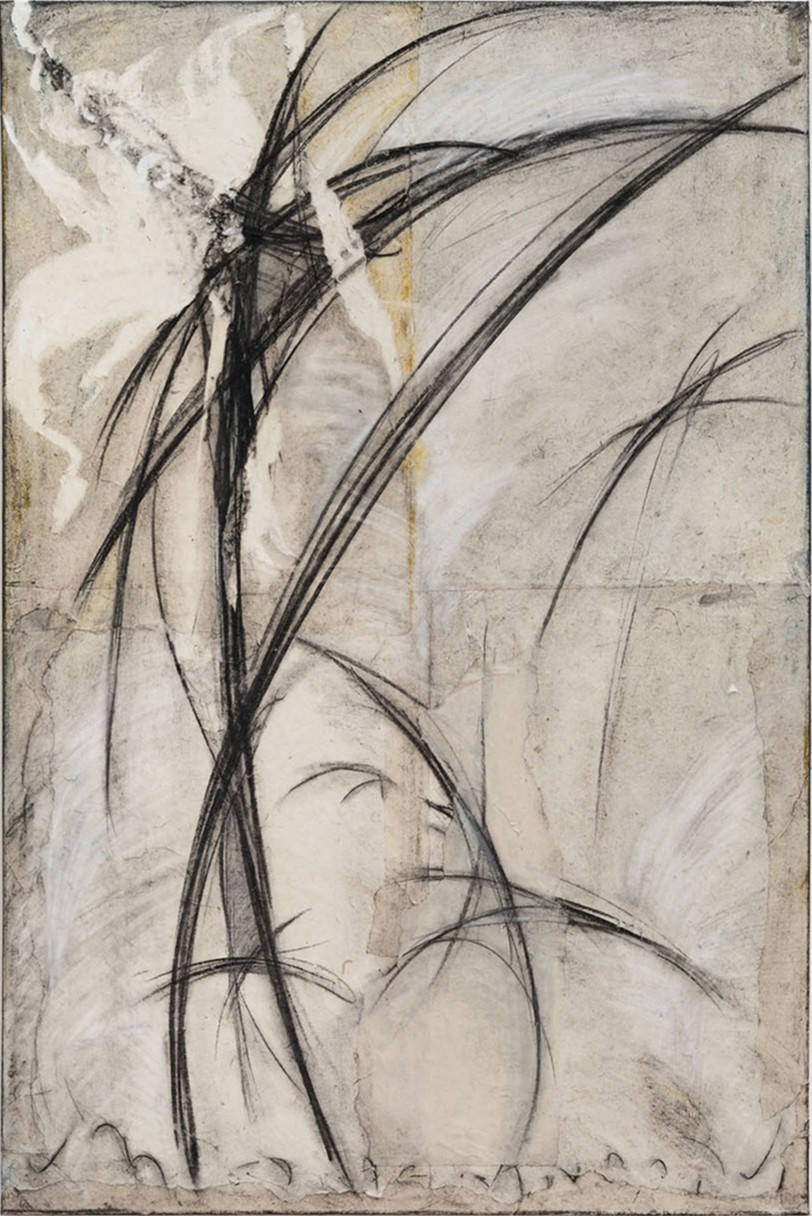
For Downstairs in Winter, the material being used is a type of handmade Asian cotton paper I’ve loved since studying Fine Art at Chelsea. Its properties and flexibility helped enhance the work’s emotional and experiential depth. The paper is extremely delicate and unforgiving; it requires meticulous adhesion to maintain balance, as any slight misalignment can lead to tearing. Unlike oil painting, where adjustments can be made through the application of paint, every mistake with this paper necessitates re-adhering and starting over. The material’s characteristics offer a secondary progression in my conceptual understanding, allowing me to physically engage with my attitude towards the piece.