CNTRFLD. Hi Ellen, I was introduced to your work by Hans Ulrich Obrist, and I’m thrilled to meet you in person to learn more about your art. I read that you started your career in the medical field as a radiographer. Can you tell us more about that and how it inspired your transition to visual and video art?
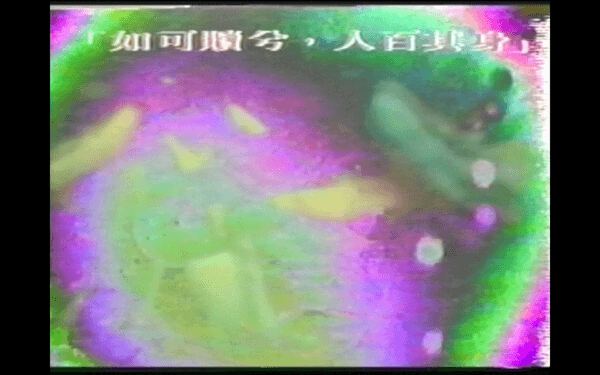
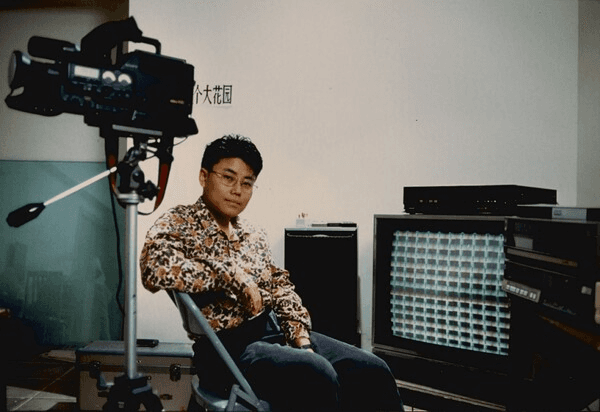
EP. When I studied radiology in the early 1980s, I joined the Music Society and the Cine Club. I had a great time with them. It was when Super 8 home movies were dying down, and video was rising. As the Cine Club people explored what film language is, I bought my first video camera. I found this piece of electronic media unstable compared to film. Still, I was fascinated that it allowed me to see its intermedia relation between sound and visuals and its usually unwanted ability to generate colours and noise in feedback and errors.
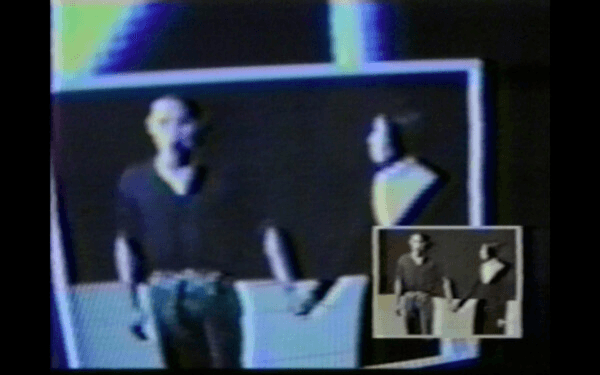
In 1992, the Asian Cultural Council awarded me a scholarship to NYC to see Nam June Paik, Bill Viola, and Gary Hill's video works for the first time. After returning, I became a canto-pop concert MV director, organizer, and curator for art festivals and exhibitions.
I had the opportunity to meet Hans Ulrich Obrist in Hong Kong in 1996. We discussed showcasing “The Best of Videotage” video compilation for the exhibition “Cities on the Move.” This exhibition, which toured prestigious venues such as Hayward Gallery, Vienna’s Secession, MoMA PS1, etc., was a landmark event. I am so grateful to have this opportunity to show the world of Hong Kong's culture.
CNTRFLD. Thank you for inviting me to visit the Cattle Depot Artist Village and the Videotage event. What is this place? It’s such a cool Asian version of the Meatpacking District turned artist hub. Can you tell us about Videotage, the collective you founded?
EP. Videotage is an artist collective founded in 1986 by me and three friends: May Fung, an independent filmmaker and critic, Chi Fai Wong, an animator, and Comyn Mo, an experimental filmmaker. Our initial goal was to promote video art and experimental filmmaking and explore the boundaries of this emerging medium. We provide hardware and technical support for media artists, organise educational programs, festivals, and conferences, facilitate cultural exchange with the international arts community, and distribute our works worldwide.
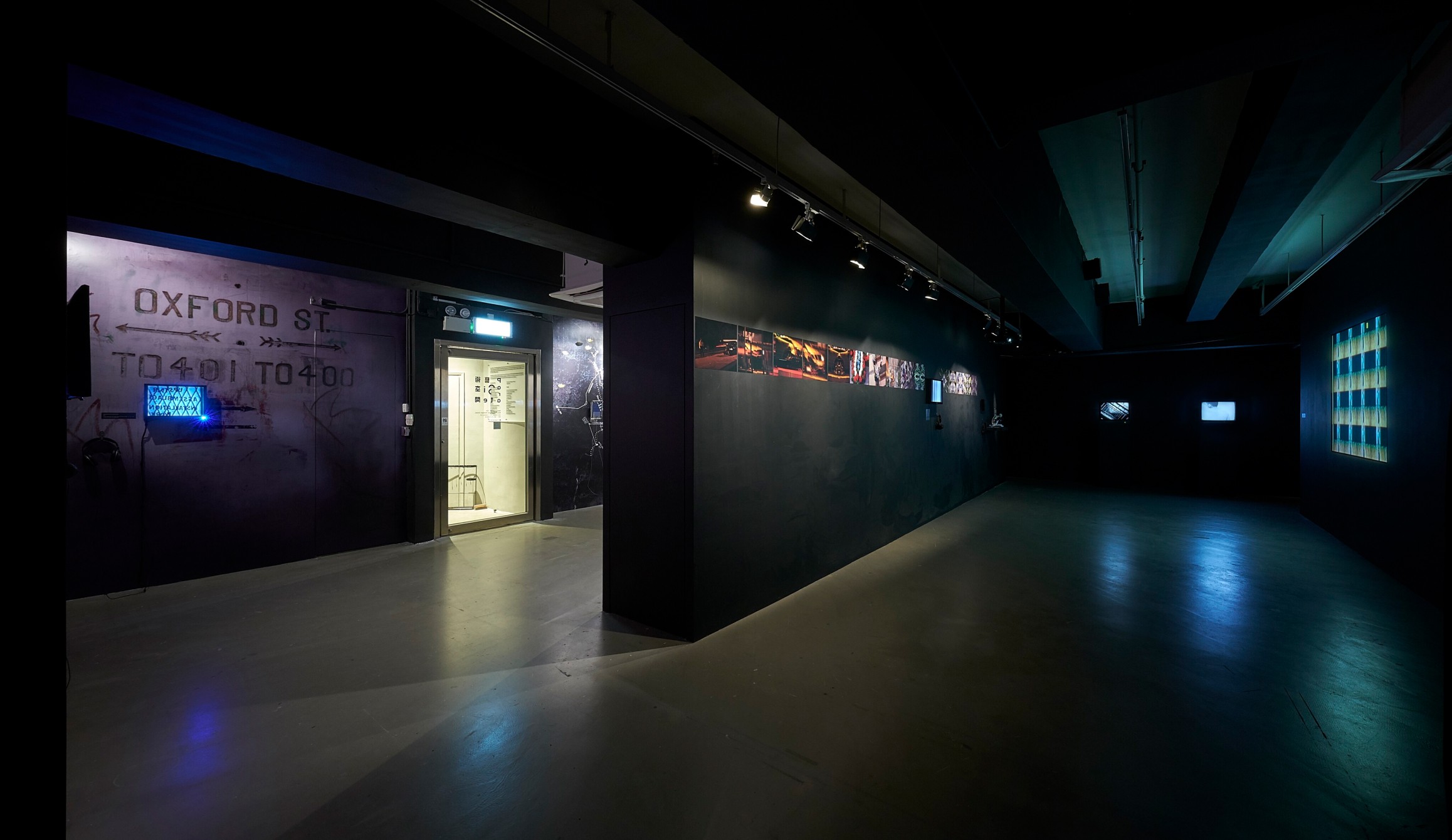
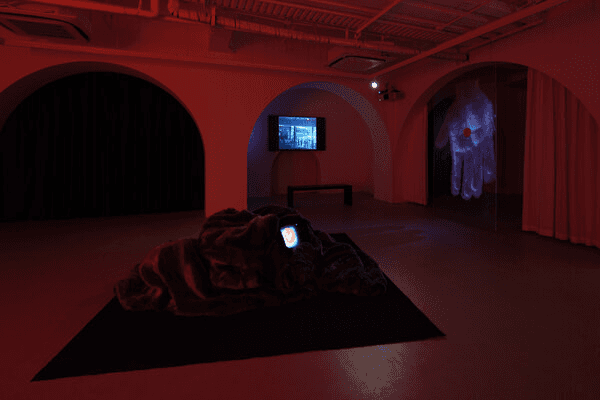
In 2002, we moved to Cattle Depot after briefly staying at Oil Street, Hong Kong's first artist-run art space, “Artist Village”. Cattle Depot is a heritage site with almost a hundred years of history, so we wanted this space to be not only a permanent home for artists but also an archive. We started VMAC (Videotage Media Art Collection), a place to digitize analogue videos and store our tapes. Screening, exhibitions, events, and talks will be in the main space at the centre.
CNTRFLD. What is the story behind the establishment of the Microwave International New Media Arts Festival that you also founded?
EP. When Videotage celebrated its first tenth anniversary in 1996, we hosted more video artists and more multimedia productions at the beginning. But for society at large, our works are still entirely unknown outside. So, in 1996, we decided to bring in a festival to facilitate cultural exchange between Hong Kong and international artists, to present new media artworks in a prime location, and, most notably, to grow our audience base.
The festival's name, “Microwave,” comes from the microwave link, a communication system that uses high-frequency radio waves (microwaves) to transmit data over long distances. Microwaves are commonly used in ENG (Electronic News Gathering), which is what we are doing, to bring exciting media artwork to local audiences. Also, I like that microwave (ovens) is quite common in households and are not too high-tech to be accessed.
In 1997, we changed from a video screening festival presenting Gary Hill, Nam Jun Paik to a new media art Festival, presenting interactive installations, games, internet art etc. Universities and schools in Hong Kong did not offer education programs on new media art 25 years ago, so we provided visitors with high-quality, informative docent service. They gave us very encouraging feedback. Some young visitors later become artists working with new media and are our fans. Microwave festival has become one of the region's most important new media annual showcases.
CNTRFLD. Can you share any specific artists, movements, or cultural influences that have played a significant role in shaping your artistic style and vision?
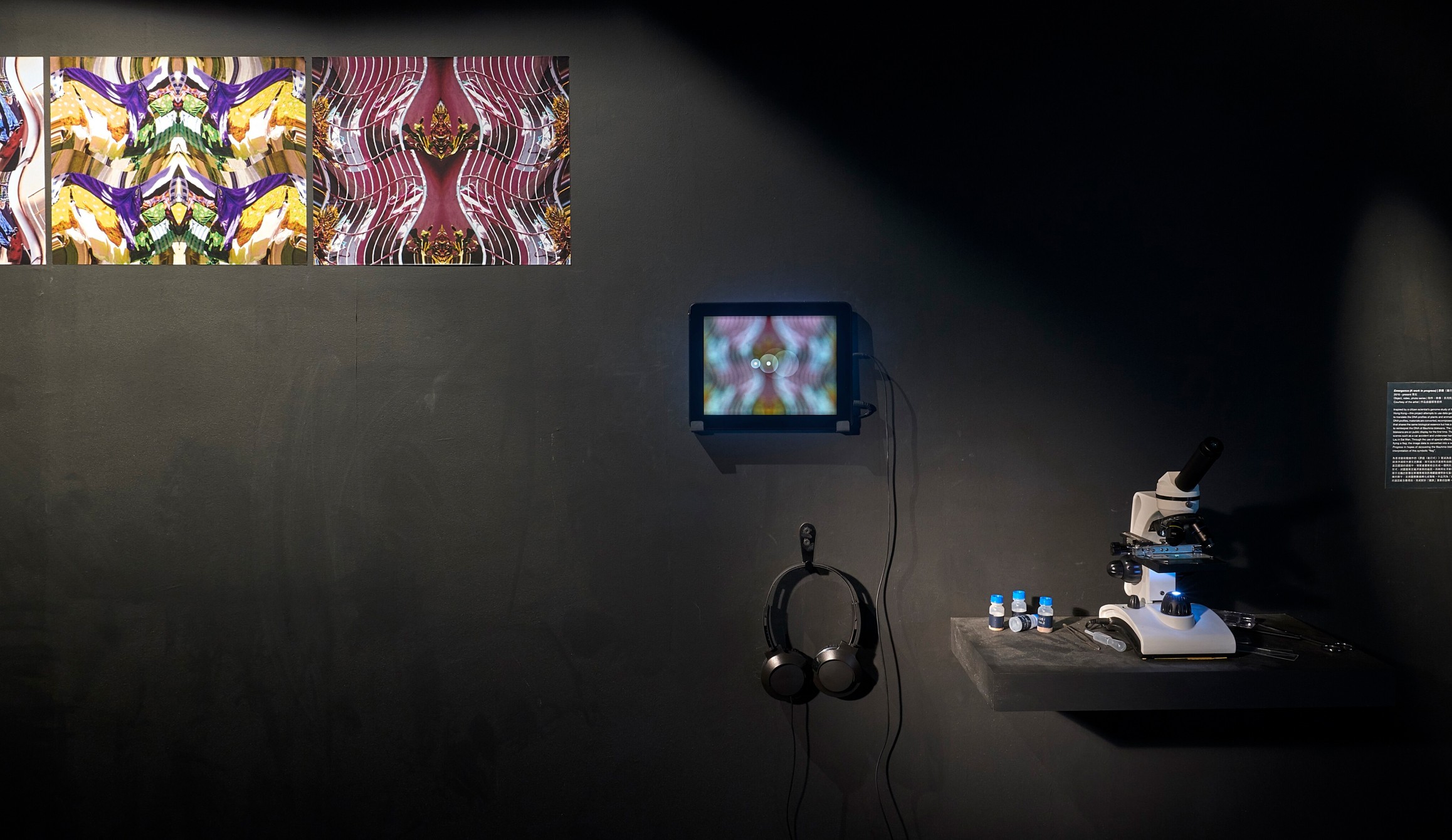
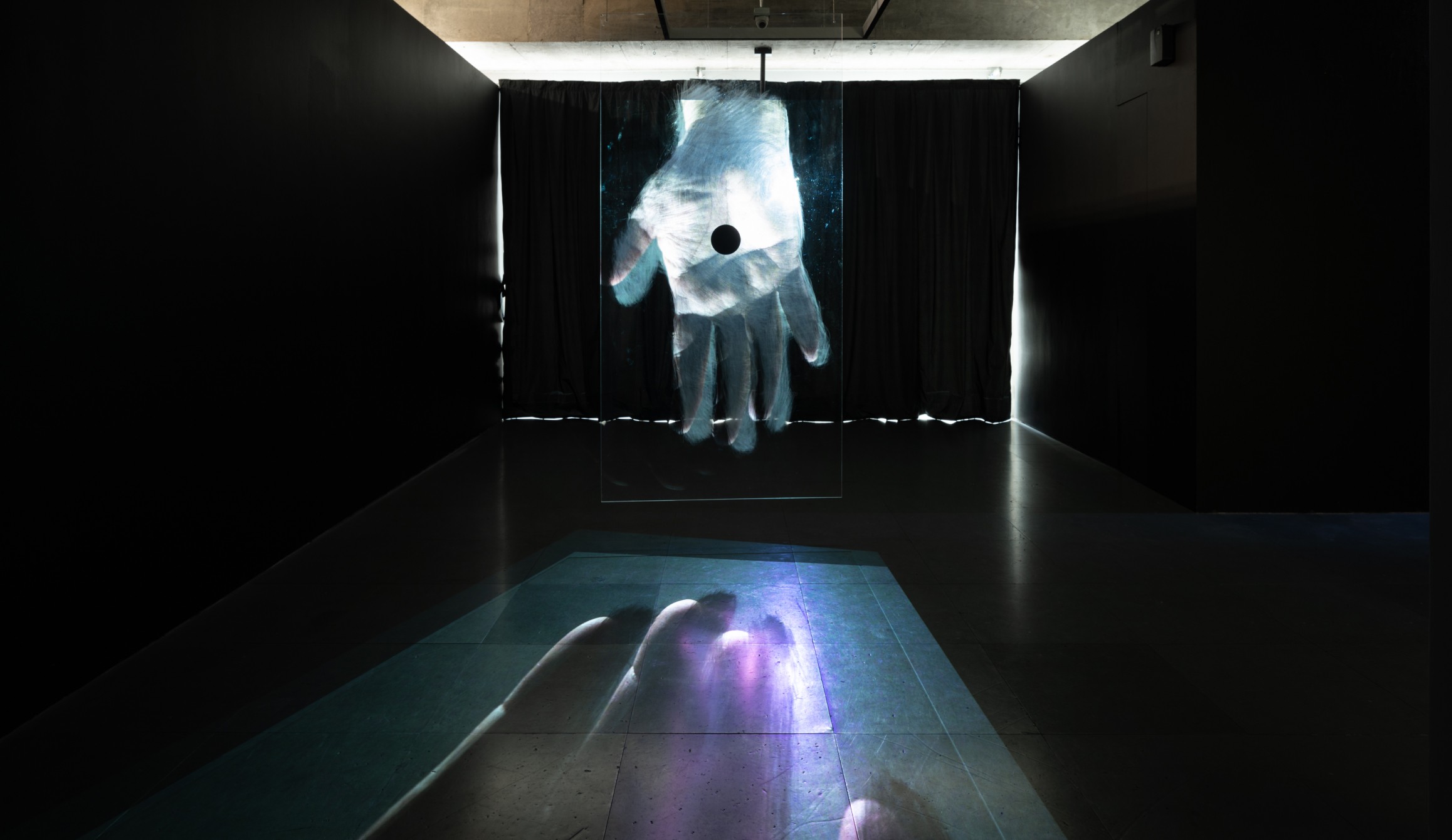
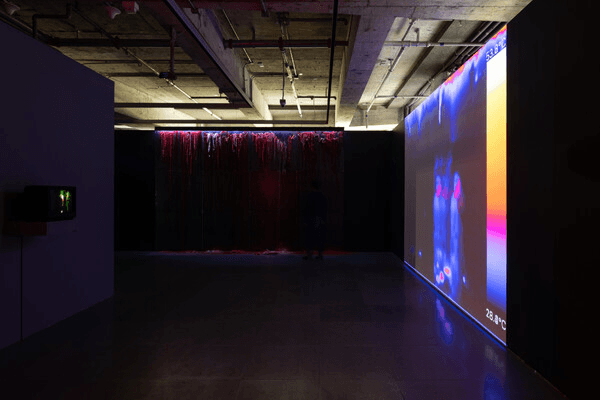
EP. I have worked in medical imaging for over 35 years. This has profoundly shaped my artistic journey. I've witnessed firsthand technological evolution in the field, from video replacing 16mm film in fluoroscopy to computers becoming central in various scanning technologies. The transition from analogue to digital has been fascinating. I learned the theory behind data collection and processing. In my job, I present the hospital's most accurate and truthful medical images. As an artist, I'm drawn to explore the relevancy of abstraction, aesthetics, and values of uncertainty and ambiguity.
I have captivating memories of Osaka Expo 70 from childhood that greatly influenced me. Later in life, I found these memories close to The E.A.T. (Engineering, Art and Technology) 9 Evenings, a series of performances showcasing the collaboration between artists, engineers, and hardware. What I saw in the US Pepsi pavilion in Osaka is them. They put me on a path of working with Art, media, technology and science.
I found works from John Cage, Laurie Anderson and the art movement “Expanded Cinema” inspirational. For me, the most captivating moment for art is its ability to expand the boundaries of human experience.
CNTRFLD. Tell us about your experience living and working in Hong Kong. How does the city's dynamic environment differ from other places you've lived, and in what ways has it shaped your artistic vision and approach?
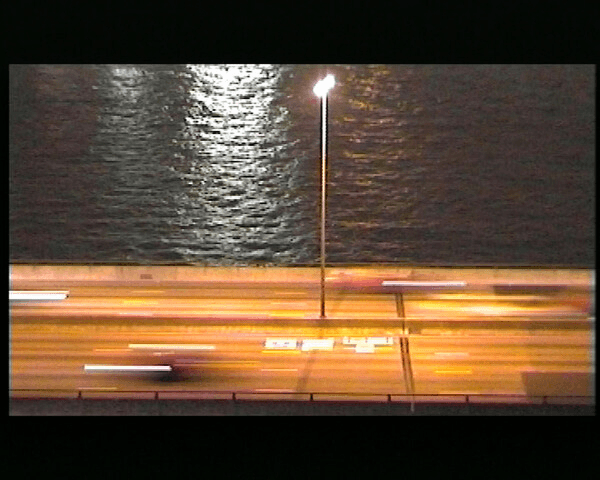
EP. Living and working in Hong Kong, especially during the 1997 handover, has given me a unique perspective on this city's distinctive and elusive nature. Hong Kong's dynamism is unparalleled—it's a place where change is the only constant, and every moment feels transitional and fleeting—borrowed time, borrowed place, as we always say.
Memories of elsewhere, like Britain, China, Taiwan, Macau, Canada, and Australia, never leave us. The past and the future intertwined, colonial and postcolonial times, the two migration fluxes before 1997 and after 2019, and the people returning to Hong Kong created an atmosphere of perpetual uncertainty. This temporal fluidity of identity has profoundly shaped my artistic vision.
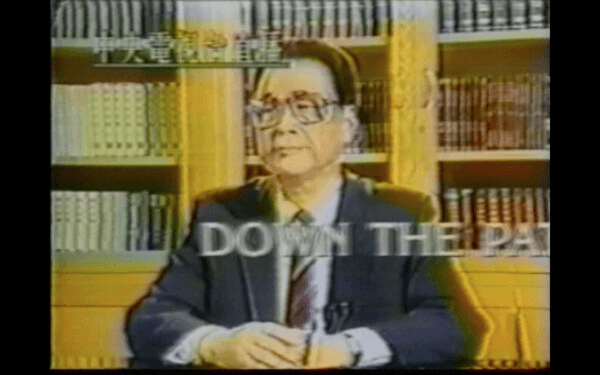
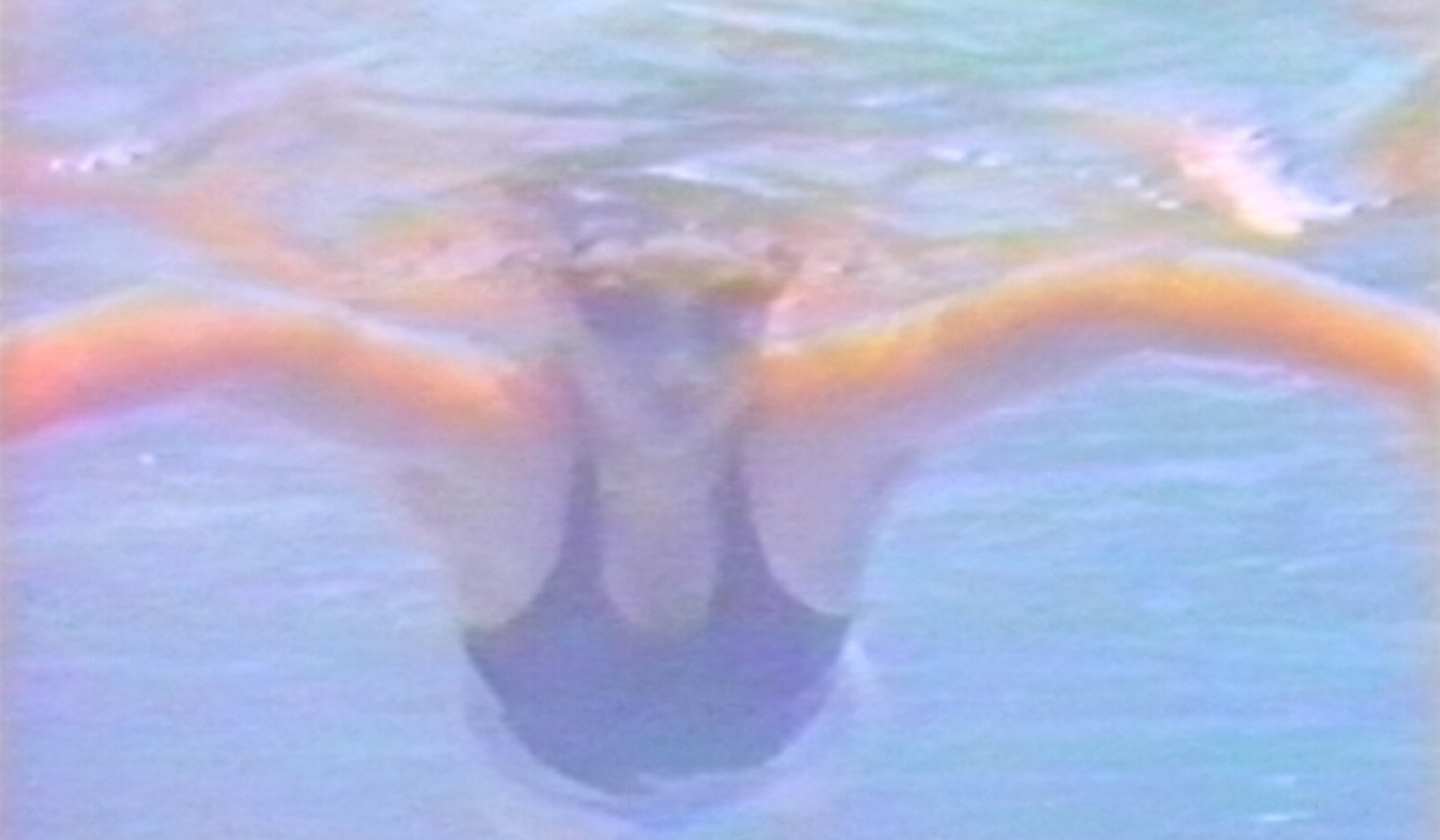
In my work, I constantly explore the elusiveness of reality, questioning what constitutes truth, fakeness, and lies, whether in imaging or narrative construction.