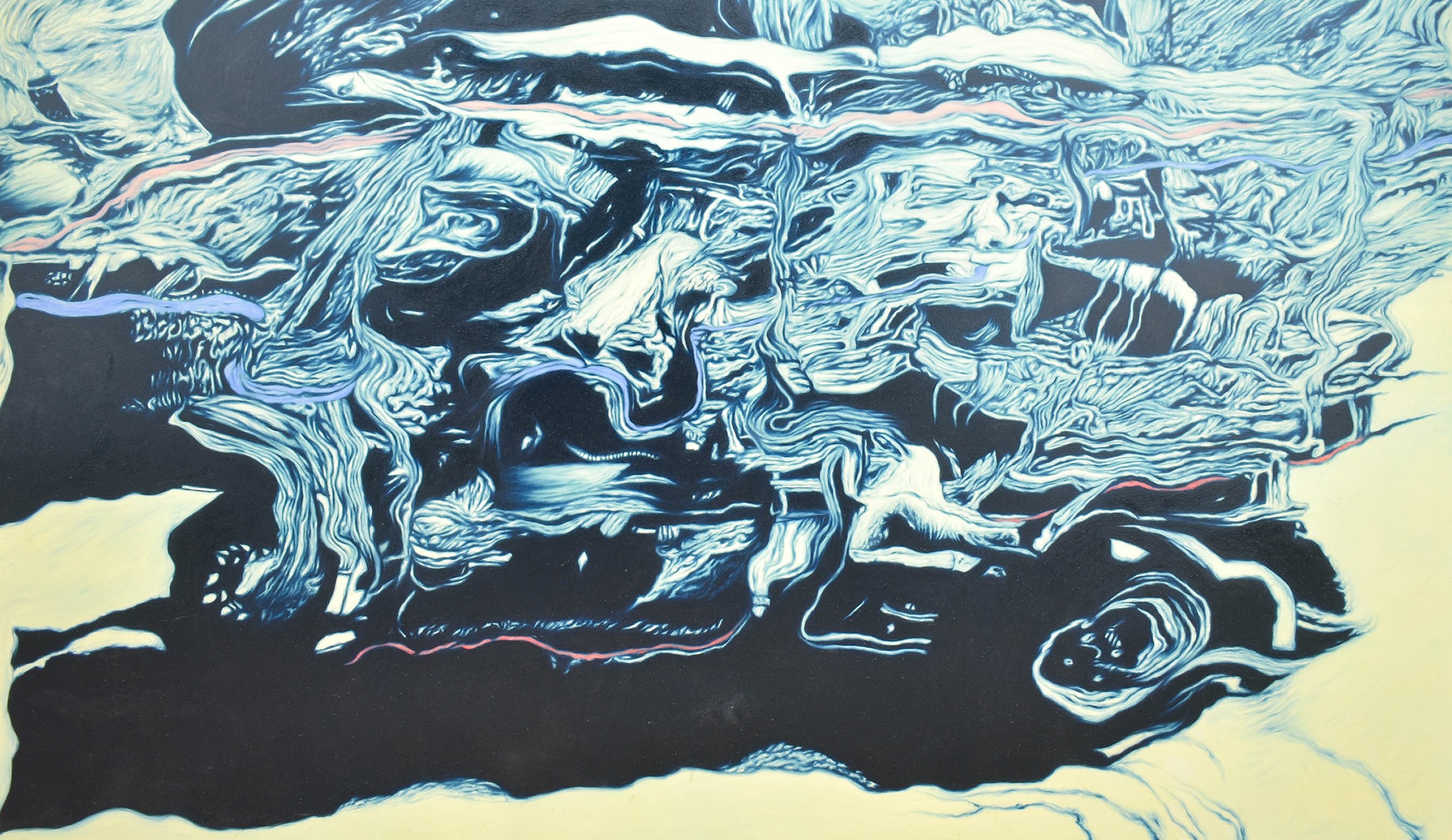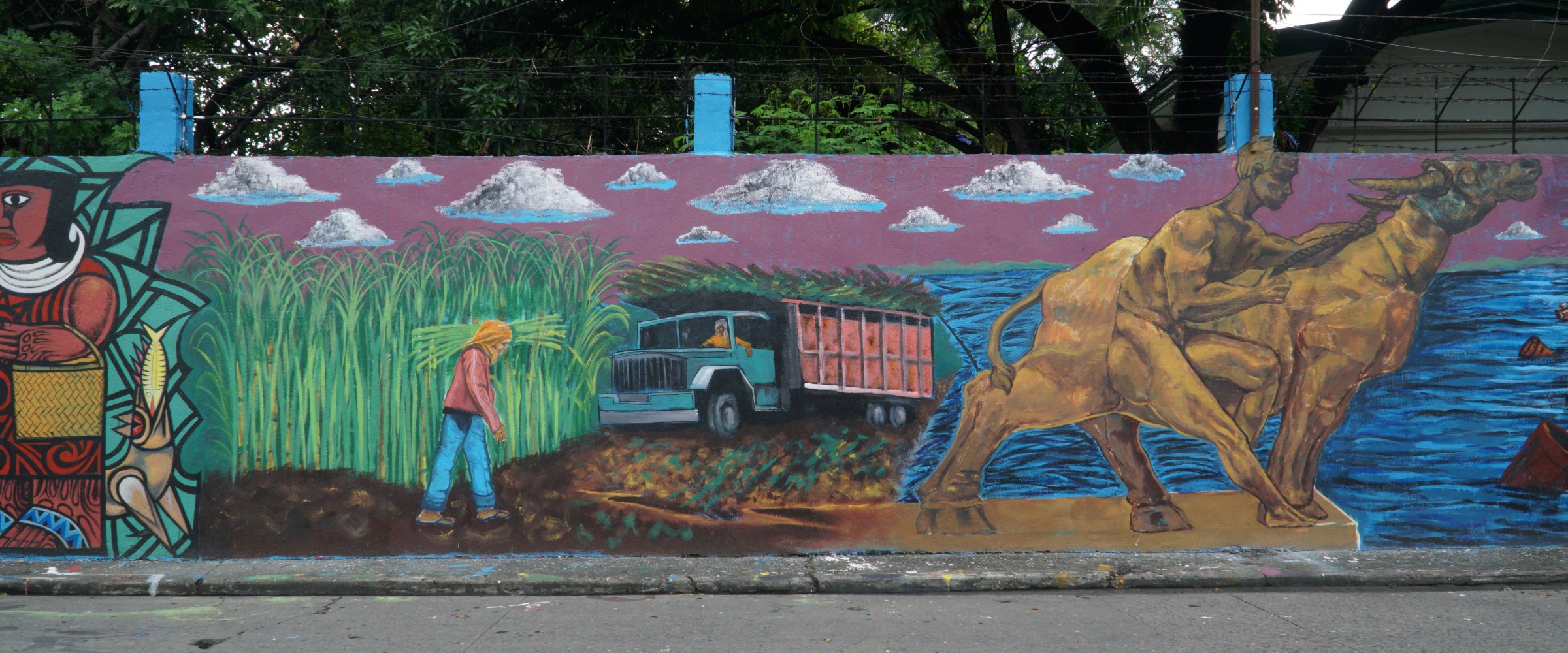
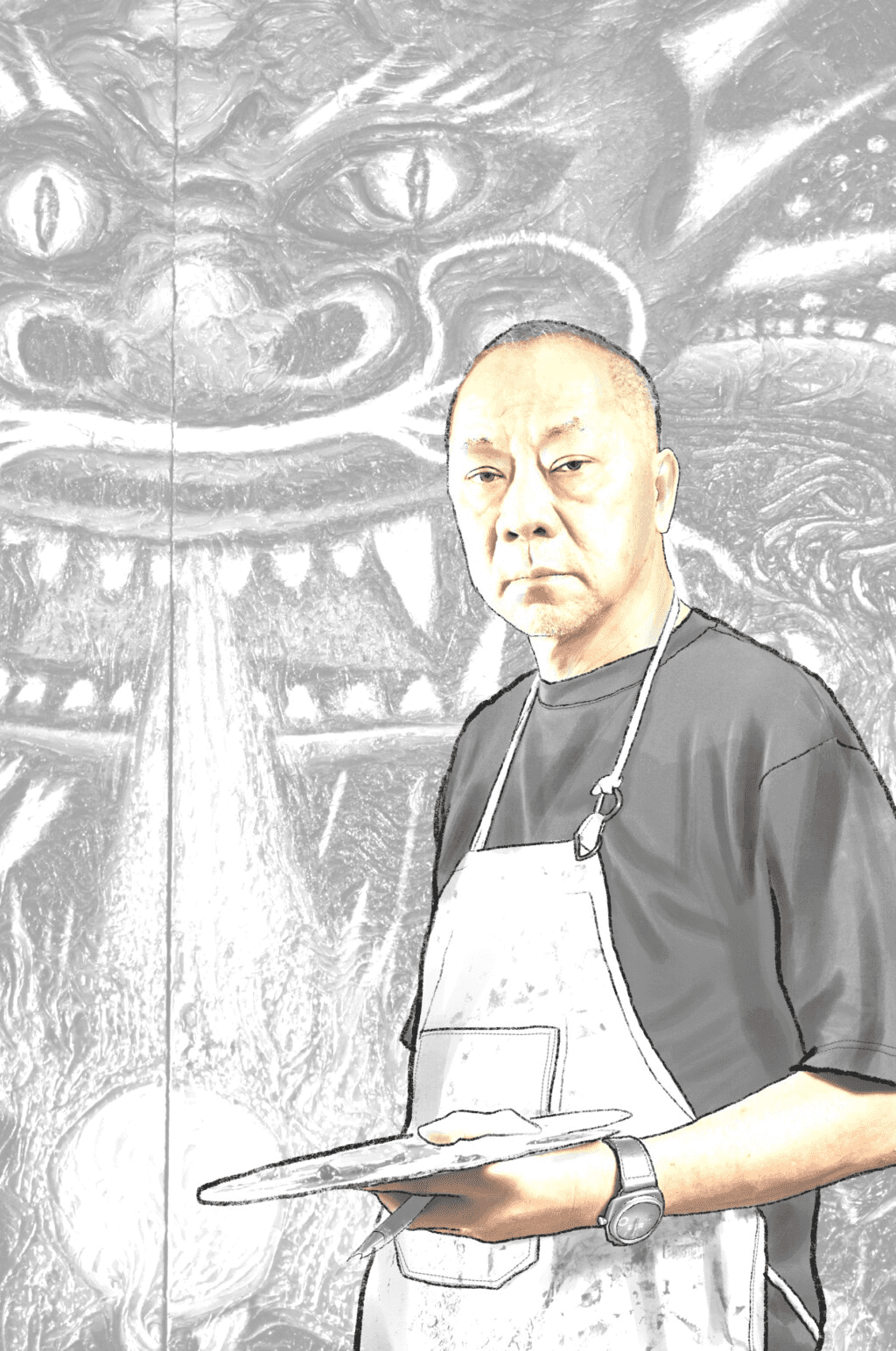
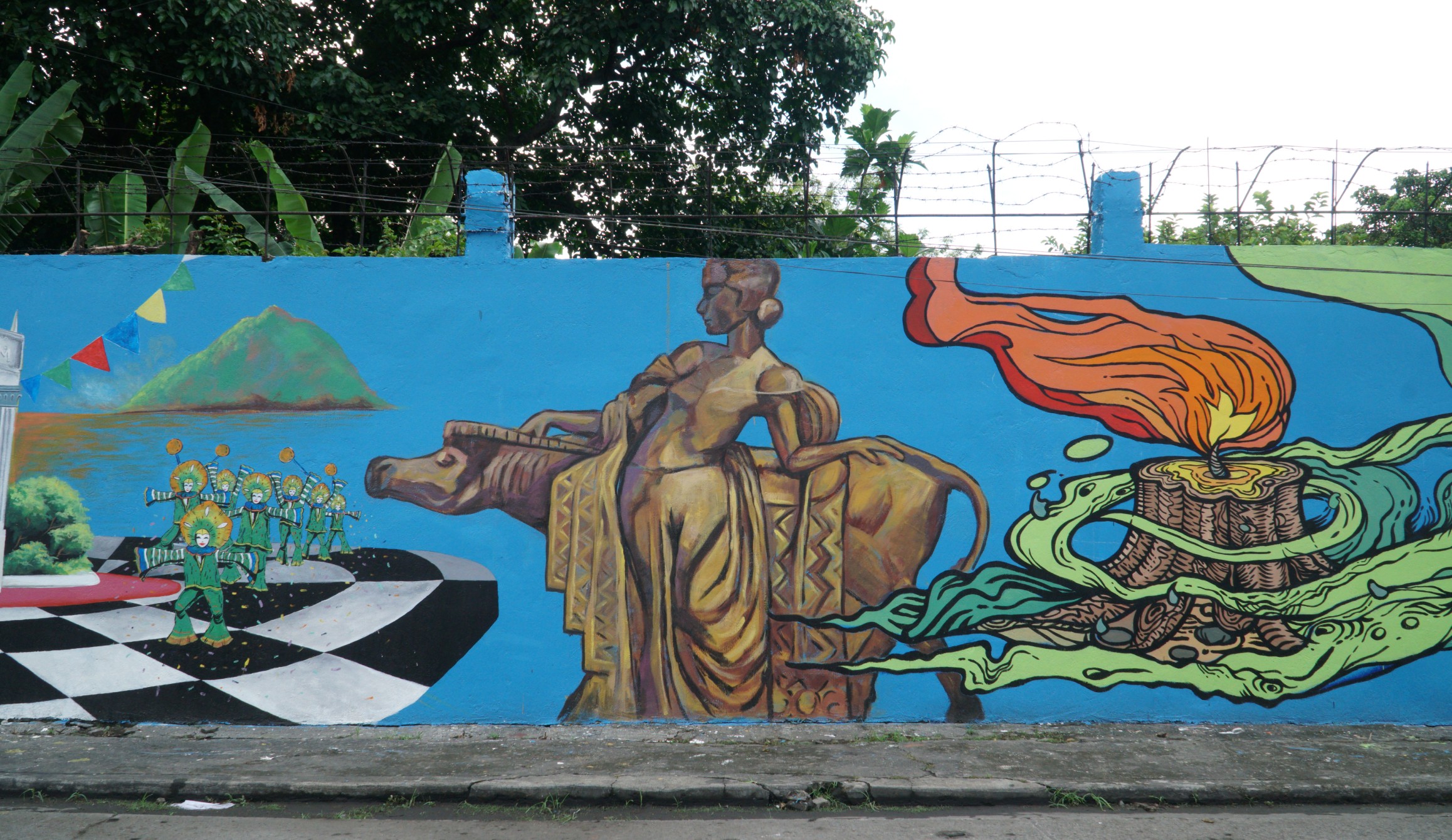
Charlie Co, illustrated by Maria Chen. Inspired by a photo by Aeson Baldevia

DATE

03/2026

ARTICLE

Maria Chen

PHOTOS

Reyanna Lizares

Charlie Co on Building Bacolods Art Ecosystem: Orange Project, Mentorship, and Filipino Contemporary Art Beyond Manila

From a four-decade artistic practice to over 20 years of Orange Project, Charlie Co reflects on sustaining artist-run spaces, nurturing generations of Negrense artists, and shaping a globally recognised art community in the Visayas.


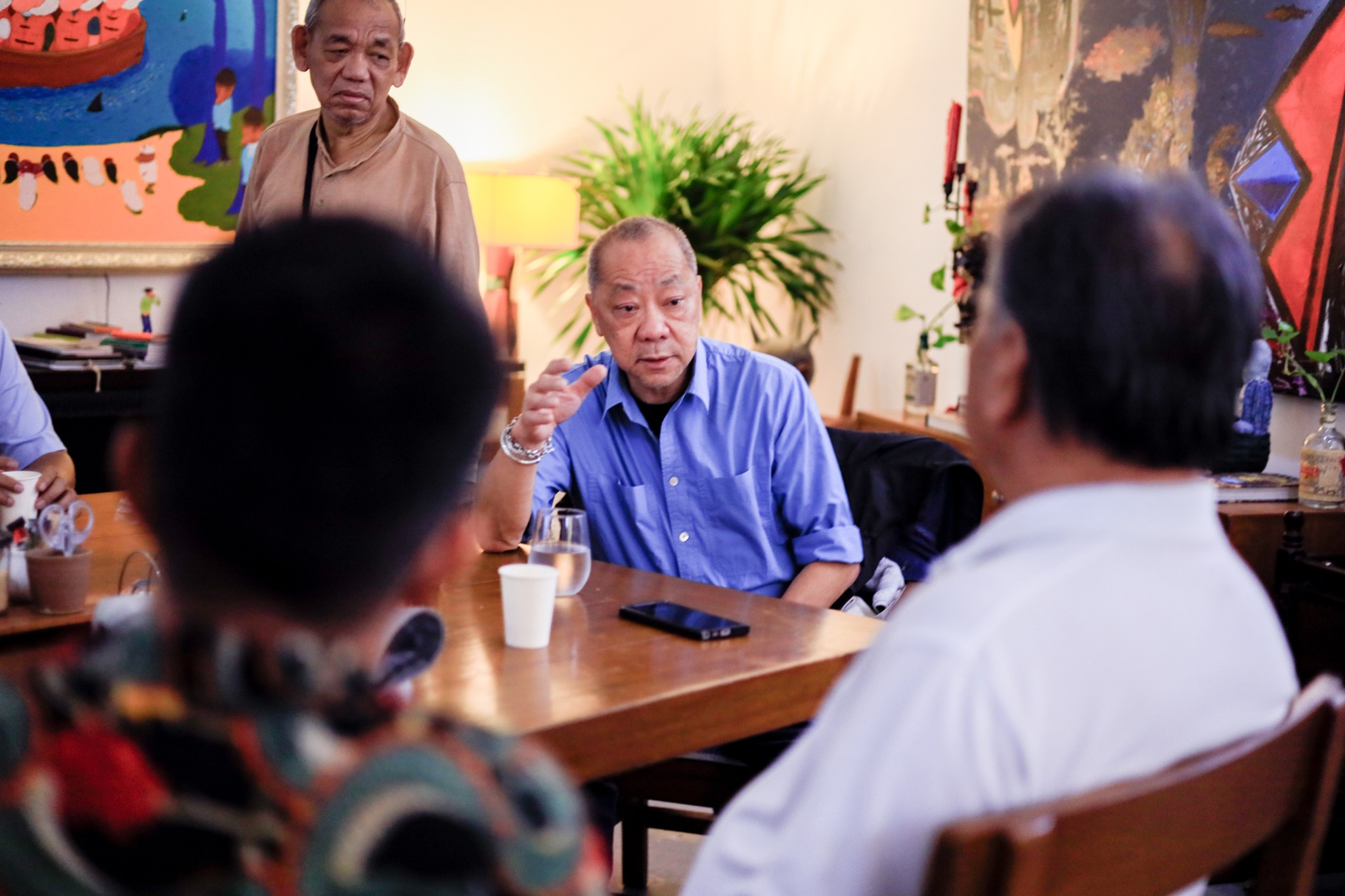
When CNTRFLD.ART first met Charlie Co in 2025, the conversation traced a life shaped by resilience, conviction, and an unwavering commitment to storytelling through art. At the time, our focus was on the artist—his visual language, his history, and the philosophies that have sustained a four-decade practice. Yet even then, it was clear that Co’s impact extended far beyond the canvas.

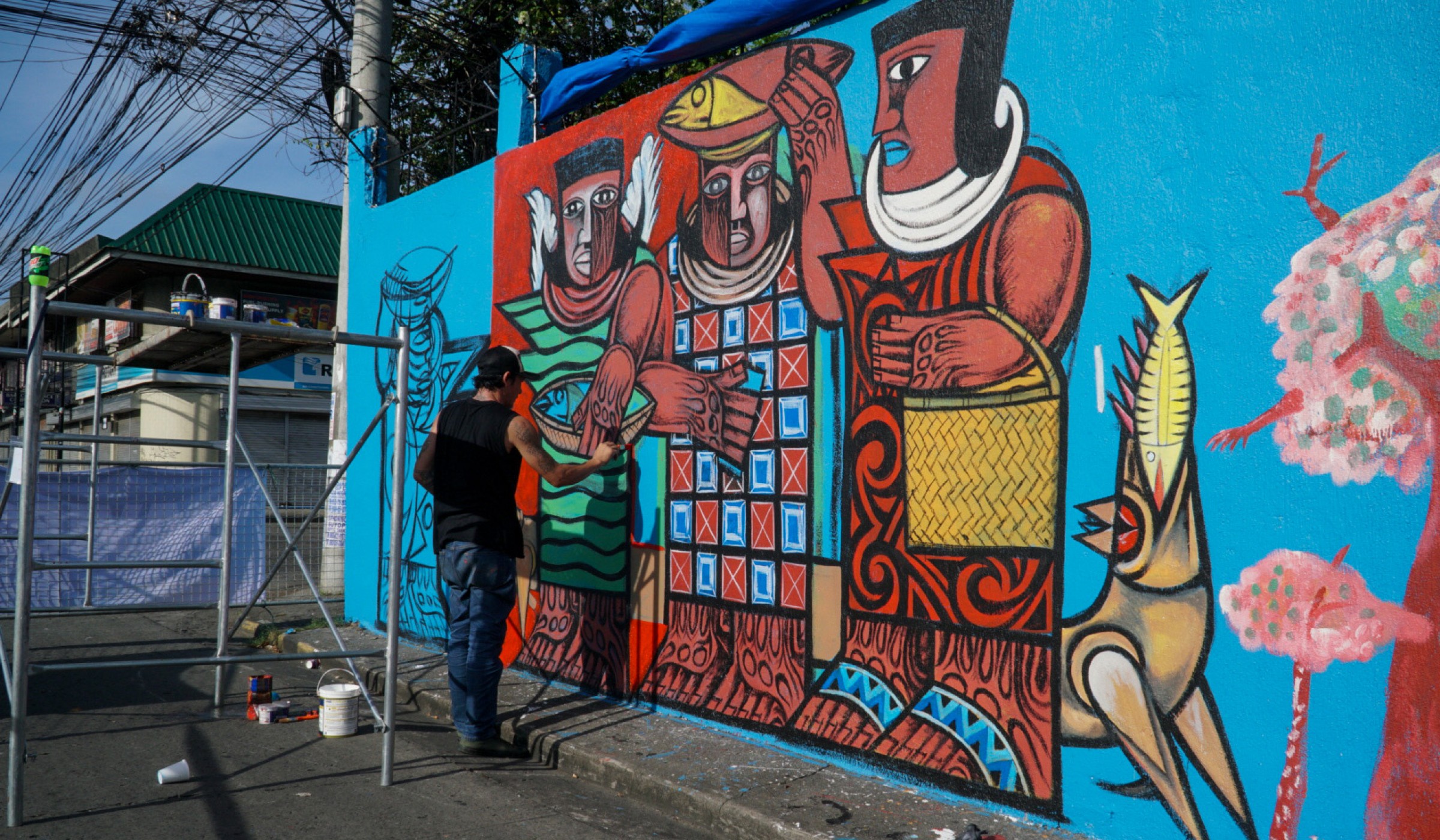
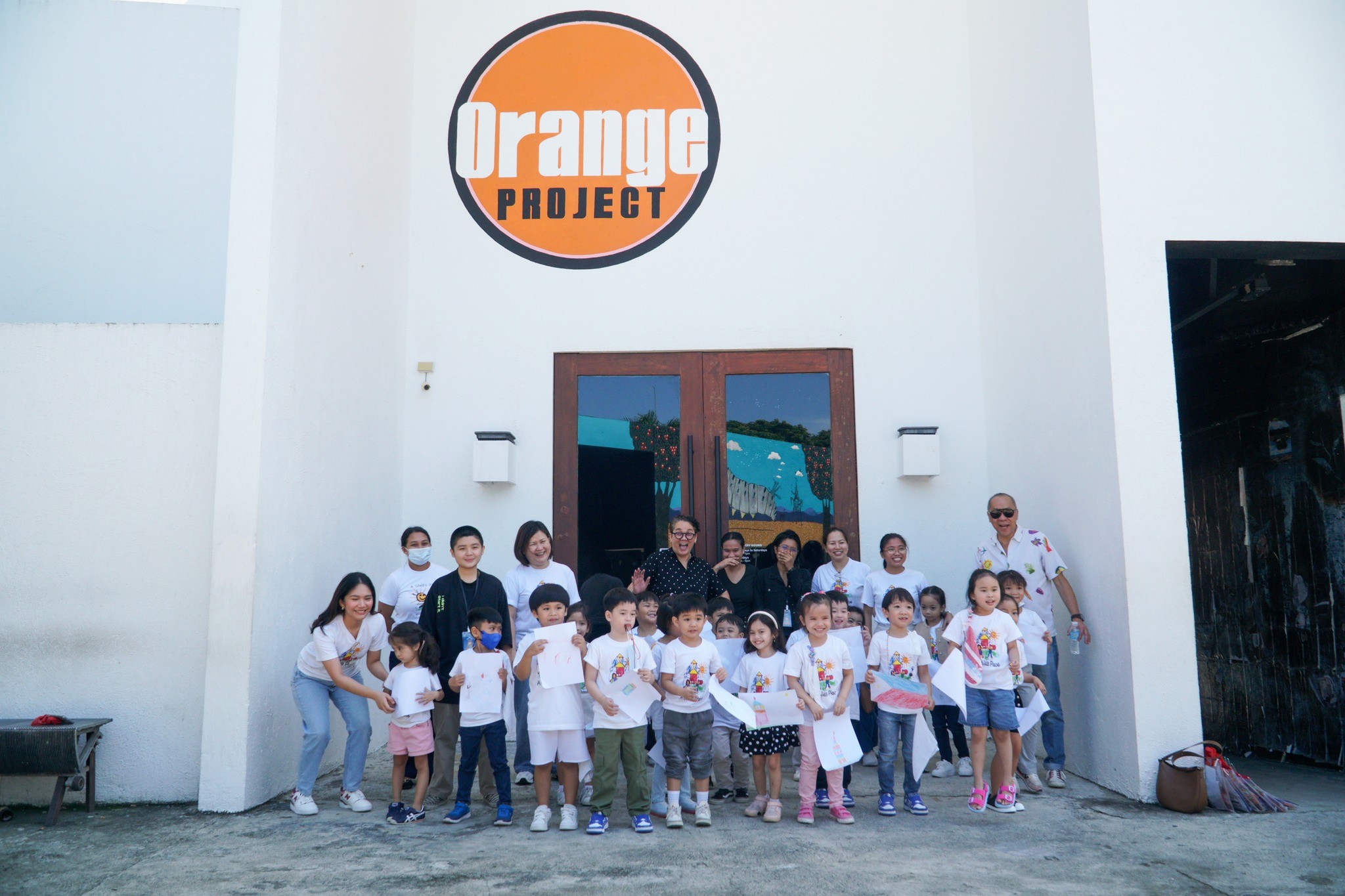
Returning to Bacolod City in late February 2026, we encountered something deeper: not just an artist, but an ecosystem. Within Orange Project and the wider Art District, Co’s vision has taken on a collective form—one shaped by mentorship, shared labour, and a belief in building from the ground up. What began as a modest initiative has, over two decades, evolved into a living, breathing platform for artists in the Visayas and beyond.

This second conversation shifts the lens. Moving away from biography towards lived experience, it reflects on what it means to sustain a community over time: the quiet persistence behind artist-run spaces, the generational impact of mentorship, and the realities of building cultural infrastructure outside metropolitan centres. Co speaks not in grand declarations, but through stories—of artists who have passed through Orange Project, of collaborations that have extended its reach, and of a philosophy rooted in humility, generosity, and continuity.

At a moment when global attention increasingly turns towards decentralised art ecologies, Bacolod offers a compelling model. Here, legacy is not only measured in exhibitions or accolades, but in the communities that endure—shaped by those who choose to stay, to build, and to give back.

As Co reflects: “Keep yourselves grounded. Pay it forward.” It is a simple ethos, but one that continues to define both his practice and the evolving story of Orange Project.
Previous

Next

CREDITS

All works courtesy of the artist

“Keep yourselves grounded. Pay it forward… Practice humility, empathy and generosity. With these characteristics, one can never go wrong.” — Charlie Co

CNTRFLD. After more than two decades of building Orange Project, what moments have made you feel that the effort has truly made a difference for artists in Bacolod and the wider local community?

CC. Many artists have exhibited at Orange Project, from when we first started as Gallery Orange in 2005 up to the present. I’ve seen them grow and develop their own styles, venturing out to exhibit beyond Bacolod and successfully making names for themselves in the art world. I watch them with pride because, at one point in their careers, they started out with Orange Project.
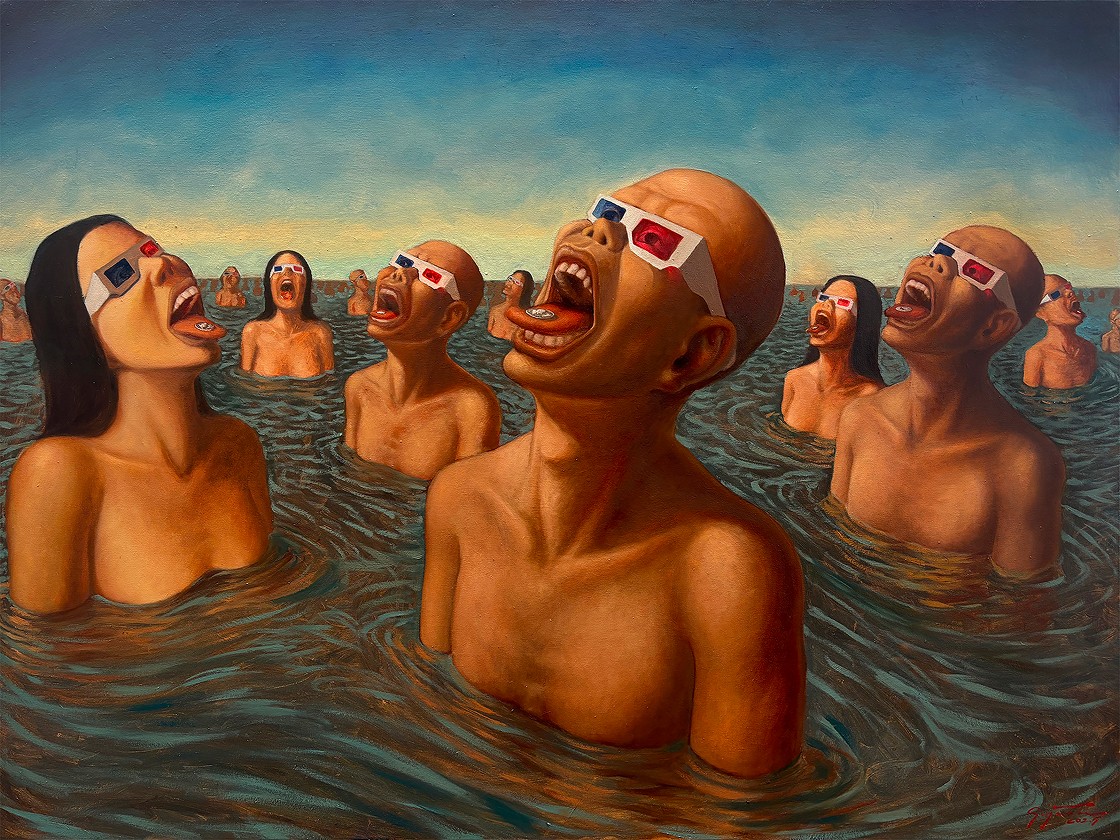
Even more meaningful is when I see them giving back—organising exhibitions for fellow artists, both locally and beyond. I recognise that same sense of community.

One example is Manny Montelibano, a filmmaker, installation and video artist, who mounted his first solo exhibition at Orange Gallery more than 15 years ago. He later went on to represent the Philippines at the Venice Biennale. Another is Joe Geraldo, who now runs his own artist space in Talisay City, attracting art enthusiasts from here and abroad.

There are many others—Faye Abantao, Guenivere Decena, Daryl Feril, Frelan Gonzaga—who came to Orange as young, eager artists and are now building their own careers and collector bases. Seeing them grow is a testament that our efforts have not been in vain.

CNTRFLD. You’ve mentored many younger artists over the years through Orange Project. Beyond technical advice, what do you hope they take with them?


CC. I have no control over their careers, but I ask only two things:

  • Keep yourselves grounded.

  • Pay it forward.

Success comes in many forms, and if you cannot handle it, it can disappear just as quickly. Practice humility, empathy, and generosity. With these qualities, one can never go wrong.

CNTRFLD. The Bacolod Art District has grown into a vibrant cultural hub. What goes through your mind when you see it today?

CC. It took many years of trial and error to get here. I’ve had my share of disappointments and heartaches. But now I can say it is truly an art district.

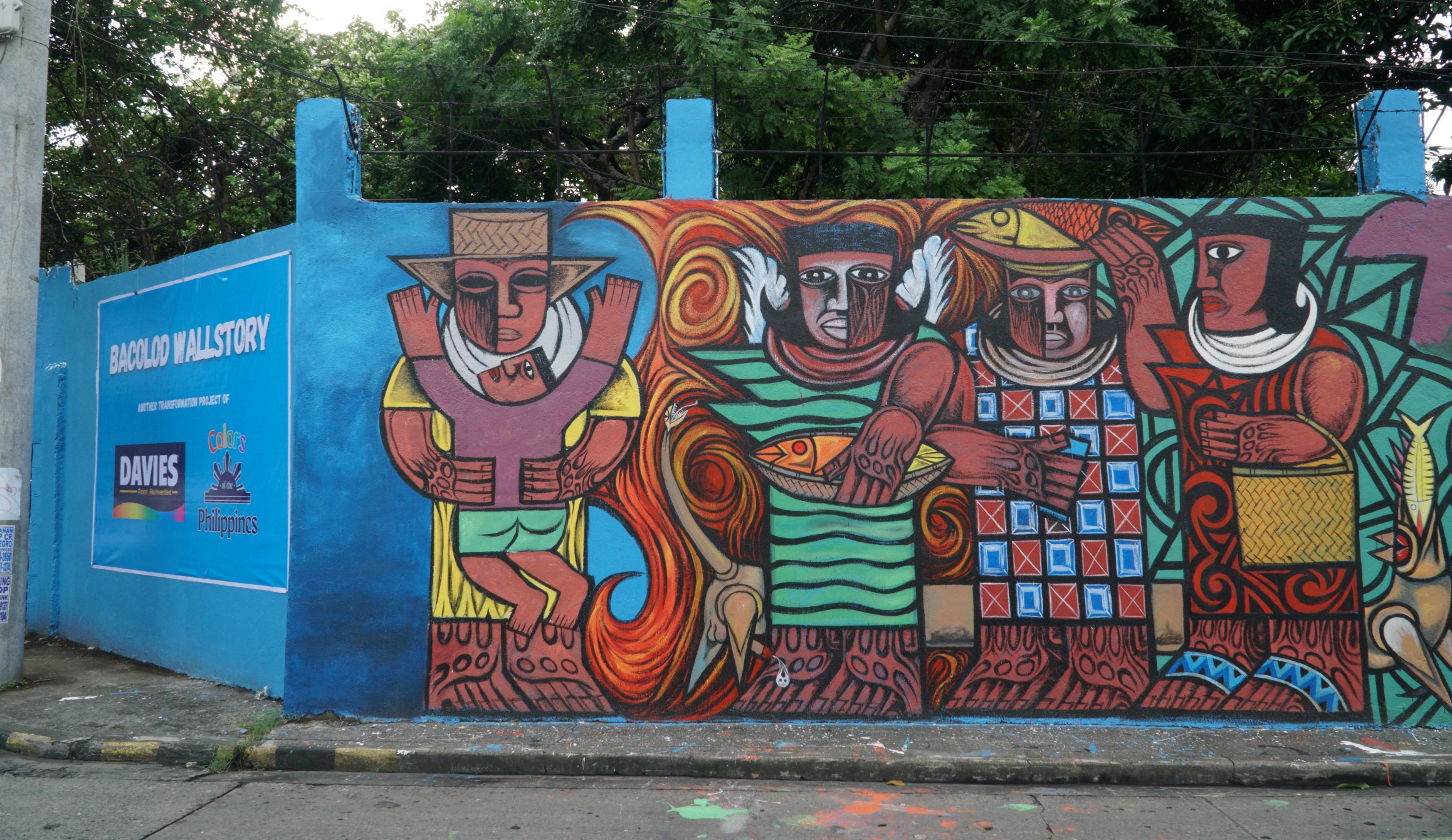
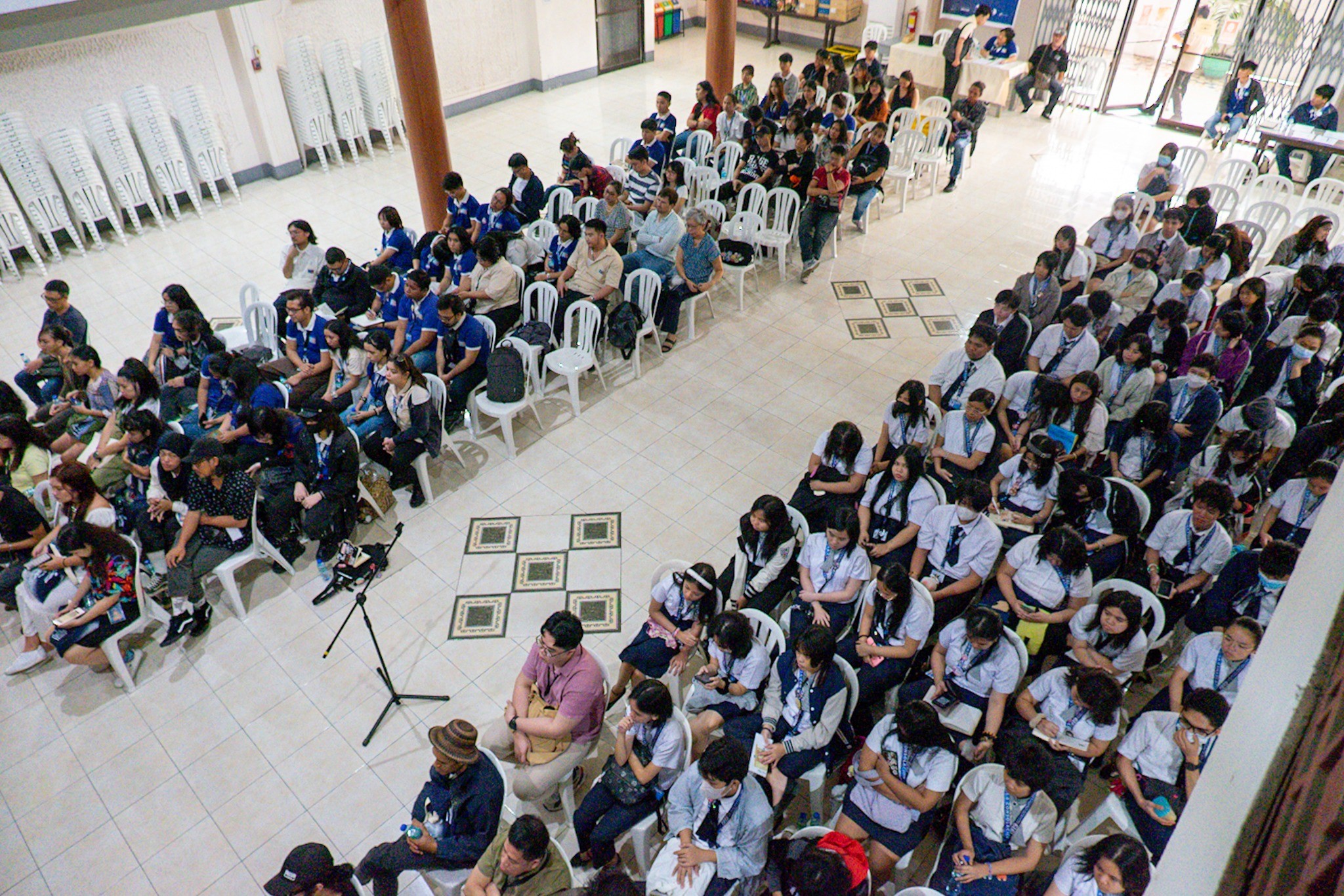
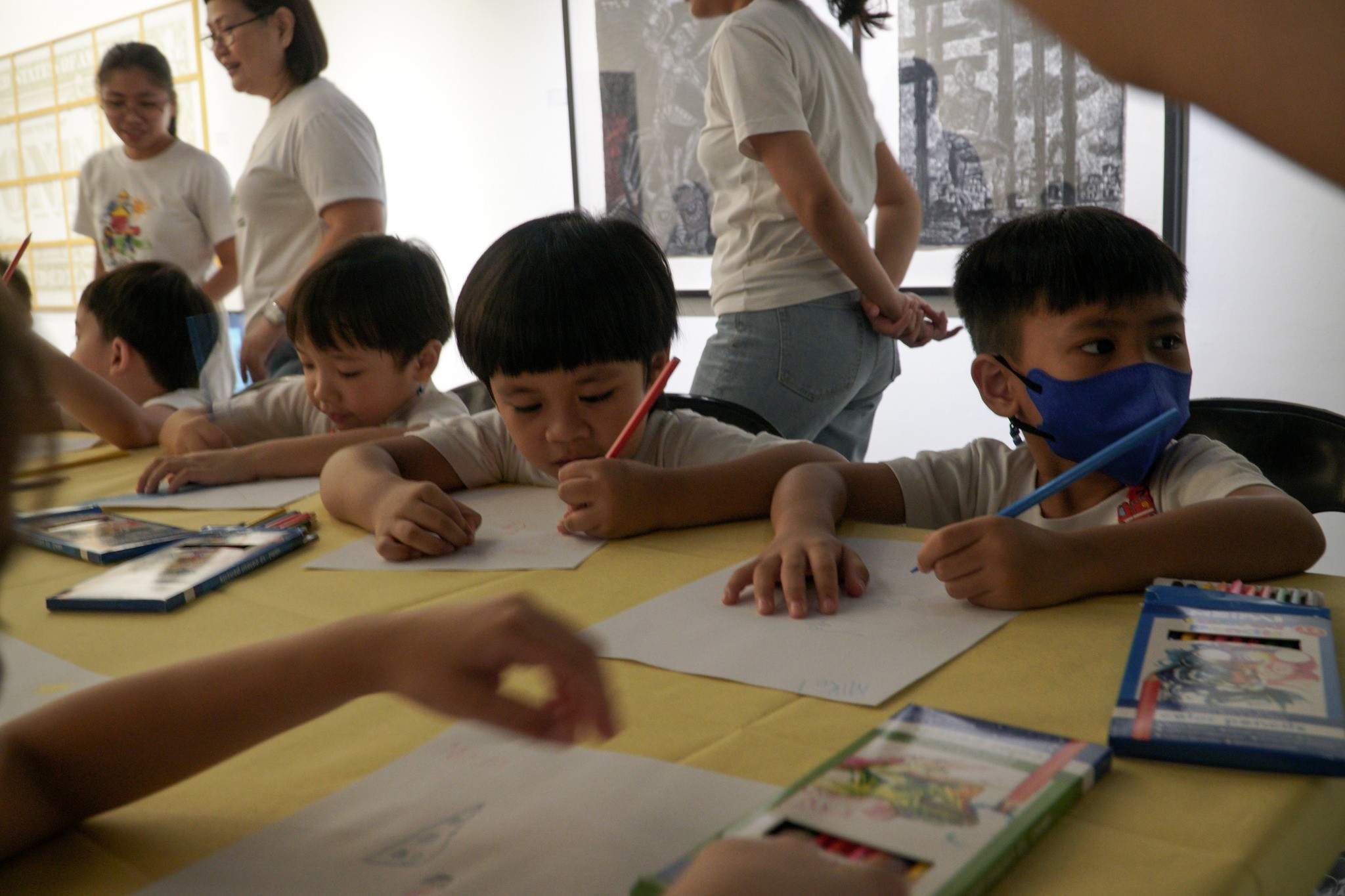
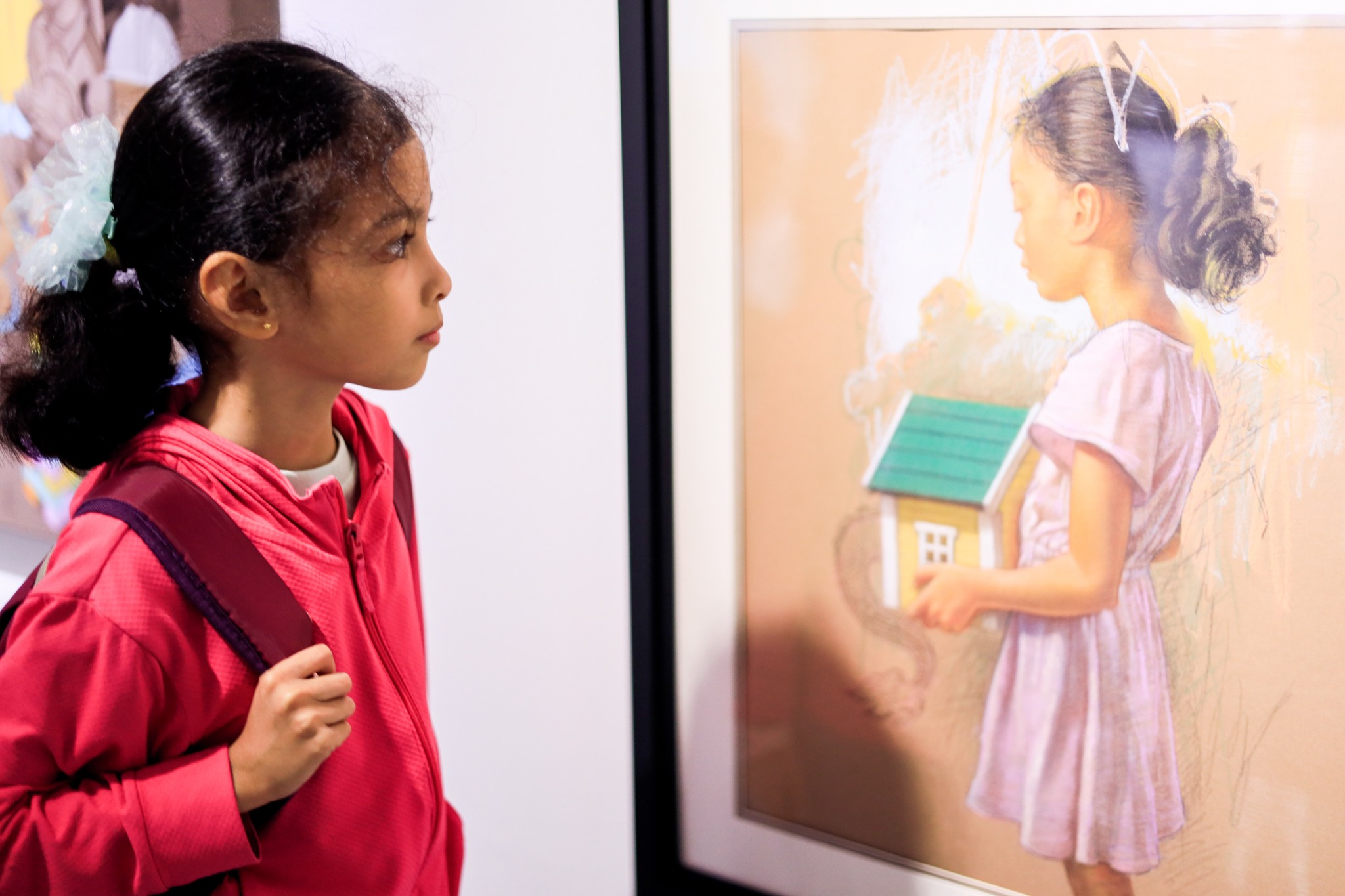
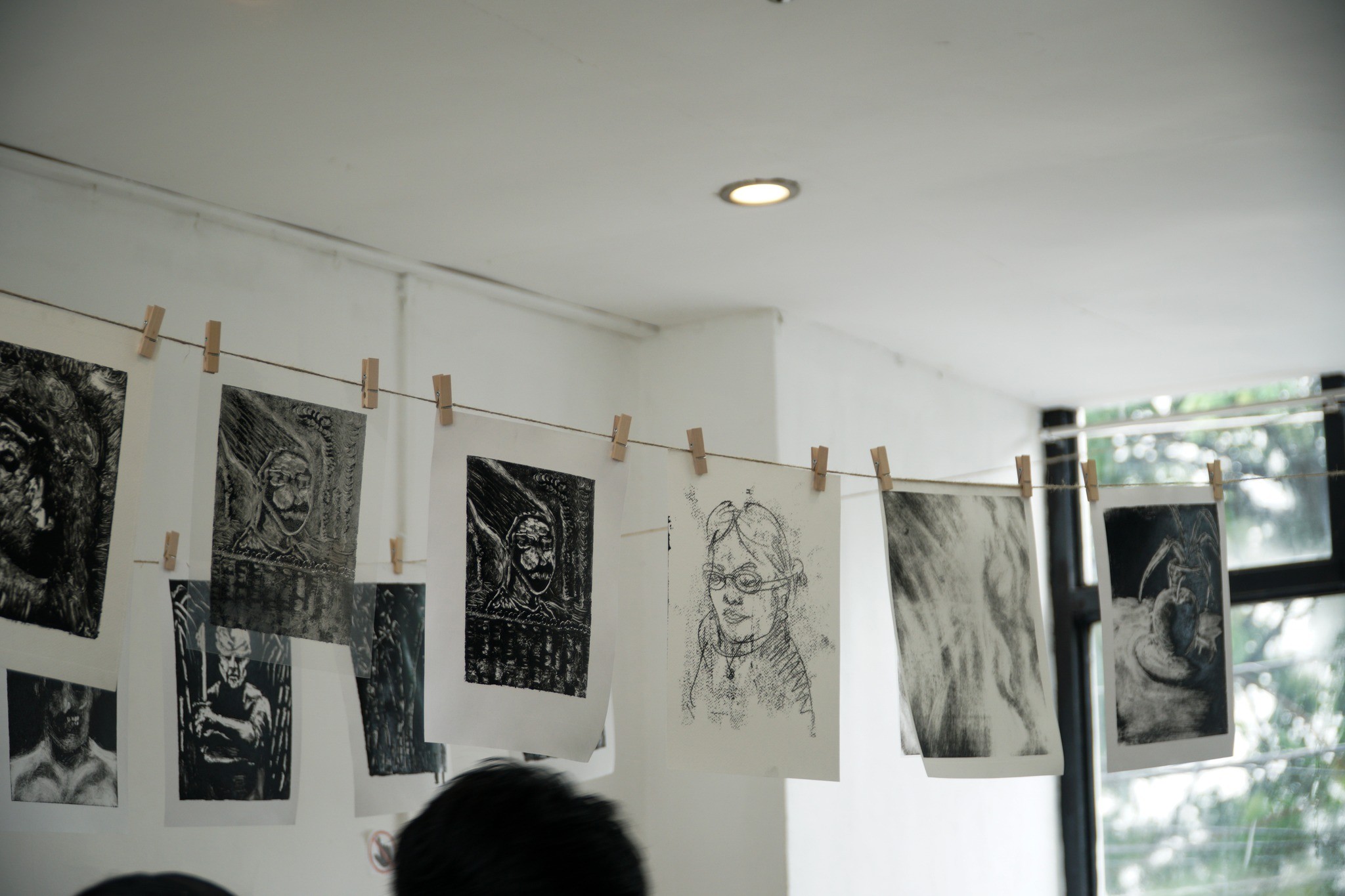
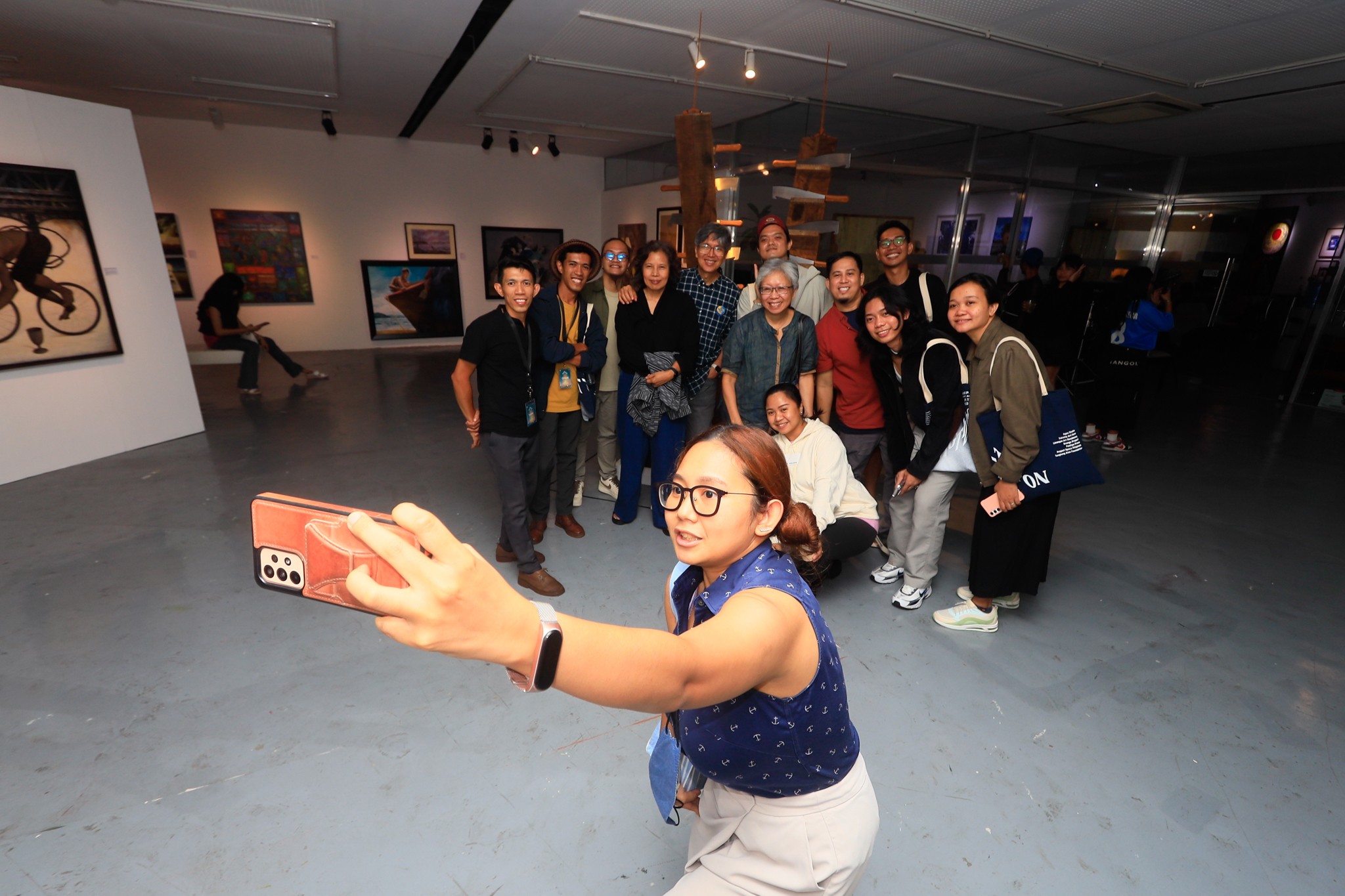
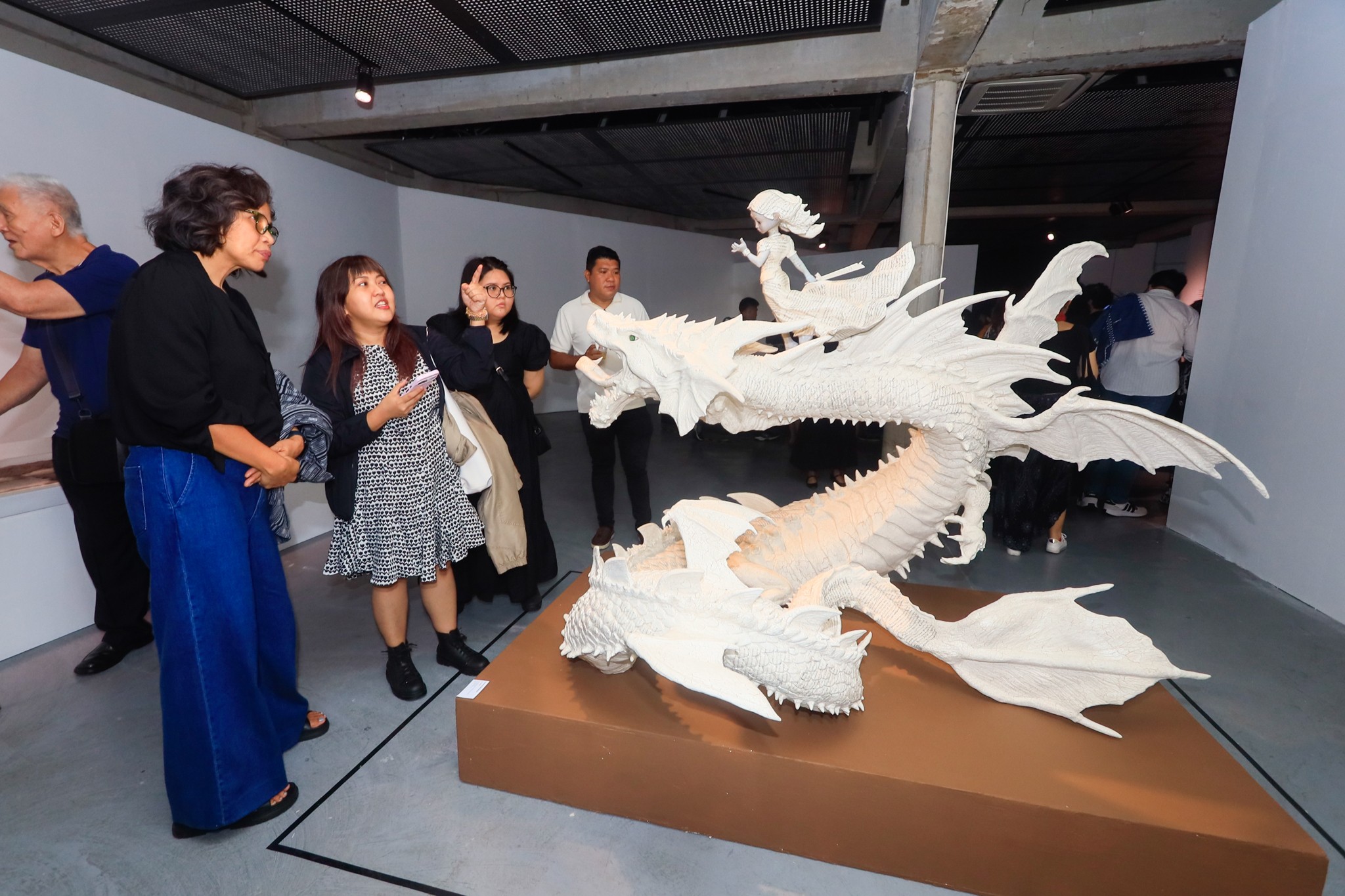
There are dance studios, a tattoo studio, a barbershop, galleries, shared studios—and even a Reiki healing centre run by a visual artist. I’m proud of it. It has become a safe space not only for artists, but for younger generations to be exposed to contemporary art.

This was made possible through trust—especially with Bong Lopue, who owns the complex and co-owns Orange Project. Because we prioritise the needs of the art community, it became easier to turn ideas into reality.

CNTRFLD. Why has it been important for you to continue building opportunities in Bacolod?

CC. I always knew Manila was the centre of the Philippine art world. As a young artist from the province, I understood how difficult that would be.

Even as I gained recognition, I never forgot where I came from. I always proudly said I was from Bacolod—a probinsyano.

Orange Project and the Art District are my way of giving back. It’s about showing that it’s possible to build a career outside the centre.

I believe Negrense artists have gained respect—not just individually, but as a community. We’ve created a home where artists can learn professionalism and discipline before stepping into the wider art world.

CNTRFLD. How does it feel to see Bacolod’s art community connecting internationally?

CC. It’s every artist’s dream to exhibit internationally. I feel proud when Bacolod artists are included—not just for them, but for the city. 

Whenever I participate in exhibitions or art fairs, I always bring Bacolod with me—by talking about Orange Project, our artists, and our programmes. I invite curators and artists to visit, and many do.

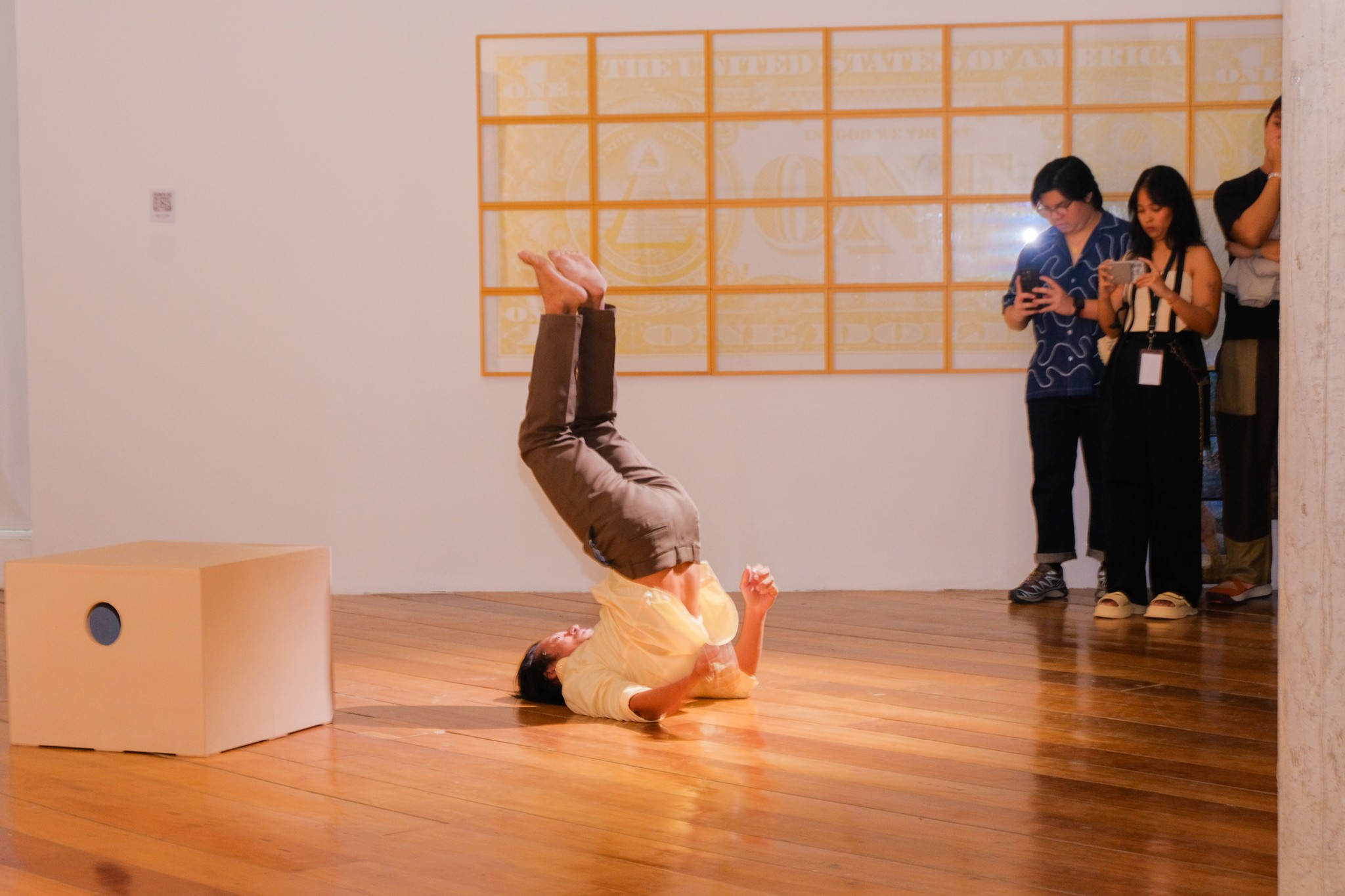
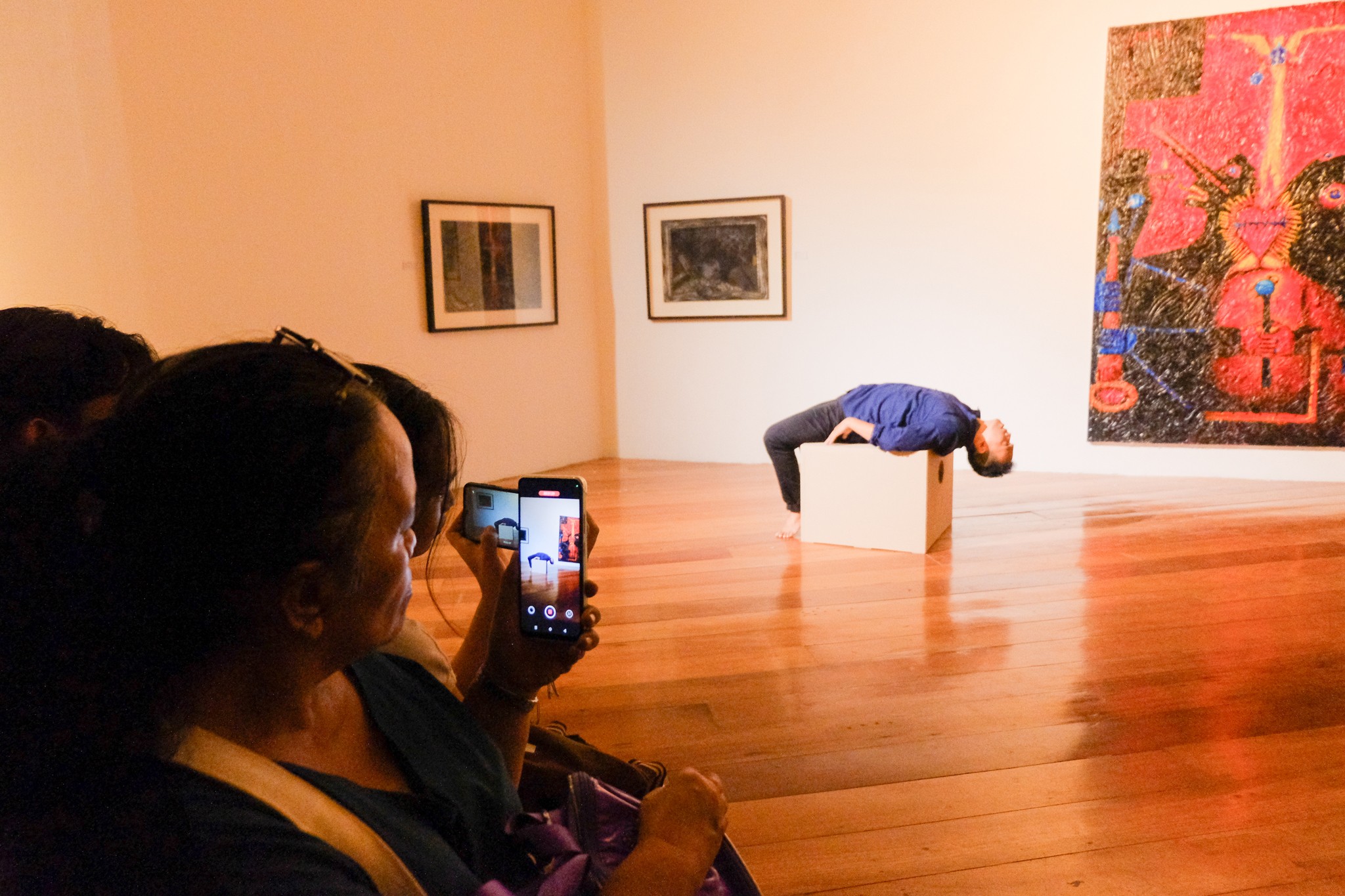
We also collaborate with institutions such as the Japan Foundation, Goethe-Institut, and the British Council. These exchanges allow our artists to engage with international practices across visual art, film, performance, and more.

CNTRFLD. What has kept you motivated to sustain Orange Project all these years?

CC. The Art District grew organically. Sustaining an 8,000-square-metre space is not easy, but we believe in what we are building.

Much of it is supported through a combination of my own art sales, Bong’s support, and private donors who trust us.

What motivates me most is seeing others take initiative. When artists organise their own projects—like Werever or Storm Tattoo—it shows that the community is alive and growing.

CNTRFLD. What excites you about the next generation of artists?

CC. The more art spaces, the better. It’s not a competition.

Even if spaces open outside the Art District, it shows that artists can build their own platforms. It’s difficult—but with passion and dedication, things fall into place.

CNTRFLD. What do you hope Orange Project’s legacy will be?

CC. I hope it will be remembered as an institution that put Bacolod on the global art map—guiding artists to work with professionalism and responsibility, while staying rooted and giving back.

CNTRFLD. What makes Bacolod’s art scene unique today?

CC. We don’t see each other as competitors—we are allies, colleagues, family.

My favourite metaphor is this: Bong Lopue is the bus owner, and I am the driver. Anyone can join the journey. Some leave; others stay.

If one day they choose to drive their own bus and bring others along—that, for me, is already an achievement.


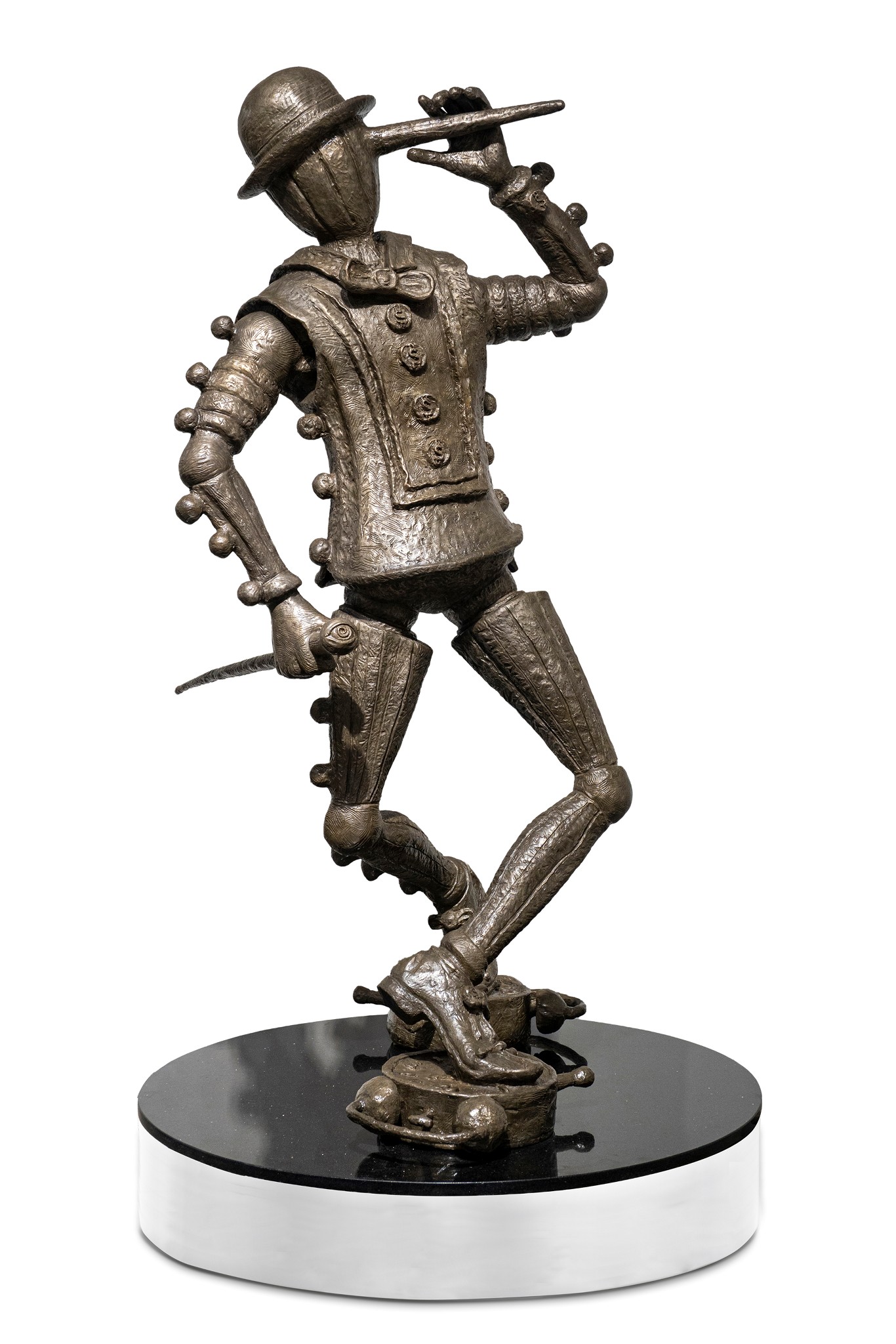
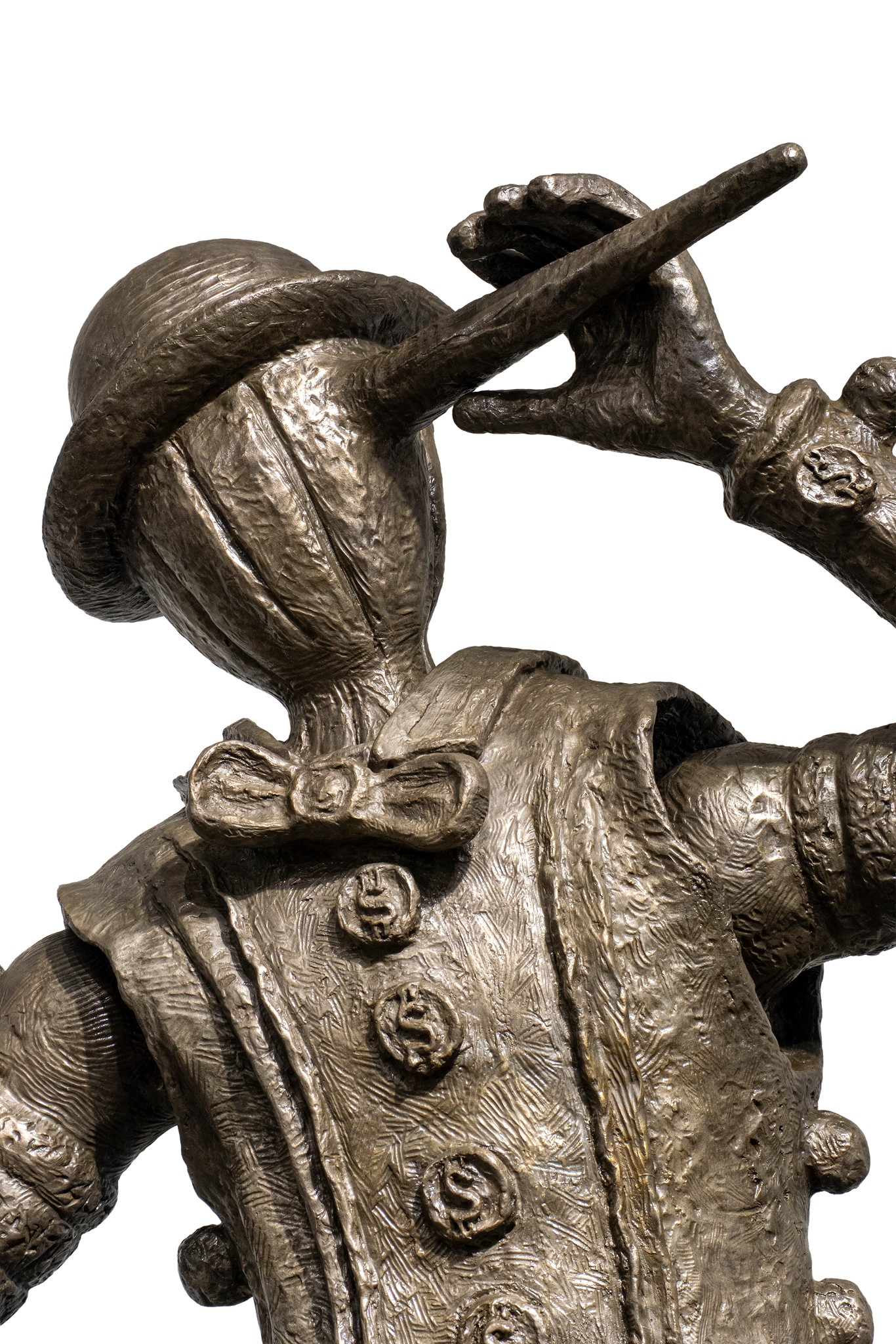
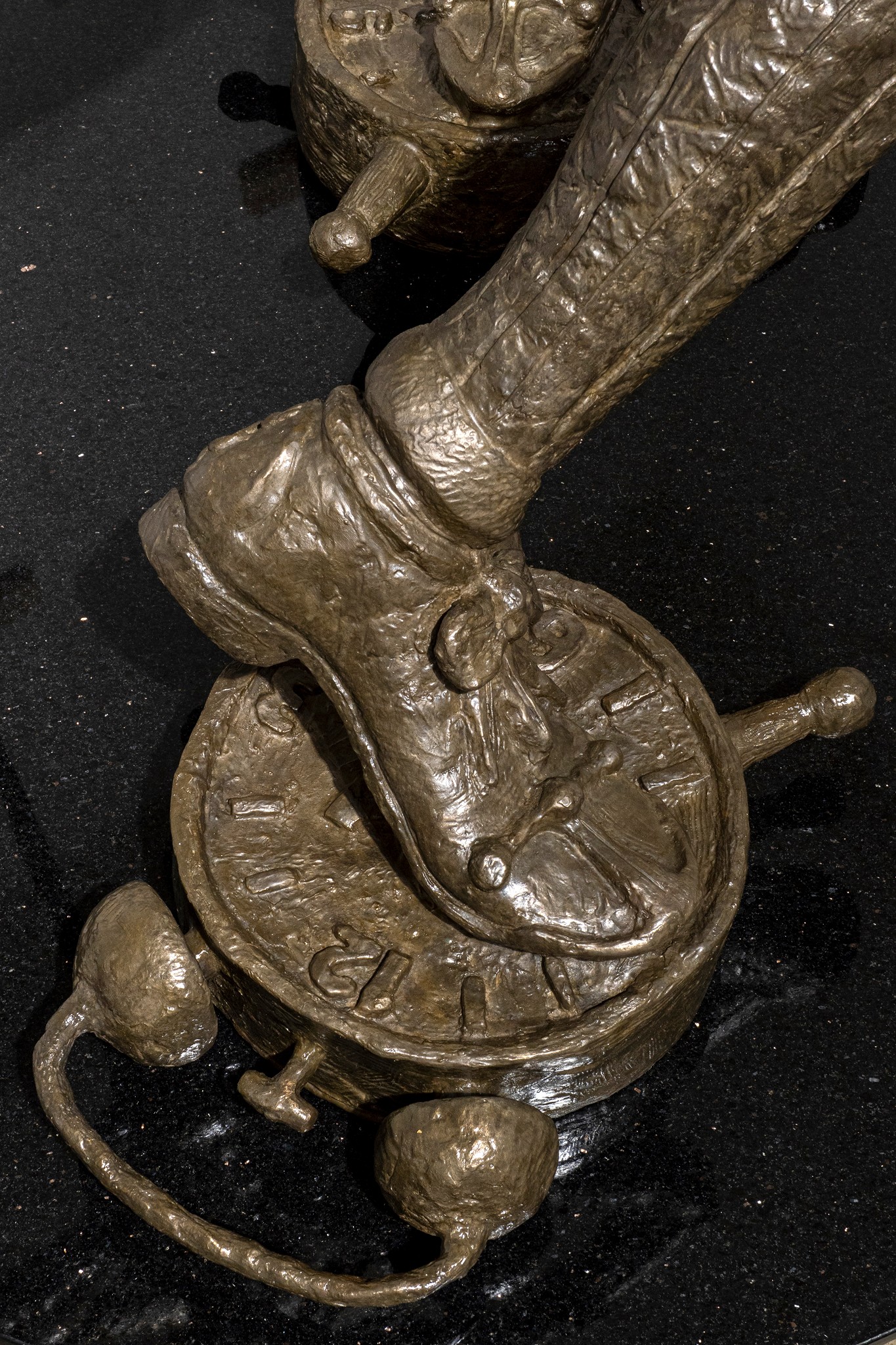
On the occasion of Art Basel Hong Kong 2026, Charlie Co will present Time Walker with Gajah Gallery.

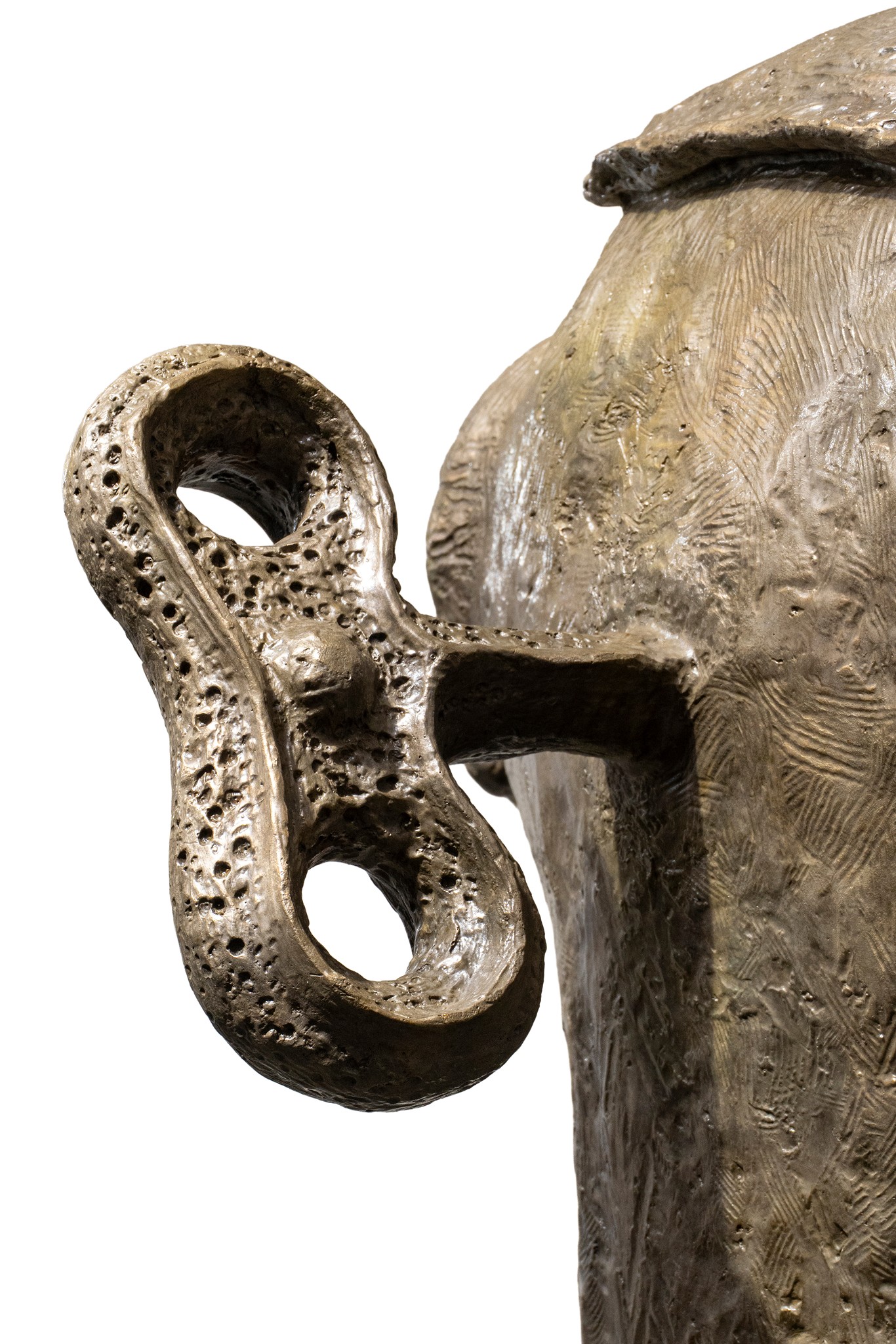
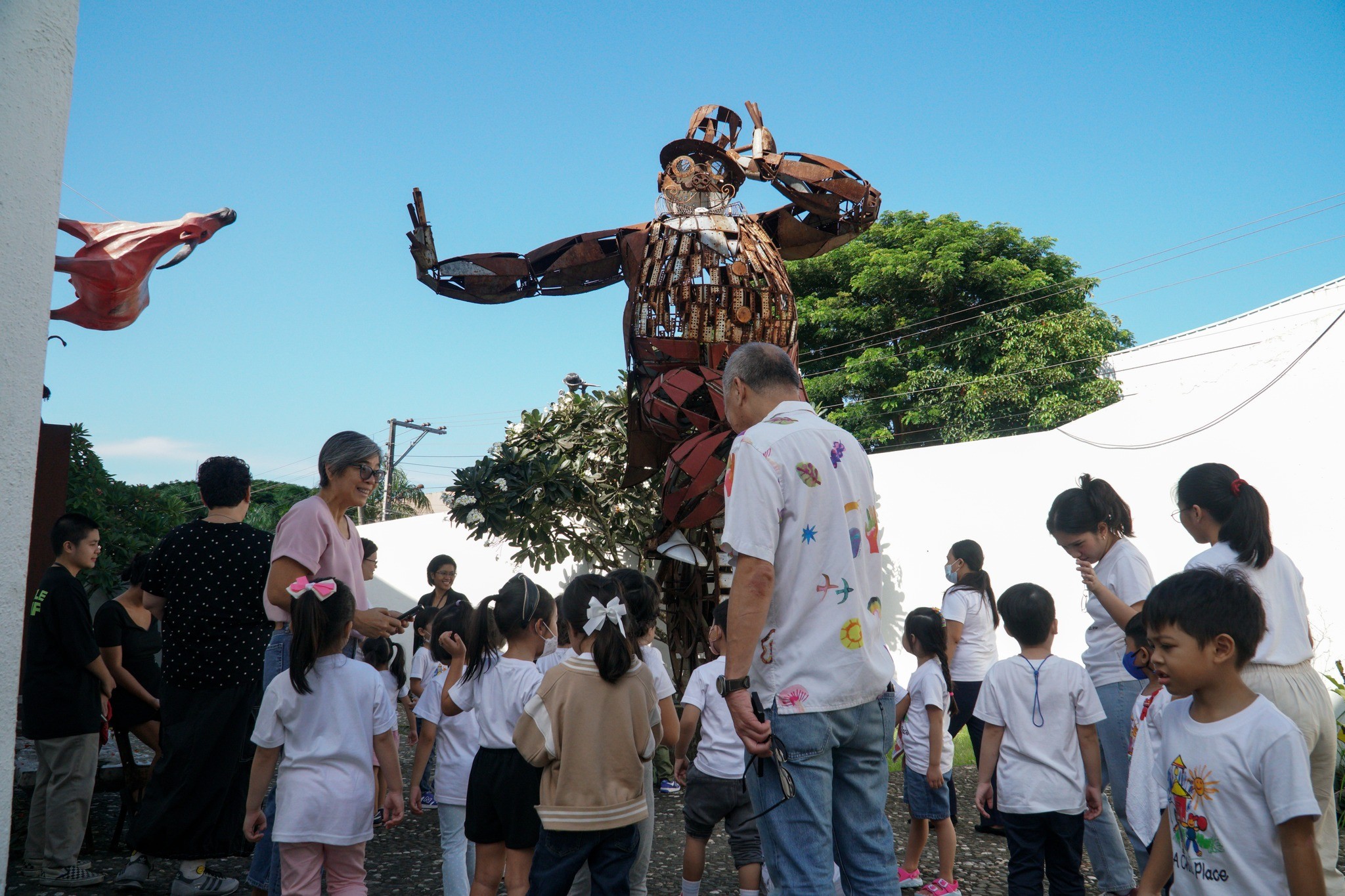
Extending his long-standing engagement with allegory and theatrical figuration, the sculpture introduces a new character into his evolving cast of carnivalesque protagonists. Drawing on the figure of Pinocchio, Time Walker reimagines the puppet as a peripatetic businessman—caught within the mechanisms of time, labour, and capital.

Cast in bronze, the work balances whimsy with unease: a towering yet fragile figure whose segmented body and clock-bound movement evoke both agency and control. As with much of Co’s practice, humour gives way to a sharper critique—here, probing the instability of truth, the performance of power, and the conditions that shape human behaviour within contemporary economies.

The work will be on view at Art Basel Hong Kong from 27 – 29 March 2026.

About the artist.

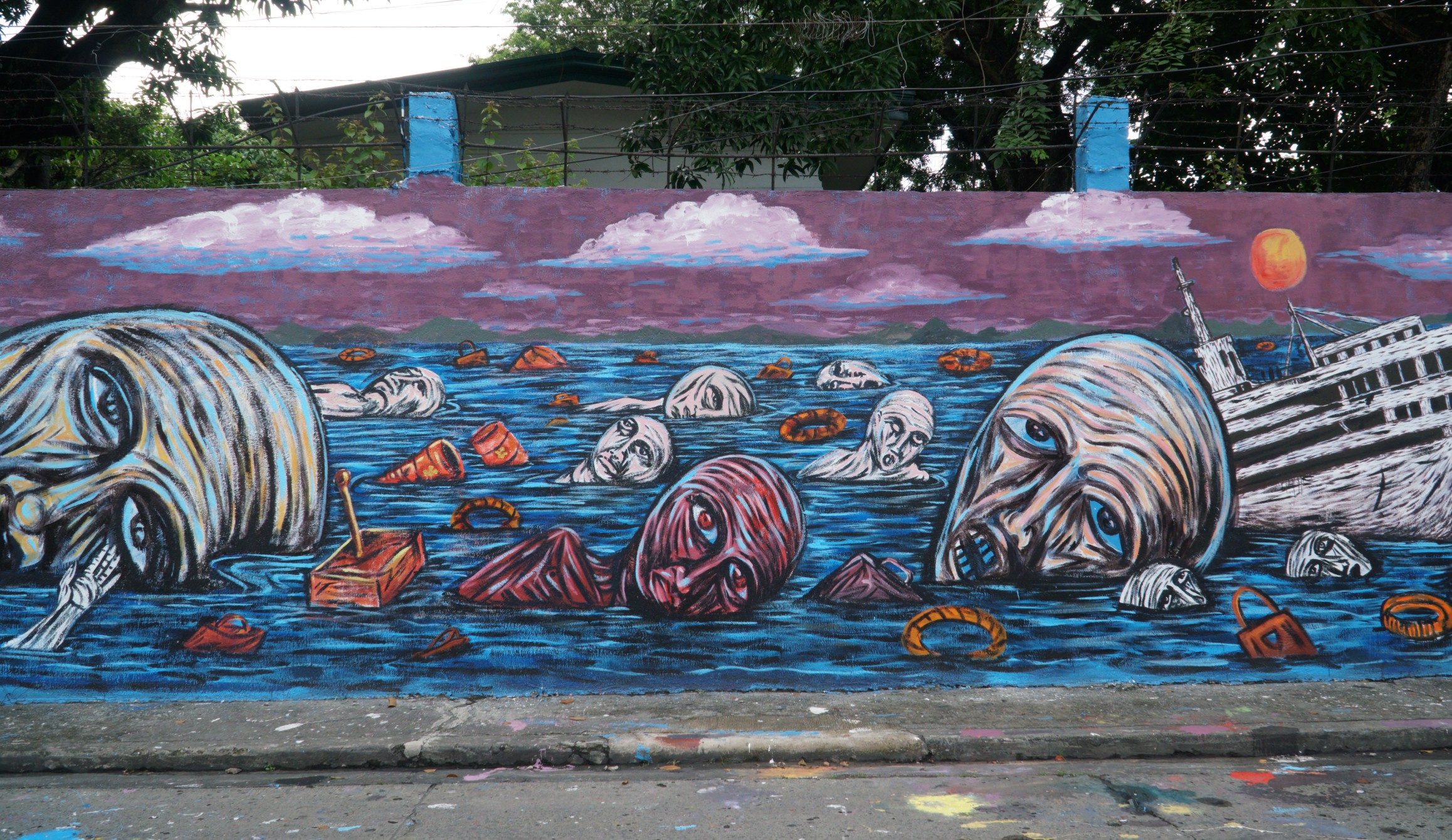
Charlie Co (b. 1960, Bacolod, Philippines) is a leading figure in Filipino contemporary art, known for a four-decade practice that moves between expressionism, surrealism, and socio-political commentary. Since his first solo exhibition in 1983, he has presented over 40 exhibitions across Asia, Australia, and beyond, developing a distinct visual language marked by layered allegory, restless figuration, and an unflinching engagement with the urgencies of his time.

Working across painting, drawing, sculpture, and mixed media, Co’s works are at once intensely personal and broadly reflective—chronicling histories of conflict, faith, survival, and human fragility. His recent large-scale paintings, often built through vigorous gestures and textured surfaces, continue this trajectory with renewed urgency, shaped by both global events and lived experience.

Alongside his studio practice, Co has played a pivotal role in shaping the cultural landscape of the Visayas. He is co-founder of Orange Project, an artist-led initiative in Bacolod that has grown into a vital platform for exhibitions, residencies, and community-building, as well as a catalyst for the wider Art District. He was also instrumental in establishing VIVA ExCon (Visayan Visual Art Exhibition and Conference) in 1990, now the longest-running biennial in the Philippines, fostering exchange and solidarity across the region.

Co is the recipient of numerous accolades, including the Thirteen Artists Award (1990) from the Cultural Center of the Philippines, the Philip Morris ASEAN Art Awards Juror’s Choice (1999), and the Patnubay ng Sining at Kalinangan (2003). He has represented the Philippines in major international exhibitions such as the São Paulo Biennale and the Asia Pacific Triennial, and his works are held in significant public collections including the Fukuoka Asian Art Museum, Singapore Art Museum, and Queensland Art Gallery.

Deeply rooted in Bacolod, Co’s enduring commitment lies not only in his own practice, but in sustaining a community—mentoring generations of artists and proving that meaningful, globally resonant art ecosystems can be built far beyond metropolitan centres.


With thanks to Princess Lira Alvarado and the team at Orange Project for their support in facilitating this conversation.

Share Article

Share Article

More to Read

Create a free website with Framer, the website builder loved by startups, designers and agencies.