CNTRFLD. Your work often engages with the labor of immigrant women and the micro-societies found in nail salons. How does your own Vietnamese heritage and upbringing in France inform this focus?
HC. I grew up in the Vietnamese community in France. We spent our weekends with this wide family. My parents were very active in this community, especially my mother who choreographed traditional dances for the Têt celebration shows and taught ballroom dancing every Sunday at the Foyer Vietnam in Paris. My identity was nourished by this rich culture transmitted by my mother and also my grandmother who came from immigration. Observing these activist and hard-working women was rich in lessons. My Vietnamese heritage and my education in France fuelled my interest in how immigrant women construct their identity and find their place in society, particularly through their work and their quest for emancipation. When I moved to London, I connected with immigrant women working in a nail salon in Walthamstow. I found among them similar social dynamics to those I had observed in France: an attachment to traditions and community ties as a means of preserving their identity. However, I also saw how this balance is weakened by job insecurity, unstable housing, and restrictive migration policies.
CNTRFLD. As someone born in France to a Vietnamese family, do you see your work as a reflection of your diasporic experience? How do themes of displacement and hybridity shape your artistic practice?
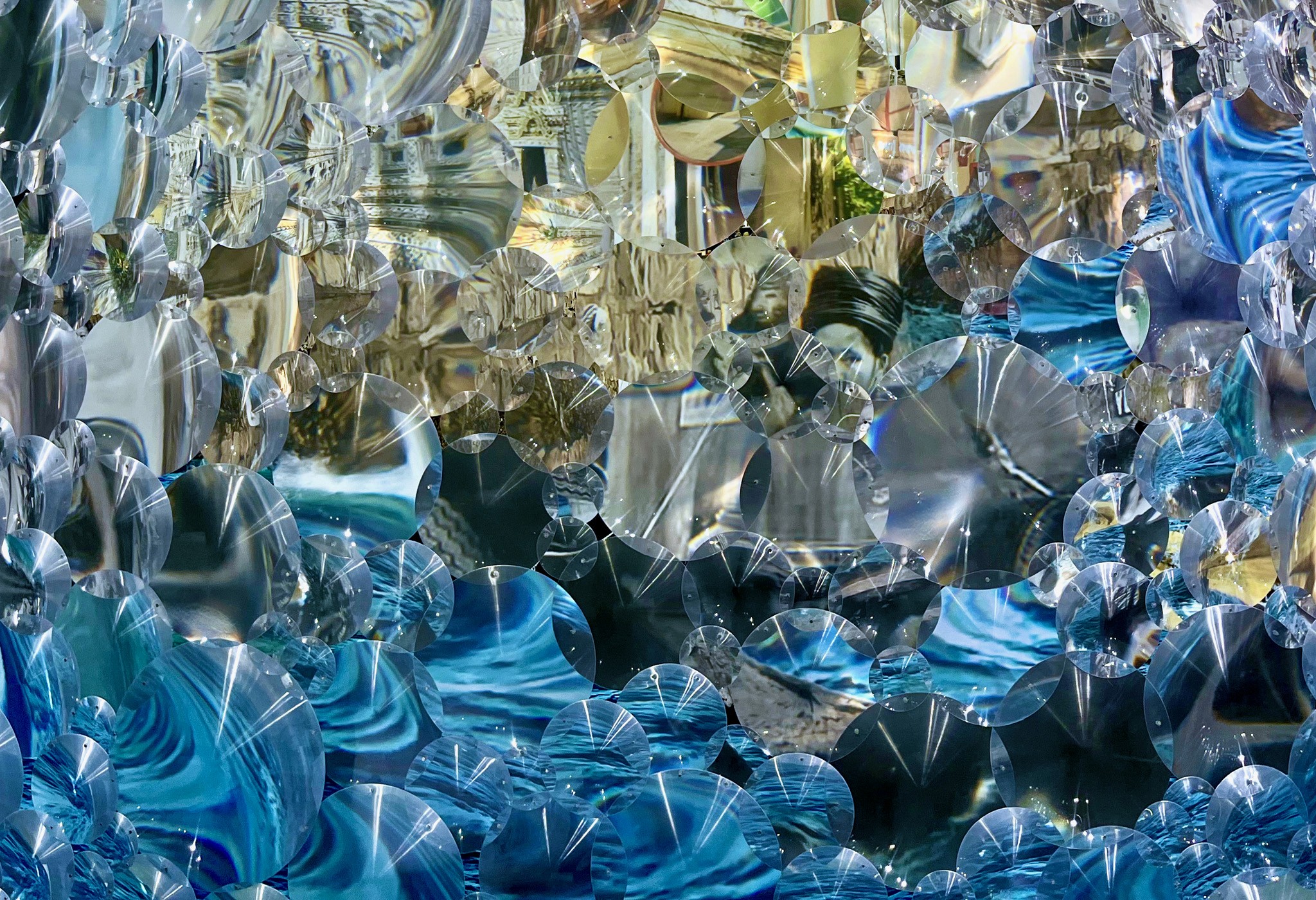
HC. The second generation and those that follow it do not just question their family history, they also question the way in which this past is transmitted, thus questioning the mechanisms of memory. This need to build and preserve both a family and collective memory resonates deeply in me and is reflected in my artistic practice. I explore the different forms of construction of these memories, whether real or shaped by imagination and idealisation. These layers of memory mix, and rather than dissociating them, I welcome them as they emerge, between authenticity and fiction. As Salman Rushdie wrote in Imaginary Homelands (1982): "We will not be able to recover precisely what has been lost ... we will in short create fictions, not real cities or villages, but invisible fictions, imaginary homelands." My work is part of this dynamic of identity reconstruction. I am interested in the liminal space described by Homi Bhabha, this in-between where diasporic identity is constructed through hybridisation, through the refusal of fixed categories and through the subversion of imposed norms. I observe this state of permanent negotiation particularly among immigrant women, whether in the domestic or professional space. They must deal with their own identity while confronting external gazes, clichés, and even exoticisation. My work seeks to make visible this tension between rooting and displacement, between heritage and reinvention.
CNTRFLD. Many of your works incorporate domestic objects and materials with deep cultural significance. How do you approach transforming these everyday items into art, and what stories do they tell?
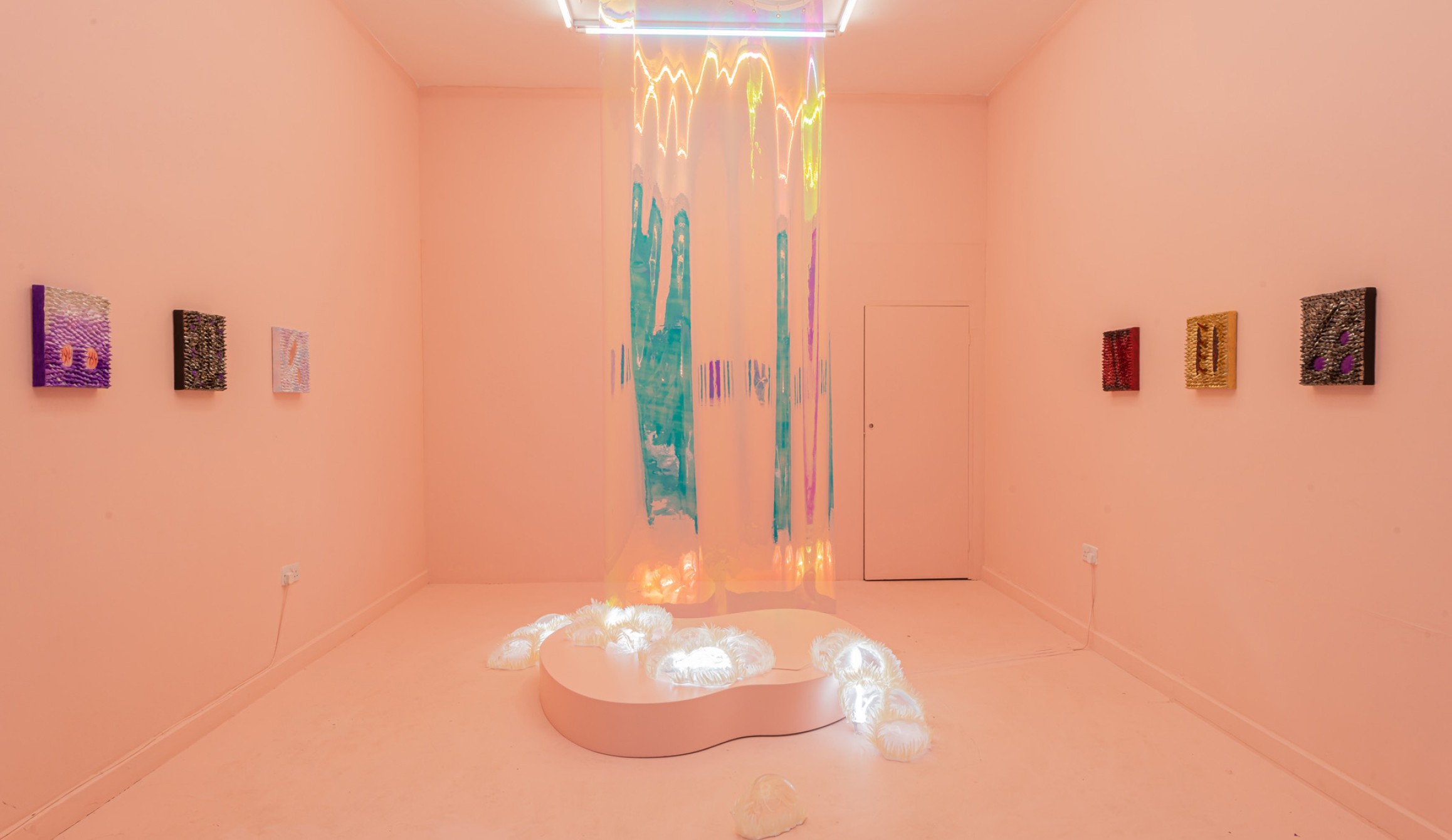
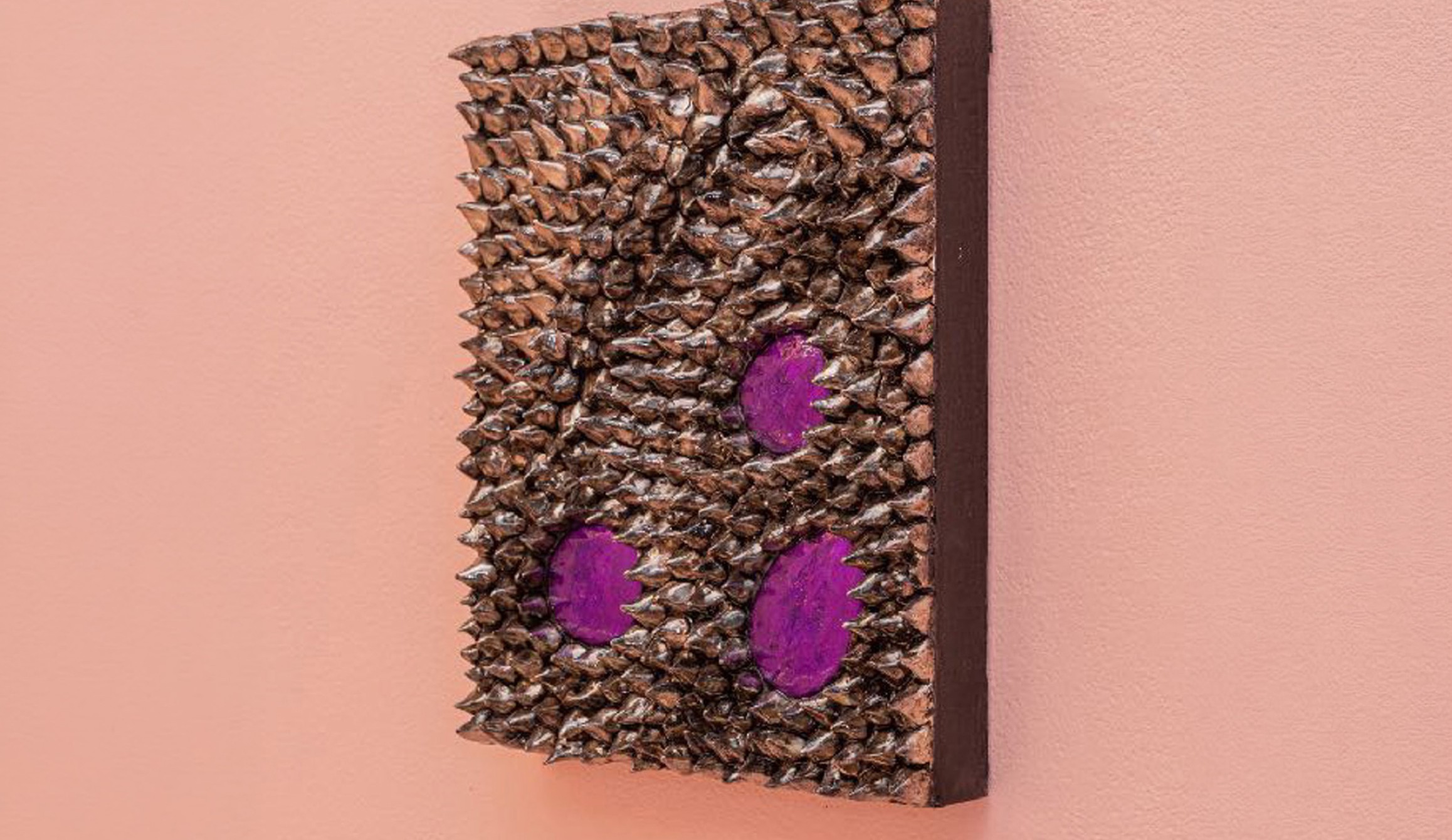
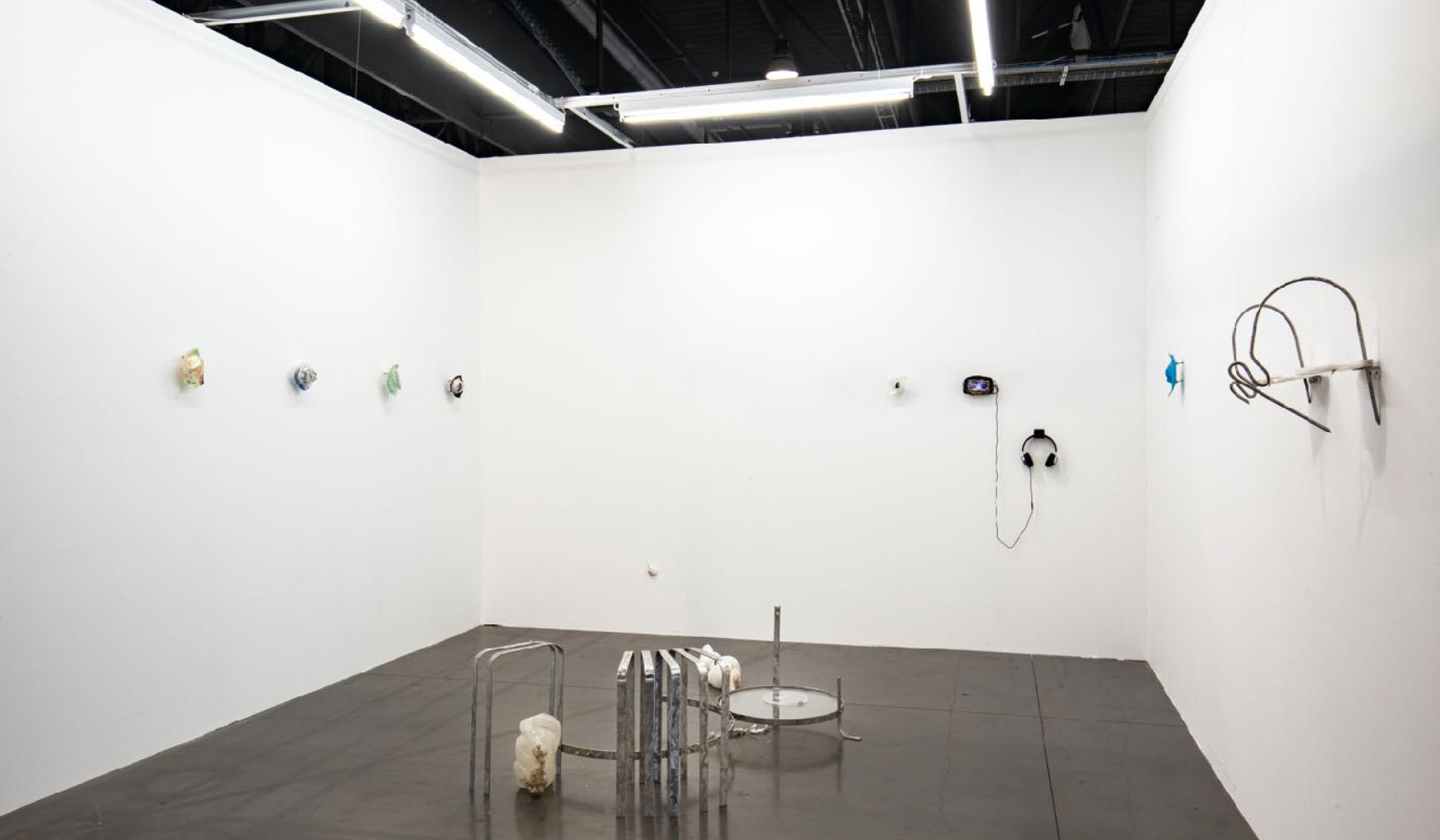
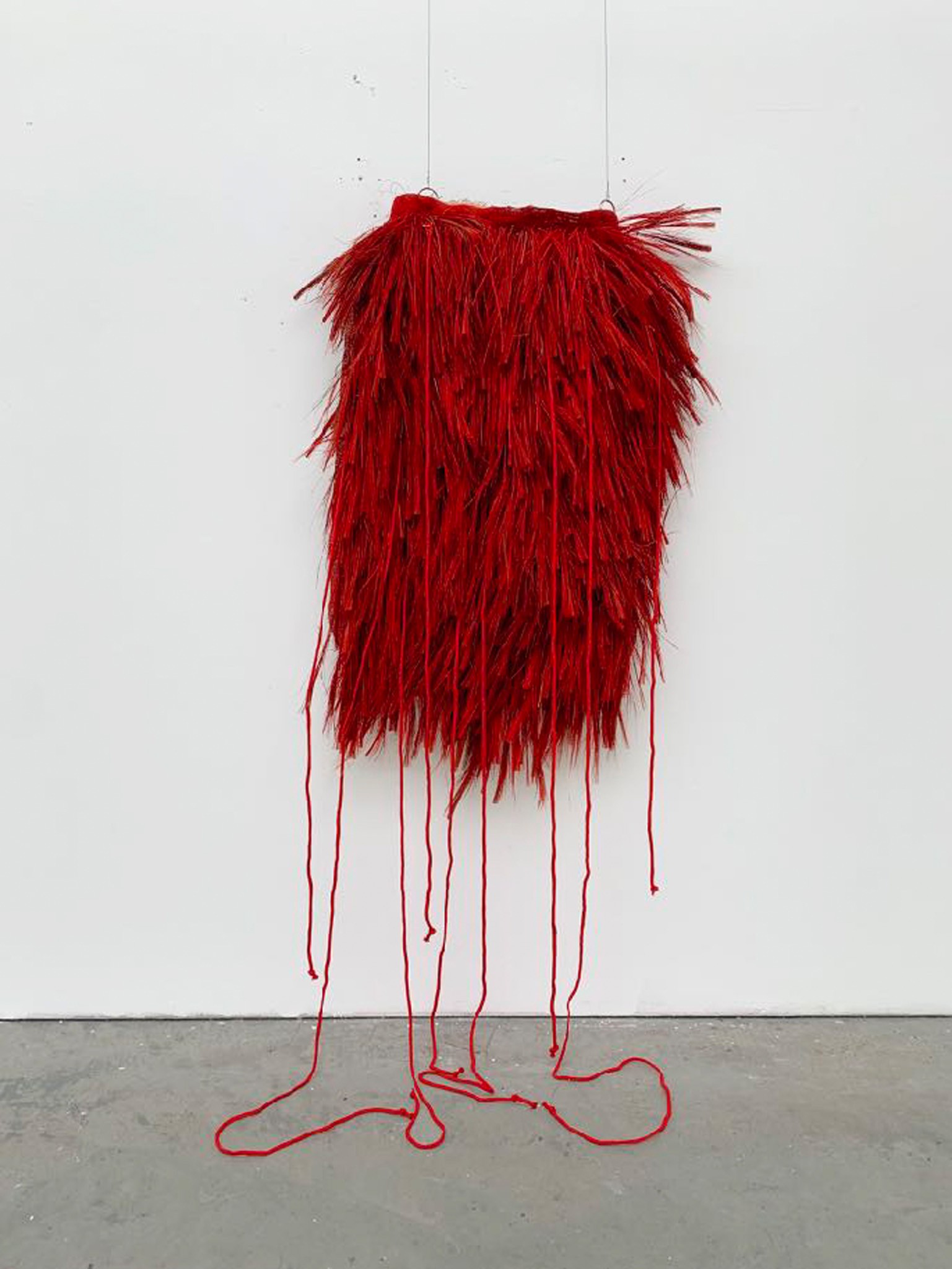
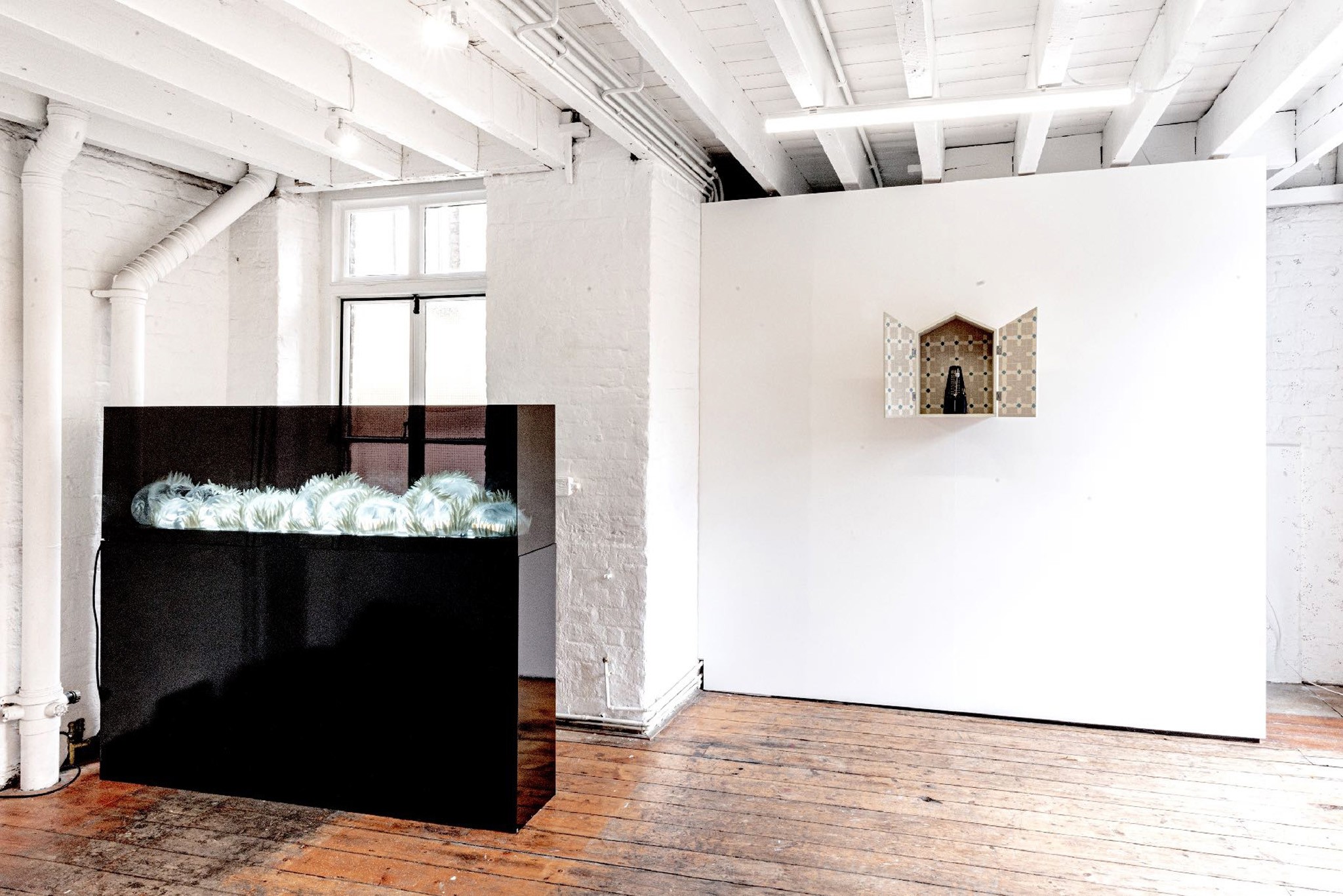
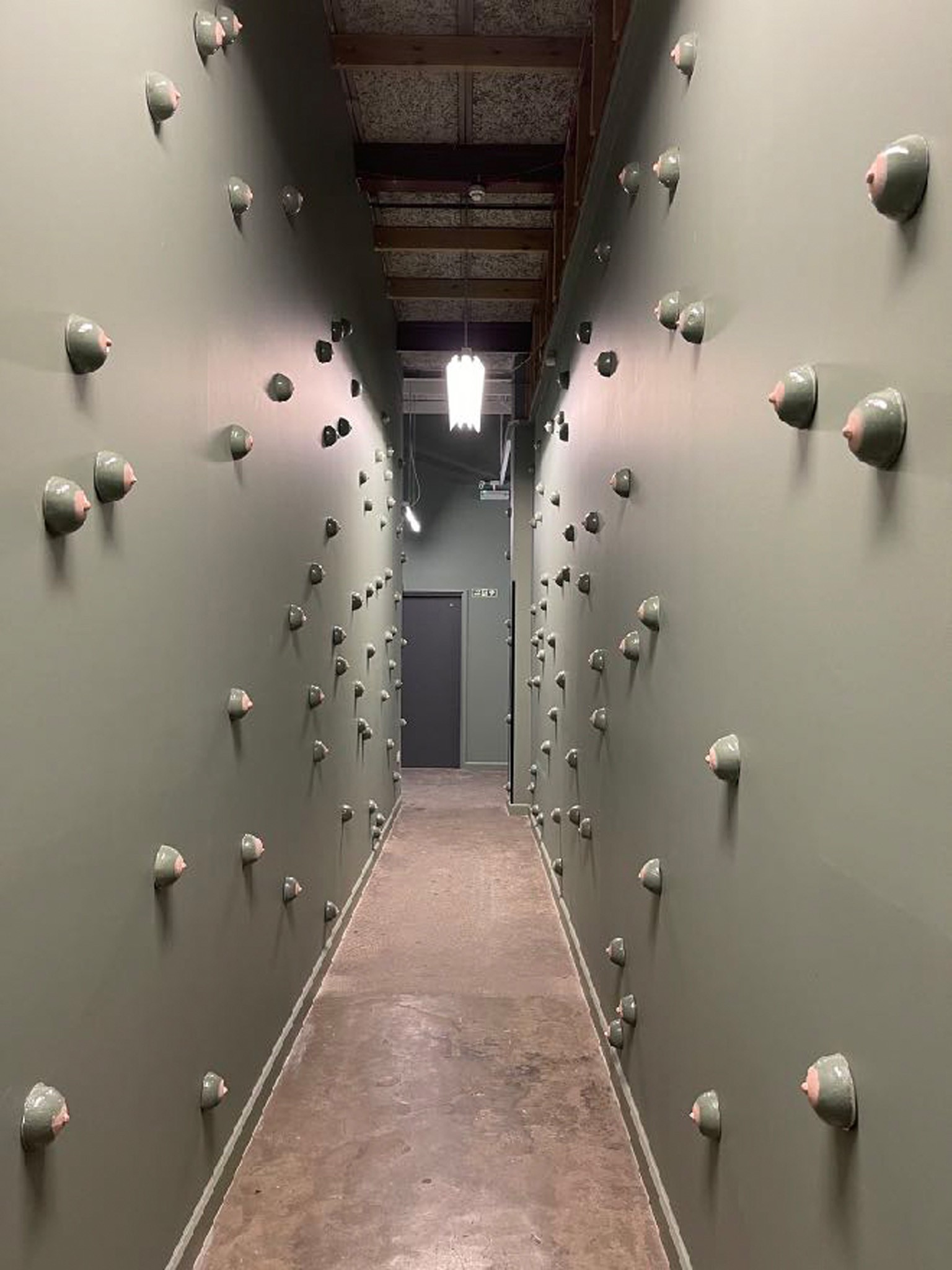
HC. The objects and materials that I integrate into my work come directly from the everyday lives of Vietnamese families: brooms, plastic stools, fruits like durian, folk songs… Elements that seem innocuous and mundane, but that bear witness to the cultural transmission between generations. My approach consists of diverting these everyday objects to question their status and meaning. Art allows me to reverse situations: on the one hand, by offering visibility to an often-marginalised community; on the other hand, by blurring the hierarchies between art and subculture. Transforming an ordinary object into an art object is to give it a new value and, by extension, to question systems. My collaborative work with KV Duong, presented in No Place Like Home (Part 1), illustrates this approach. Our architectural installation invited the community and spectators to rethink the notion of home, thus transforming an experience of displacement and invisibility into a safe space of expression and exchange. In the Durian Revolution series, I sought to reverse the durian’s status as a simple food by paying homage to it through painting. Similarly, by using nail polish as a ready-made and integrating nail art techniques into my painting process, I explored the intersections between craft practices and contemporary art, between subculture and “high” culture.
CNTRFLD. You explore femininity and women’s labor in both artistic and domestic spaces. What are your thoughts on the role of women in contemporary art, and how does your work challenge or expand on these narratives?
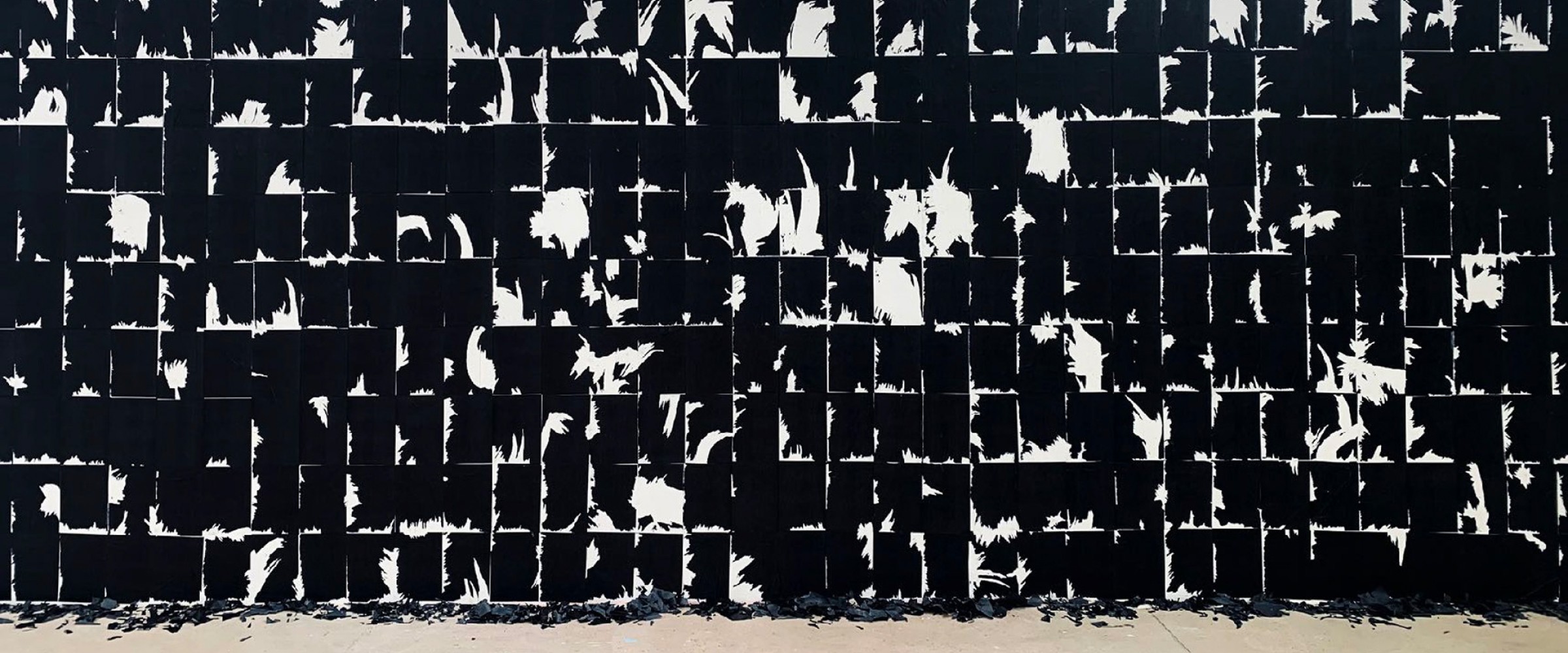
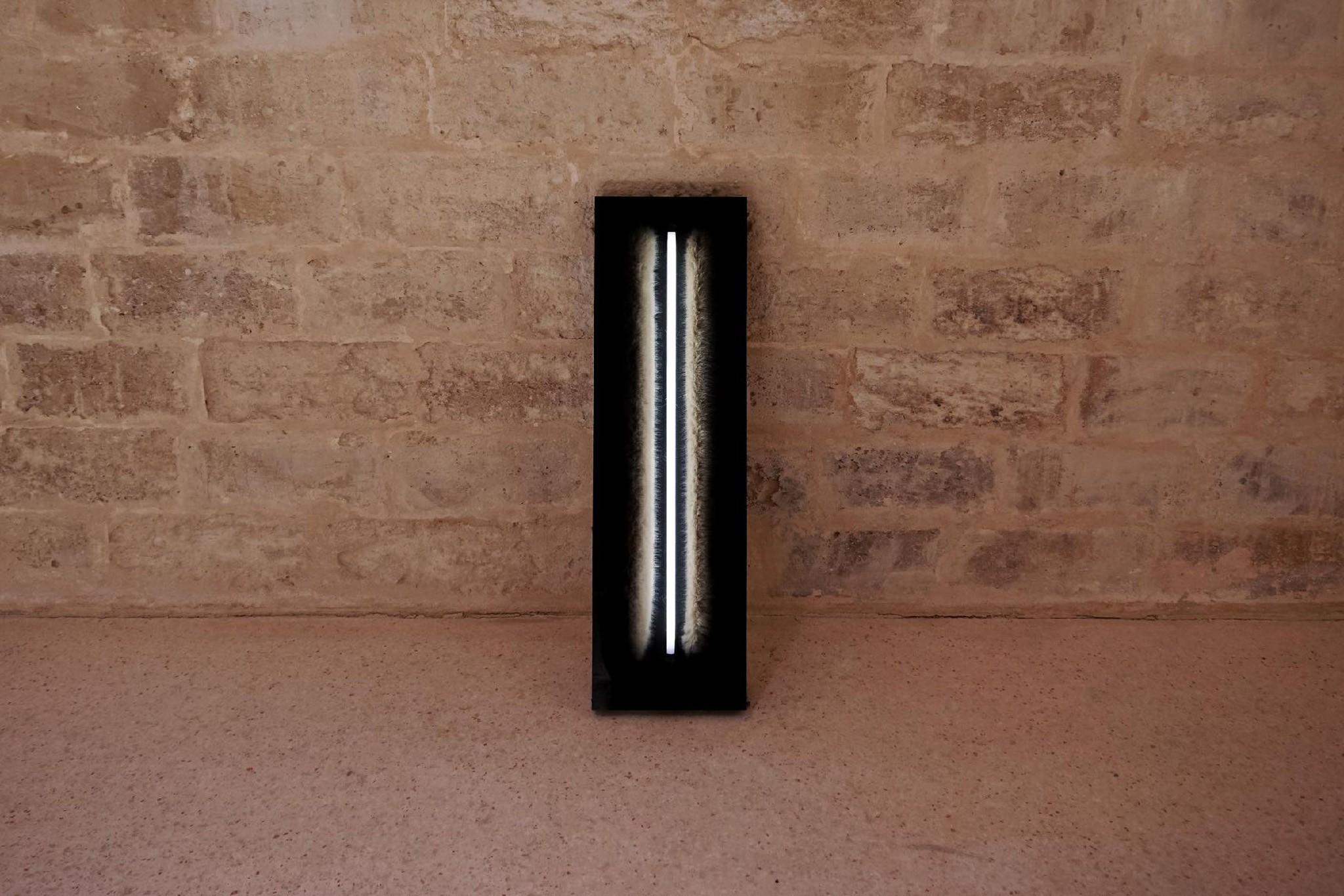
HC. I unfortunately find that being a woman in contemporary art still means having to justify oneself, do more, and make visible the work behind each work. Women are often expected to demonstrate the effort made and the labor, where men benefit from a form of automatic legitimacy. In my work, I explore this question through minimalist tapestries inspired by conceptual artists like Buren. However, it is impossible for me not to go beyond this economy of means, because my work carries within it the need to account for the work of immigrant women, often invisible and yet fundamental.
CNTRFLD. Your use of nail gel polish as a primary medium is fascinating. What drew you to this material, and how do you see it functioning beyond its traditional associations?
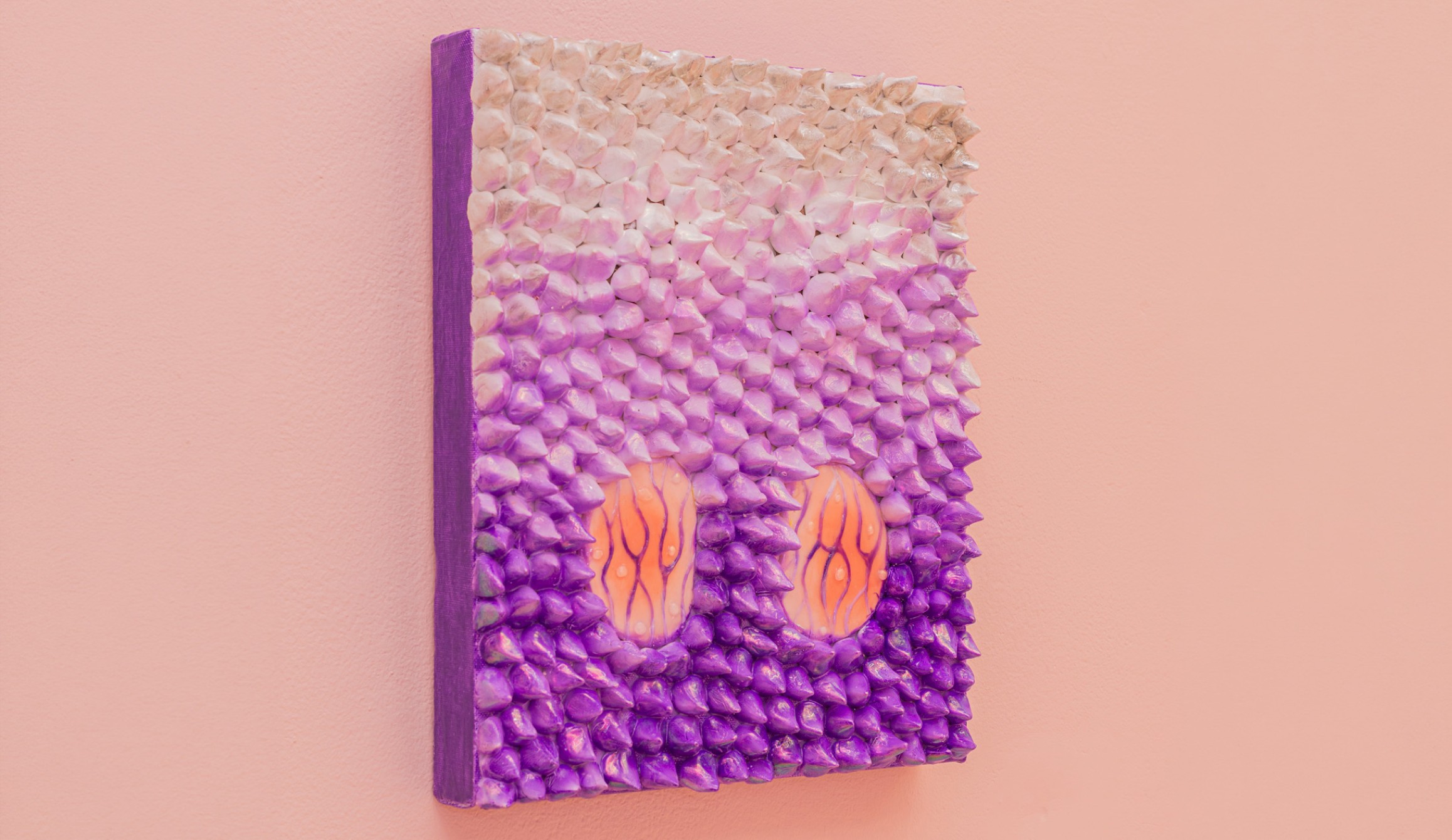
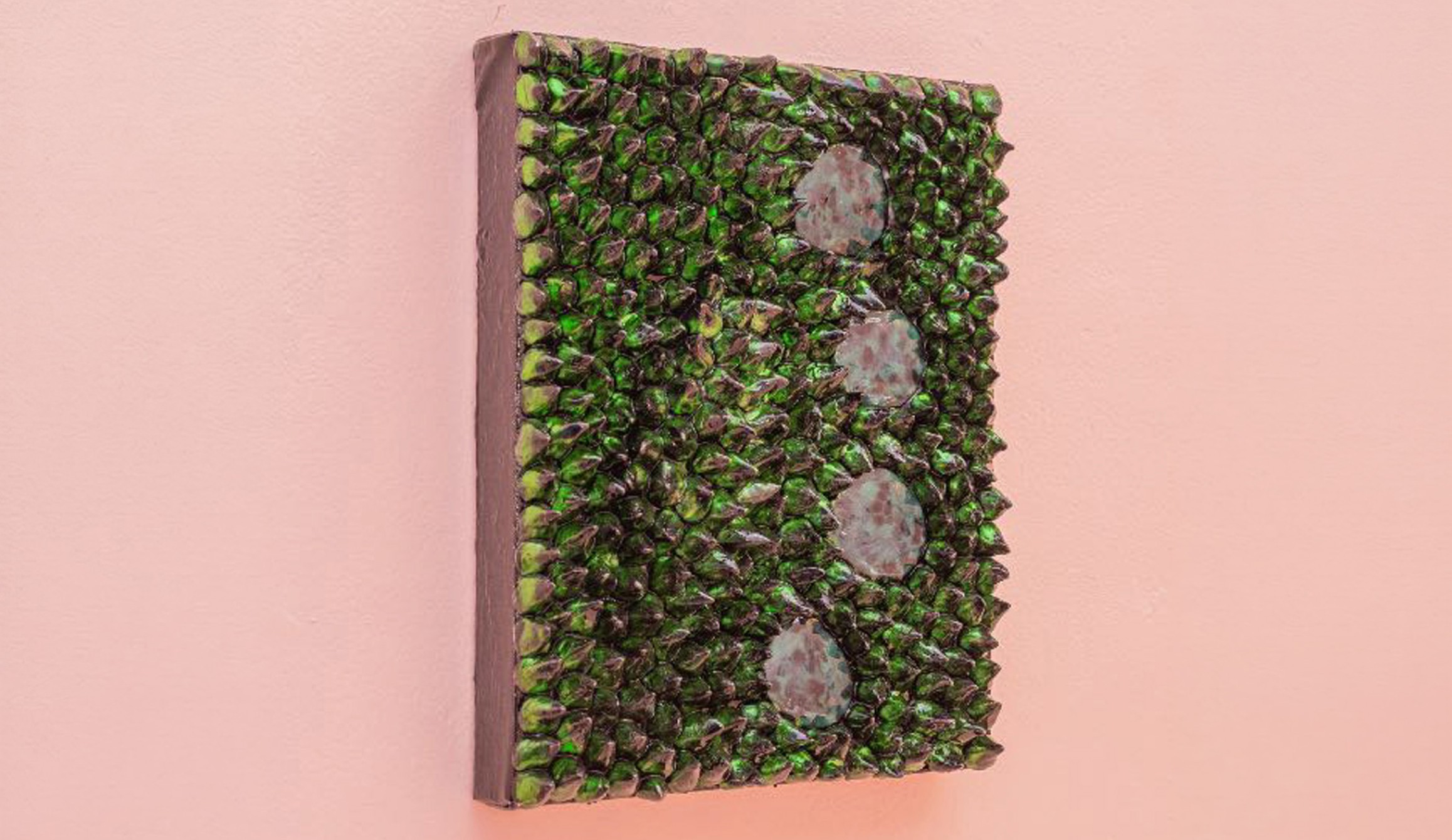
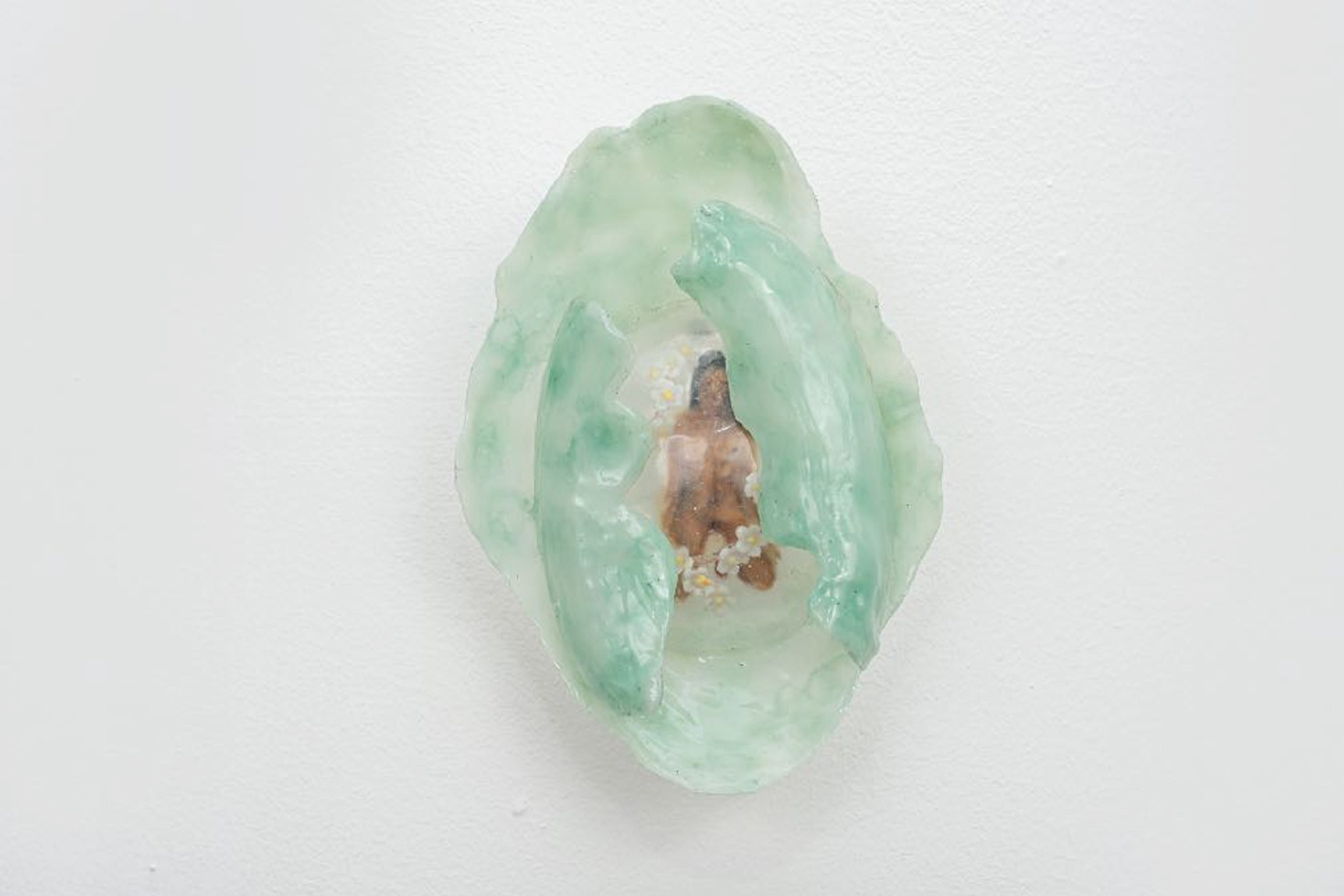
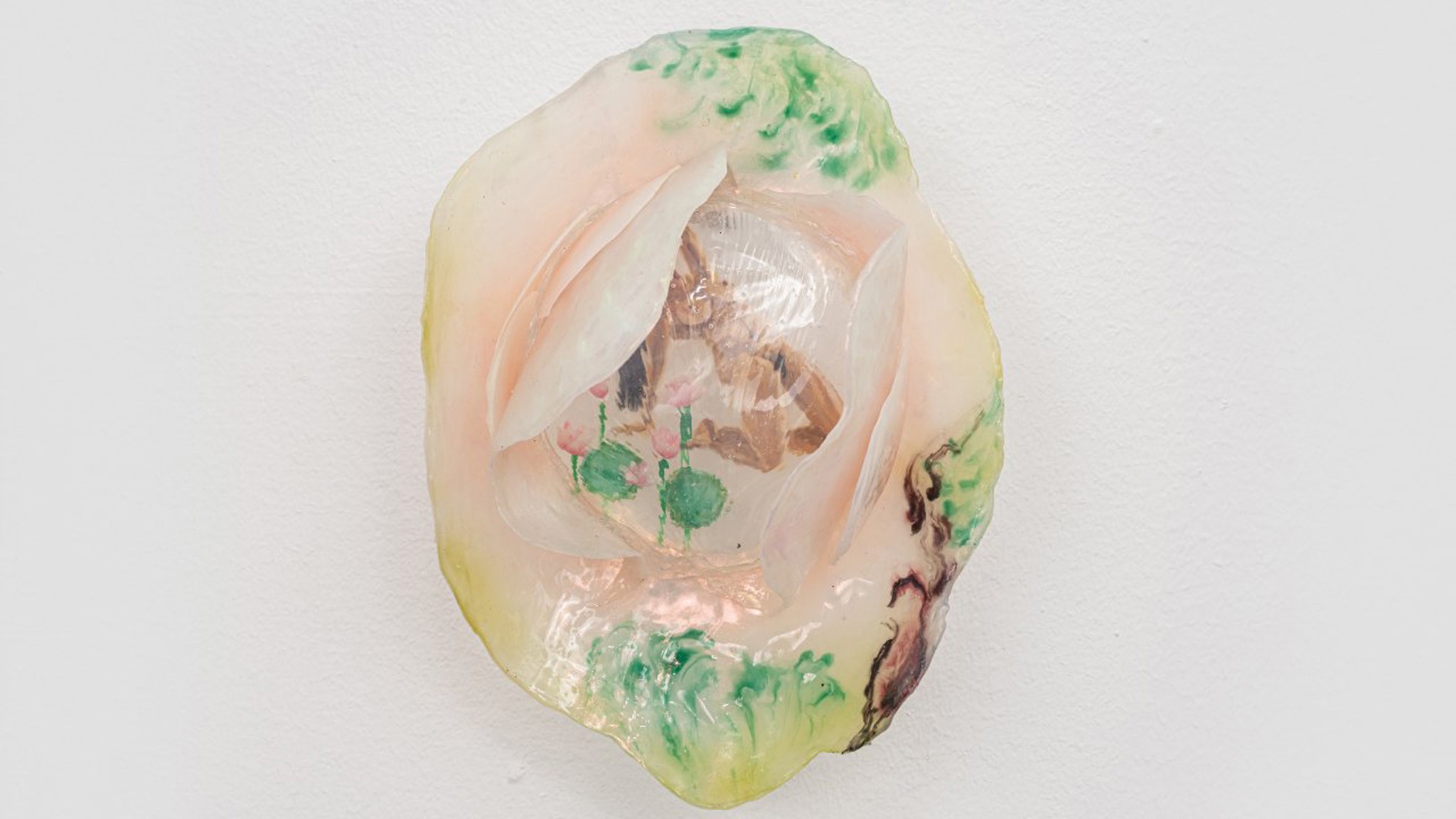
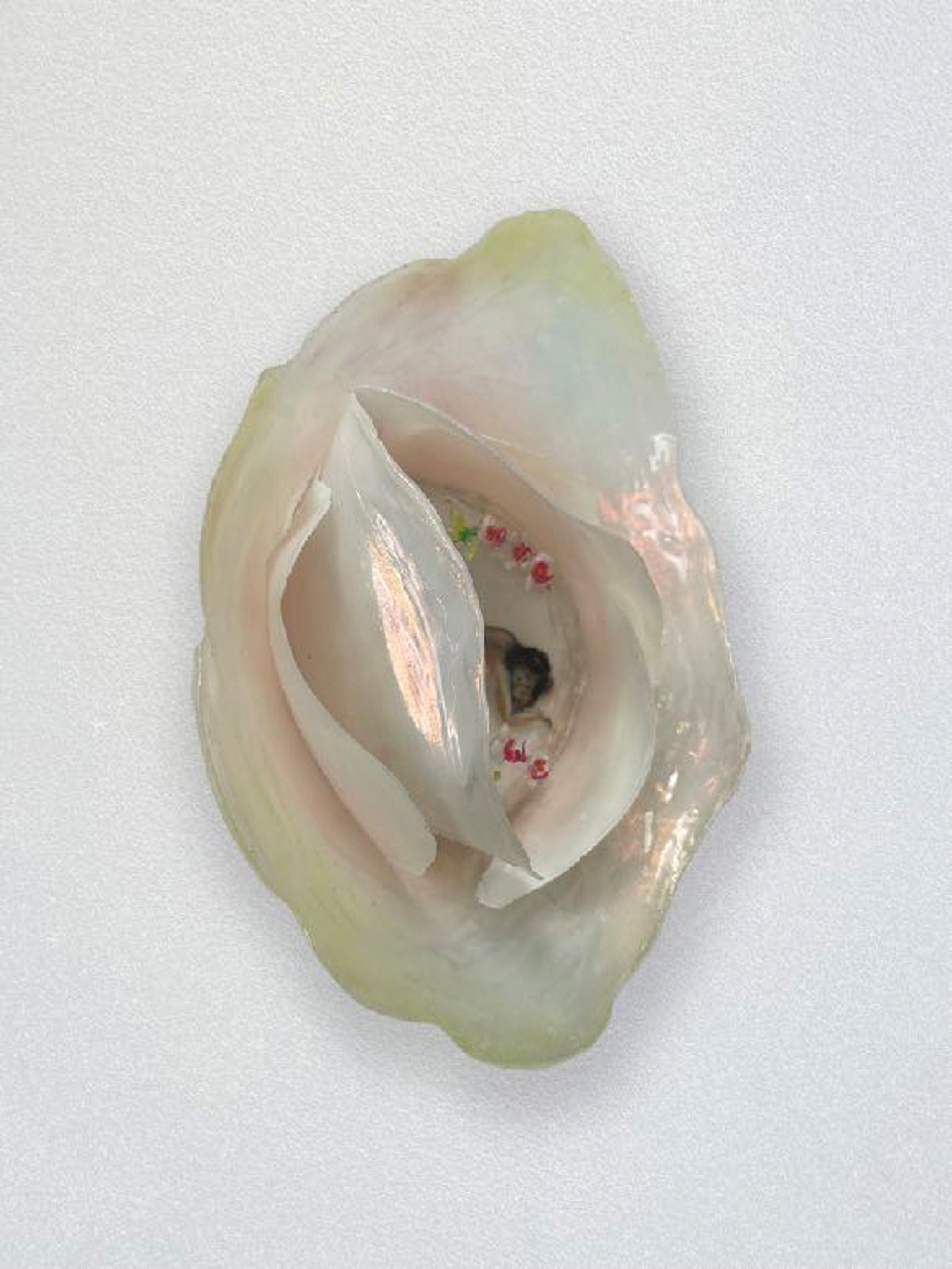
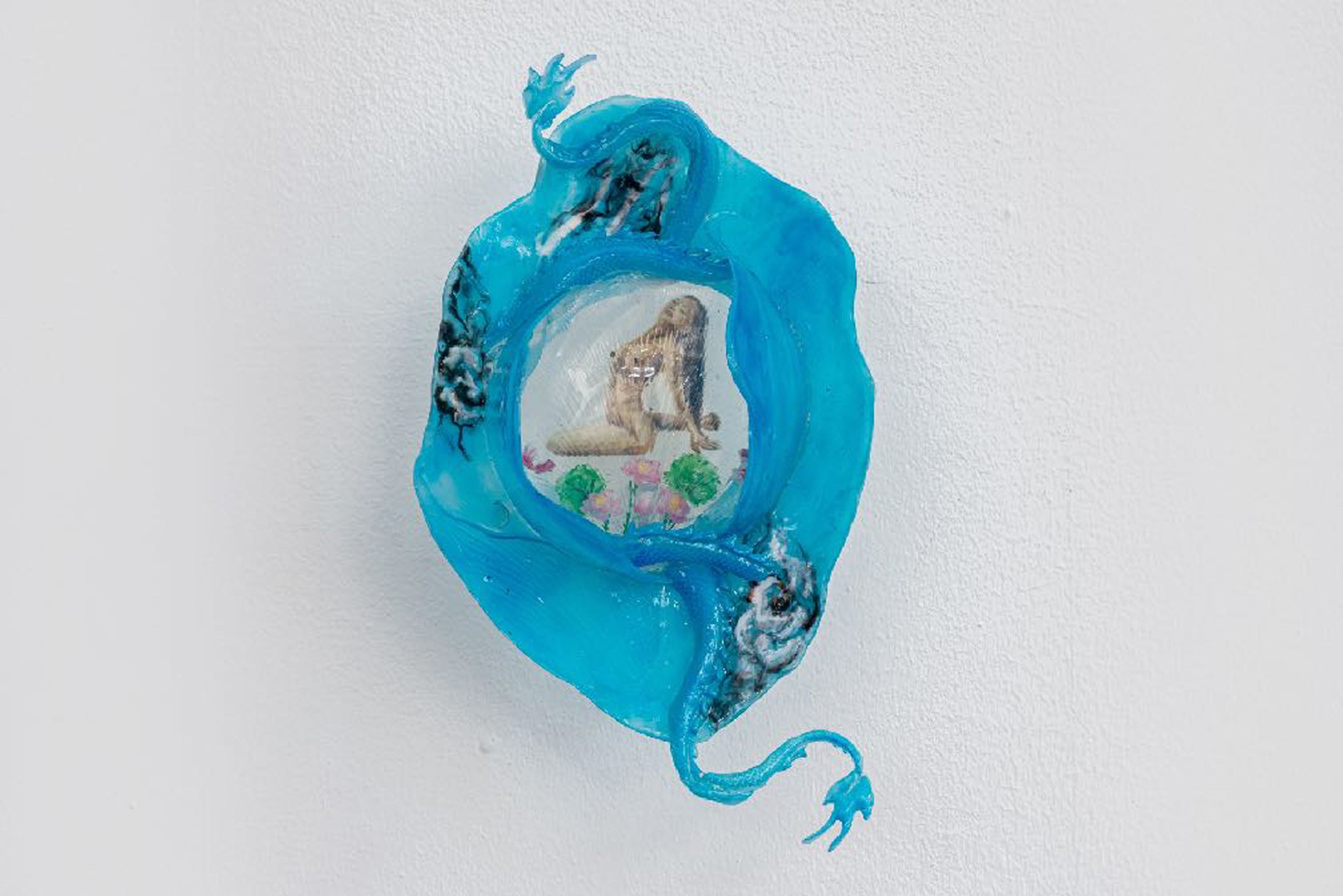
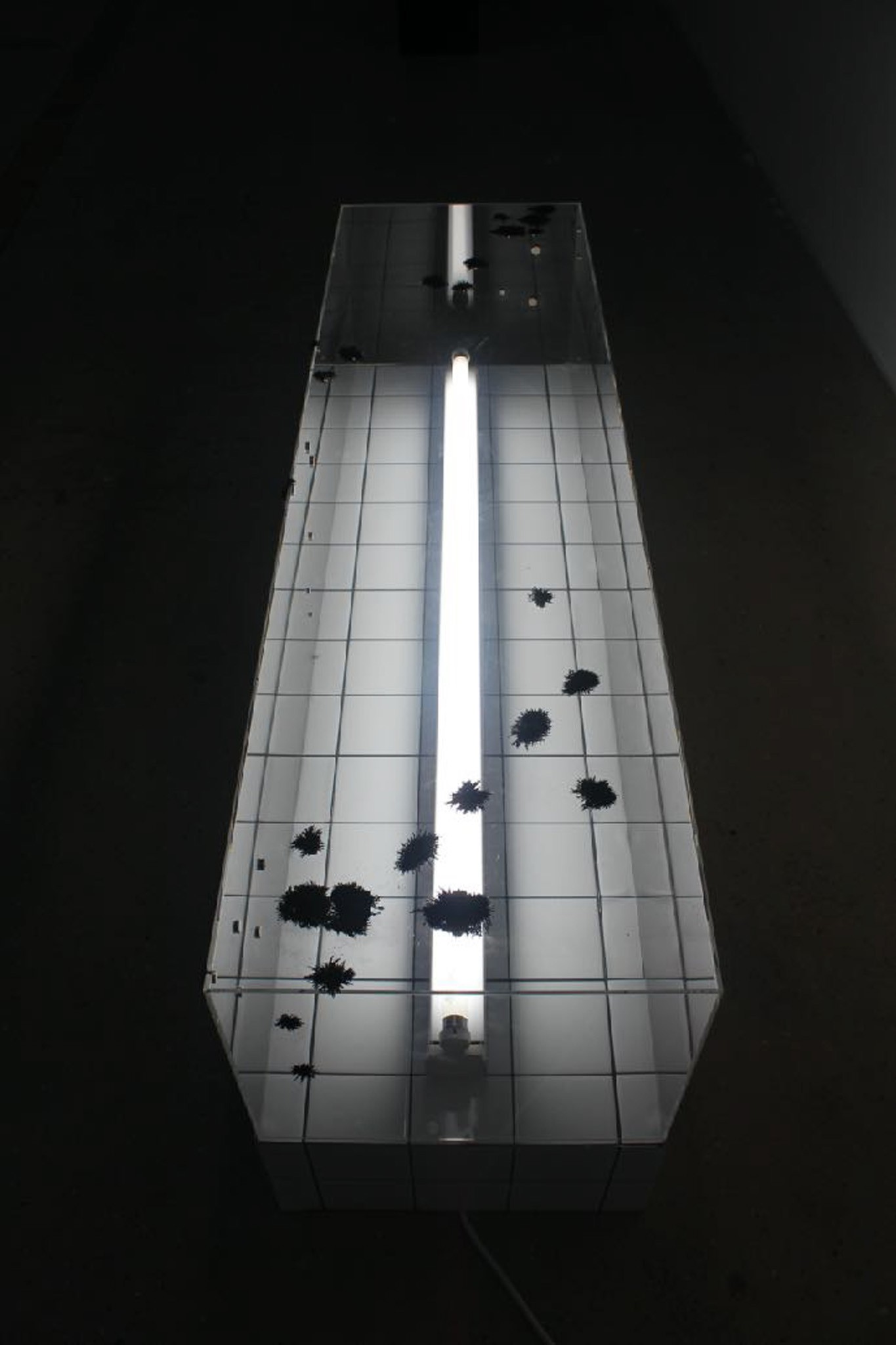
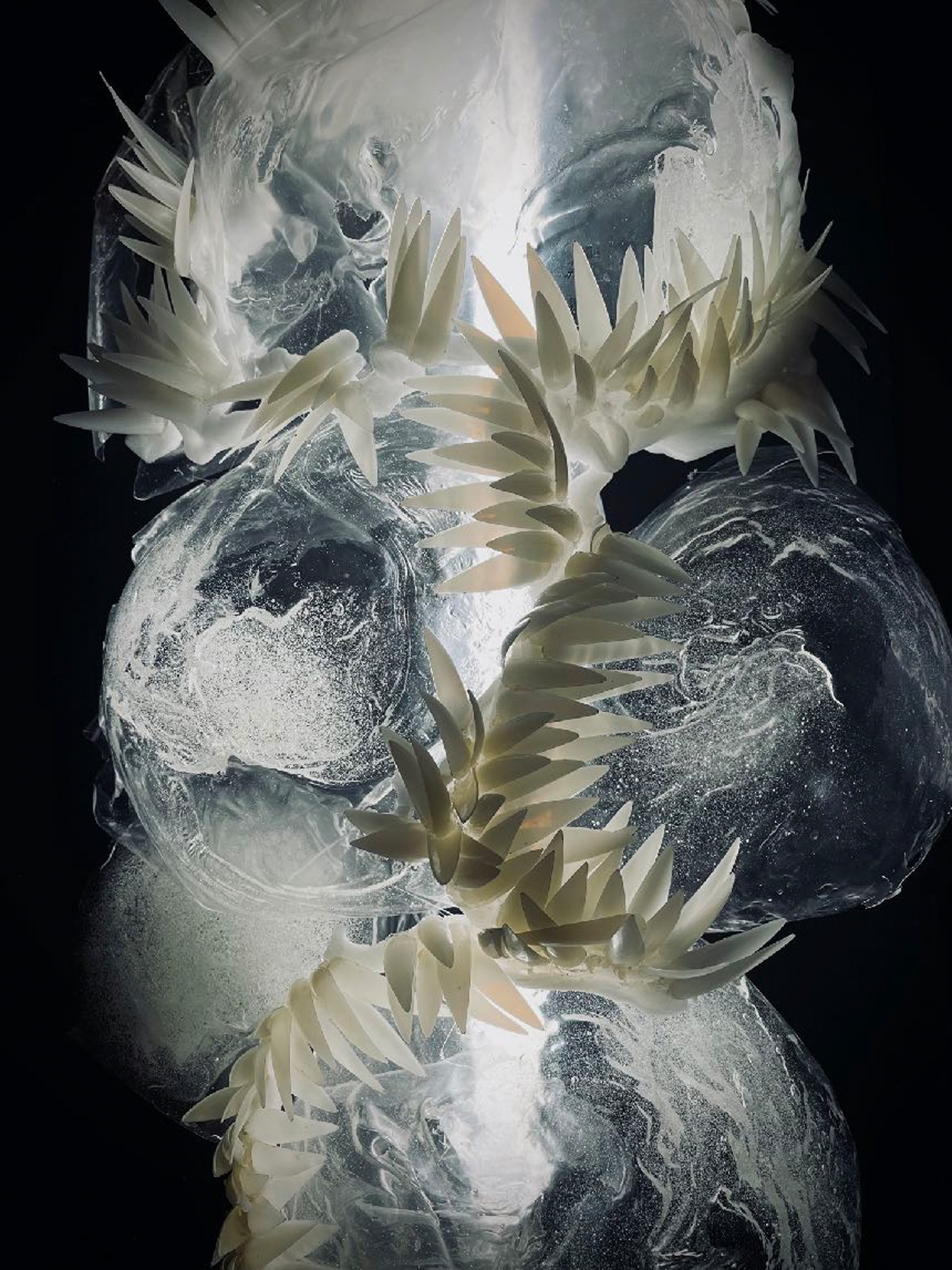
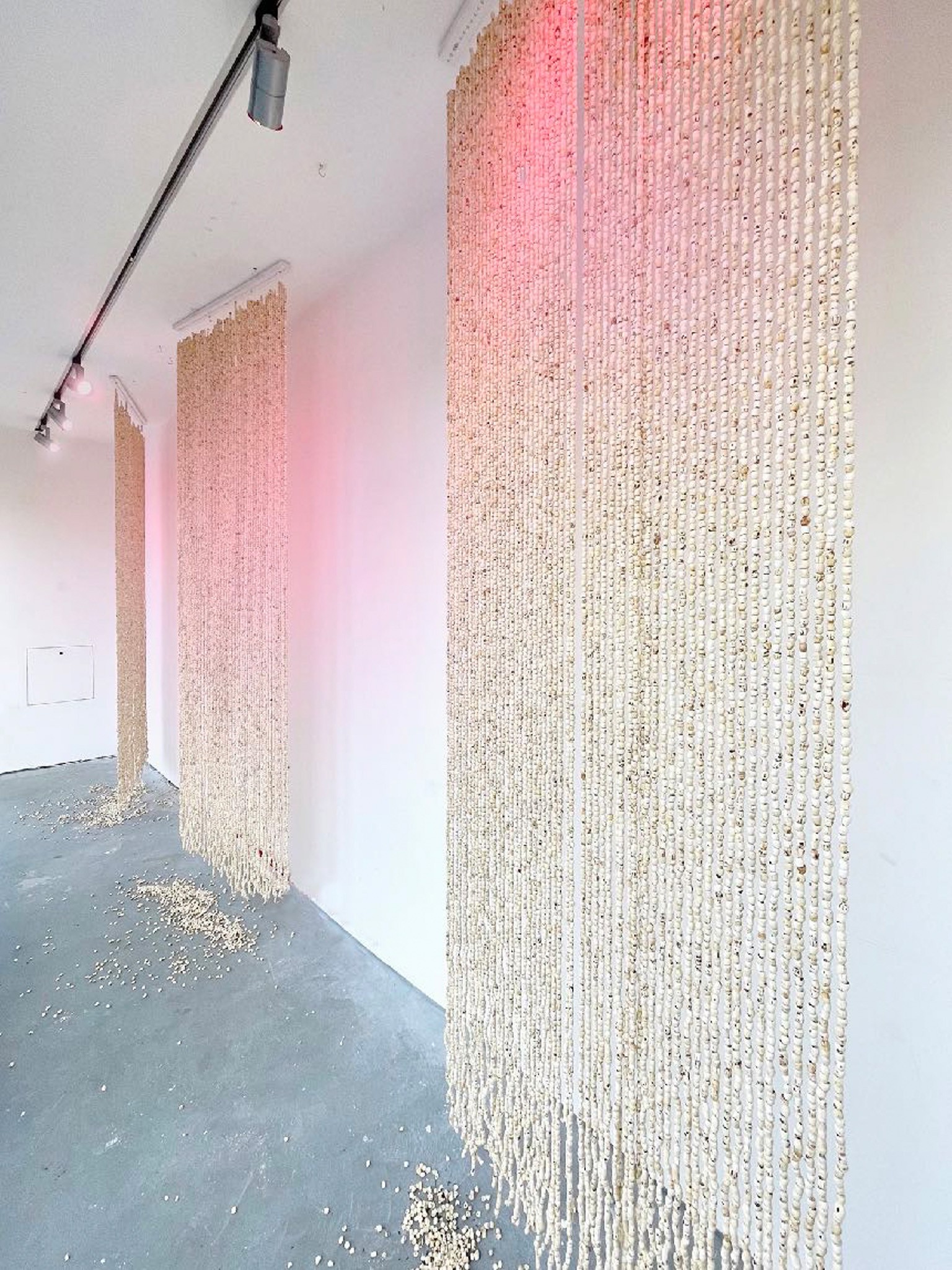
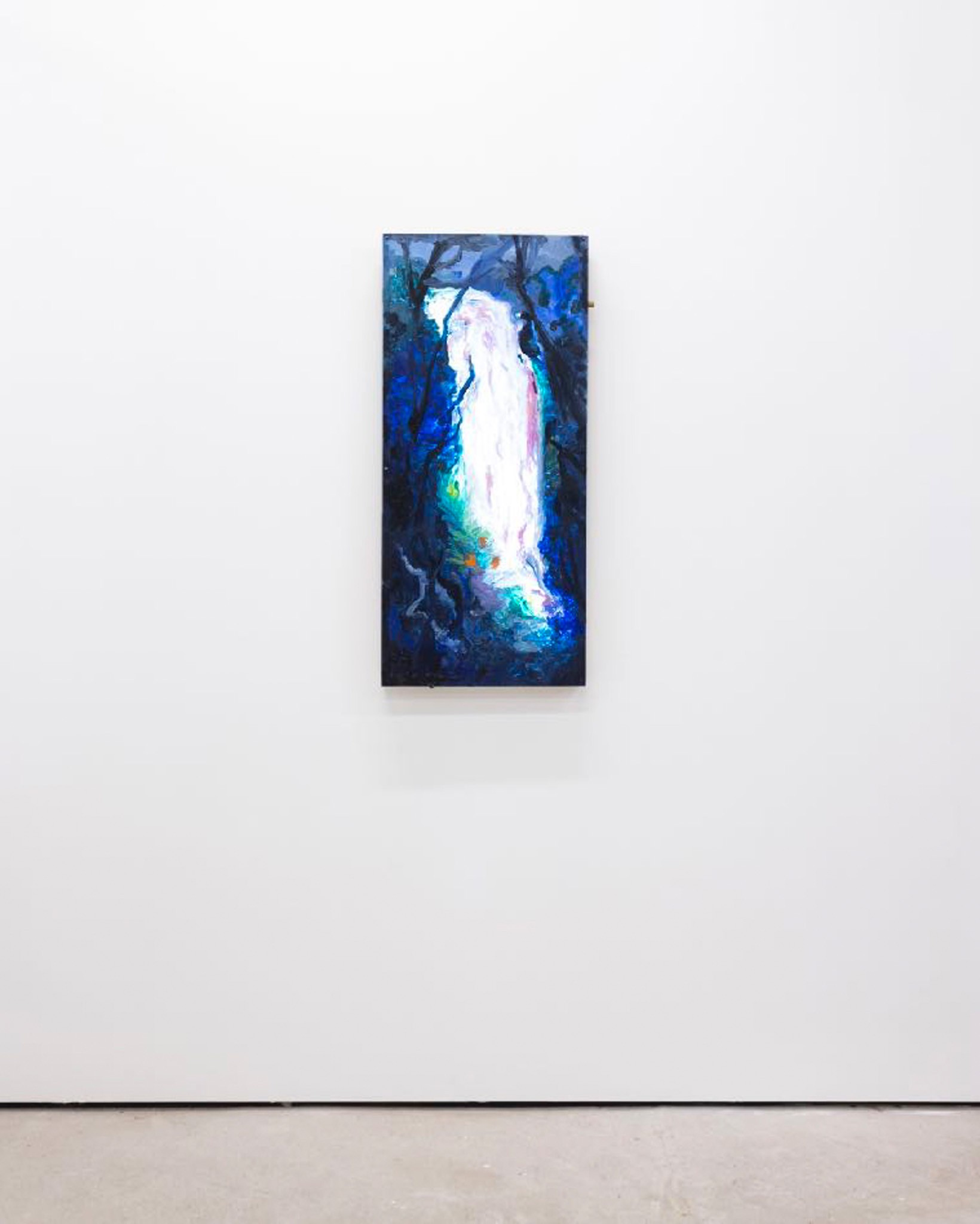
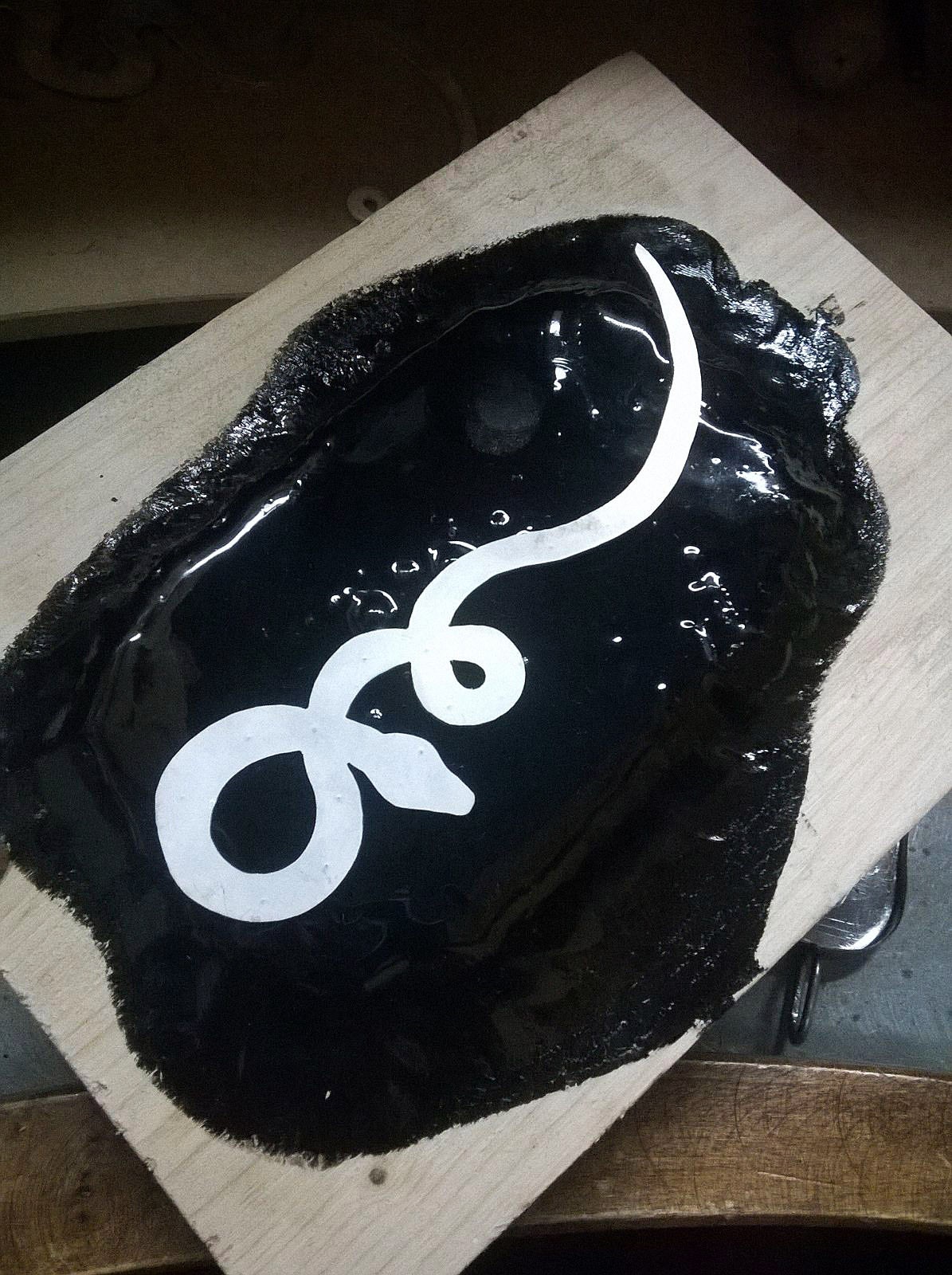
HC. I chose gel nail polish as my main medium for its unique properties and symbolic dimension. By exploring Nail Art techniques, I divert this material to create works in successive layers, metaphorically evoking the layers of stories of Vietnamese immigrants. Beyond its traditional associations with popular aesthetics, I make it a true painting medium, thus questioning its status in the field of contemporary art. Its versatility is essential in my work: like oil painting, it can be reworked over time, and, like acrylic, it dries instantly with polymerisation. This technical duality allows me to explore new forms of expression while questioning the hierarchies established between artistic materials.