CNTRFLD. You’ve worked across a range of contexts, from institutions like the Mall Galleries in London to grassroots initiatives in Manchester. How have these environments shaped your perspective on access, visibility, and support systems in the arts?
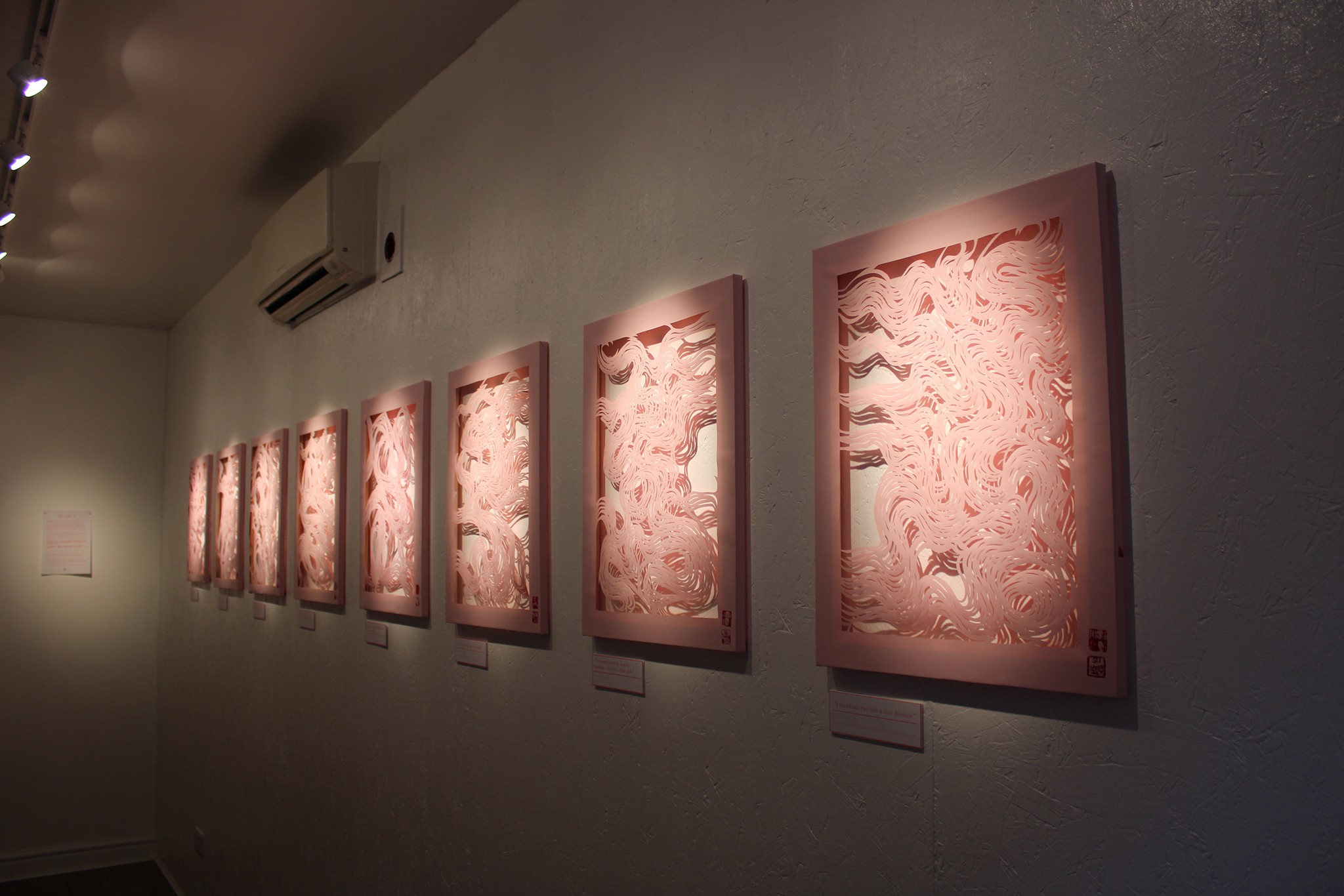
JG. The significant different between the two has been the concept of community. Though London is inaccessible and less approachable to an outsider, once you are in, there seems to be a general interest and active community. Manchester seems easier to penetrate but more isolating in solidifying networks and a sense of genuine creative community. From my perspective, this seems to come down to money, resources and quantity of opportunities (which links back to money). Manchester’s connection to the commercial Fine Arts discourse is not as fruitful compared to London for a number or reasons. In addition to that, Manchester’s grassroot organisations are constantly being pitted against each other for limited funding, thus, those within the need-to know-basis groups remain there whilst the rest are left to exhibit on voluntary time and/or fend for themselves.
It’s a shame as I have met so many talented and lovely people work so hard to elevate the people around them but do not gain well-deserved recognition beyond their community. As Manchester grows, I hope these people are recognised and platformed with new and well-paid opportunities.
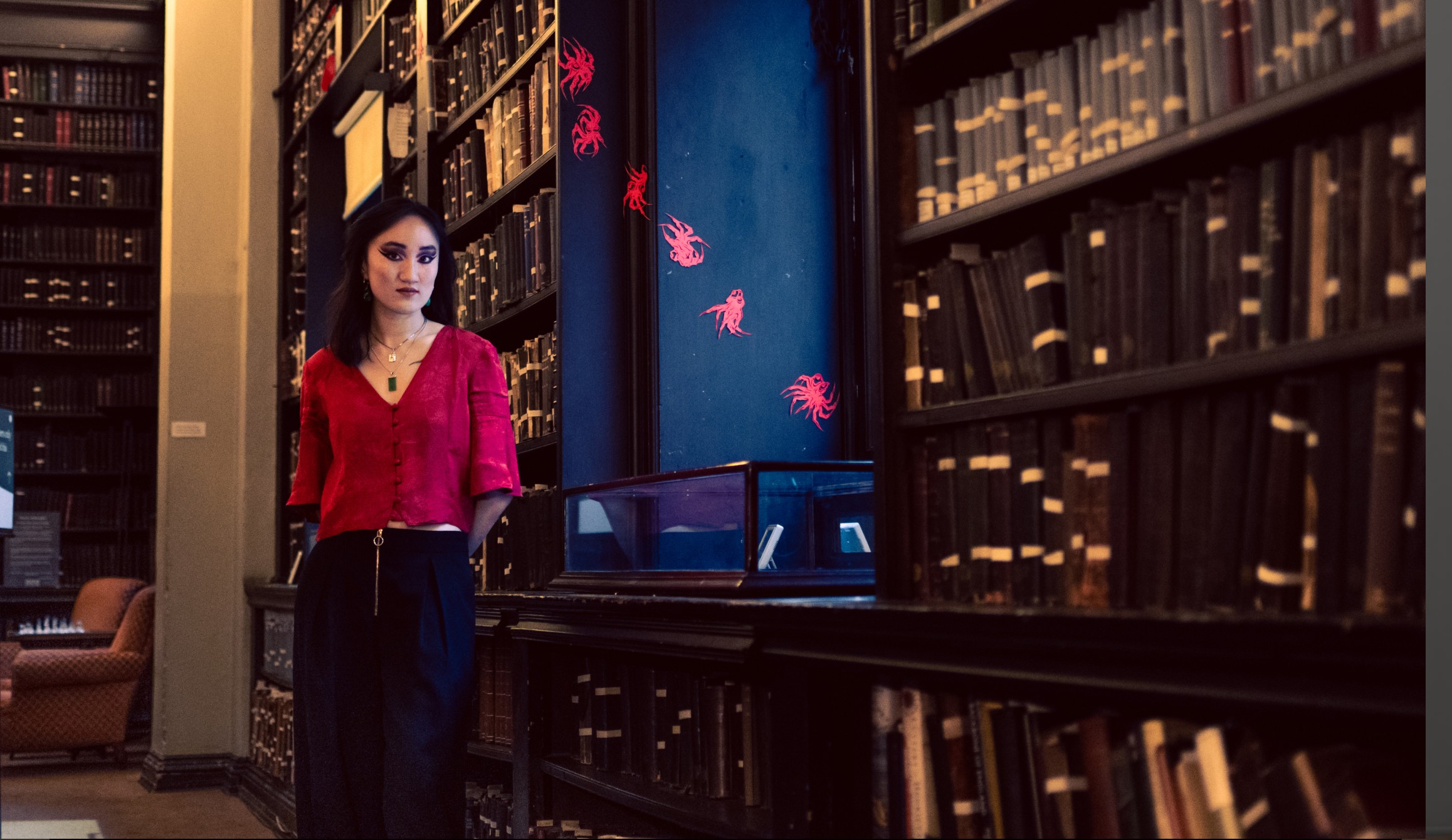
CNTRFLD. CNTRFLD.ART is interested in how fashion, self-presentation, and artistic identity intersect. You were featured in the “What Artists Wear” series by National Museums Liverpool—how do these visual codes connect to your studio practice, and how has something like eyeliner, initially used as a tool of blending in, evolved into part of your artistic language and identity?
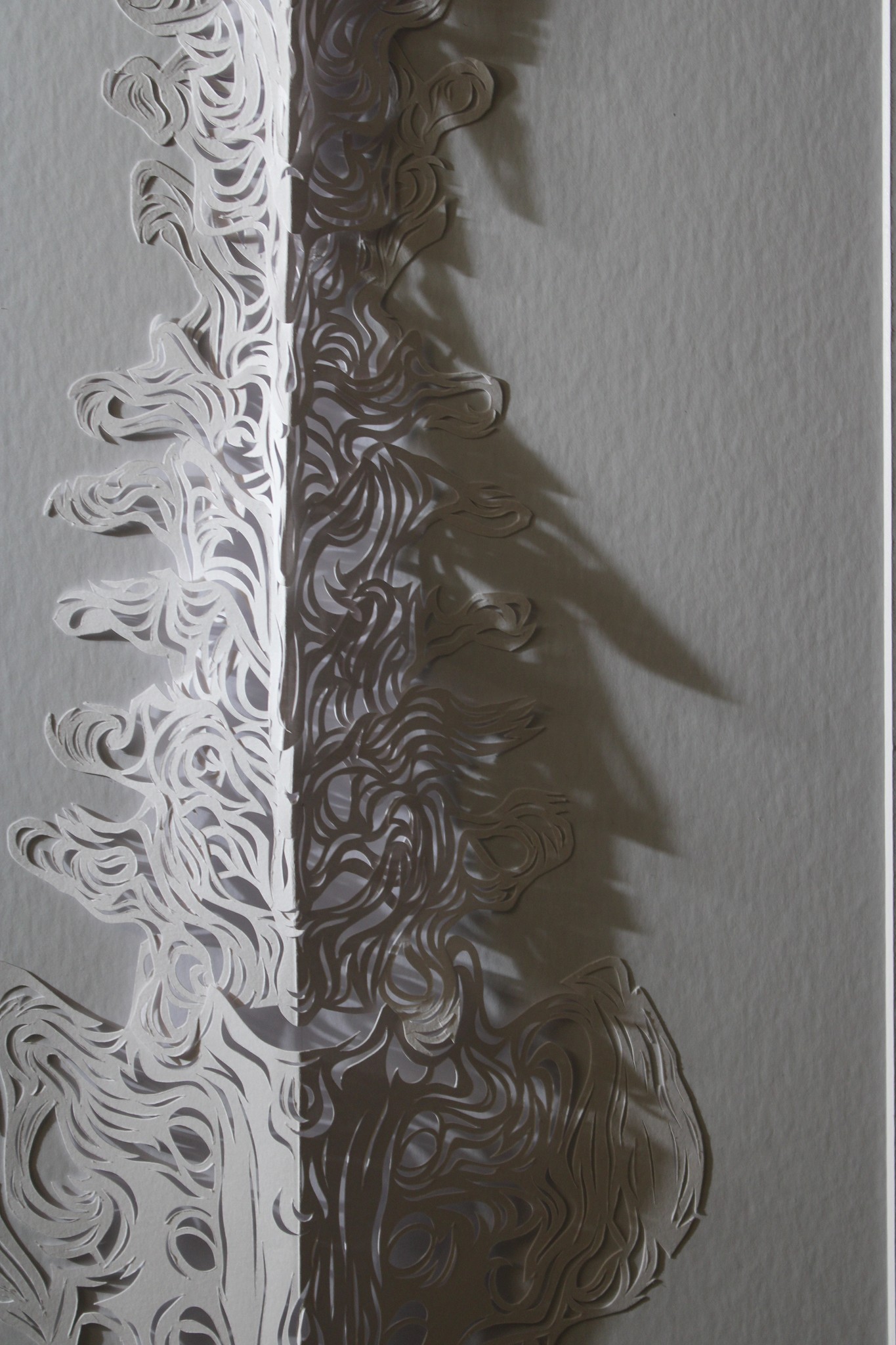
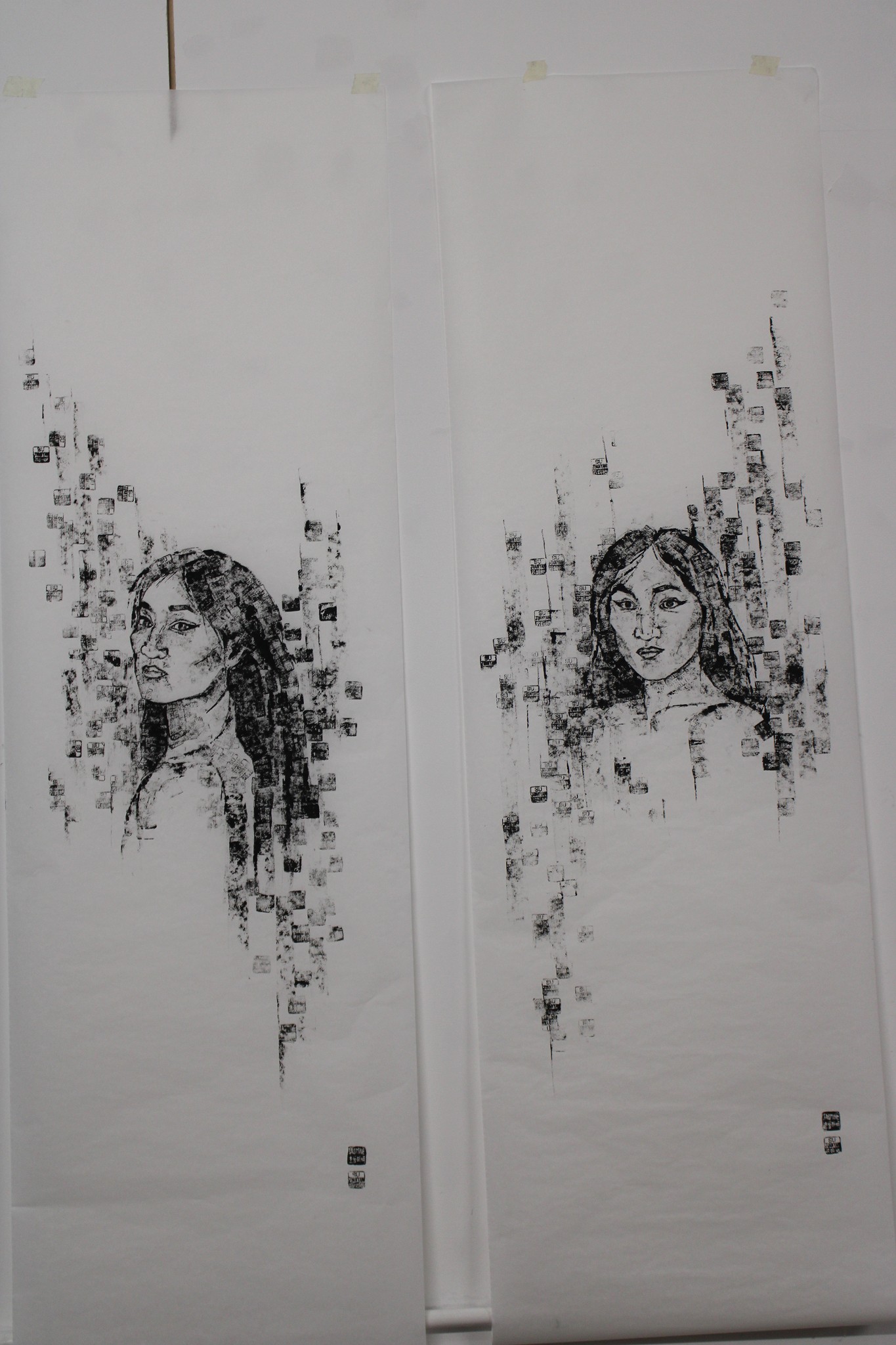
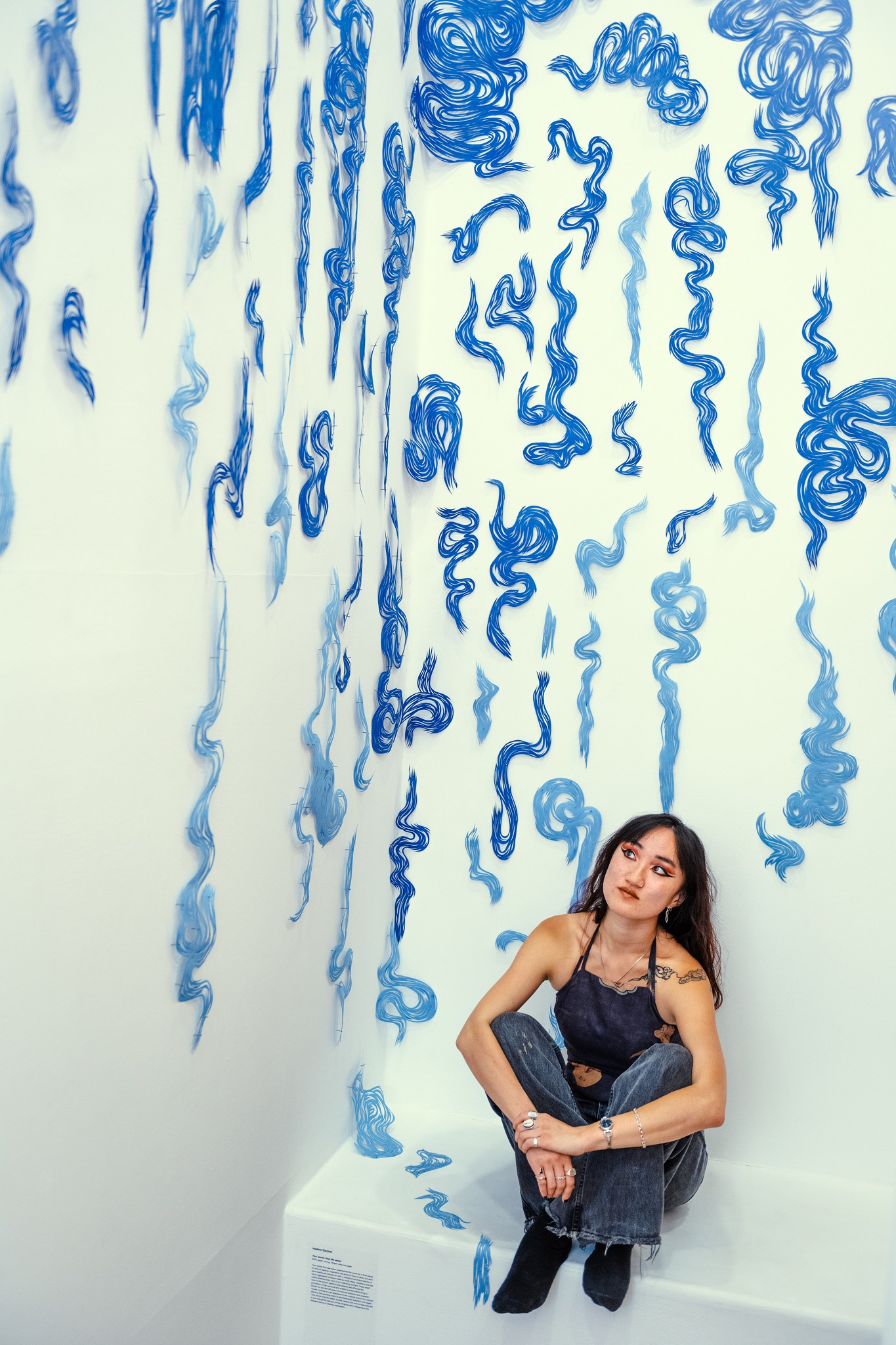
JG. An early memory of when a stylised self-presenting choice came to me was during secondary school. It was common for the white kids at school to pull their eyes back, so they appeared thinner in front of me, so I googled “how to make eyes look wider” and using eyeliner came up. The evolving winged liner was influenced by Amy Winehouse. Over the years I have always used eyeliner and usually recognised for it. It’s become a signature and a significant part of my morning routine; I wake up, brush my teeth, put on clothes and put my eyeliner on. What started as an act of wanting to fit in and protecting myself has now evolved into a staple for my visual identity. Linking to my art practice, I think the regular use of a black thin brush/pen on my eyes had an indirect influence in my interest in ink, attention to detail and line work in my paintings today. Looking back, my wish to blend in with my predominantly white peers influenced a lot of my clothing and also art practice. I dressed how I thought the other arty people should dress and, due to the teaching curriculum, focus on linking western art history into my work.
It wasn’t until I was cornered by my university tutor to confront my heritage and complicated cultural identity, I started to look for a contemporary Chinese fashion inspiration. From that point on, I try to dress in pieces which stem for all kinds of visual appeal. But from architecture, historical and contemporary art, contemporary culture, I favour monochromatic outfits, much like my artwork. In the last year or so, someone close to me said that I look like my art, that felt like something I had been inactively seeking for a long time and was good to hear.
Eyeliner — further reflection:
What started as something protective and about blending in has, over time, become more about control and authorship of my own image. It now feels less like something I do to disappear and more like something I use to assert presence, almost like a deliberate mark-making gesture that connects directly back to how I approach line, repetition, and ink in my paintings.
CNTRFLD. You’re currently based in Manchester. What draws you to the city at this stage in your career, and how would you describe your decision to choose Manchester over London—particularly in terms of what felt more aligned with your practice and values?
JG. The initial draw to live in Manchester was when I was looking into universities, 2017, to study a joint honour in Fine Art and Art History. Having grown up in Colchester, I knew I wanted to go somewhere a lot more diverse both in the general population and within the arts. Most options were in London, but the size and university culture didn’t appeal to me compared to Manchester.
I think running HappeningInMCR since August 2022 has broken down the mystery and excitement of a new city’s art scene. I think I became quite complaisant and unmotivated until I started working with 4BYSIX in which I was exposed to new artists who are all pursuing a career in art full time on a digital scope. There are still pockets of the Manchester art scene I hope to establish myself in, but I would like to venture into opportunities beyond soon.
Manchester — further reflection:
Overall, I am happy with the choice I made to move up to Manchester compared to staying in the South. Its grassroot scene feels more authentic to who I am as an artist and as an active member of the arts community. Having an established number of CICs (Community interest companies) who are committed to supporting people from marginalised backgrounds, like Sheba Arts, Black Creative Trailblazers and venues like Saan1, is encouraging to see.
CNTRFLD. You have several significant projects on the horizon including New Art Exchange and SEESAW in Manchester. How are you approaching this next phase of your practice—and what excites you about these upcoming presentations, particularly your shift into a new “green” palette?
JG. I am taking more of a selective approach to the projects work on. This includes the work I have made and wish to present myself to an audience and who I want to work with and showcase.
The exhibition at NAE is exciting as it will be my first time exhibiting outside of Manchester this year. To be selected to exhibit in the UK’s largest gallery dedicated to contemporary visual arts from the Global Ethnic Majority, is very encouraging and I am looking forward to seeing the other works and engage with a new group of artists.
For the group ESEA exhibition, I am excited to band a group of about 30 talented local artists with ESEA heritage together and showcase their artistic voice. I grew tired of seeing the same artists in the same spaces, so I wanted to bring new voices forwards I knew existed. The group is a mix of working artists and people who see art as a hobby or something to do on occasion outside their 9-5.
Green — further reflection:
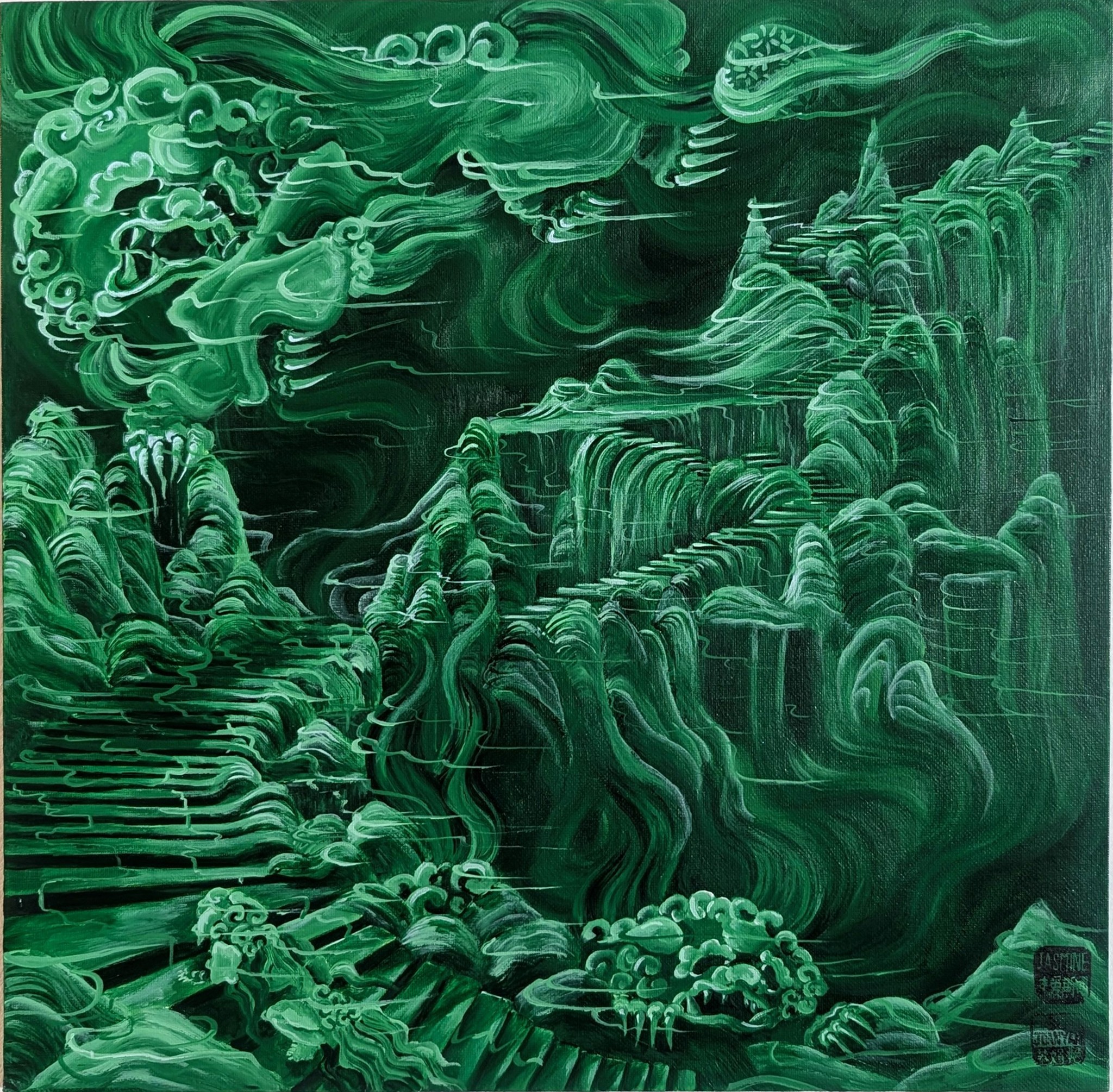
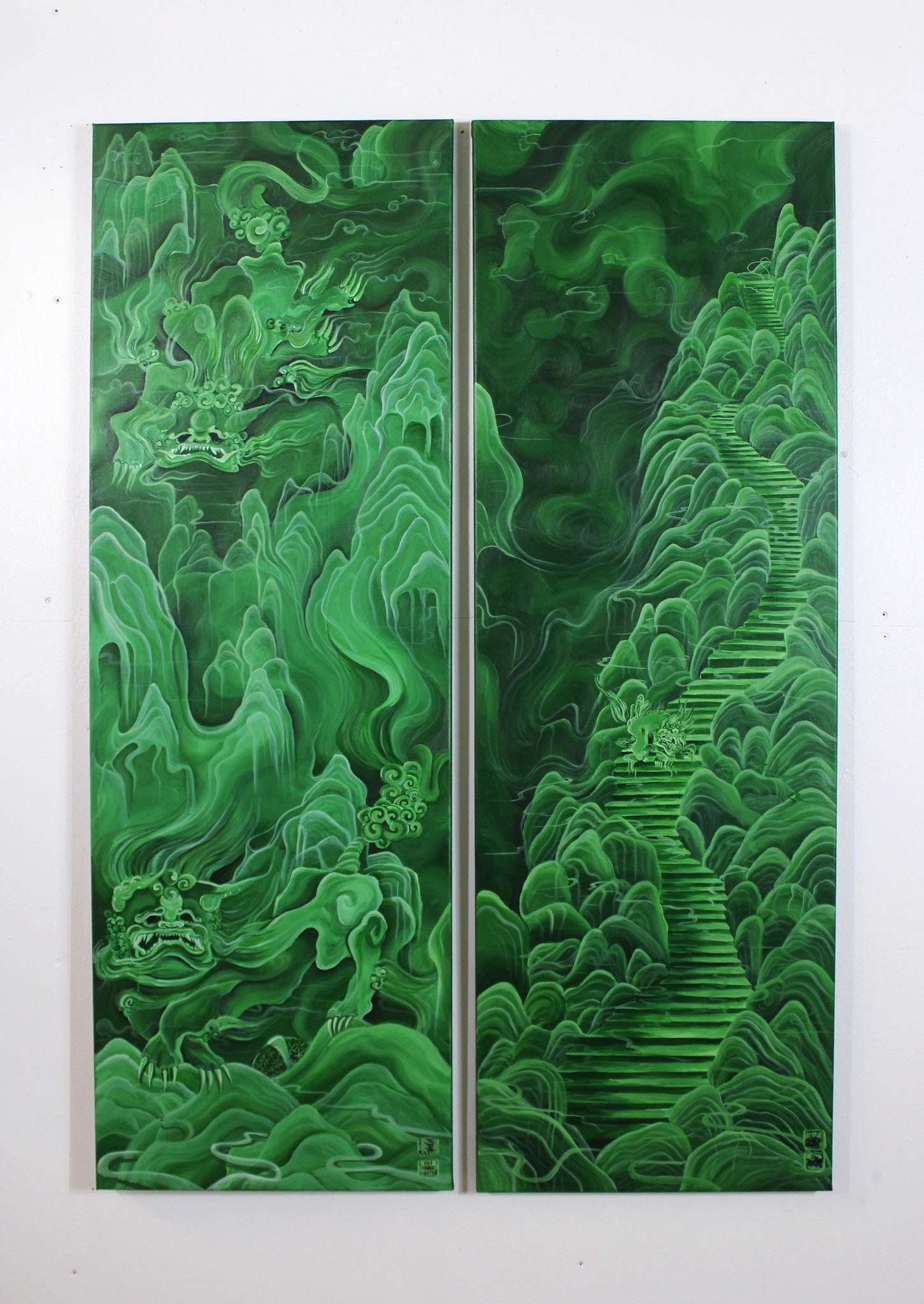
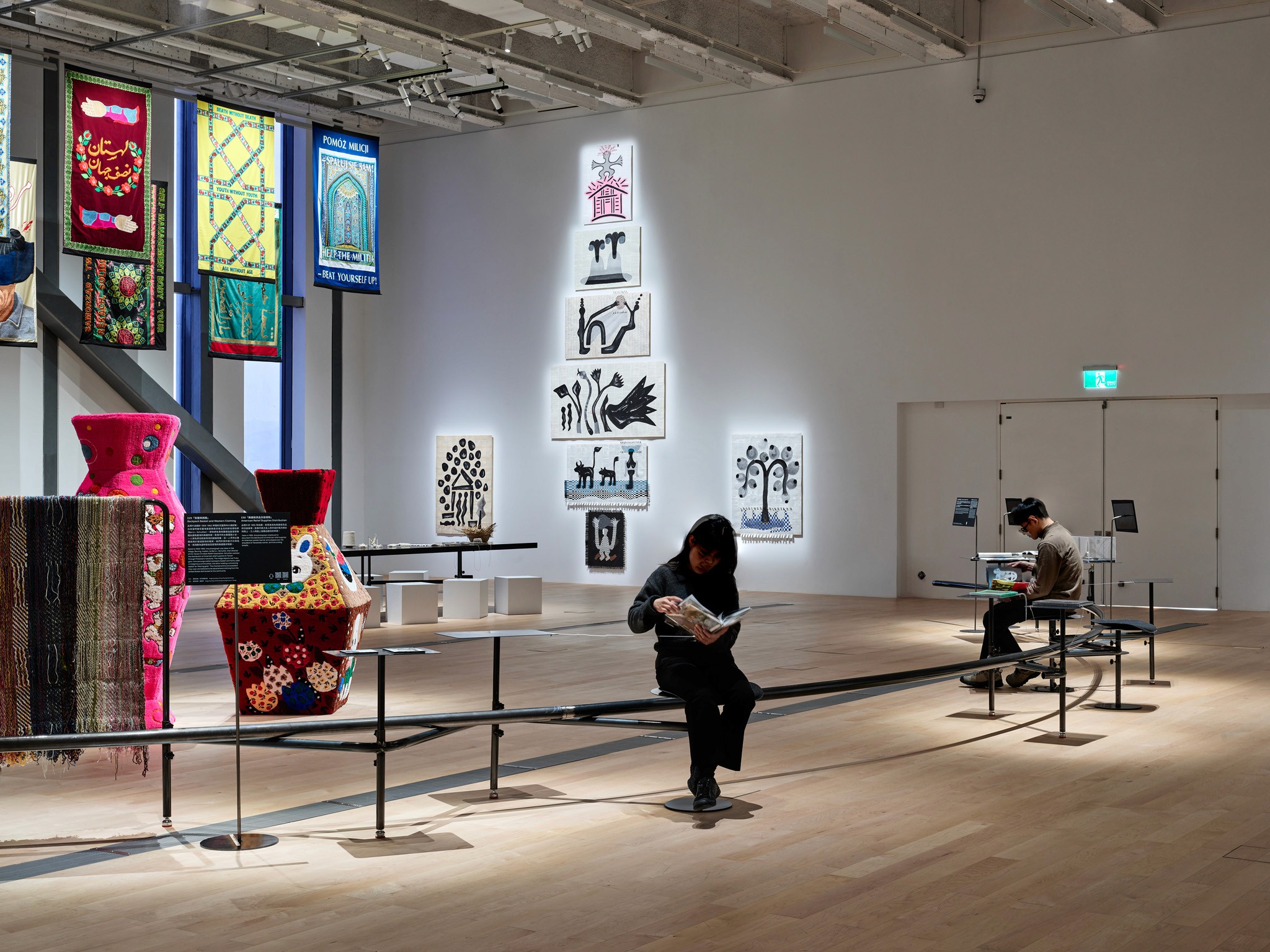
In my current practice, I am using green paint and pearlescent ink to reference the healing powers of jade talismans and tablets to depicts ongoing manifestations of my birth parents and processing my adoption. Having never met them or even knowing if they are alive, my birth parents exist in my thoughts as ghostly mythical creatures; the foo dog. Foo dogs are traditional symbols of protection for buildings with significant stature with the male holding a ball and the female with a cub under its paw. In the work for NAE, I've emphasised the physical segregation yet "spiritual" connection between my parents; we once existed in this world together. On the left canvas I have recontextualised their purpose as lost souls with no one to protect, watching me struggle to maintain my art practice and come to terms with my position in the arts from afar. On the right, I see myself as the cub, alone, scared and disappointing.
This new series of work essentially references the healing powers of jade, mythological Foo Dogs in combination with physical paths I encounter and, as a result of my education, Western art history. Due to feeling a social disconnect with the other Fine Art students in college, I'd hide at the end of the corridor at the staircase, set up mirrors and draw stairs all day for months. It feels good to revisit stairs in a cathartic and healing context rather than a shy and avoidant one.
CNTRFLD. Looking ahead, what advice would you offer emerging artists navigating identity, diaspora, and interdisciplinary practice while trying to build sustainable networks and a recognisable voice?
JG. It took a while, and more student debt, for me to find my voice and if I am being honest, I am still finding it. But my main advice would be to focus on everything you are interested in and bind them together through a process that makes sense to what you are trying to say. Another is to surround yourself with different people. People that have similar lived experience, people with no interest in art, people who know you to your core, people with completely different backgrounds to yourself and people who have strong opinions. I found that having that mix and showing people my work, even in progress, developed my practice in ways I did not expect. It is easy to get caught up in your own narrative, a work’s meaning, its composition and the message you are conveying, but stepping aside and getting the thoughts of people from opposite ends of your social spectrum is extremely insightful.