CNTRFLD. Can you tell us about the core themes and concepts that drive your artistic practice?
How did you come to focus on the interactions between everyday objects and their users?
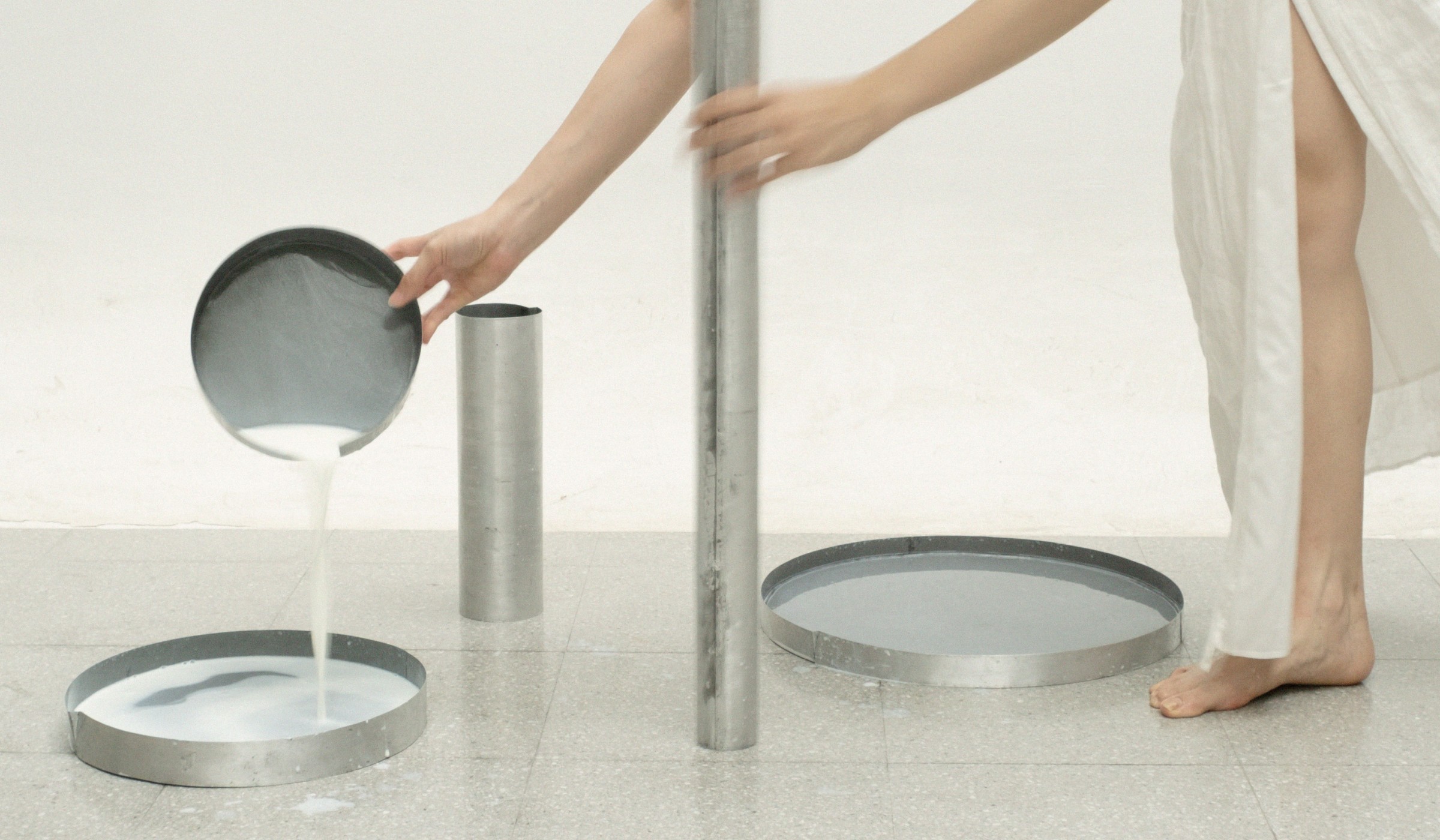
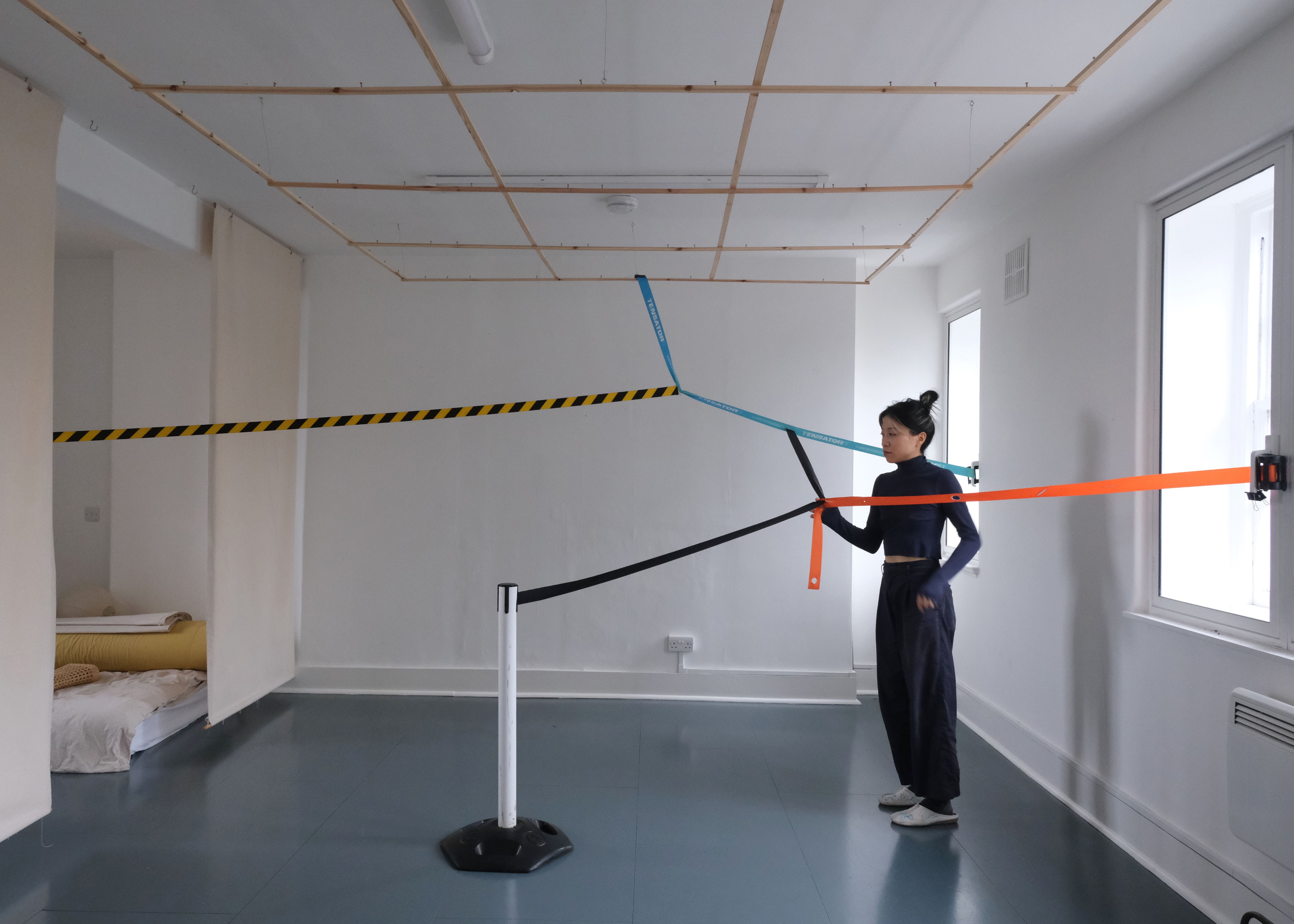
LC. I have always been a sensitive and observant person who notices the details in the surroundings. My background in industrial design prompted me to think about the rationale behind how each everyday product is designed; to unpack an assembly of decisions the designer and the manufacturer make on every level. How our desire informs the creation of objects; how the object ultimately shapes our behaviour and forms the so-called civilisation. It’s sort of a chicken or egg question.
CNTRFLD. How does your upbringing and Taiwanese heritage influence your approach to art and research? Are there specific cultural elements that you incorporate into your work?
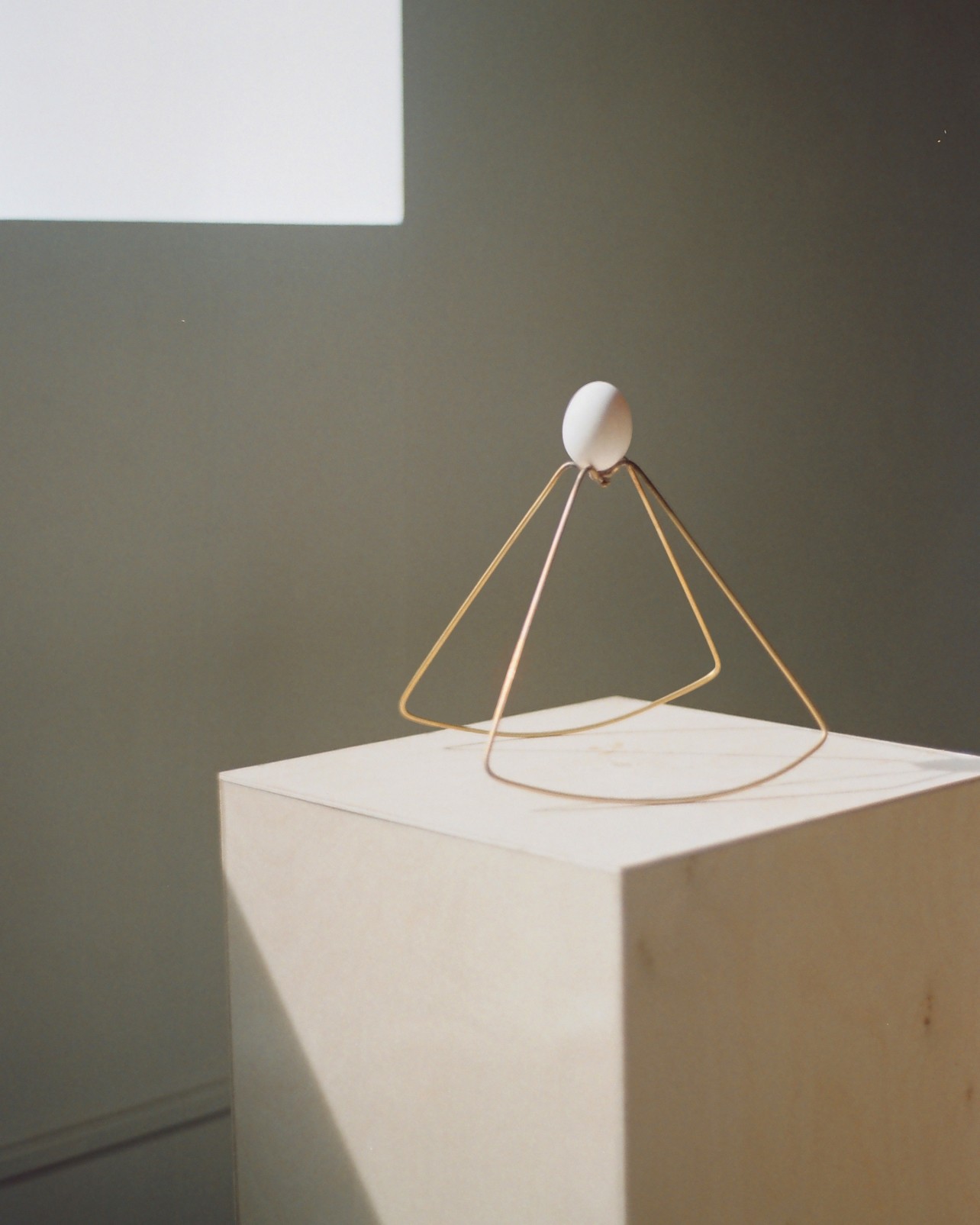
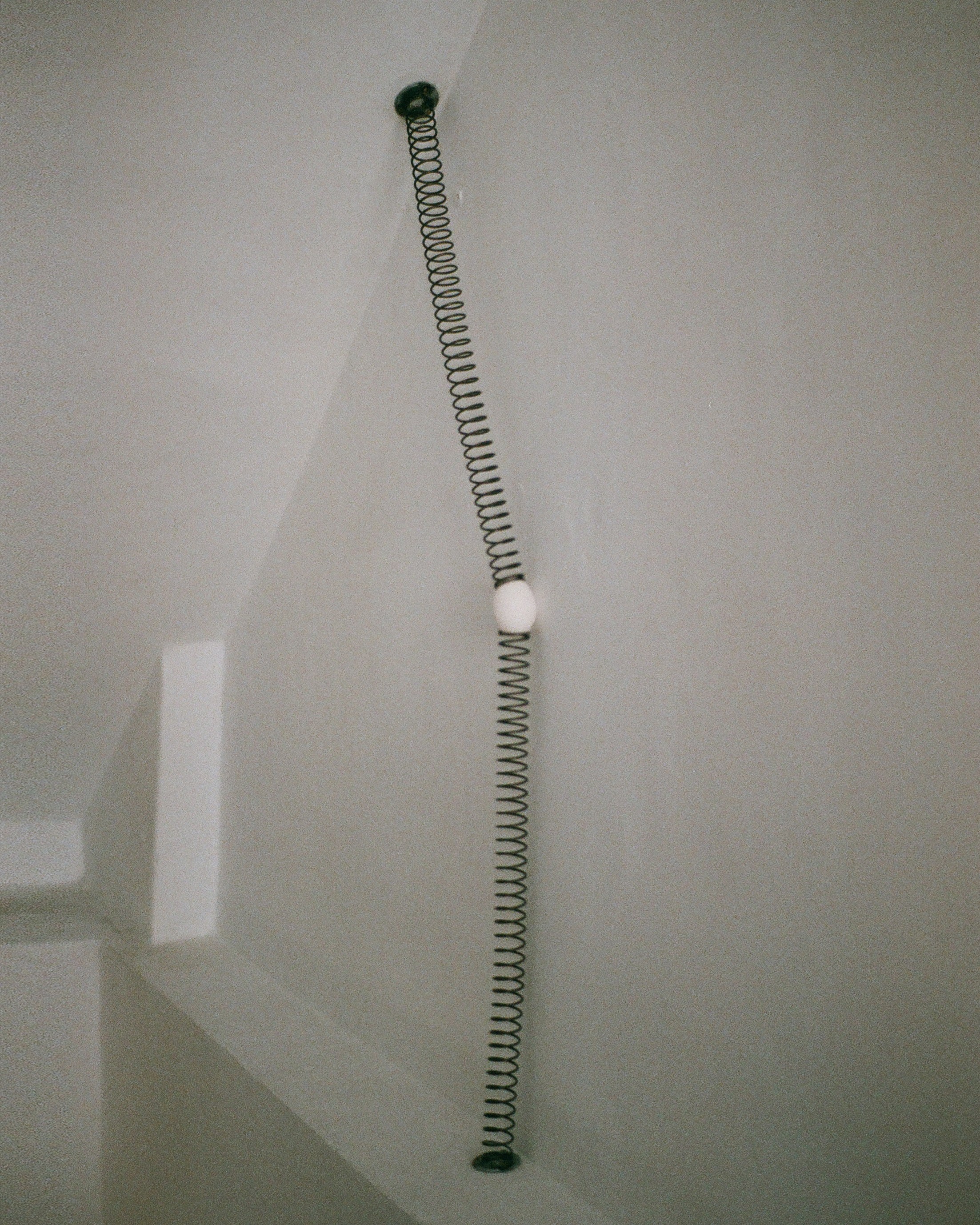
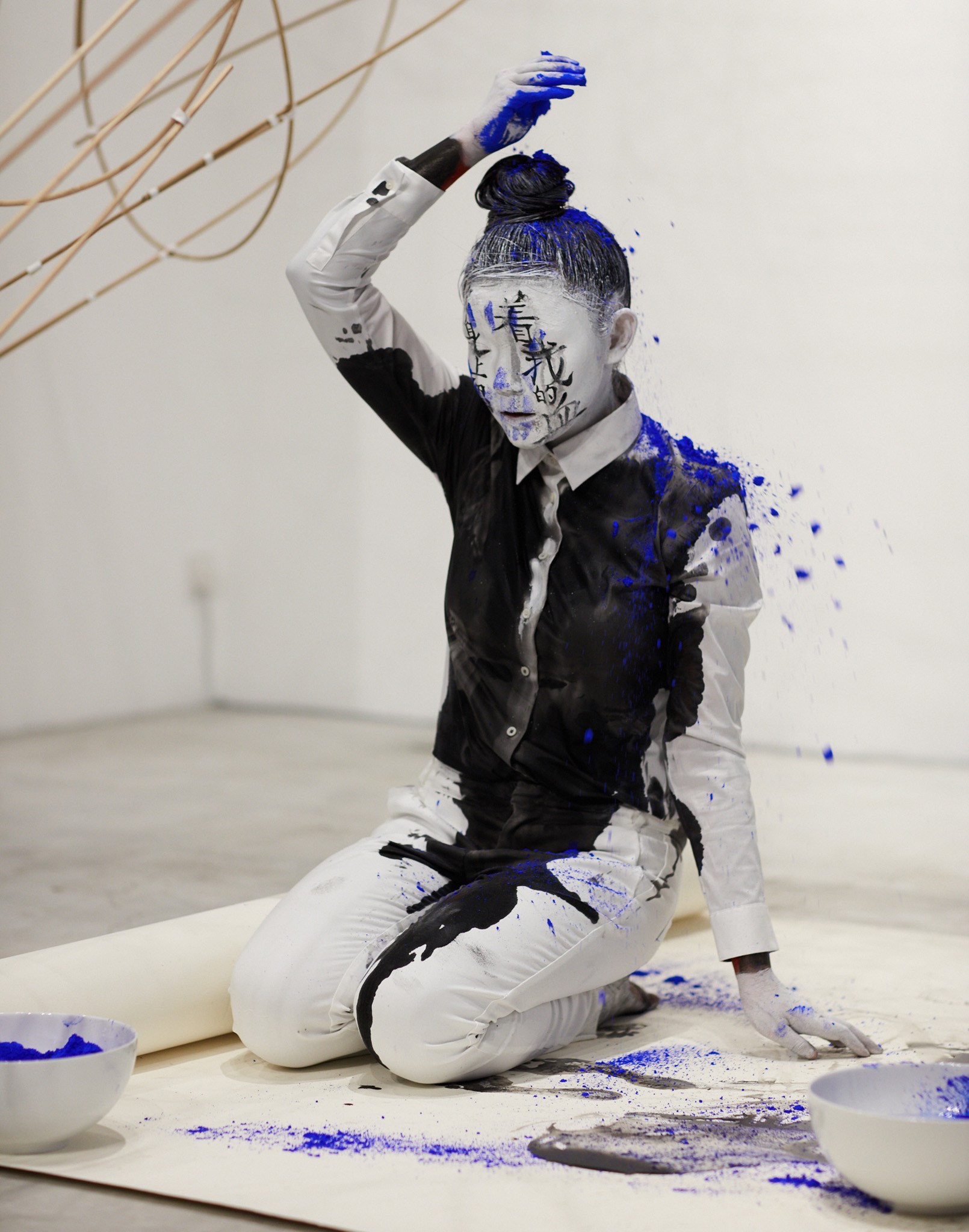
LC. Being Taiwanese is a bizarre experience. We are citizens of a country that doesn’t exist. The sense of insecurity and uncertainty is liberating and frustrating at the same time. It’s cool and sad. I find the tension intriguing and this ‘balancing act on the edges’ has been a recurring theme in my work.
CNTRFLD. As a diasporic Asian artist based in London, how do you navigate and integrate your cultural identity into your contemporary art practice? What challenges and opportunities have you met in this regard?
LC. It is always rewarding to live and work in another country where it offers opportunities for one to reflect on one’s culture in a different light. The distance in between is somehow necessary to facilitate contemplation like this.
A challenge I encountered is probably the communication style. Especially when I didn’t go to art school here in the UK, I struggled to contextualise my work and to talk the artspeak. However, gradually I have come to terms with it, the work will speak for itself and I am glad that my works have managed to resonate with a small part of the international audience here in the UK. That’s the charm of London, no matter how niche your craft is, there is a gang.
CNTRFLD. Your work often explores material culture and anthropological study. How do you select and interpret the artefacts and objects you work with, and what stories or insights are you hoping to reveal through them?
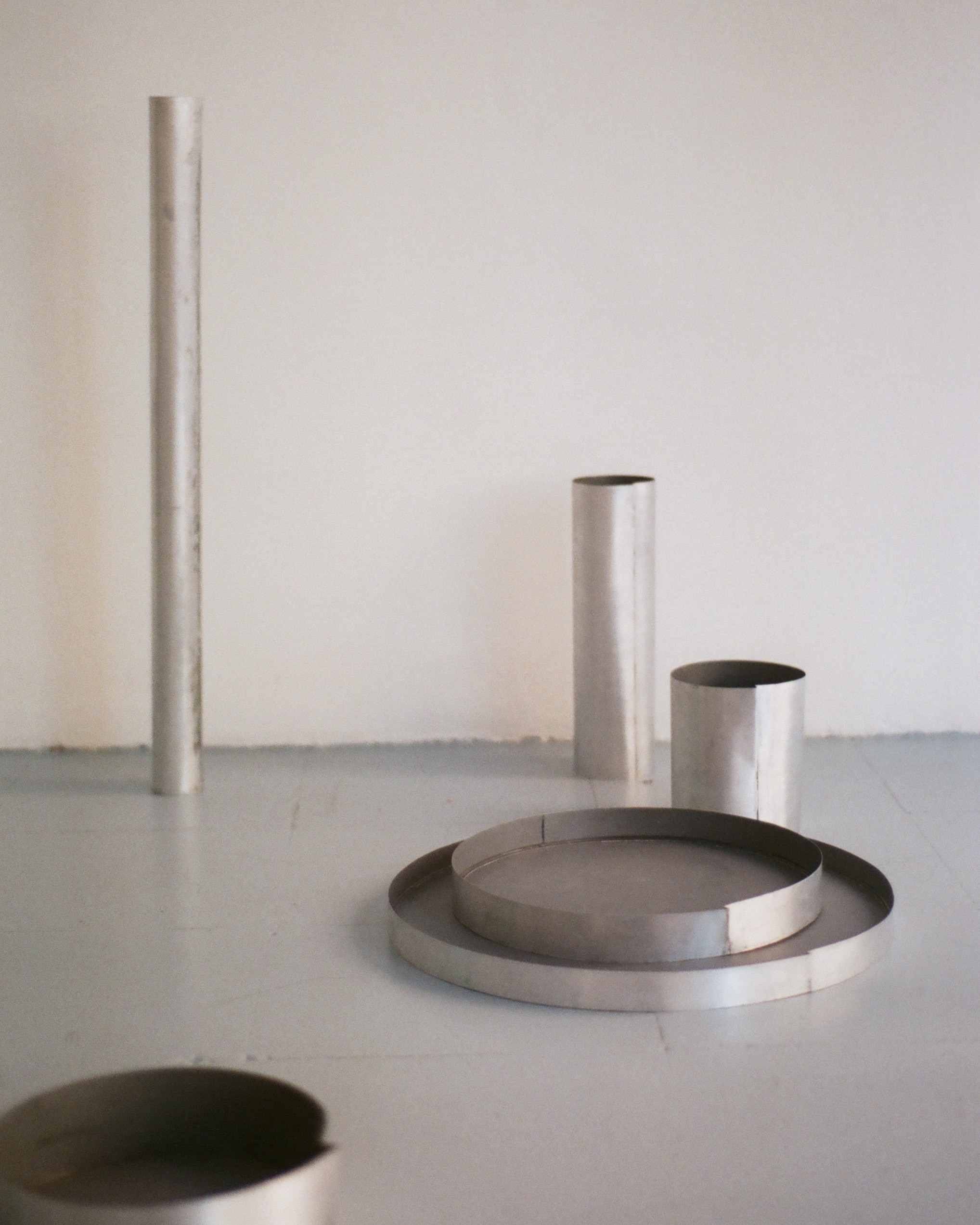
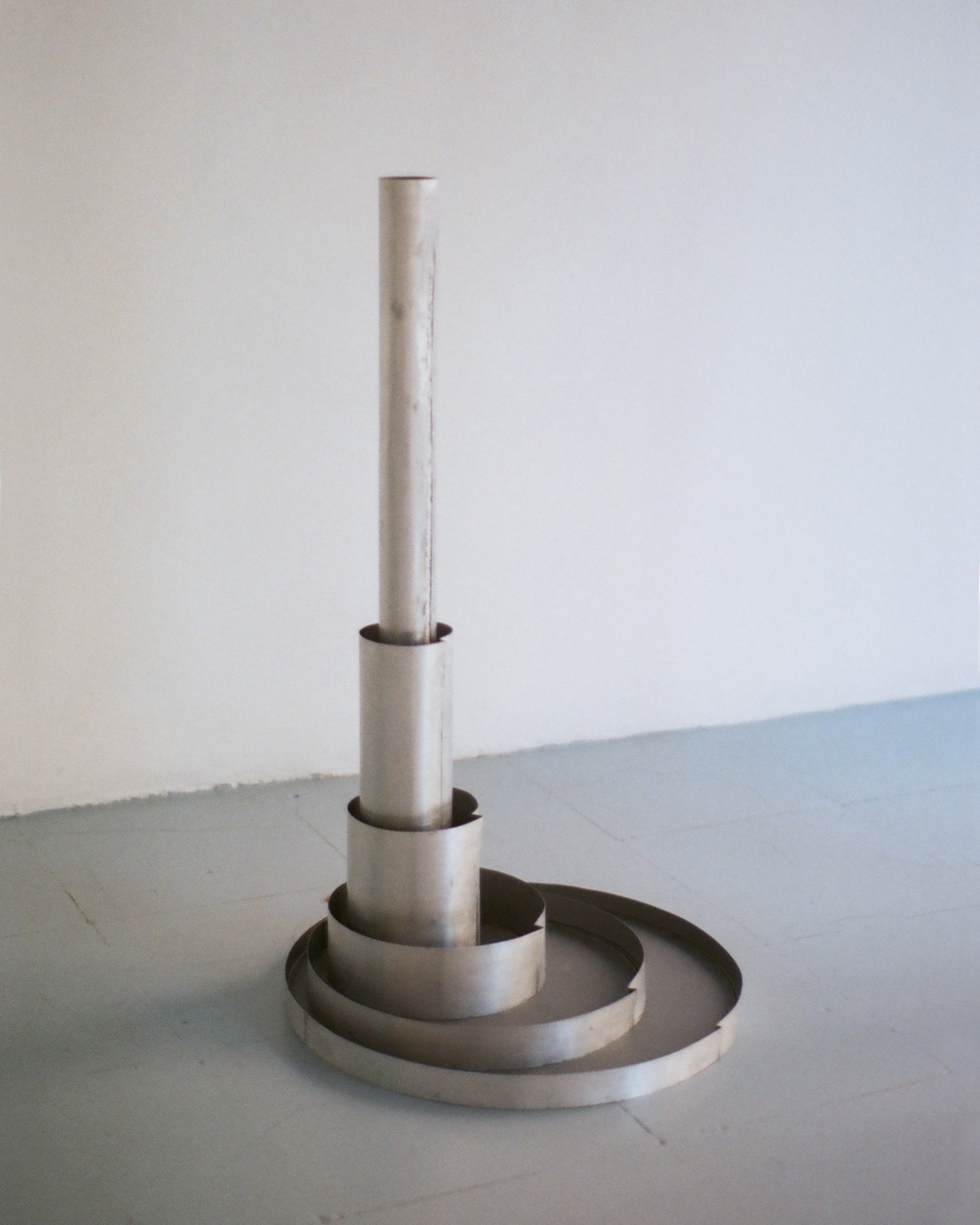
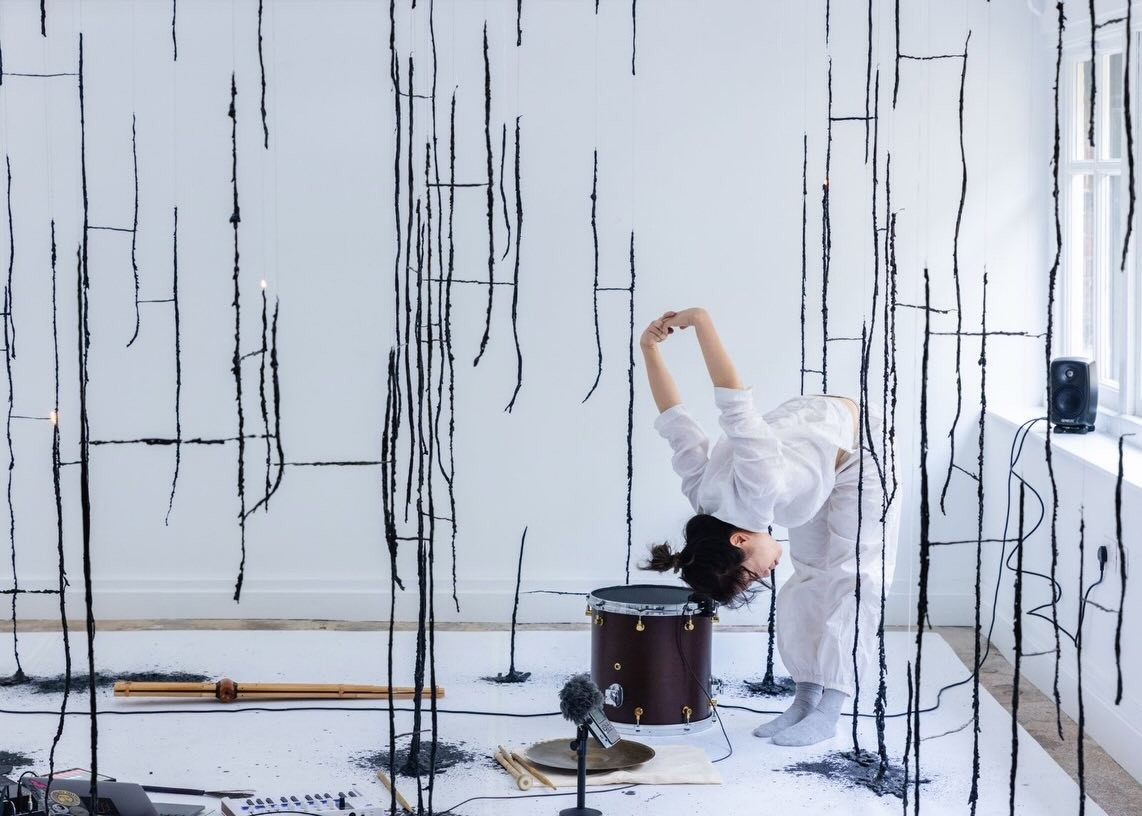
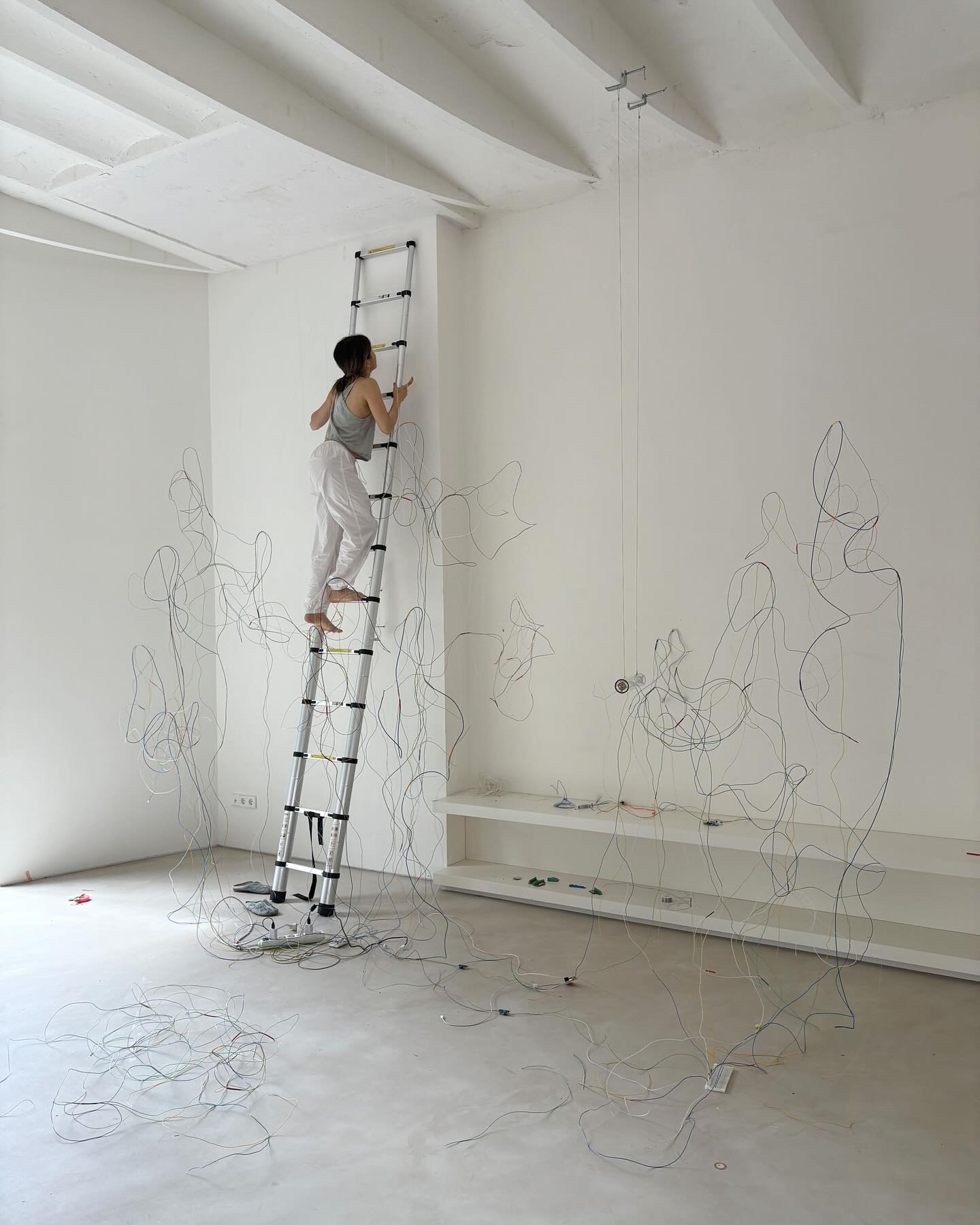
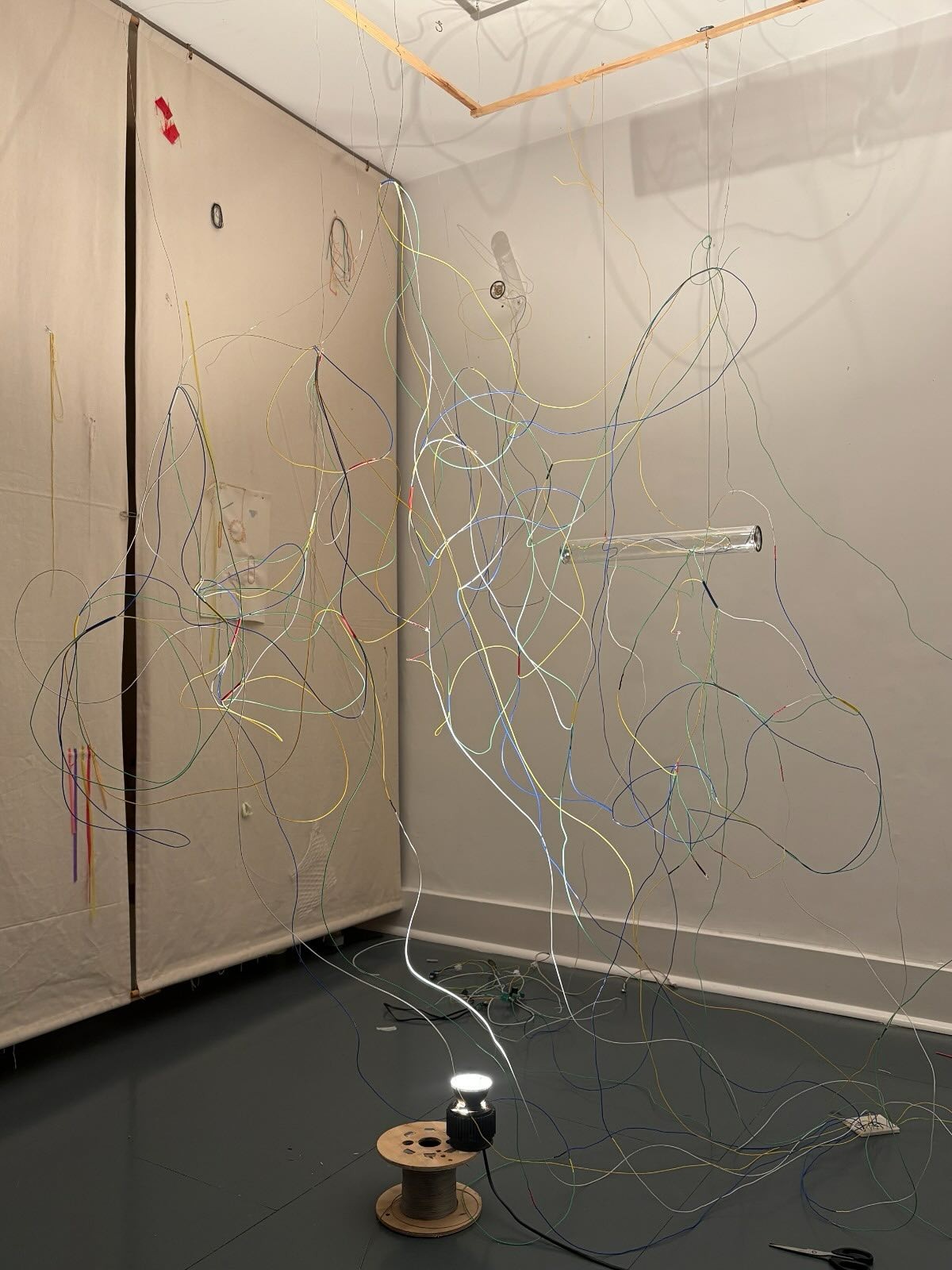
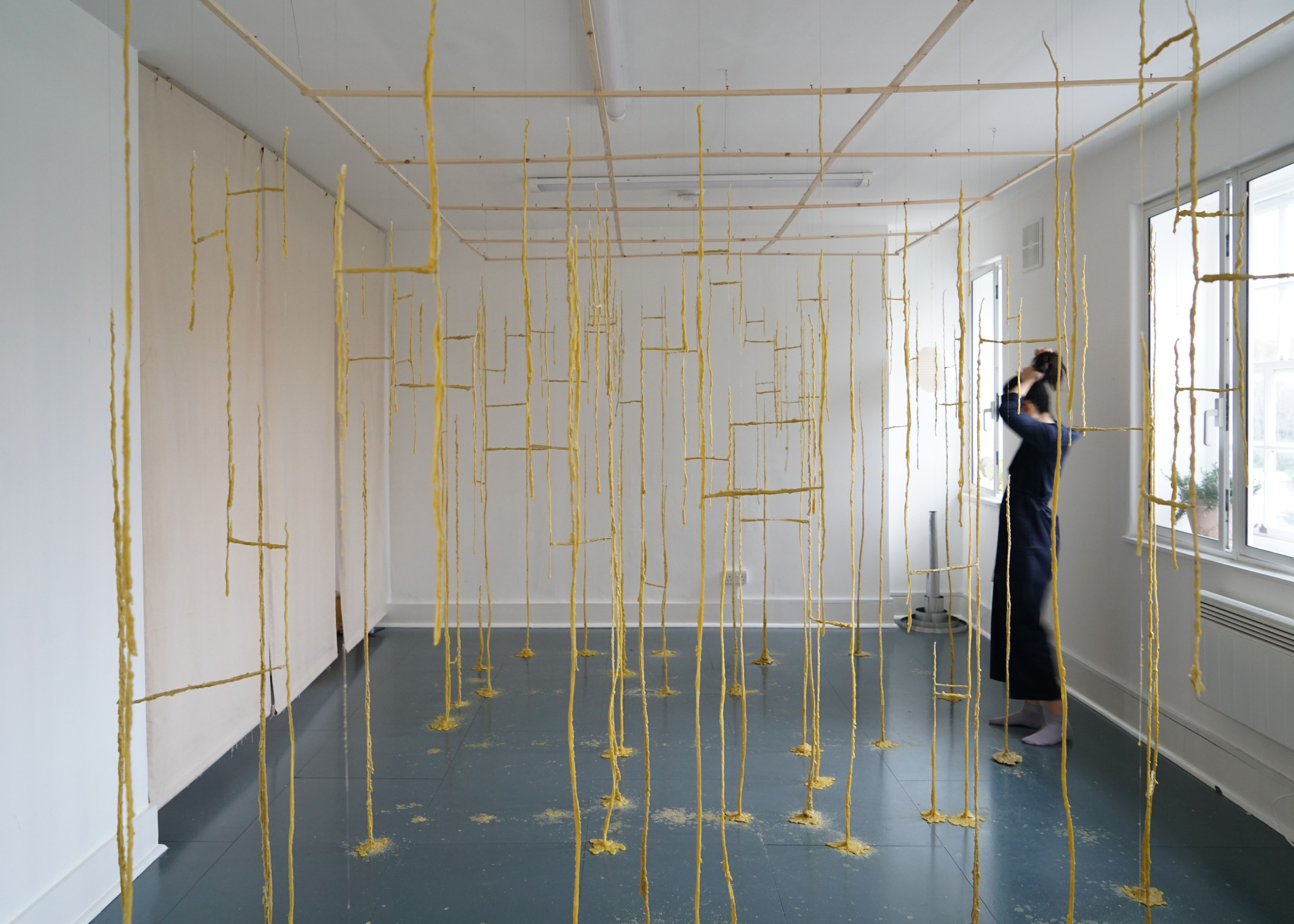
LC. The theme always comes fairly spontaneously. There is always so much going on in my brain, like a pool of abstract ideas swimming and mingling. When I am about to create a new piece of work, I withdraw the ideas to respond to an existing set of conditions. The final choice of the artefact or the material could be examined in different layers. Sometimes it is a comment on an institution’s politics, sometimes it comes down to the technical aspect like the accessibility of the specific material and fabrication technique.
CNTRFLD. Tell us more about ii (Initial Initiatives) and Hardware Archive. Can you describe your experience running these projects, and how these platforms contribute to your overall artistic vision and practice?
LC. Aside from my individual artistic practice where I allow myself to experiment and create freely, I also run two research-based platforms - Hardware Archive and ii (initial initiatives).
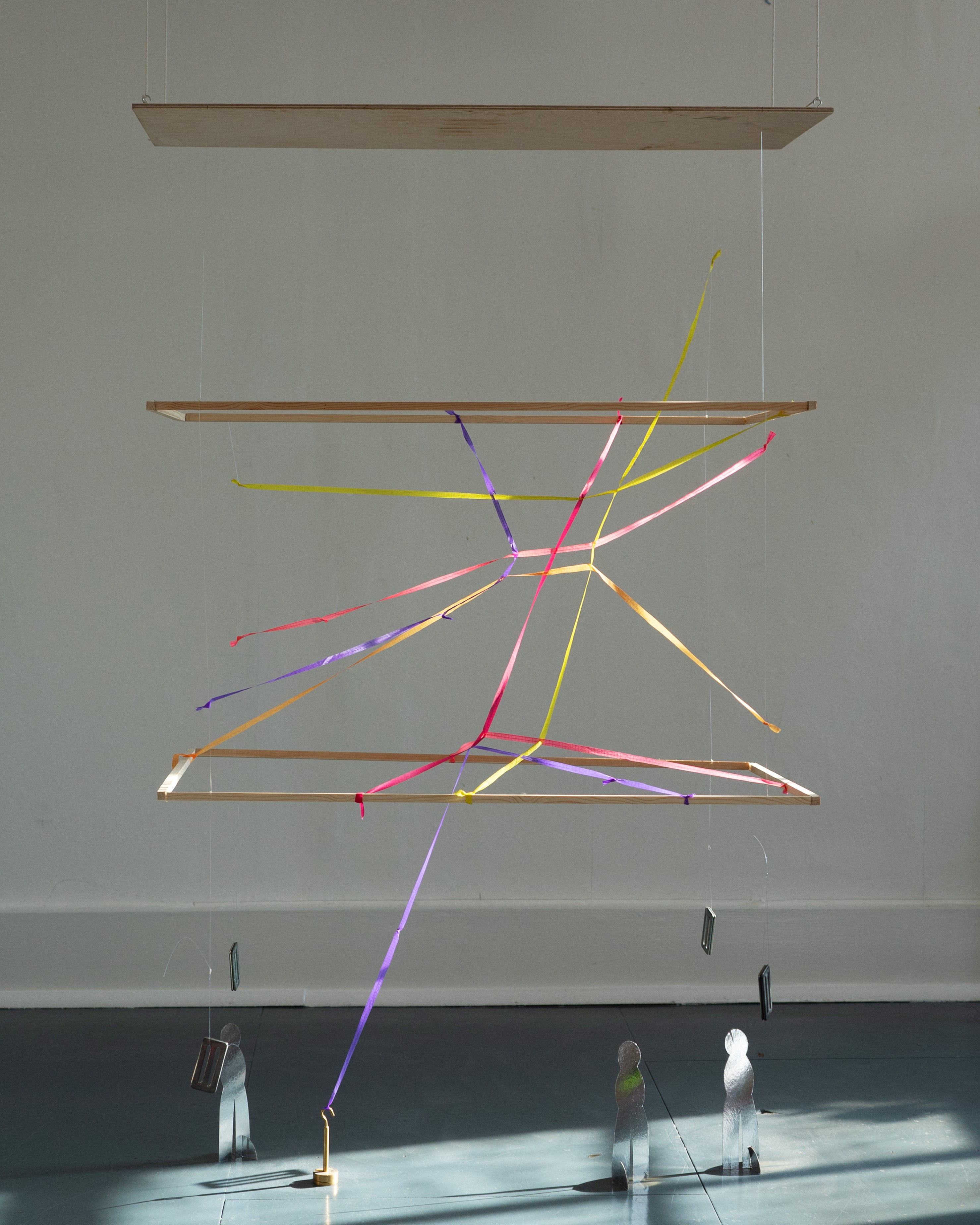
Hardware Archive collects industrially-manufactured household hardware items throughout history and across cultures that I find clever and interesting. The archive comes in handy when I am creating installations and sculptures and I hope it will do the same for other artists, architects, designers, engineers and more.
And ii (Initial Initiatives) contains everything else where I teach, curate, design, offer consultancy…and more. Mostly creative services that reach a wider crowd and help me to sustain my practice financially.