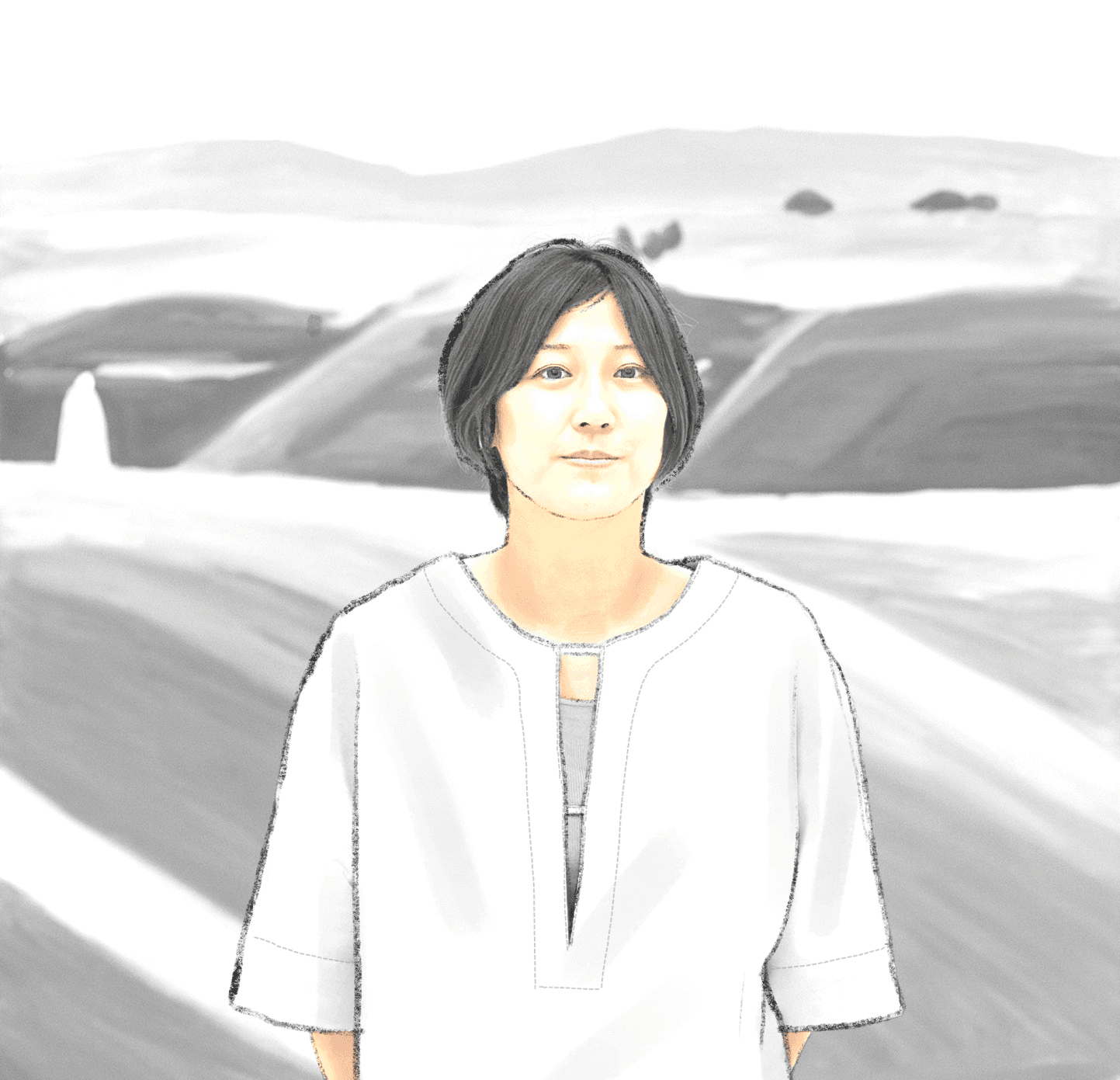
CNTRFLD. Could you share a bit about your upbringing in Kagoshima, Japan? How has your heritage and early life shaped your journey as an artist?
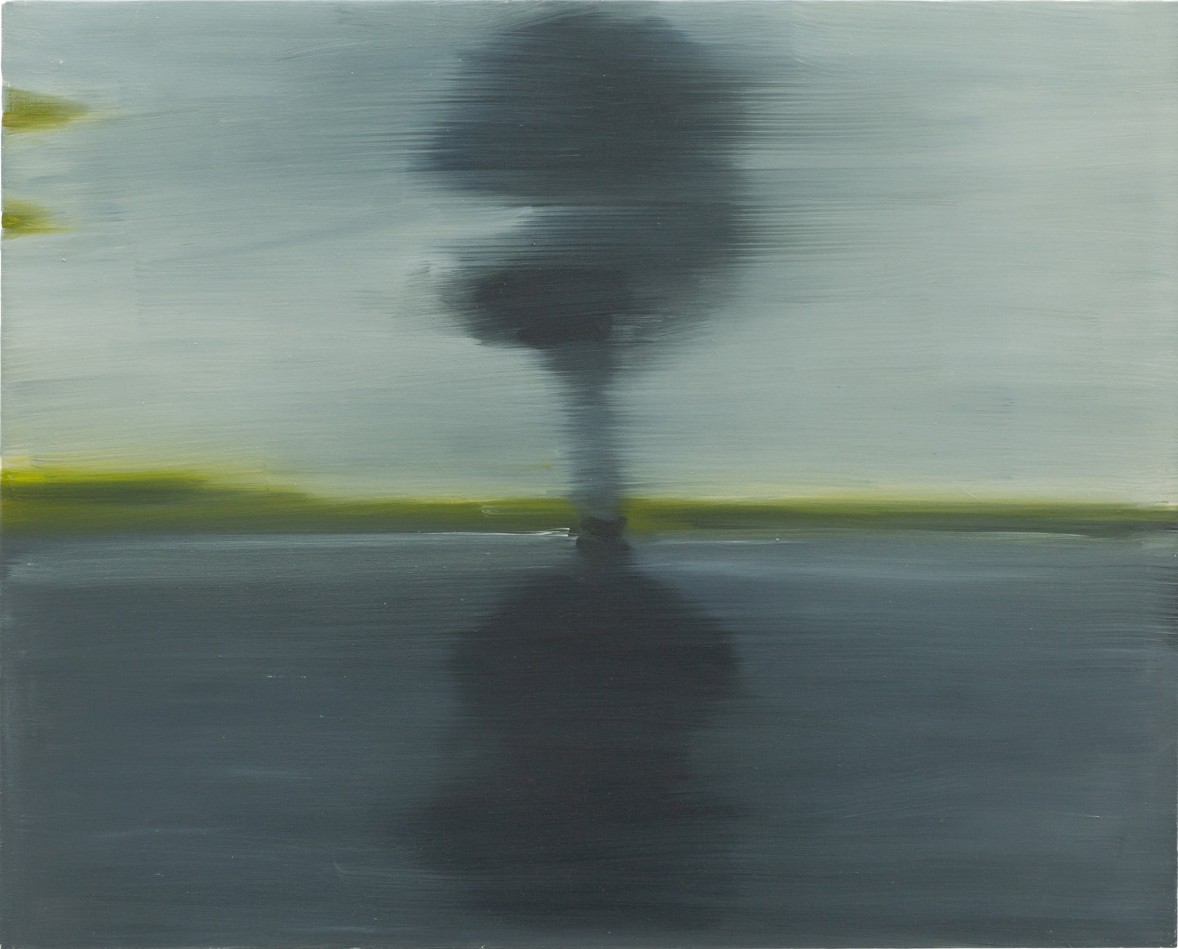
NK. Kagoshima is located at the southernmost tip of Honshu in Japan, a region rich in sea and mountains, and I grew up with a view of Sakurajima, an active volcano that erupts in smoke every day. Although I grew up in a regional city that could be found anywhere in Japan, Kagoshima's geographic location at the edge of the country made it difficult for me to easily travel to other areas, and I never left Kyushu until I was in high school. Because of this, when I was a child, I felt as if Kagoshima, located on the edge of Kyushu, was the end of the world, and although my family environment was also a factor, I grew up feeling a sense of isolation, as if I could never go anywhere from here and could never escape. As a child, I felt as if I was living in a different world from the people of my generation around me, but I tried to live in harmony with my surroundings so that they would not realize this. My family environment and living near an active volcano that could explode at any moment strongly shaped my view of life and death, and I think this has influenced my work.
CNTRFLD. You often capture landscapes from intimate moments with your children, infusing your work with a sense of personal memory. What does this process mean to you, and how do you think it shapes the emotional tone of your paintings?
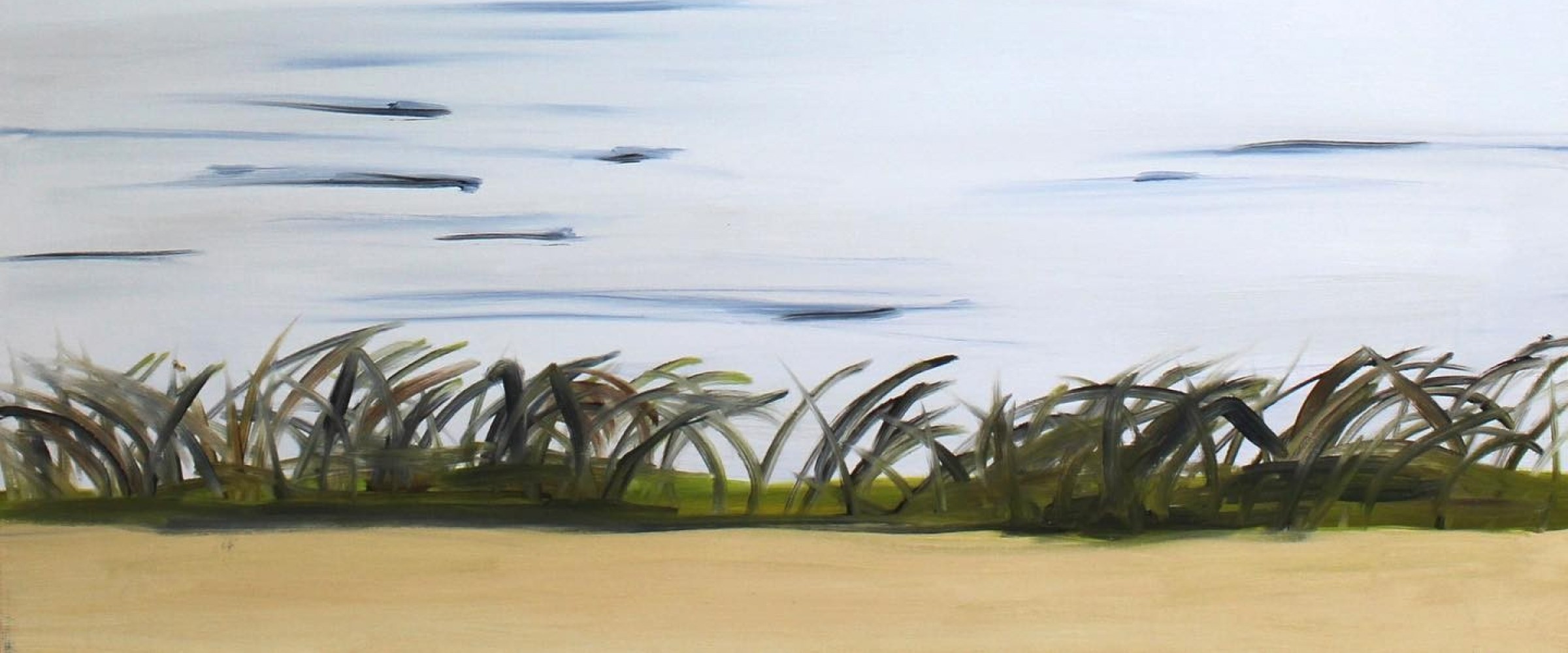
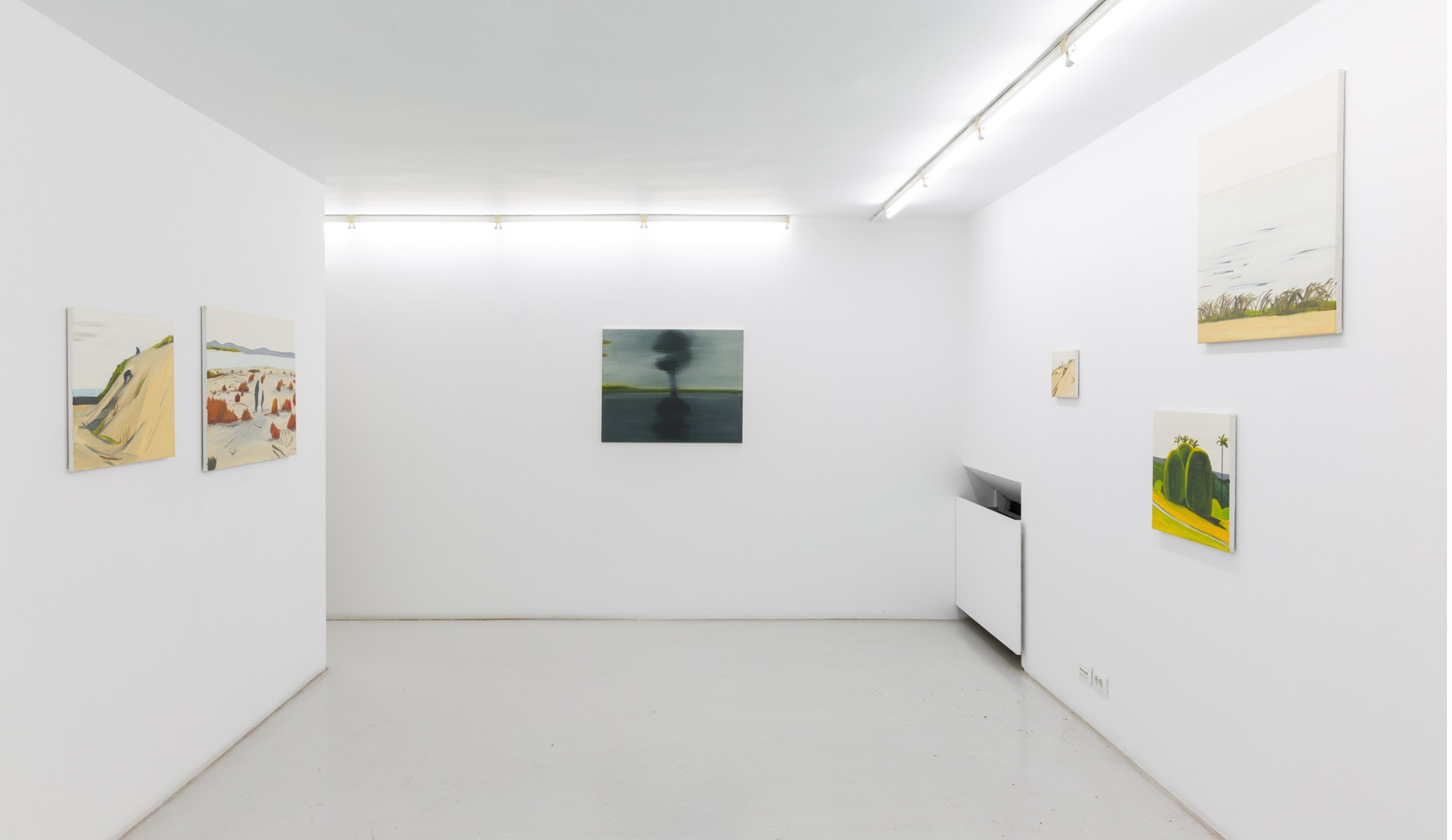
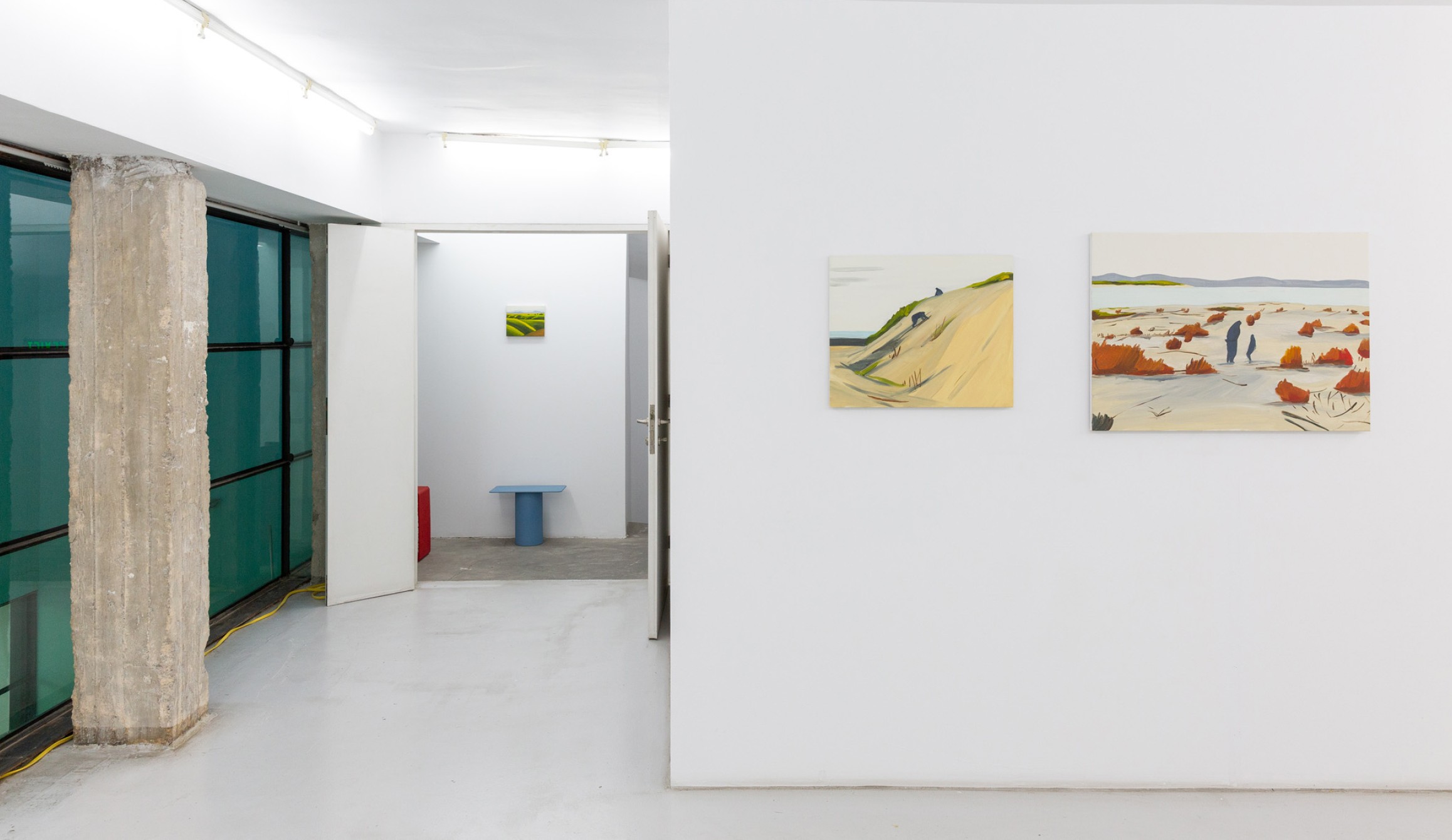
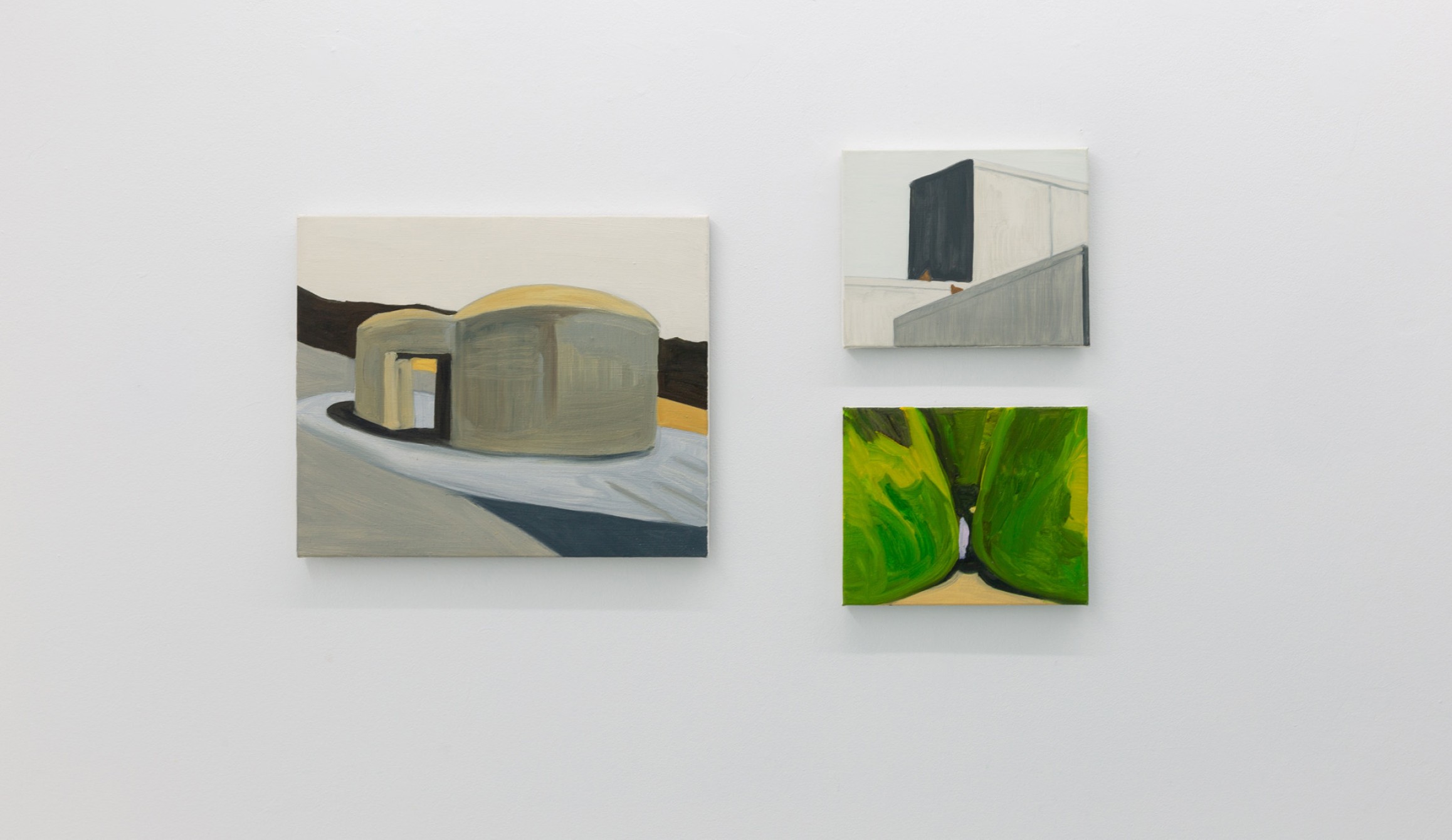
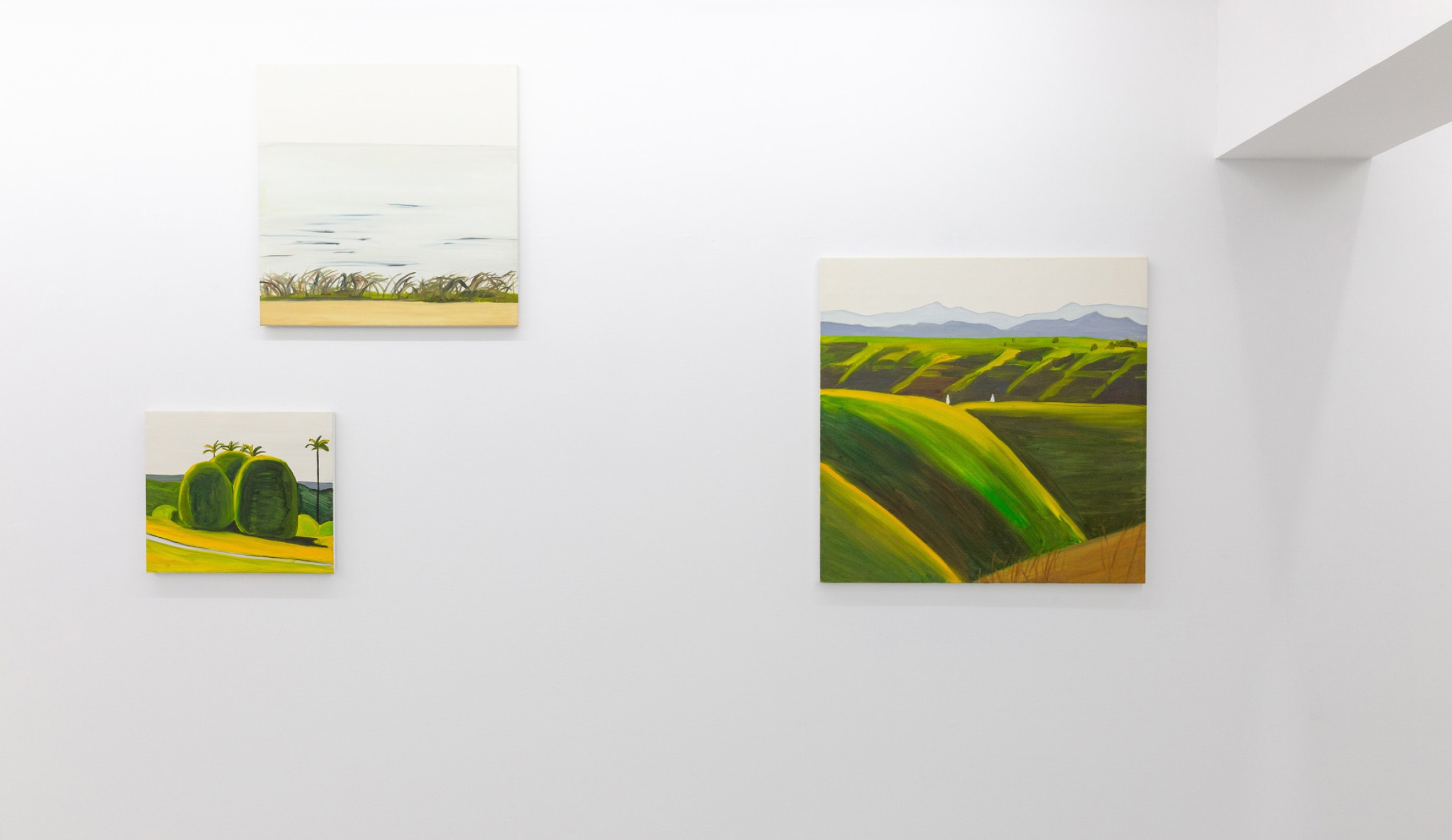
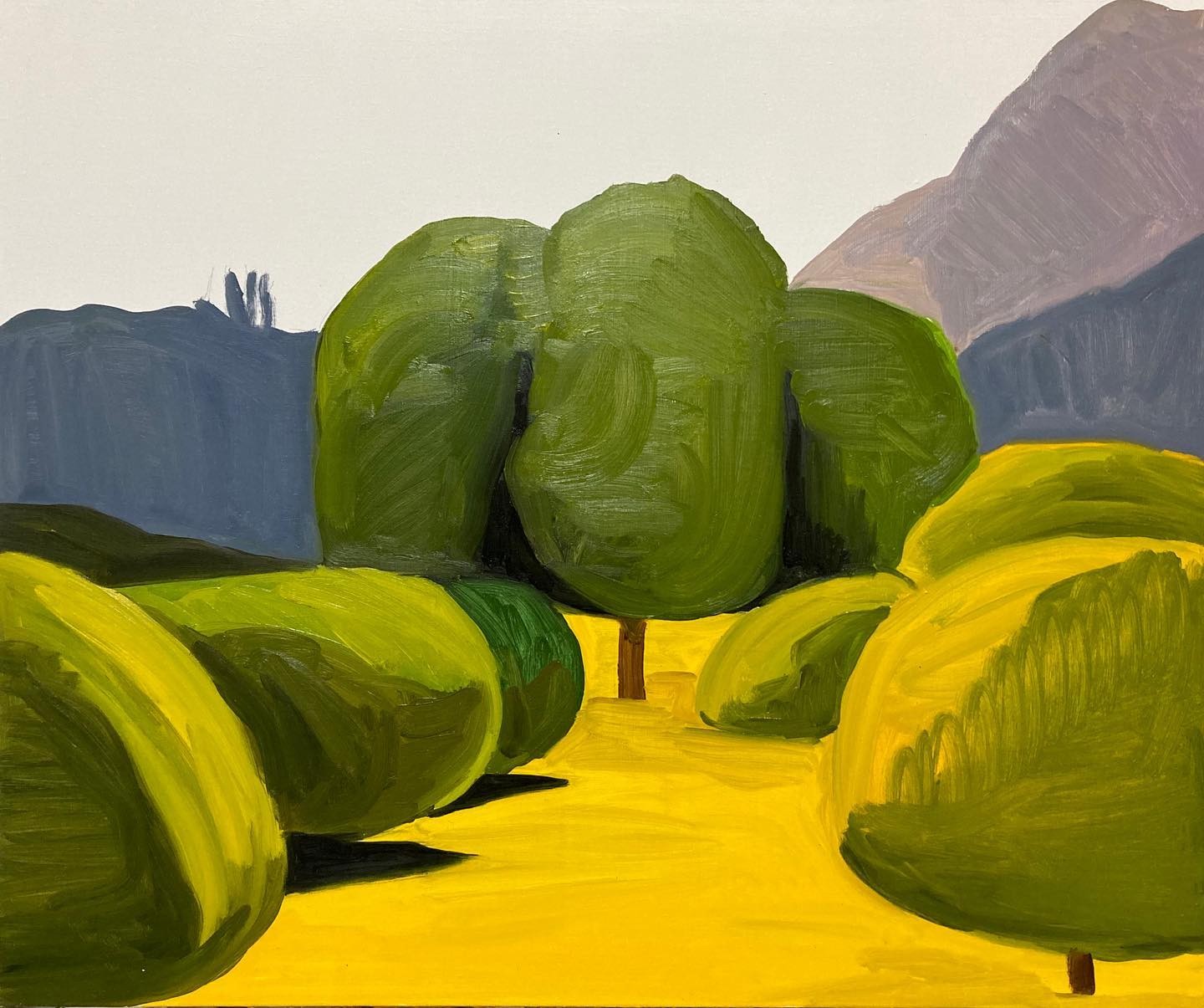
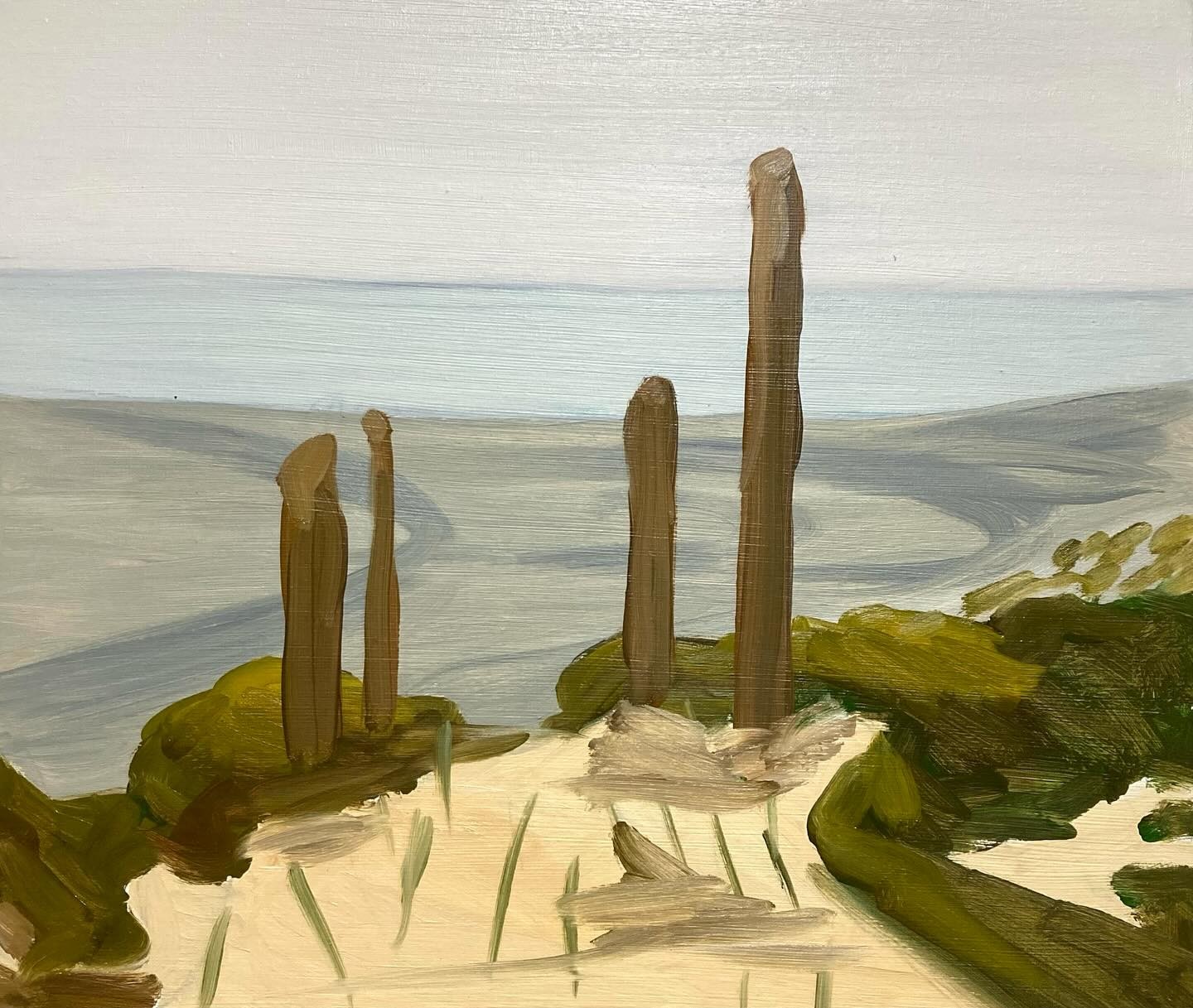
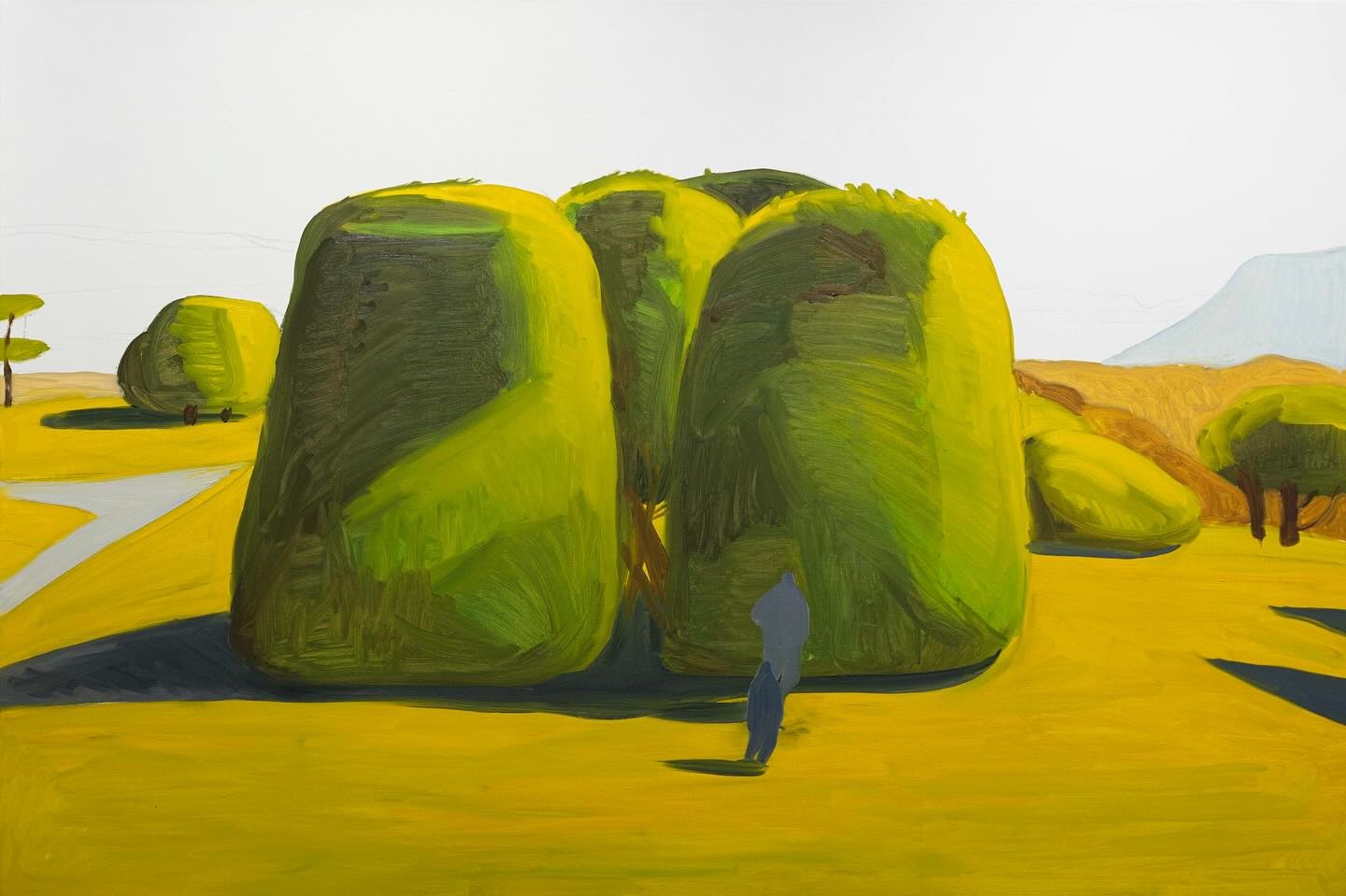
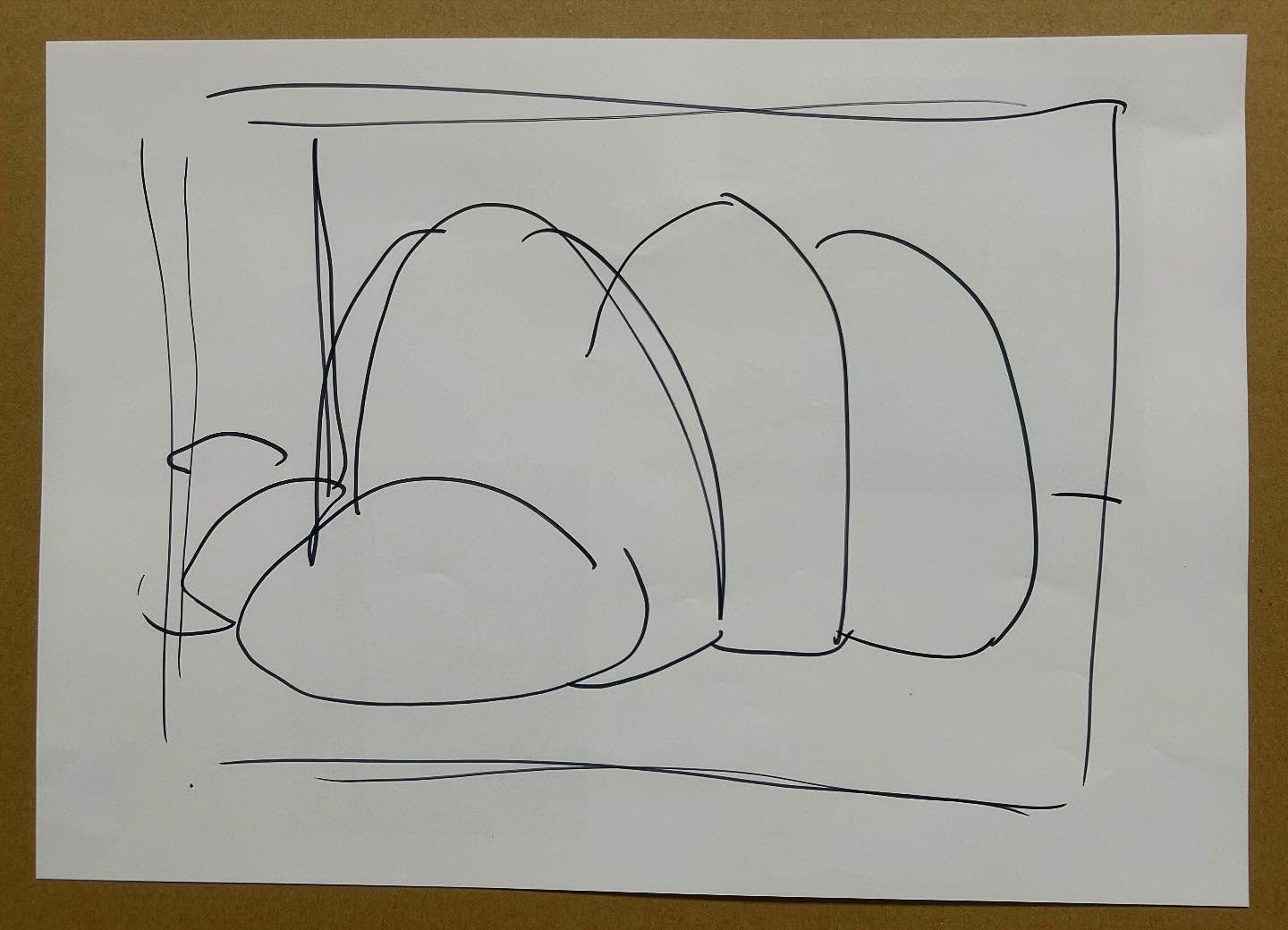
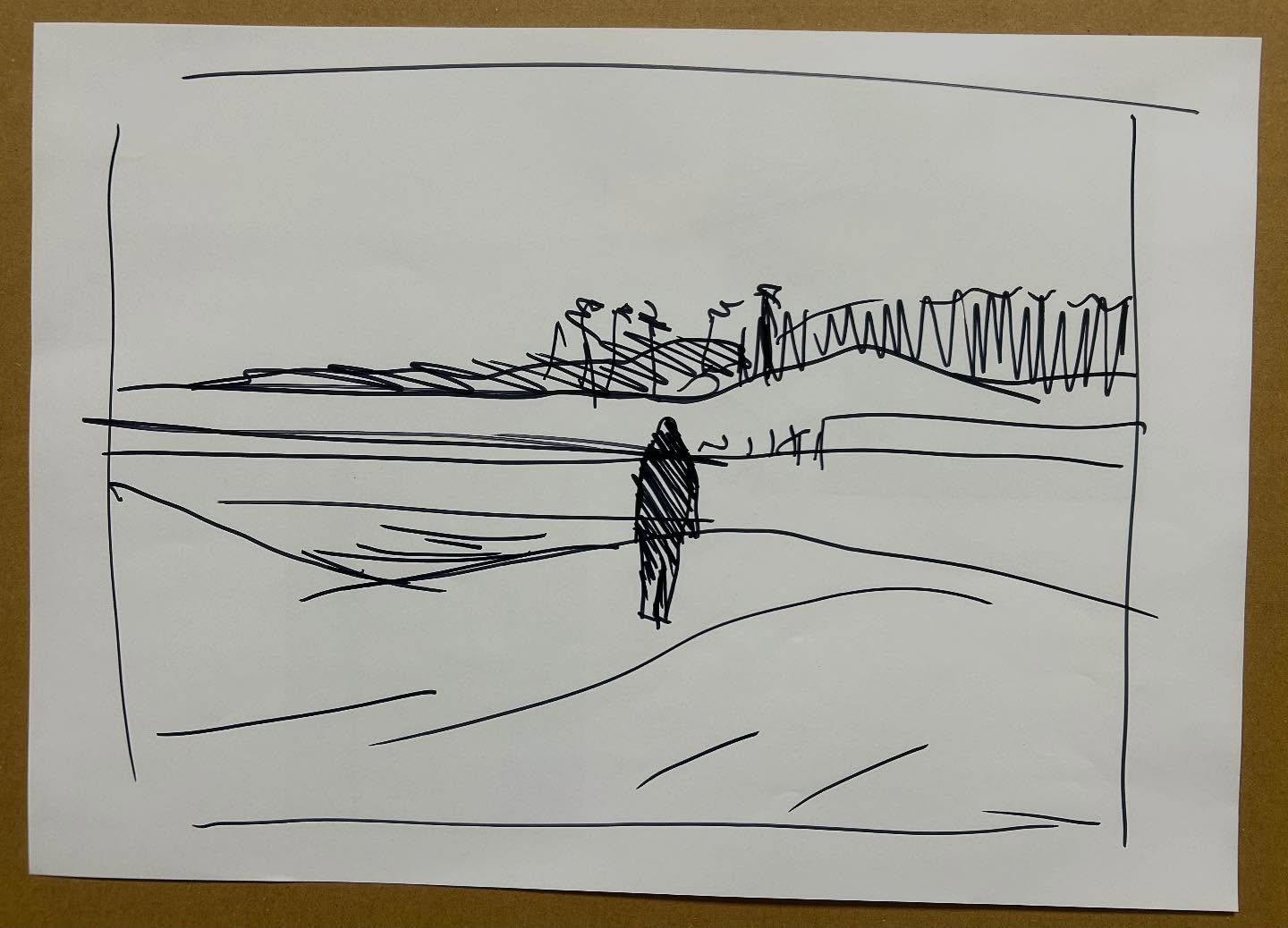
NK. I paint scenery that I actually see in my daily life. I often paint scenes of parks and beaches where we go together because my children are very young now. I try to paint as much as possible without personal memories and emotions. Even if there are people in the scene, I omit their features and depict them flatly as a part of the landscape without any difference from other things. The motifs of the landscapes are based on my actual experiences, but I try not to make the scenes personal by creating a distance between myself and the subjects when I make the paintings. I think this is what leads to the plain and unaffected scenery.
CNTRFLD. Your pieces evoke a sense of blurred nostalgia, often using a soft, delicate colour palette. Can you talk about the choices behind this style and how they help convey memory or distance?
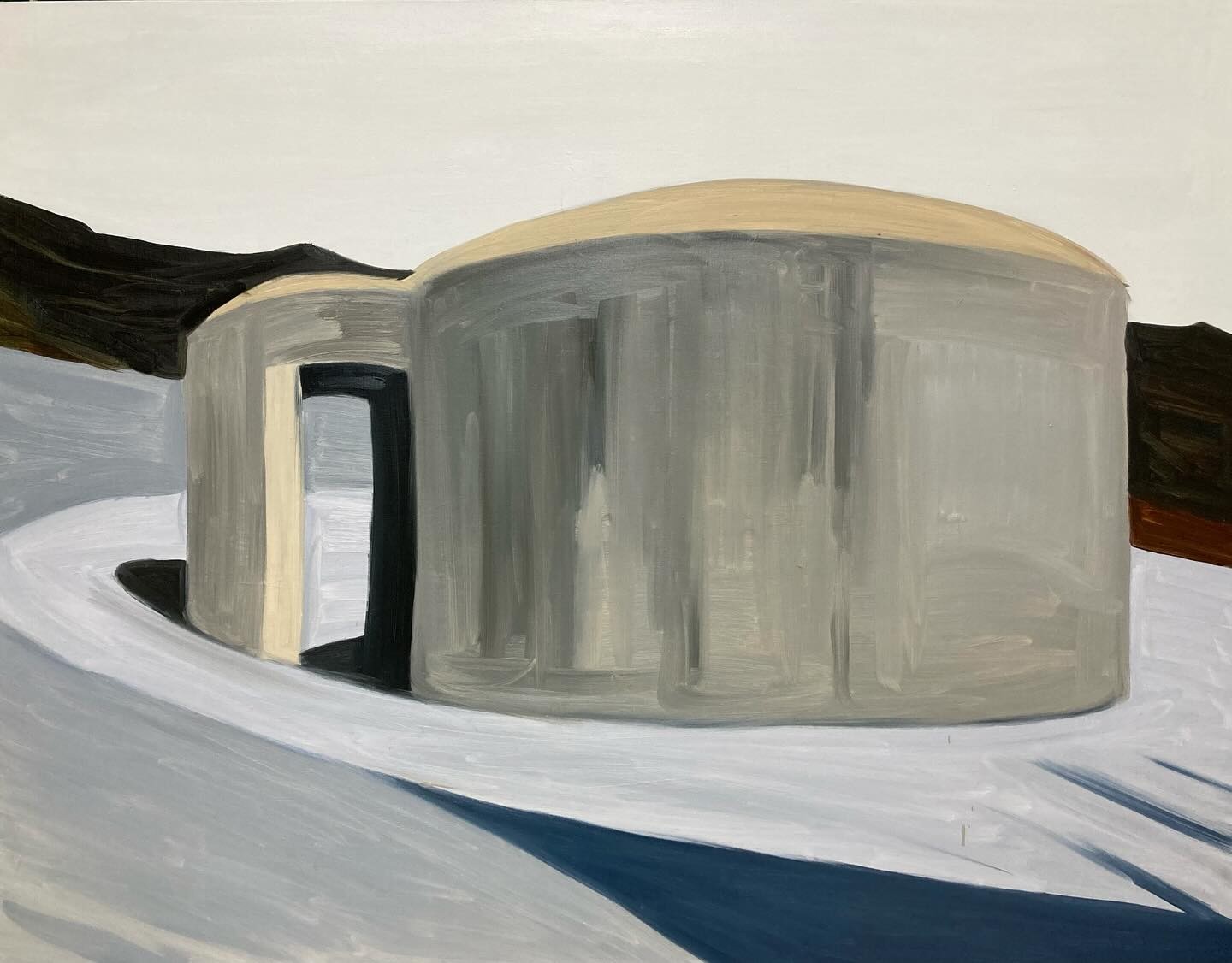
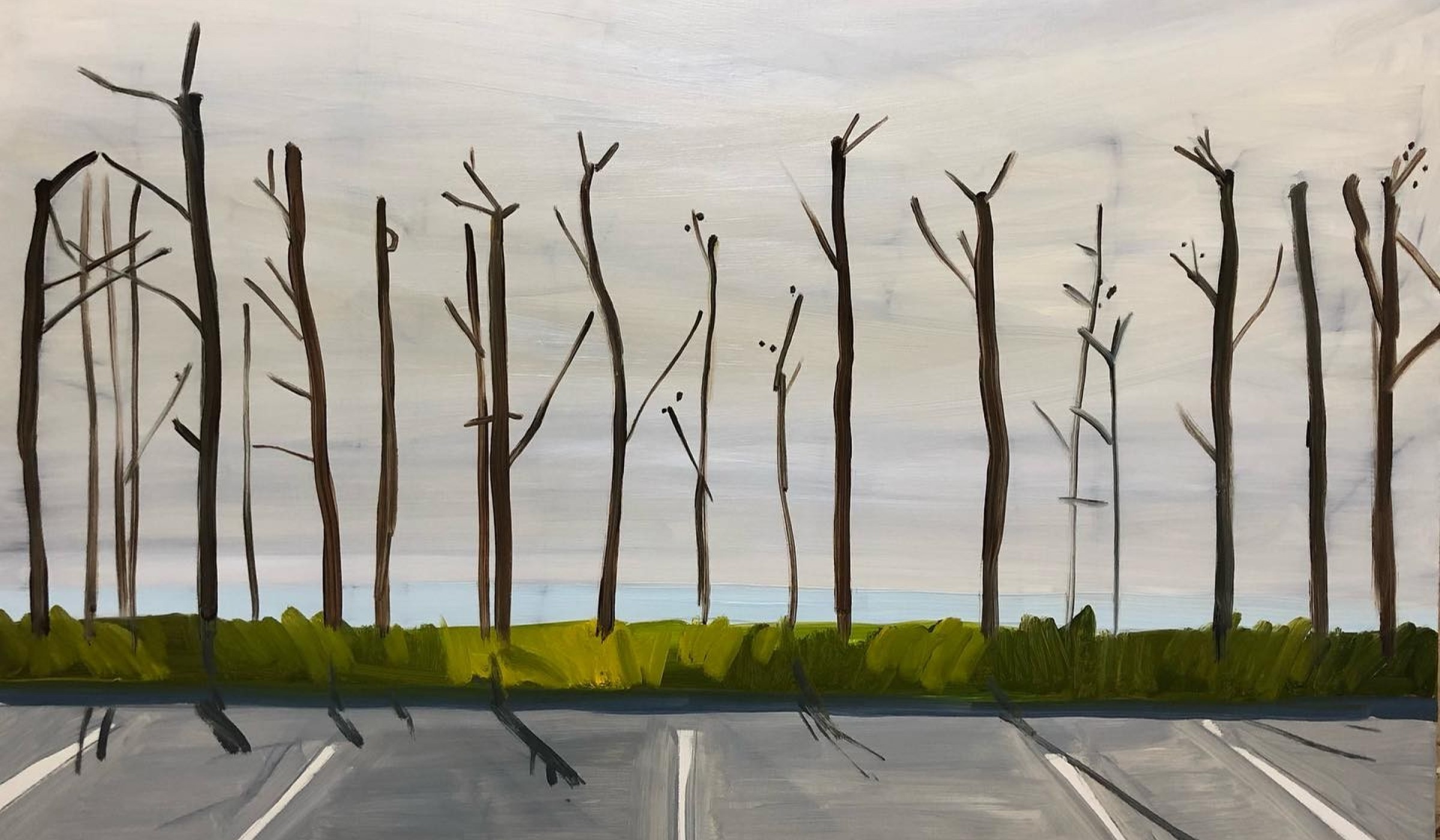
NK. I put on the colour tones as faithfully as possible to the real thing. I feel that changing the colour tones so drastically from the real thing is like creating a fiction in my mind. I also want to depict a landscape that spreads out into the distance, so I often leave the sky and other areas uncoloured, like a blank space, which may express a sense of distance.
CNTRFLD. Your work has been compared to the Yōga art movement, which bridges Japanese and Western influences. What aspects of this movement resonate with you, and how do you see it reflected in your art?
NK. The concept of “Yōga” (Western-style painting) was born in Japan in the late 19th century, and many Japanese began to learn and study oil painting techniques and began creating works in response to the realistic style of painting that did not exist in Japan at that time. Today, however, the only difference is in the materials used for painting, so the boundary between “Western-style painting” and “Nihonga” (Japanese-style painting) is very blurred. I remember that when I started my career in art, oil painting was already very popular and I started painting in oil without any doubts. In my case, my works have elements of Japanese-style painting, such as a two-dimensional view of objects and a spatial expression that makes use of the underlying surface to create a blank space that gives the impression of a three-dimensional space, which may be the reason for the comparison.
CNTRFLD. “VISTAS” explores the tension between intimacy and vastness, especially through your use of minimal human figures. How do you approach balancing these elements to create the feeling of “universal memories” in your landscapes? When I make a painting, I actually look at the scenery and compose it when.
NK. I take the picture. If there are people there, I paint people. I do not intentionally try to create a universal sense of memory, but when I paint a landscape, I want to paint it as if I were taking a snapshot, so I think that my landscape paintings have a universal feel.