There is a point, in every technological ambition, where the trajectory begins to turn. Not at launch, nor at peak velocity, but in the quiet, inevitable moment after—when systems decay, materials drift, and intention gives way to entropy. It is precisely here that Xin Liu situates her practice.
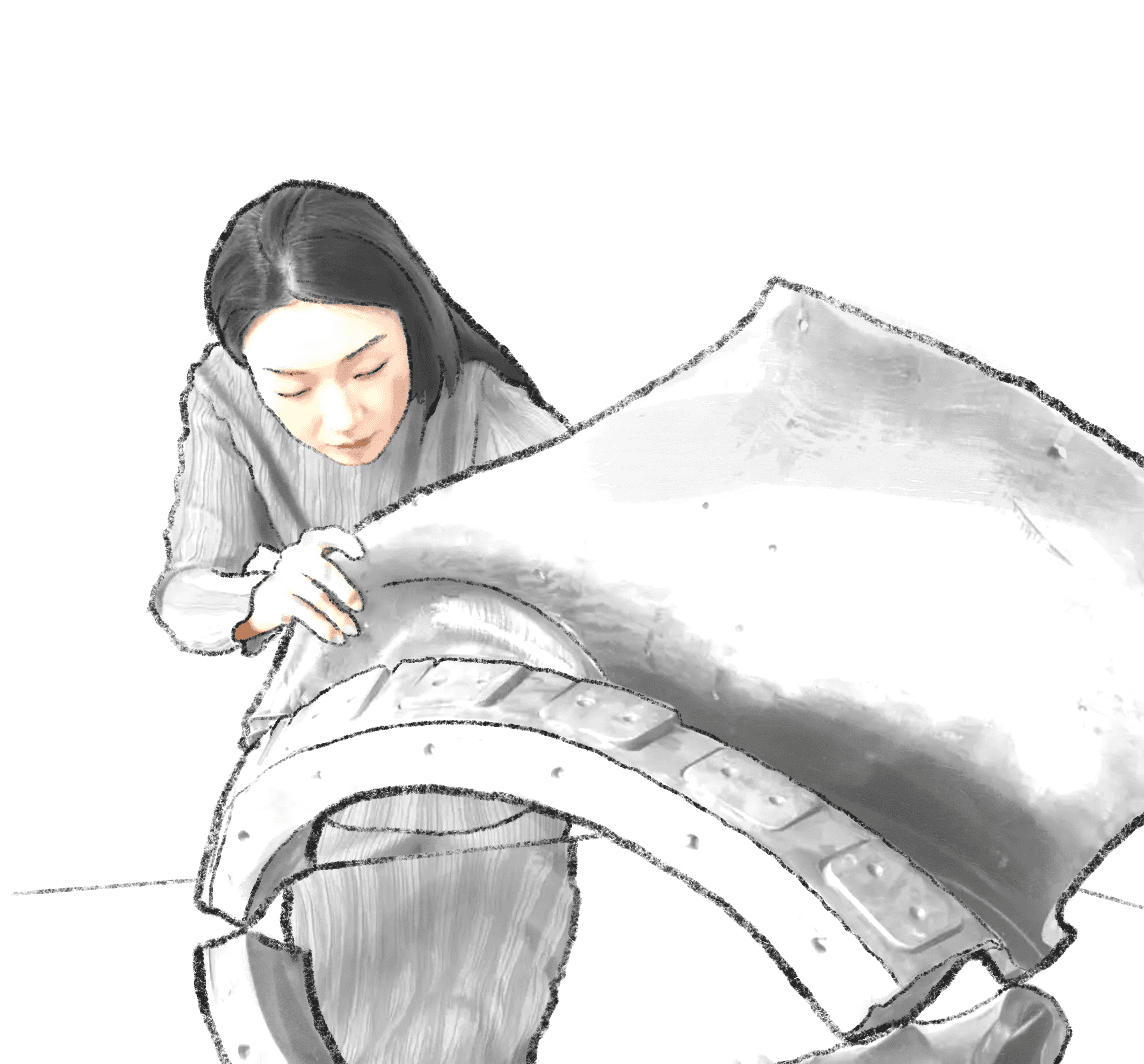
Now based in London and newly represented by Public Gallery, Liu’s work unfolds across scientific, ecological, and cosmic registers—less concerned with innovation as progress, and more with what remains in its wake. Her recent announcement with the gallery marks a moment of consolidation: a practice long operating across disciplines entering sharper institutional focus.
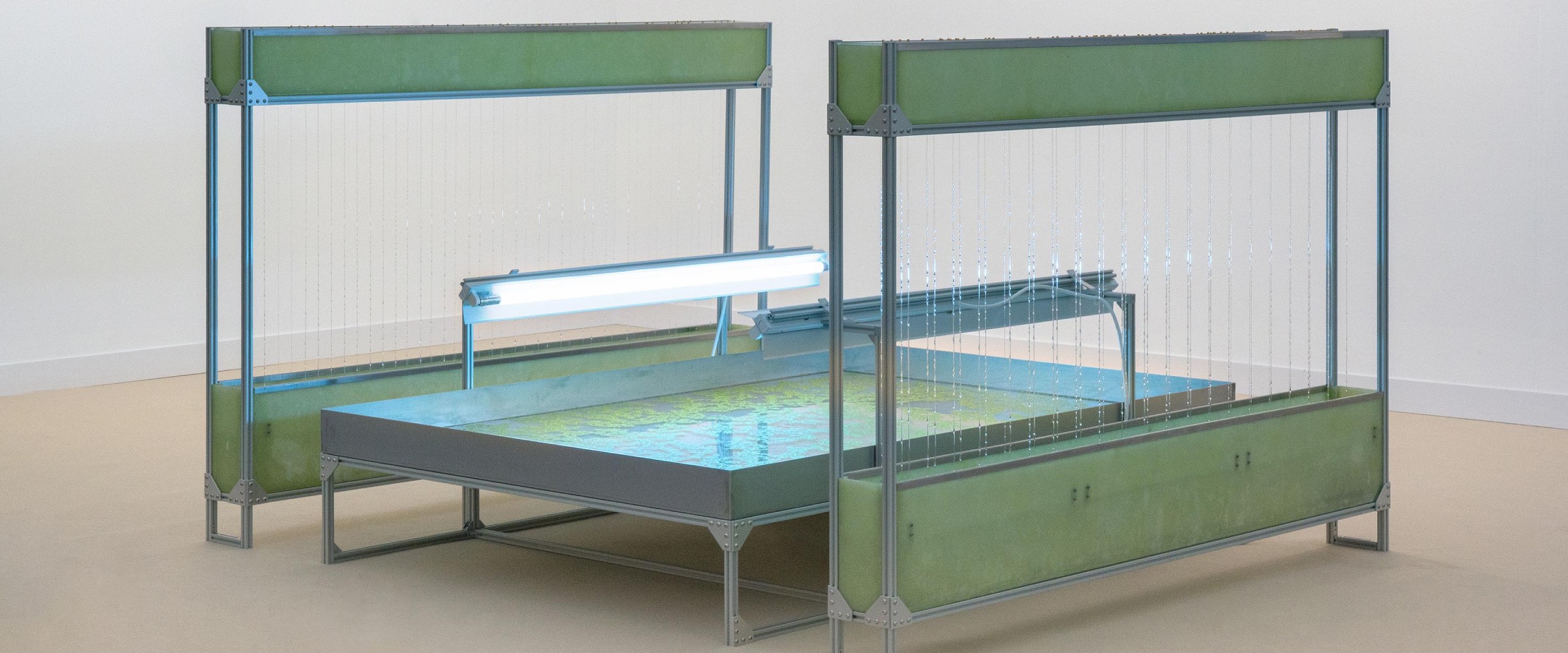
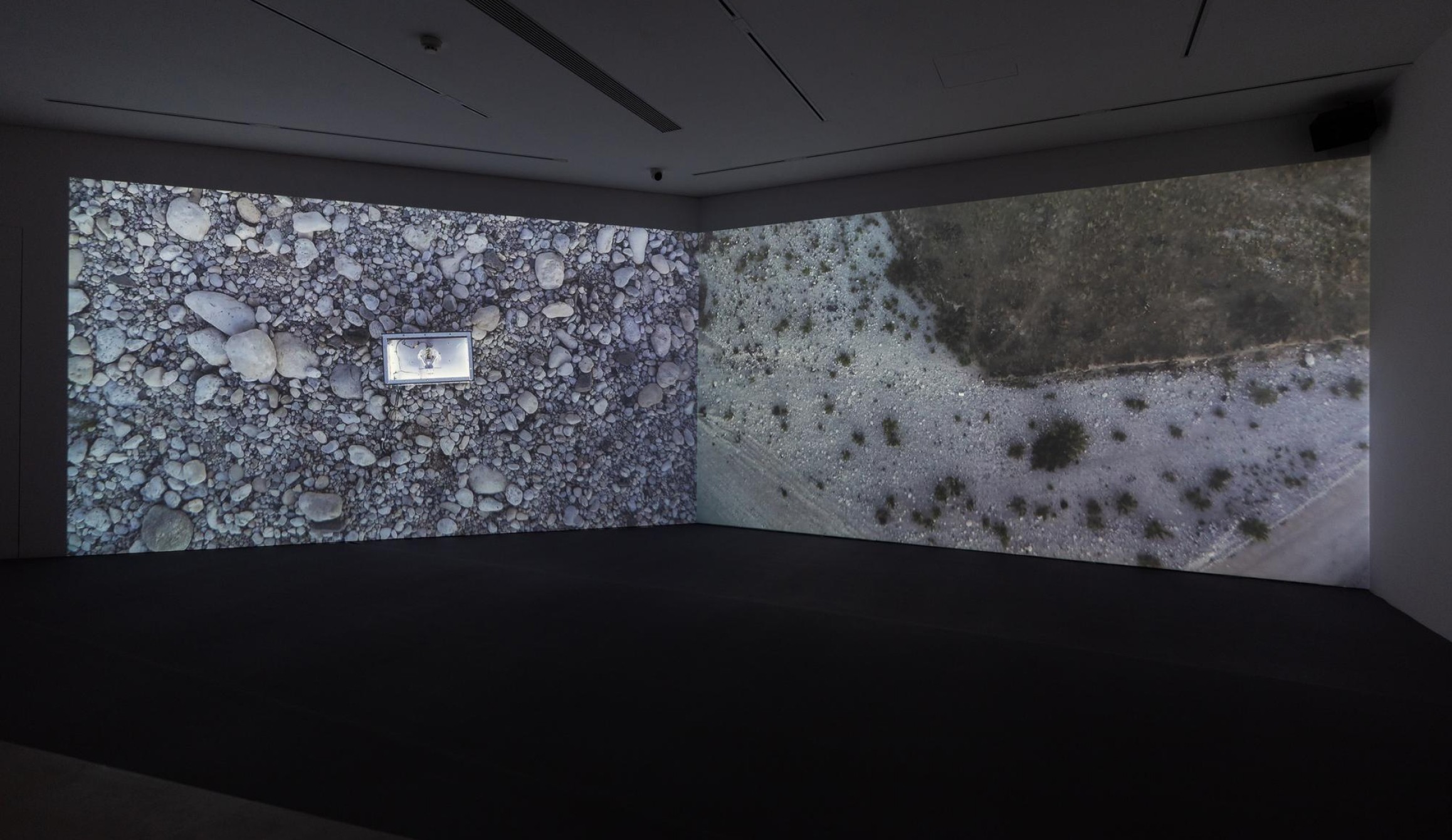
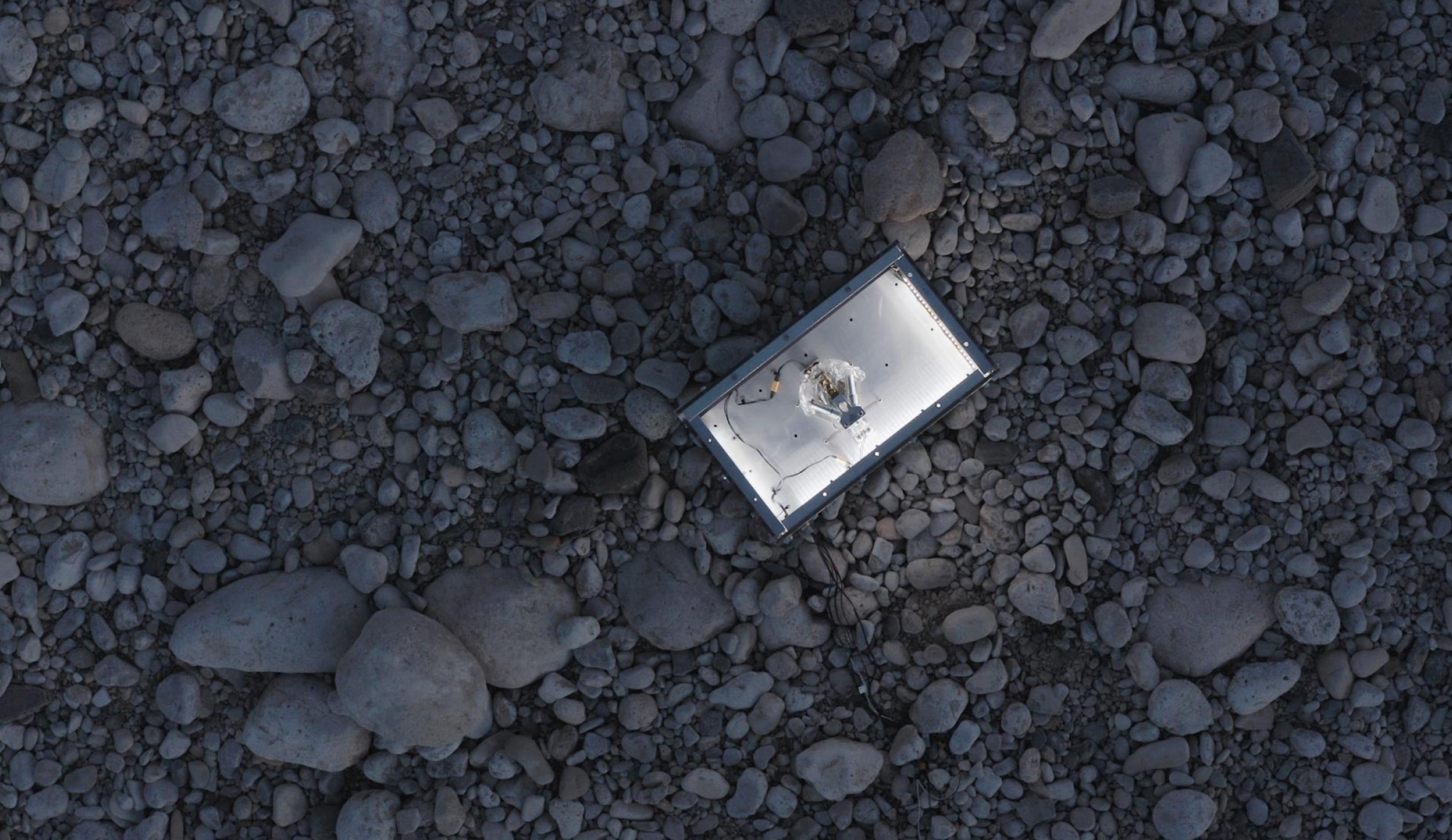
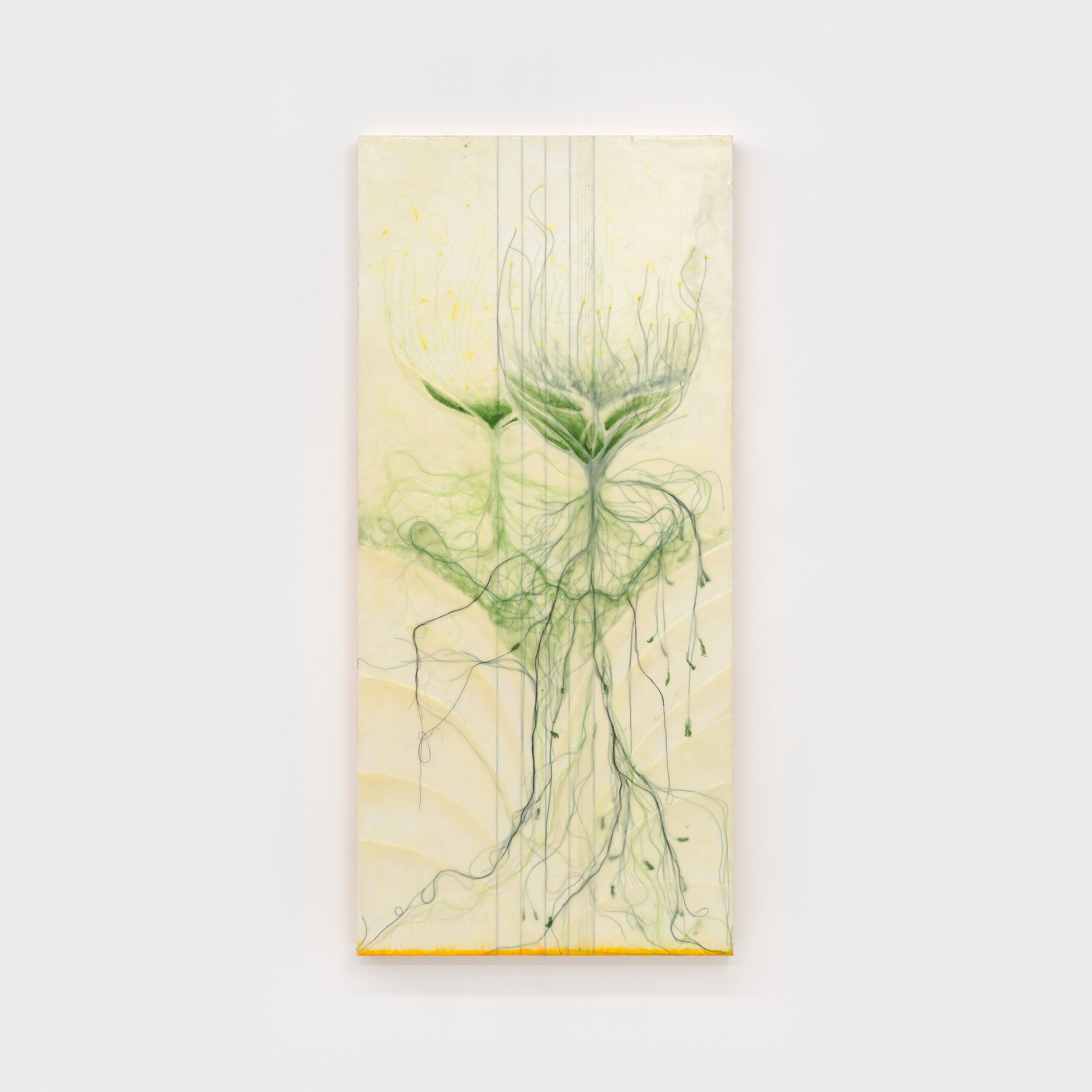
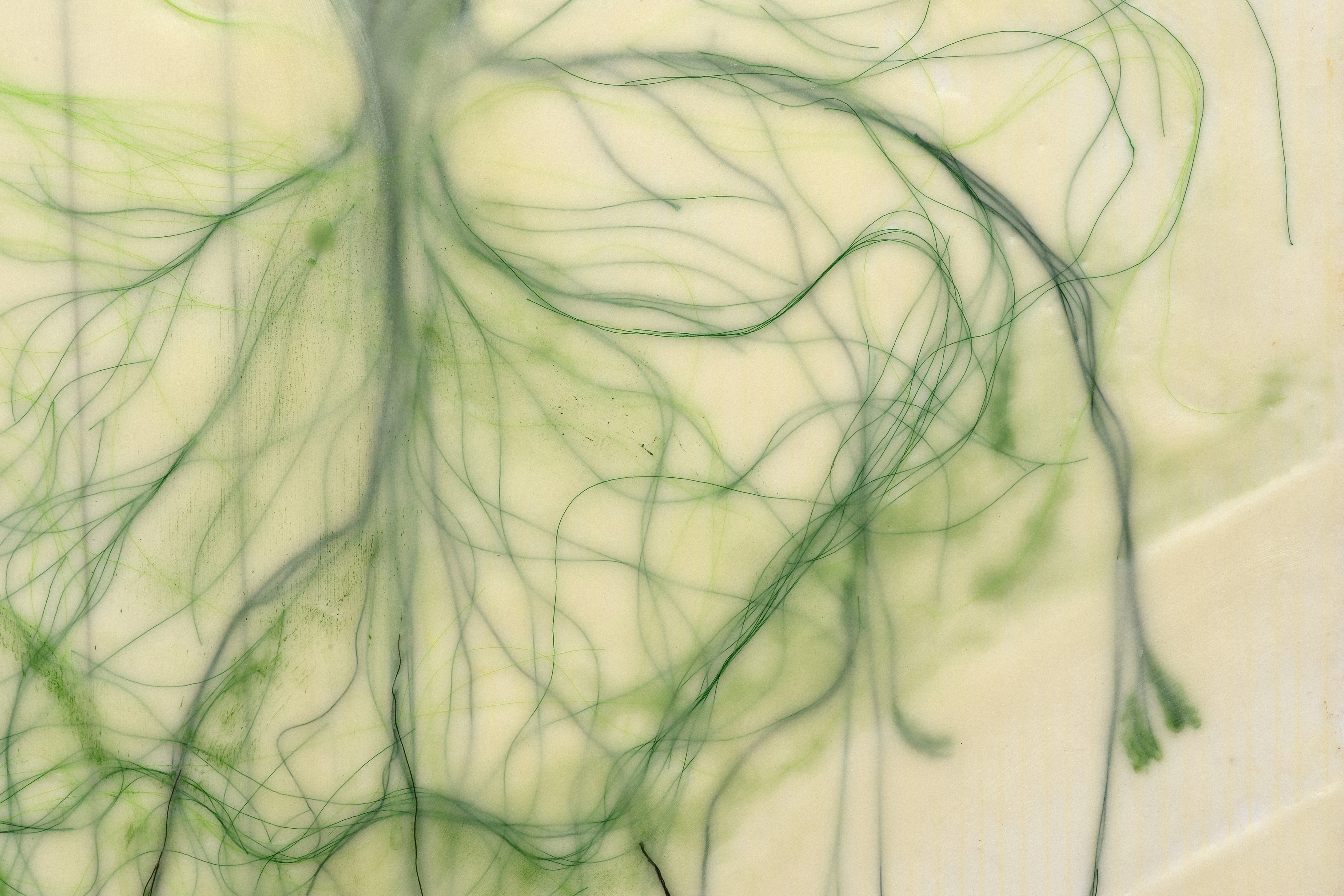
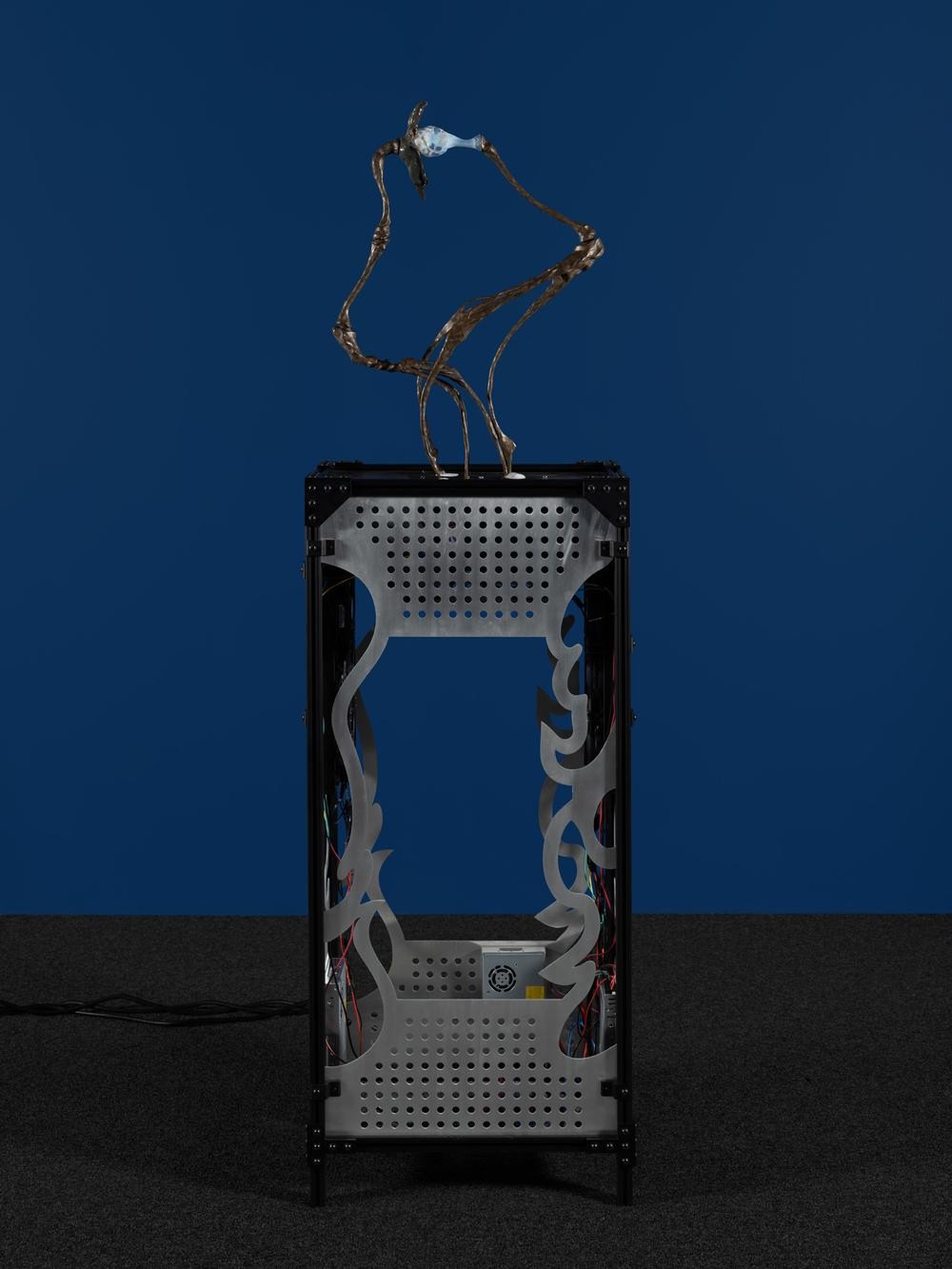
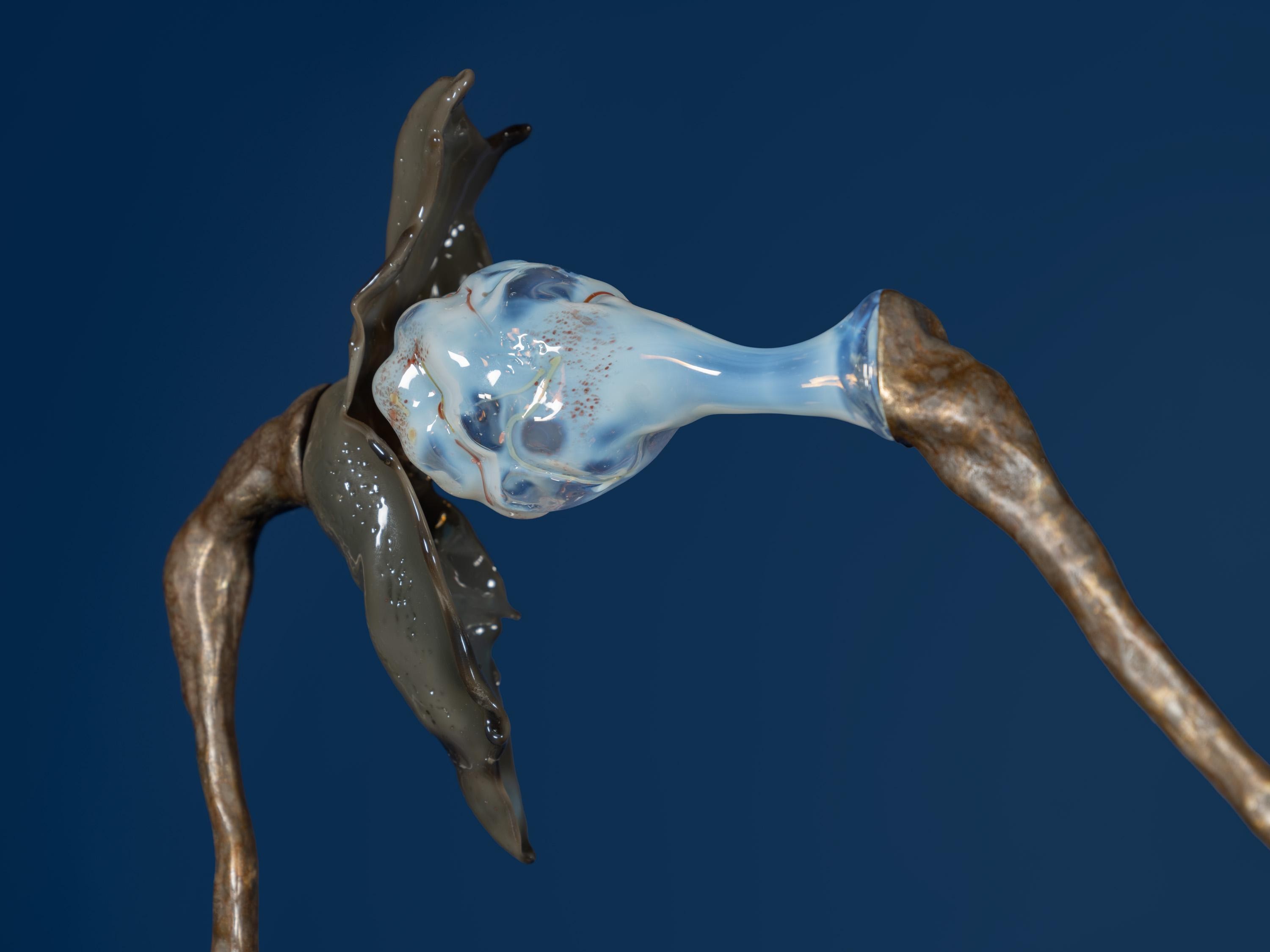
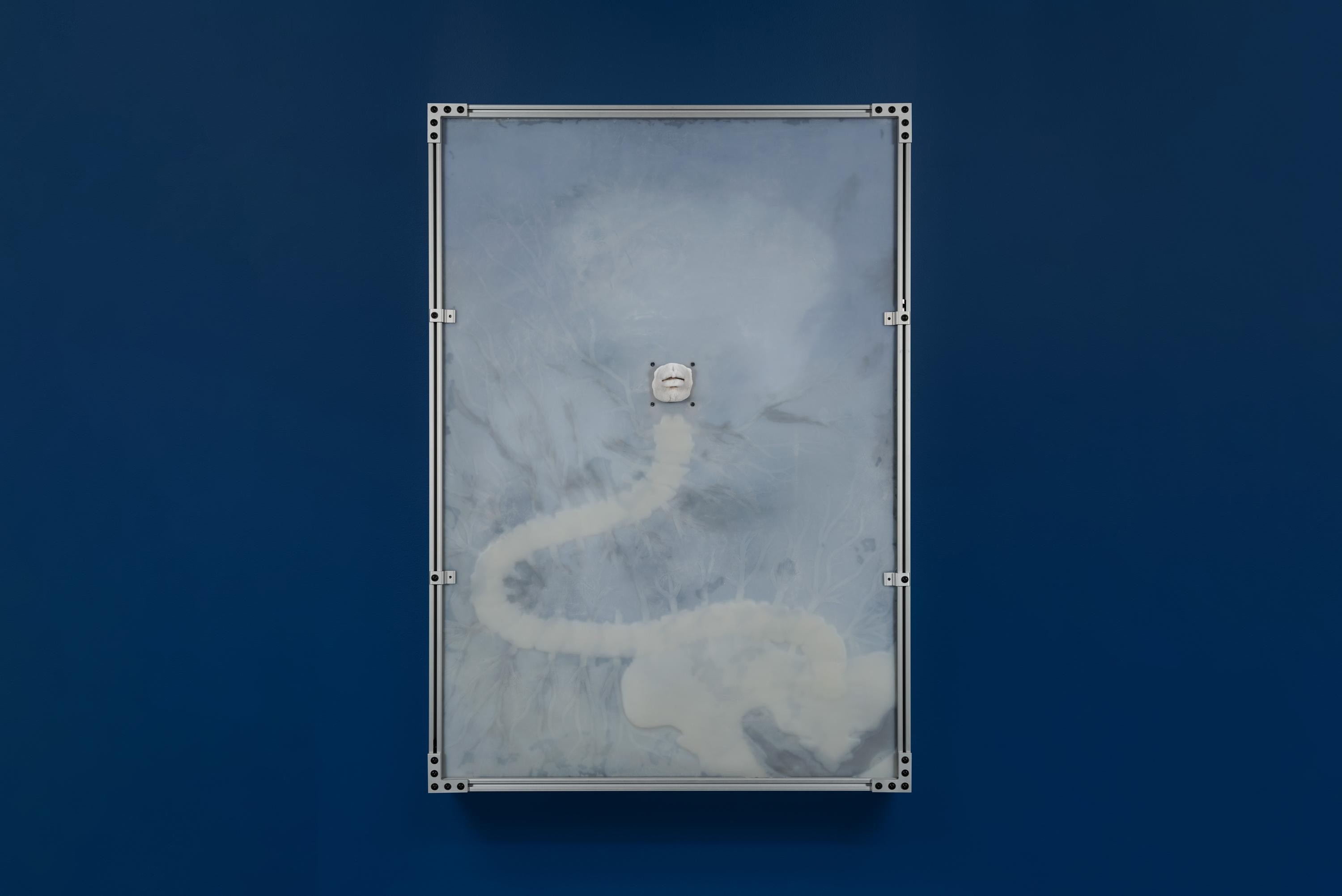
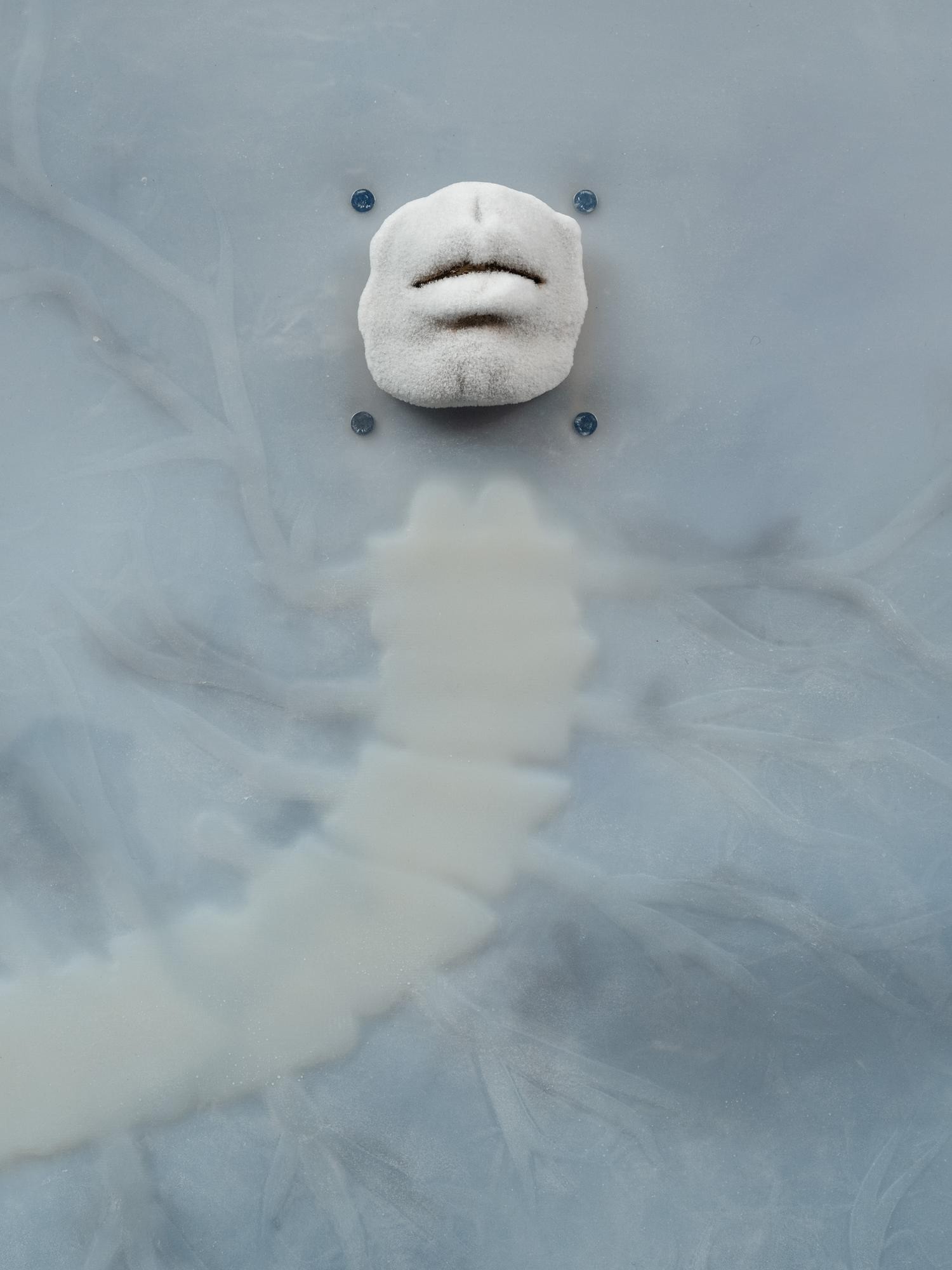
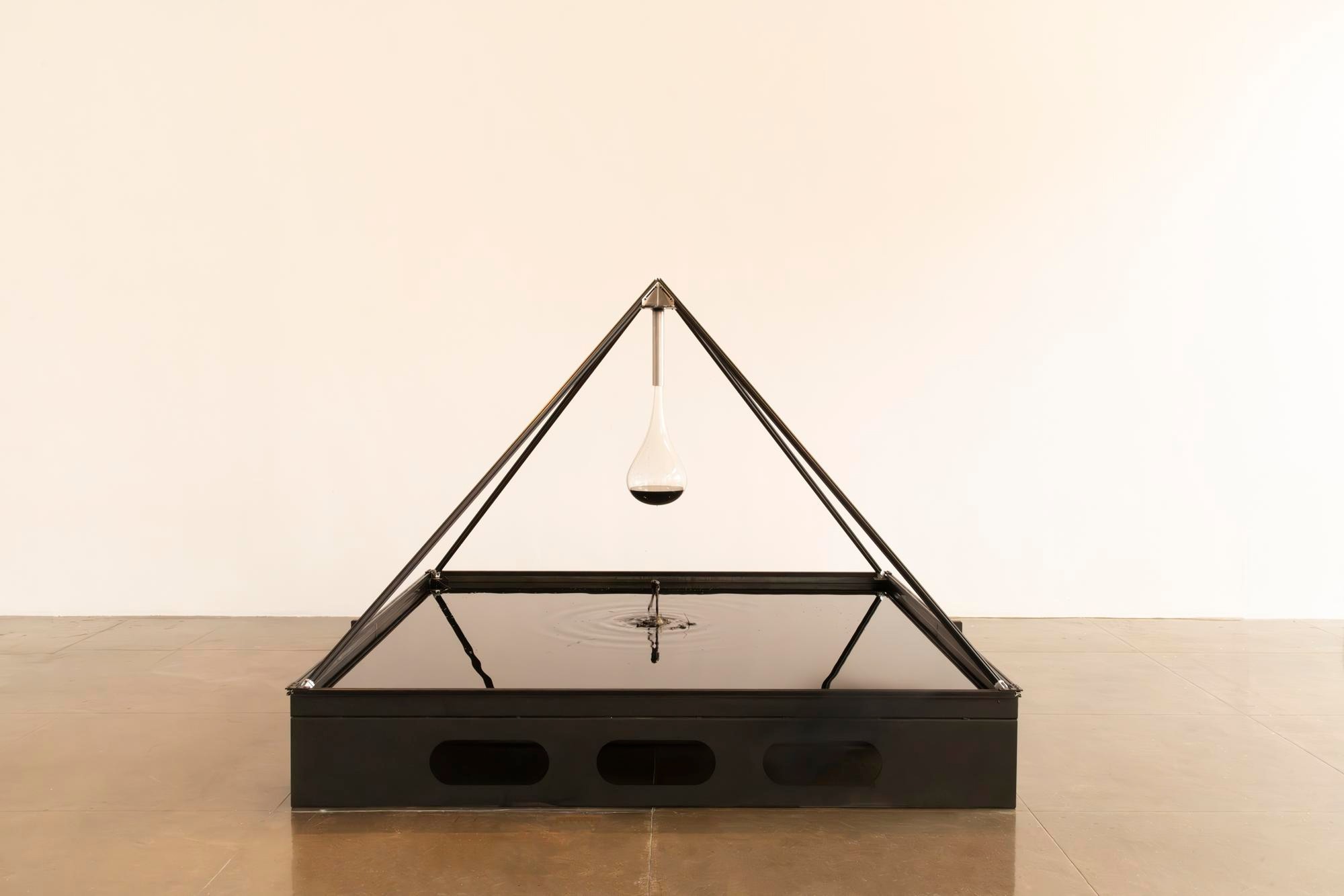
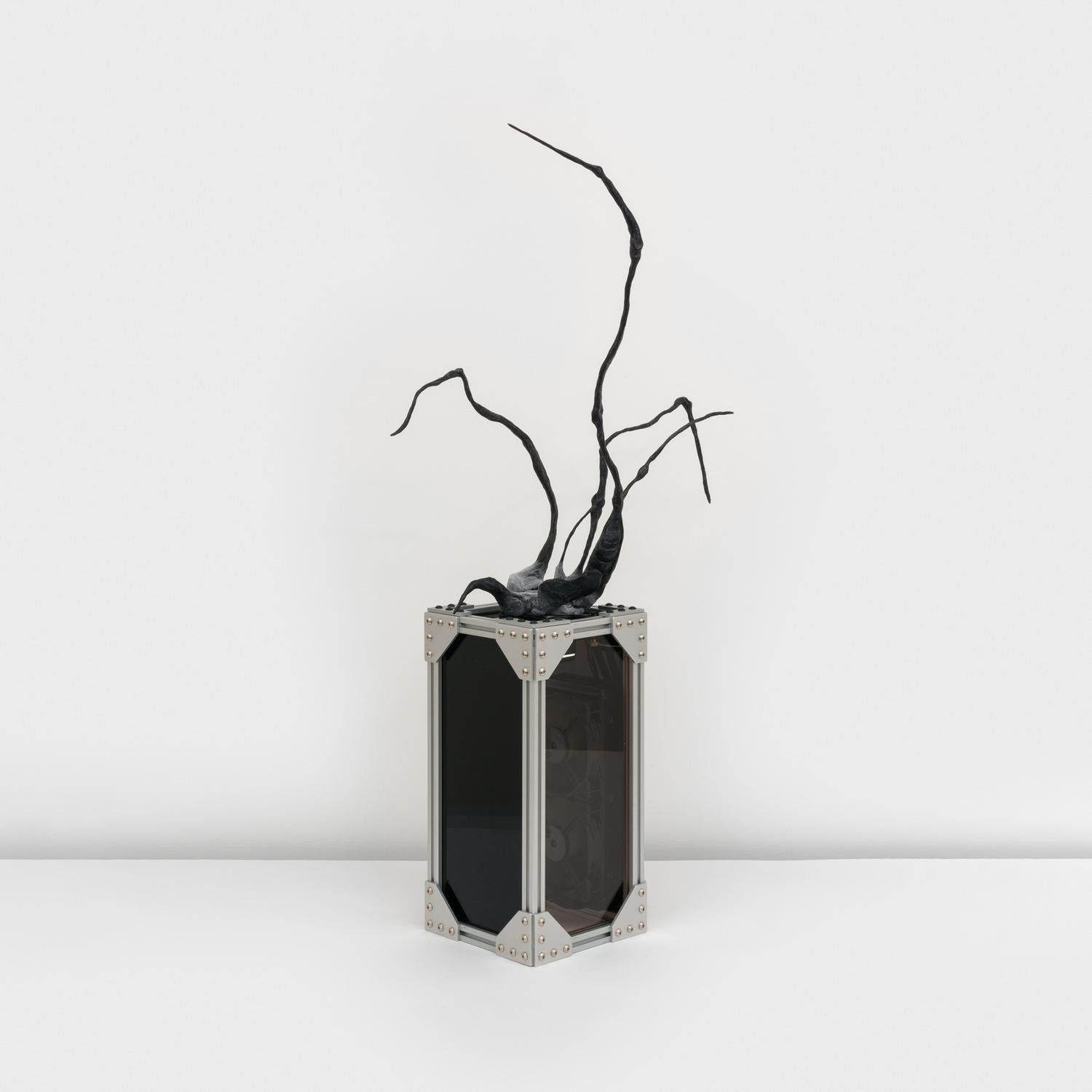
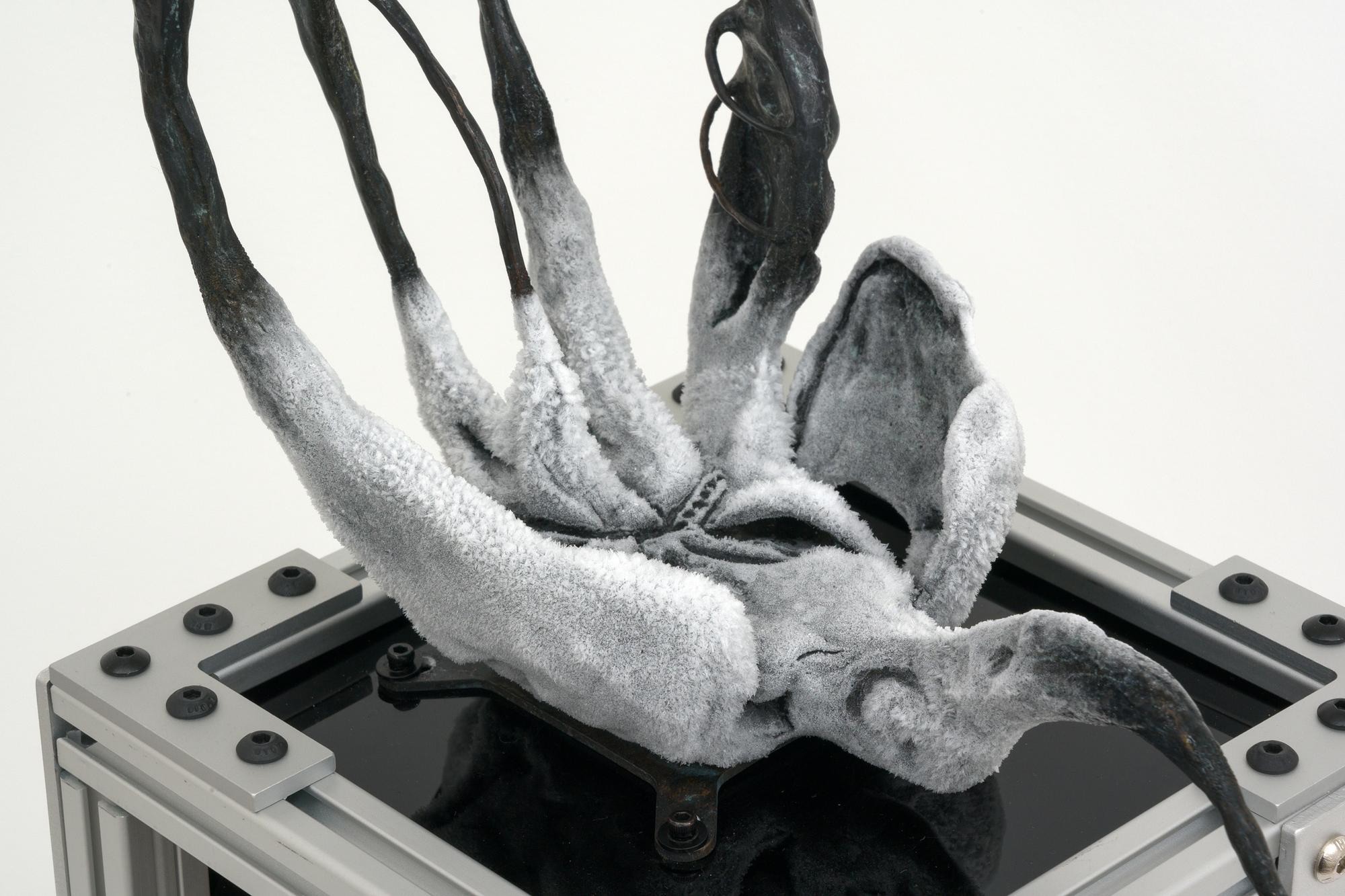
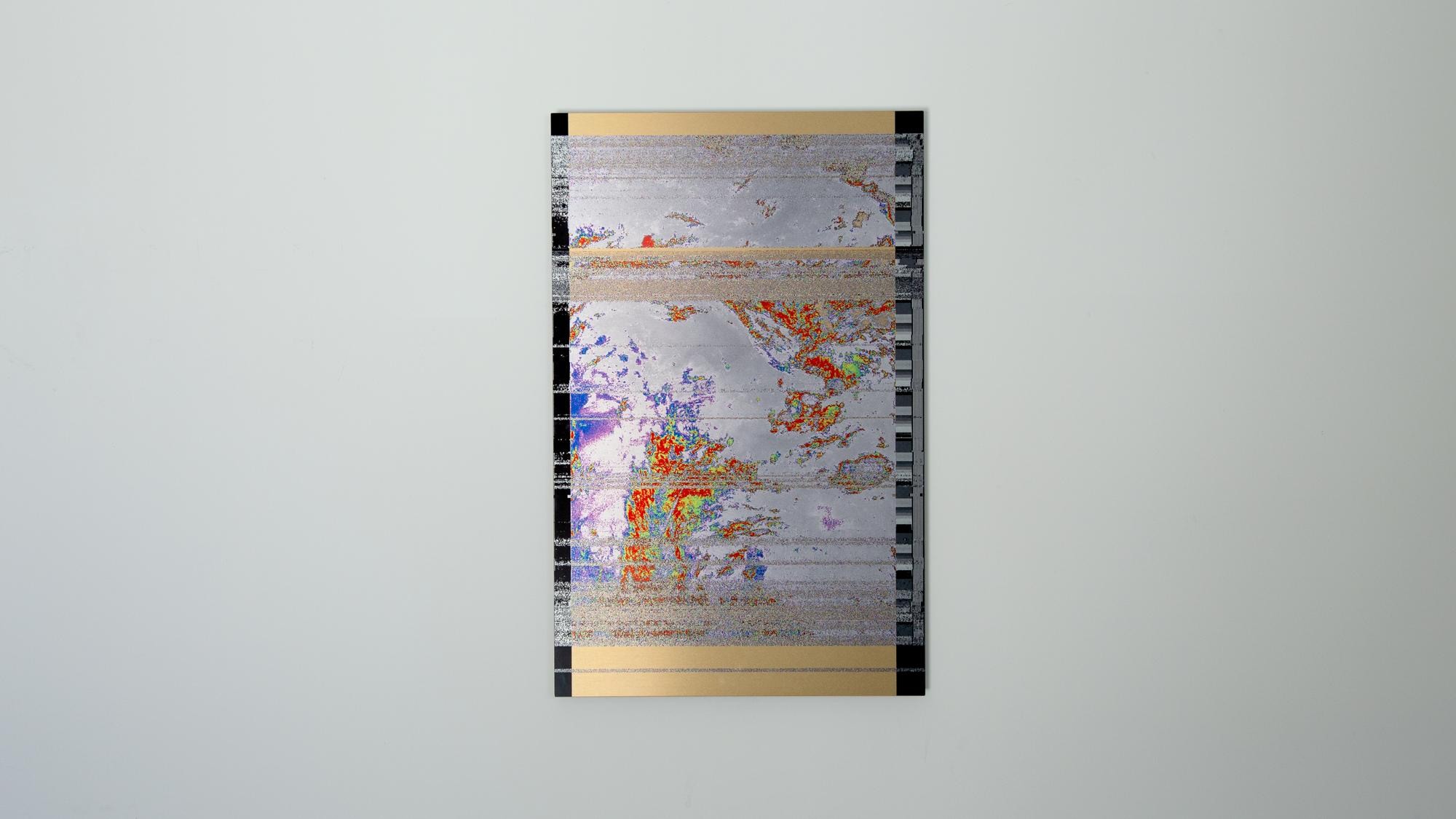
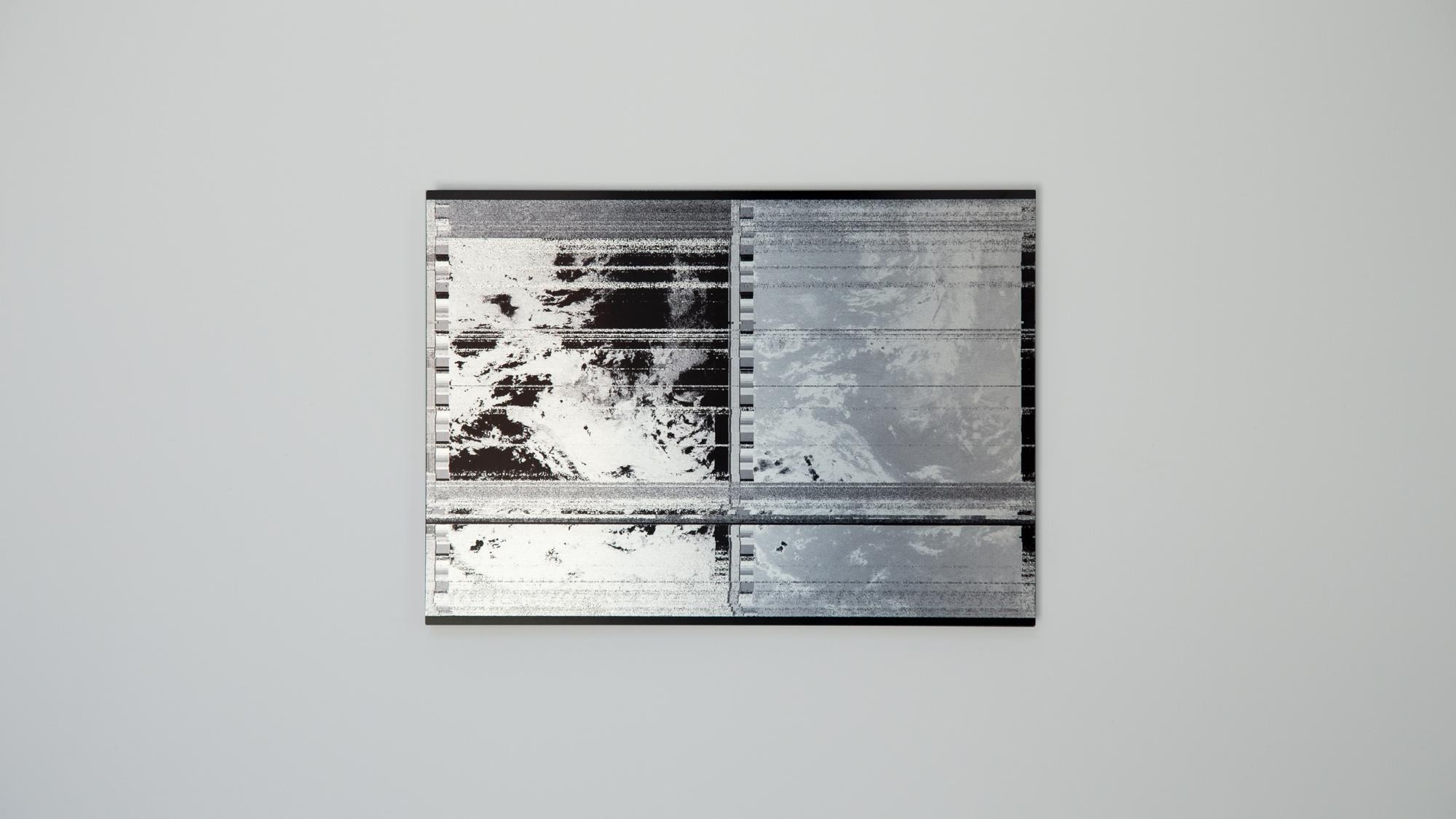
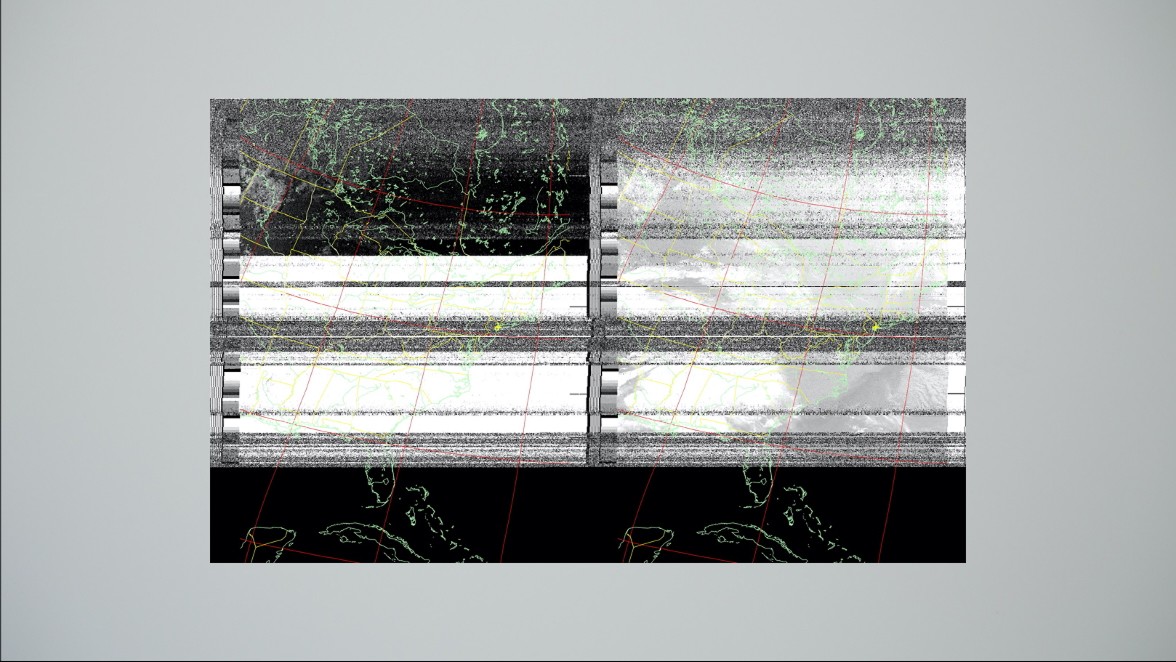
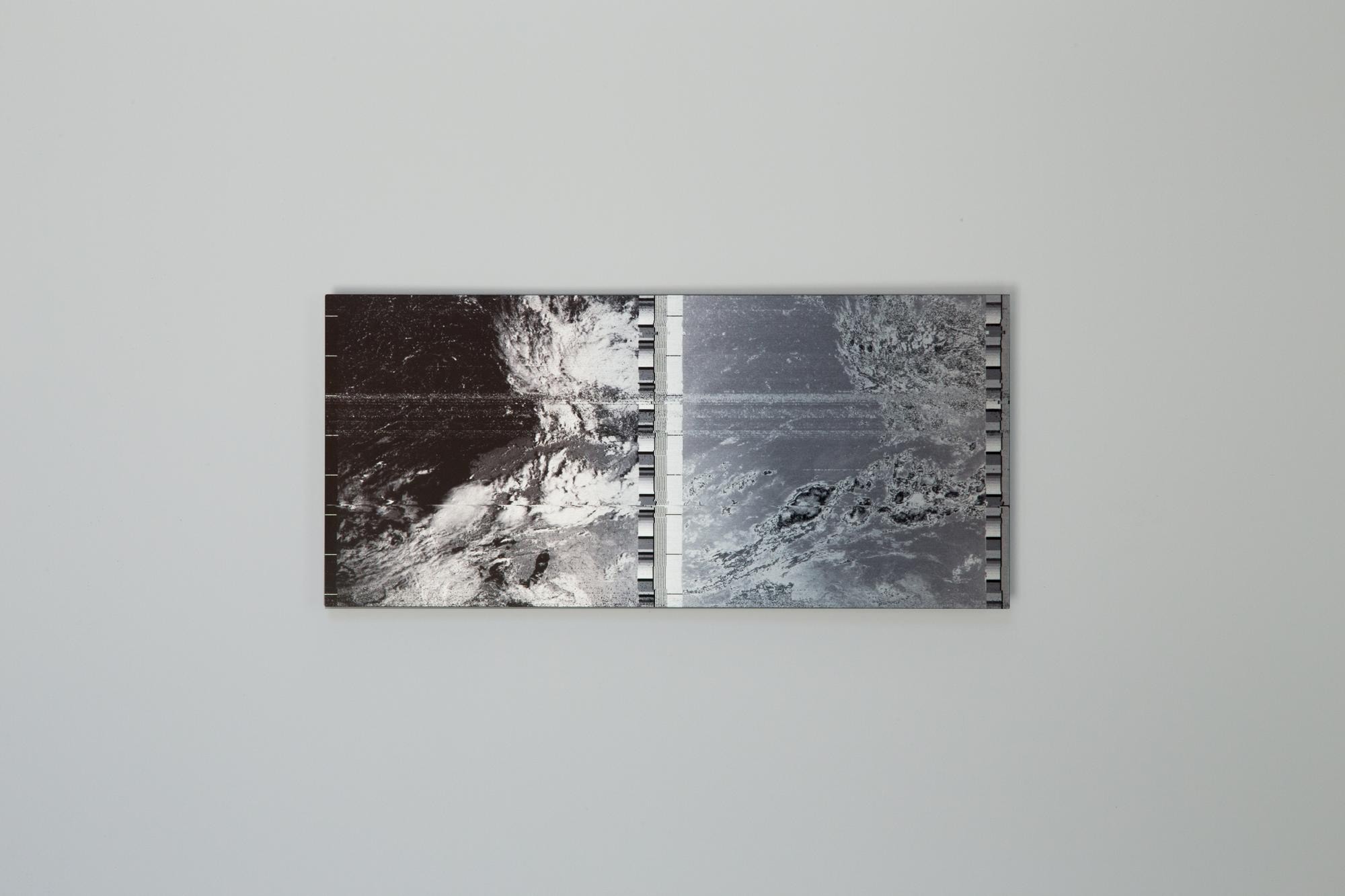
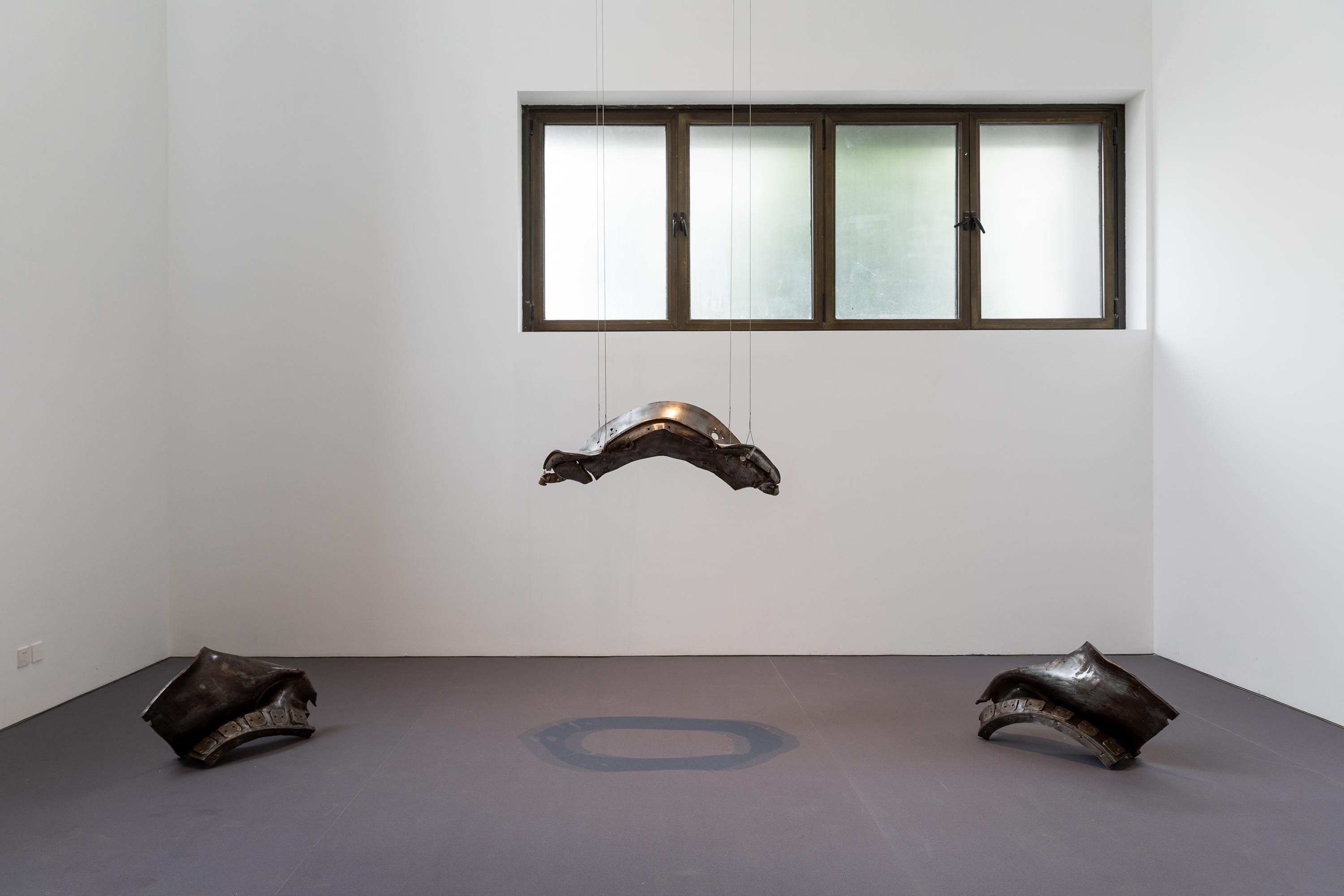
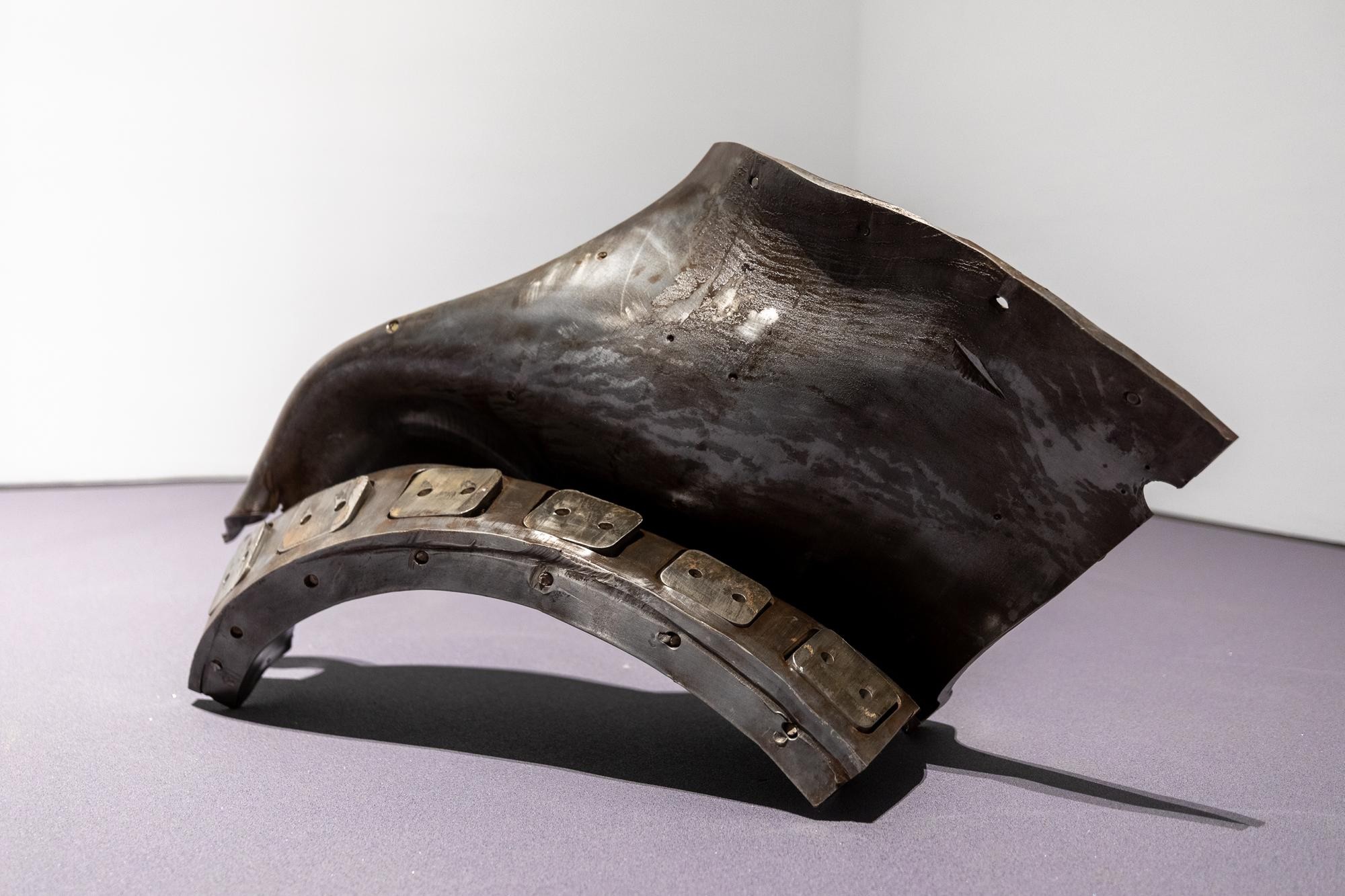
At the centre of Liu’s thinking is what she terms Cosmic Metabolism—a conceptual framework that treats technological systems as living, digesting entities. Rockets shed fragments that fall back to Earth; cryogenic vessels suspend organic life between preservation and decay; satellites continue to transmit long after their intended lifespan. Across these works, exhaust is not failure but a generative condition.
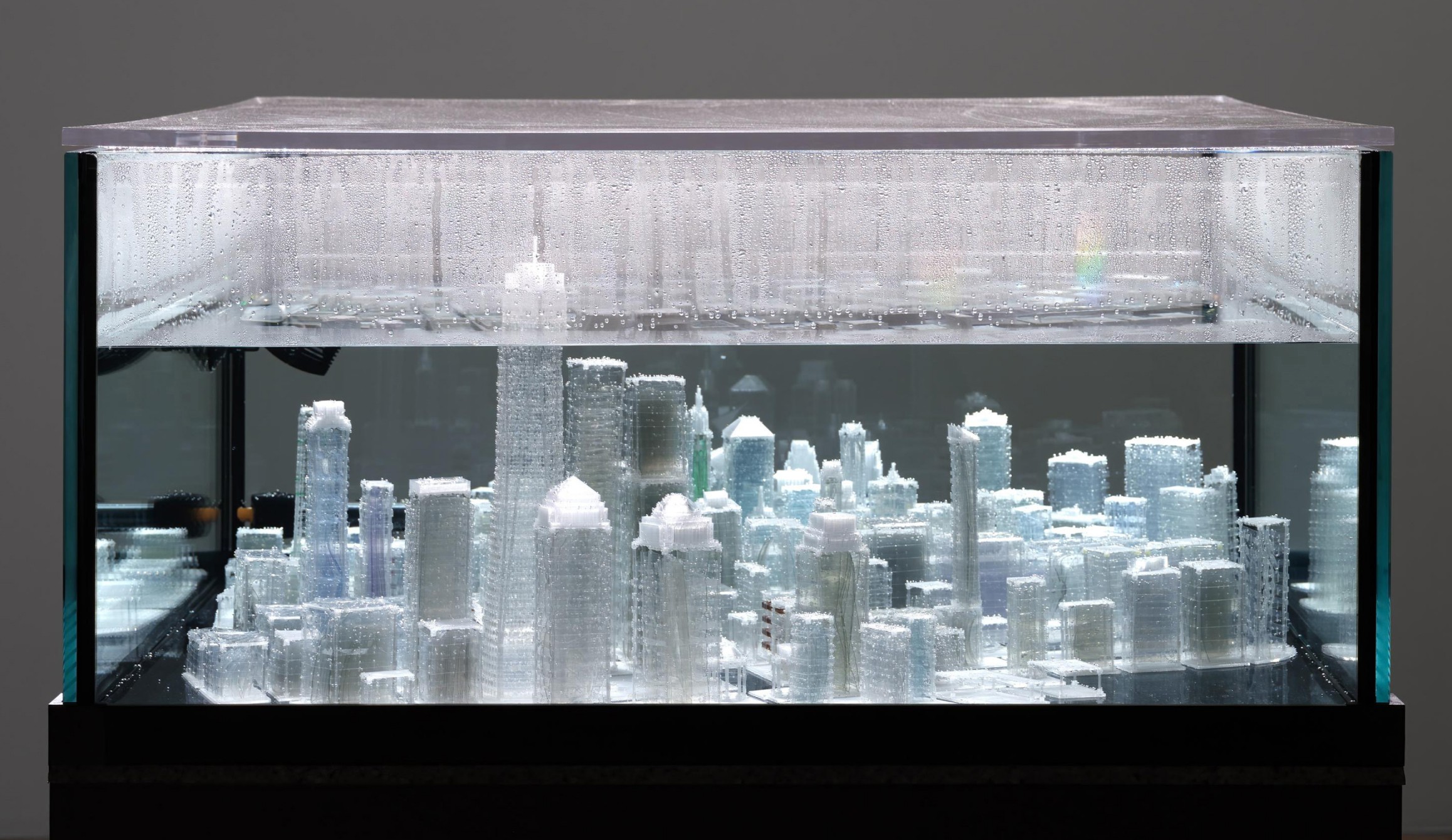
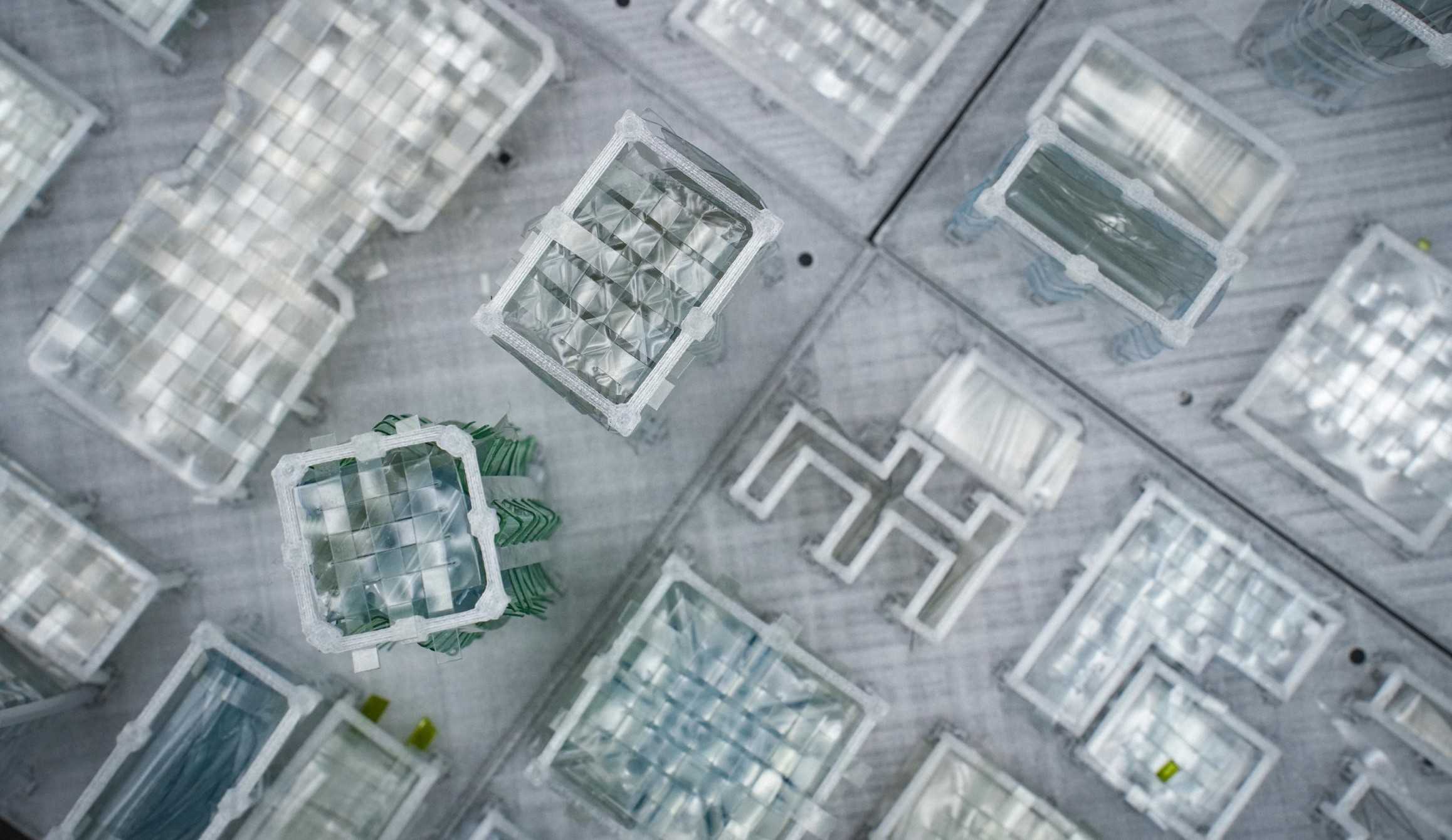
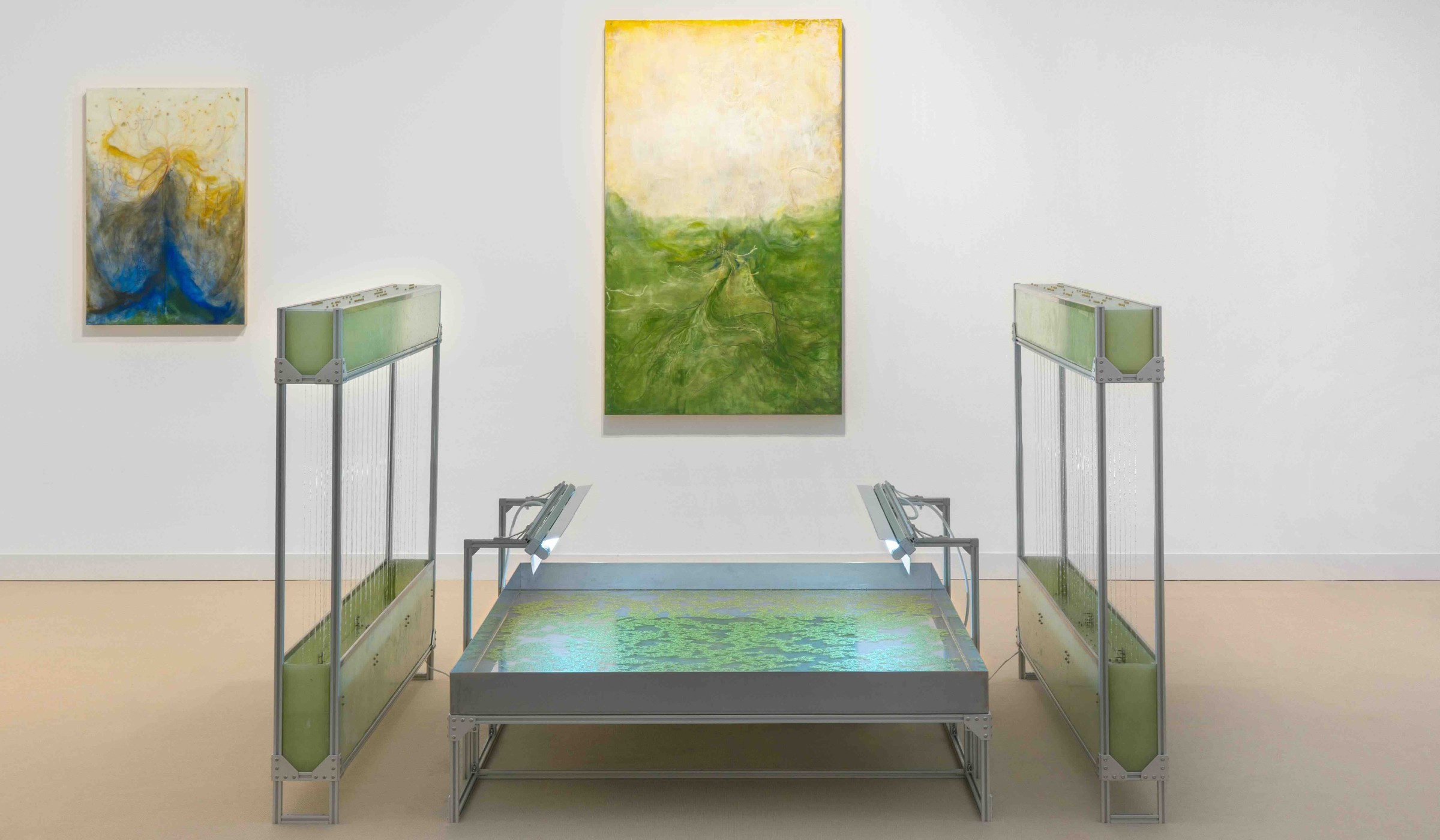
This logic extends through her recent projects. In The Permanent and Insatiable, Liu constructs dissolving cityscapes from PET plastics, suspended within bioreactors where enzymatic processes slowly degrade the material over time. Developed in part from her own scientific research—including a plastic-degradation payload sent to the International Space Station—the work stages a confrontation between industrial permanence and biological appetite.
What emerges is not simply a critique of material excess, but a reorientation of authorship itself: the work continues beyond the artist, beyond the institution, unfolding through processes that cannot be fully controlled.
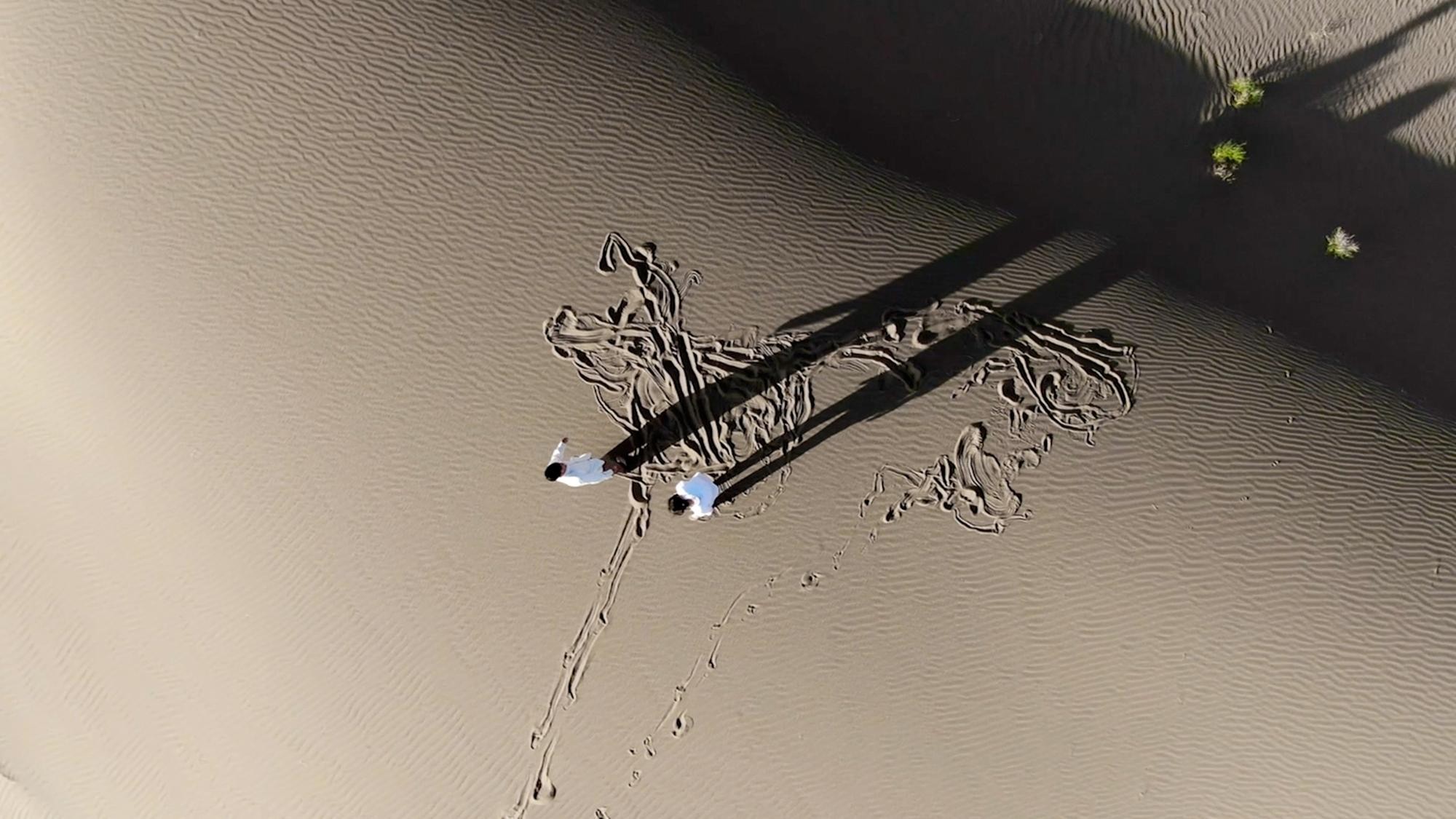
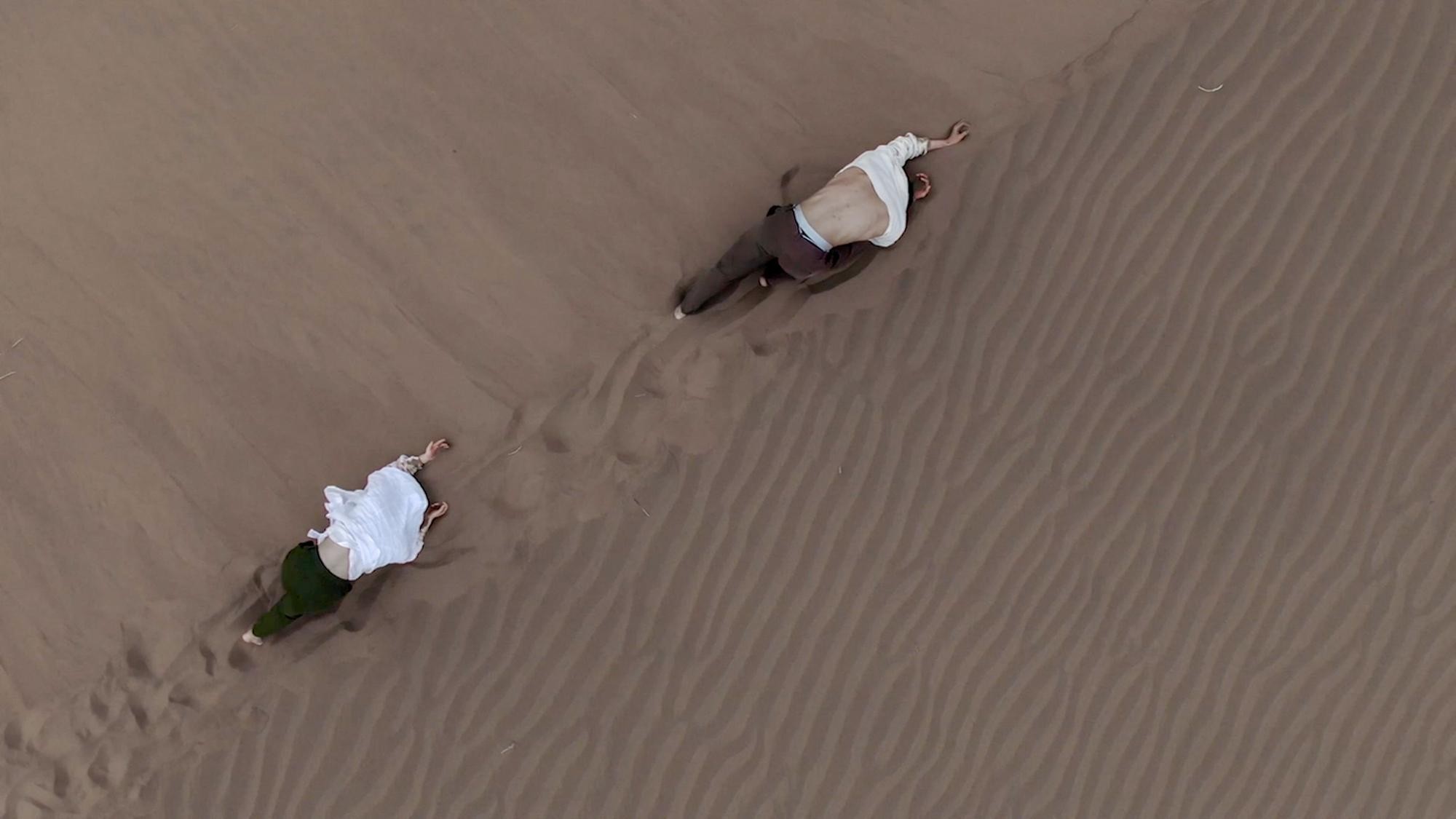
This question of scale—temporal, ecological, planetary—becomes more pronounced in Liu’s forthcoming projects. A new iteration of The Permanent and Insatiable responds to the environmental collapse of the Aral Sea, extending her enquiry into systems of extraction and irreversible transformation. The work is expected to unfold within the wider context of the Venice Biennale, situating her practice within a global conversation on climate, technology, and survival.