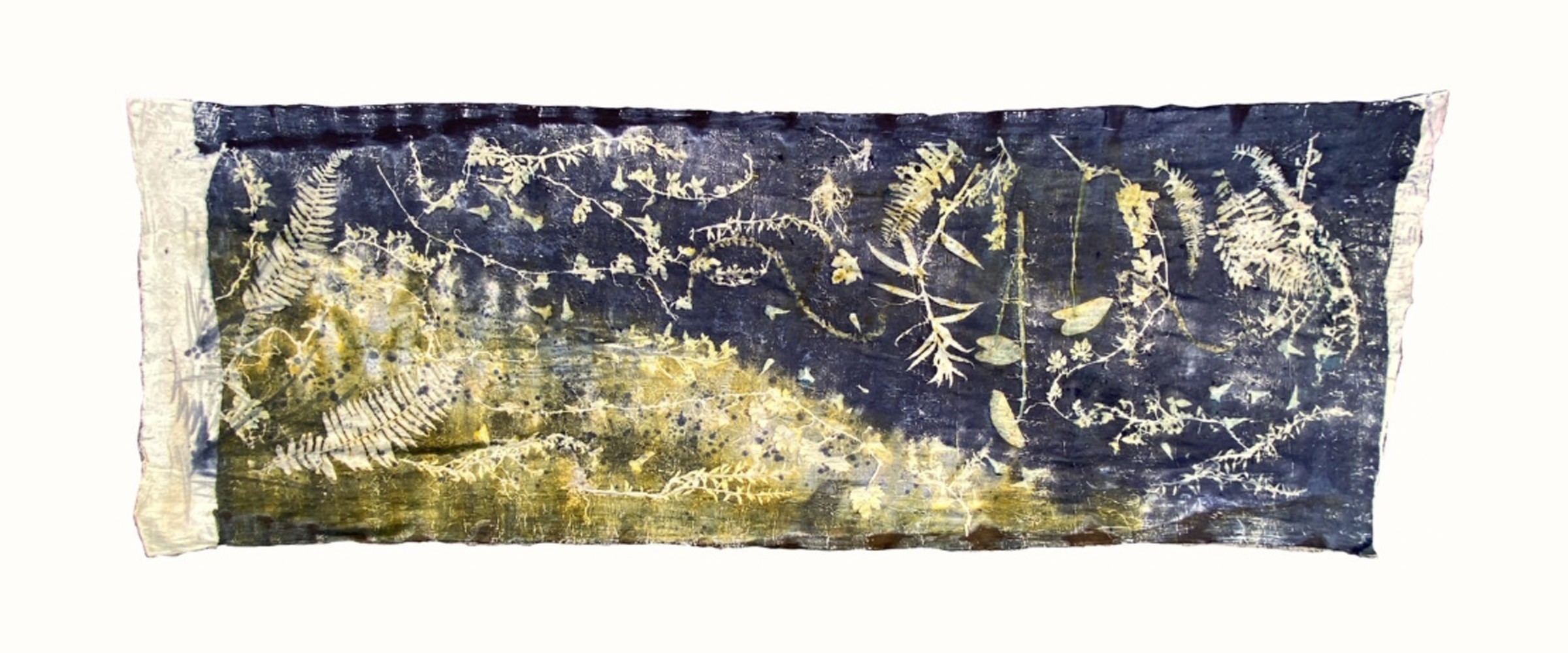
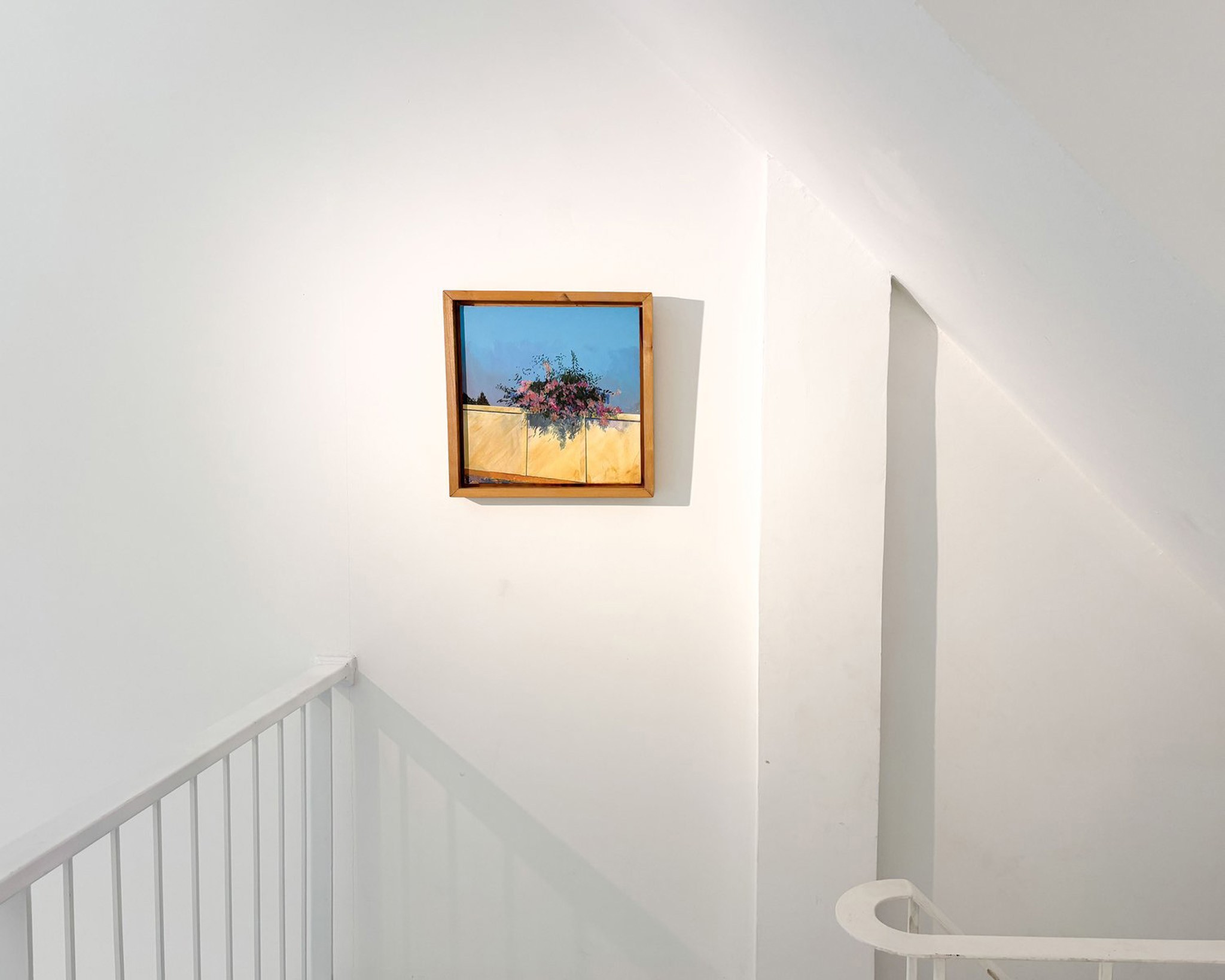
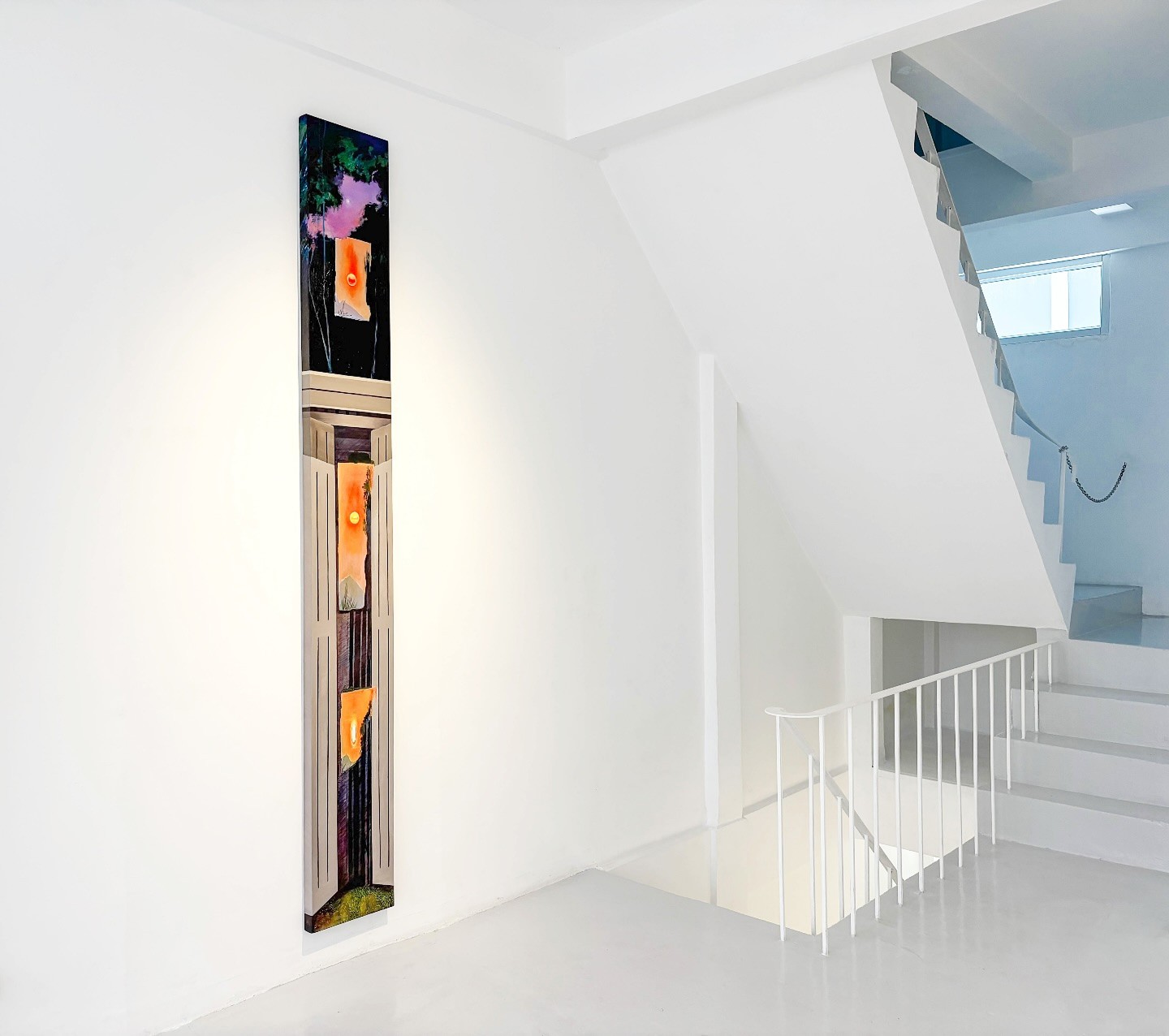
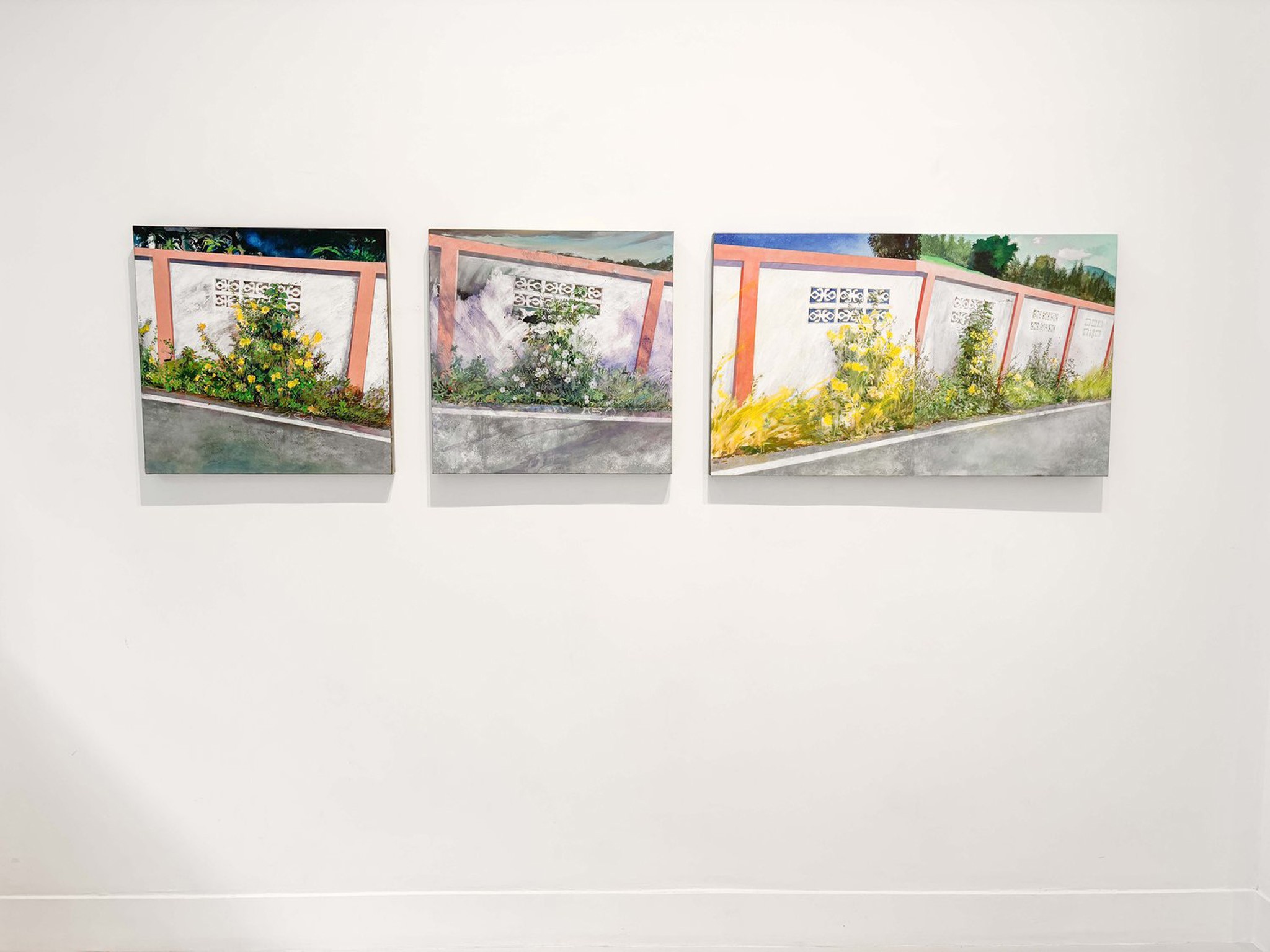
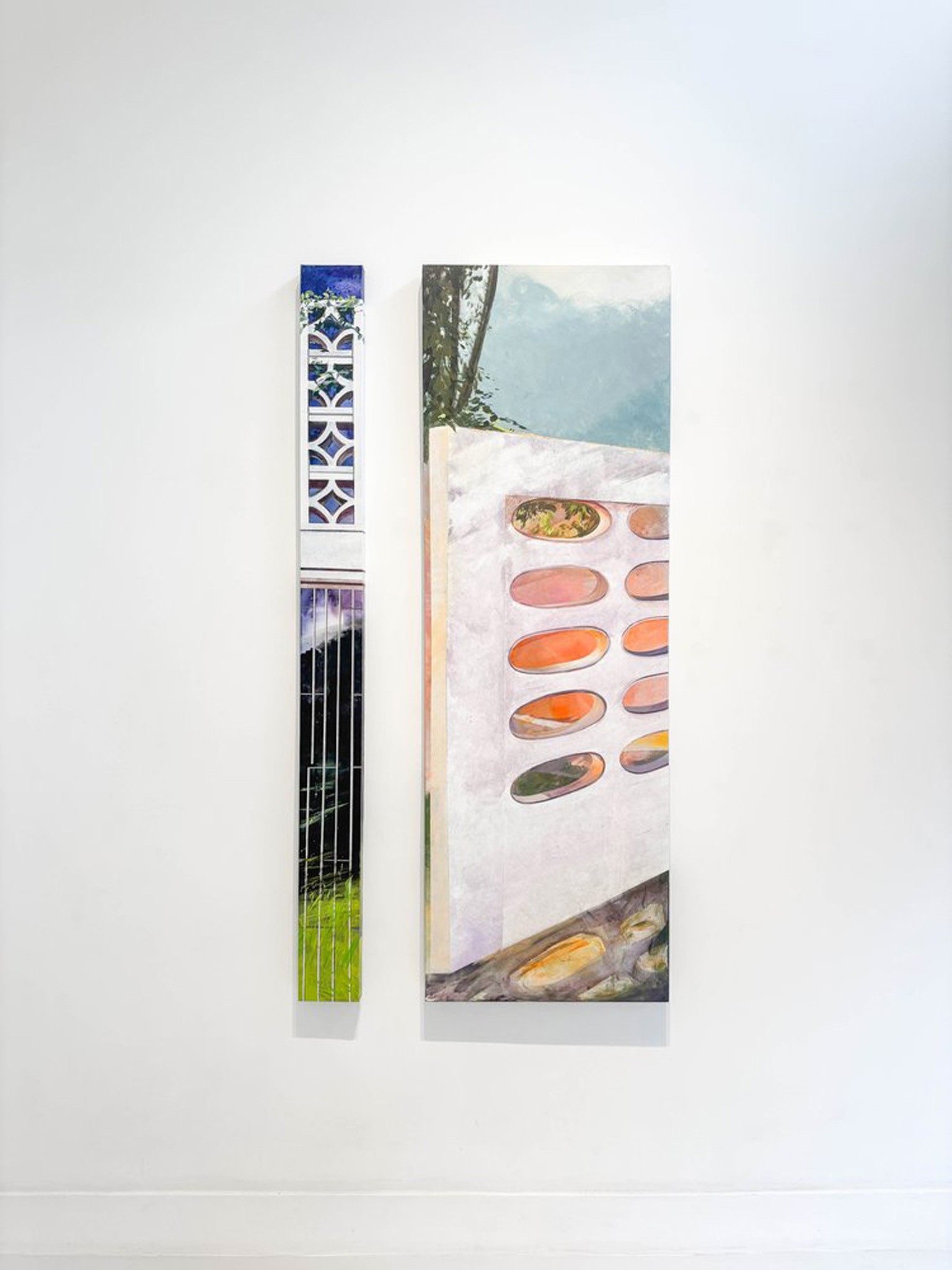
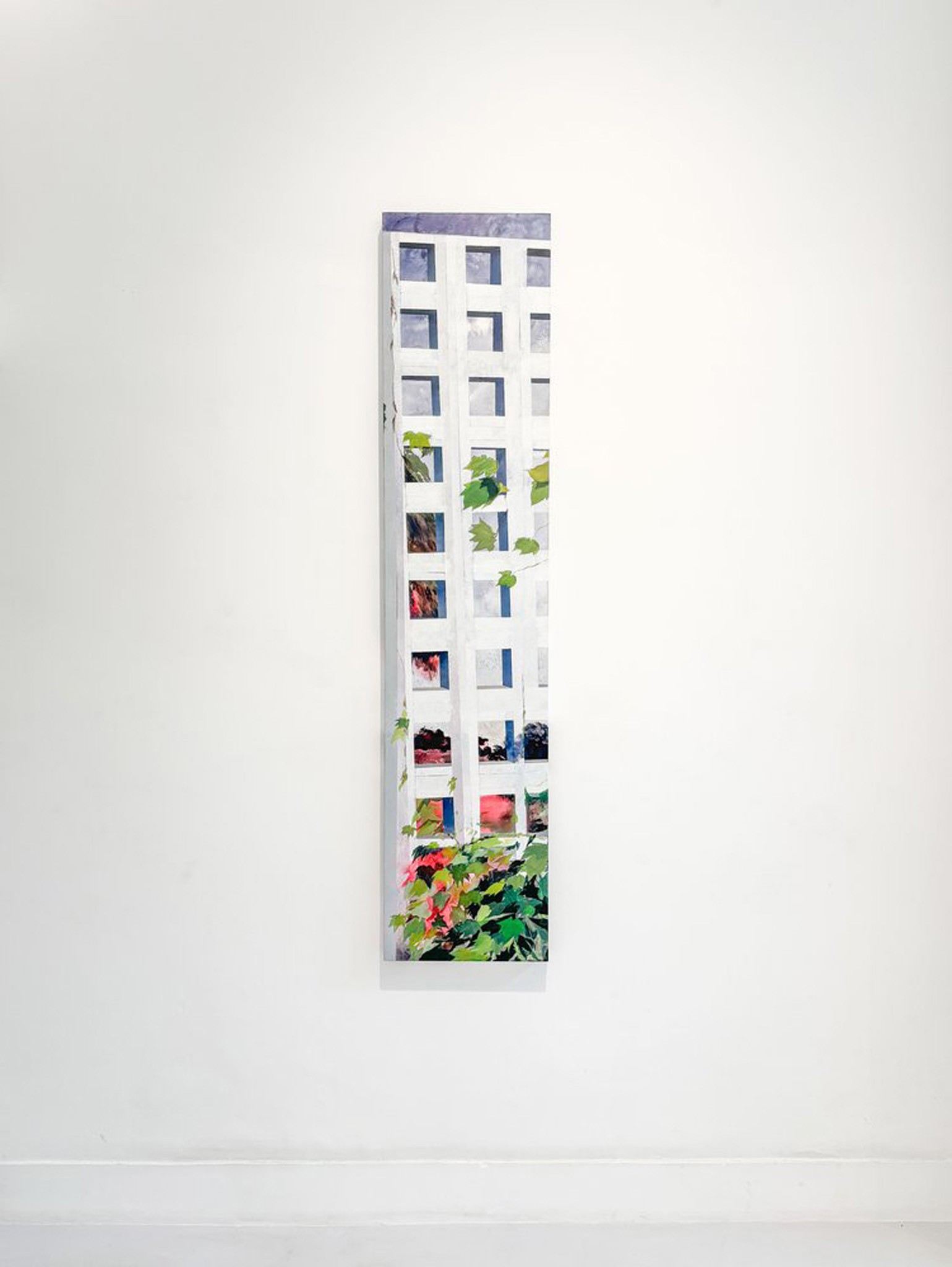
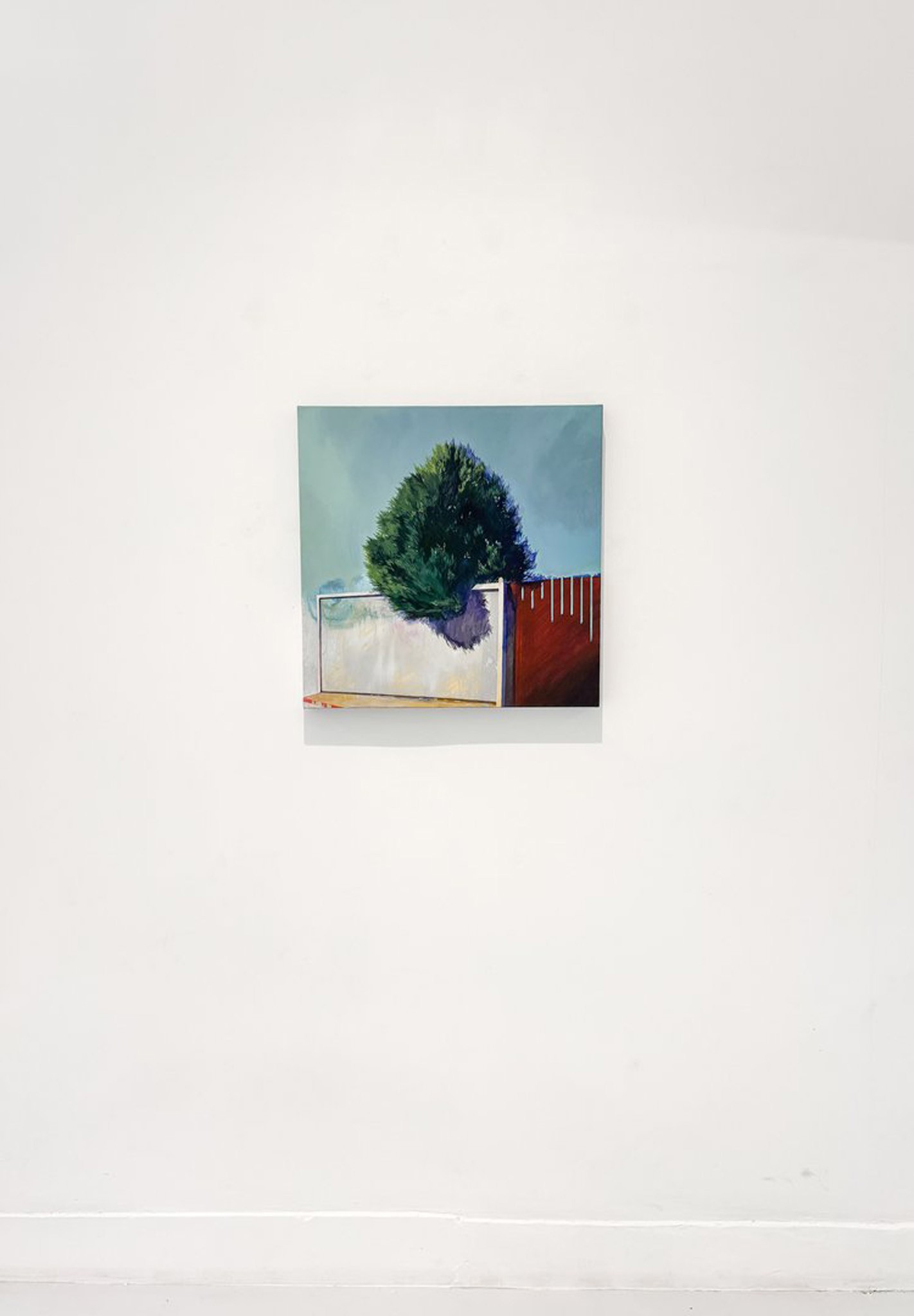
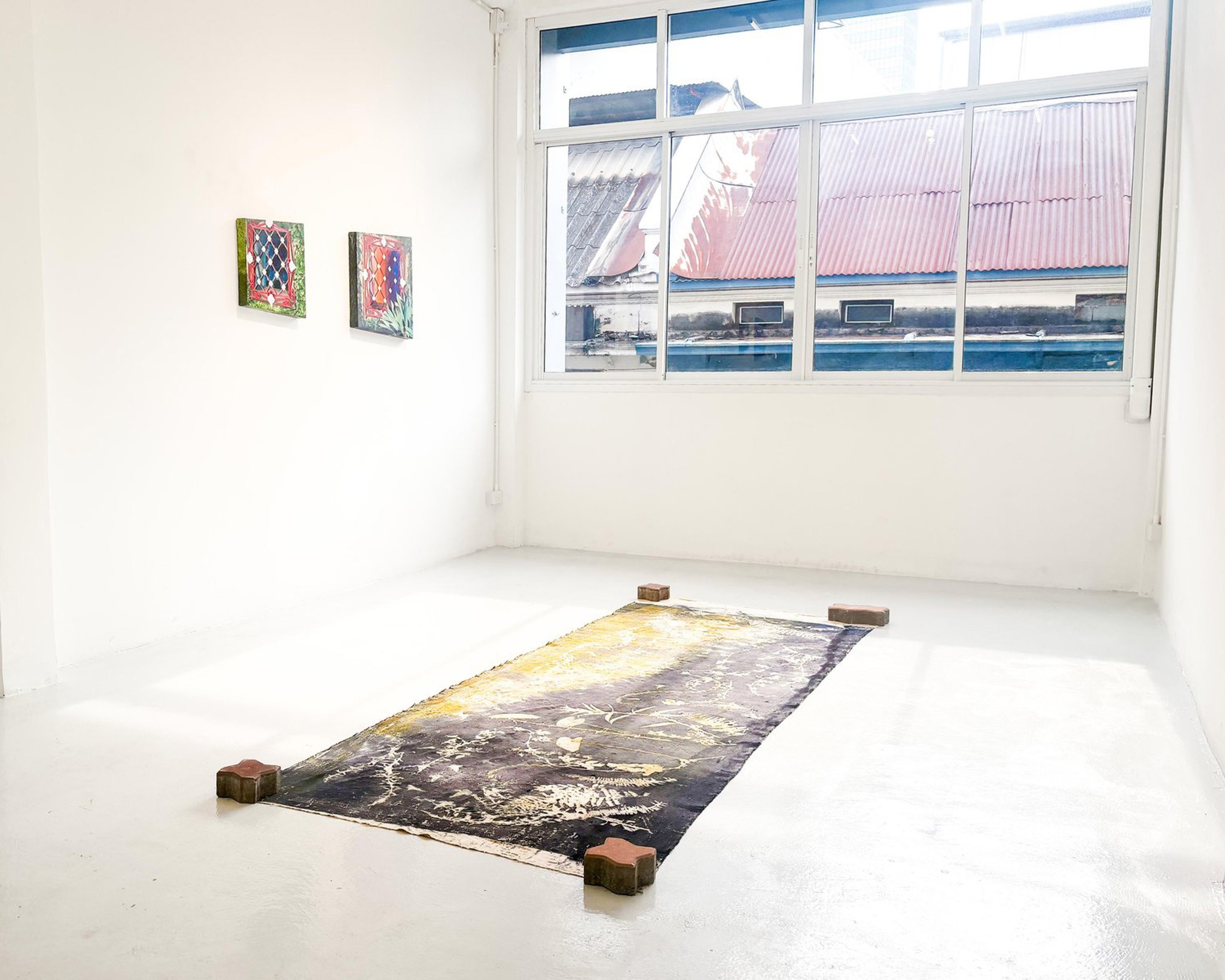
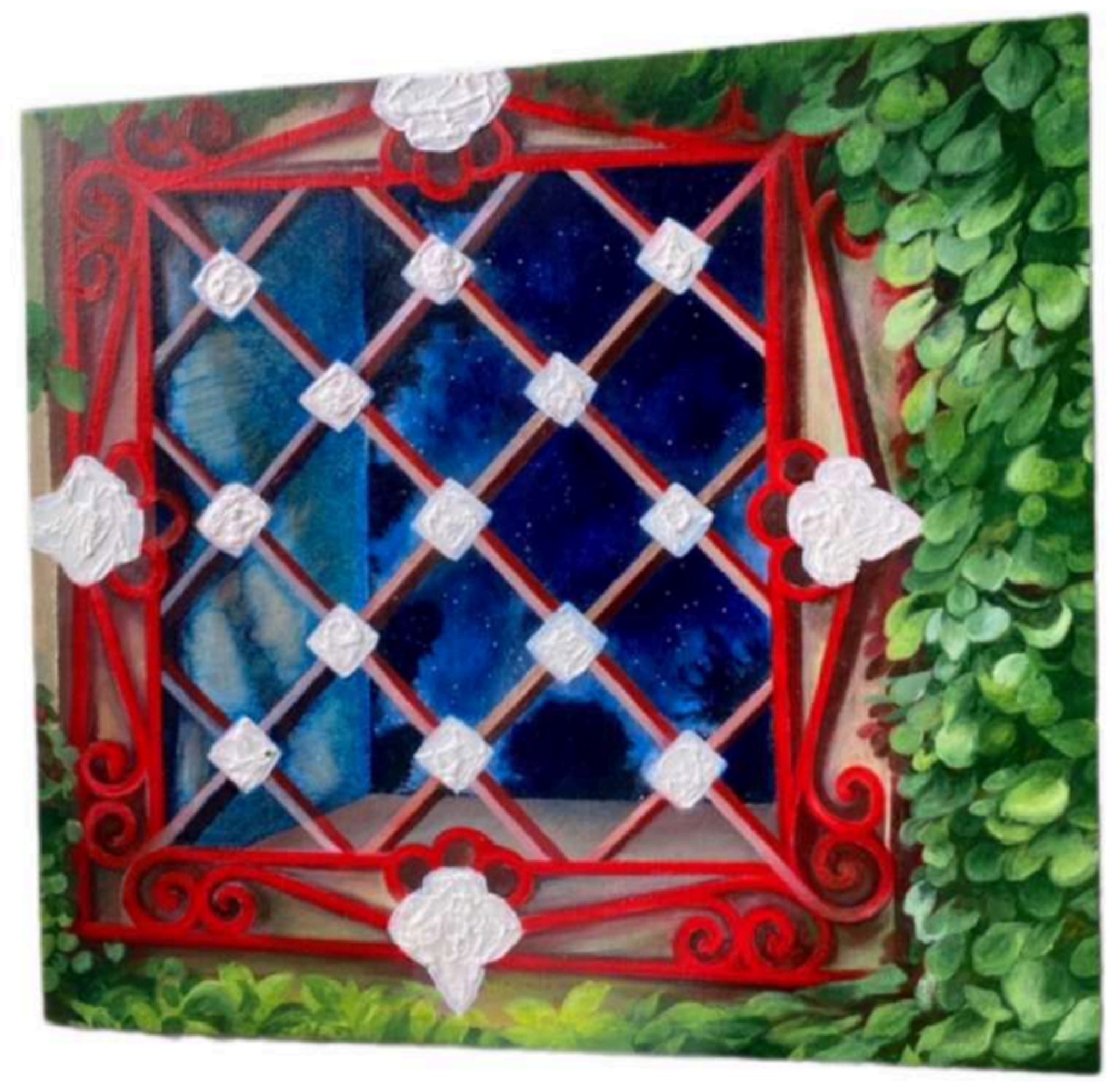
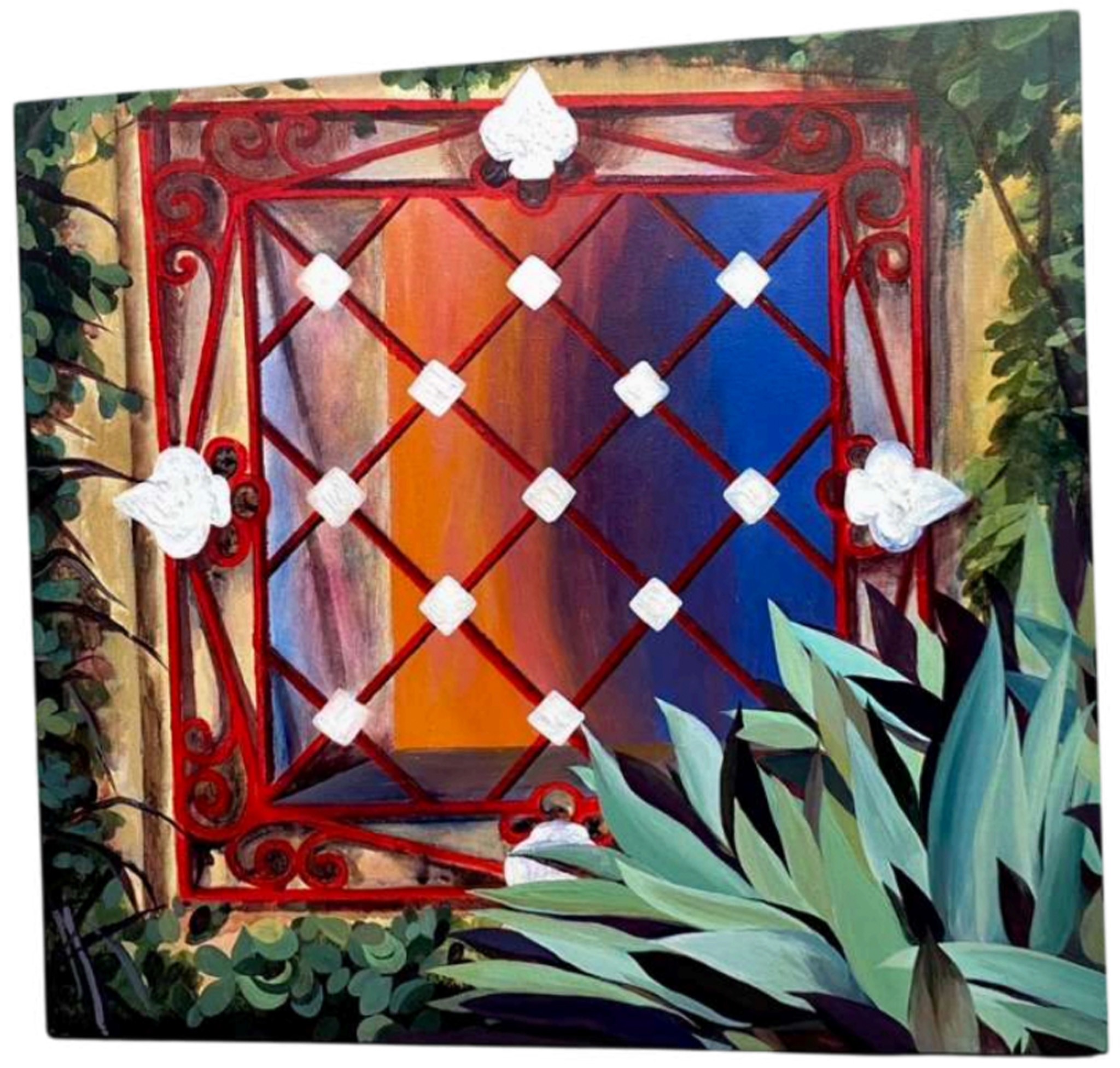
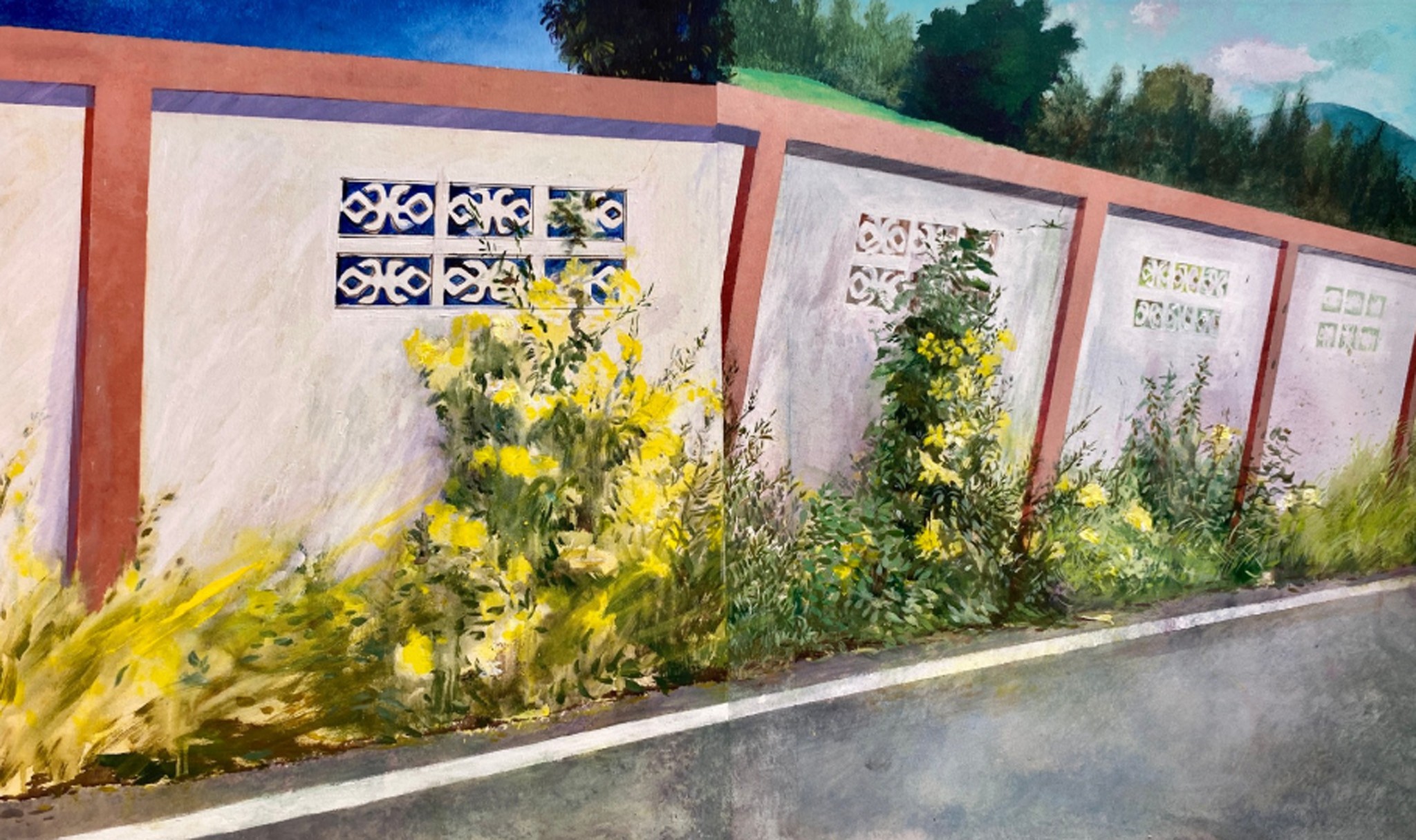
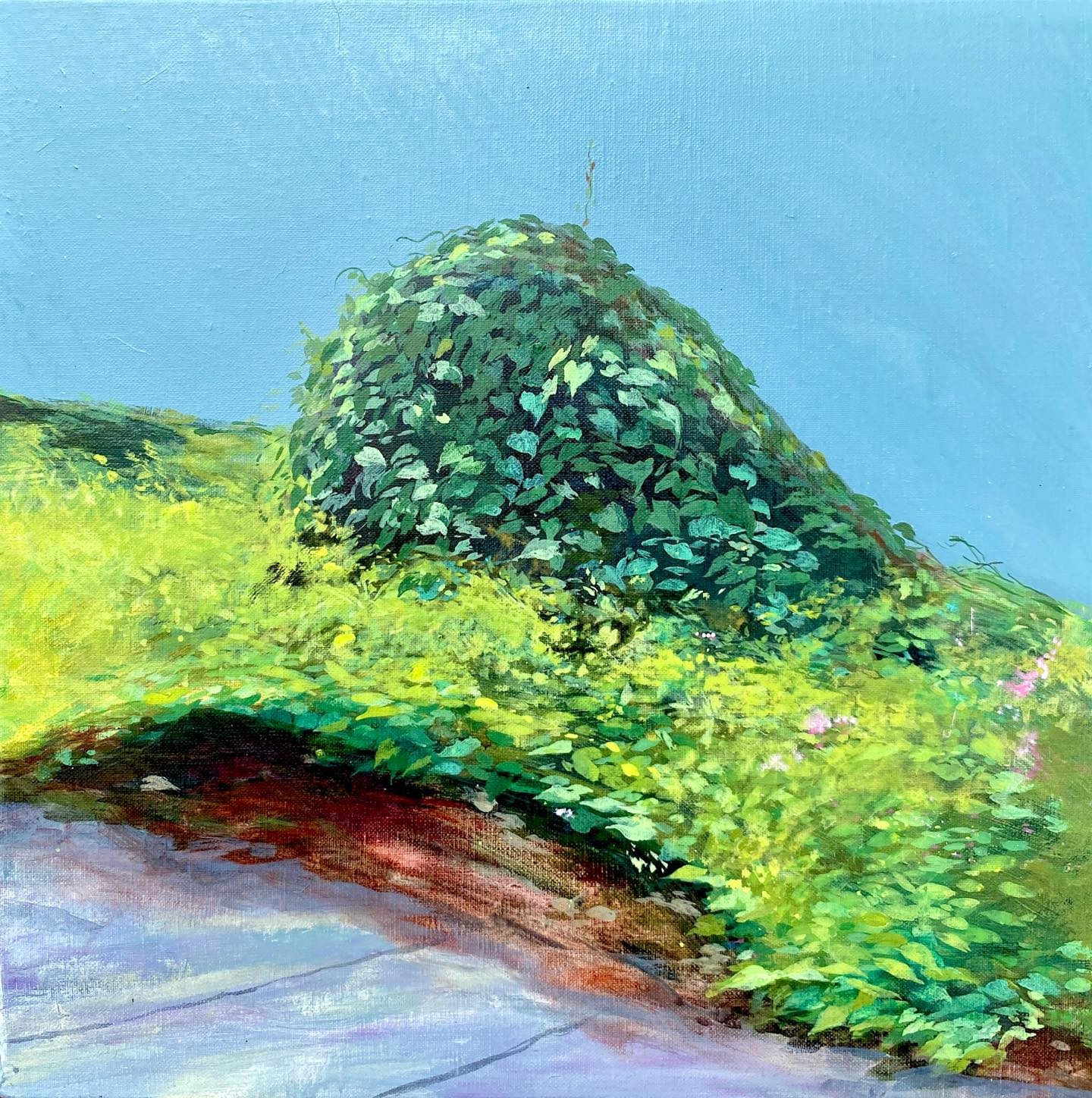
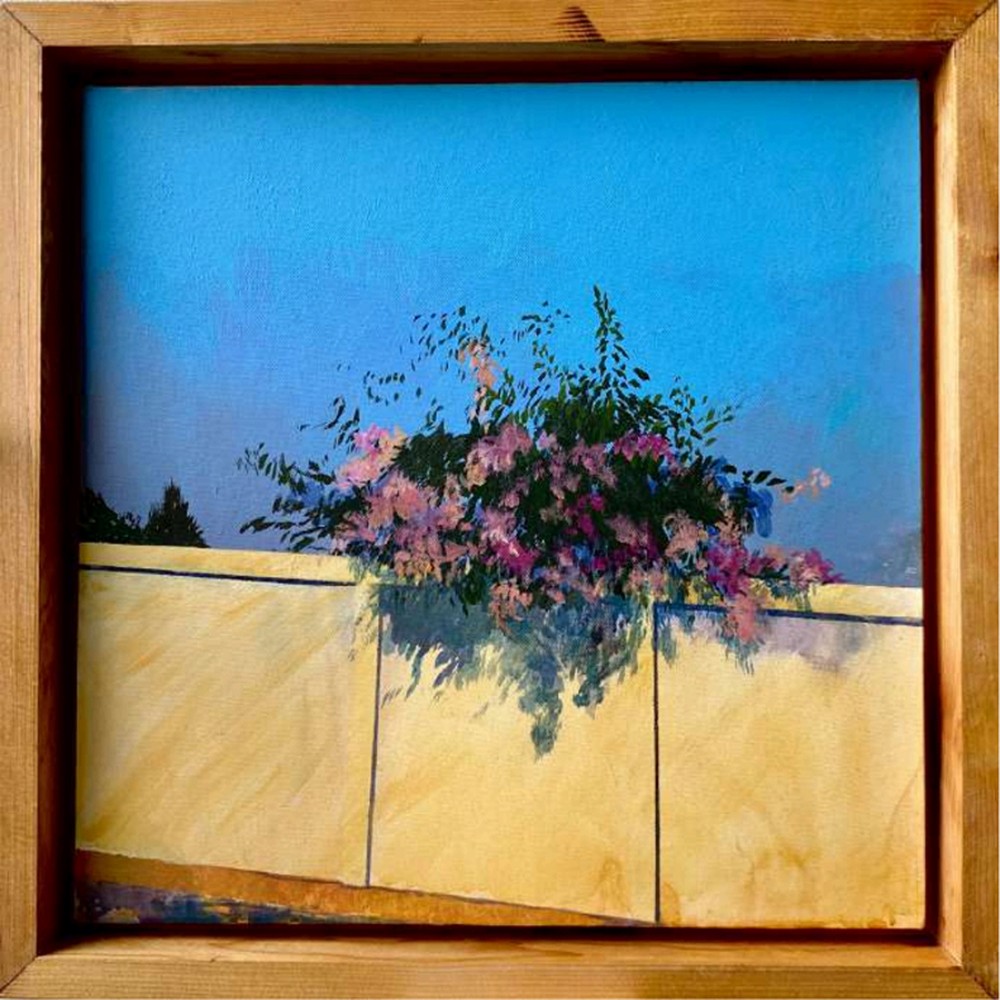
CNTRFLD. Your paintings seem to sit between reality and memory, with delicate lines and subtle textures. Why have oil and acrylic become your chosen mediums to explore these themes?
PS. For me, the qualities of oil paint — its gloss, density, and realism — are well-suited for specific parts of a painting where I want certain areas to have depth and a sense of light and shadow.
Using oil painting techniques was a convention during my university years, where the curriculum emphasized mastering oil paint as a primary medium. Because of that, I found it difficult to let go of those established beliefs and methods.
However, later in life, I entered a period where my time for making art was limited — due to working to make a living and managing other responsibilities. That shift made me reflect on my creative process and on the role that material qualities play in my work. It led me to compare techniques, and through the process of working on this series, I came to a clear realization: using acrylic paint allows me to feel more at ease and natural, especially when compared to how I worked during university.
The freedom of movement, the rhythm of the medium when paired with acrylics — it's fluid and aligns beautifully with the organic nature of my visual language. I feel more comfortable allowing certain parts of the image to flow, leaving behind traces and water-like marks that evoke motion and presence.
CNTRFLD. As a woman artist working in Thailand, have there been any challenges or opportunities that have shaped your career? How do you navigate your path in a male-dominated industry—or do you see things changing?
PS. In fact, this has become increasingly normal nowadays, as we now see many female artists producing outstanding work and gaining wide recognition in the art world.
Opportunities for women to express themselves and develop their skills in the art field have expanded significantly compared to the past. Although some areas of the art world are still perceived as male-dominated, the reality today is that female artists are playing a more prominent role, and many are honing their craft to a high level.
What’s most important is placing oneself in environments that support and provide opportunities for growth. And we’re seeing more and more positive changes — whether in terms of visibility for women artists, being invited to participate in events, or being featured in major galleries and exhibitions.
CNTRFLD. What’s your view on the current support system for emerging artists in Thailand? Are there specific platforms or communities that have played an important role in your development?
PS. Growth in the art world still needs to begin with consistent work and being honest with oneself — trusting and deeply understanding your own thought process, regardless of whether an idea seems simple or complex.
Ultimately, it comes from your own mind and emotions, and most importantly, it holds value and truth for you. Our role, then, is simply to bring that idea into concrete form as much as possible — through our work.
In addition, building your identity and presenting your work online plays a major role today. Whether through social media platforms or portfolio websites, these tools allow us to reach diverse audiences and connect more easily with people in the field. They’ve become essential tools for creating new opportunities — be it collaborations, exhibitions, or even clients.
In terms of community, there are many groups that support artists, especially independent or emerging artist networks that regularly organize workshops, events, and knowledge-sharing activities. Being in such an environment helps keep us growing and provides a clearer vision of our artistic path.
CNTRFLD. How do you balance observation and imagination in your creative process? Do you work from life, memory, or something more intuitive?
PS. I let everything unfold very naturally — things may not always be balanced in a clear, structured way, but everything is interconnected.
Some elements I come across by chance, others I seek out intentionally. And all of it ends up becoming part of the work — whether it's what I see, what I remember, or what I feel instinctively. These things blend together organically. Some pieces begin with a visual in front of me, others start from an inner feeling and gradually take shape in the artwork.
CNTRFLD. Are there any current or upcoming projects you’re excited about—either in Thailand or internationally? What directions are you hoping to explore next in your practice?
PS. The project I’m planning as a continuation of my previous exhibition will still center around personal experiences I’ve lived through.
I want to convey the emotions tied to different moments in time, allowing the audience not just to view the work, but to truly feel and enter those moments with me — as if they are experiencing them alongside me.
CNTRFLD. Where do you see yourself five years from now—as an artist, and as a storyteller? And what advice would you give to young artists who are just beginning their journey in the arts?
PS. In the next five years, I still want to continue creating art that tells my own story.
I believe that communicating emotions and experiences through art is powerful, and if done consistently, it will always lead to new discoveries.
For young artists, I would say: trust in what you’re doing. Even though there may be times when you feel uncertain or don’t see clear results, if you work with intention, your work will eventually reach those who understand and will carry forward the emotions you’ve expressed. It all begins with what happens to us personally, through reflecting on what we create. Once we believe in ourselves, the audience will believe too.