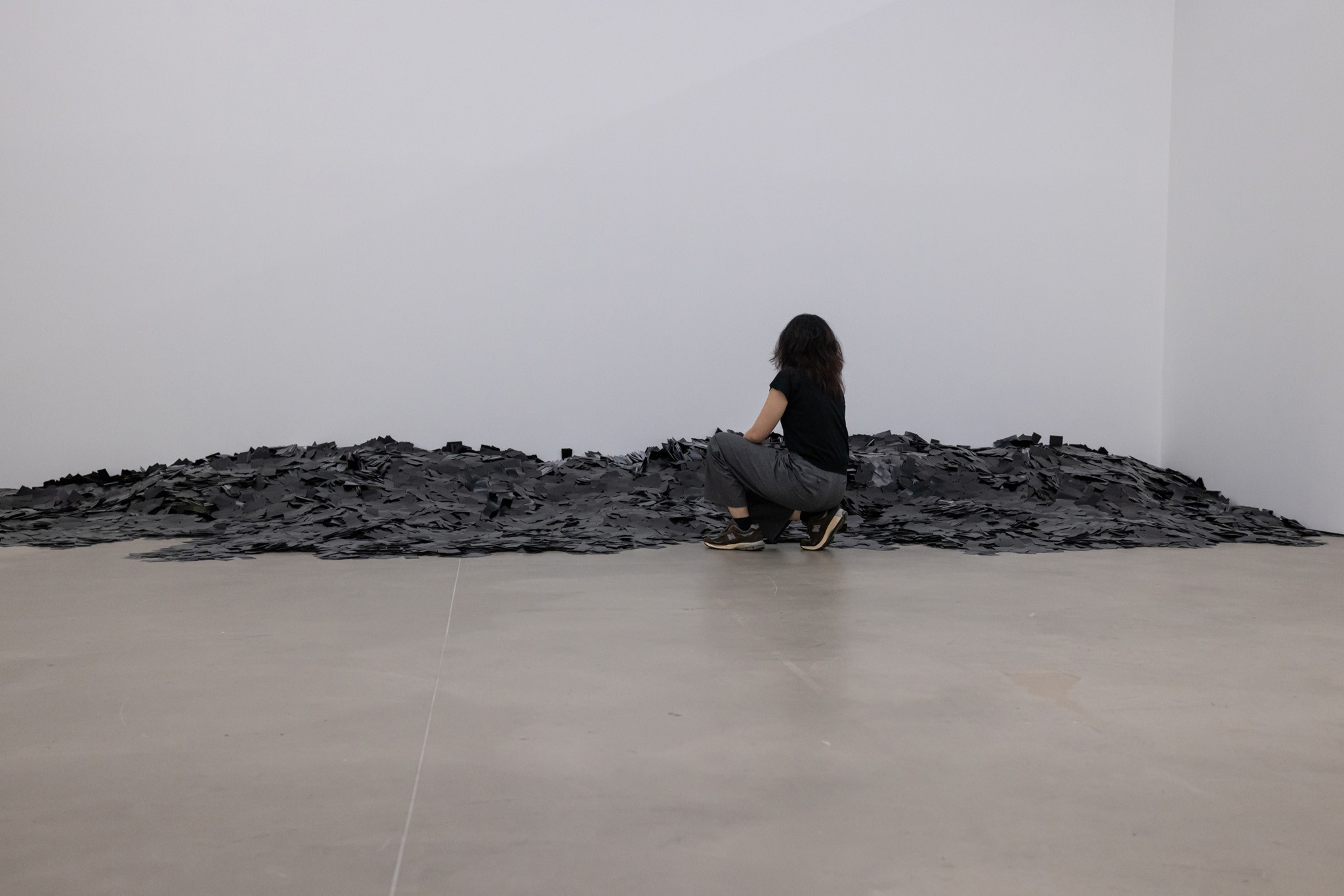
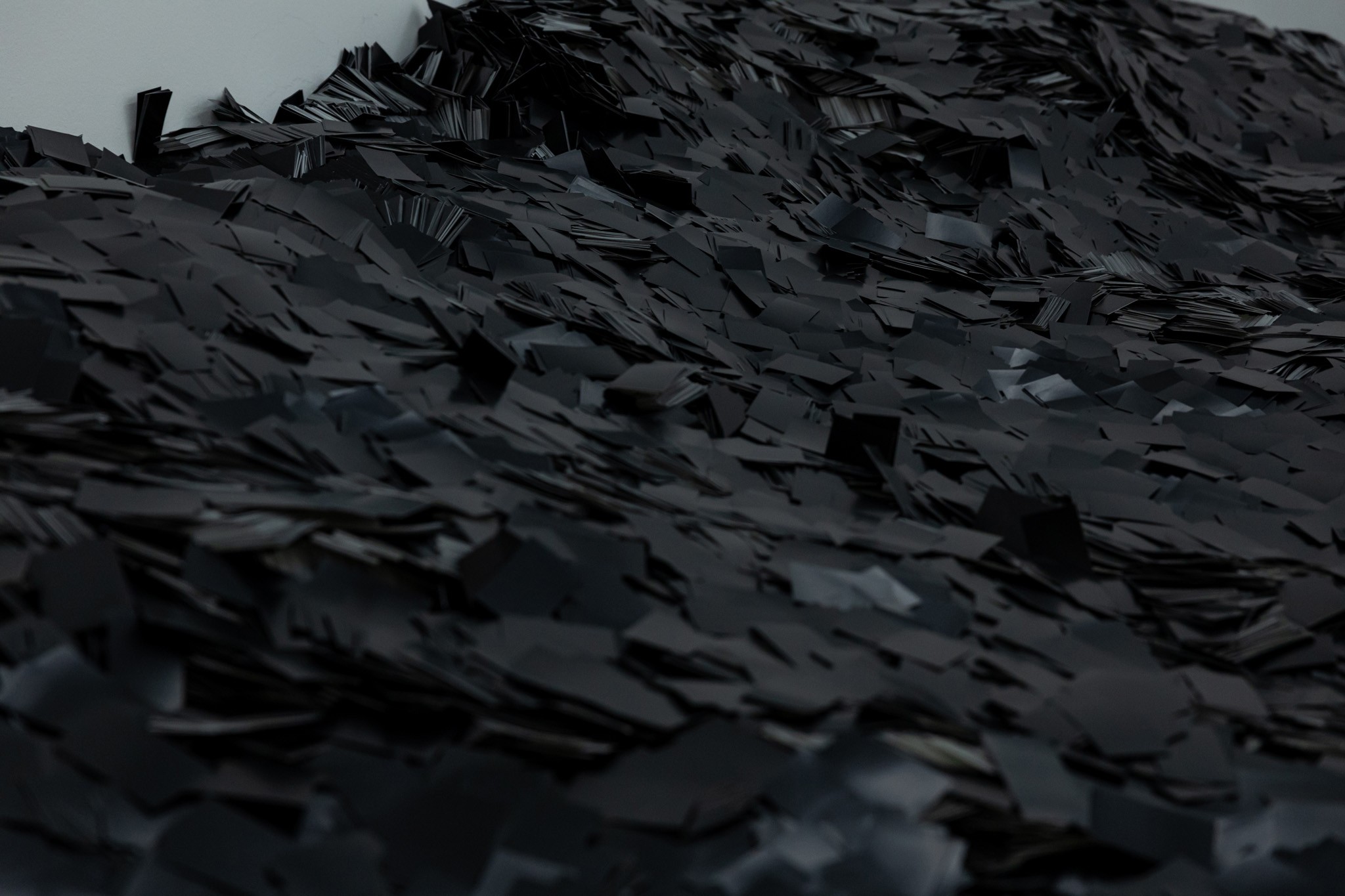
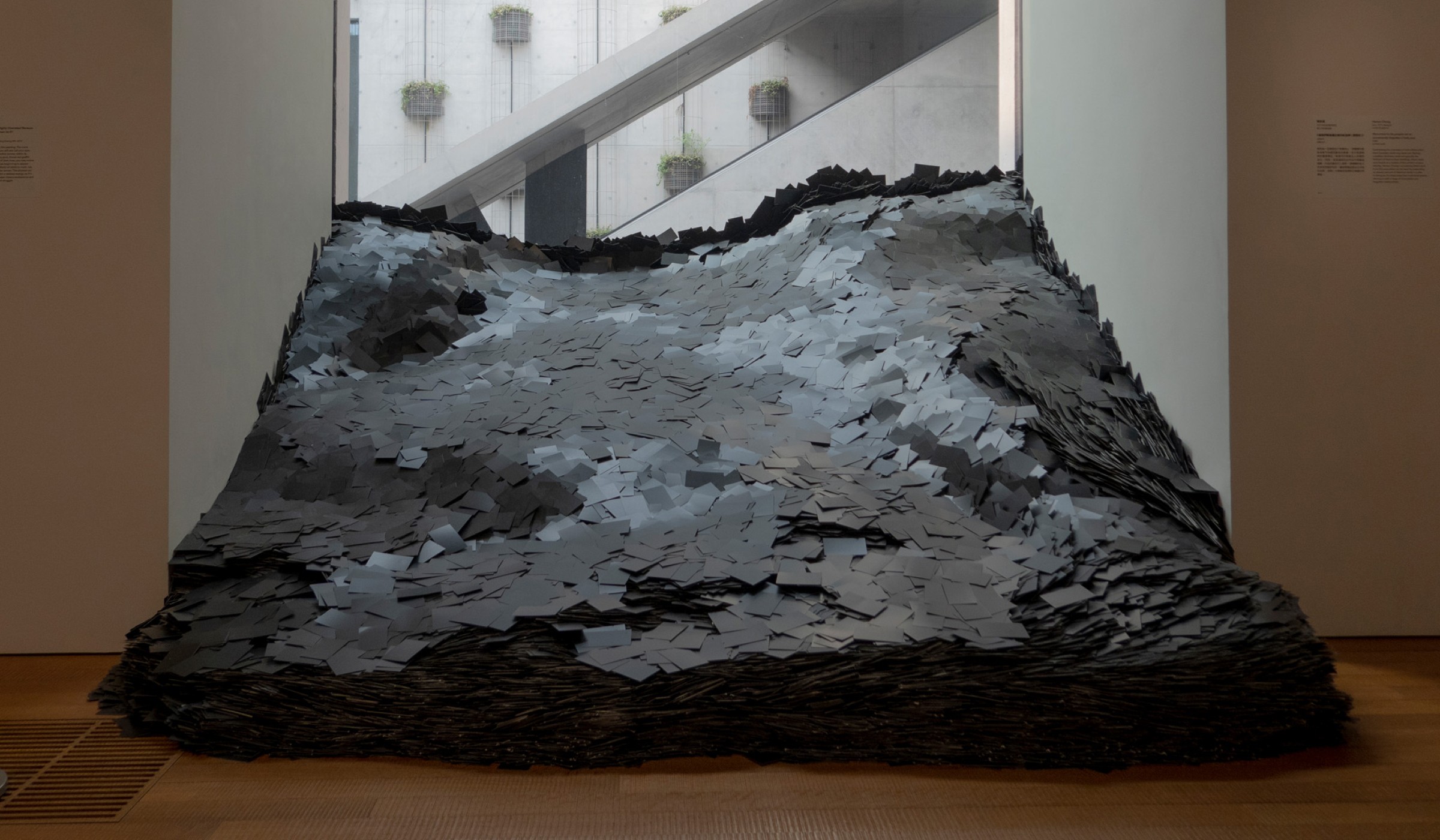
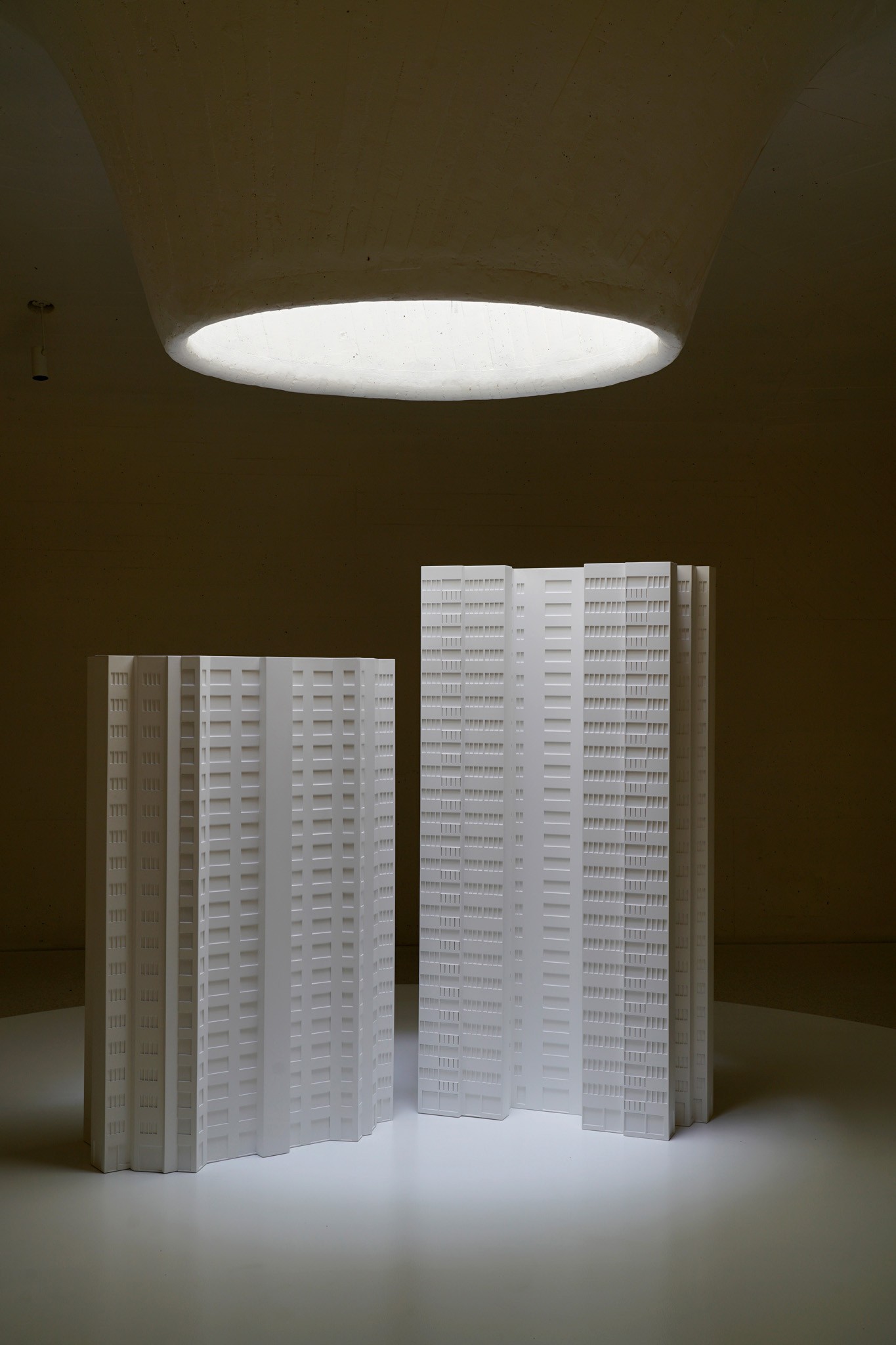
CNTRFLD. Your exhibition at the Singapore Art Museum, This is a dynamic list and may never be able to satisfy particular standards for completeness, surveys over two decades of your practice. How does this show serve as a critical reflection on the everyday themes and infrastructures you’ve long interrogated, and what do you hope audiences will take away from it today?
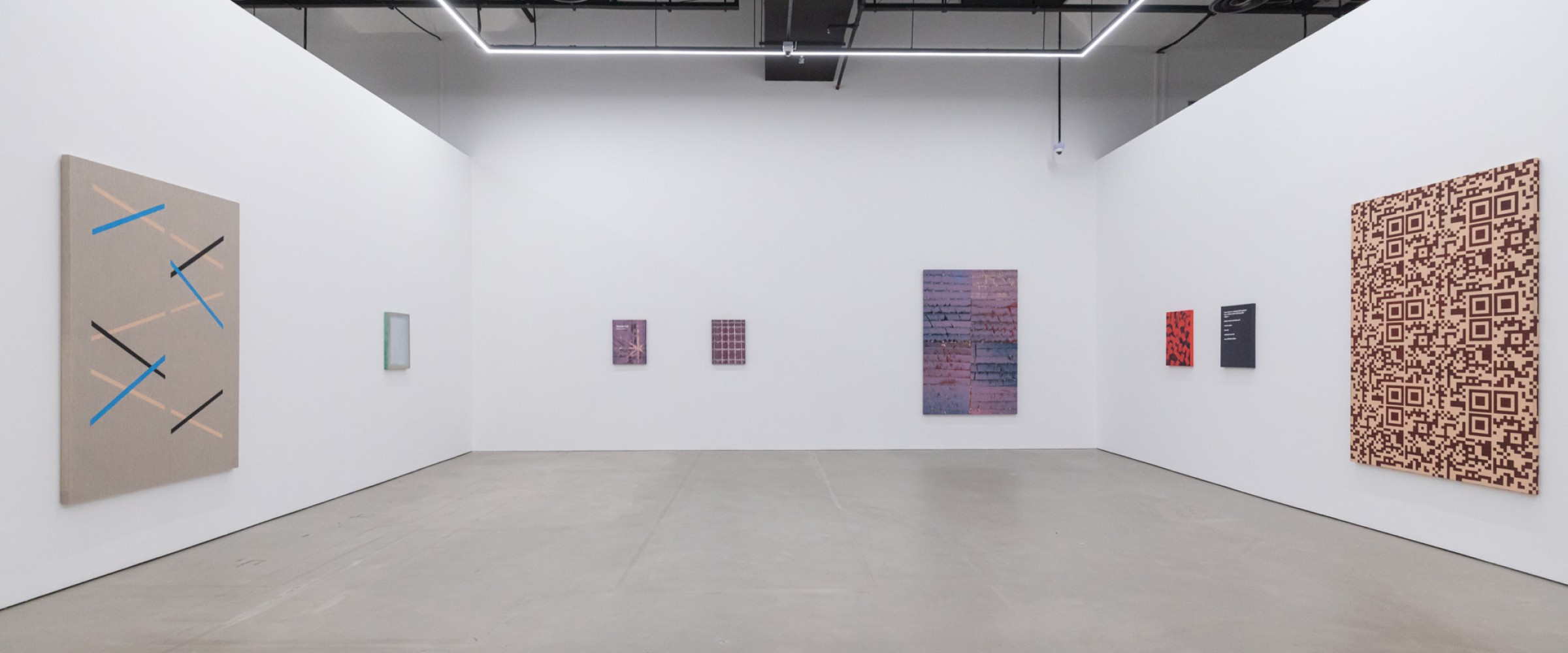
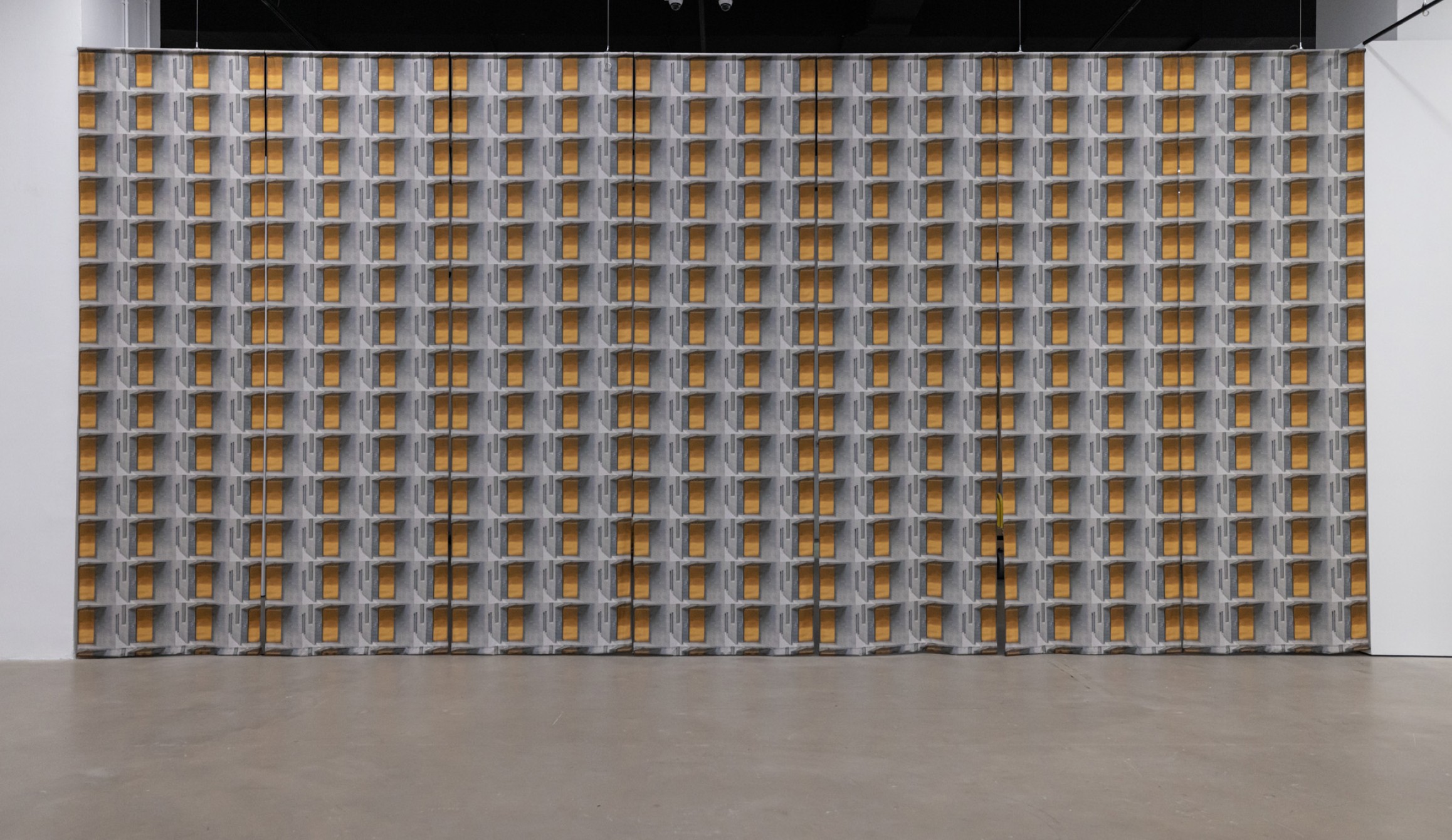
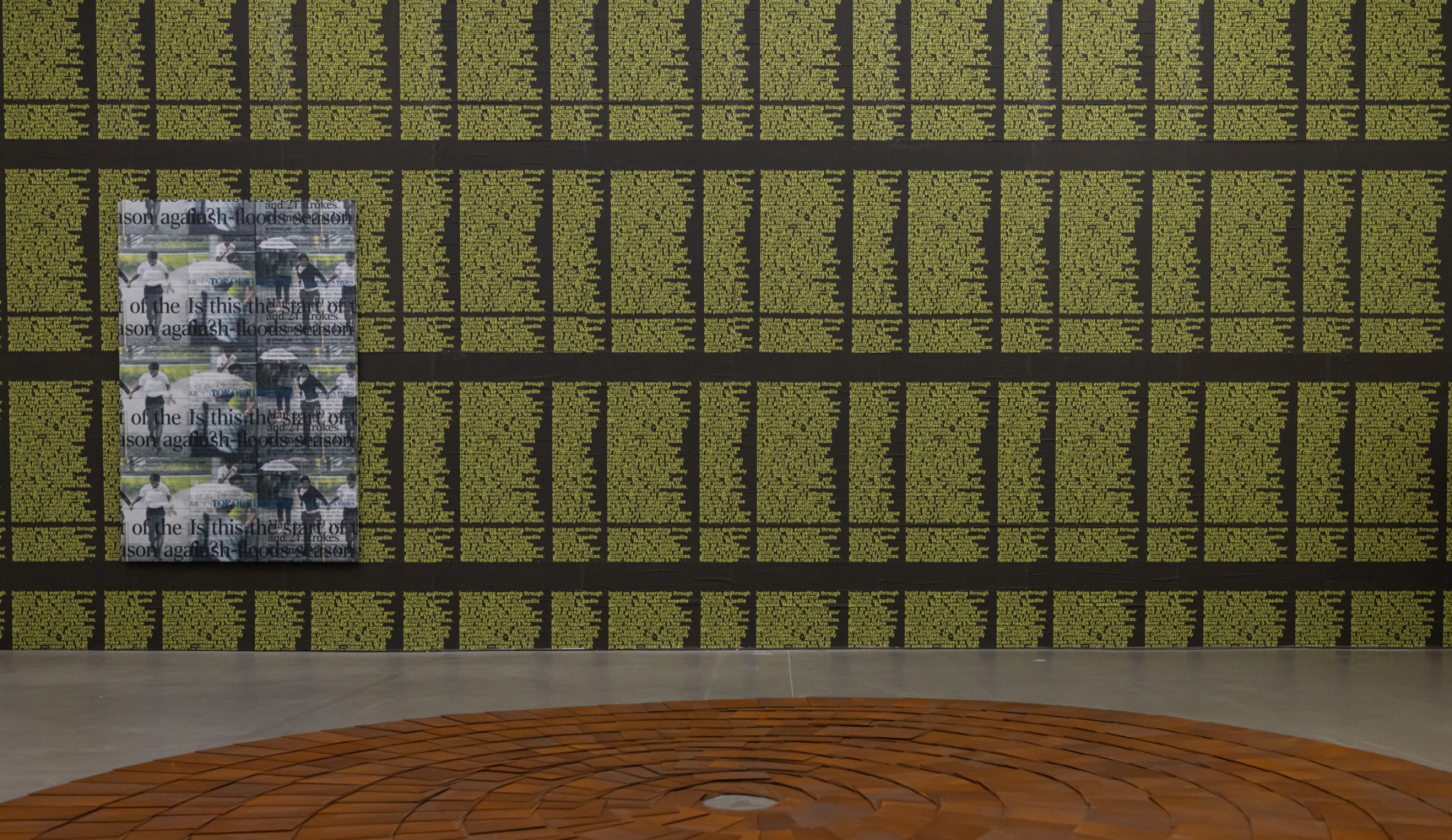
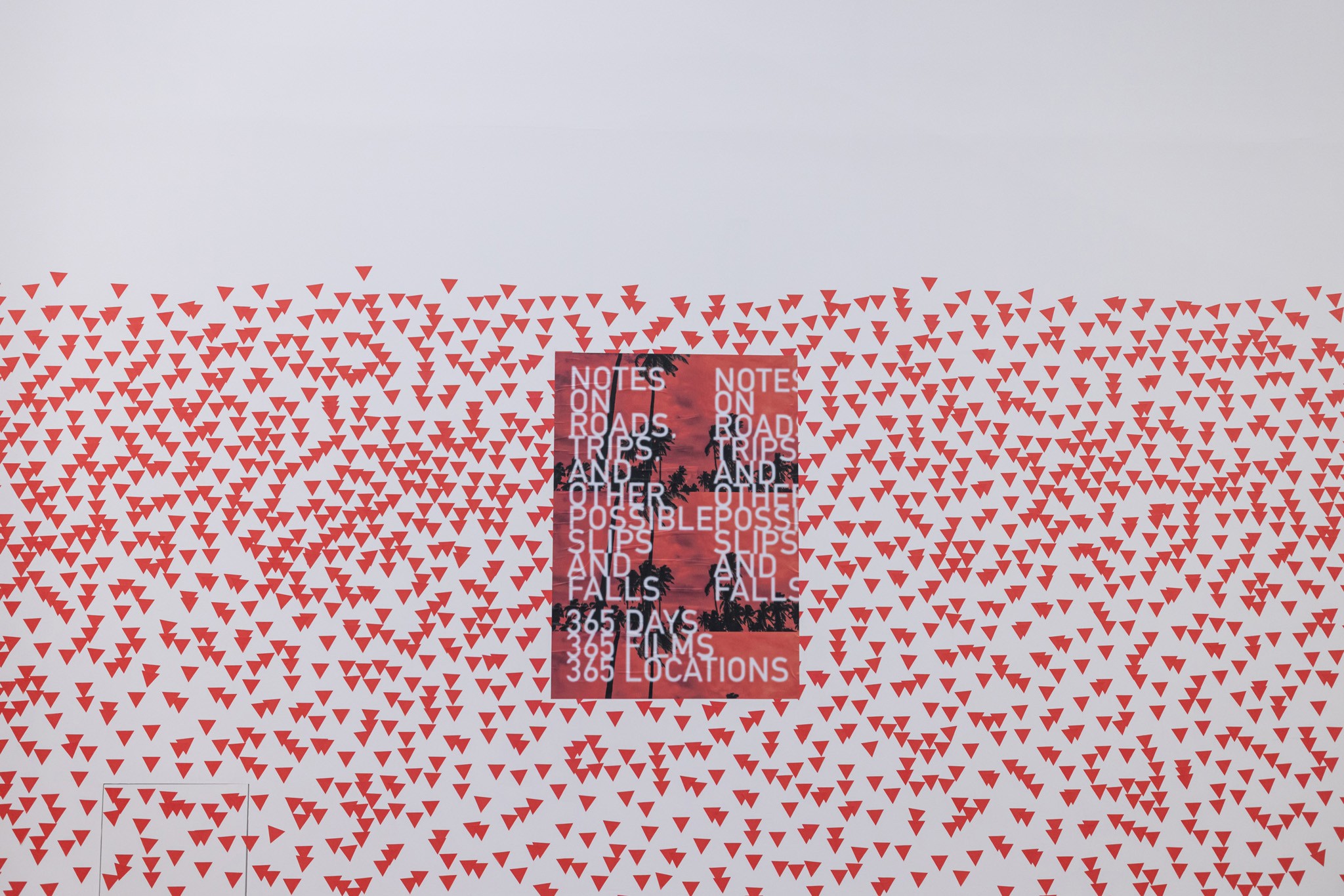
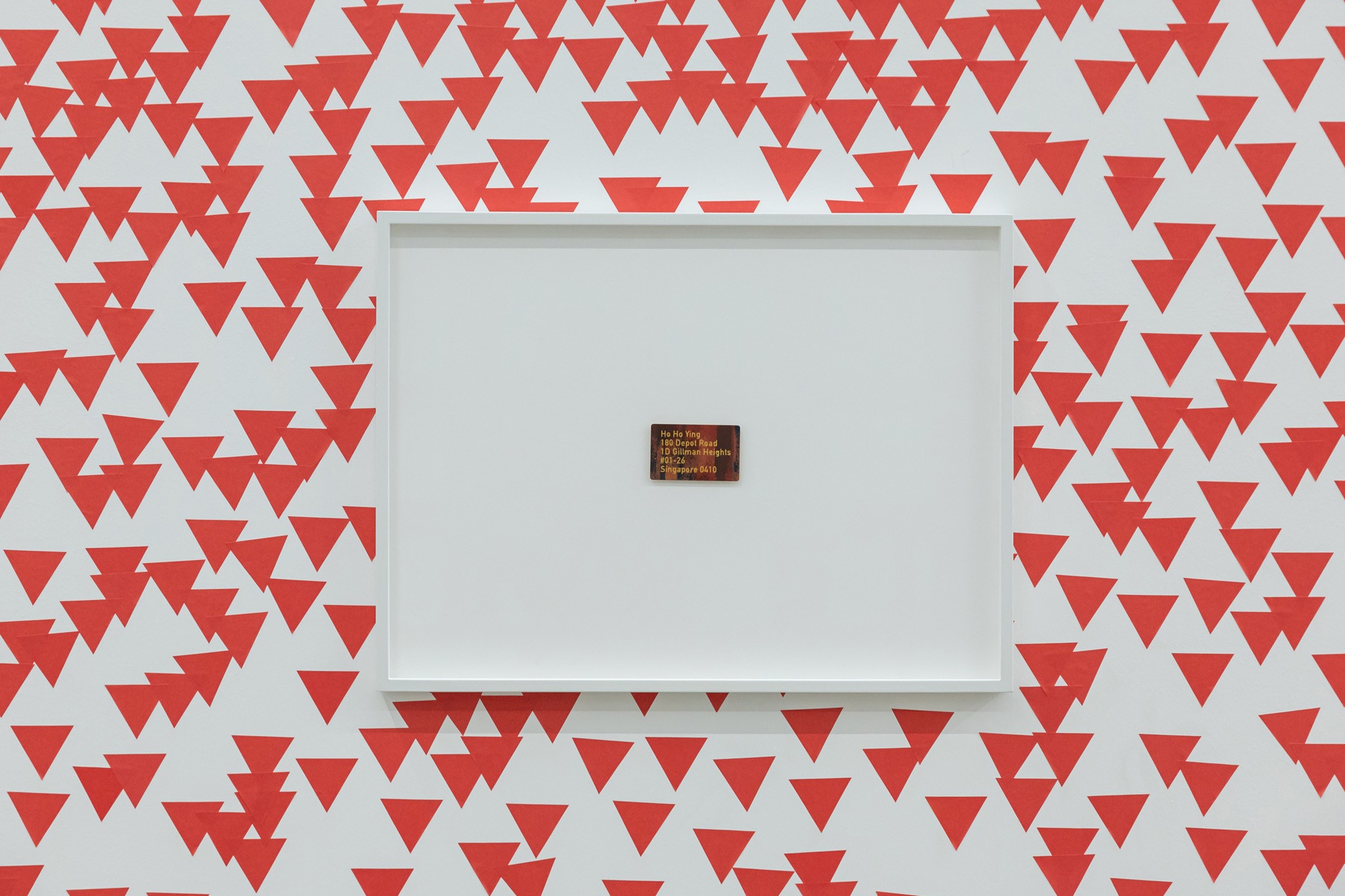
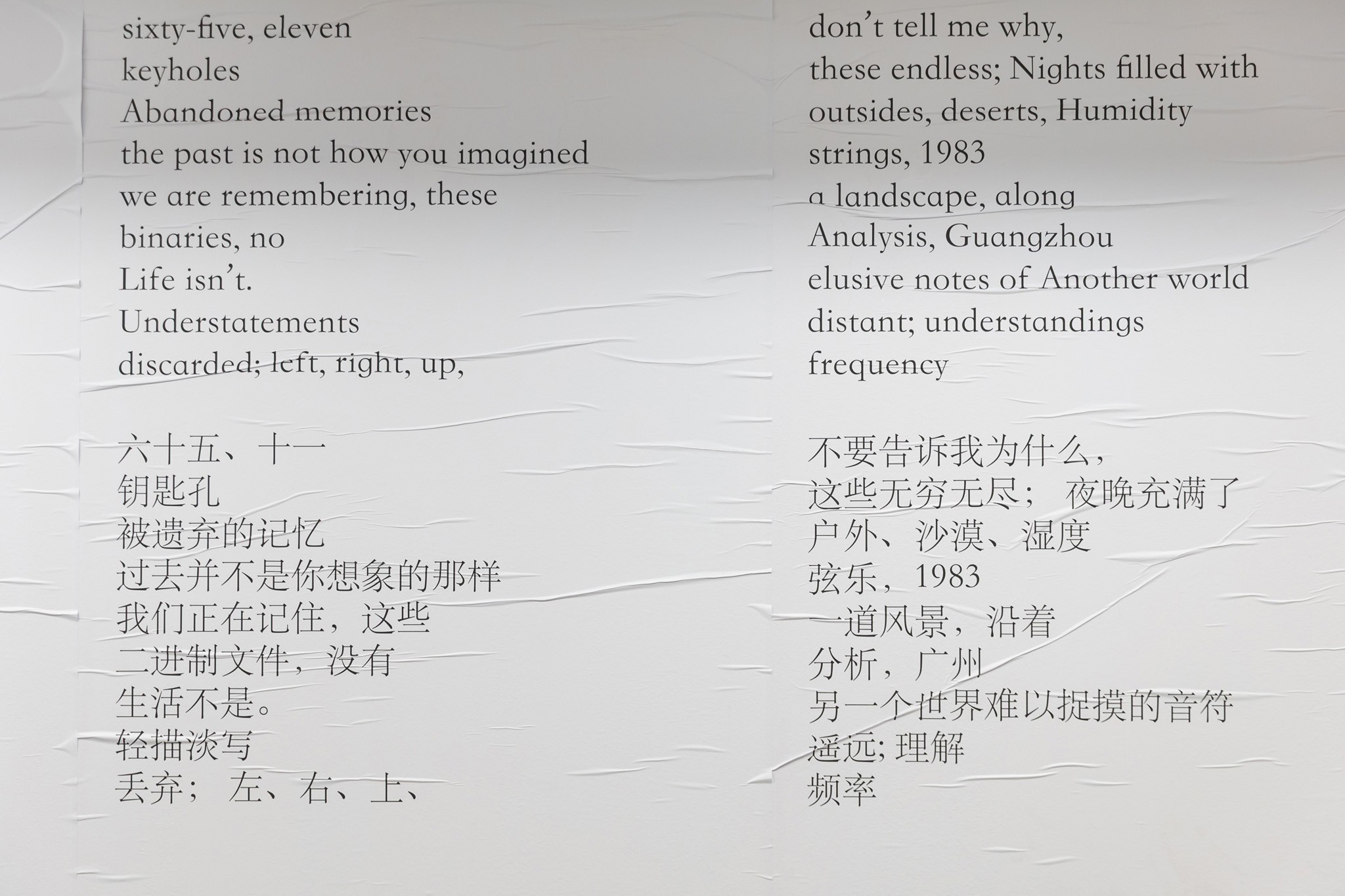
HC. The title of this survey is actually an artwork. I appropriated this sentence from Wikipedia, where it can be found on pages that exists as lists. I feel a certain kinship with this sentence because I feel that a lot of the objects that I am interested in are objects that are constantly shifting in meaning. We often think of life as a way of maintaining stability but a more sustainable way to approach life is to understand that chaos and chance is a huge part of our lives, and that it’s better to learn to play the cards as they lay. Across the nine parts of this exhibition, all the works come together as parts within a constellation, representing significant parts of who I am. The sections include Words, Whispers, Ghosts, Journeys, Futures, Findings, Infrastructures, Surfaces, and Endings. Honestly, I’ve never had any specific expectations for the audience; they are free to take from the work whatever resonates with them.
CNTRFLD. The exhibition revisits key moments in your career while inviting fresh perspectives on your established body of work in the context of our hyper-mediated present. How do you see your earlier works differently now, when viewed through today’s lens of accelerated information and connectivity?
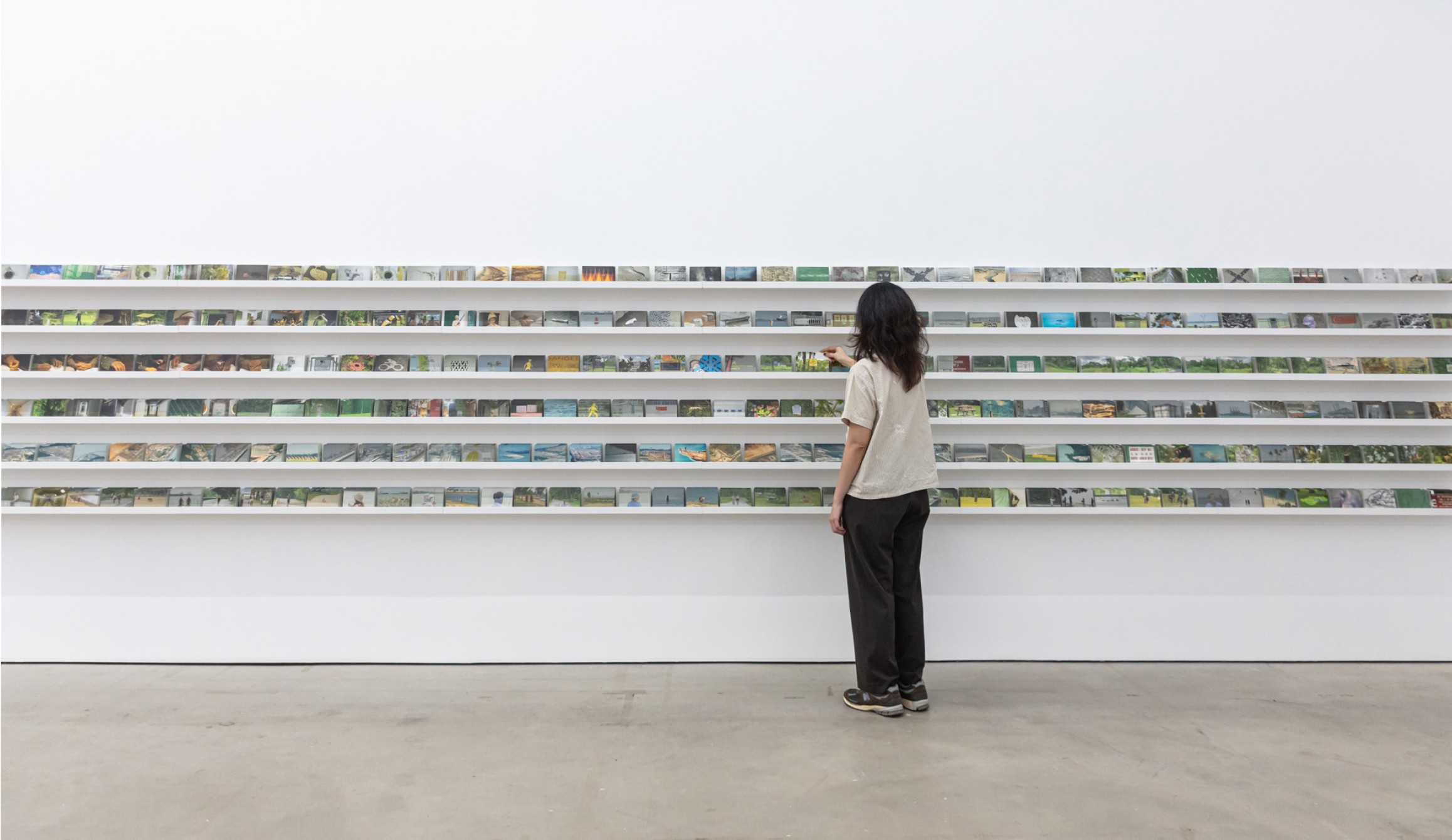
HC. There is a work in the exhibition that I would like to highlight that might answer your question. The work is called Perimeter Walk and it consists of 550 postcards featuring the images taken me as I observed the borders of Singapore by foot for 10 years and captured the various found objects and landscapes along the edges of the country with my camera. Beyond a single view of the island, the subject matter of the photographs includes sand walls, ubiquitous signs of surveillance, tents in uninhabited woods, workers resting by the roadside in the afternoon, and lush vegetation. These elements reflect a unique microcosm of our equatorial nation, reminding viewers of the safety zones that are defined by order, rules, and boundaries.
The images are distributed via a standard postcard format. Visitors are encouraged to touch, hold, purchase, exchange or gift them as they would treat a piece of souvenir from a trip. These images weave together a multifaceted narrative about Singapore's borders and depart from the common generic speech about Singapore that flattens the idea of Singapore. It is a gathering of images that expands the idea of Singapore, diverting the flow of stories and landscapes beyond the confines of the exhibition. Through the exchange and circulation of these postcards, this work functions as temporary postcard store, where you can buy an artwork for $1. This is important for me that Singaporeans can obtain an artwork of mine for just $1 and that my work is not only for rich collectors.
The reason why I brought up this work is because, printed postcards used to be one of the predominant forms of how we share an image. A kind of old school social media, I suppose. Sharing a postcard used to be the predominant way of sharing an image with someone else, except of course, it’s that much more personal where you’re sharing a memory with someone else directly, rather than pouring your heart out to everyone on IG. Intimacy is a value that I think about a lot in my work. I would like intimacy to be enacted when someone touches one of my postcards, decides to buy it, and sends it to someone they want to reach out to.
CNTRFLD. Projects like The Library of Unread Books and works that intervene in public infrastructures reveal a deep commitment to collective knowledge and everyday politics. How do you think public engagement has evolved over your career, and what role does it play in your current projects?
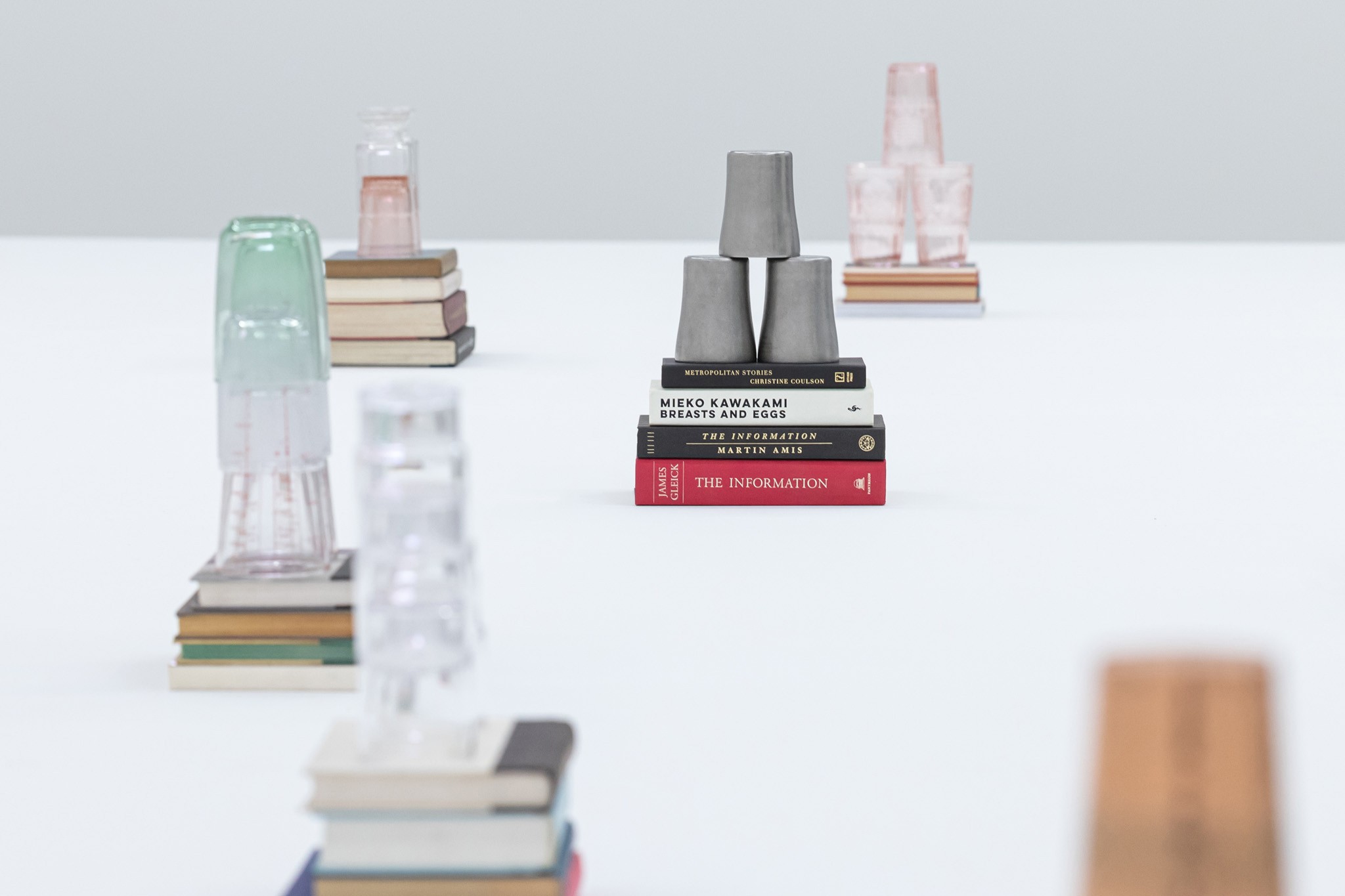
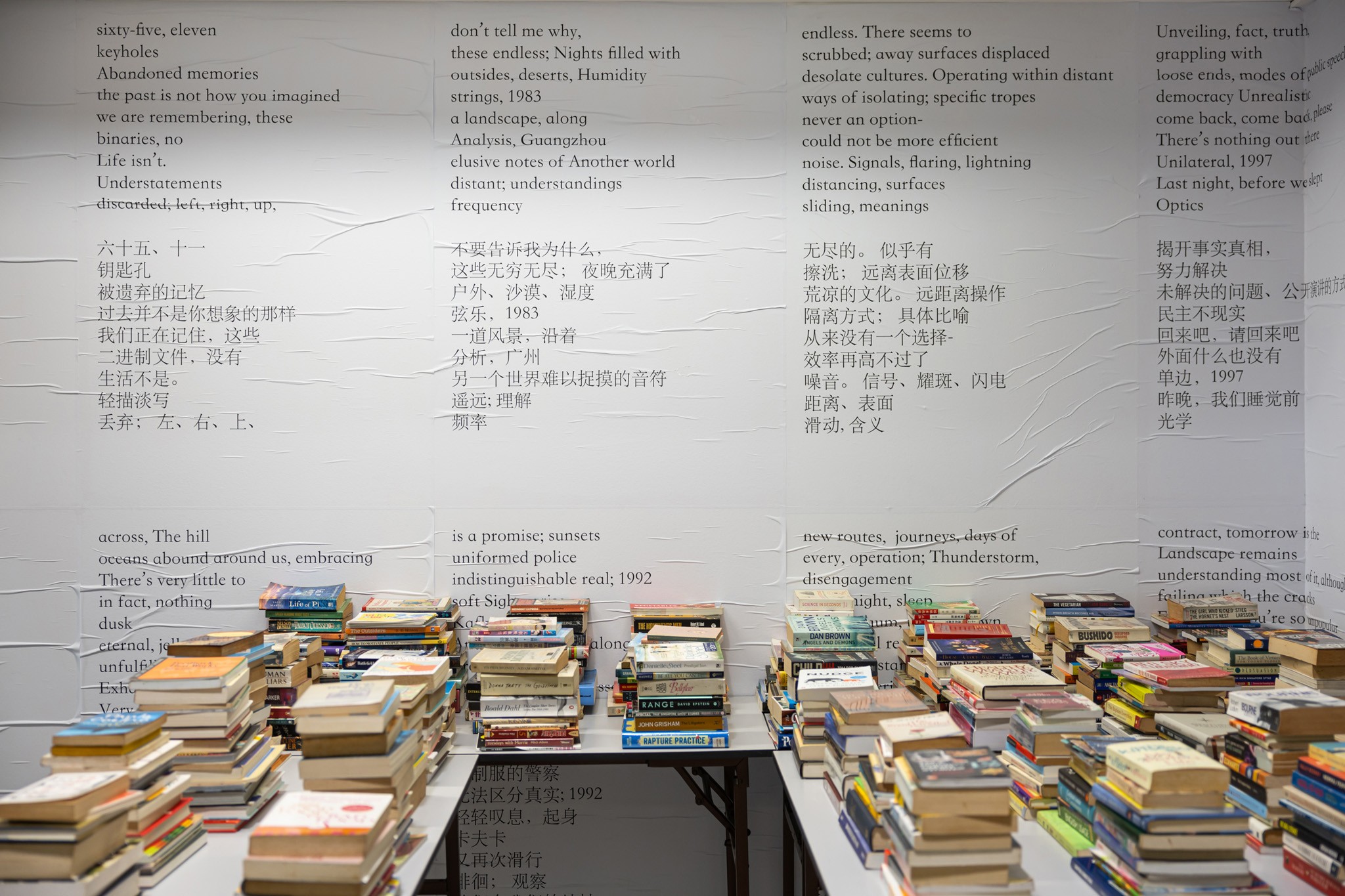
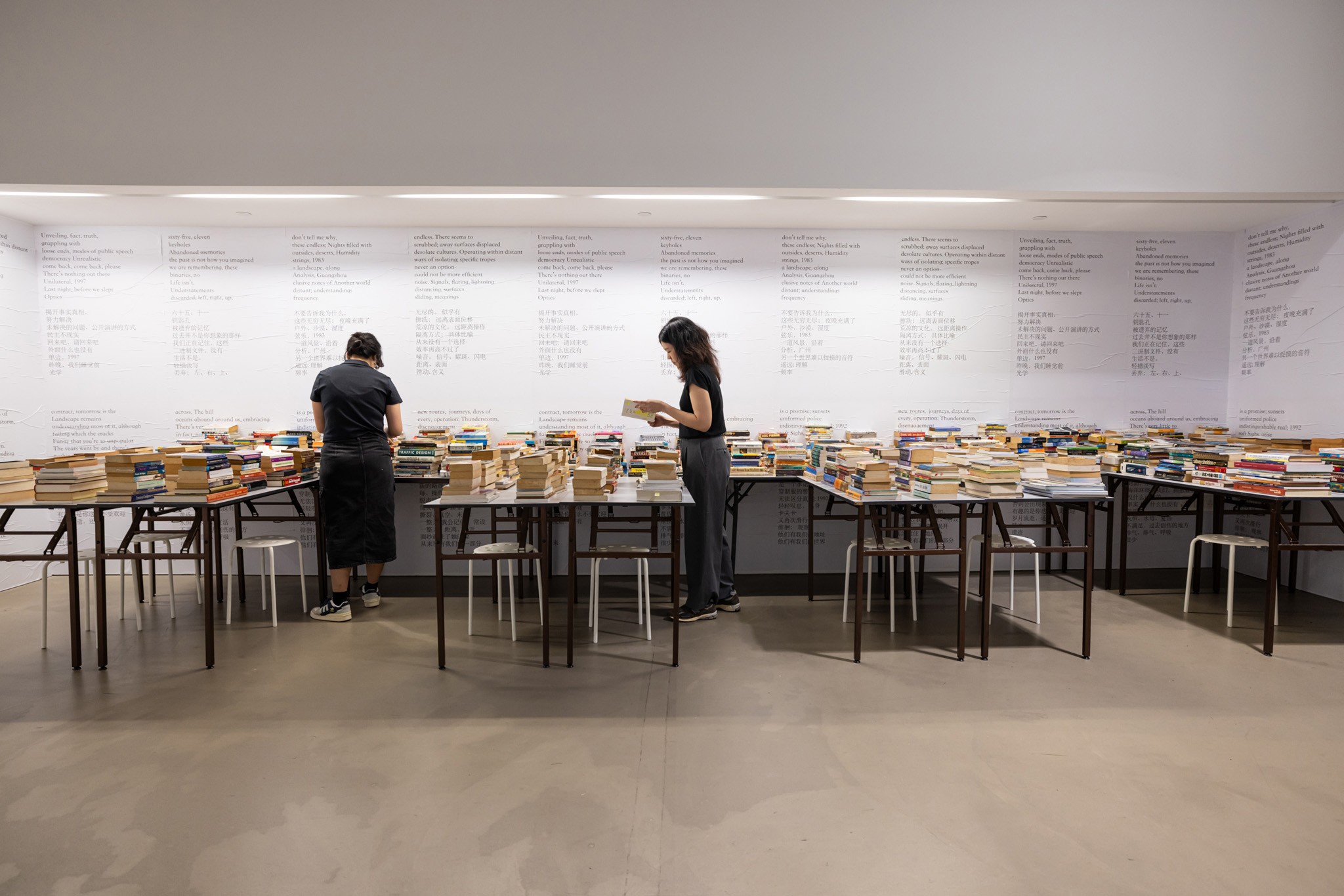
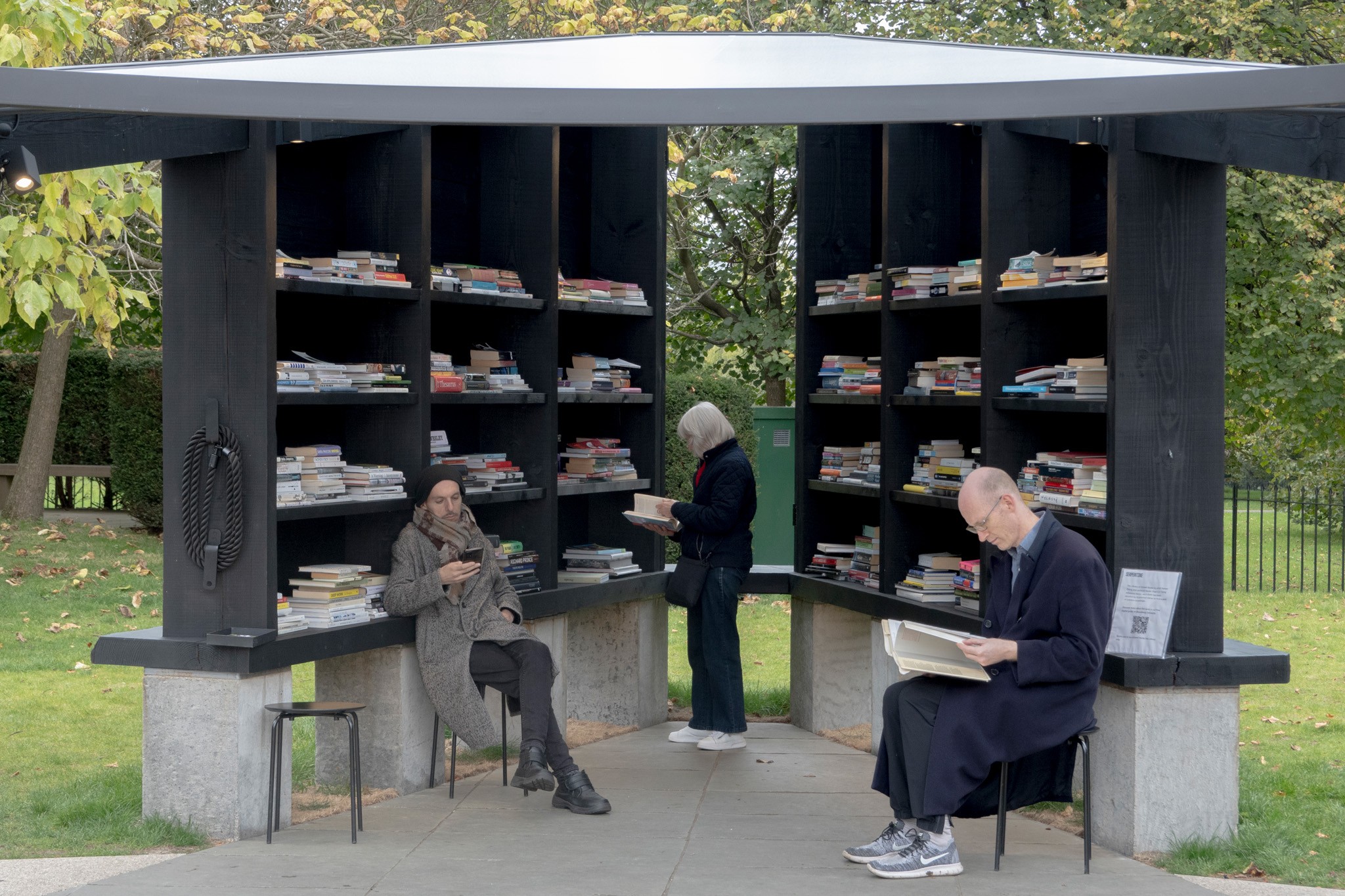
HC. Each book in The Library of Unread Books was previously owned as private property and someone has decided to give up that exclusive status with the book and donate it into this common pool. Our motto is: If you have a book you haven’t read, donate it to us, and someone else will read it for you. By receiving and revealing that which people choose not to read, The Library of Unread Books is a collective gesture that addresses the distribution, access and surplus of knowledge. It is a traveling public reference library that is hosted within art spaces and museums around the world. It has surfaced in cities such as London, Seoul, Tokyo, Penang, Manila, Utrecht, Milan, Prague, Dubai and Singapore. We insist that our library functions like an epiphyte that grows on the surfaces of other institutions.
With projects like this, I often think about how museums and galleries can be seduced into dreaming of producing common space for people to gather, common tools for people to utilise, and ways of working that doesn't exhaust common resources, and in turn exhaust the possibility of community. Spaces that don’t need someone to pay to enter to stay an entire day. Spaces where they are allowed to do whatever they want.
CNTRFLD. Reflection, walking, and observing everyday life are essential to your practice. In an increasingly accelerated world, how do you create—or protect—the mental space needed for such sustained, deliberate reflection?
HC. Over the years, I’ve been engaged in cognitive behavioural therapy, which has been incredibly valuable in equipping me with mental health strategies—not just for navigating life, but also for supporting my creative practice.
I’ve learned to set boundaries, protect my time and space, and say no without guilt. These psychological tools have been essential, shaping who I am both personally and artistically. They’ve given me greater clarity about what I’m creating and why. I believe I’ve evolved both personally and artistically. Since I see learning as a lifelong journey, I don’t view this survey show as a final destination, but rather as a meaningful pause—a moment to reflect on how I relate to the work I’ve created over the past 25 years.
CNTRFLD. Your work often operates between fiction and reality, infrastructure and imagination. Looking ahead, how do you imagine your practice evolving—especially as the intersections between the digital, political, and personal become even more complex?
HC. There’s a performance of mine that the Singapore Art Museum has collected, and we’re showing that in this exhibition. In Everything (Wikipedia), I am proposing a futile attempt to vocalise a representation of the entirety of human knowledge through a performance of Wikipedia entries. Recited by a single individual, the performance begins with the Wikipedia page of the day and follows the website’s links as a means to navigate the encyclopaedic resource. Using an electronic mobile device to access the servers of Wikipedia in real time, the performer advances across a multitude of hyperlink entries, deciding on the choice of links to follow. This action is repeated until the pre-defined hours of the performance has ended. The performance of text is experienced spatially (while in the vicinity of the performer) and durationally (the amount of time spent experiencing the artwork, with content received based on the juncture that one encounters the performer), resulting in new capacities for the reception of information.
In making the visitor’s experience of Wikipedia contingent on the performer’s chance encounter with information presented on the online encyclopaedia, I am attempting to acknowledges the exploratory and propositional nature of such digital infrastructures. Moving between hyperlinks and descending into rabbit holes (in the manner of Lewis Carroll’s Alice), information consumption quickly turns into excess.
CNTRFLD. Recalling the conditions of an information age, Everything (Wikipedia) reckons with information presented and consumed in seeming infinitude. How does the boundlessness of virtual interfaces measure against the human limits of knowledge inquiry?
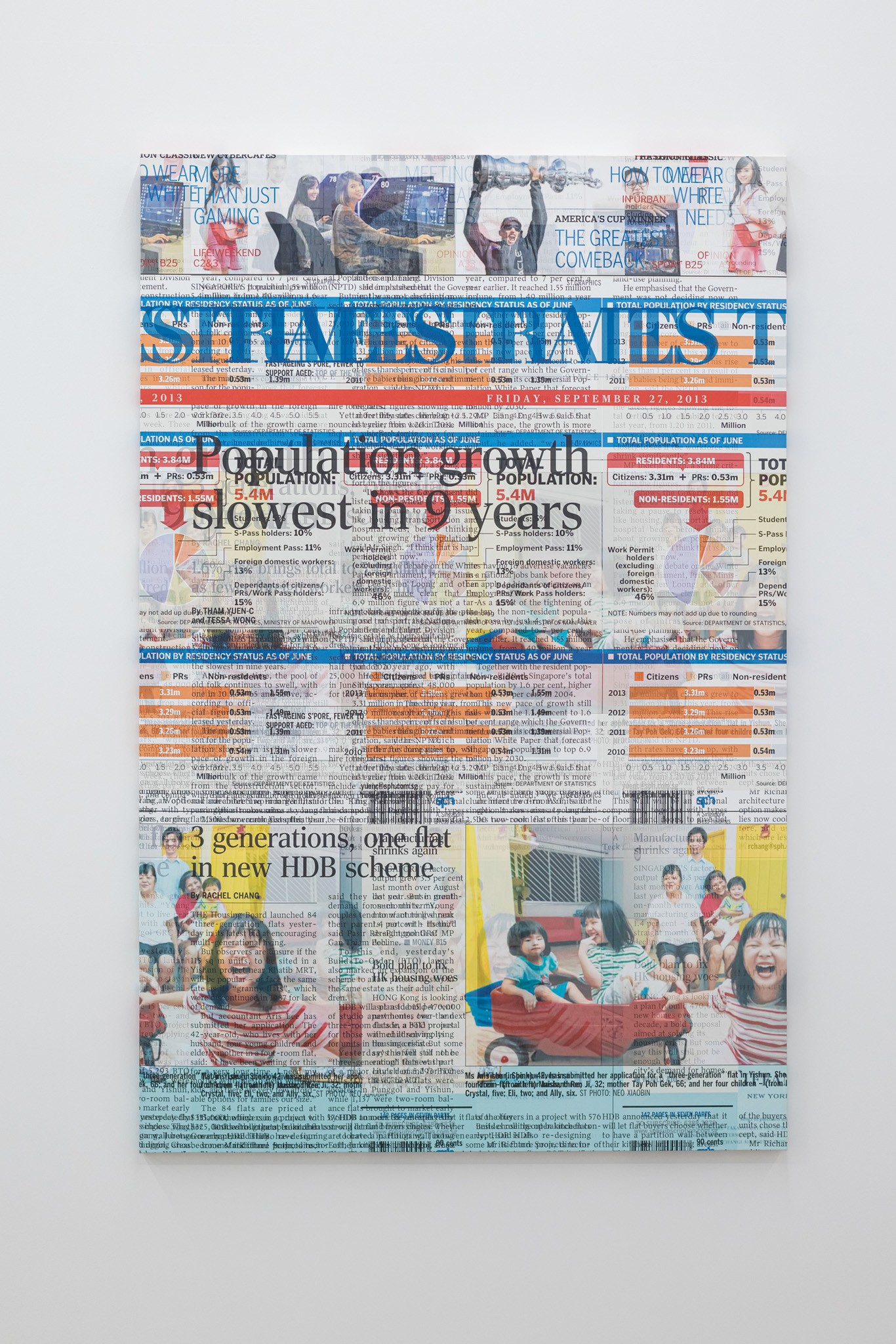
HC. I am attracted to transporting digital native objects (like a Wikipedia page or a spam email) into the real world via very simple processes like making a painting or reading stuff out aloud. I think it’s a beautiful way of highlighting the relationships between IRL and our digital selves.
CNTRFLD. Identity is a complex and layered theme, particularly in Southeast Asia. How do your own experiences with identity—whether personal, national, or cultural—find their way into your work, consciously or unconsciously?
HC. I once attended a talk by Amanda Lee-Koe and Tash Aw, both novelists that I highly respect. Tash said something that really stuck with me over the years. He said that one of the questions that he hates the most is ‘Do you think you consider yourself a Malaysian novelist?’. He explained that he feels that the underlying question is quite often ‘Are you Malaysian?’.
CNTRFLD. In a recent interview, you spoke about working on numerous solo exhibitions at once. Could you share what new projects, exhibitions, or collaborations you’re particularly excited about following the SAM survey? You have a busy few years ahead, with exhibitions across North America, Europe, and Asia. Can you share more about any upcoming projects or themes you’re excited to explore next?
HC. I’m currently involved in several exciting projects. One is a book set to be published by the wonderful Ivory Press in Madrid. Another is a temporary sculpture for the Middleheim Museum in Antwerp, which will be displayed in their stunning outdoor gardens for a year. This summer, I’ll also be Artist in Residence at the Asia Art Archive in Hong Kong, where I’ll spend time reflecting on an exhibition curated by Hou Hanru at Tai Kwun Contemporary, centred on one of my favourite artists, On Kawara.
In addition, I’m working on a long-term publishing project with the bookshop Page Not Found in The Hague, which will eventually evolve into a dispersed exhibition across the Netherlands. Lastly, my work will be part of the 30th anniversary exhibition at the Museum of Contemporary Art (MOT) in Tokyo this autumn.
There are many numerous other solo shows I am working on, but I am not allowed to speak about them at the moment.
CNTRFLD. Given your trajectory, what advice would you offer to emerging artists who are trying to build a sustainable and meaningful career in the arts today?
HC. I really don’t like giving unsolicited advice to anyone, but I’ll share with you my processes that can be easily replicated if one chooses to do so:
I start each day by listening to a piece of music I’ve never heard—or never thought I wanted to hear—and I sit with it, fully present, for its entire duration.
Each week, I watch a film that challenges or expands my understanding of cinema and storytelling. Every month, I devote myself to a single novel, taking the time to truly absorb its world and ideas. Once a year, I spend one to three months in New York—to see art, and simply to live. And in the spaces between all of this, I make a great deal of art—and I walk. A lot. For hours and hours and hours. Walk unafraid.