Early Years and Influences
CNTRFLD. You grew up in Manila during the final years of the Marcos regime, with parents who were deeply involved in the anti-dictatorship movement. How did that political and familial environment shape your early understanding of art, power, and history?
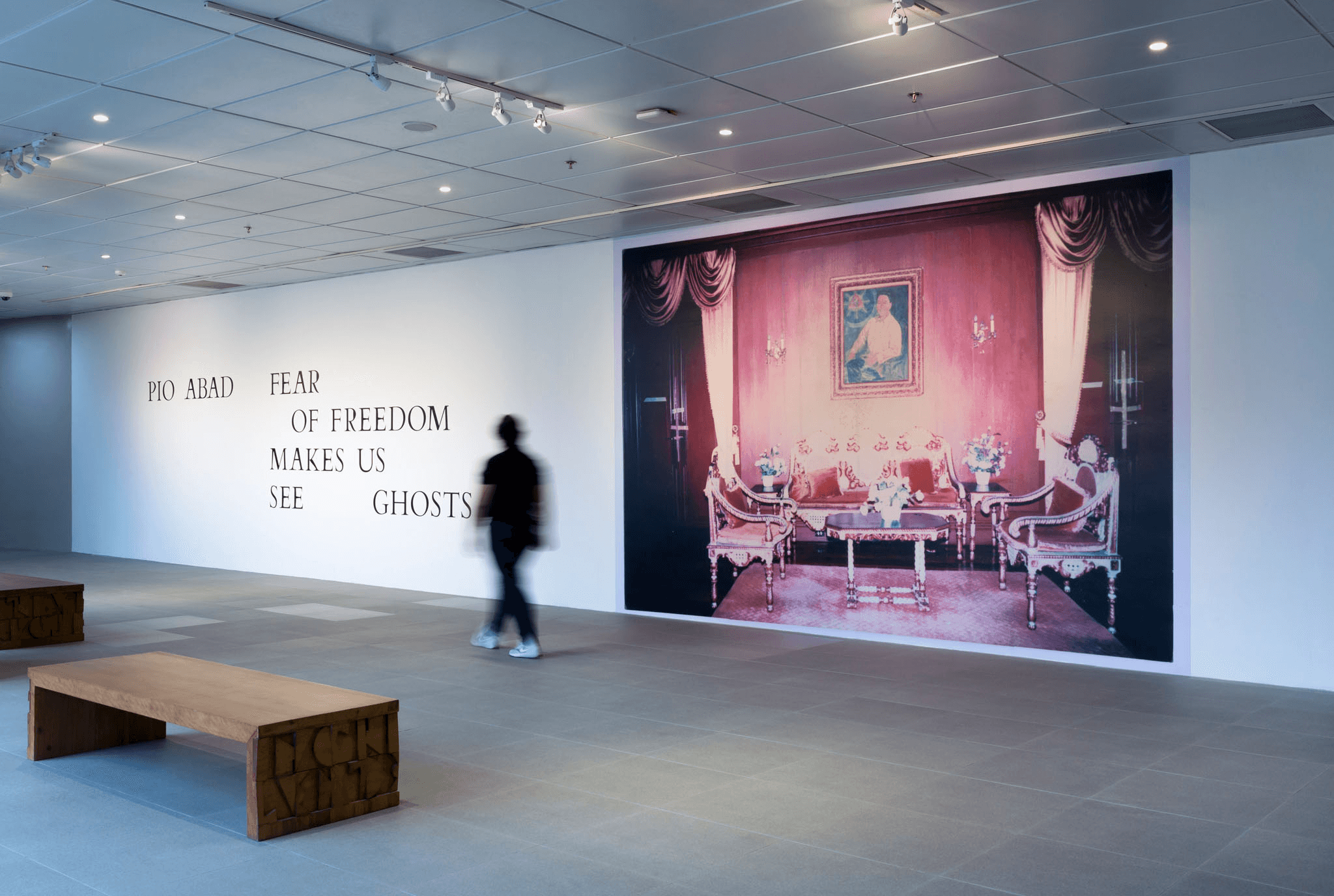
PA. Living through that tumultuous period — and growing up in that environment — was foundational in shaping how I understand power and history, but also the everyday realities of life. I was literally born a few weeks before Ninoy Aquino, the opposition leader was assassinated, and one of my first photographs as a baby in a pram was at a street protest following his death. That history wasn’t abstract — it was textured, emotional, and deeply woven into my family’s life. My parents were very involved in the difficult and often thankless task of rebuilding democracy after 20 years of dictatorship. My earliest memories were shaped by those turbulent years. I remember my first school field trip was to the presidential palace — the basement had been left exactly as the Marcoses abandoned it. The traces of their excesses were among the first images imprinted in my mind, it was the first museum I ever encountered, and as my practice probably testifies, those images stayed with me.
Being raised by activists and community organisers who later on became academics and legislators, I developed a clear sense of both the possibilities and limitations of art. Art can imagine and reimagine many things — but it never replaces the work of actual people building communities, of working towards a democratic project. That gave me a very grounded understanding of what art can and cannot do.
Journey into Art
CNTRFLD. Before moving abroad, you studied Fine Art at the University of the Philippines, then continued at Glasgow School of Art and the Royal Academy in London. What was that journey like, moving between such different contexts, and how did it shape your practice?
PA. My path to art school was quite long-winded. Before Fine Art, I was actually studying Management in Manila — one of those courses that made sense at the time but didn’t really excite me. My dissatisfaction with that led me to consider Fine Art, and having another artist in the family — my aunt, Pacita Abad — made me realise it could be a viable path. She actually suggested I go to the University of the Philippines, where she had studied. At UP, the education was incredibly traditional — the first year involved lots of drawing and painting bowls of fruit, with professors measuring accuracy. It left me wanting more, but it was also where I met lifelong friends, like Maria Taniguchi. Those connections remain very important to me. After two years, I was 21 and itching to move. It was actually my aunt Pacita who told me, “If you want to be an artist, you better get the f**k out of Manila.” That’s what she did, and somehow I ended up looking at Glasgow. I didn’t want to go to the US — it seemed too obvious given the Philippines’ ties with America — and London felt like too big a leap. Glasgow turned out to be the perfect in-between.
I moved there in 2004, at a time when it was an incredibly exciting city for artists. The Glasgow School of Art’s Mackintosh Building — before the twin fires — was a hub of creative activity. Artists like Cathy Wilkes, Jim Lambie, and Simon Starling were all present in the city. It was certainly a big adjustment from Manila, but a very exciting one. I stayed for five years, and I felt like I found my place in the community there. Most importantly, I met my wife, Frances, there — she was studying jewellery across the road from my building. We’ve been collaborators in every sense ever since.
Frances later moved to London for her MA, and I followed soon after. The Royal Academy was the only postgraduate course that I could afford, because it was free, and it offered three years and a studio right in the middle of Piccadilly — a dream. I started in 2009, when it was still seen as quite a conservative institution, but I found myself there at a time of big changes and surrounded by an amazing cohort — artists like Michael Armitage, Eddie Peake and Adham Faramawy were just above and below my year. A lot of my education was really about being in the right place at the right time. Both Glasgow and London prepared me in ways that felt organic and transformative.
Filipino Artist in London
CNTRFLD. You’ve been based in London for many years now. What drew you to make the city your base, and how do you navigate your identity as a Filipino artist within the UK and international art scenes?
PA. Settling in London happened gradually. I’ve lived and paid taxes here for 16 years now, but for a long time most of my exhibitions and collaborations were elsewhere — to the point that people were often surprised I actually lived here.
The turning point was getting a studio at Gasworks, an incredible non-profit in South London. After my Royal Academy degree, they offered me an exhibition and later a studio, where I stayed for eight years. Being part of that community gave me sense of real tenure in the city.
London can be welcoming, but also insular — especially if your narratives don’t fit the dominant story. My work doesn’t always align neatly with what’s happening here, but at Gasworks, I was surrounded by artists I admired, and the organisation’s rotating residency programme brought in artists from all over the world. It was diasporic by nature — a place where difference was normal.
That sense of belonging within a shifting, international community really helped. But now, with a child, the reality of living and working “in between” places no longer works the same way. In the past few years, London has truly become home. I can’t imagine being anywhere else.
Cultural Belonging and Perspective
CNTRFLD. Do you ever feel a sense of in-betweenness — negotiating between your Filipino heritage and your life in the UK — and has that tension found its way into your work?
PA. Strangely, I don’t really feel that sense of in-betweenness. Maybe it’s because I come from a family so deeply rooted in the Philippines — and in the struggle to build a certain kind of Philippines, albeit one that now feels out of reach. My parents were deeply invested in the idea of nation, and that shaped me too. I left the Philippines at 21 — not yet fully formed, but old enough to have a sense of self. That said, deciding to make London home means there’s always a dance between distance and intimacy. In many ways, I don’t think the work I’ve made over the past decade, and a half would have been possible if I were still living in the Philippines. Being distant allows me to see the contours of the subject more clearly. If there’s a sense of being in two places at once, it’s a productive one — distance offers perspective, and that perspective has been essential to my work.
Arts Ecosystems and Support
CNTRFLD. Having exhibited extensively across Asia, Europe, and North America, how would you describe the differences or similarities in arts support networks in the Philippines versus the UK or elsewhere?
PA. Each place has its own insularity — the Philippines in its way, the UK in another — but I’ve always seen my role as connecting the dots between them. I’ve been lucky to move within interconnected communities of artists and curators who share the same aspirations. I have always felt a sense of belonging with those who perhaps also didn’t quite belong, for whom itineracy was an essential part of how they defined themselves. This is probably why the biennial format became such a crucial form for making my work.
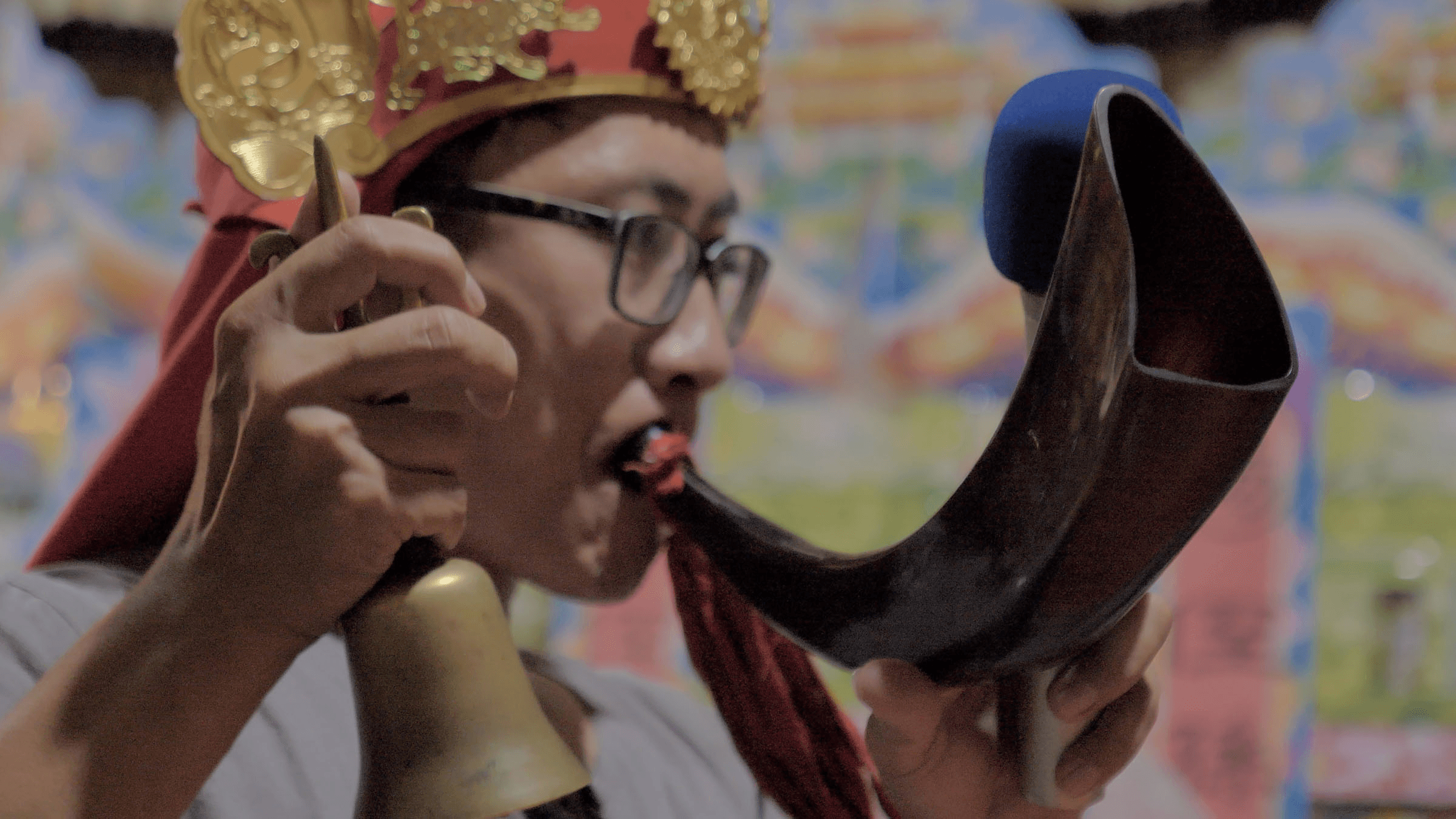
I remember working on a project for the Taipei biennial in 2023 and visiting Lanyu, the southernmost island of Taiwan, which is actually closer to the northernmost island of the Philippines where my family is from. When I got there, I realised I could understand the local language — a pre-colonial form of my father’s Batanes dialect, Ivatan. Moments like that remind me that my sense of community and even my sense of rootedness is based on movement. The world feels more intimate, but also more abundant with possibilities, when those connections reveal themselves.
The Turner Prize Nomination
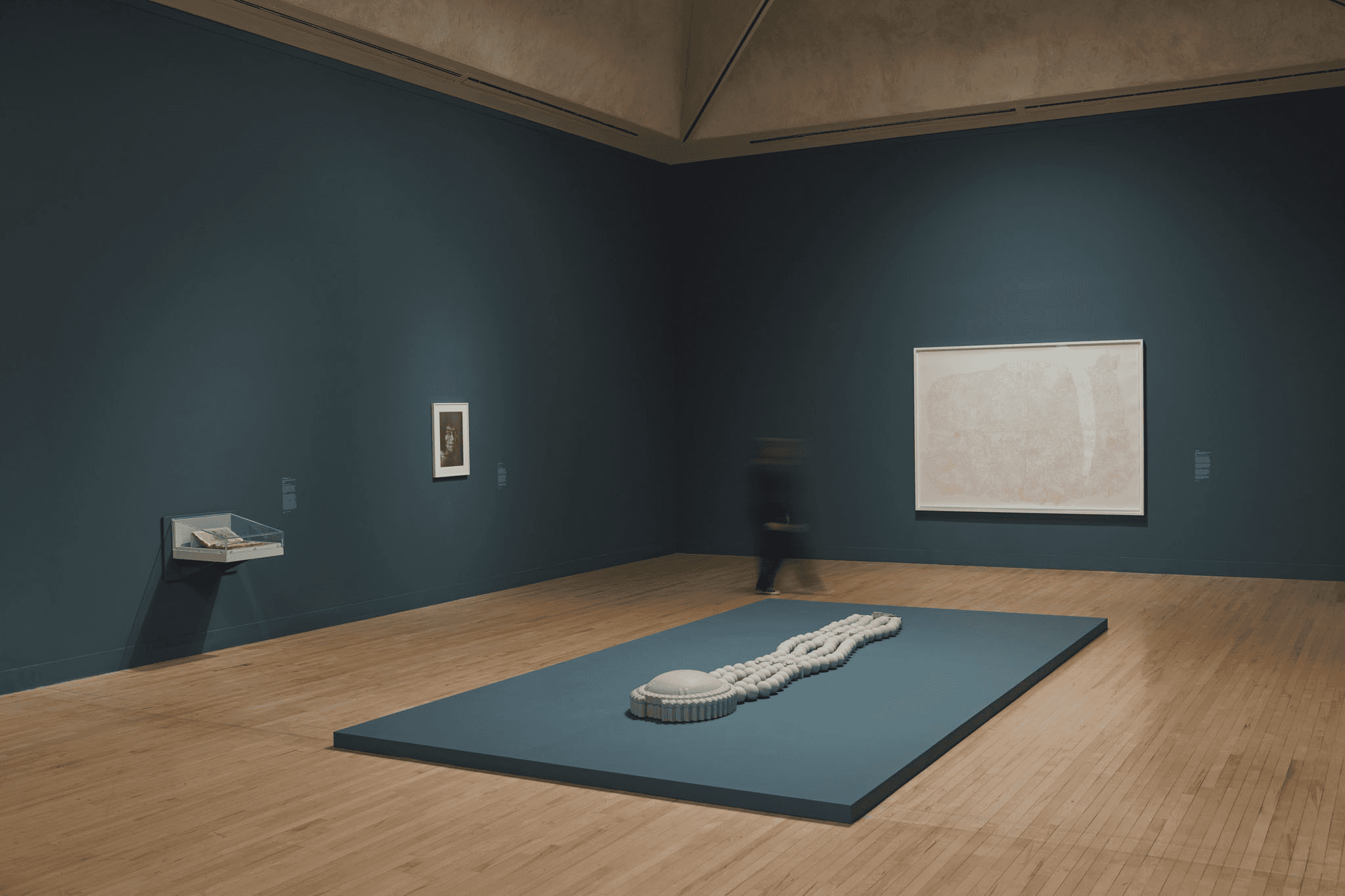
CNTRFLD. Congratulations on your Turner Prize nomination. How did it feel to have To Those Sitting in Darkness recognised in this way, and what does that exhibition represent for you personally and politically?
PA. I still remember getting the call from Alex Farquharson, Director of Tate Britain. I was with my aunt’s gallerist Tina Kim unloading artworks from storage — from my shocked reaction, she thought something bad had happened. It was utter disbelief and completely unexpected. Because my career had largely developed outside the UK, it meant a lot to finally have that recognition from peers in the city I call home. The Turner Prize exhibition was actually my first presentation in London in a decade, as I had spent the previous ten years on the road.
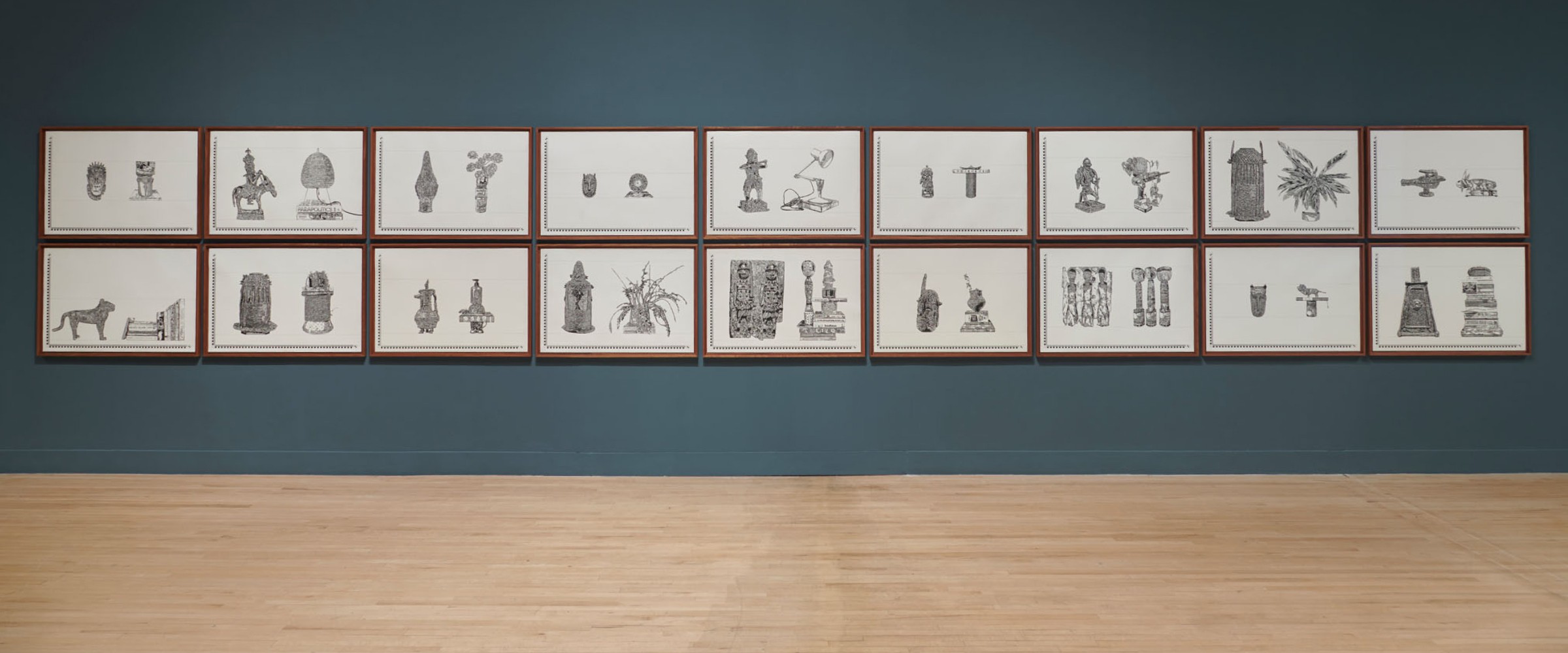
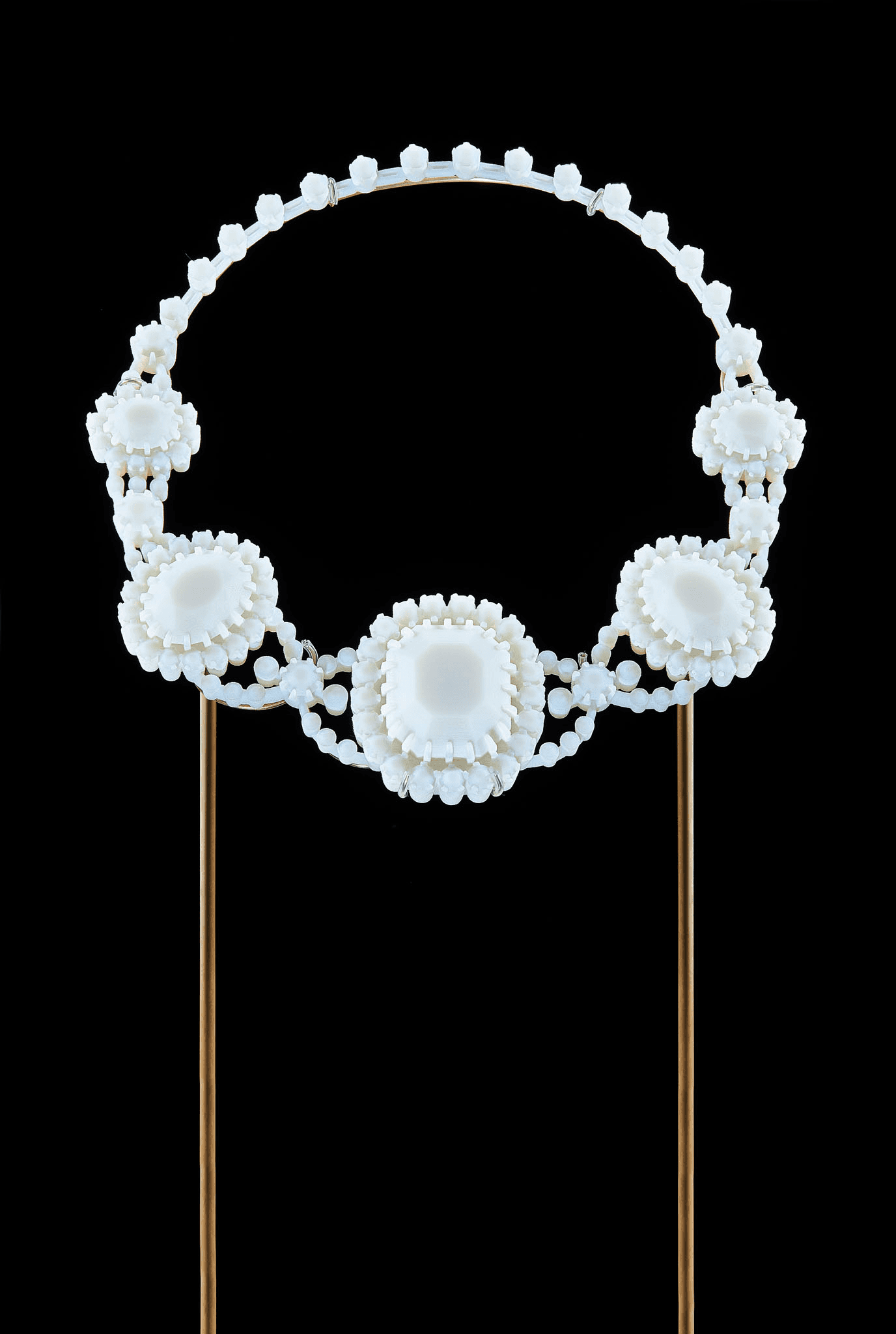
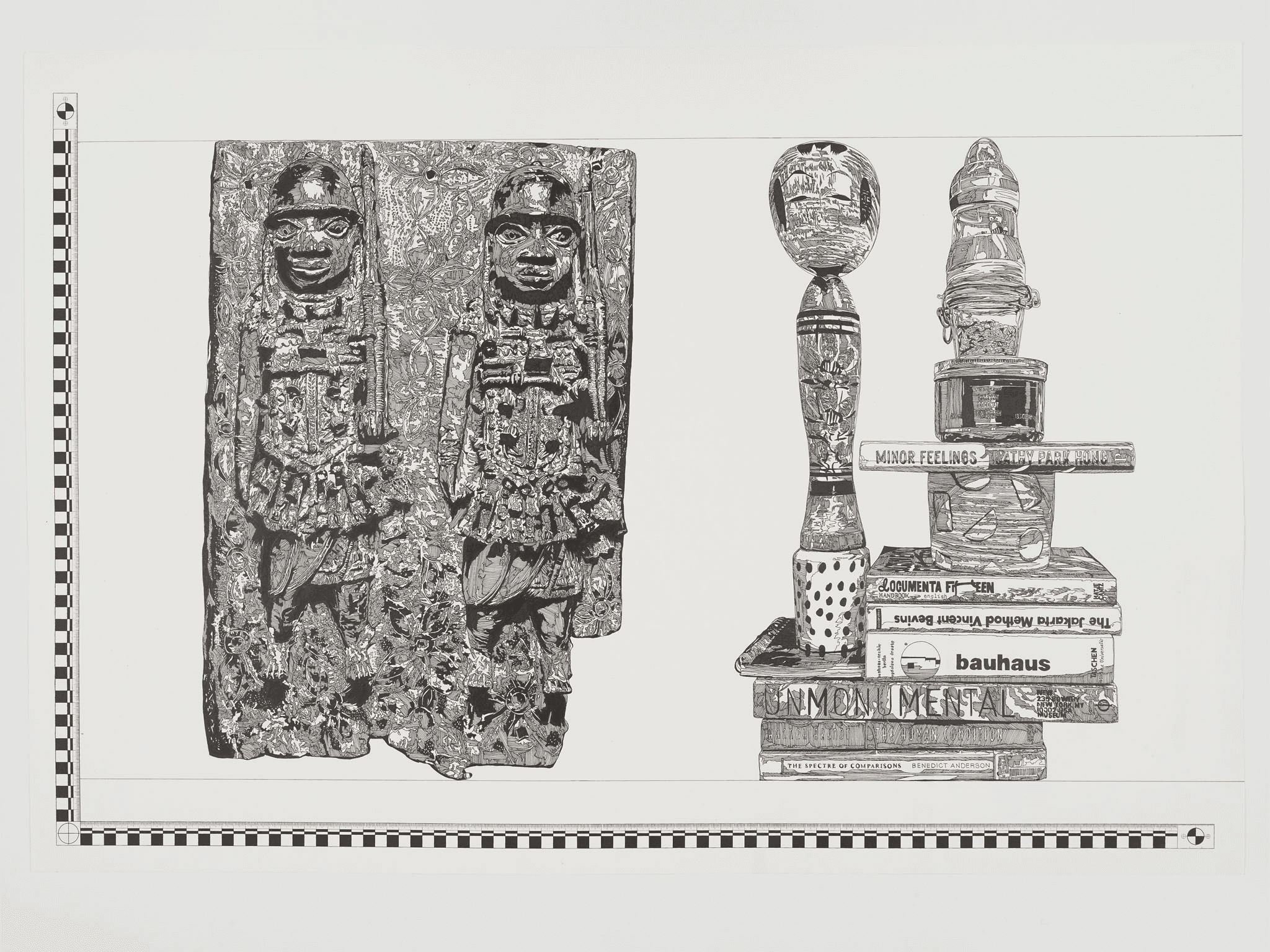
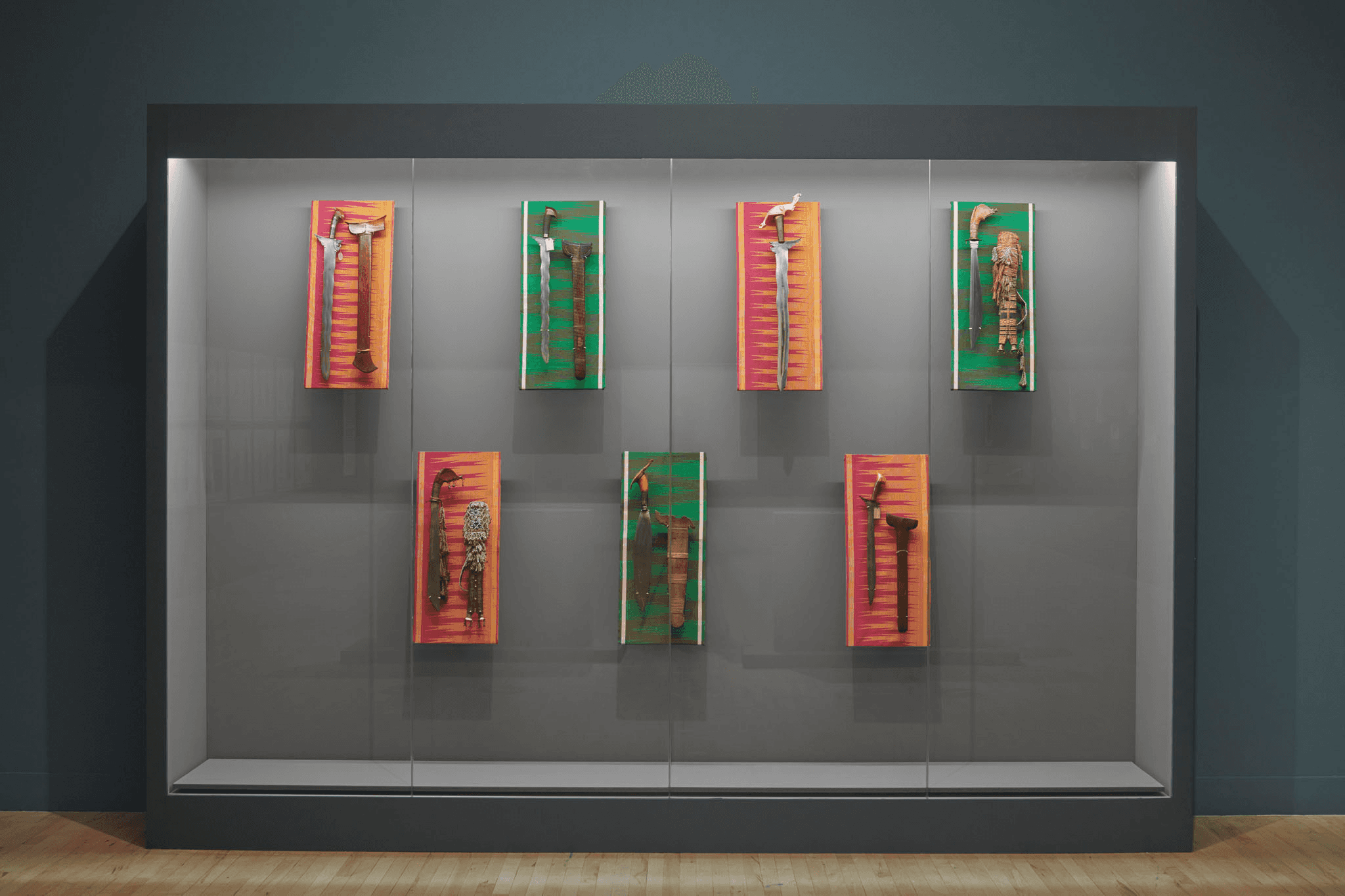
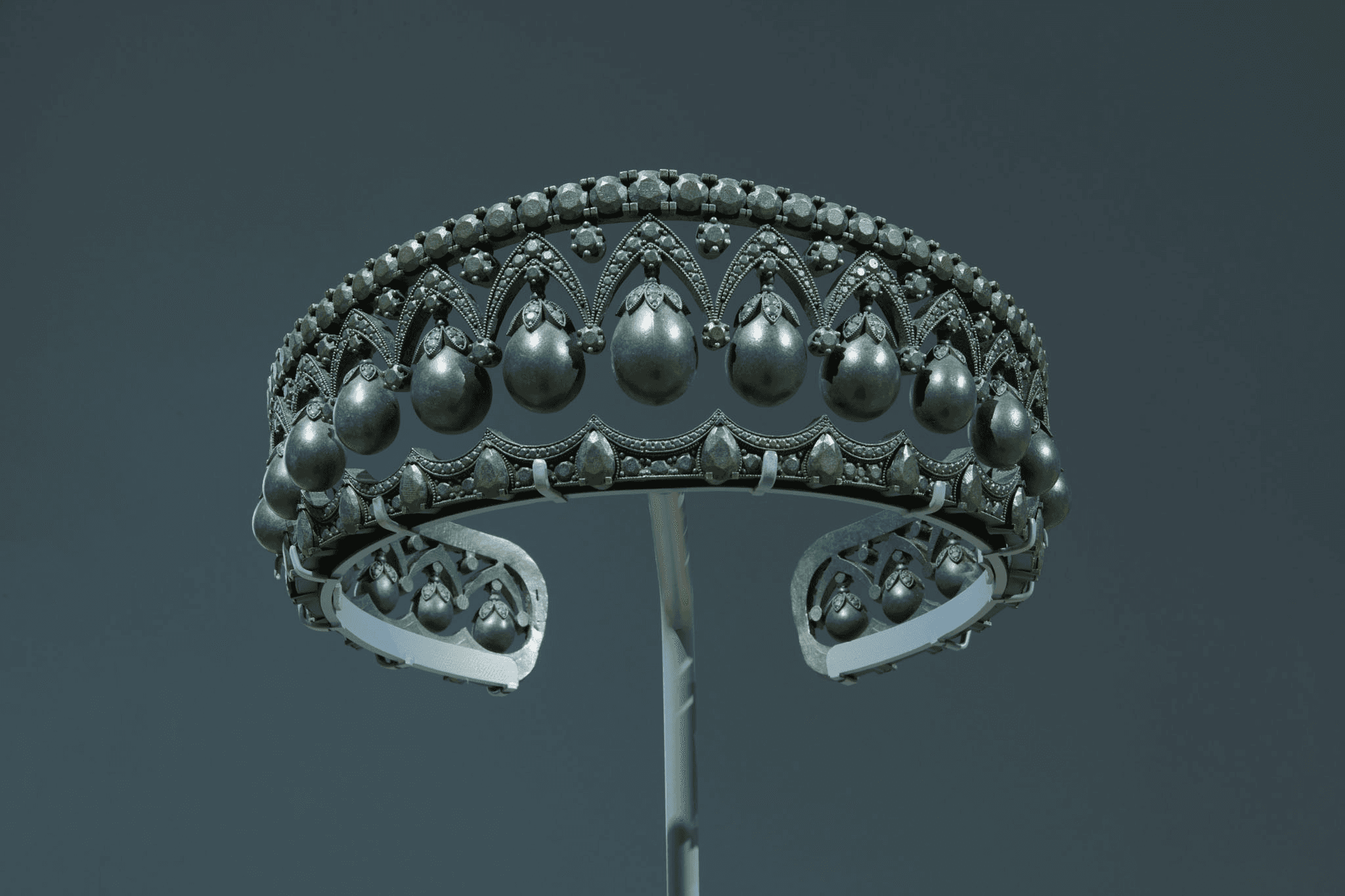
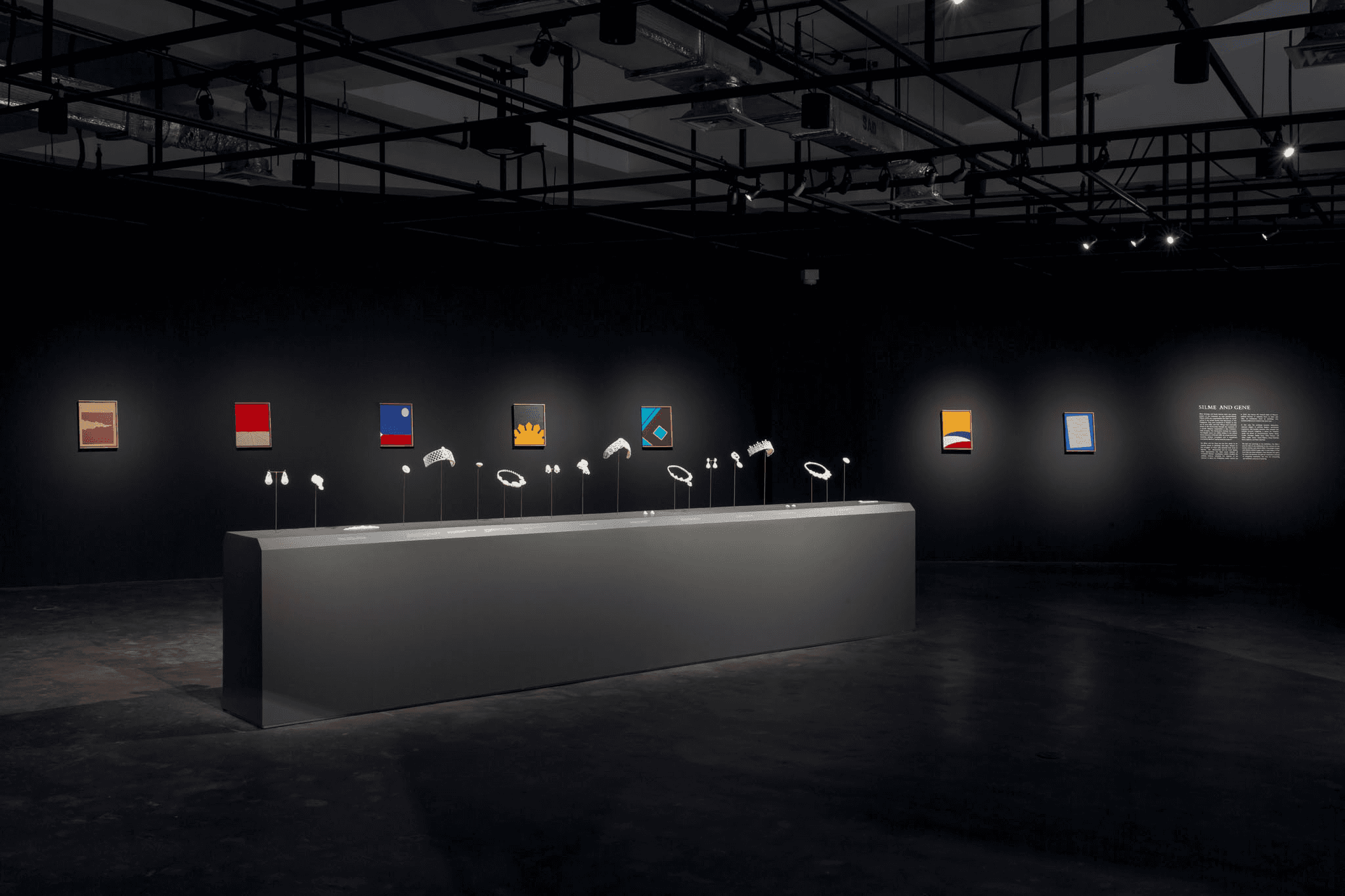
The project itself marked a transition. For ten years prior, I’d been immersed in The Collection of Jane Ryan and William Saunders, which examined the Marcos kleptocracy through objects. That project ended just as the Marcos family returned to power — a cruel twist of fate that left me politically and creatively exhausted. Working with the Ashmolean Museum’s collection became an antidote — an opportunity to re-engage with objects differently. But inevitably, I still found myself returning to the Philippines; it always calls you back.
The Turner experience is surreal — everyone sees your work, everyone has opinions. But I was moved by how the exhibition resonated with people who didn’t necessarily know Philippine history. The larger themes — loss, grief, empire, and longing — found an audience. That’s been deeply affirming and has laid the groundwork for what I’m doing now.
Objects, Memory, and Power
CNTRFLD. Much of your practice explores how objects carry political and emotional histories. What draws you to work through objects as vessels for storytelling and resistance?
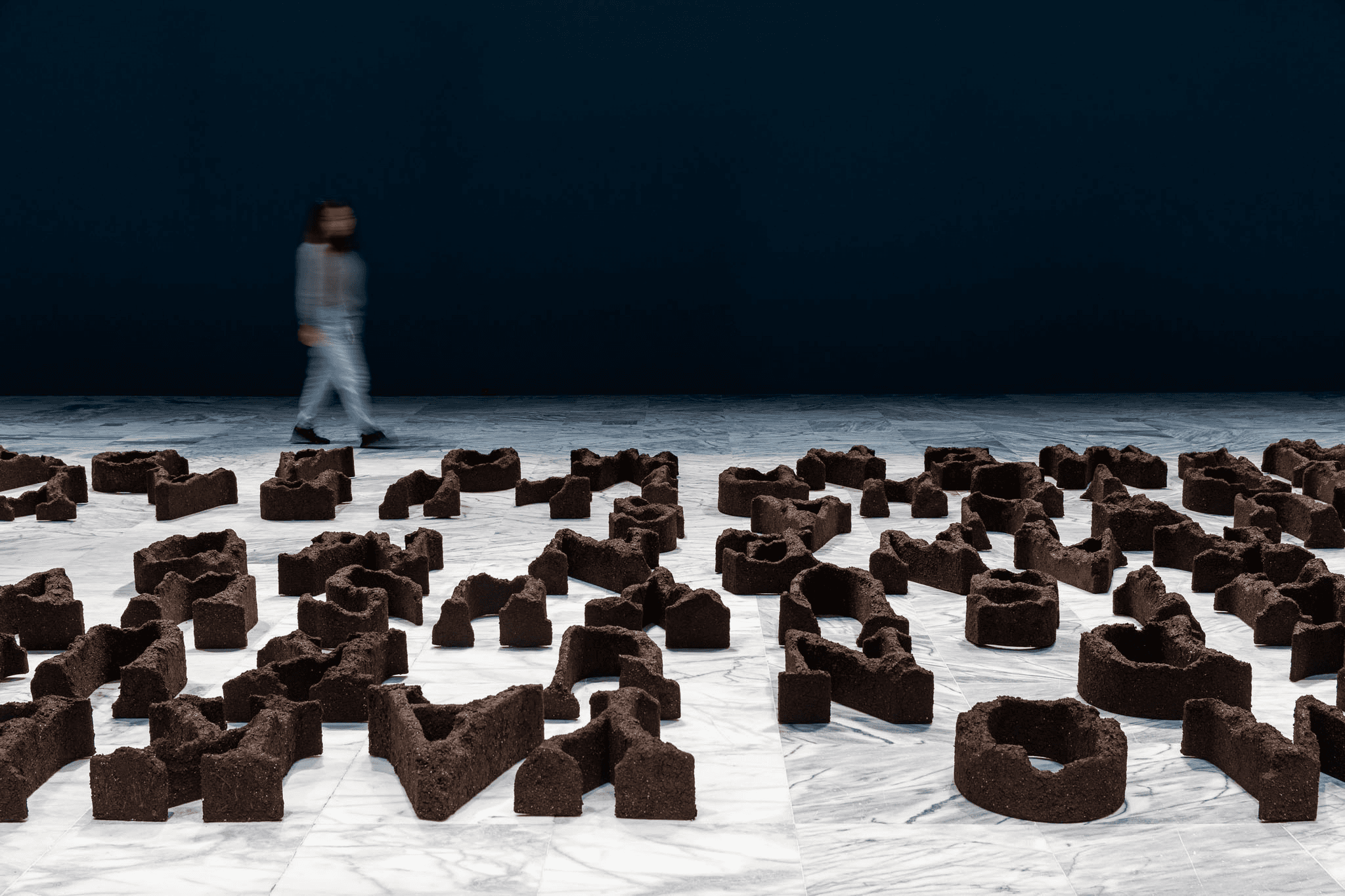
PA. I’ve always been drawn to museums. I know they’re complicated institutions — burdened by colonial histories — but for me, encounters with objects within museums have always felt almost religious, that combination of the staging, the architecture and the narration. They can be transformative. That sense of wonder, curiosity, and complexity is what I want to recreate in my work. My practice moves across so many different mediums, from sculpture, drawing and the way through to 3D printing and even augmented reality, but what unites it is a desire to restage those encounters with objects.
Objects are never just things — they’re networks of relationships. I still vividly remember seeing an Aztec turquoise mask at the British Museum 20 years ago and the feelings of awe and terror evoked by that encounter. That charged moment is what I still aspire to do in my work — but through objects that people might not know about or might have been overlooked.
Curating Pacita Abad’s Legacy
CNTRFLD. As curator of your aunt Pacita Abad’s estate, you’ve helped bring renewed attention to her extraordinary career. How do you see your role in preserving and expanding her legacy — and has that process influenced your own artistic thinking?
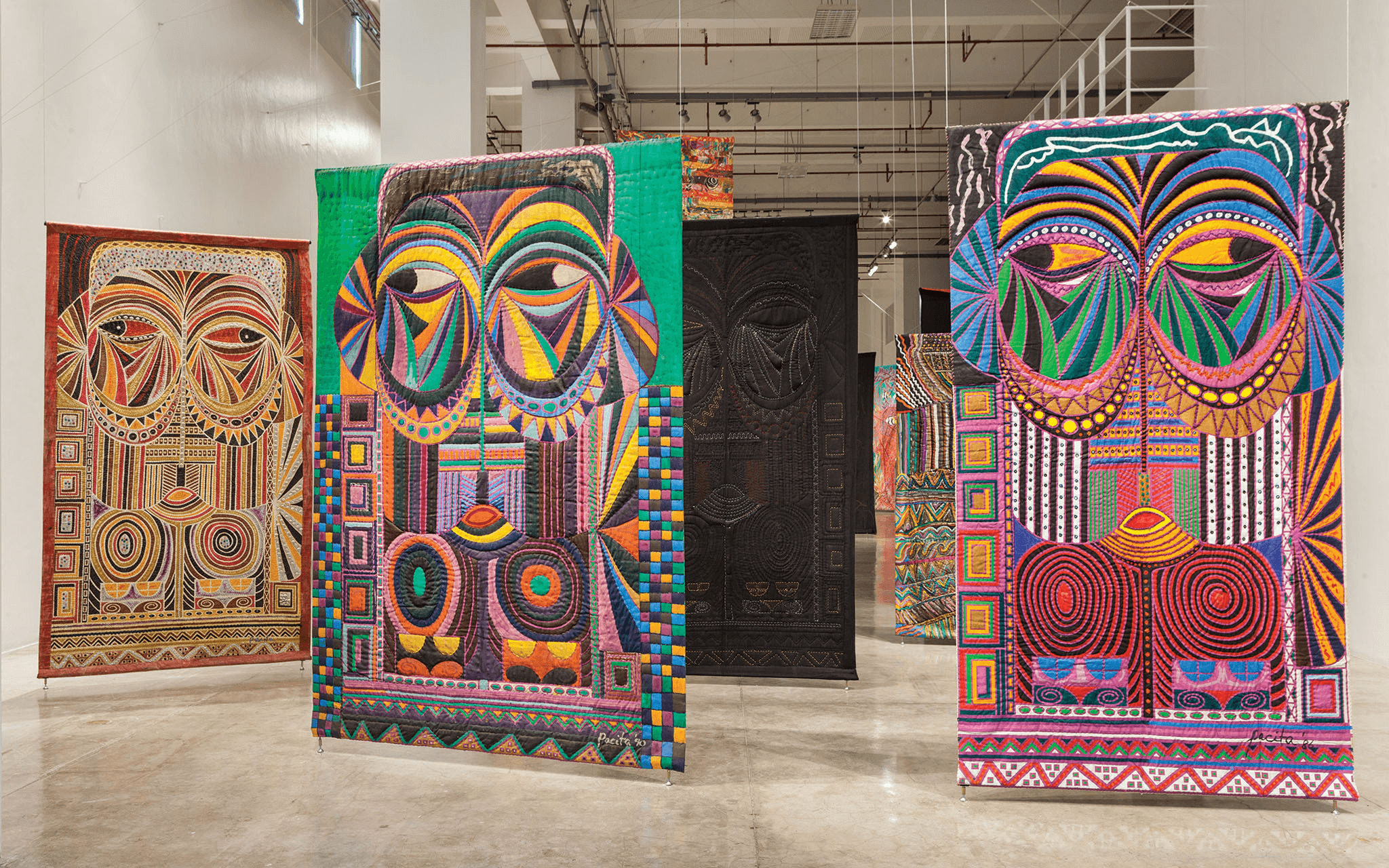
PA. It’s been become such an essential part of how I see myself as an artist. Pacita was the reason I went to Glasgow in the first place — she was a huge, loud, colourful presence in my life growing up. I started working on her estate in 2017, shortly after my mother passed away. It became a meaningful way to process that loss. My first project was co-curating an exhibition of Pacita’s work at MCAD Manila with curator Joselina Cruz, which we called ‘A Million Things to Say’—it was Pacita’s first major show since her passing. Since then, reintroducing her work to new audiences has been one of the most rewarding things I’ve done. When her retrospective opened at the Walker Art Center, curated by Victoria Sung, it felt like a family wedding — my relatives were there, alongside many collaborators in the art world and curators I admire. It was a true gathering of art history and personal history.
Formally, one curatorial decision I’m proud of was showing both the front and back of Pacita’s trapunto paintings at MCAD — revealing the detailed stitching and labour behind them. She used to hide the backs, because embroidery was seen as “craft,” not “art.” Reclaiming that was important— it redefined how people understood the rigor and complexity behind her work.