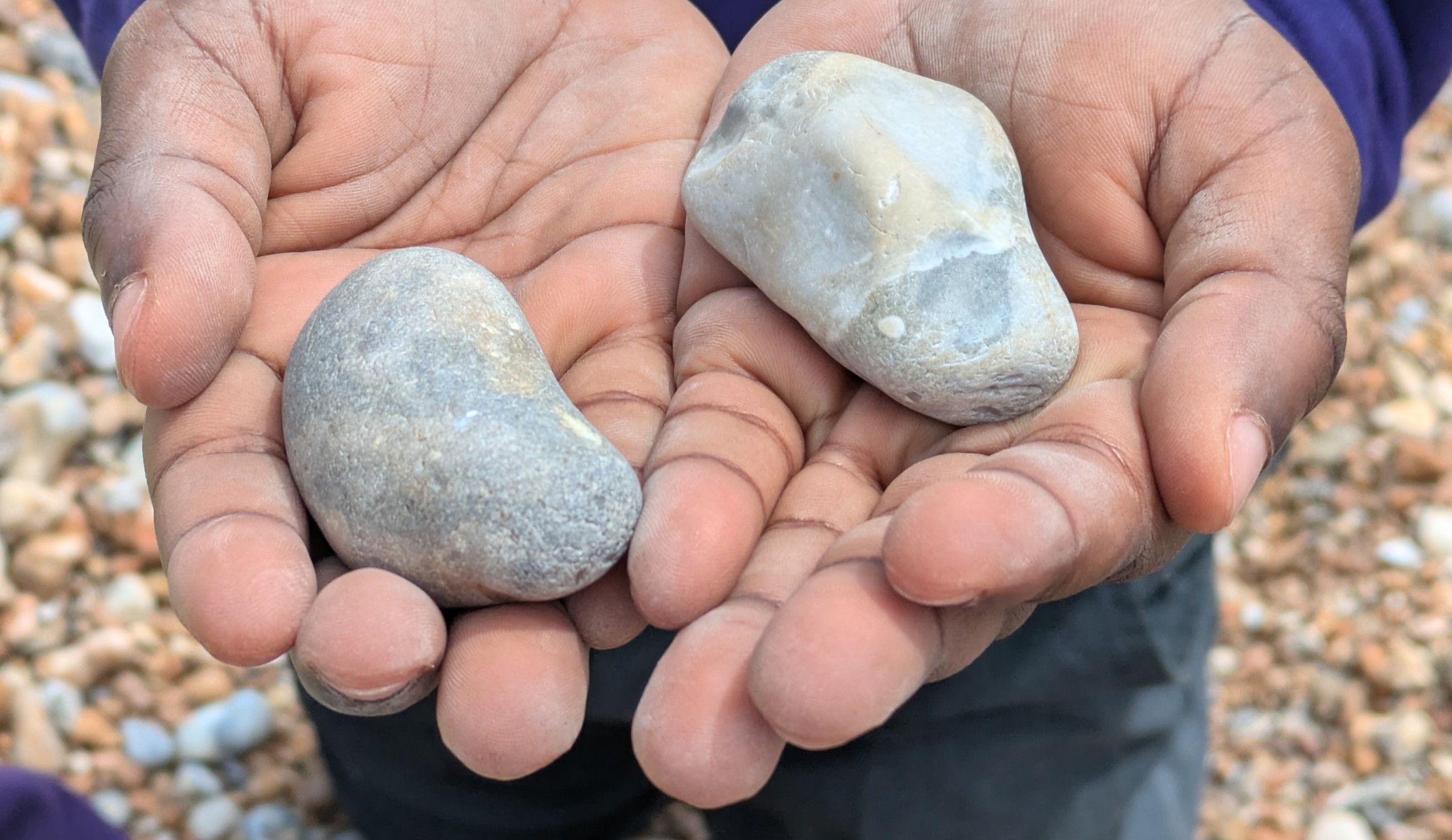
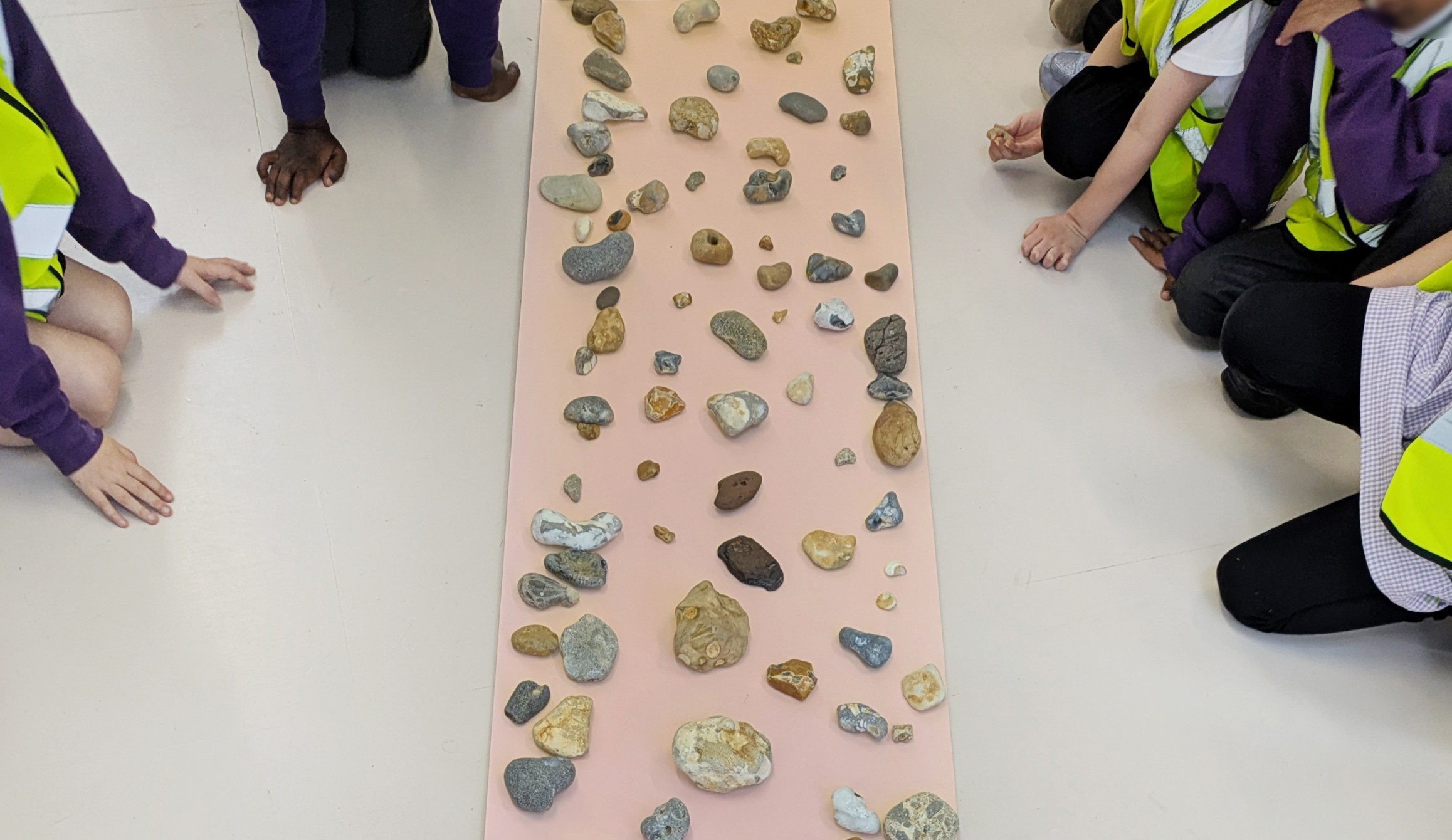
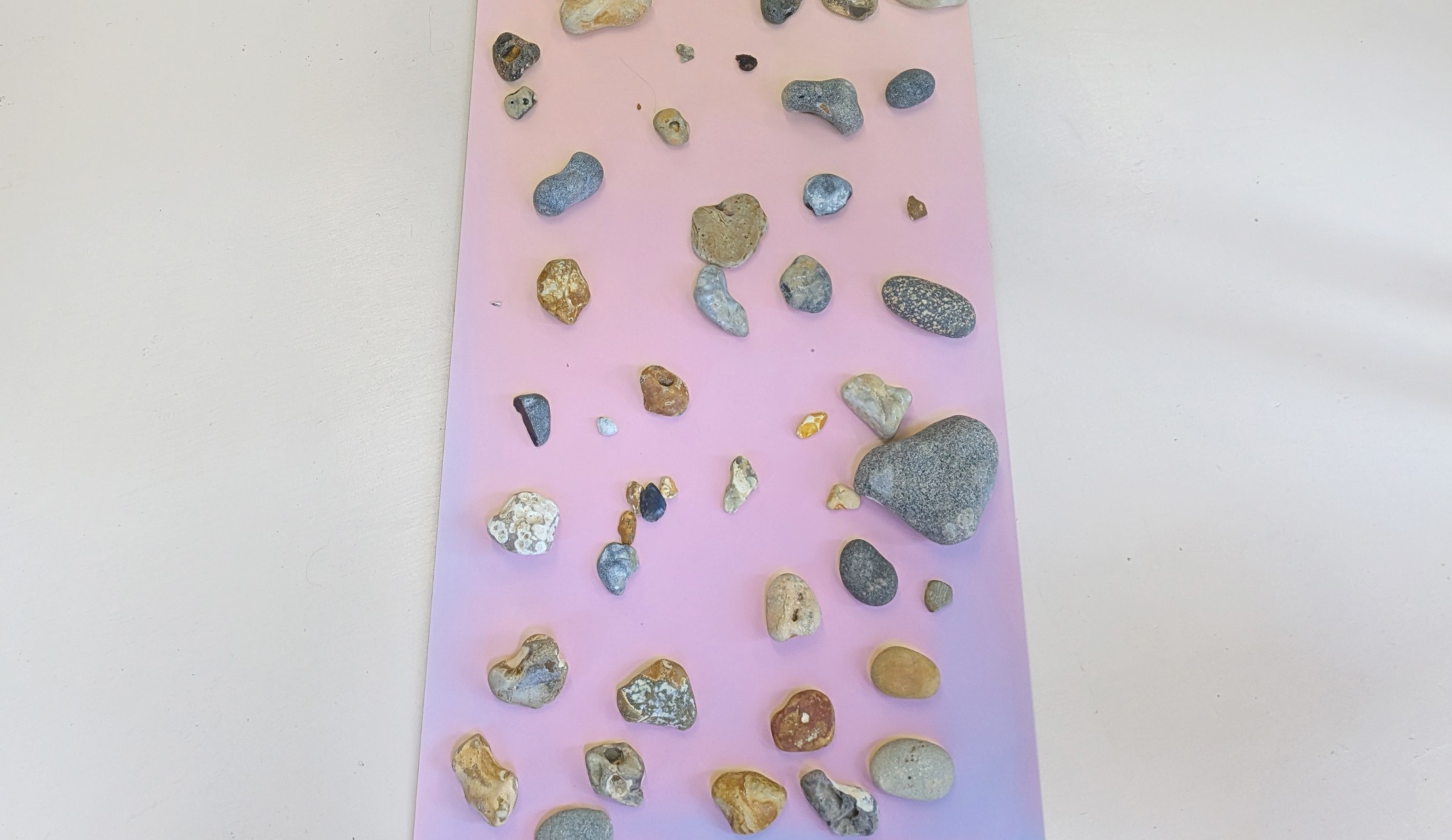
"Each person chooses differently: a preference for roundness, a funny shape, or something that just felt right. It's a simple act, yet multiplied by many, it becomes a portrait of a particular place and time."—RJ Fernandez
CNTRFLD. Your upcoming residency at Amici Studio centres around Ginugunita Kita, a participatory installation shaped through light, memory and collective gesture. How did the idea for this work first begin, and what drew you towards creating something that evolves through public interaction?
RJF. It began with a handwritten note from the artist David Medalla, found while going through my old notebooks. It reads 'Alaala ng ating unang pagkikita dito sa London' - which roughly translates to 'In memory of the day we first met in London.'
This led me to a poem by Chinese Filipina author Maniningning Maniclat: Ginugunita kita, Binubuo sa ala-ala, Pinapanga-pangarap ka, Inuukit sa haraya. It talks about trying to make whole the fragments of memory, of dreaming, and manifesting our creative thoughts into reality.
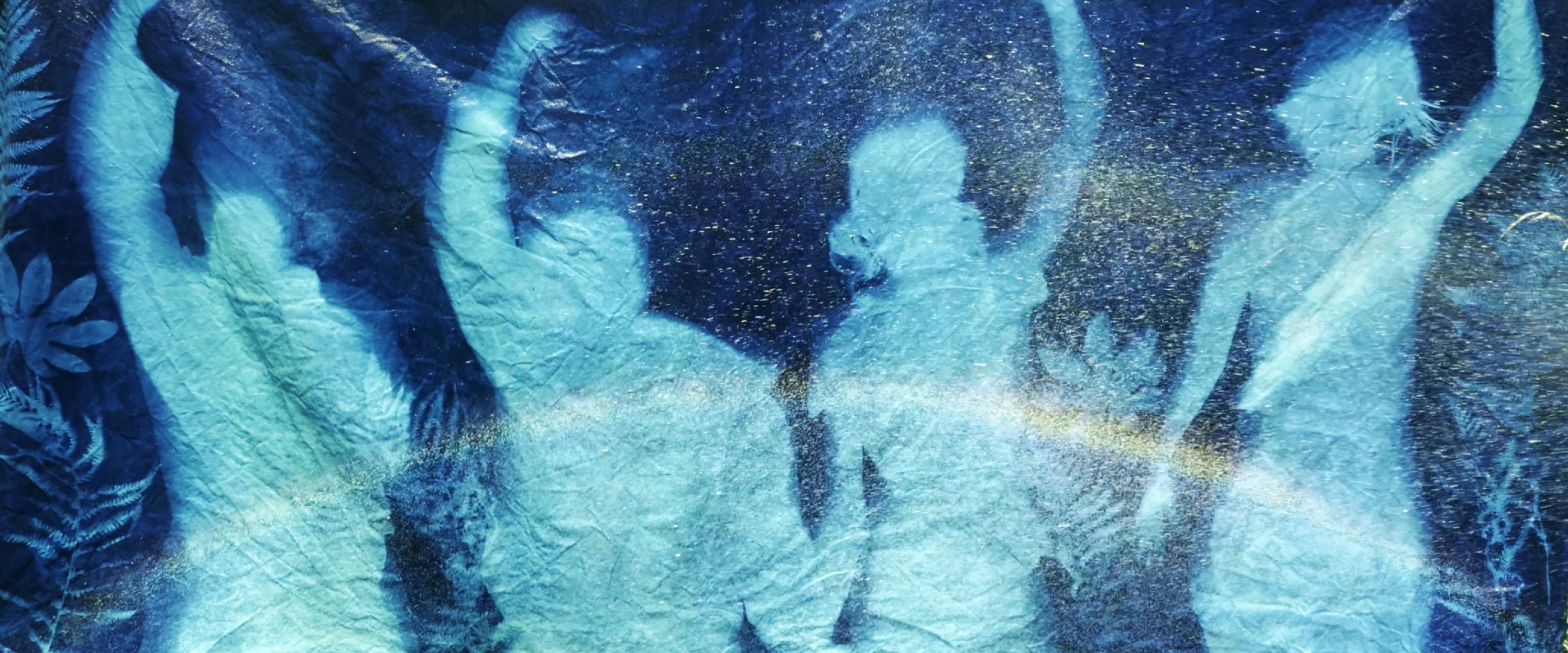
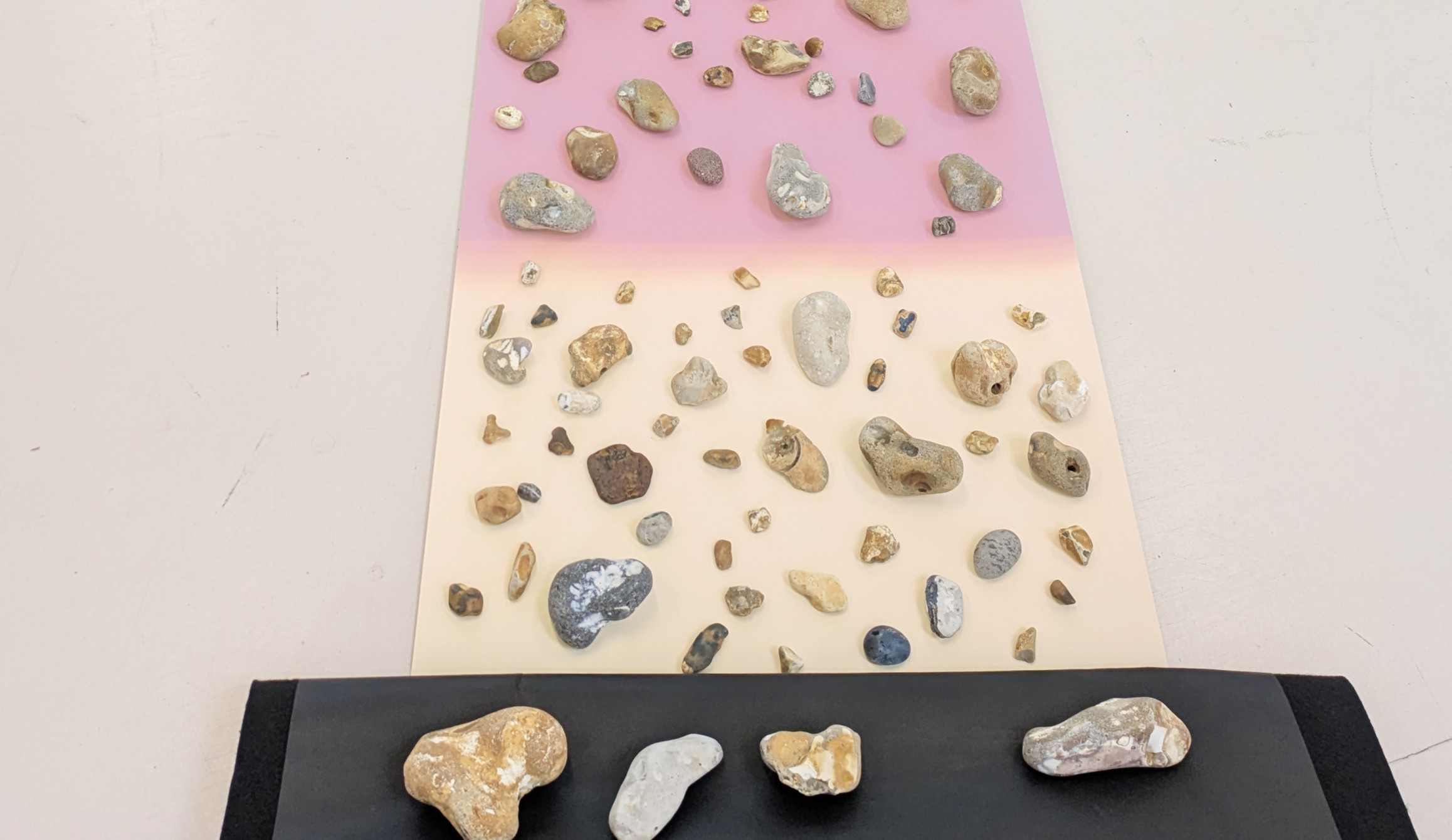
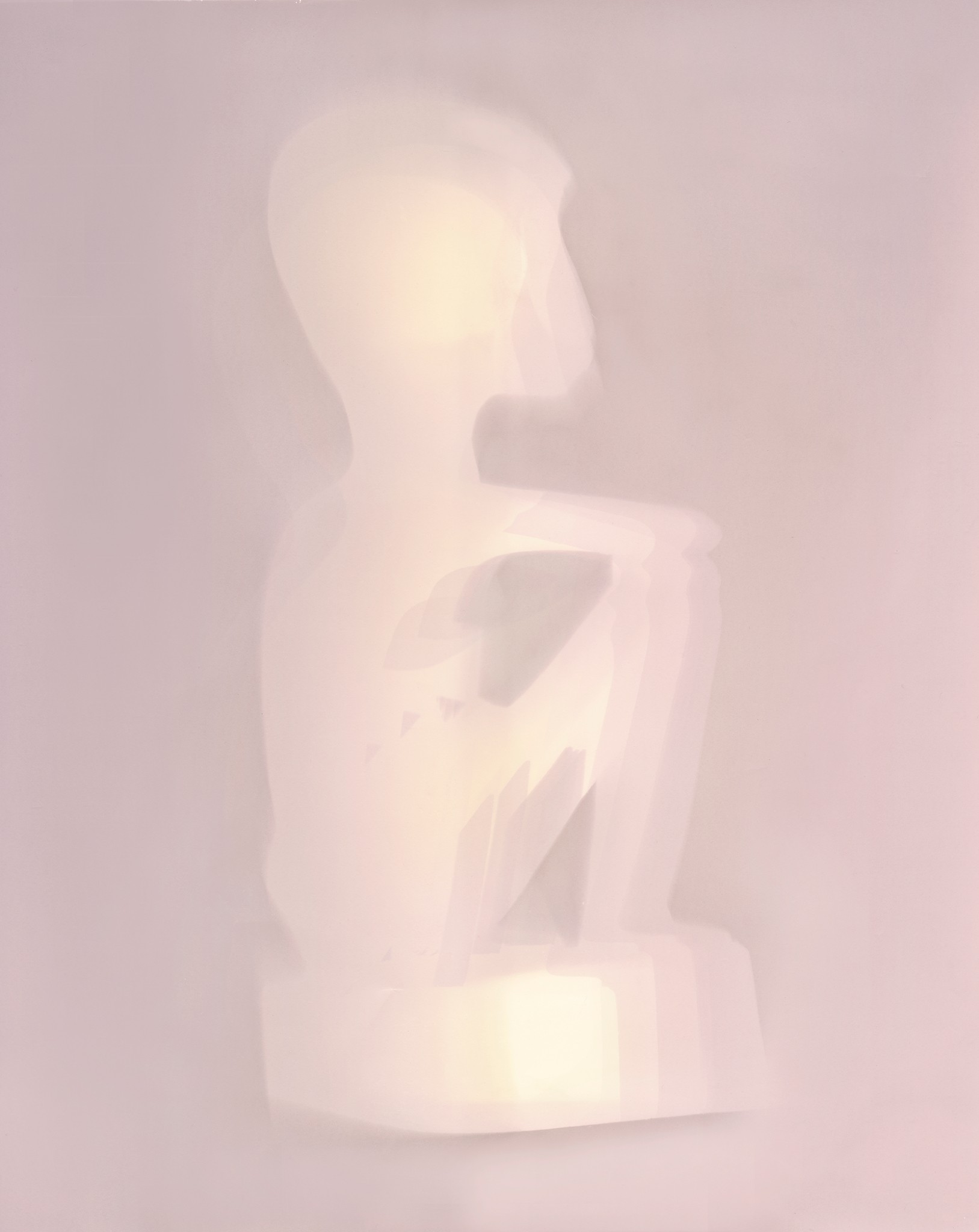
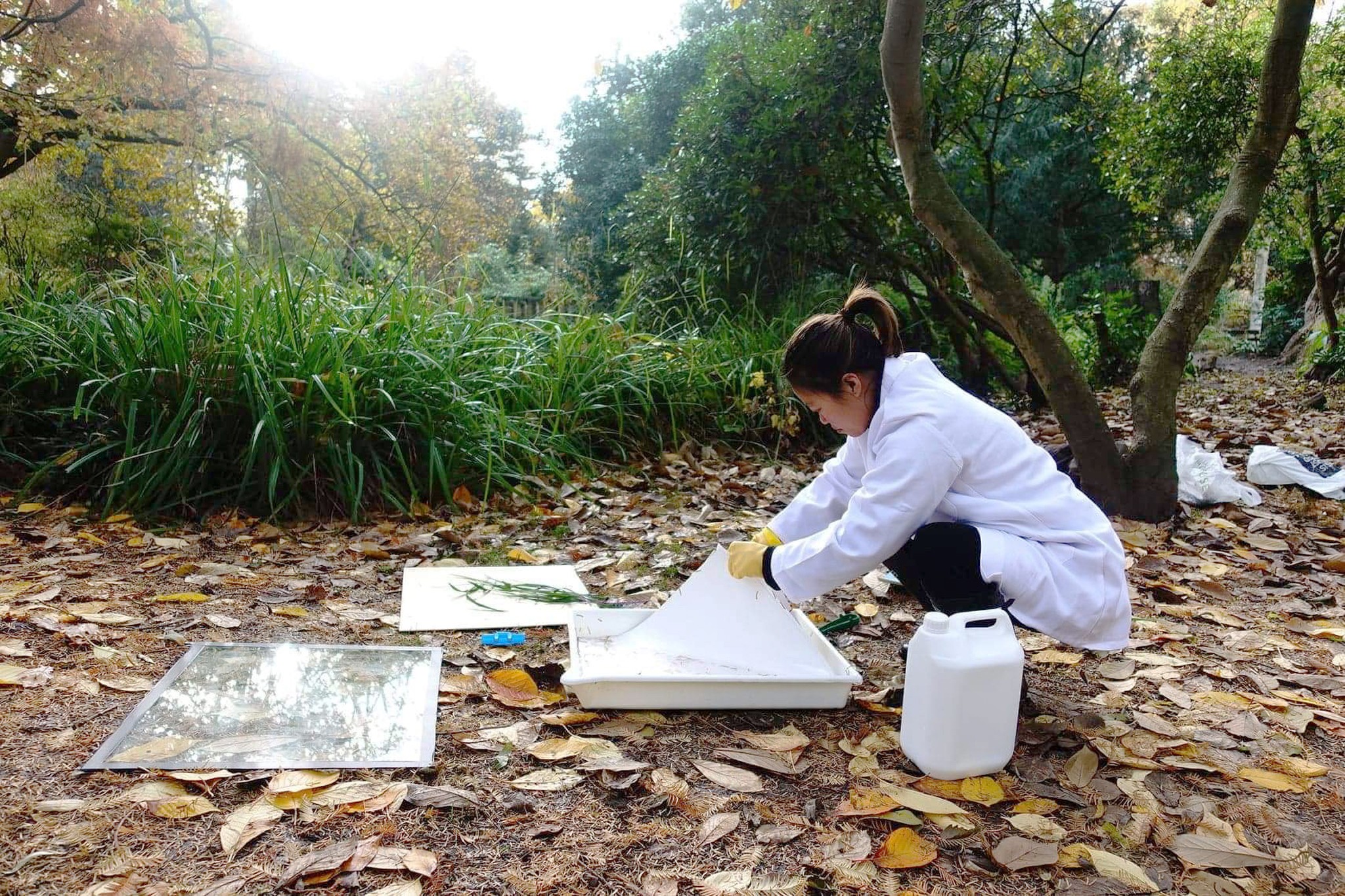
On our walks along the sea, we always come home with rocks of different forms and colours. We get lost in a sort of reverie as we find our special ones, among the thousands, that feel just right. I started making cyanotypes of these rocks on piña paper and creating lumen prints in the studio, photograms of objects placed on silver gelatine paper done without a darkroom. Using an old roll of Ilford fibre paper generously gifted to me by the printer Robin Bell, I had the idea of making a collaborative lumen print that unfolded and exposed through the week by asking people from my community to place rocks from the seafront onto the paper. Each person chooses differently: a preference for roundness, a funny shape, or something that just felt right. It's a simple act, yet multiplied by many, it becomes a portrait of a particular place and time. Using an 8m long sheet of silver gelatine paper to make a collaborative photogram for a week-long residency means I am pushing the material to its absolute limits. It's a combination of choice and chance.
CNTRFLD. Much of your practice explores labour, migration, material culture and hidden histories through photography, film and collaborative making. When you begin a new project, what usually comes first — an image, a conversation, a place, or something else entirely?
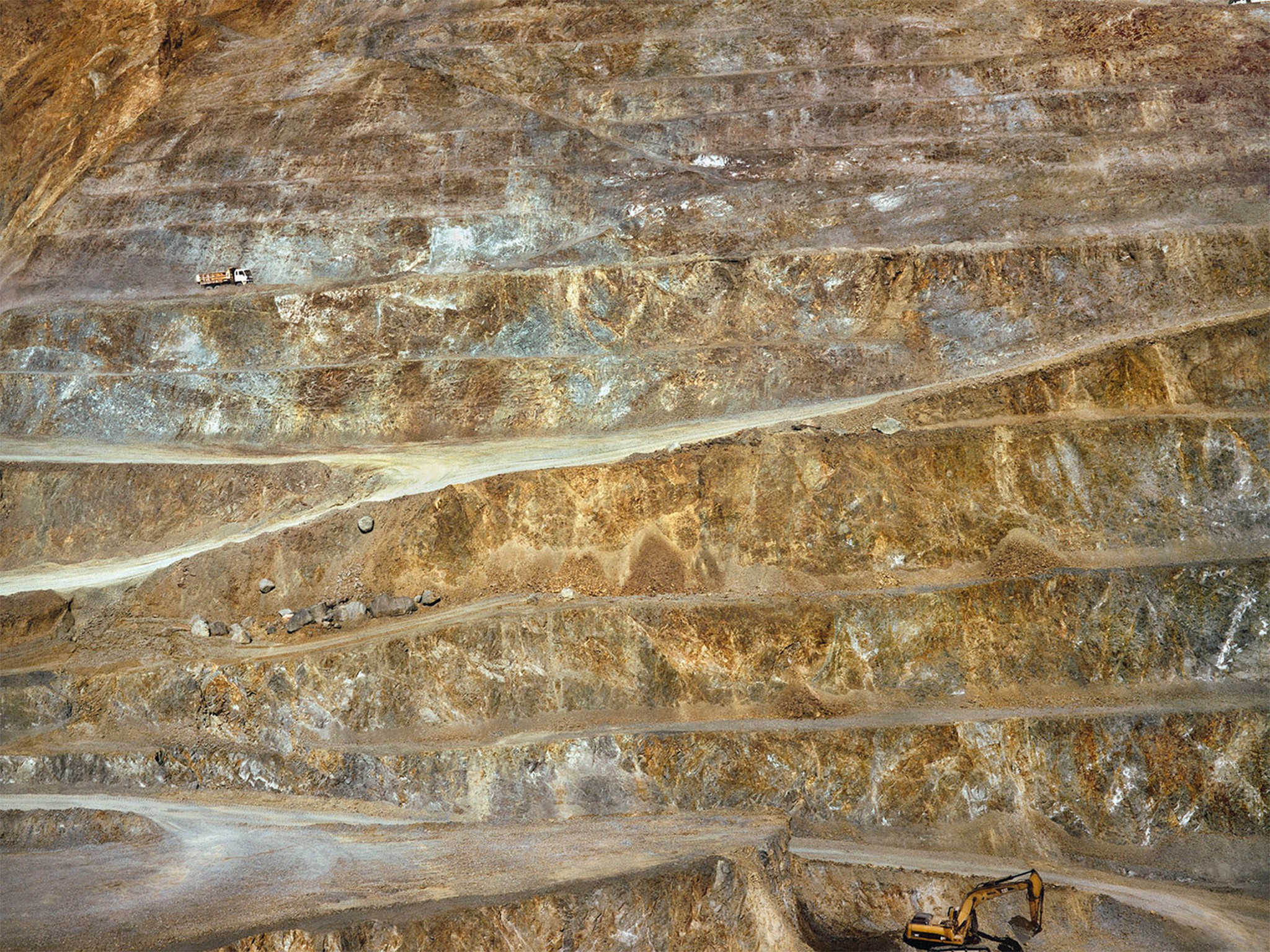
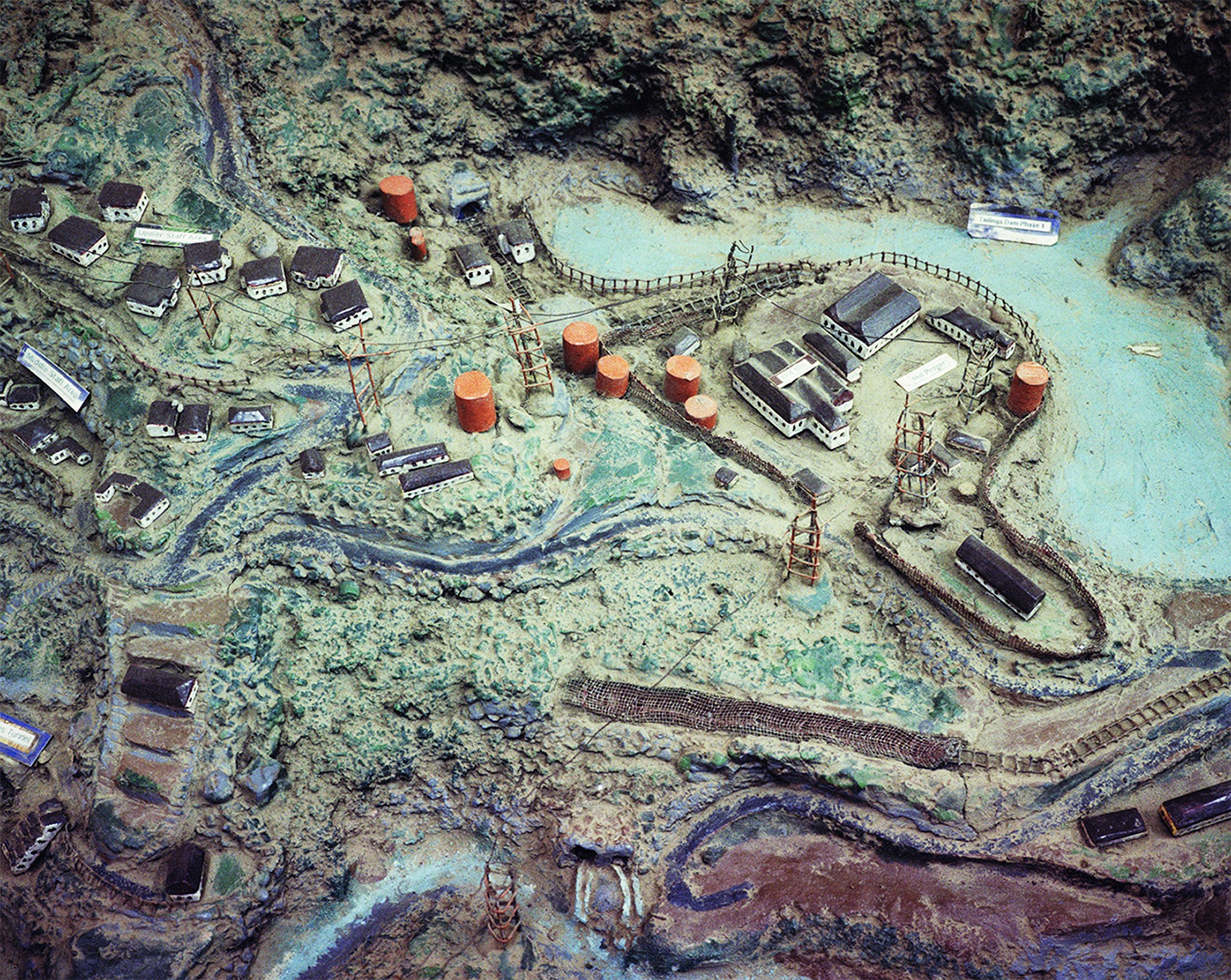
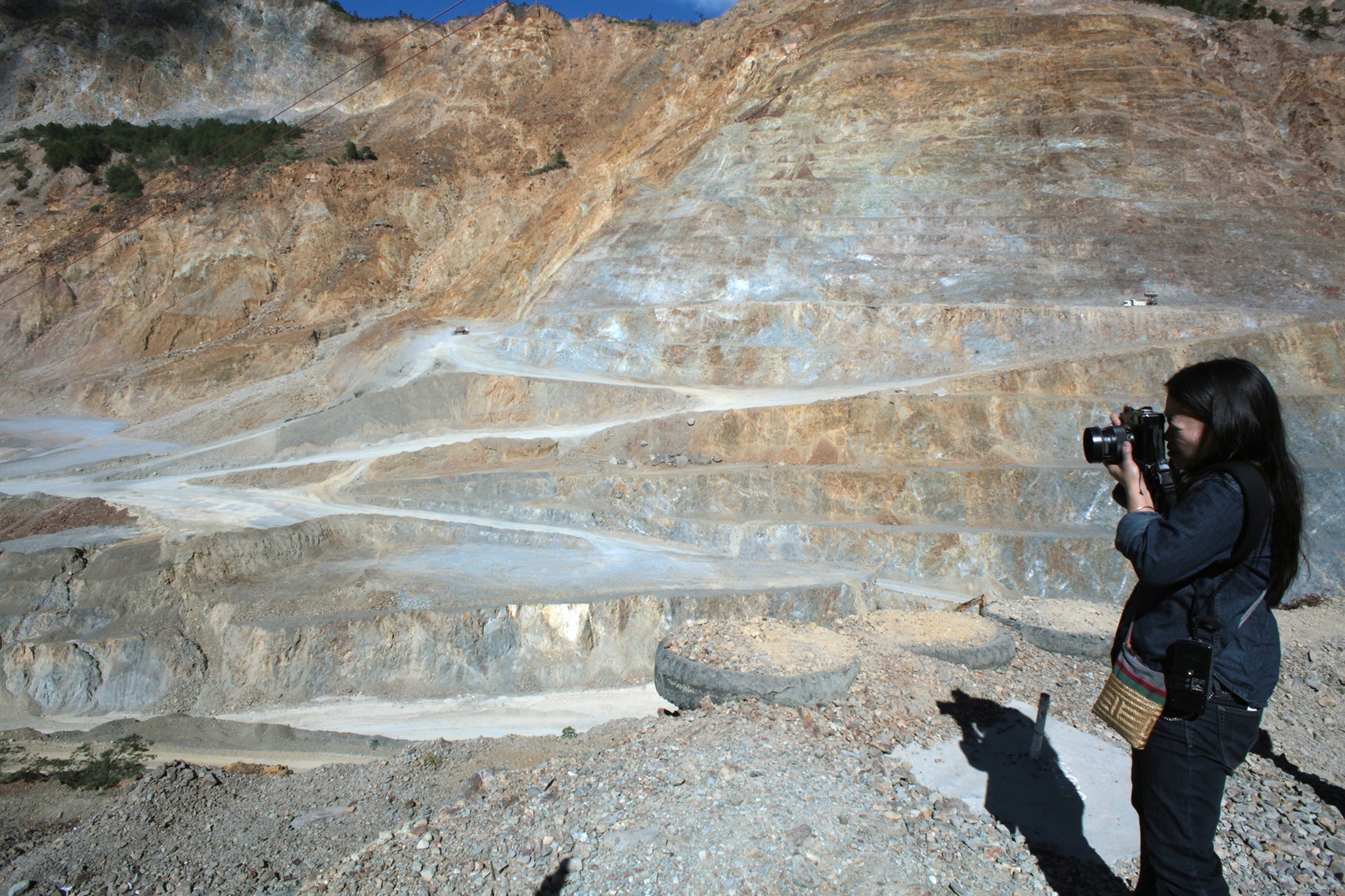
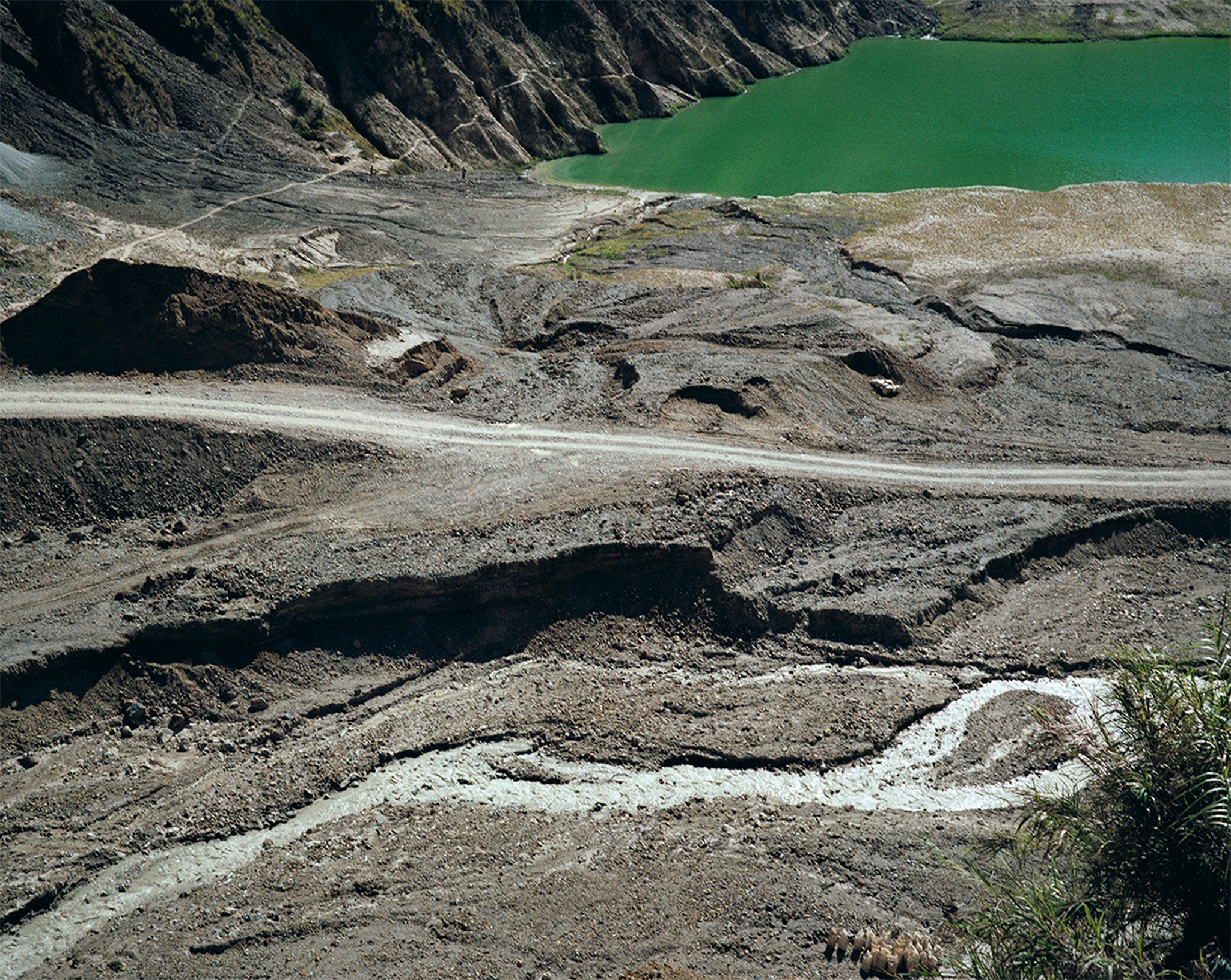
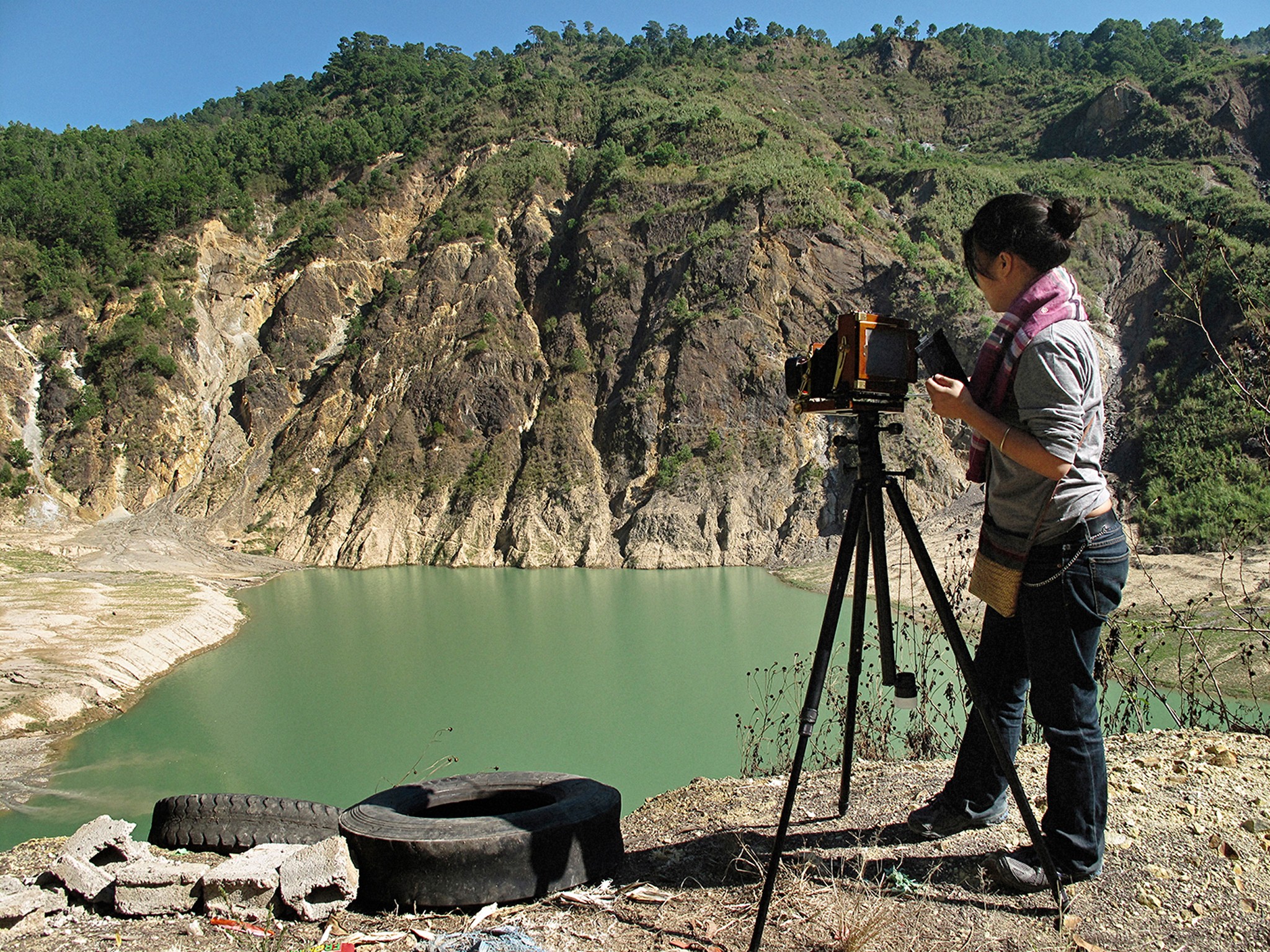
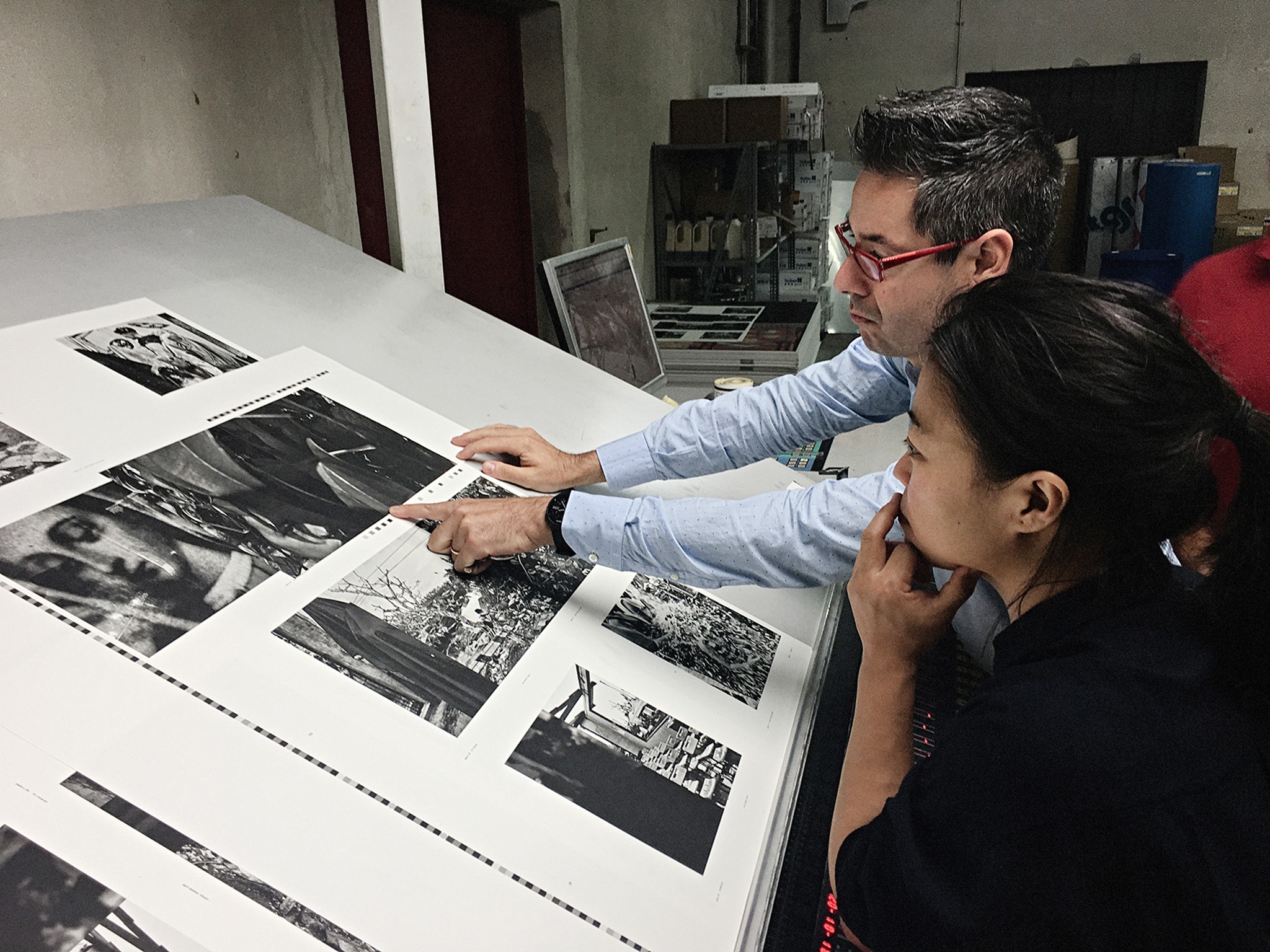
RJF. It begins with curiosity which either leads to more research or towards something more material led. It's a process of connecting current obsessions while finding ways of translation through material by learning and experimenting. When I was documenting the gold mines, I spent time at the UP Baguio and Cordillera People's Alliance libraries, reading primary source information, dissertations, and grassroots publications. In a ceramic residency, I obsessively threw the same bowl for 6 months while incorporating rice husk ash from the Cordilleras to create a glaze.
There is a balance between my imaginings, the threads that surface and the critical conversations that need to happen.
CNTRFLD. You were born in Manila and now live in East Sussex. Looking back, were there particular memories, environments or experiences from your upbringing that continue to shape the way you see the world and make work today?
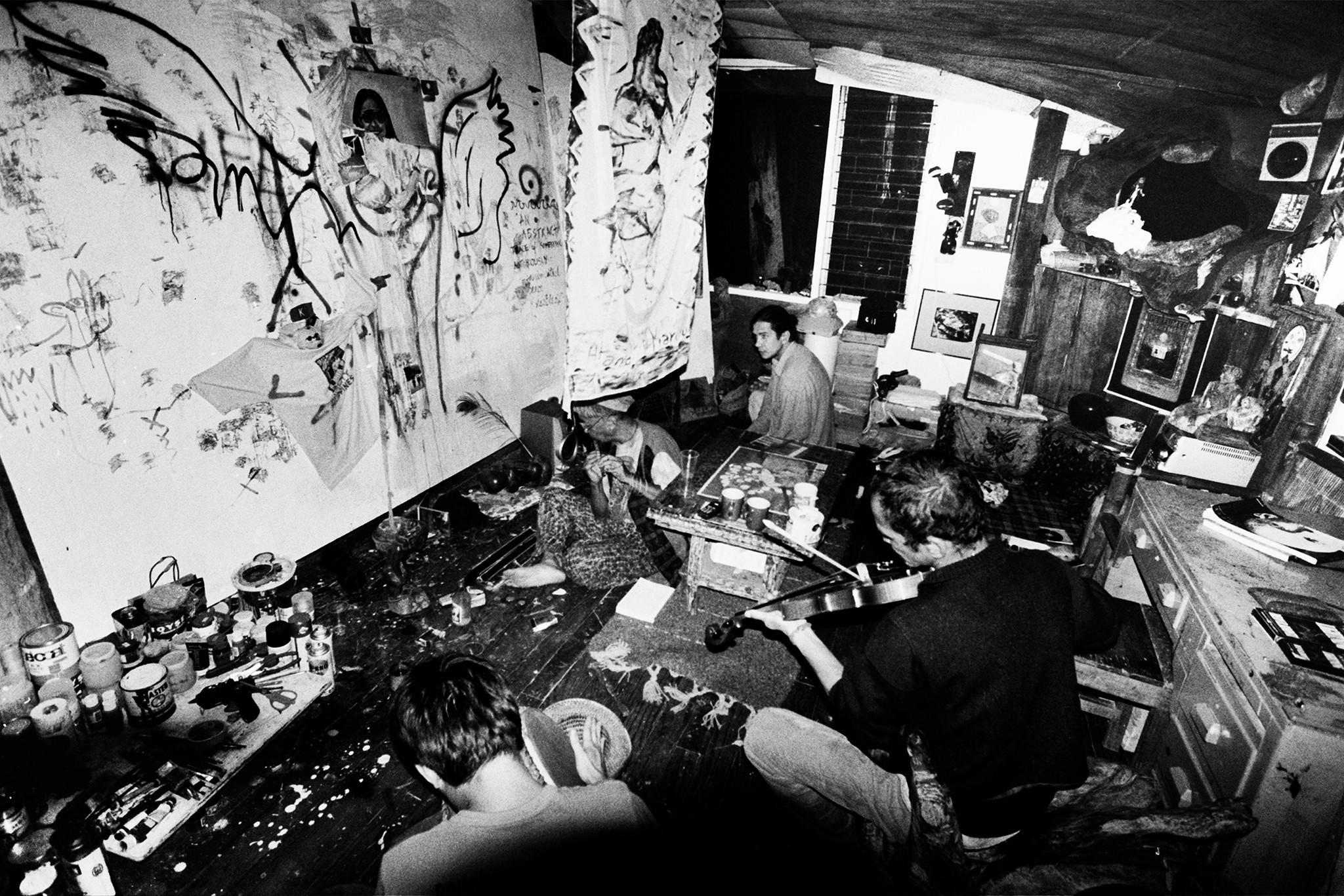
RJF. My time in Baguio and the Cordilleras has left its mark in my heart and mind. Having an intergenerational community of artists and makers, seeing the children of artists grow up, once crawling in exhibitions, now artists themselves; seeing remnants of colonial history, how that has embedded itself into our lives, language, and culture, how we recognise this, then use this energy to create our own. We have such a rich material culture, it becomes an affront when I find something iconographic and find out that it was actually symbolic of the American colonial period. It’s a challenge to look harder, and to reclaim.
CNTRFLD. Having lived and worked across different places, how has your relationship to identity changed over time? Do you feel that distance from the Philippines has shifted the way you think about home, memory or belonging within your work?
RJF. Home is a complex idea. I imagine it is the same for those who grew up in the afterlives of various colonial projects. I was always in between Manila, San Francisco, and Baguio, where we had homes. I needed to get out of Manila and while the US would have made a sensible choice, I decided to move to the UK to study. Living in the UK, and seeing how disparagingly we think of Americans, is a lens I would never have seen through had I not moved here. Home for me are the people; the location becomes secondary. While I have lived in the UK for the last 22 years, I have only begun to accept myself as an artist in the diaspora. The layering of languages, places and materials feels true to how I live.
CNTRFLD. You’ve spoken openly about returning to artistic practice after years of child rearing. How has that experience influenced your perspective as an artist — both creatively and personally?
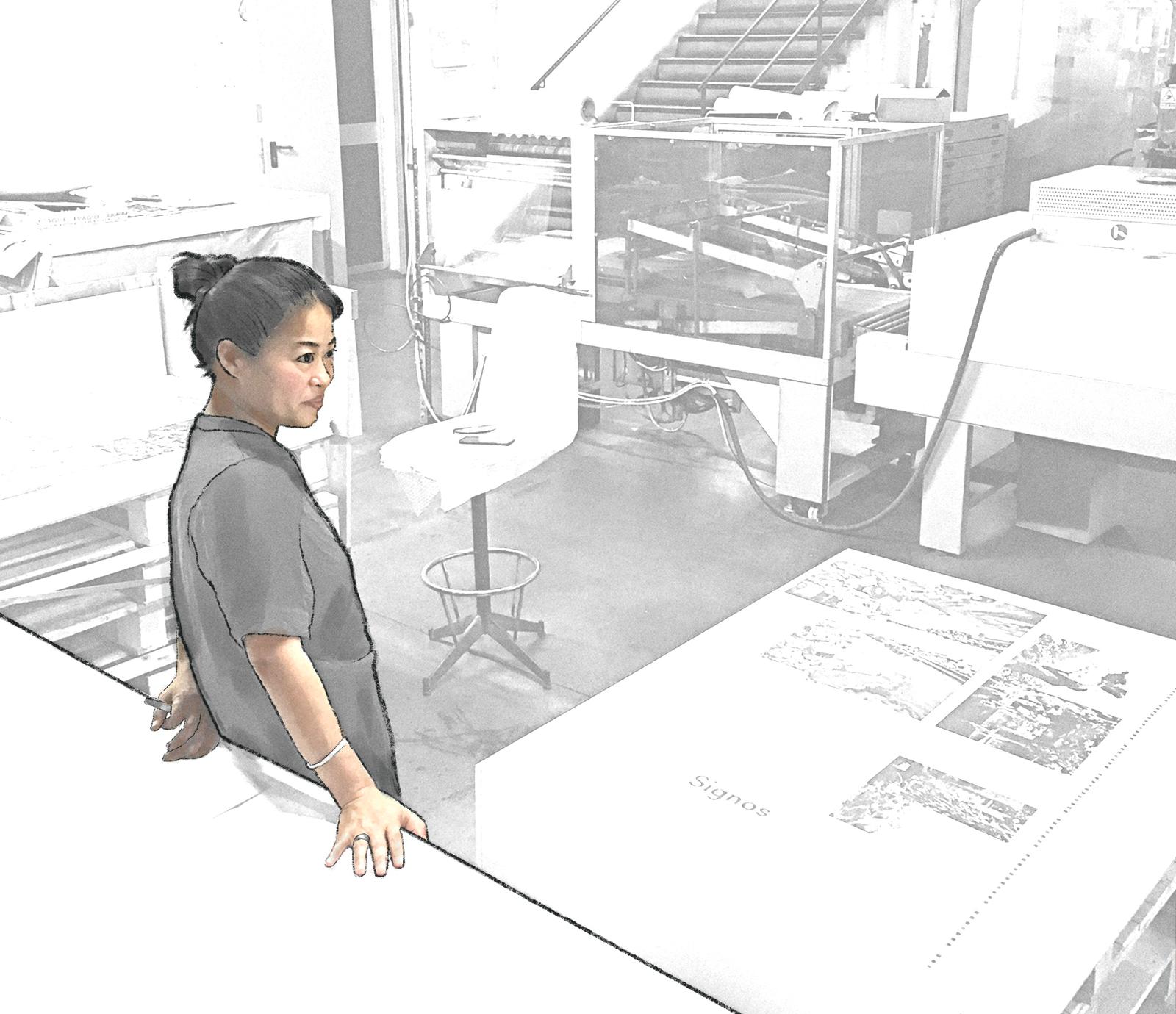
RJF. A few months after giving birth I went back to work taking my son with me to the photo lab. I would breastfeed and change nappies in the same darkroom that printed the Yohji x Nick Knight collab. I even had a little cot that fit just under my desk. It was tough.
Everything changes when you have a child. There is the inevitable slowing down, the reassessment of priorities, the rush to create during school hours. The passage of time is more marked as another person's life expands. Art becomes a process that is shared, and incorporated into our daily life, whether that is through conversation, thinking, or making. This was the basis of beginning to create collaborative work, of thinking of a shared life. I feel more at home with risk-taking and trying new things. The imagination of a child is boundless. I learn more from my son every day. Becoming a parent has made me more comfortable with not knowing how something will work out, more interested in the process, rather than the outcome. That is partly where the collaborative work came from -- making alongside others becomes an extension of a shared life.