CNTRFLD. You've worked with numerous charities, including the Hong Kong Philharmonic Orchestra and The Women’s Foundation. How do these collaborations come about, and what impact do you hope to achieve through them?
SH. I get these gigs either through networking or through word-of-mouth. Charities have either approached me because they’ve heard of past collaborations, auctions, or donations that Pangolin Society has made, or I will reach out to charities that I would like to work with. For instance, I like the team or the cause and think a profitable, symbiotic relationship could come from a partnership. (This was the case with Equal Justice).
My first collaboration was with The Women’s Foundation. They had shortlisted artists to co-create an NFT with Sophia the Robot, and I was eventually chosen. At the time, I had been an artist for less than a year and saw myself as a contractor rather than a consultant, strategist, or advisor. But, as the project developed over the course of 2022, TWF empowered me to take a seat at the table and offer insights, advice, and expertise on web3 art. From the experience, I realised that I offered value in guiding as well as being guided.
A year later, HK Phil approached me asking for an anniversary poster, but we ended up building the project out into a whole book and merchandise line, which would generate more revenue for the organisation, as well as raise awareness and nurture a future generation of concert-goers.
Around the same time, the Mission to Seafarers asked me to make hotel room art for their new Mariners Hotel, but they weren’t sure what they wanted. We did rounds of mock-ups and landed on the concept of a comic strip series. The comics could be turned into art, but the proprietary character in the comics could also be used further for merchandise, branding, and awareness raising.
When I think about my work with charities, my goal is to elevate projects to achieve more than expected. If we can raise money, awareness, and reach by taking an NFT, a poster, or room art to the next level, I feel good about the work.
CNTRFLD. It's wonderful that you collaborated with The Women's Foundation in Hong Kong, which is dedicated to improving the lives of women and girls. What future collaborations can we expect with them or other charities that support closing the gender gap and inspiring opportunities for women?
SH. Because my illnesses make it very hard to predict relapse and remission cycles, and therefore plan beyond a year, I’ve learned better than to set grand plans or line up project after project without taking time to pause and recuperate. So with regard to future collaborations with TWF, other female-focused charities, and Hong Kong charities in general, I focus on small acts. That can look like channelling 20% of all my limited series The Hong Konger prints to local charities through donations or grants, donating 50% of the same prints at charity auctions (TWF has auctioned three of my works and a digital art masterclass since our NFT collaboration), or providing free design thinking sessions to charitable organisations, my most recent one being with the Fred Hollows Foundation’s Hong Kong team.
CNTRFLD. As someone living with seven chronic illnesses, how does your personal experience with disability influence your art and advocacy work?
SH. I see my crummy health as the reason I’ve become a writer and illustrator. If I had not had to drop out of my corporate career, I think writing would have always been a backburner hobby and I would never have taught myself to draw. I get frustrated and exasperated during my relapses, but I try to remind myself that I wouldn’t be able to have my childhood dream job if it weren’t for the pivot my body forced me to take.
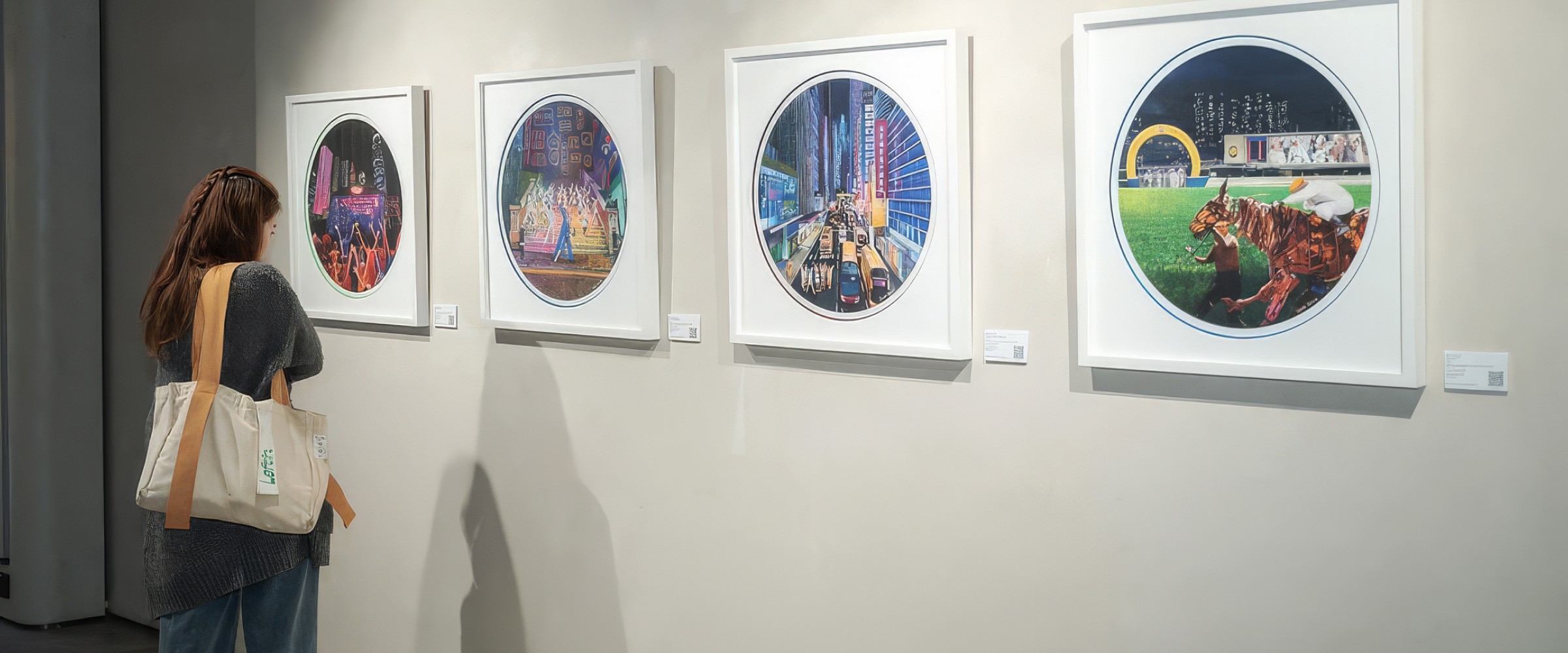
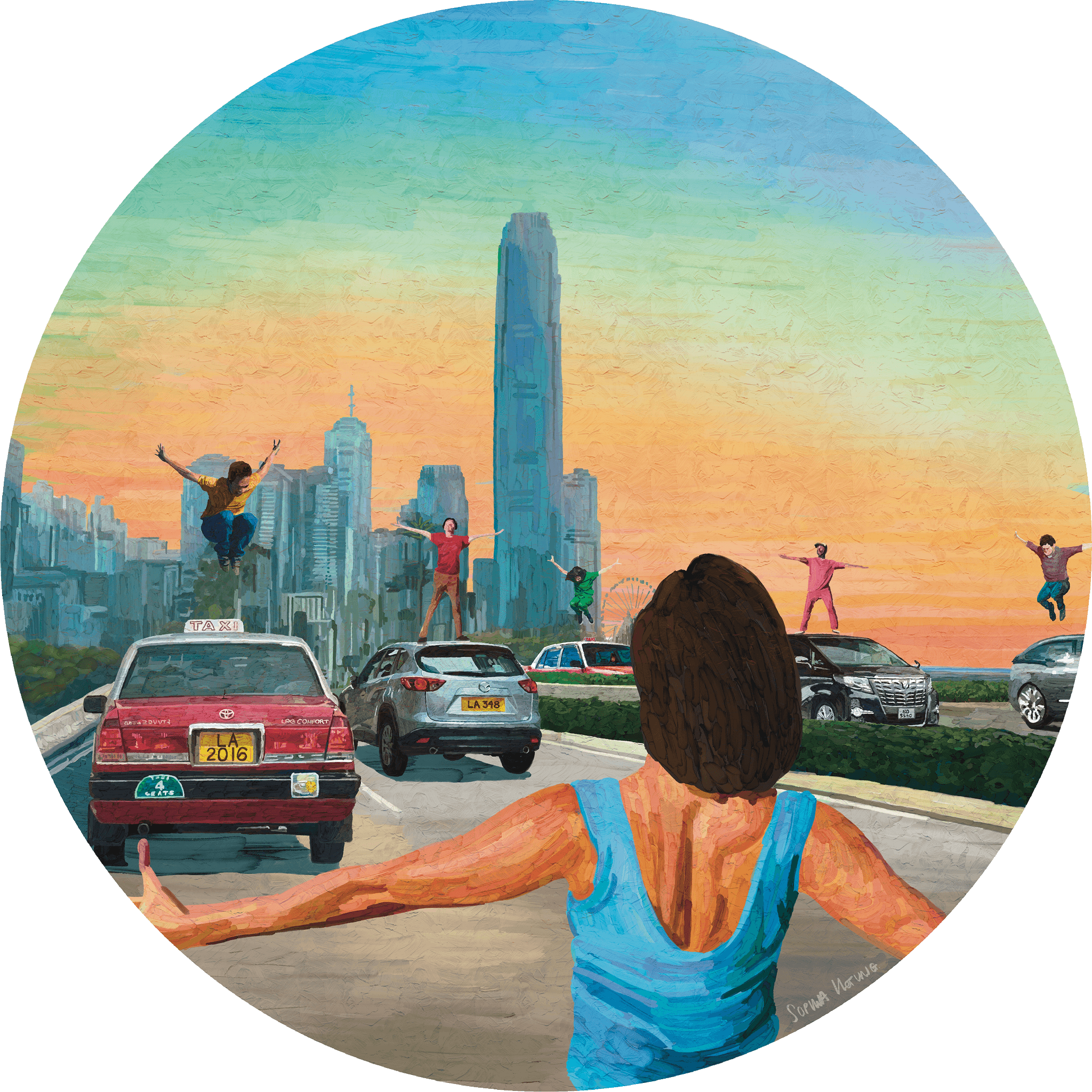
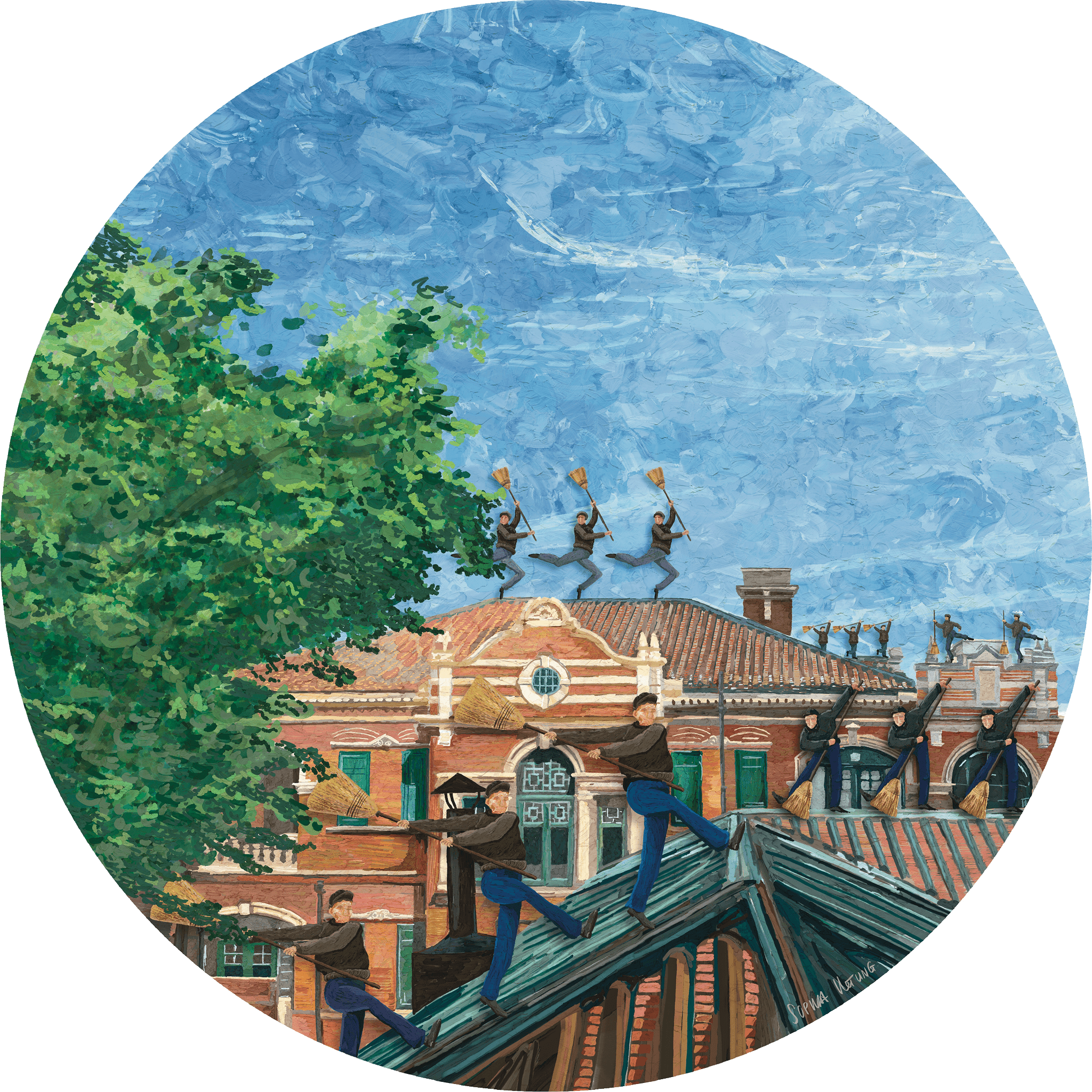
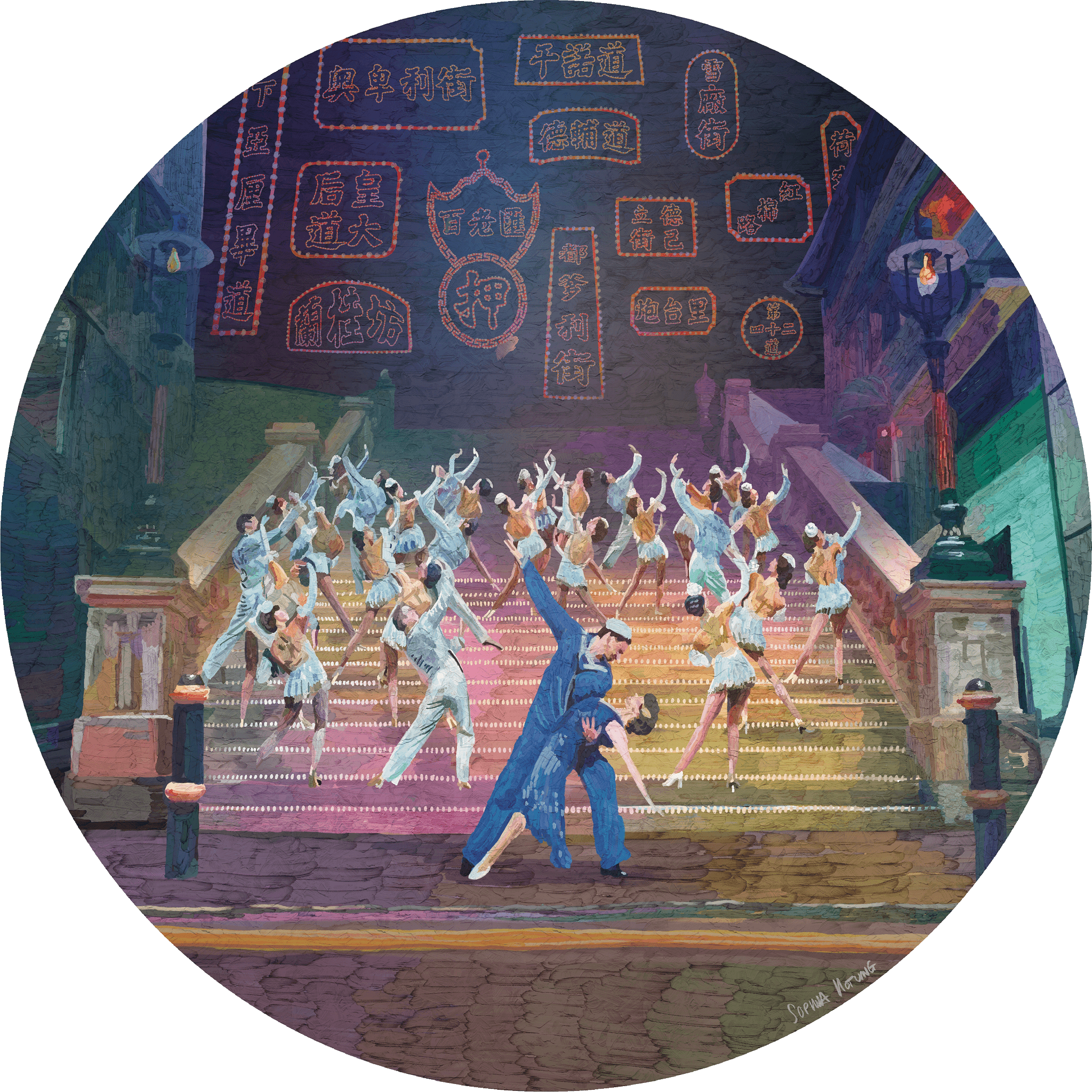
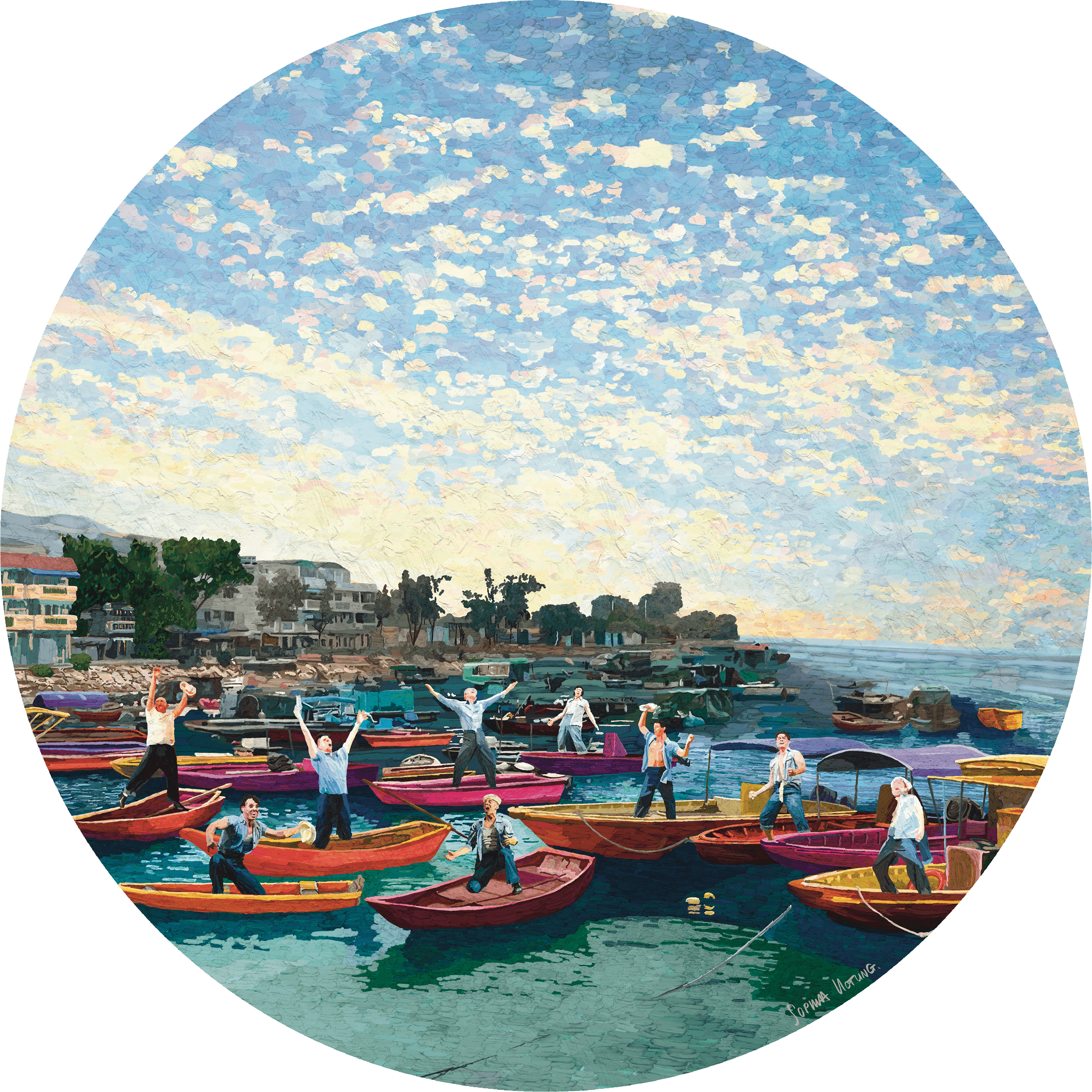
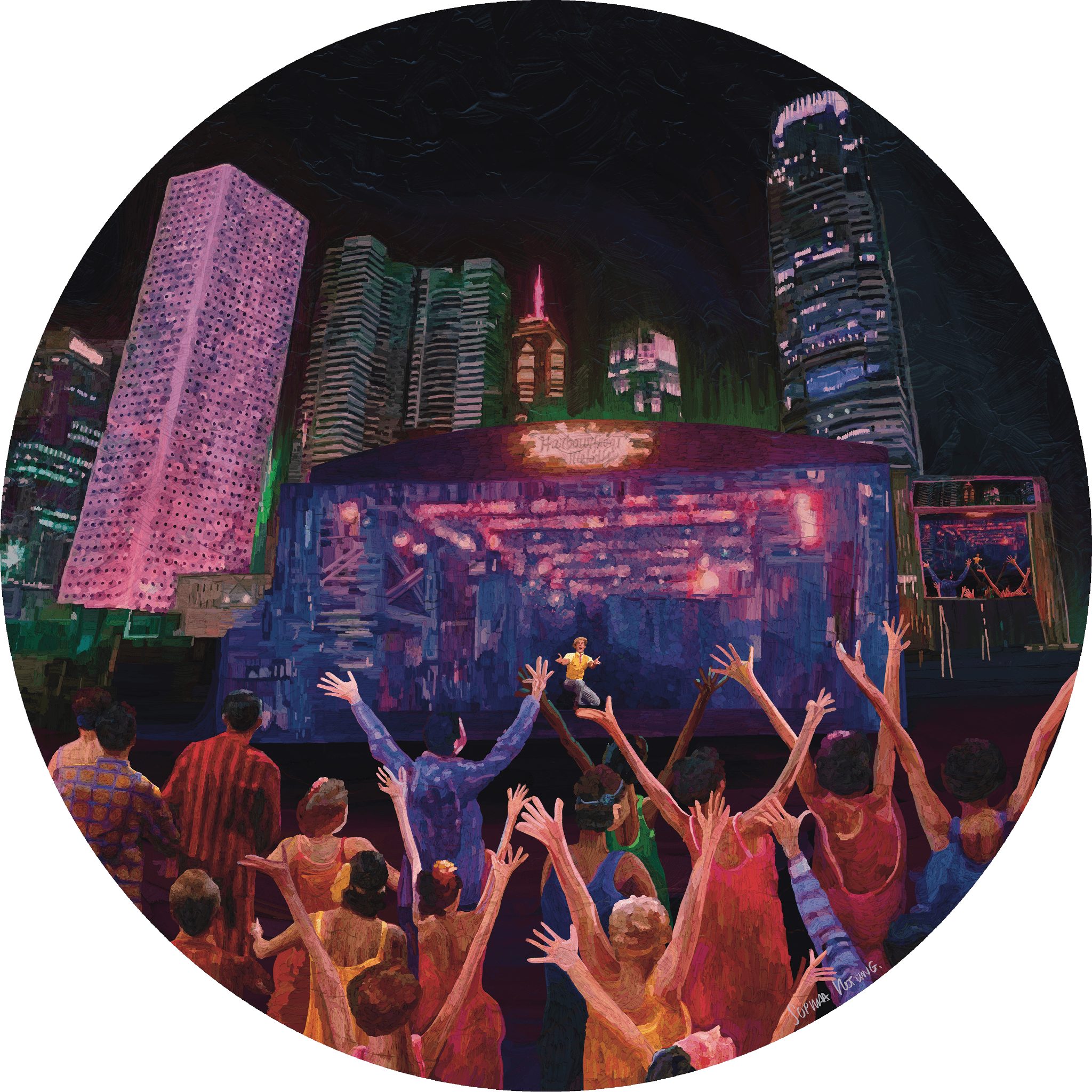
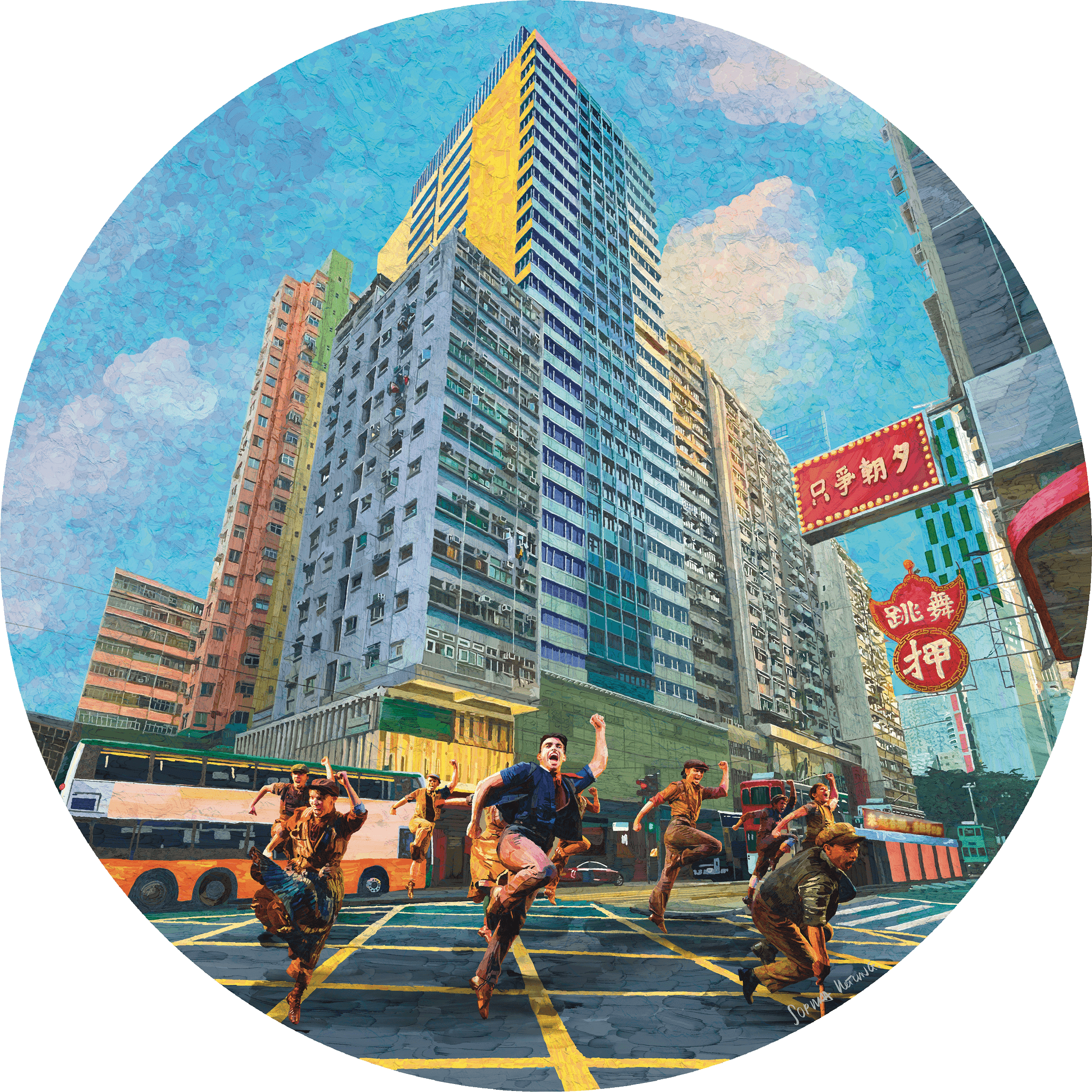
When it comes to my art, I like to explore the complicated relationship and feelings I have with my body through satire and humour. For example, within The Hong Konger collection, Bao Bei’s Feast, Lion Rock Station, and Room with a View are all reflections on feeling limited, but they aren’t overt displays of disability.
In my advocacy work, I am hyper aware that my disability experience is not a universal one. A word that comes up a lot in advocacy work is “intersectional”, it’s when identities converge to make up experiences. For example, I’m a Eurasian, female disabled person who grew up financially privileged. What am I going to know about a disabled person who has different identities? The best advocates I know practice humility and curiosity in their work, and I try to do the same, applying my own experience but not extrapolating it out to everyone’s.
CNTRFLD. Your talk, Failure Club, has resonated with many audiences. Can you tell us more about the message you aim to convey through this talk and how it has been received?
SH. Failure Club revolves around the concept of an “Enough Threshold”. I ask audiences, what do you need to do, have, and be to finally feel like you have done, have, and are enough? The question gets people realising that the limit does not exist. There’s always more to do, have, and be, and those moving goalposts contribute to an interminable sense of failure. Once we grapple with that, we rethink failure, success, and the expectations we set for ourselves and others.
CNTRFLD. You spend a significant amount of time working from bed due to your health conditions. How do you manage to stay productive and creative in such a unique working environment?
SH. During Covid, when everyone started working from home, I realised how much more productive I could be if I did not need to spend my limited energy on getting ready, commuting, or even sitting professionally at a cubicle. The freedom to work from a comfortable bed in comfortable clothes with access to everything I’d need if I felt paint, fatigued, or in pain made me more productive. I remember when I was 24 working in an office, trying to get up from the floor of a bathroom cubicle before anyone noticed I had gone. As a quarantined 25-year-old, I could just lie down in my comfy bed, open up my laptop, and still work, just from a more comfortable position.
So, to answer your question, I think I stay productive because so much of my brain does not need to worry now about office etiquette, about physical discomfort while I work, and about social mores like how long is normal to spend in the bathroom! With all that extra brain space, of course I’m going to be a better worker!
CNTRFLD. How do you integrate traditional art techniques with digital media in your work? What challenges and opportunities do you see in the digital art space?
SH. Towards the end of 2023, I started making my own brushes. I use physical media like brushes, palette knives, ink, pencils, even organic elements like scattered dirt or my dog’s hairs(!) to create shapes on plain white paper. Then, I take photos of those shapes, edit them in Photoshop, and import them as brush shapes or textures into the Procreate app on my iPad. From there, I tweak different variables until — voila! — I have proprietary, unique brush shapes that add an even more exclusive element to the work.
The digital art space is so vast, so of course challenges and opportunities abound. We could talk about AI generative art, the value in NFTs and web3 products, the potential for social media to replace galleries, and so on. Truthfully, I don’t see myself as anyone who can really comment on, let alone change-up, the digital art space. I see myself as a writer and illustrator who happens to create work digitally, rather than a digital artist who happens to write and illustrate. My interests lie more in experimenting with language and storytelling. I’ll leave commenting on digital art to the groundbreaking digital artists!
CNTRFLD. What upcoming projects or collaborations are you most excited about? Are there any new themes or mediums you are looking to explore?
SH. Right now, I’m very excited about my collaboration with SPCA. I’ve had SPCA rescue pets my whole life and my two Hong Kong rescue dogs, Coco and Sparky, are two of the best things in my life, so to be able to draw animals all day, plan programmes and projects revolving around SPCA’s initiatives, and meet other pet lovers is a joy and privilege. (More on my SPCA collab in Question 4’s answer)
CNTRFLD. What advice would you give to aspiring artists and writers, especially those who may be dealing with their own physical or mental health challenges?
SH. Like I said, everyone’s experience with illness is different, so I always feel unqualified to give generalised advice. A piece of advice I give in my Failure Club talk though is that: for every piece of advice out there, there is another piece of advice that totally contradicts it.
For example, some people will say, “Carpe diem! Seize the day!” while others will say, “Don’t push yourself. Opportunities always come back around.”
When you realise that literally every piece of advice is just as true when inverted, it can feel freeing to know that you can decide what’s best for you, and don’t need to feel pressure from other people’s standards or thoughts.