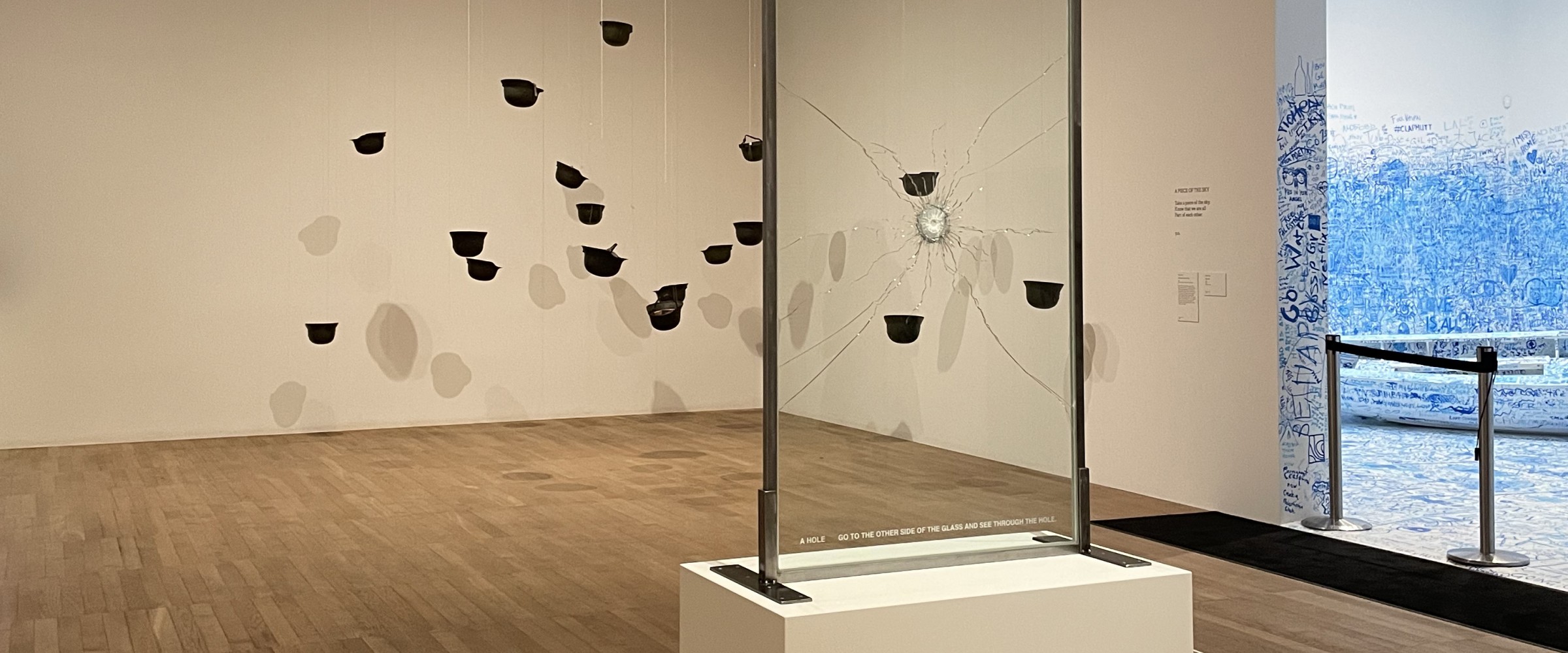
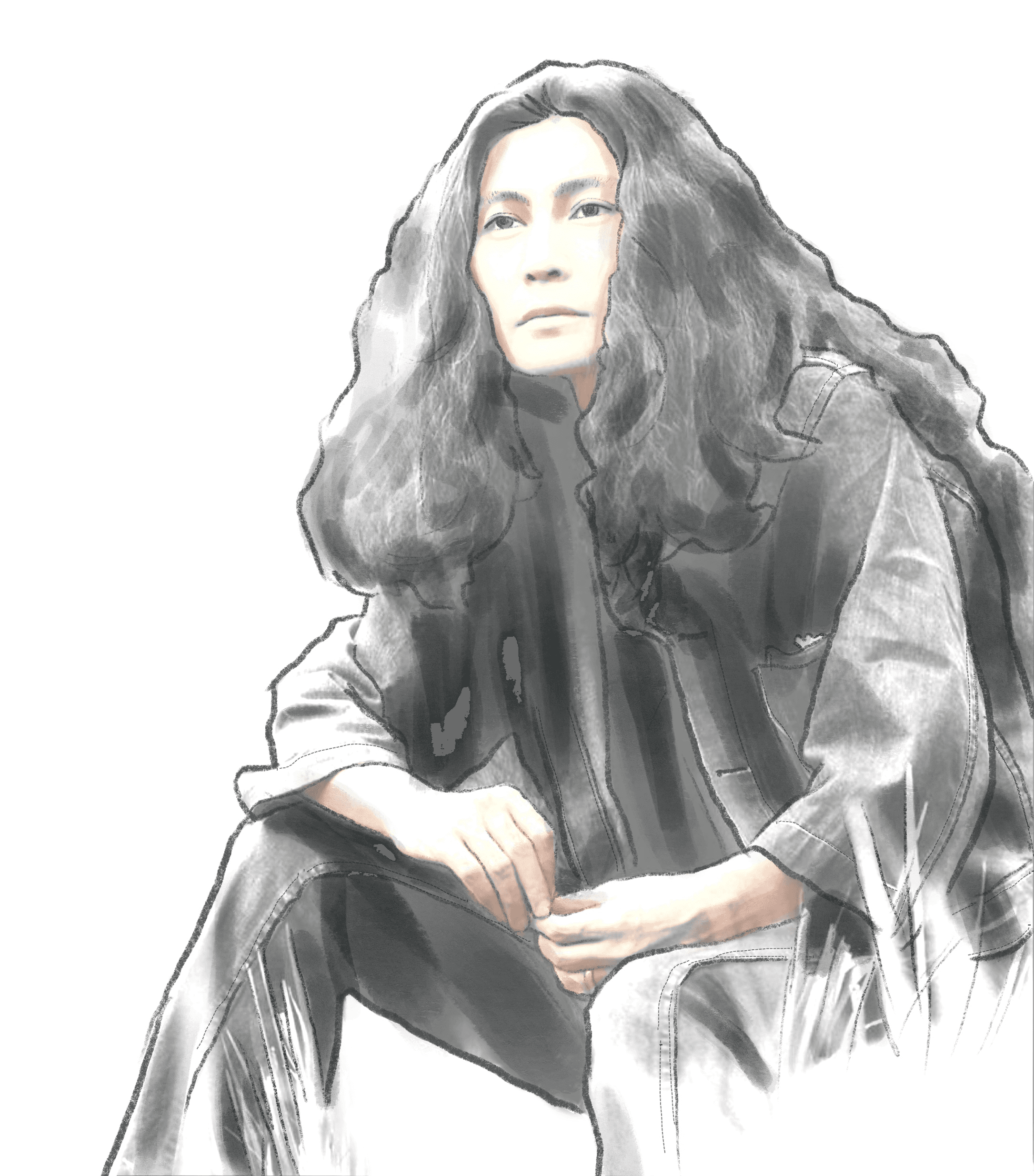
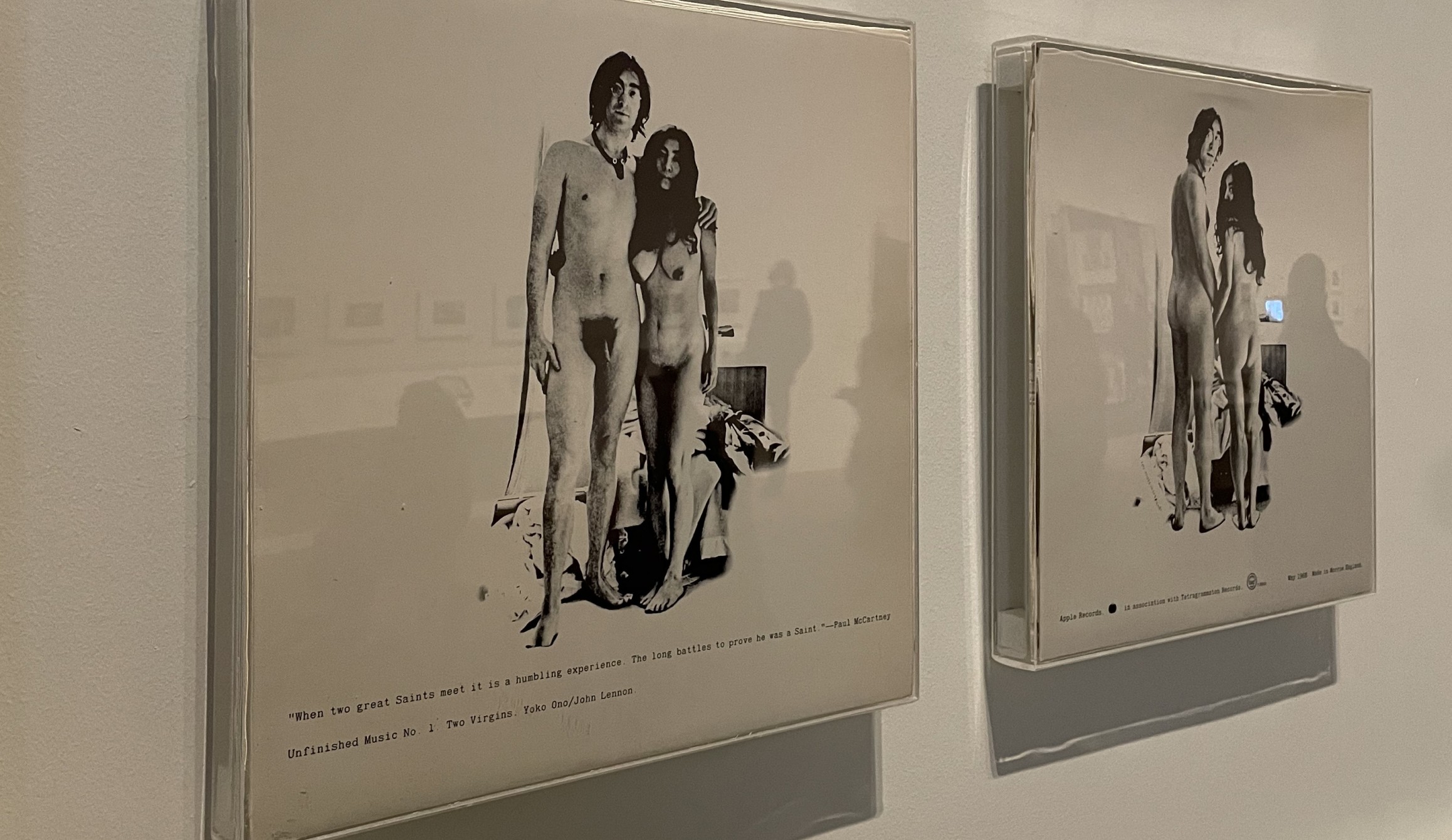
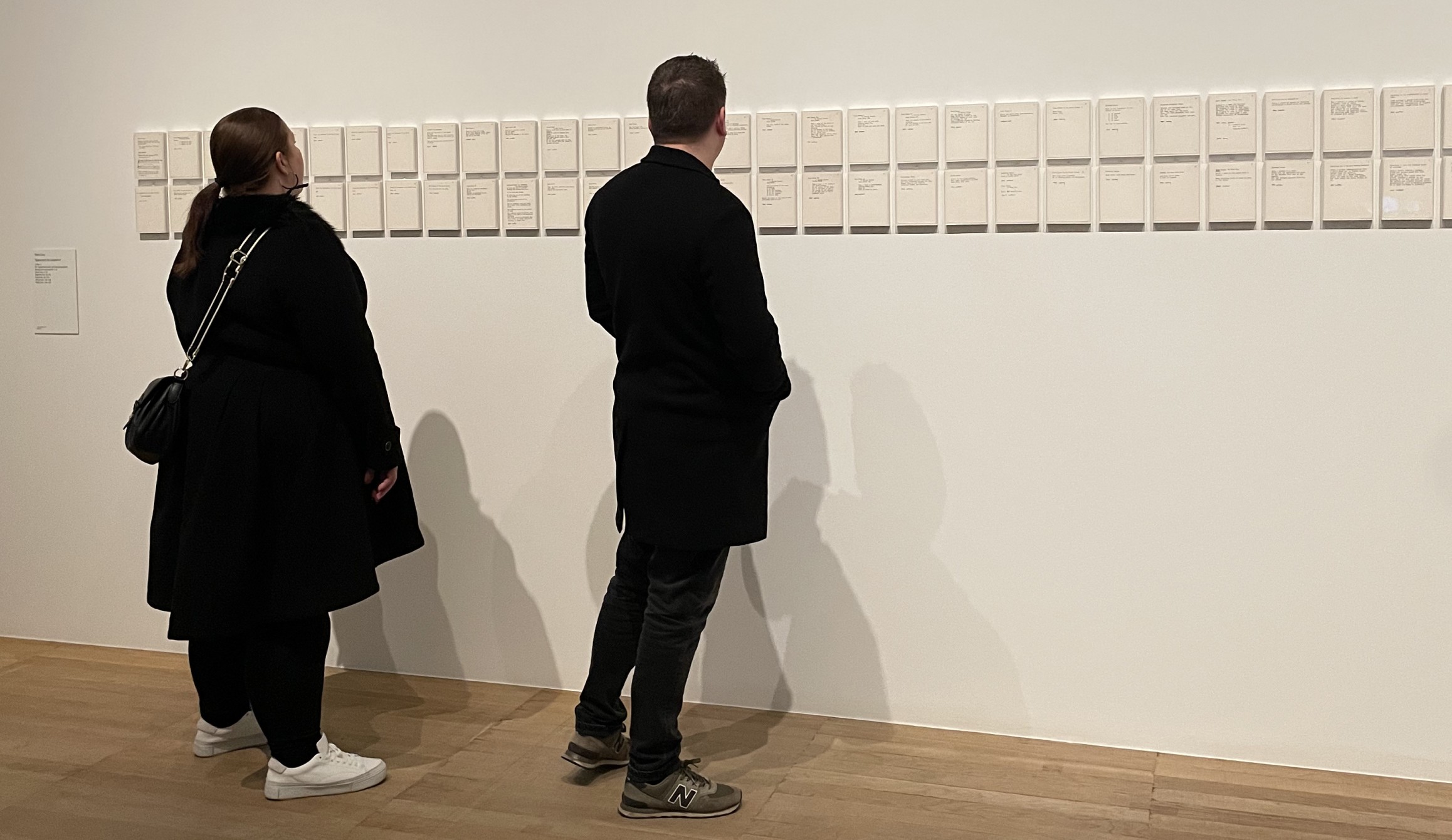
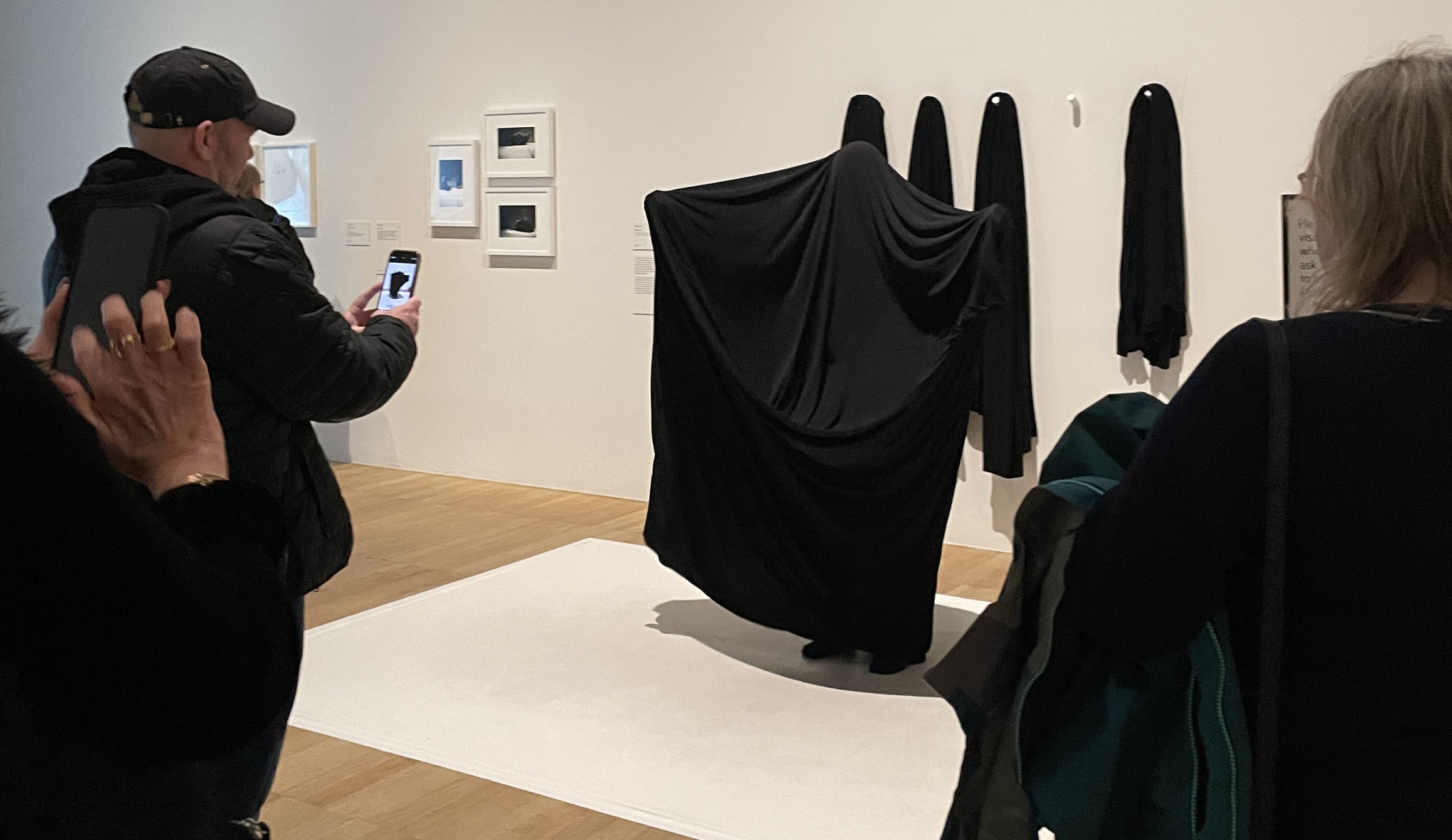
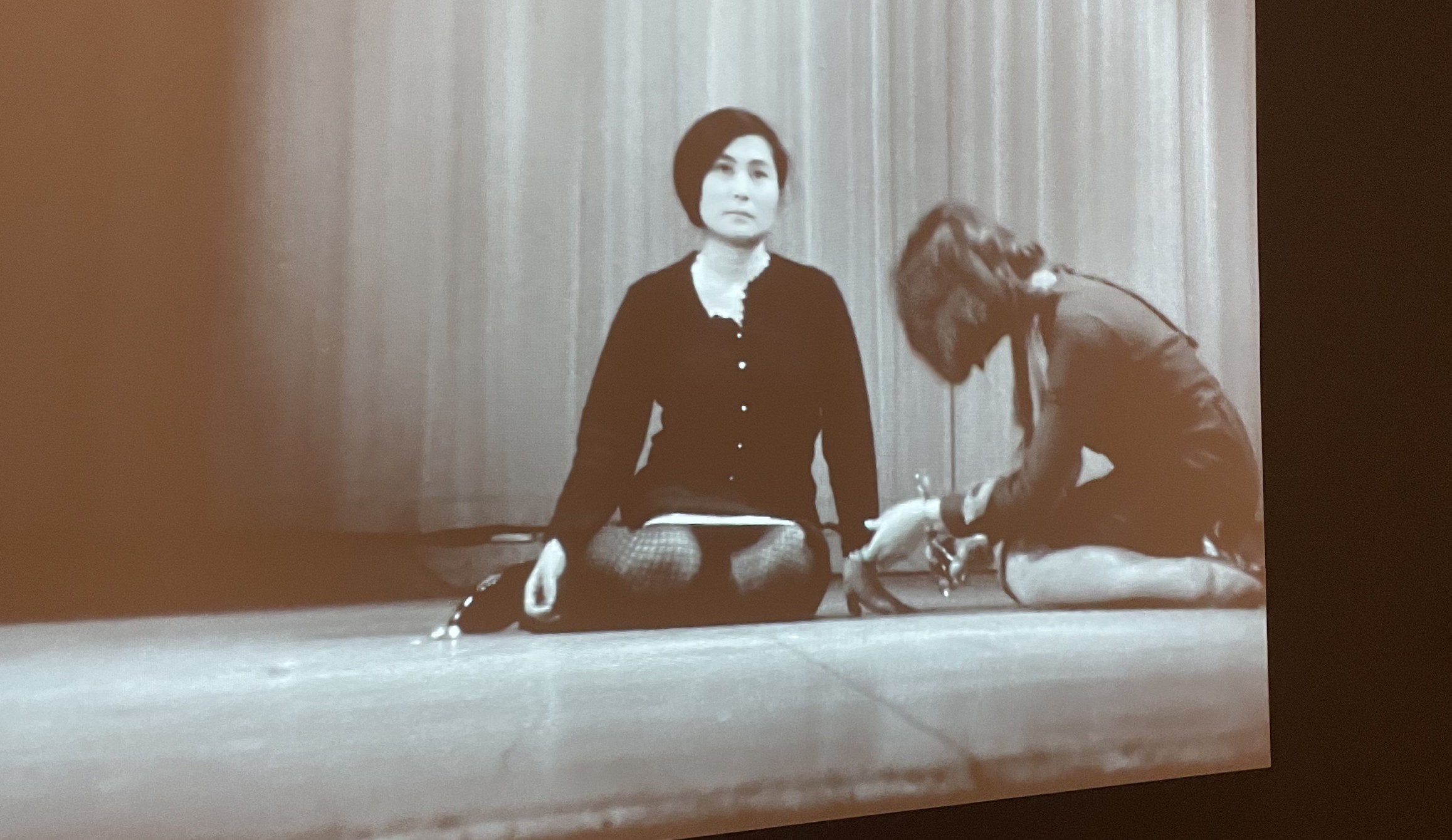
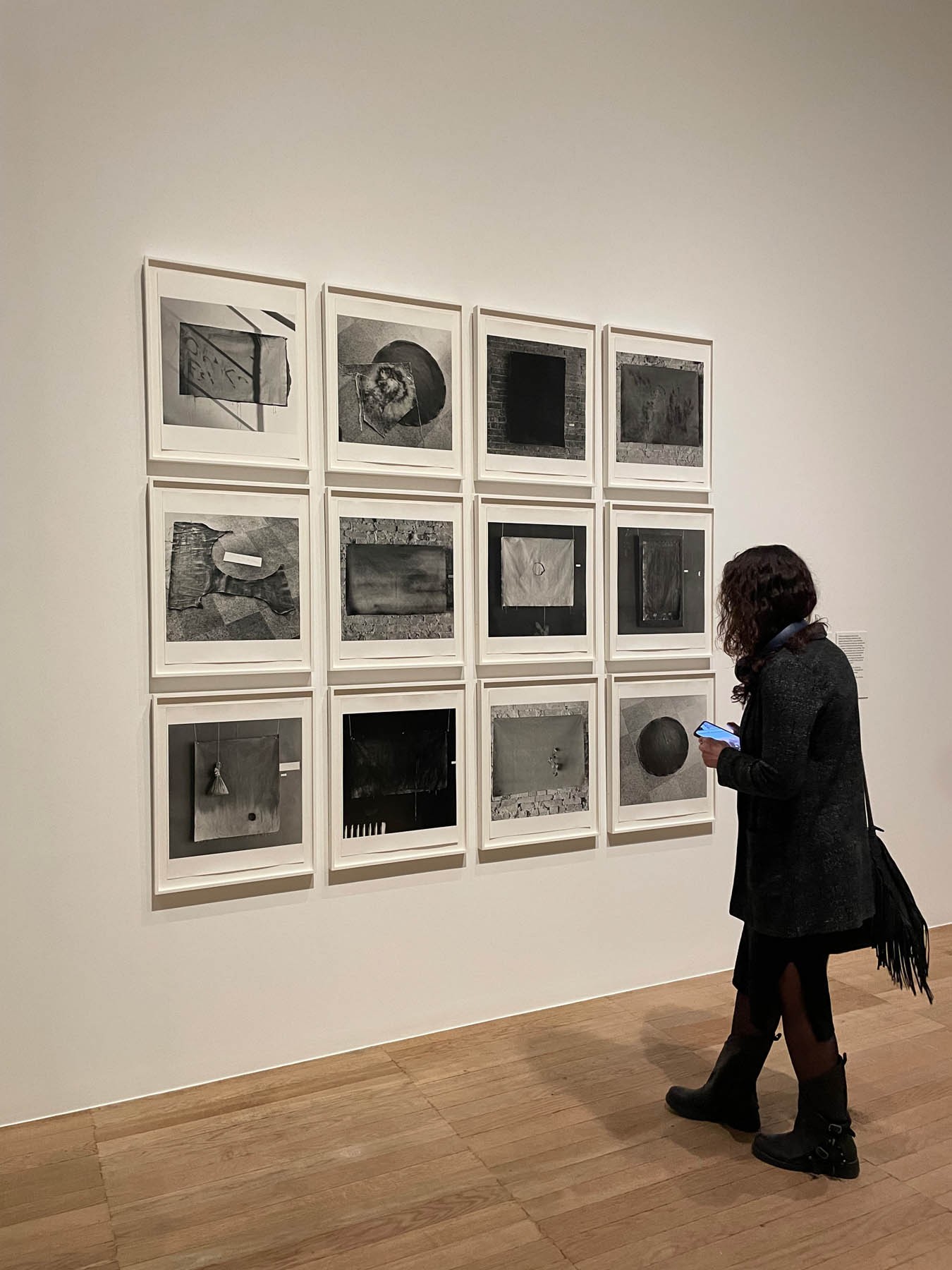
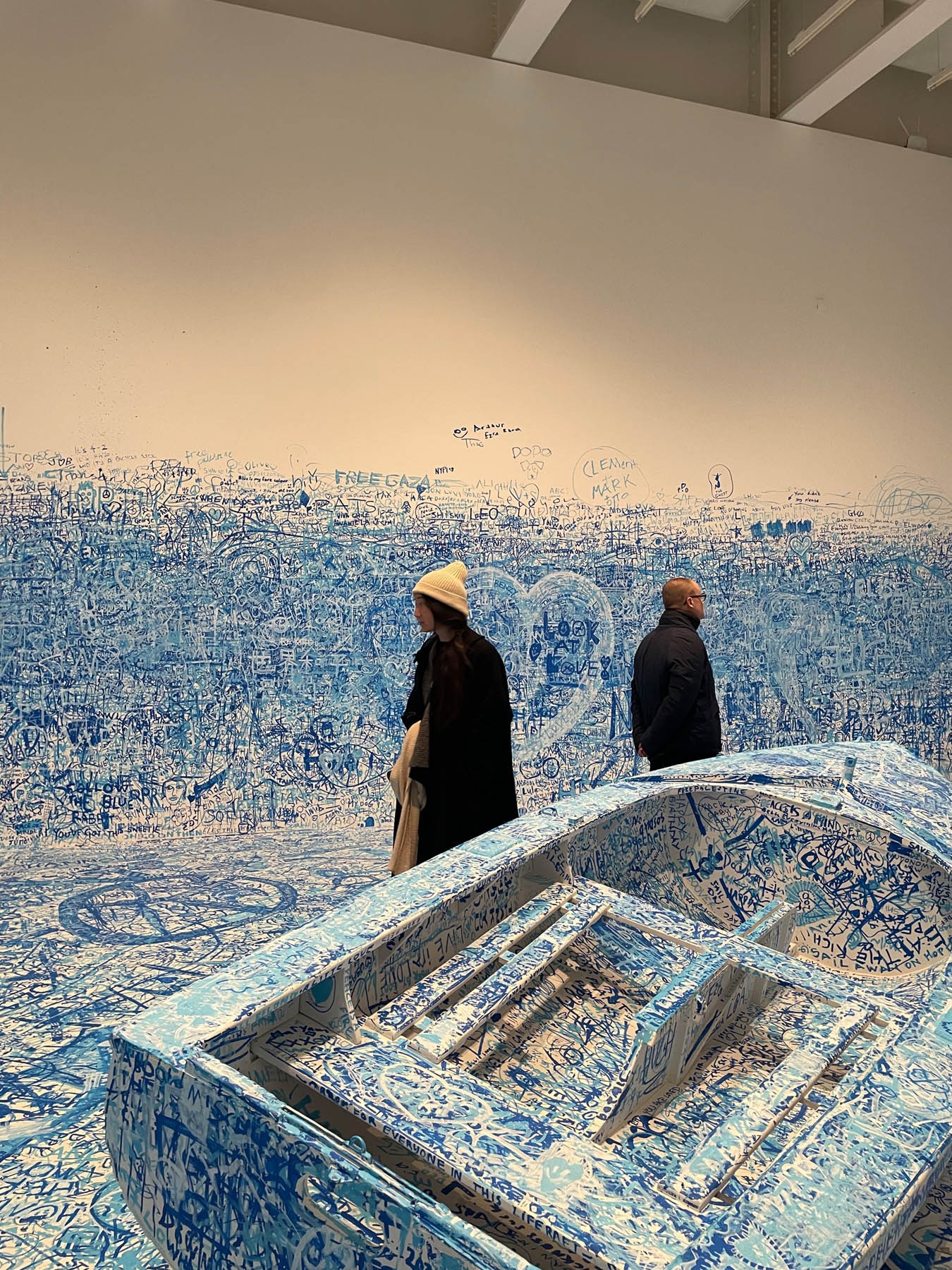
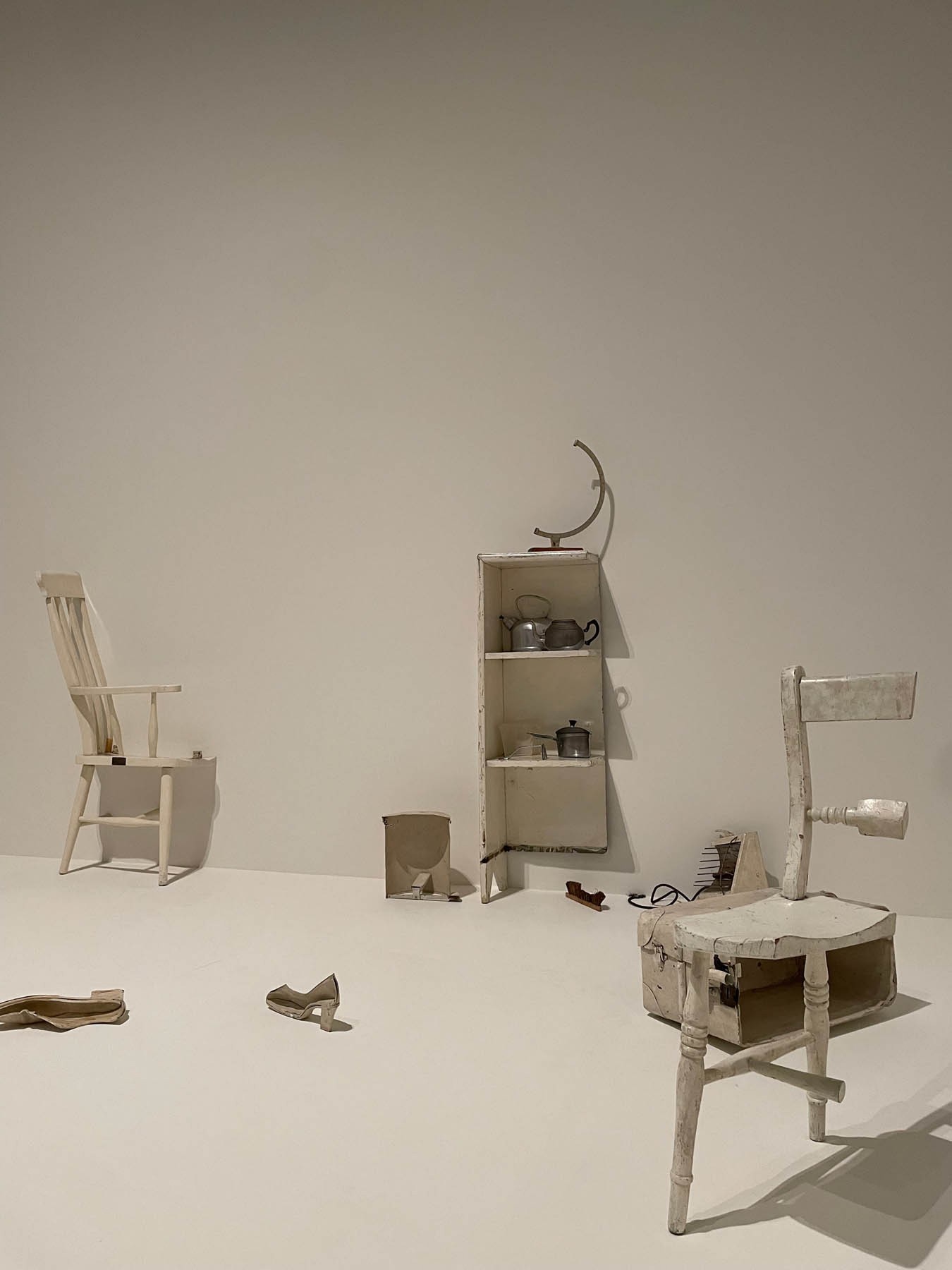
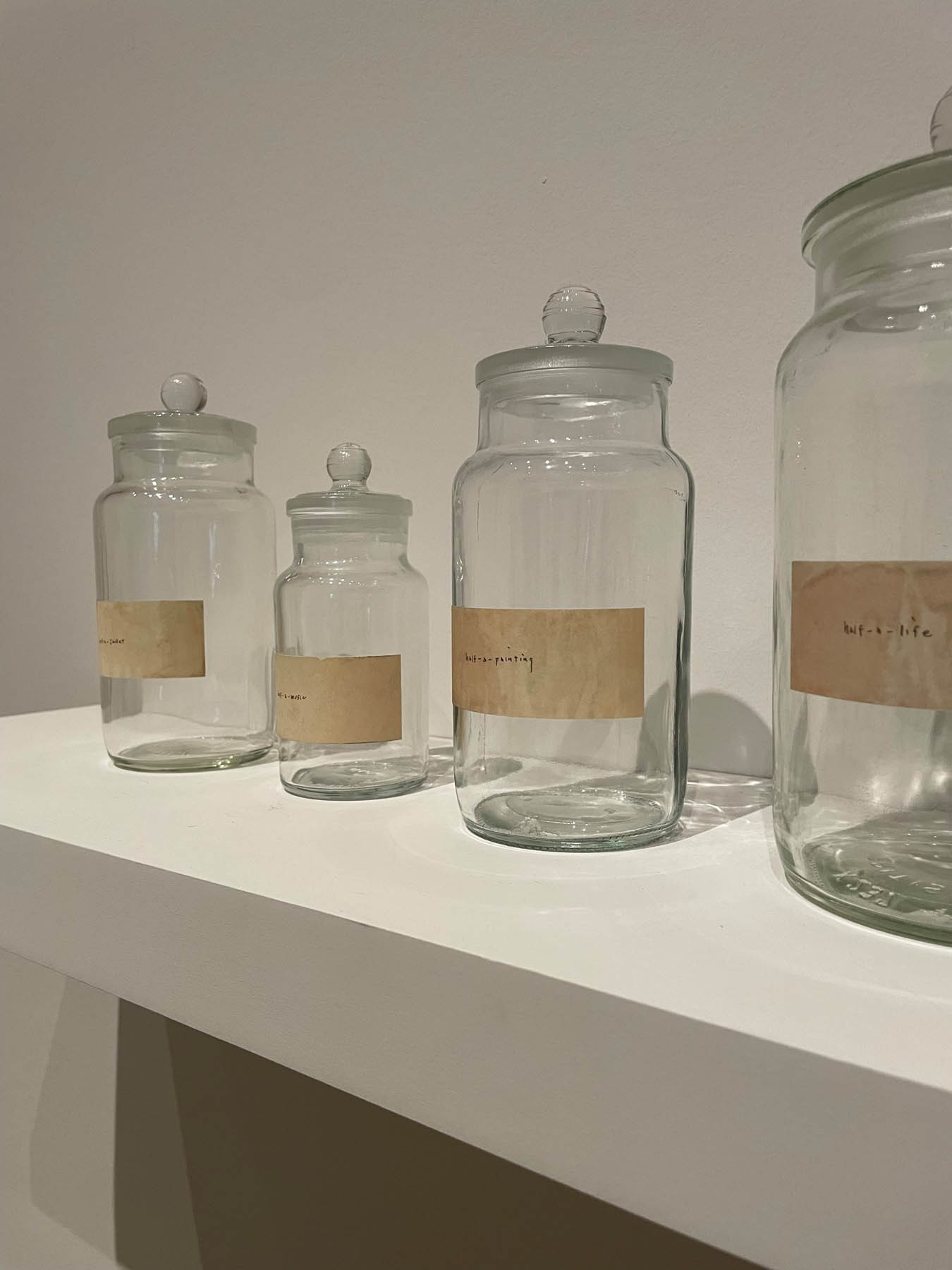
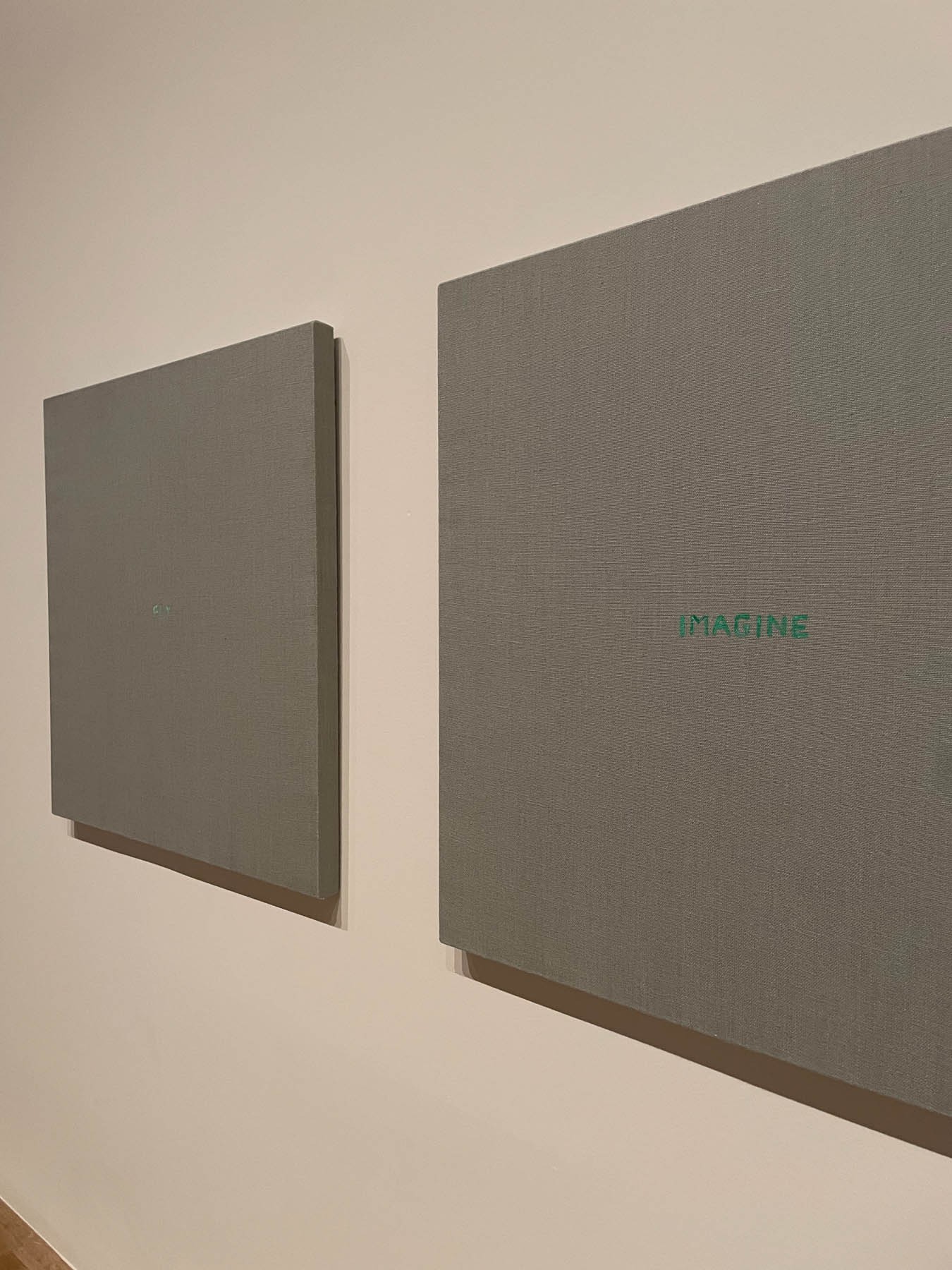
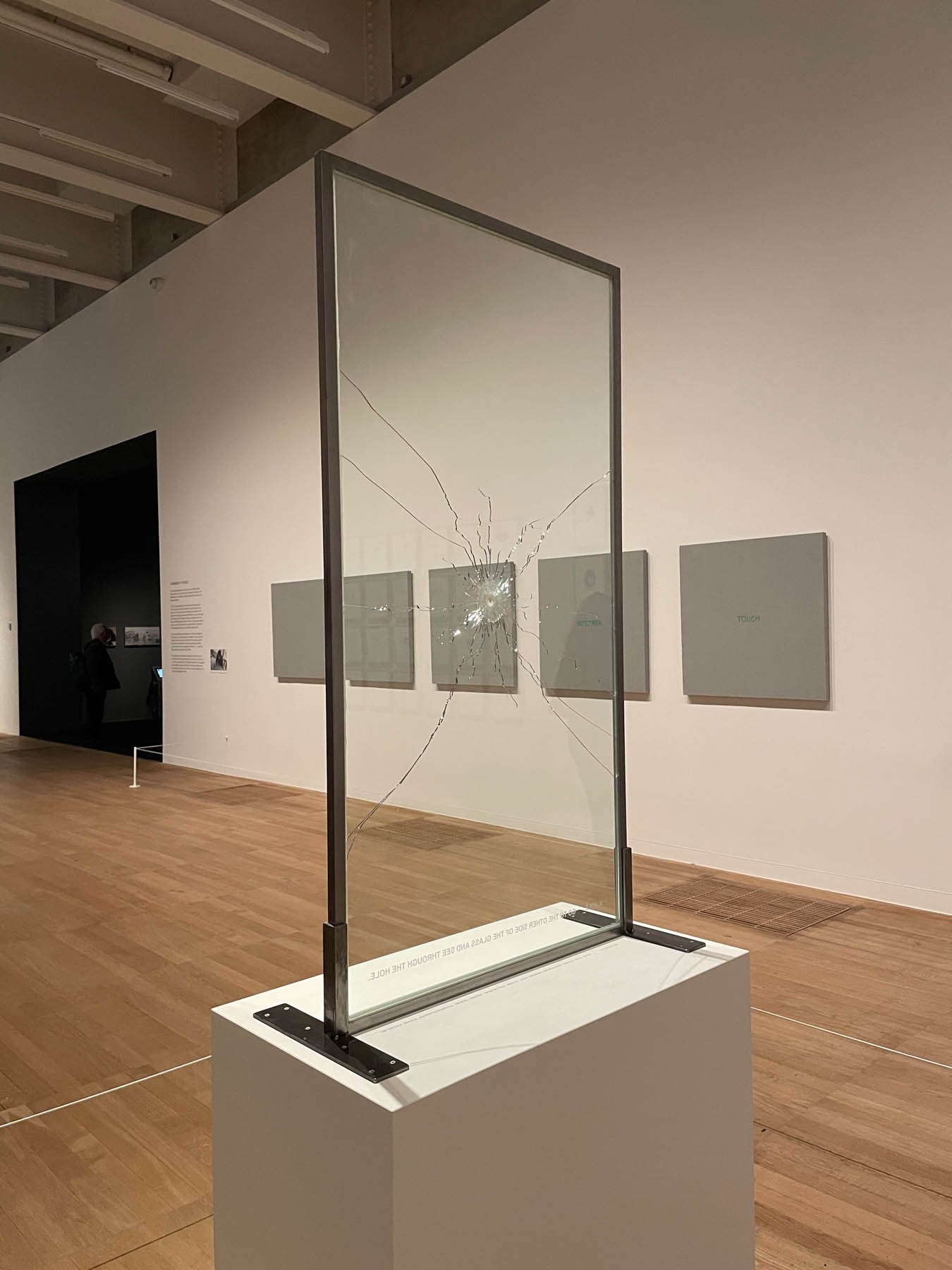
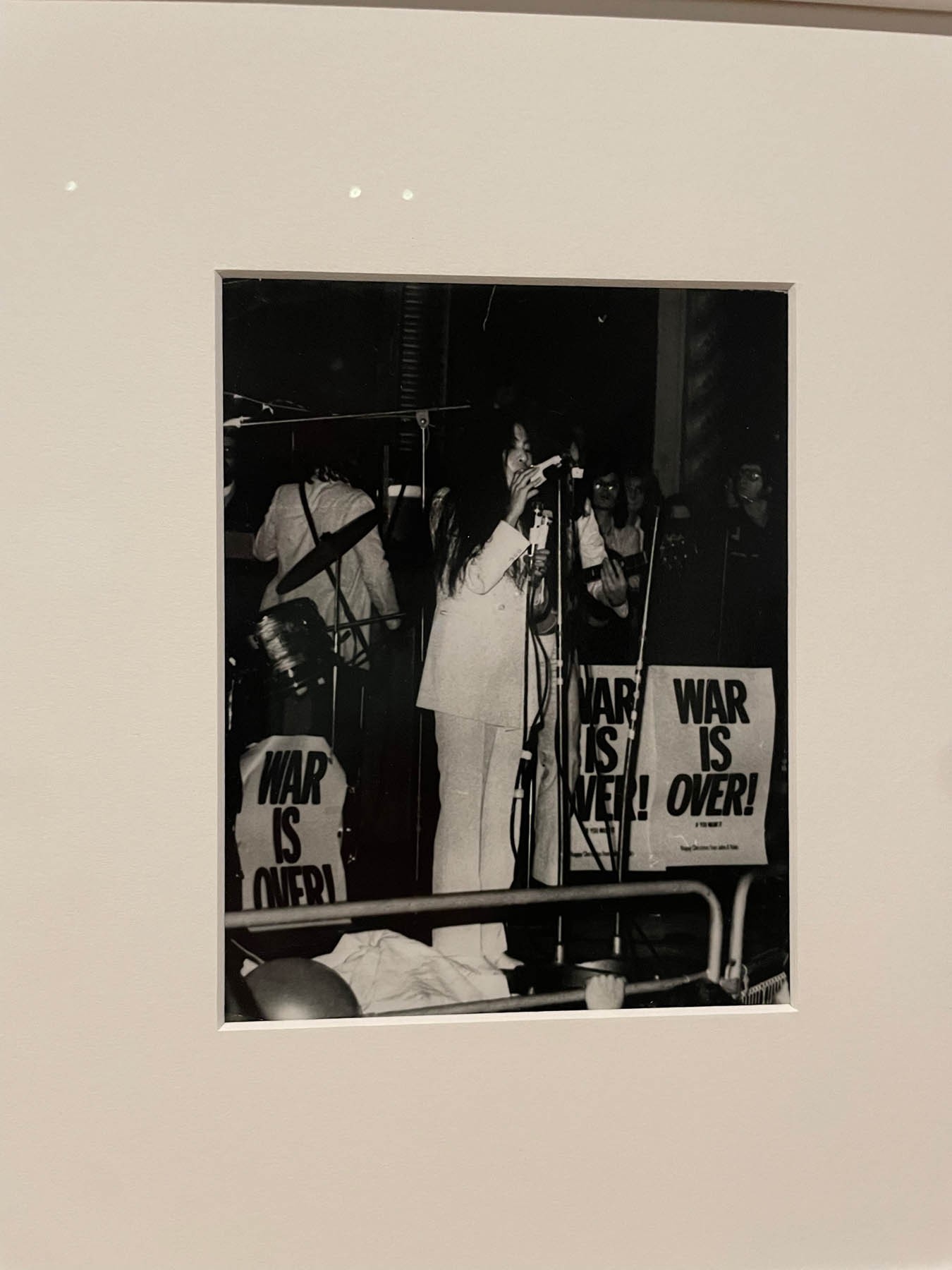
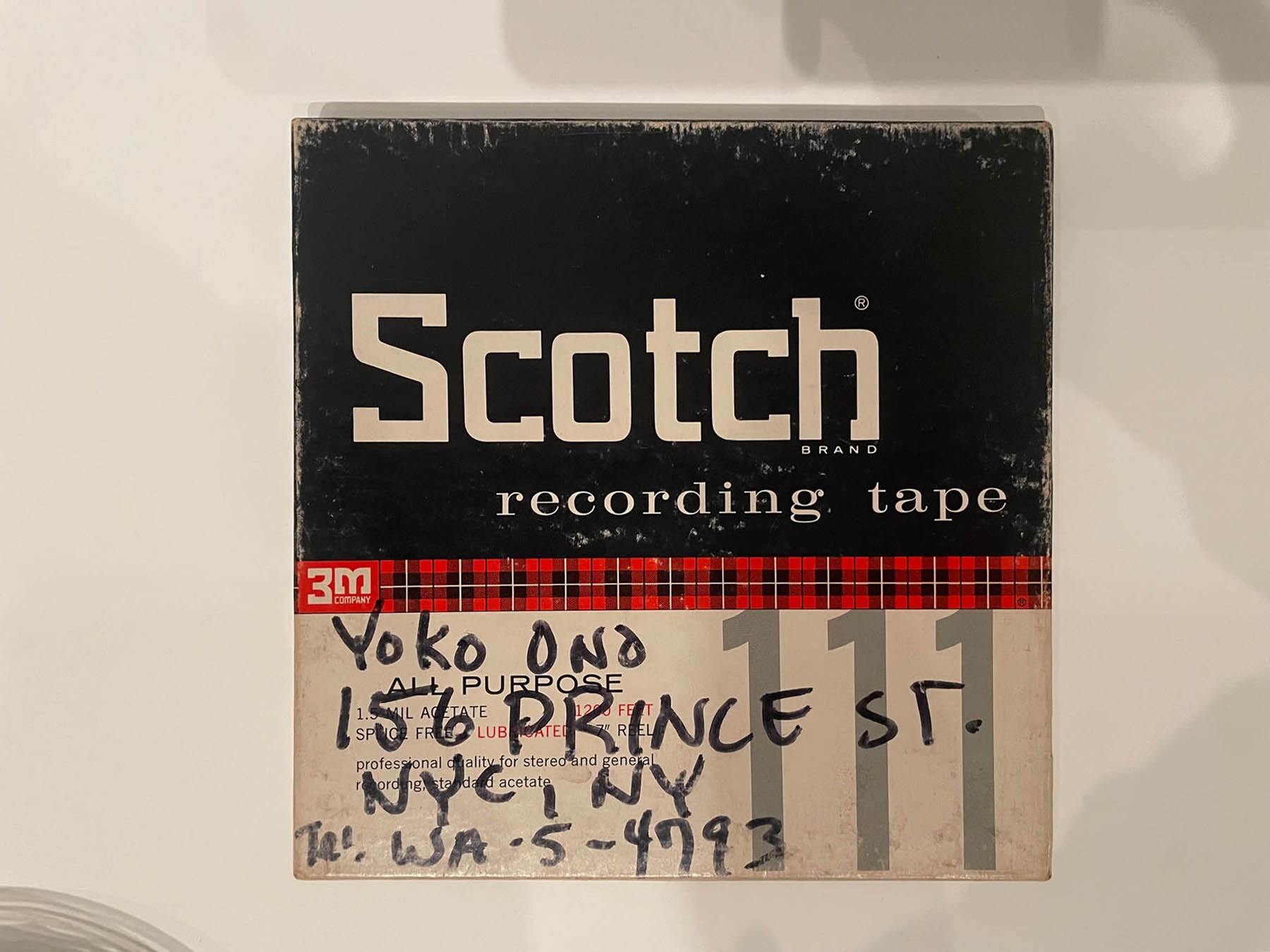
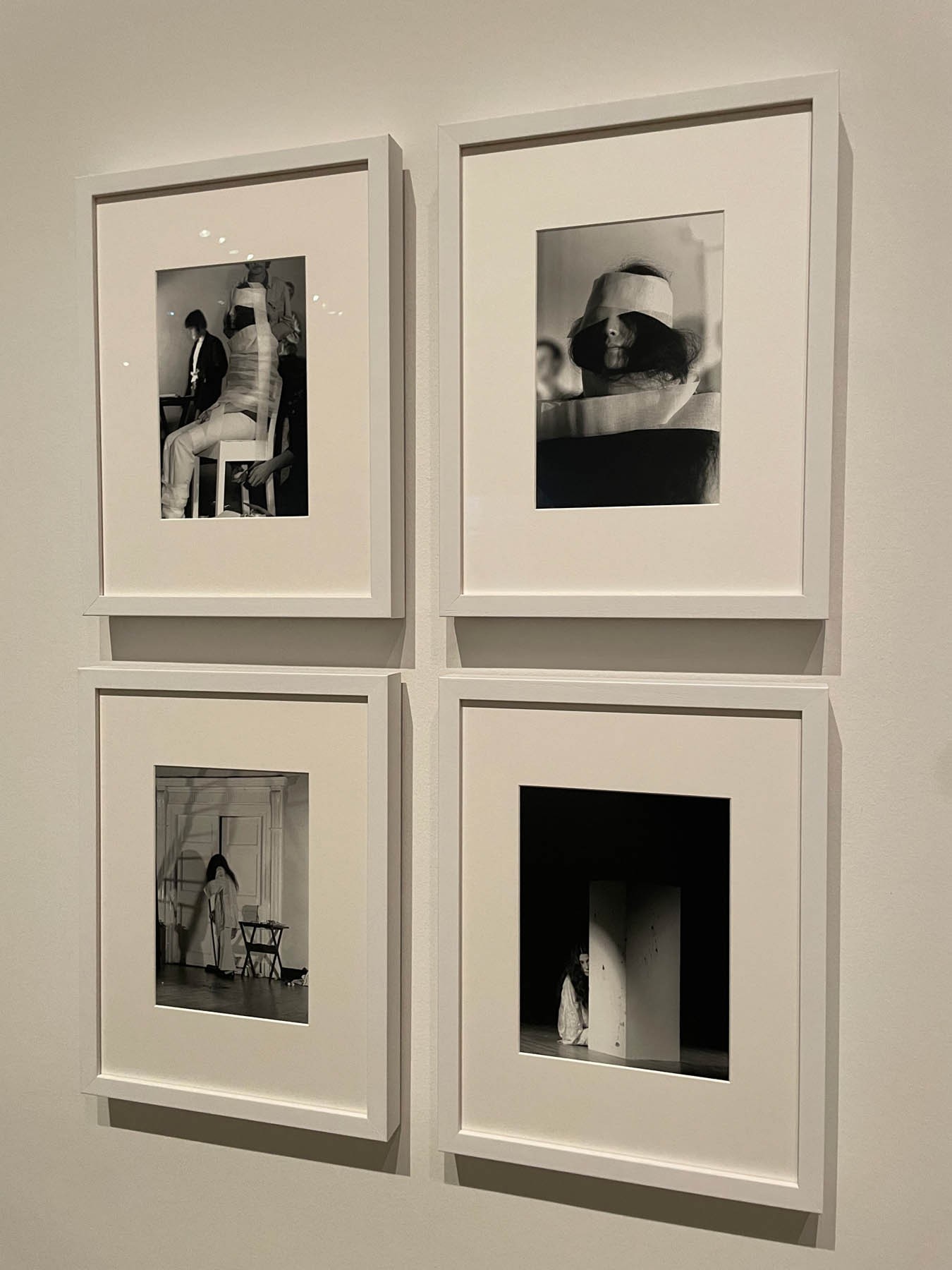
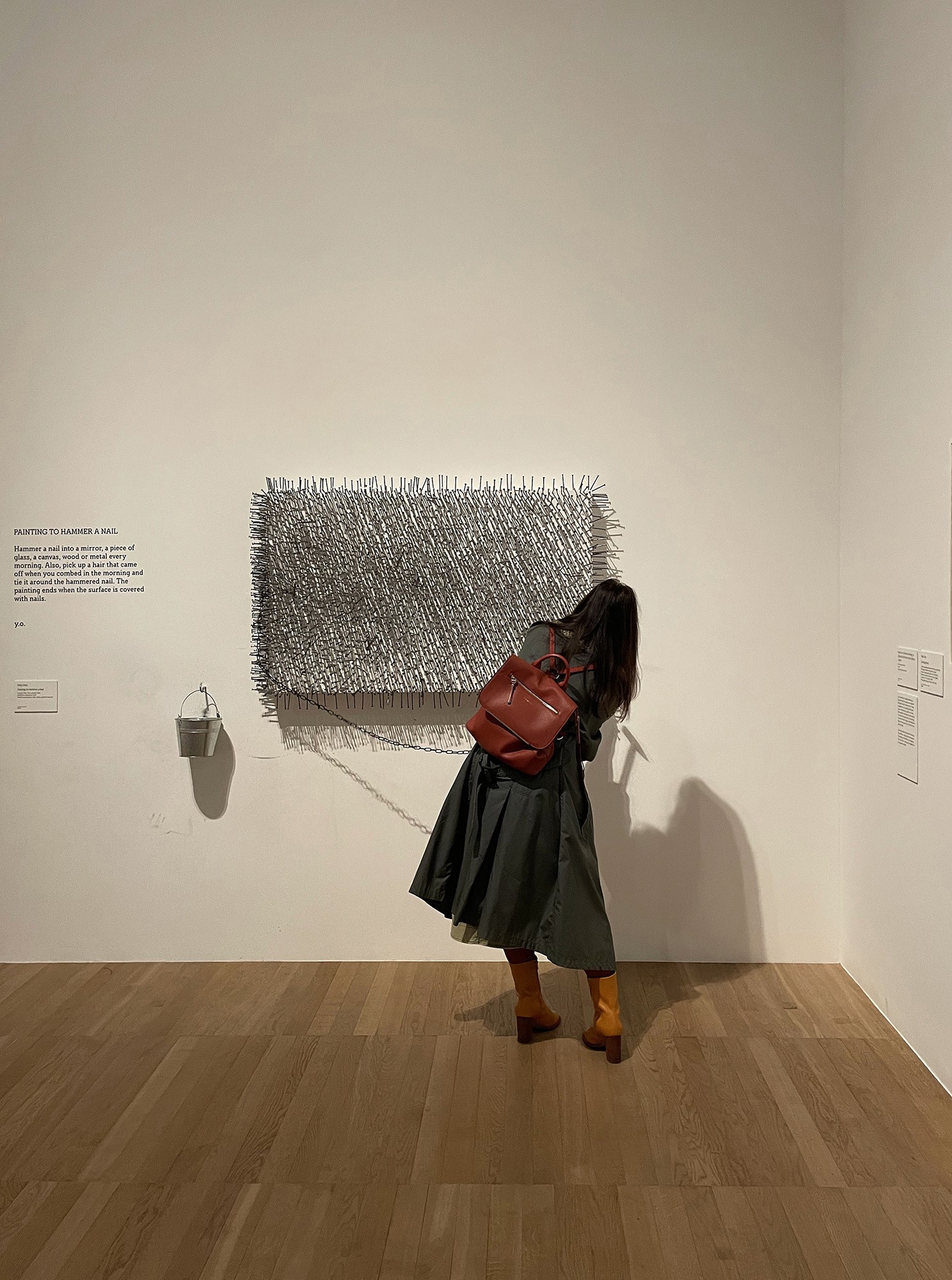
Now in her early 90s and only recently withdrawn from public life, Ono is again enjoying renewed interest with a major retrospective currently showing in London’s Tate Modern. It covers seven decades of her extensive output and really punctuates her credentials as a multi-disciplinary creative figure.
To the casual observer, Yoko Ono was John Lennon’s wife – in fact, her third and final marriage – who formed the Plastic Ono band around the time that The Beatles were disbanding. Indeed, she was harshly criticised for being instrumental in their demise.
In reality, she had already built a significant career ten years prior to their meeting in 1966 as an artist influenced by the Dada movement. Long before Warhol’s seminal Factory, Ono was hosting creative events with avant-garde composer, LaMonte Young. Arts cognoscenti such as Peggy Guggenheim and Marcel Duchamp attended. Ono is closely linked with the Fluxus group – and was invited to join – but her ambitions for independence resulted in her declining.
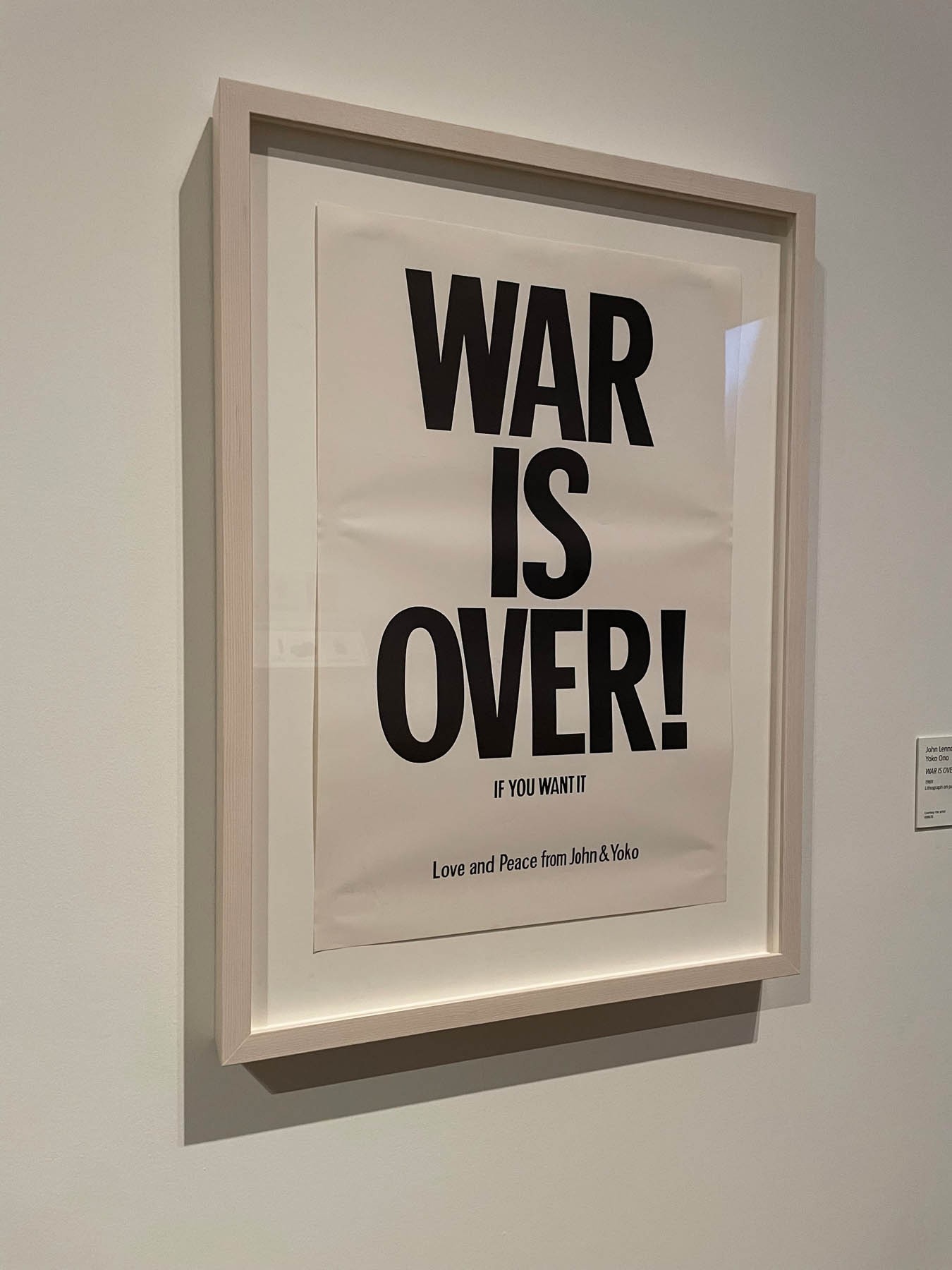
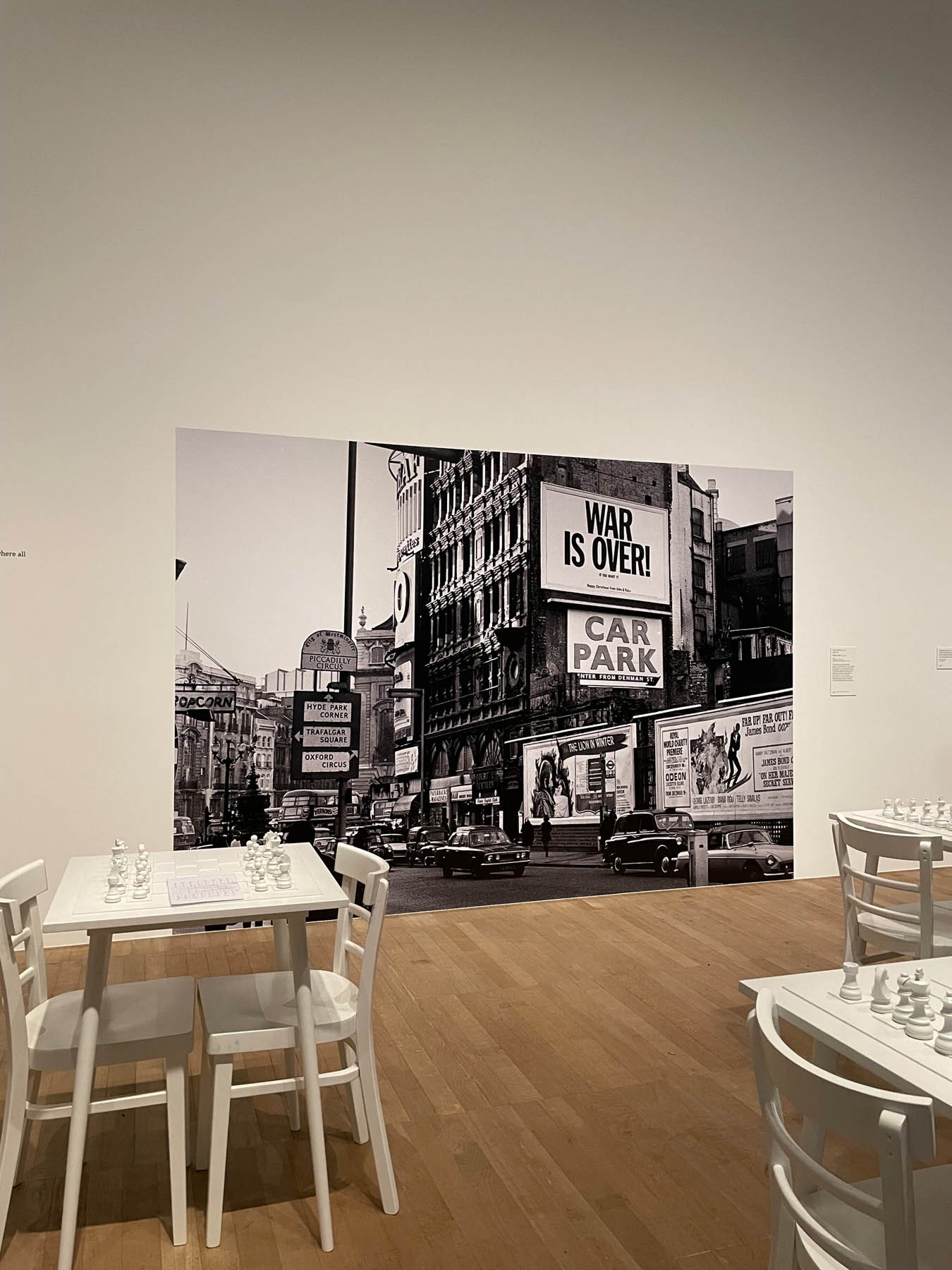
After their infamous ‘Bed-in’ where Ono and Lennon celebrated their marriage by staging a week-long peace protest in the Amsterdam Hilton, Ono’s humanitarian interests came to the fore of public awareness.
Ono continues to be a source of inspiration and fascination in several creative fields. Music, in particular. At the Paradise Garage, one song, “Walking on Thin Ice” – her final recording with Lennon before he was murdered – took on cult status during the mid-80s. DJ and producer Danny Tenaglia recalls the time he remixed the track and Ono appeared at his club to sing over his mix.
Similarly, it doesn’t seem too much of a stretch to suggest that Ono’s work, with its emphasis on questioning conventions would have influenced fashion designers such as Rei Kawakubo and Martin Margiela. Both forged their early careers from challenging the norms.