CNTRFLD. Can you share some insights about your childhood in Singapore and how it has influenced your artistic journey and your work today?
WT. I was quite a solitary kid, and growing up, I was happiest in my own company drawing, painting, doodling or making something with my hands. Family outings were often spent at the beach or parks, and I remember my eight-year-old self, sprawled on the sand trying to capture the fading sunset with my crayons on paper. Looking back, this captivation with light has been a lifelong pursuit, influencing my exploration of themes relating to ephemerality and transience. I never consciously thought I was going to become an artist though. For my generation, being an artist was deemed only as something you did on the side, and not considered a ‘real’ job. I did the whole “get-a-proper-degree” route (I have a business degree) and worked in lifestyle publishing as a writer after graduation. But one day, I realized it was now or never. Making art has aways defined my existence in a way of knowing “this is who I am.” I knew then that I wanted to make a life of creating art, and to pursue it seriously as a profession.
I don’t come from a privileged family, and to decide to make art a career was a path I had to sustain on my own. I put myself through art school while working at various part-time jobs, from freelance writing to bartending. Having committed to what was considered an unorthodox vocation choice, especially in Singapore with its pragmatic views to careers, I was determined to make it work. It was a very long journey, and not without struggles, but I am glad I have stayed the course and have now built a career as a full-time artist.
CNTRFLD.ART. Your work often straddles between traditional Chinese ink painting and Western painting. How do you navigate and integrate these two distinct cultural influences in your art?
WT. I received a relatively traditional schooling at the Nanyang Academy of Fine Arts (NAFA) in early 2000, where I was trained in techniques of Chinese ink painting and the Nanyang style of painting. My teachers included China-born artists who had studied in Paris and were largely Impressionist inspired. Subsequently, one of my earliest artist residencies was in a small town in southern Finland, where I arrived during winter. It was my first time in this part of the world, yet I felt an immediate connection to the vast, monochromatic landscapes I encountered on my walks through the forest. I am not a spiritual person, but the emptiness opened up what felt like a spiritual resonance to me. The Qing dynasty artist Tang Dai once said, "if you want to achieve the highest levels of the art of painting, whether those of the "spiritual" or of the "free and easy" there is nothing to compare with having taken long walks and contemplated a great deal. All these "mental images" serving as material will have become concentrate and purified in your mind."
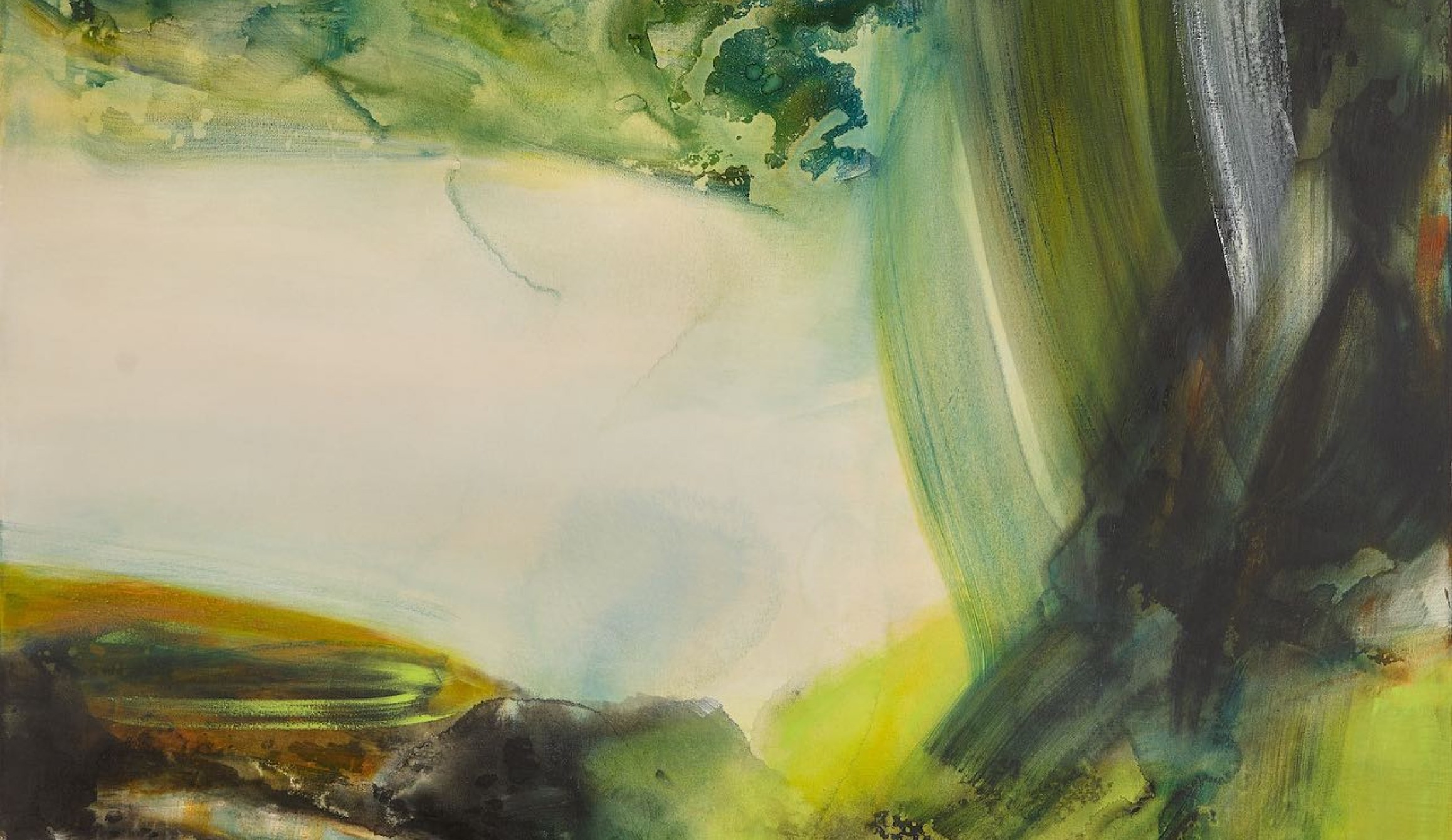
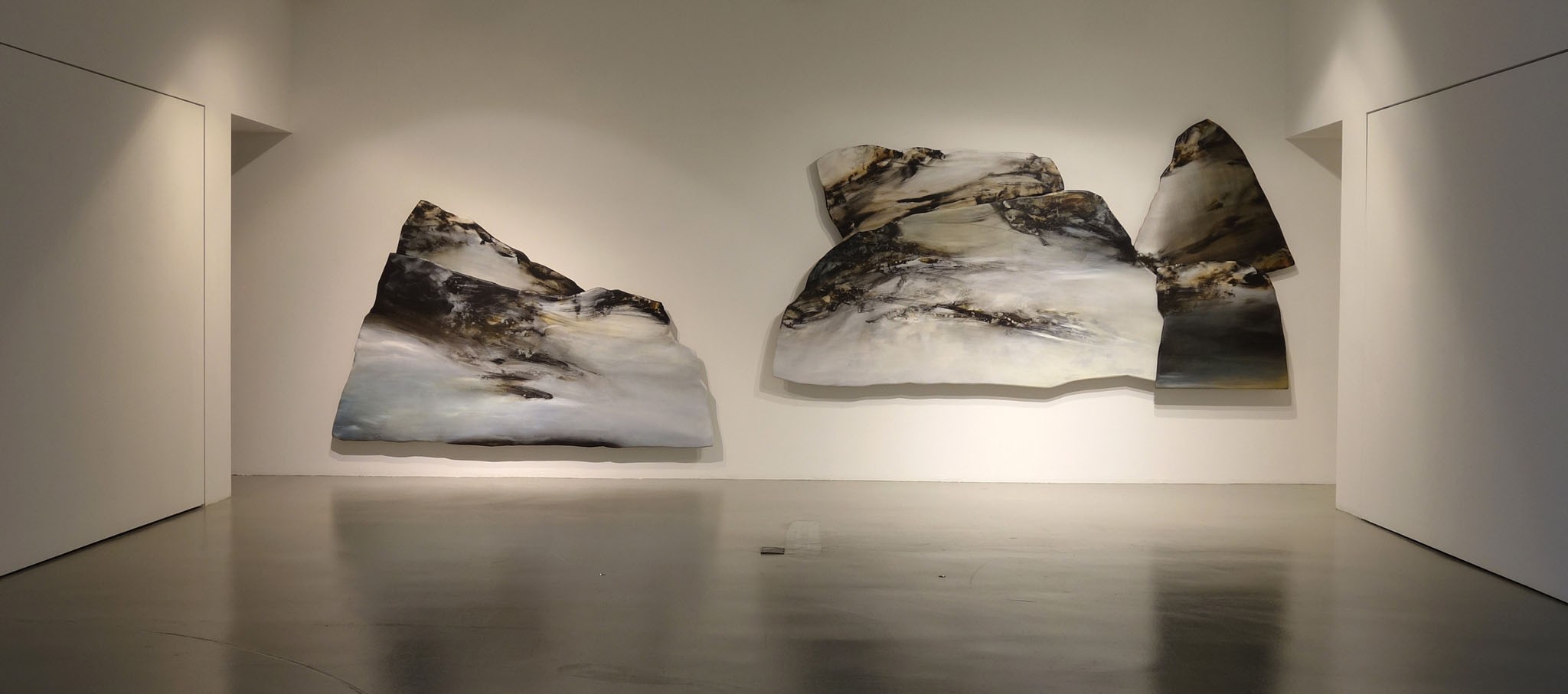
This experience proved to be a pivotal period for me. It led me to combine my training in Chinese painting together with the influence of both European painting and the direct impact of a Northern European landscape. In turn, shaping the direction of my ‘lighter’ visual language that continues till today. It also became the start of my fascination with light in the northern latitudes, and the impetus to travel even further north, all the way above the Arctic Circle.
CNTRFLD.ART. You describe your painting process as being driven by rhythm and intuition. Can you elaborate on how these elements come into play during your creative process?
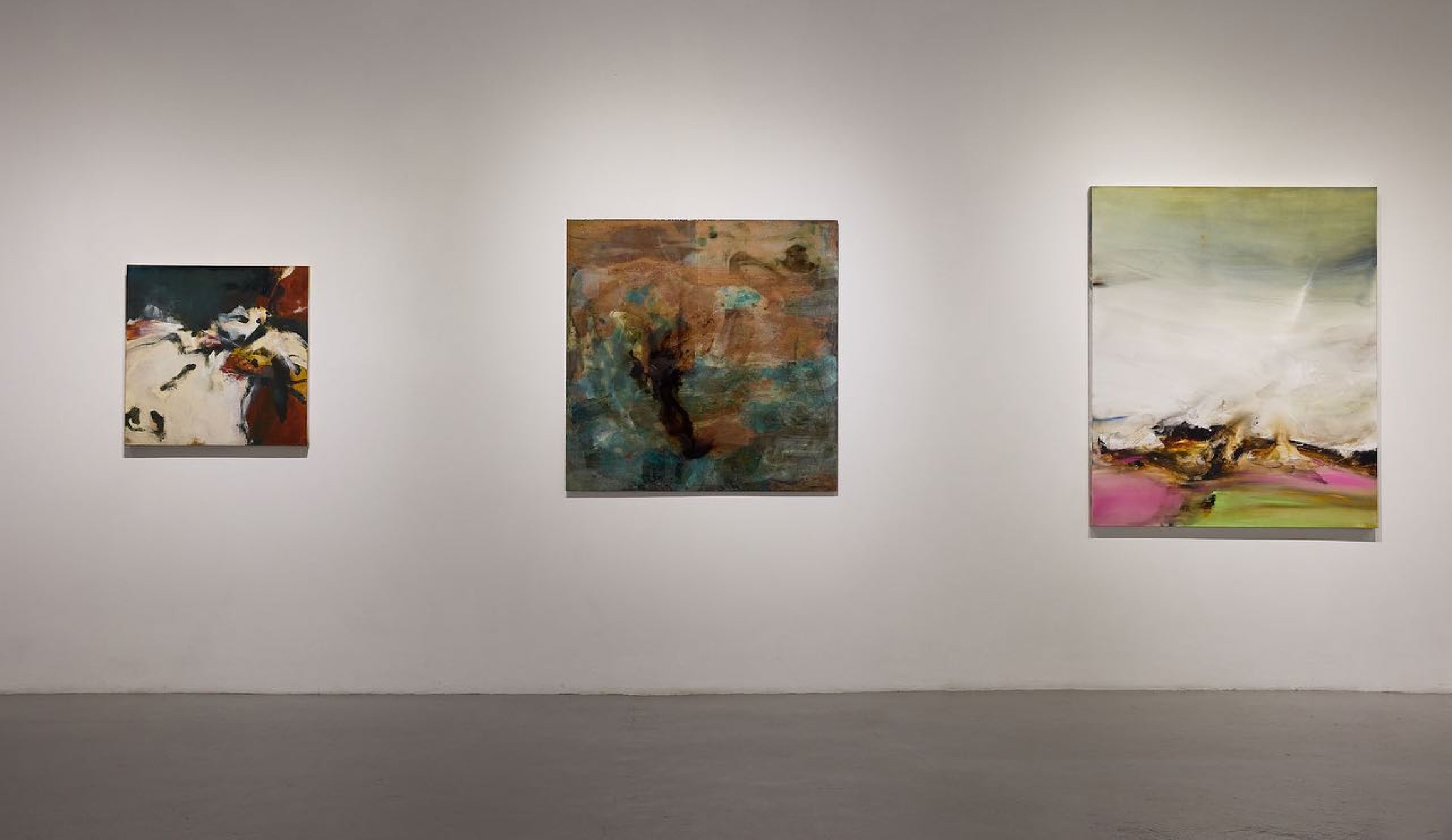
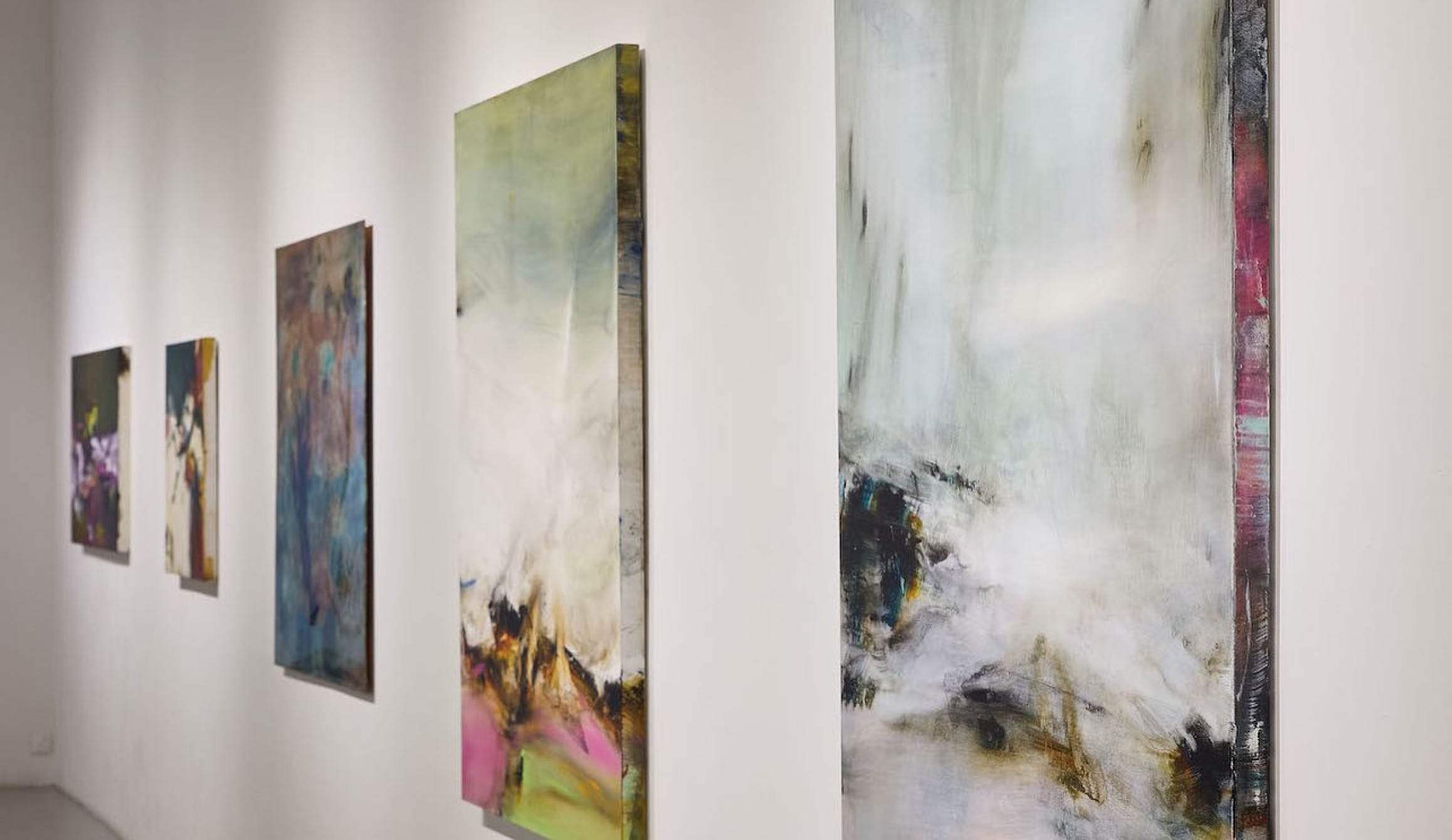
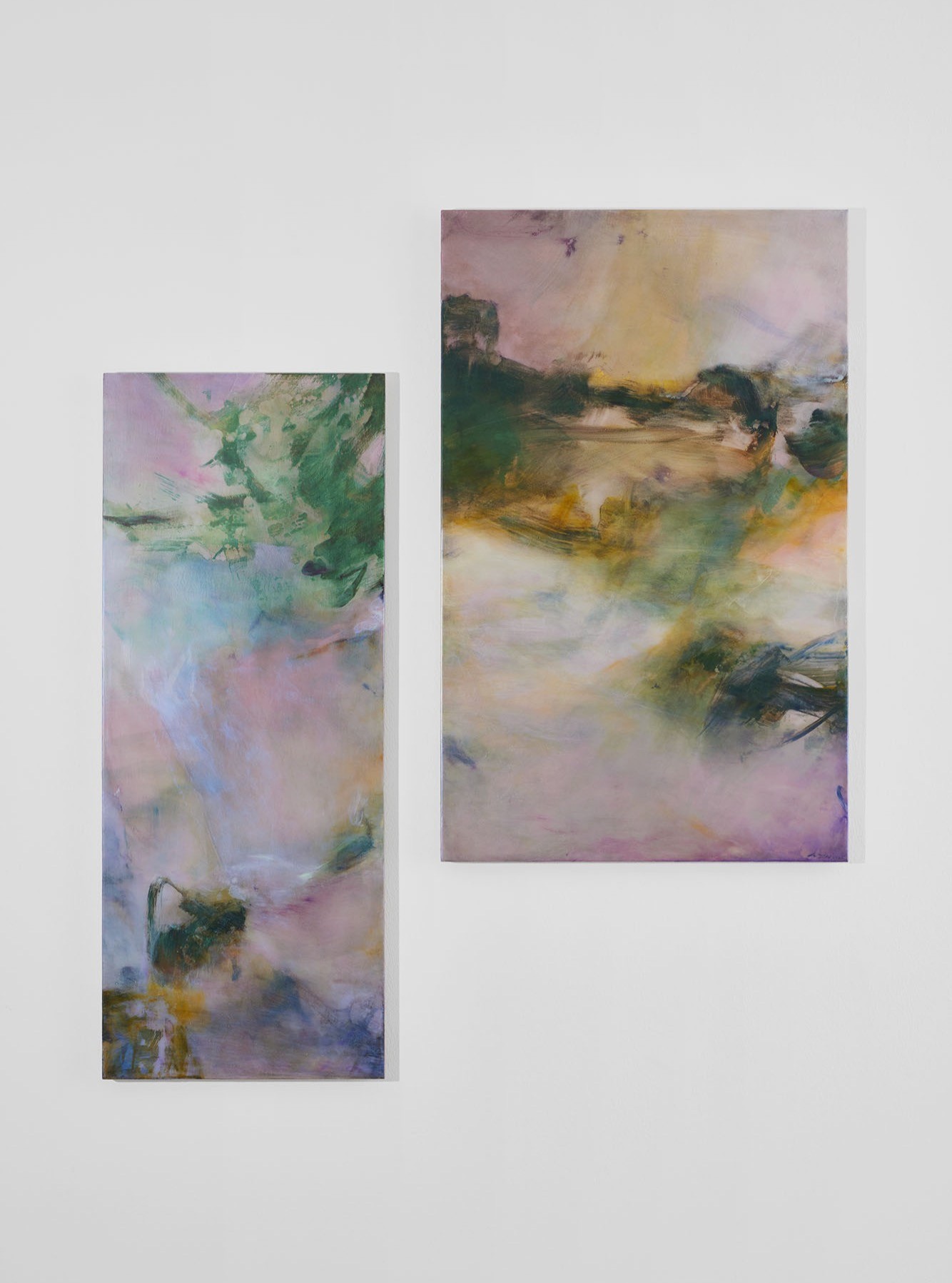
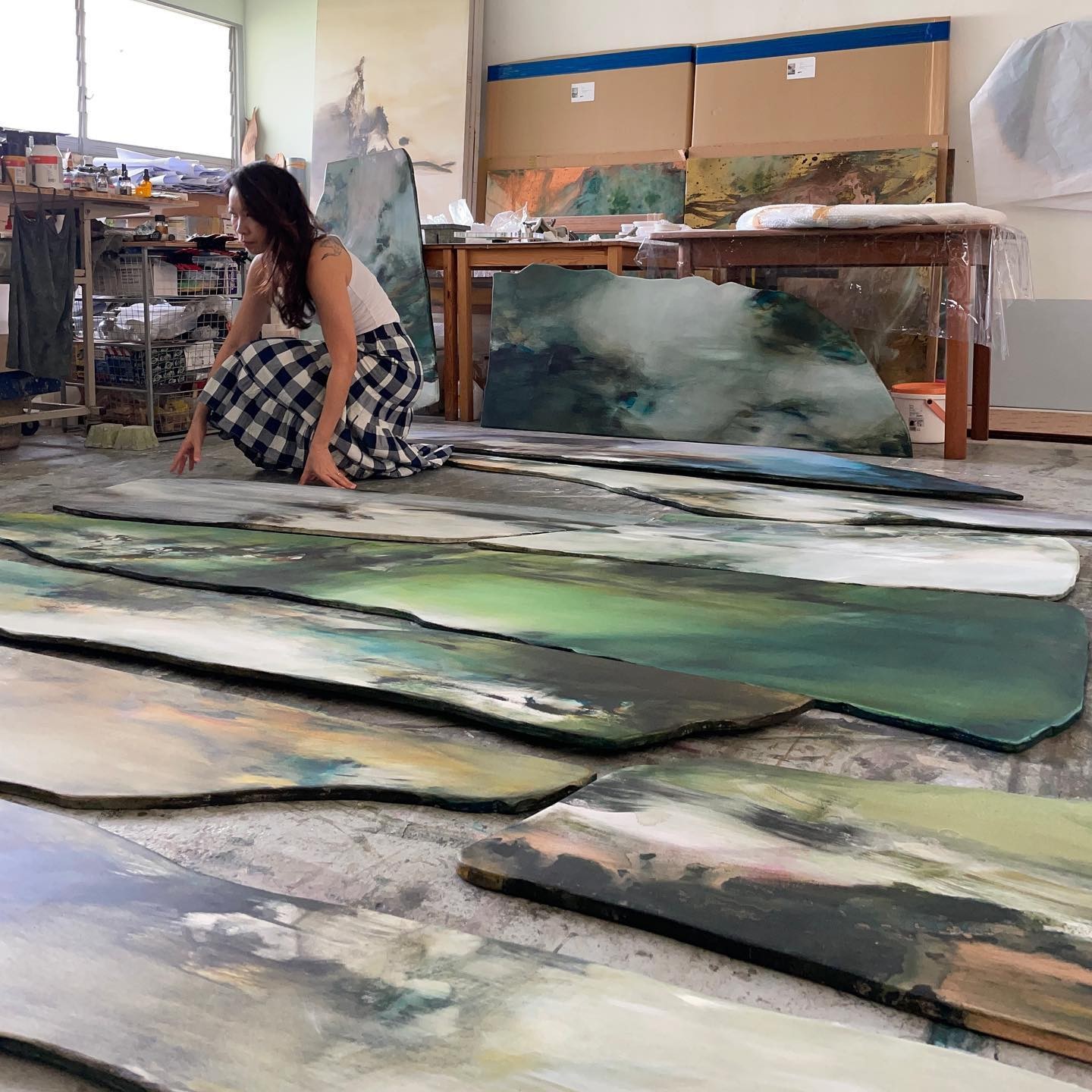
WT. To me, painting is like a dance. I paint with the canvas or substrate placed flat on the floor, which allows me to move freely around it in all directions. I work instinctively, without a preconceived sketch, relying on movement and rhythm to guide my gestural mark making. For me, the intuitive language of gesture comes about when I no longer have to think about what I am painting when I paint. Some days, the tempo is ‘off’, and I feel like I’m dancing with two left feet, and other days it’s a beautiful tango, or rave, in my case, as my studio playlist includes mostly trance, house, ambient trance, electro, techno music. (And yes, I love dancing and clubbing.) That physicality is also why I tend to work big.
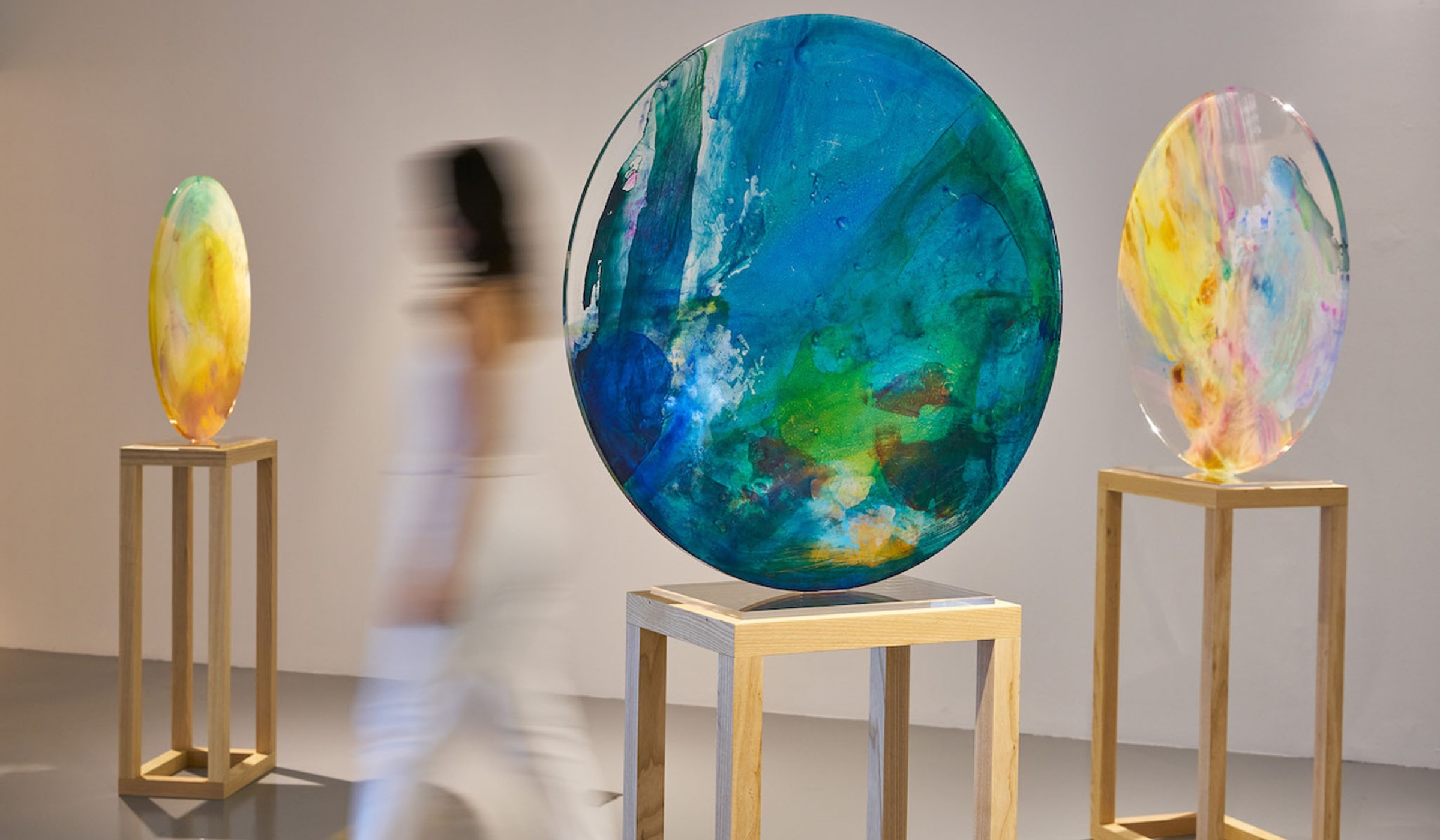
I build my abstract paintings in additive and subtractive layers, as I pour, dab, smear, wash over, and erase. The duration of pauses between wet and dry brushstrokes plays a determining factor in my work, as I engage this momentum to manoeuvre the effects of paint and capitalise on chance effects. There is also the rhythmic alteration of moving between states of absence and presence, of applying form and erasing. The energy of a painting might change over the course of time, evolving into something quite different at the end from when it first started.
CNTRFLD.ART. You consider the journey and the immersive experience of a place as a medium. How have your travels, particularly to the Northern Hemisphere, shaped your artistic practice?
WT. Landscape is not simply what we see but also a way of seeing. I believe a strong bond with particular places, can in turn, provide vital connections to nature and cultures not my own. This degree of multiplicity is something I identify with. I grew up in Singapore, a young, cosmopolitan city-state with incredibly diverse cultures, spanning from Asian roots to a Western outlook. My own family is duo cultural. My ancestors came from China to Singapore, and married the local Malay women, and I belong to a subculture known as Peranakans. As a result of my multicultural upbringing, my identity as an artist is equally nomadic. I would like to think that placing myself in the vast diaspora gave me the ability to see potential in the most mundane things and has also been my way of probing and discovering new insights, observations or methods of artmaking.
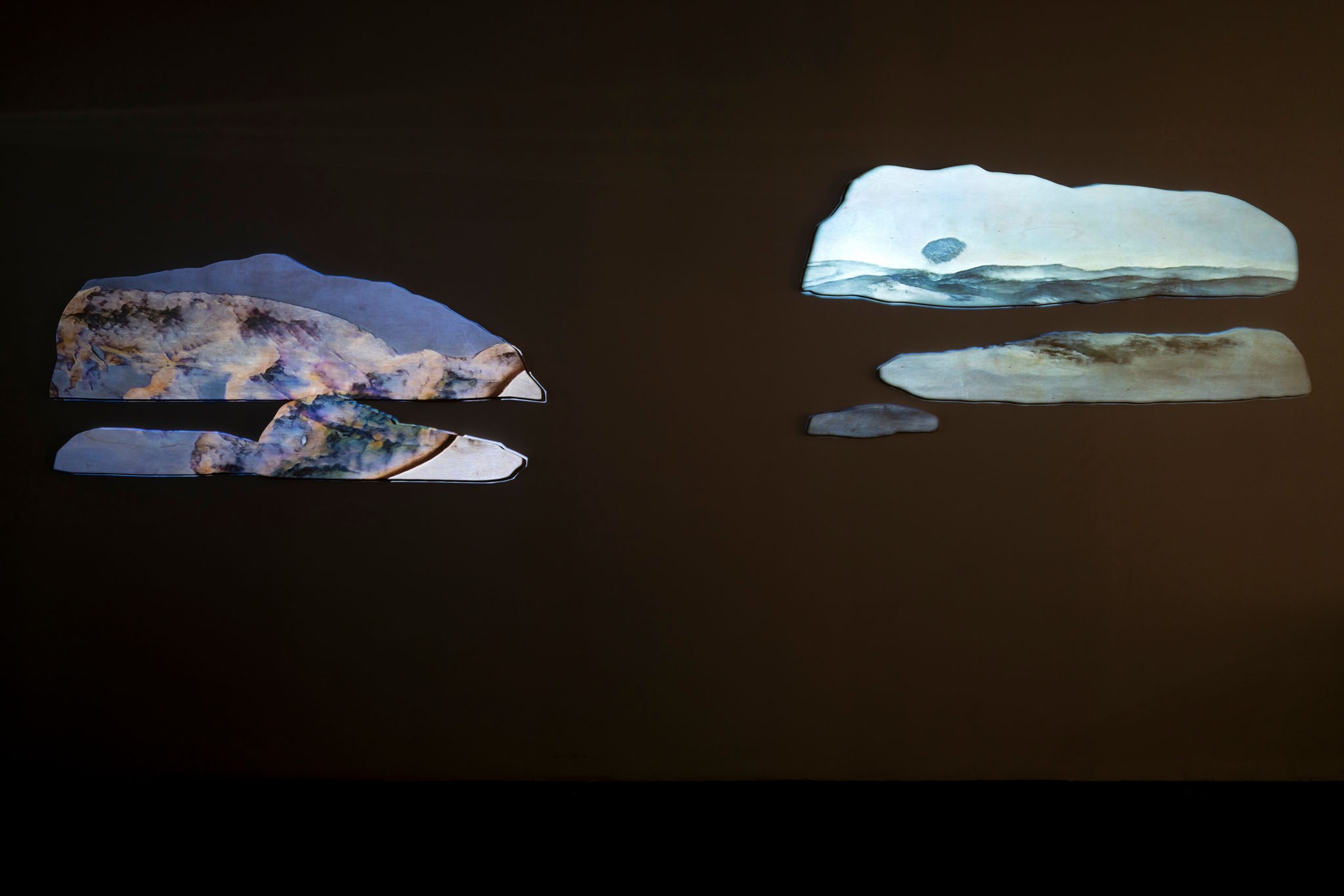
In 2011, I was awarded The Arctic Circle Residency. Together with a group of international artists and scientists, we sailed the waters of Svalbard, an Arctic Archipelago just 10 degrees latitude from the North Pole, stopping along the way to respond to the landscape in various ways. I had originally intended to paint with acrylic on canvas en plein air. But my water-based paints froze and turned to slush in the sub-zero temperatures. Duh! I then pivoted to thinking how I could continue to paint while harnessing the inherent elements of the frozen terrains. As I poured water collected from the Arctic Ocean (think: ink) onto snow (think: canvas), the melted snow froze and refroze almost immediately in the Arctic conditions, creating unique abstract paintings morphing in real time. This transition of time was captured on video in a series titled Snowscapes and marked my foray into using film as a medium. During this residency, I also made another video work Adrift that was subsequently exhibited at the Singapore Art Museum in the exhibition Odyssey: Navigating Nameless Seas. Adrift is a time-lapse video I recorded throughout my 16-day journey around the Arctic Circle. Shot from the porthole of my cabin, it offered at once an intimate yet distant encounter with this most northerly circle of the Earth’s latitude.
Further travels to Iceland and living in Tromsø, a city in Northern Norway 350km above the Arctic Circle (where I received my MA at the Tromsø Academy of Contemporary Art), continued to shape my artistic practice. Being out in these vast Northern landscapes, I experienced both the beauty and power of the elements and felt part of something larger than myself. It was a reminder of our inherent connection to nature, no matter the distance or destination.
CNTRFLD.ART. As a woman contemporary artist, what unique challenges and opportunities have you encountered in the art world, and how have they impacted your work?
WT. This is a tricky question as I don’t see why artists should be labelled by their gender, especially if it reinforces typical gender stereotypes. A work of art should be looked at as an expression of the individual, devoid of the artist’s gender.