CNTRFLD. Your work has consistently balanced support for emerging artists with platforming established names. What’s your process like when discovering or deciding to champion new voices?
TL. For me personally, I look at the existing body of work, first and foremost. It's nothing more complicated than that. When you see an artist with a distinct point of view, or working with interesting material, pushing boundaries, displaying a certain level of skill and fearlessness, and resonating with something inside you, then you know this is an emerging artist that bears watching. It really is the same process when deciding which artist to collect.
In terms of deciding to feature an established artist in the Projects section of Art Fair Philippines, well we look at one’s art practice and its importance and contribution to the art landscape. These artists have achieved a certain level of commercial success and critical recognition. We have a long wish list. But never enough space.
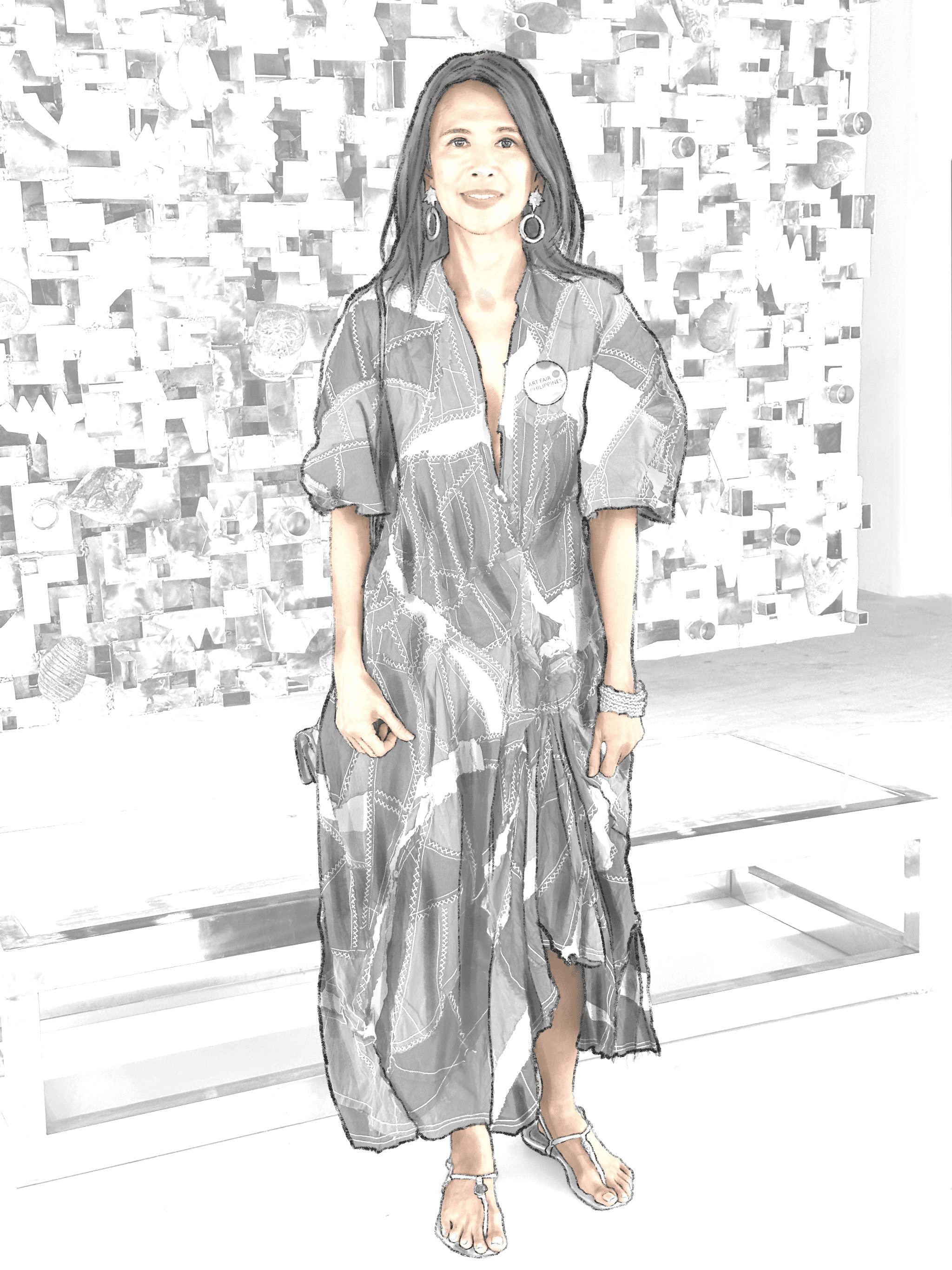
CNTRFLD. You’ve always had an eye for style — from fashion to collecting sculptural, expressive artworks. How do you see the connection between personal style and the art you live with or support?
TL. Thank you for saying that. I’ve never thought of it that way, that my personal style had anything to do with the art I collect. I’ve always sought to collect art of my time. Why? Because I really started buying shortly before Art in the Park was founded in 2006. So, I guess my collection reflects the art of this era. I am drawn to art produced in the present — the now. I’m not sure if that has anything to do with my personal style. It has been more about an affinity with work that feels urgent and relevant, and frankly, fits my budget.
My collecting journey began with artists considered ultra-contemporary Filipino names 15 years ago, the new guard then. Artists like Rodel Tapaya, Ronald Ventura, Kawayan de Guia, Louie Cordero, Geraldine Javier… back then, they were the emerging names. Today, of course, they’re in their mid-careers and widely respected artists.
Another way to describe what my (very modest) art collection is like might be this: it has a kind of Ateneo Art Awards vibe — that is, it aligns closely with the spirit and trajectory of artists recognized by those awards. If an auction house came into my home expecting to find high yield, “auction-able” works, they might be sorely disappointed. Many of the names in my collection aren’t necessarily the ones that make headlines in the secondary market.
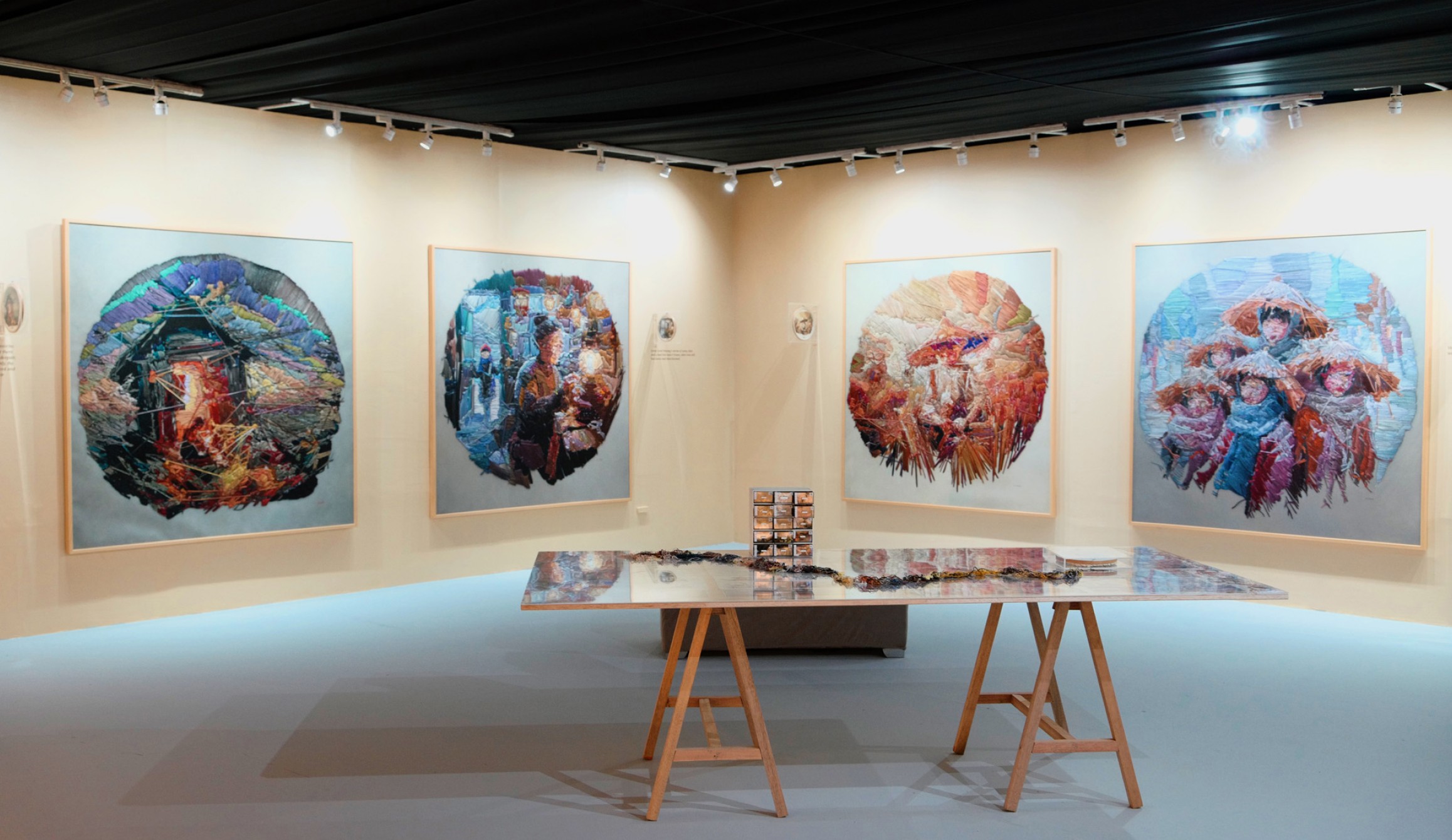
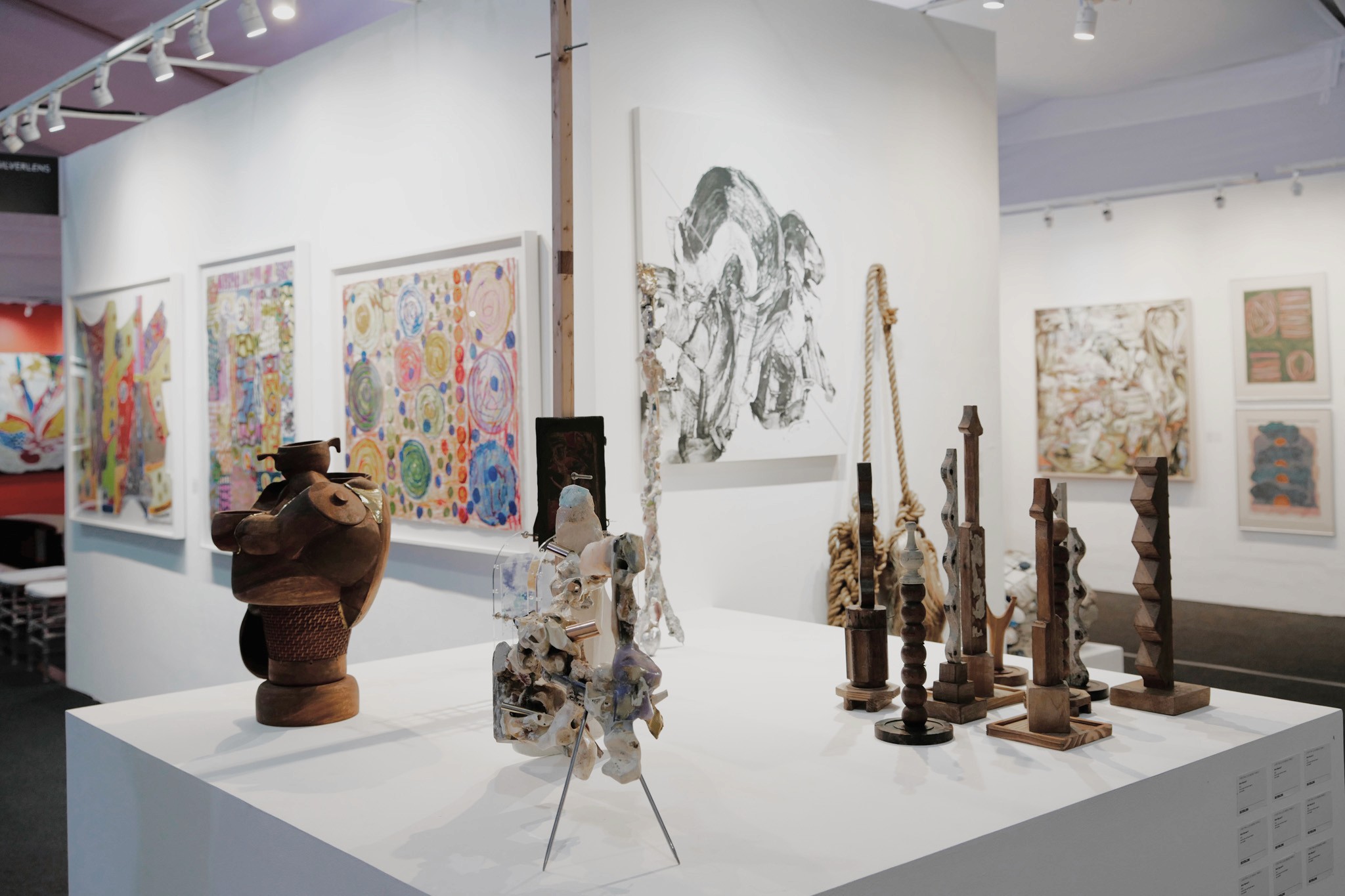
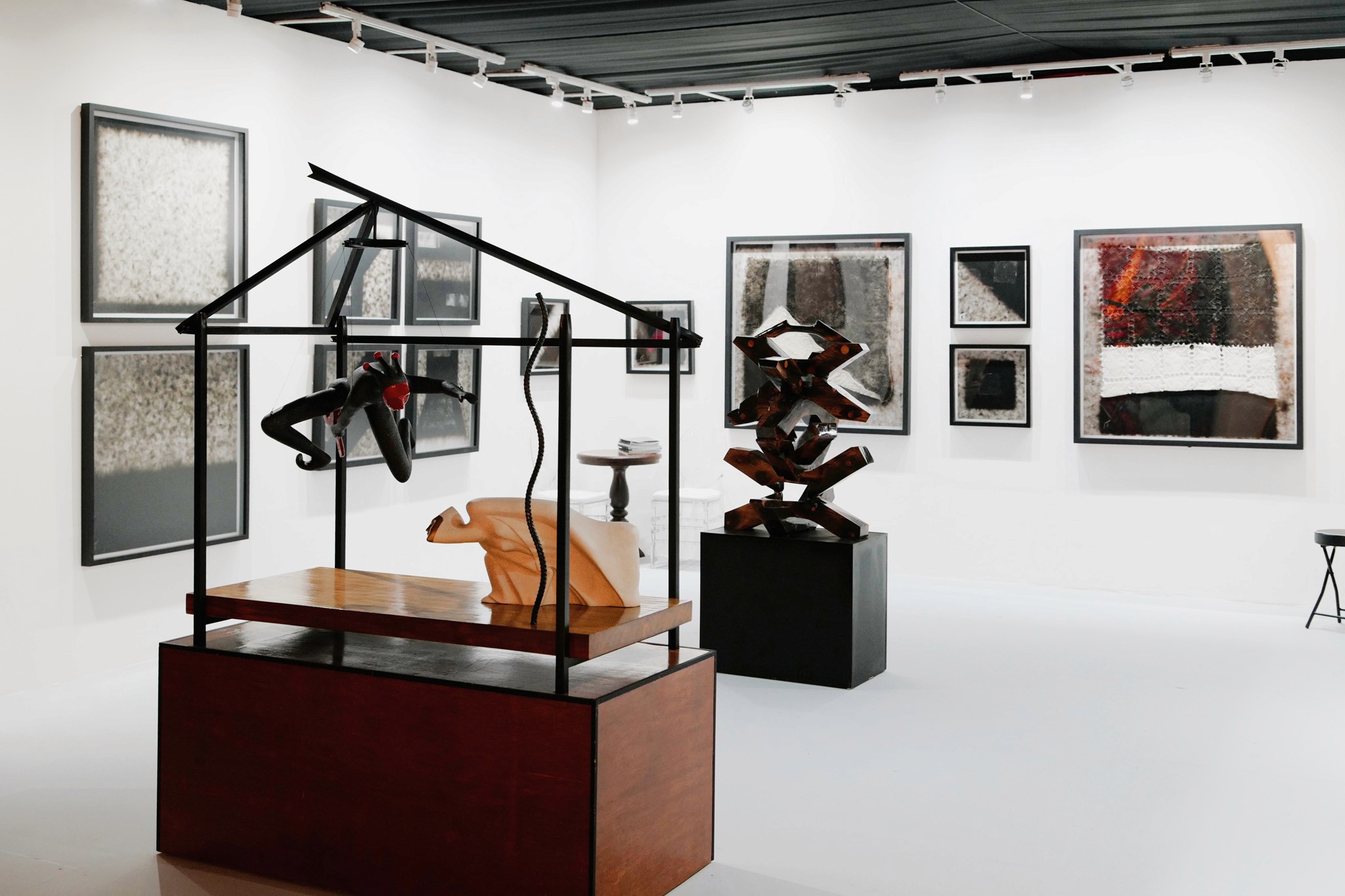
I buy art that resonates deeply with me: works on fabric, ceramics, pieces that are tactile, raw, expressive. Art that doesn’t shy away from confronting social realities. They’re not always “pretty,” and that’s okay. I’m fine living with art that’s challenging, even confrontational — because that’s what makes these works compelling.
CNTRFLD. The art world has changed rapidly — especially post-pandemic — with digital platforms, hybrid events, and shifting conversations around identity and representation. What excites you about the current moment in Philippine contemporary art?
TL. We are having a moment.
I’ve said this in several interviews leading up to this year’s art fair: our global superstar Pacita Abad, had major touring museum exhibitions in 2024, from the Walker Art Center in Minneapolis to MOMA PS1, to the Art Gallery of Ontario. Another Filipino artist, David Medalla, had a retrospective at the Hammer Museum in Los Angeles. And of course, another Filipino artist, Pio Abad, exhibited at Tate Britain as one of the shortlisted artists for the Turner Prize. This year, we will see Fernando Zobel’s acclaimed Prado exhibition traveling and remounted at the National Gallery of Singapore.
We’ve not been behind in recognizing women artists too. Anita Magsaysay Ho, Nena Saguil, Maria Taniguchi all took part in the curated section of last year’s Venice Biennale. So, what excites me? It would be that the eyes of the art world are turning to our part of the globe. And when they look our way, they discover that Filipino artists are doing an extraordinary range of work, and this has been the case for a few decades now.
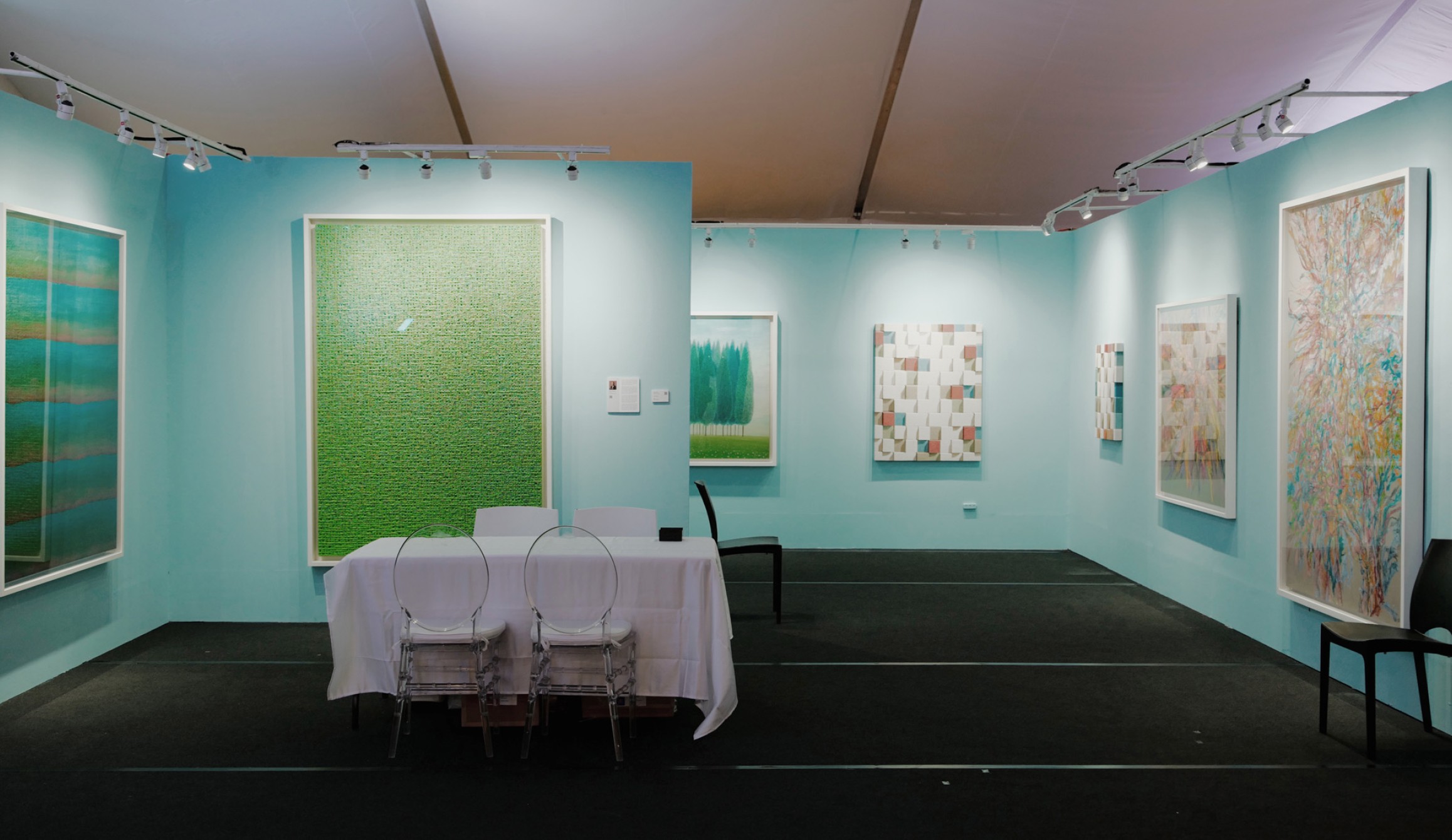
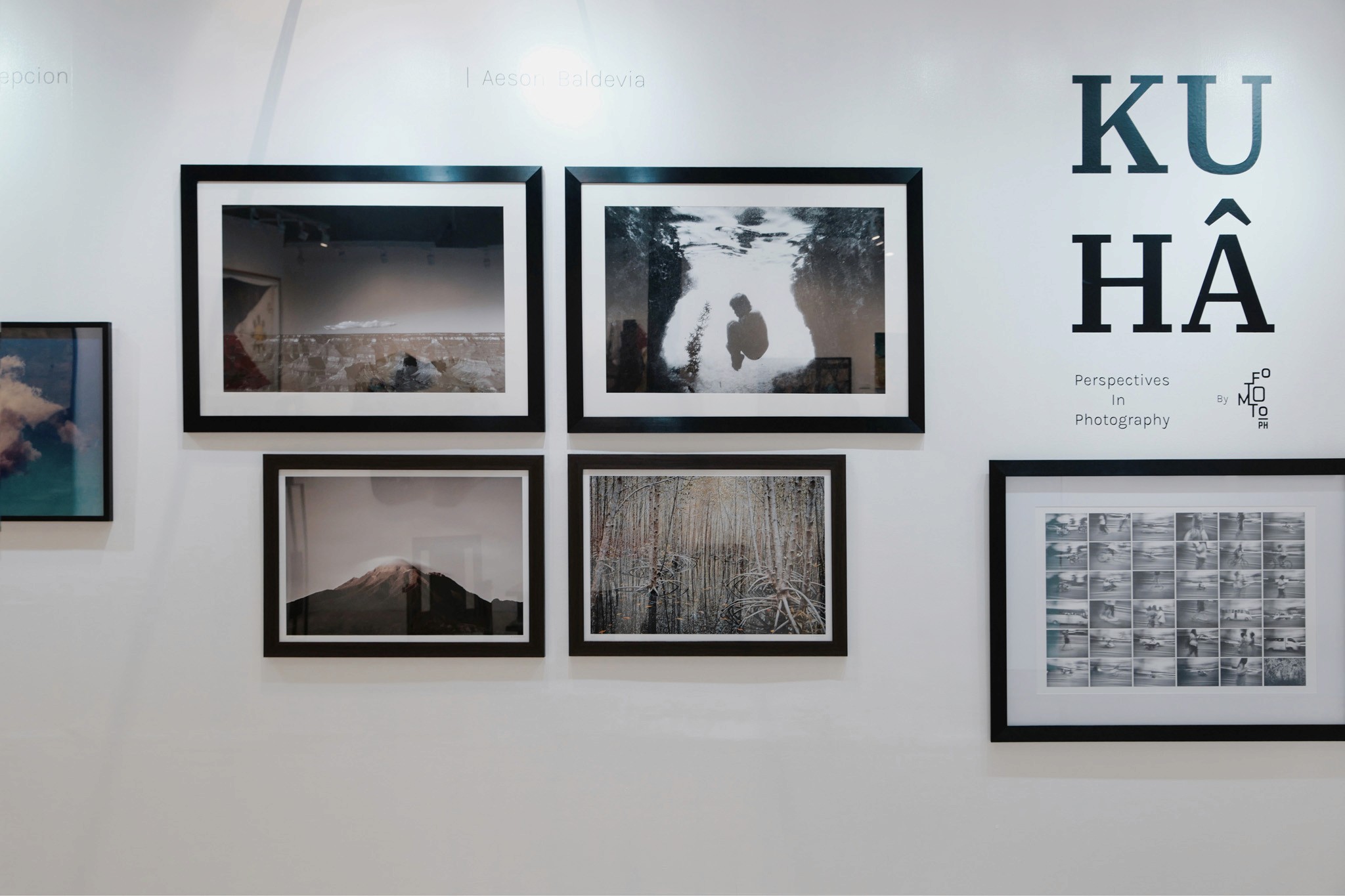
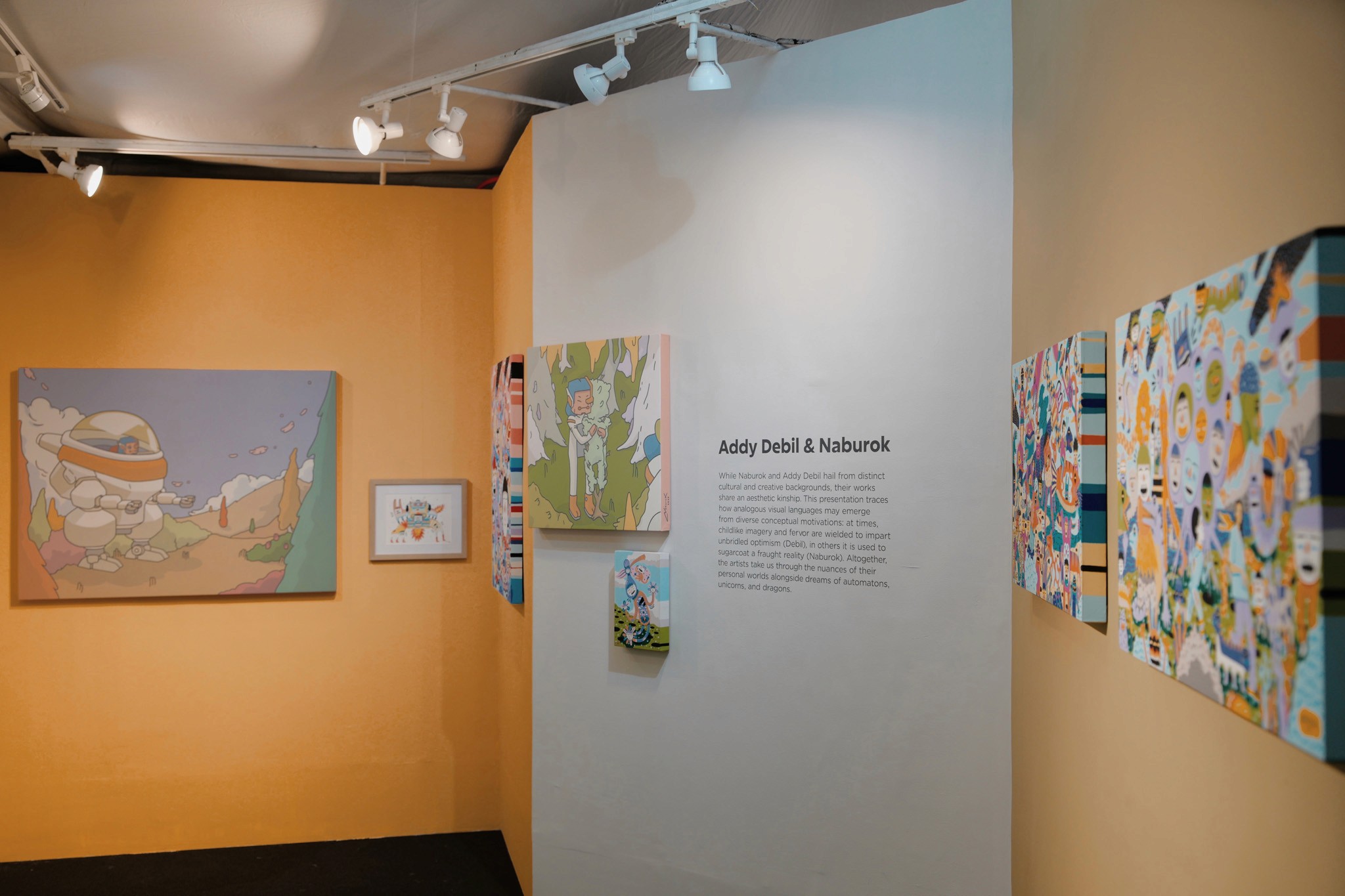
There are also thriving art centers outside of Metro Manila — notably Baguio in the north and Bacolod in the south. Both scenes are incredibly active and distinct, supported by senior artists who mentor the younger generation. These regional communities are producing fantastic work across mediums. We have a thriving digital art and photography community who mount events and exhibits, even without commercial validation.
And then we have young performance artists like Eisa Jocson and Joshua Serafin who are presenting globally, under the auspices of respected institutions and curators. Artists like Isabel and Alfredo Aquilizan — who recently opened the Ames Yavuz Gallery space in London — have a practice that spans continents. They are widely recognized by institutions and respected in both critical and commercial contexts.
So yes — what’s exciting? I don’t want to say everything. Maybe, a lot of things. The breadth and depth of the work being done in the Philippines right now is extraordinary.
CNTRFLD. With your deep engagement in the local scene, what’s something about Filipino artists or the art ecosystem that you wish more people internationally understood?
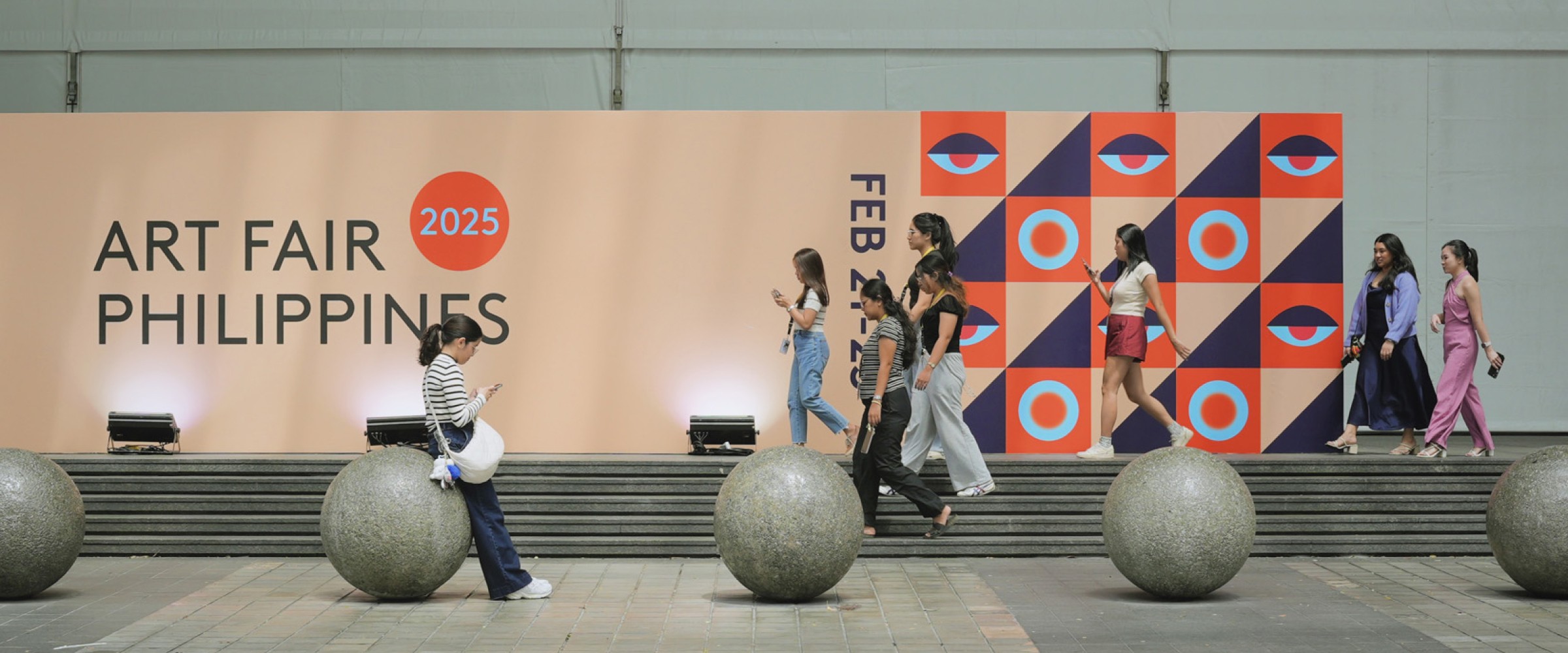
TL. Well, how robust and vibrant the Philippine art scene is — and how it has been that way for at least the last 15 years. Because our local scene is so strong, both artists and galleries haven’t always felt the urgency to break into the international art world. They experience a solid base of local support — from collectors, from audiences, from institutions. So, they’ve gotten comfortable, and maybe that has made them insular. With the rise of Art Fair Philippines, we arguably helped contribute to the development of a complete and thriving art ecosystem.
We have highly respected and very committed artists who are deeply in tune with global conversations and concerns. And this has been true since the 1970s and 1980s. Artists like Roberto Chabet and Ray Albano, for instance. It has been only in more recent years that broader appreciation for their work has caught up. So, it took real courage — and deep passion — for them to keep going in the absence of external validation.
It’s also important to highlight that we’ve always had incredibly strong women artists. While many are only now receiving international recognition, they’ve been steadily and powerfully creating for decades. I mentioned Nena Saguil previously. But you also have Imelda Cajipe Endaya and Brenda Fajardo as examples.
A lot of Filipino art is rooted in place — in lived experience, in the conditions of the country, in regional traditions. We’ve seen powerful waves of social realist work, particularly during times of political instability or upheaval. And there’s tremendous strength in the regional scenes, as mentioned previously. These communities are artistically rich, with their own histories, mentors, and lineages.
I’m glad that we seem to be in the art scene’s radar. There’s excellent work being made in the Philippines. We have a thoughtful, engaged collector base. We have vitality, experimentation, urgency. There’s so much to discover.
CNTRFLD. Lastly, what advice would you give to someone — especially Filipinos — who’s curious about engaging with art, either as a creative or a supporter, but doesn’t know where to start?
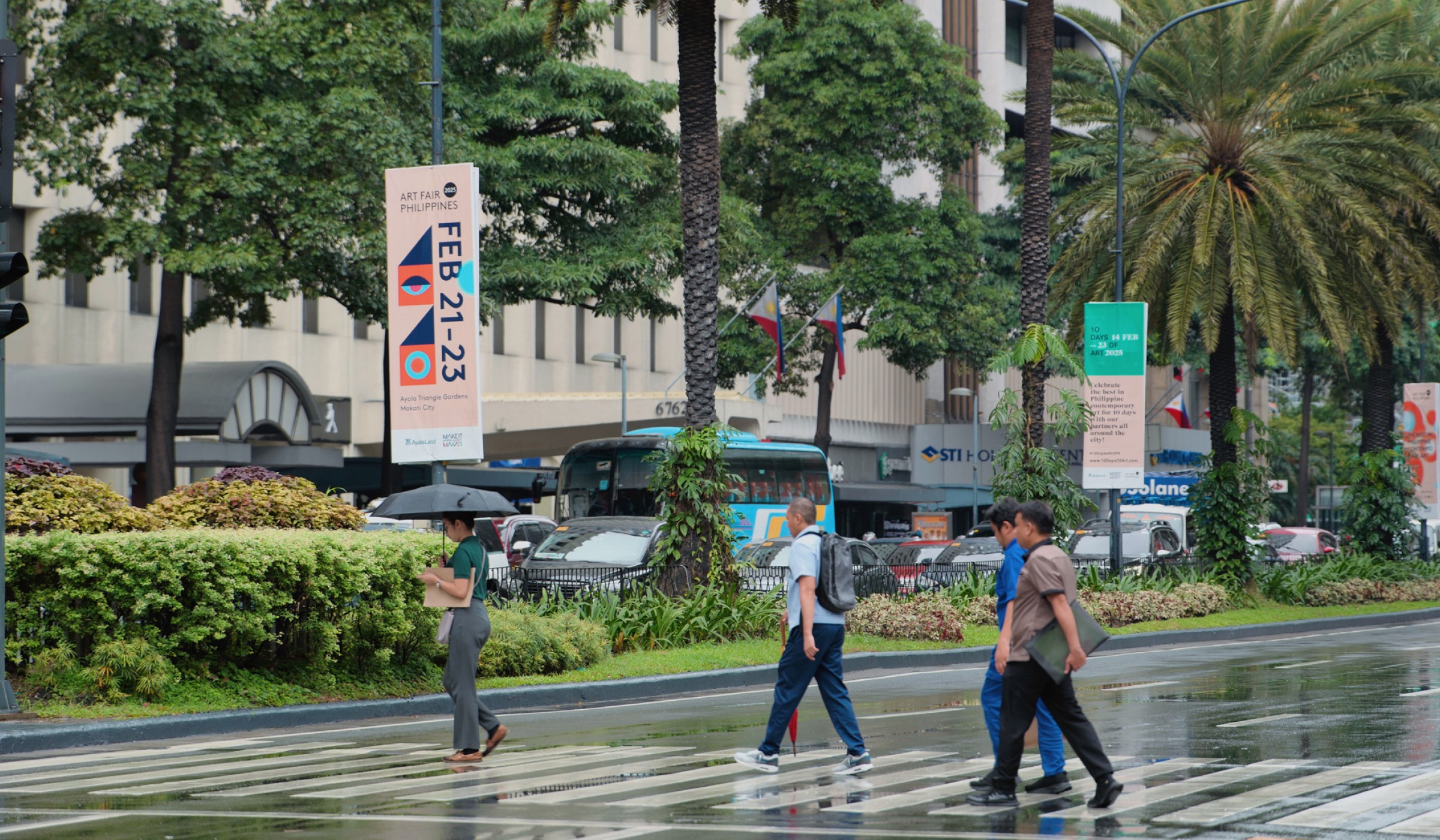
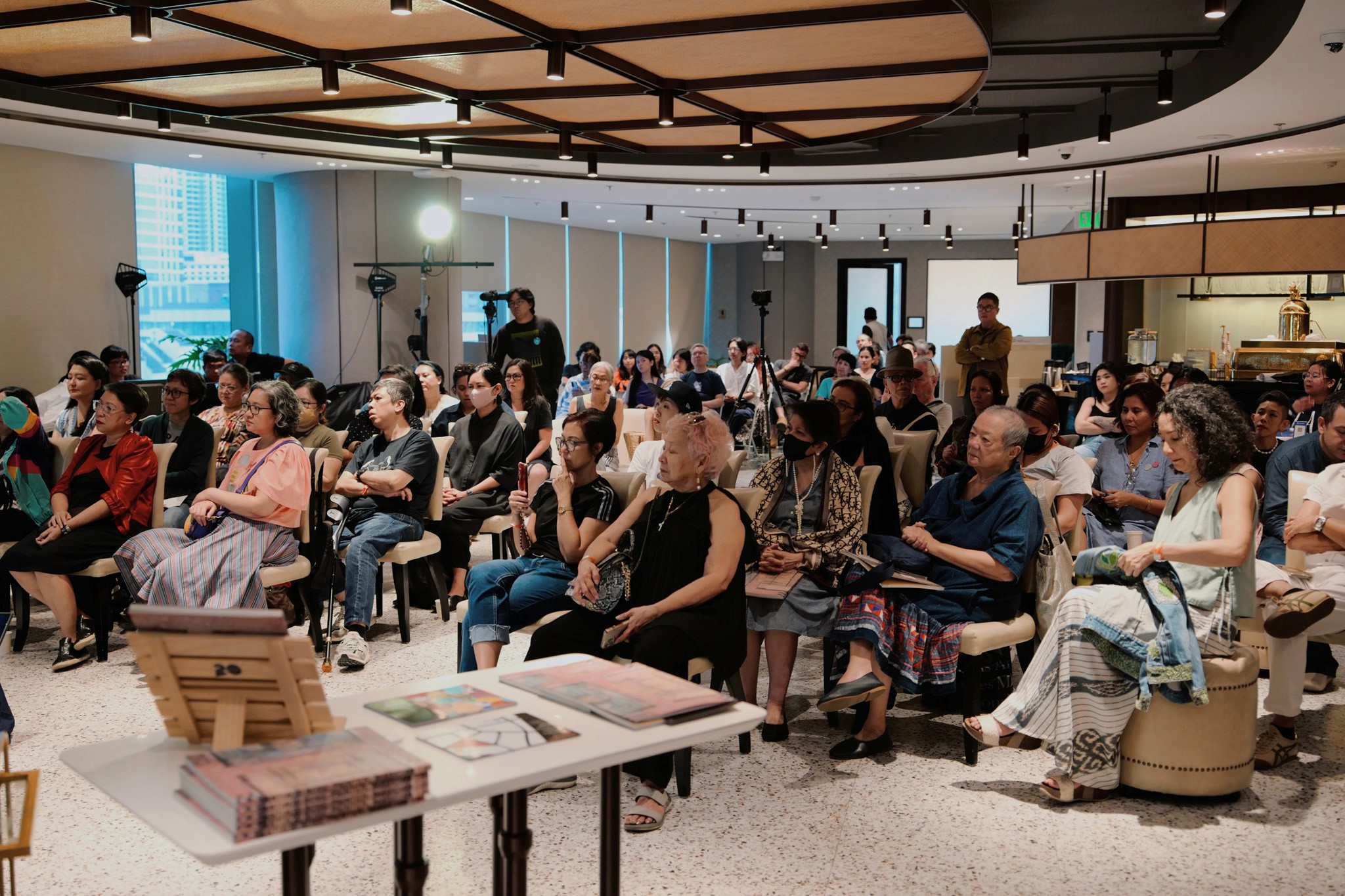
TL. Oh, that’s easy. Make sure you come to Art in the Park or Art Fair Philippines, both events offer great starting points. From there, follow the visits up with regular art hops. Go see what’s being shown in commercial galleries and make time for the museums — especially the university museums. You’ll learn so much from these visits. Auction previews also offer another underrated way to get educated about Philippine art history The major auction houses often show incredible works by the so-called masters — the modernists — and these pieces are usually of impeccable quality and provenance. Once they’re sold, chances are you won’t see them again. So, take advantage of those windows.
In the end, you want to educate your eye. Go see art again and again. Read about art. Be curious. Engage. If you have the passion and the determination, you will learn quickly.