CNTRFLD. Early beginnings and influences
You’ve shared that you decided to become a dancer when you were just twelve years old. Could you tell us more about your childhood in Jialan Tribal Village, and what first inspired you to pursue dance?
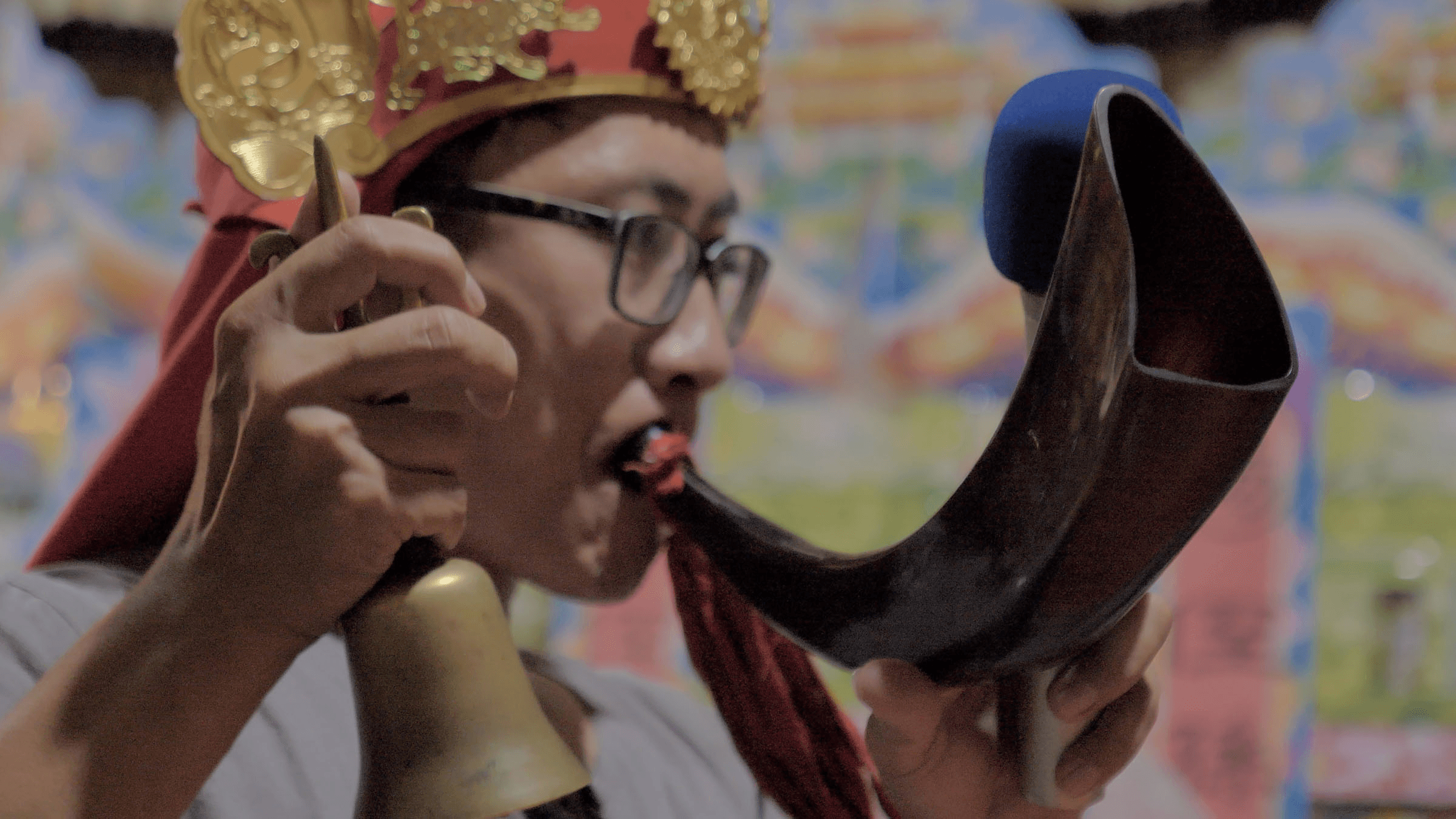
BP. I grew up in the Paiwan community of Jialan Village, Jin-Feng Township, Taitung. Although I lived in the community, traditional culture had largely been lost, so I never took part in ceremonies, never sang traditional songs, never danced traditional dances, and I couldn’t speak the Paiwan language. But being surrounded by mountains made for the best childhood. When I was young, my second eldest brother brought home a Michael Jackson cassette tape, played it, and taught me how to do MJ’s moonwalk. From that moment, he became my idol.
I loved performing from an early age, so I was always singing and dancing at community events. The first vinyl record I ever bought was One Way Ticket when I was only ten, and I even performed it on stage with my classmates. At twelve, because my sister was studying in a secondary school dance programme, I was introduced to ballet and later inspired by a contemporary dance performance to set my heart on becoming a dancer. Since I often performed in the community as a child, the village became the place that sparked my love for performing. Later, through the influence of my siblings, I truly fell in love with dance.
CNTRFLD. Navigating identity and early career
Leaving Taitung at fifteen to study and work in Taipei must have been a major transition. How did that experience of moving away — and later reclaiming your Paiwan name — shape your sense of identity as both an artist and an Indigenous Taiwanese?
BP. Looking back now, had I not lived through that twisted period of self-denial and the bullying I faced because of my Indigenous identity, I don’t think I would be who I am today. Throughout my seven years from secondary school to university, I worked hard to become someone others would approve of. I didn’t want to accept that I was Indigenous, and I was so afraid of being mocked that I barely spoke for those seven years.
Thankfully, I had dance. Devoting myself fully to it gave me a clear direction in life.
It wasn’t until just before graduating from university—while choreographing for the first time—that I suddenly asked myself: Who am I? Where do I come from? I decided then to return to using my Paiwan name, Bulareyaung—not only to remind myself never to forget my roots, but also to let everyone know that I am Indigenous, I am Paiwan.
Even then, although I had reclaimed my name, it took twenty years before Indigenous elements truly began to appear in my work. It wasn’t until I founded my own company that I fully confronted Indigenous culture and gained confidence as an Indigenous creator.
CNTRFLD. International exposure and perspective
Your time in New York through the Asian Cultural Council fellowship and your work with Cloud Gate and the Martha Graham Dance Company gave you a global perspective. Looking back, what similarities and differences do you see between the support systems for artists in Taiwan and abroad — particularly for those working at the intersection of contemporary performance and Indigenous culture?
BP. Cloud Gate was where my choreographic journey began. Because of Lin Hwai-min’s mentorship, I had the opportunity to transition from dancer to choreographer.
Cloud Gate and the Graham Company are among the world’s leading dance companies, and their working methods are broadly similar: you choreograph according to the company’s schedule, with not much difference in structure. The pressure, however, was immense—I carried the weight of their expectations and was terrified of ruining their reputation.
After founding my own company, that fear disappeared. Starting from zero meant the success or failure of the work rested entirely on me, and I became less afraid of making mistakes.
CNTRFLD. Return to Taitung
In 2014, you decided to return home and founded the Bulareyaung Dance Company in Taitung, transforming an abandoned sugar warehouse into a creative hub. What motivated that decision, and what did it mean to you personally to build something in your hometown?
BP. There were many factors behind founding the company. Through time, circumstances, and the people I met, the moment eventually felt right to return home.
During a curtain call in New York in 2011, I first had the idea of creating a company. I thought: If one day I have my own dance company, and if my dancers are Indigenous youth, I must bring my work home to share with my parents, my family, and my community.
In 2014, at the opening of the Indigenous Pulima Art Award, I worked with nine Indigenous dancers for nearly three months. During the performance, one dancer said on stage: “Today is our premiere, and also our final performance.” The audience laughed, but I felt a deep ache. I wondered: If I had a company, would they perhaps have the chance to continue dancing?
I returned home to search for a space, and in 2015 the company was officially founded. Four of those dancers later joined me in Taitung.
I once told the dancers: this company exists so that more Indigenous people who want to dance have a stage. Our performances aim to inspire more young people with dreams. If no one wishes to come and dance here anymore, then the company has no reason to exist—and perhaps that would be the time for it to end.
CNTRFLD. Connection to land and community
Your creative process often takes place outdoors — working in the mountains or by the water, singing traditional chants. How has the landscape and rhythm of Taitung influenced your choreography and the way you work with your dancers?
BP. If I weren’t in Taitung, none of this would have been possible.
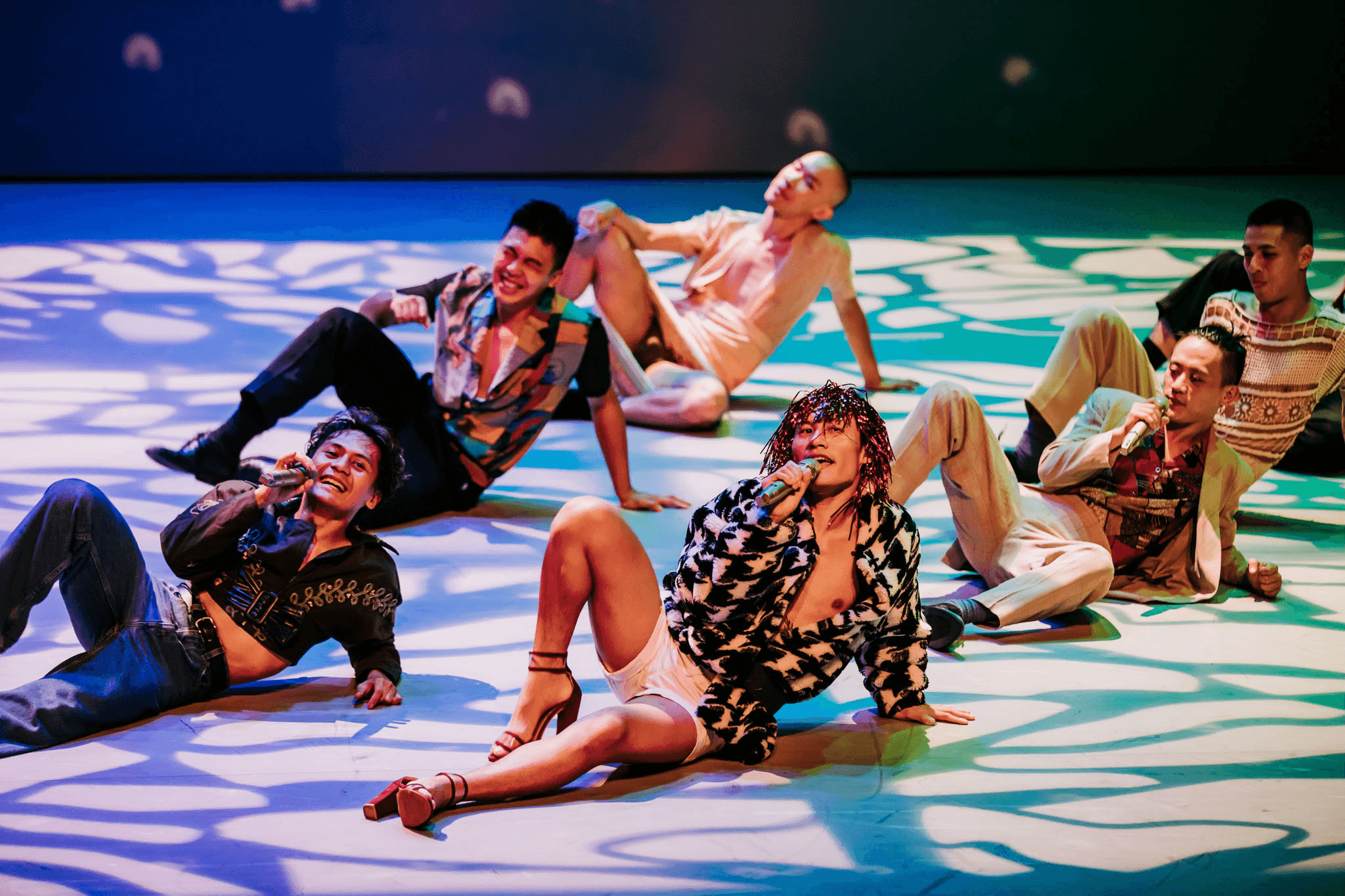
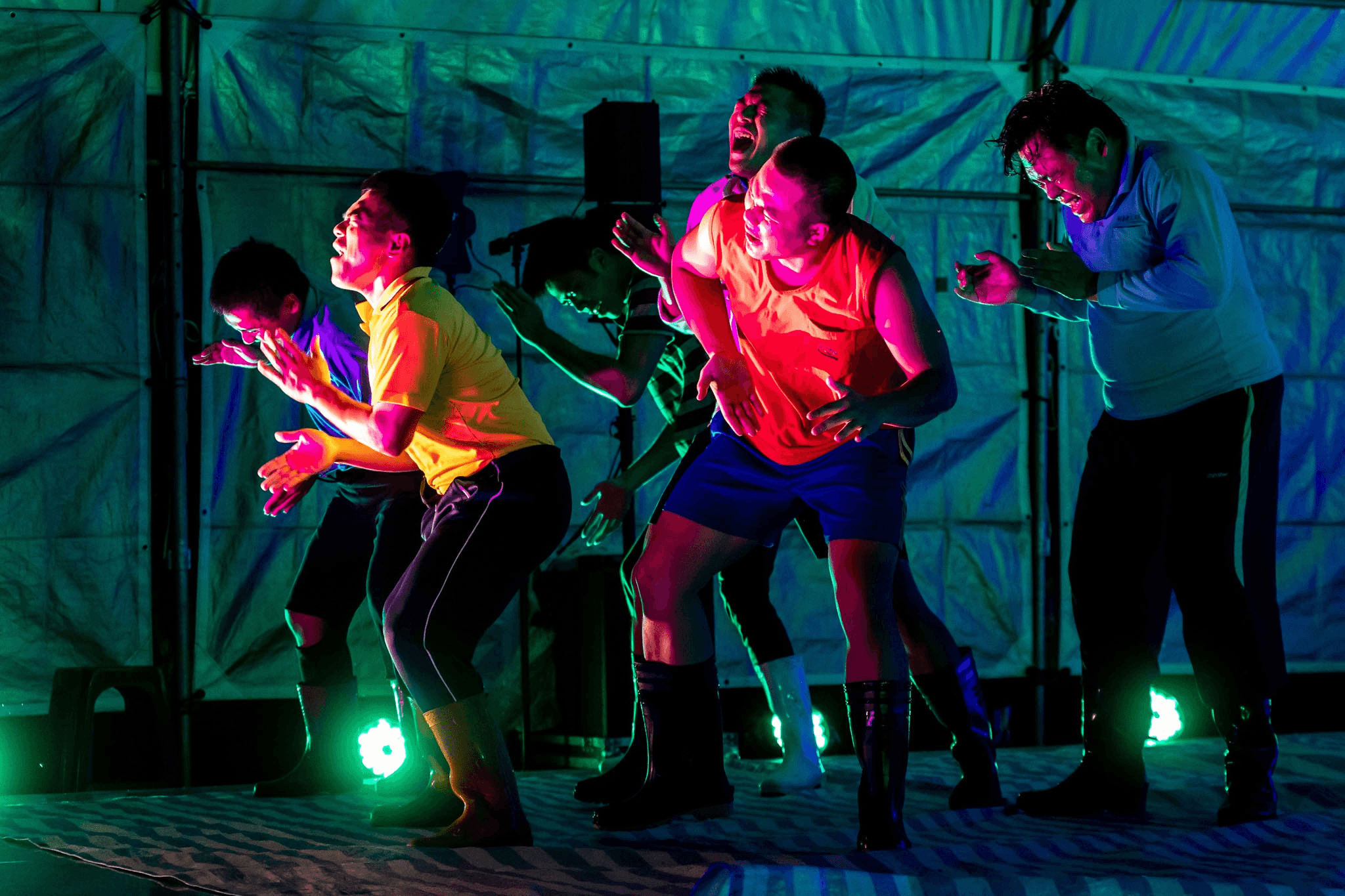
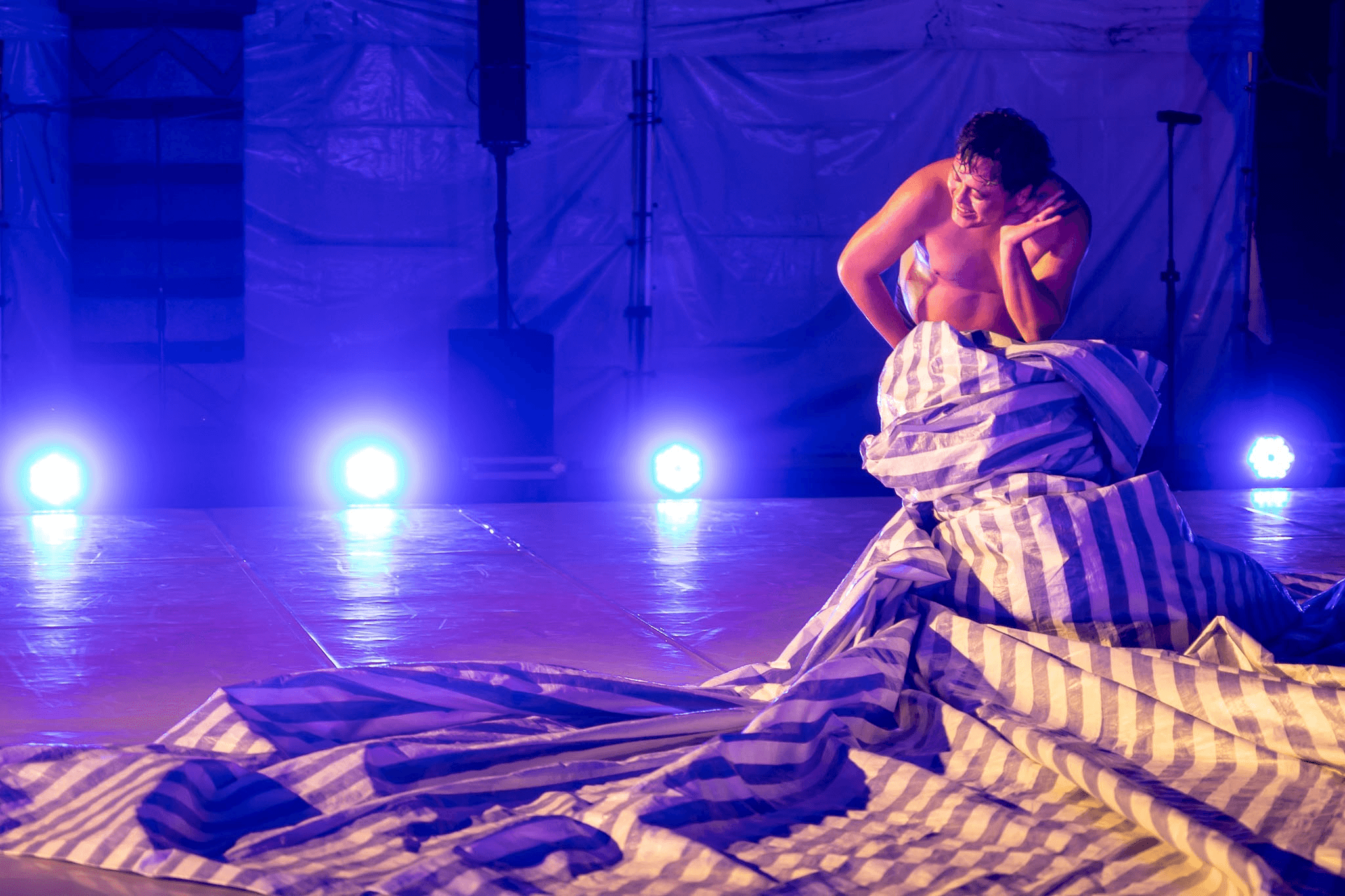
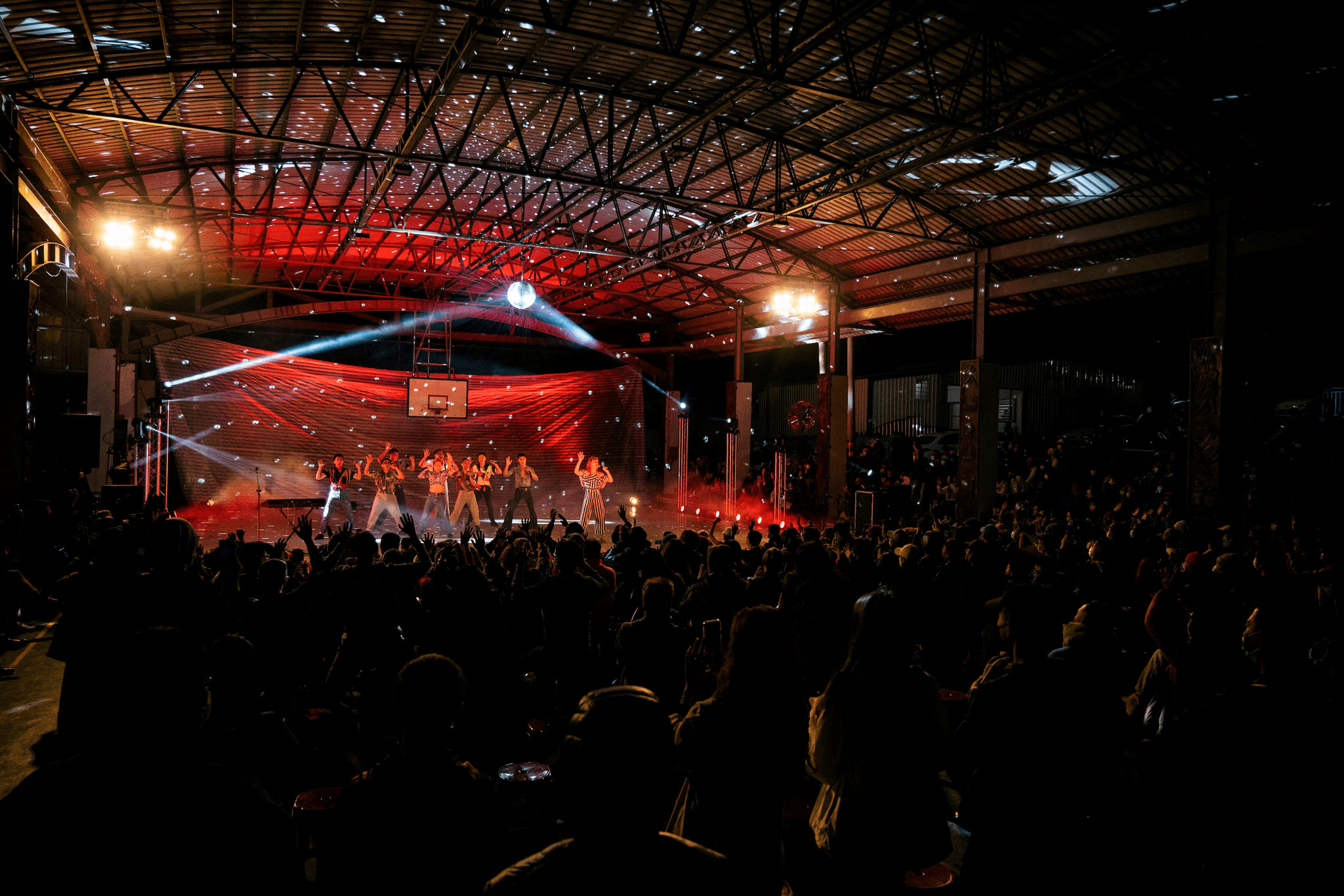
Returning to Taitung changed my creative approach. The diversity of the dancers has made our work richer, and our performances are no longer confined to theatres. The dancers give me endless inspiration. I’ve also stopped insisting on academic standards—that dancers must look a certain way.
I co-create with the dancers, encouraging them to discover themselves in each piece, to build their own movement language, to present themselves confidently and speak for themselves. To speak their names aloud, to sing their songs fully, and to live the life they desire.
CNTRFLD. Artistic evolution and language
You’ve worked across many forms — from modern dance to collaborations with Indigenous choirs. How do you see your creative language evolving today, and what continues to drive your search for new movement and meaning?
BP. Taiwan’s Indigenous peoples include sixteen groups, each with its own language, culture, and distinctive forms of song and dance. Even within the same group, regional differences create subtle variations. These beautiful cultures offer so much to learn. Because they differ, the movement qualities and textures that emerge from them also differ—the fluidity of the Amis, the grounded-ness of the Bunun, the depth and layered strength of the Paiwan.
What doesn’t change is this: we dance because we sing, and we sing because we dance. Voice and body move together—that is our signature.
CNTRFLD. The making of “Dancing Home”
The documentary *Dancing Home* beautifully captures your journey as an artist and your return to your roots. How did this film come about, and what was it like to see your story and your community’s spirit reflected on screen?
BP. The director and producer first came to Taitung to shoot an eight-minute charity short for Lancôme. After filming, they felt drawn to the energy and uniqueness of the company, and believed the early years were especially important to document. With no funding, they drove from Taipei to Taitung whenever they could between commercial jobs—following us into theatres, up mountains, down to the sea, from the National Theatre back to the community to dance.
From the original plan of eight minutes, it eventually became eight years of filming. I never imagined the documentary would one day be released in cinemas.
To this day, I have never watched the full version, so I can’t describe my feelings. But all those beautiful and difficult moments remain vivid—I lived through them and have never forgotten them. So, I leave them in my memory and leave the film for audiences to experience.
CNTRFLD. On collaboration and trust
Your works, such as *LUNA* and *Stay That Way*, were born through close collaboration with dancers and tribal elders. How do you build trust within these creative and cultural exchanges — between tradition and contemporary expression?
BP. By spending time together.
Trust takes time. With good relationships and mutual belief that we are doing something meaningful, the hard work becomes part of the final piece. Preserving Indigenous culture is not our job—our responsibility is simply to learn sincerely and let it become nourishment, allowing it to appear naturally in the work. Tradition and the contemporary can coexist harmoniously when approached respectfully.
CNTRFLD. Cultural continuity and change
Many of your pieces touch on the question of how traditions evolve with time. How do you personally navigate the balance between preserving Indigenous heritage and reinterpreting it for new generations and audiences?
BP. Because our dancers come from different Indigenous groups, when festival season arrives, we visit various communities according to their ceremonial calendars. As time progresses, more communities are reclaiming lost traditions, and more people are placing importance on ceremony—so they will return home to take part. Recently, we’ve also seen communities reviving songs that have been lost for a long time. With no written language, song is one of the most vital ways Indigenous cultures are passed on.
As a creator, whenever a story or song moves me deeply, the impulse to create appears naturally, and it becomes a work.
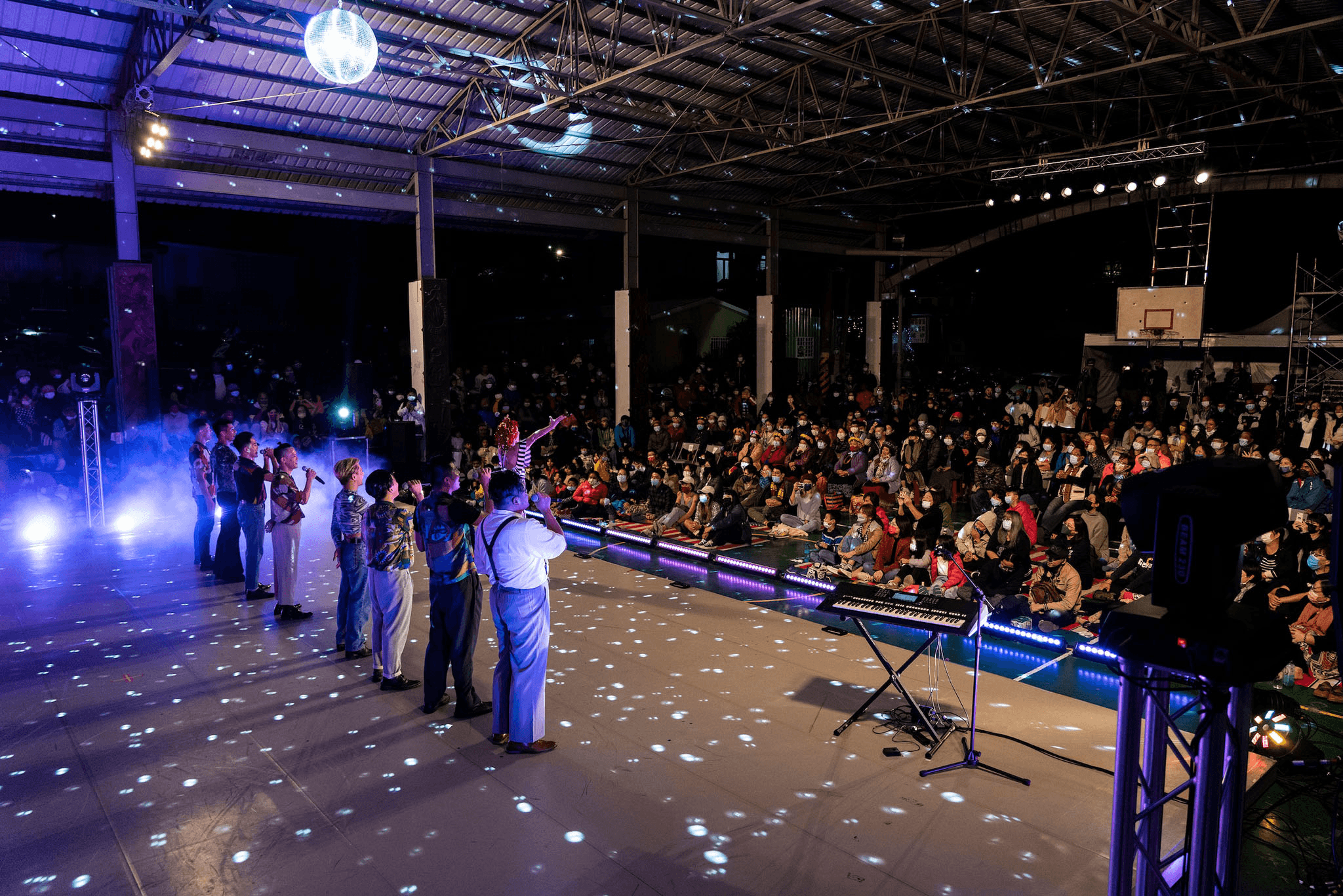
Wherever we perform—whether in Taiwan or internationally—the moment we begin to sing, audiences have the opportunity to encounter Taiwan and Taiwan’s Indigenous peoples. After every performance, during the curtain call, I always invite each dancer to introduce themselves—to share their names, their tribal groups, and their home communities.
CNTRFLD. Advice for younger artists
For young people — especially those from Indigenous or underrepresented communities — who aspire to follow a creative path, what advice or encouragement would you offer based on your own journey?
BP. As a dancer, without a kind of mad, passionate love for dance, it is difficult to go far.
I always encourage young people to try choreographing. Choreography is something you can practise—slowly learning to tell your stories and communicate with the world through dance. Dancing is an individual act, but choreography means taking responsibility for everything. So, you must learn to be humble, to communicate, and to collaborate. Don’t be afraid of hearing opinions different from your own—they may help you find a truer direction.
Choreography is a process of constant building, questioning, breaking, and rebuilding. You must find yourself through creation. Don’t chase greatness—just love your work. If your piece moves you, then it is already a successful work.