CNTRFLD. Childhood and Upbringing. Could you share some memories from your childhood in Vietnam? How did your upbringing and heritage shape your worldview and eventual journey into the arts?
AQT. I grew up in Saigon during the significant transformation in the country, particularly since the early 1990s. While many people focus on economic changes, my more profound memory is about the displacement of individuals. These movements and shifts created frictions I struggled to understand until later in life. For instance, my parents decided to return to Vietnam from Eastern Germany to raise me in Saigon right before that socialist country collapsed. At the same time, several of my close relatives took great risks to escape Vietnam. I remember my grandmother shedding tears of joy when she finally reunited with her siblings from abroad after nearly forty years apart. Conversely, some of my childhood friends were elated to leave their homeland and join their refugee families in Western countries. As a child, I couldn’t quite grasp the connections tying all these individual stories together.
It wasn't until my early twenties, through a series of fortunate coincidences, that I became an assistant to artist Rirkrit Tiravanija and curator Gridthya Gaweewong for the art exhibition Saigon Open City. Engaging with renowned artists and their artworks like Dinh Q. Le’s "The Imaginary Country" (2006), Martha Rosler’s "Bringing the War Home" (1967–72), Jean Luc Godard’s "Alphaville" (1965), Thomas Bayrle’s communist-blending-capitalist-symbol 1960s and 70s prints, and many others, helped me see the bigger picture. It illuminated how art can courageously confront the harsh realities of politics and history while offering poetic perspectives that allow us to view these complexities from various angles. I began to understand how the exodus and return of Vietnamese people embody a broader narrative woven from the Cold War conflicts affecting the Third World.
CNTRFLD. Path to Becoming an Artist. What inspired your transition from studying law to pursuing a career in the arts? Were there any pivotal moments or individuals that influenced this decision?
AQT. I've always been fascinated by world politics involving various sectors. Initially, I pursued a degree in International Commercial Law, hoping to play a part in guiding Vietnam’s path in the global market. However, when I joined the team at Saigon Open City, I found myself in an entirely different realm. There, I discovered contemporary art and its remarkable ability to blend aesthetics with politics in philosophical, poetic, and thought-provoking ways. I realized that my true passion lay far from the legal intricacies of economics and regulations. This experience brought back memories of my childhood. I spent a decade immersed in drawing and literature, letting my imagination run wild before turning toward academic competitions in my late teens. Witnessing the power of art in conveying complex ideas inspired me to leave law school and delve deeper into this passion.
CNTRFLD. Artistic Vision and Inspiration. Your work blends politics and sci-fi aesthetics in a unique way. What inspired you to explore the idea of a futuristic Third World utopia, and how do you approach reimagining historical narratives in your art?
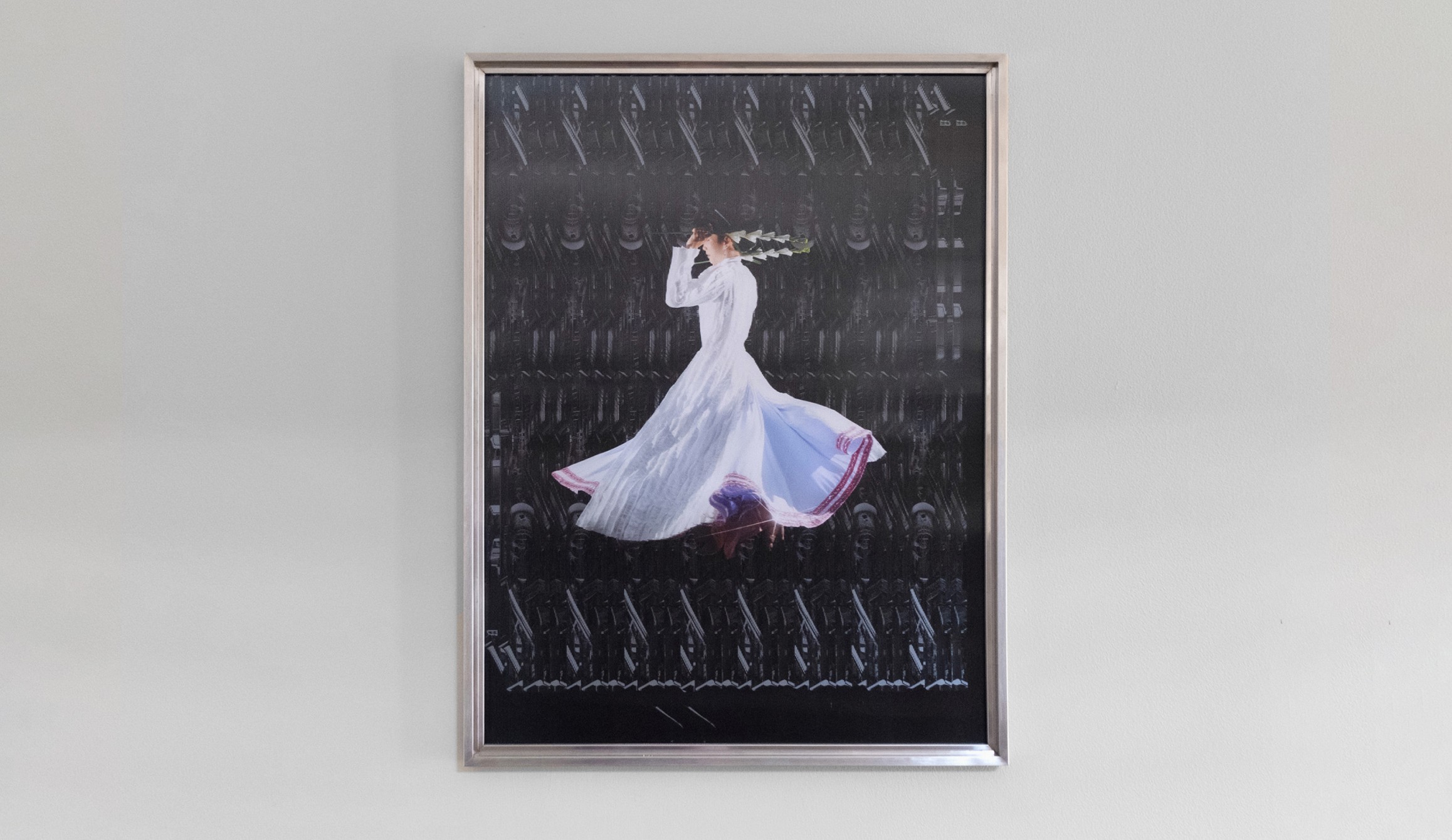
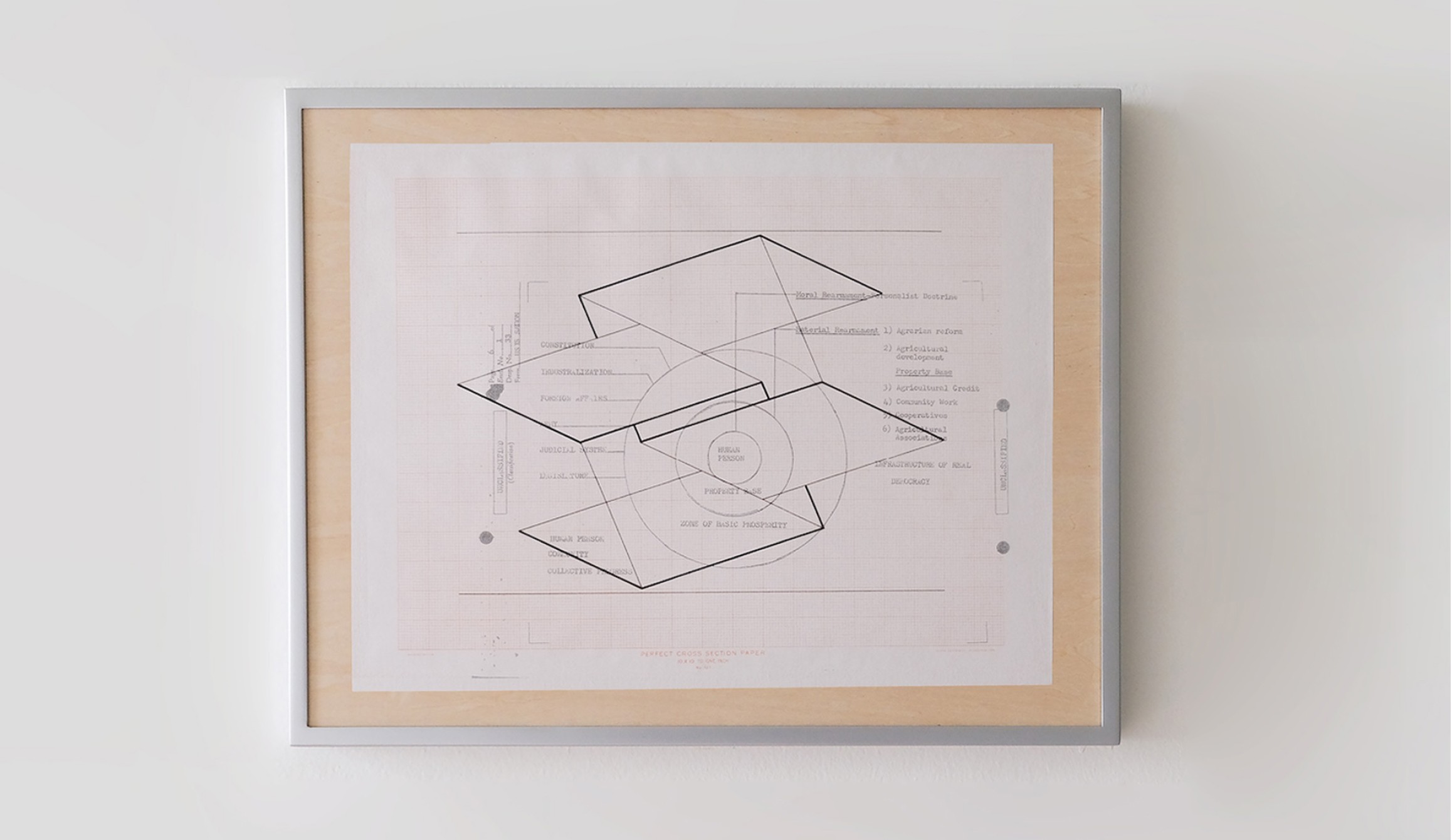
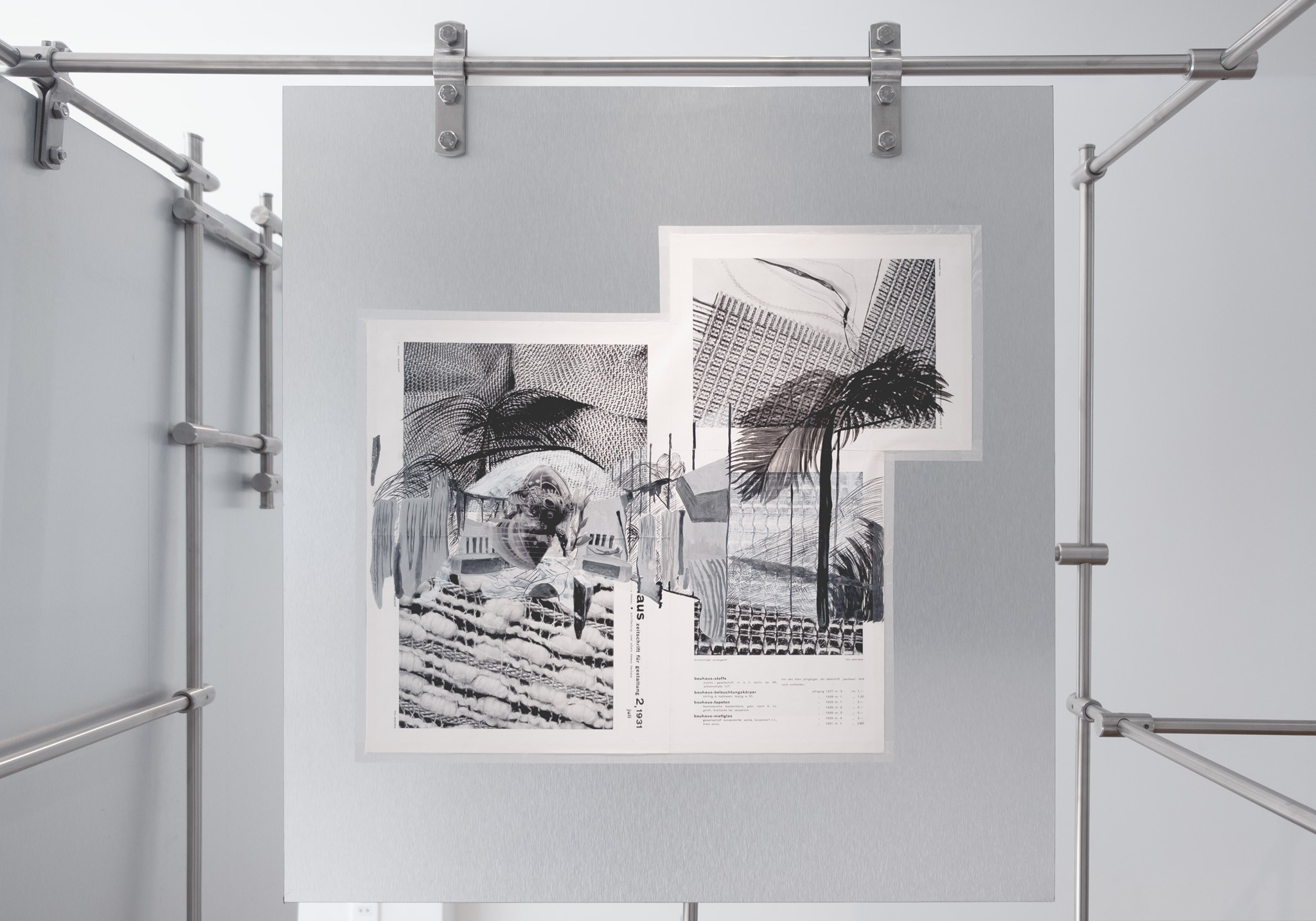
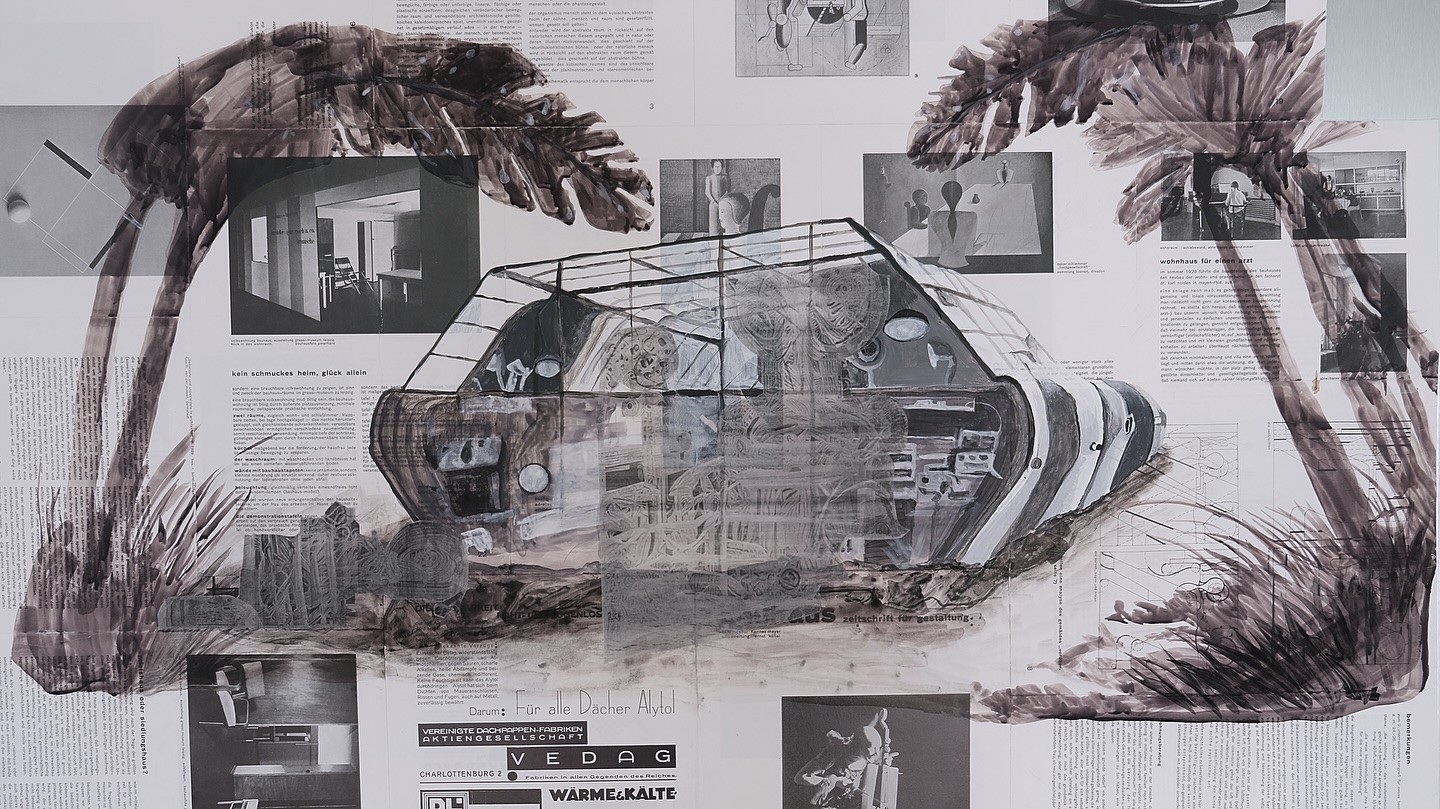
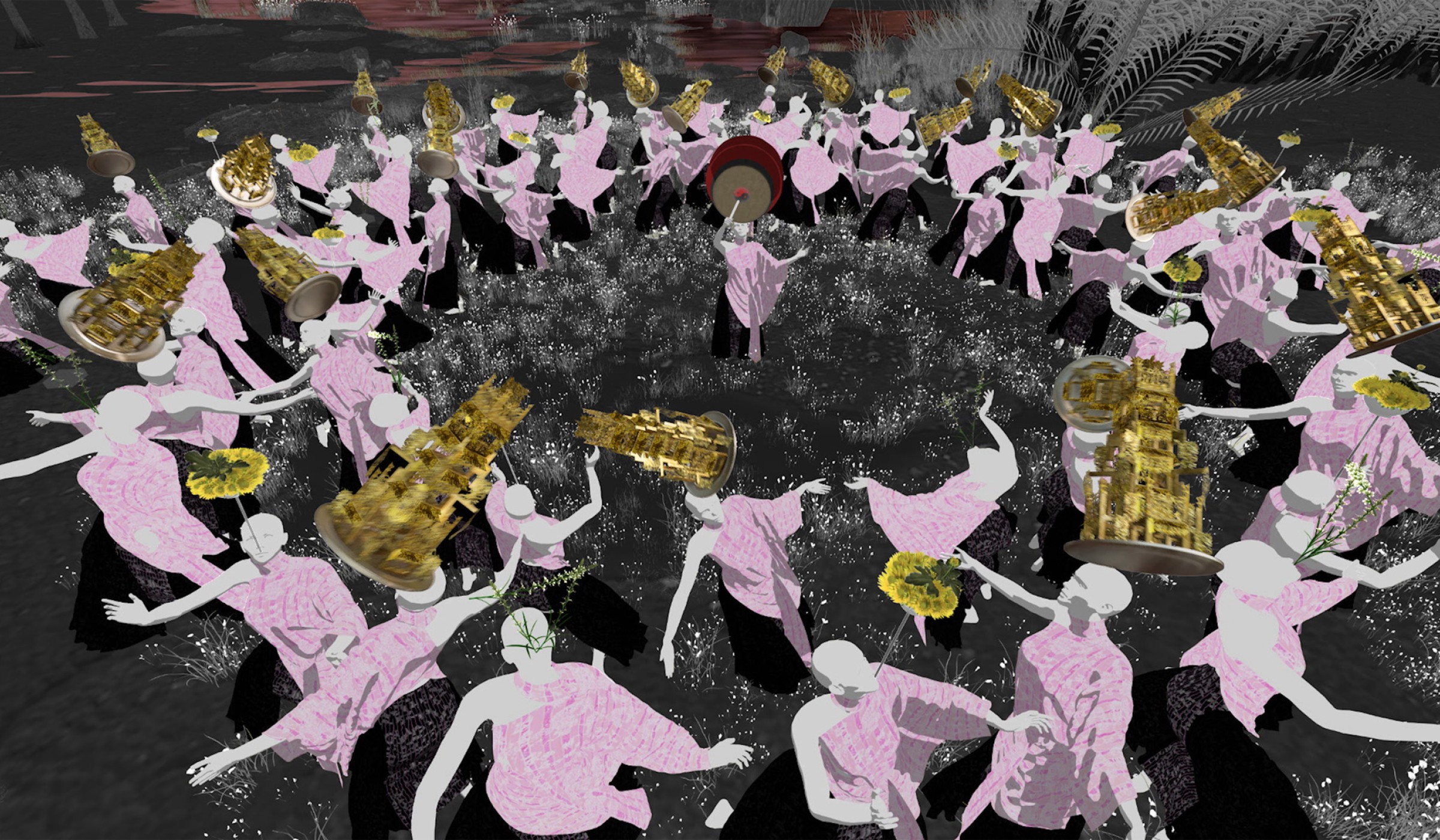
AQT. Growing up amidst the aftermath of clashing waves of political ideologies stemming from the Cold War, I found navigating the complexities of both sides challenging. Should I align myself with one, thereby positioning myself as their ally and the antagonist of the other? In time, I realized that my scepticism towards any particular political belief, while simultaneously yearning to choose and reinterpret those ideals in my own way, mirrored the journey that many Third World countries embarked upon after gaining independence in the 1950s and 1960s. Their dreams and visions were undoubtedly ambitious and forward-thinking, aiming to carve out a unique path to sovereignty and development that wasn’t solely reliant on Western models. Yet, they often fell short or were steered off course by the overwhelming influence of Cold War superpowers. I find their aspirations deeply moving and inspiring and am driven to recreate, reinterpret, and remix those visions. This is where my interest in sci-fi aesthetics comes into play, serving as a foundation for my exploration of speculative history.
CNTRFLD. Art Labor Collective. Could you tell us about the origins of Art Labor and the collaborative dynamic between you, Thảo Nguyên Phan, and Trương Công Tùng? What does the collective aim to achieve, and how has it evolved over time?
AQT. Our friendship actually began in the Saigon Open City in 2006. Later, we entered our final year of college across three countries, leading us to unite our dialogues and co-found Art Labor in 2012. We were driven by a curiosity to explore collaborations that transcended the boundaries of art. Initially, our efforts were focused on the urban scene, such as the art gallery, hospital, and university. However, as we grew, we felt an irresistible pull towards the provincial settings. Our current work involves collaborating with talented folk artists from the Jrai minority, whose rich traditions and vibrant stories inspire us, and the interactions between humans and non-human entities of Vietnam’s Central Highlands.
In our process, we sometimes act as a think tank challenging the norm of artmaking and exhibitions. At other times, we assume the roles of producers and facilitators to create a welcoming platform where our friends and neighbors can showcase their creations and share their voices. Most importantly, we dedicate slow time to reflecting on the social, philosophical, and poetic transformations unfolding in our surroundings, allowing us to deepen the connection to our multiple imaginary worlds and to each other.
CNTRFLD. Mediums and Methodologies. Your work incorporates animation, 3D design, historical archives, and architecture. What draws you to these mediums, and how do they help you express your artistic vision?
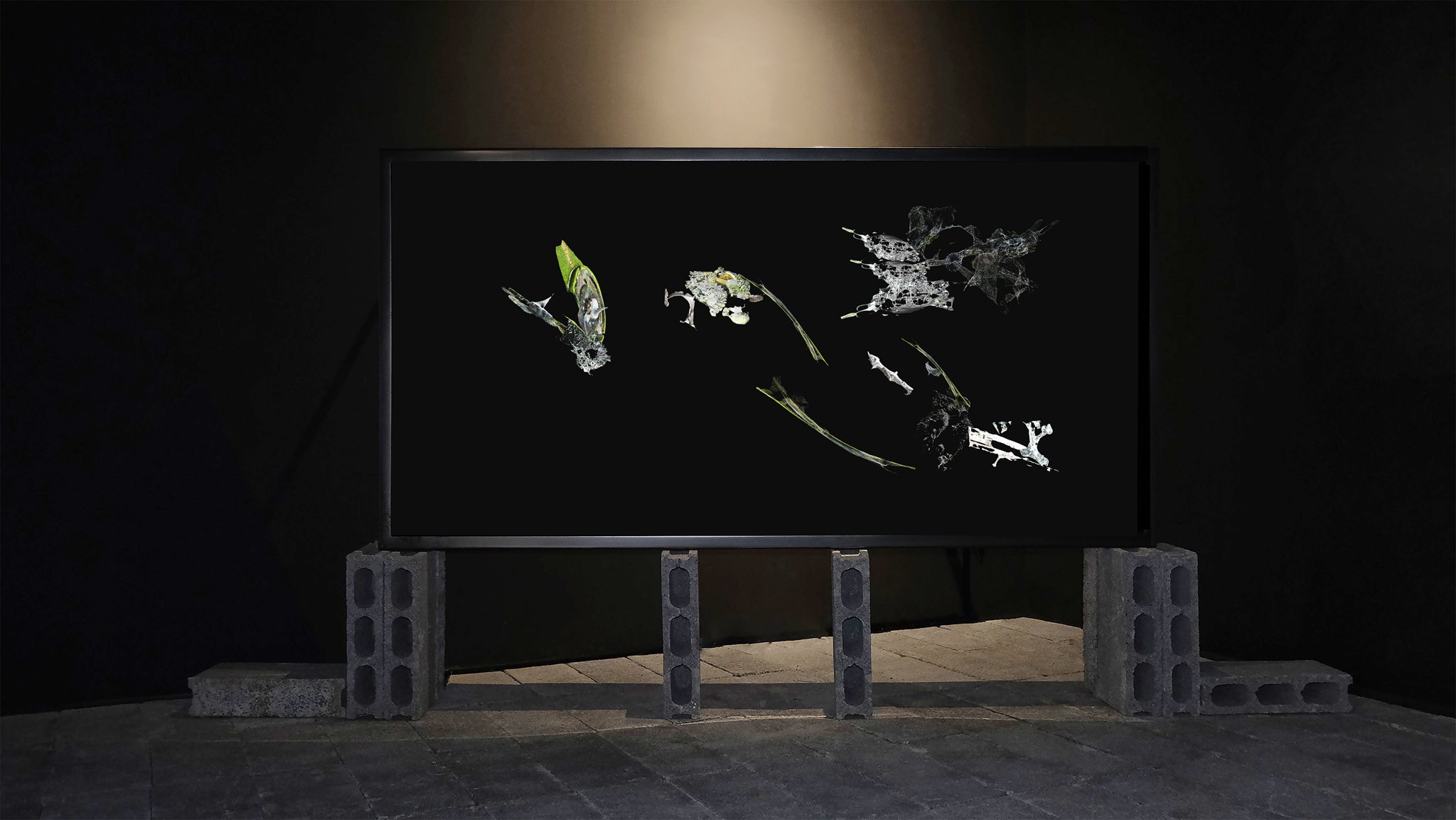
AQT. I got a scholarship to pursue my graduate studies at the California Institute of the Arts, and I consider it one of the best things I’ve done. CalArts is celebrated for its eclectic mix of artistic disciplines. Founded by Disney, it played a pivotal role in shaping the founders of Pixar, whose animated works have achieved commercial success and are closely tied to Hollywood. At the same time, CalArts has been a critical hub for American conceptualism. I had the privilege of studying under brilliant artists like Charles Gaines, Kandis Williams, and filmmaker Nelson Carlos De Los Santos Arias, whose analytical conceptualism and political philosophies continue to influence me. The unique environment and teaching, combined with my diverse peers from various programs—whether in graphic design, dance, theater, animation, or music—profoundly fuelled my experimentation. It encouraged me to blend different techniques into my art practice and translate my political ideas into substantial visual forms.