CNTRFLD. Heritage and Foundations
How has your childhood and Chinese heritage influenced the themes and techniques in your artistic practice, particularly your integration of traditional Chinese embroidery with modern technologies like AI?
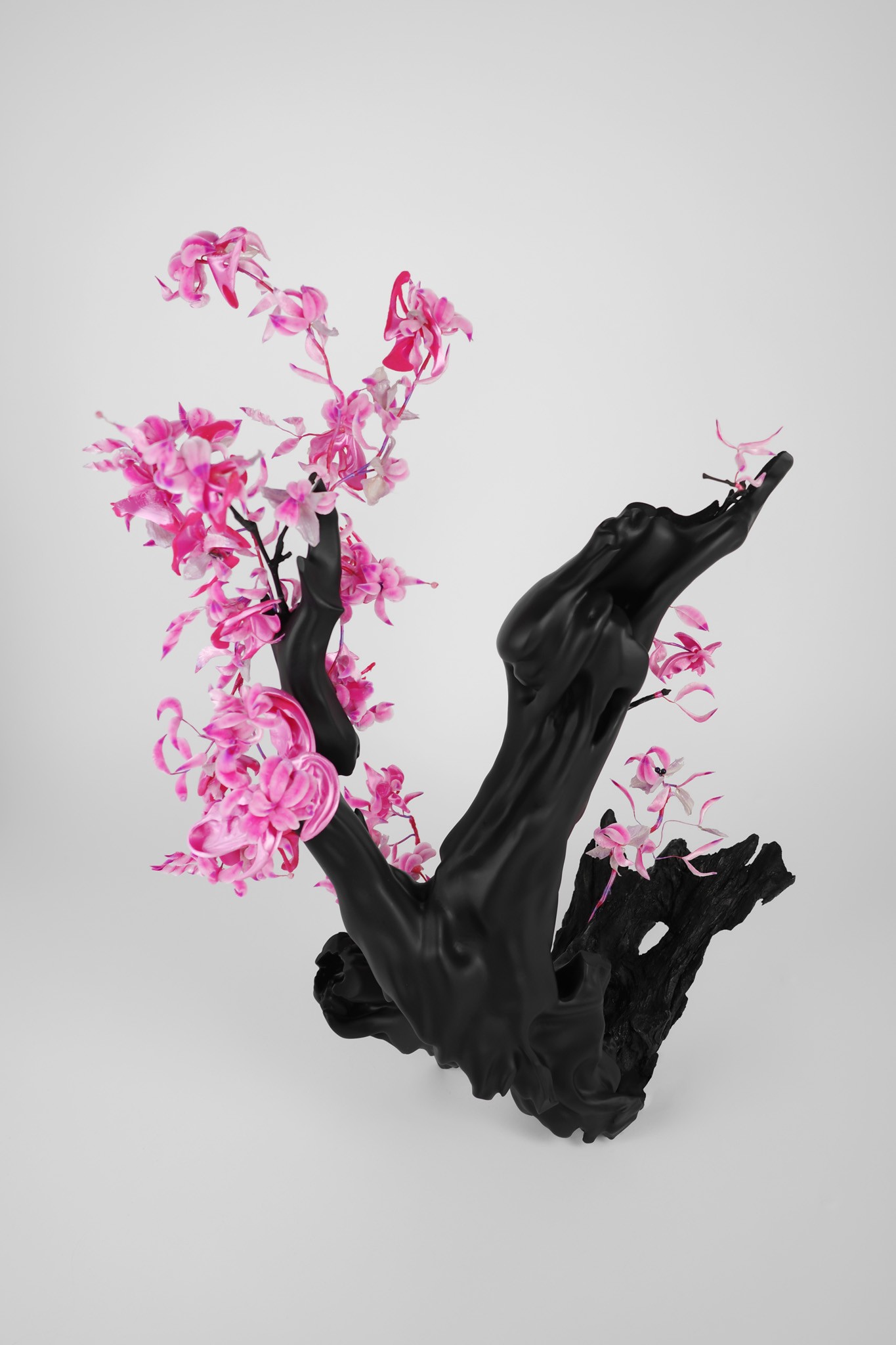
YZ. My art is deeply rooted in traditional Chinese culture and nature, inspired by childhood visits to classical gardens near my ancestral home in Nanjing. These experiences left a lasting imprint, sparking my fascination with bonsai and Taihu rock landscapes, which reflect humanity’s engagement with nature through observation and transformation.
In my contemporary practice, I explore the dynamic relationship between humans, nature, and technology. My work examines the challenges of balancing these forces in a rapidly evolving world, encouraging viewers to rethink their role within this delicate equilibrium.
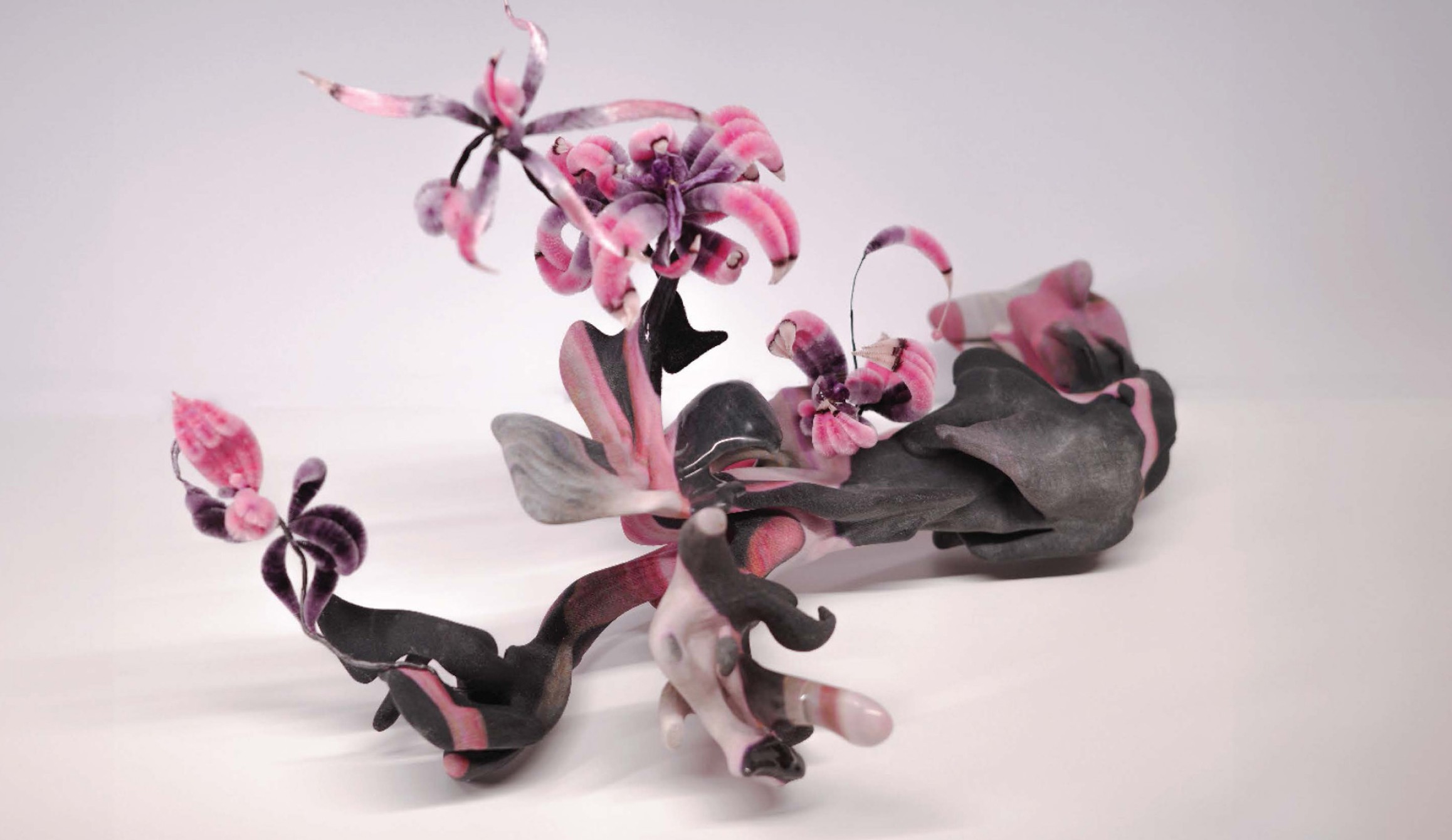
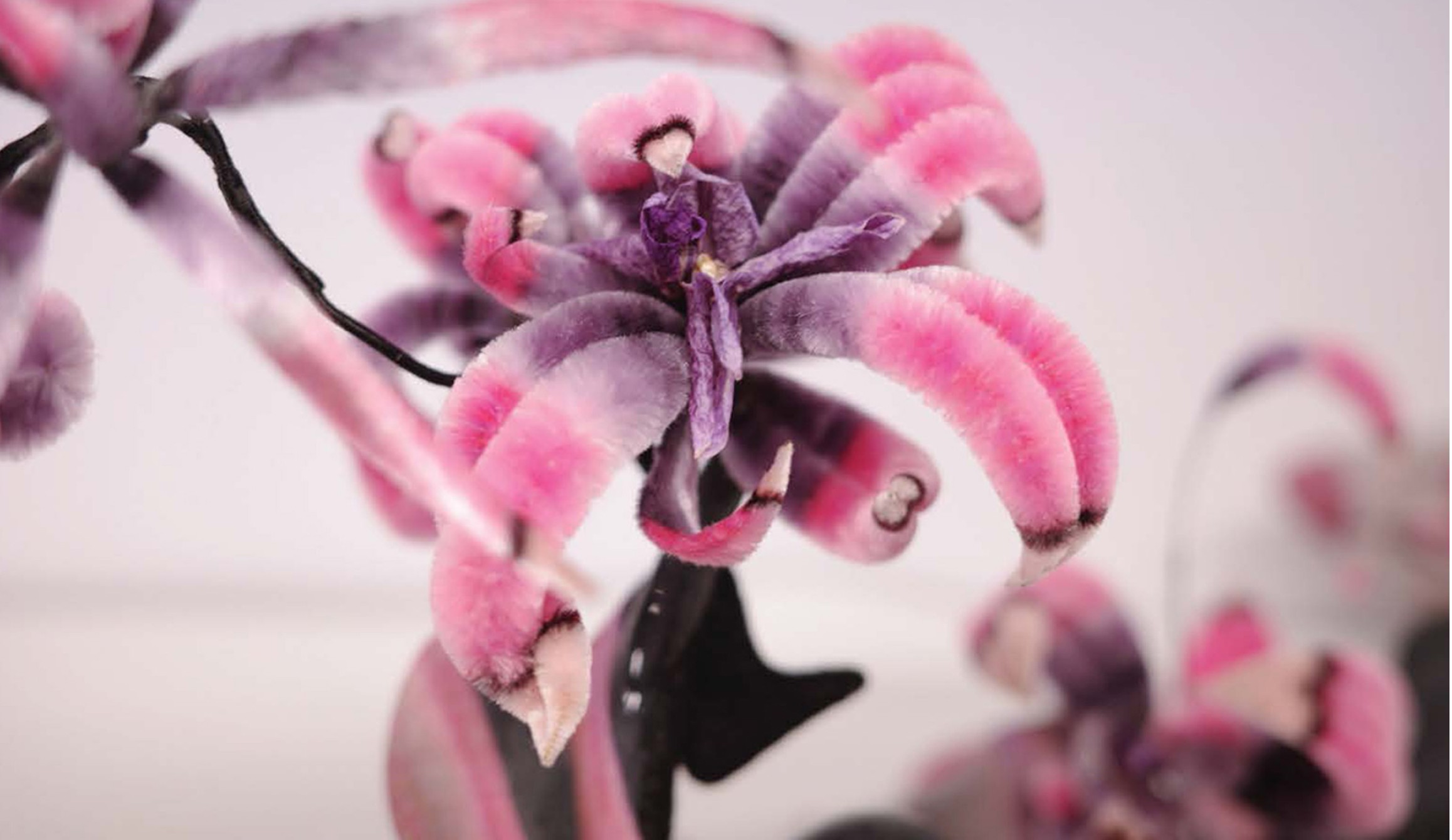
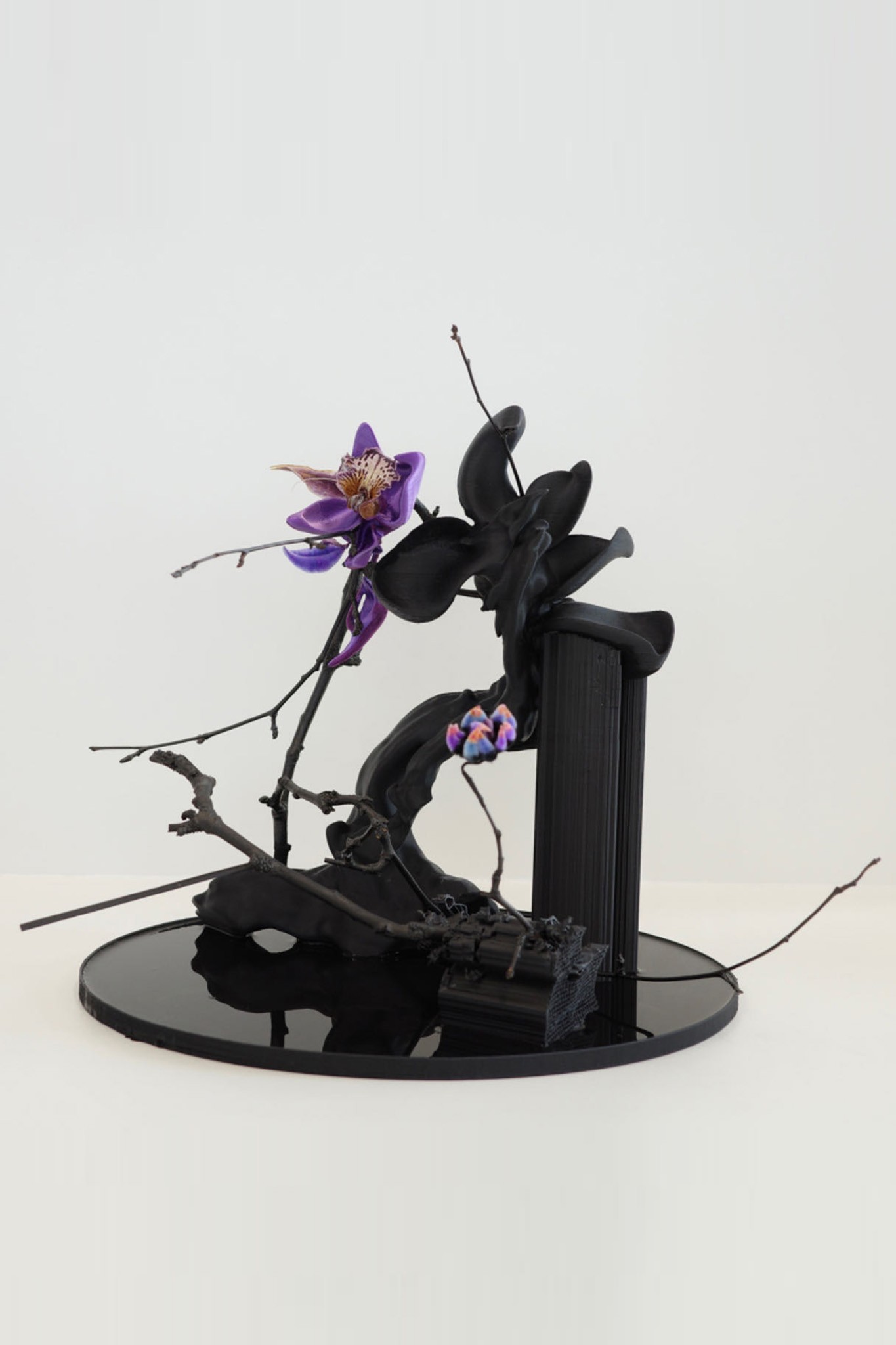
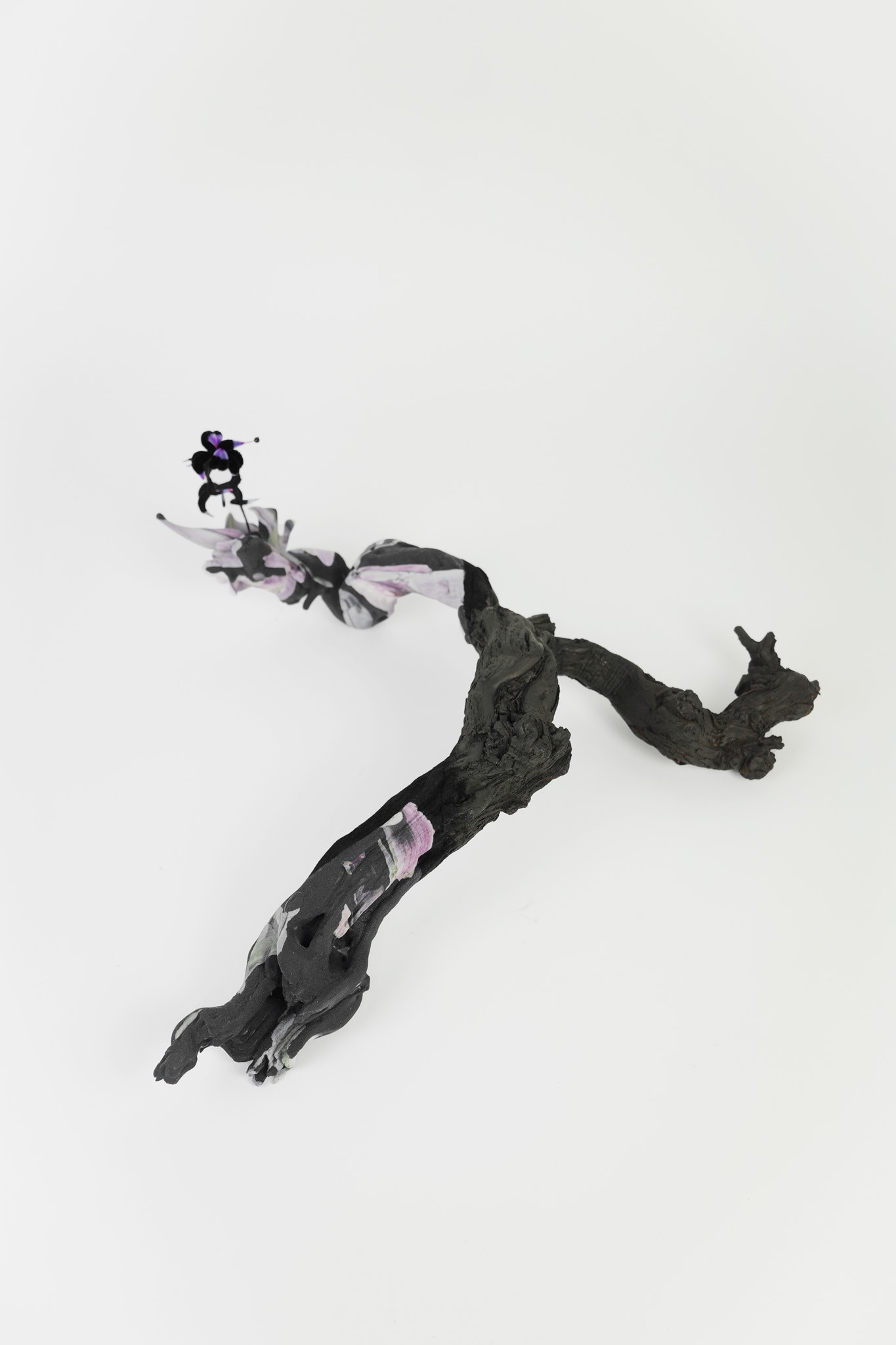
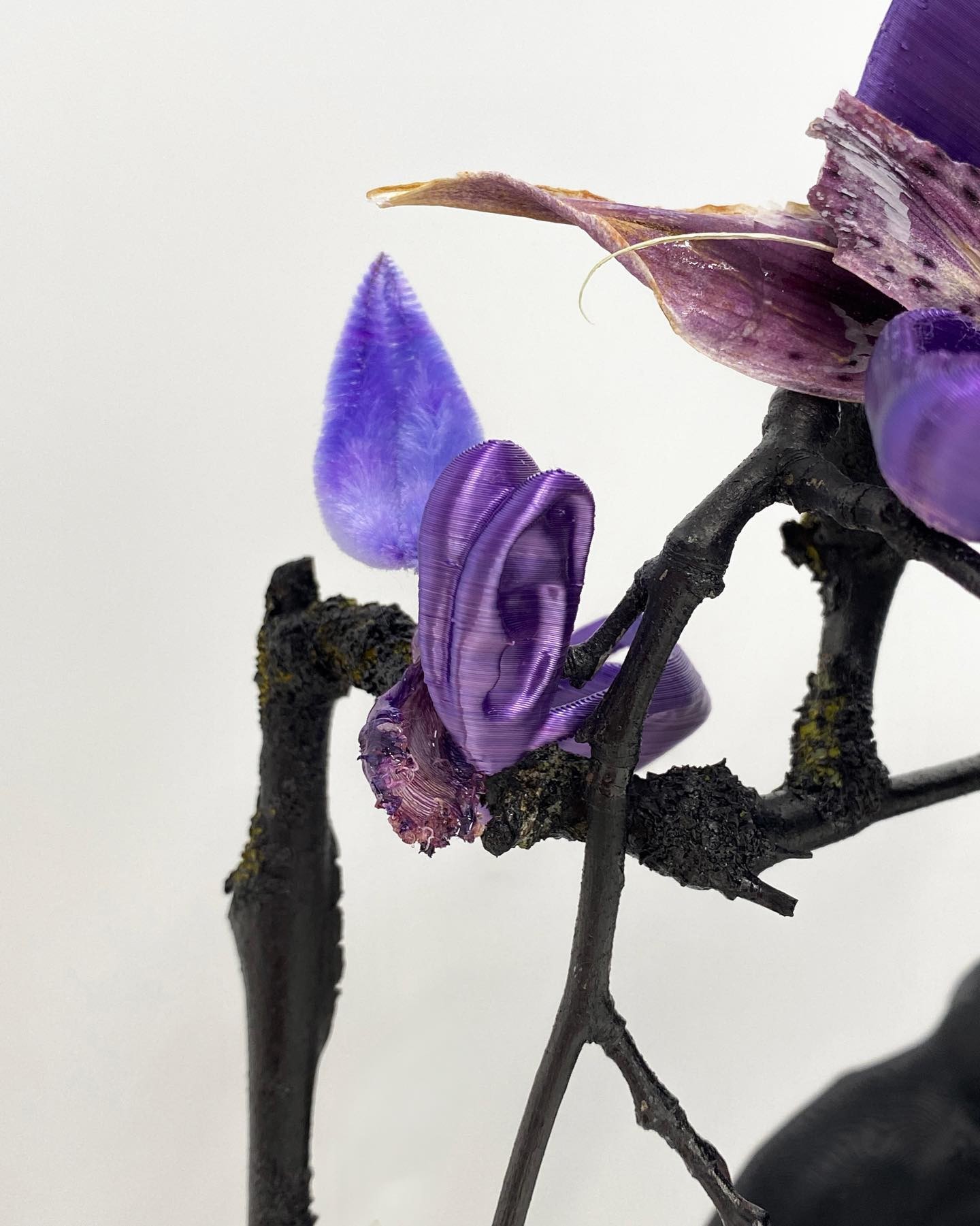
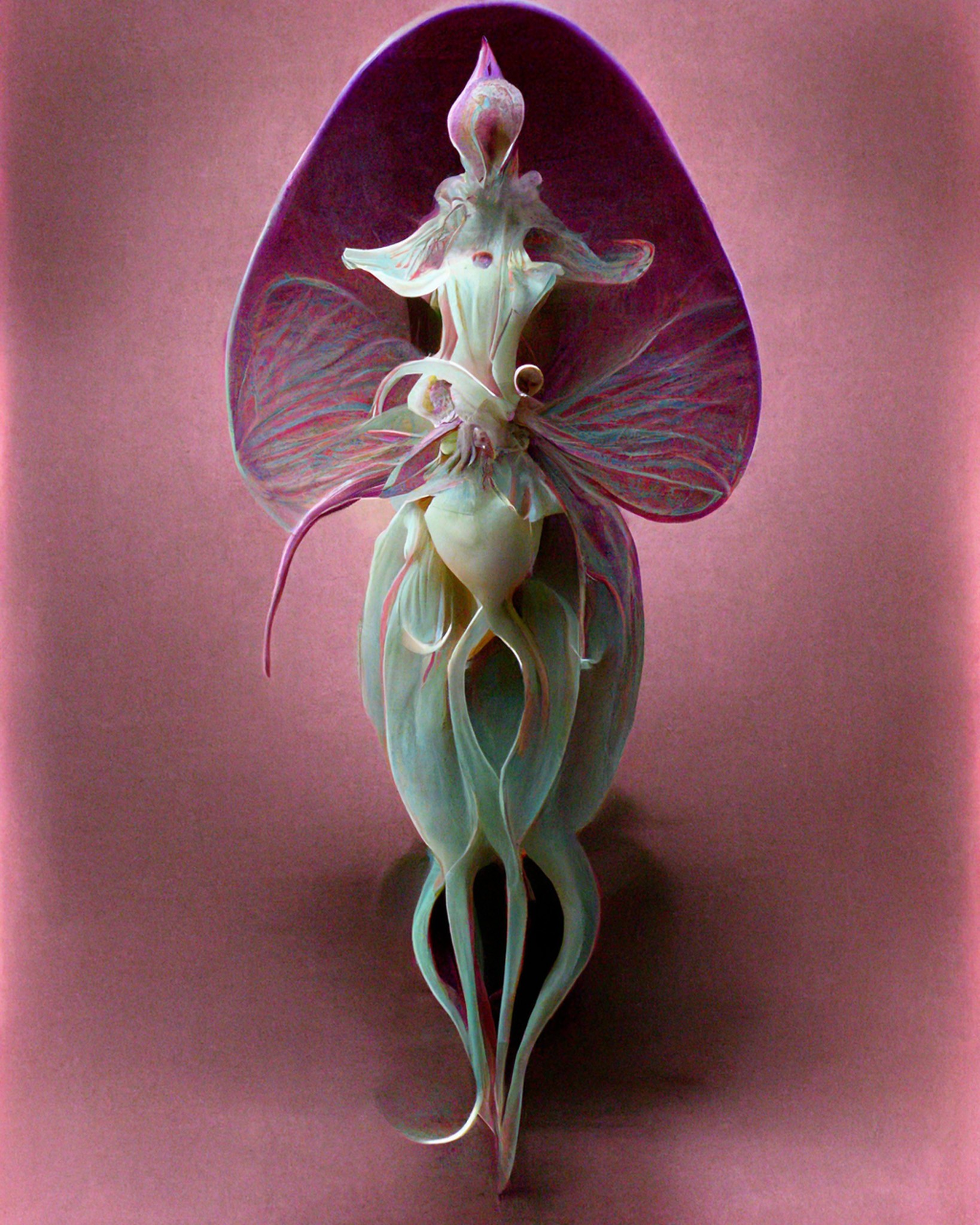
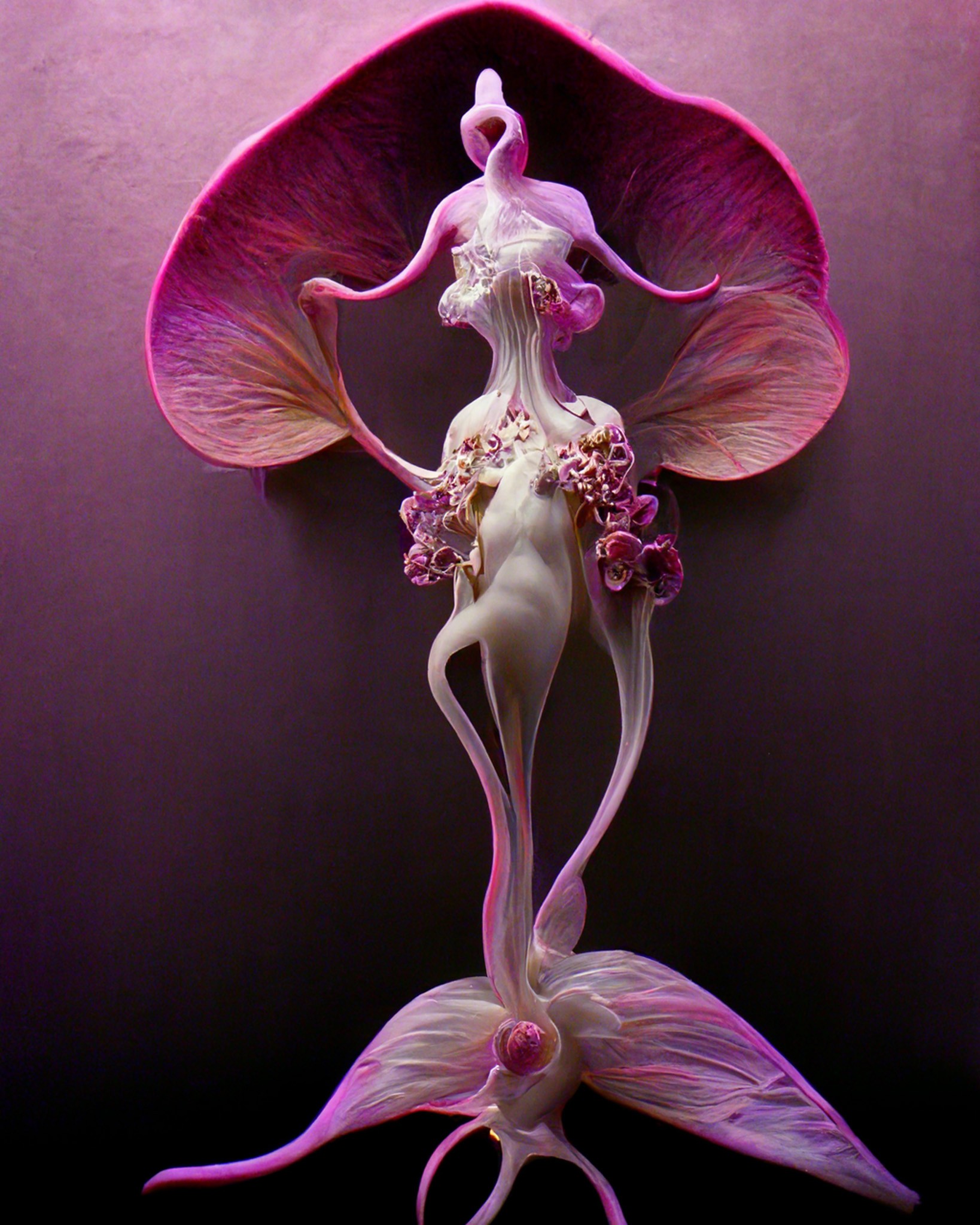
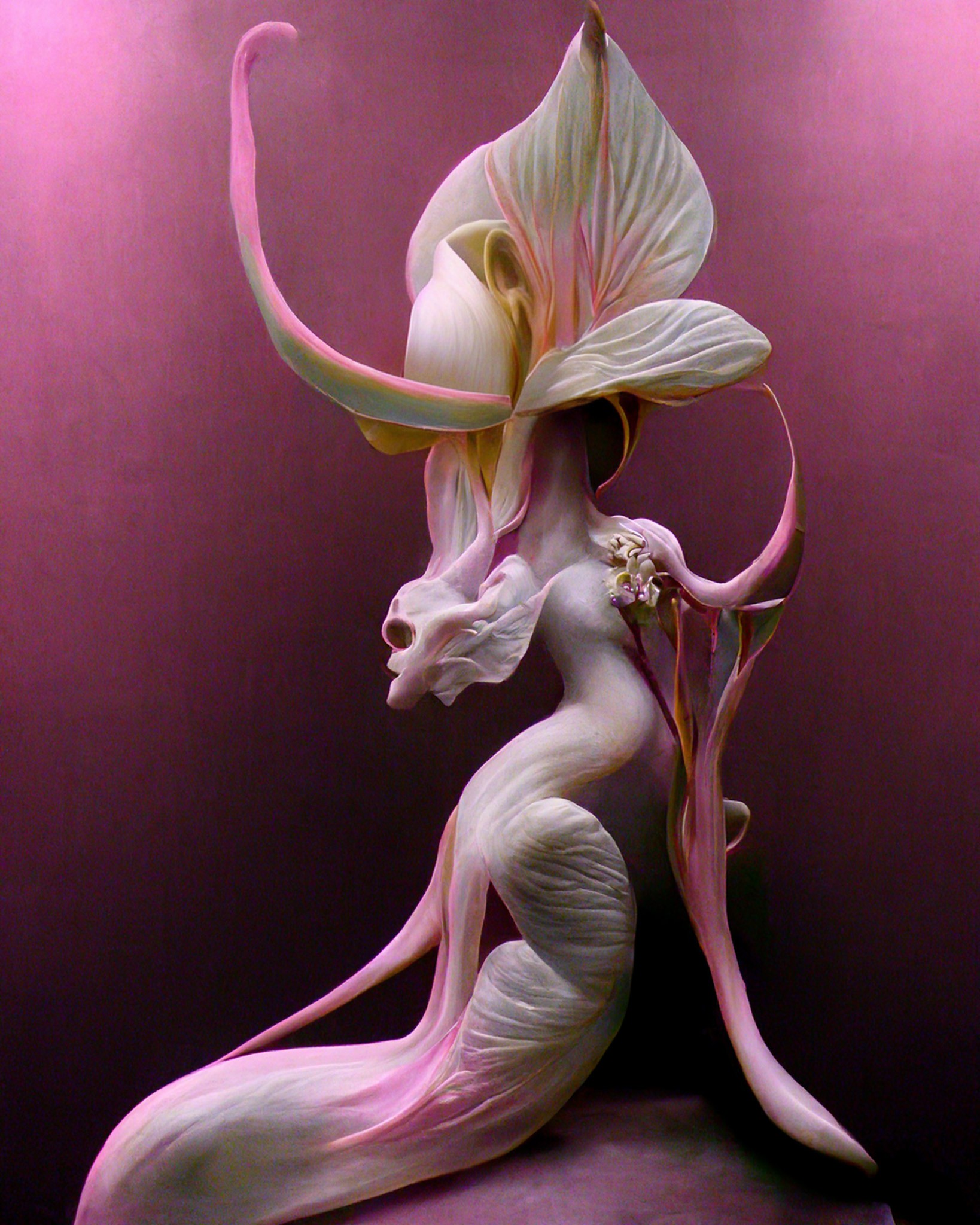
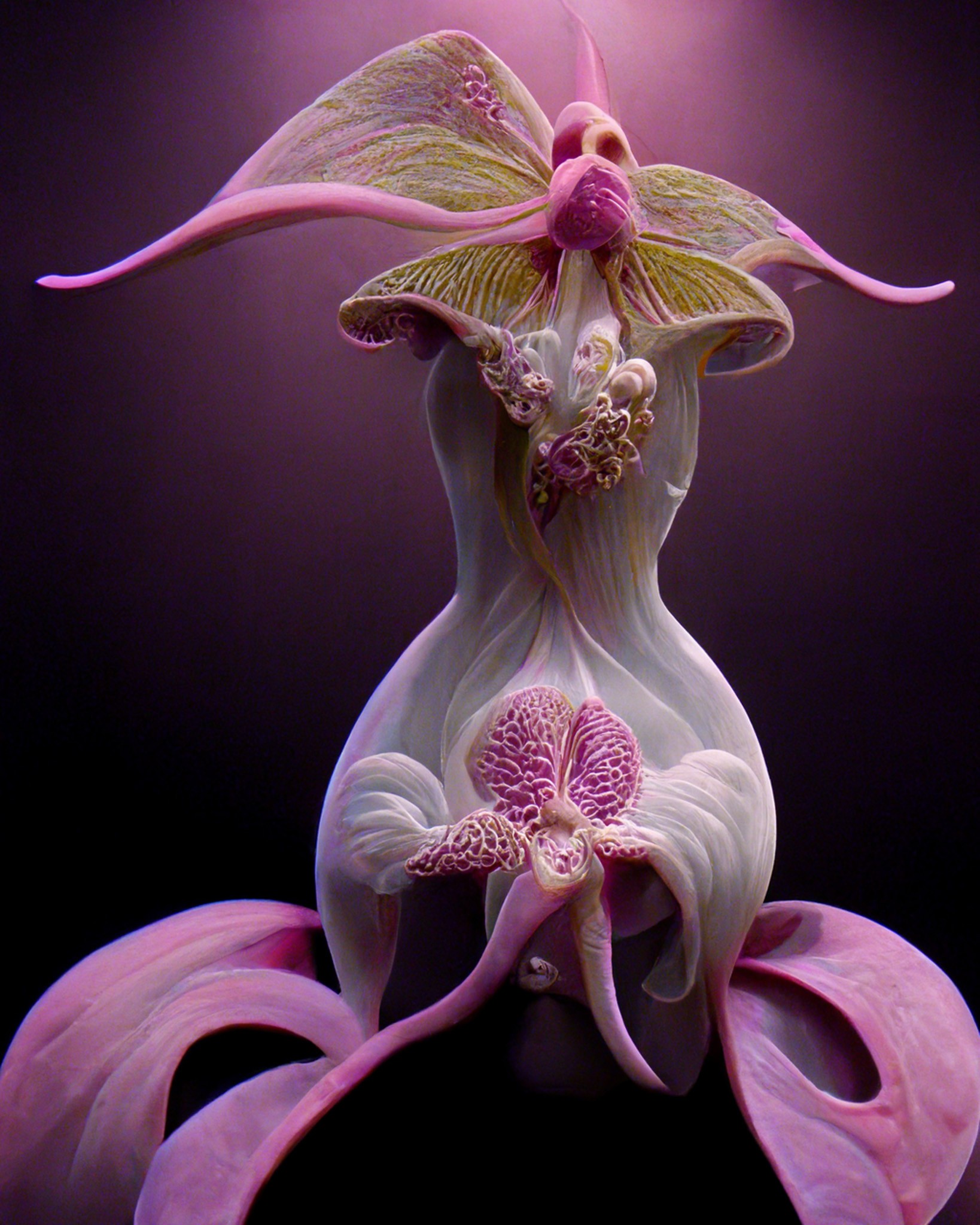
A key element of my art is the use of traditional Chinese ‘Ronghua’ (绒花) embroidery. By juxtaposing AI-simulated orchids with real ones through handcrafted techniques, I aim to bridge traditional craftsmanship and modern technology. This approach not only reaffirms the relevance of traditional art but also raises questions about progress, environmental challenges, and the essence of human existence.
Through this blend of cultural heritage and contemporary themes, my work offers a fresh perspective on the interplay between tradition, nature, and technology.
CNTRFLD. Path to the Arts
What inspired you to pursue a career in the arts, and how did you navigate the transition from your early creative interests to studying at the Royal College of Art?
YZ. I have always deeply enjoyed the sense of accomplishment that comes from creating art. I’m also grateful for the positive feedback my work has consistently received, as it reinforces my belief that art is a meaningful way to engage in dialogue with the world. This is why I am so passionate about creating art.
In the past, my practice was primarily focused on visual works, and I’ve always been fascinated by themes surrounding the relationship between humans and the natural environment. Over time, I became increasingly curious about the underlying causes and processes behind surface phenomena. This curiosity led me to pursue a series of research-driven studies at the Royal College of Art (RCA).
During this transformative experience, I not only discovered creative directions and methods rooted in my personal identity but also found ways to use my art to engage with societal issues. This journey has further solidified my commitment to pursuing art as my professional path and a means of meaningful exploration and expression.
CNTRFLD. Blurring Boundaries
Your work explores the blurred boundaries between humanity, technology, and nature. Can you share your journey to discovering this as the core focus of your practice?
YZ. The relationship between humans and nature is an eternal topic. Since the Second Industrial Revolution, we have been swept into the process of globalization, entering a human-centric world. However, the frequent occurrence of social issues such as environmental crises, racial tensions, and wars in recent years forces us to slow down and reconsider the interconnection between humans, nature, and technology.
As we stand on the brink of an AI era that could spark a third industrial revolution, it is crucial to remain vigilant about the potential challenges brought by technological advancement. Through my artistic projects, I aim to present a vision of harmonious coexistence, blurring the boundaries between these three forces and exploring a sustainable future for human existence.
CNTRFLD. Cultural Exchange
As a Chinese artist working in the UK, how has your experience shaped your perspective on artistic identity and creative expression?
YZ. My three years of studying and working in the UK have deepened my understanding of the importance of identity. In this multicultural hub, discussions on the same issue often reveal diverse perspectives and interpretations from artists and scholars of different backgrounds, which is incredibly inspiring.
This experience has affirmed the significance of incorporating Eastern narratives and philosophies into my work, using them as a lens to create art and critically engage with contemporary social issues. It has strengthened my belief that art is a universal language, capable of addressing both local and global challenges while celebrating individuality and cultural exchange.
CNTRFLD. Merging Mediums
Your practice involves merging traditional craftsmanship with cutting-edge techniques like 3D printing and AI. How did you choose these mediums, and how do they help communicate your ideas about human identity and the natural world?
YZ. My decision to combine traditional craftsmanship with advanced technologies like 3D printing and AI is rooted in the desire to bridge cultural heritage with contemporary innovation.
Traditional crafts, such as Chinese velvet flower embroidery, carry a profound connection to history, culture, and humanity’s relationship with nature. They represent a process of observing and engaging with the natural world in ways that are tactile and deeply symbolic.
At the same time, technologies like 3D printing and AI offer new possibilities for creation and exploration. They reflect how technological progress is reshaping our perceptions of nature, identity, and creativity. By merging these mediums, I aim to create a dialogue between the past and the future, the handmade and the digital, the organic and the artificial.
This synthesis allows me to explore the tension and harmony between these realms, reflecting the interconnection of human, natural, and technological systems. Ultimately, this approach communicates my ideas about transformation, symbiosis, and the evolving definition of humanity in a rapidly changing world. By blending these methods, I hope to inspire viewers to rethink tradition and innovation’s coexistence and their implications for our place within natural and technological landscapes.