CNTRFLD. Heritage and Childhood
How did growing up in Taiwan shape your perspective on art and creativity? Were there specific moments in your childhood that influenced your decision to pursue a career in the arts?
CYY. I deeply love nature. My close connection with it has shaped my perspective on the world. I feel an innate affinity for the unseen energies within the natural realm and am constantly drawn to uncovering their mysteries.
Unlike my peers who followed conventional paths, I was always drawing during class. It gave me a sense of freedom—painting became both an escape and a means of self-discovery. While others might see it as a fictional world, I consider it my reality. This was the beginning of my journey as an artist.
CNTRFLD. Journey to Becoming an Artist
What led you to choose painting as your primary medium, and how has your process evolved over time, particularly with your use of mixed media and architectural materials?
CYY. Choosing painting as my primary medium feels like a profoundly natural decision for me.
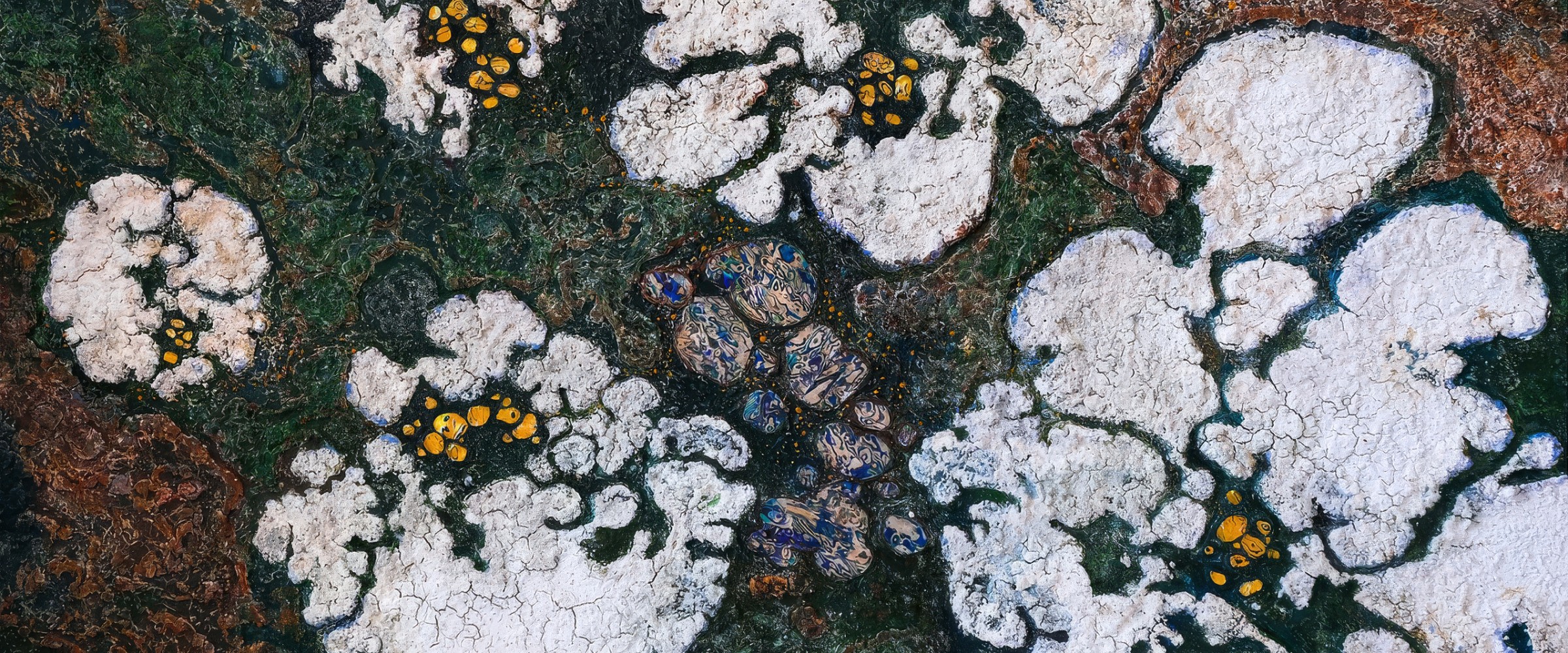
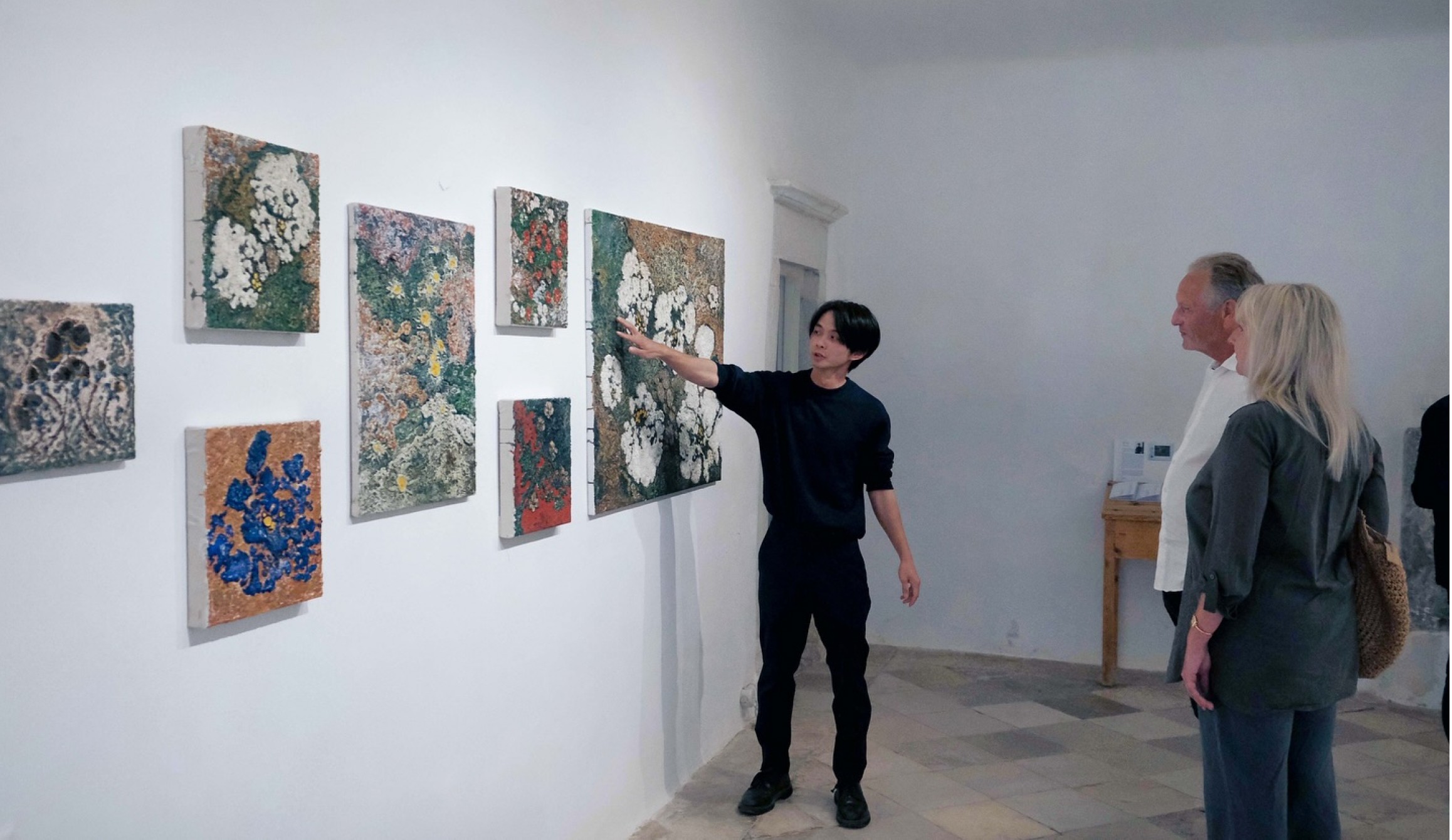
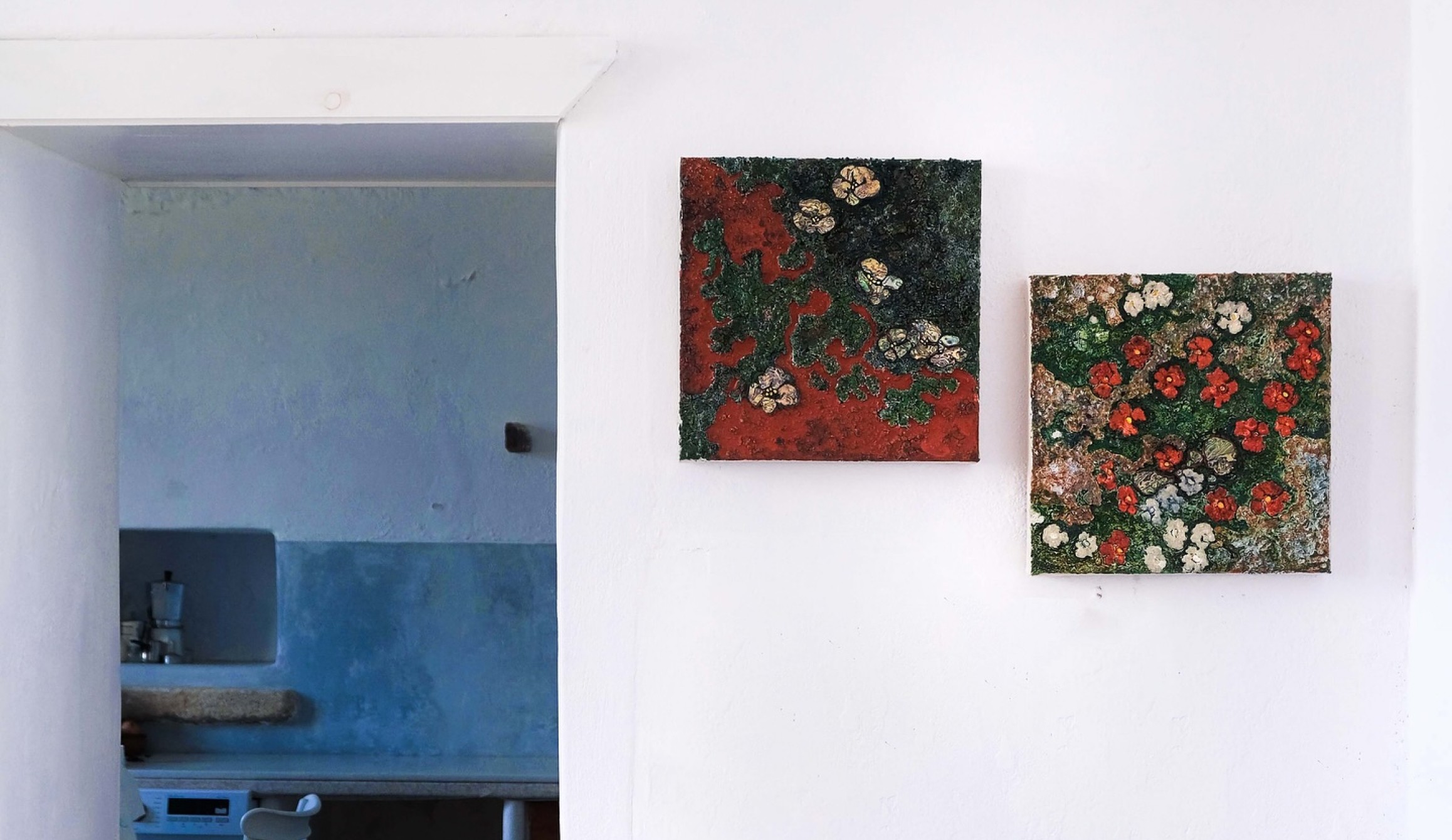
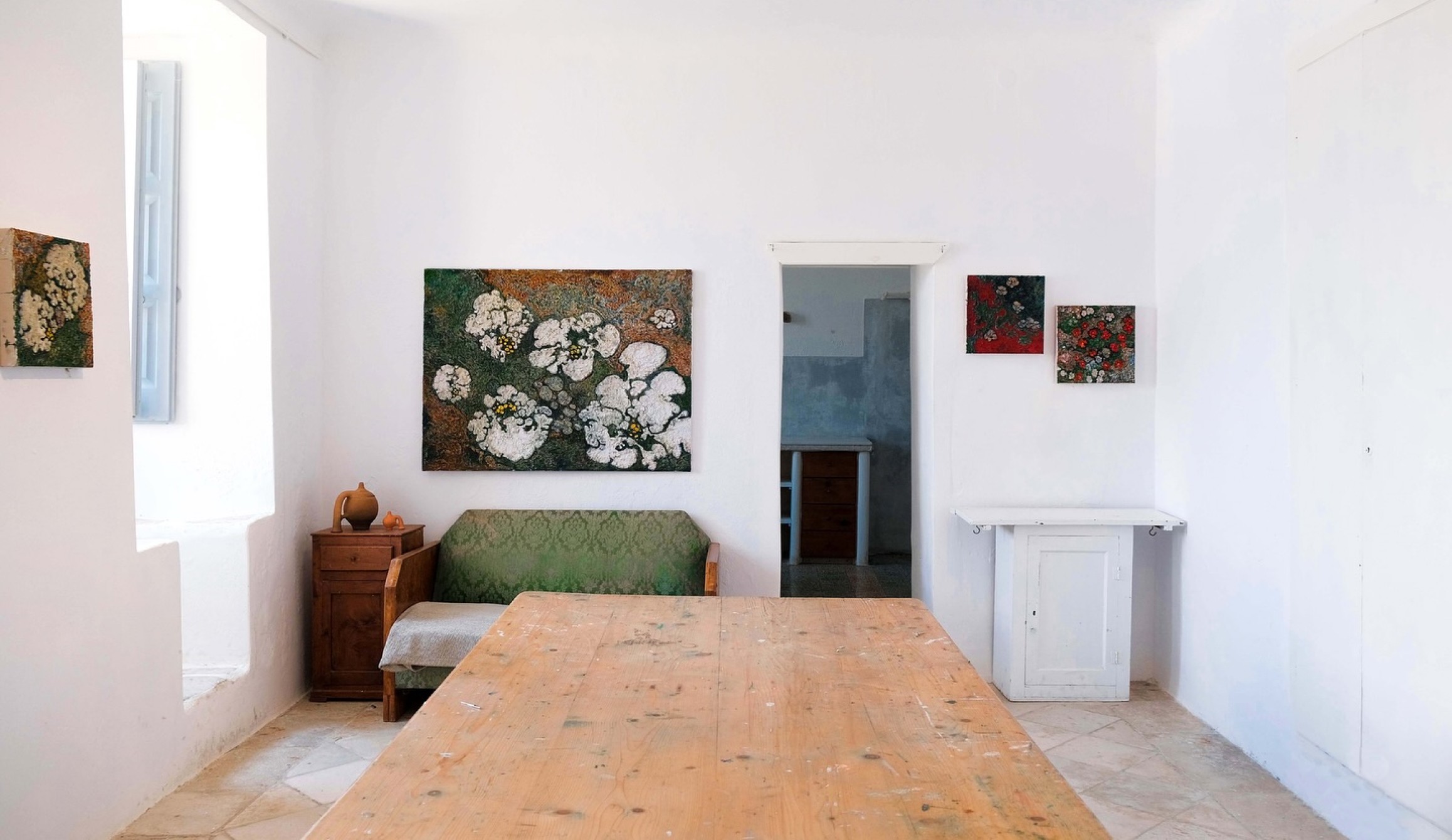
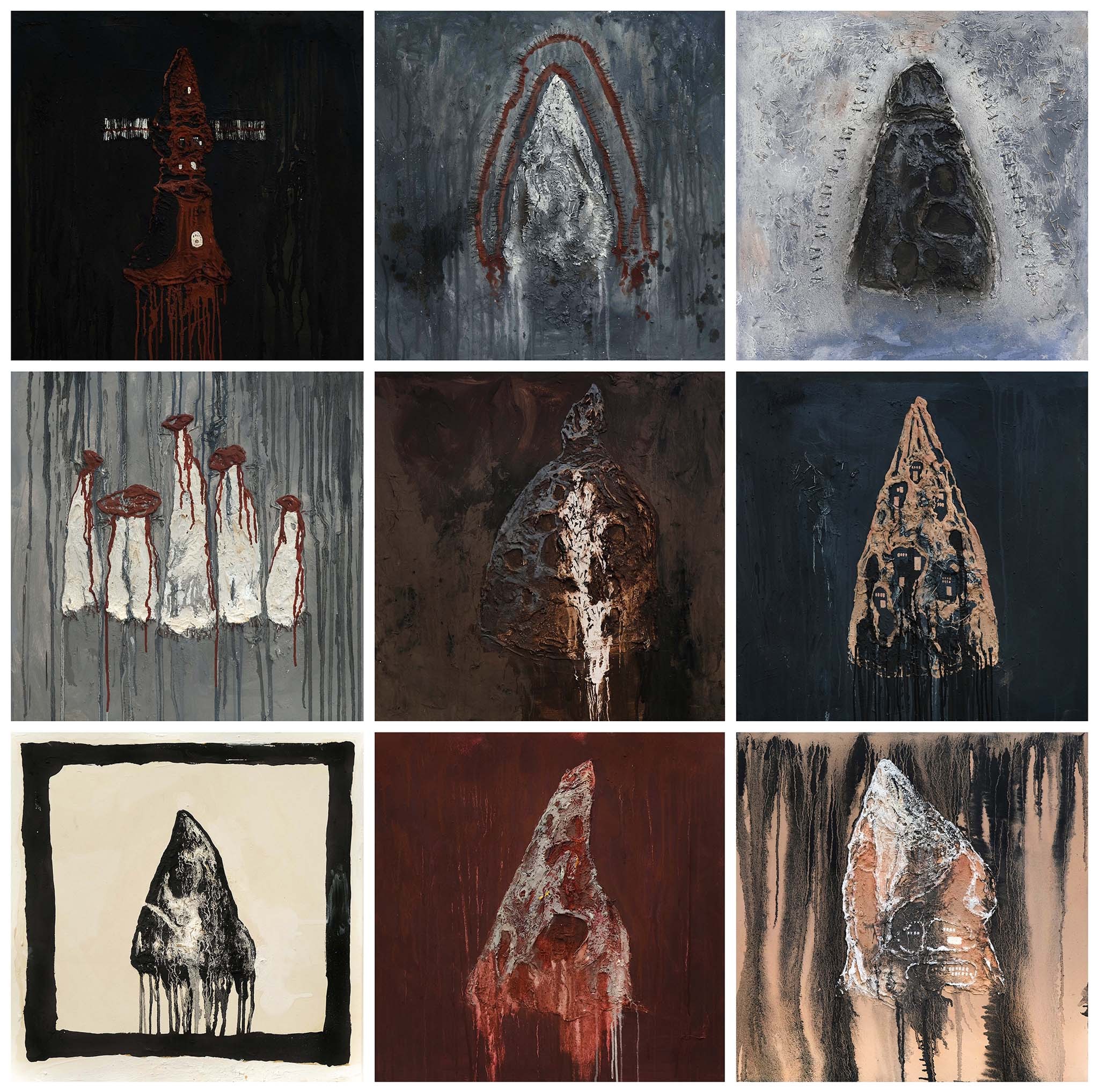
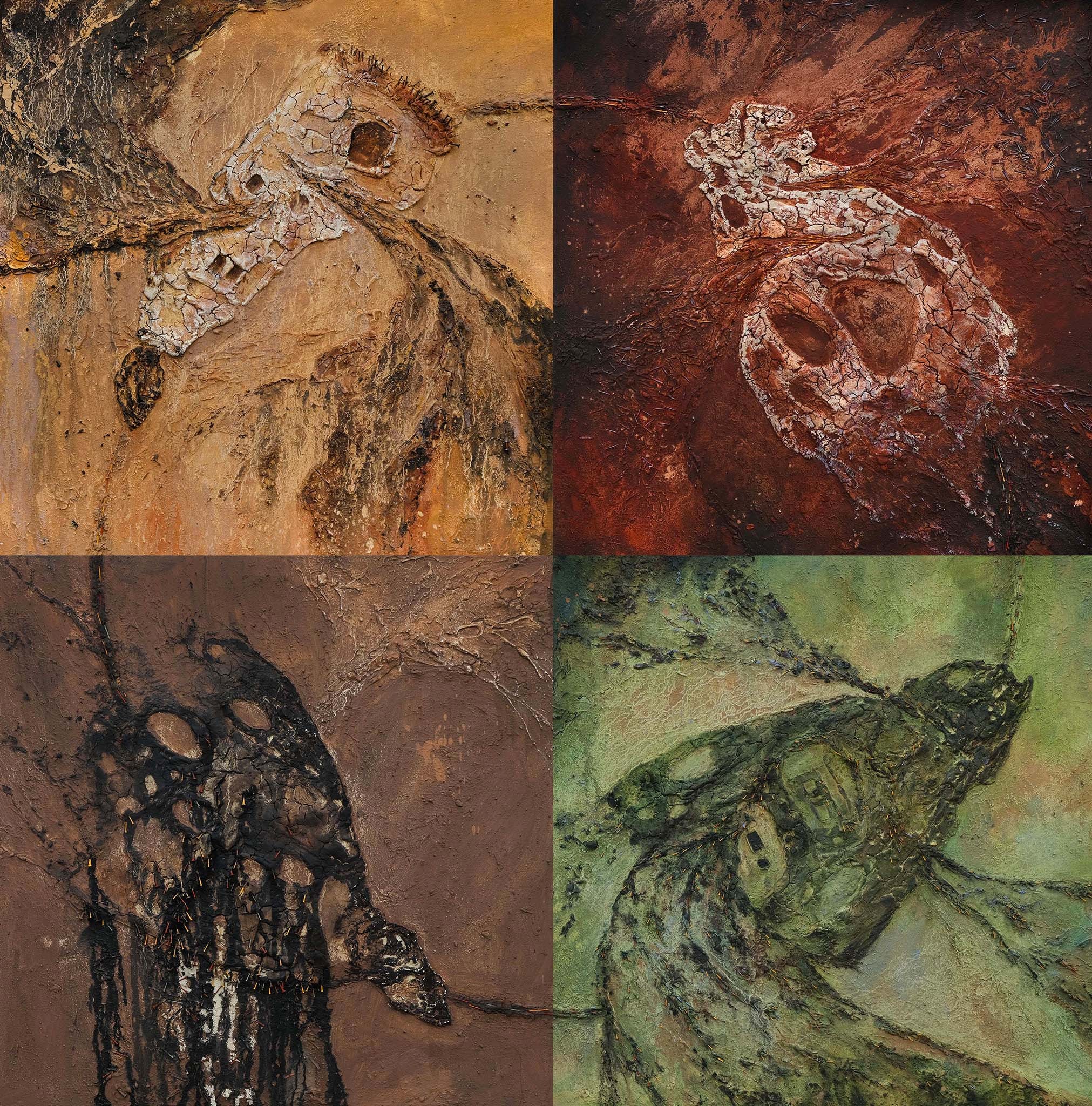
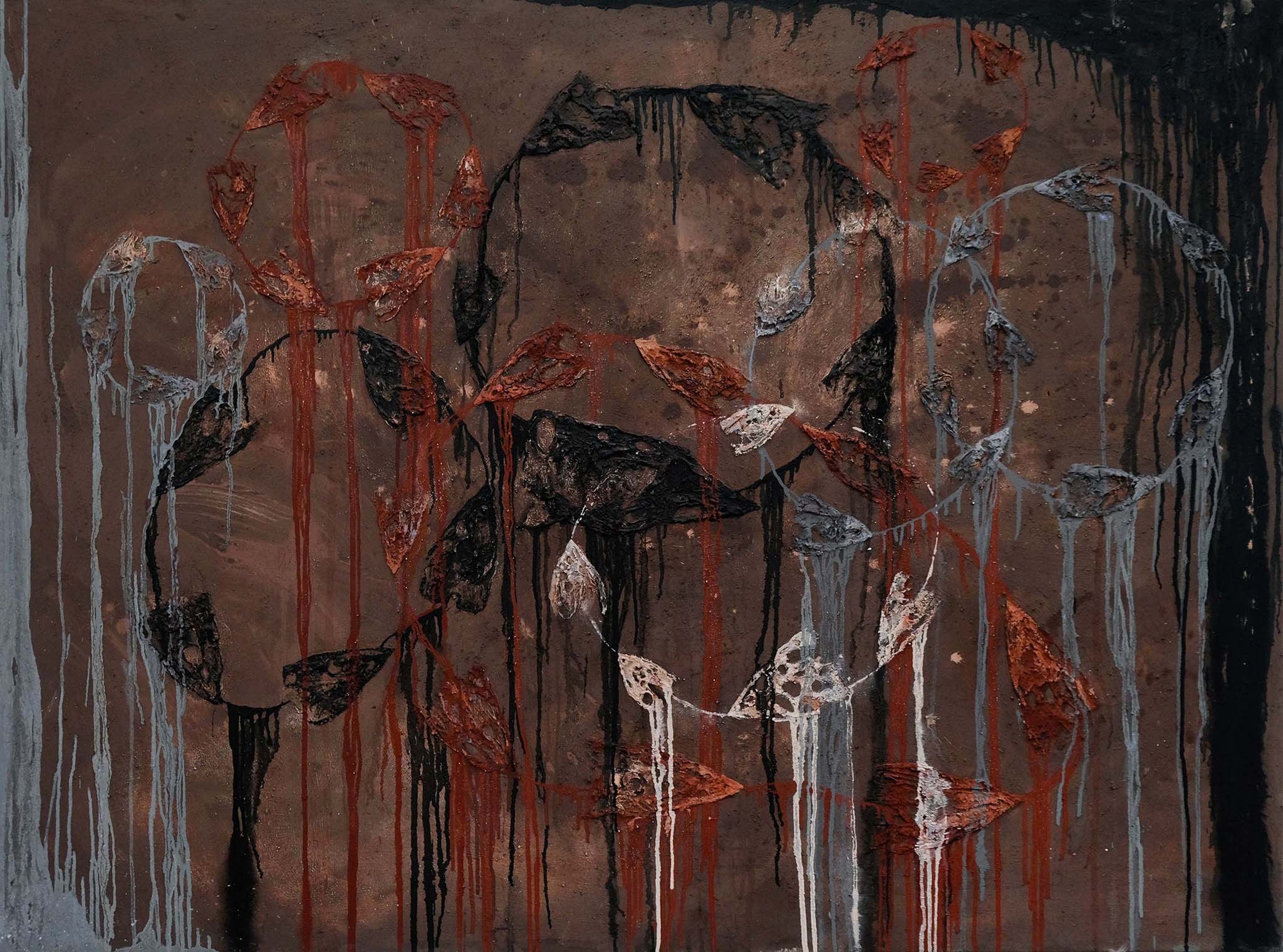
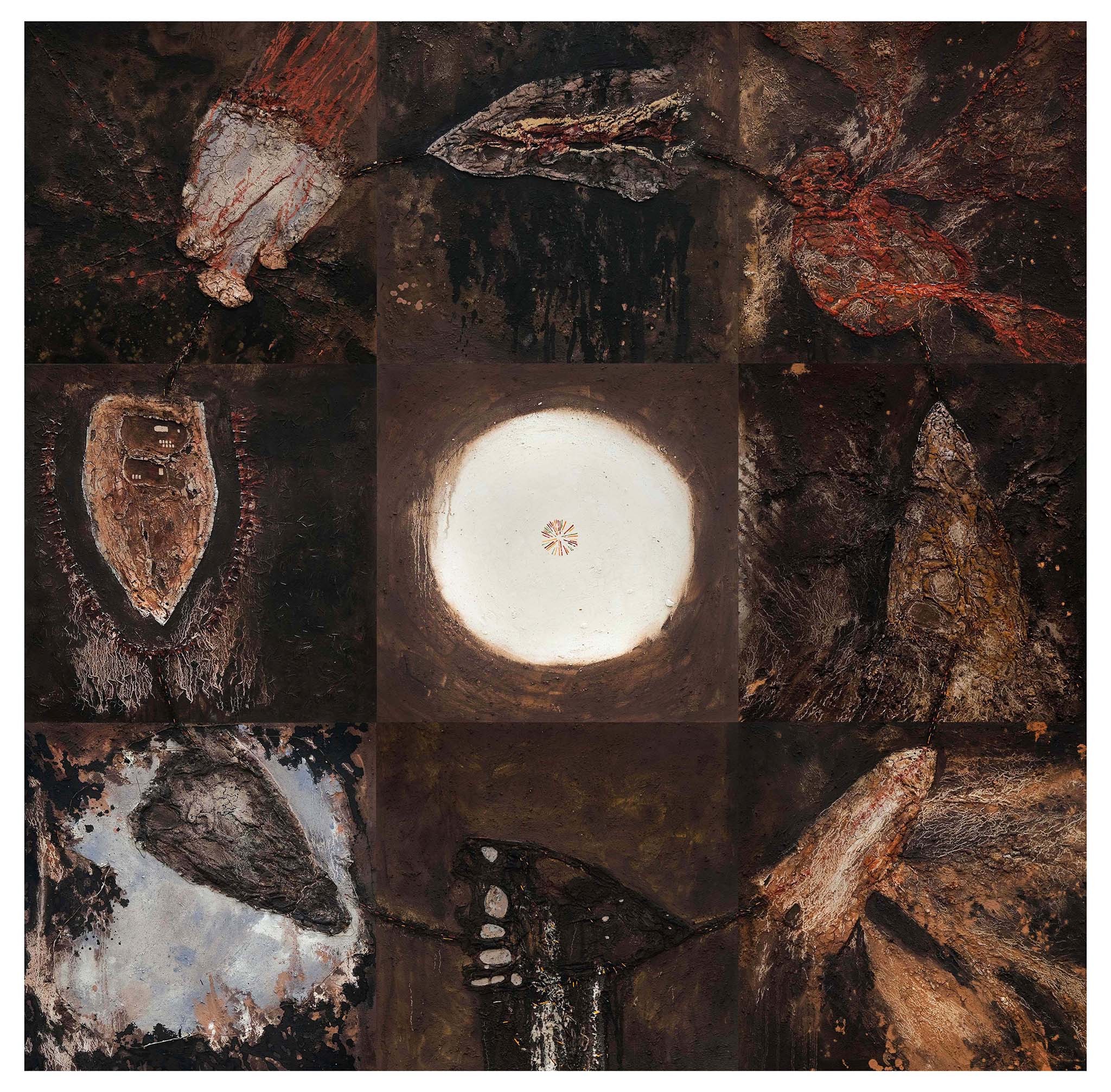
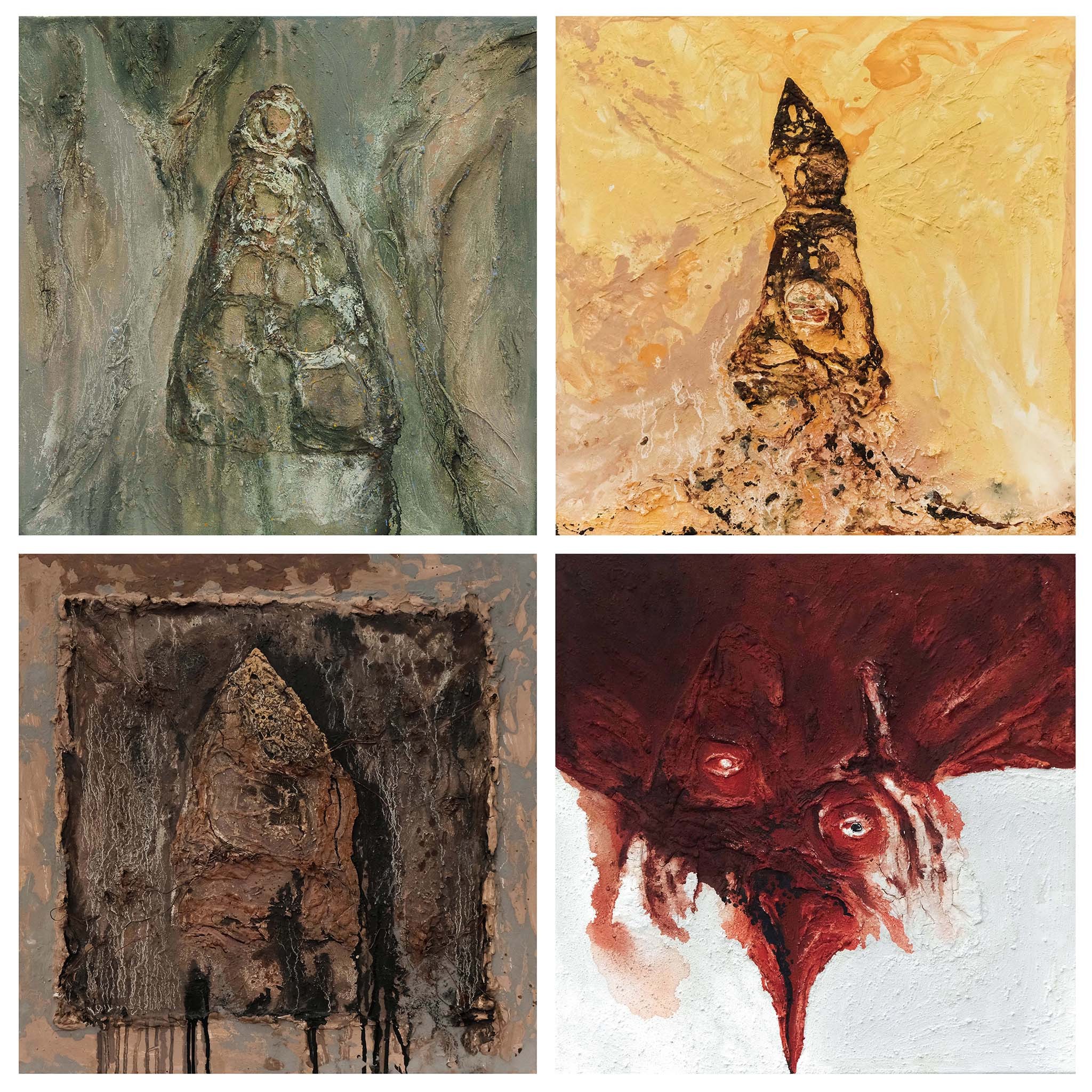
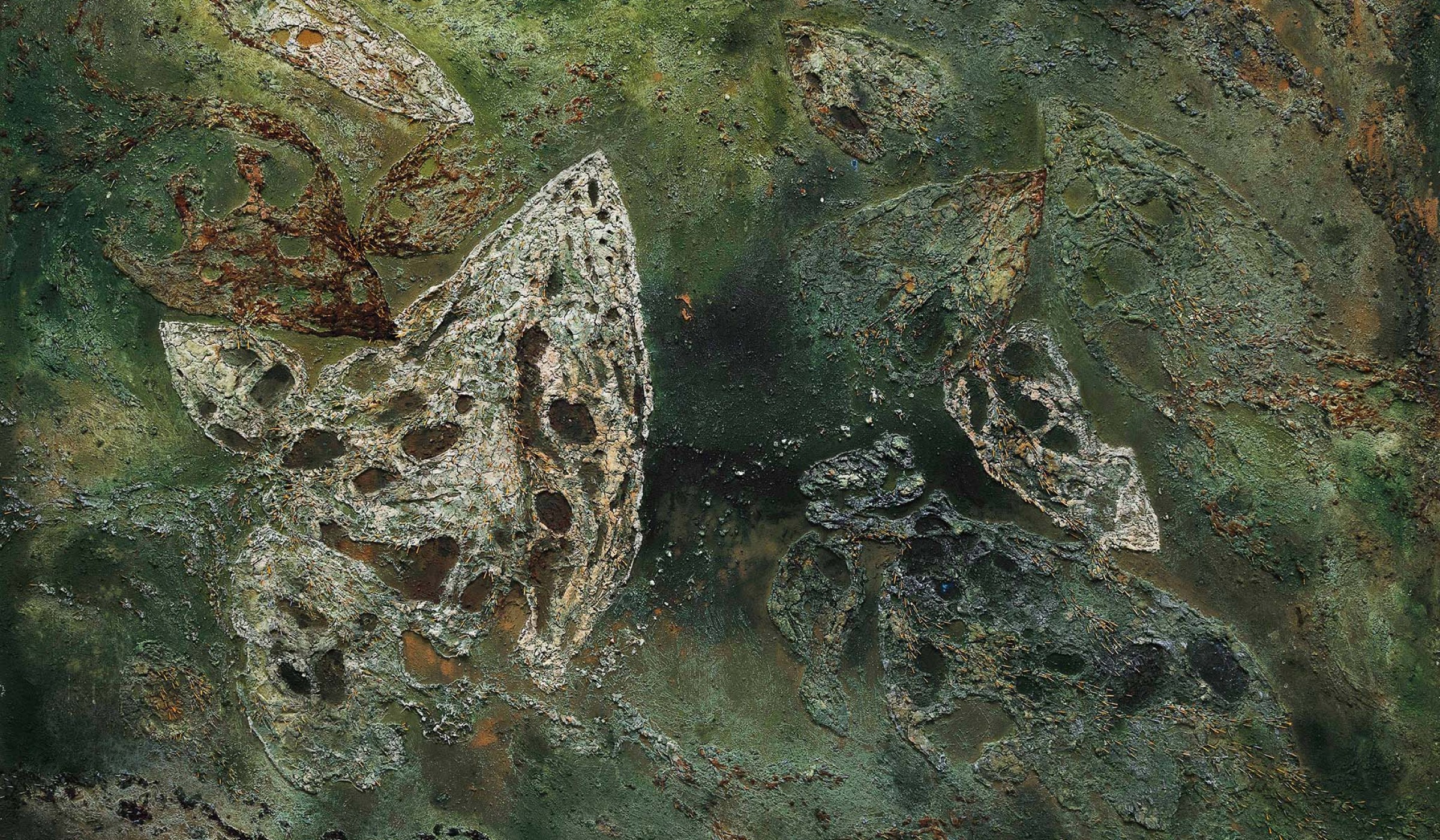
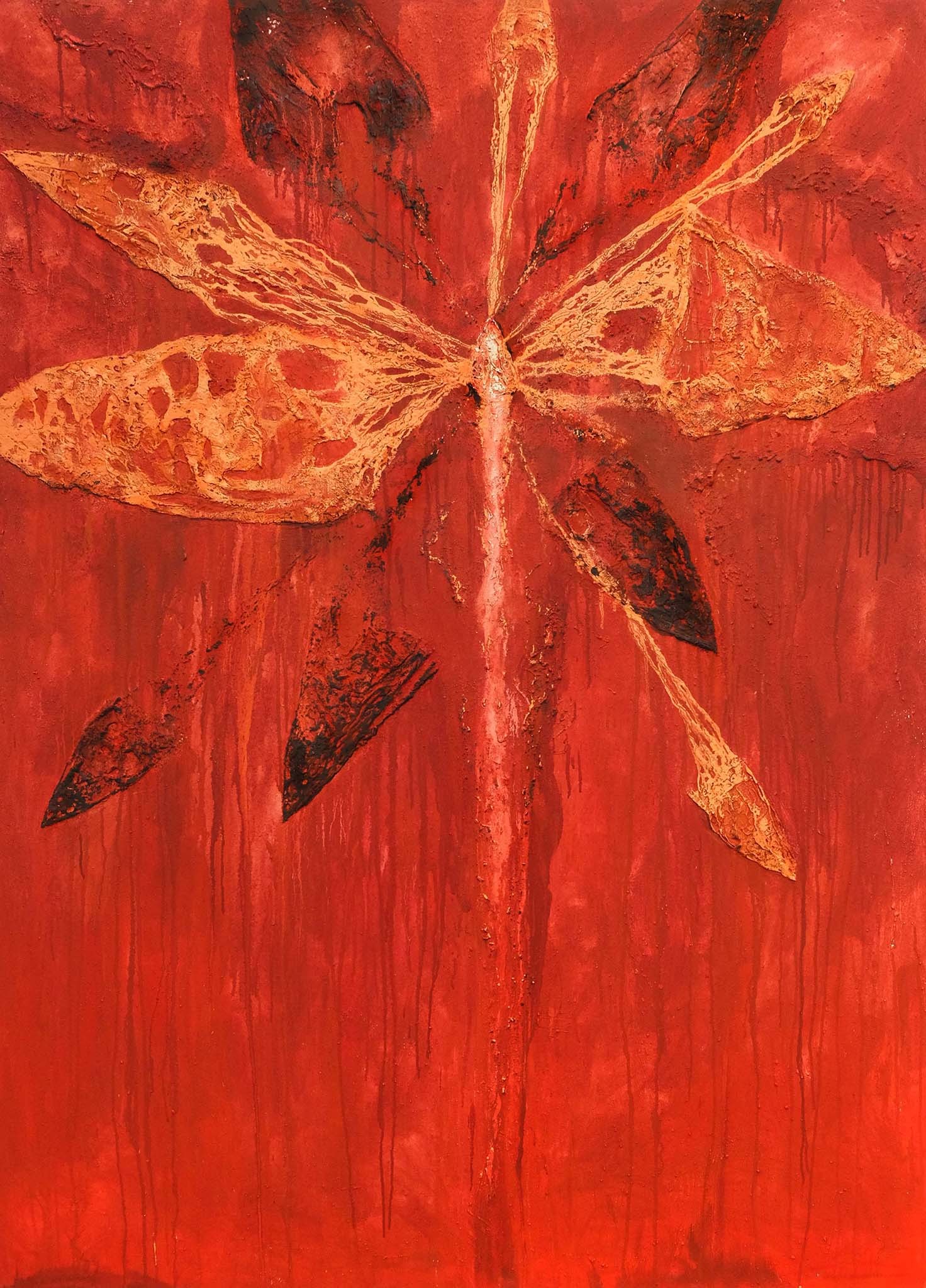
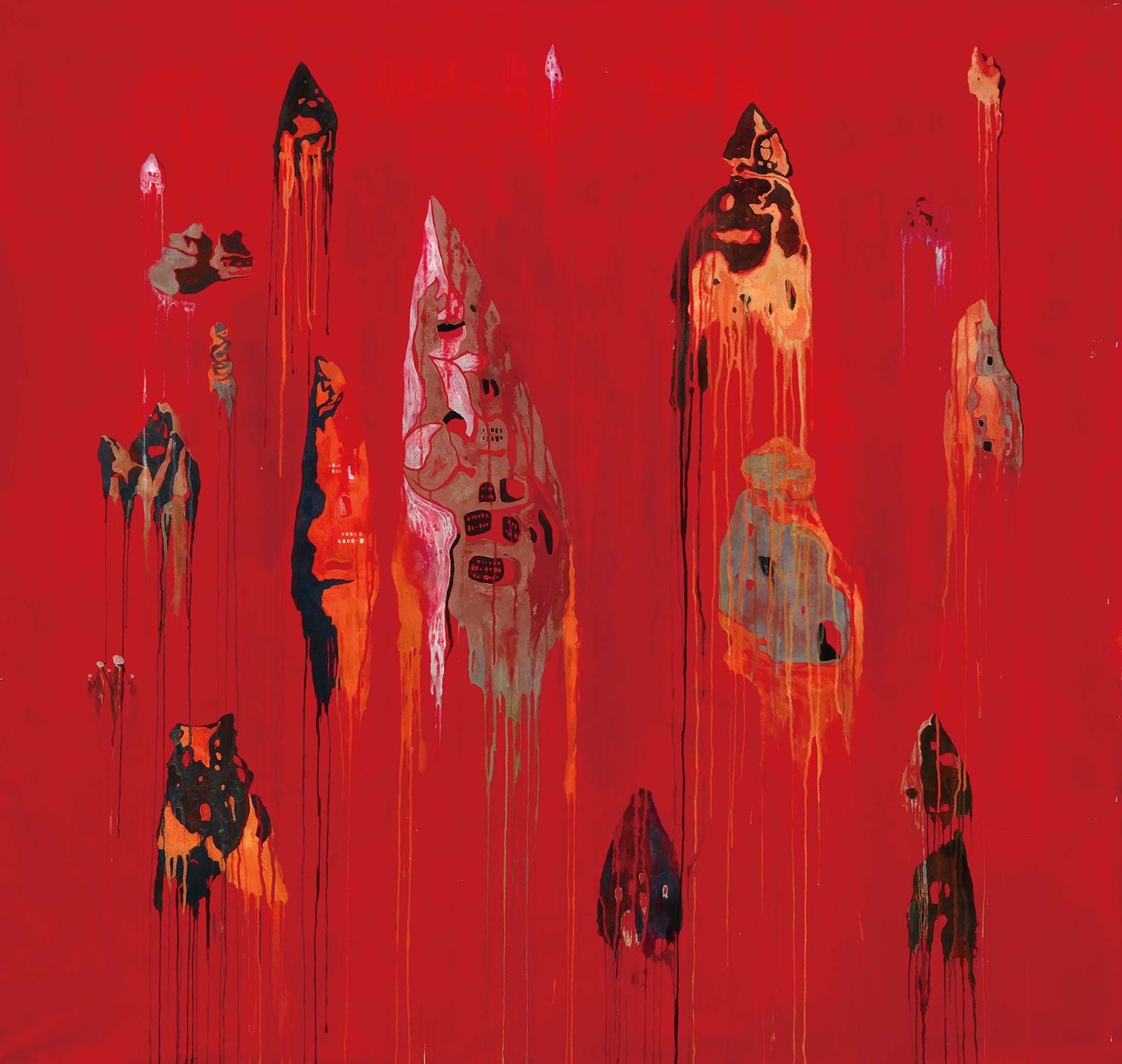
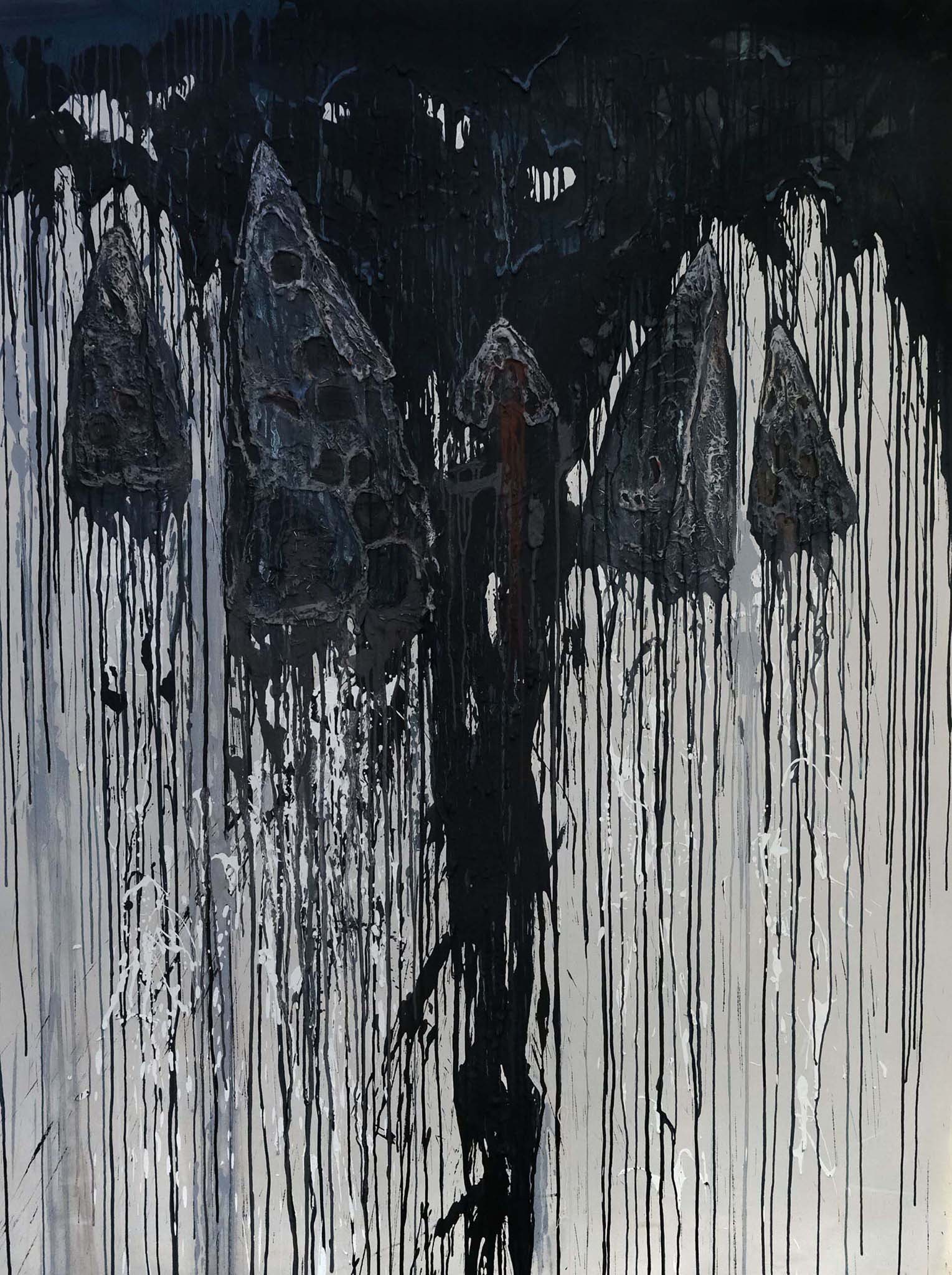
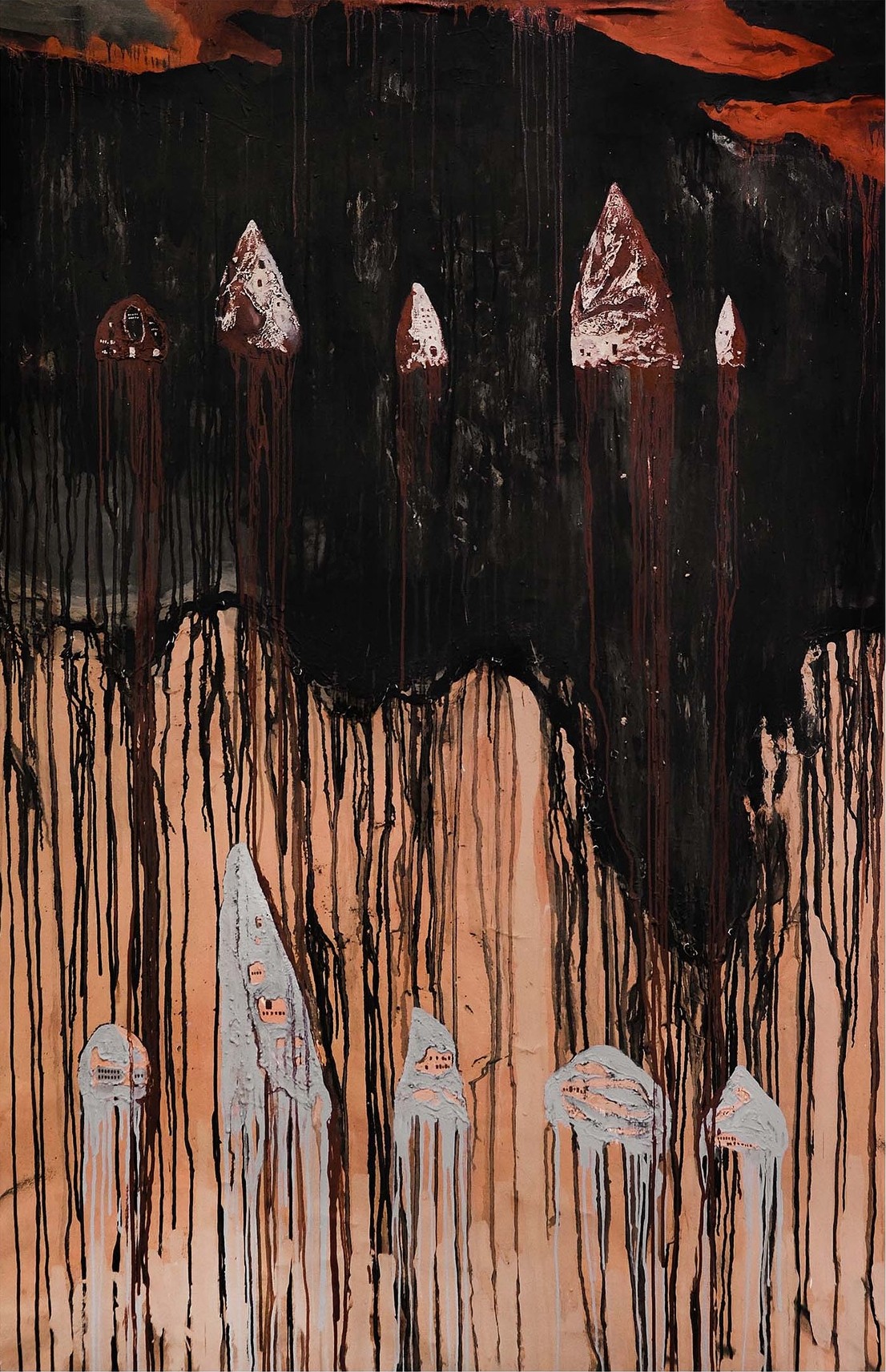
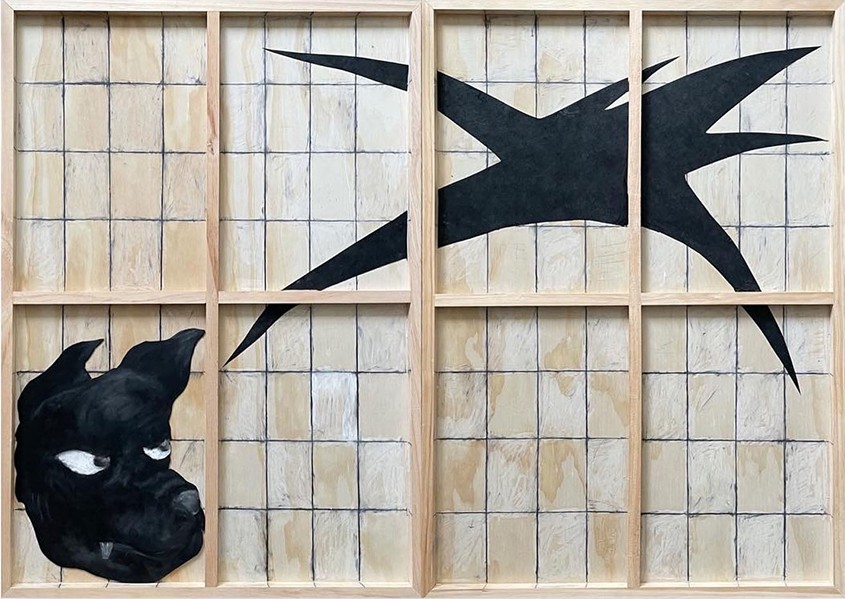
I view my paintings as "spiritual fossils." Fossils, to me, encapsulate the essence of distant times and spaces—traces of existence before they became remnants. The more solid and enduring the trace, the more meaningful it becomes, as it signifies "being." If a work of art can, in some way, achieve permanence, it must possess extraordinary strength and potential. I believe architectural materials have the capacity to fulfill this purpose.
CNTRFLD. Artistic Medium and Inspirations
Your works incorporate elements like plaster, concrete, and nails alongside traditional painting materials. What inspired this integration, and how do these materials reflect your exploration of "humanity"?
CYY. These architectural materials are products of civilization and society, inherently imbued with the qualities of "construction, deconstruction, and reconstruction" that define civilization itself. Take nails, for instance—an object with profound significance. In ancient Chinese, the word for "nail" (釘) is phonetically and symbolically connected to "丁," which historically refers to "population" or "people."
The transformation of these materials' essence is also a key element in defining human values and spirit. Beyond revealing the physical presence or properties of the materials, the ultimate aspiration is to elevate the "mundane" to a quality that aligns with the "cosmic."
CNTRFLD. Being a Taiwanese Artist in the UK
What has your experience been like as a Taiwanese artist living and working in London? How does the cultural context of the UK influence your creative practice?
CYY. Taiwan, as an island nation, naturally possesses a fluid and fusion cultural identity due to its geographic location. This diversity has shaped my perspective as an observer, granting me the ability to absorb, blend, and recreate.
The inherent character of a maritime nation carries a spirit of adventure and resilience—a drive to break boundaries and discover the new, which aligns with my core beliefs. I see London as a place brimming with possibilities and challenges. Its all-encompassing artistic expressions and cultural amalgamation have been a profound source of inspiration for me.
CNTRFLD. Perspective on Taiwanese Contemporary Arts
How do you see the current state of contemporary art in Taiwan, and how do you think it resonates (or contrasts) with the global art scene?
CYY. I don't have much to say on this matter. Popular forms of art are deeply intertwined with the local culture and history, but I believe, as Hegel once said: "What is rational is real; and what is real is rational.”