CNTRFLD. Resistance and Perception
Taiwan’s contemporary dance scene has evolved, but stereotypes still linger — about what Indigenous art should look like, or what masculinity should be on stage. How do you and your dancers challenge these expectations through your performances?
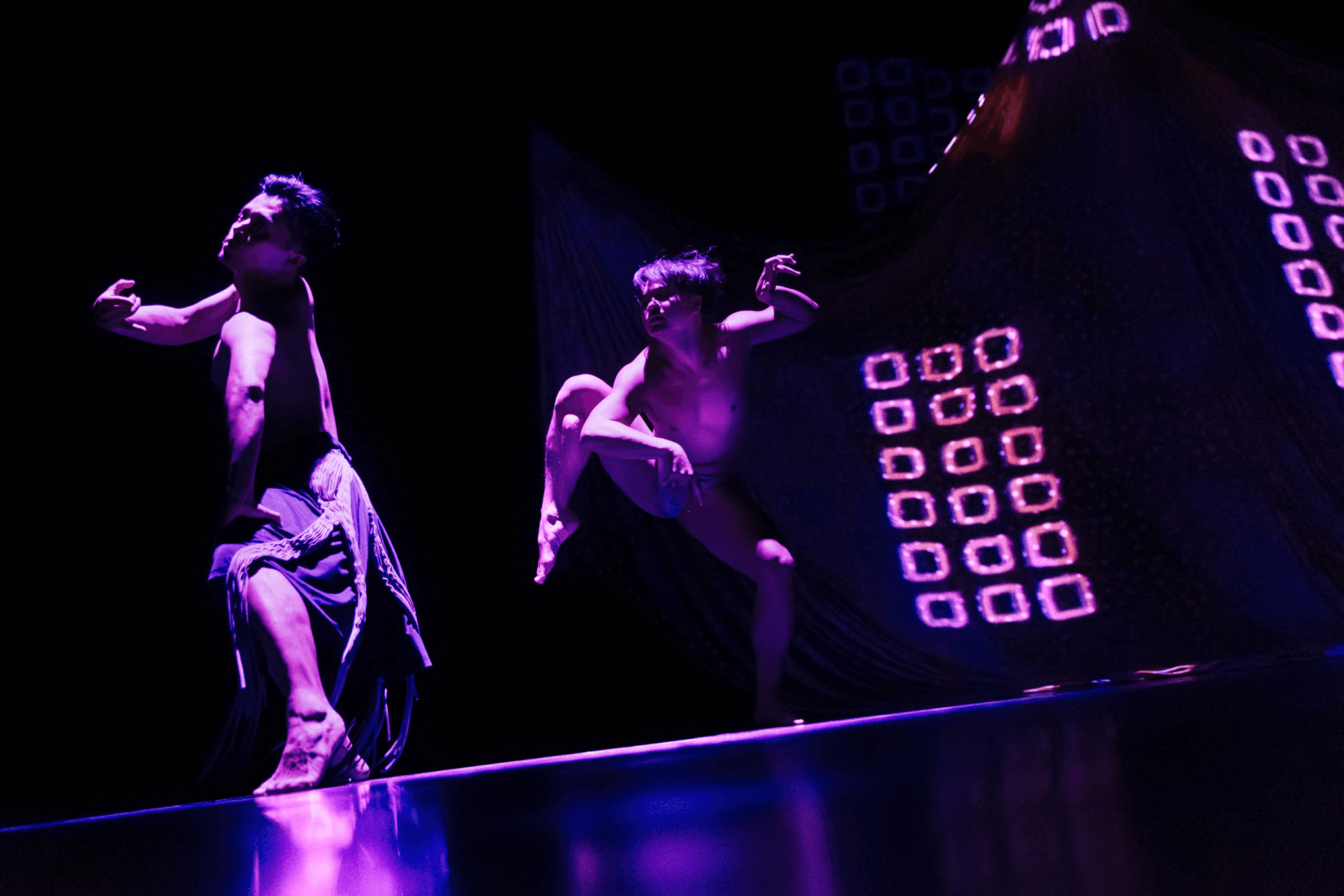
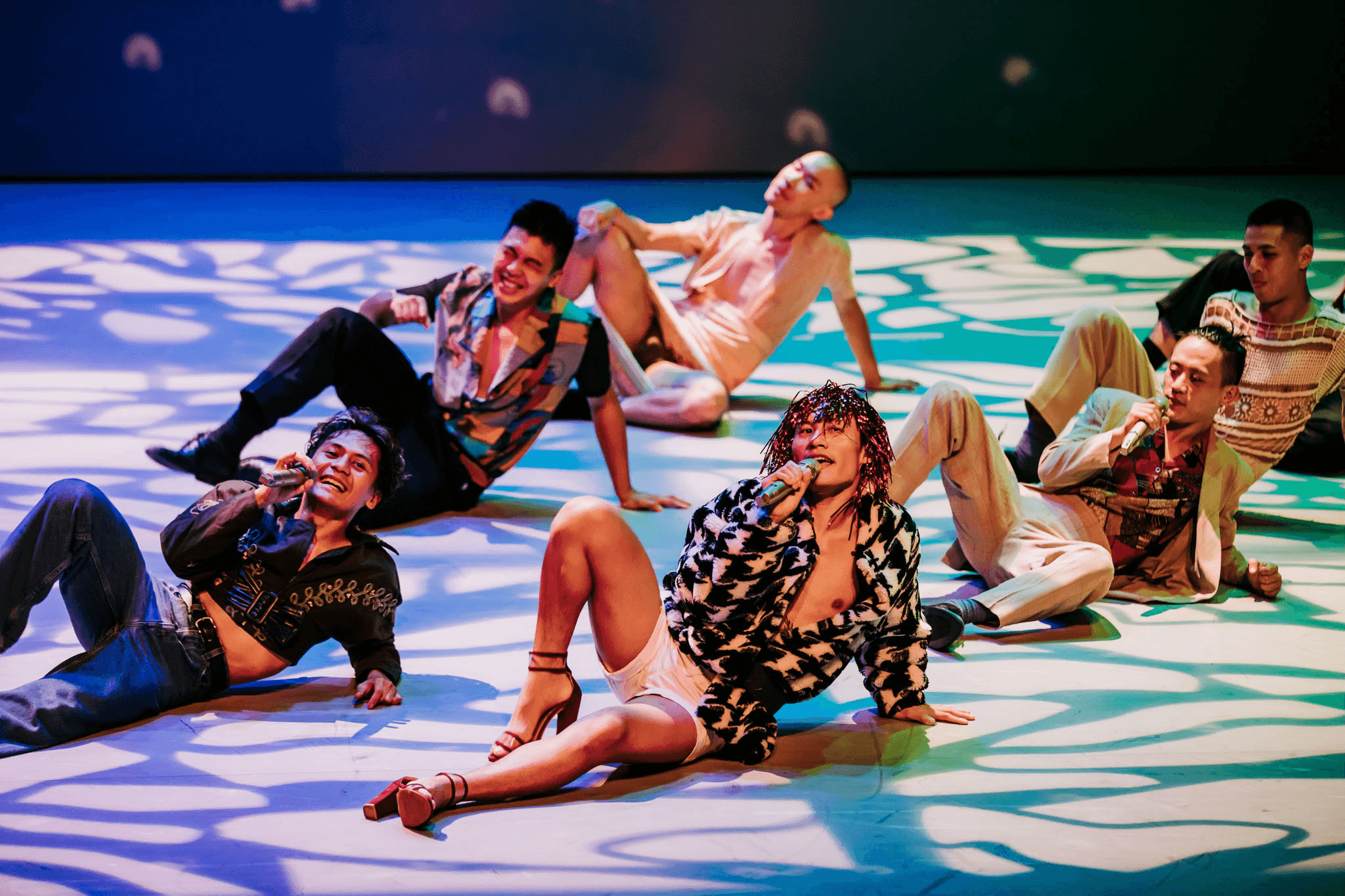
BDC. The company is what it is today because of each dancer’s individuality. I simply highlight their qualities in the work and encourage them not to fear showing who they truly are. Natural, unforced expression — that completes the work without losing themselves.
But this is still performance, and ultimately we face the audience’s criticism.
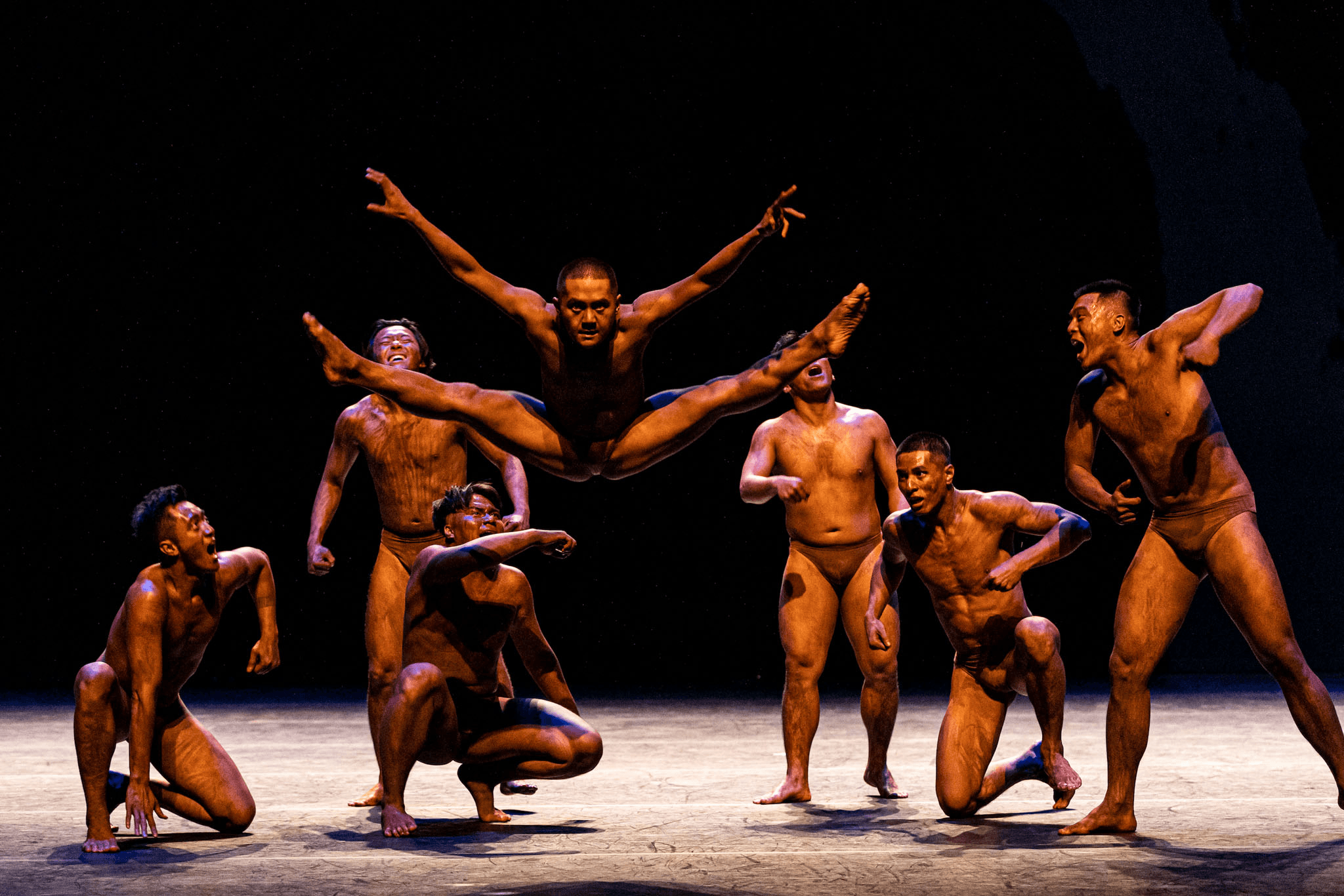
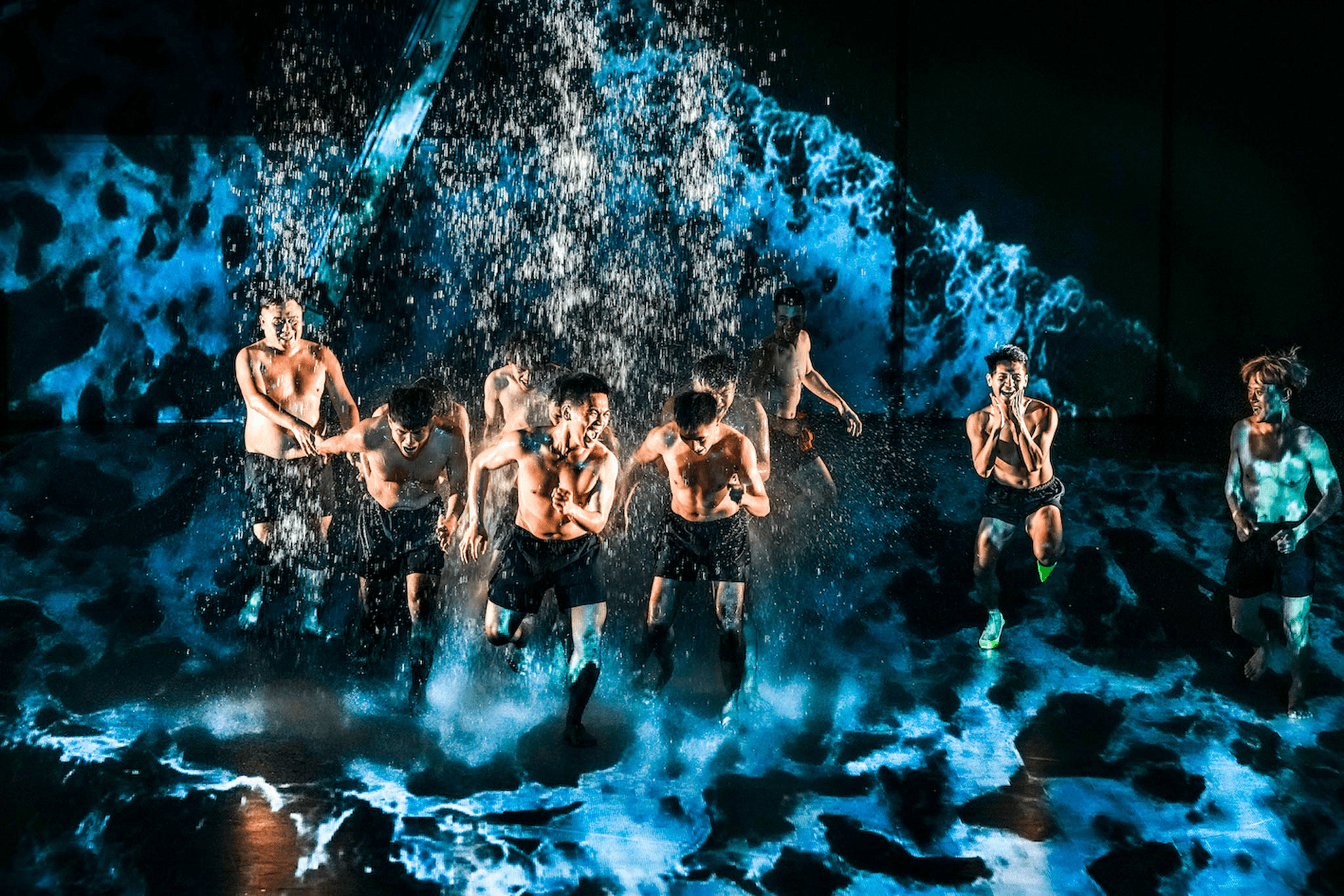
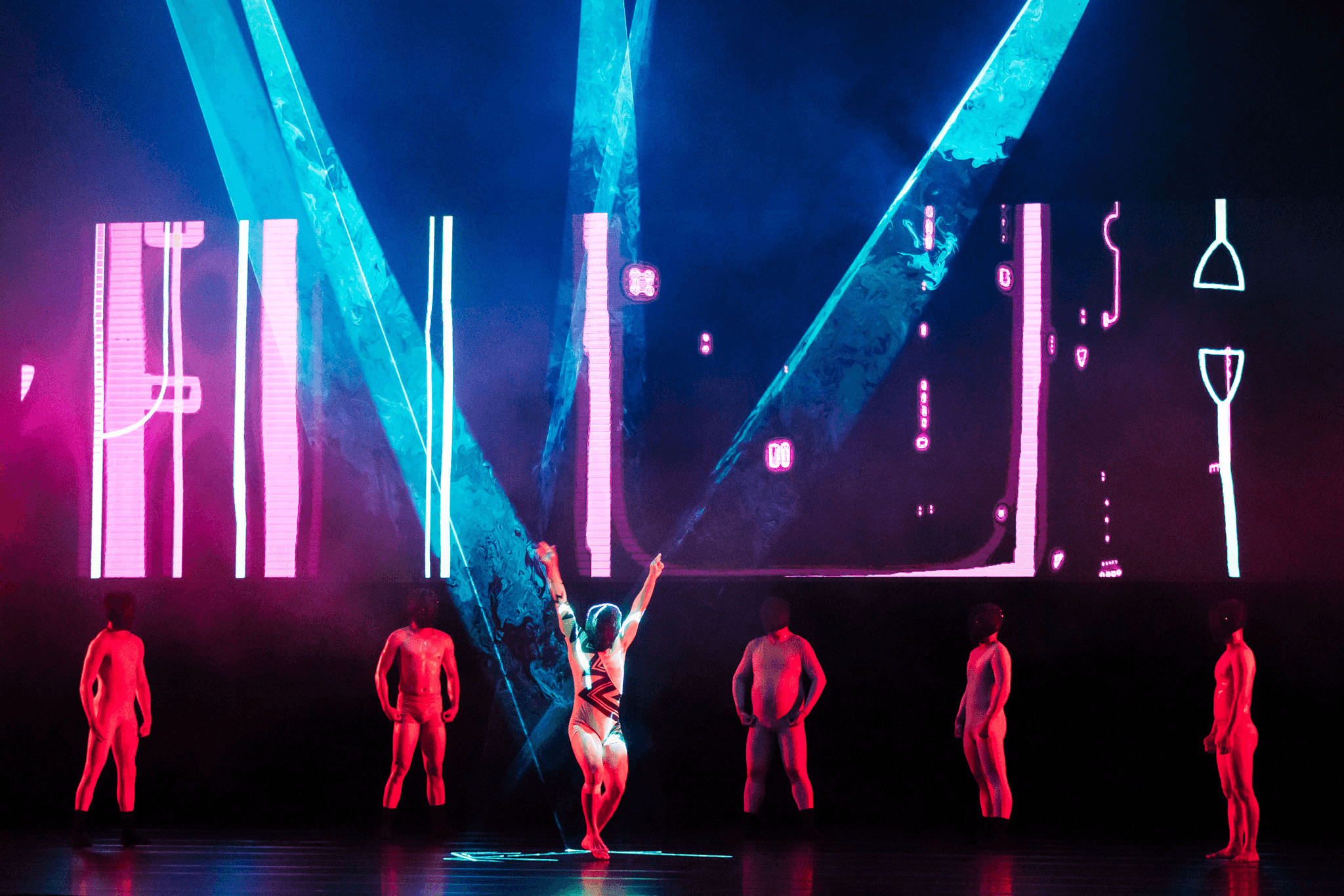
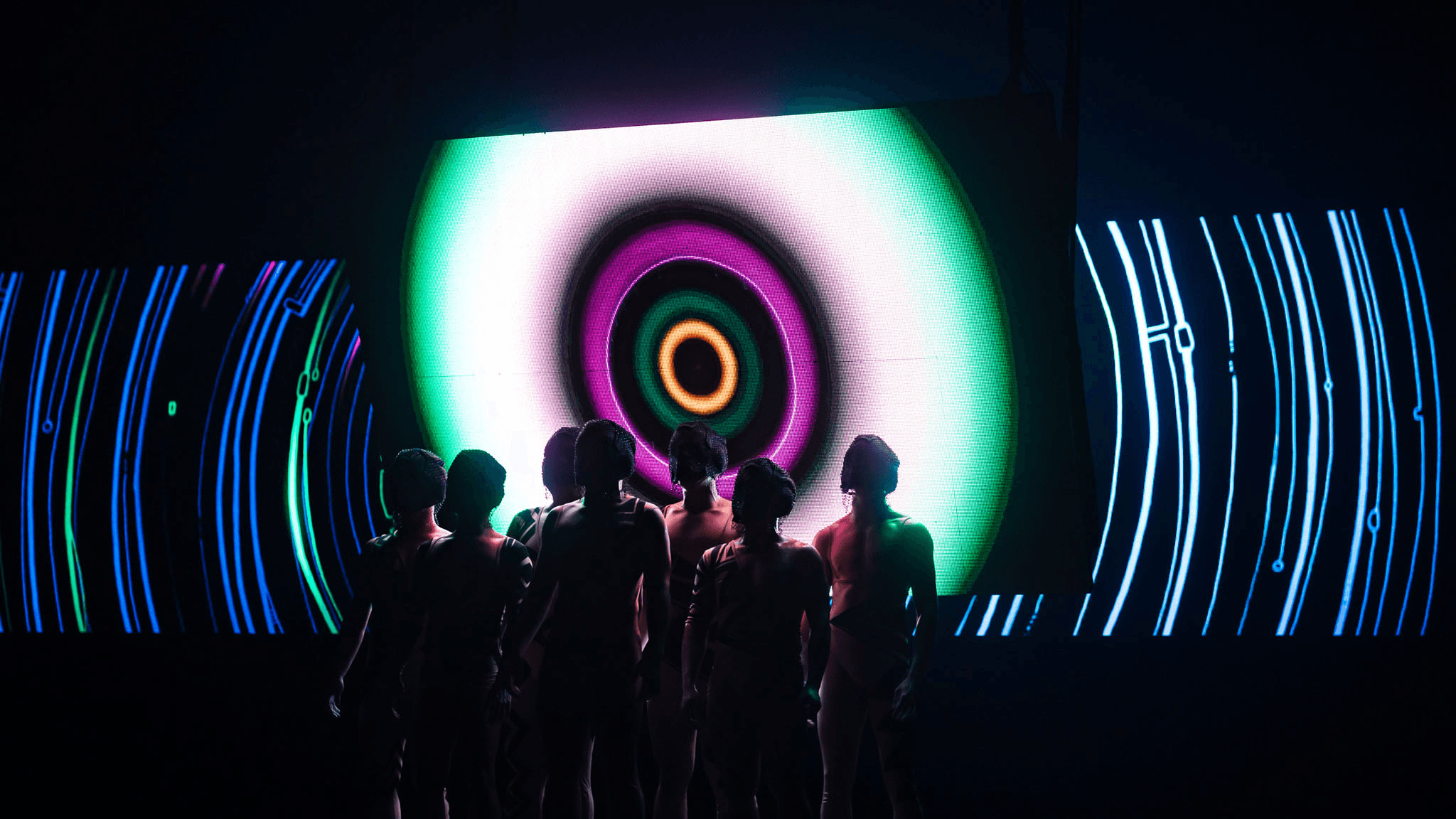
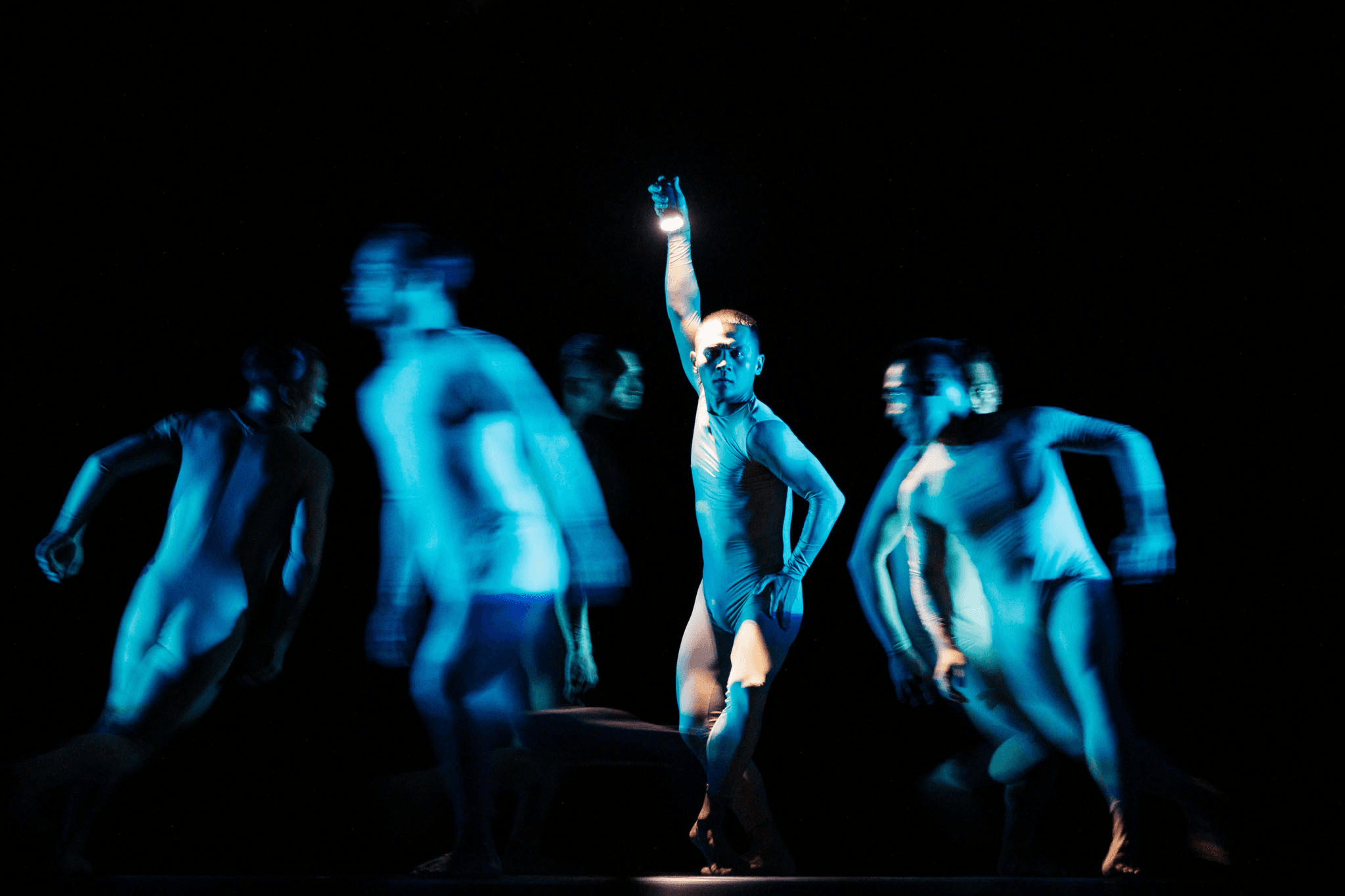
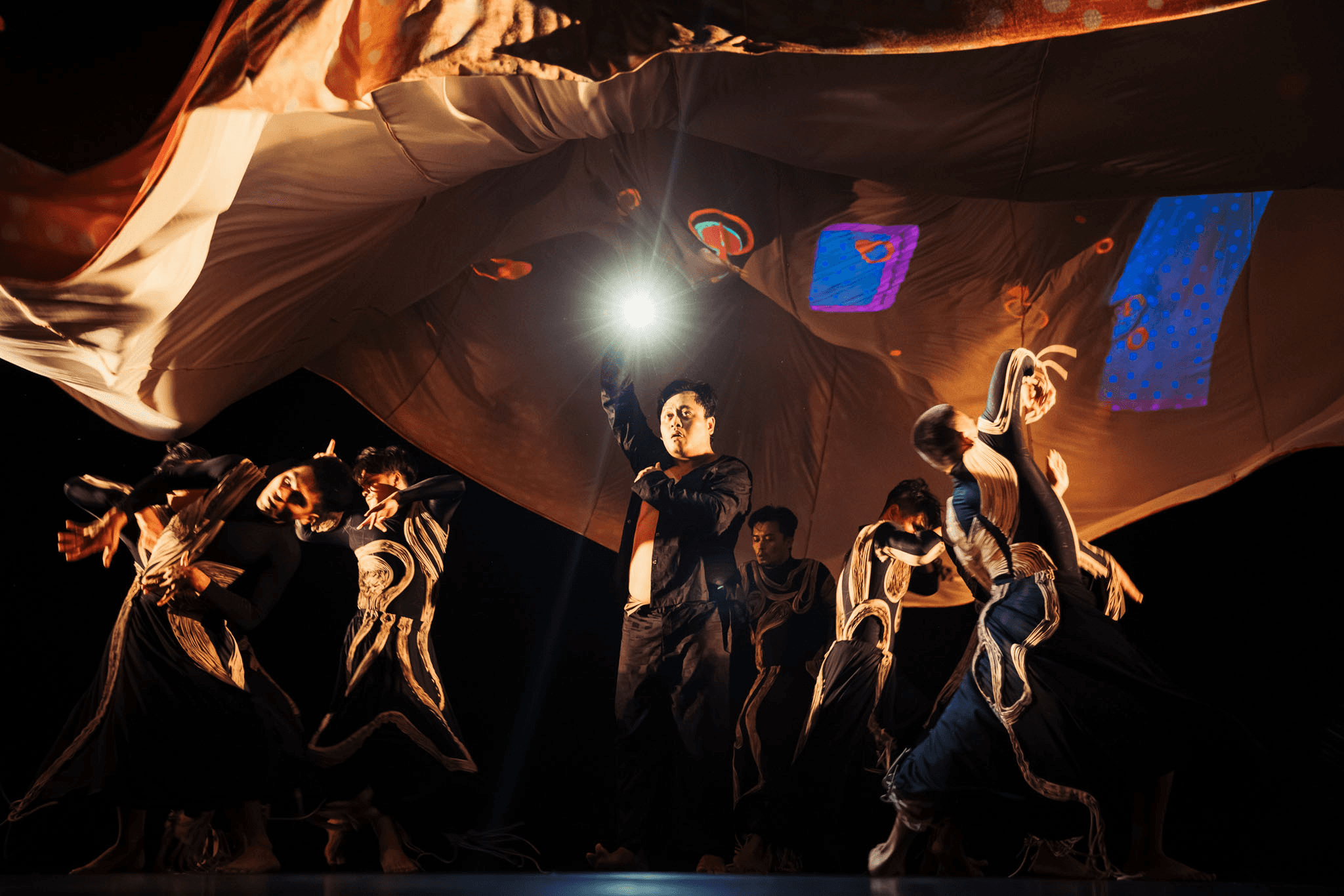
When Colors premiered in 2016, I was extremely nervous. There was none of the dance vocabulary audiences were used to — it looked like a group of boys playing by the sea. But after the performance, the enthusiastic response gave dancers confidence and opened a new path for us — with song, dance, laughter, and above all, humanity.
CNTRFLD. Language and Voice
Your dancers often sing in their native languages, and sometimes even transcribe oral songs to preserve them. How does this practice shape the rhythm of your choreography, and how does it strengthen their own sense of identity?
BDC. Honestly, our focus is simply to make good work — and the rest unfolds naturally.
Often, only after a performance ends do we realise how much more could grow from it. Everyone has different insights. We often sit together and share what each person experienced or discovered. Hearing others’ reflections also allows each dancer to reflect on themselves.
CNTRFLD. Life in Taitung
Your rehearsal space sits between the sea and the mountains — a place that feels both raw and sacred. What is daily life like for the company there? How does living and working together in Taitung influence your creative process?
BDC. There is nothing more comforting than going home.
Back in Taitung, I have more time to visit the mountains and eat with my family, and I go to the seaside far more often. Living in such vast nature opens the heart.
Life in Taitung is simple, so material desires decrease. You treasure what you have. This simplicity allows creativity to emerge from everyday details. Our works reflect this way of living.
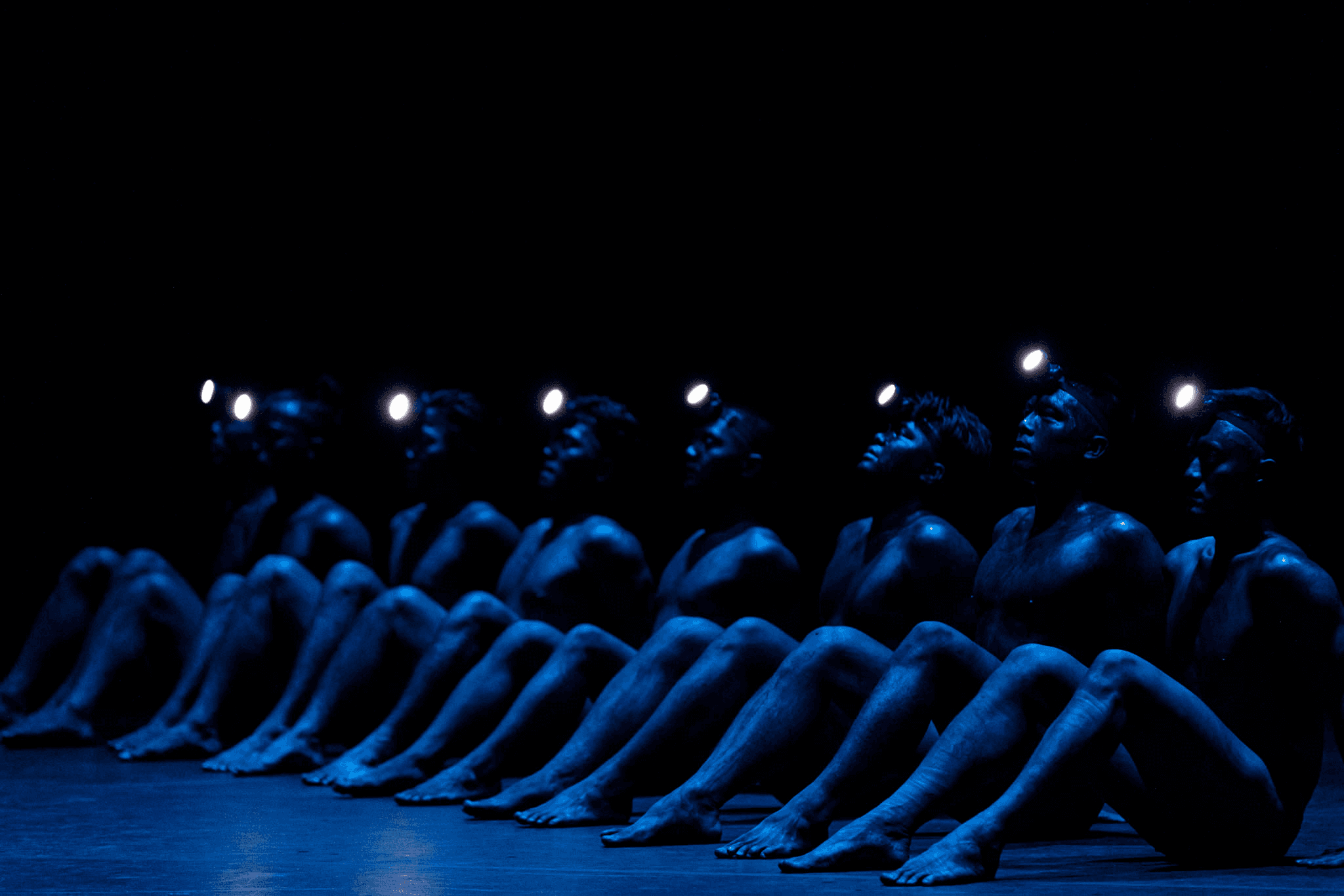
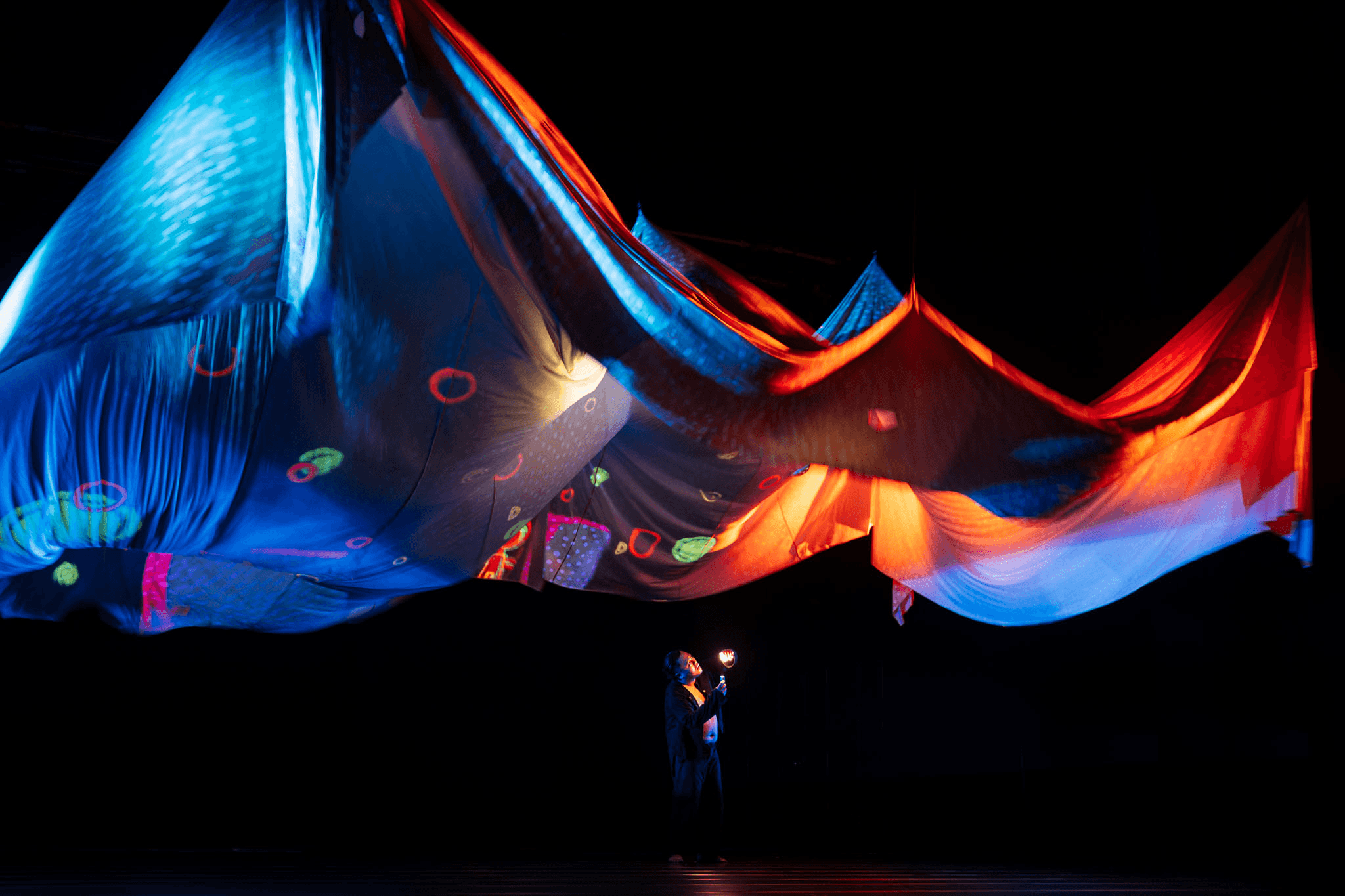
A viewer once wrote after watching Colors “I saw the sea, I touched the sea, I heard the sea, I smelled the sea. When the blue-and-white tarpaulin brushed my feet, my tears fell.” I think that feeling comes directly from our life in Taitung.
CNTRFLD. Dialogue with Elders
Your dancers often return to their home villages to learn songs and stories directly from elders. How do they approach these exchanges — and how do you support them in ensuring these traditions are passed on with respect but also room for reinterpretation?
BDC. We’ve been lucky. Over the past ten years, so many elders have been willing to share their wisdom with us. Beyond the cultural knowledge itself, what moves me most is seeing the dancers’ desire to learn and the elders’ generosity. Whether or not these materials end up in our works, these exchanges are among the most precious experiences of our lives.
To me, tradition is the accumulation of past daily life. We carry forward what is good. The company is also creating its own traditions. Before each performance, we gather in a circle with a bottle of rice wine and two wooden cups. Each person speaks to their ancestors, asking for a safe and smooth performance. After the show, we do the same to give thanks.
Respecting tradition is essential. We never touch what must not be touched. But creation must be free — otherwise it loses meaning and value. Before the curtain rises, we make one final check. Only when everything feels right do we share it with the audience.
CNTRFLD. Looking Ahead
You’ve built a company that bridges ritual, modernity, and identity. What do you hope the next generation of Indigenous dancers in Taiwan will inherit from this collective journey — both artistically and in spirit?
BDC. This, I don’t know — I am, after all, a choreographer. My responsibility is simply to create good work.
But I’m fortunate to have a group of Indigenous performers who love performing and are willing to dream with me — to create stories that belong to us. I hope our stories move us and move others. I hope they heal, comfort, and bring a little change to someone’s life.
Every dancer’s time in the company is different, and eventually they all leave. My only wish is that when they do, they become better people — keeping a childlike heart, sharing generously, caring for their communities, and facing the wider world with confidence.
About BDC (Bulareyaung Dance Company).
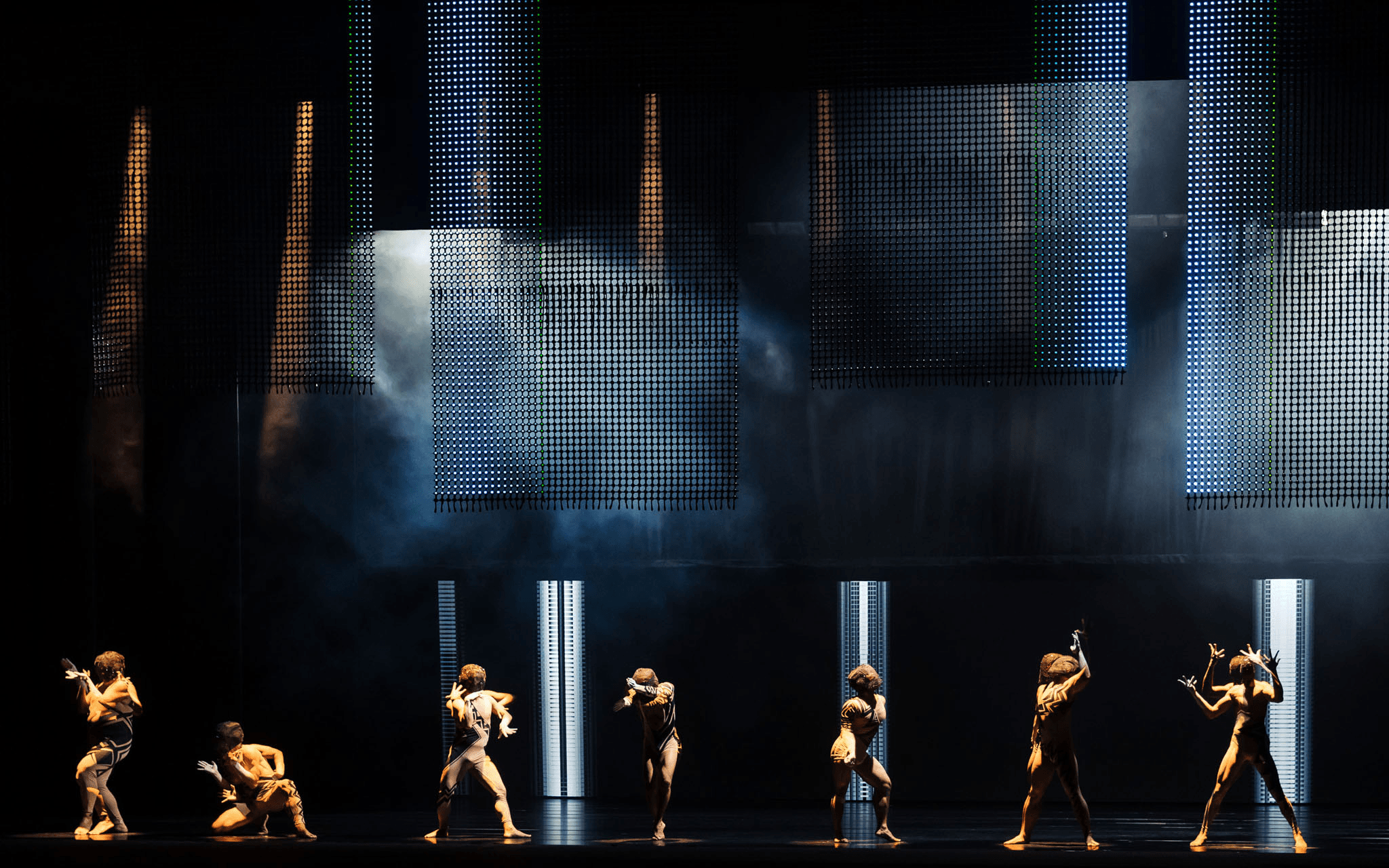
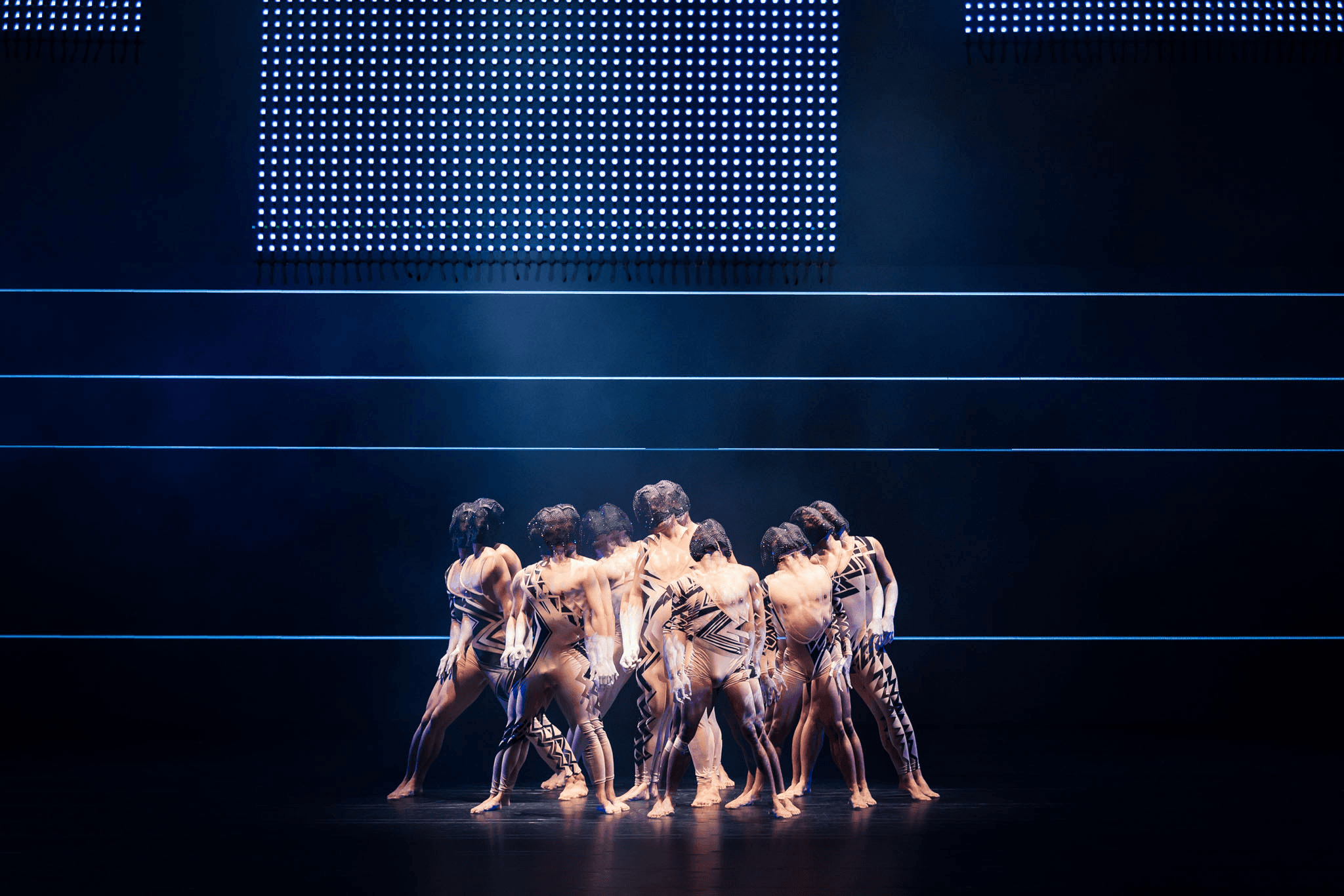
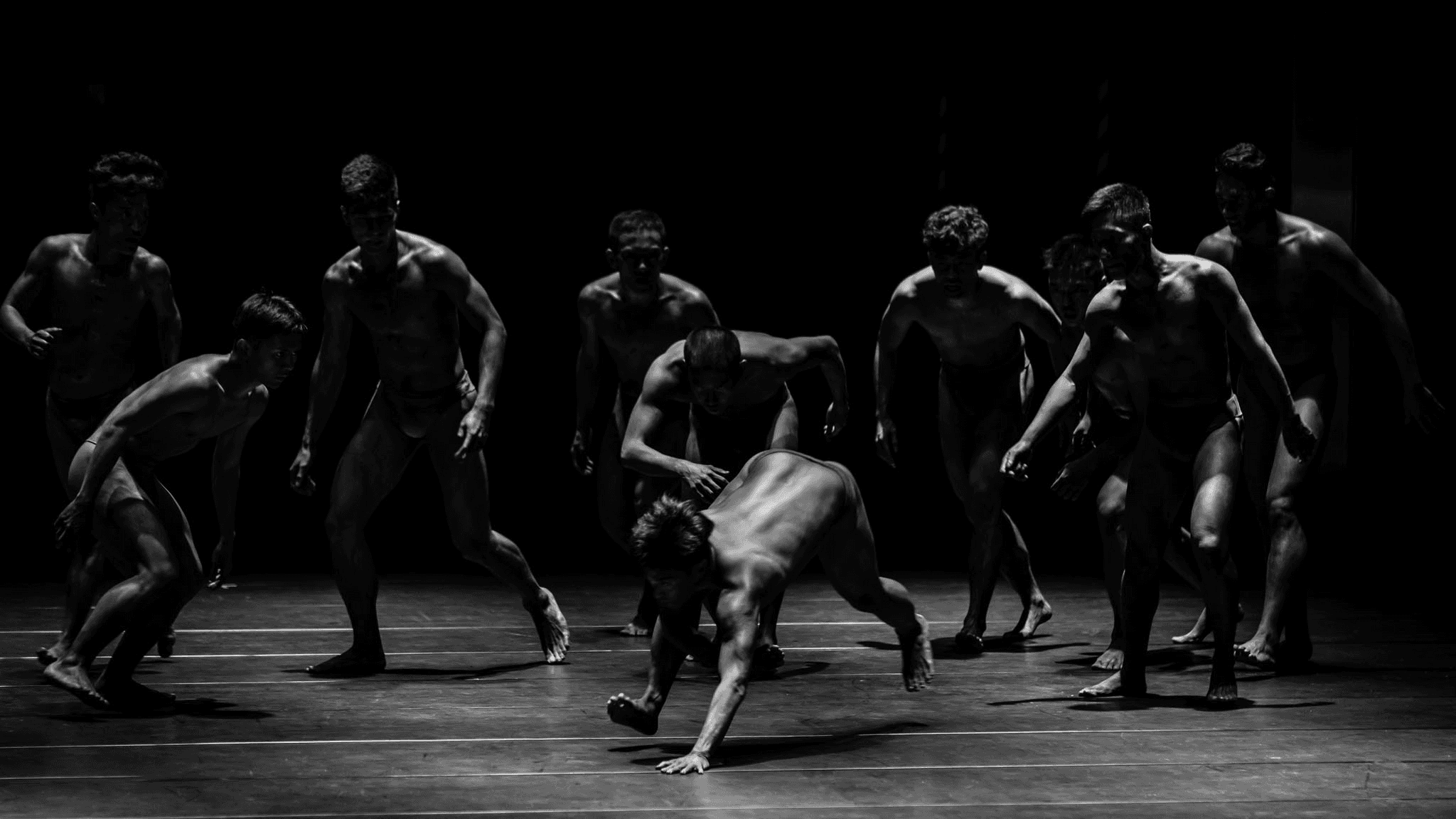
Bulareyaung Dance Company (BDC) was founded in 2015 in Taitung by Bulareyaung Pagarlava, an indigenous choreographer from Taiwan. Creation of dance pieces and dancer training are accomplished by working in the mountains and singing old chants by the waterside. Dancers develop unique body movements and vocabulary by delving into their indigenous heritage and culture through regular field trips.
Since its founding, BDC has presented several productions,including La Song (2015), Qaciljay (2016), Colors (2016), Stay That Way (2017), Luna (2018), #Yes or No (2019), Not Afraid of the Sun and Rain (2021), Rustling, Whirring (2022), tiaen tiamen Episode 1 (2023), and tiaen tiamen Episode 2 (2024). Stay That Way won the Taishin Performing Arts Award in 2018, and Luna further won the coveted Taishin Arts Award Annual Grand Prize in 2019. It is the first performing troupe to be awarded in two consecutive years.
BDC has been invited to various performances, and has also toured to Canada, Singapore, Japan, Malaysia, Australia, France, USA and Germany.
With thanks to Yongwei Liao, Executive Director of the Bulareyaung (BDC) Dance Company for facilitating this conversation