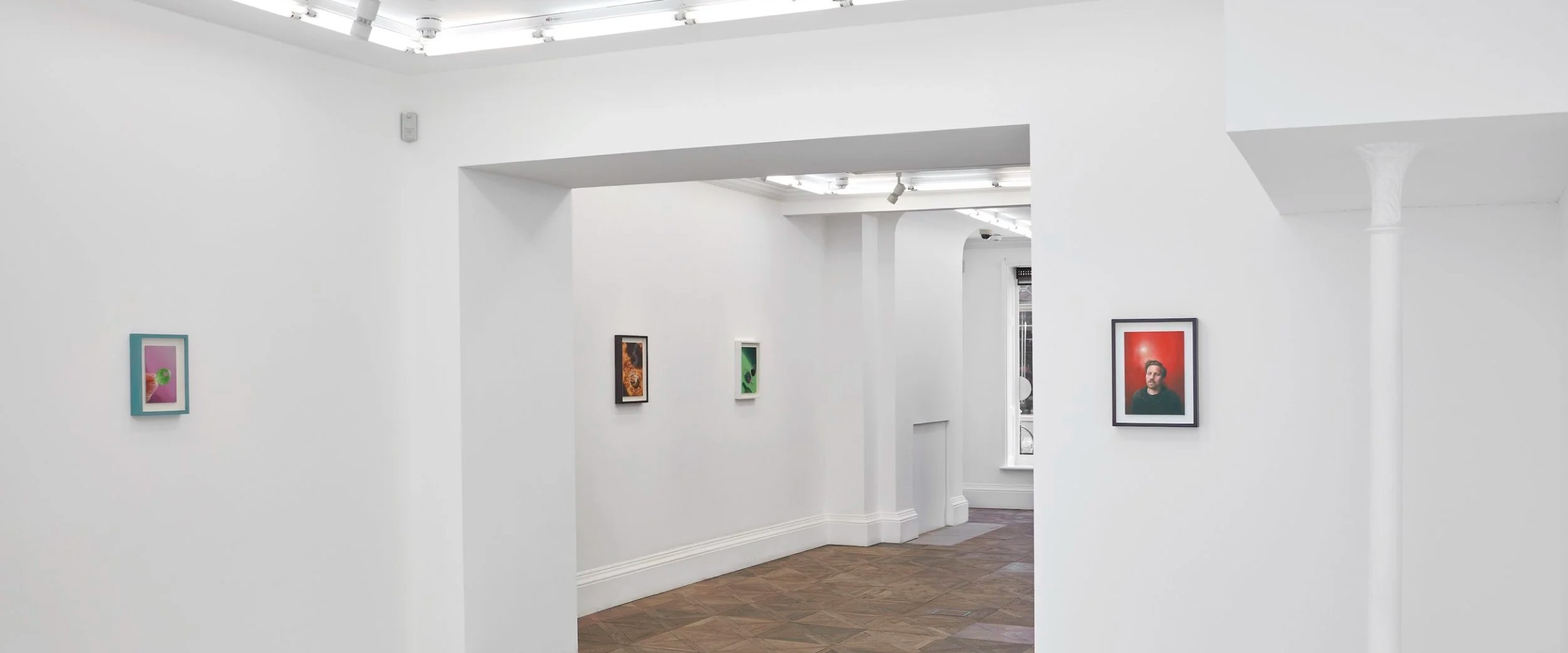
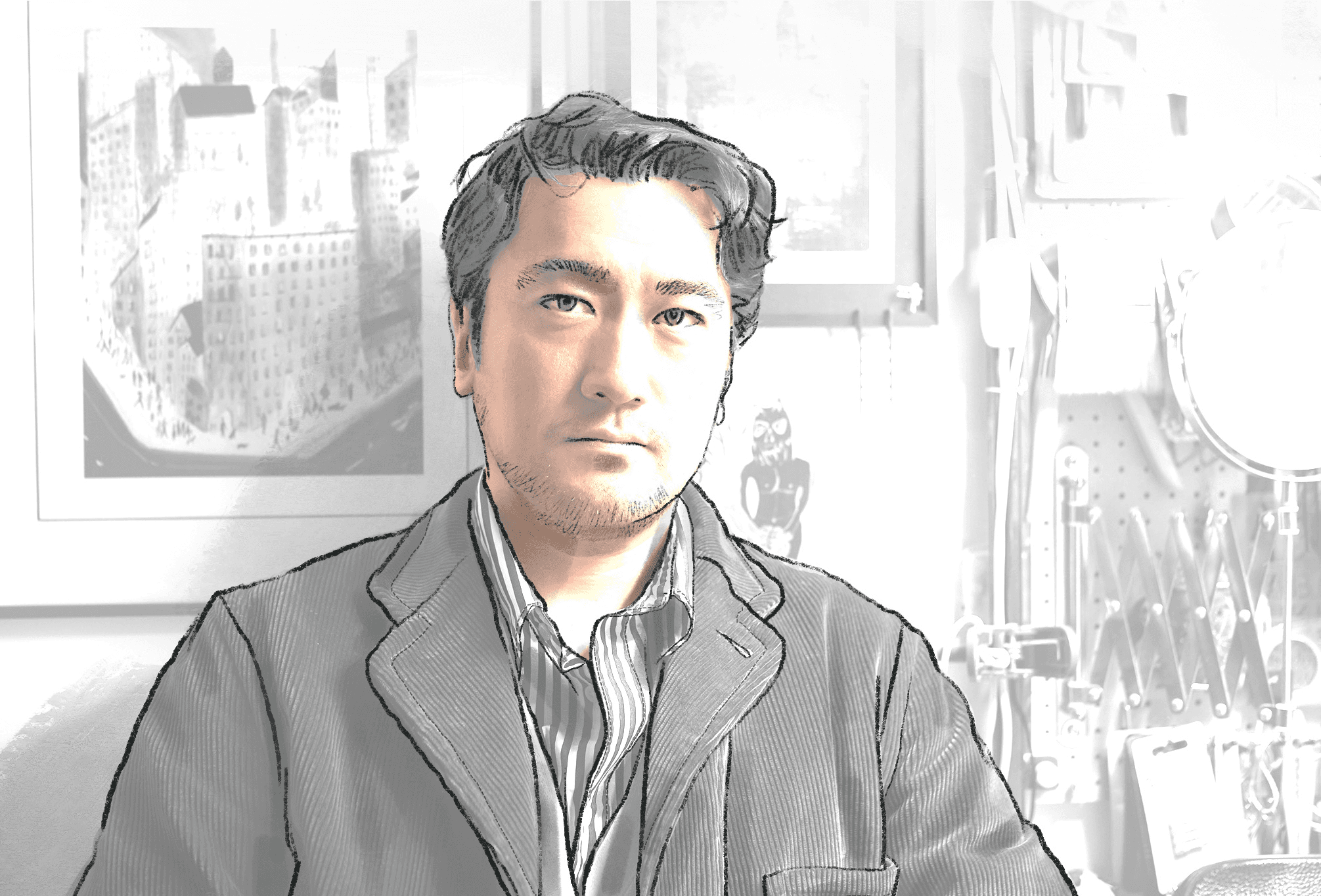
CNTRFLD. How do you navigate the balance between staying true to your artistic vision and adapting to the evolving trends and demands of the contemporary art scene?
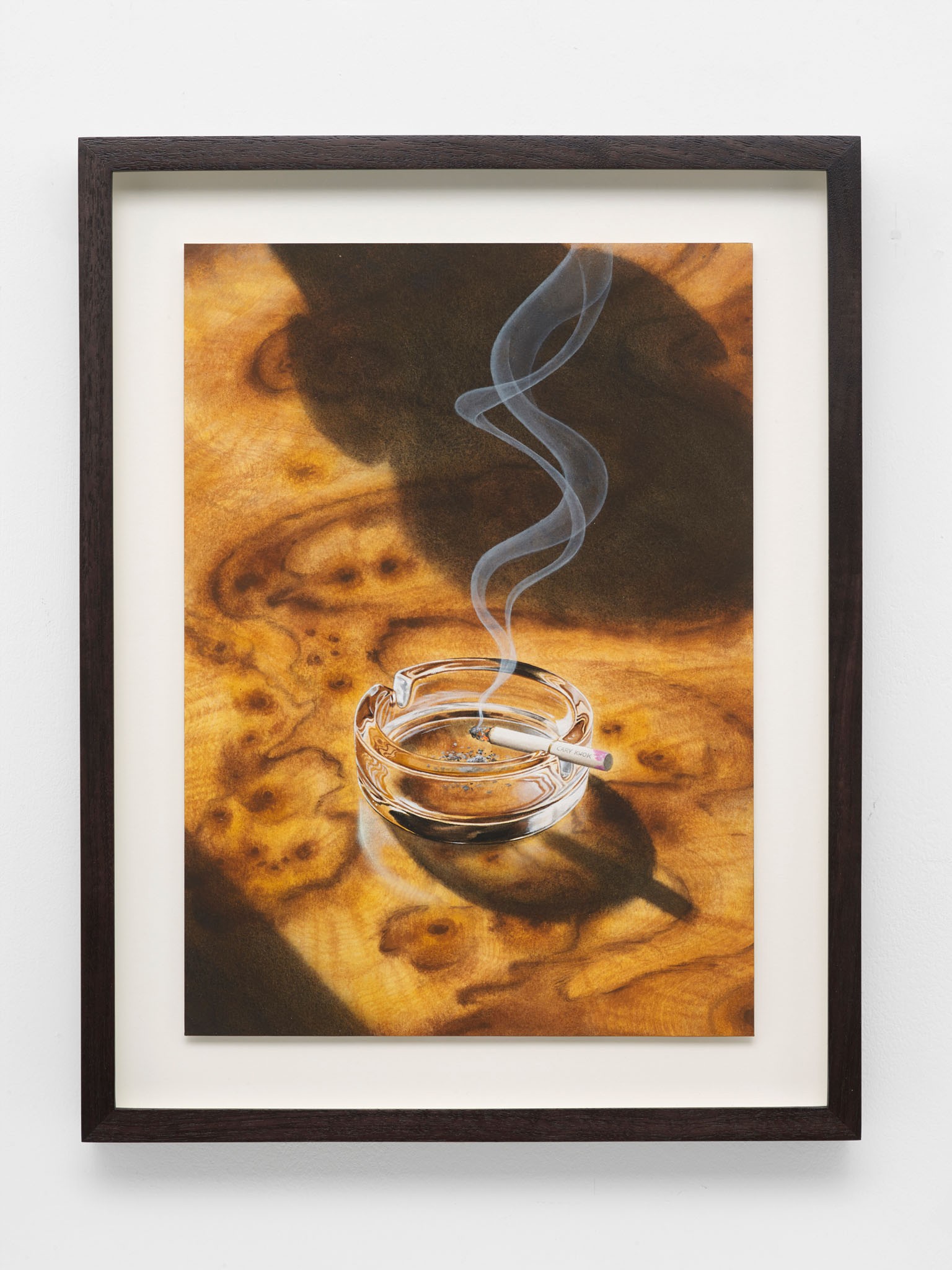
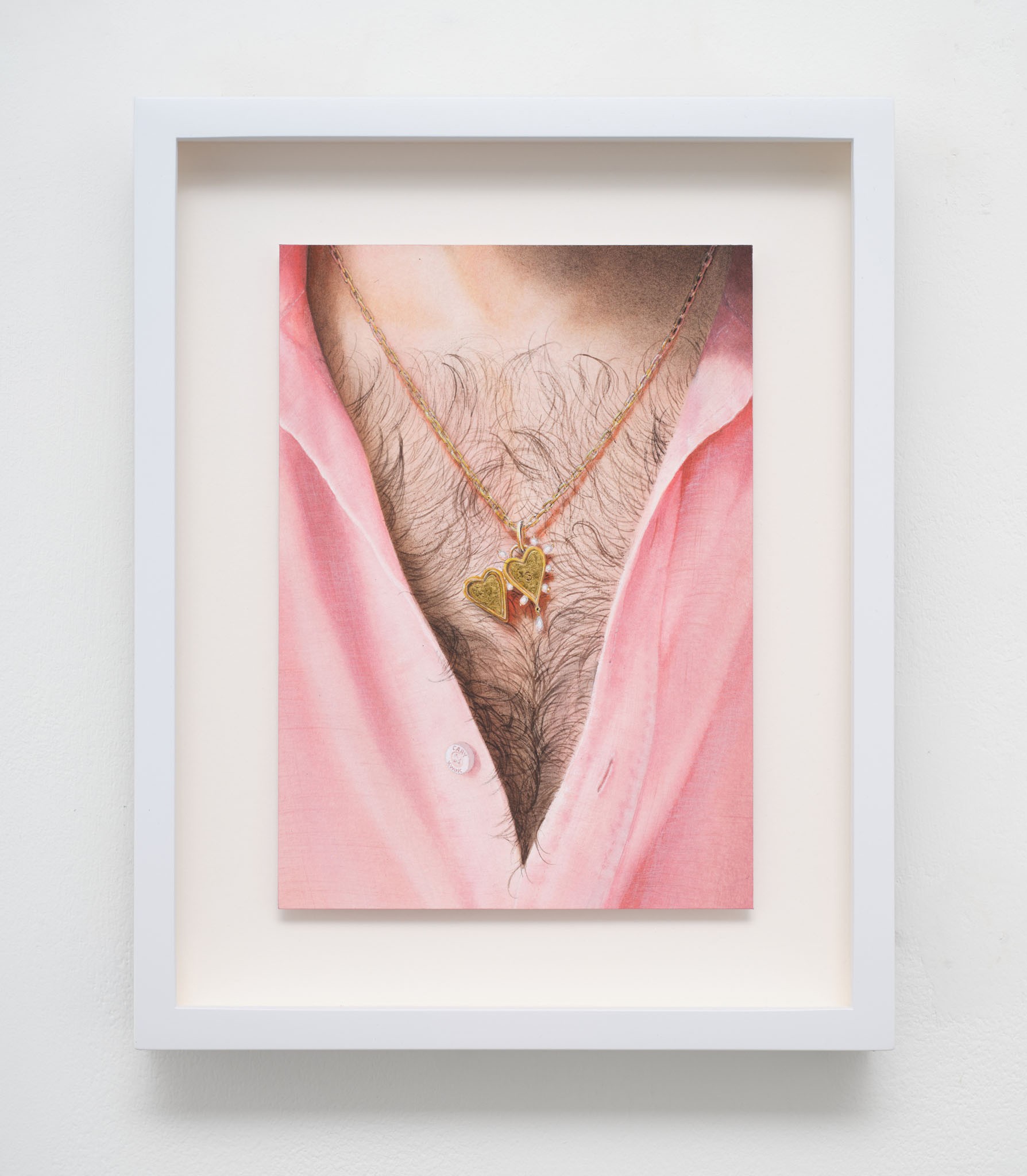
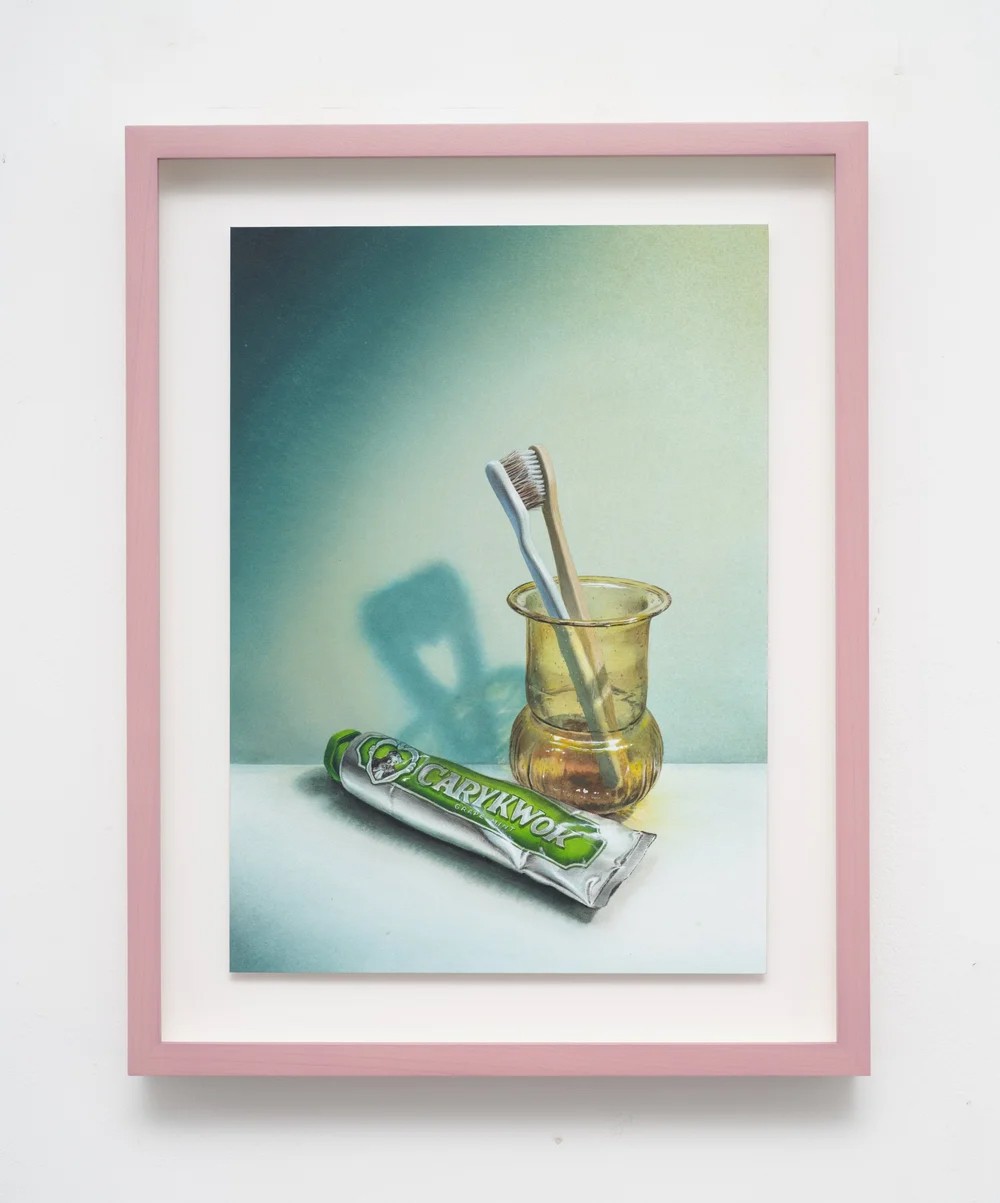
CK. I have never cared about trends. I have no idea what these trends are, perhaps because I’m too much in my own world to know what’s happening out there. It’s like with clothes. As much as I can appreciate what fashion designers send down the catwalks, I always wear what I think suits me. The latest things other people are wearing have no effect on how I like to dress. It’s the same with my art. Yet at the same time, I’m fascinated by past fashion and art trends, maybe up until about the late 1990s, and my work often references art / fashion / architectural movements of the past like Art Deco and Postmodernism.
CNTRFLD. Can you discuss any memorable or challenging experiences you've had in exhibiting your work? How do exhibitions contribute to the evolution of your artistic practice? How do you assess the audience's reaction to your work, and how does this feedback influence your future creations?
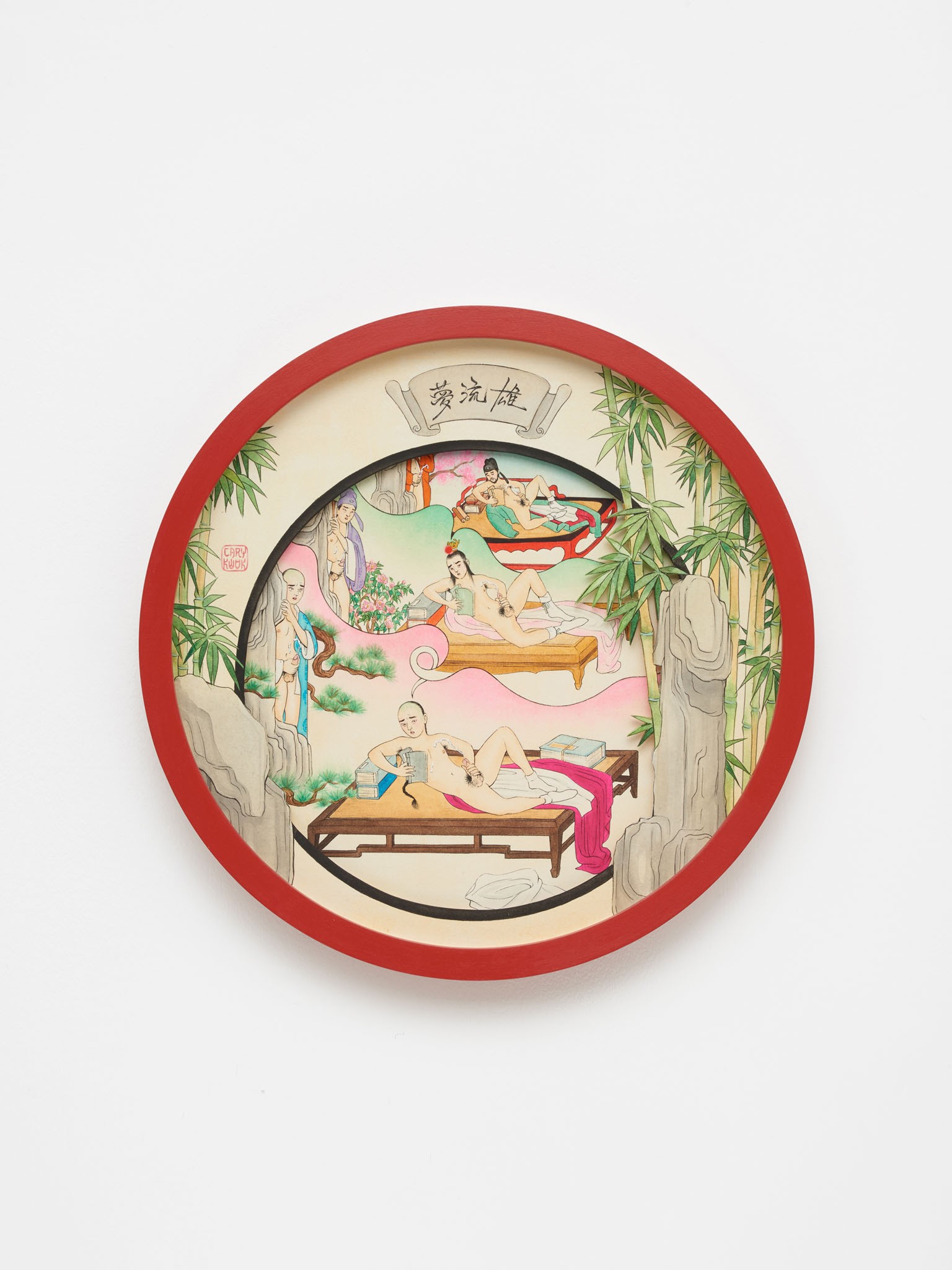
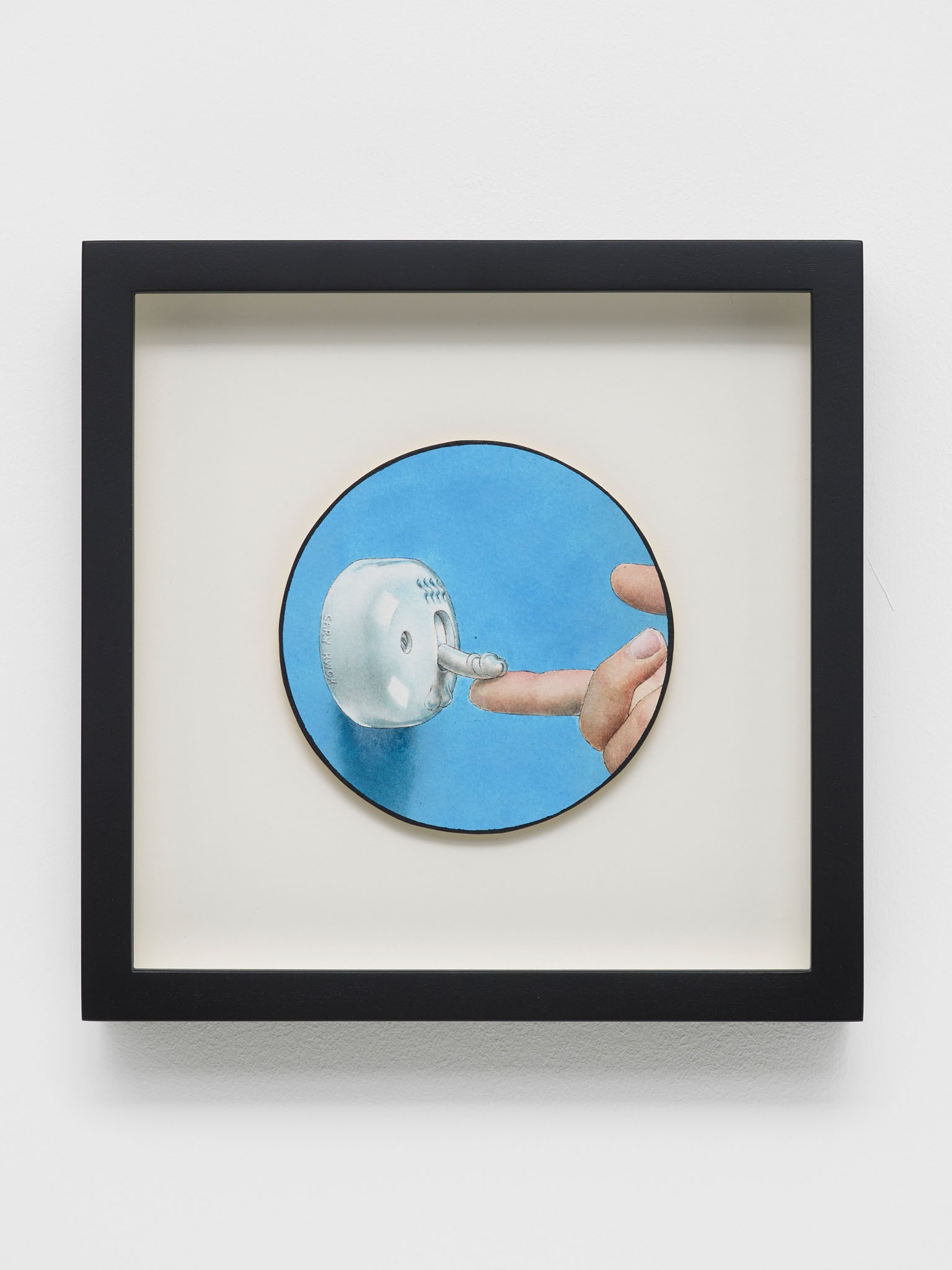
CK. I’d be lying if I said that the audience’s reaction doesn’t influence me in any way. I never set out to shock people with my previous more erotic work, as some people have suggested. I make art that amuses me or is personal to me, and that hopefully also evokes an emotional response from my audience. When I show my humorous erotic stuff, I love it when the viewer gets my humour and laughs.
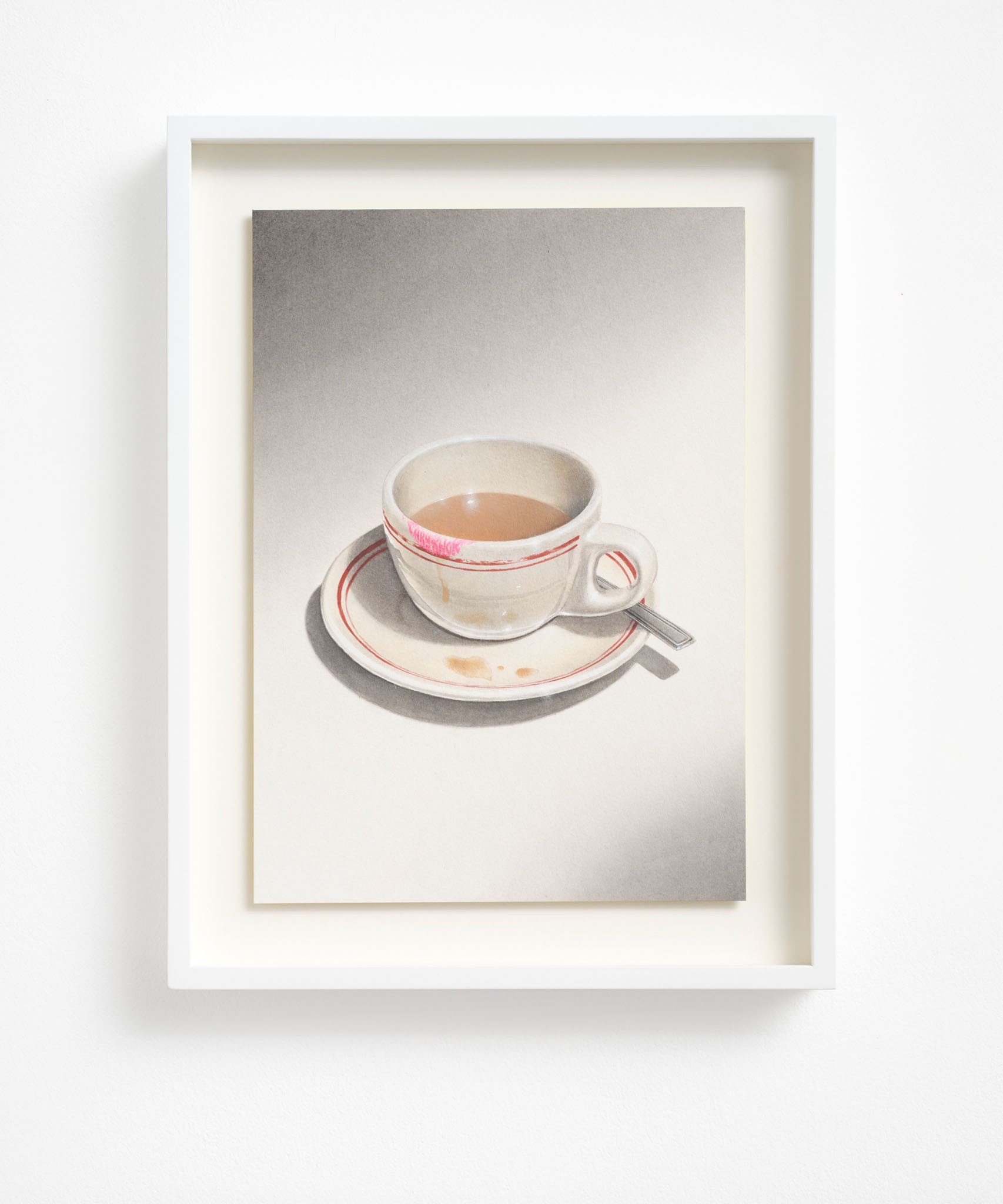
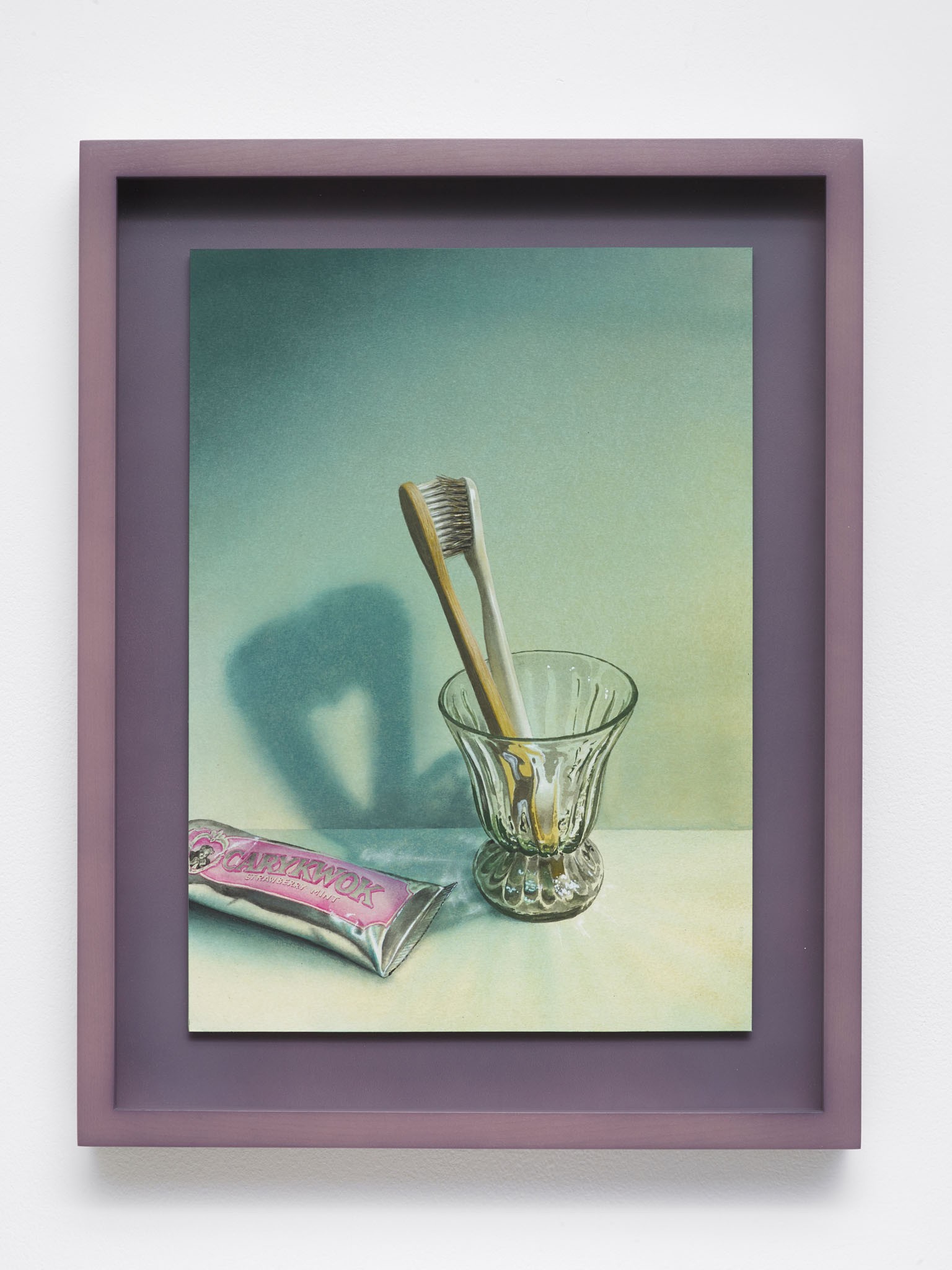
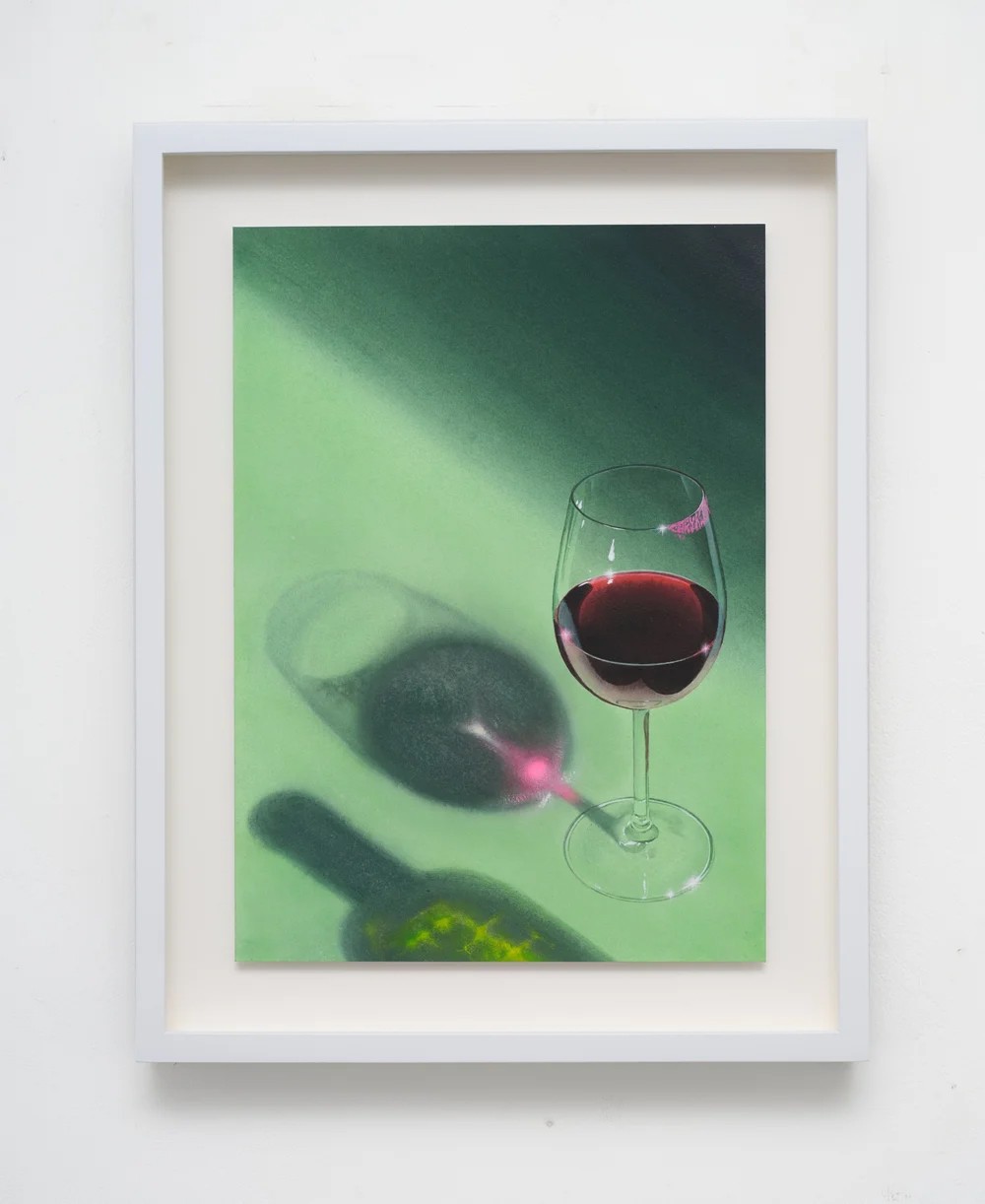
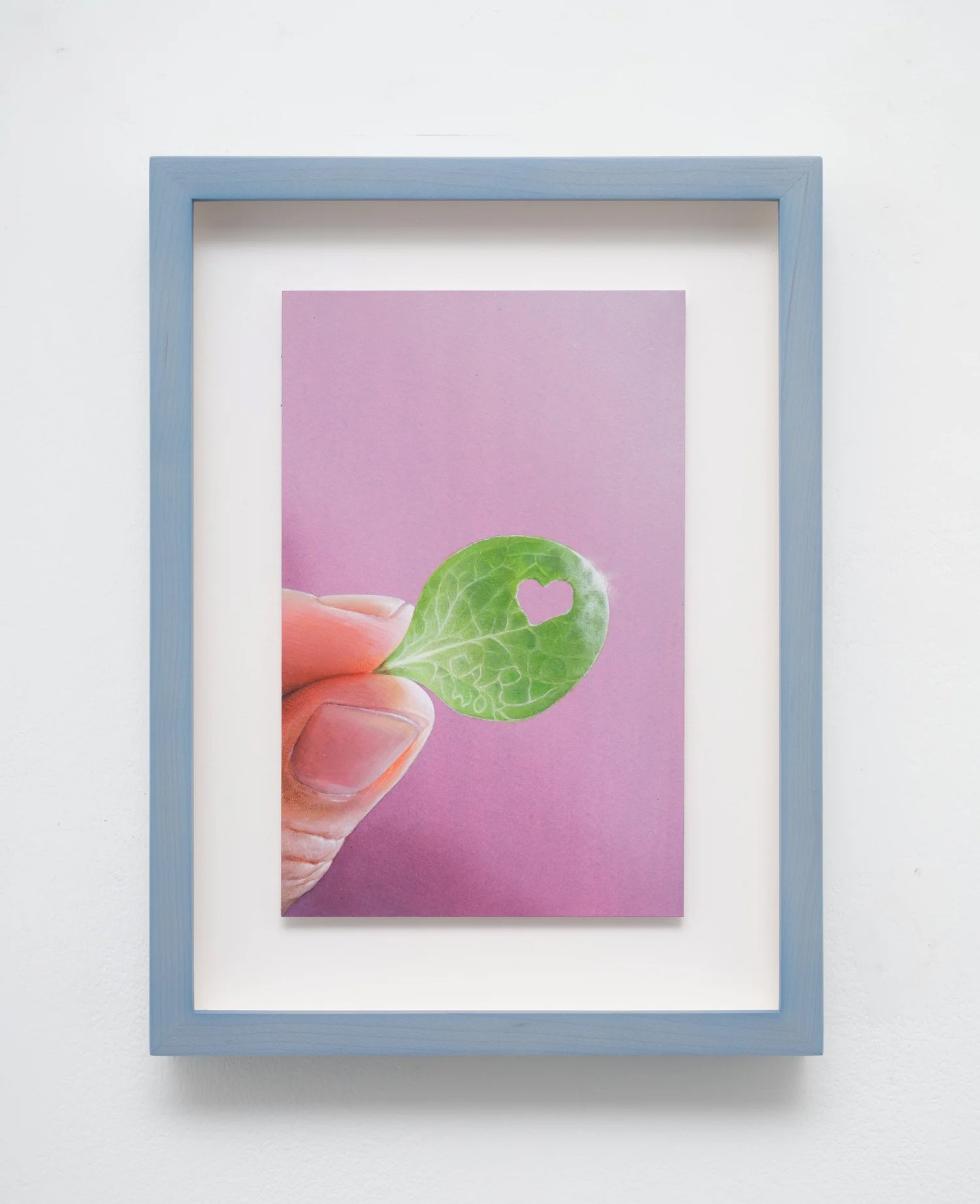
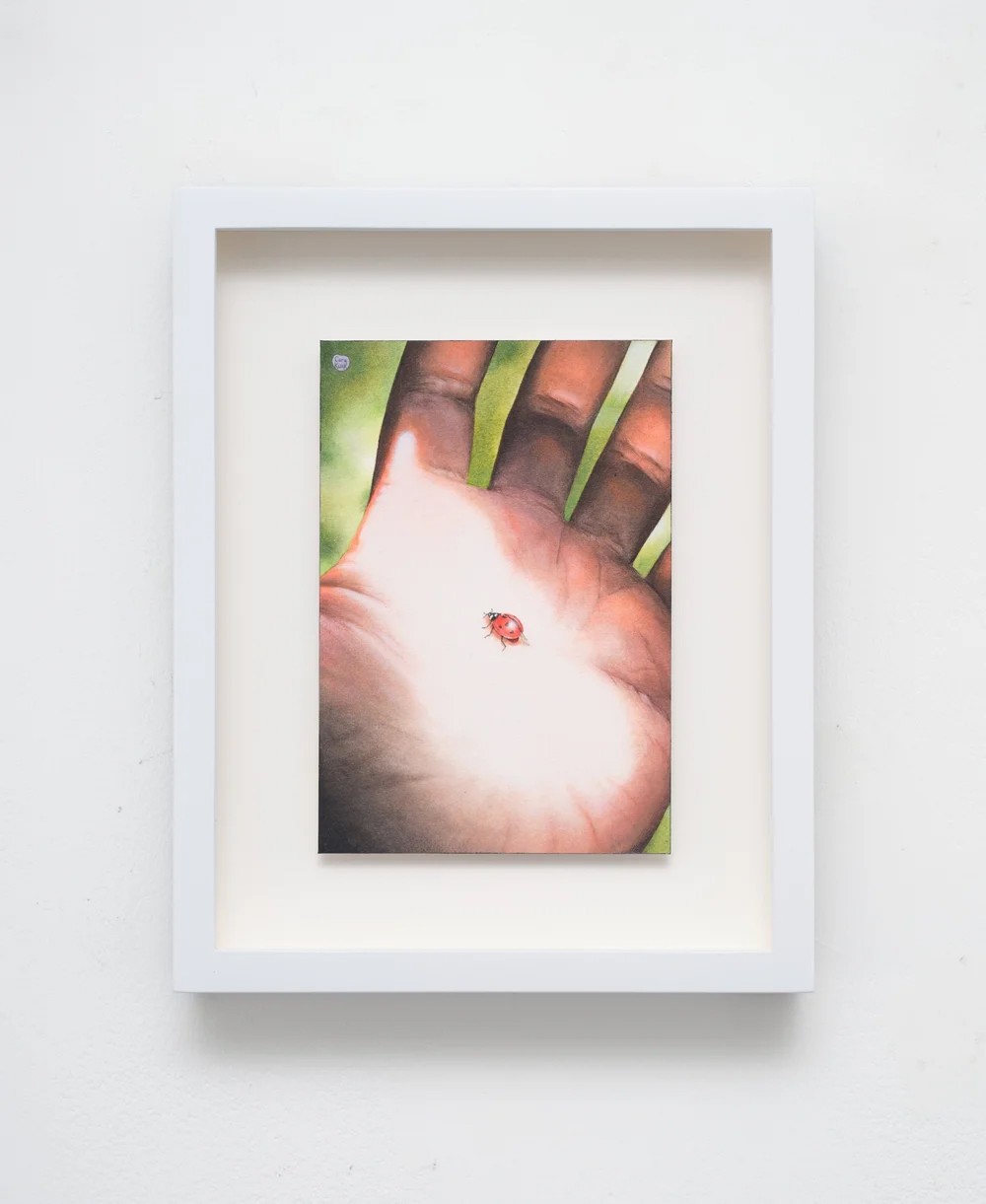
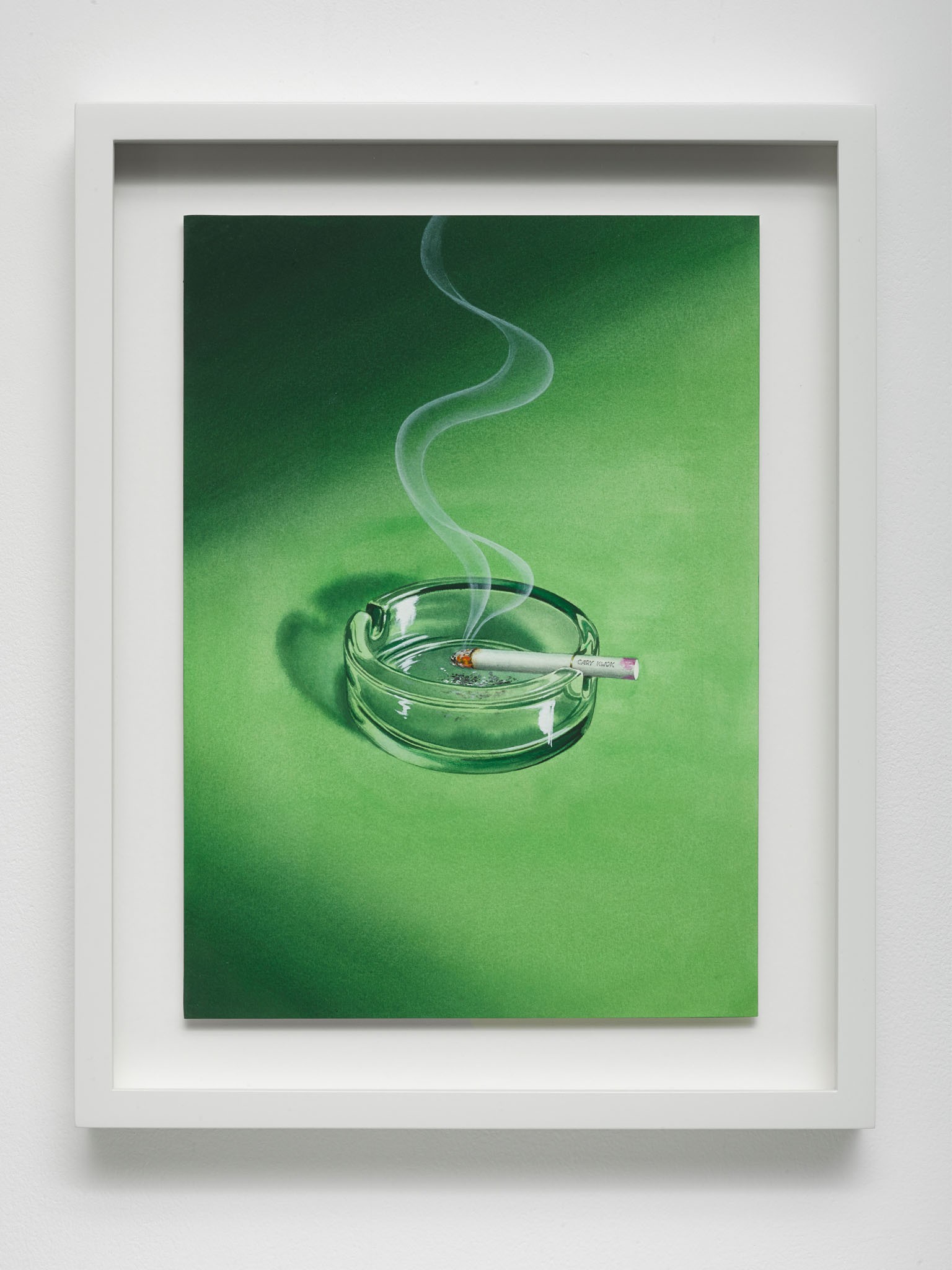
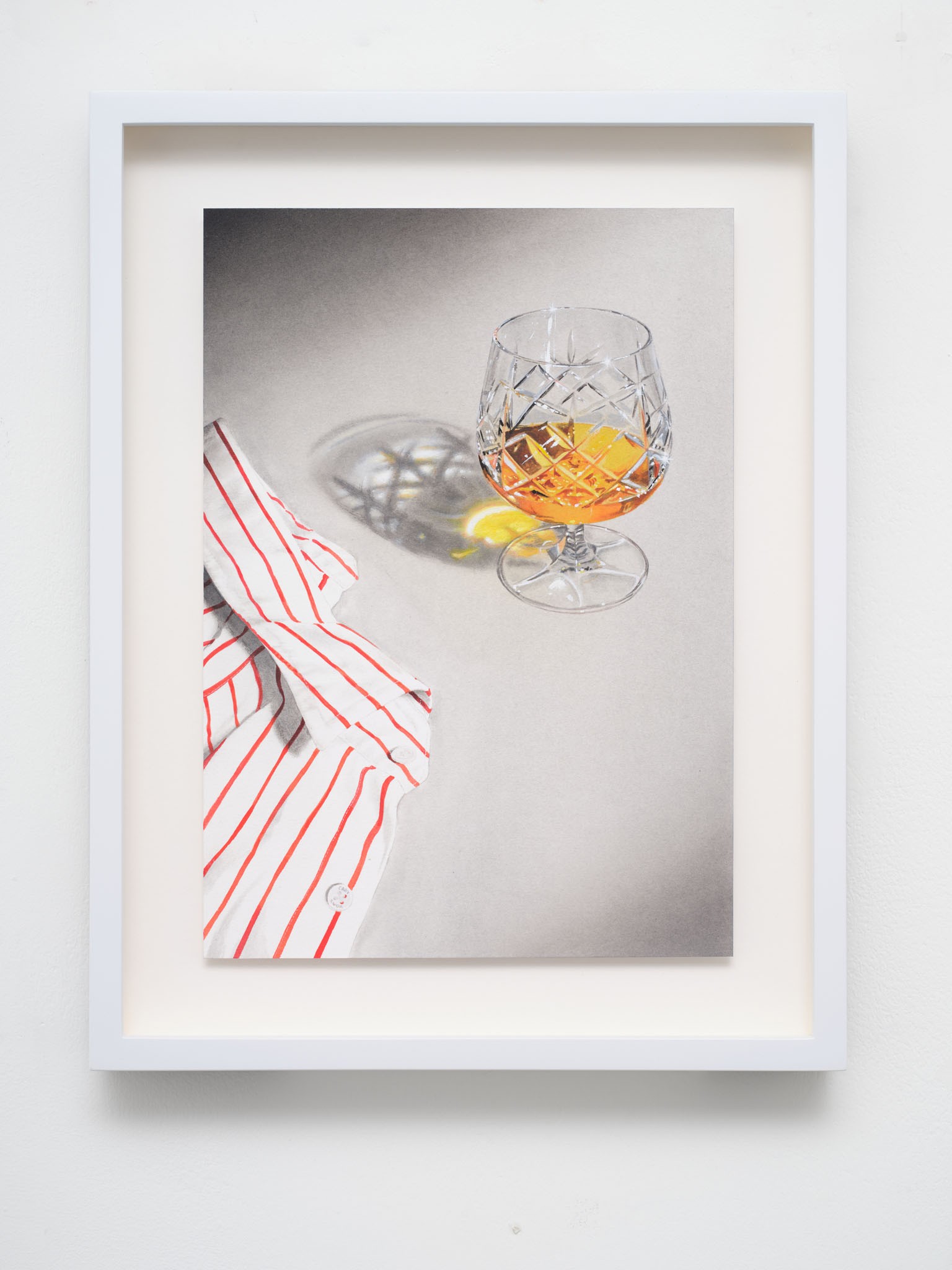
My recent work is more sentimental. It’s still very nostalgic and erotic, but not in an explicit manner. I’d like to be able to transport the viewers into that world, to those scenes. Our empathy allows us to extract emotions from our experiences when we see something that moves us. I’ve always been an emotional person. I love my comedy, I joke about and say silly things with friends, yet I’m very sentimental. Lately, I’m tapping into my romantic side. Perhaps I want to take you back to that moment when you said goodbye to someone you’re in love with after the first time you were intimate together, or a little thing you do with the person you love, or that night you sat by yourself with a drink reminiscing, or the moment you thought you saw a sign that the universe was trying to send you a message. Is it indulgent?
CNTRFLD. Collaboration is increasingly common in the art world. Have you collaborated with other artists or professionals from different fields, and how has that impacted your creative process?
CK. As an artist, I have collaborated with department stores and other artists before. The Hong Kong department store Lane Crawford invited me to design a display for their new Beijing branch some years ago. I’m extremely grateful to have had the experience and very honoured that I had the opportunity to work with such an amazing store. I also designed some gift cards for them, which was great fun.
I also paired up a few years ago with a fellow artist, Djordje Ozbolt, to create a couple of drawings for Soho House. I think the drawings are now in Soho House Rome. We spent a few days painting and drinking in his studio. It’s always great fun hanging out with Djordje and he’s an amazing artist. I love his work. I think when you collaborate with someone as an artist, you each need to maintain your individual vision without clashing too much, but sometimes a clash can also be beautiful.
CNTRFLD. Share with us details about your childhood and discuss how these early experiences influenced your artistic journey. Additionally, could you delve into your early experiences with art and how they shaped your decision to become an artist?
CK. I was quite an introvert as a child. I often kept to myself because I felt misunderstood by people around me, especially growing up in Hong Kong. I always felt different, and I never developed an outgoing personality in the culture I grew up in. Also, I didn’t develop the communication skills to express myself as well as some of my peers, so I bottled my thoughts up a lot. I felt that the way I could best express myself was through drawing. My school books were covered in my cartoons and I used to love giving celebrities in magazines funny makeovers. That was my entertainment, and it was a lot of fun. I’m an only child so I learned to amuse myself. When my aunts used to babysit me, they would just give me a pen and paper. I'd sit there and draw for hours as they played mahjong. Maybe that helped me develop my drawing skills.
My mother once said something quite profound to me as a child that helped me a great deal. I was drawing something, I don’t remember what it was, and I included all the things I saw in front of me. She looked at it and asked what this object I had put in the foreground was, and I said it was the back of a chair. She responded, ‘It’s not a photograph. You can decide what to put in or what to take out. Just because something is in front of you, it doesn’t mean you have to include it.’ That, to me as a kid, was a significant turning point. I learned the magic of editing at that moment. Creativity has no bounds. You create your narratives in your storytelling.
CNTRFLD. You pursued both a fashion BA and MA in London. After studying fashion, what motivated your transition to visual arts, and how has this shift impacted your life and work?
CK. I always thought I’d become a fashion designer. I have a love for clothes and styles. And these things that are made of fabric can transform people. It’s magical! But I’ve never really cared too much about the glamour side of fashion. I realised I wasn’t really cut out for the fashion world – I guess I just didn’t have the personality for it.
I’ve always loved to paint and draw, but I became an artist by accident. A friend introduced me to my incredibly handsome gallerist Nicky and suggested he should check out my work. I actually knew Nicky from going out. He was just starting out as a gallerist with Millers Terrace, before Herald St moved to Herald Street. I think he liked my stuff, and that’s how our professional relationship began.
CNTRFLD. Why have you chosen London as your base for living and working? How does the city inspire your work, and what are the differences in living as an artist in London compared to Hong Kong, where you grew up?
Ck. I grew up in Hong Kong when it was a British colony. English was taught at school and British pop culture was very accessible. It wasn’t popular among local kids, but it was there if you looked. I used to read British magazines like Smash Hits, and later i-D and the Face. To me, studying fashion in London was an aspiration. I loved the creativity, youthfulness, and rebelliousness of London fashion back in those days. I also loved period fashion. I watched a lot of English period dramas as a teenager. All those elements kind of formed my impression of England and my longing for London before I moved here, but I had an idea of what London was like. As I said, British things were very accessible. I found a book on the fashion of the Swinging 60s in an old bookshop, and that just blew my mind. I wanted to see it for myself.
I decided I would come to London to study fashion, and I got myself into Central St Martins. London was exactly how I imagined it. I would say individuality back in 90s London was more celebrated. People respected and encouraged creativity. Things could feel a little amateurish at times, but that was the beauty of it, and that quality also nurtures creative minds. I fell in love with the culture and its people. It was not always rosy of course, especially as a naive teenager in a foreign land, but I met many amazing and kind people who became great friends and helped me along the way. It made living here a great deal more inspiring.
CNTRFLD. What advice would you offer to individuals contemplating a shift towards pursuing their artistic passions?
CK. Make the kind of art that you love to make. It’s great that we find inspiration from other artists, but try not to imitate or let yourself be overly influenced by others. We should have our own styles that are unique to us. Stay true to yourself, develop and grow from what you’re good at. Experiment and let yourself grow into a better version of yourself. As much as we sometimes have shared interests and beliefs, everyone is different. We are all individuals. In order to develop your own unique vision, you need to be true to what you know and to allow that to grow. You might make a lot of mistakes along the way, but you’ll come to a much better knowledge of your own craft and become the expert at it. Don’t oppress your individuality with trends or conformity just to please others. If you ‘non-ironically’ copy a style, then you’re simply copying without saying something different through the act of copying. Am I being corny?