CNTRFLD. You’ve lived and worked across different contexts—from Hualien to Taipei, and through residencies in Europe. Has there been any sense of diasporic experience or displacement that has shaped how you think about belonging, identity, or “home” in your work?
CH. Through residencies, I’ve spent periods living in Paris and Berlin. In Taiwan, I work mostly in my studio in Hualien, but I also teach in Taipei, so I travel back and forth every week. Movement has become part of my daily life.
This has gradually shaped how I think about identity and belonging. I don’t tend to fix myself to a single place. Instead, I focus more on how to establish a state of being within different environments.
A sense of belonging doesn’t necessarily come from a fixed location—it feels more like a method of working. It might be about finding ways to relate to unfamiliar surroundings or establishing rhythms that allow me to feel grounded. These patterns are, for me, more important than place itself.
CNTRFLD. Spiritual and philosophical ideas—particularly Taoist notions of balance, duality, and “Chi”—appear subtly embedded in your approach. How consciously do these frameworks guide your process today?
CH. I don’t consciously incorporate Taoist ideas into my work, but during the process I naturally become interested in the relationships between time, space, material, and form. These elements tend to emerge gradually—almost like unexpected by-products of making.
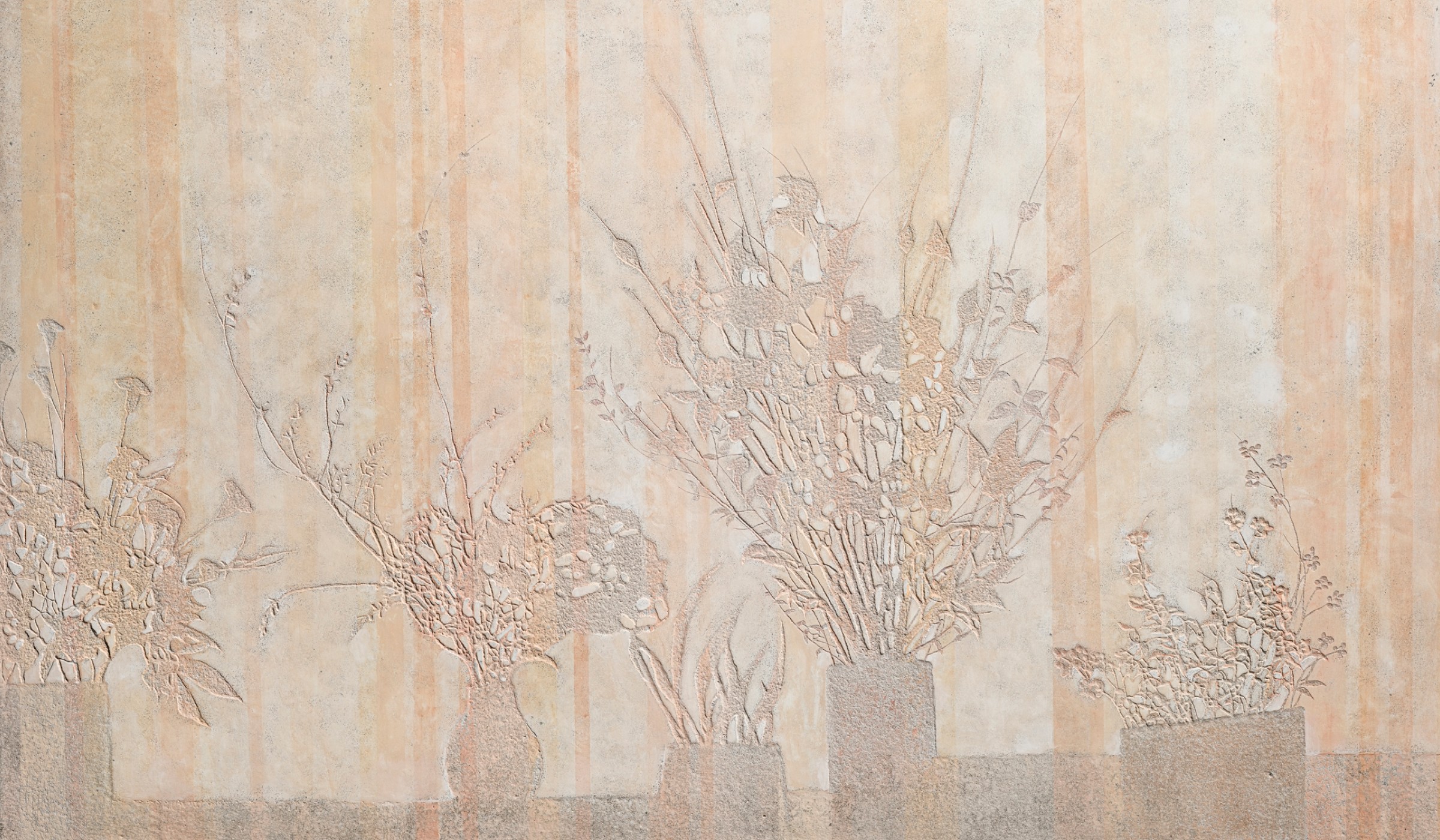
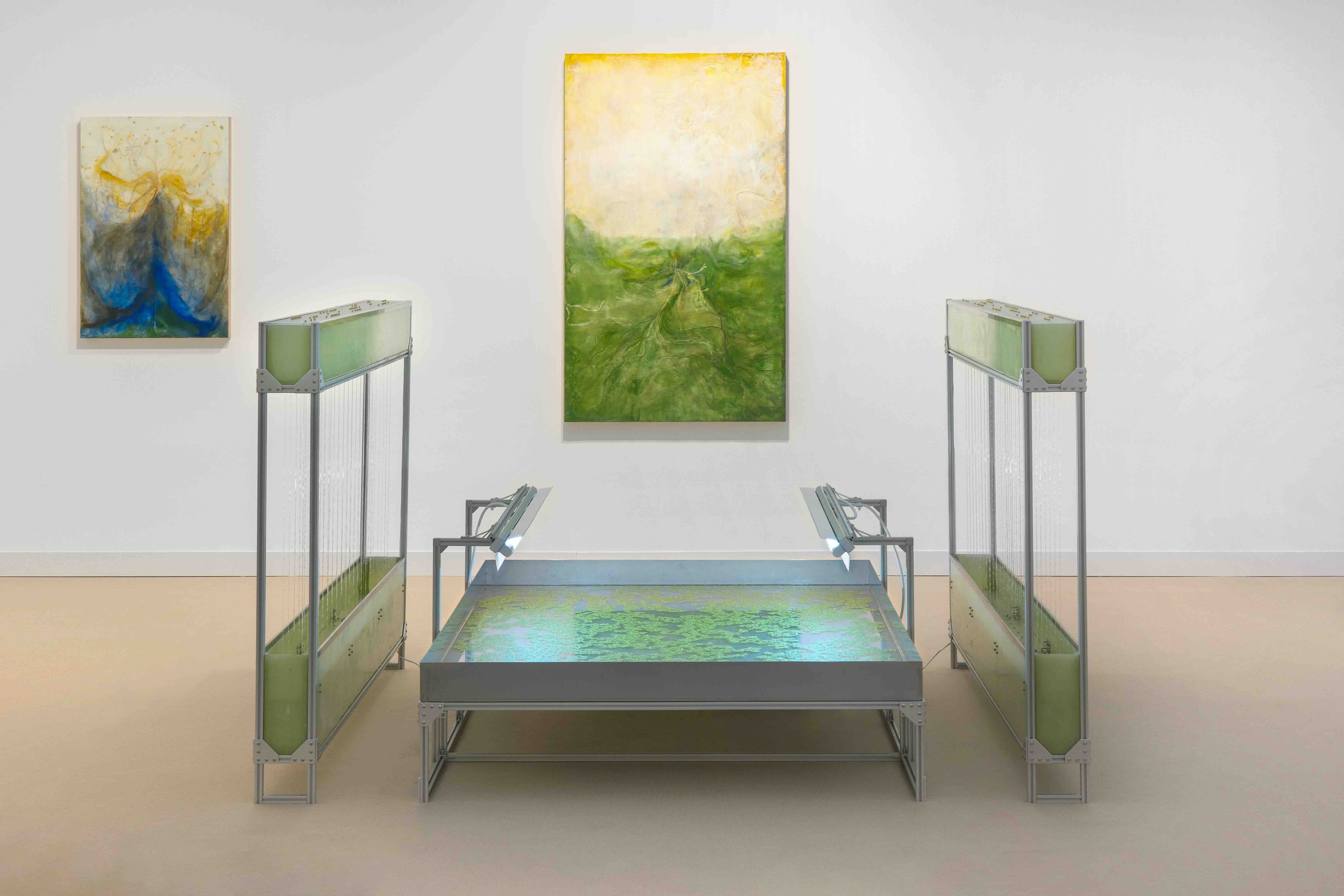
Sometimes I use “wall cancer” (damp and mould) as a metaphor for my work, particularly in the Daylighting series. During the process, I imagine moisture, light, dust, and plant shadows within a space, and how these conditions interact. There’s a sense of desolation and emptiness, as though the work is slowly growing out of these conditions.
CNTRFLD. Support systems in the arts can vary greatly depending on geography. From your experience across Taiwan and international contexts, what kinds of support—formal or informal—have been most crucial to sustaining your practice?
CH. For me, the most important form of support is interpersonal—along with having a relatively flexible working space. Because I work with sculpture, space itself is crucial. Long-term relationships with collaborators, teams, and galleries are also essential, as they are built gradually through trust.
These relationships allow the work to continue moving forward, even amid uncertainty—especially for large-scale or site-specific projects, which rely heavily on mutual understanding.
In international contexts, institutional support becomes more significant. Residencies, foundation funding, and organisational resources can provide the conditions needed to focus more fully on making and experimentation, particularly when working on larger projects.
CNTRFLD. You’ve chosen to remain based in Hualien, rather than a larger art centre. What keeps you rooted there, and how does that decision shape both your daily life and your artistic thinking?
CH. My decision to live and work in Hualien is partly practical. Sculpture requires a large amount of space, and studio rent there is much more affordable than in Taipei, which allows me greater freedom to realise large-scale works.
But just as importantly, I prefer a quieter environment. My studio is surrounded by farmland, and it’s about a ten-minute drive to either the sea or the mountains. Compared to Taipei or other major art cities, I find I need this distance—from both urban life and human activity—and a closer relationship with nature and non-human elements.
This environment shapes my working rhythm. It’s slower, more focused, and allows me to pay attention to subtle changes within the work itself.
CNTRFLD. For emerging artists navigating uncertainty—whether personal, environmental, or structural—what advice would you offer about building a practice that can endure and evolve over time?
CH. I don’t think there’s a fixed method or a standard path that can be applied to artistic practice—everyone’s situation is different. For me, it helps to begin with what feels important in the present, and to do that well. It doesn’t have to be something major, and it doesn’t have to be directly related to art. Over time, these things accumulate and gradually form a way of working that belongs to you.
I also think it’s important to establish your own sense of rhythm and regularity—simple habits, or ways of working. When there is a lot of uncertainty externally, these rhythms can provide stability and allow you to continue over the long term.
Original Interview (Chinese / 中文原文)
The following section presents Chiu Chen-Hung’s original interview responses in Chinese, as provided by the artist.
The English version above has been translated and lightly edited for clarity and readability, while aiming to retain the tone and nuance of the artist’s voice.
1.
你在 TKG+ 的最新個展《Softness Remains》圍繞記憶、斷裂與修復。創作這組作品時,你當下的情感或心理狀態是什麼?
這個展覽其實是從 2024 年花蓮那場 7.4 的地震開始的。那次的經驗跟以往很不一樣,震後有長達半年的餘震,一直在搖,也慢慢改變了我的日常生活。那段時間其實蠻混亂的。朋友的家不見了,我平常照顧的流浪貓都躲起來,變得更難找到,原本熟悉的山壁消失,每天去工作的路上都是碎石,那是一種很不真實,像在夢裡的感覺。那段時間晚上也常常做夢,身體一直記得那種持續晃動的感覺。
那段時間更像是被那個狀態包住,完全不會想到創作。等到一切慢慢恢復之後,我才開始回頭去理解那段經驗。那種像夢一樣的壓迫感,還有在破壞之中同時出現的一點生機與期待,慢慢被我整理成這次的作品。
2.
你經常使用來自地震現場的材料,這些物件本身就帶有歷史。你如何判斷一個材料「準備好」被轉化為作品?是否也有你選擇不去觸碰的時候?
在我的創作中,材料都是經過選擇的,但其實有更多材料最後沒有被使用。那些往往帶著很強的私人情感或創傷,轉化它們需要時間,也需要一種慢慢靠近、甚至帶有換位思考的過程。有時候這些過程會讓我很痛苦、很糾結、甚至會害怕面對這些東西。對我來說,一個材料是否「準備好」,不像是由我決定的,而是我與該如何拿捏一些尺度與距離,才能開始和它一起工作,進入到創作的狀態中。
但也有些材料我會選擇不去觸碰,我認為很多東西不一定需要成為藝術作品,也許保留在記憶裡,或是隨著時間消失,都是一種很好的方式。某種程度上,我覺得這也和材料先存在,意義是在過程中慢慢長出來的,它不急著被定義。
3.
你在花蓮成長,既有自然的美,也伴隨地震與颱風的不穩定。這些早期的感官經驗,如何影響你現在對材料、時間與變化的感知?
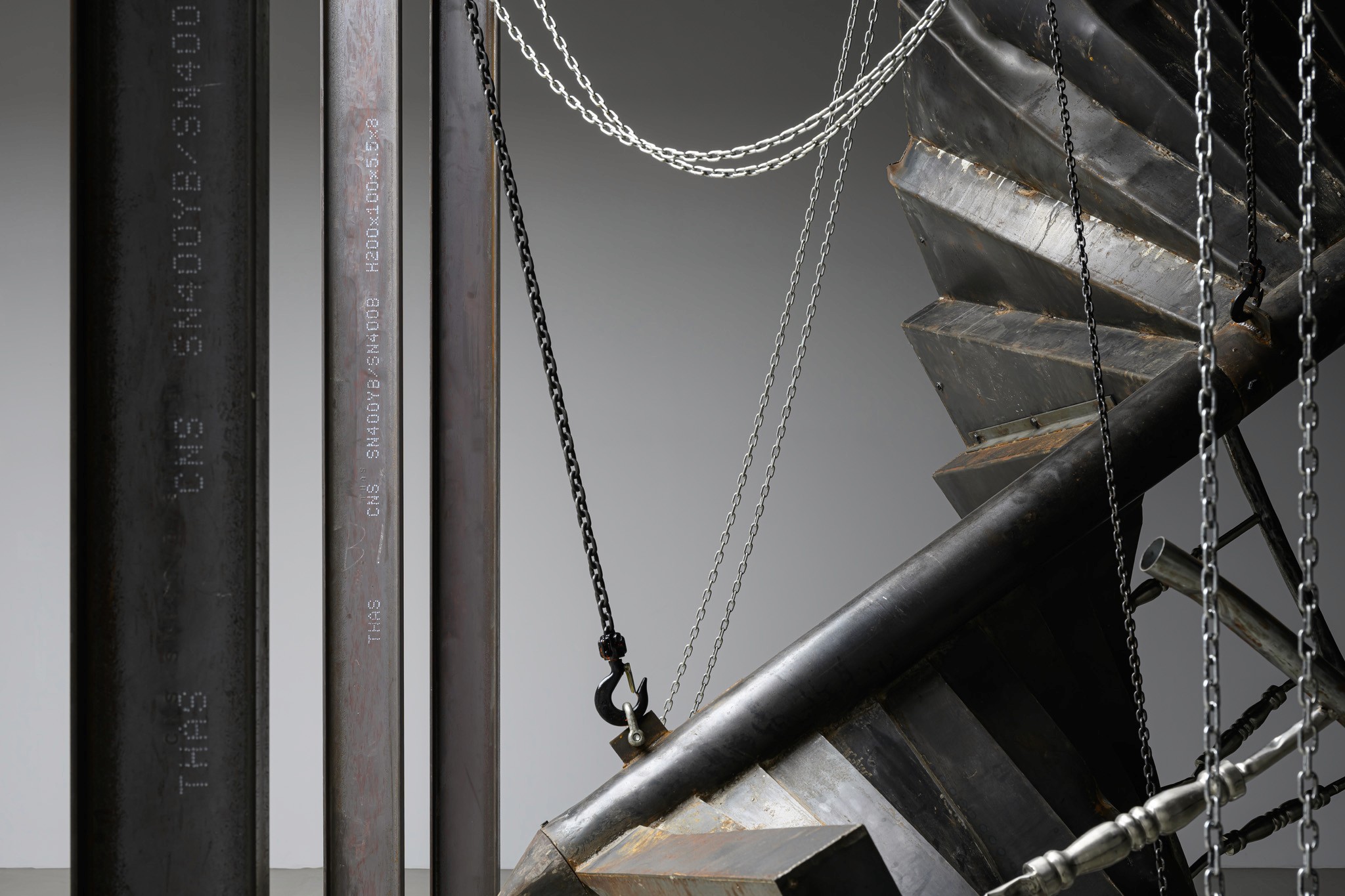
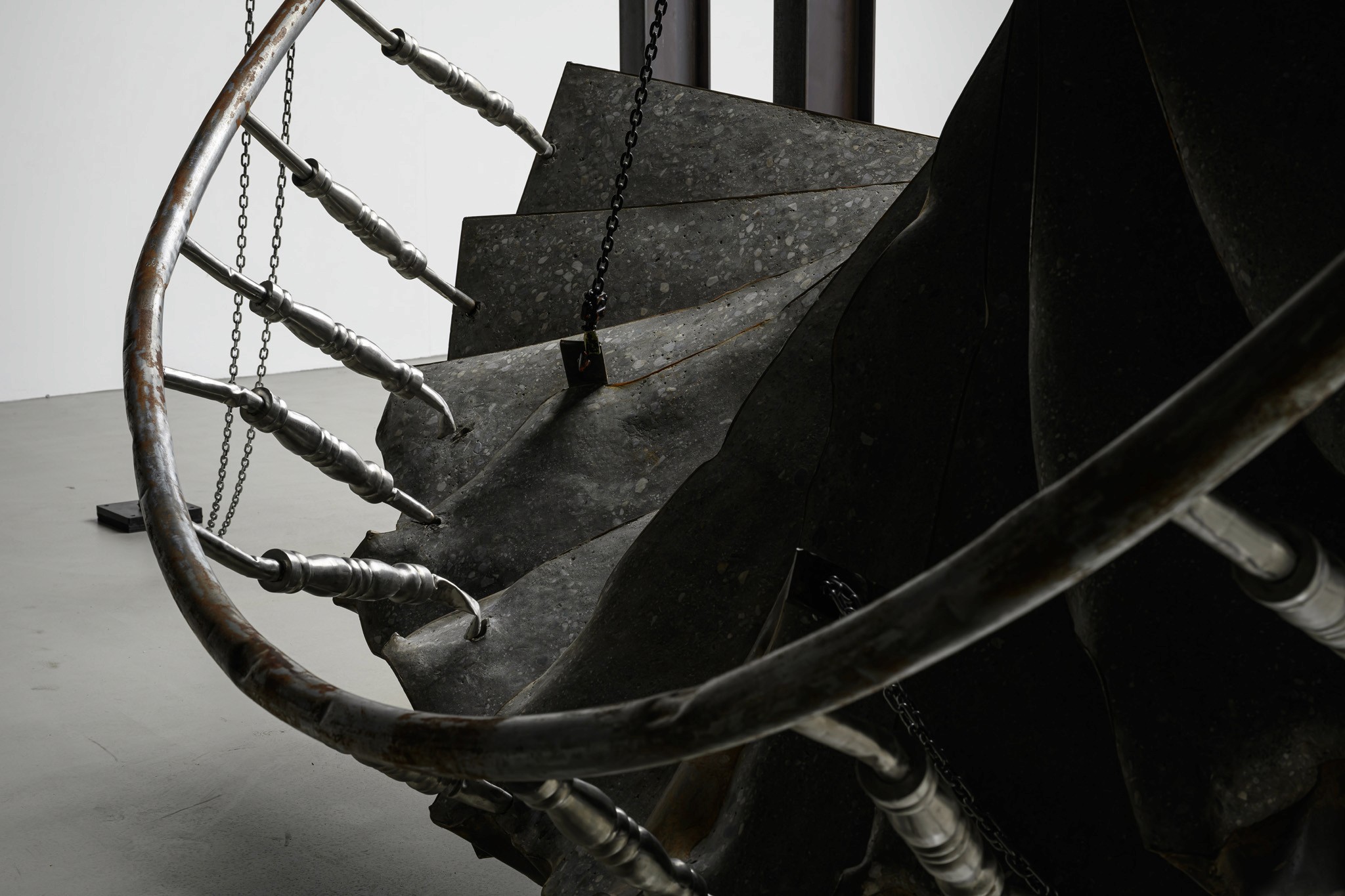
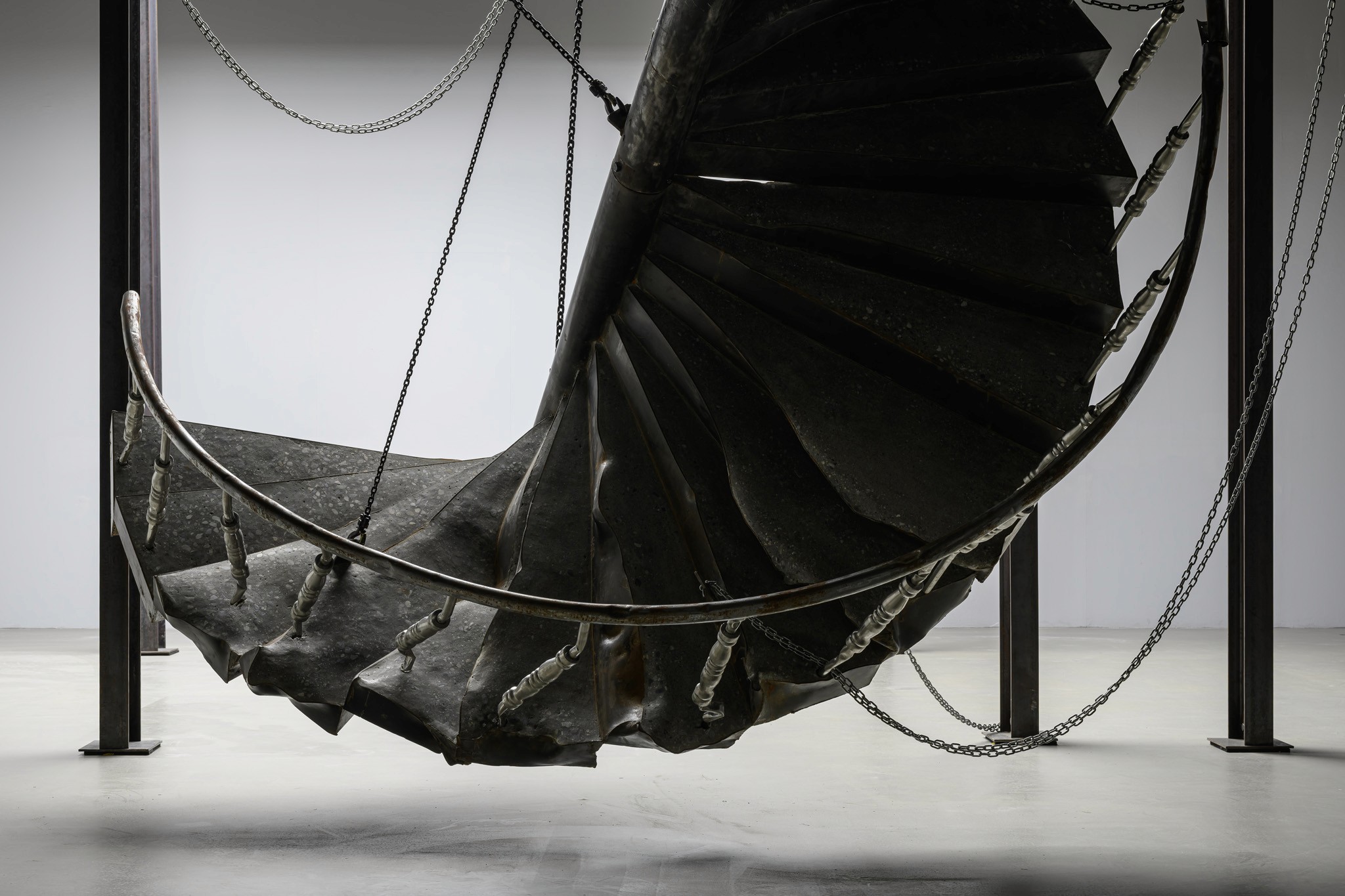
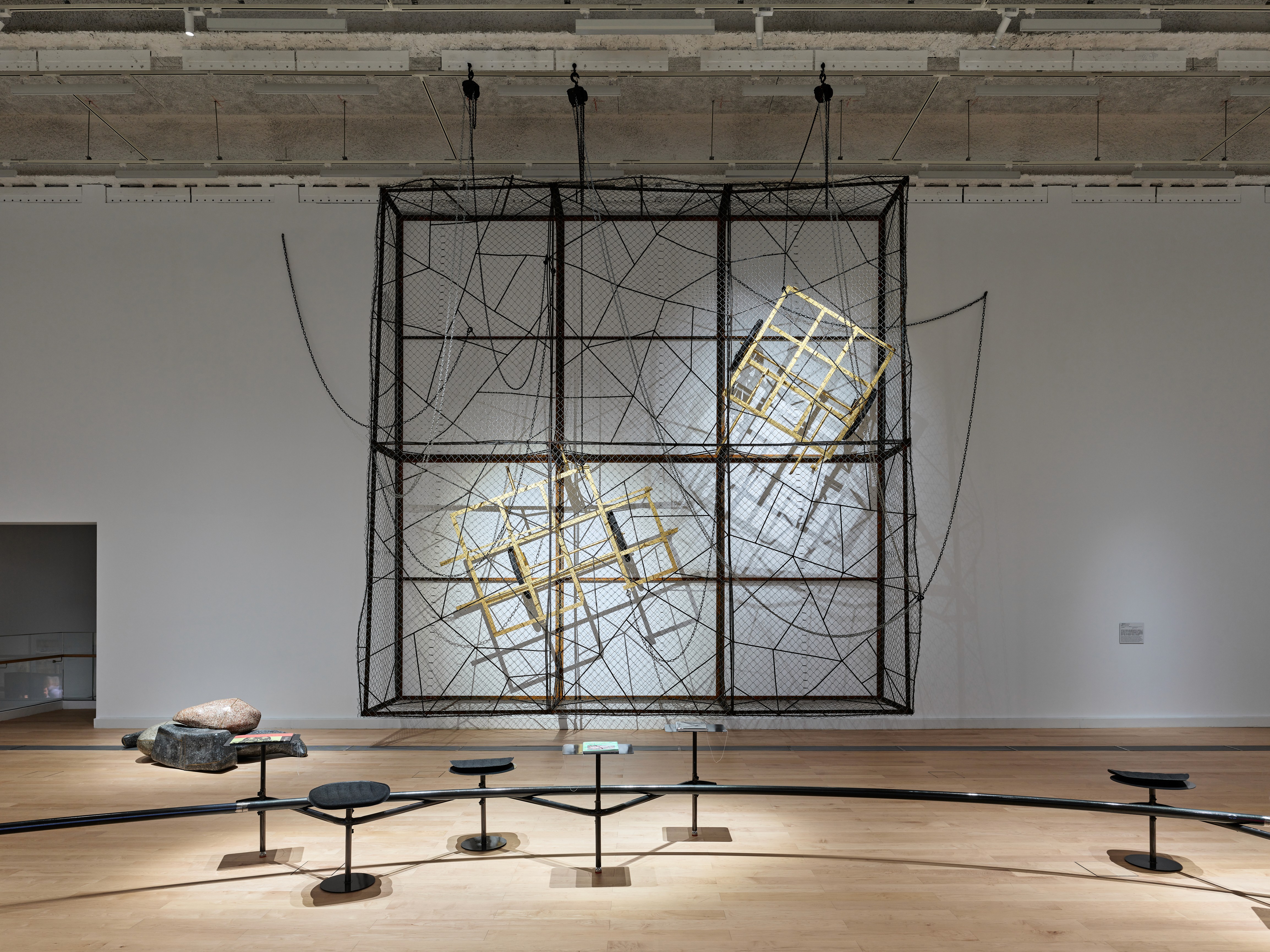
我在花蓮長大,那裡一方面很美,有山有海,但同時也一直處在一種不太穩定的狀態。花蓮剛好在菲律賓海板塊和歐亞板塊的交界,地震很頻繁,又面向太平洋,常常是第一個遭受颱風衝擊的地方。所以我從小其實很習慣看「災後的狀態」。每一次災後,城市怎麼慢慢恢復,我都會記得。印象最深的是那些還沒被完全處理的結構,比如傾斜的樹、或是半倒的建築,救援現場人員會用鋼樑或繩索「支撐它」,這是一種很直接、甚至有點粗獷的方式,讓它暫時維持在一個還不穩定的平衡裡。
那種狀態看似不穩定,也帶著風險,但同時又很直接、保留很真實的力量。這些經驗慢慢影響我看待材料、時間與變化的方式。我會去思考,如何在作品裡保留那種不確定,或是一種帶著抽象的平衡感。也因此,我會傾向比較簡潔、安靜的形式,但裡面其實帶著一種內在的張力。
4.
在《Concrete Zoo》與《Night and Soul》等作品中,你對被忽略或遺棄的物件有一種特別的關注。這些「不完美」的物件吸引你的原因是什麼?它們讓你能表達哪些傳統材料無法呈現的東西?
我一直對那些被忽略或遺棄的物件有一種特別的關注,某種程度上也跟我成長過程的經驗有關。在比較傳統的亞洲價值觀裡,常常會用一種二元的方式去看事情,比如陰陽的對立,陽性通常被理解為帶有力量的、堅強、穩固,而陰性則比較被放在脆弱、敏感、封閉的情境。但對我來說,真正影響我很深的,反而是這些所謂比較「陰性」的狀態。那些帶著迂迴、不確定、甚至不完美的東西,其實往往有一種更深層、也更有韌性的生命力。
一般對於雕塑的認知,某種程度是很「陽剛」的,比如拔地而起的紀念碑,材料堅固、黃金比例的考究,工作時需要體力。但我在創作時,常常會想往另一個方向走,用這些看起來不穩定、甚至帶著缺陷、脆弱的材料,去成為作品的核心。這些物件讓我可以去處理一些比較難被傳統材料定義的東西,比如帶著猶疑、不穩定、缺乏自信,或是一種還在形成中的狀態。某種程度上,我的創作更像是在塑造雕塑的「影子」。
5.
你的創作常被形容為一種「考古」過程——挖掘、修復、再重組記憶。你會如何看待自己的角色?是藝術家、媒介者,還是某種形式的照顧者?
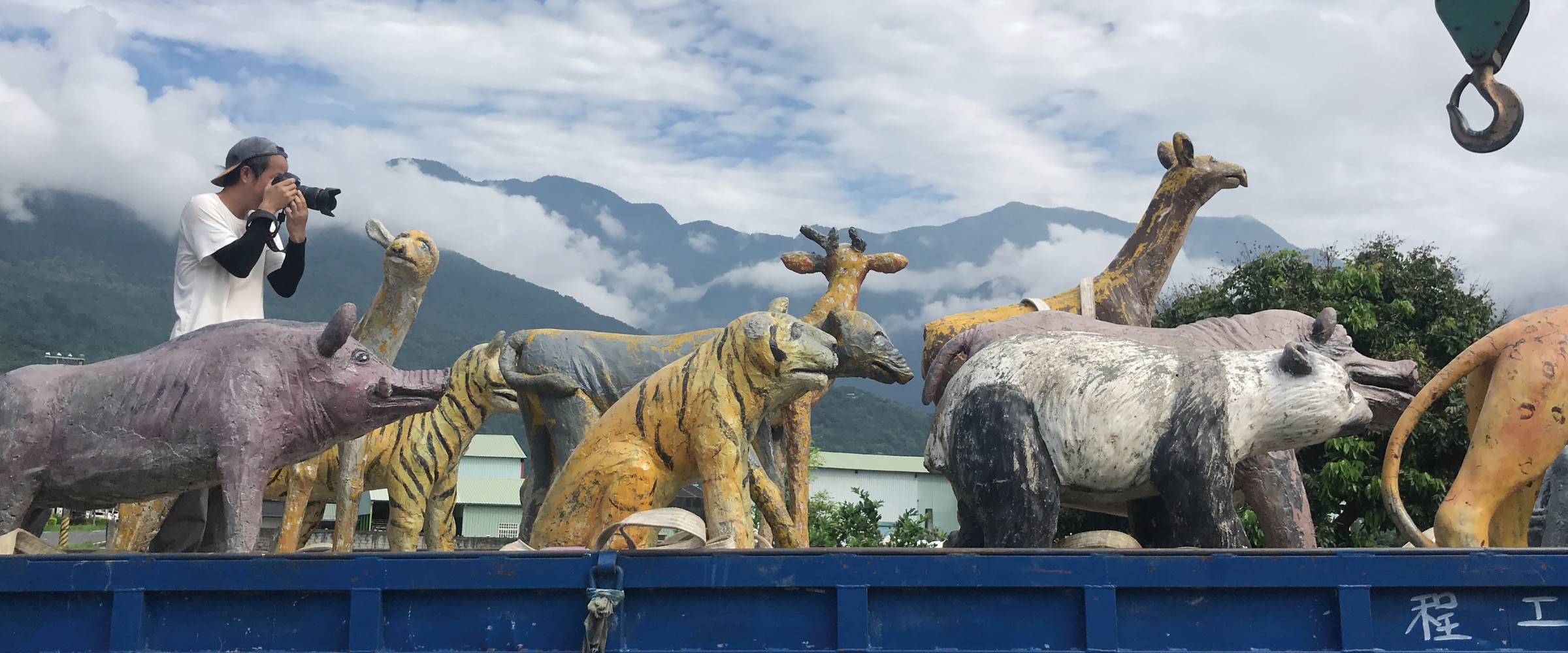
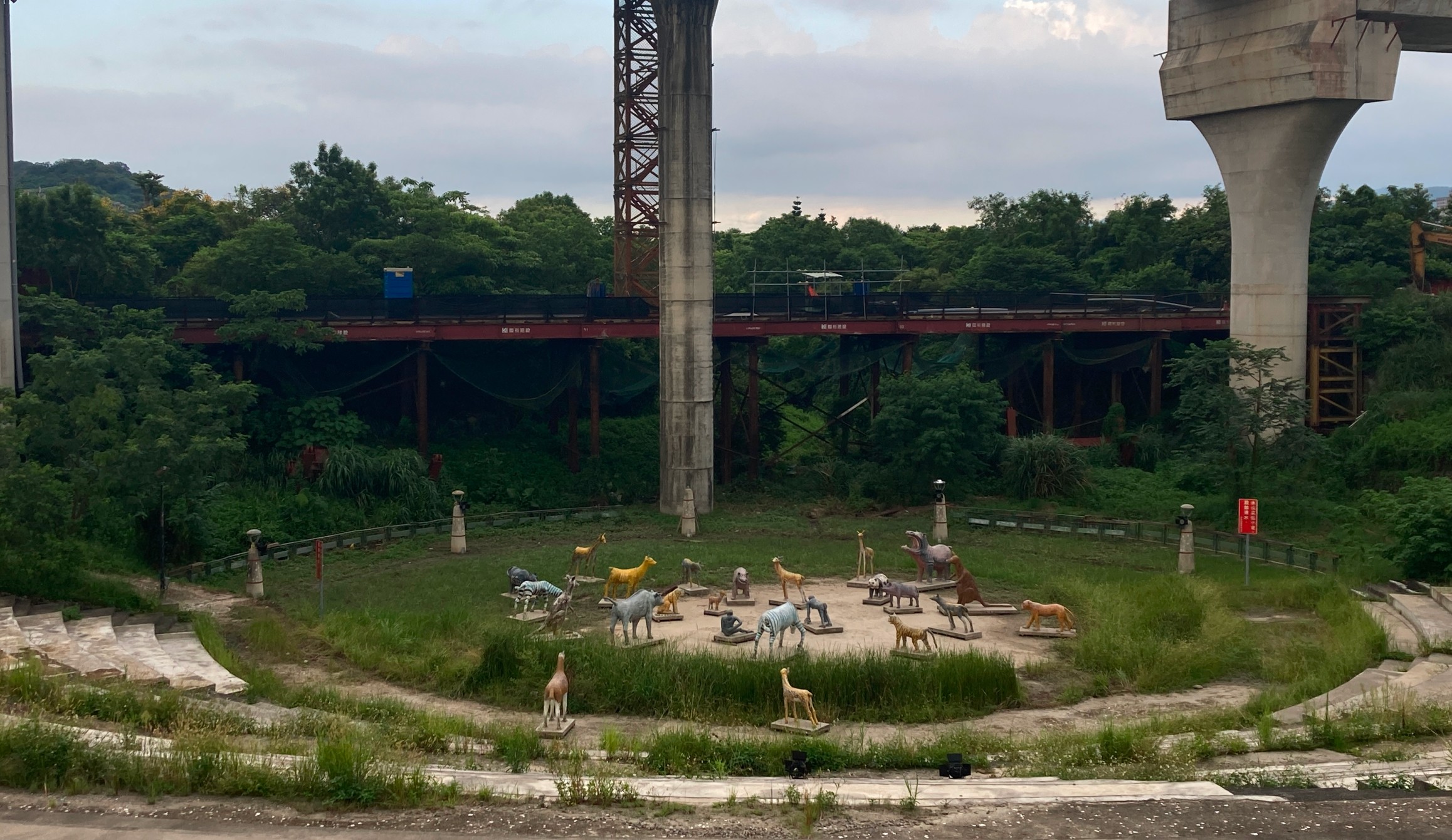
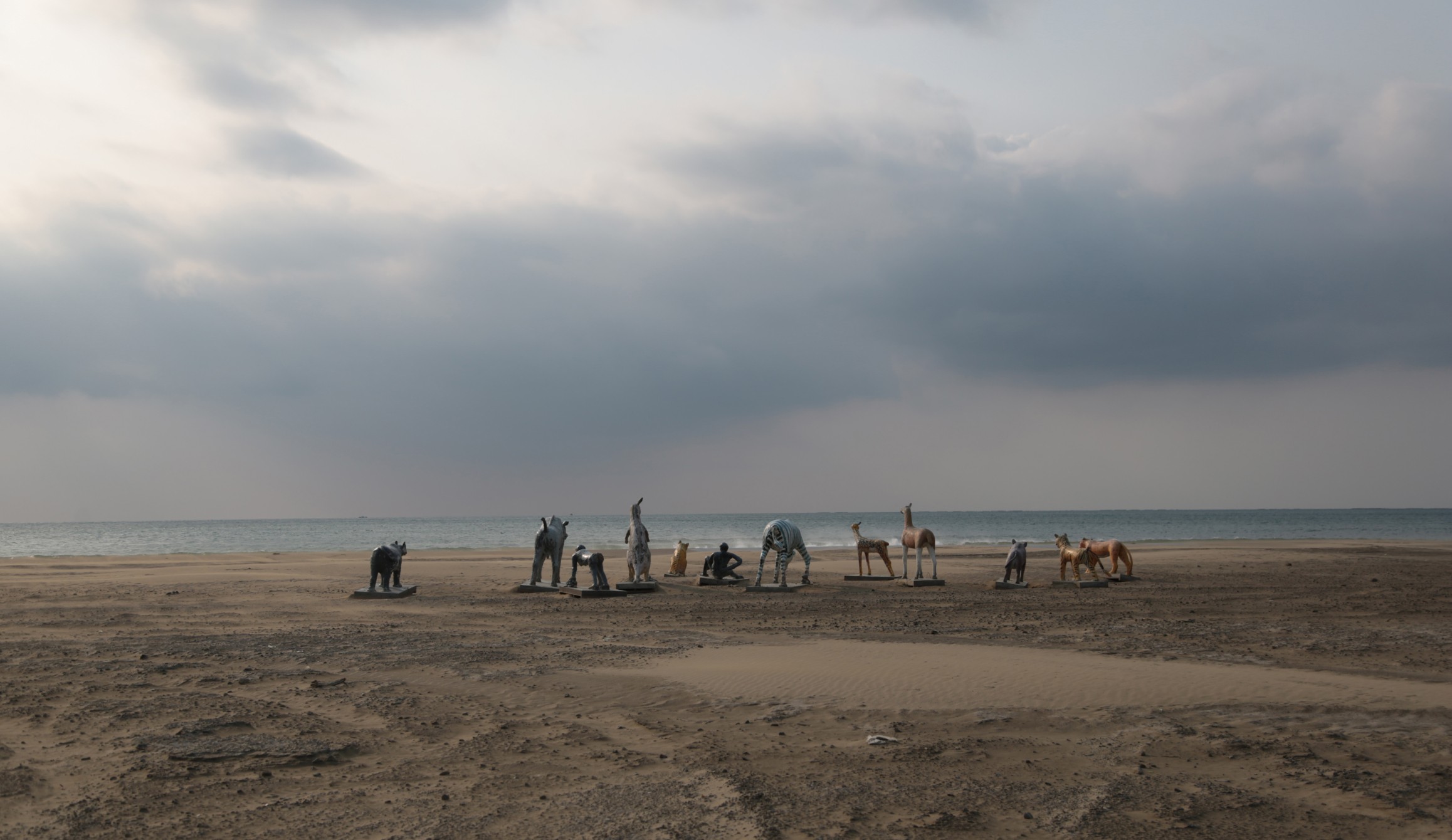
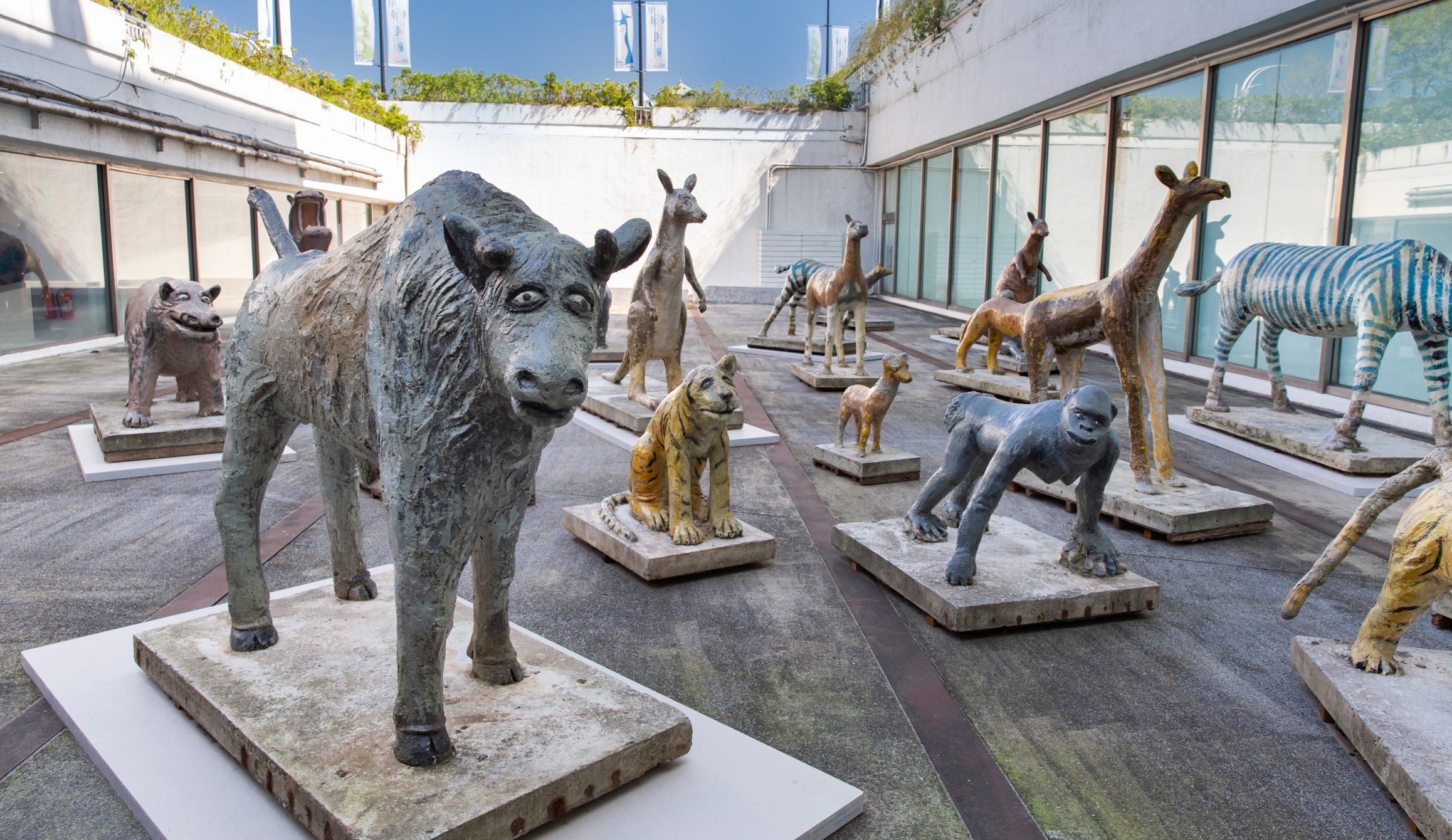
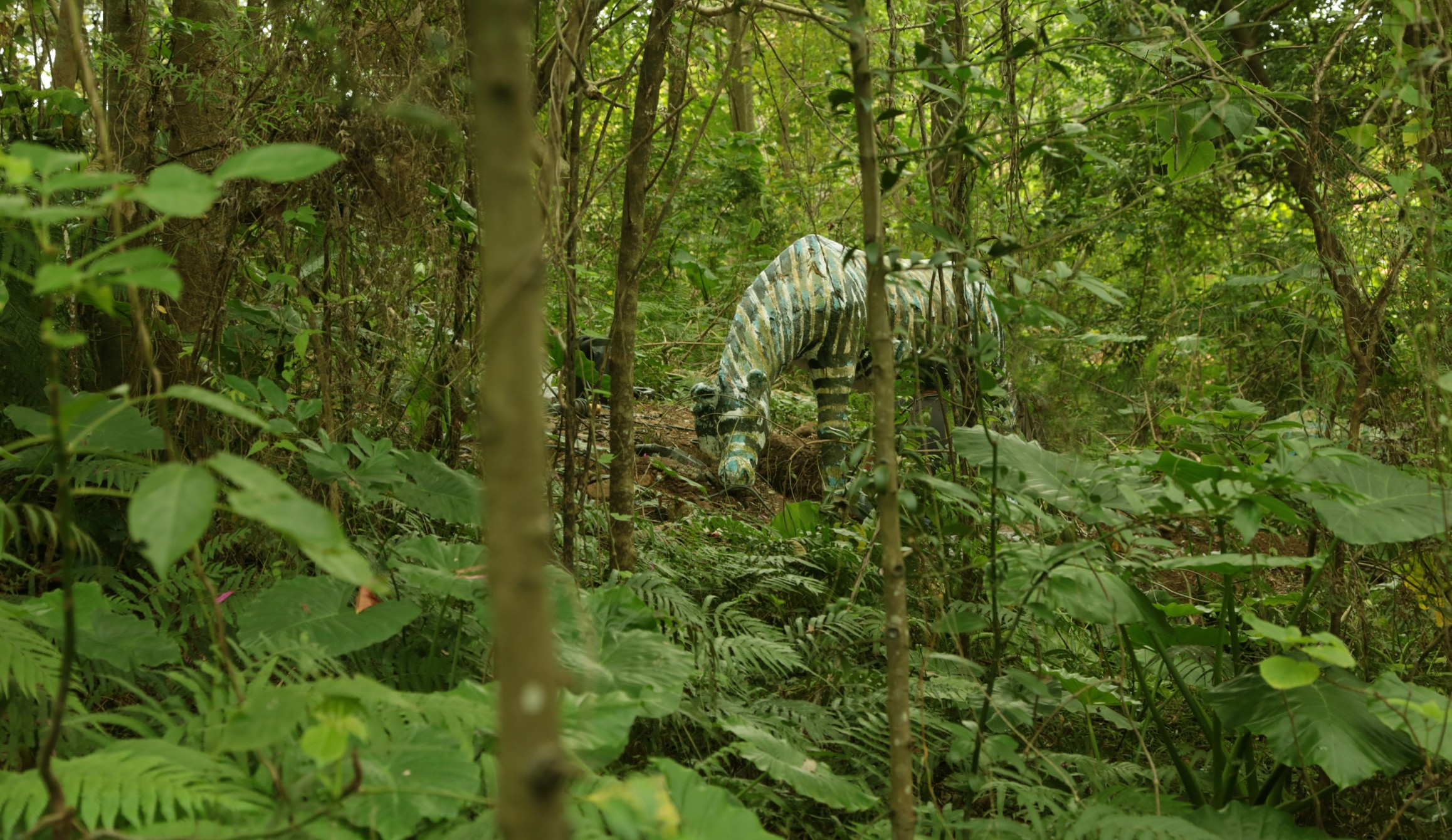
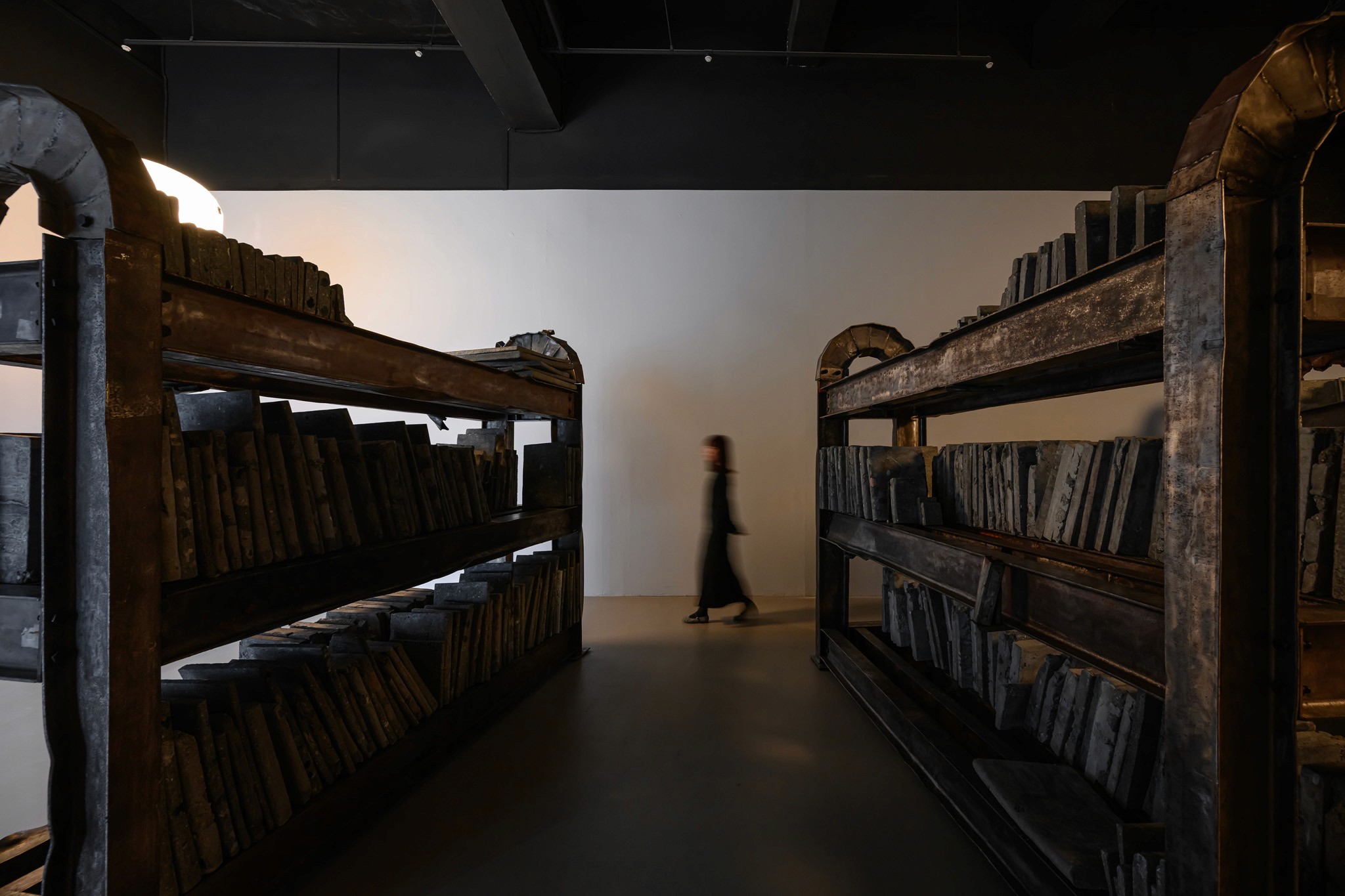
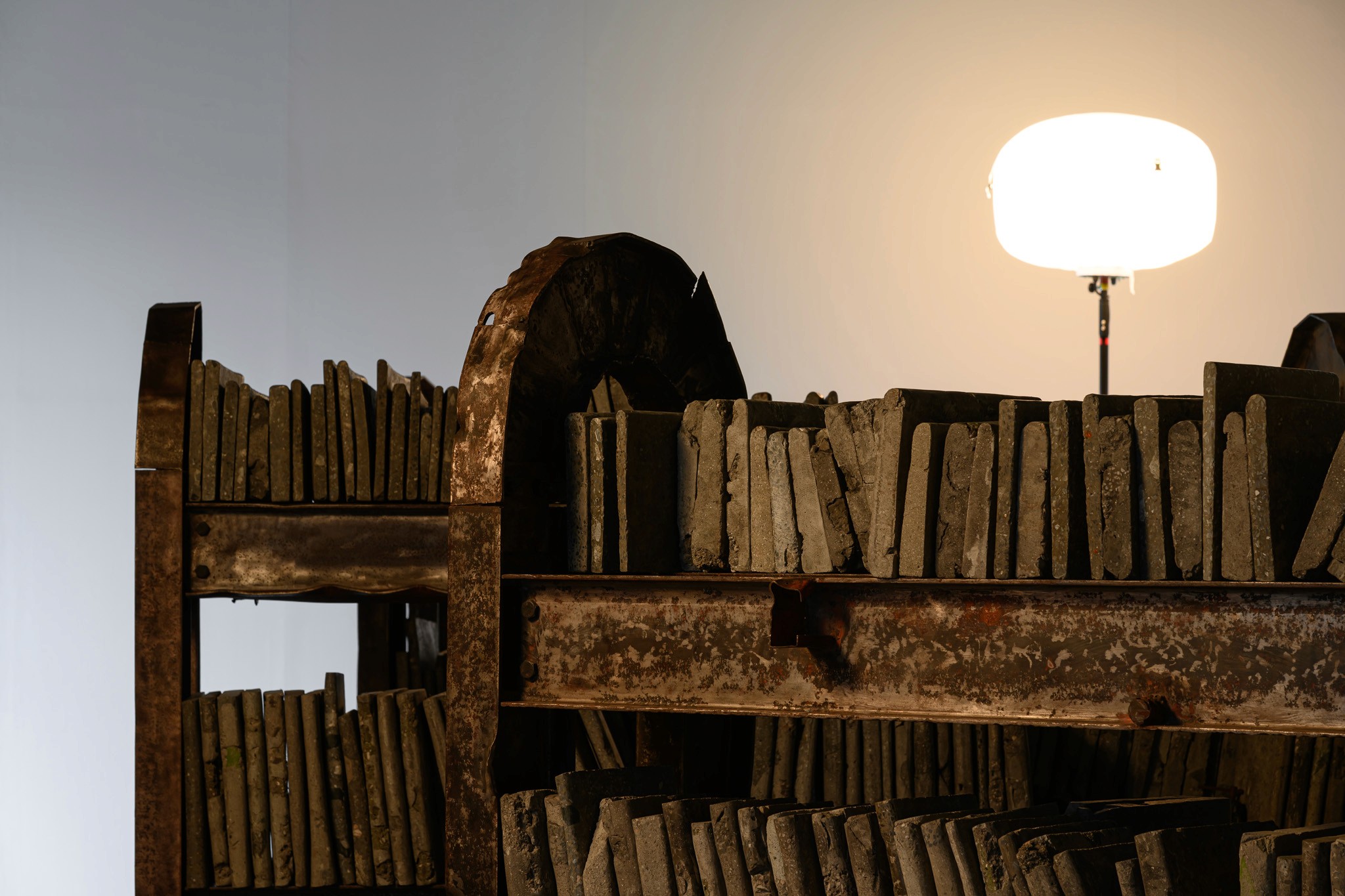
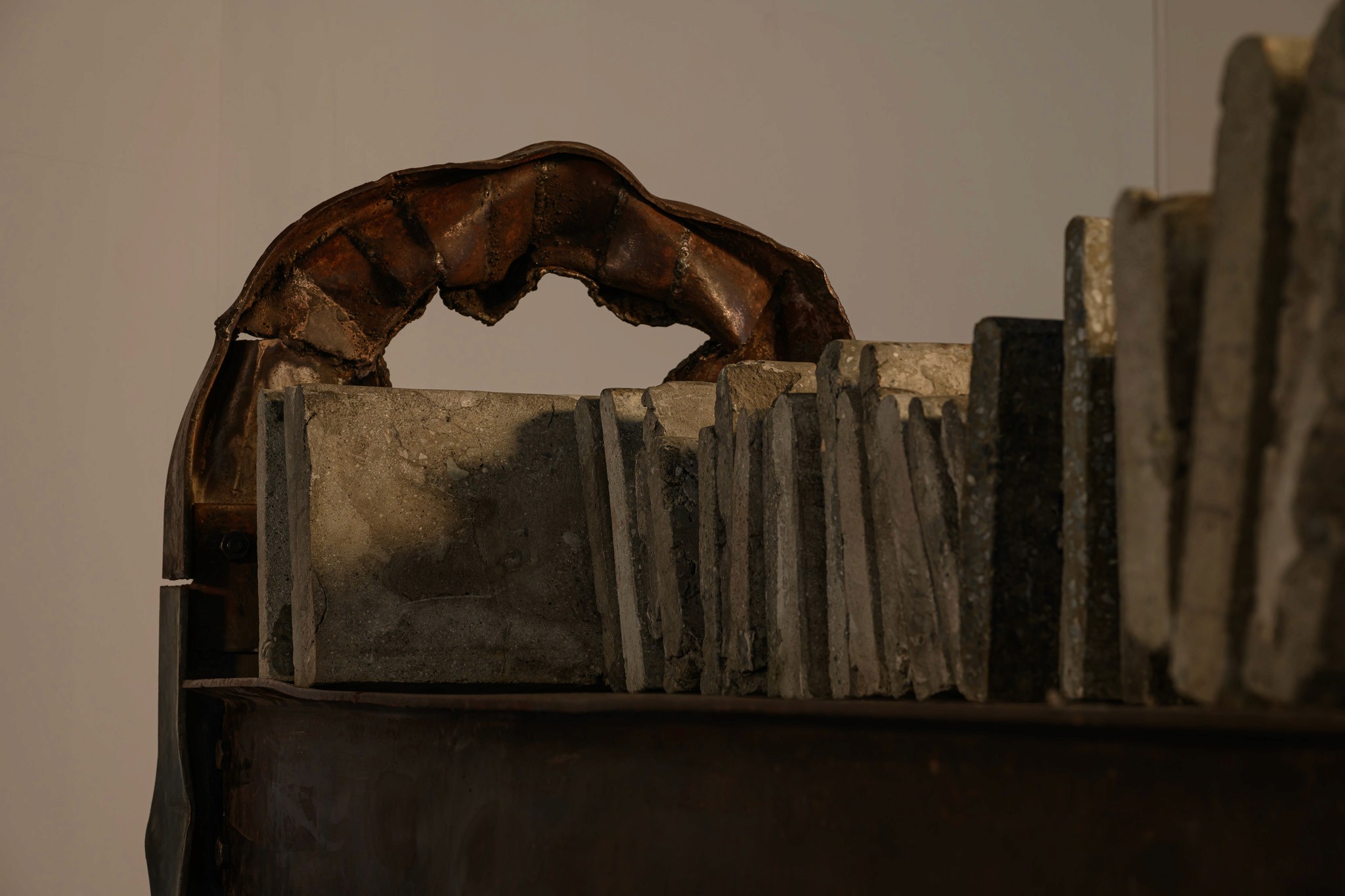
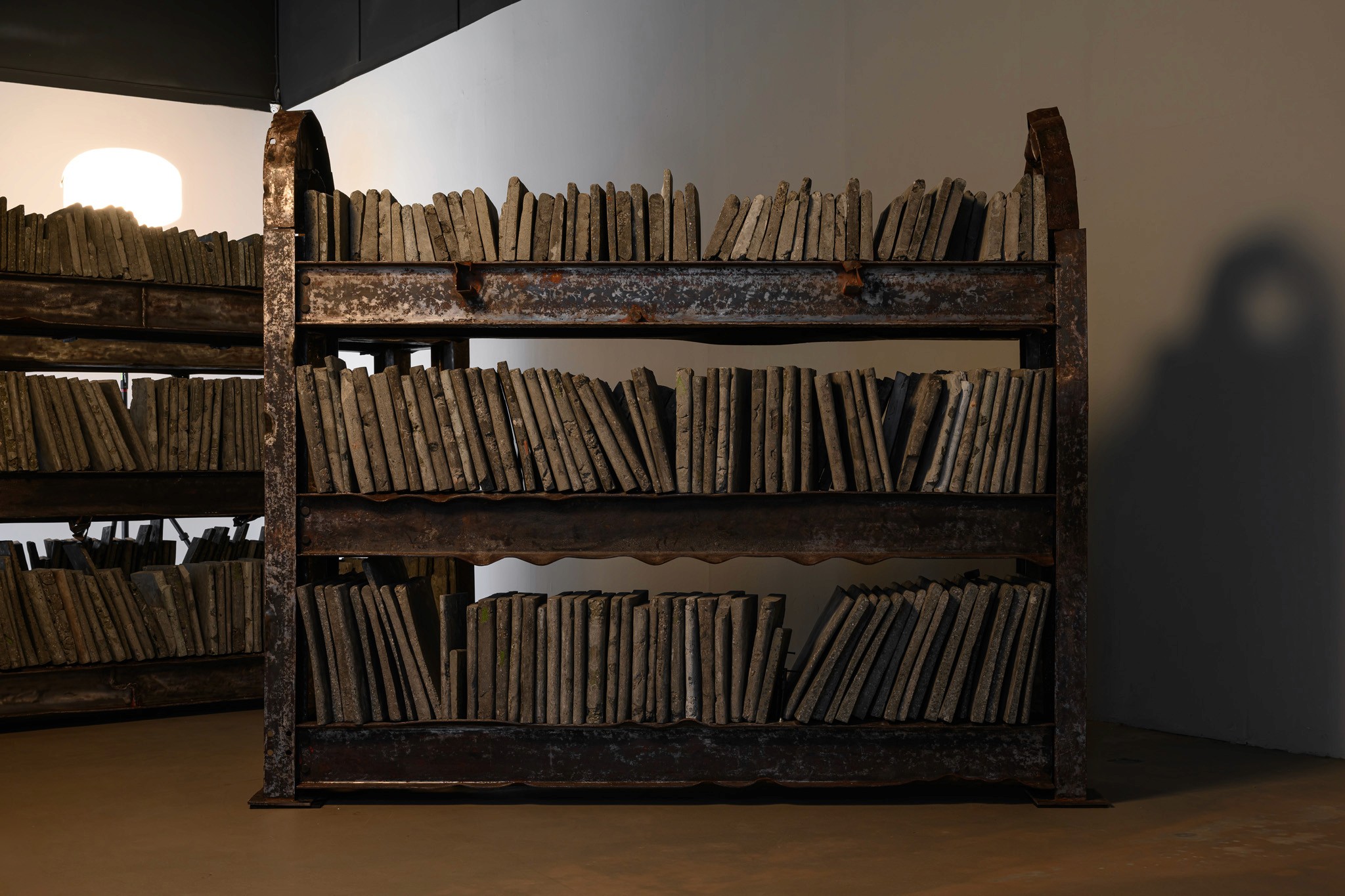
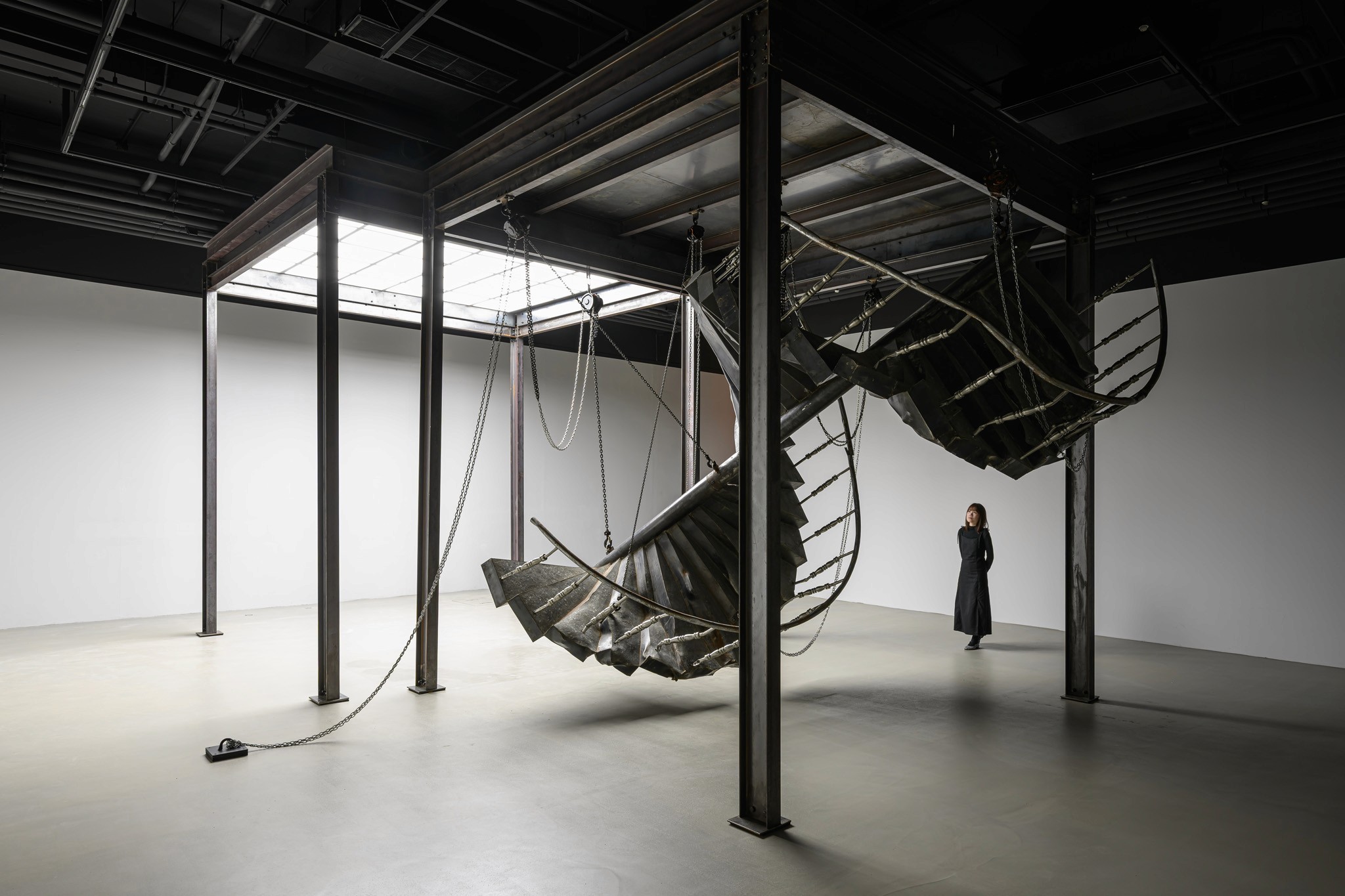
對我來說,「藝術家」比較像是在藝術領域裡「扮演」的一個角色,但實際的工作其實很複雜,也很多元。每一個計畫都會遇到不同的問題,需要用不同的方式去處理。像《水泥動物園》(Concrete Zoo),我得進到山裡,把那些被埋了很久、每一隻都有一兩公噸重的水泥動物挖出來,再慢慢修復,最後把它們帶到海邊看海。或是這次的《失衡的螺旋》(Unbalanced Spiral)和《夜與靈魂》(Night and Soul),我在處理的是災難之後被打碎的時間,把這些碎片一點一點拼回來,有點像是在另一個平行的時空裡,重新組構一個「新的身體」。
所以在這些不同的過程裡,我的角色其實一直在變。有時候像是在處理材料,有時候像是在整理記憶,也有點像是在回應那些被留下來的痕跡。我自己其實蠻喜歡「照顧者」這個說法的。因為很多我接觸的物件,都是在特定情境下被留下來的,它們本身就帶著某種接近紀念物的特質。我比較像是在陪它們,把那些時間暫時安放下來。
6.
你曾在不同城市與文化環境中生活與工作。這樣的流動經驗,是否影響你對「身份」或「歸屬」的理解?
過去因為藝術駐村的關係,我在巴黎和柏林生活過一些時間。在台灣,大部分時間我在花蓮的工作室做作品,但因為在台北教書,所以每週也會固定往返台北。對我來說,移動其實已經變成一種日常。這樣的經驗也慢慢影響我對「身份」或「歸屬」的理解。我比較不會把自己固定在某一個地方,而是更在意,怎麼在不同的地方建立一種屬於自己的狀態。
那種「歸屬感」不一定來自一個固定的地點,而比較像是一種工作方法。可能是找到和陌生環境相處的方式,或是建立一些讓自己可以穩定下來的節奏。對我來說,這些規律反而比地點本身更重要。
7.
你的作品中可以感受到道家思想,例如平衡、對立與「氣」的概念。這些哲學在你的創作過程中,現在是有意識地運用,還是更自然地融入?
其實我並沒有很有意識地把道家思想放進作品裡,但在創作的過程中,確實會對時間、空間、材料和造型之間的關係產生興趣。這些比較像是在做作品時慢慢浮現出來的東西,有點像是創作過程中的「意外收穫」。
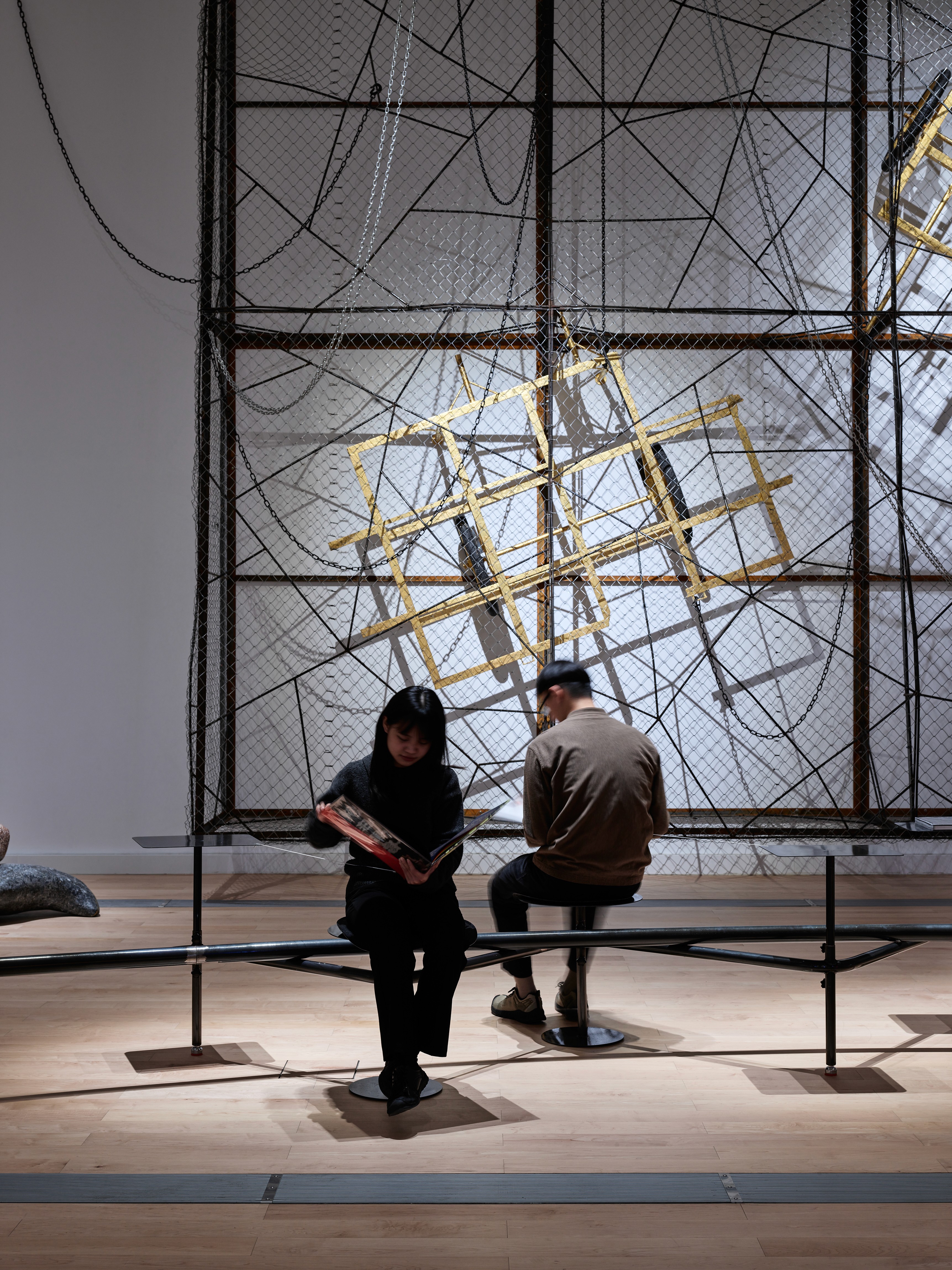
我有時候會用「壁癌」來比喻自己的作品,比如《採光》(Daylighting)系列。在製作的過程裡,我會去想像一個空間裡的水氣、光線、粉塵、植物的影子,這些條件彼此之間是怎麼互相影響的。它同時會帶有一種荒蕪、空白,好像就是在這些條件之中慢慢長出來的。
8.
不同地區的藝術支持系統差異很大。以你的經驗來看,在台灣或國際環境中,哪些支持(無論是制度或人際)對你的創作最重要?
對我來說,最重要的其實是人際的支持,還有一個相對彈性的創作空間。因為我做的是雕塑,空間本身很重要。另外像是合作的工作團隊、畫廊,這些都需要長時間的相處,慢慢建立信任。這樣的關係,會讓創作在很多不確定的情況下,還是可以持續往前走。特別是大型或現地製作的作品,其實非常依賴彼此之間的默契。
在國際的經驗裡,我會覺得制度性的支持其實蠻重要的。像駐村計畫、基金會贊助或機構資源,這些都會在適當的時候提供條件,讓我在面對一些比較大的計畫時,可以更專心放在創作和實驗上。
9.
你選擇長期在花蓮生活與創作,而不是在大型藝術城市。是什麼讓你留在那裡?這樣的選擇如何影響你的生活與創作?
我會選擇長期在花蓮生活跟創作,其實蠻實際的原因是,做雕塑需要很大的空間,而花蓮的工作室租金,相對台北便宜很多,讓我比較有餘裕去做大型作品。
但另外一個很重要的原因,是我自己比較喜歡安靜的創作環境。我的工作室周圍都是農田,開車大概十分鐘就可以到海邊或山邊。跟台北或其他大型藝術城市相比,我反而更需要的是這種跟自然、跟非人事物之間的距離和關係。這樣的環境其實也影響了我的創作節奏,會比較慢,也比較能專注在作品本身,或是一些比較細微的變化上。
10.
對於正在面對不確定性的年輕創作者(無論是個人或外在環境),你會給他們什麼建議,去建立一個可以長久發展的創作實踐?
我其實不太覺得有一個固定的方法,或是一條標準的路可以套用在創作上,每個人的狀態都不太一樣。以我自己來說,覺得可以先從當下重要的事情,好好地做完開始。那不一定是很大的事,也不一定直接和藝術創作有關,但可以慢慢累積起來,會長出一種屬於你自己的方式。
另外,我會覺得建立一種屬於自己的規律性及節奏很重要。可能是一些簡單的習慣,或是工作的方式。當外在有很多不確定的時候,這樣的規律會讓你比較穩定,也比較能長久地走下去。