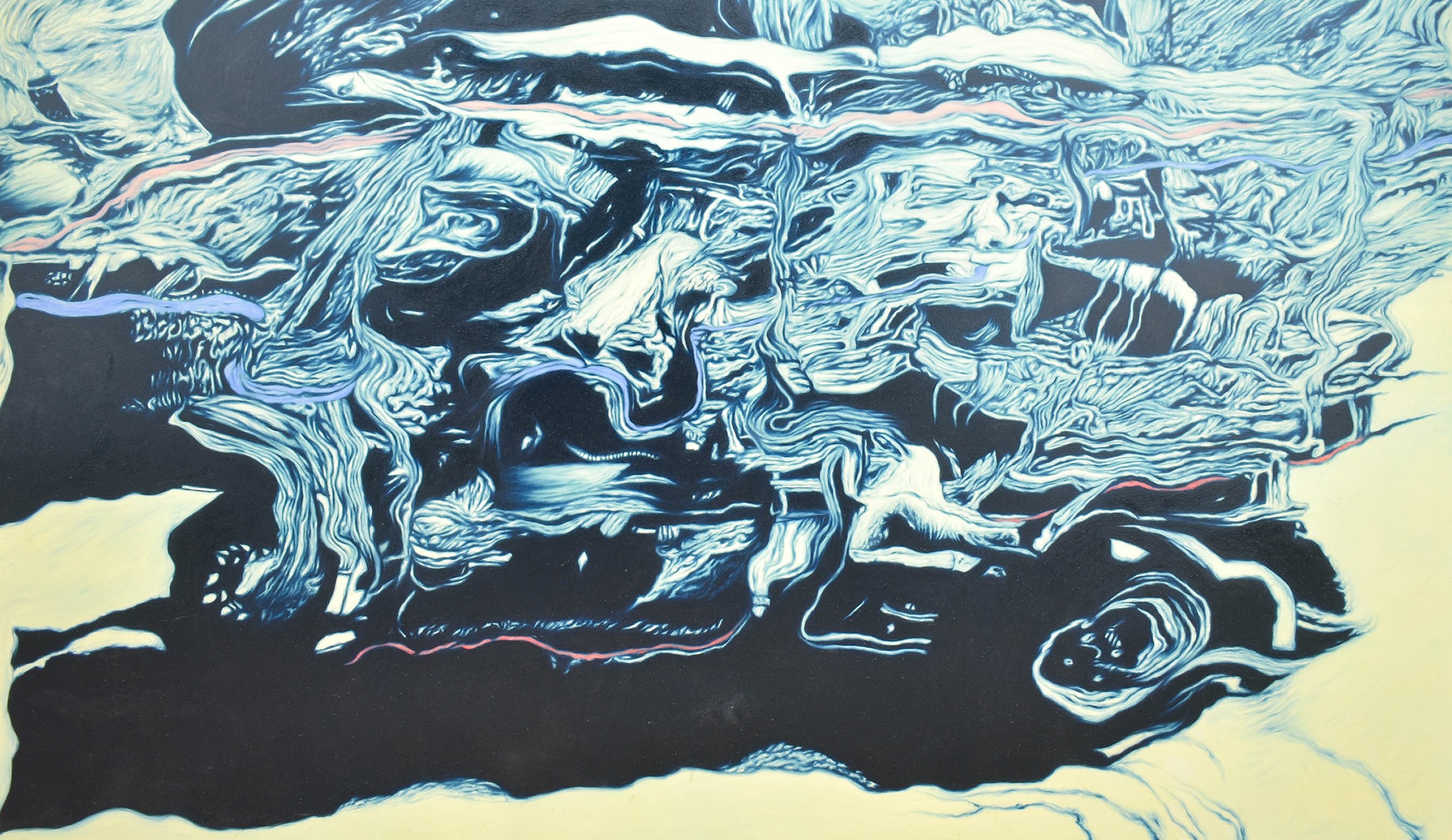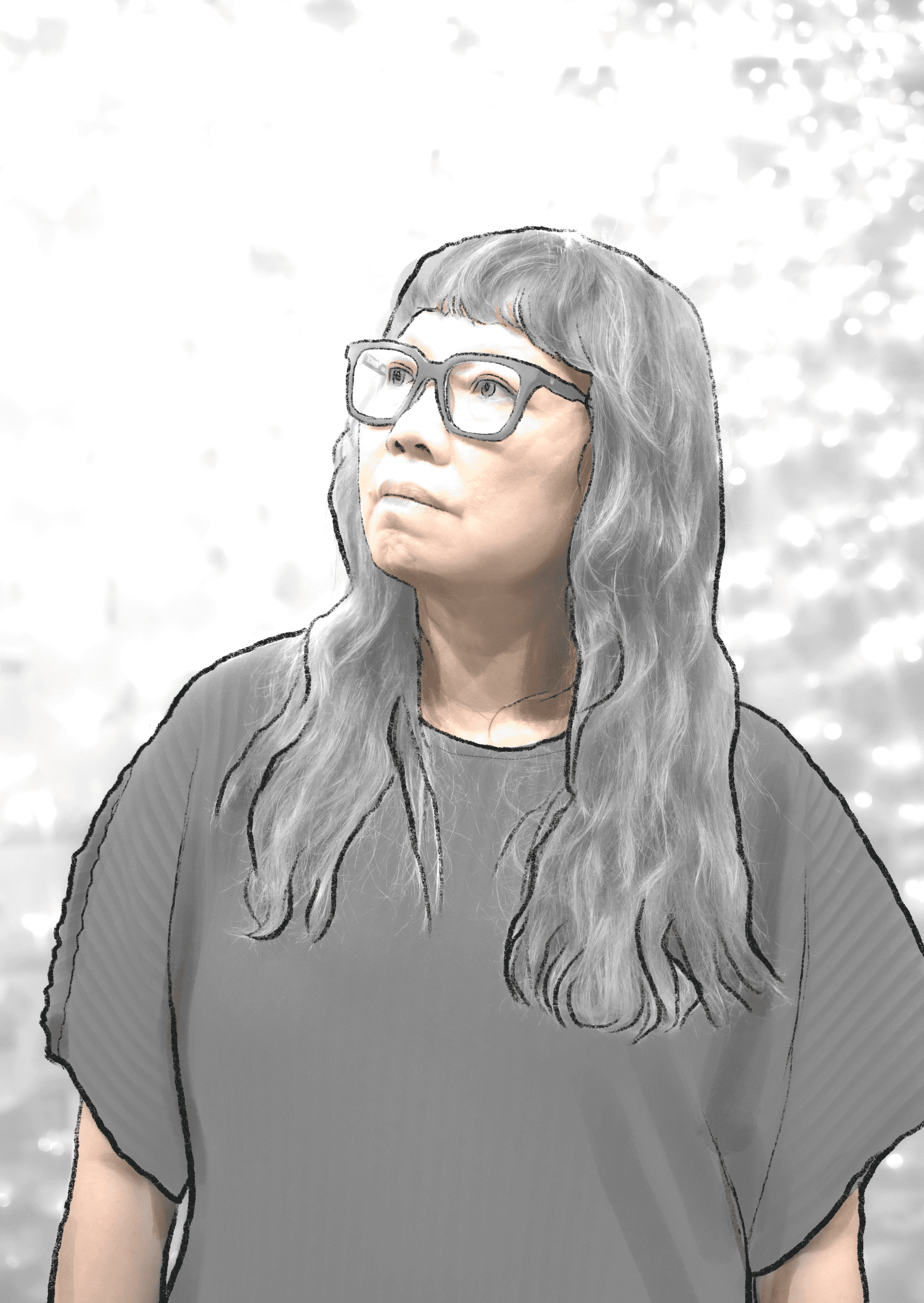
Suzann Victor, illustrated by Maria Chen. Inspired by an original image courtesy of Gajah Gallery

DATE

2026/03/25

ARTICLE

Maria Chen

PHOTOS

Images courtesy Gajah Gallery

Suzann Victor at Art Basel Hong Kong 2026: City Lantern and the Politics of Seeing Across Asia

In Encounters at Art Basel Hong Kong, Singapore artist Suzann Victor transforms colonial archives into a kinetic, luminous field—expanding her decades-long inquiry into visibility, migration, and the fractured architectures of history.

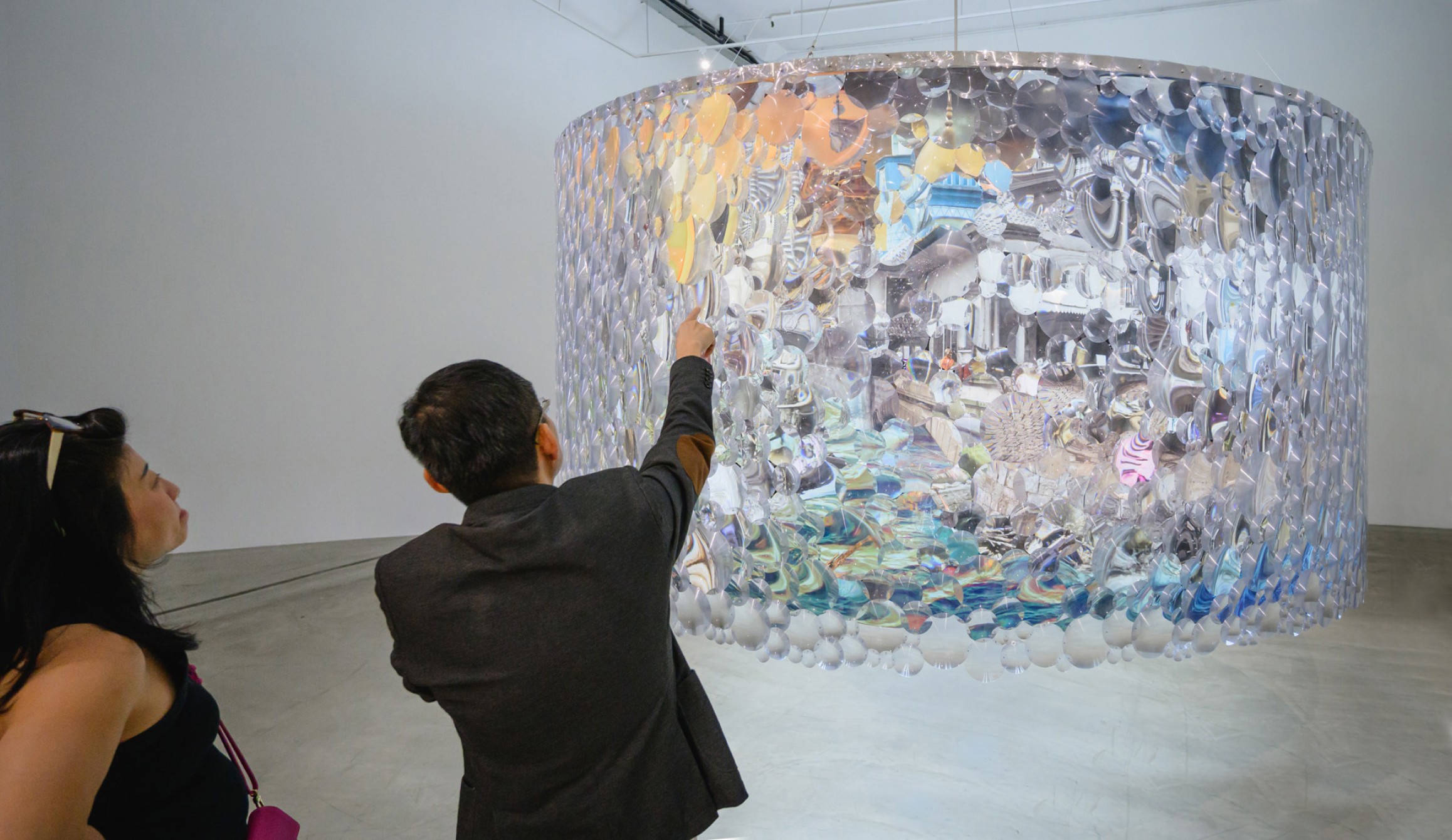
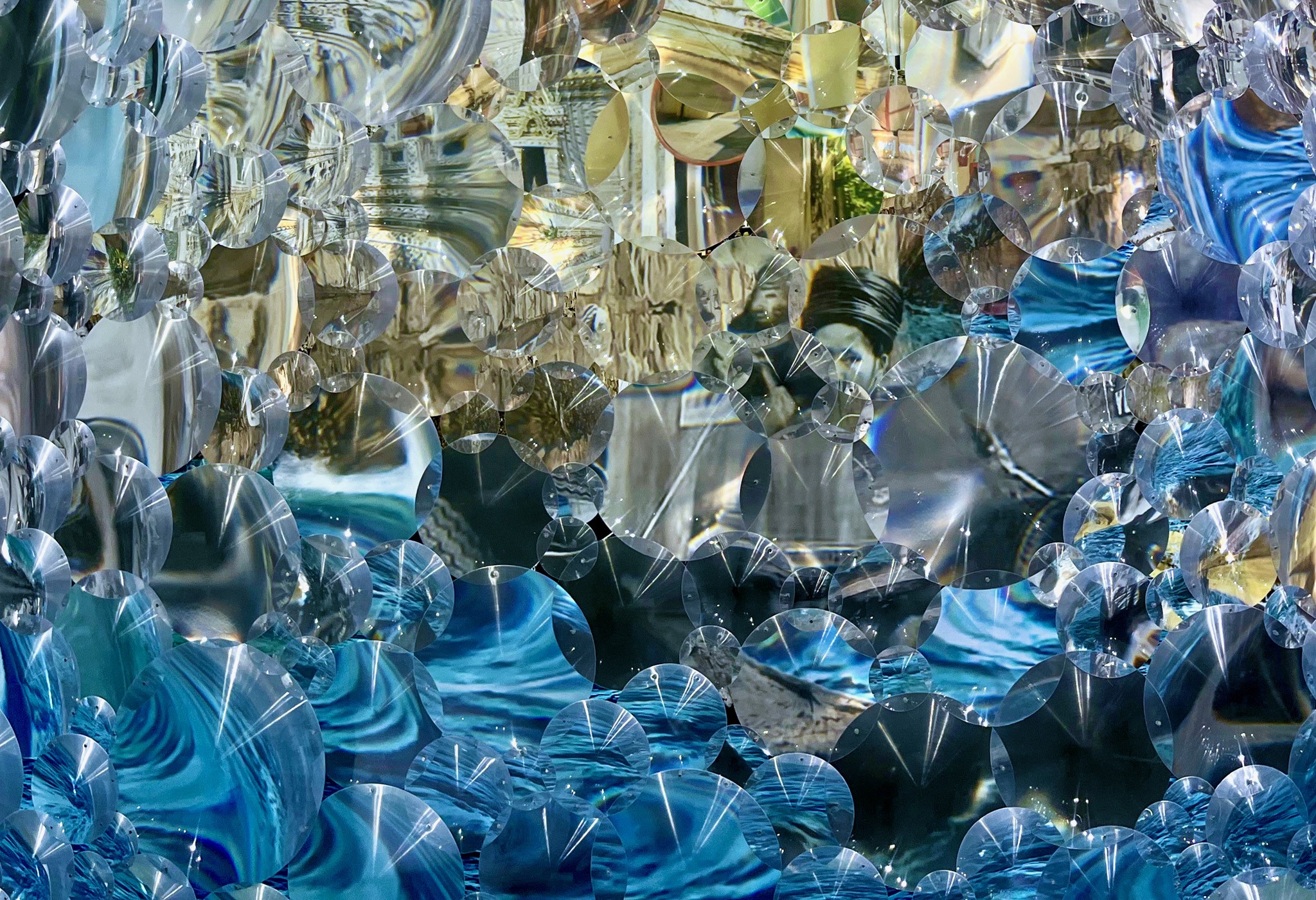
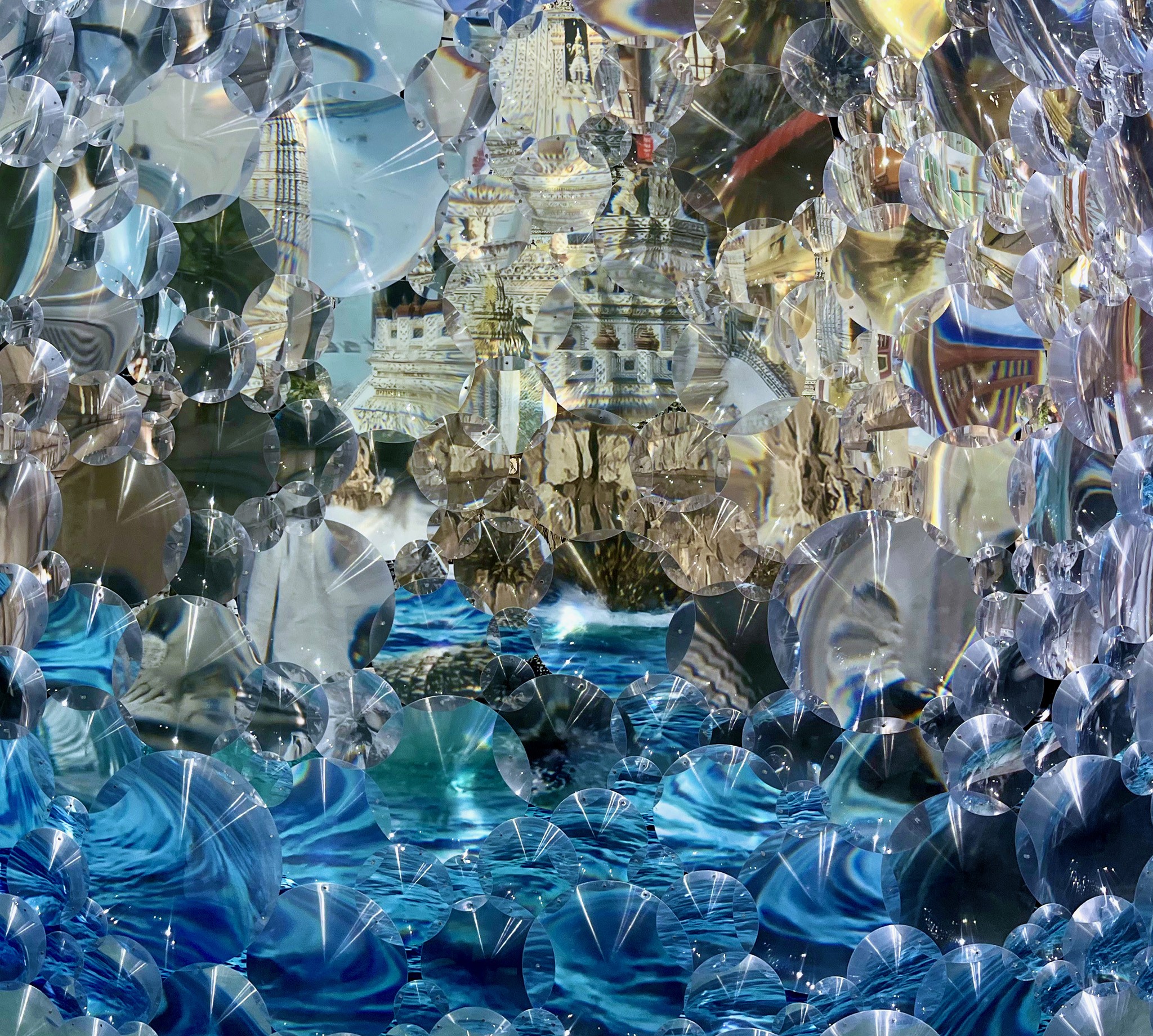
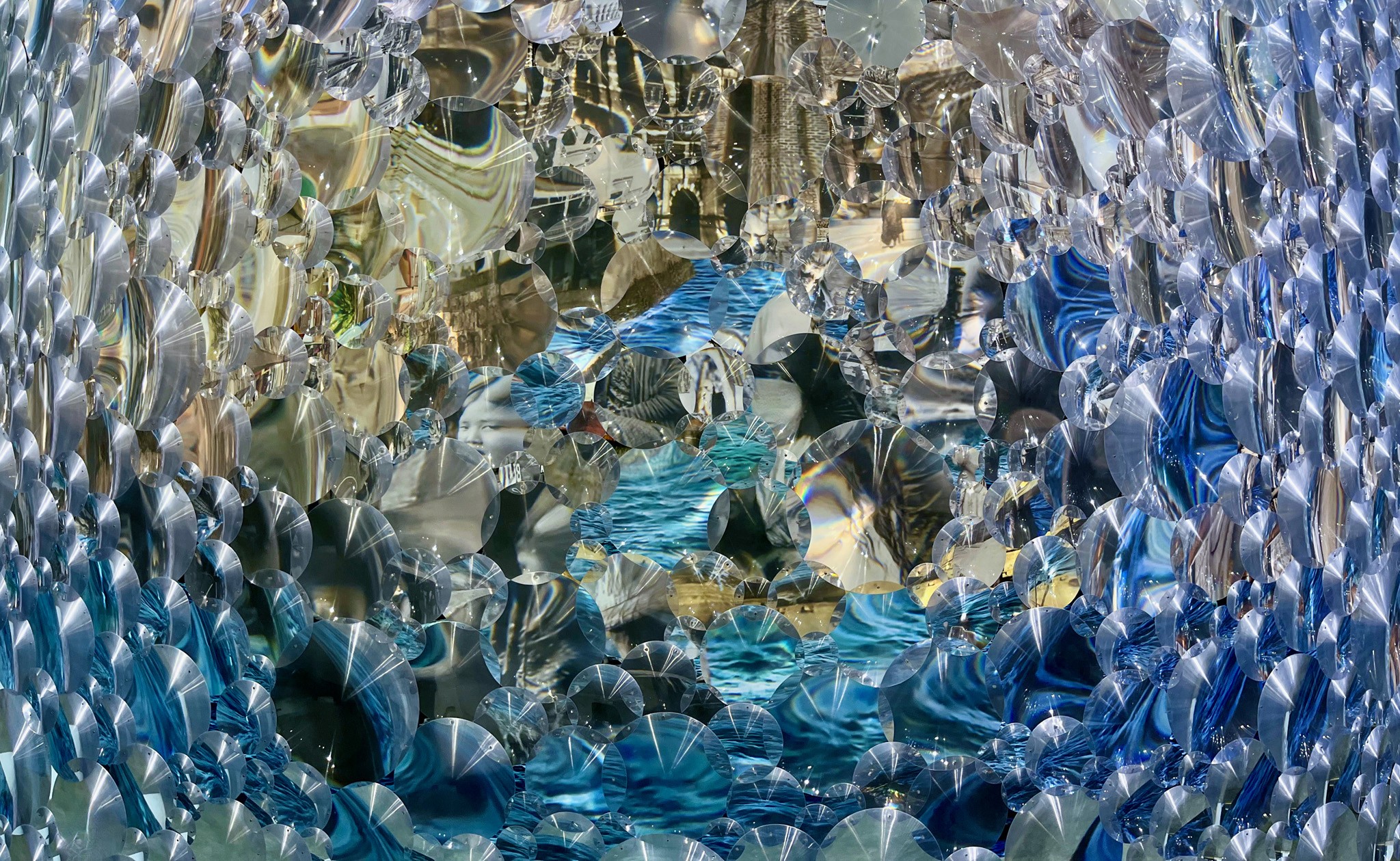
Now on view at Art Basel Hong Kong 2026 (27–29 March), Suzann Victor’s monumental installation City Lantern marks a powerful return to the global stage—situated within Encounters, the fair’s sector dedicated to large-scale, immersive works. Presented by Gajah Gallery, the piece extends Victor’s decades-long investigation into perception, embodiment, and the politics of visibility, placing Southeast Asia’s layered histories into motion—literally and conceptually.

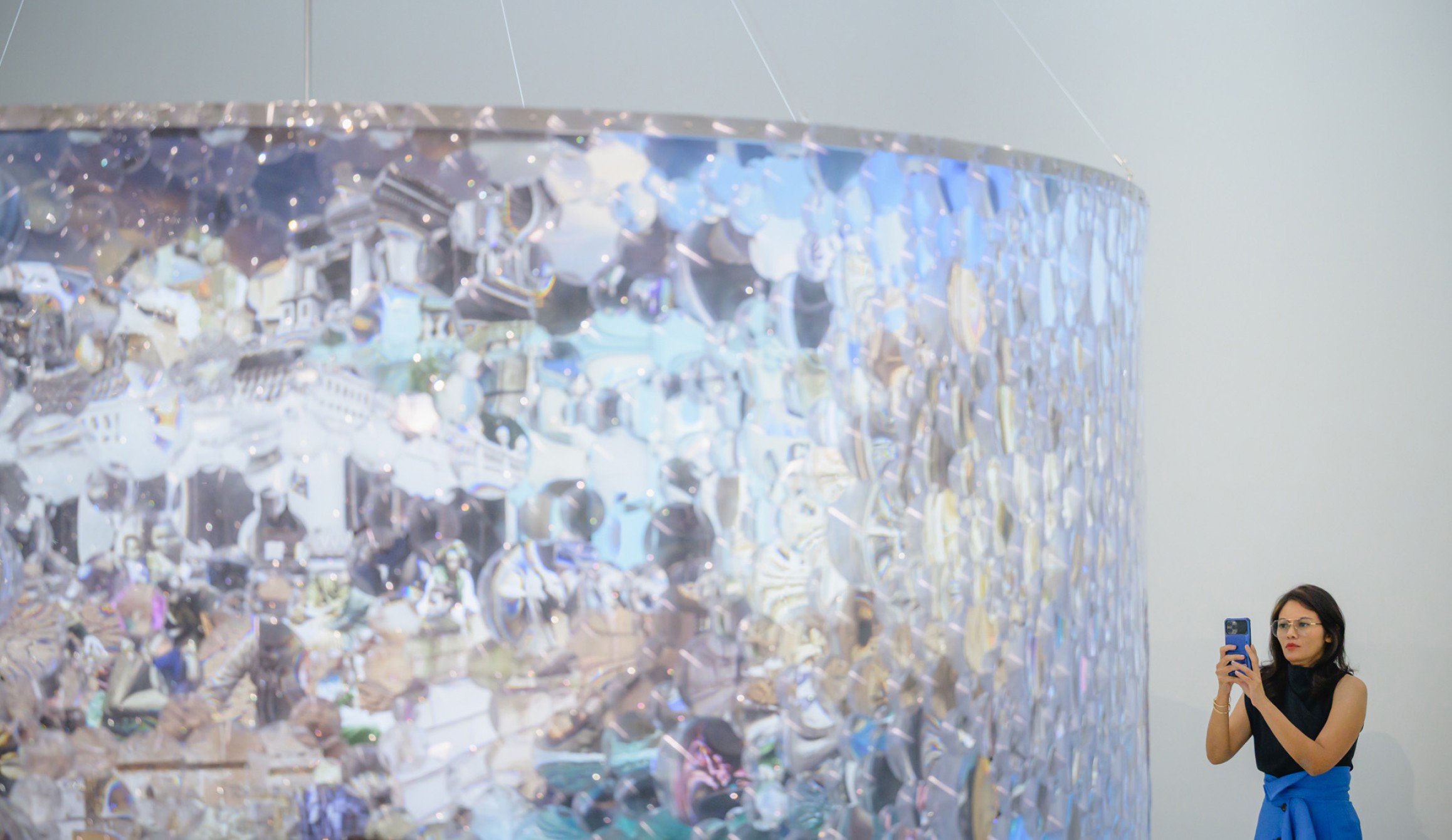
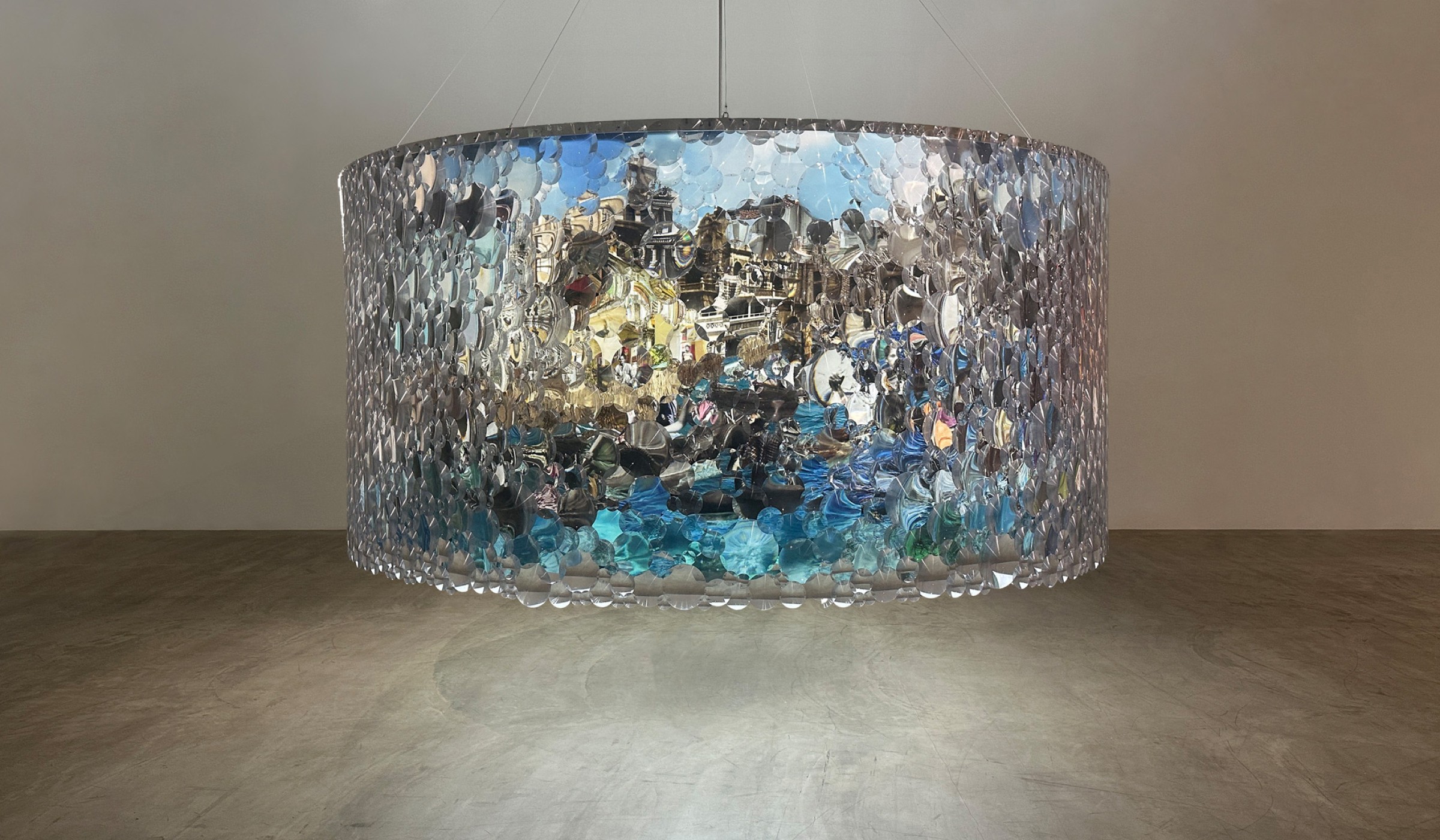
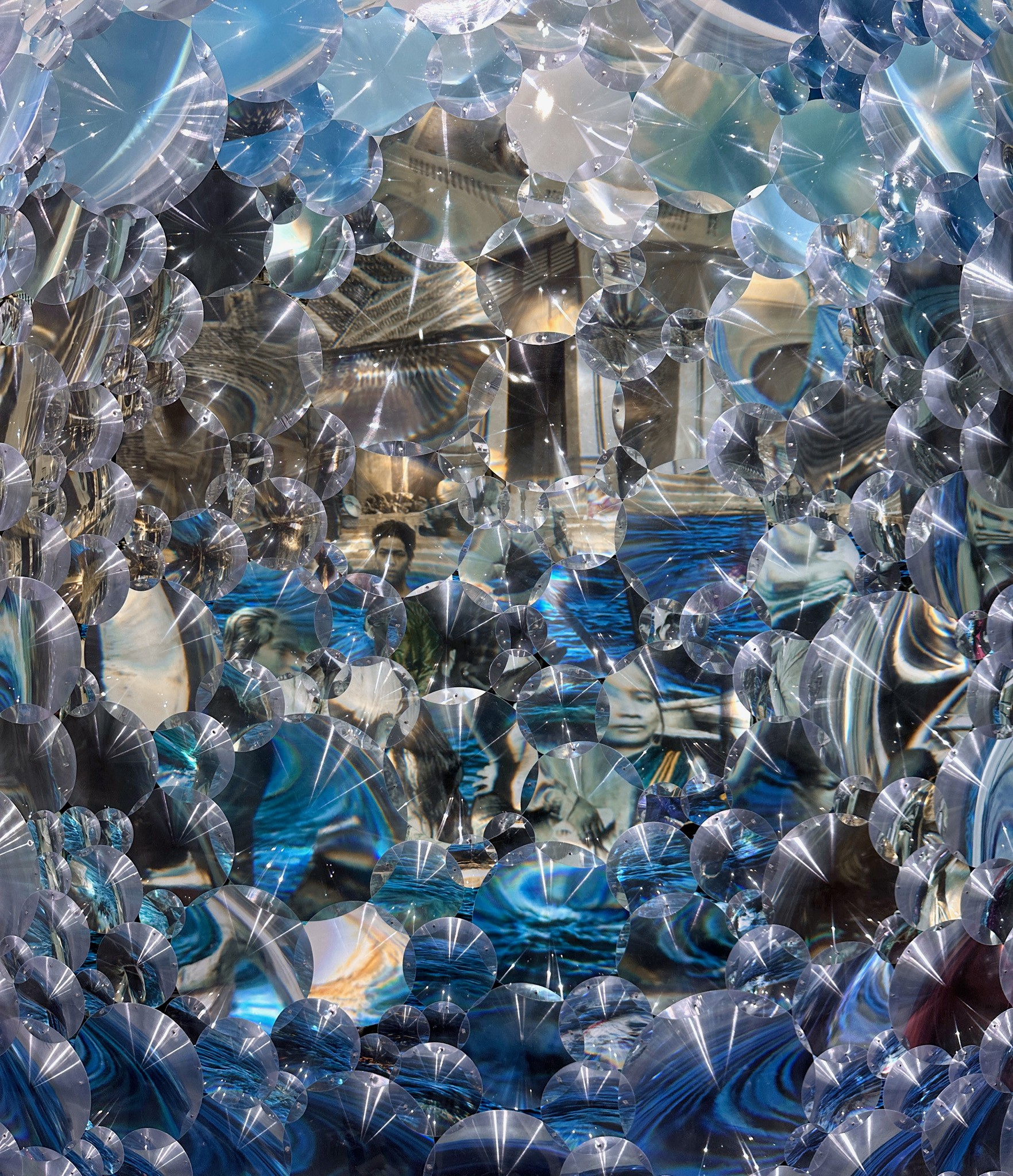
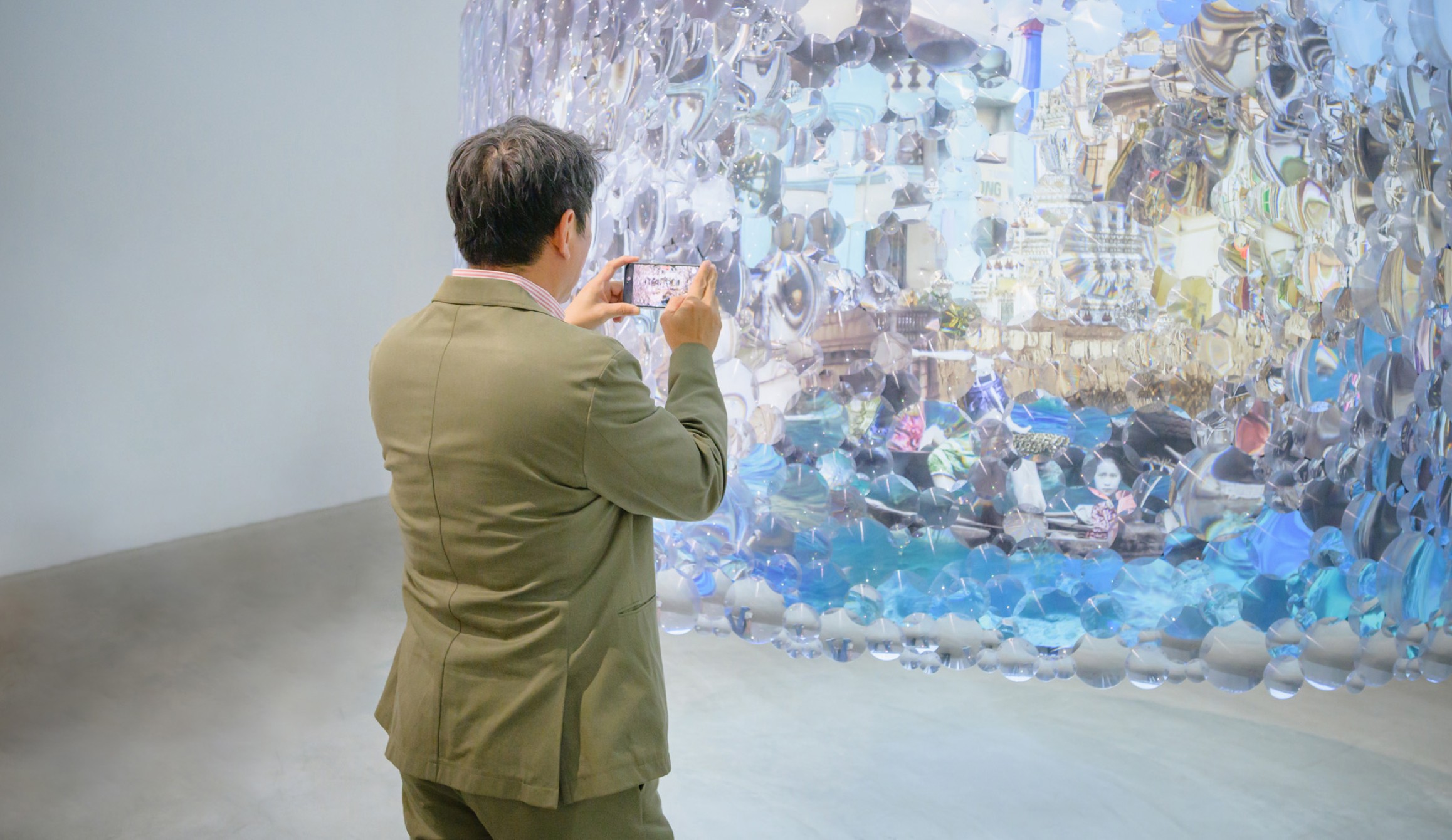
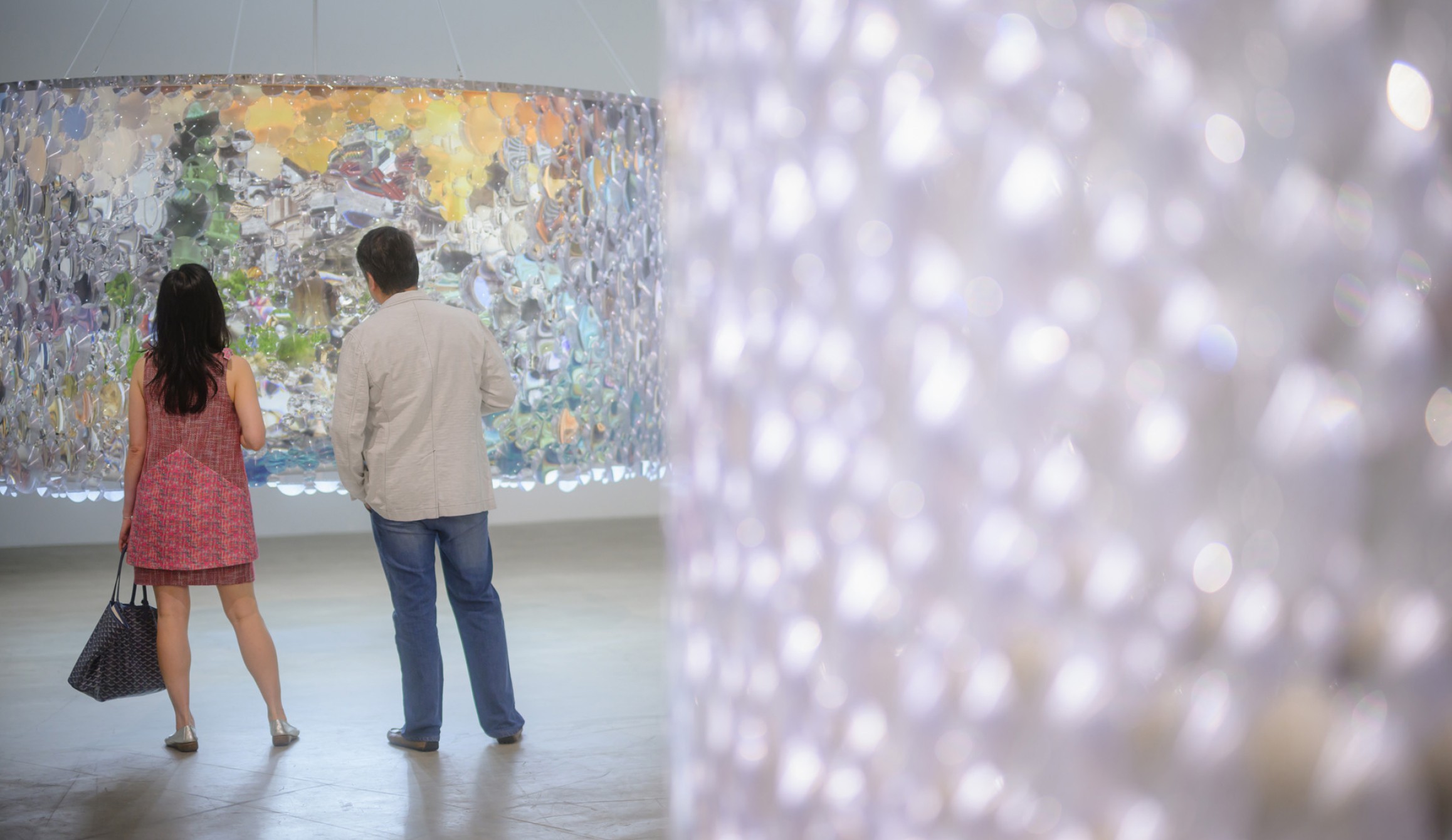
At once optical device, archive, and environment, City Lantern unfolds as a 3.6-metre-wide kinetic sculpture, in which a ten-metre photographic panorama rotates behind a dense field of Fresnel lenses. The imagery—drawn from colonial-era photographs and contemporary documentation—maps a transnational geography: from Hong Kong’s General Post Office and Tian Tan Buddha, to Manila’s Binondo Church, Beijing’s Temple of Heaven, and Singapore’s Golden Mile Complex.

But what emerges is not a stable image. Instead, Victor fractures the visual field into a shifting, unstable constellation—where buildings, bodies, and landscapes dissolve and recombine. The work resists any singular vantage point, undoing the authority of the colonial gaze that once fixed these images in place.
Previous

Next

Previous

Next

CREDITS

Suzann Victor, 2025, City Lantern

A KINETIC ARCHIVE OF FRACTURED HISTORIES

Originally developed as part of her 2025 solo exhibition A Thousand Histories, City Lantern belongs to Victor’s ongoing Lens-Paintings and Lens-Sculptures series—where optics become both medium and metaphor.

Here, the lens is not neutral. It is political.

By reworking colonial postcards and studio portraits—images historically embedded with racial hierarchies and imperial ideologies—Victor transforms them into a luminous, disorienting archive. The act of viewing becomes contingent, unstable, embodied. Larger lenses track the clockwise rotation of the mural, while smaller lenses generate counter-rotations, producing the uncanny sensation of moving in two directions at once.

In this sense, City Lantern does not simply represent history—it performs its instability.

It also foregrounds what those archives have historically obscured: the invisible labour, migration, and lived experiences of women across Southeast Asia. Architecture becomes palimpsest—each site bearing the sediment of empire, conflict, aspiration, and erasure.

FROM SINGAPORE TO THE GLOBAL STAGE

Victor’s presentation at Art Basel Hong Kong 2026 builds on a career that has consistently challenged disciplinary and institutional boundaries. From her early role as Concept Developer and Artistic Director of 5th Passage (1991-1996)—one of Southeast Asia’s earliest feminist artist-run spaces—to becoming the first woman to represent Singapore at the Venice Biennale (2001), her practice has long engaged the intersections of body, space, and power.

Her work spans performance, installation, and public art, often activating light, water, and engineered systems to create immersive environments that foreground the viewer’s own sensory and bodily experience.

Recent projects—including Sea Lantern II at the Art Gallery of New South Wales—demonstrate the increasing architectural scale and technical ambition of her lens-based works, developed in collaboration with Yogya Art Lab in Indonesia.

SEEING, UNSEEING: A CONTINUUM

Victor’s current presentation echoes the insights she shared in CNTRFLD.ART’s 2025 conversation, reflecting on her landmark exhibition Singapore at 60 (AP60) at Artspace@Helutrans—where she explored memory, identity, and the complex ways we see and are seen.

As she articulated then:

“Art practice is life practice, where embodying the message of the artwork is as important as the making of it… It is important to define oneself from the inside out.”

This ethos is palpable in City Lantern. The work refuses passive spectatorship; instead, it demands movement, negotiation, and self-awareness. Vision is no longer detached—it is embodied, contingent, and politically charged.

Across both presentations, a consistent thread emerges: Victor’s insistence that to see is never neutral. It is shaped by power, history, and position—and must therefore be continually questioned.

WHY THIS MATTERS NOW

In the context of Art Basel Hong Kong 2026, City Lantern expands beyond a regional narrative into a global one. Positioned within Encounters, it becomes a site where audiences from across the world engage with Southeast Asia not as a fixed geography, but as a dynamic field of histories-in-process.

At a time when conversations around decolonisation, migration, and representation continue to intensify, Victor’s work offers neither resolution nor clarity. Instead, it offers something more urgent: a way of seeing otherwise.

EDITORIAL NOTE

This feature builds on our earlier conversation with Suzann Victor (September 2025), offering readers a deeper lens into her evolving practice—from Singapore to Art Basel Hong Kong.

CREDITS

About the Artist

Suzann Victor (b. 1959, Singapore) is a Singapore-born, Sydney-based contemporary artist whose multidisciplinary practice spans performance, installation, and public art. Working across light, water, sound, and lens-based technologies, Victor probes the limits of perception and the politics of visibility, creating immersive environments that position the viewer’s body as an active site of encounter. Her works frequently draw on sensorial phenomena and optical physics, merging engineered systems with the readymade to destabilise fixed ways of seeing and knowing.

A pioneering figure in Southeast Asian contemporary art, Victor was the first woman to represent Singapore at the Venice Biennale in 2001. She is also the co-founder of 5th Passage (1991–1996), one of the region’s earliest feminist artist-run initiatives, which played a critical role in shaping Singapore’s early contemporary art ecology and public engagement with experimental practices. Her work has consistently addressed questions of marginality, disembodiment, and institutional critique, often foregrounding the unseen and the unheard—particularly the histories and experiences of women.

Victor’s practice is deeply informed by her diasporic experience between Singapore and Australia, where shifting contexts of belonging and otherness have sharpened her engagement with power, identity, and the legacies of colonialism. Across decades, she has developed a distinctive visual and conceptual language that resists singular perspectives, instead offering fractured, kinetic, and often ephemeral forms that unfold through movement and time.

Her works have been presented internationally, including at the Havana Biennale, the Asia-Pacific Triennial of Contemporary Art, the Gwangju Biennale, and the Singapore Biennale, among others, and are held in major public and private collections worldwide. From early performance works such as Still Waters (1998) to her ongoing lens-based installations, Victor’s oeuvre is marked by a sustained inquiry into how bodies, images, and histories are mediated, controlled, and reimagined. Her Still Life Series, held in the collection of the National Gallery Singapore, further reflects this investigation—foregrounding the tension between material presence and perceptual instability.

Recent projects, including her 2025 solo exhibition A Thousand Histories and the monumental kinetic installation City Lantern—presented in the Encounters sector at Art Basel Hong Kong 2026—extend her longstanding investigation into colonial image-making and its afterlives. Through fields of refracted imagery and shifting visual planes, these works challenge the authority of the singular gaze, proposing instead a fluid, contested, and embodied mode of seeing.

Victor’s practice ultimately centres on the transformative potential of perception: how we see, how we remember, and how meaning is continuously constructed through lived, bodily experience.

On view at Art Basel Hong Kong until 29 March 2026.


With thanks to Aisha Amrin, Hannah Jaugan, and Gajah Gallery.

Share Article

Share Article

More to Read