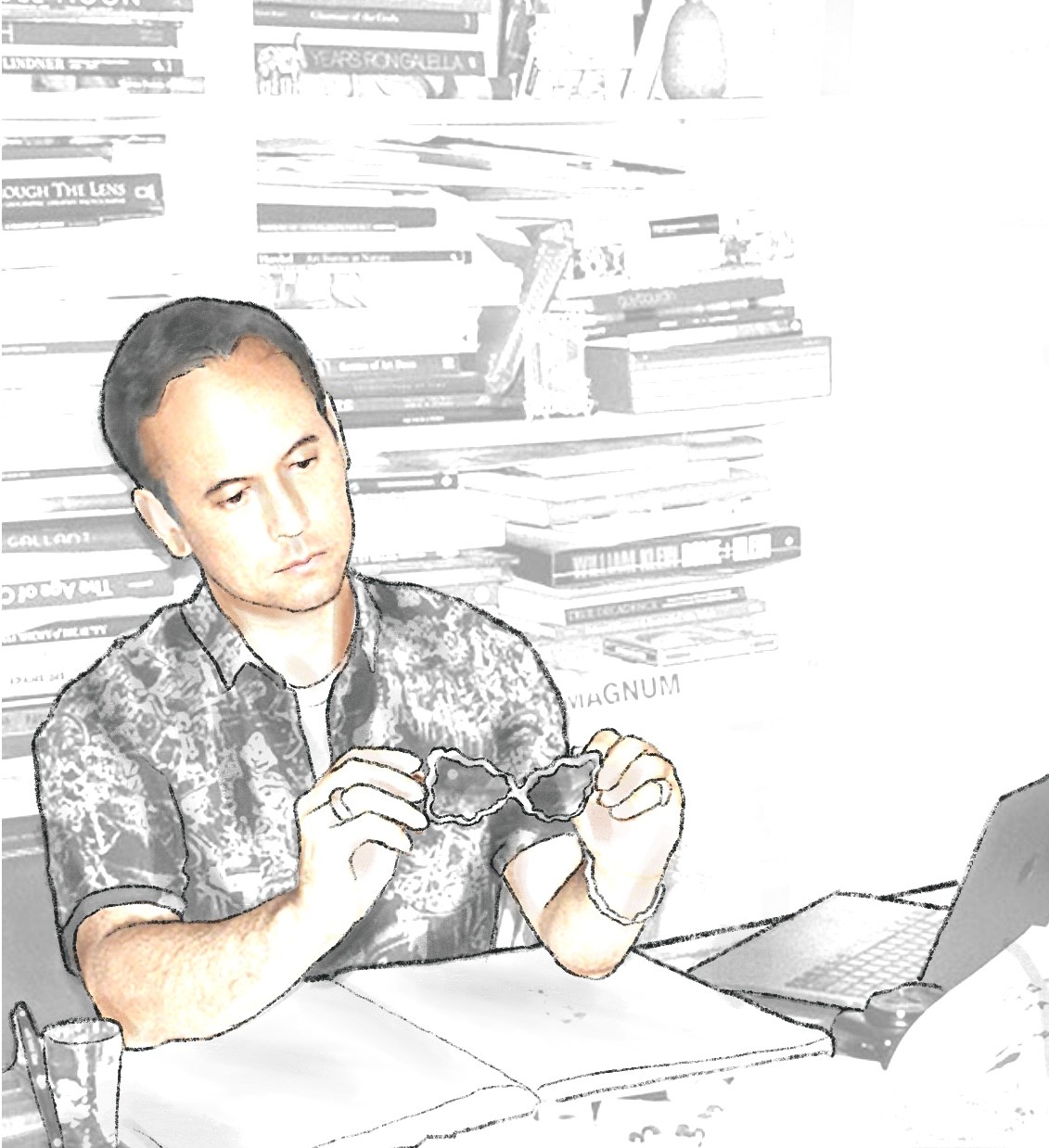
John-Paul Francis de Lara Pietrus illustrated by Maria Chen

DATE

2026/04/03

ARTICLE

Maria Chen

PHOTOS

Courtesy of the Artist

John-Paul Francis de Lara Pietrus on Hybridity, Multidisciplinary Practice, and the ArtFashion Intersection

The London-based artist reflects on constructing images across photography, film, and jewellery—navigating diasporic identity, material experimentation, and the convergence of contemporary art and fashion.


In an expanded contemporary art landscape—where the boundaries between disciplines are continuously renegotiated—John-Paul Francis de Lara Pietrus’s practice offers a compelling articulation of how art and fashion operate as intersecting sites of cultural production. Working across photography, film, and object-based practices, Pietrus approaches image-making not as a singular medium, but as a conceptual framework through which questions of identity, materiality, and narrative are constructed and reconfigured.

Born in the Philippines, raised in the United States, and now based in London, Pietrus brings a diasporic perspective that resists singular definition. His work reflects this condition: layered, referential, and open-ended. Rather than seeking resolution, it embraces hybridity—allowing visual languages, histories, and cultural influences to coexist. This sensibility situates his practice within a broader discourse surrounding ESEA and diasporic artists, whose work continues to challenge Western-centric frameworks of contemporary art.

Emerging through fashion image-making yet consistently embedded within institutional contexts, Pietrus occupies a space that productively unsettles traditional hierarchies between fine art, fashion, and craft. His early inclusion in exhibitions alongside figures such as Andy Warhol and Wolfgang Tillmans signals a trajectory that has long moved in parallel to, rather than separate from, the contemporary art world. In this context, fashion becomes not simply an industry, but a critical medium—capable of carrying conceptual weight, cultural memory, and political nuance.

Central to Pietrus’s work is an ongoing investigation into transformation: how images become spatial, how surfaces hold time, and how constructed forms—whether photographic or sculptural—operate as vessels for meaning. His longstanding series of photographic “houses,” for instance, collapses distinctions between two-dimensional representation and three-dimensional form, foregrounding process as both method and metaphor.

At its core, Pietrus’s practice engages with temporality, migration, and the instability of identity. Shaped by movement across Southeast Asia, the American Midwest, and Europe, his work reflects a condition of continual translation—where cultural references are absorbed, reframed, and rearticulated. This approach resonates with a wider generation of artists navigating transnational identities, for whom hybridity is not a theme but a lived reality.

In this conversation with CNTRFLD.ART, Pietrus reflects on the convergence of contemporary art and fashion, the role of diasporic experience in shaping visual language, and the evolving conditions for artists working across disciplines today. What emerges is a practice grounded not in fixed categories, but in fluidity, critical inquiry, and a sustained engagement with culture as an interconnected and evolving field.

CREDITS

All works courtesy of the artist

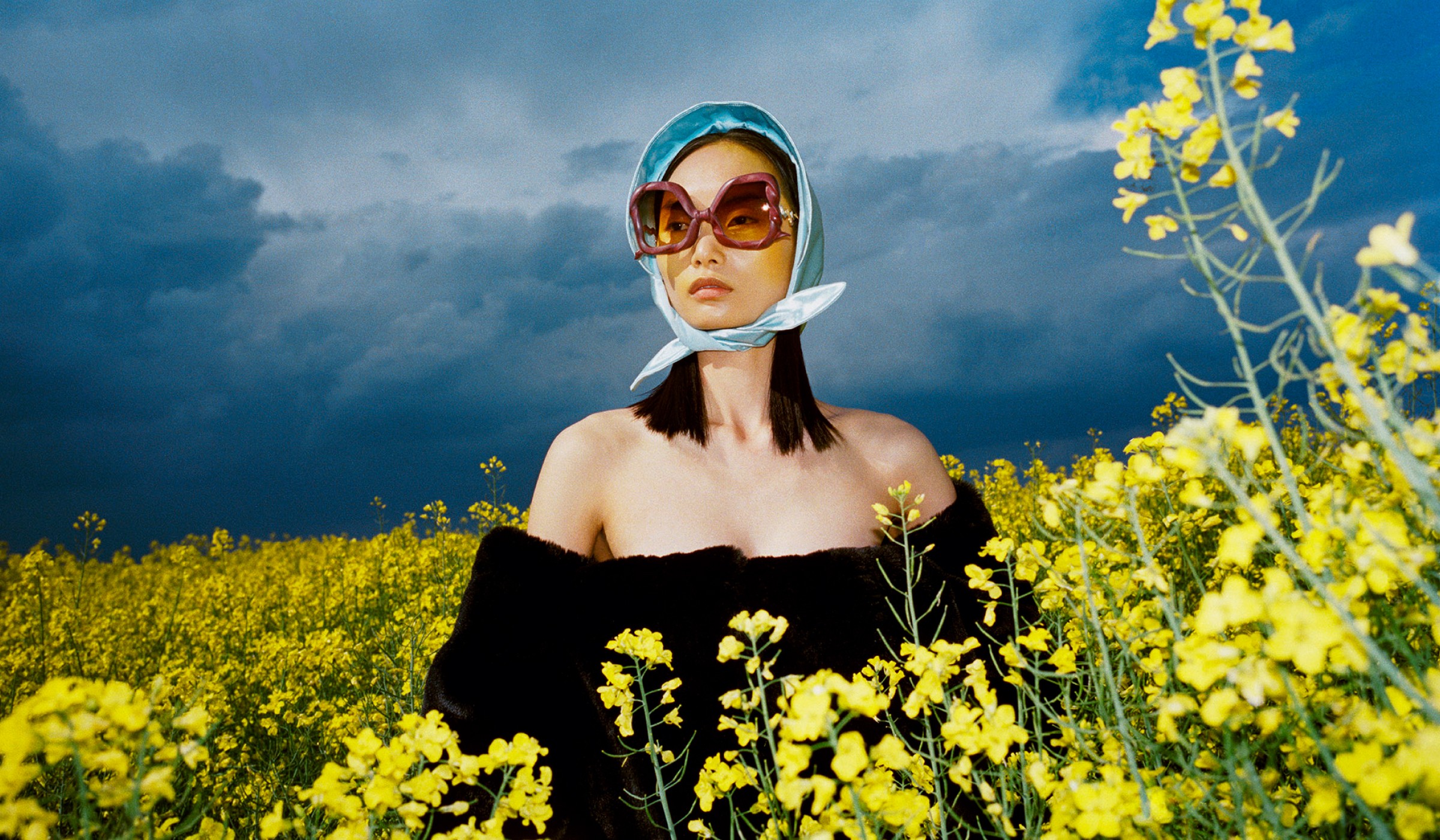
Header: Ravy and Ikram for British Vogue and Francis de Lara

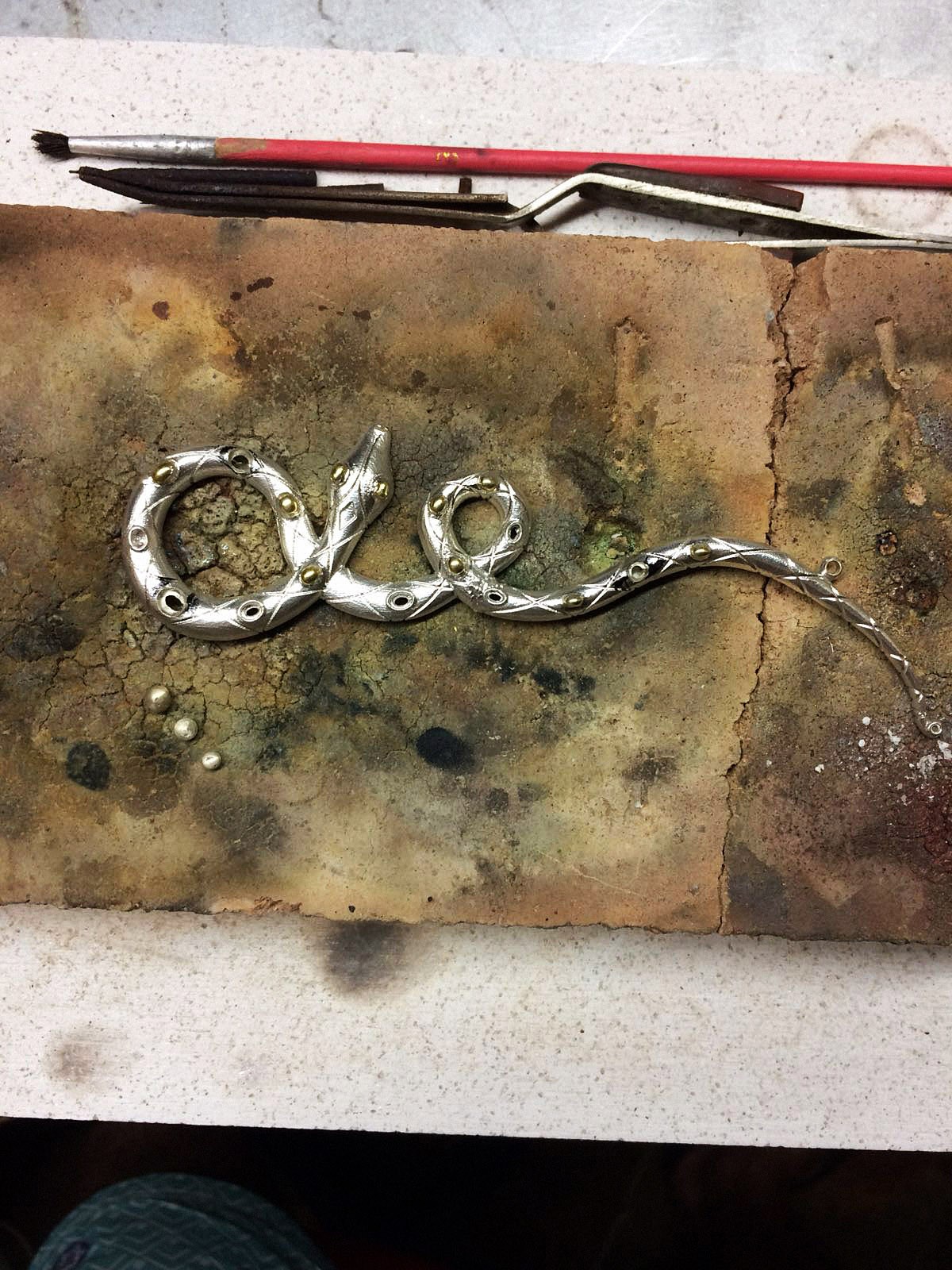
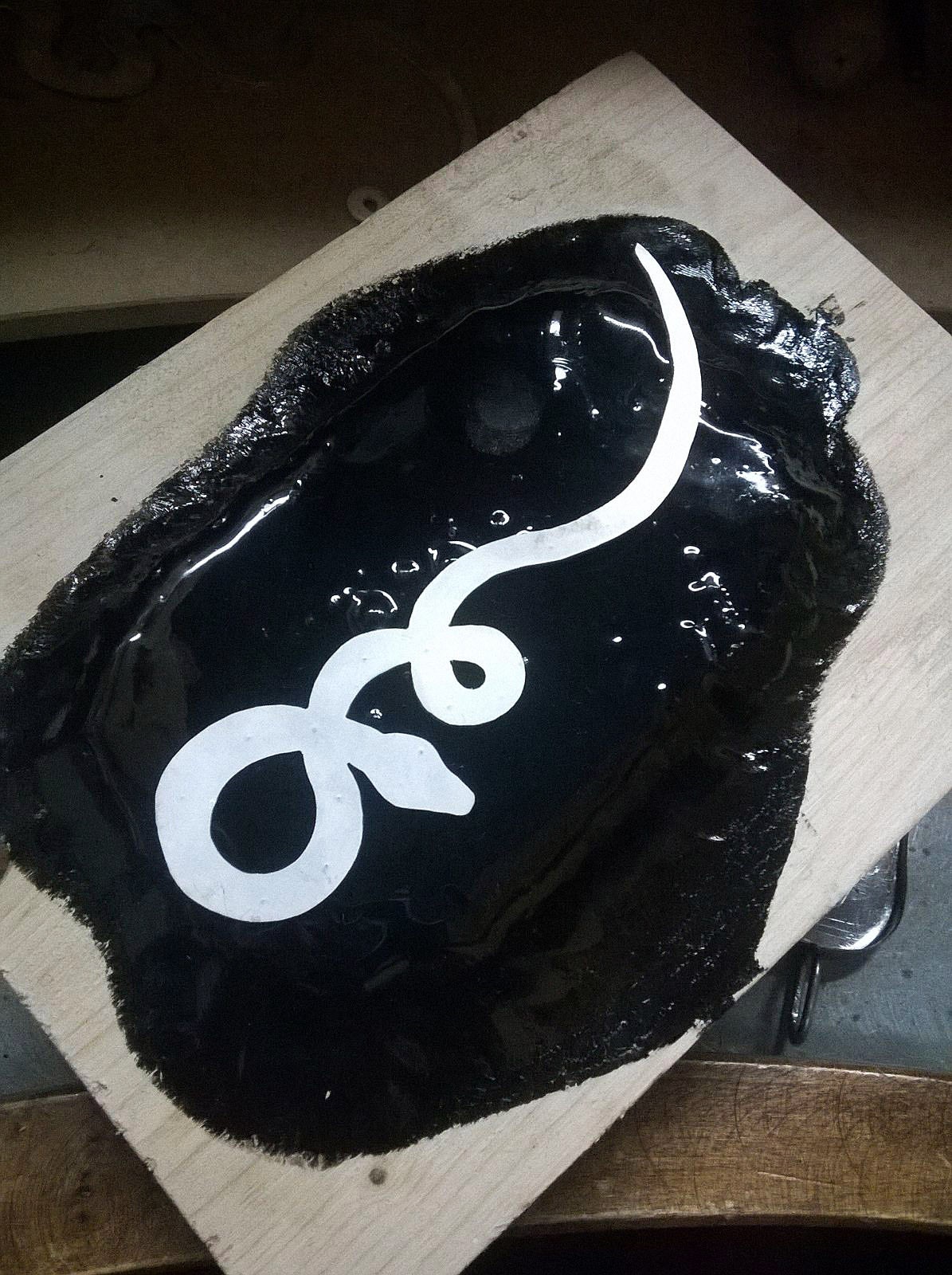
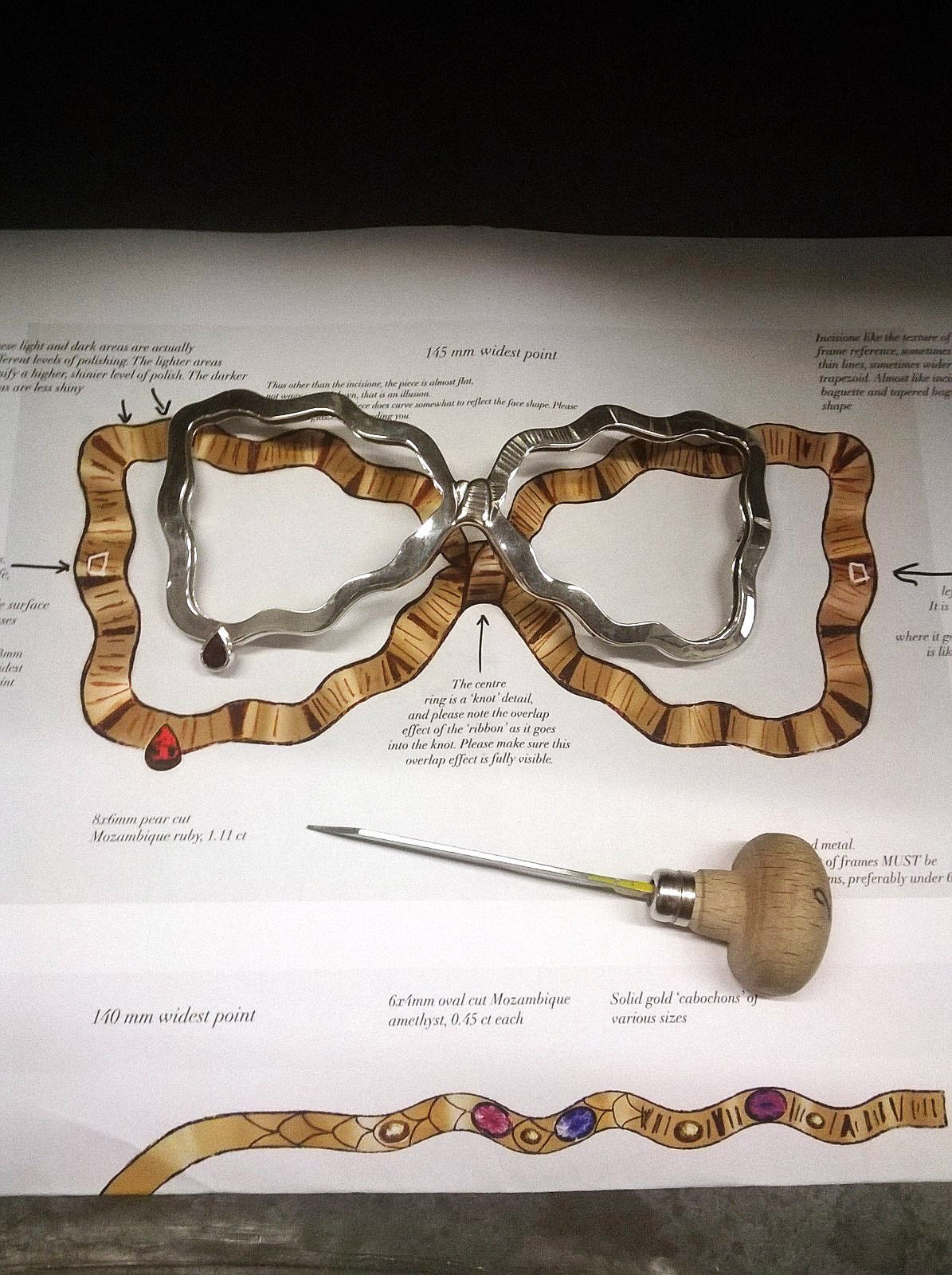
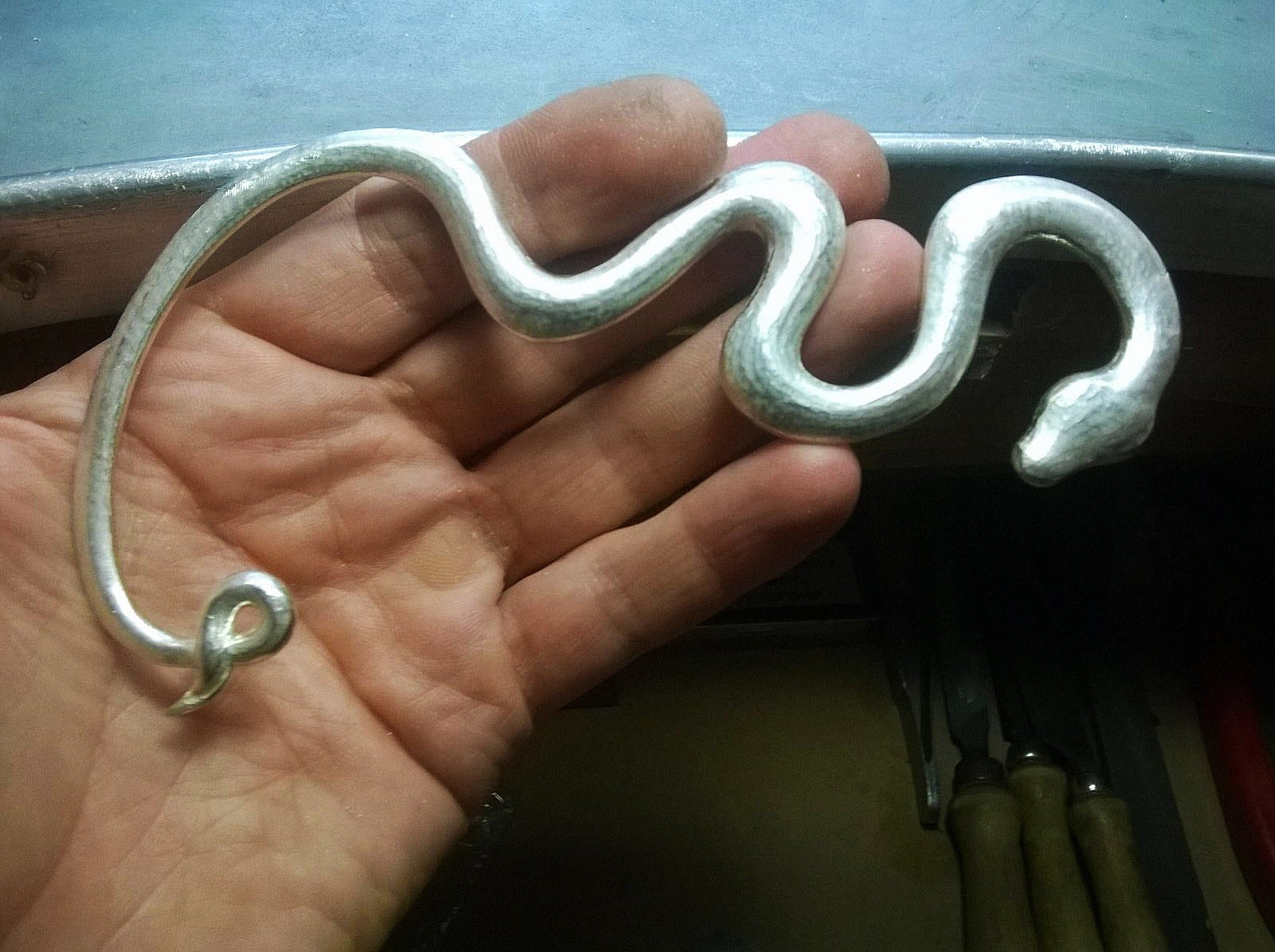
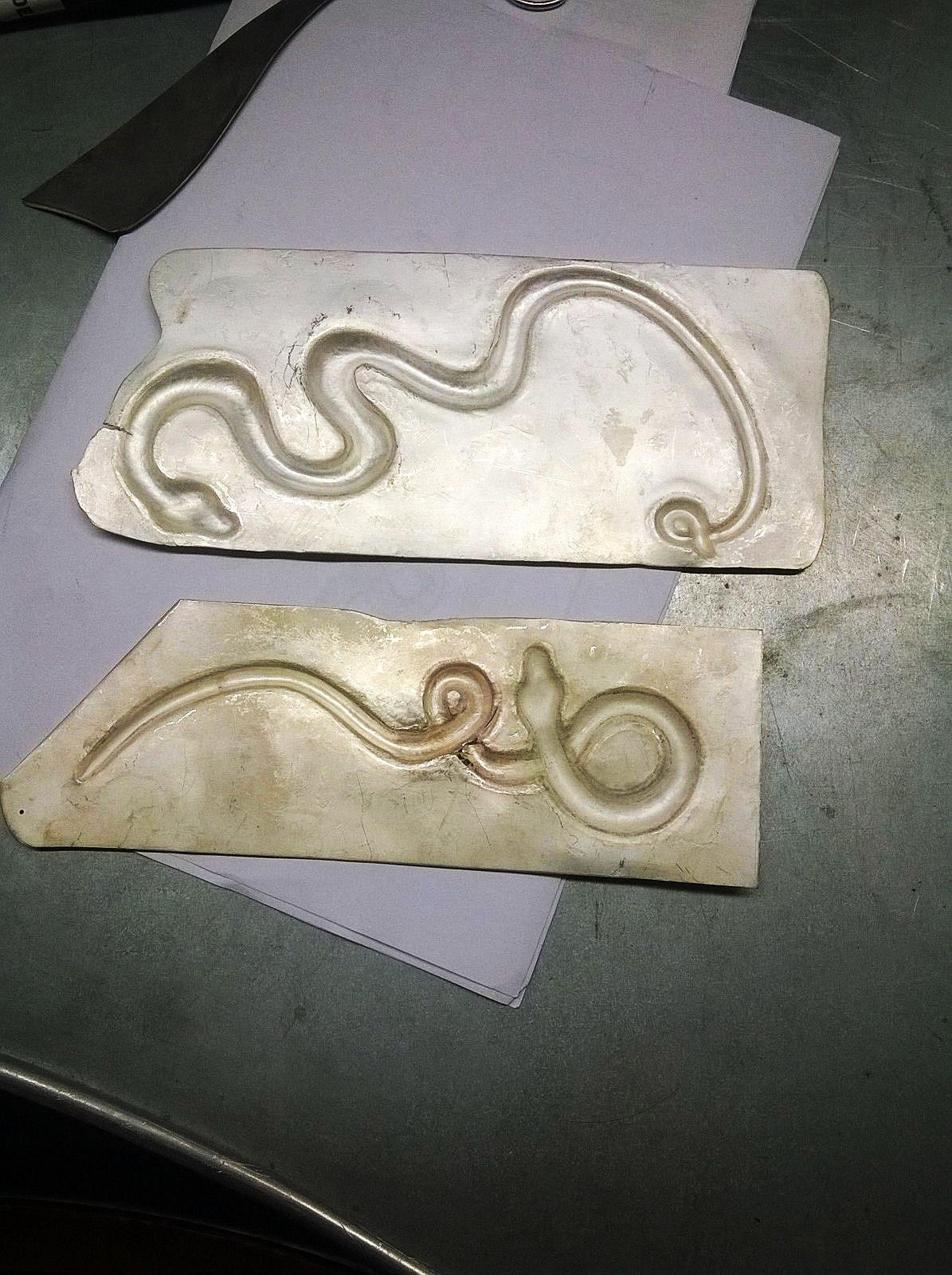
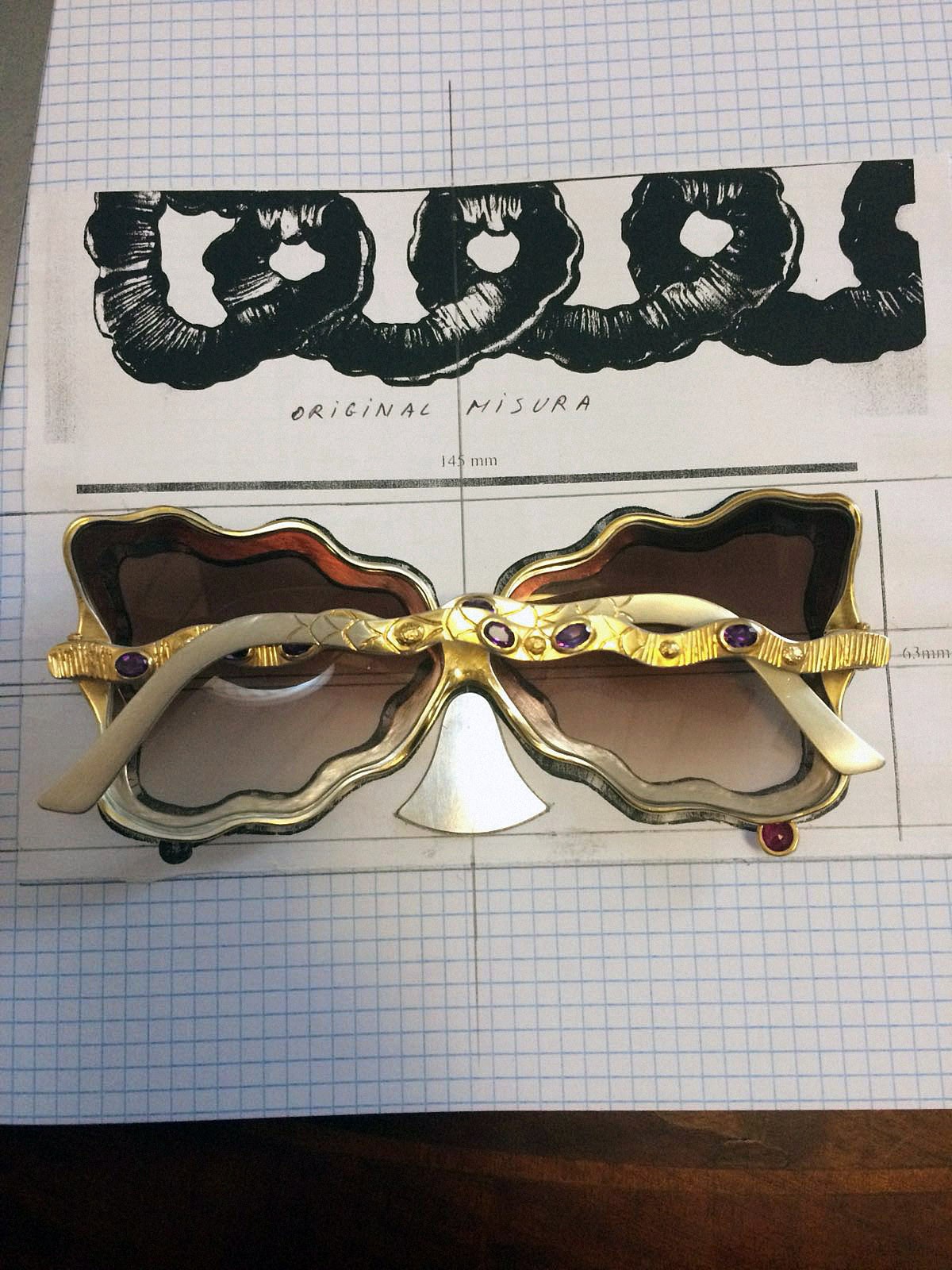
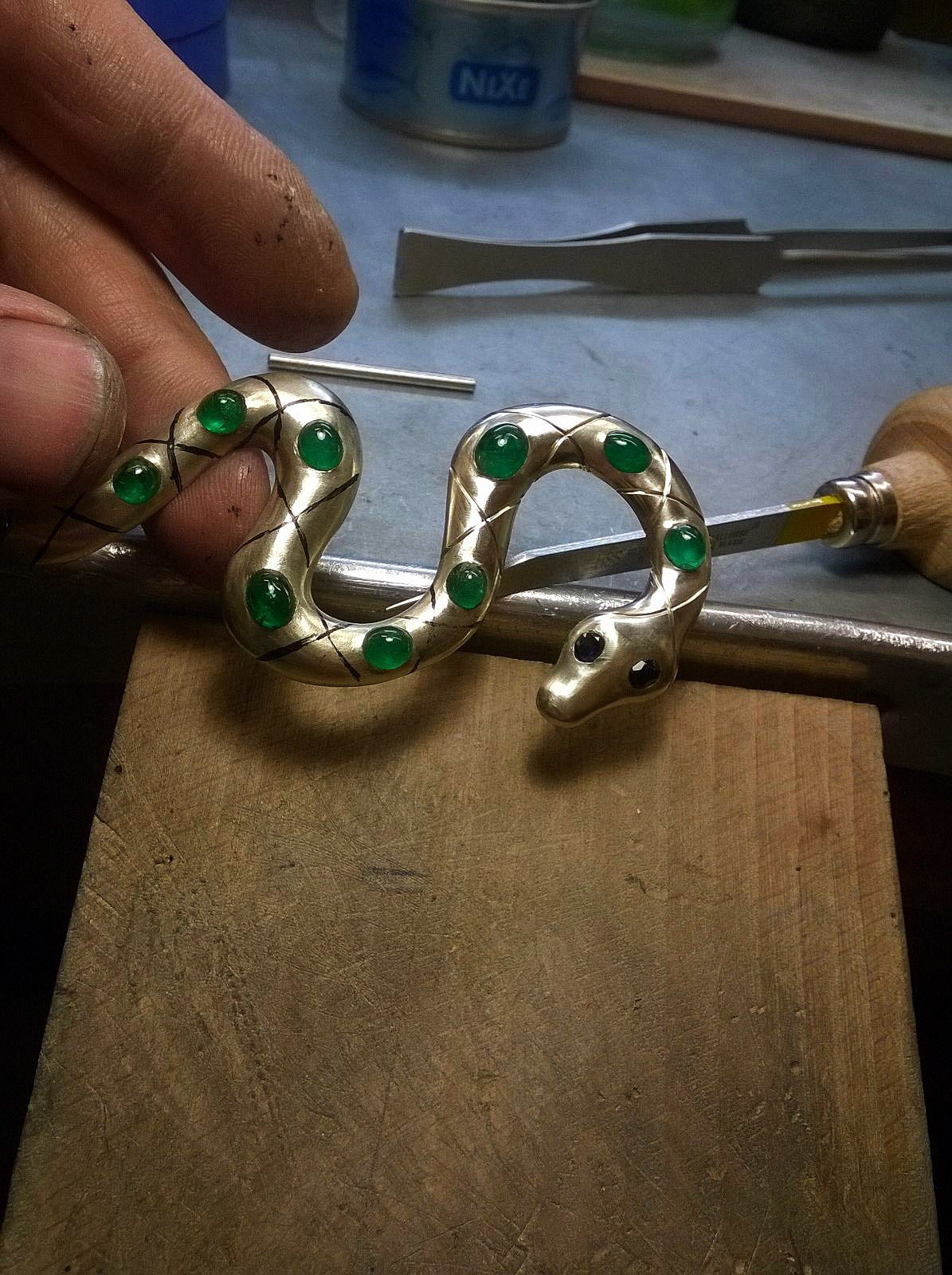
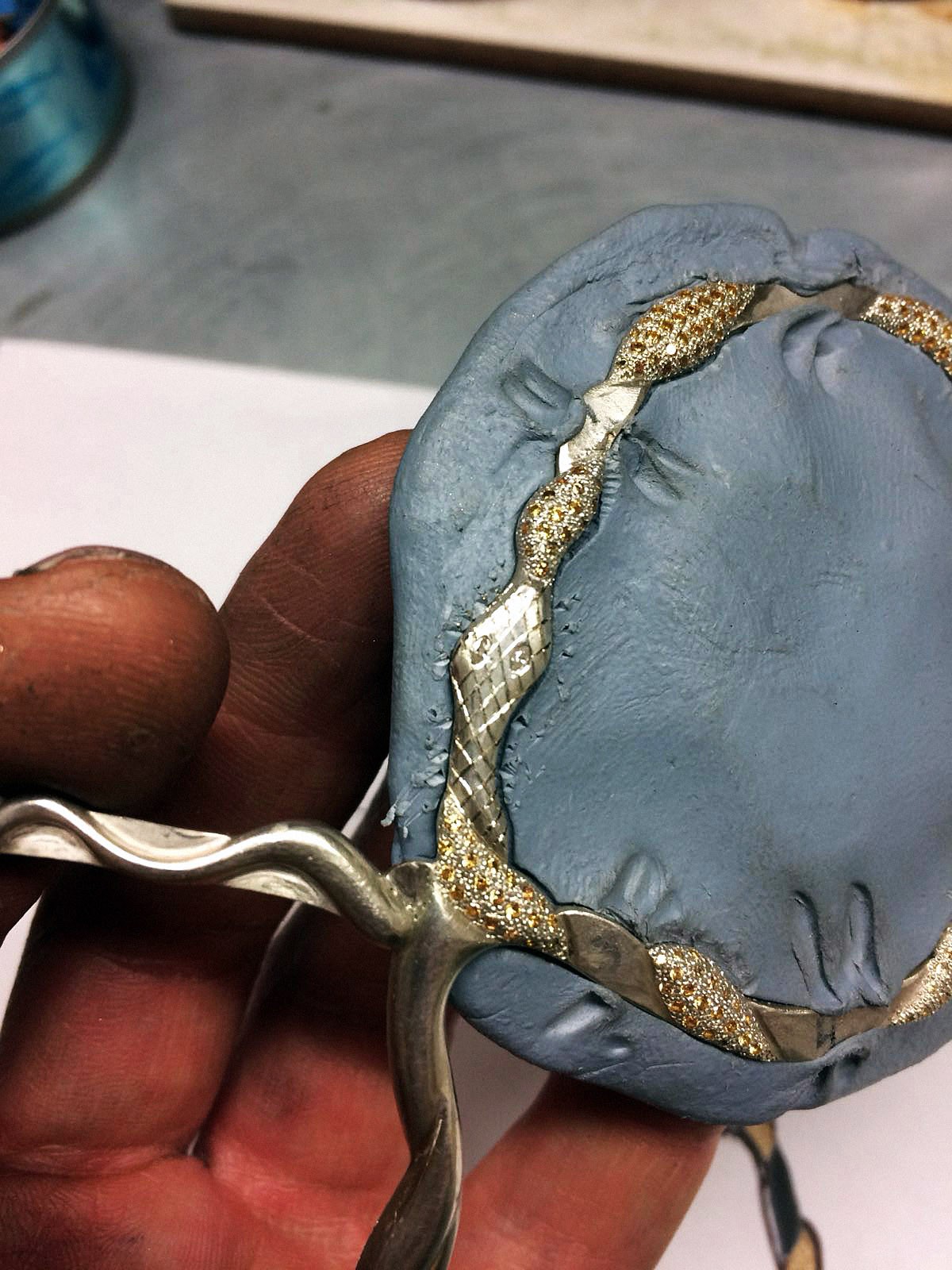
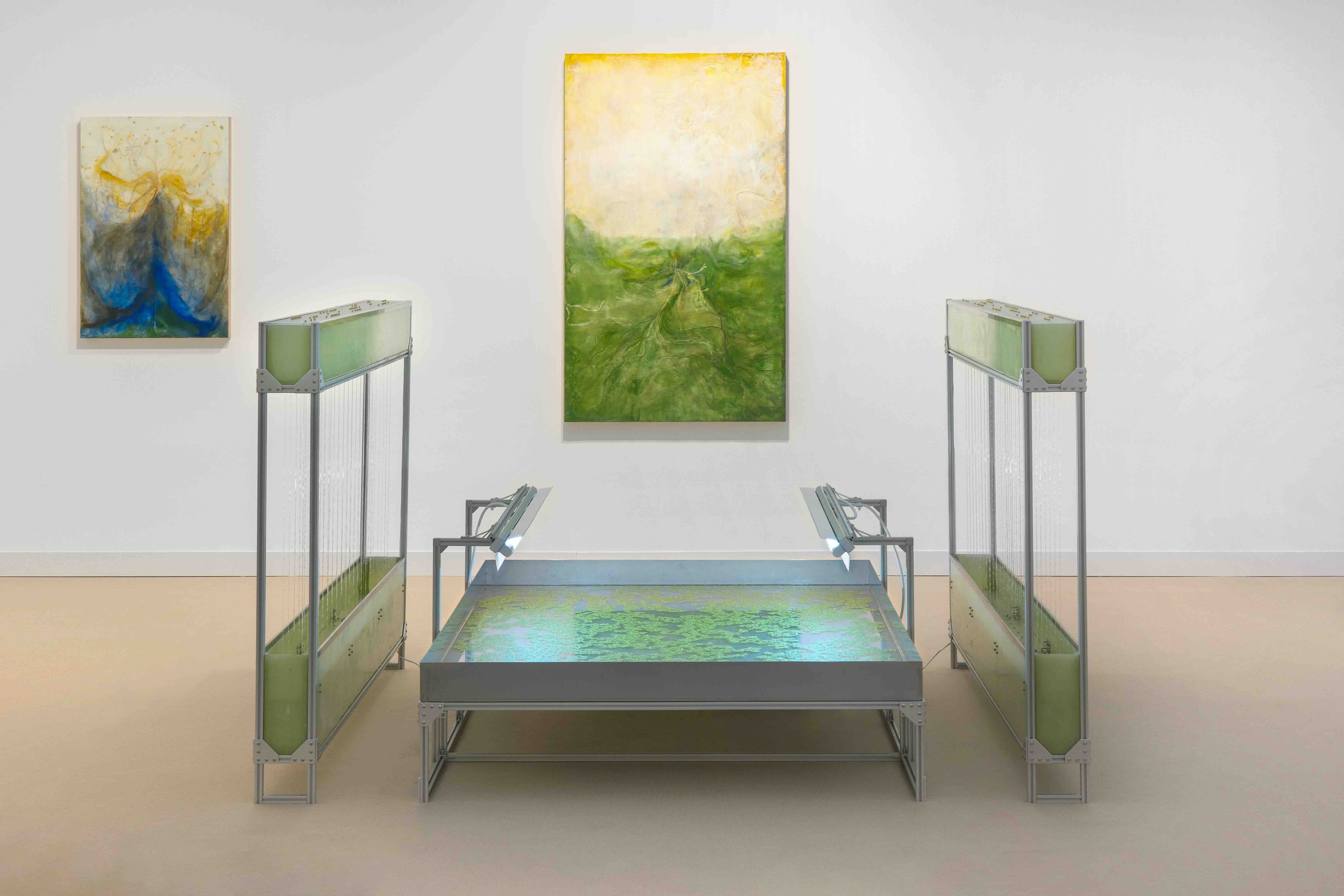
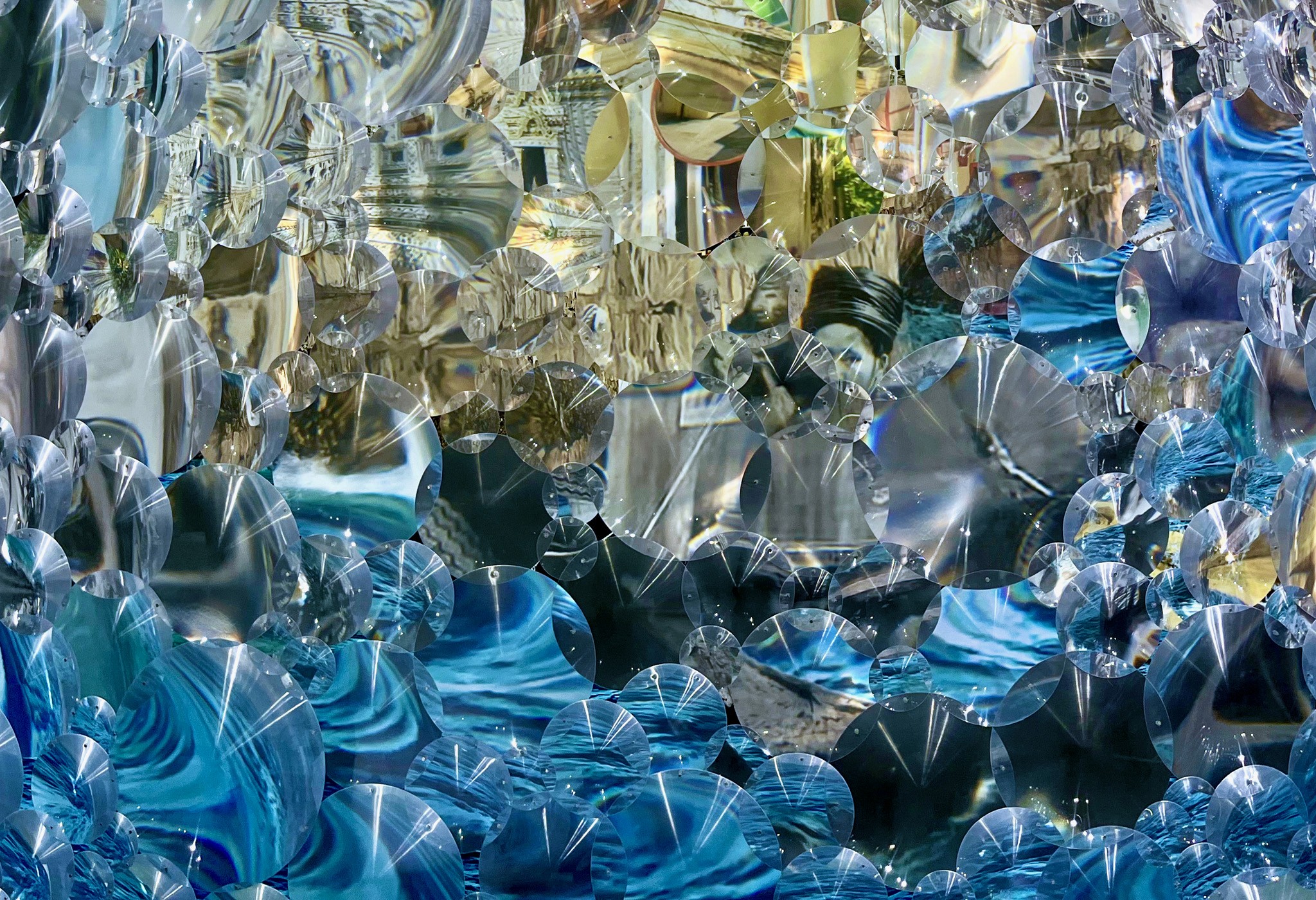
Image 1-8: Process Shots Courtesy John-Paul Francis de Lara Pietrus

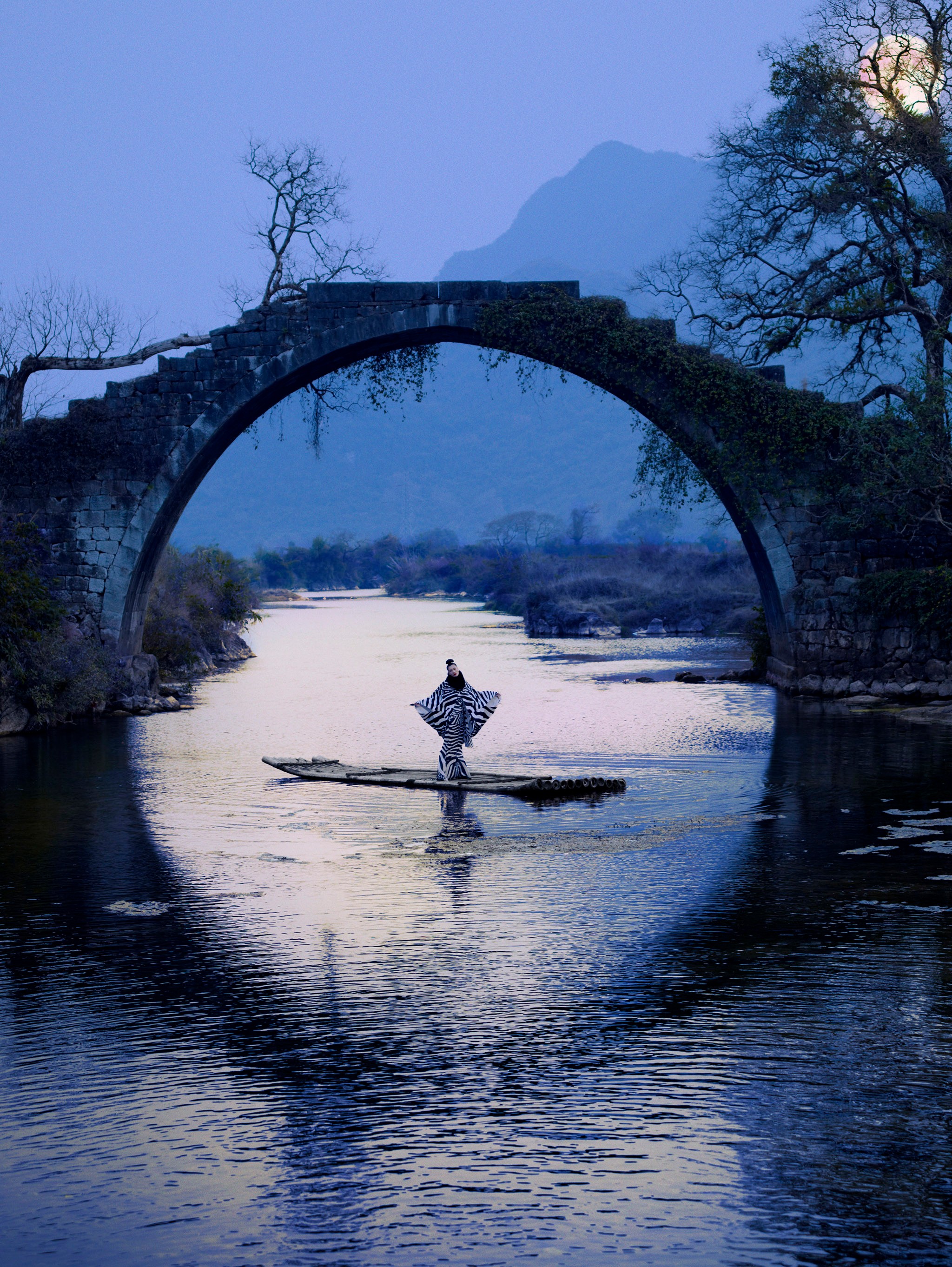
Divider: Ling Ling for Vogue Singapore

“I am like a sponge: I absorb what is around me. I love learning about other cultures, other times, and simply ‘other’... The experience of moving between cultures has also made me comfortable with hybridity, with allowing different influences to coexist without needing to resolve them into a single narrative.”—John-Paul Francis de Lara Pietrus

CNTRFLD. Your practice spans photography, film, and high jewellery—yet there’s a strong sense that each work is constructed rather than simply produced. Do you see yourself primarily as an artist working across mediums, and how do you define the sculptural dimension of your practice?

JP. Thank you for the compliment! Yes, I would say I am a multi-media artist, although not necessarily in the sense of different media used in a specific piece, but rather my creative fingers in many pies. I think the parameters that societal norms urge us to adhere to, such as one job, one form of expression, are inappropriate for my life and happiness. I have always enjoyed creating, not just in two-dimensions, but also in 3+.

The creation of three-dimensional houses out of two-dimensional photographs came from a debate at the pub with a photographer friend who said ‘every photograph has been taken already.’ I decided to try and prove him wrong, so I explored how do two-dimensional photographs of people, organic soft creatures, change when they are made into a structure involving folds, corners, and rigidity. The resulting product exists both as a 3d model house, and a 2d photograph of it. That initial pub debate was back in 1998, and I am still making those houses to this day.

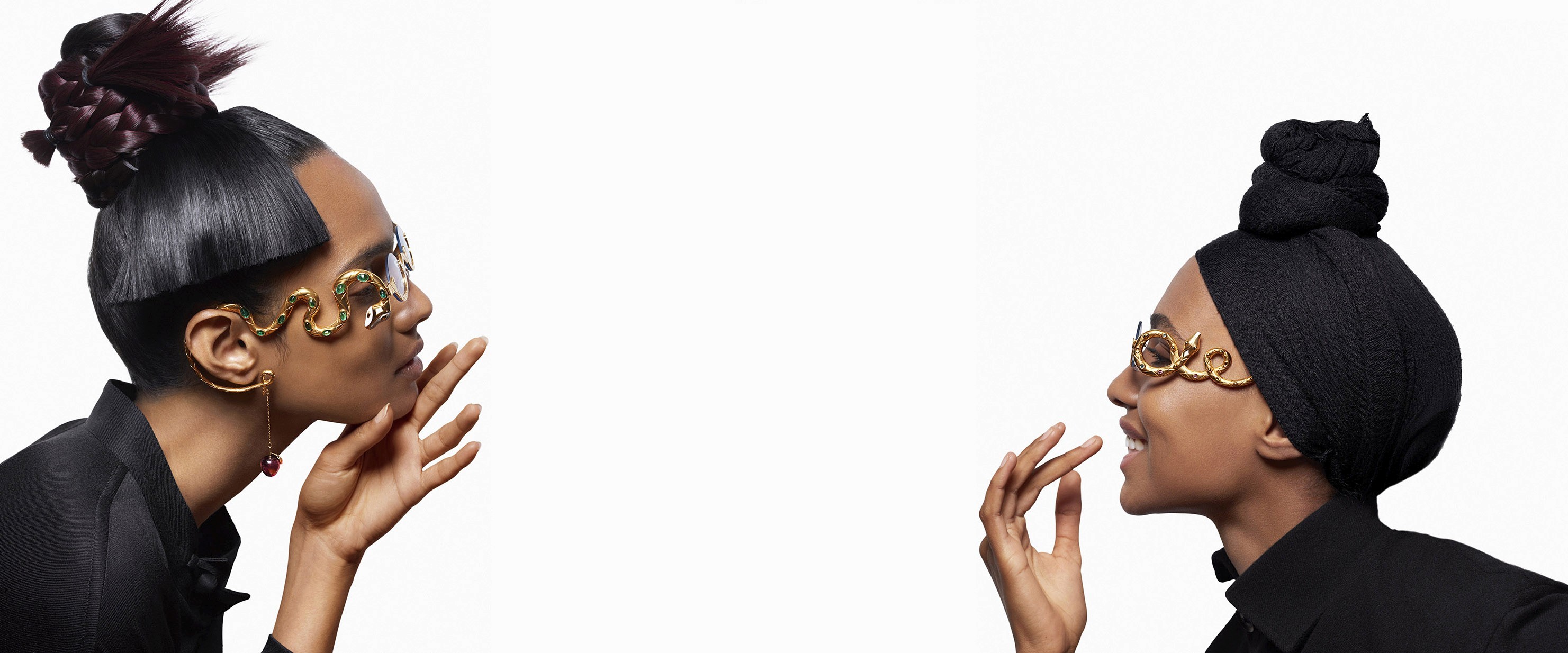
In jewellery and eyewear, which I see as the same since eyewear is essentially an accessory or jewellery for the face, I am seduced by the tactility of the objects, the hand-made or hand-finished feel, and the idea that an artist’s physical touch infuses a part of their soul into the piece. I truly believe that there is an energy exchange which remains in the piece itself.

CNTRFLD. Your eyewear pieces for Francis de Lara feel less like accessories and more like intimate sculptures that live on the body. When you create, are you thinking in terms of form, narrative, or emotional resonance—and how do these elements come together?

JP. All of those things are in my mind, but primarily emotional resonance and then narrative. There is also a nod, at the very least, to historical forms and motifs, as I find there is a certain dynamic tension when two or more elements of very different times are conglomerated, such as the pairing of Renaissance jewellery and sunglasses, which are a more modern object. The result is quite captivating and delightful!

CNTRFLD. You’ve moved from fashion photography into exhibiting film in institutions like M+. At what point does a work, in your view, cross from fashion or craft into the realm of contemporary art?

JP. In fact, my first big international exhibition, ‘Uniform: Order and Disorder’, was back in 2000 at the Stazione Leopolda in Florence and then subsequently moved to PS1 MOMA in 2001. It was quite incredible to be included in the same show as artists I hugely admired, and still do to this day: Andy Warhol, Wolfgang Tillmans, Vanessa Beecroft, Do-ho Suh… Thus, I have always been exhibiting in art institutions since early in my career and have been fortunate to have those opportunities present themselves to me.

It is difficult to say at what point a work crosses from fashion or craft into the realm of contemporary art. In fact, I would say much craft is closer to art than fashion. I think it is highly subjective, but perhaps it is when the piece is no longer simply solving a problem in a practical sense but is expressing a position. The work becomes conceptual, not just functional, when narrative outweighs utility.

CNTRFLD. CNTRFLD.ART grew out of Centrefold, which started as a fashion-arts bi-annual publication, and has since evolved into a contemporary art-focused platform and small press, while keeping a connection to its roots. As a non-profit, it also aims to support and give visibility to ESEA artists. Your own work moves across fashion, craft, and art—how do you see these worlds connecting or overlapping today?

JP. Fashion, craft, and fine art increasingly connect and overlap as designers treat clothing as a medium for artistic expression. Many contemporary fashion collections function like conceptual or sculptural artworks, exploring themes such as identity, technology, and the body. It started already decades ago with Martin Margiela and Alexander McQueen, and more recently Iris van Herpen, demonstrating this connection by creating shows and clothing that resemble performance, installation, or sculpture rather than purely functional garments. At the same time, traditional craft techniques—such as embroidery, weaving, and hand tailoring—remain central to fashion, particularly in couture, where highly skilled artisans contribute specialized knowledge and manual skill that blur the line between craft and artistic production.

The relationship is further strengthened through collaborations between artists and fashion brands, cue the infamous Louis Vuitton x Yayoi Kusama, where contemporary artists bring their visual language to garments and accessories. Craft is also gaining renewed attention through sustainability movements that promote slower, handmade production and the preservation of traditional textile practices. Alongside this, both artists and fashion designers are experimenting with innovative materials and technologies, including digital fabrication and bio-based fabrics, expanding the possibilities of textile and garment creation. For example, my bag-cases for Francis de Lara eyewear are made from pineapple fibre leather, developed by a Filipina. Together, these developments show how fashion, craft, and fine art now operate within a shared creative landscape, influencing each other through materials, techniques, and cultural ideas.

You can see a lot of this fashion-craft-art connection in the fashion and arts community in my motherland, the Philippines, where craft really takes and important role in our textiles such as piña and jusi which are made from pineapple and banana fibre, respectively, and in fashion which is handmade, hand-embroidered, and incorporates a lot of traditional Philippine craft techniques.

CNTRFLD. Your use of Super 8 film and your references to Renaissance light and symbolism suggest a deep engagement with time, memory, and image-making traditions. How do you think about temporality in your work—both in film and in objects that take hundreds of hours to create?

JP. Everything is impermanent apart from space and time themselves, and I accept that. I have no god-complex wanting to be remembered long after my death, there is no point in that beyond ego-stroking. Despite all of this, I do endeavour to create imagery and objects to stand the test of time. In my imagery, it marks a certain time, whereas in my jewellery and eyewear, I want it to be able to stand the test of time not simply creatively, but also physically. I want to create heirloom pieces. Even my more commercial range of eyewear, FDL Editions, is crafted with gemstones and titanium, which is one of the strongest and most corrosive resistant metals there is. I want to try and be as sustainable as I can be and not make things which are disposable and gone in a season. That is a moral obligation.

CREDITS

Video 1: Zoom: The First Magnificent 7 (2020)
Screened at Centre Pompidou as part of ASVOFF (A Shaded View on Fashion Film) An exploration of the Zoom platform as an aesthetic medium.
Director: John-Paul Pietrus Talent: Tiziana Esposito, Hannah Holman, Rajeen Pinazo, Jack Laver, Sammie Yochelson, Jason Harderwijk, Hengchi Chou.

Video 2: Beijing Love
Originally exhibited at M+ Hong Kong: ‘Madame Song: A Life in Art & Fashion’ Director: John-Paul Pietrus Fashion Director: Tim Lim Producers: Shaway Yeh & Aric Chen Talent: Ling Tan Hair: Chen Tao | Makeup: Dong Dong Wardrobe: Madame Song Pierre Cardin Archives

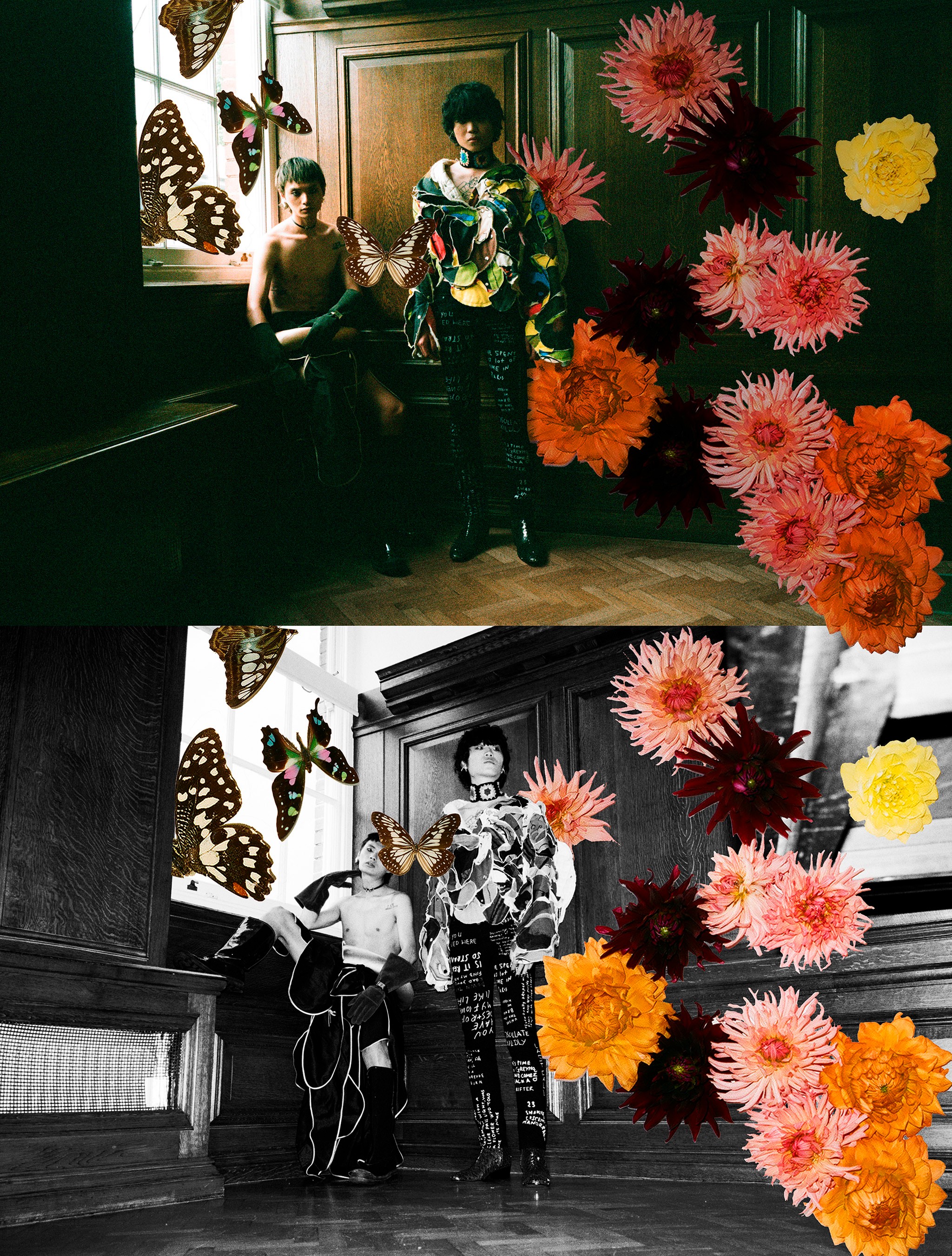
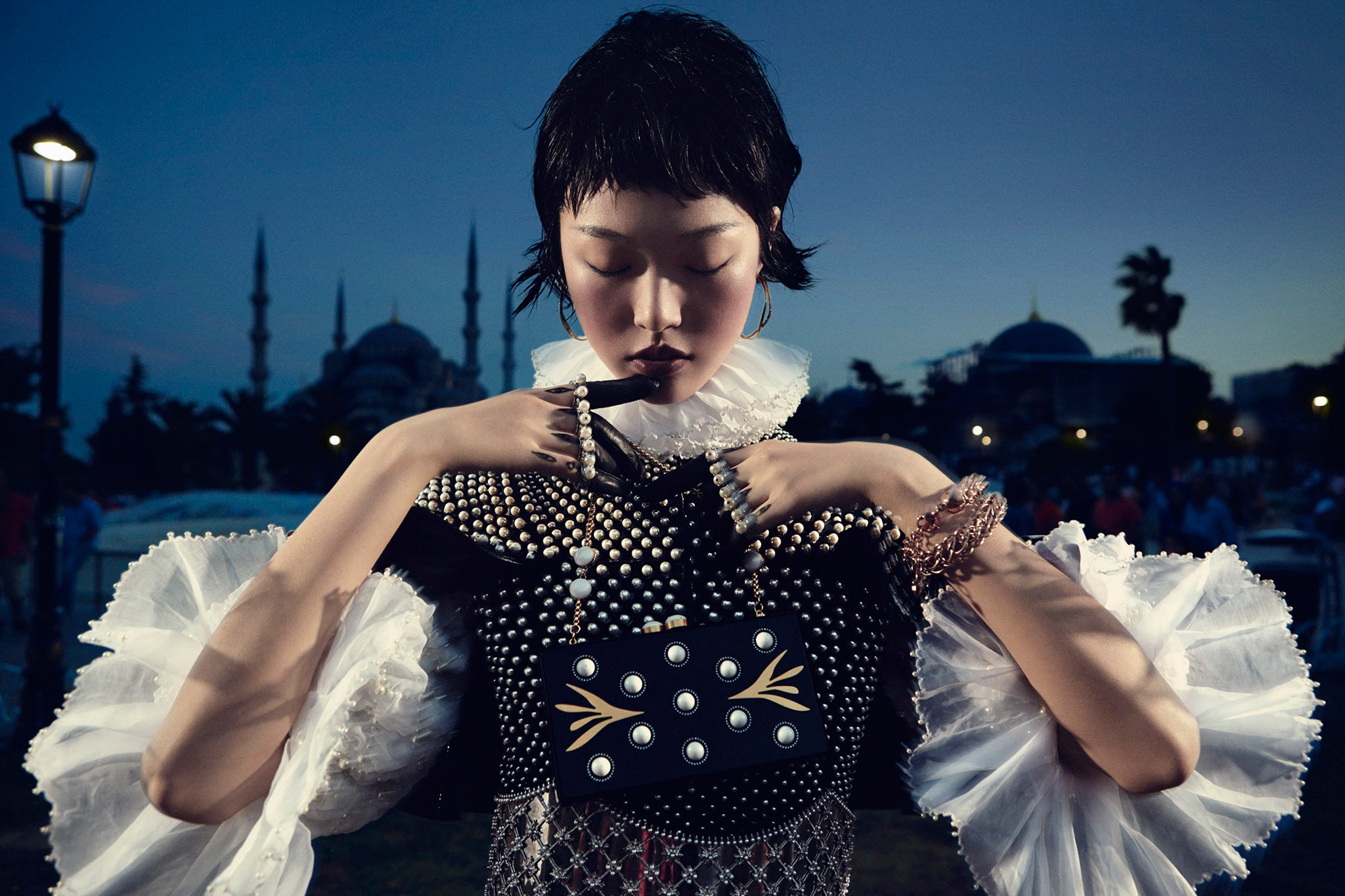
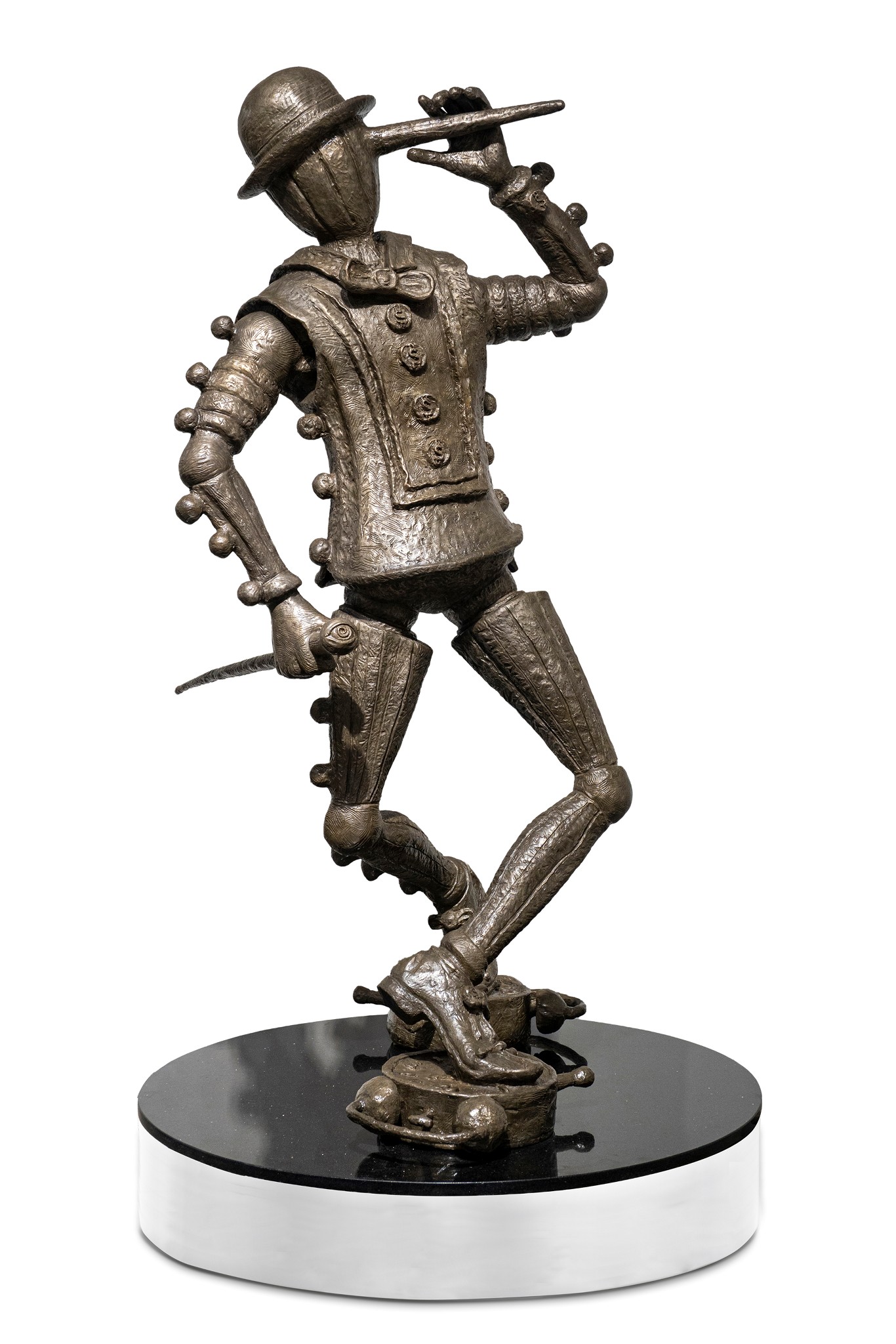
Image 1-4: Other works

CNTRFLD. You were born in the Philippines, raised in the United States, and have spent much of your adult life in London. How has this diasporic experience shaped your visual language, and do you feel your work carries traces of these layered identities?

JP. I am like a sponge: I absorb what is around me. I love learning about other cultures, other times, and simply ‘other’, therefore I have really taken in what and where I have experienced. Naturally, that has shaped my view and my visual language. I believe like my work has always been multi-cultural; part of being mixed-race in addition to absorbing from the environments I am in. Do I feel my work carries traces of these layered identities? I can’t really say for certain. My work is ‘me’, after all, so it must but it is not so much a conscious decision of stating: ‘ok, let me combine all of these identities into my work’, it just evolves without me thinking so much about that. It is just as much influenced by artists who I have really admired and adored.

Living in different places has also meant that my understanding of culture has never felt fixed or singular. Each place brings its own visual rhythms, materials, colours, and histories, and I find that these things naturally settle somewhere in my subconscious. Sometimes it might be a way of approaching ornament, sometimes a sensitivity to texture or craftsmanship, and sometimes simply an openness to mixing references that might not traditionally sit together. Because of that, my work tends to feel layered rather than rooted in one particular place. The experience of moving between cultures has also made me comfortable with hybridity, with allowing different influences to coexist without needing to resolve them into a single narrative. That sense of fluidity feels very natural to me and, in many ways, reflects the way my own life has unfolded across different countries and cultural contexts.

CNTRFLD. You’ve spoken about a longing to understand your Filipino heritage growing up. Has returning to that part of your identity influenced your work in ways that are visible—or perhaps more subtle and internal?

JP. This is sort of related to my answer for question 6, above. I think usually it has influenced my work in more subtle and internal ways, however, I am, at the moment, very inspired by the traditional Filipino barong shirt and it’s embroideries, as well as ‘rara’ traditional woven mats. I am also consciously making a decision to incorporate some Philippine woods into my Francis de Lara pieces.

At the same time, returning to that part of my identity has also been a process of discovery rather than something I grew up fully understanding. Looking more closely at Filipino craft traditions, textiles, and materials has opened up new ways of thinking about detail, pattern, and structure. Even when those references are not immediately visible, they influence how I approach surface, ornamentation, and the relationship between material and form. There is also an emotional dimension to it: reconnecting with that heritage creates a sense of grounding and curiosity that feeds into the creative process. In some works the influence might appear quite directly through materials or motifs, while in others it may simply shape the atmosphere or sensibility of the piece. In that sense, it becomes part of the internal language of the work rather than something that always needs to be explicitly stated.

CNTRFLD. Your career has taken you through multiple geographies—from Minneapolis to Hong Kong to London. Where do you feel most “at home” creatively today, and how does place continue to shape your thinking and practice?

JP. London is most definitely home. Although I am not English, I am a Londoner most certainly. Much of London is made of people who did not grow up in this city, or even in the UK, and that diversity is a huge reason as to why it is so incredible. My large group of friends is from all over the world but they share that position with me. Artistic events and exhibitions also host such a diverse international mix, which constantly inspire and affect me. The city is always evolving, moving, changing. I call that ‘kineticity’: kineticism meets electricity, and it sparks the souls of many artists.

I must also say that whenever I go to Florence, Italy, where I took my sabbatical to study Renaissance jewellery, I also get so inspired as soon as I am off of the plane and into the city, the very second I step onto its cobbled streets. In an ideal world, I live part time in London and part time in Florence… and lots of long-stay holidays in different parts of the world.

CNTRFLD. Having navigated both commercial industries and institutional art spaces, what differences have you observed in terms of support systems for artists? Where have you found the most meaningful forms of support or community?

JP. Overall, the strongest support I have found is in the friends and colleagues I get along with, over all of these years. Those with not just a creative vision, but with integrity, intellect, and empathy. We constantly support and inspire one another, and sometimes even create together.

In the art and fashion industries, I have found more support in the art community, and in the fashion community pre-2013, when something started to change in the fashion industry and budgets began to go down, down, down, and hand in hand with that, respect for the creatives (photographers, stylists, glam teams). What I love about the art community is that whenever I am invited to participate in a project by a museum or art entity, I am treated with such great respect, even kindness. That is lacking in fashion today. Most magazines have no budget for shoots, and how is that respectful of the creatives, and of true sustainability, of which they all seem to be so concerned about? The fact is that it is not and that is hypocritical. There is a real problem in the fashion industry regarding fair budgets and fees for the creatives, and that is not simply in editorial, but also in commercial, projects.

CNTRFLD. For emerging artists—particularly those working across disciplines or navigating between fashion, design, and art—what advice would you give about sustaining a practice that is both conceptually rigorous and materially ambitious?

JP. Let things take the time they need, but at the same time don’t fall victim to procrastination—and equally, don’t rush in without doing some research and having at least a bit of a plan. A practice that moves between disciplines requires patience, curiosity, and a willingness to learn the language of different materials and fields. Spend the time understanding what you are doing and why you are doing it. Personally, I find it helpful to have one day for photography, one day for eyewear, one day for jewellery, as if I combine them all into one day, I am less productive even with the same amount of hours spent on each hand.

Conceptual clarity often comes from that process of investigation.

Financially and economically, it’s important to be realistic from the beginning. Try to understand the real costs of what you are making—materials, fabrication, time, transport, and presentation, then add a buffer on top of it. When possible, allocate your resources to the elements that truly matter to the work: the right materials, the right tools, or the right collaborators. Sometimes that means investing more in a critical component rather than spreading your budget too thinly. If you can, spend what you need to spend on the things that are essential to the integrity of the work.

At the same time, learn to work intelligently with constraints. Limited resources can often lead to inventive solutions. Try not to take shortcuts unless doing so actually opens up a new creative direction or forces you to solve a problem in an unexpected way. Constraints can be productive, but cutting corners simply to save money often compromises the work in the long run.

Also allow your practice to evolve naturally. When you work across fashion, design, and art, the boundaries are already fluid, so resist the pressure to define yourself too narrowly too early. Follow the ideas and materials that genuinely interest you, even if they lead somewhere unexpected. At the same time, remain disciplined: document your process, test things, prototype, and refine.

Finally, remember that building a rigorous and materially ambitious practice takes time and money. Develop your eye, your hand, and your thinking simultaneously. Be patient with the process, but serious about the work—and mindful of the economics that allow you to sustain it.
CREDITS

About the artist.

John-Paul Francis de Lara Pietrus  is a multidisciplinary artist whose practice operates at the fluid intersection of photography, cinema, and fine jewellery. Born in the Philippines and raised in the American Midwest, Pietrus’s global perspective was forged through a formal education in painting and film at the Minneapolis College of Art and Design, followed by a formative period as a news photographer in Hong Kong.

His transition into the world of high-fashion image-making brought him to London, where he established a visual language defined by saturated beauty and narrative tension. This work has been institutionalised in prestigious venues such as the Centre Pompidou in Paris and PS1-MoMA in New York, whilst his commercial portfolio includes era-defining commissions for houses such as Louis Vuitton, Gucci, Lancel, and Adidas.

In 2016, Pietrus shifted his focus towards the sculptural potential of the object, embarking on a sabbatical in Florence to study jewellery design at Metallo Nobile. Inspired by the material opulence of the Renaissance, he founded Francis de Lara, a pioneering house that redefined eyewear as high-art jewellery. By merging the rigours of traditional goldsmithing with a contemporary conceptual lens, Pietrus creates pieces that function as both personal adornment and "wearable artefacts."

Seeking to democratise this vision without compromising its material integrity, he launched FDL Editions in 2022—a diffusion line that maintains his signature use of precious stones and hand-finished craftsmanship. Today, Pietrus continues to expand his polymathic practice from his base in London, moving seamlessly between the camera lens and the jeweller’s bench.

Discover More

Explore John-Paul Francis de Lara Pietru' s multidisciplinary practice across photography, film, and object-based work via his official platforms. His jewellery practice is developed through Francis de Lara, with FDL Editions extending this approach into a wider material context.

Art & Photography — johnpaulpietrus.com | Instagram: @johnpaulpietrus | Vimeo: vimeo.com/johnpaulpietrus
Francis de Lara — francisdelara.com | Instagram: @francisdelara_finejewels
FDL Editions — TikTok

Share Article

Share Article

More to Read