CNTRFLD. You often work through statistical, economic, and policy-based frameworks to visualise complex global systems. Can you share more about the work you are presenting at Artspace for AP60? How does it integrate both personal and systemic dimensions of Singaporean — and Southeast Asian — identity?
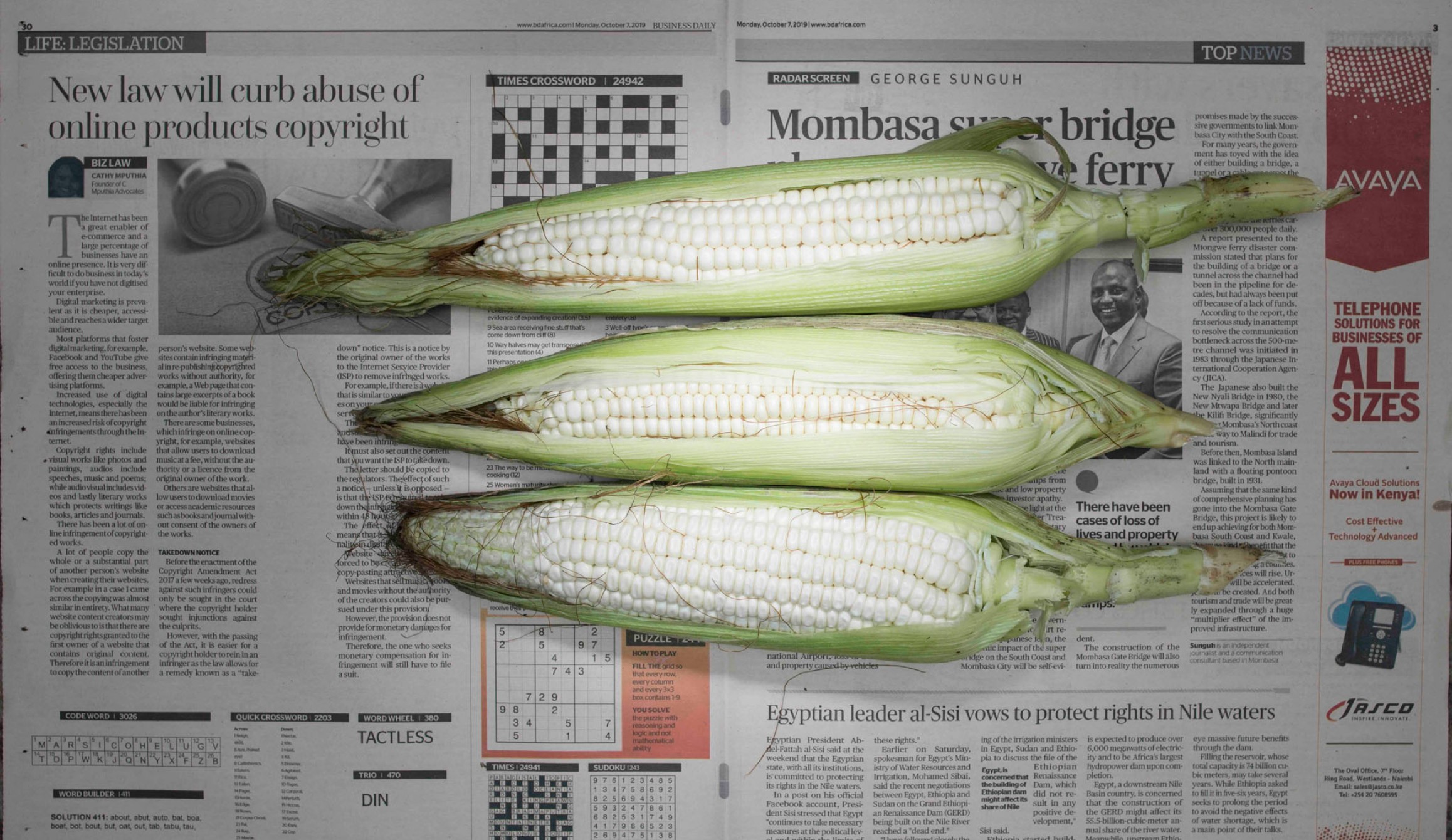
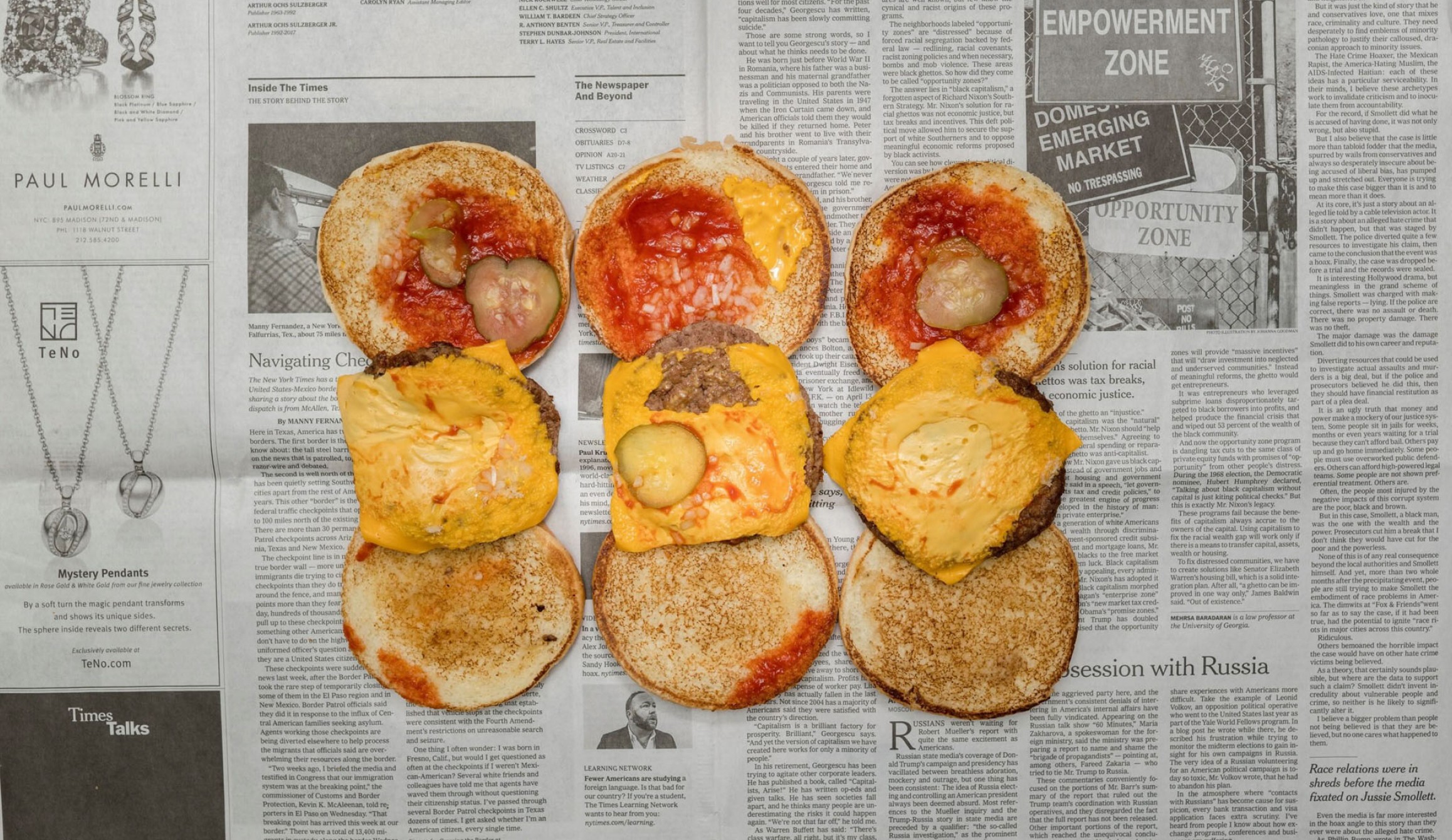
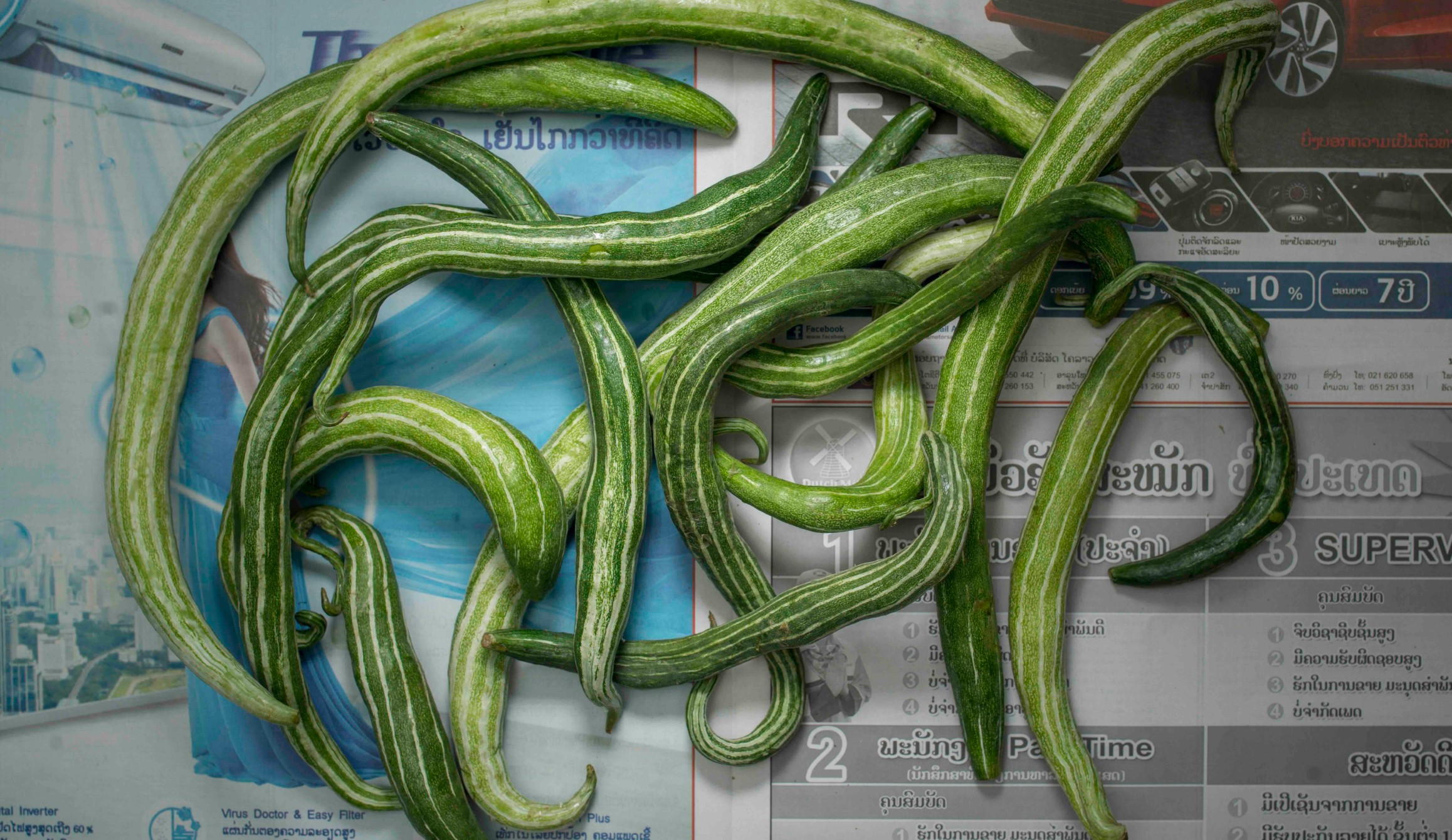
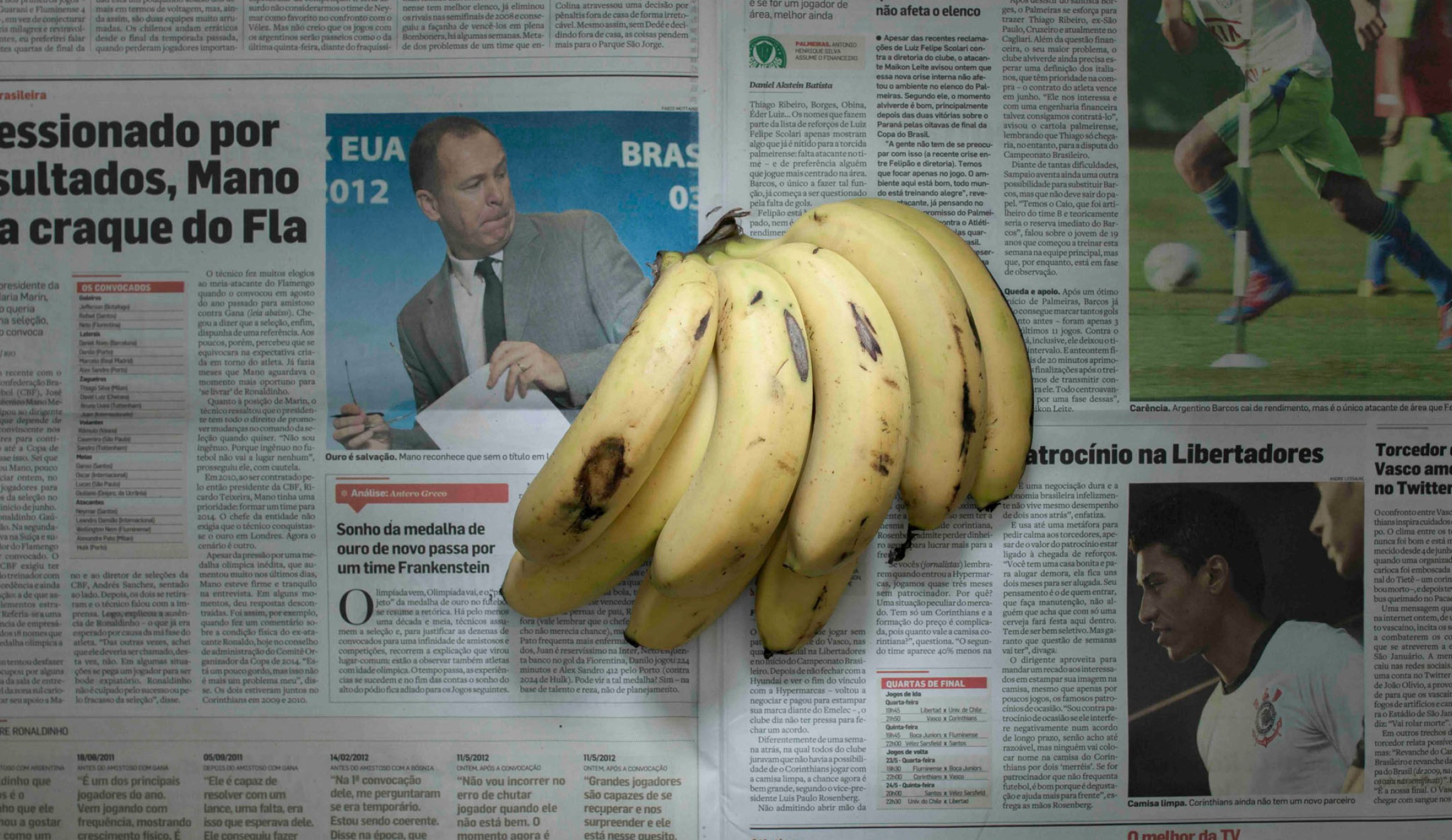
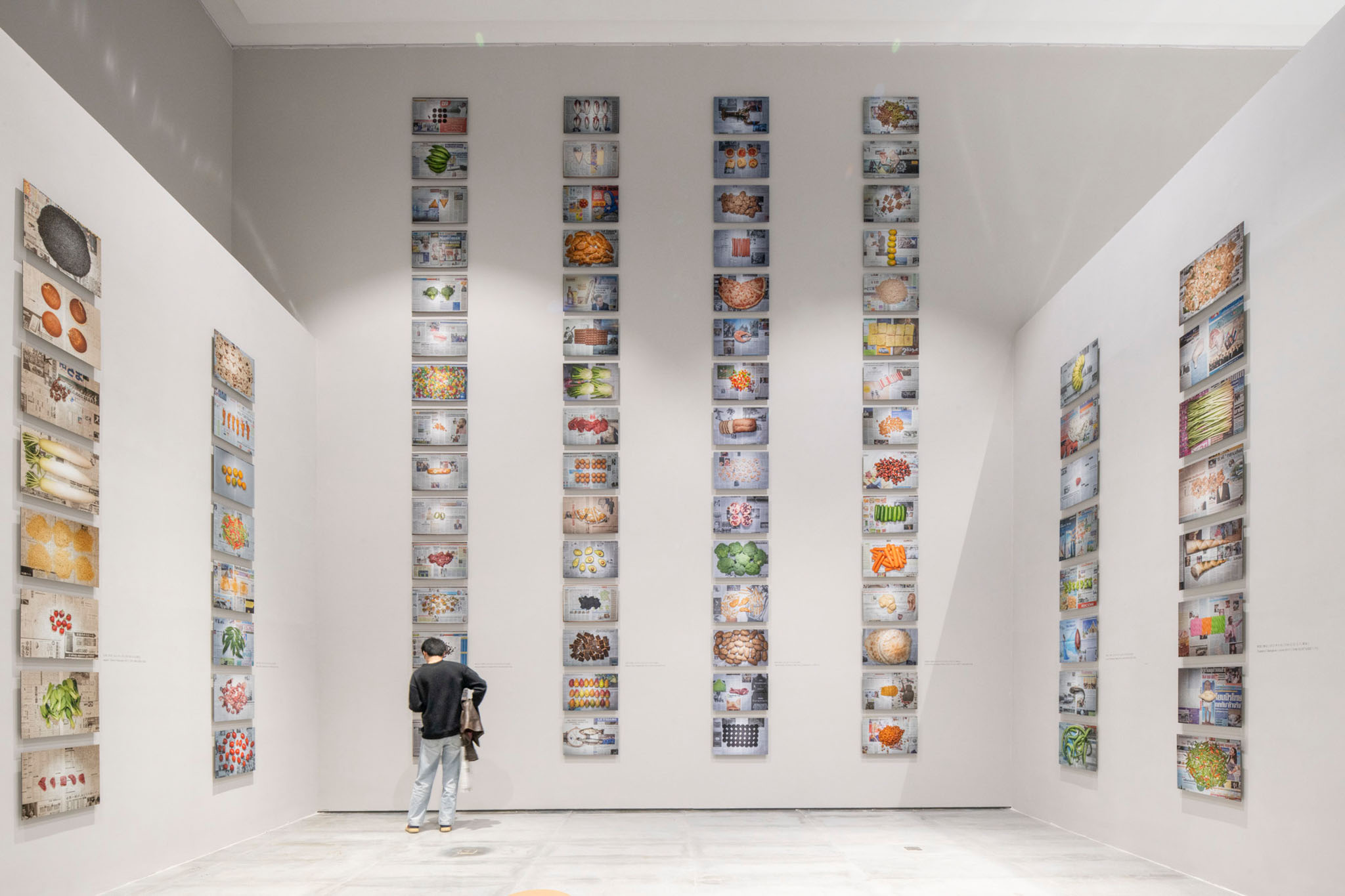
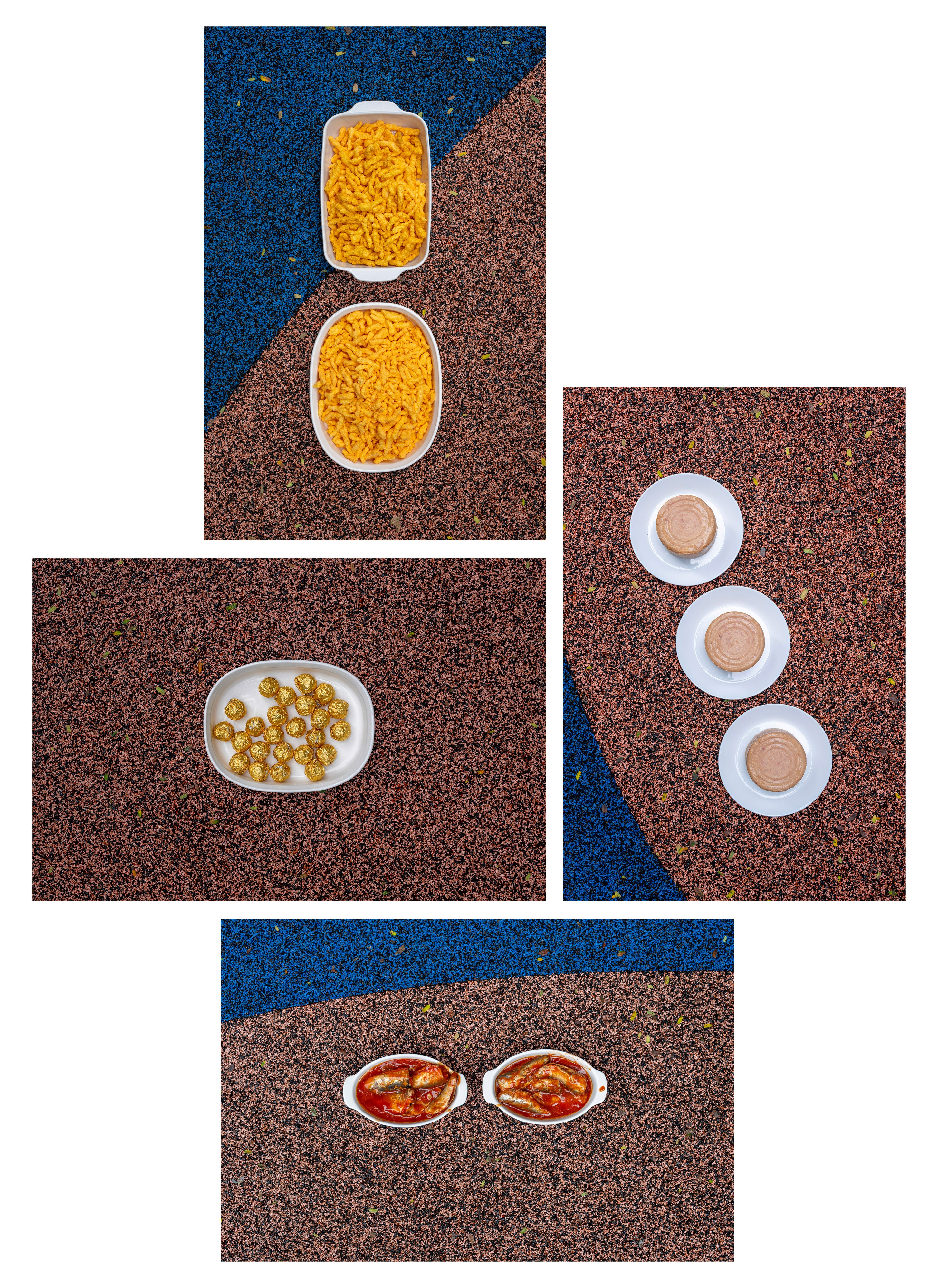
HL. Our work, “I’m Worth My Bread” is a visual investigation of iconic food products in Singapore that engage with daily consumption, commercial structures, industrial technology and cultural history. The items form a total purchase value that is equivalent to Singapore’s GDP per capita, calculated on a per day basis. GDP is a very interesting metric that is used internationally as an indicator of countries’ economic strength. The concept of GDP was developed by Russian-born American economist Simon Kuznets in the 1930s, during the Great Depression. GDP growth figures are carefully watched to ascertain whether economies are doing well. However, GDP does have its limitations on what can be quantified, and what is excluded. It focuses on consumption and production and does not account for inequality or externalities like environmental pollution. Singapore has one of the highest GDP per capita in the world, and its economic success is built upon moving up the value-added ladder. The work explores different ideas about national development, societal and individual success measures, connectivity, value creation, exchange and preservation. Food evokes tangible memories and experiences, linking to the wider food cultures and heritage that we have in this region. We want to bring all these different parts together into a work that becomes visually thought provoking about what it means to be Singaporean, and how Singapore’s story is woven into the regional and global network.
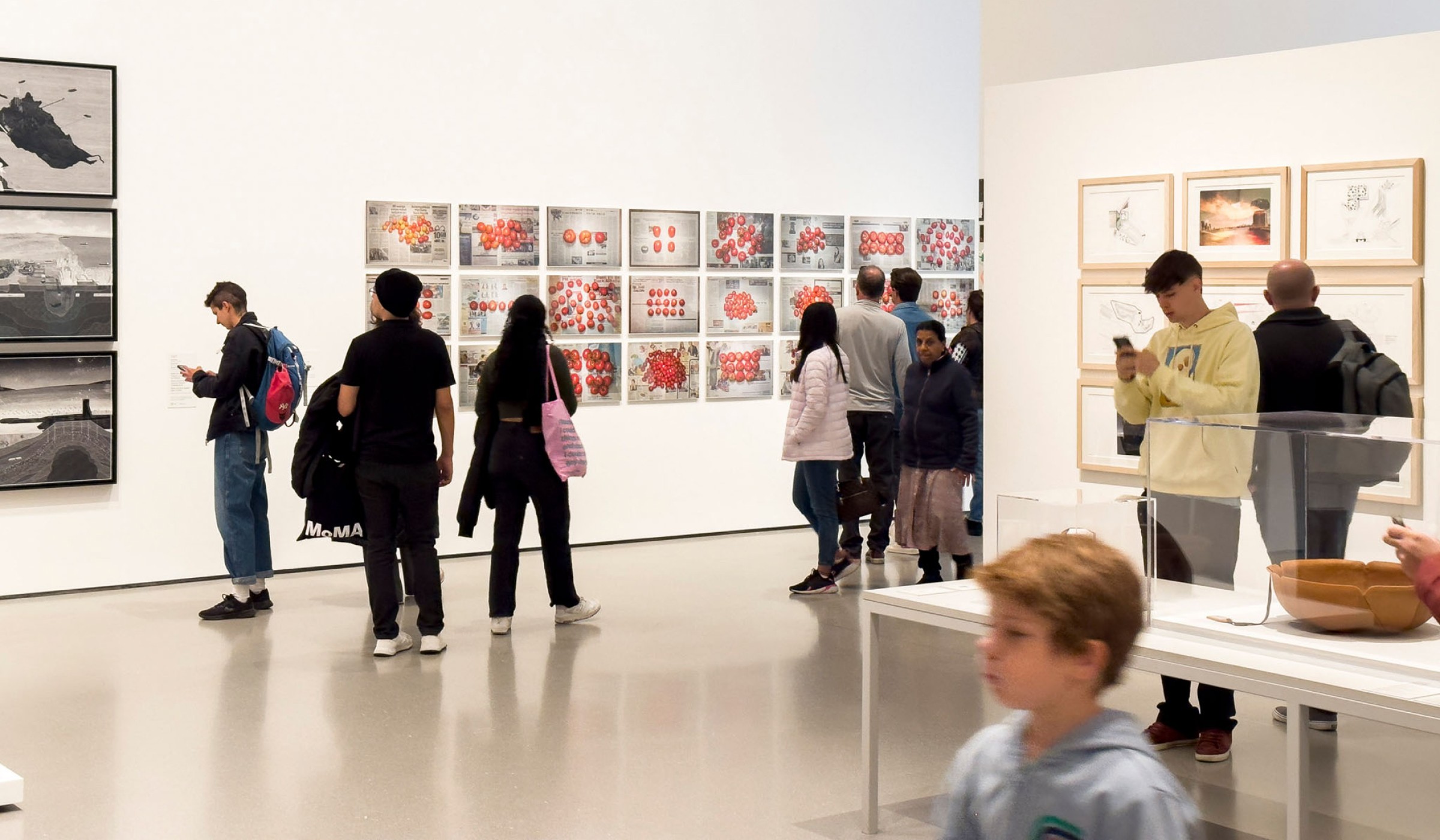
SC. I want to add, that when we were looking through Singapore newspapers in 1965, we were surprised to see how multinational a lot of the advertising campaigns seemed. We saw ads for Toblerone, Nestle, Lea & Perrins, Weisen-U, Parker Pen, Bic and so on. We had was a sense that in those days, a lot of consumer products came from overseas. Having lived in China for many years now, we realize that Western culture has not quite embedded itself in China as strongly as much as in Singapore. In Singapore, we consider Milo a local drink, we eat dishes that are a blend of influences from Southeast Asia, China, India, Europe and US. “Western food” stalls in Singapore hawker centres are such a local delight and can be seen as a homage to influences from colonialism and Western cultures. Many brands that were featured in the advertisements 60 years ago are still going strong and recognized as heritage icons today. Lin and I had many discussions and researched about observations that intrigued us, such as why were foods from Switzerland so prevalent back in the 60s, and so on. I have physically travelled to almost all the Southeast Asian countries. It is really fascinating is how different every country is and how important their histories, cultures, local politics, norms and traditions matter very much. Each country’s everyday foods are the amalgamation of these factors through the different times. We can uncover clues about a country's position and mental state based on what people eat.
CNTRFLD. Your practice sits at the intersection of art, data, and social engagement. How do you navigate the balance between rigorous research and emotionally resonant storytelling — particularly in politically charged or ethically complex contexts?
SC. It's never easy, isn't it? For us, every art project starts with a question. That question sometimes sounds simplistic, maybe even silly, because it is a question that invites answers from everyone, and everyone has a different opinion. We do in-depth independent research to understand the overall context surrounding that question, and only then do we come up with a direction on our visual method. Between Lin and I, we also have lots of arguments, as a married couple with children trying to balance an artistic practice, our conversation topics involve life and art. We put in dedicated time and thinking into our art practice, and this results in a lot of disagreements. And I think the disagreements are what forge the Chow and Lin way of thinking.
I wouldn't say that every work we come up with presents issues in a neutral and balanced way. I don't think that is how art works. Art can be opinionated. Art can also be proven wrong in time to come. It is important that we make our intentions and our process to be as sincere as possible. There is no absolute opinion on how the issue should be perceived, this is how we set out to create our work. It is the opinions of two individuals with very different opinions and knowledge blended together. It is imperfect, unvarnished and perhaps a little biased.
CNTRFLD. You’ve collaborated extensively with researchers, economists, and policymakers across the globe. How have these interdisciplinary exchanges — especially in relation to Southeast Asia — expanded or challenged your perspectives as artists rooted in Singapore?
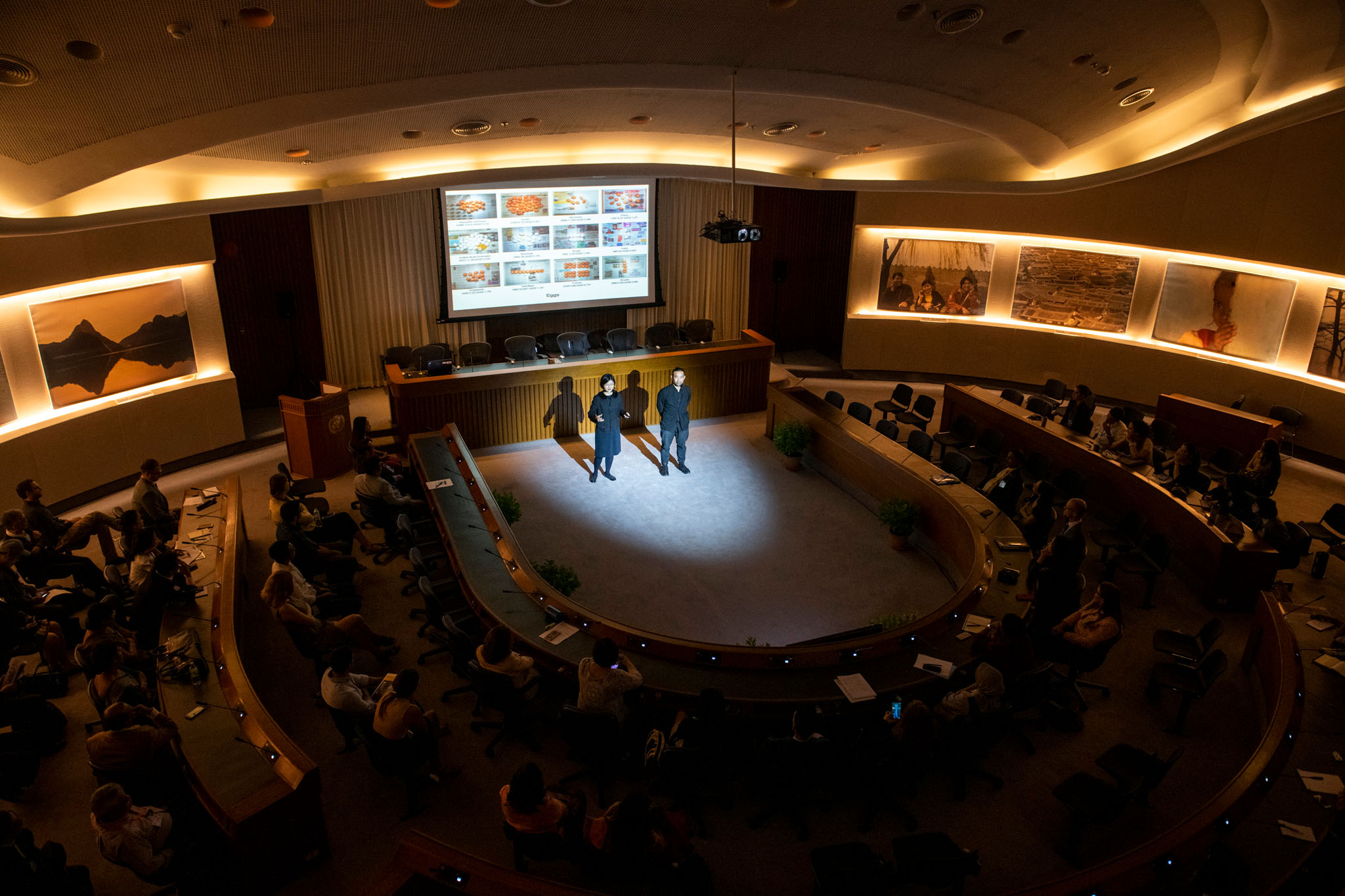
HL. Art Is a meaningful and also challenging way of bringing together issues, experts and audiences, in a way that is inclusive and diverse. When we presented at the United Nations Conference Center in Bangkok to policy makers, NGOs and researchers who were working on social protection policies in the Asia Pacific region, the art became a visual medium of engagement. It was very different from the work that they were doing and talking about in their conferences. Art has a way to break down barriers and to engage on a person-to-person basis. I have a background in economics and policy. For me art creates engagement on issues which encounter and require different perspectives. As artists, often we find that we are not the ones building the solutions, but we can invite questions and observations to happen, and for people who are working on the inventions, technology, policies, to bring in ideas and develop solutions together.
CNTRFLD. What are your thoughts on the growing presence of Singaporean and Southeast Asian artists in the global art world? What do you feel is shifting in terms of regional recognition, representation, and cultural influence?
SC. I think that for a long time, Southeast Asian artists, including Singaporean artists, are not well represented on the world stage. That is changing, and it is important, because Southeast Asia is a region of 700 million people, that is a significant number of opinions and stories.
What makes Southeast Asia unique is the diversity, history and also connections to the wider world. Southeast Asia is a region that has been dominated by colonial forces for centuries, with the exception of Thailand. It is important to reflect on those histories, and critically examine post-colonialism systems that have evolved, to recognize systemic biases in representation and further enable agency for new paths. Artists’ opinions are always different, and that helps to create a balanced narrative. When I say “balanced”, I'm not saying that everyone's opinion is the same, but rather it is possible to have space where artists of different backgrounds and different opinions come together to have a dialogue, have conversations through the works. I think art is the initial discourse towards critical thinking, towards greater understanding, and also powering down of assumptions that we have of other people. Having the growing presence of Southeast Asian artists in the global landscape is much needed and only a sign of better things to come.
CNTRFLD. Are there any recent of forthcoming projects or collaborations you’re excited about?
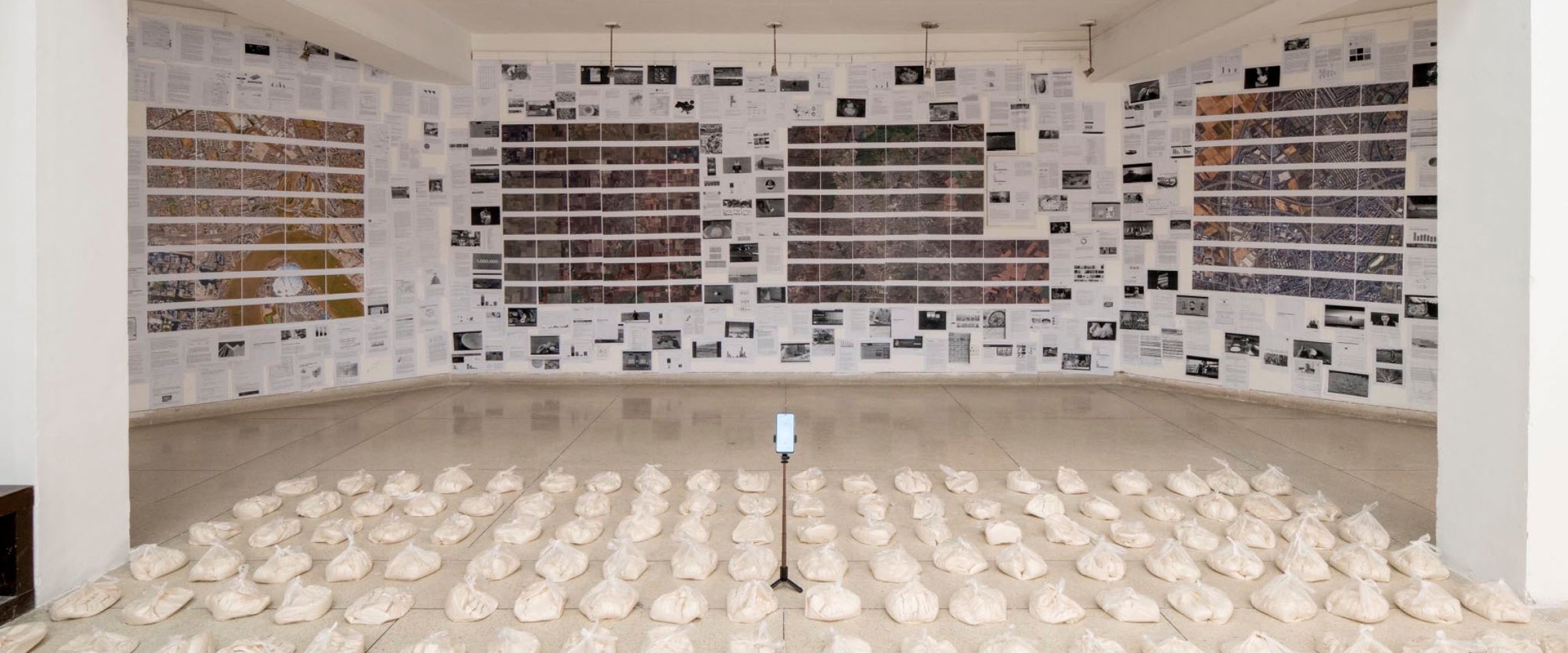
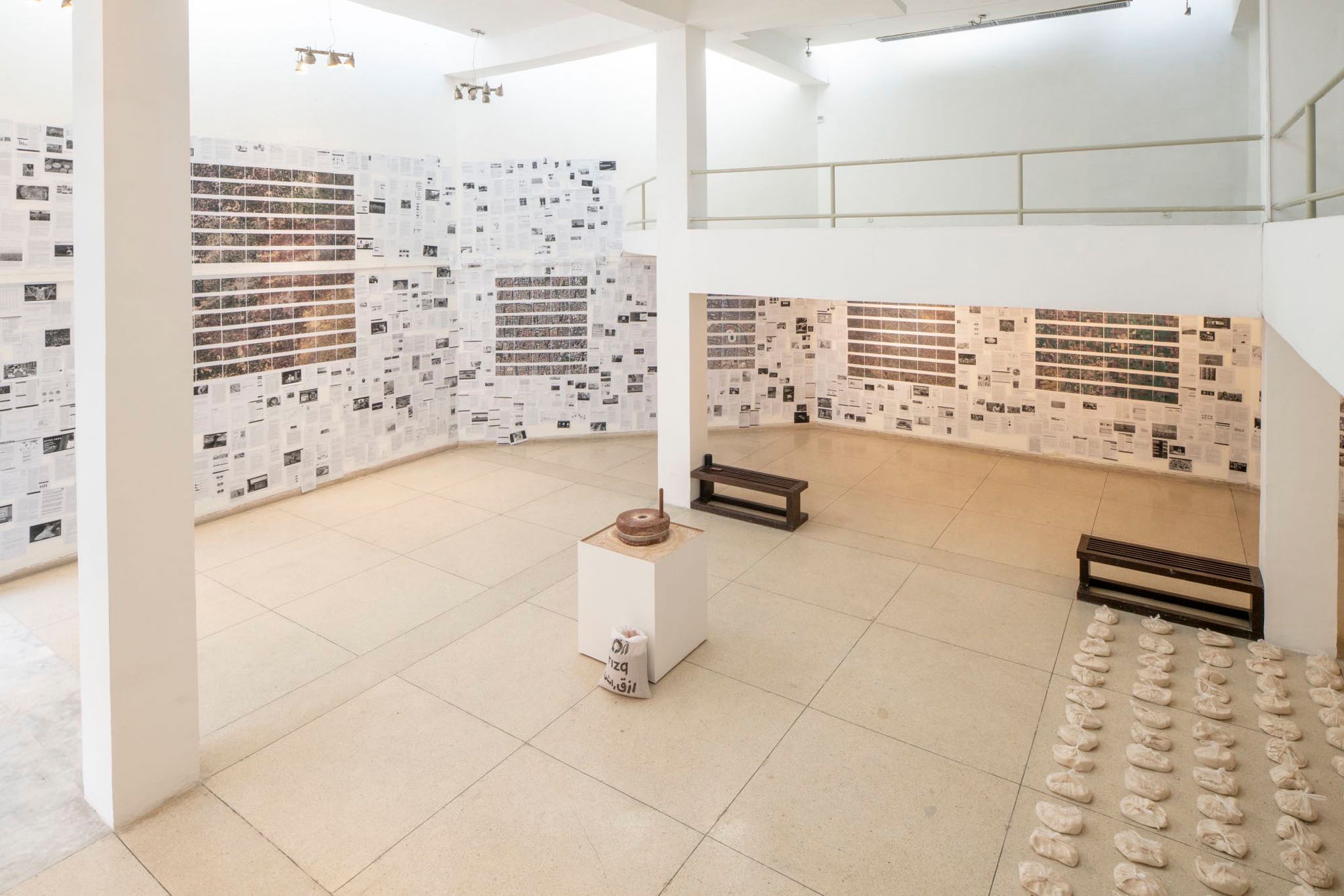
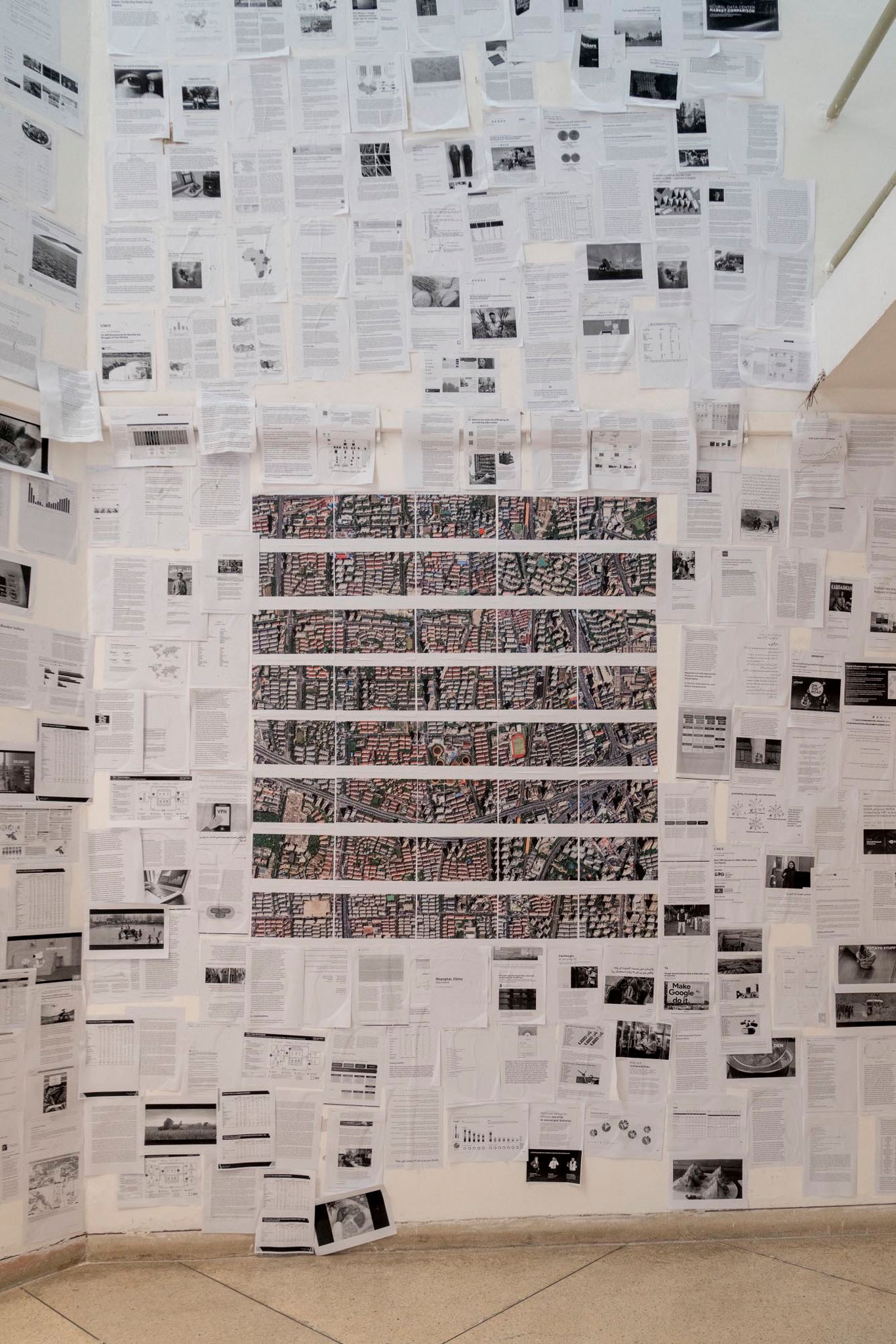
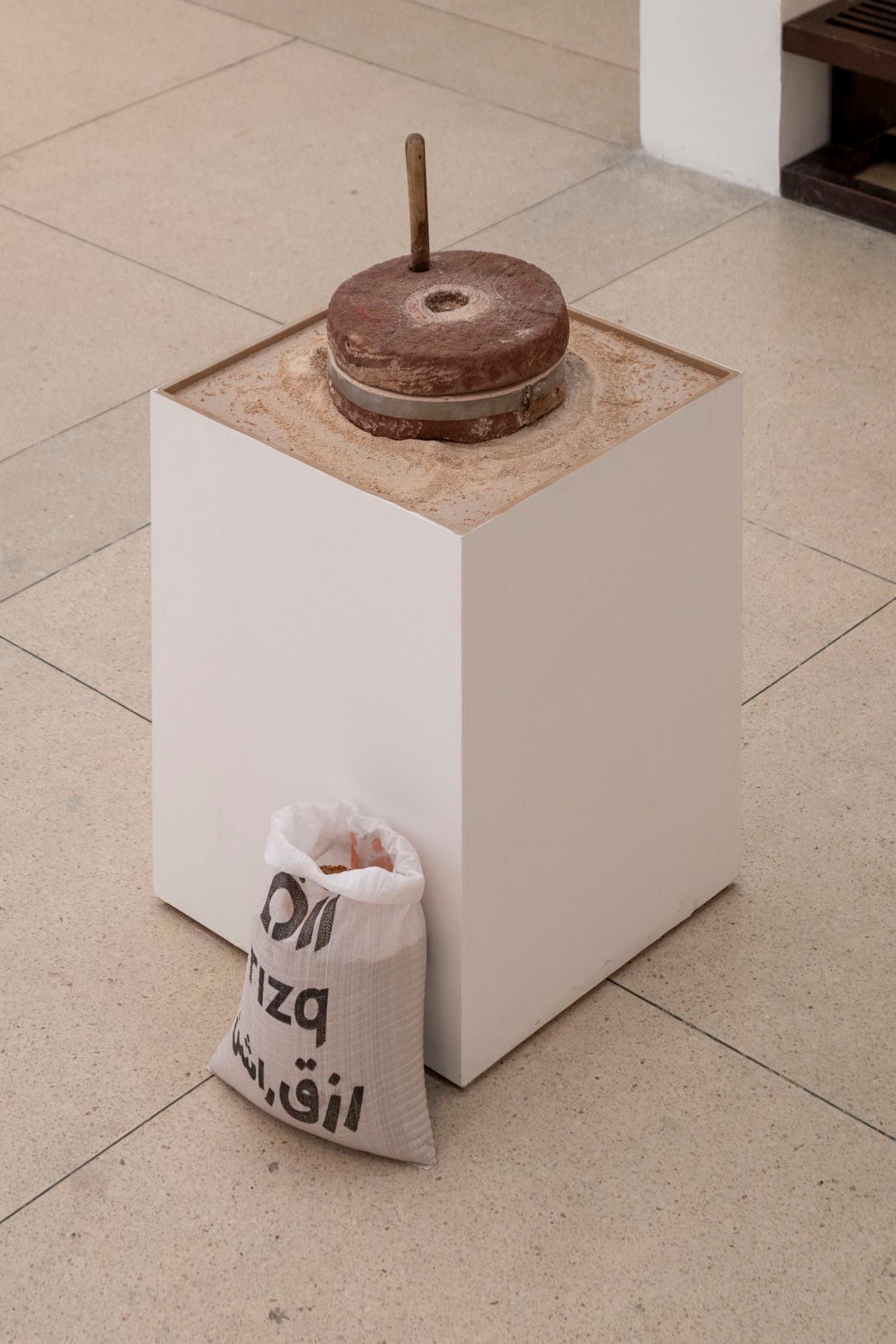
HL. We just presented our largest installation work, “Even If It Looks Like Grass”, which was commissioned for the Lahore Biennale 03 last October. In developing the concept, we worked closely with the curator John Tain, and executive director Qudsia Rahim to understand the nuances of local and regional development, challenges and resource constraints. What kept coming up were topics on food security and data security, linked to the global spread of agriculture and information structures. We decided to focus on co-existing systems of wheat and data centres and researched on how these have revolutionized development and impact geopolitical dynamics over a span of 10,000 years of human history. We turned the two floors of the Alhamra Art Center into a map room displaying satellite imagery of wheat farms as well as data centres from the top wheat production and data storage hubs in the world. And in an analogue metaphor of how big data informs and overwhelms, we pasted thousands of open-sourced research papers, news articles and cultural representations. We placed a locally manufactured smart phone amongst 160 kilograms of wheat flour, as a matrix of equivalent value. And we partnered a local NGO to bring in a chakki, which is a traditional hand-powered stone wheat grinder, so the viewers could mill wheat into flour. We wanted to create multiple pathways to explore how these complex systems connect to our everyday lives, and it was amazing to see the audience’s interaction with the work. We are now in talks to present this work also in Beijing later this year.
CNTRFLD. You’ve built a practice that bridges disciplines and continents. What advice would you offer to aspiring Singaporean or Southeast Asian artists hoping to engage with urgent global issues while remaining connected to their heritage and regional context?
SC. I think that Singapore offers a very strong foundation for building your knowledge base and skills, but Singapore is a very small part of the larger world. It is a country of 6 million people in a world that has more than 8 billion. So, I think it is important to travel when you can, or to read as widely as possible, because Singapore did not reach this state of development by staying inward-looking. Singapore became important to an extent because it engages the world, and it provides the larger world with a lot of value. And within Southeast Asia, understanding of diversity, complex interlinkages and multiculturalism is important. As artists, we should think about these too. My advice to young artists from Singapore and Southeast Asia is to engage with other artists, with other individuals from other cultures, other countries. Keep an open mind, be an open vessel for knowledge, for opinions, for creativity and from there, new works can emerge to reflect on local and regional issues that contribute to global conversations.
CNTRFLD. As artists working transnationally, where do you see the role of the artist today? What responsibility — if any — do you believe artists hold in shaping national, regional, or global narratives during times of transformation?
HL. The role of an artist is certainly important because artists are social commentators, and inspire understanding about the world we are in. It is a privilege, to have artistic tools and platforms that can interact with different disciplines. And I think that art is the basis of culture that shapes thinking. Do artists change the world? I think there are very few individuals or very few professions that are actually able to do that, but we still try. In our practice, we try to represent the sign of our times. We deliberate on perspectives and concerns of our time, and we translate that into art forms that people today and tomorrow may be able to reflect upon.
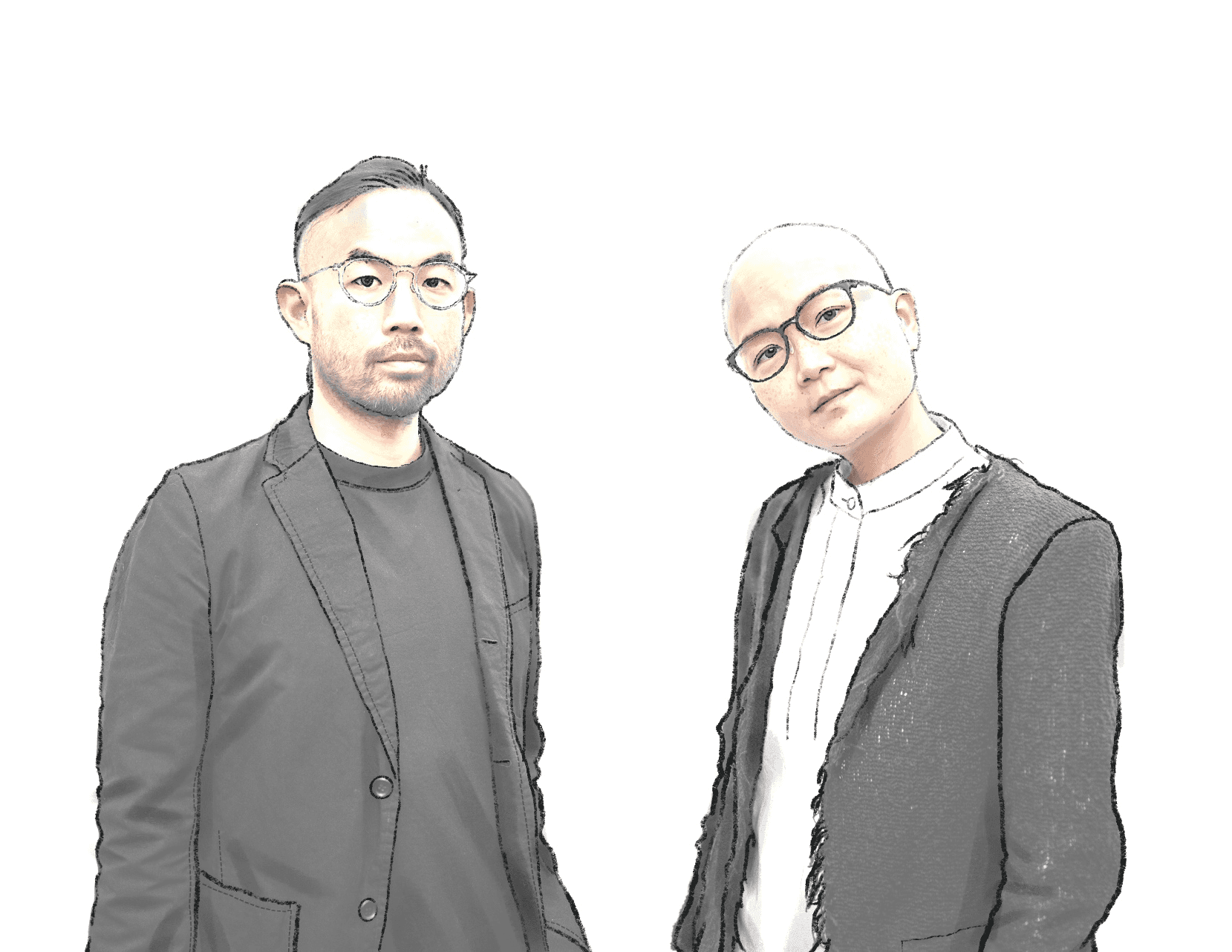
Stefen Chow - SC
Huiyi Lin - HL