CNTRFLD. You began your career in fashion and advertising photography before transitioning into new media art. What inspired that shift? How do you see these two phases of your practice speaking to and informing one another?
SW. The shift wasn’t exactly planned; it was more like a response to circumstance. When COVID hit, all my fashion photography work came to a stop. Since I couldn’t photograph real people anymore, so I decided to pick up 3D and make my own. The goal was to be able to offer something new to future clients. When I discovered NFTs, for the first time I had a space to make work for myself, not for a brief, and I was taking on the role of an artist. My background in fashion photography gave me an eye for visuals, for mood, for polish, but now I’m trying to go deeper, asking myself what I actually want to say and figuring out what I actually care about.
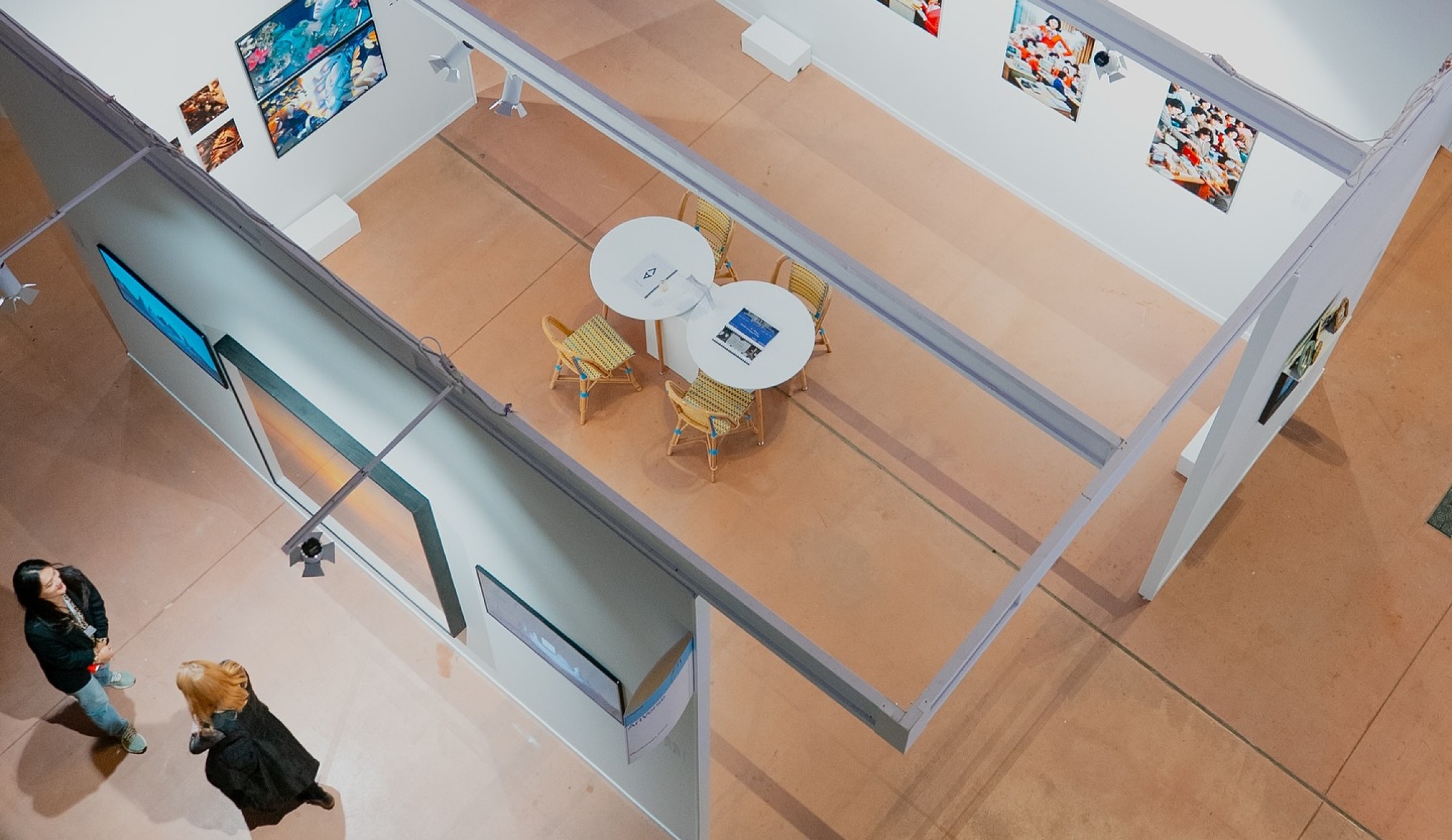
CNTRFLD. Your presentation for Artist’s Proof: Singapore at 60 (AP60) at Artspace is part of a landmark exhibition reflecting on the nation’s identity at 60. Could you tell us more about the work you’re showcasing and the ideas behind it? What does this contribution mean to you within the context of Singapore’s 60th anniversary?
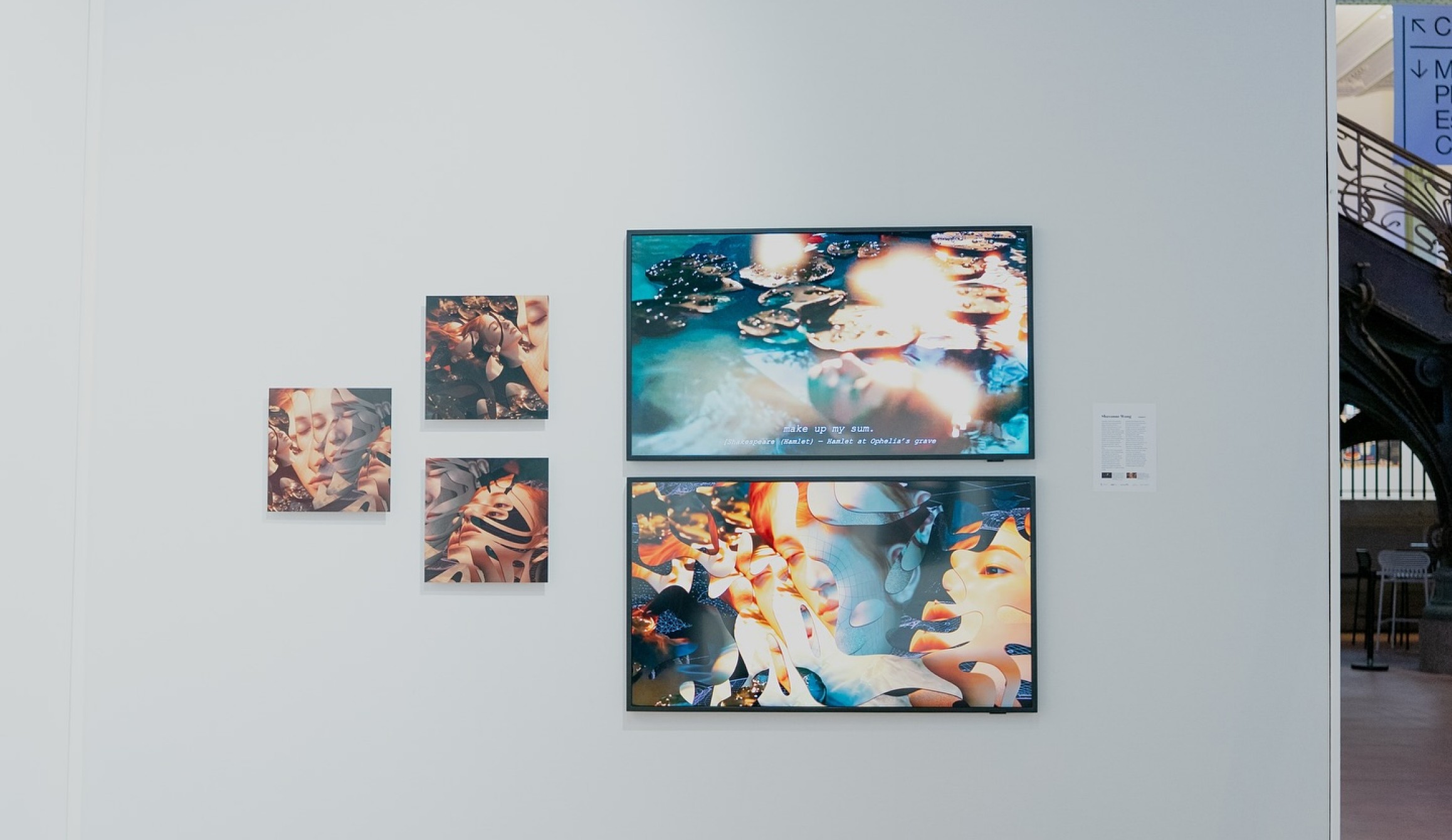
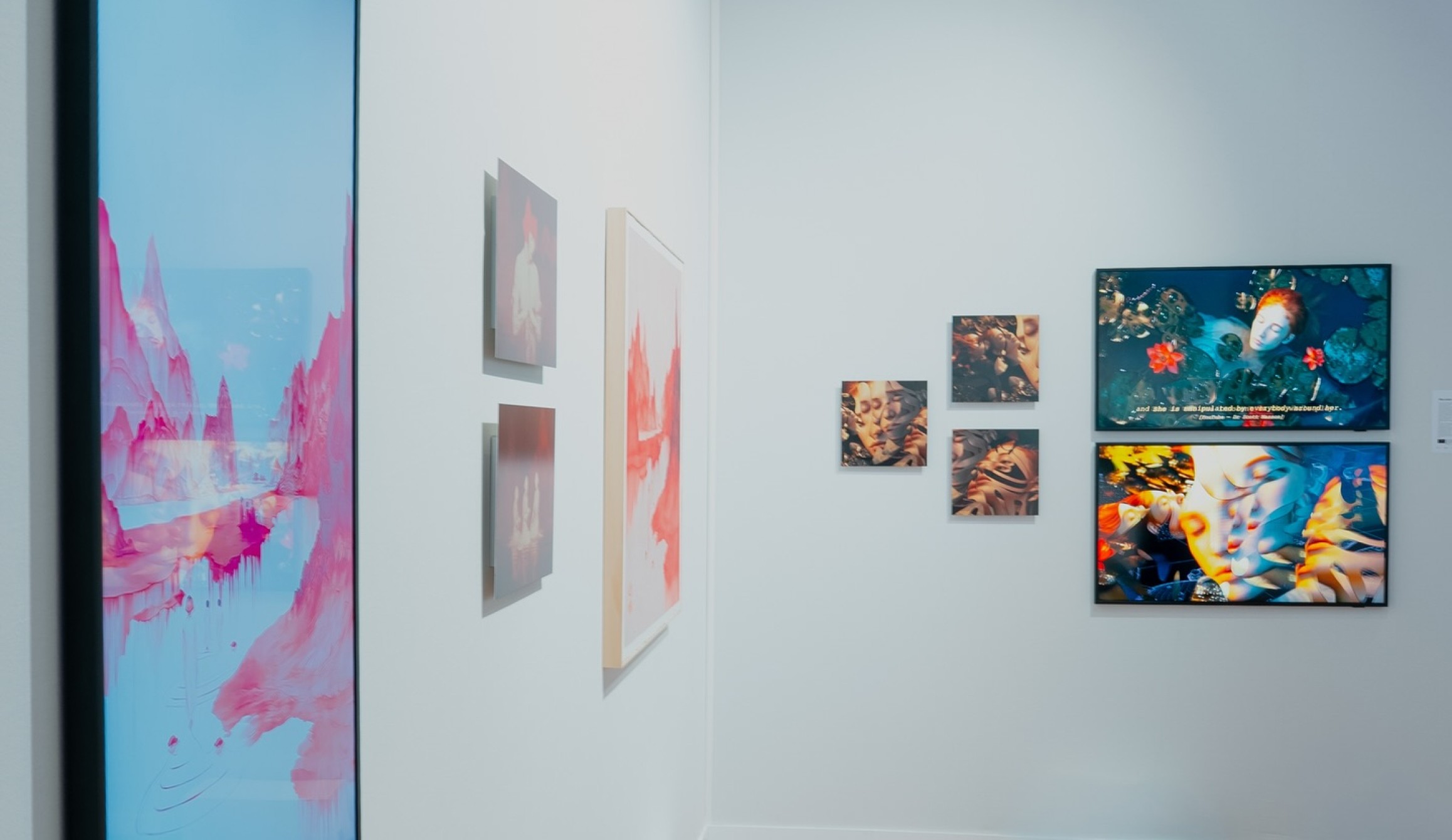
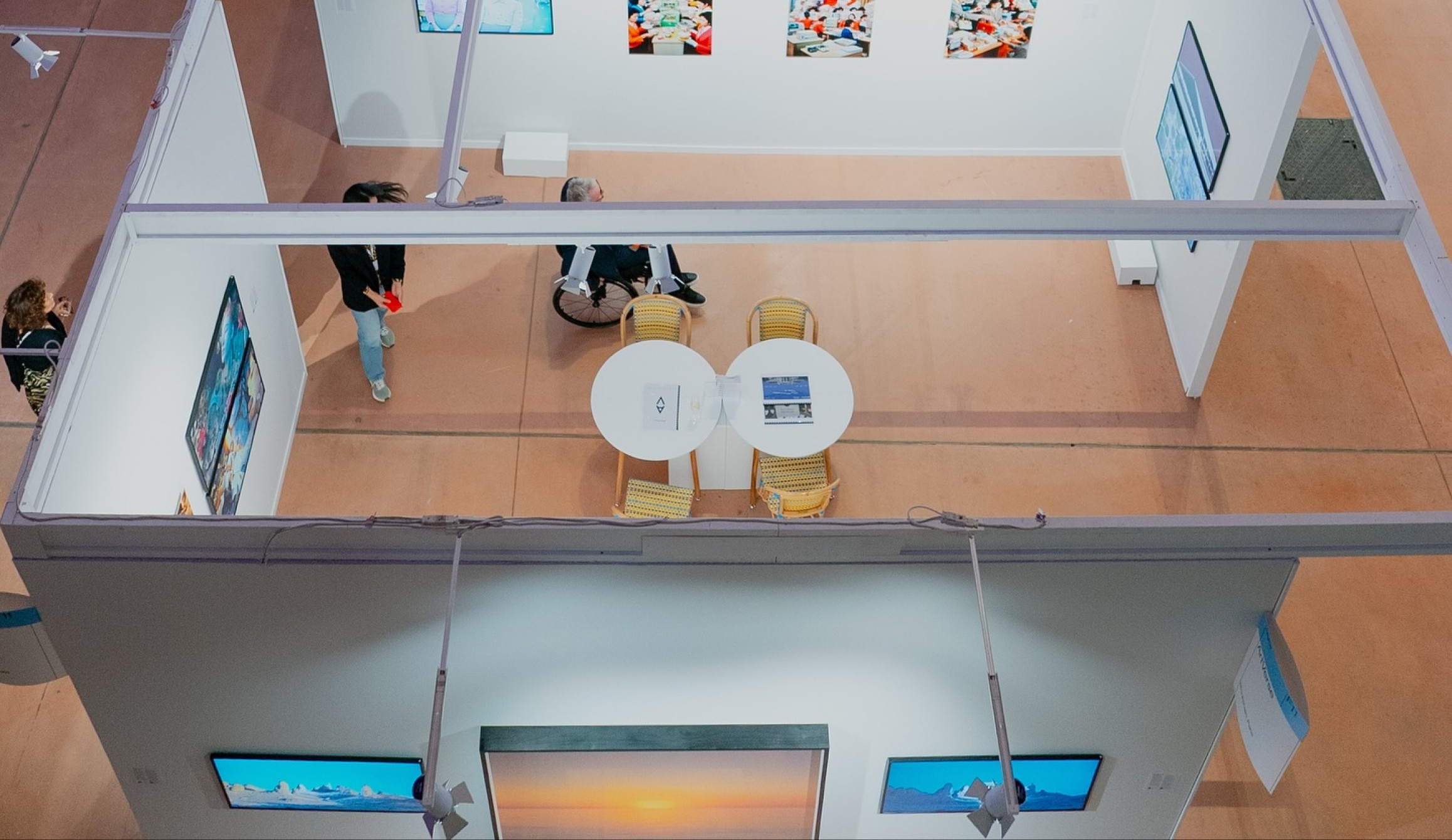
SW. The piece I created for AP60 is called The Bubble We Call Home. It’s a video installation exploring the paradox of growing up in a place that offers safety but also limits. The figure sits in a slowly shrinking bubble, an image drawn from wombs, from surveillance, from comfort. Over six minutes, the space gets tighter until she curls into a foetal position, and then it loops back. To me, that’s what life in Singapore can feel like, predictable, safe, but at times uncomfortably small.
CNTRFLD. Your work frequently features hyperreal virtual figures set in surreal digital environments. How do these imagined worlds allow you to explore real questions of identity, humanity, and representation—particularly as a Southeast Asian artist in the digital age?
SW. I find that the less realistic my environments are, the more honest they become. When I remove the rules of the real world, I can speak more freely about what it feels like to be human.
CNTRFLD. What does community mean to you—as a co-founder of NFT Asia and member of BLOOM?
How important is it for artists today to find (or build) creative communities across geographies and disciplines, and what role do these communities play in amplifying the visibility of Asian and women artists in digital spaces?
SW. Being an artist can be lonely, and no one really teaches you how to deal with that. You need people who will be honest with you, push you, remind you you're not crazy for caring this much.
Waiting around for support to magically appear doesn’t work though so if you don't have it, you have to either go find it or build it yourself.
CNTRFLD. Are there any upcoming projects or collaborations—either in Singapore or abroad—that you’re especially excited about? How do these build upon or depart from the work you’ve done so far?
SW. Right now, I’m working on (@meetevahere) Meet Eva Here, a social experiment disguised as an AI companion. It asks uncomfortable questions about love, memory, and dependency on tech, topics that feel closer than we think. It’s one of the most personal things I’ve made. Watching people interact with Eva has been strange and beautiful. It’s making people reflect and it’s probably the most layered project I’ve worked on so far.
CNTRFLD. You’ve already had an extraordinary trajectory—from the Venice Biennale to Times Square. Looking ahead, what projects or directions are you most excited about? How do you see your future practice navigating the intersection of art, ethics, and emerging technologies?
SW. What I’ve learned in the past few years is that being an artist requires more of you the longer you do it. It asks you to keep evolving, to keep paying attention. To be an artist now also means thinking about ethics, systems, technology, and how all those things shape our future. I don’t have a fixed direction, but I want to keep making work that asks uncomfortable questions and also holds space for people to sit with them.
CNTRFLD. Finally, what advice would you give to aspiring Singaporean or Asian artists entering today’s global and digital art world—particularly those exploring new media or grappling with themes of cultural hybridity?
SW. If you feel like you don’t belong, good. That discomfort means you’re not just copying what’s already out there. Don’t worry about fitting into a label or working in one medium, use whatever tools that get your ideas across.