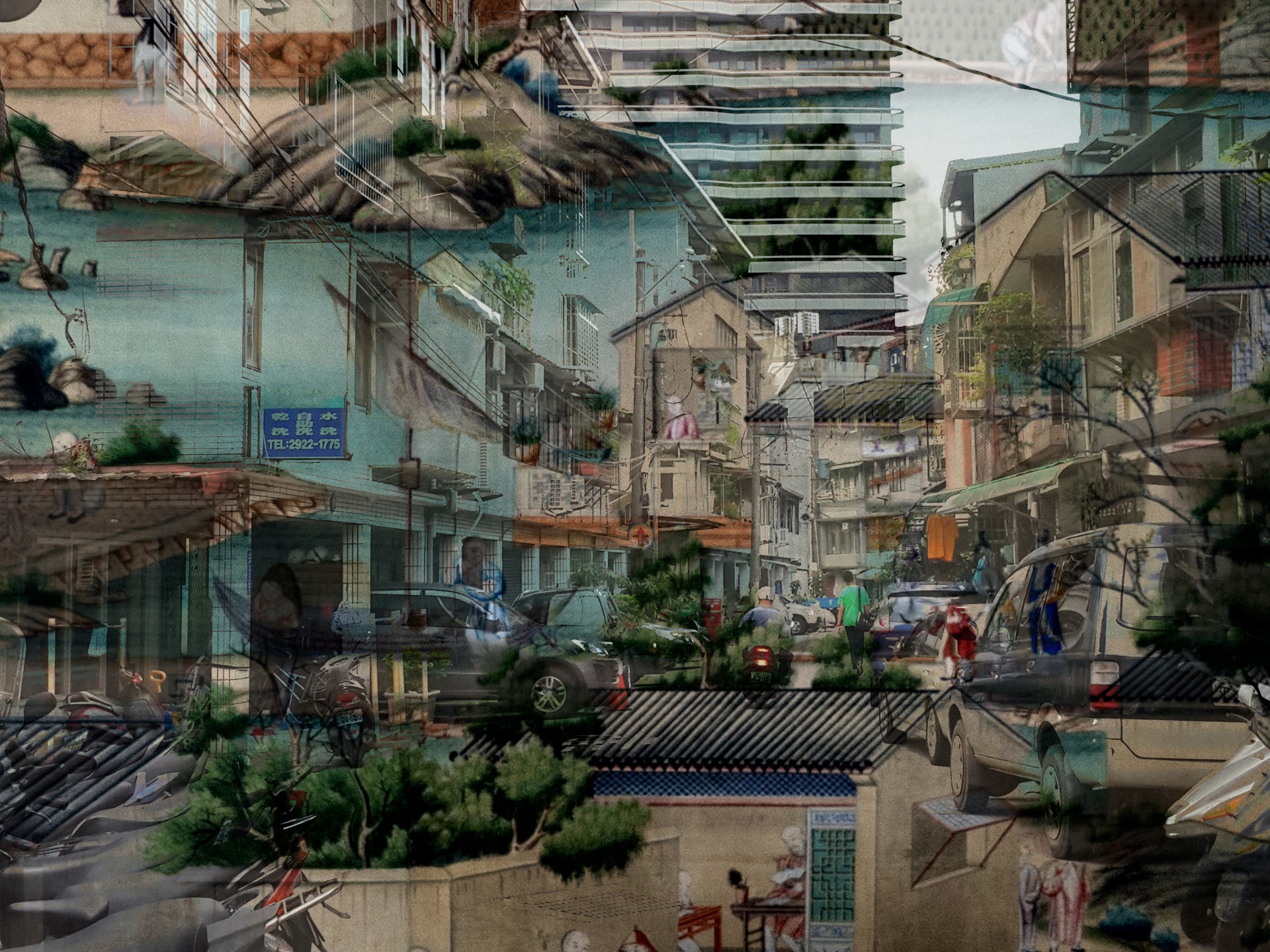
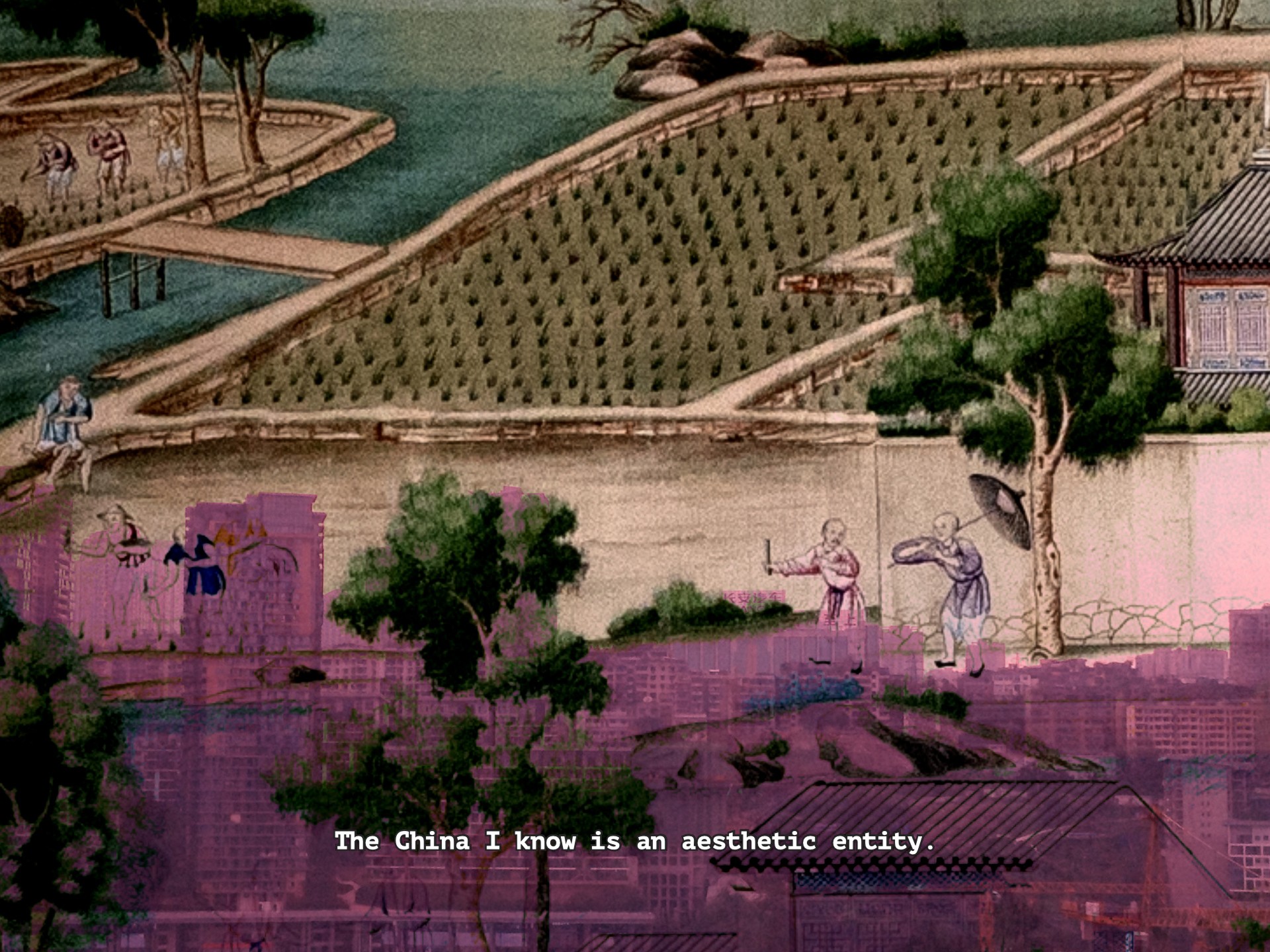
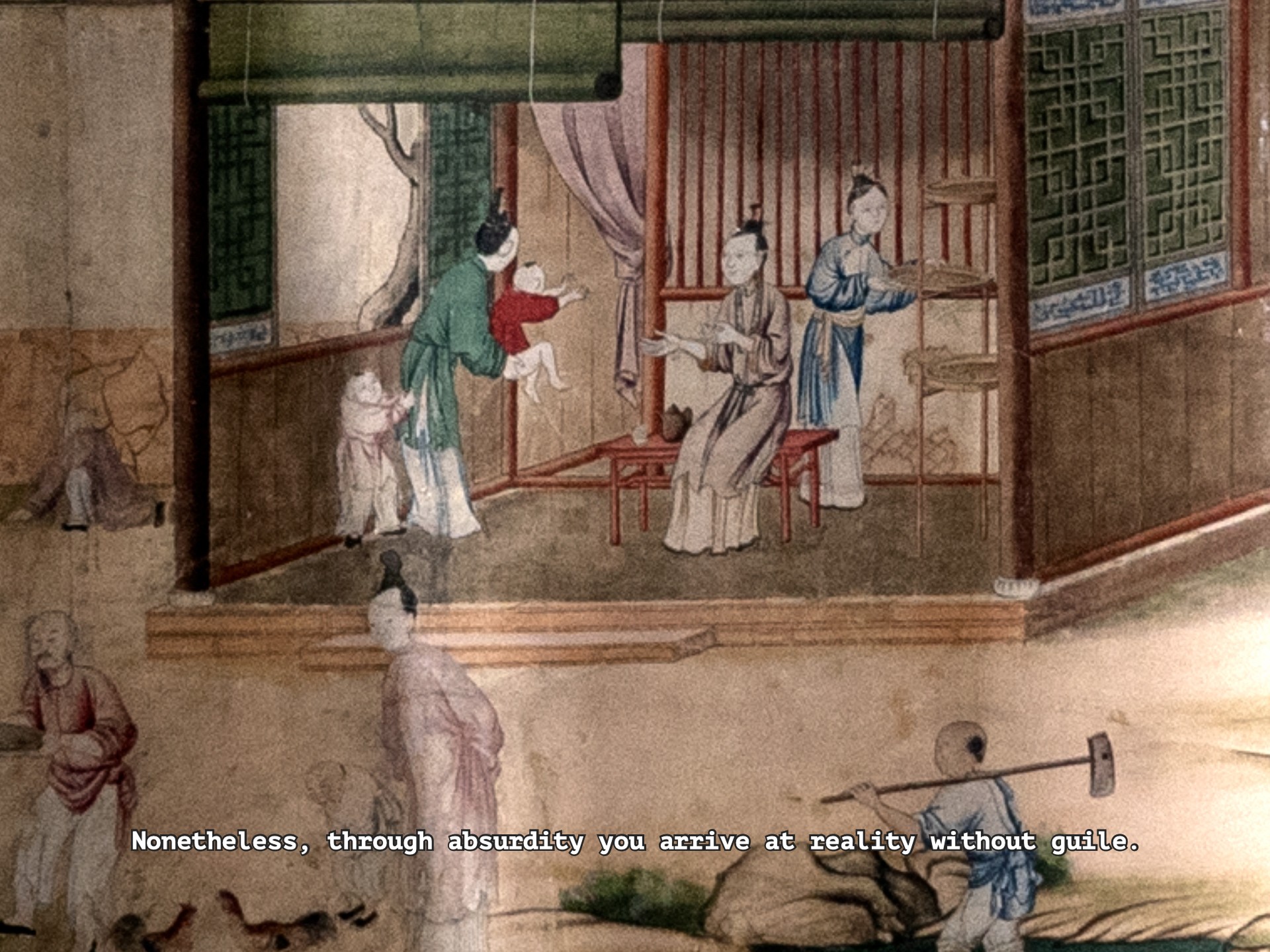
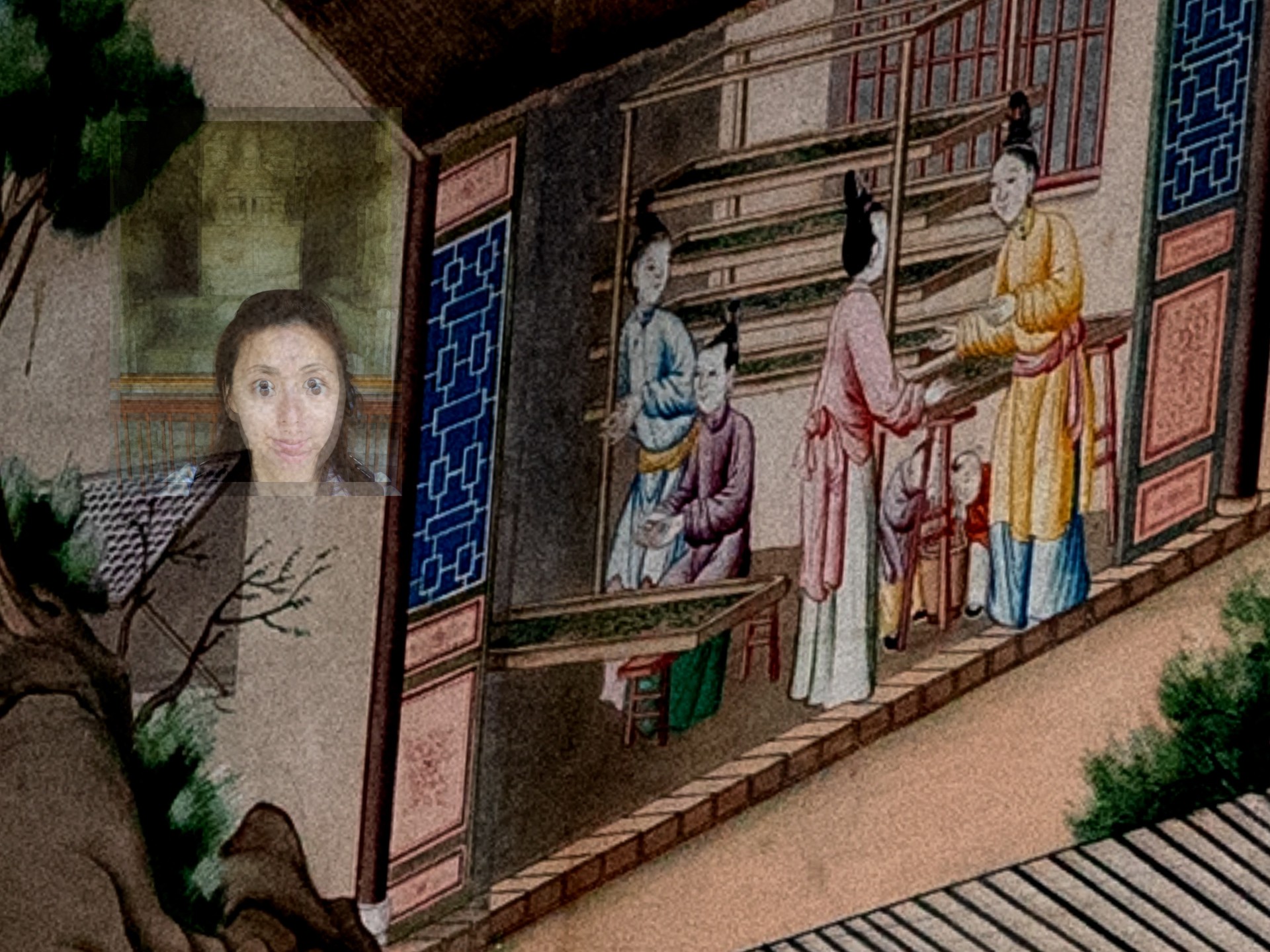
CNTRFLD. Can you share a bit about your upbringing and the journey that led you to become an artist? How has your heritage shaped your creative path?
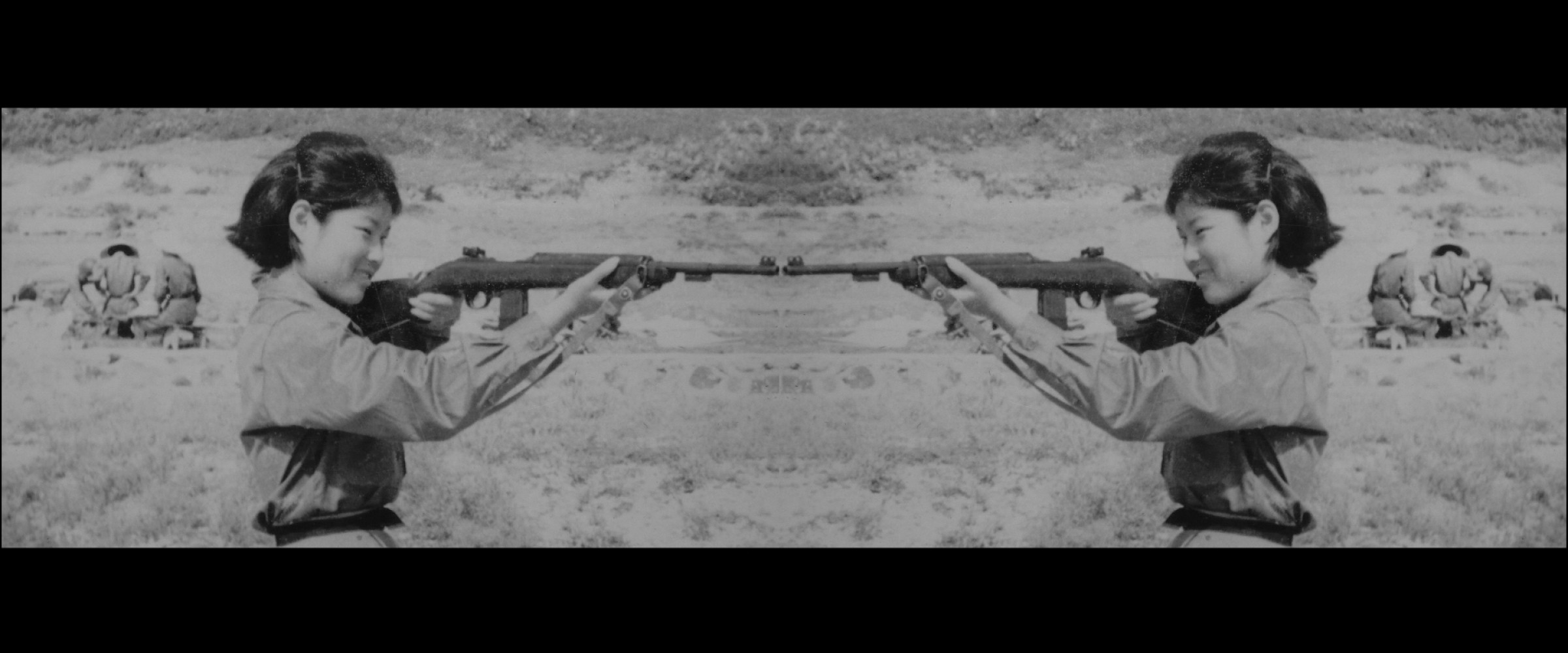
CCL. I was born and brought up in Taipei when Taiwan was going through the phase of rapid political changes into a nascent democracy, as a result of the mass civilian protests demanding for broader freedom and an end to the one-party landscape. This only became to be the case to me in history lessons at school. I have met people who are three years older than me and their experience was very different. At 7, they went to primary schools whose walls were adorned with slogans saying, ‘fight the communist bandits’ and ‘give our land back’. At some point, these slogans went; then later pupils including me started our lives oblivious to such a recent past. It was only recently that I realised this different lived experience spoke of the turn of the Cold War.
In Taipei, I read English Literature for my first degree and used to teach English for a living. My journey as an artist commenced when I came to the UK for art education and a new chapter of life. Looking back, these different ways in which to review history in the context of Taiwan have opened up my curiosity and formulated the questions I ask as an artist.
CNTRFLD. Your work often engages with the Chinese diaspora and the fluidity of identity. How has your own diasporic experience as a Taiwanese artist influenced your artistic approach and themes?
CCL. My exploration of the Chinese diaspora is directly informed by my familial background. My father was born in rural Indonesia to a Totok father and Peranakan mother. Totok Chinese are the ones who themselves or whose family moved to Indonesia in the early twentieth century. Whereas, Peranakan Chinese have a long history of dwelling in Indonesia, usually dating from hundreds of years ago. The Communist Purge saw my father and his siblings escape to Taiwan as children and be practically adopted by the Taiwanese government. Many years ago, after watching Joshua Oppenheimer’s The Act of Killing, I could barely eat or sleep for three days.
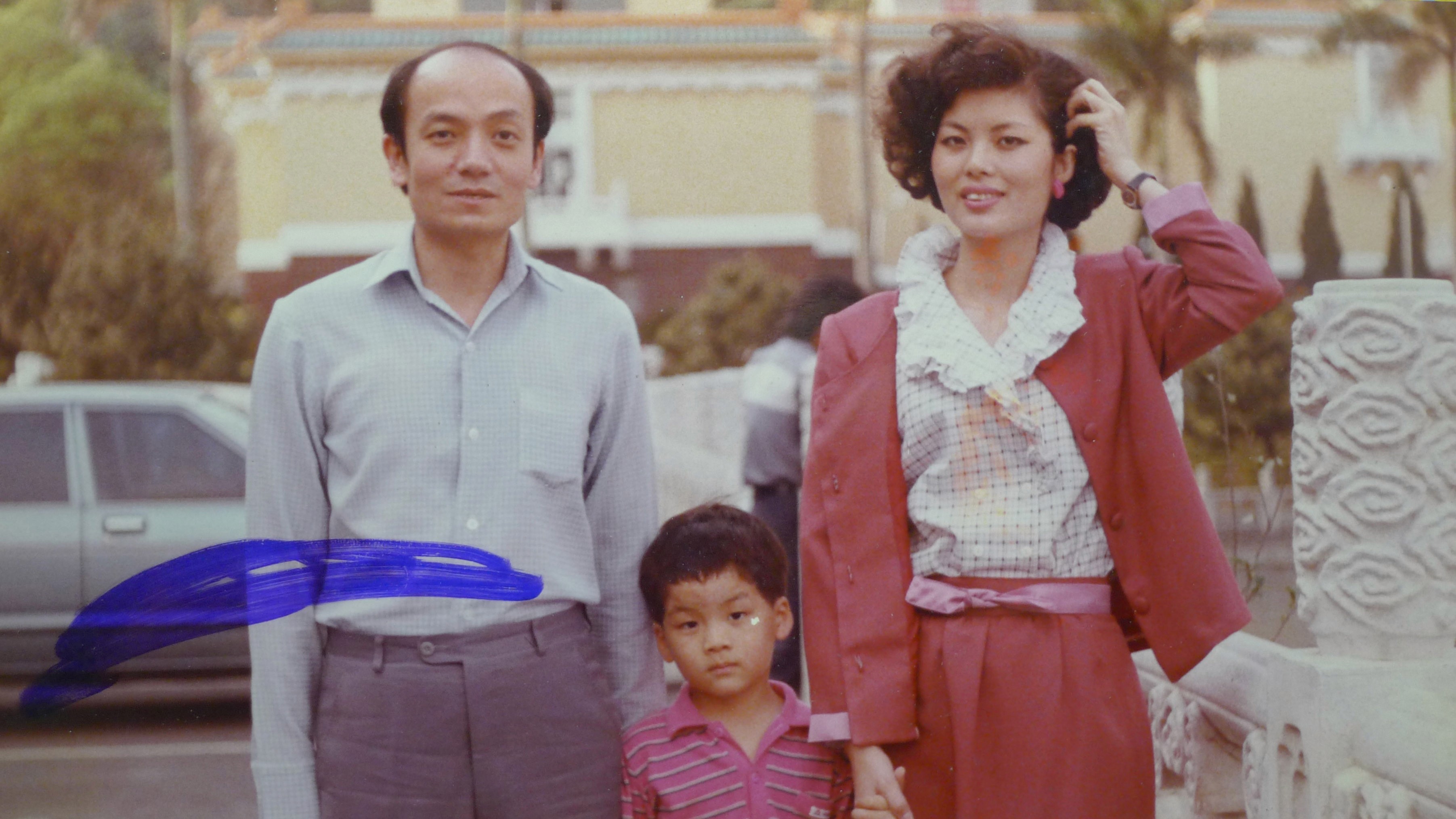
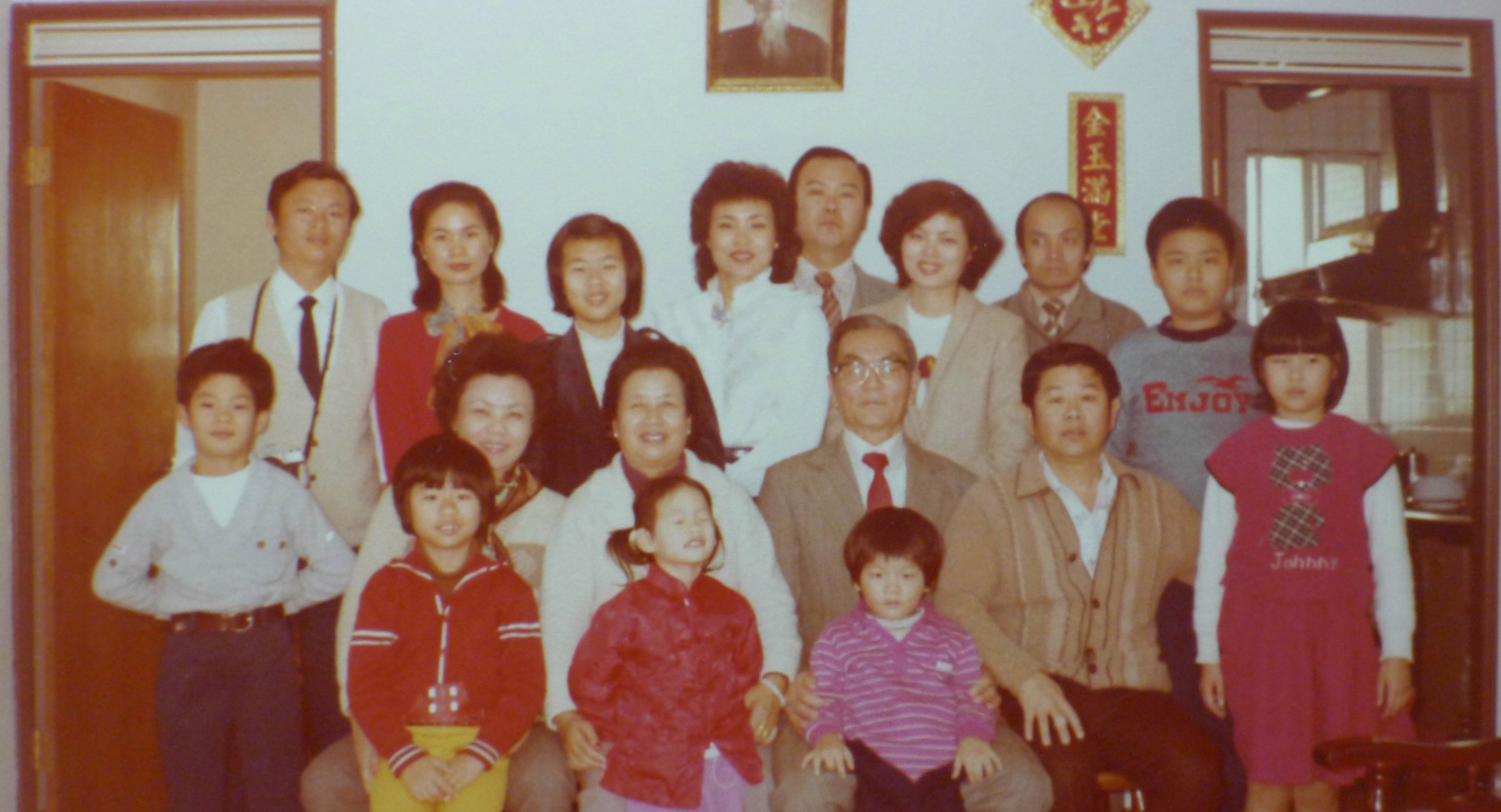
My maternal family came from China to Taiwan in 1949 as part of the Nationalists’ relocation. Living in a veteran’s village in Tainan, my mother and her two sisters married three Chinese Indonesian men who shared a university dormitory: three Nationalist sisters and three Hakka men from Sumatra. This is the magic of life and destiny. And so, my family stories are ones of Sumatra, Chongqing and Tianjin – and more. As the political tension between China and Taiwan escalated by the day in the 90s, my relatives immigrated to North, Central and South Americas, Europe and Africa.
Studying art in Britain, I began to look back at the making of myself, which was a result of these coincidences, histories and diasporas. Naturally, in my art practice I have been exploring the Chinese diaspora and the fluidity of identity, for I am interested in not simply identity but identities. Works about multiple migrations by artists including Fiona Tan, Richard Fung and Elia Suleiman are inspiring to my artistic imagination. I also gravitate towards work by scholars, such as Ien Ang, Rey Chow and Shu-mei Shih who investigate, theorise and have personally experienced multiple diasporas. It has been a joy to learn from and participate in the discussion of the Chinese diasporic experience from across languages, cultures and host countries.
CNTRFLD. What drew you to video and film as your primary medium? How does filmmaking allow you to navigate and challenge historical narratives differently from other art forms?
CCL. Using moving image as my artistic medium came naturally when I was building the foundation of my art practice. I came to the realisation that I aspired to reconnect with my background in literature. That is to write and to have writing as part of my visual practice. The multidimensional nature of moving image answered my needs perfectly. To me, the chemistry between the textual and the visual is the most profound, exciting and beautiful. The diversity of moving image as an artistic medium deeply captivates me. I remember watching Deimantas Narkevicius’s work on the Communist era in Lithuania. By simply reversing the archival footage of Stalin’s statue being torn down/put up, the question of historical narratives comes to life. In my practice, historical narratives are challenged through communicating lived experience and oral history.
CNTRFLD. Your trilogy of films explores the impact of the 1949 Chinese Civil War diaspora. What was your research process like, and how did you balance personal and national histories in these works?
CCL. The trilogy unfolded in an organic way: over the years I collated the lived experience and oral history of some individuals from the diaspora of the Nationalists’ relocation to Taiwan in 1949. In the meantime, I was reading and exploring ideas, such as Benedict Anderson’s imagined community and diasporic Chineseness discussed by Ien Ang, Rey Chow and Shu-mei Shih. There was also the collaborative aspect of my father helping me dig out and digitalise old family photos at home. The intention behind the trilogy is to challenge the overly politicised way of reviewing both our history and present moment in Taiwan. Even our school textbooks get re-edited depending on which political party is in power: sometimes China is part of our domestic History and Geography, sometimes it is not. Through some individuals’ personal stories including my grandparents’, I try to provide an intimate account of the recent history.
CNTRFLD. Your current work at esea contemporary reimagines early Chinese migration to Britain through sound and speculative storytelling. How do you see this project contributing to a broader understanding of diasporic histories?
CCL. In my 14 years in the UK, it has been an interesting experience to observe the public discourse around the life of immigrants here. In terms of people of Chinese heritage (and beyond), I have noticed the tendency to discuss the impoverished part of diasporic experience. On the other hand, from time to time there is coverage about ultra rich Asians snatching up properties with an astronomical price tag. As a newcomer to this country, I see that this polarised representation of diasporic Chinese experience serves as a means to other the demographics. This is especially poignant when you consider the lack of discussion of (ex)international students carving a path for themselves after education here.
In this context, John Anthony was a fascinating character. He spoke excellent English, made a huge fortune working for the East India Company in London, married an English woman and infiltrated the British immigration and class system – all the way back in the turn of the 19th century. Anthony’s legacy also makes us re-consider the (diasporic) Chinese obligation of ‘doing well’ and also ‘doing well’ as an unexpected immigrant. Indeed, through my work on his life, I want to challenge the British stereotypes of the Chinese diaspora.