“When you are from a country that killed off almost all of its artists and intellectuals in a genocidal revolution, it is hard to think about what culture really means to me.”—Sopheap Pich
CNTRFLD. You were born in Battambang and spent your early childhood in Cambodia before fleeing with your family in 1979. What memories stand out to you from that time, and have any of them stayed with you as emotional or visual reference points in your work?
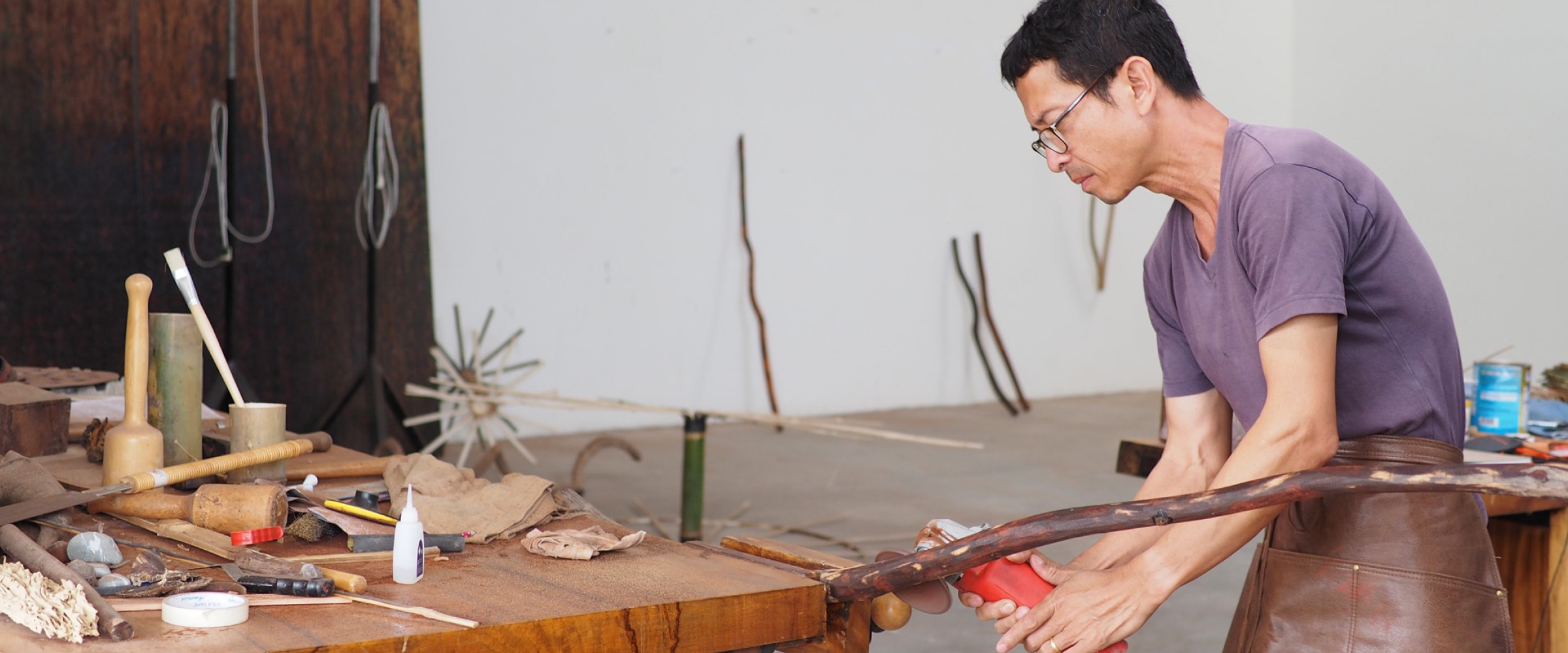
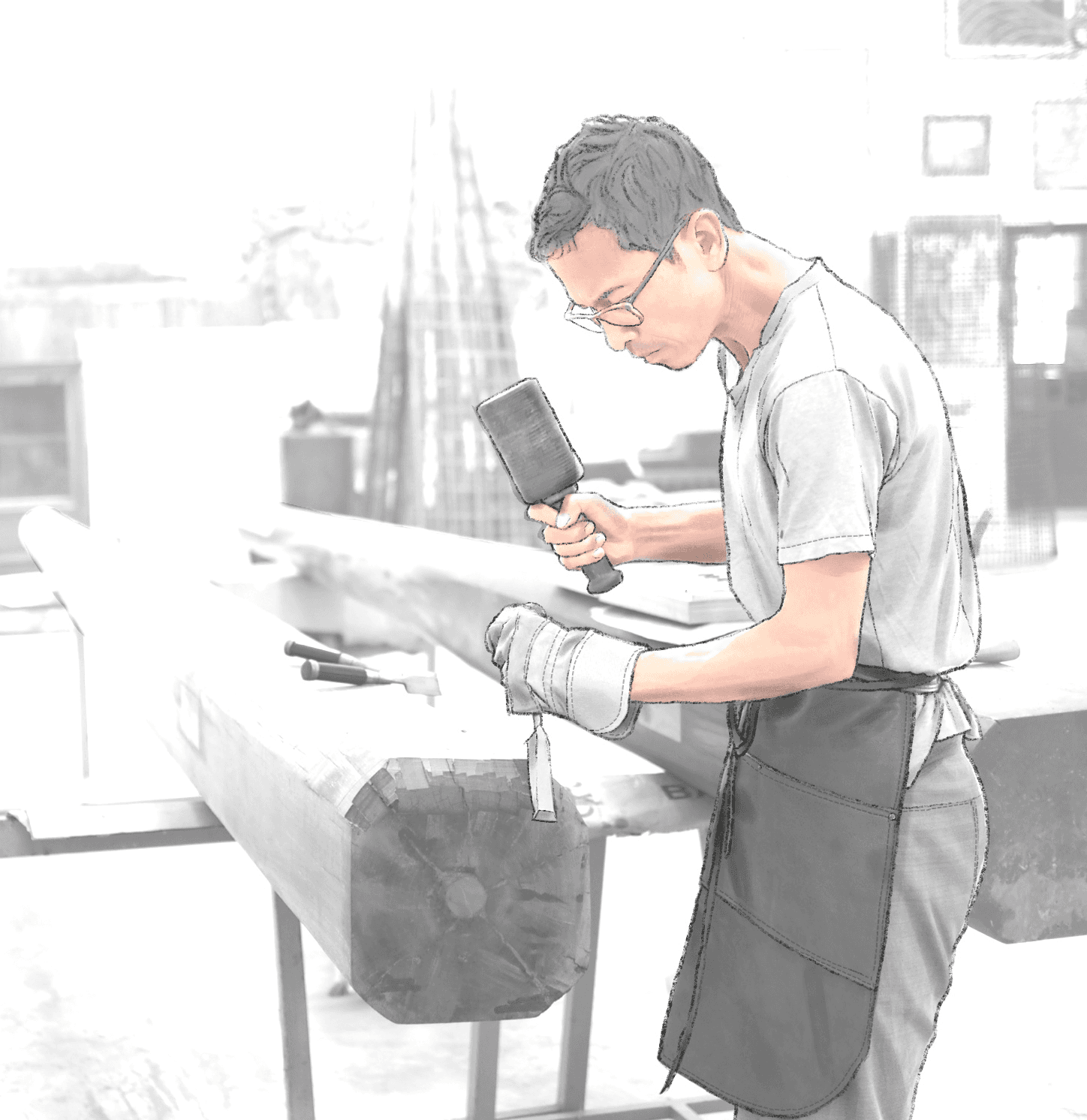
SP. During the Khmer Rouge, my father was a metalsmith, and his shop was under our hut. I used to help him hammer, file, cut and sand the things he made for the village. I remember making a mold with him and we poured melted aluminum into it to make a spoon. In a sense that was my introduction to sculpture. I also remember seeing war remnants for the first time when the rule of the Khmer Rouge came to an end. Inside a destroyed temple I saw blood spattered all over the wall, and this inspired my first Buddha piece. I have many memories of my childhood in Cambodia and growing up in refugee camps, and later the US, and some of these did emerge in my earlier work, but never in a direct way. These days, I think these memories take shape in more abstract rather than literal forms.
CNTRFLD. After leaving Cambodia, you spent four formative years in refugee camps in Thailand before eventually settling in the U.S. How did those experiences—witnessing the aftermath of war, living through displacement, and encountering resilience—shape the way you see the world and express yourself through sculpture? In what ways do those memories continue to live on in your practice today?
SP. While we were in refugee camps in Thailand and Philippines, my father made sure I attended English classes in addition to going to Khmer-style schools. Learning English was something I focused on, which put our attention on the future, rather than the difficult past and the challenging conditions we lived in. He was also learning English and teaching it at the same time as he improved his language skills, which set a good example for me at that age. He always projected a sense of optimism and moving forward which I took after.
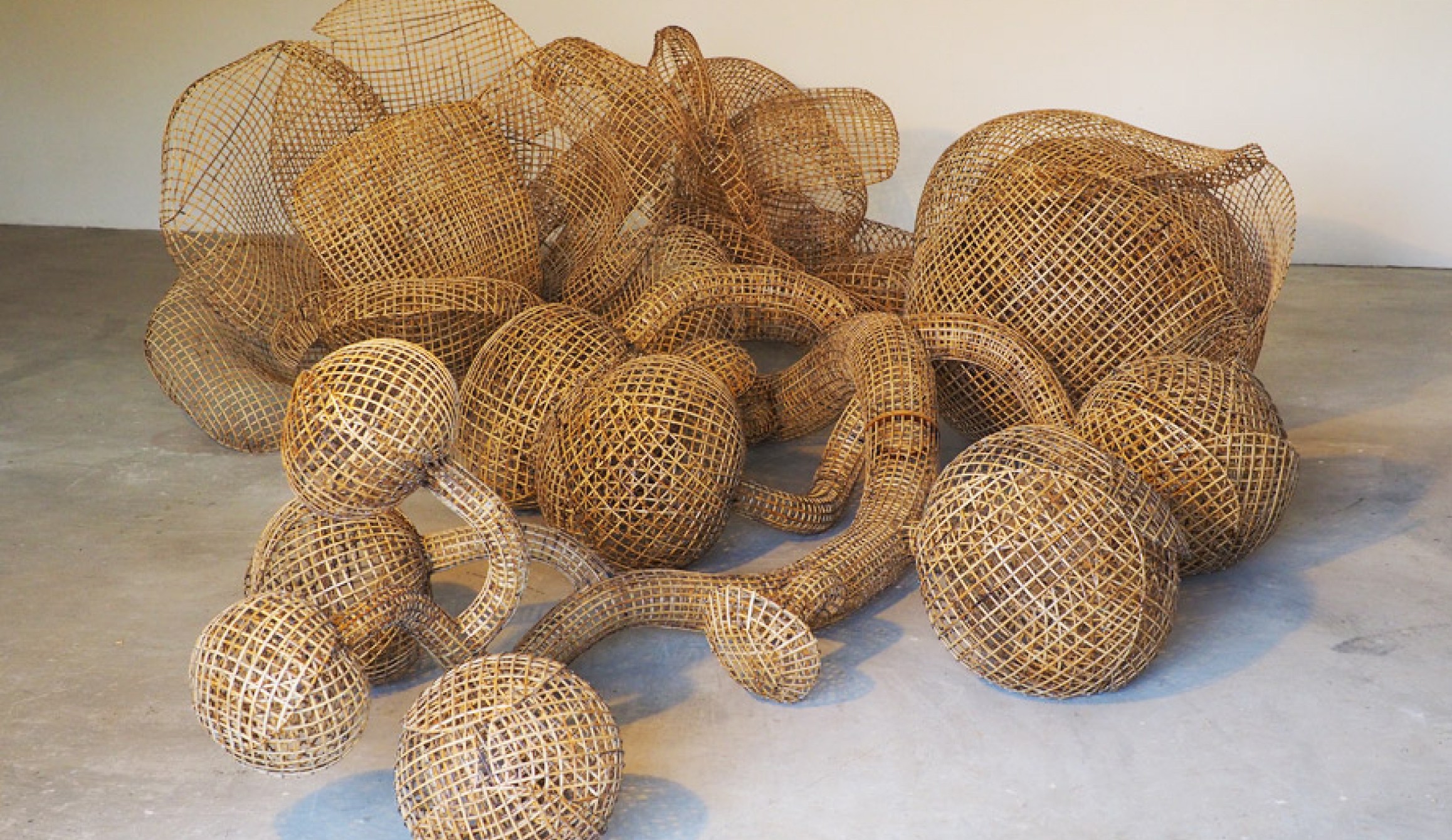
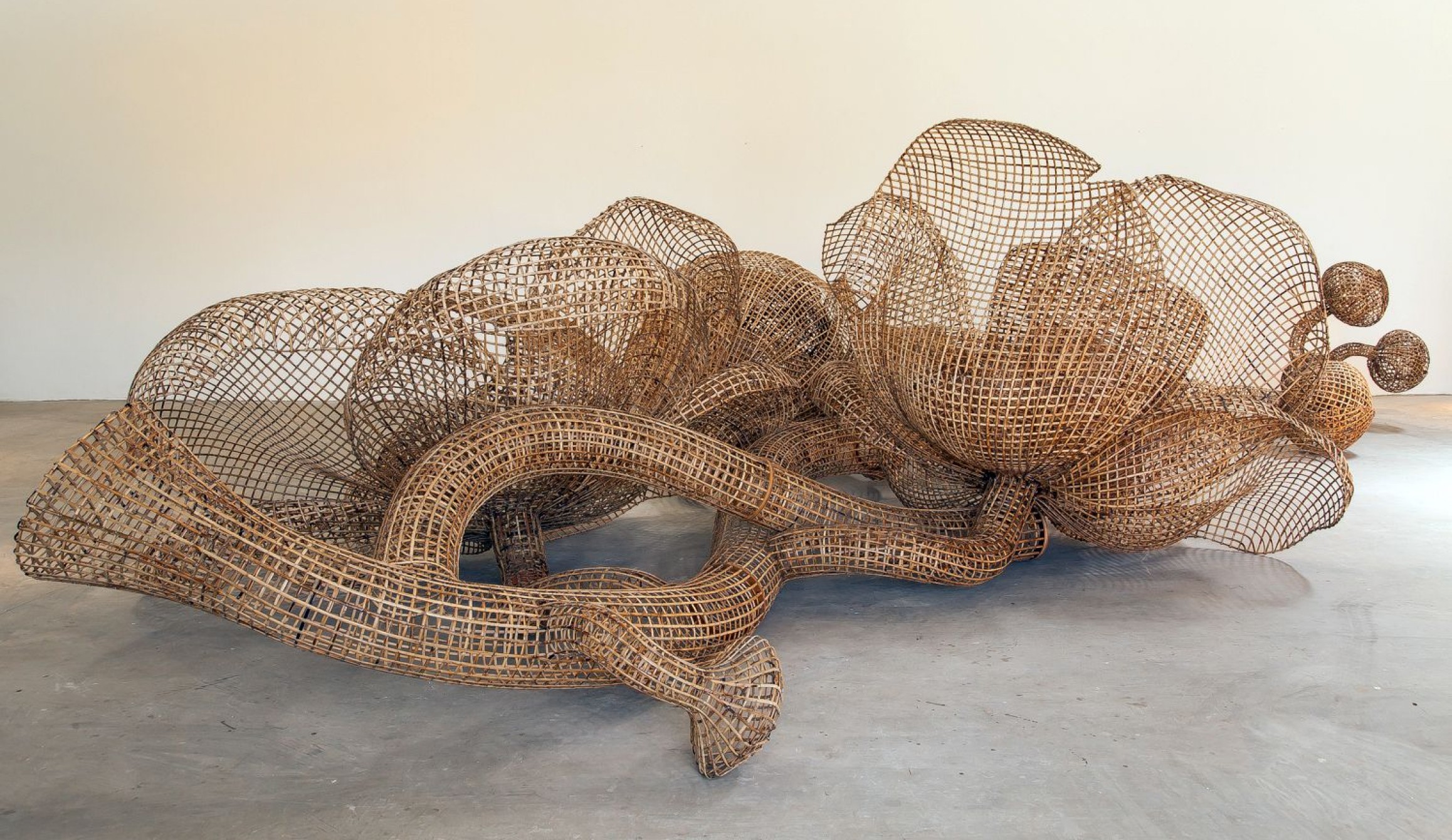
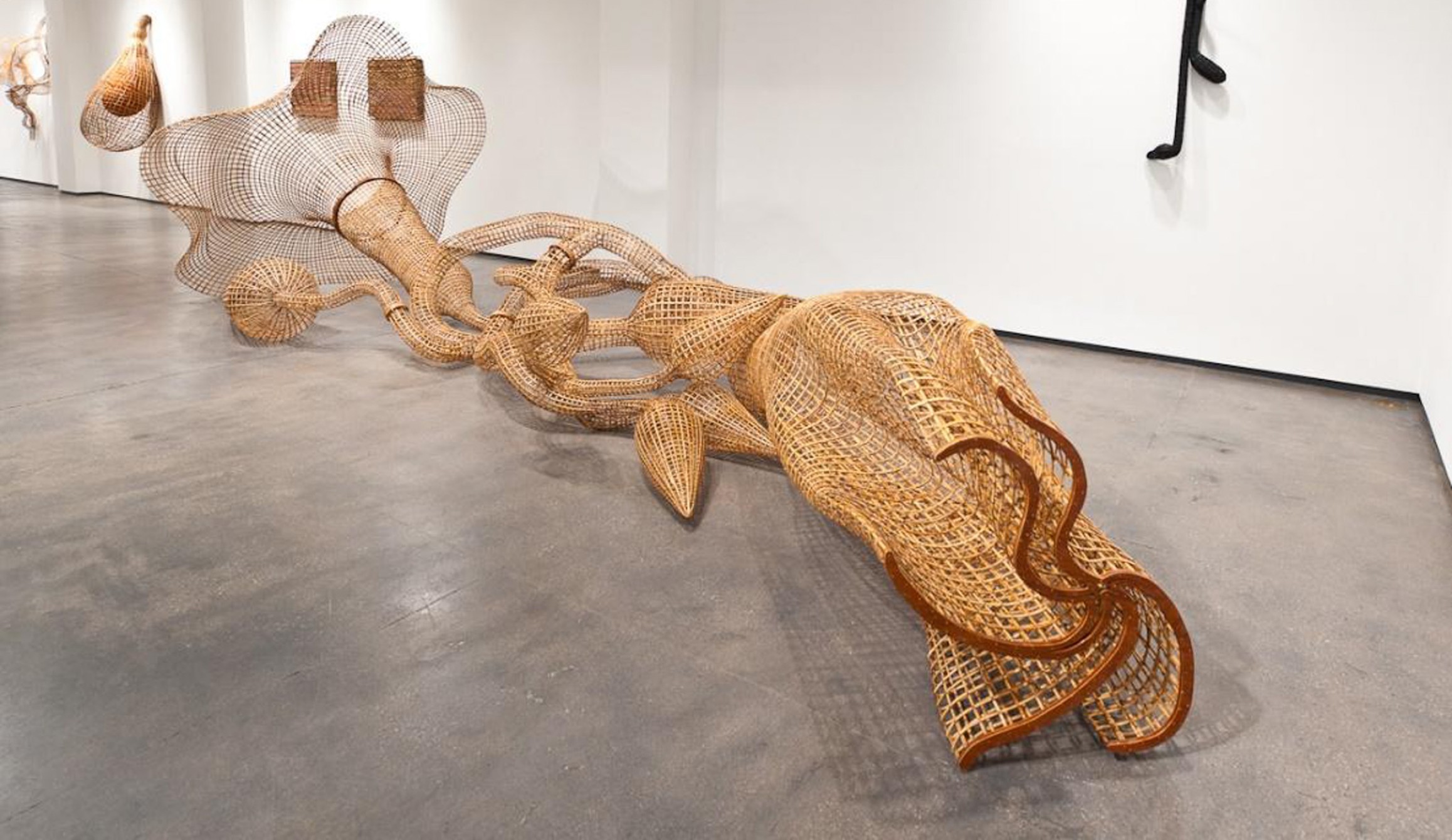
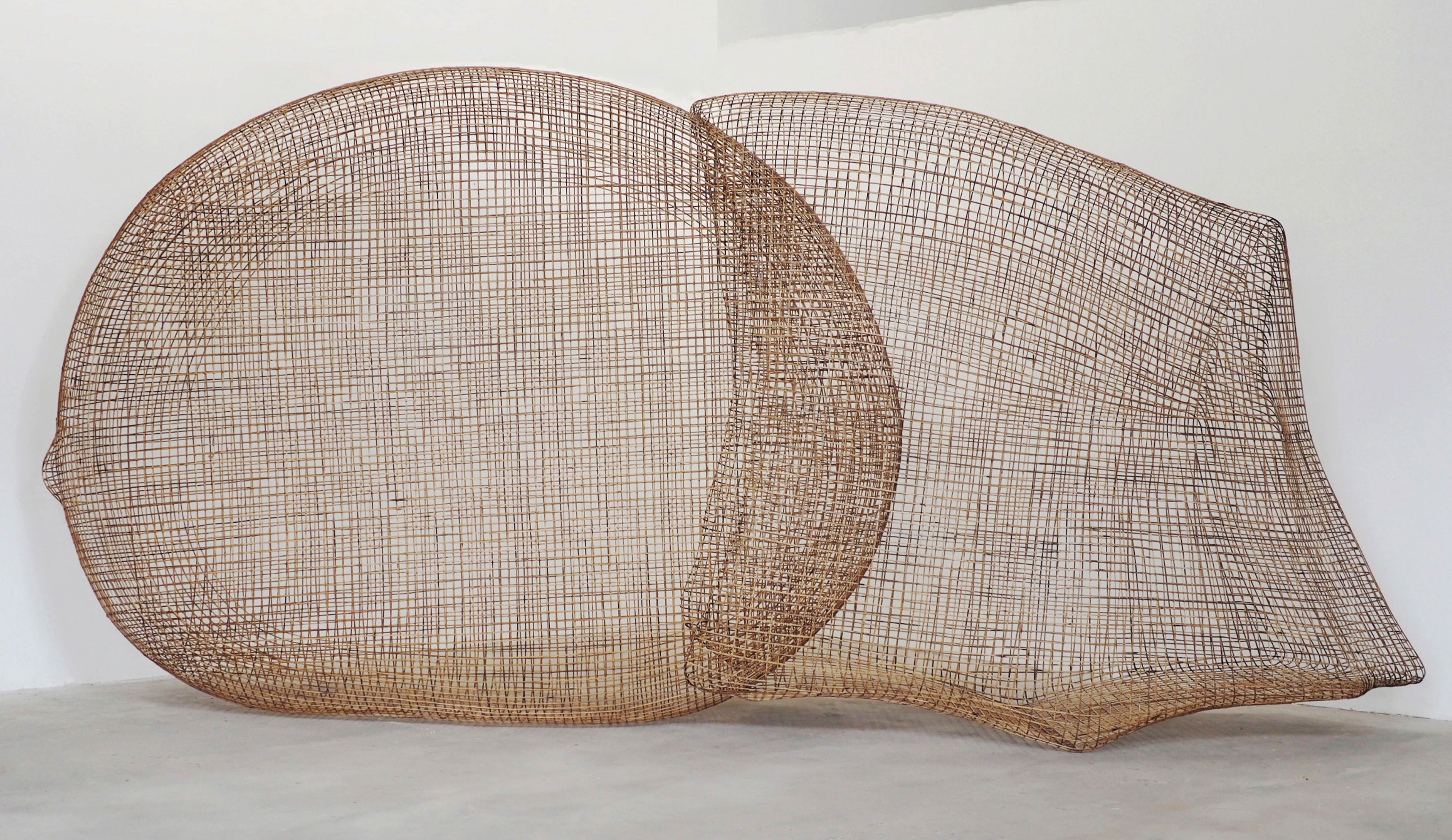
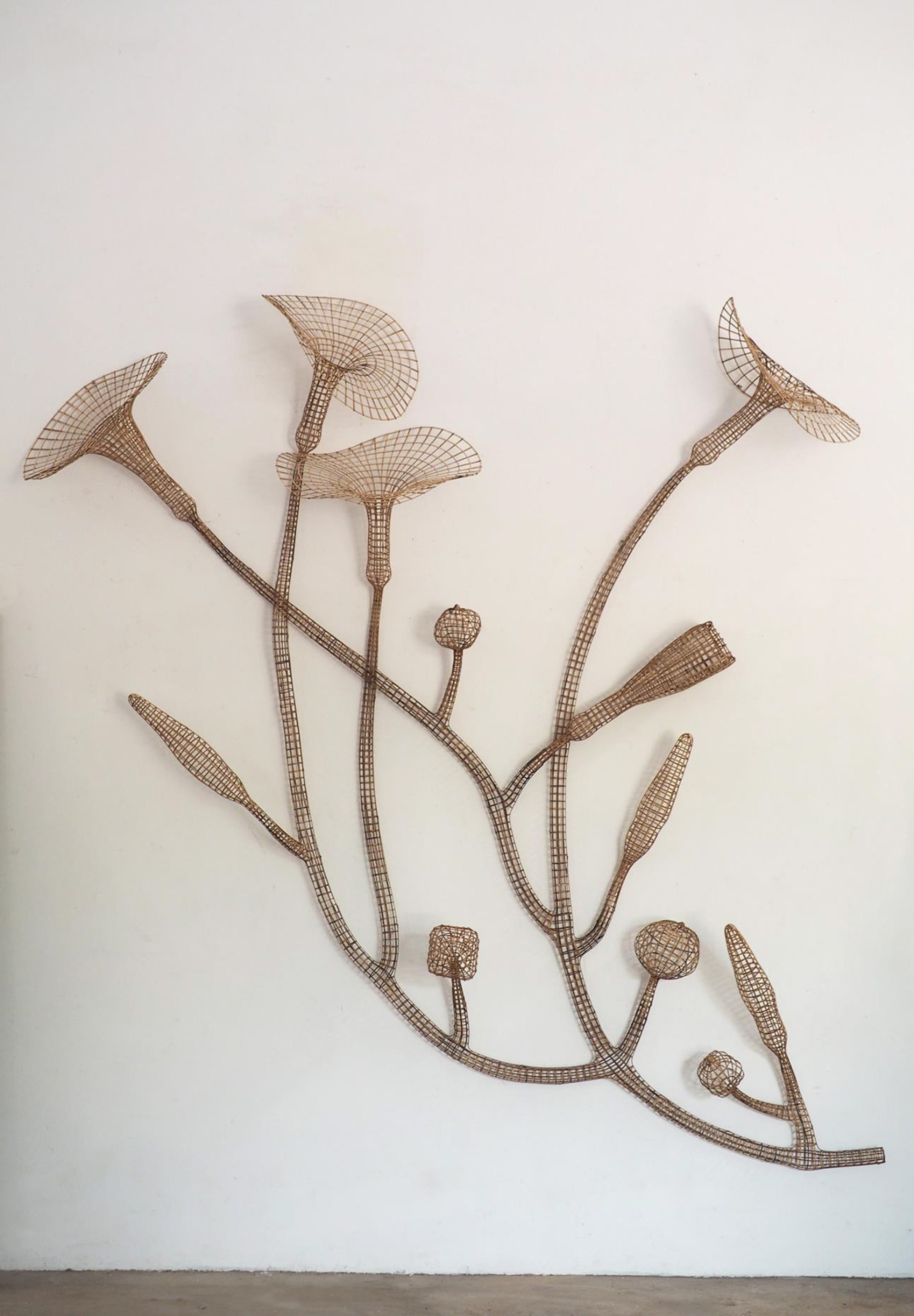
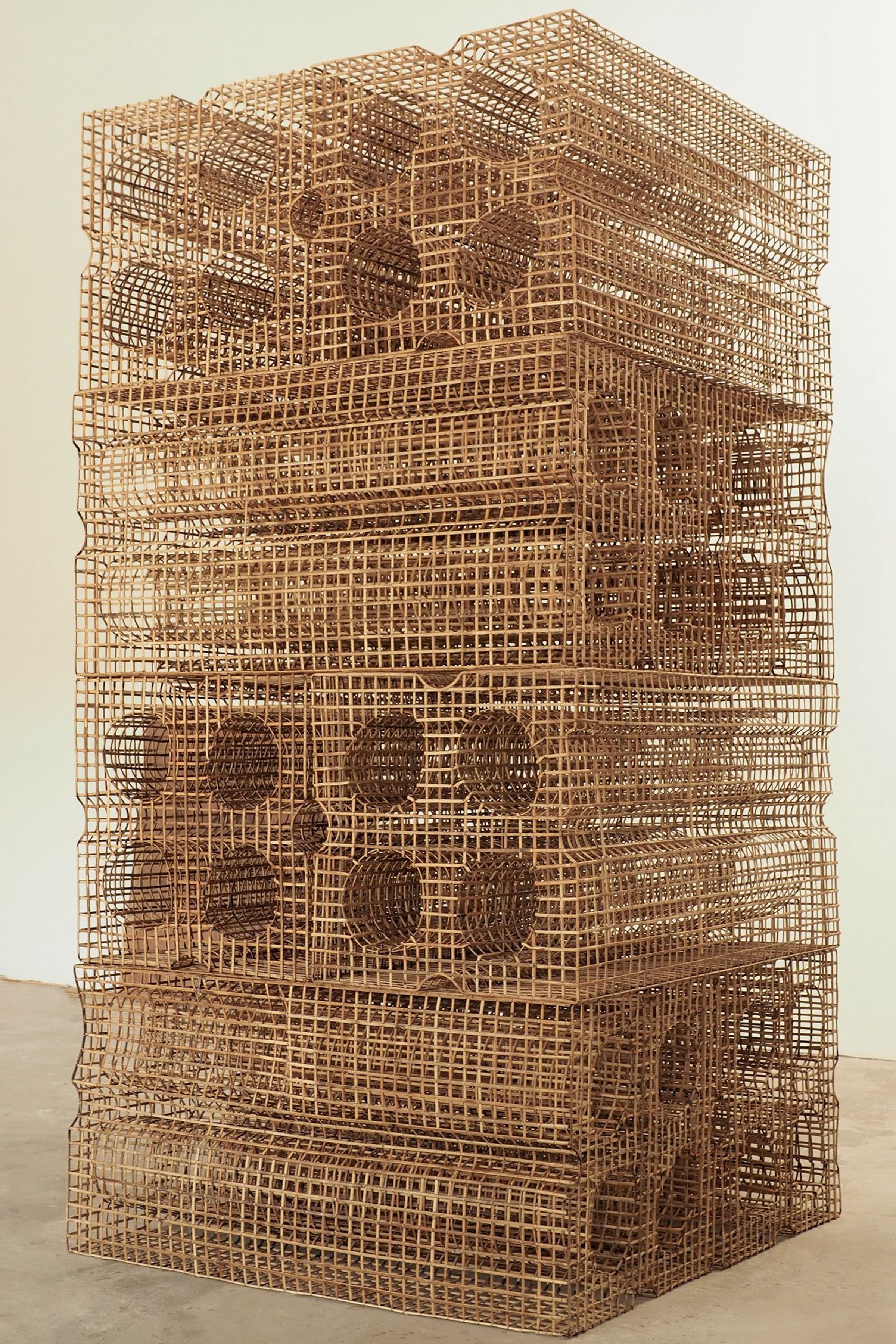
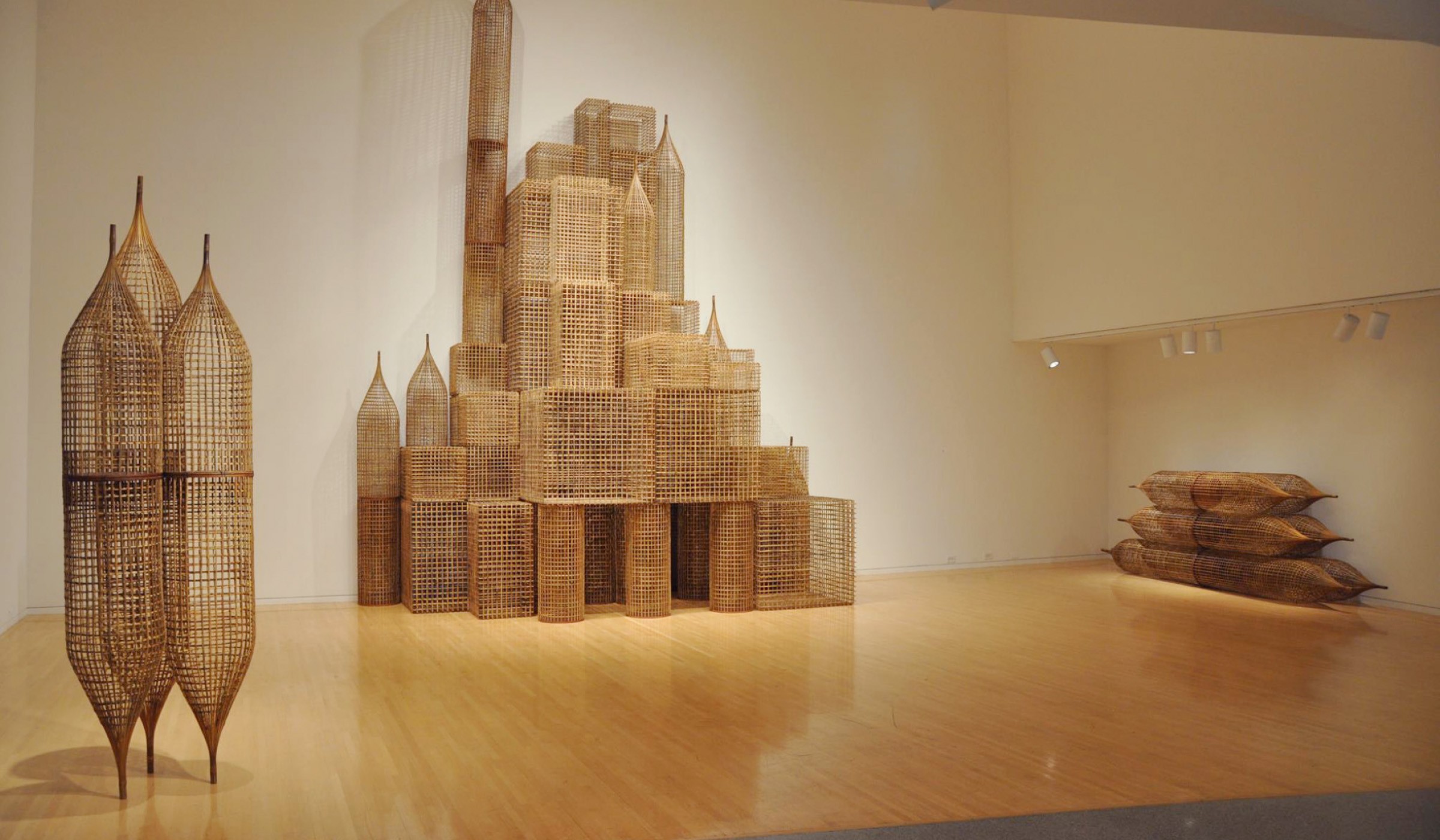
This sense of possibility is what I still carry with me and in some ways try to project in my work through subject matter and scale. Early sculptures such as Cycle, Rang Phnom Flower, New Dwellings and Cargo would have been difficult to make without a heavy dose of optimism because they took a lot of time and labor. Works of this scale are not practical, and they tend to sit in the studio for years before they are shown and often return to the studio to be placed in storage. However, it has always been more important for me that these works are done so that we can learn something from the experience of making them. Seeing whether anyone else cares about them afterwards is yet another test.
CNTRFLD. How did your transition from Cambodia to Thailand and then to the United States shape your artistic identity and practice? What cultural elements from your past do you carry with you into your work, particularly after settling in the U.S.?
SP. When you are from a country that killed off almost all of its artists and intellectuals in a genocidal revolution, it is hard to think about what culture really means to me. One memory I have during the Khmer Rouge was that I would hear the slow rhythmic hand drum being played every single morning. It was probably meant as a signal to let the adults know that they had to head to the rice paddies for another day of hard labor. It gave me a foreboding feeling. Another striking memory was from Khao I Dang, the Thai refugee camp my family went to when we first left Cambodia. For half an hour every evening, melodic pop songs from the 1960 and 70s were played over the camp’s loudspeakers. They were often sad love songs by famous Cambodian musicians and artists from before the Khmer Rouge, and which we still listen to today. I remember always feeling that the songs were short, and that each session ended too soon. As I was only a young child then, my memories must have been touched by these experiences differently than if I was older. My parents and relatives were unlikely to have had similar feelings and responses because their existence was consumed by much else. Indeed, music and other forms of art were never an important aspect of my family life in the US. I suppose one of the driving forces behind what I do has always been to overcome the notion given to me that art is not as important as other occupations in life.
Living in different environments, some of them difficult, have allowed me to learn to adapt, be flexible and see things from different perspectives. I am the eldest among five sons. Choosing to pursue art as a career wasn’t what my parents were expecting of me. I credit the one year I spent in Paris before I graduated from the University of Massachusetts as the most impactful in this regard. Being away from my family and having to teach myself a new language was both pressurizing and liberating. Feeling lost in the world was not new to me but I had to figure things out on my own in ways that I did not expect. Fearlessness was necessary. I saw a lot of great art in Paris museums (some of my classes were conducted at the Louvre and the Pompidou) and attended as many exhibition openings in galleries as I could. I also hopped on a bus to Amsterdam to see works by Rembrandt and Flemish masters. Understanding what I was looking at wasn’t the most important thing; rather, staring and drawing was what I needed to do.
Two other study trips I took with the art department before my year in Paris were also important for me. One was to Mexico and was a photographic exploration of the Mayan temples. It was while I was walking through the jungle at Tikal in Guatemala that I knew that I wanted to come back to Cambodia. We also went to France and Italy, visiting many grand museums, and seeing Michelangelo’s David and Botticelli’s The Birth of Venus was mind-opening to say the least.
CNTRFLD. When did you first begin to see yourself as an artist? Was there a particular moment, encounter, or influence that helped guide you toward a sculptural practice?
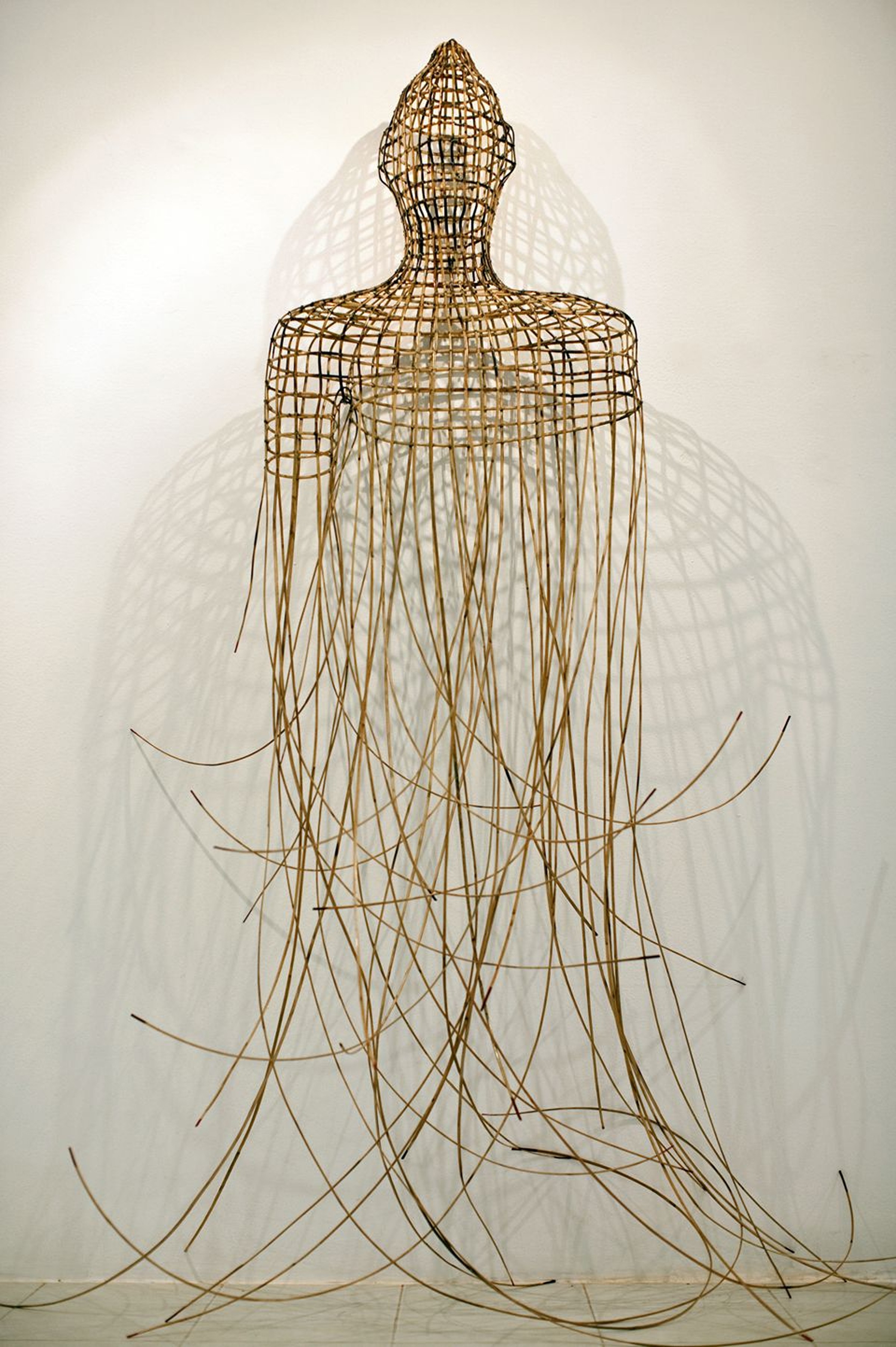
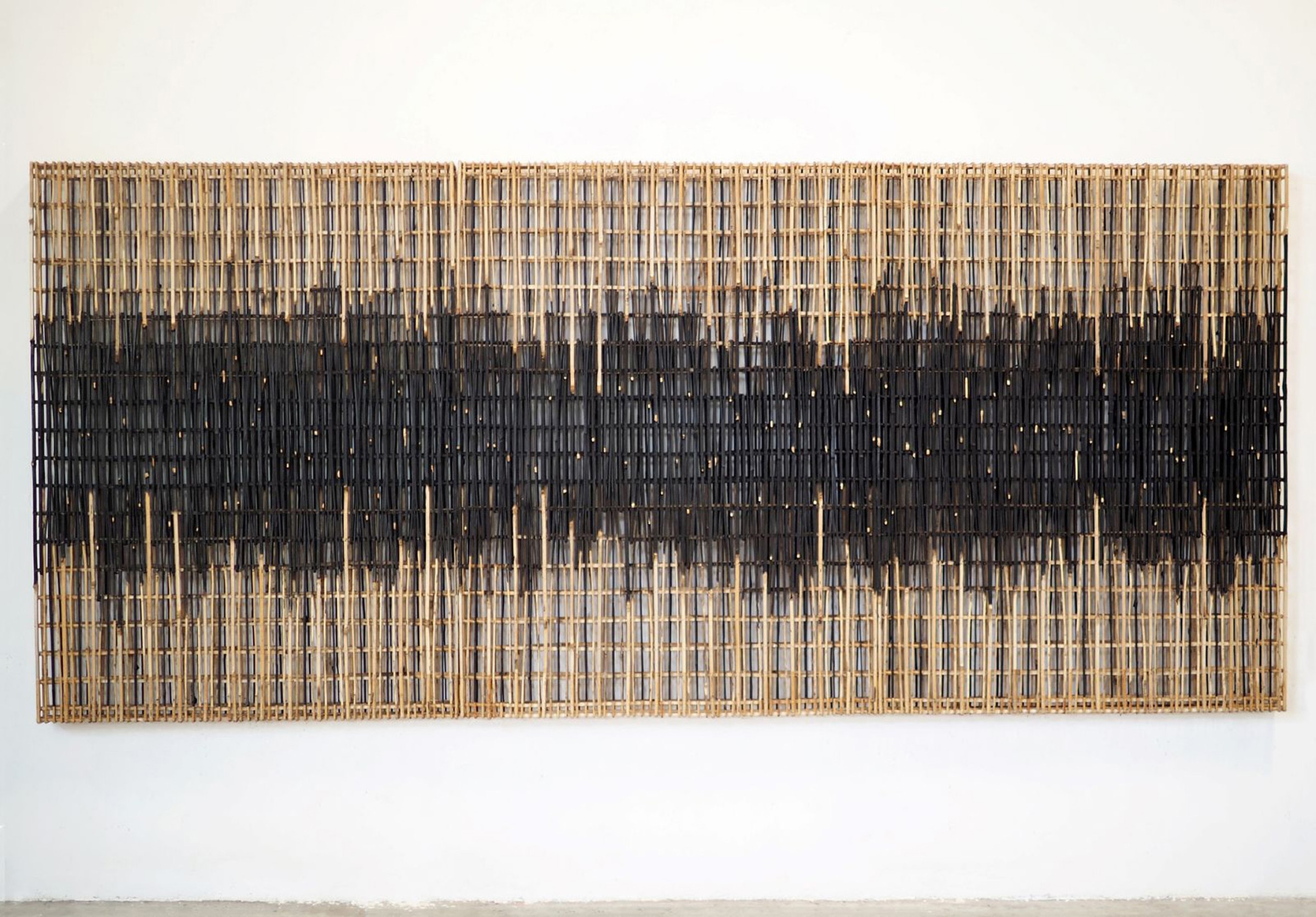
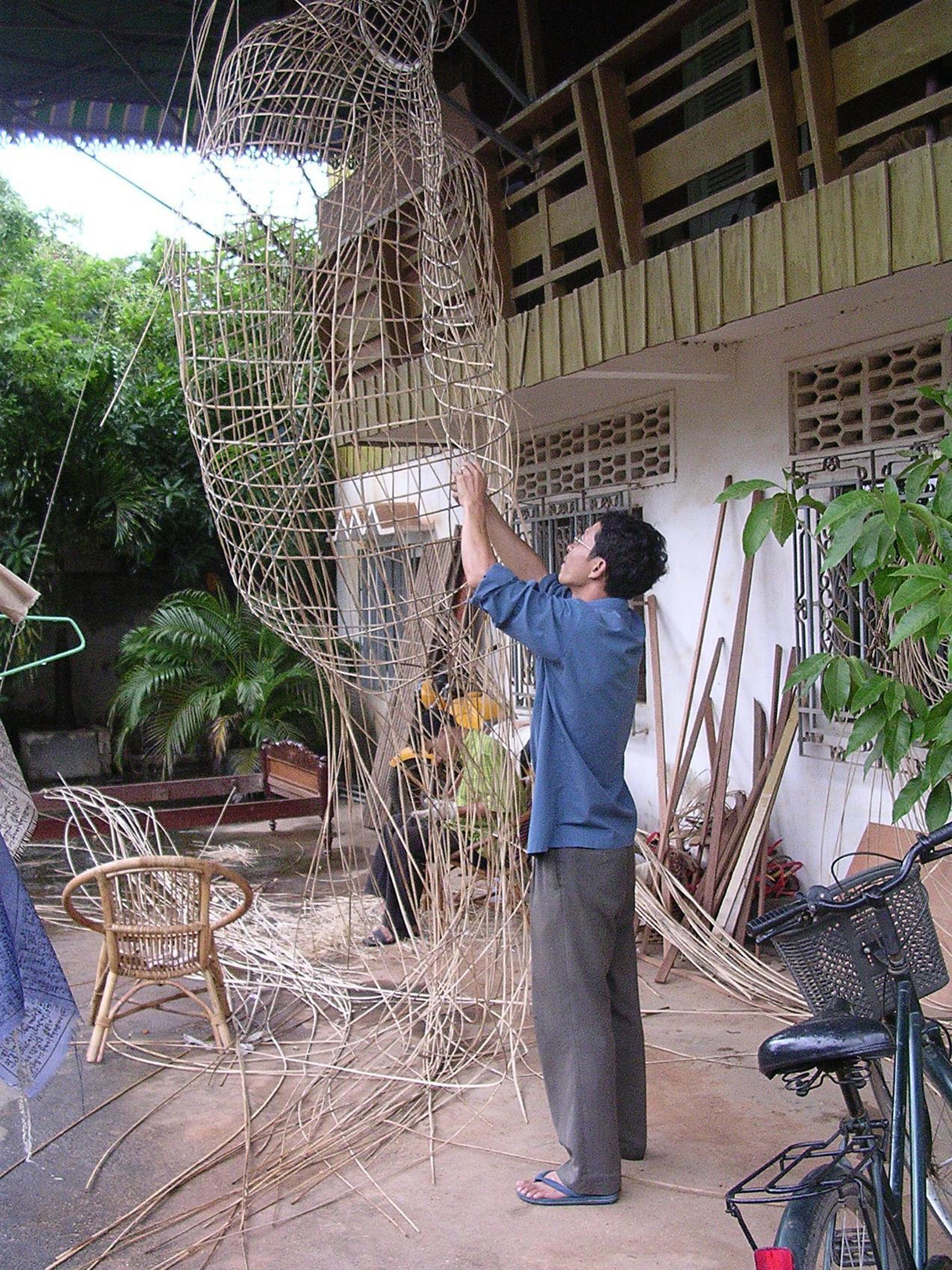
SP. I started to truly see myself as an artist in 2004 when I felt I had lost my way as a painter. It was my third year being back in Cambodia and my own situation, and the realities of what was around me had truly begun to sink in. Seeing struggle and lack everywhere made me question what I was doing, and I felt like painting was not making sense anymore. I was trying to create illusions of reality with painting, and that this was impossible. At that moment, I made my very first sculpture, Silence, and did so with a sense of curiosity, almost just to see if I could. That was when I stopped asking what I was supposed to do and why and knew that I just wanted to make objects. In a sense, working with rattan and metal wire brought me back to a childhood spent making toys or tools to hunt in the fields with. Memories of helping my metalsmith father, and all that he taught me in the process started to come back slowly. After that, making sculpture became an emotional experience, and I understood that if I could just find a way to survive so that I could continue to make sculpture, I would be okay.
CNTRFLD. Your work is deeply tied to materiality—from bamboo and rattan to scrap metal and glass. How do you choose your materials, and what role does physical labour or tactility play in the way you conceptualise and create your pieces?
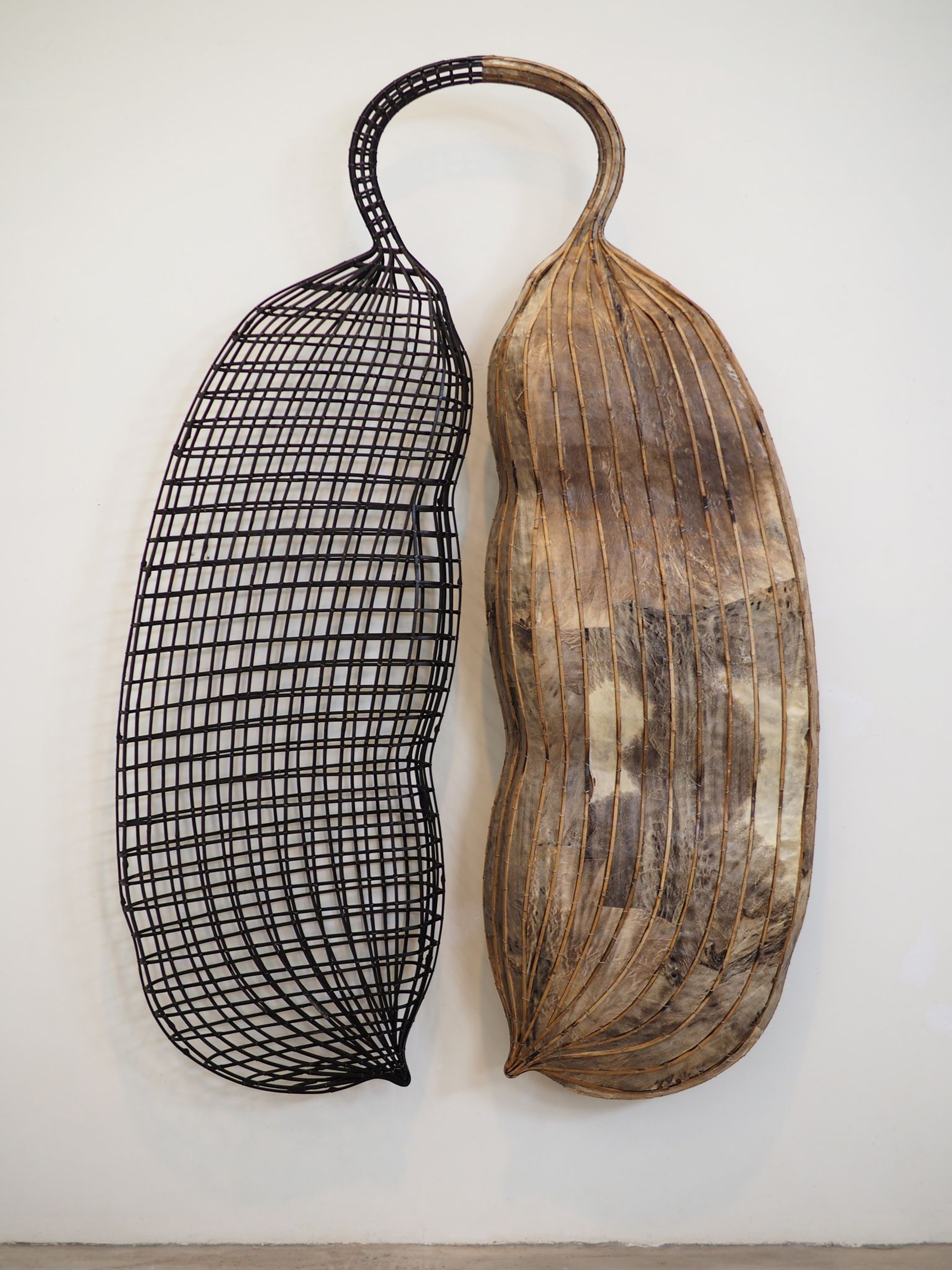
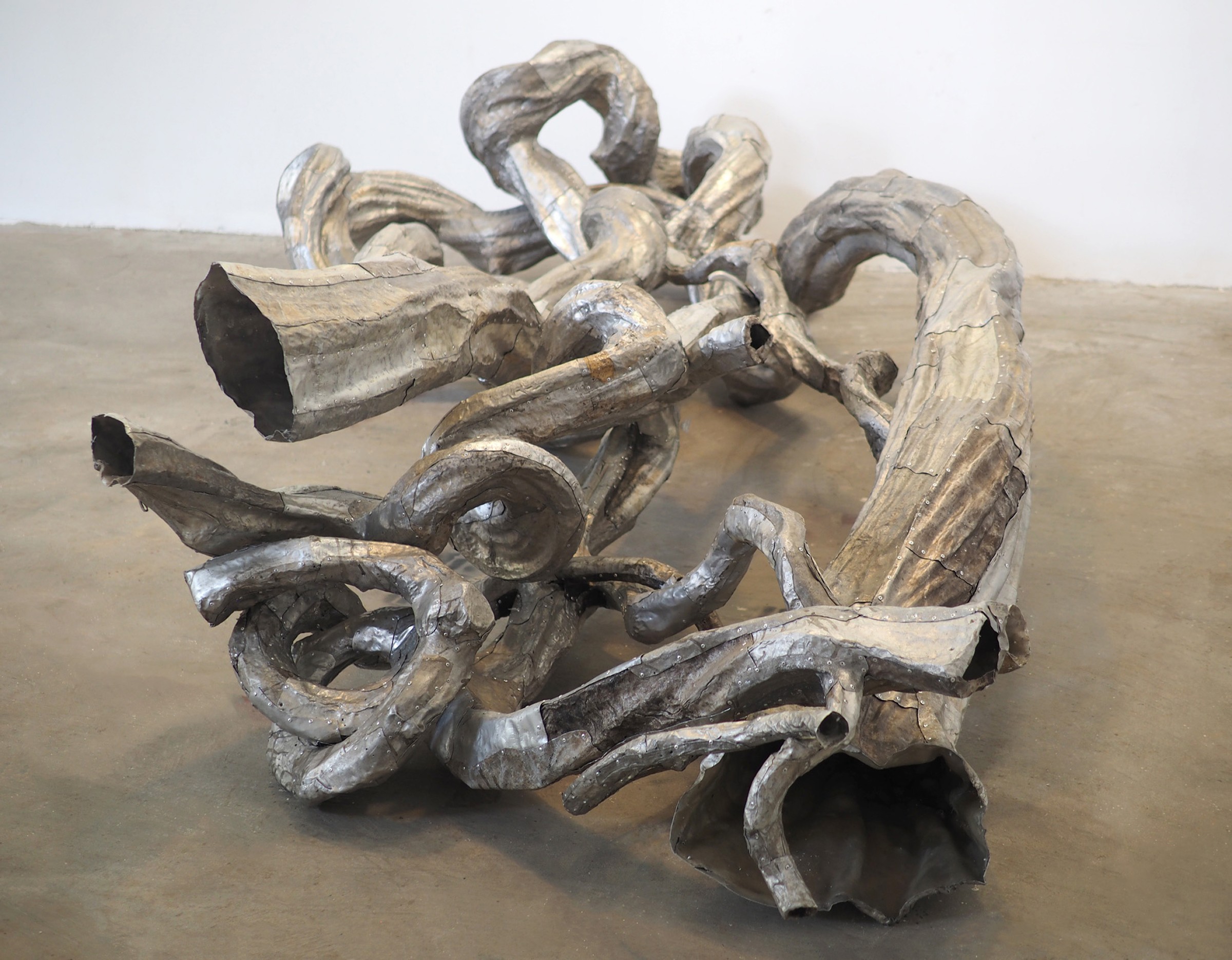
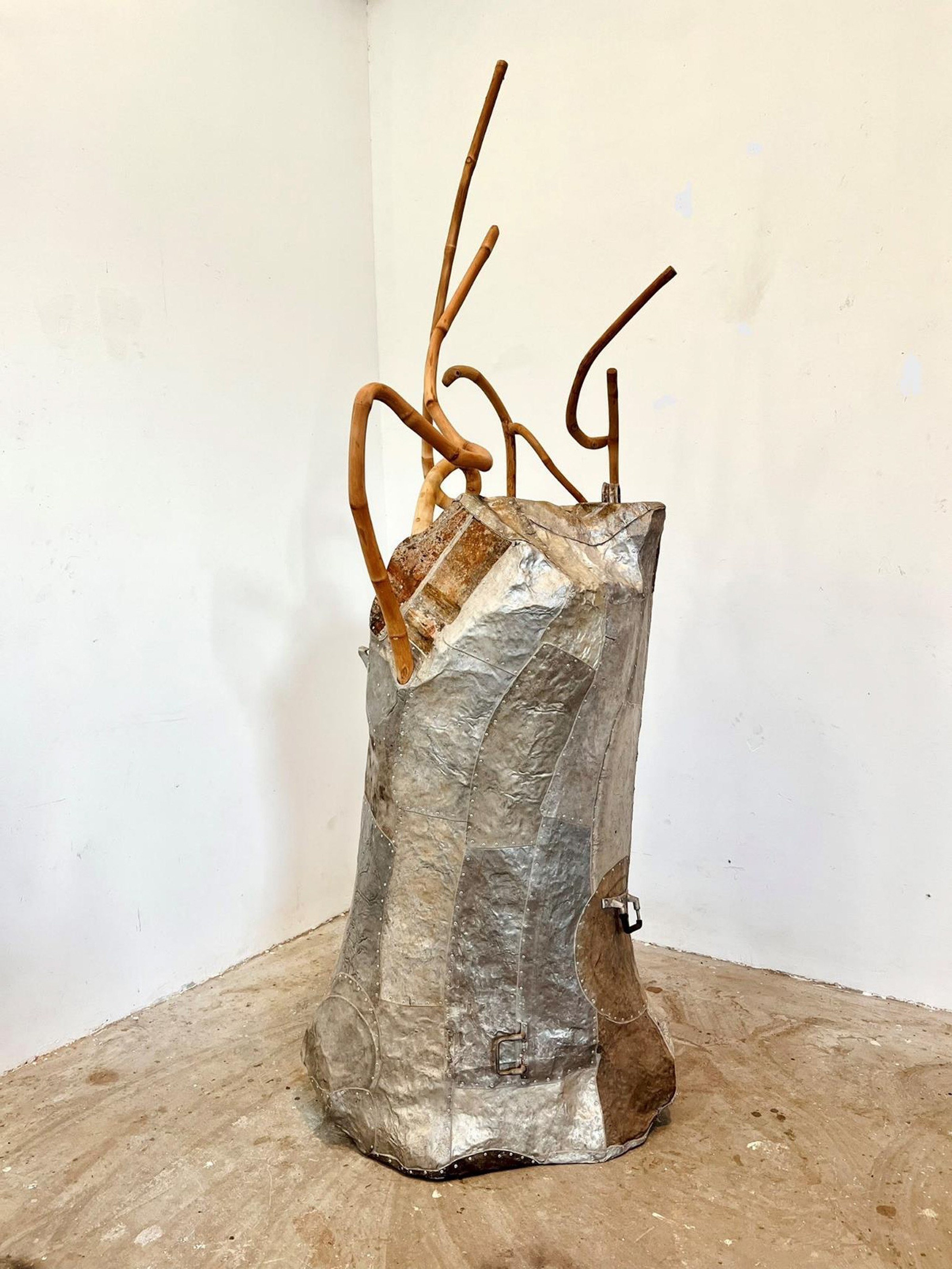
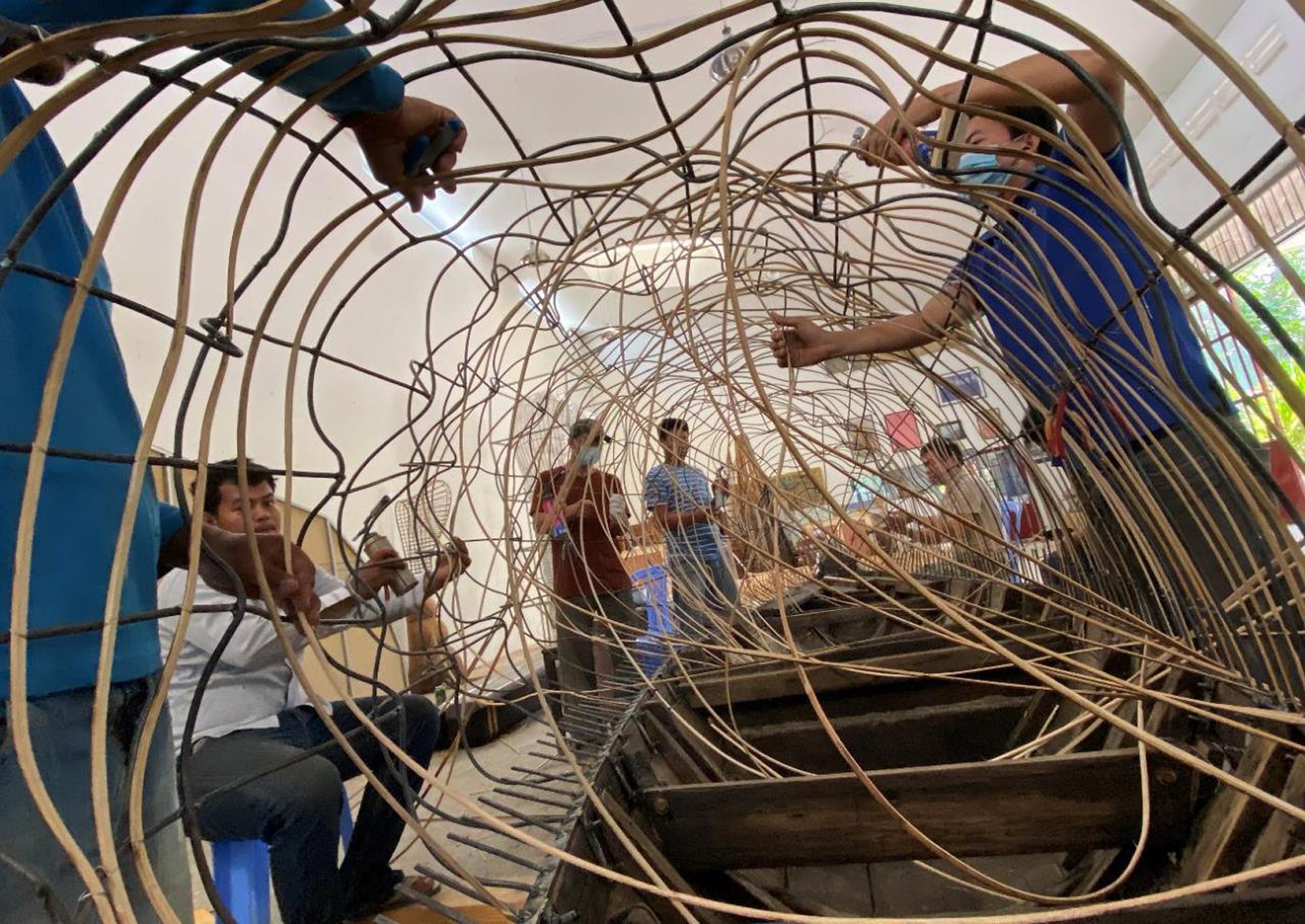
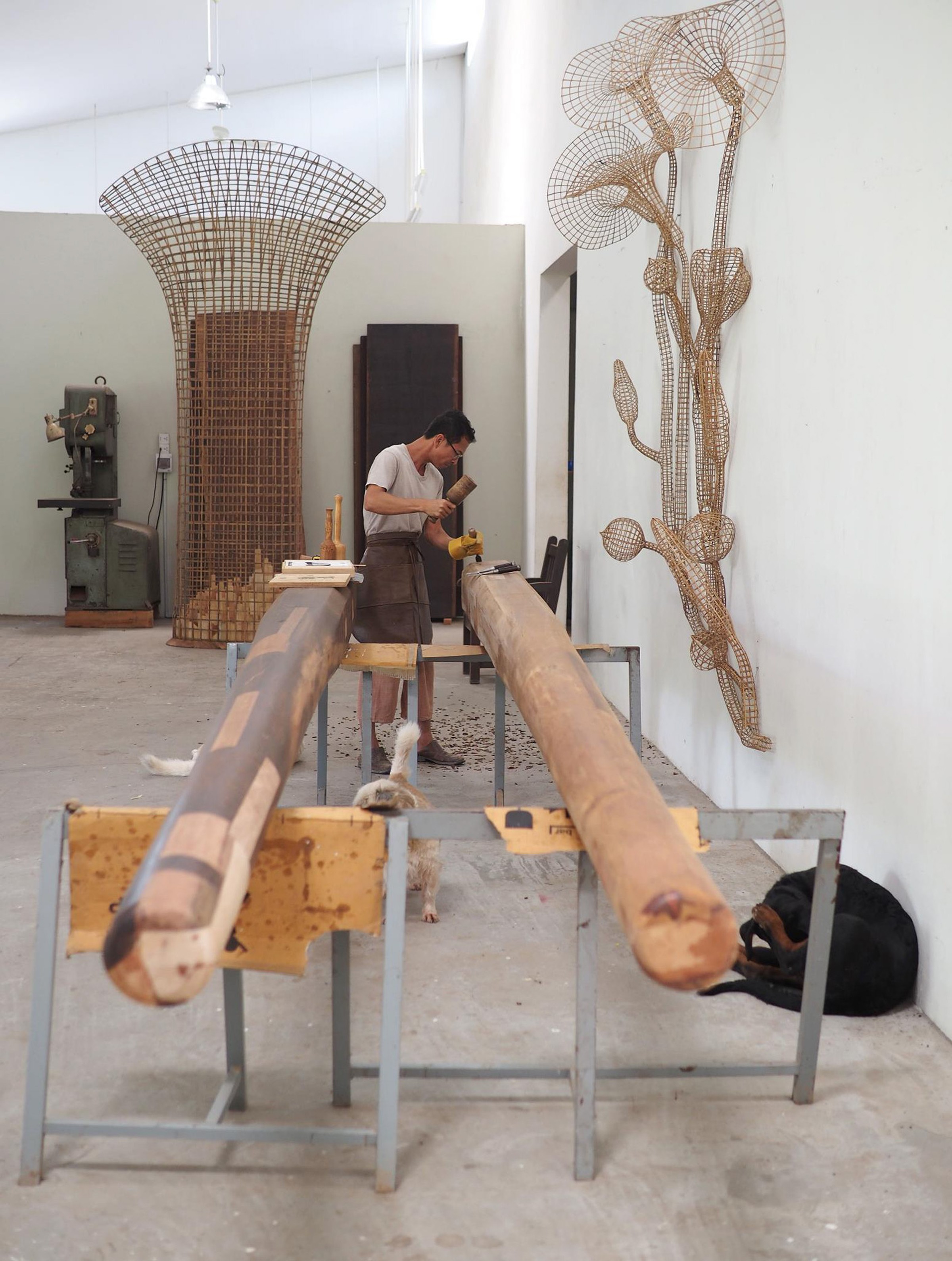
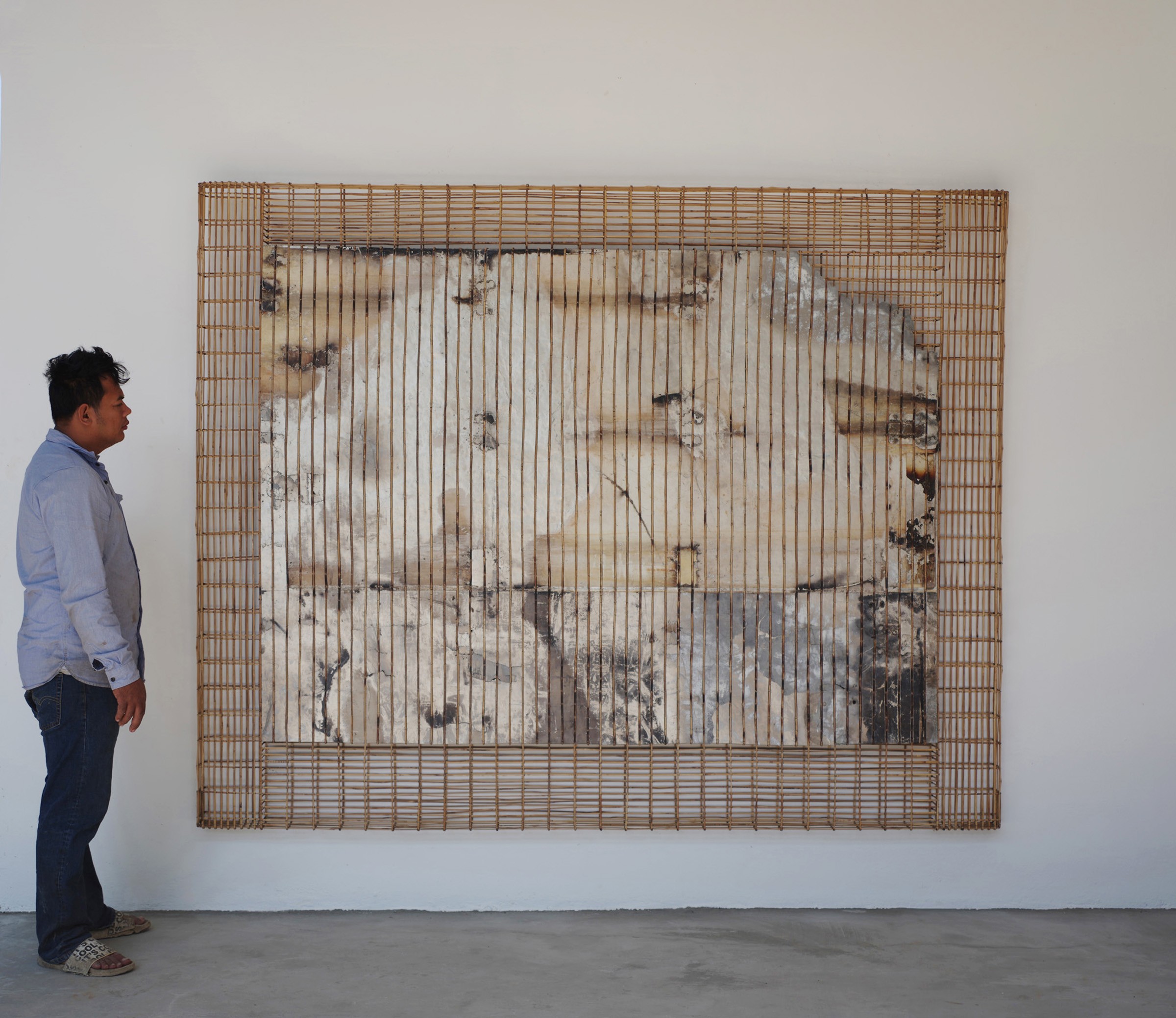
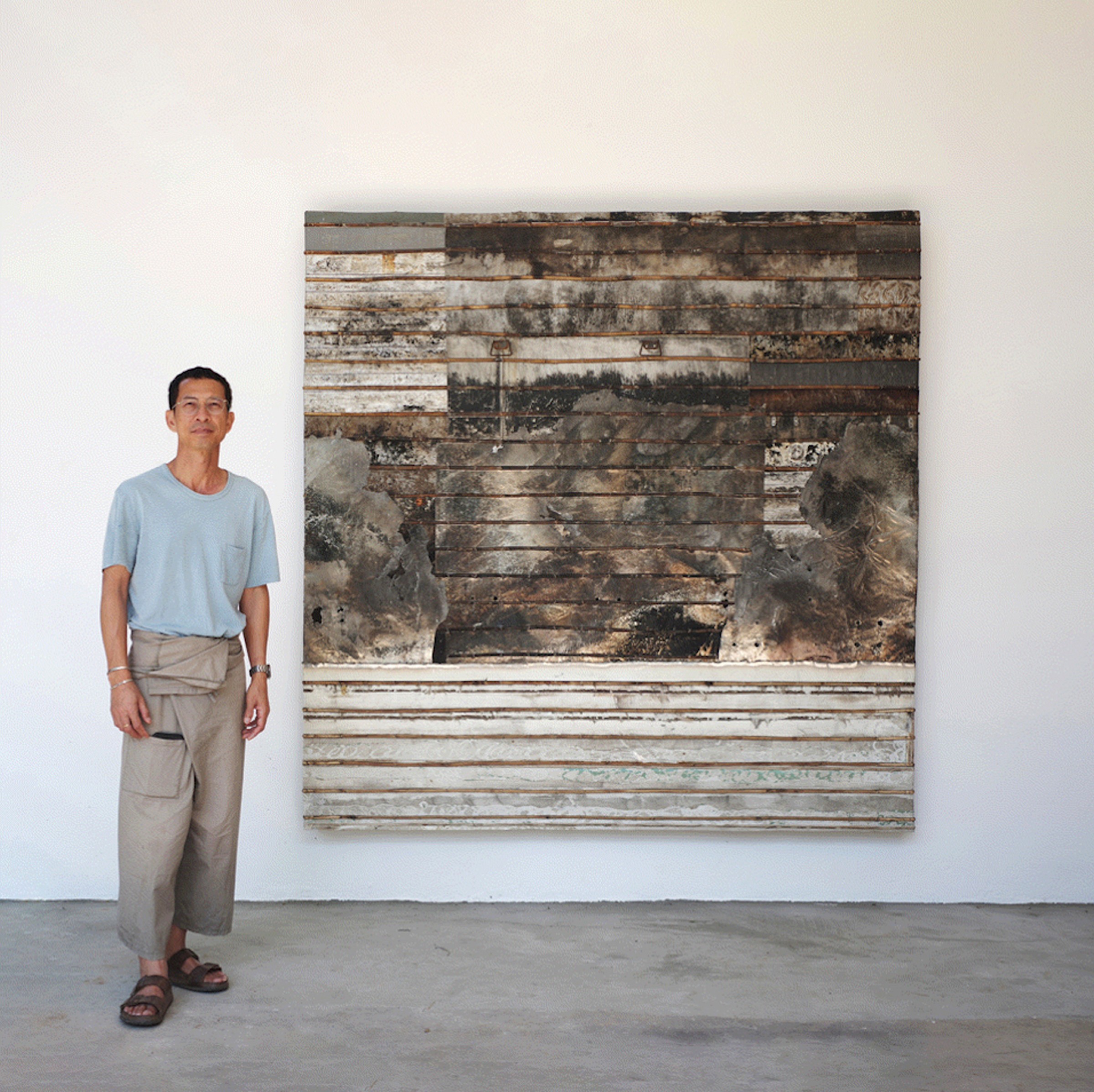
SP. I have learned to accept that materials have lives of their own and that they speak of the people that used them and the times they lived in. Our need to survive forces us to be inventive and care for the things that we use. In Cambodia, we are people of the farm and are familiar with all manner of ways to use natural materials to make tools, build, grow, and hunt. The bamboo and rattan that I use are poor man’s materials that have multiple uses, and the found aluminum in my work is an everyday object. More contemporary and efficient materials become available as we progress, and the city develops. But they are costlier, so the objects they are used to make are constantly patched up and only discarded when they are beyond repair. Even then, they are not really thrown away but sold for scrap to still earn some money. The way I work shares some similarities with the materials I use. Physical labor and intuition are mostly what my team and I have and depend on. There is emotion involved in working with the hands and I have always trusted this process in bringing about new works.