“Don’t let the culture of other spaces ruin your own culture. Find the common voices and use that to enhance who you really are.”—John Clang
CNTRFLD. You’ve lived and worked between Singapore and New York for many years. How has this duality — of time zones, cities, and cultures — shaped your understanding of what it means to be Singaporean today?
JC. It is all about the mindset evolving and maturing over a phase of two decades. It started from the curiosities of the space outwards, to the yearning for the familiar home. It began with the absence of the people you love, with each visit and departure triggering the longing for family, to the eventual departure of them mortally, causing immense grief and regrets… and still, I feel that I want to retain my Singapore passport, I want to remain as a Singaporean. It makes me understand that my heart had long chosen where my home is.
CNTRFLD. You’ve described your work as navigating “dual realities” and absorbing the mundane as material. How do these concepts surface in the work you’re showing at Artspace for AP60? Can you walk us through the ideas behind this presentation?
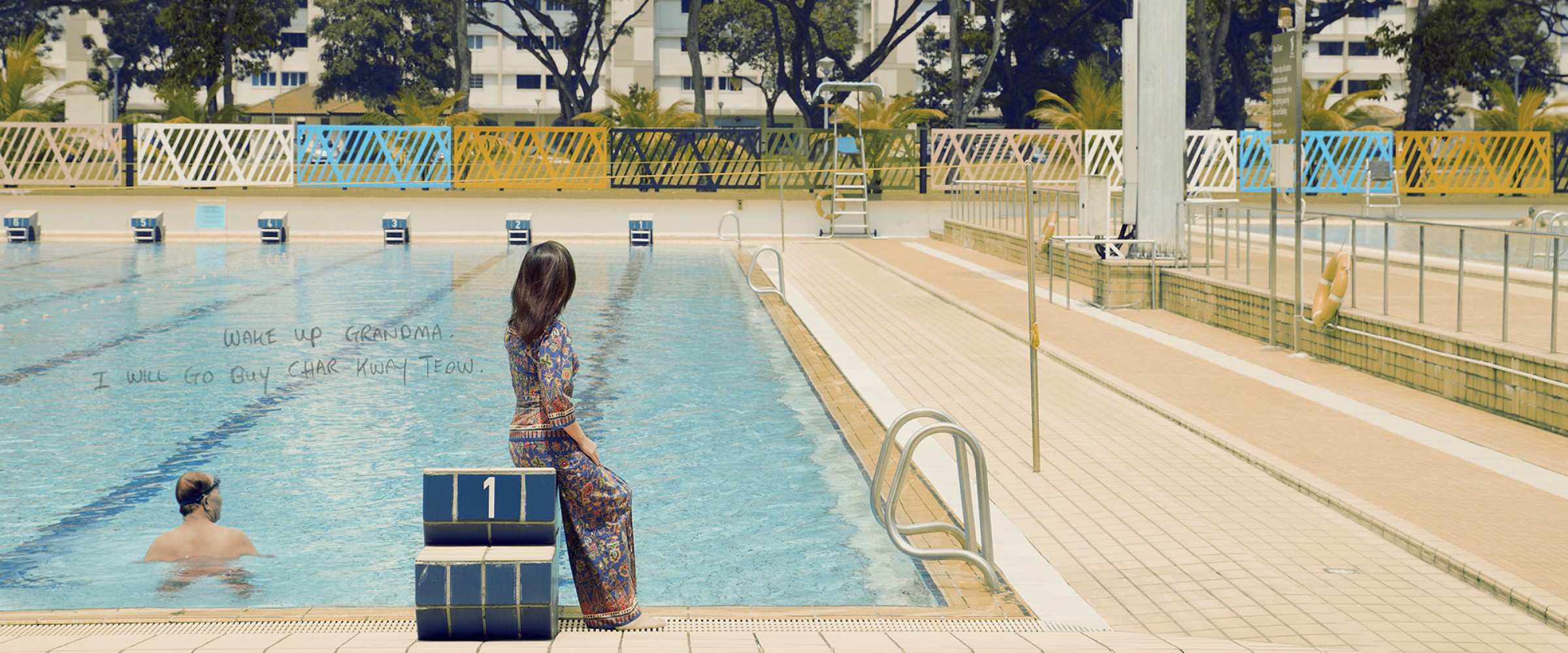
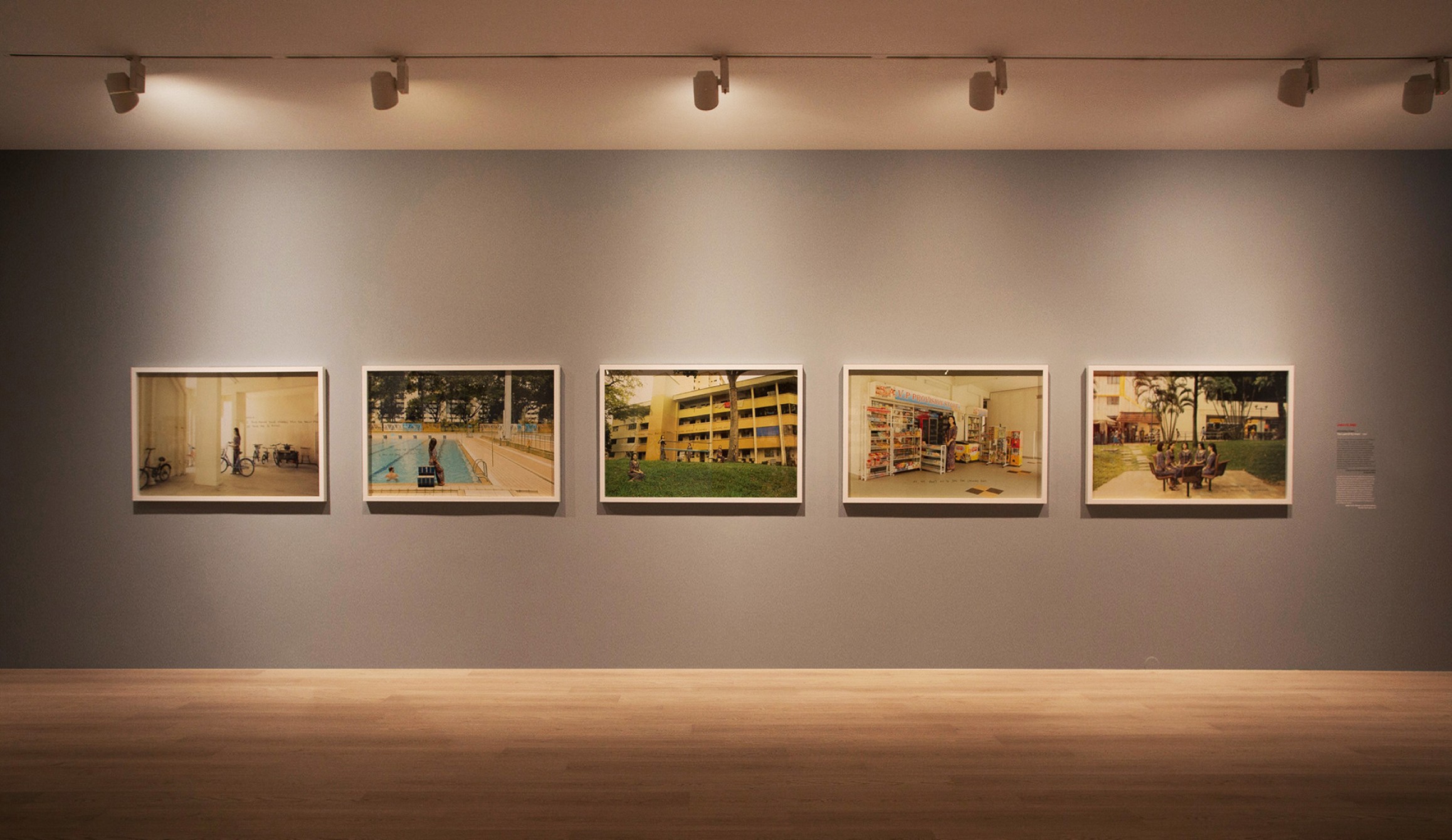
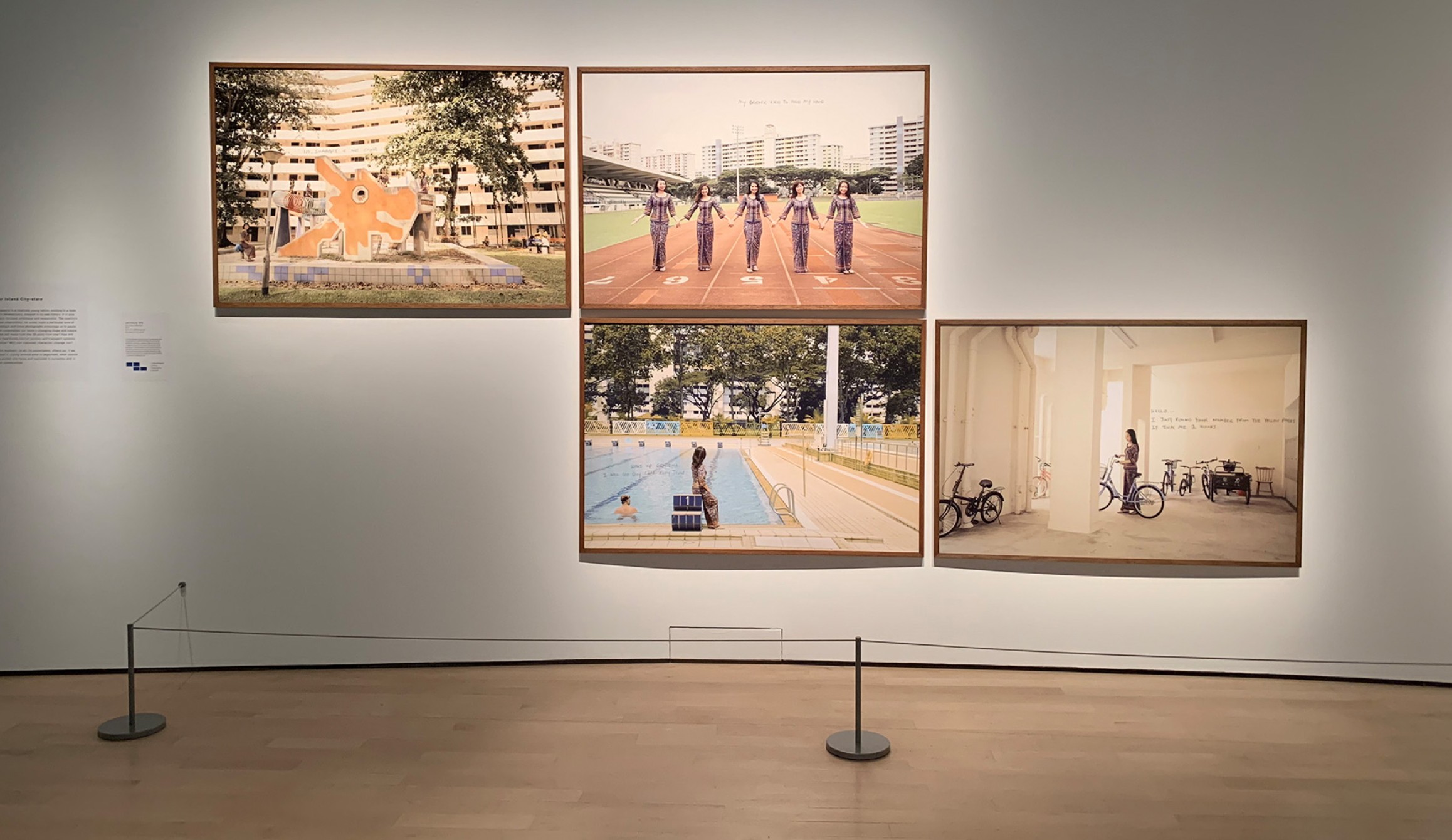
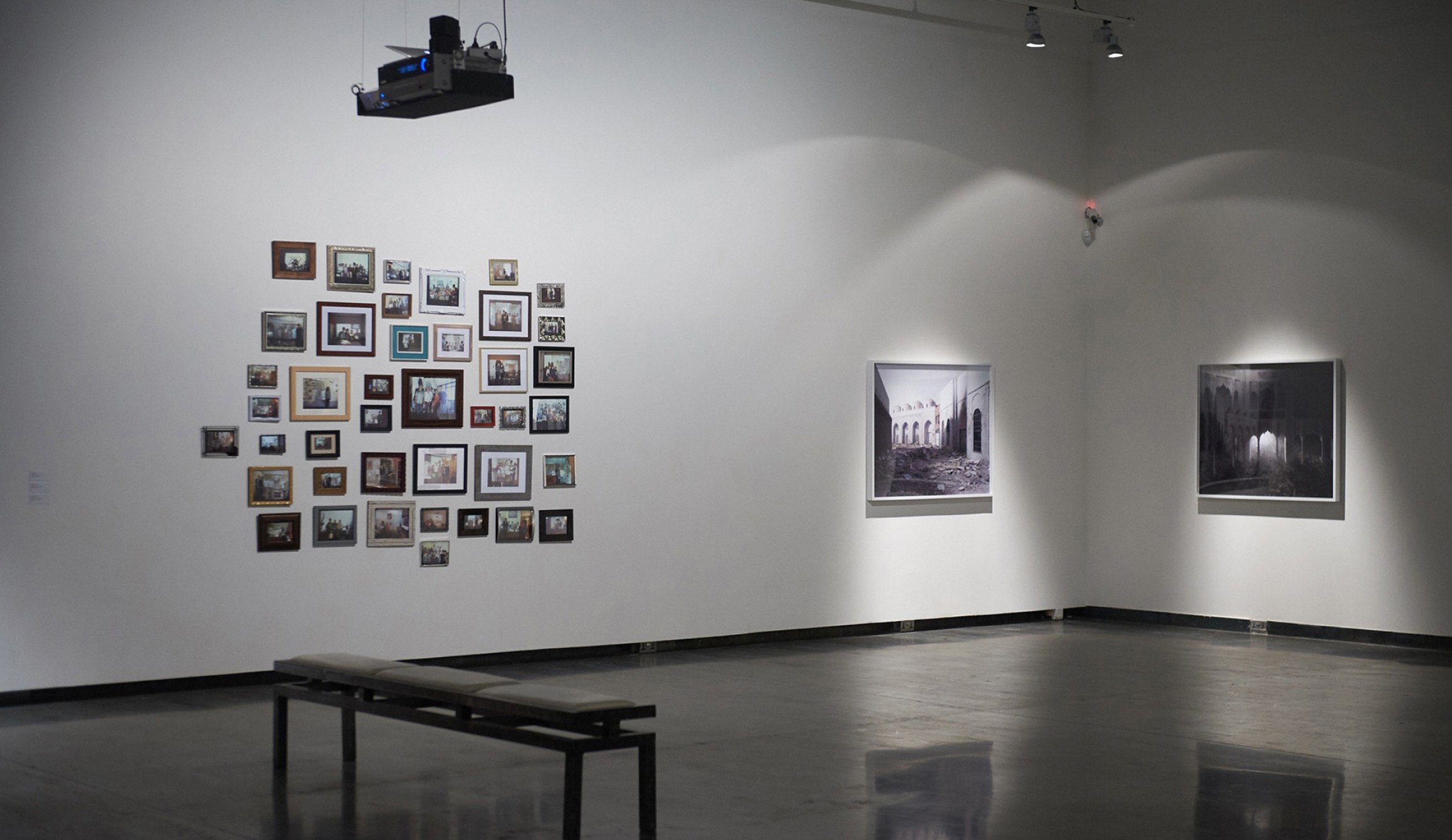
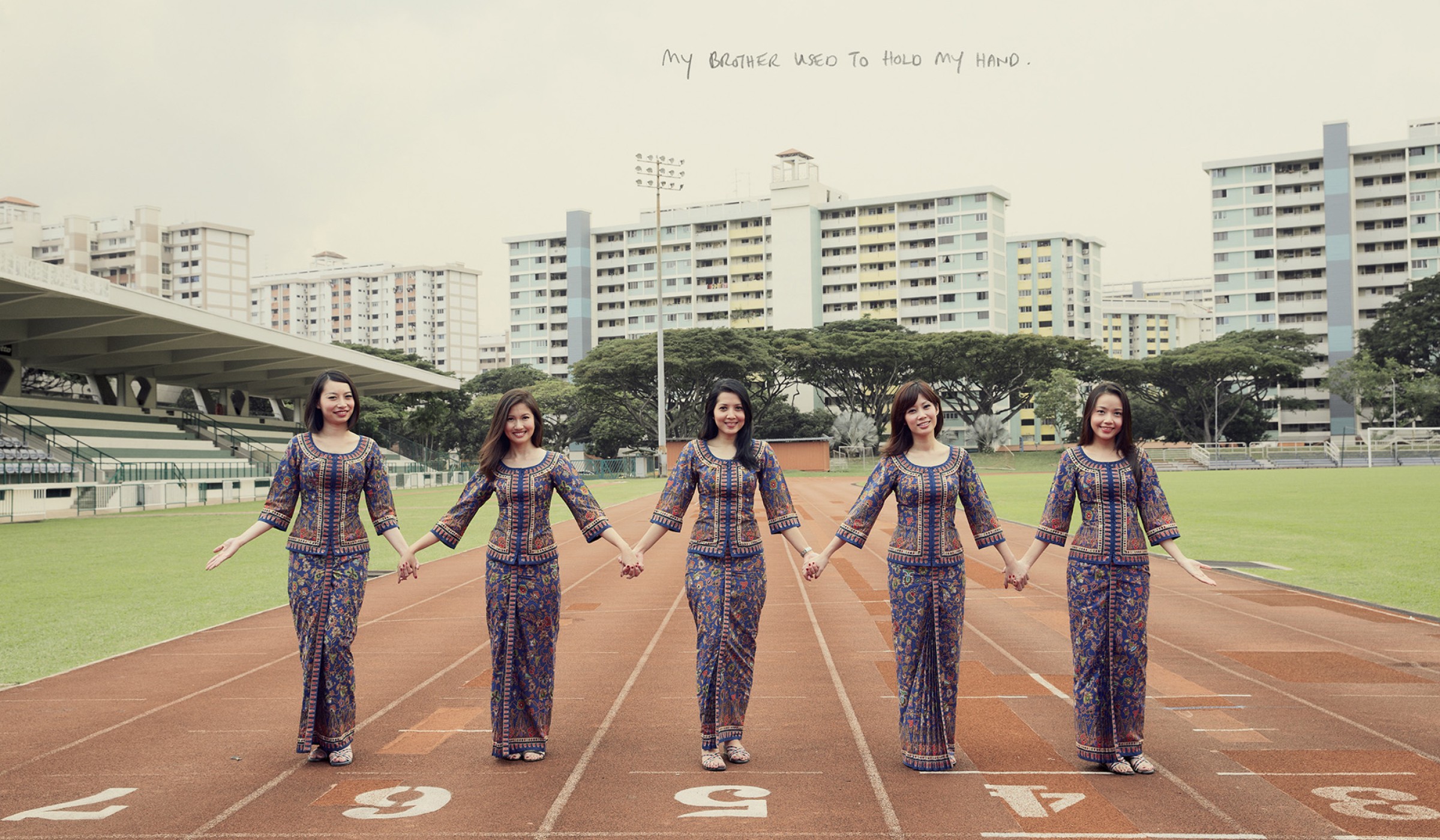
JC. The Land of My Heart speaks about the evolving changes and narratives taking place in the areas where I grew up. The Singapore Girl in the image represents an eternal icon who remains unchanged, while the landscape she is situated in is constantly evolving. The words written in the photo convey a narrative from the past, lingering in my mind. These three elements combine to reflect the complex feelings I have about the space I love and miss.
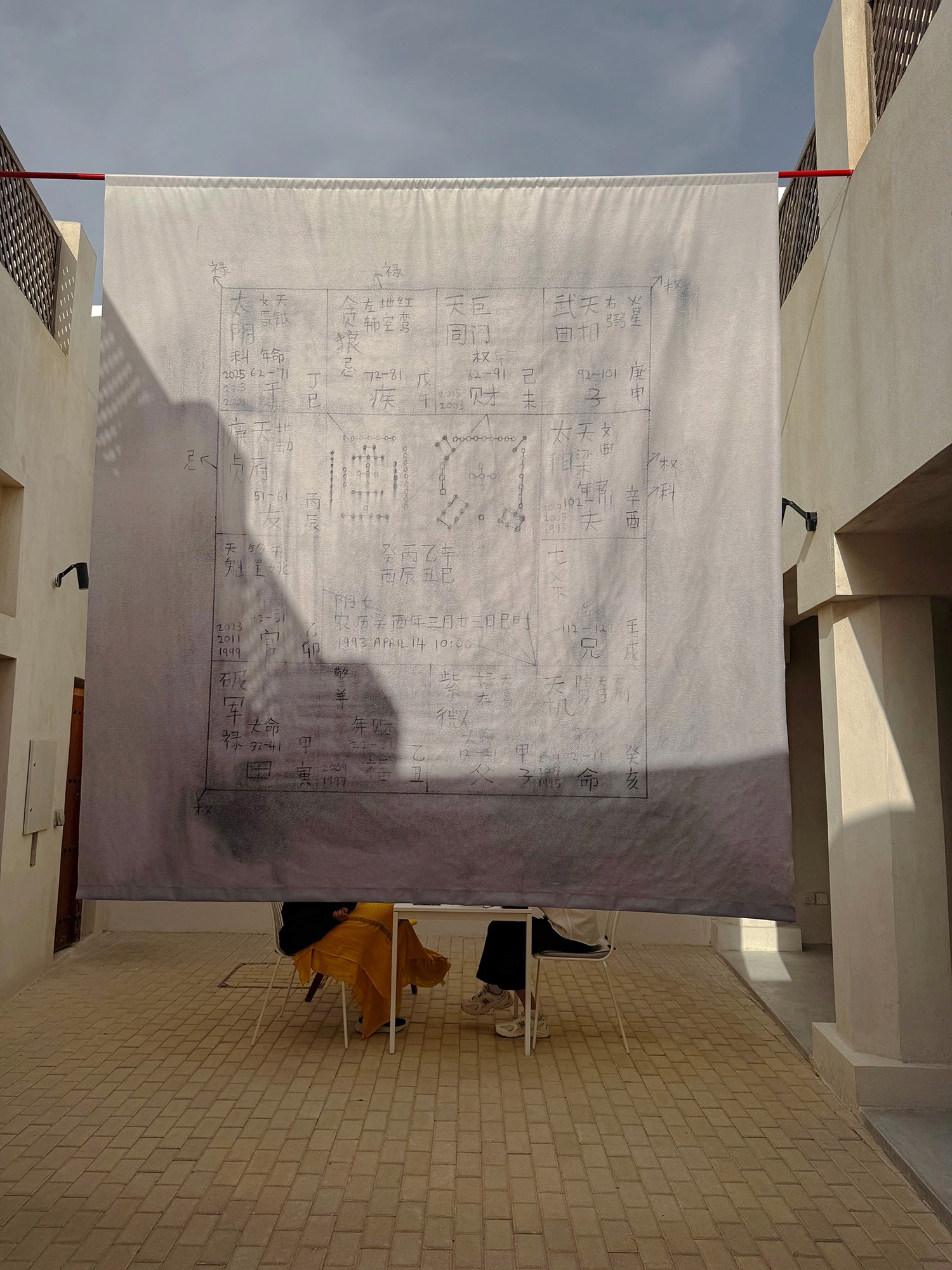
A Portrait of Singapore is a drawing that uses ancient Chinese metaphysic technique Zi Wei Dou Shu to plot a birth chart of Singapore based on its day and time of independence. Through this chart, I am able to witness the challenges Singapore has faced and how it has overcome them in the past 60 years. I am also able to see the future of Singapore, and I am happy to say that we will continue to excel in the next 10 years. I call this a metaphysical portrait, which can inform us beyond the external shell, offering a roadmap of our fullest potential and our weaknesses.
CNTRFLD. What does “home” mean to you — emotionally and artistically — when you’re often working between continents? How do you sustain your connection to Singapore, especially as the country marks 60 years of independence?
JC. One important detail about my life is that I spend a lot of time at home, which is also my workspace, whenever I can. I am an indoor plant, and I have very little social life. Within this personal interior, I listen to radio stations from Singapore. So, without stepping out of my apartment, it feels no different from being in Singapore. Even after spending two decades in New York, I still have my strong Singapore accent. I open my kitchen cabinet and see packets of laksa sauce kit bought in Singapore. All these details must mean something. Whenever I have a chance, I always contribute my work and connect with people in Singapore, always cherishing those experiences and opportunities as something special, never taken for granted. In short, I respect the art community in Singapore tremendously and do take their views seriously. Because I care, my presence is formed.
CNTRFLD. Your early decision to leave LASALLE and apprentice with Chua Soo Bin set a unique tone for your journey. How did those early years shape your understanding of artistic discipline and identity?
JC. The early decision to leave LASALLE was because my family and I couldn’t afford the school fees. What made it worse was that I gave up my chance to enter Junior College to join LASALLE. So, by quitting LASALLE, my highest education level at that point would be just a Secondary School graduate. It was a very heavy decision for me to make, especially since I came from a Secondary School meant for the top 10% students. I knew for certain that if I didn’t create any meaningful artwork in the future, I simply wouldn’t have any future at all. That idea struck me deeply. If I am not able to risk it all for something I believe in, why spend another minute doing it. I needed to devote myself fully and that’s what I did. Will I advise others to do what I did? No, I wouldn’t even dare to attempt it again.
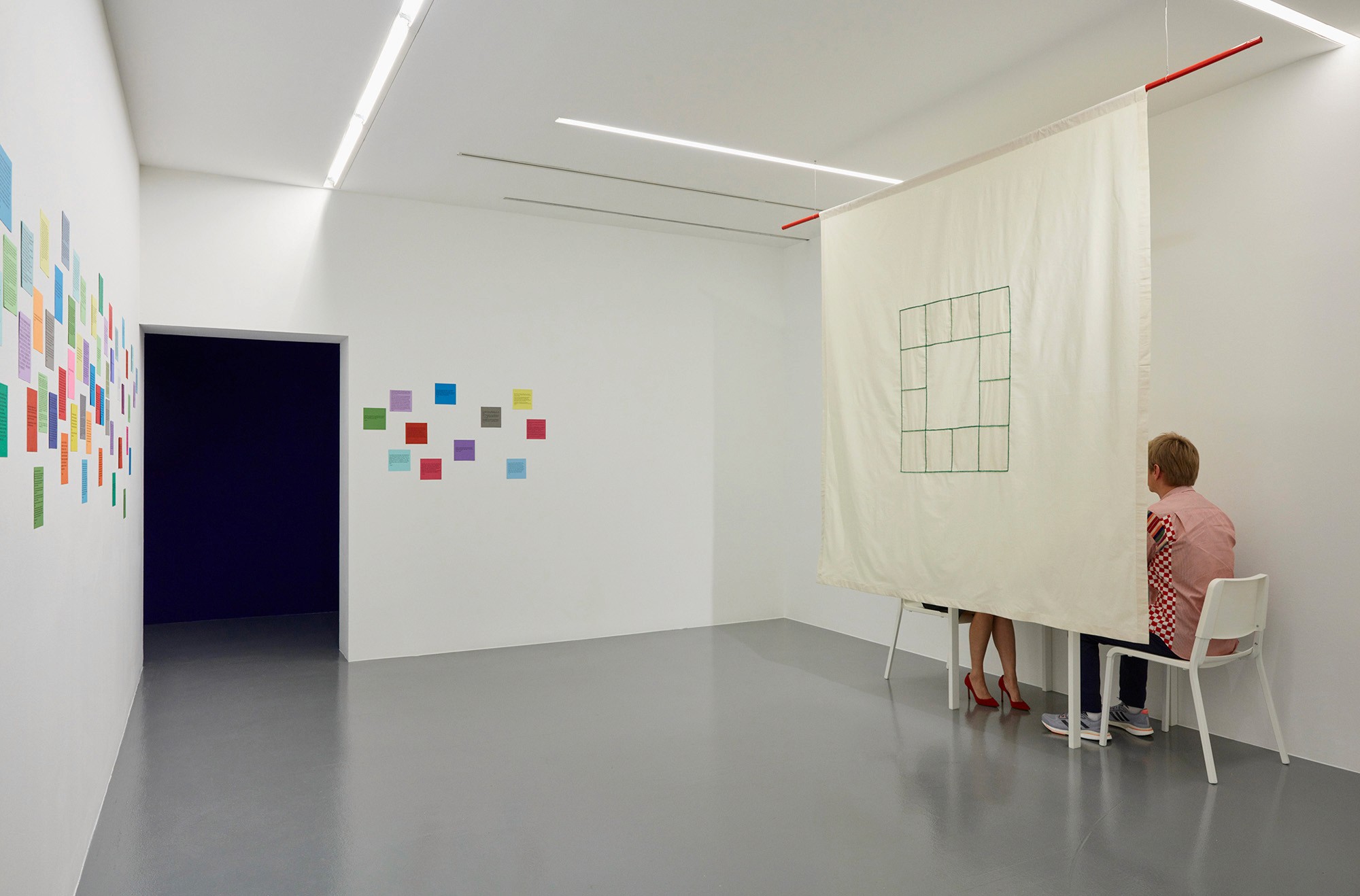
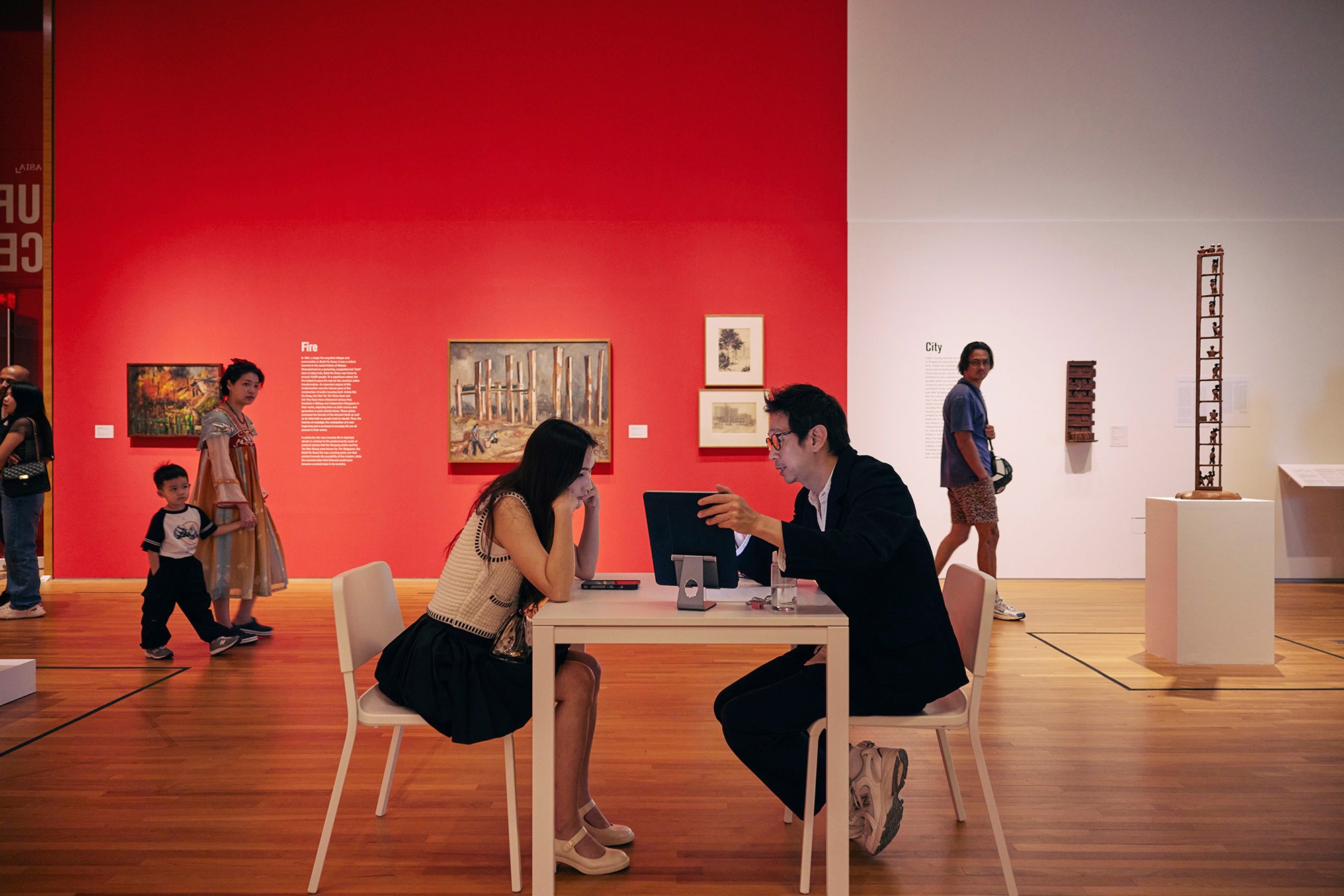
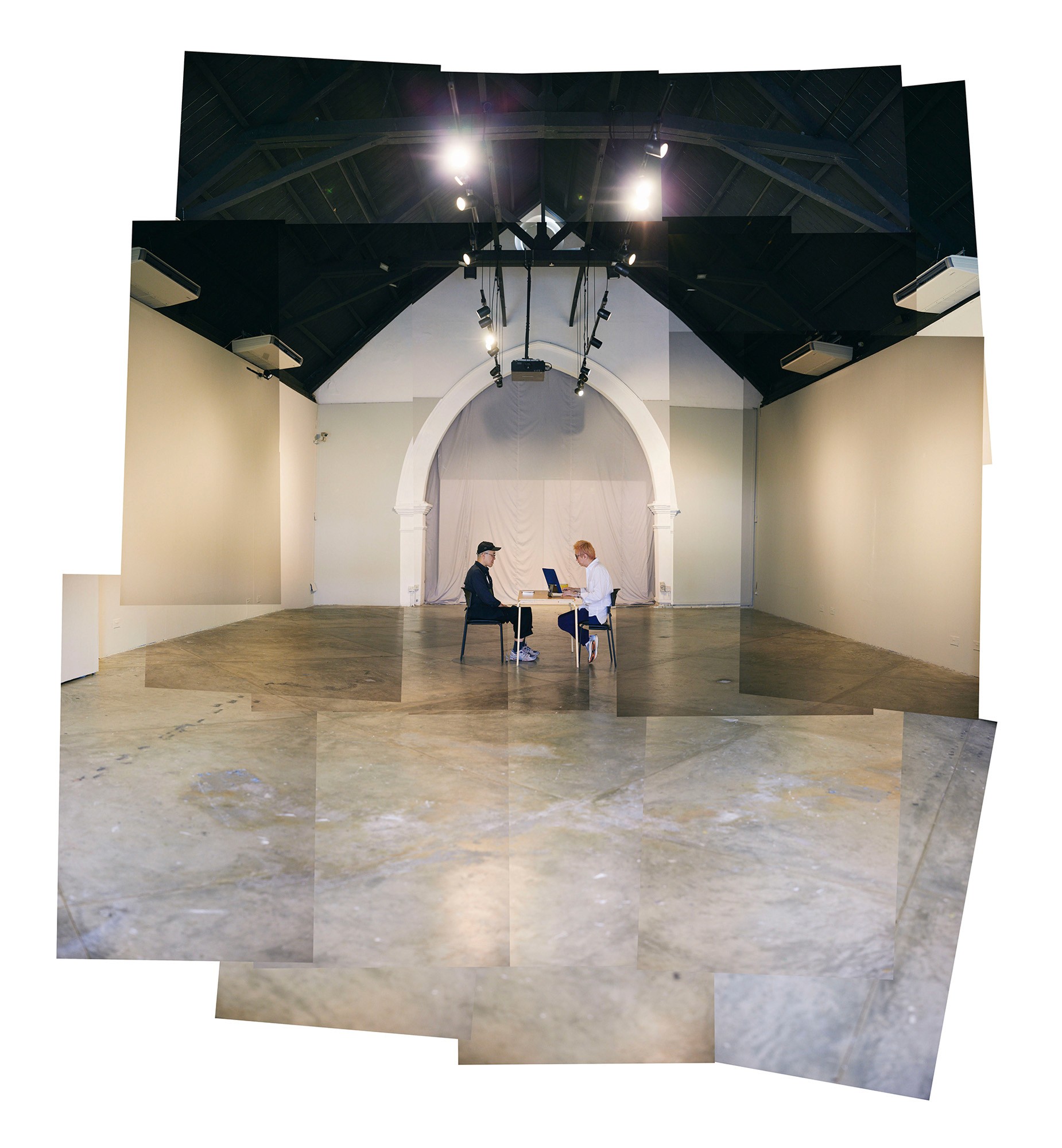
CNTRFLD. Your work Reading by an Artist rethinks portraiture through metaphysical performance and divination. What prompted this turn toward the performative and metaphysical in your practice — and what does “portraiture” mean to you now?
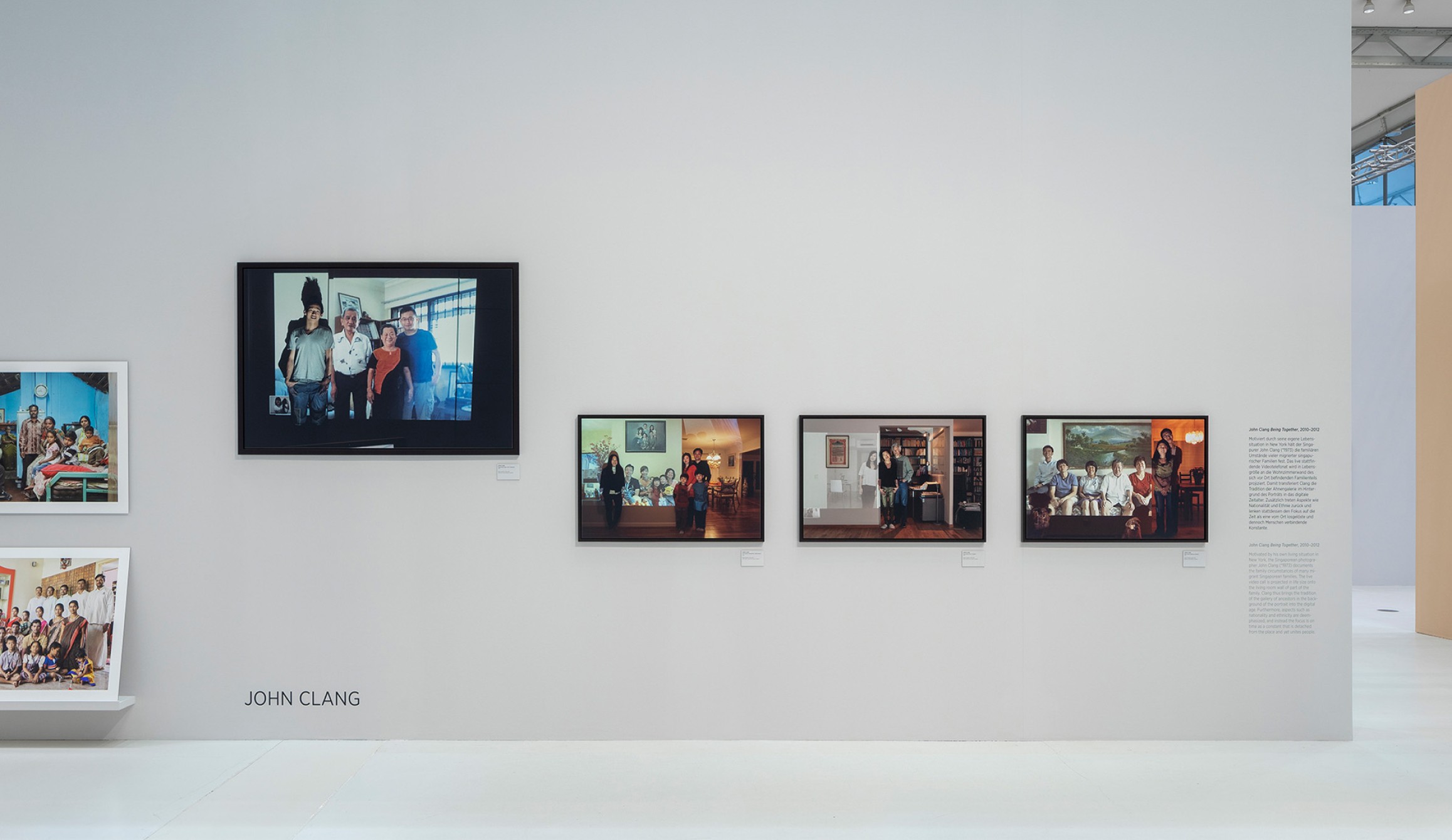
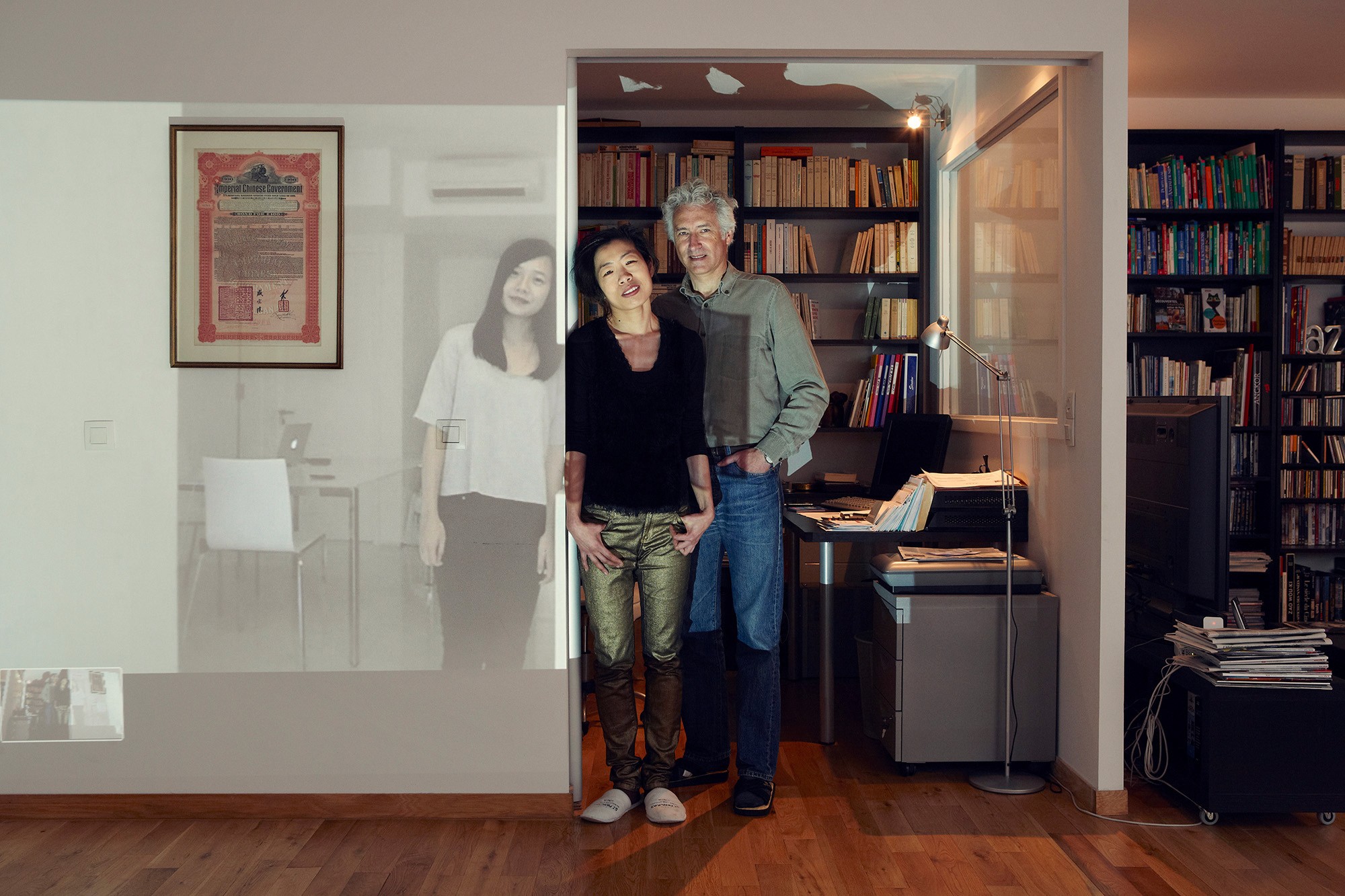
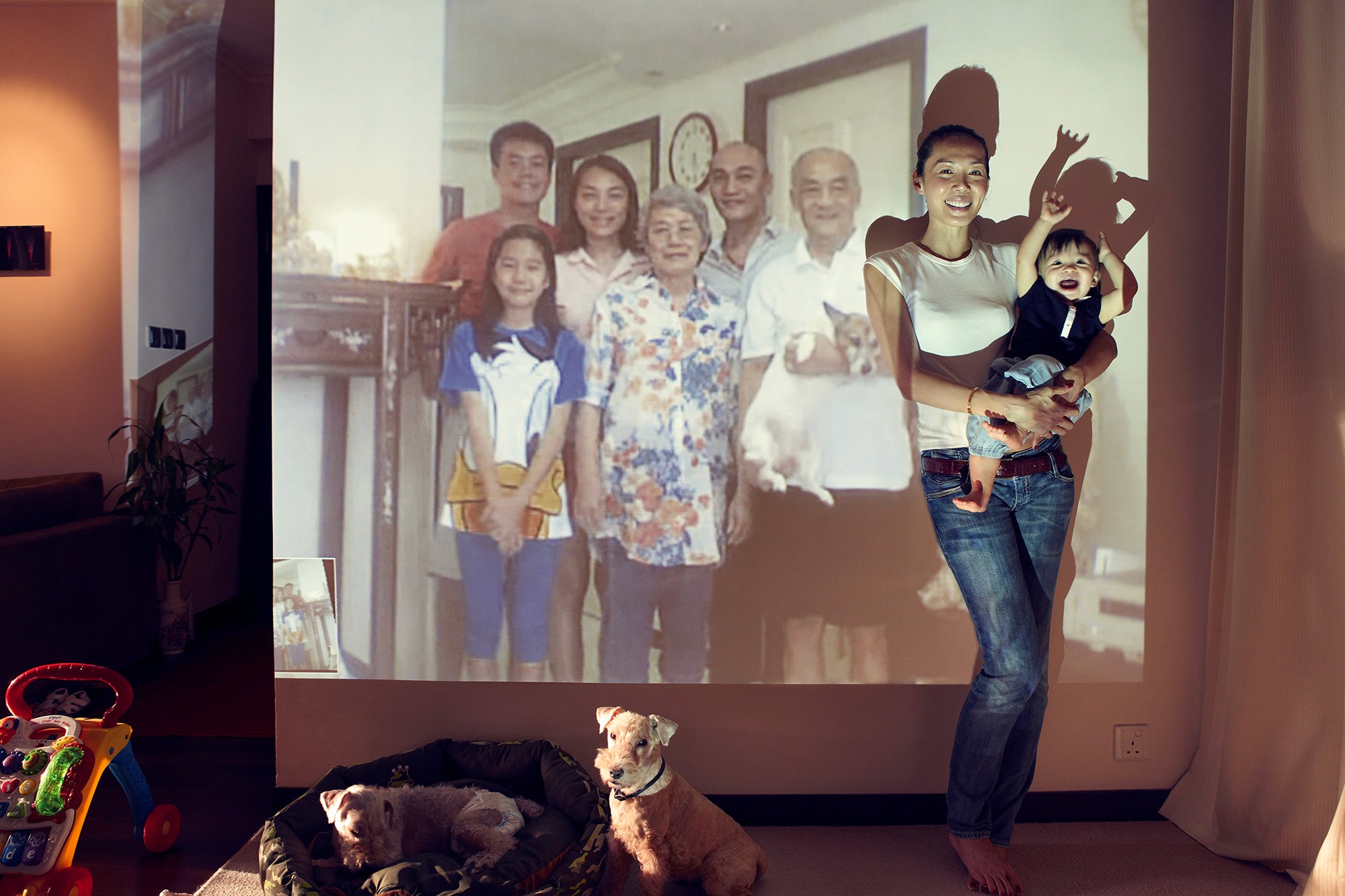
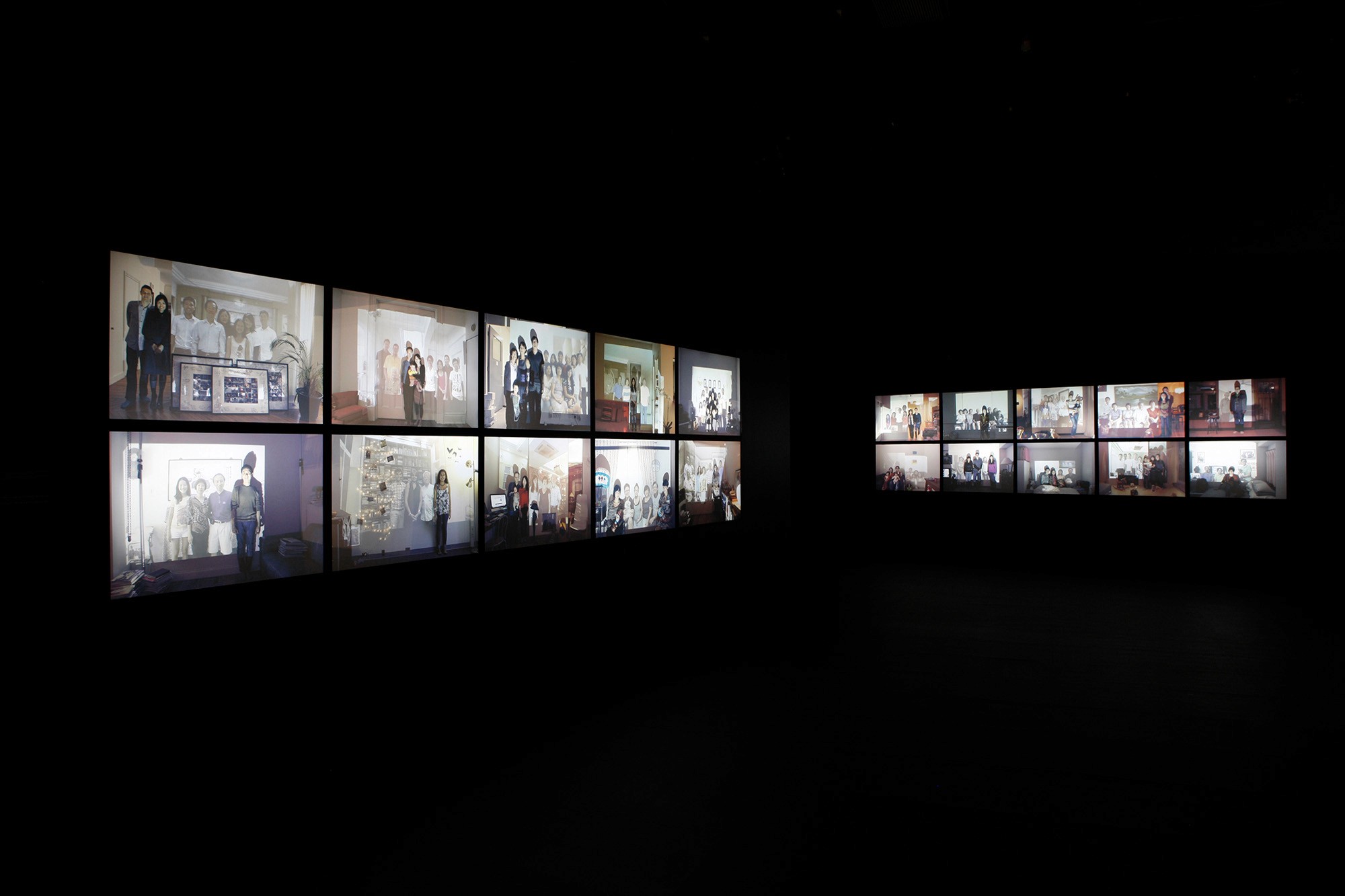
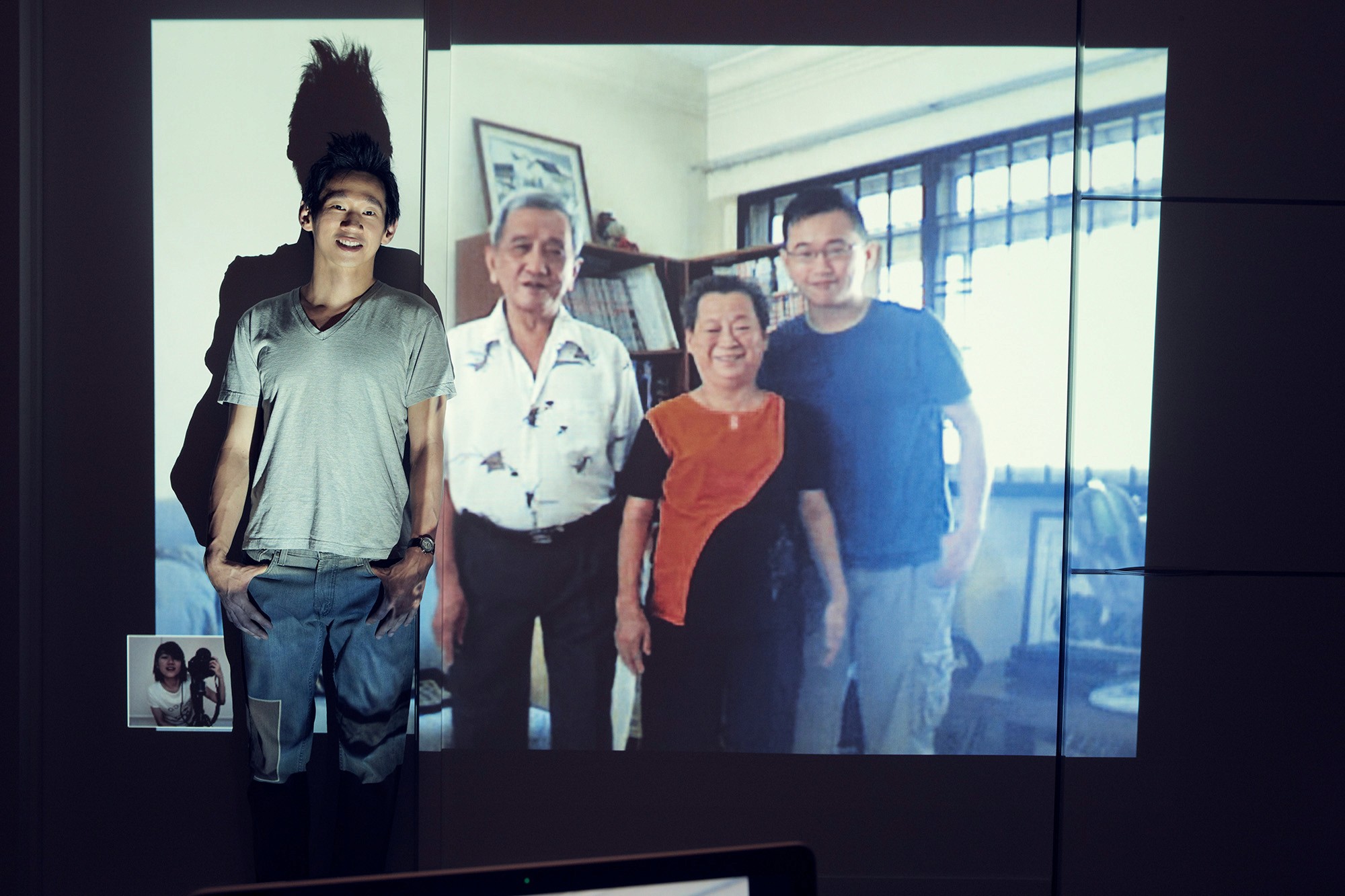
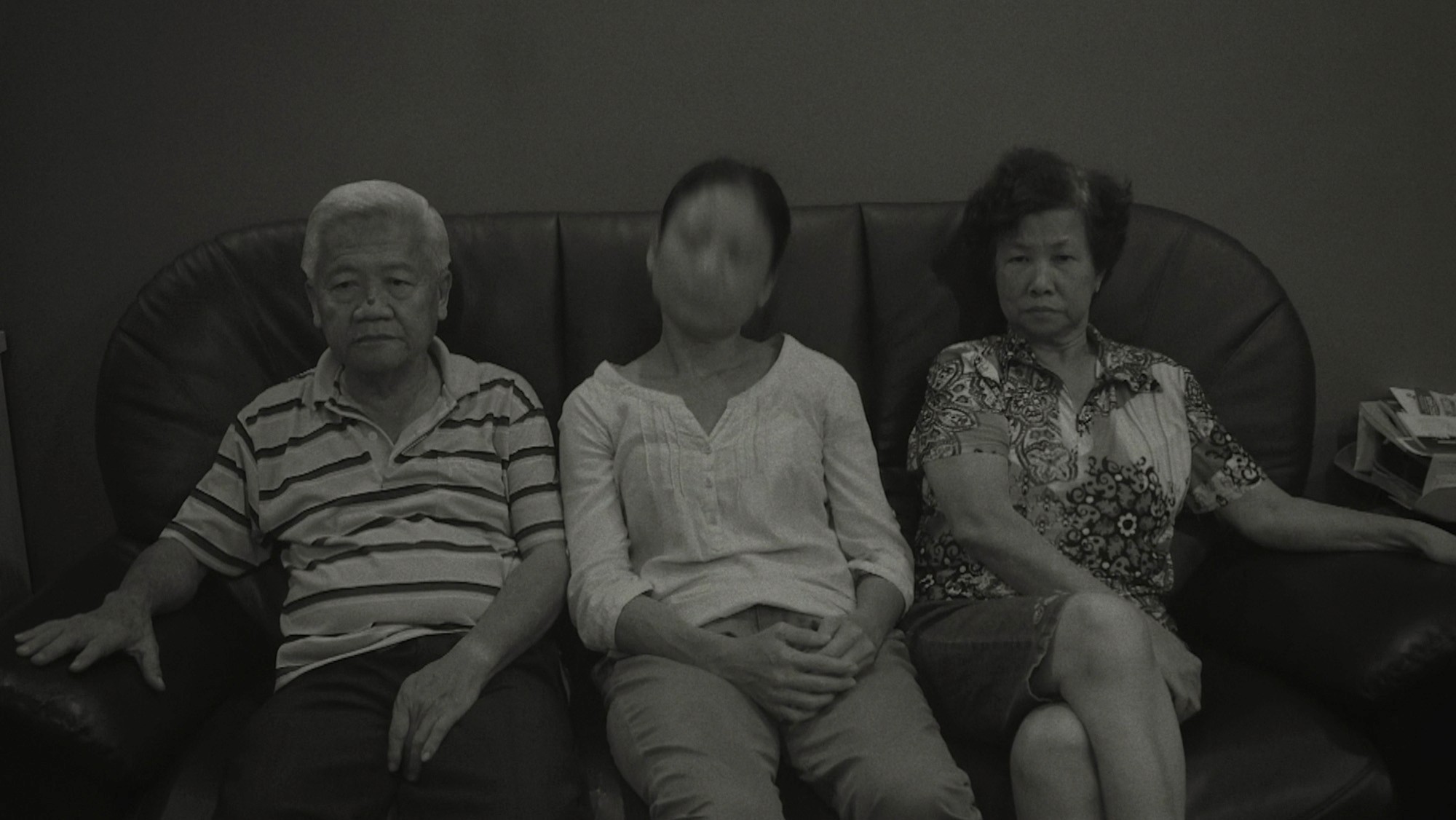
JC. I was working on the Being Together series around 2009/2010, creating portraitures of separated families using Skype technology. During that time, I began thinking about how to continue exploring the topics of portraiture without the use of technology or even a camera. I wanted to do something that no one else had done, and to be very good in it. That was when the idea of using ancient metaphysical technique caught my attention. I knew from history that this played a very important aspect in ancient empire building. I was also aware that John Cage had been composing his work using I Ching since 1951.
This makes me want to master the technique and use it to create a portraiture of someone that goes beyond physical images, but by simply having a dialogue with someone, guiding them to truly see themselves and form an internal portrait within their heart. It was a very ambitious task and learning curve. It took me more than 10 years to research to truly become a real master of this practice, before I start doing this performance publicly. Now, portraiture has taken on a new meaning for me. It is what you know about your SELF that makes you choose what you want to SEE, and in doing so, you BECOME who you are.