CNTRFLD. As a professor at the University of St. La Salle and an active participant in cultural organisations, what is your view on the support structure for the arts in the Philippines, especially in the Visayas? How does it compare to the international scene?
MB. Recently I quit my job at the University and focus on my art. I worked at the University for almost 30 years. I still teach film workshops every summer. Currently, I am a member of the National Commission for Culture and the Arts, and directing a non-stock, non-profit art organization. Being involved in these organizations for quite some time, there is still so many things to improve in the support structure for the arts in the country. The regions in the Philippines should have more grants. Grants that “really” support meaningful projects. The paperwork is too much for applicants to work on, before they do the real work. Budget wise, there is a low allocation of financial and physical resources, and welfare of artists are not valued. However, recently, there is a law that recognise and support the creative industries which art is included. The questions are… in which direction will our leaders bring this to? Priorities of our government and non-government institutions are less towards the arts. The Philippines is a complex case, and it affects the realities of every sector, including the arts.
In the international scene, there are more opportunities in the creative industries supported by both the public and private sectors. It encourages artists and cultural organizations to continue to promote and develop the arts.
CNTRFLD. Having exhibited both locally and internationally, what do you think the global art world can learn from the Philippine contemporary art scene, especially from the Visayas region?
MB. The global art world can learn, maybe, from how the artists thrive in the regions. Though based in the Visayas, there is freedom to produce art without the influence of commercialism. It is through our humble art communities, that we continue to sustain our existence.
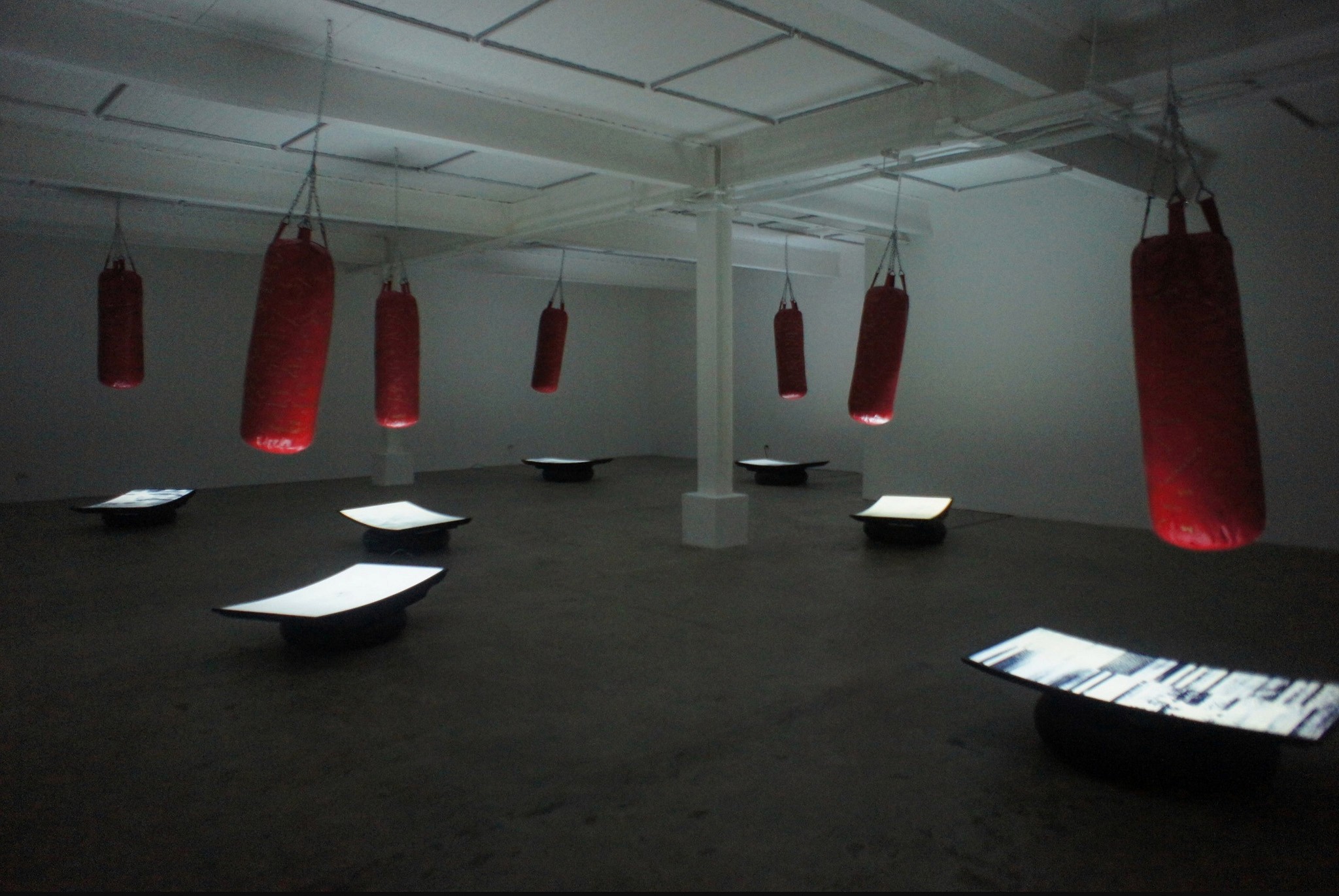
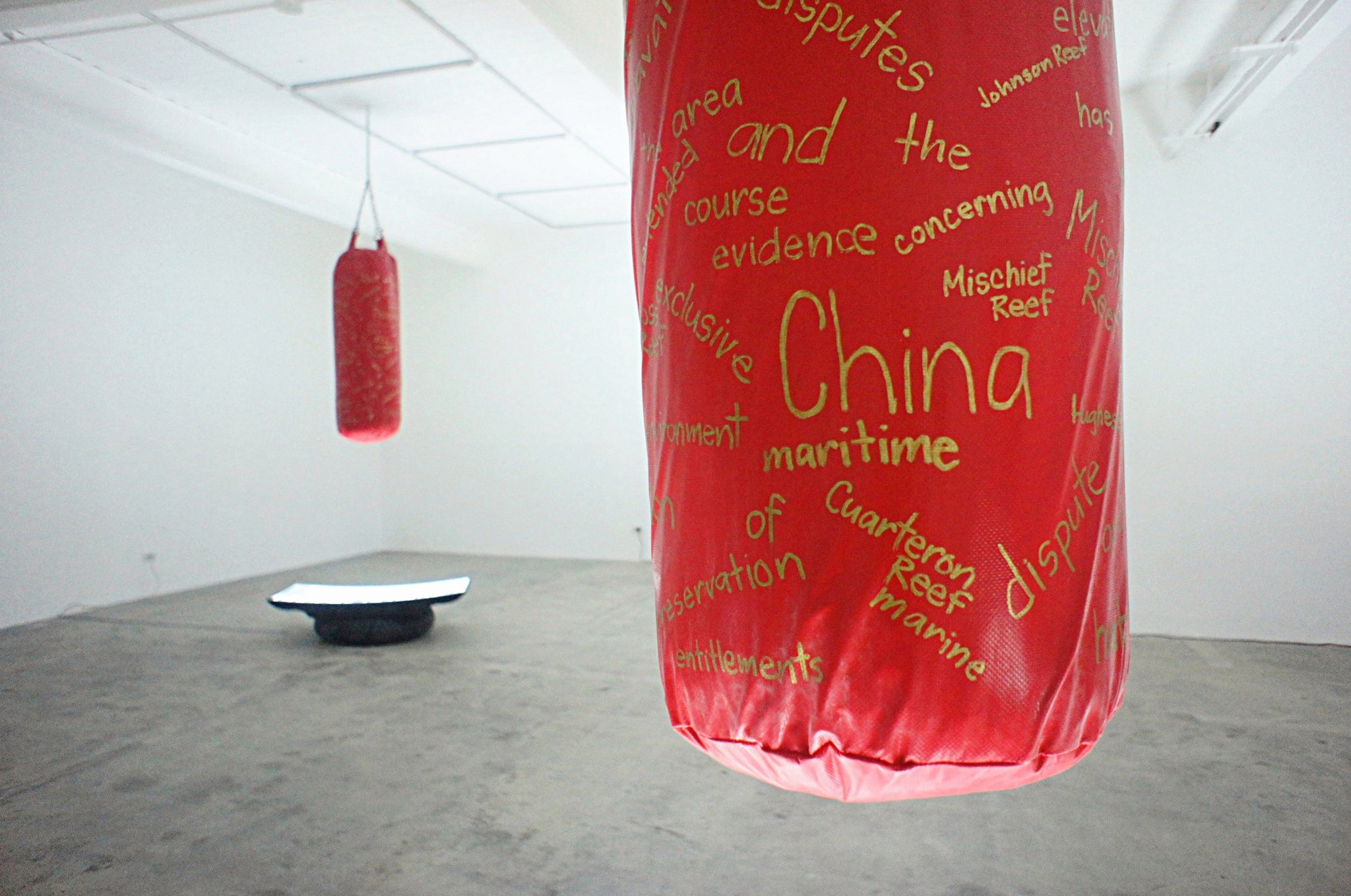
CNTRFLD. Your installation works, such as Biya and Pamunit, offer powerful reflections on the complexities of local and global issues. How do you approach the process of conveying these themes through visual and technical elements?
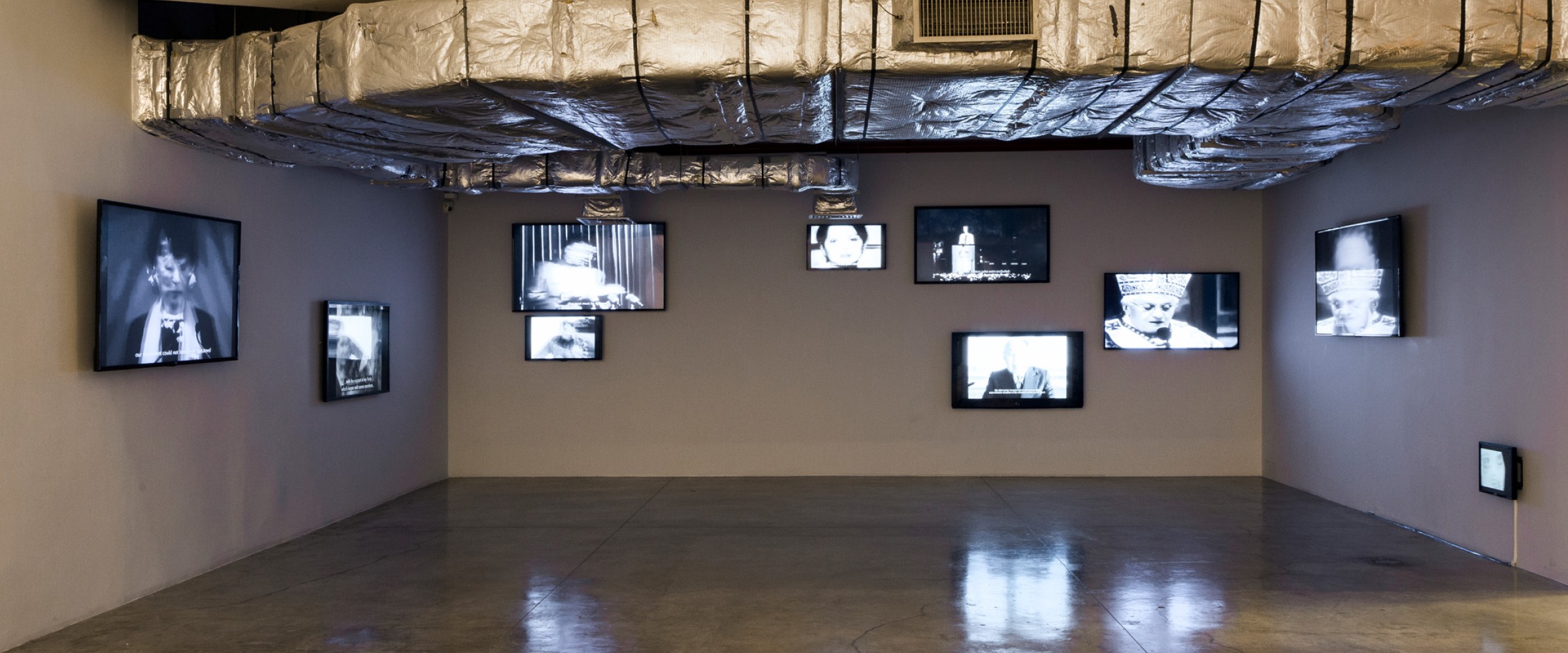
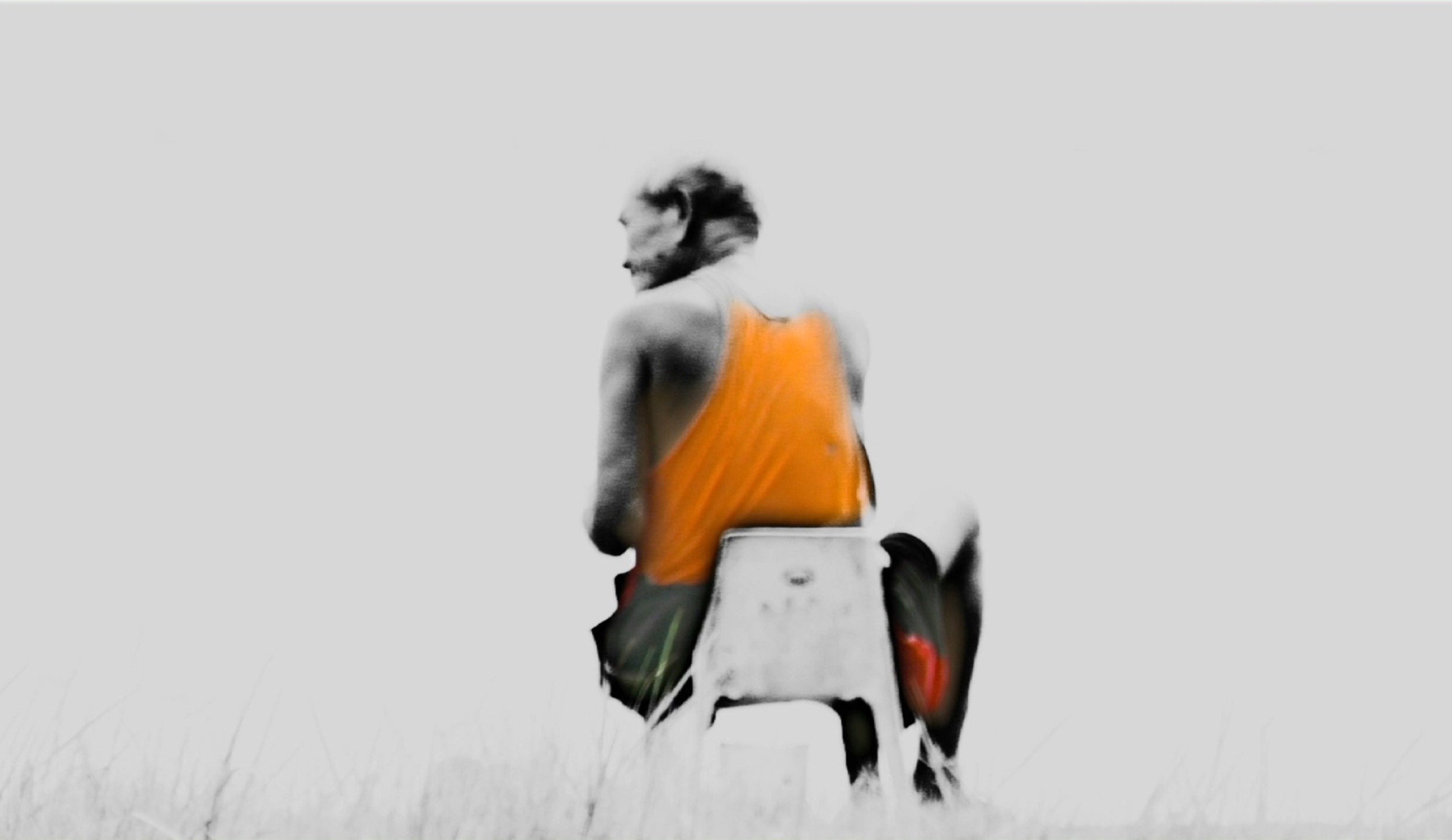
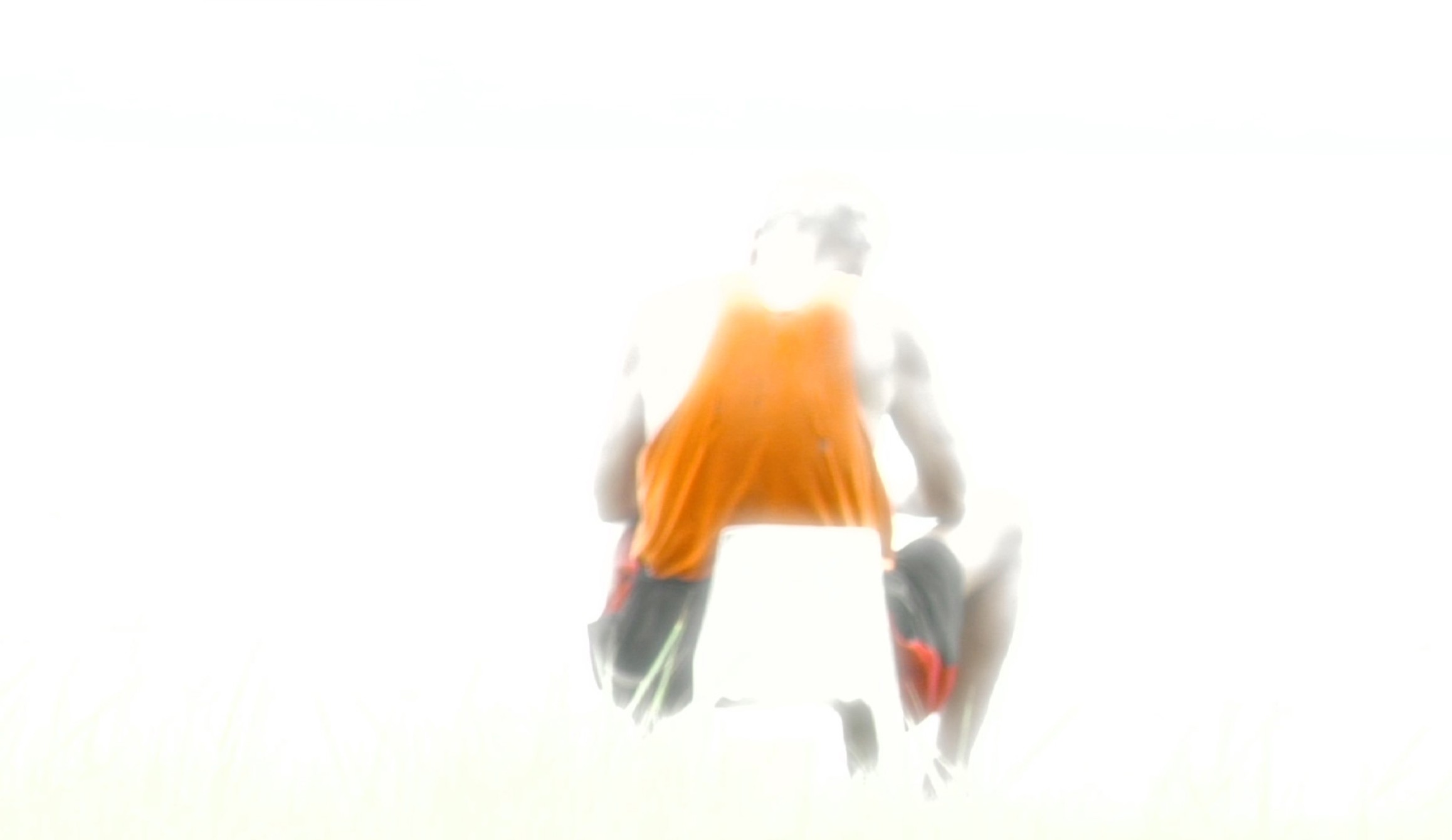
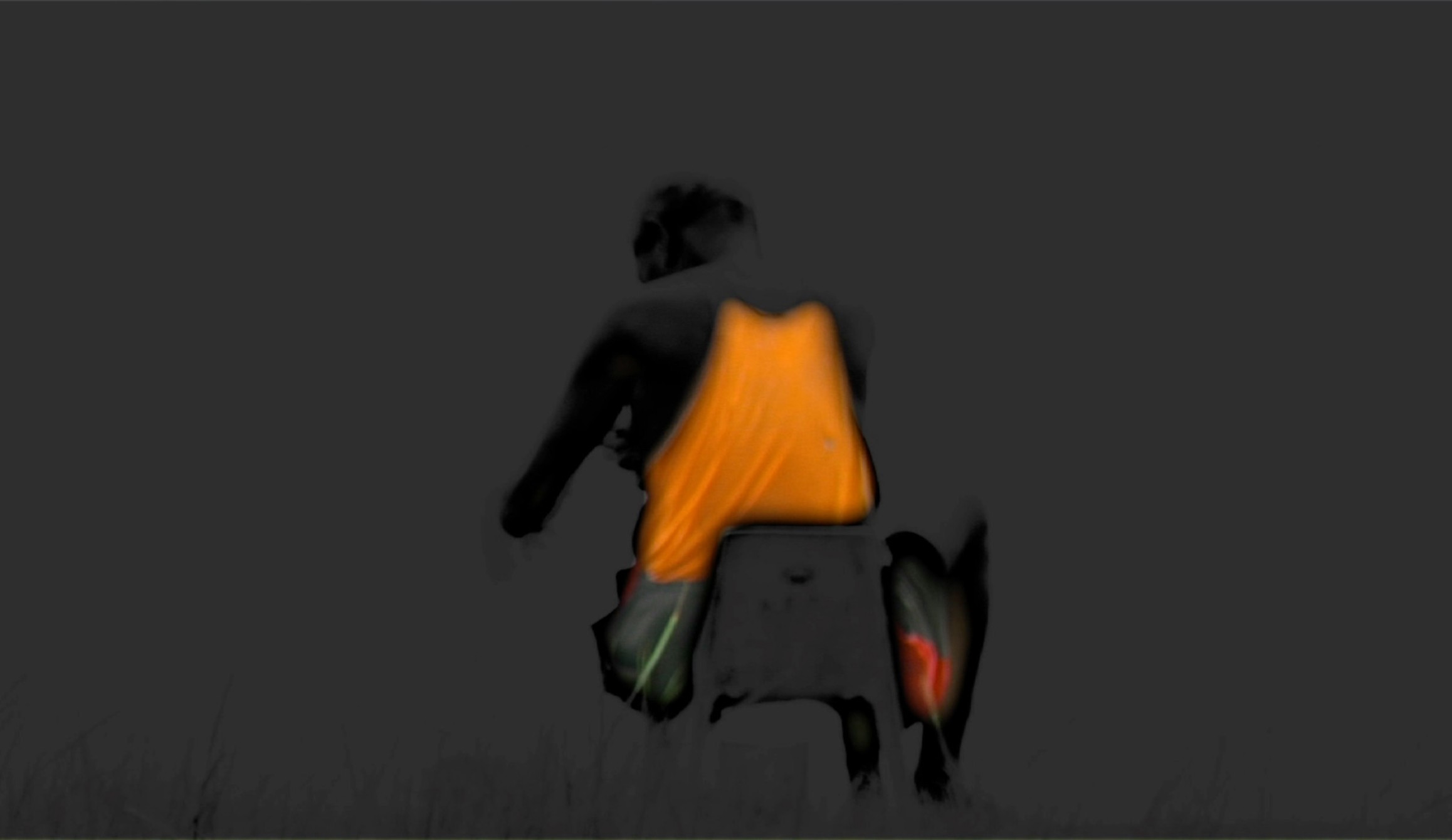
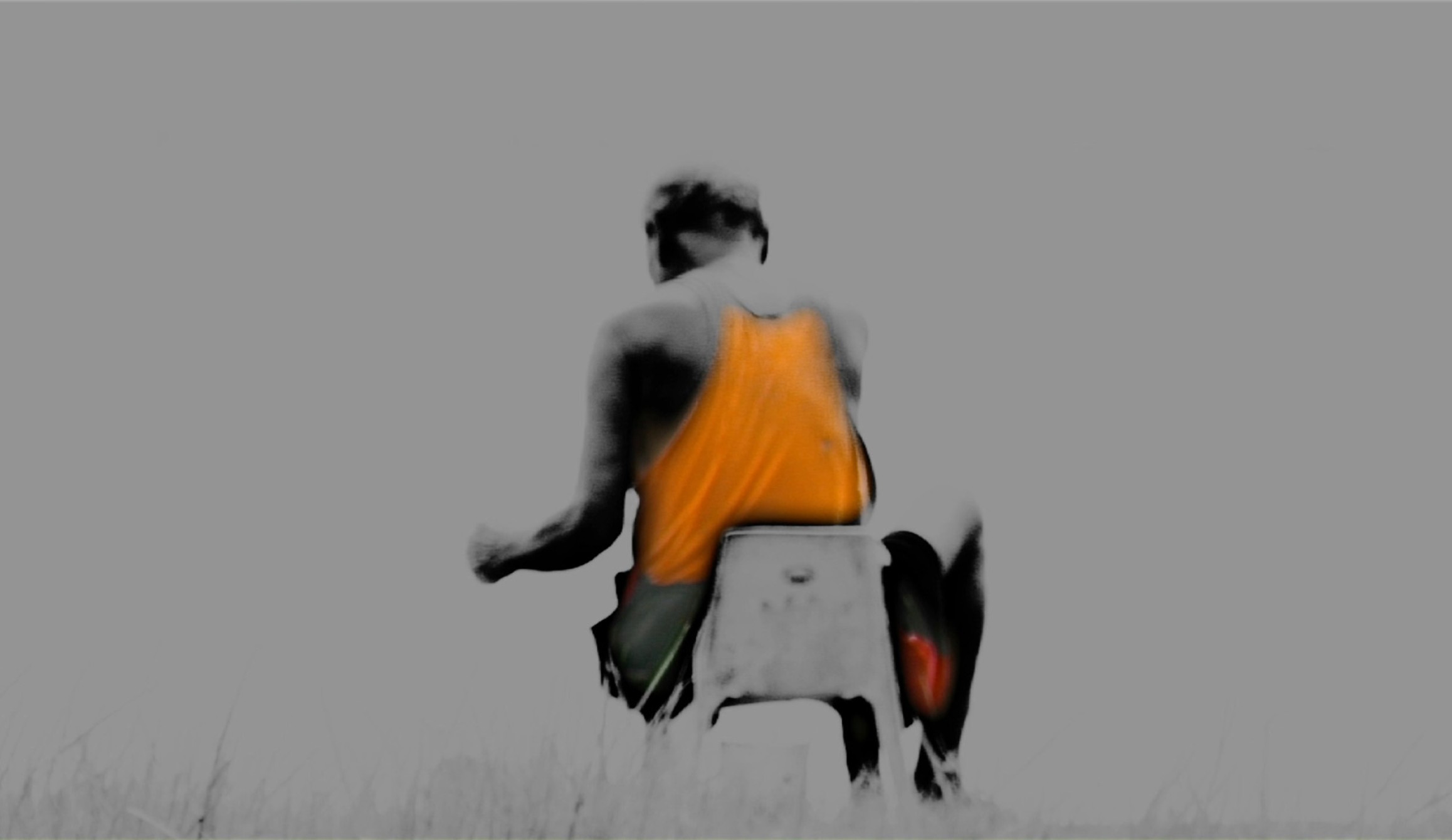
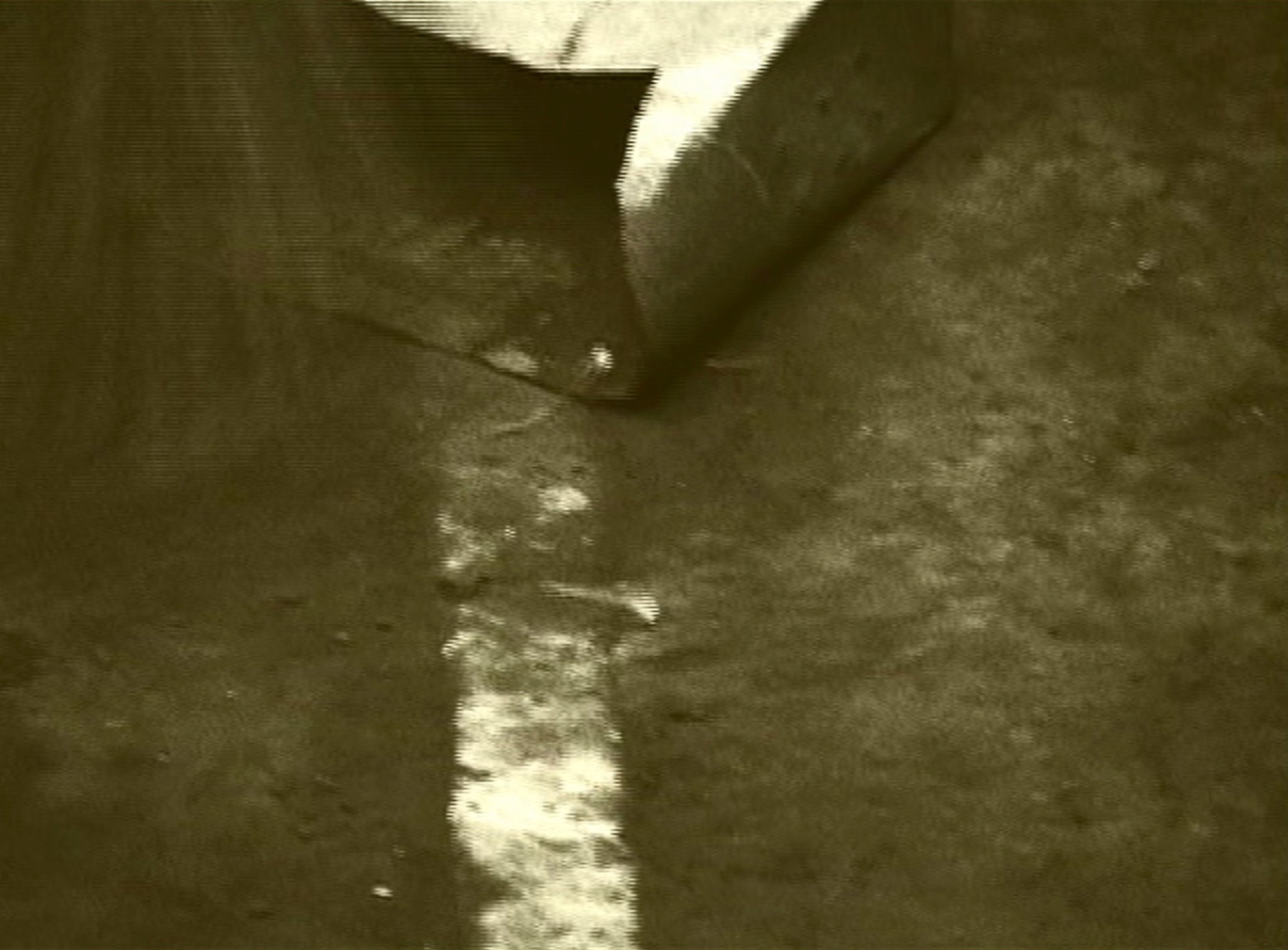
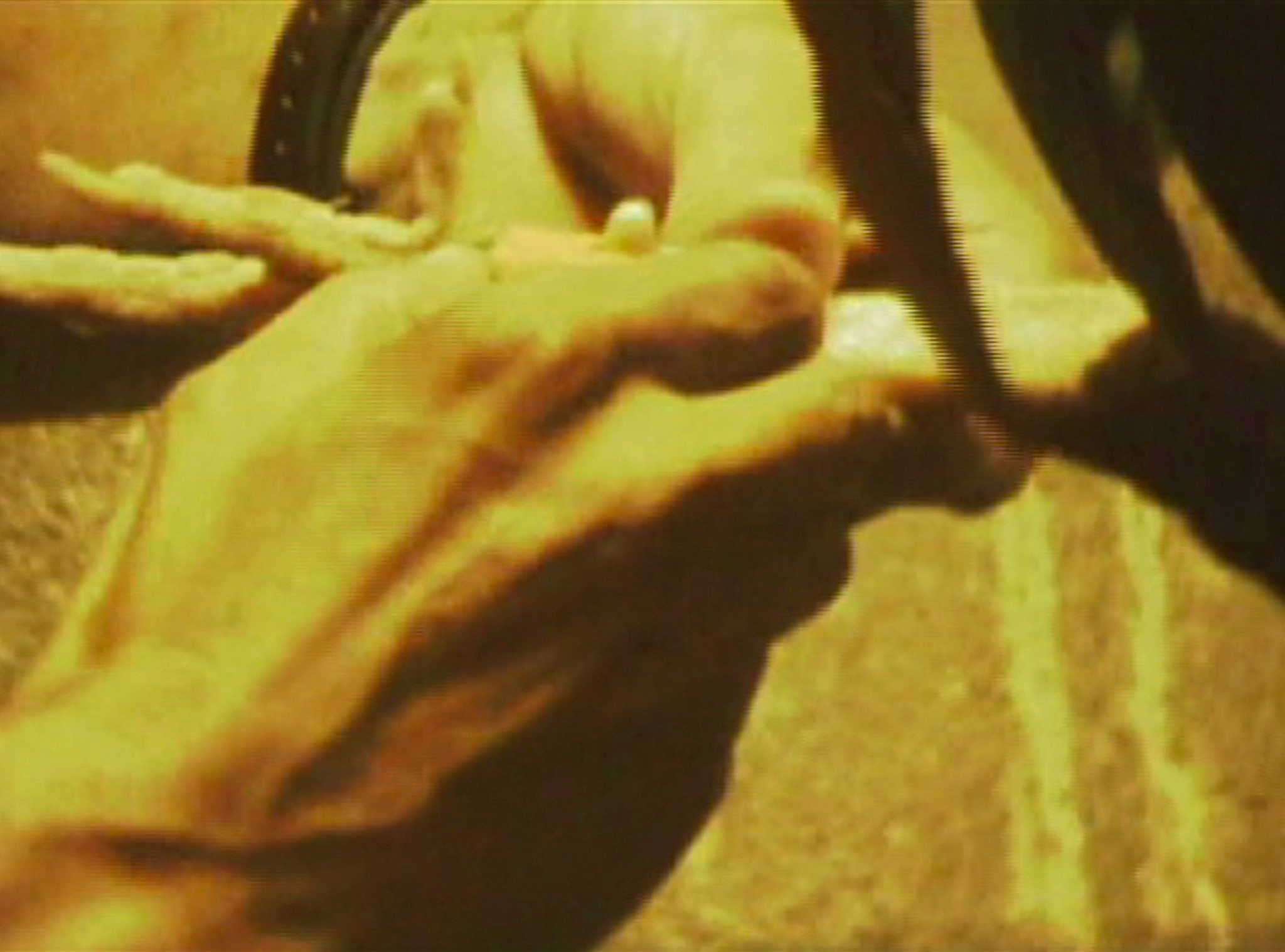
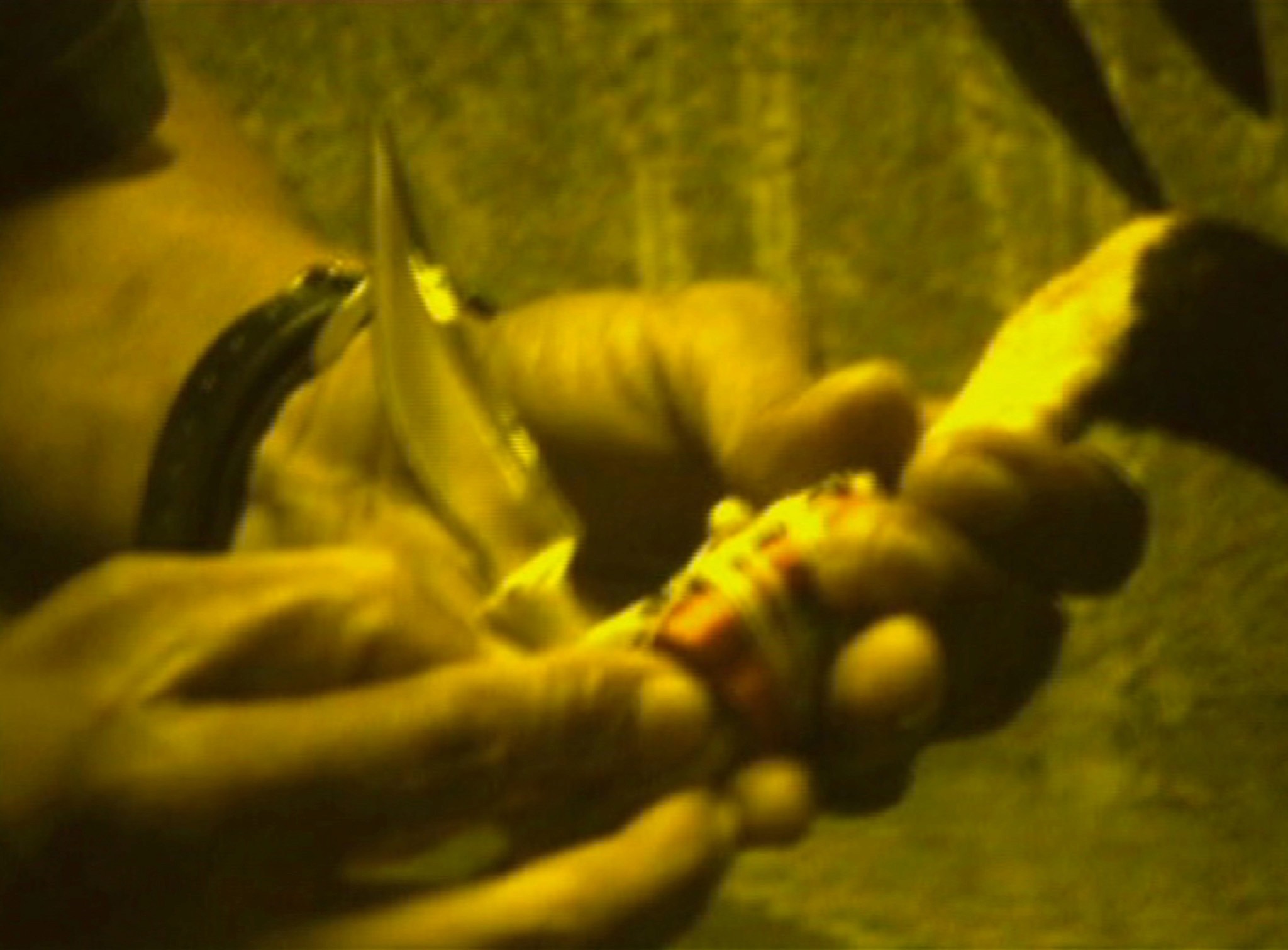
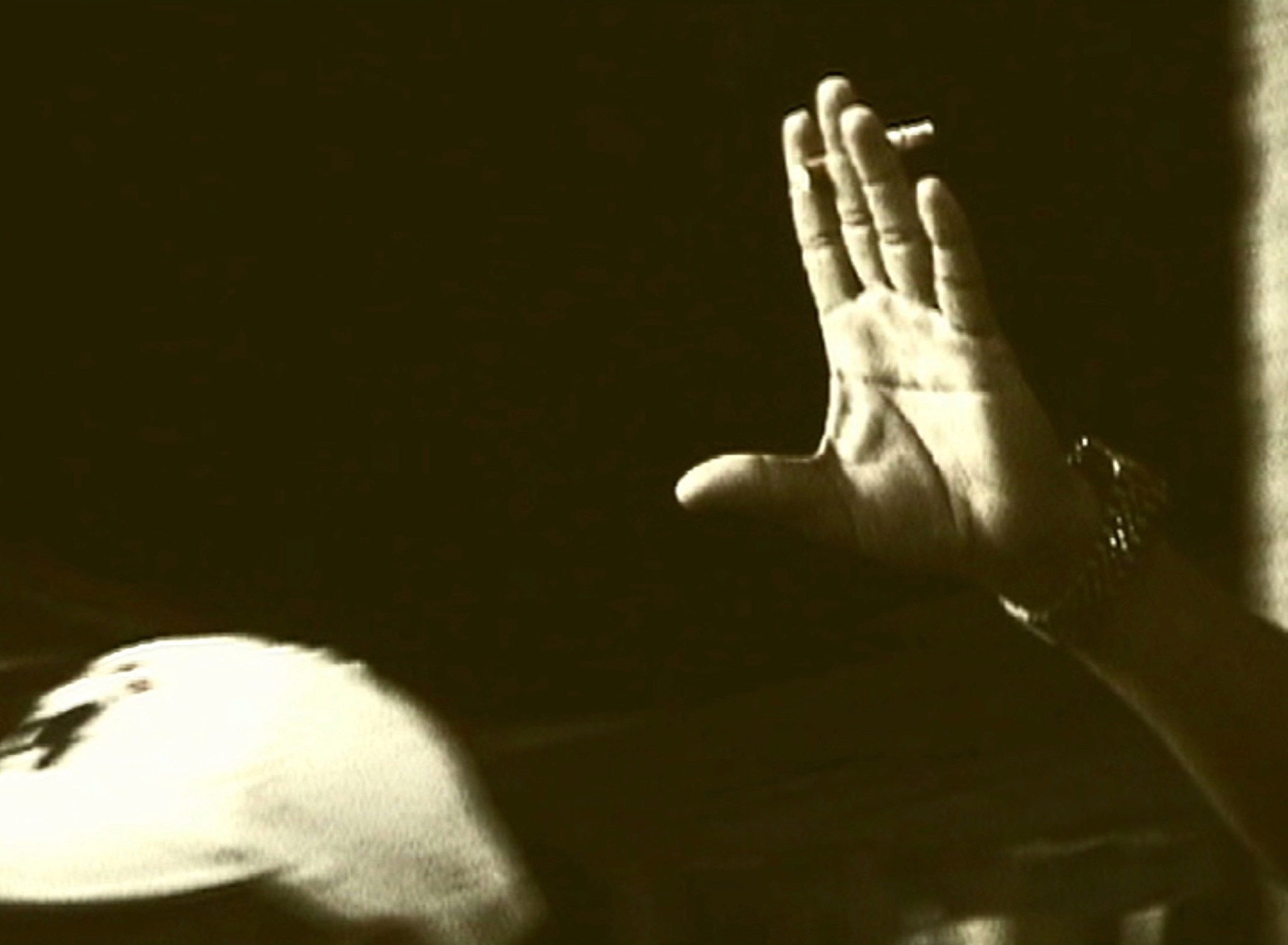
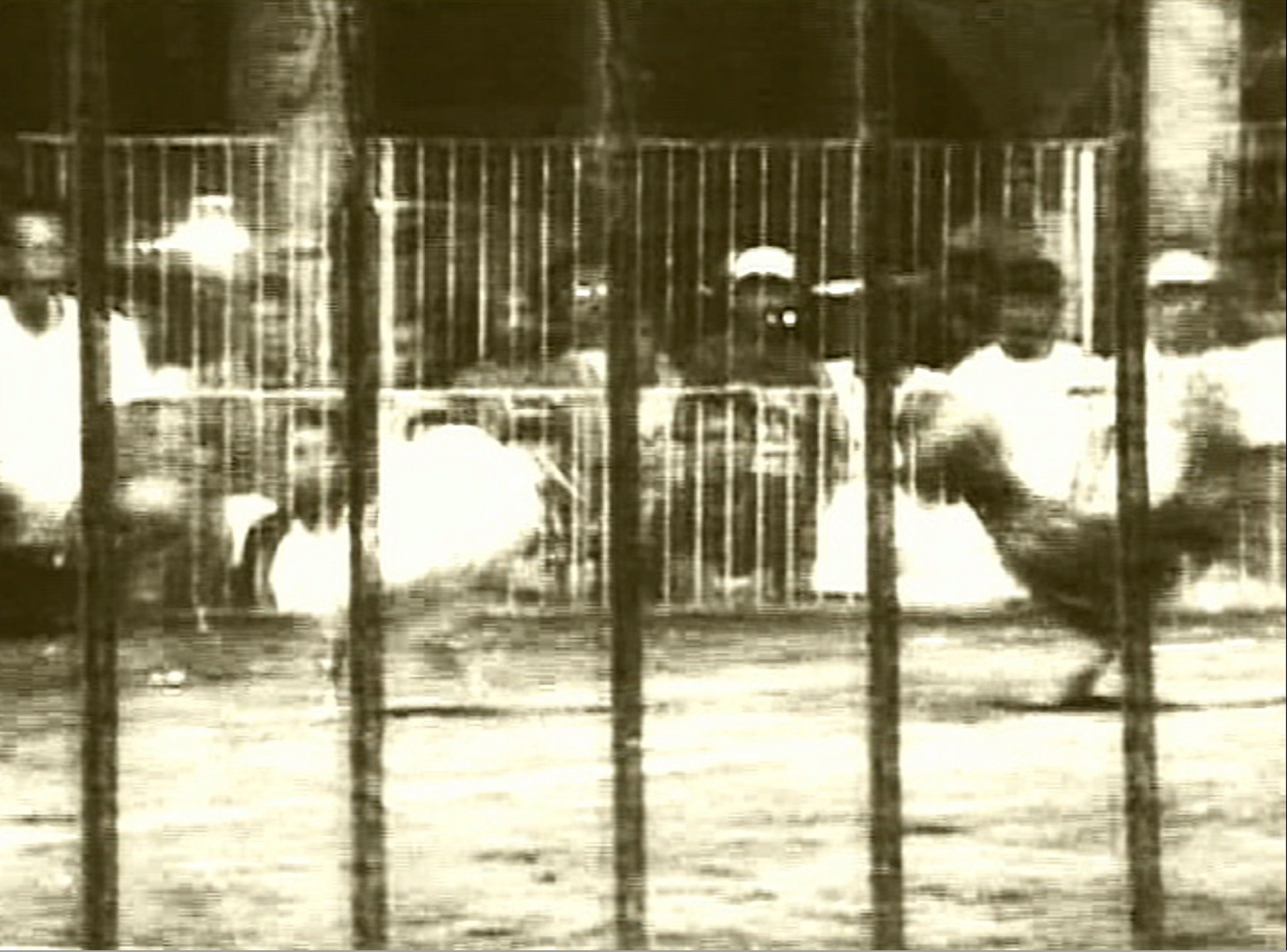
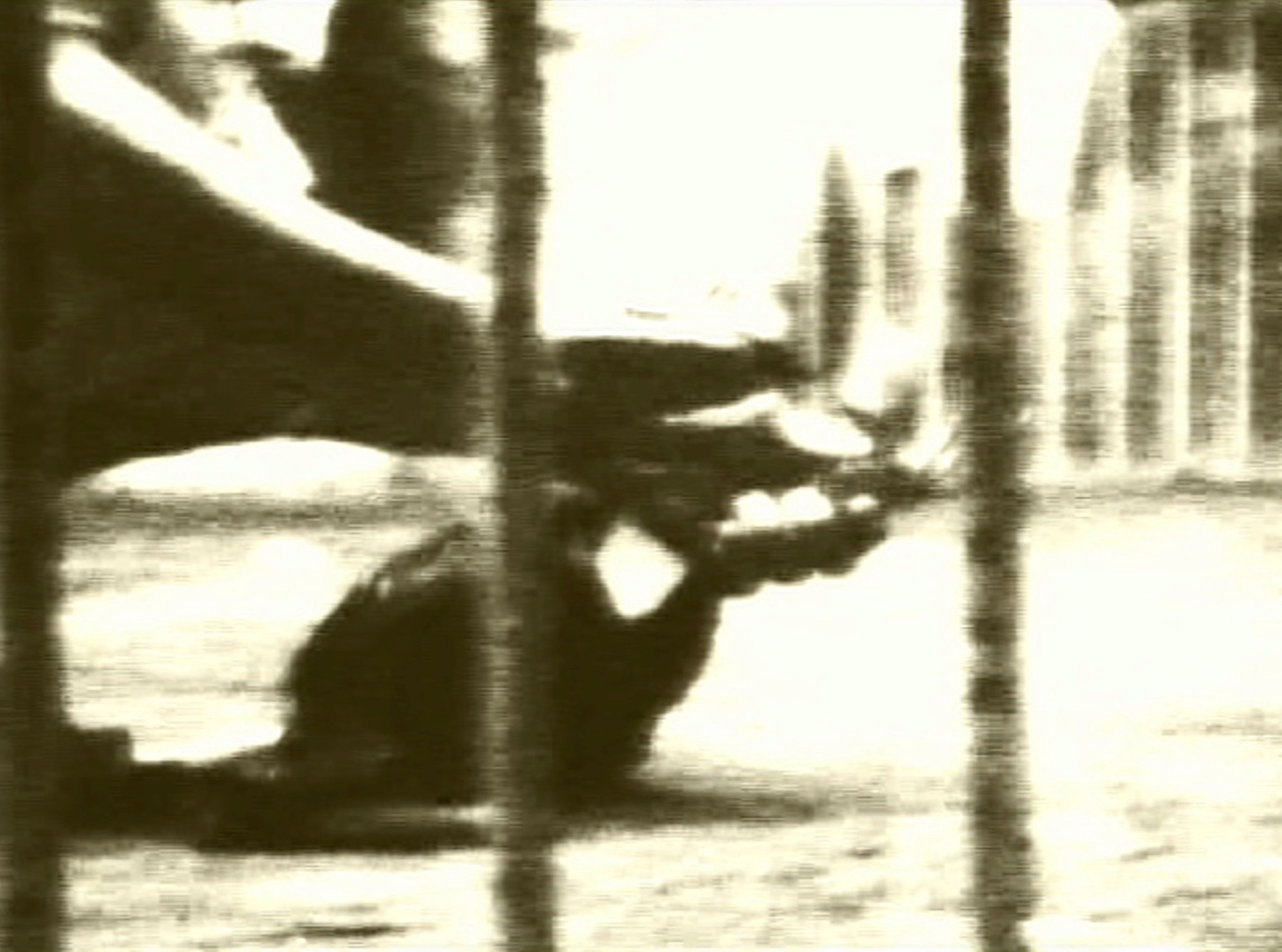
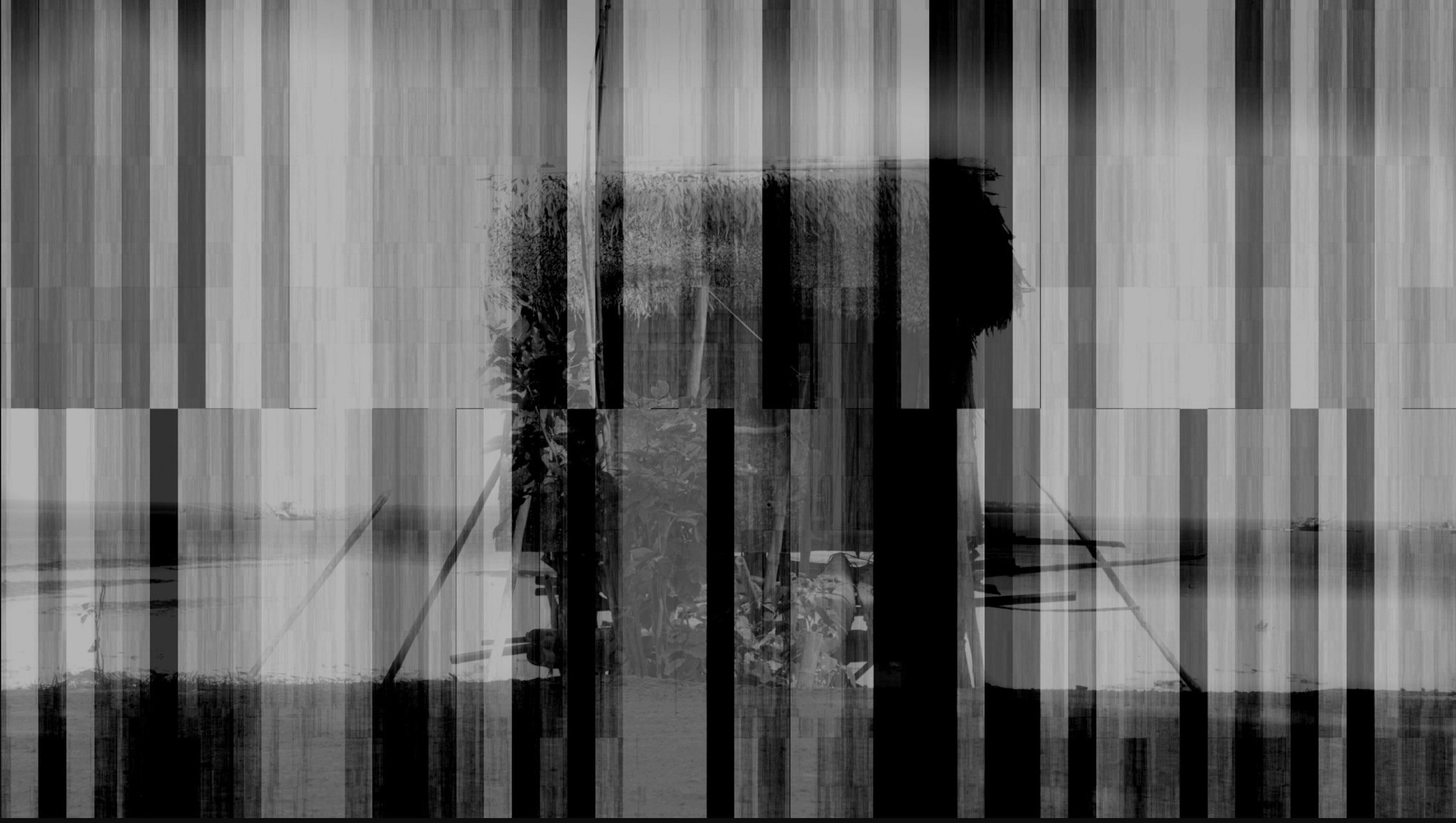
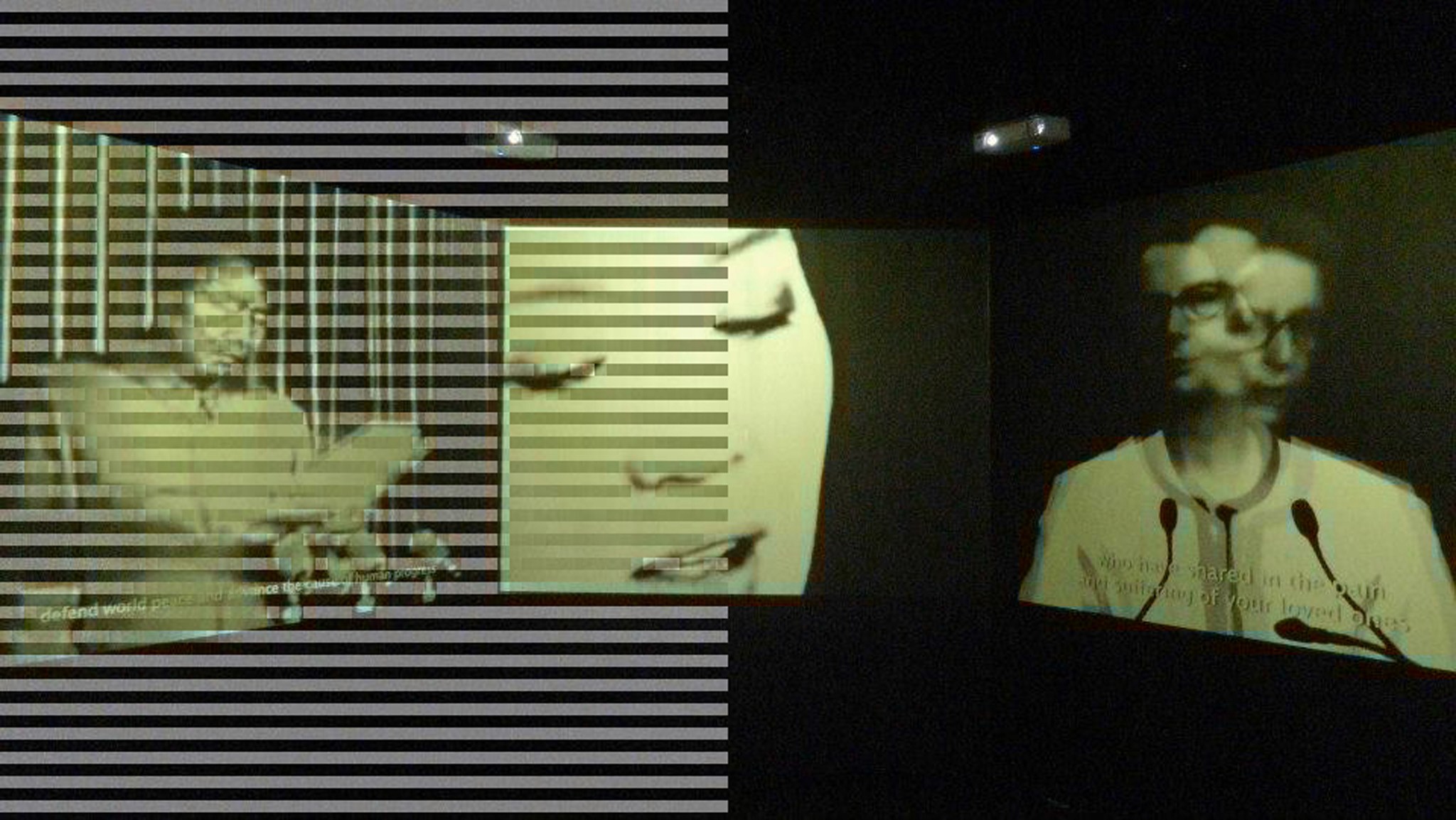
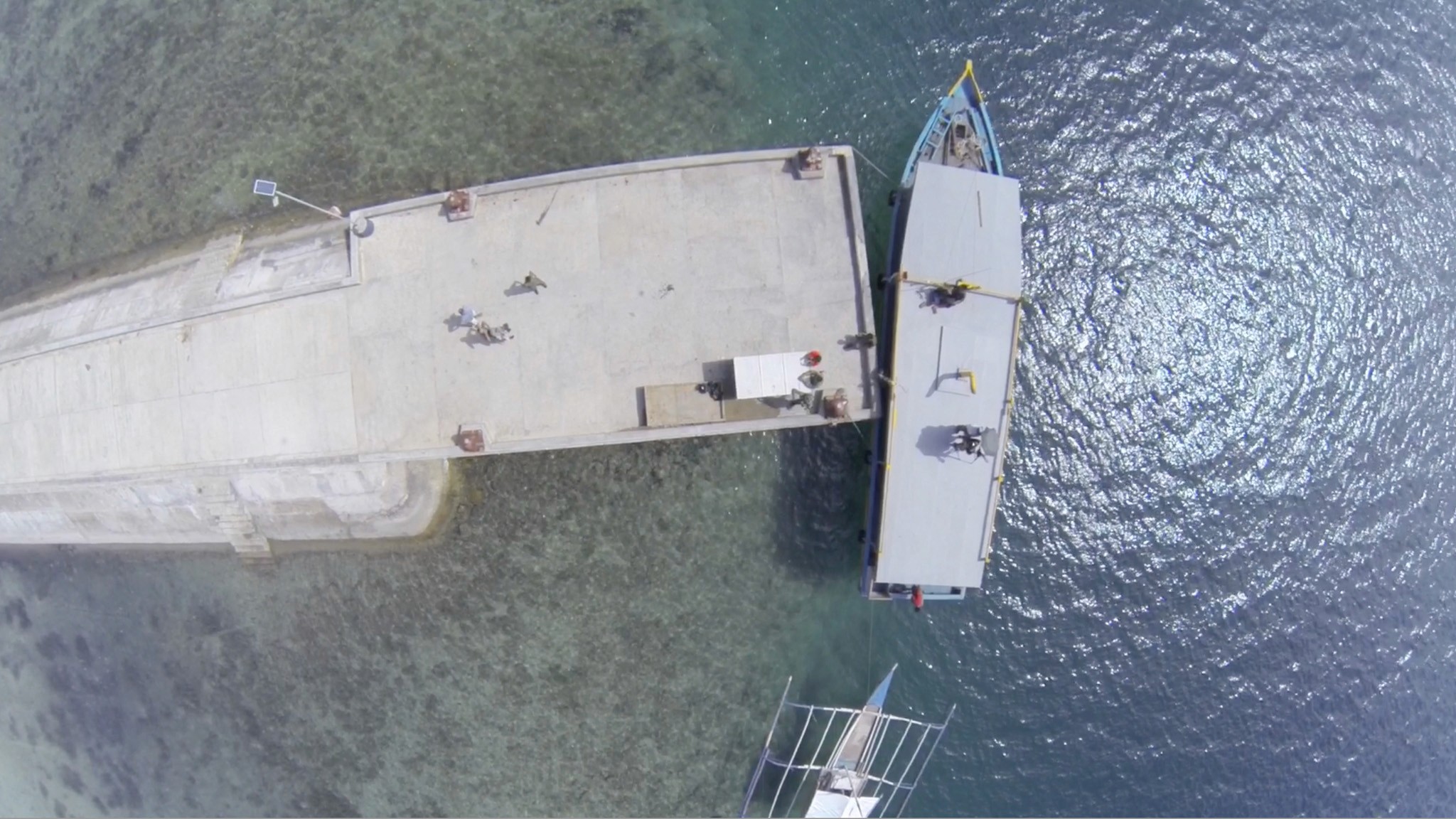
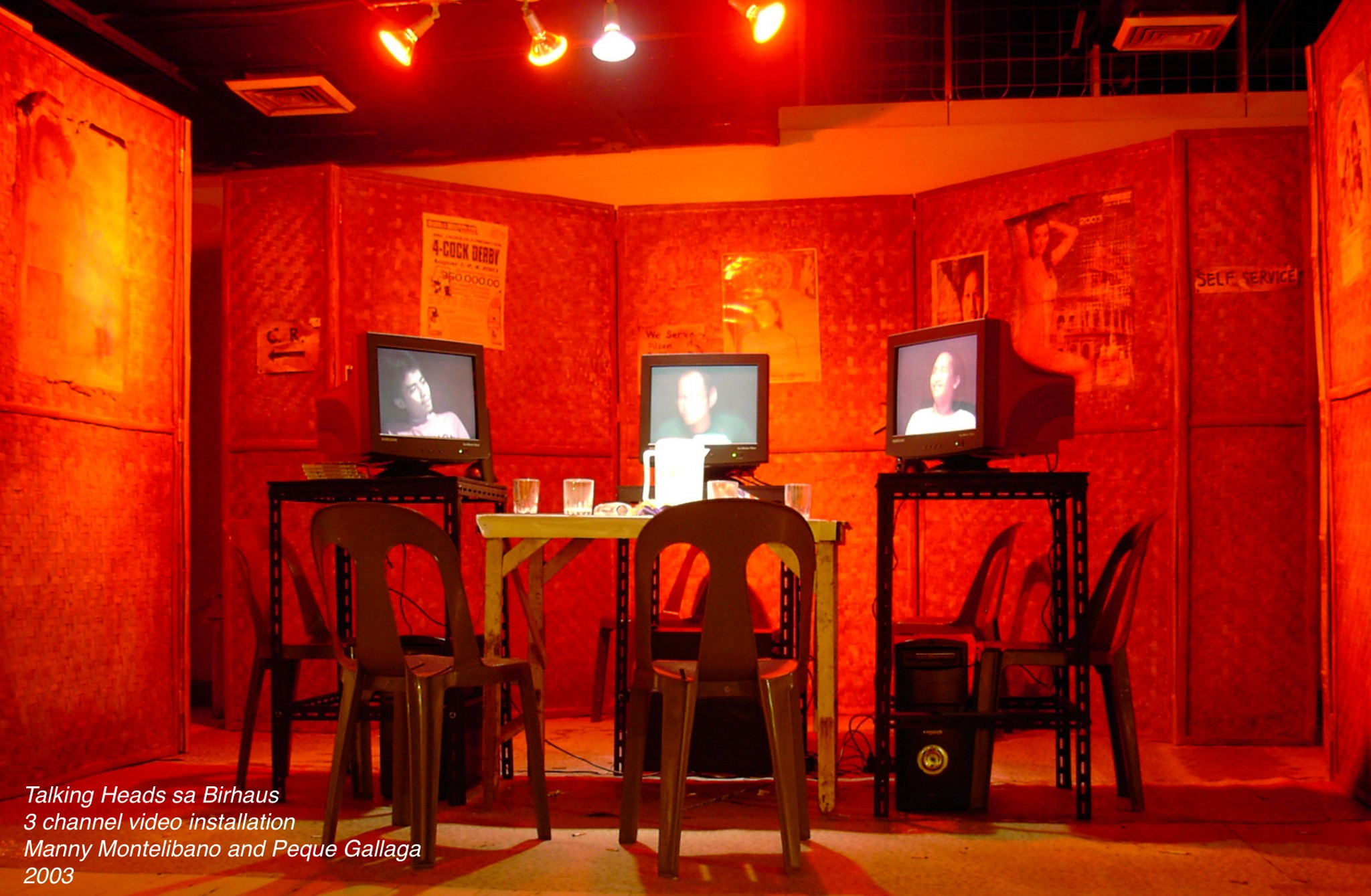
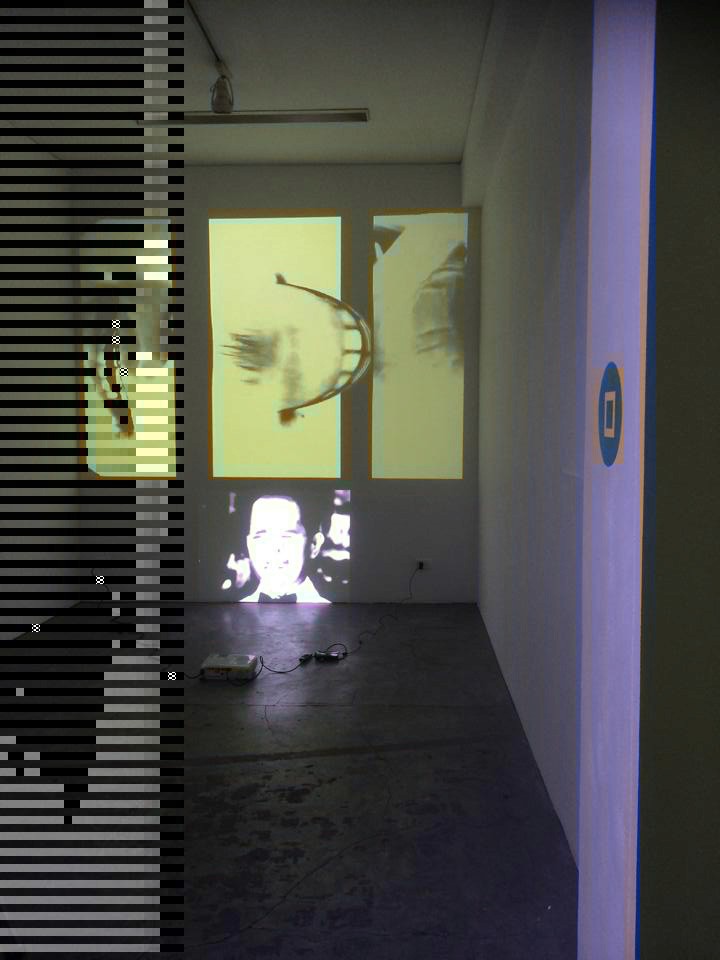
MB. Biya is a single channel video about game birds, or we call them fighting cocks. It shows layers of culture, tradition, nationalism, violence, Filipino macho traits, and gambling. Pamunit is a Hiligaynon term for fishing. It features a slow-motion video of a man on his back fishing on the side of a highway near the sea. It also highlights the sound of the Formula 1 race. This work specifically, compares priorities in different places. The fisherman patiently waits and pulls the line slowly while the backfire booms of the F1 cars aim to enhance the economy of the place from tourism.
Biya is based on experience. I had the opportunity to observe my relatives who breeds game birds. The subject has a great influence in the process and treatment of the work’s creation. The experience of sound, smell, moment to moment happening, and general feel before and after the event sum up to the translation of elements that resulted in this work.
Pamunit was different, this was composed of two different events that produce the statement: 1 + 1 = 1 + 1.
CNTRFLD. Given your extensive experience, what advice would you give to emerging artists in the Philippines, especially those from regions like the Visayas, who are looking to make an impact both locally and internationally?
MB. Focus, study, research, read, be sensitive, learn, work with your community, be generous, be honest, be personal, and be creative. It is not important to prioritize the impact of the work locally or internationally. It is not important to consider the income of the work or its recognition. What is important is that the artist listens to his muse and translates the inspiration into a meaningful piece.
CNTRFLD. Looking ahead, what are your aspirations for your work? Are there any specific goals you’d like to achieve, or new territories you’d like to explore artistically in the future?
MB. I want to produce more meaningful works and sustain my practice. I want to explore more opportunities to collaborate with other artists, collectives, and I want to continue to teach to inspire more artists not only to be artists but to be teachers.
I would like to explore the dynamics of artificial intelligence versus real intelligence. The world is going into a different phase of shifting ideologies where economies are affecting our natural world order and thus going into global destruction. The theme that plagues my mind is revolving around the question of why humanity is continually repeating its mistakes. These might be where my future works will focus on.