CNTRFLD. How would you describe the contemporary art scene in the Philippines today, especially from your vantage point in Bacolod? How would you compare the support systems for artists in the Philippines—especially in the provinces—to those you’ve encountered abroad?
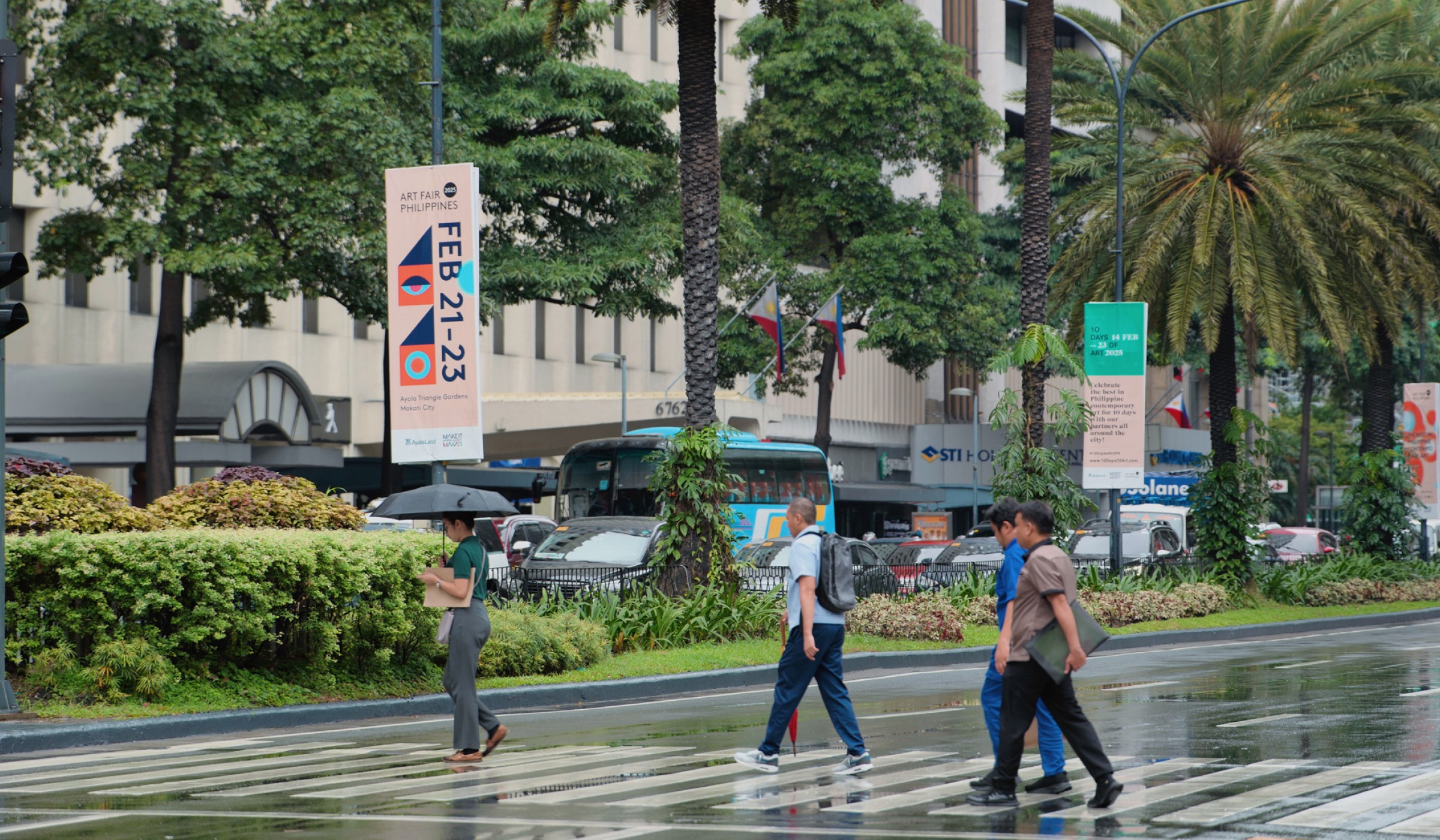
RAT. I think the contemporary art scene in Philippines today is thriving compared 10 -15 year ago overall specially in the province like negros and Bacolod city, more and more people appreciate and collect contemporary today, younger collectors who are admire and visits opening often before became head of a company or family business now and has buying power to buy works now, same also in manila where the center of art and everything is, more and more fairs and galleries to cater artists. But the support system (formed by) the government is still way behind in places i have been and did art residencies like South Korea and Germany, the government supports and funds artists unlike here mostly we support ourselves or private entities supports us.
CNTRFLD. You’re a co-founder of Grey Room Art Space, a vital platform for local talent. What inspired you to start this initiative, and how do you see its role evolving in the creative ecosystem of Negros Occidental?
RAT. Grey Room is part or initiative also of Orange Project, together with Charlie 10 of us artists collaborated to sell a work to fund Grey Room Art Space to cater younger artists, musicians and writers to have space for them to show and express their talents, it’s like incubator space for local artists, through Grey Room we discovered younger artists and musicians. Especially during pandemic Grey Room is the only place for them to gather, show and perform which mostly i organized and curate. Grey Room shoulders all the expenses for the show, we let artists curate with us , we teach them how to set up shows, packing of works, advice what to use , the basics, we sometime provide materials, as for the musicians we pay them to perform, most of them 1st timers , we do that 3- 4 times a week. Some of them are now exhibiting with us at orange and in Manila, and some are carving a name outside Bacolod already.
CNTRFLD. Oil painting is a consistent medium in your practice. What draws you to it, and how has your practice evolved over the years in terms of materials, process, or themes?
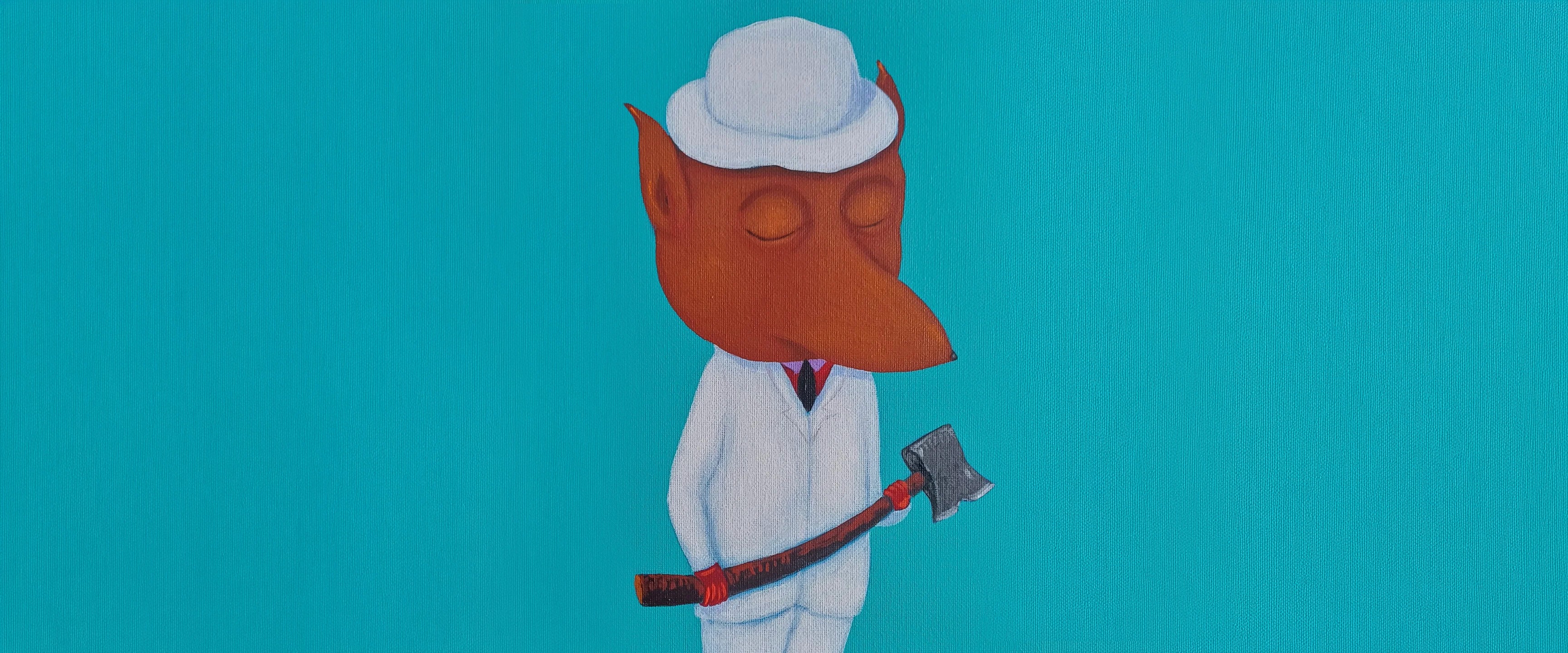
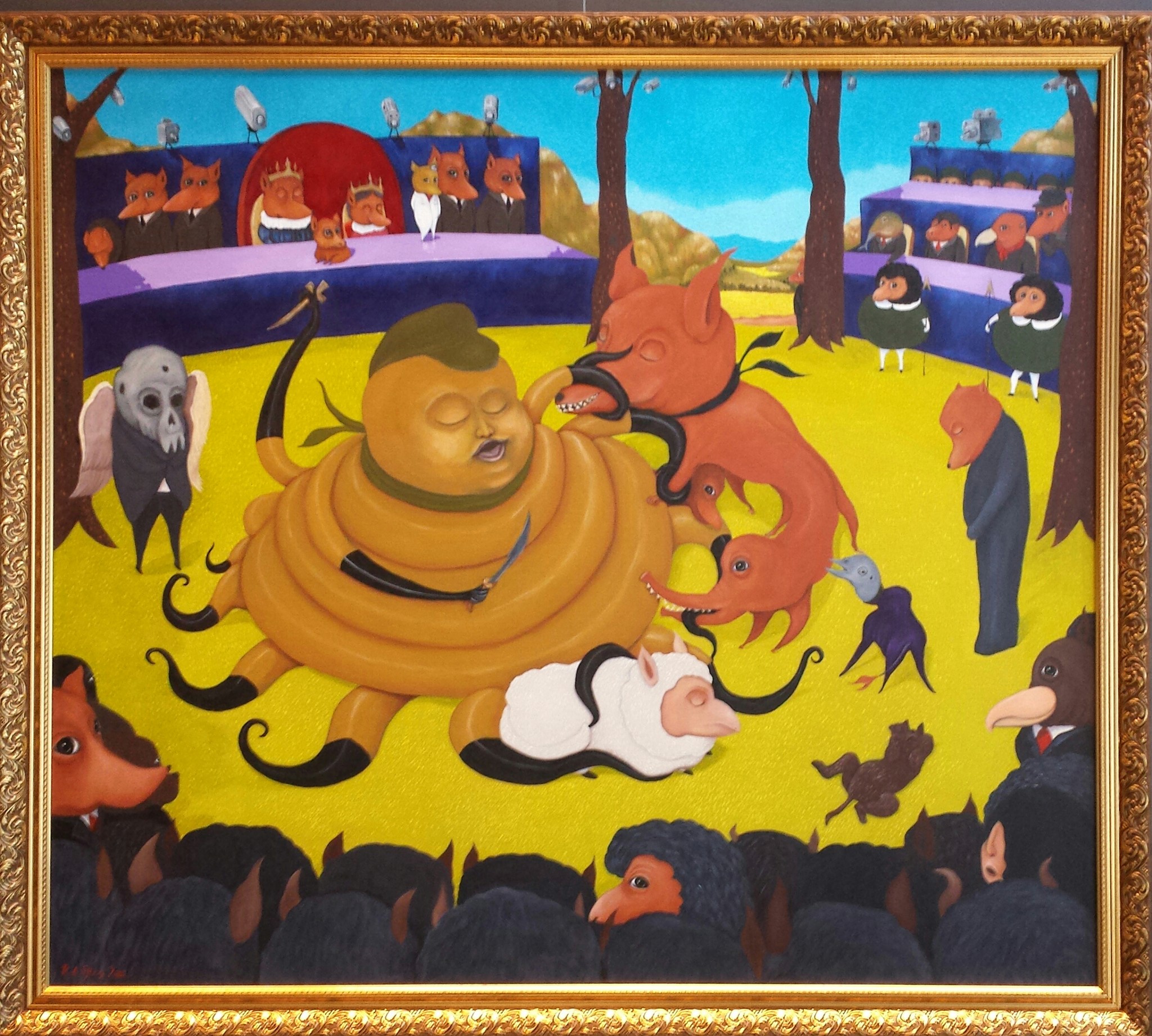
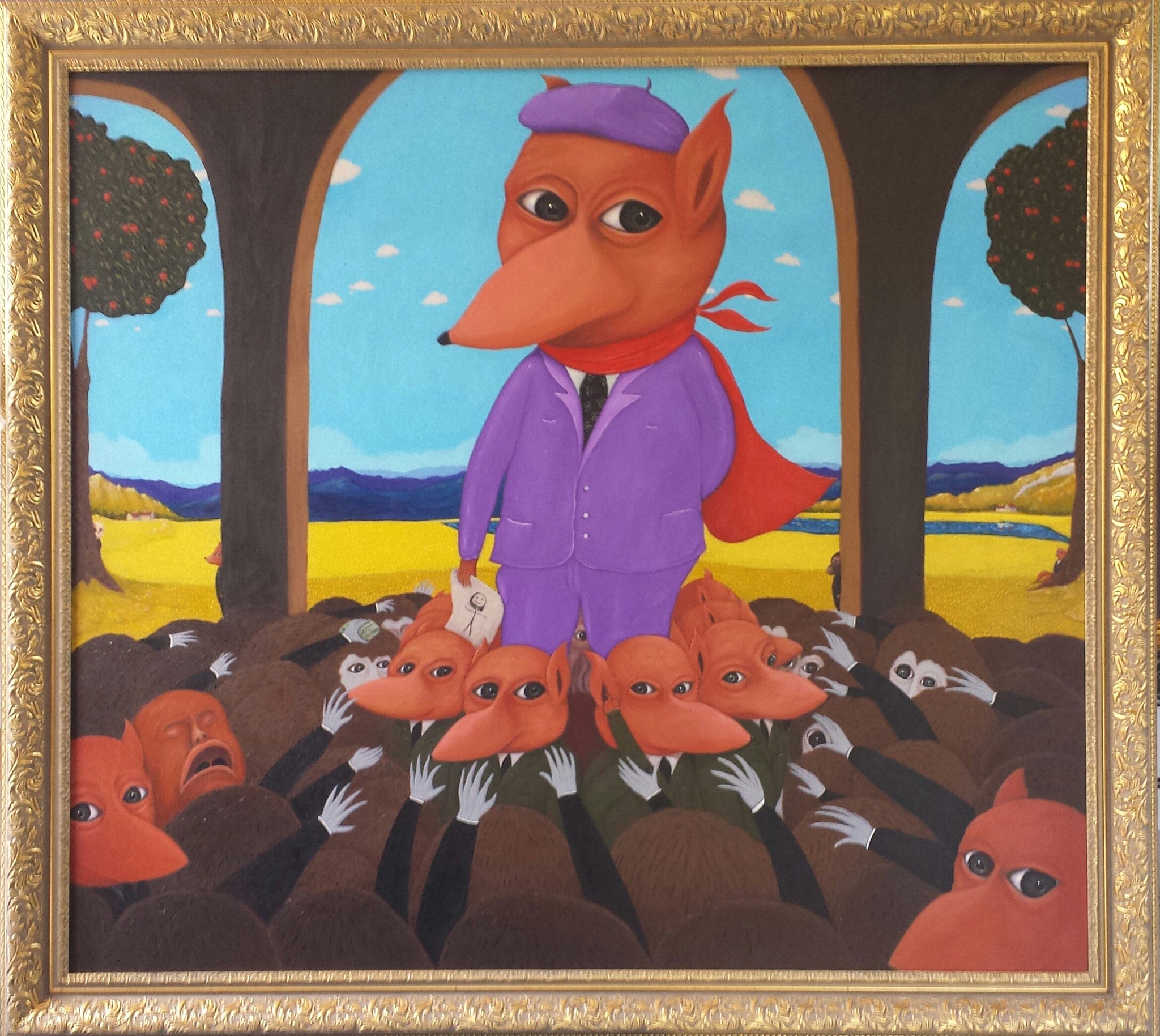
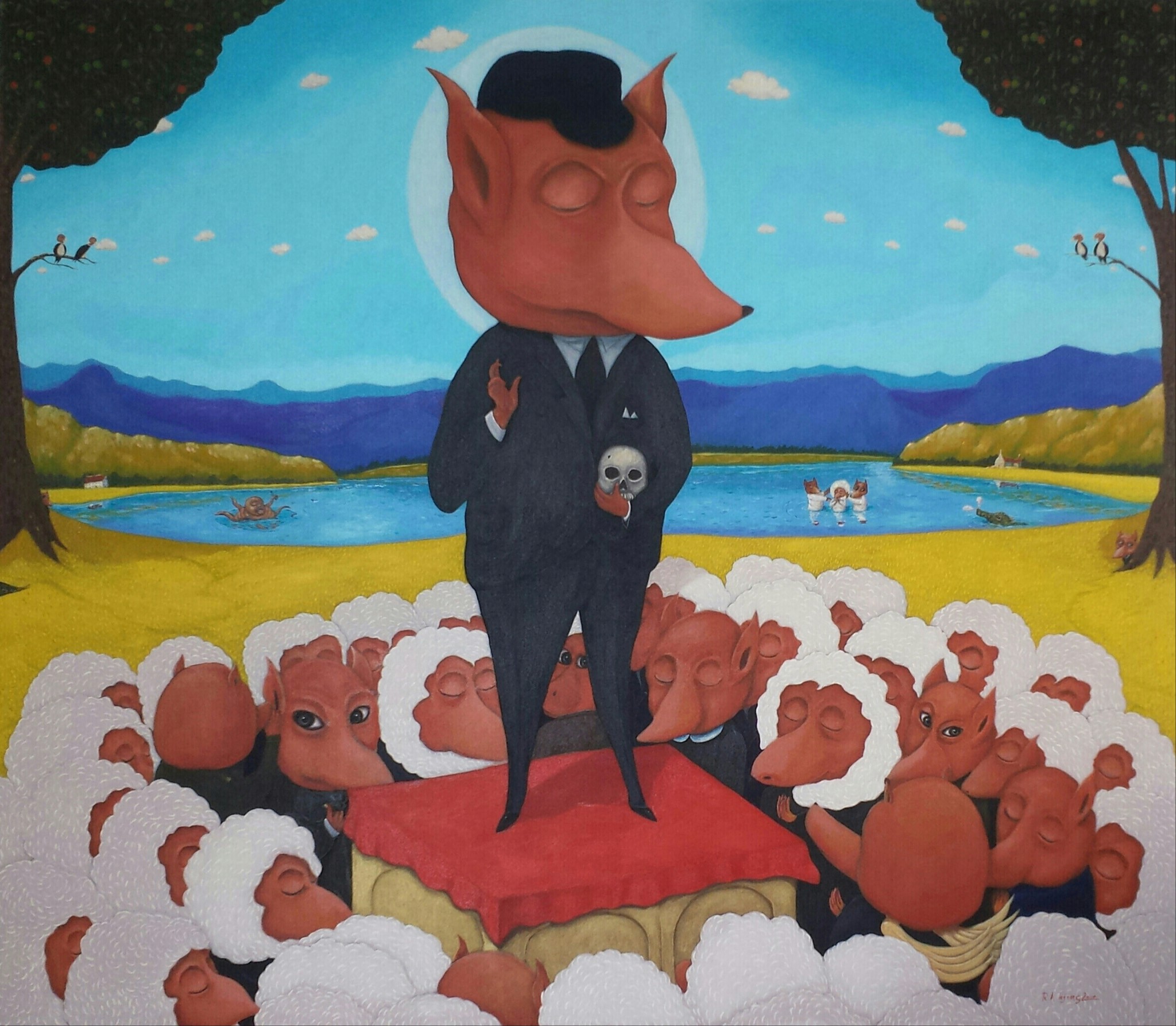
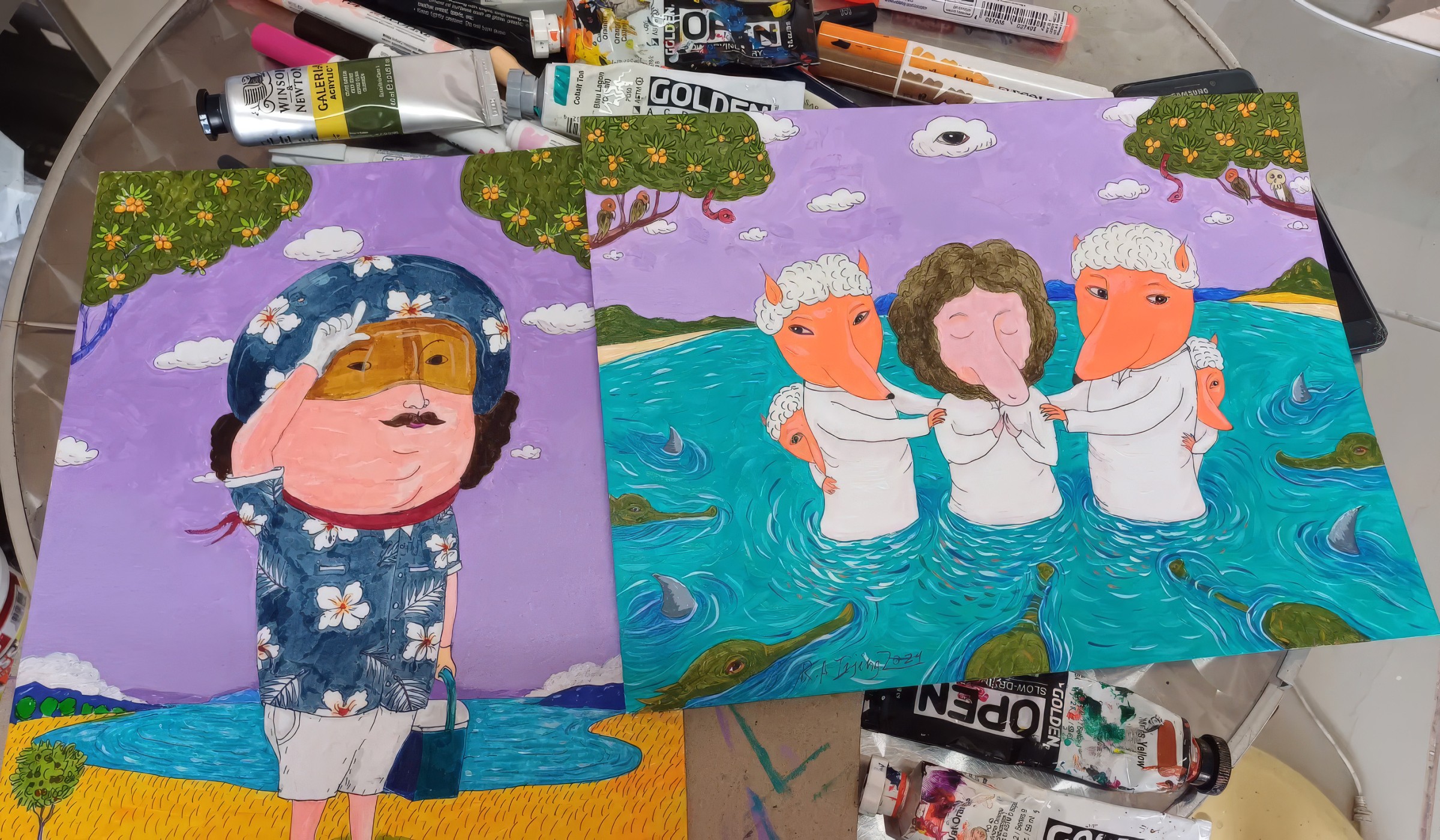
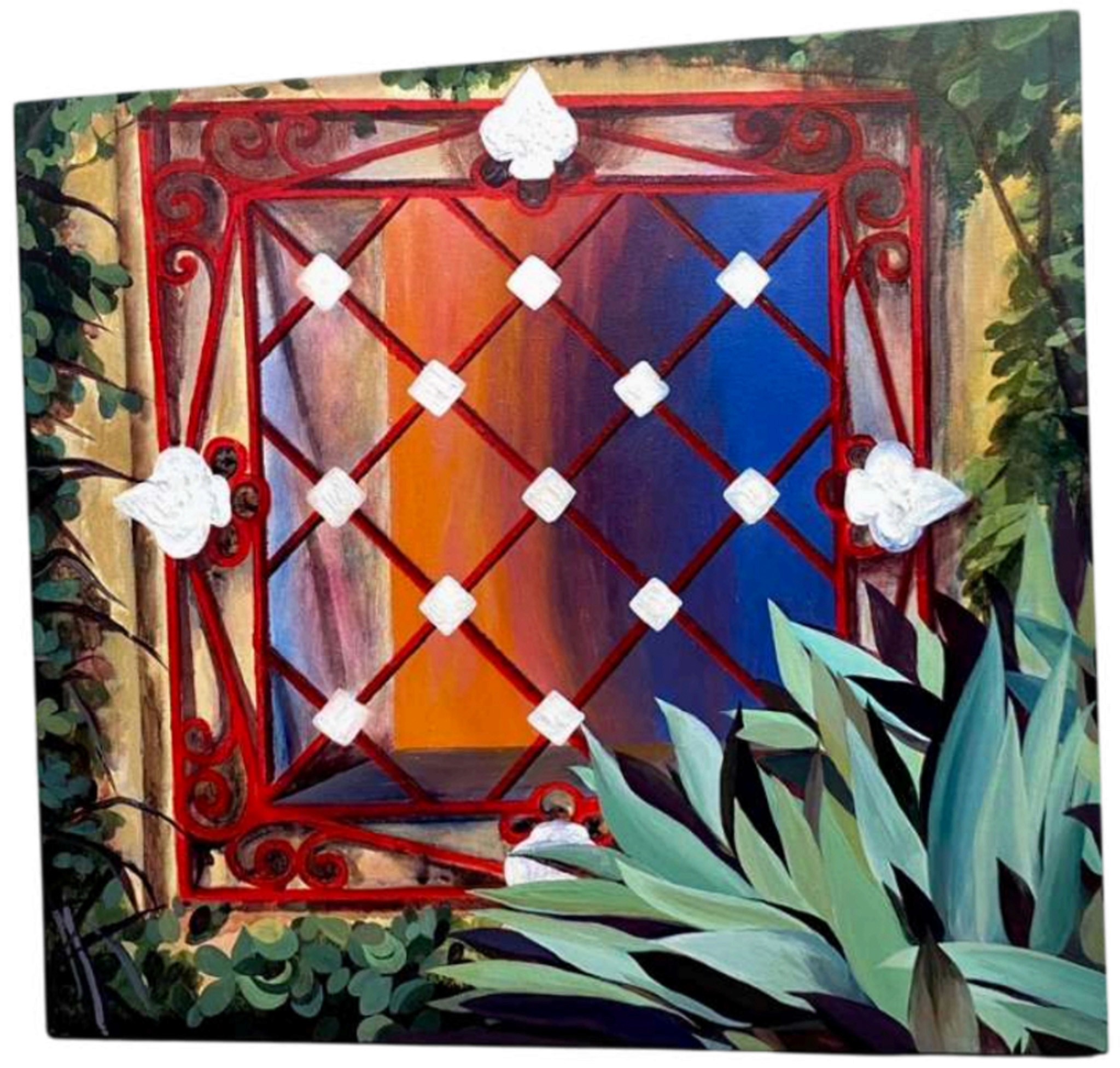
RAT. I first started using oil pastel and Cray-Pas my early years , then using when i started painting on canvas, i like oil because it has a painterly characteristics, you can apply wet on wet, or let it dry and apply another layers or you can do impasto also, different brands also differs in characteristic also, overtime you know how these colors and brands behave when applied on to the canvas, from simply using linseed oil i experimented using poppy oil, alkyd, Galkyd and different solvents but my favourite of all is using Liquin, through the years my themes and style also evolved, from simply painting landscapes and still life, realism, cubism to pop surreal & lowbrow, Social Realism to abstract & modern art.
CNTRFLD. Your recent solo exhibition Landscapes, Portraits, and Still Life at Orange Project marks a reflective milestone. What themes or personal evolutions were you revisiting, and how do you see this body of work in the context of your 16-year journey with Orange?
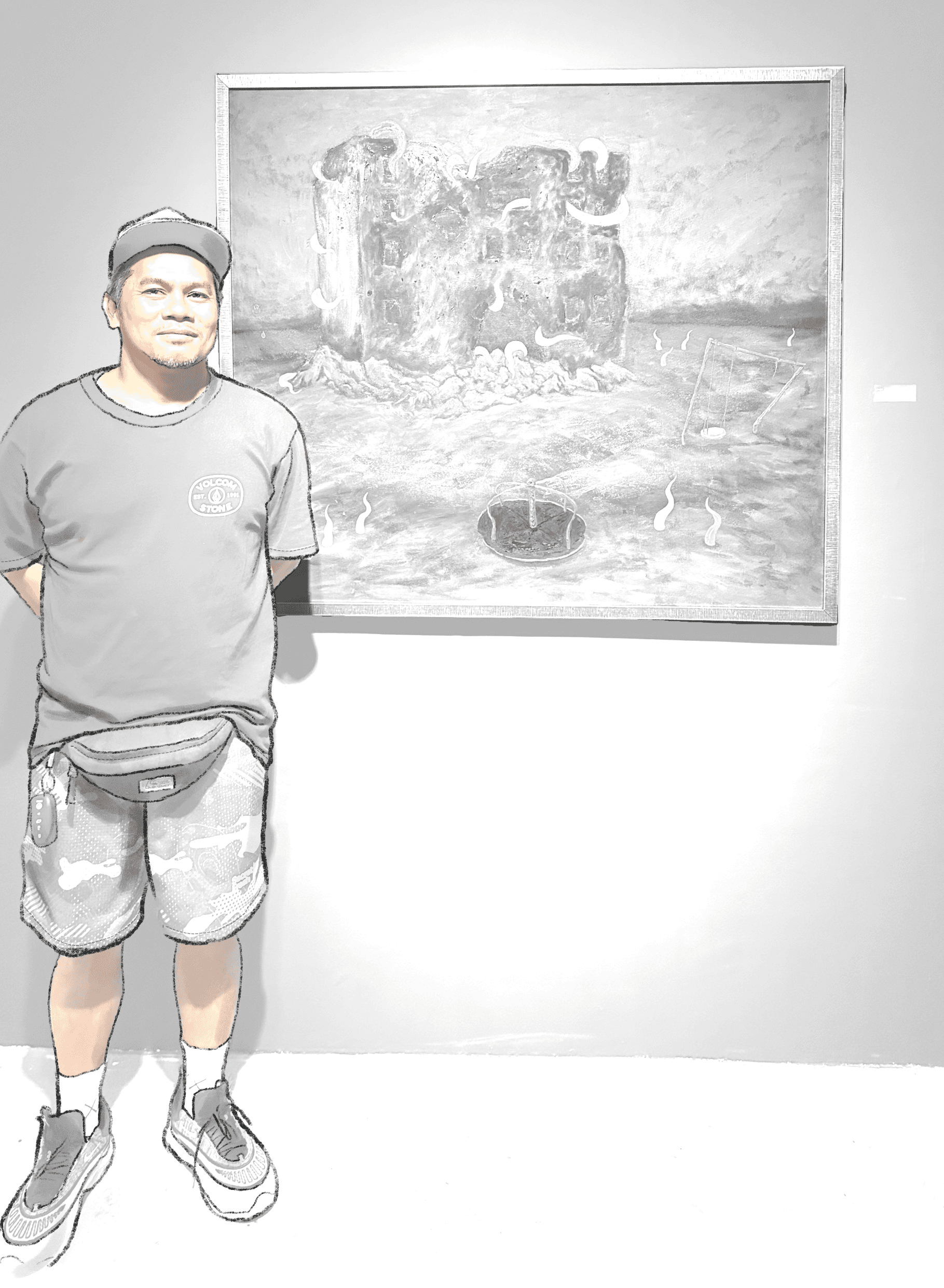
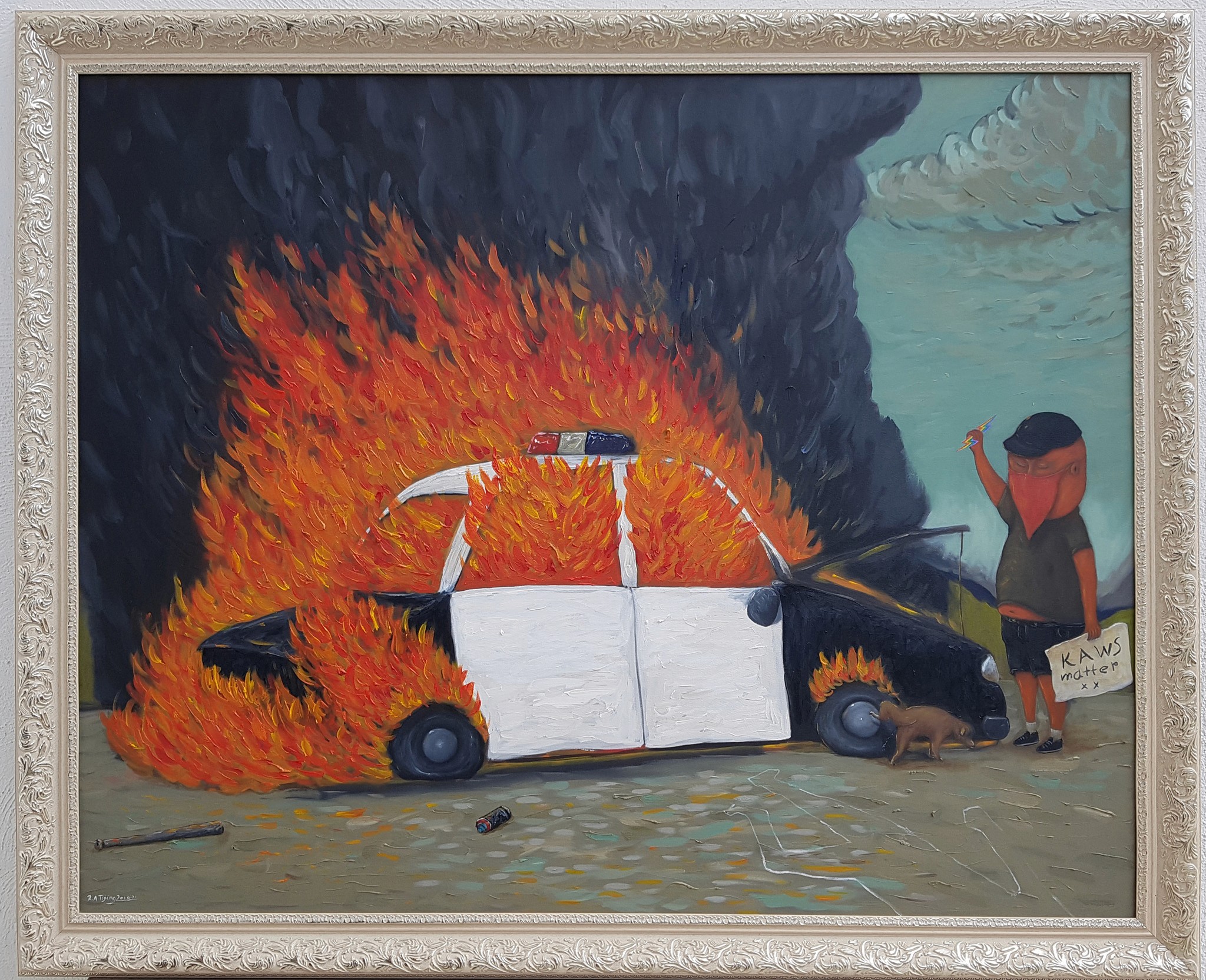
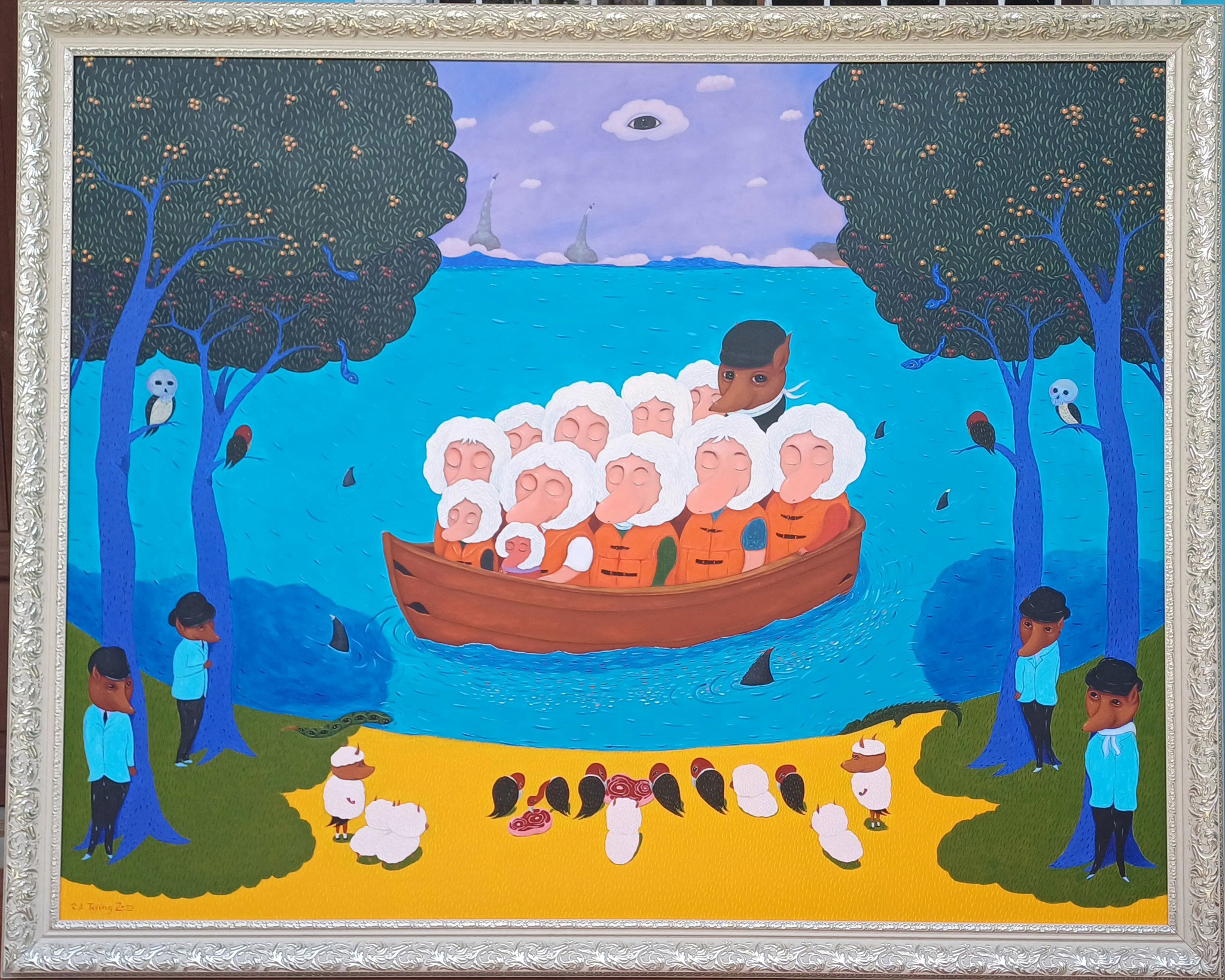
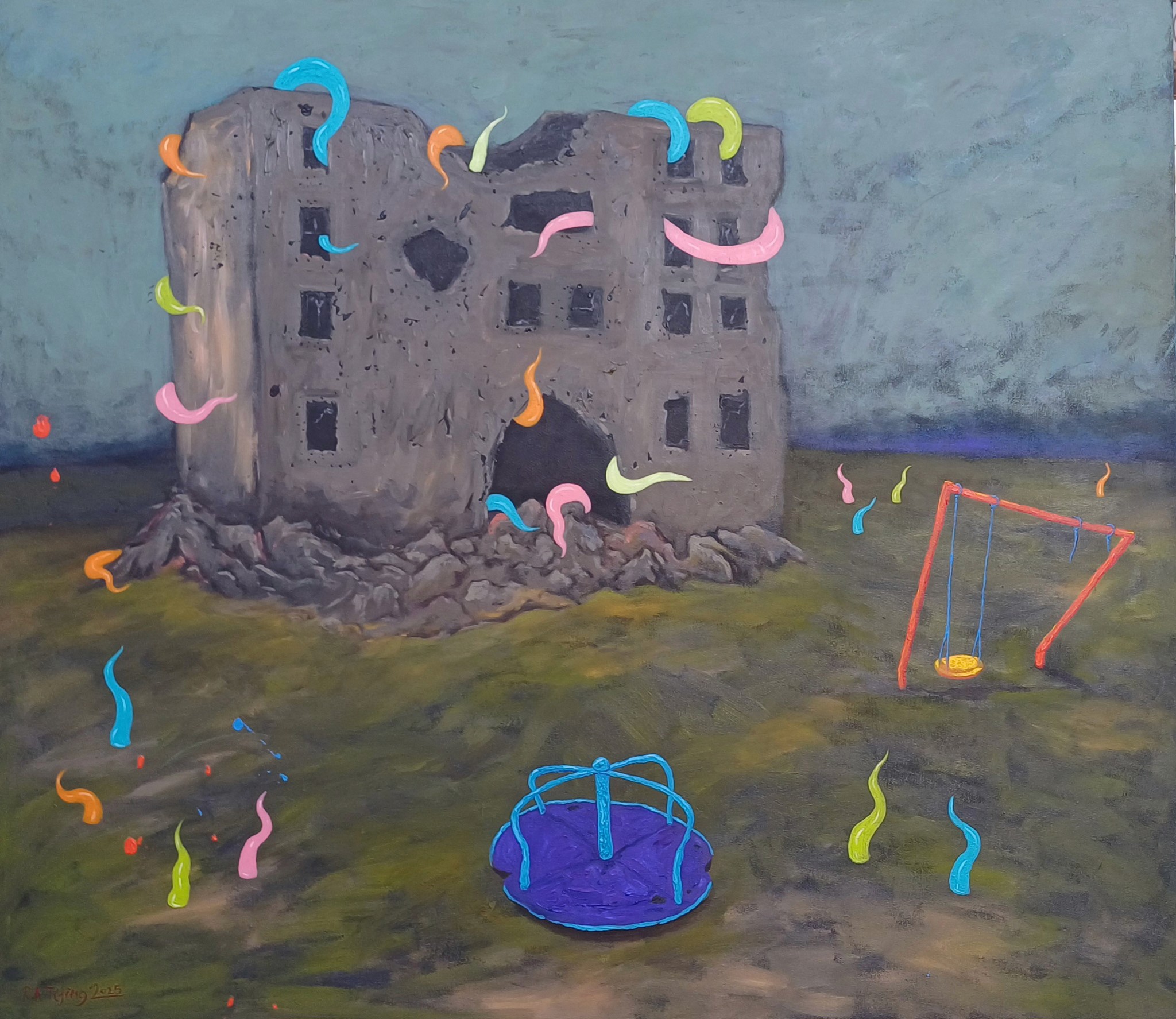
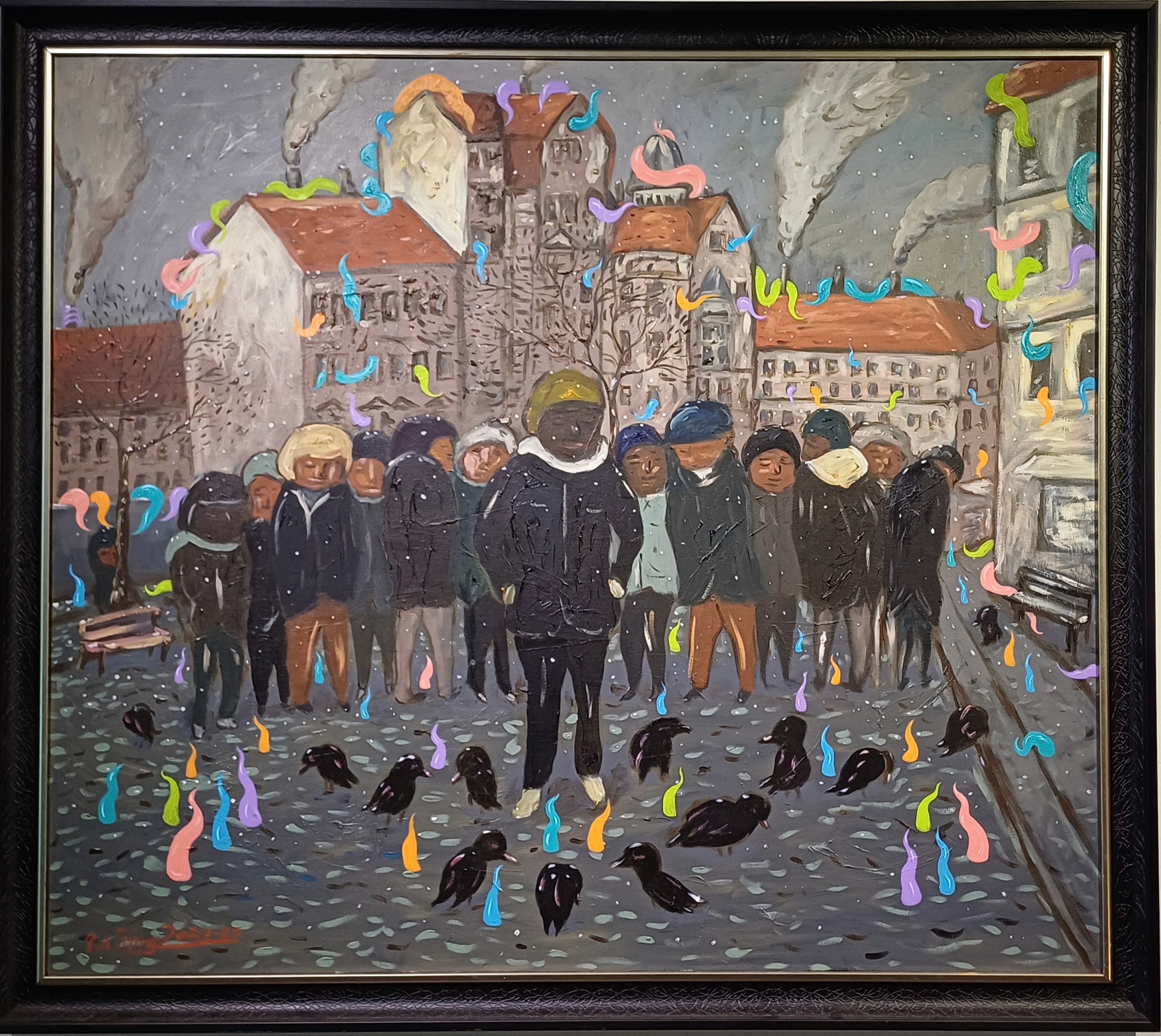
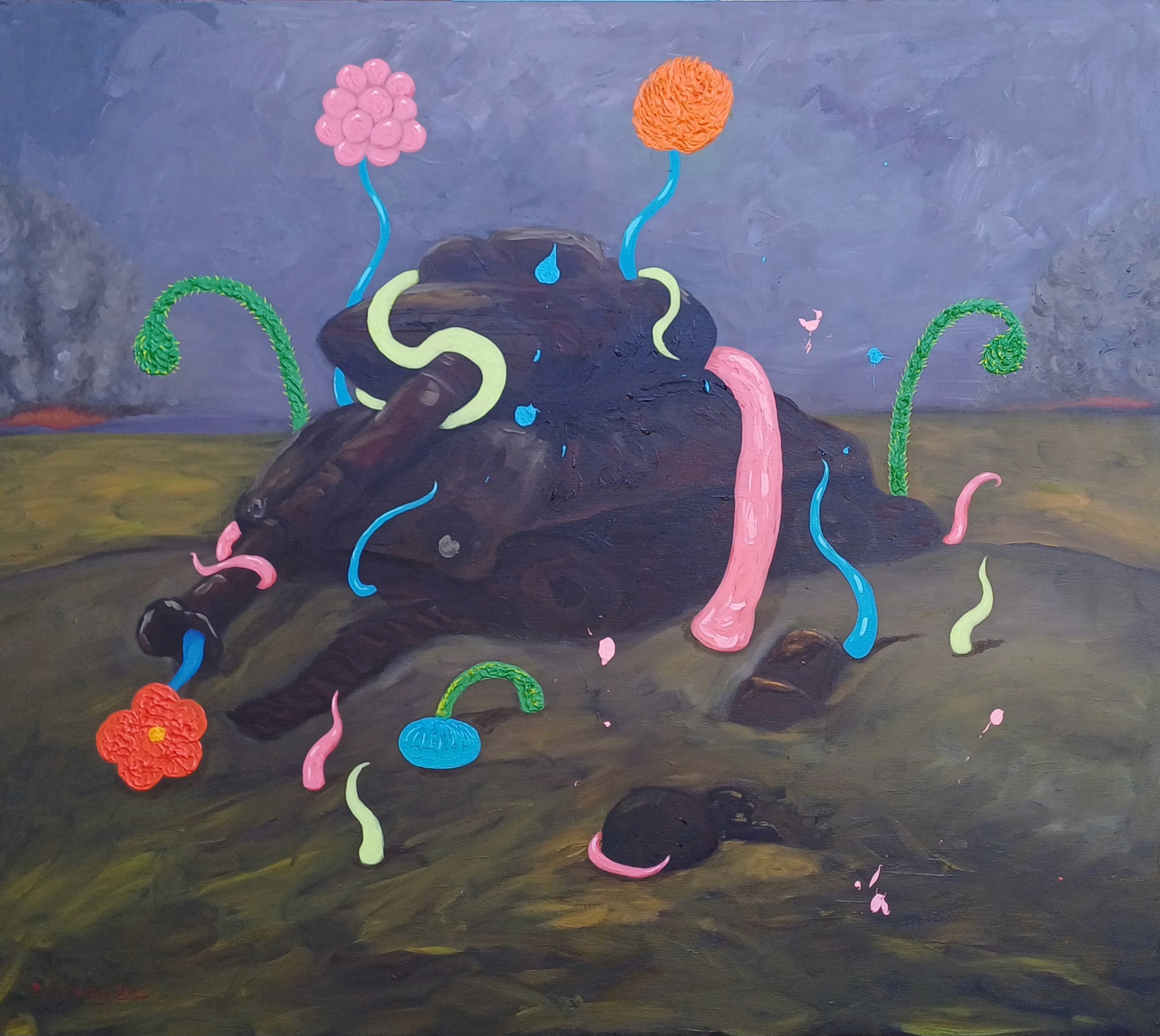
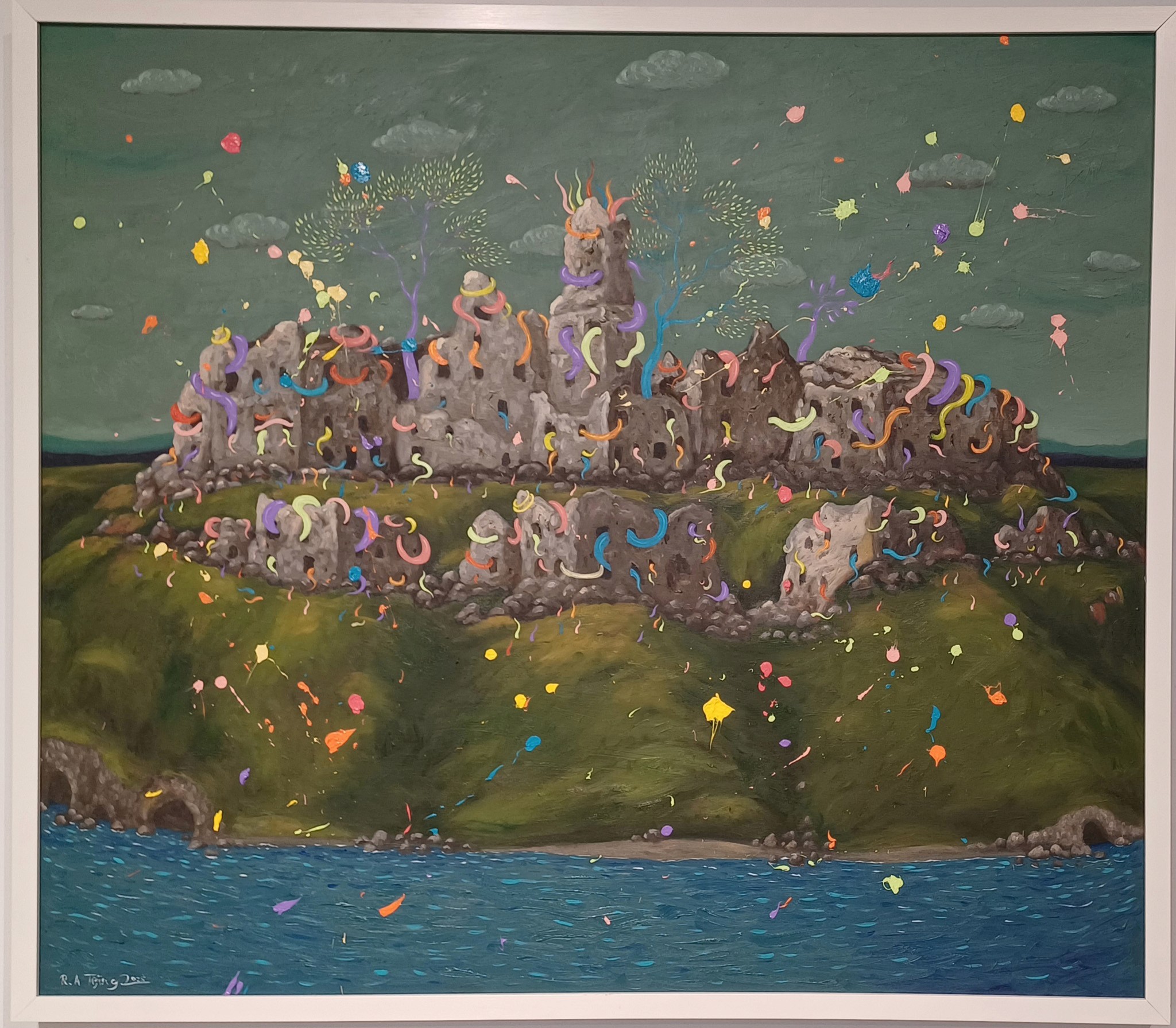
RAT. In my recent solo show, landscapes, portraits and still-life i revisited the basic theme when i was just starting but now with a twist, it’s now more contemporary and has social relevance, a commentary about war and the effect on people’s lives, destroyed homes means lives lost, broken families, destroyed hope, happiness and dreams. It’s like the culmination of or using everything i learned from my 16 years journey in art. But i think it is also the start of another phase in my career and journey.
CNTRFLD. Much of your work deals with haunting imagery—war-torn ruins, twisted symbols of power, existential absurdities. How do you balance the surreal with the real, the personal with the political?
RAT. I balance the surreal with the real, the personal with political through travel and sports, i paint from Monday to Friday and during weekend i travel, i go mountaineering or just chill in the sand away from distraction solo or time with family, i think family is very important and me time to balance the sanity of every artists for me, i also play basketball & football every Tuesday, Thursday and Saturday evenings to let my blood flow and have a healthy life and to release toxicity and stress , but if i have upcoming solo show, i do less sport less travel and more painting time .
CNTRFLD. Your past works like Superior offer sharp commentary on politics, consumerism, and power dynamics. What role do you think artists can play in responding to socio-political realities?
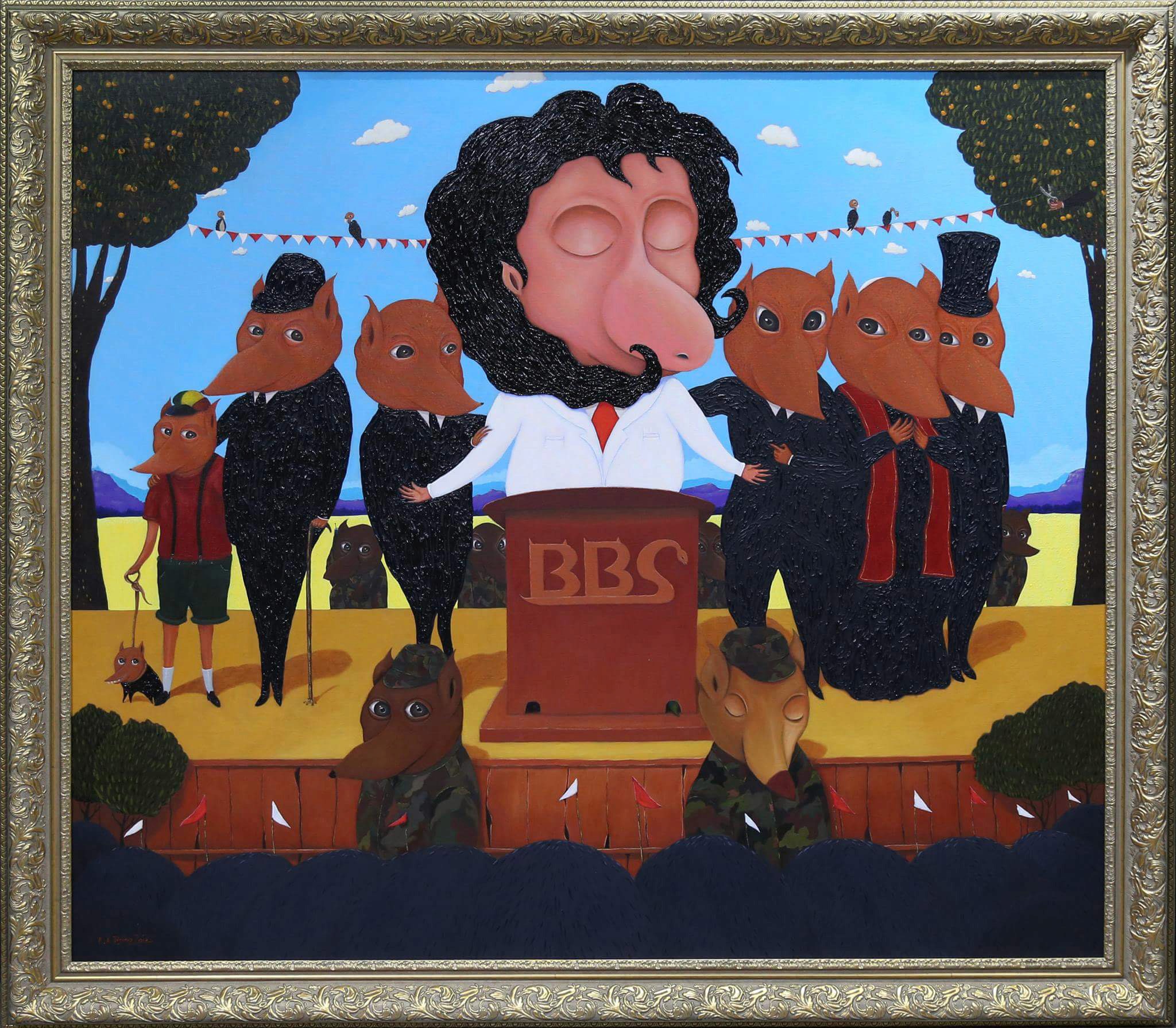
RAT. As artists we paint, we chronicle, we criticize, we tell stories about the real situation and remind the people what we can do to balance the dynamics in social and political realities that power is in our hands to choose the right people to run our society. To clamour, to voice out, seek justice and accountability to all the people who we voted for and entrust our society.
CNTRFLD. As someone who didn’t take the traditional art school path, what advice would you give to emerging artists—especially those working outside major art hubs—based on your own experience navigating the art world?
RAT. As a self-taught artist my advice to all younger or emerging artists is that continue to learn, experiment and find your identity. Your identity is your branding in artworld, art is a lifetime learning, attend art fair, art exhibitions, talk to older or established artists, attend art talks, ask advice and right now a powerful tool is in our hands, internet , use it to develop your art, learn and be open to criticism, learn from your mistakes , continue and enjoy art.
CNTRFLD. After 16 years in the industry and 12 solo shows, what keeps you inspired and motivated to continue exploring, creating, and pushing boundaries?
RAT. After 16 years fulltime and 16 solo shows, I’m still learning, the more i learn i think the less i know. A rt is exciting, its alive, it evolves, it’s a process, still a lot to learn, still a lot to discover in art making, style, materials, more people to meet, more places to explore and experience different cultures that can help in the development of my art.