CNTRFLD. You’ve been diagnosed with schizophrenia from a young age and have used art to resist stereotypical discourses. Can you share how this experience has shaped your artistic language and the way you approach your art practice?
SC. It’s true to say that my passions and beliefs flow directly from personal experience during formative years. I was diagnosed with schizophrenia at the age of 13, and for eight years as a teenager and young adult, I was prescribed psychiatric medication from 1996 to 2004. I stopped the medication with the psychiatrist’s suggestion and approval.
I have come to see art as a liberating force; I firmly believe that my art combats entrenched viewpoints, clichés and stigmas about mental health. By establishing and developing my own language of self-expression, I took ownership of an authentic and empowered life. ⠀⠀
CNTRFLD. Your work often explores the concept of 'in-betweenness' and paradoxes. How does this theme connect with your experiences in disability justice advocacy and your reflections on dignity?
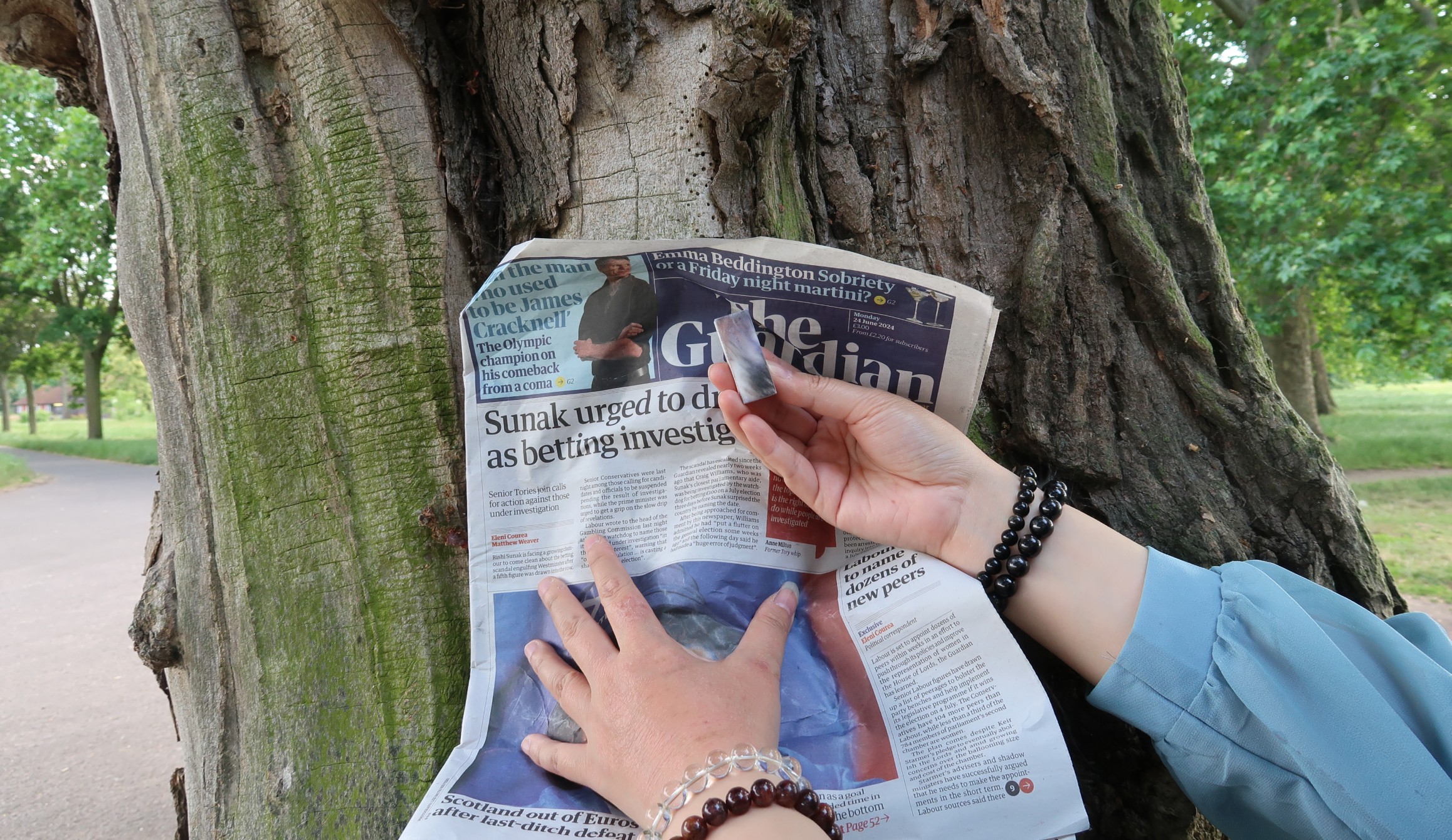
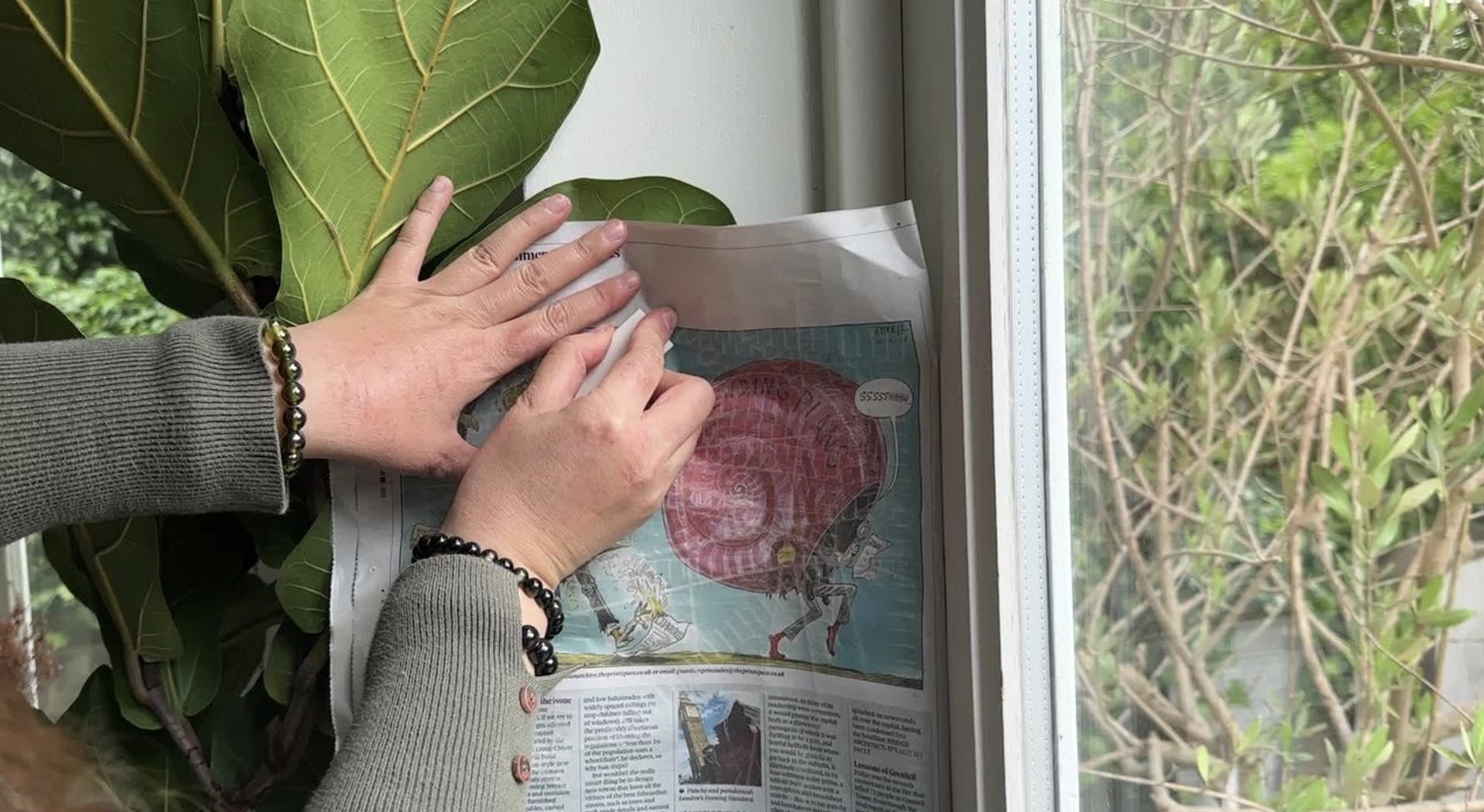
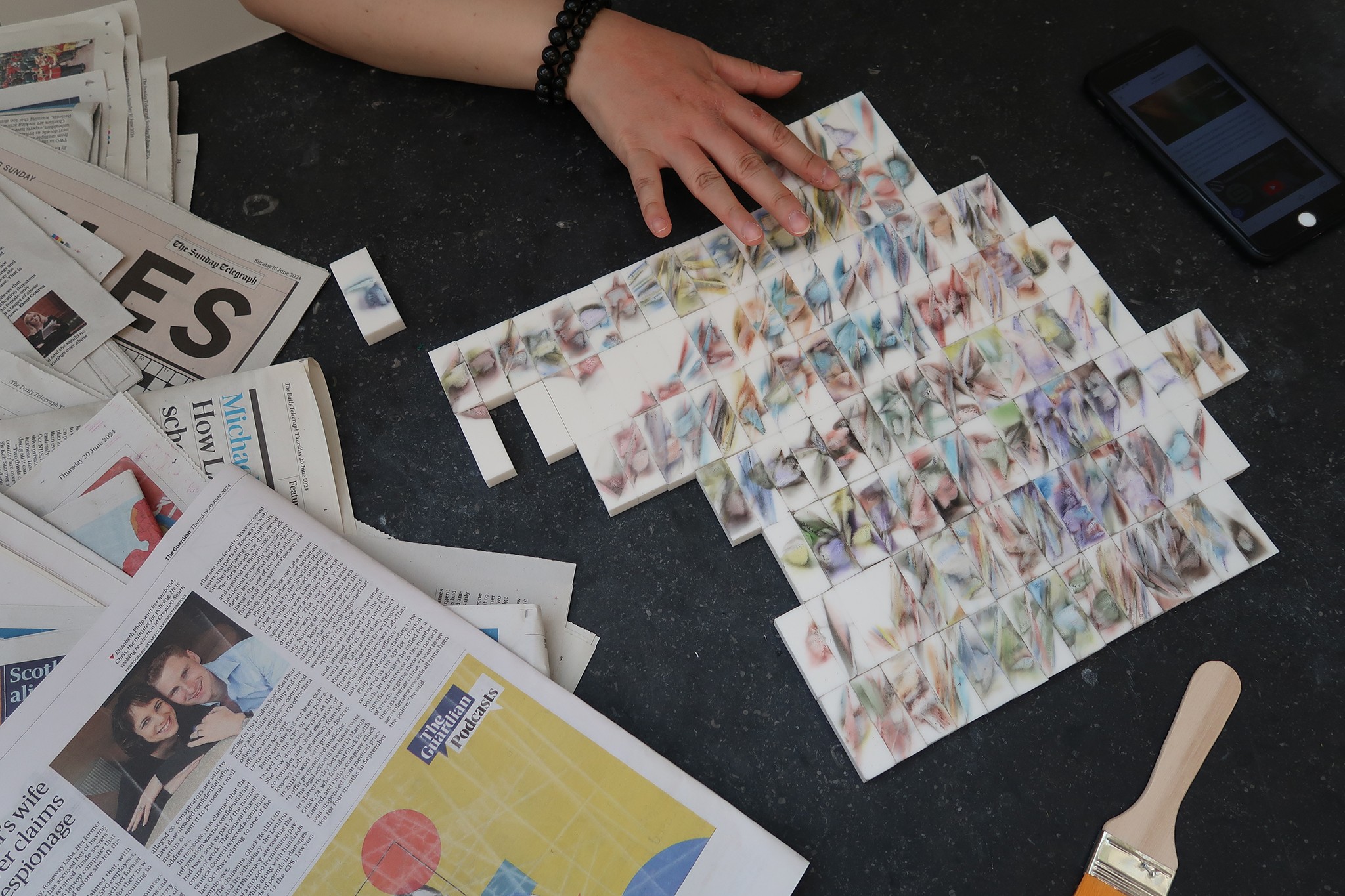
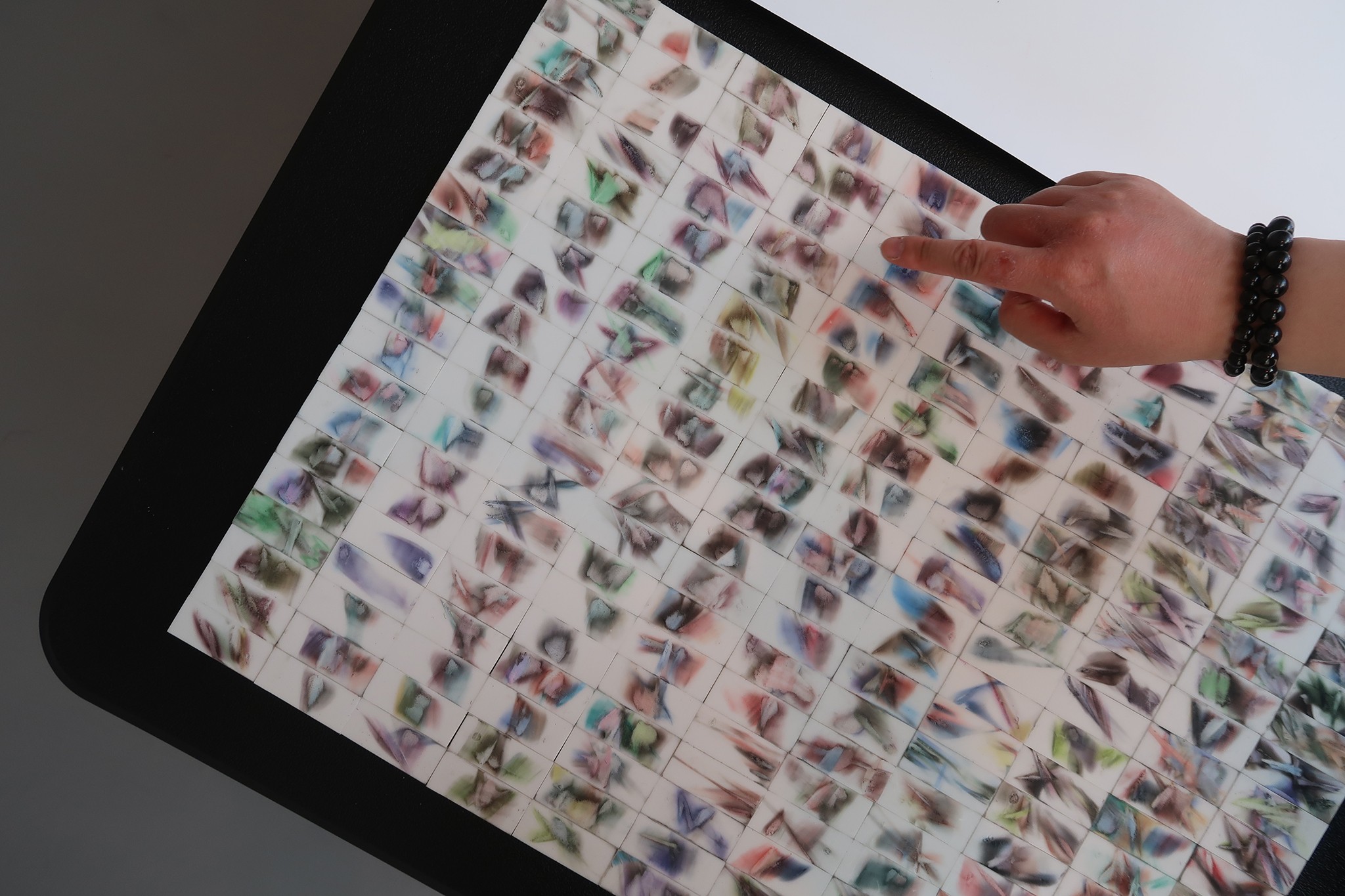
SC. Given my experience in human rights advocacy, my thoughts on life often return to the ideas of in-betweenness and paradox. They are inextricably connected. For example, in my Erasing News series, I harnessed erasers and newspapers to simultaneously express a sense of adding and subtracting. This paradoxical act of “erasing as painting,” allows a delineation of the passage of time as well as the transformation of colour.
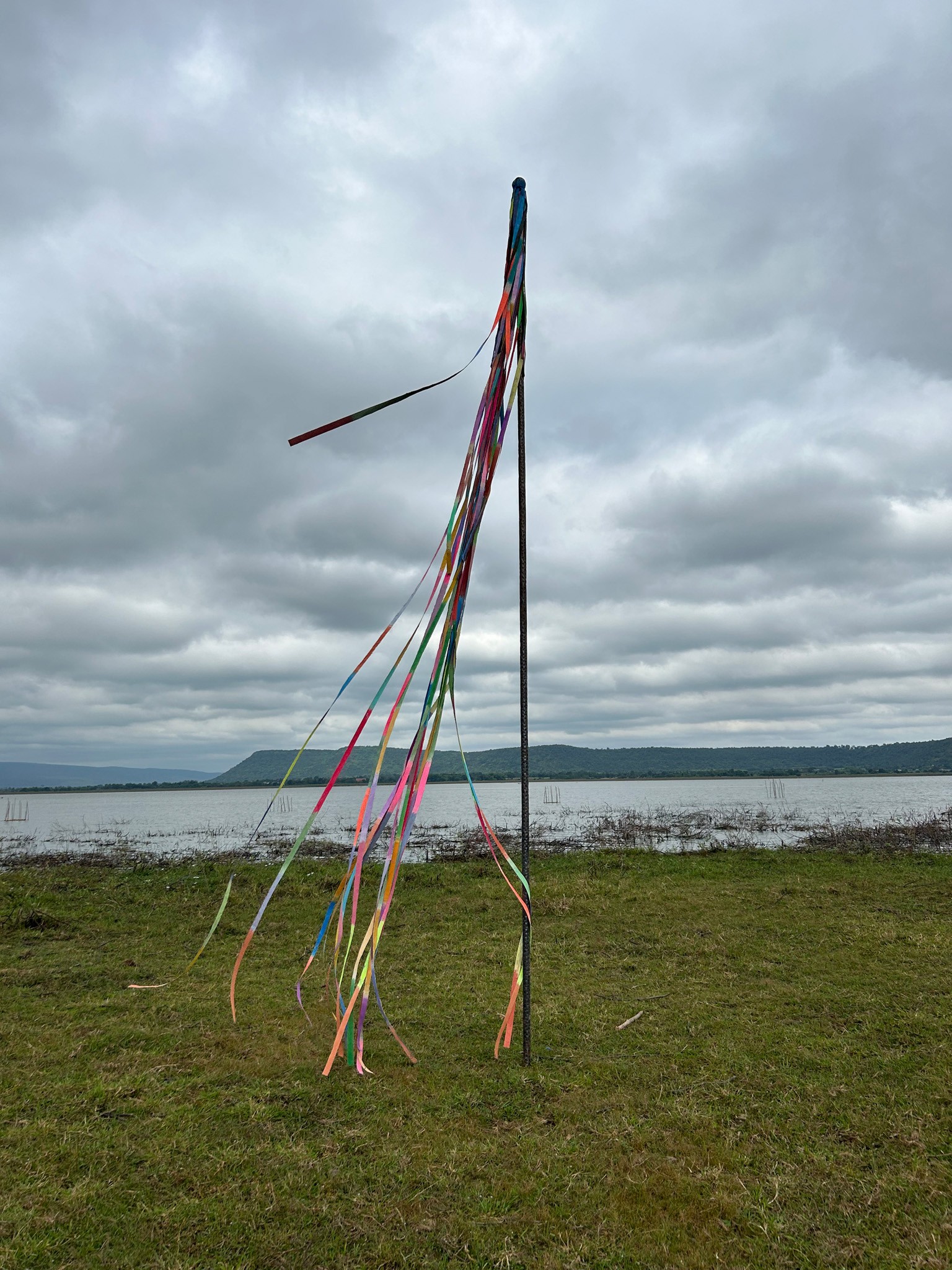
My recent work in Clapham was closely linked to the theme of dignity, its characteristics, meanings and attributes. I think that the dignity of nature pertains to evolving into its original and organic form, while also adapting to climate variations, social intervention, and the laws of nature. That raises questions for me when considering how humans can truly affirm subjectivity.
CNTRFLD. You’ve had a diverse career, blending activism, writing, and art. What initially inspired you to pursue a career in the arts, and how did you embark on this journey?
SC. My understanding of in-betweenness is also a resistance to barriers. This is important in activism and understanding of disability. My art allowed me a freedom of expression which was an important outlet to me in personal struggles. Today, my work tends to have open-ended meanings by clearing away the ingrained cultural-political context of objects or materials and exploring original materiality. Within this process, my own approach to art emerges.
CNTRFLD. As a woman in contemporary art, particularly one who is also a disability justice activist, what unique challenges have you faced, and how have they influenced your work?
SC. Whilst barriers and challenges remain, I am also seeking to resist boxing myself into narrow or particular identities. Men tend not to highlight themselves as “male artists.” Women, however, may find themselves categorised as “women or female artists.”
CNTRFLD. Your artistic practice involves using materials like plastics to express simultaneous construction and deconstruction. What draws you to these materials, and how do they help you convey your ideas?
SC. I am intrigued by the in-betweenness of materiality. The materials I use are diverse and varied. Each freestanding medium enables objects to transition into subjects. Through the gradual process of creating my Erasing News series, the eraser diminishes in volume while intensifying in colour transformation. The newspaper loses colour when it accumulates more marks from household objects.
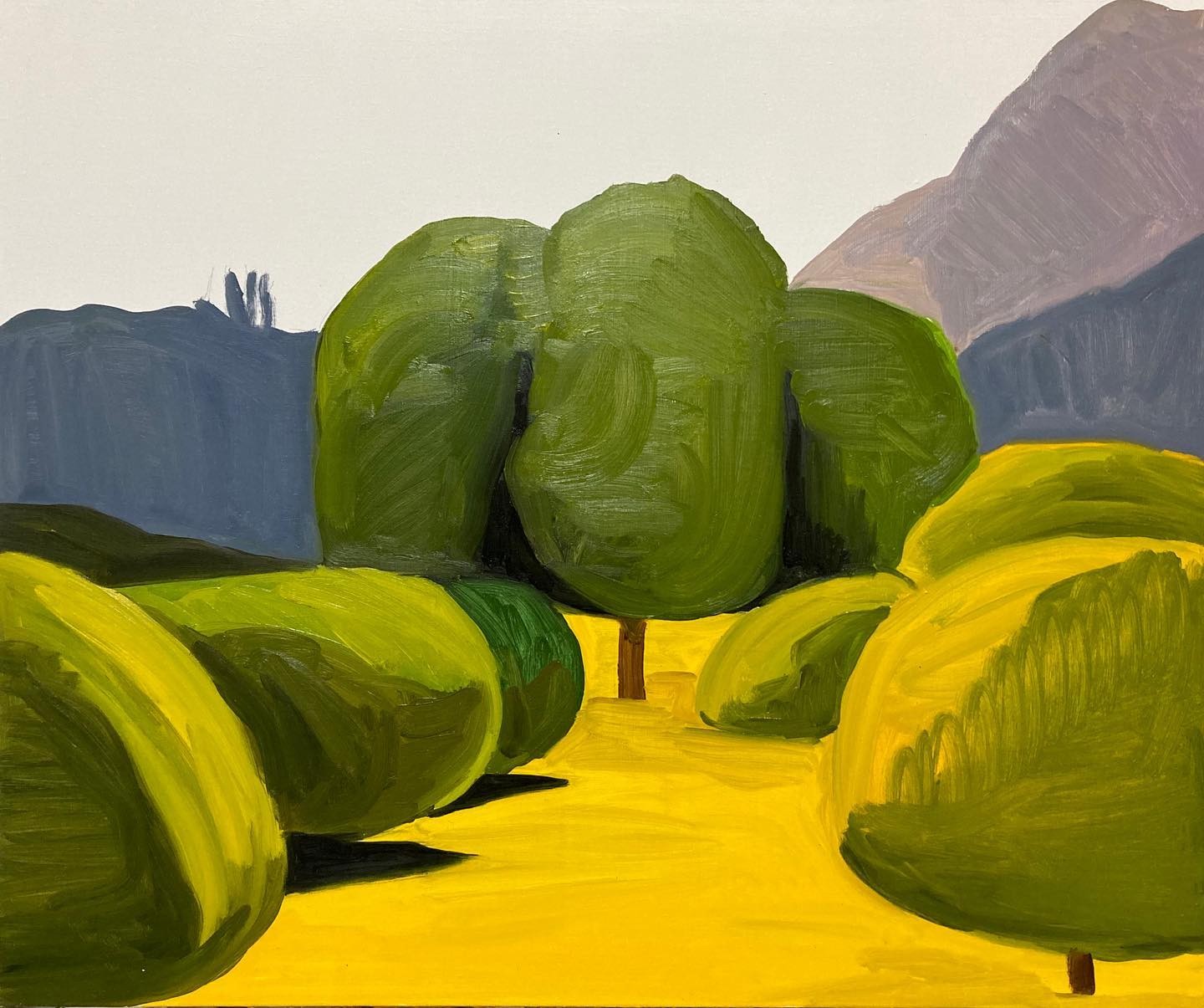
I am also interested in the evolutionary progress of nature. I observe its forms, colours and texture growing in their own ways without the need to adjust to the surroundings. It is nature’s free will to grow and live (as long as the climate allows it). I find it fascinating and believe that there are patterns in nature that human beings would be wise to follow. In a sense, my own artistic language allows me to embrace a personal evolution into an open-ended inner world, leaning into self-realisation and self-expression.
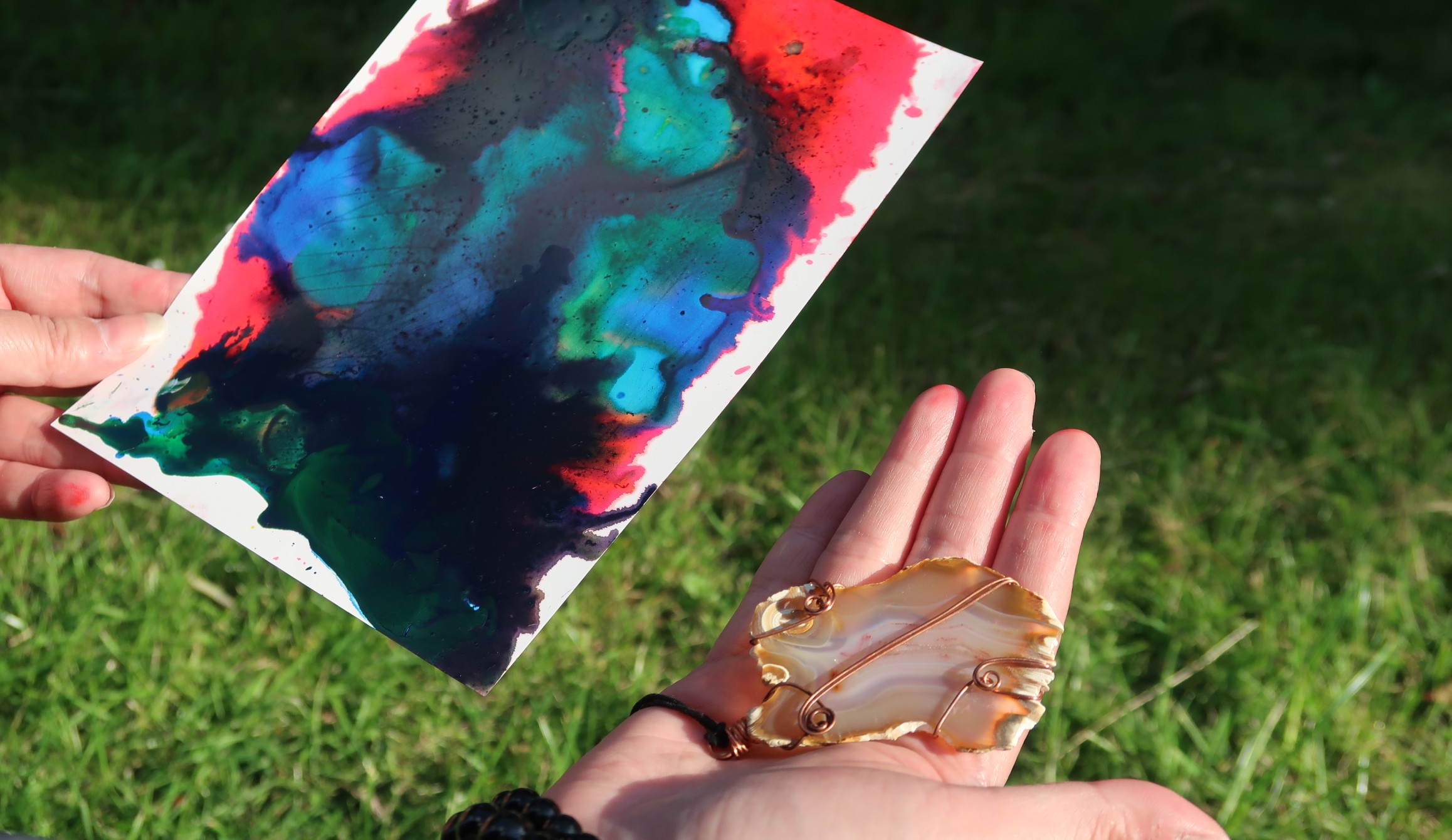
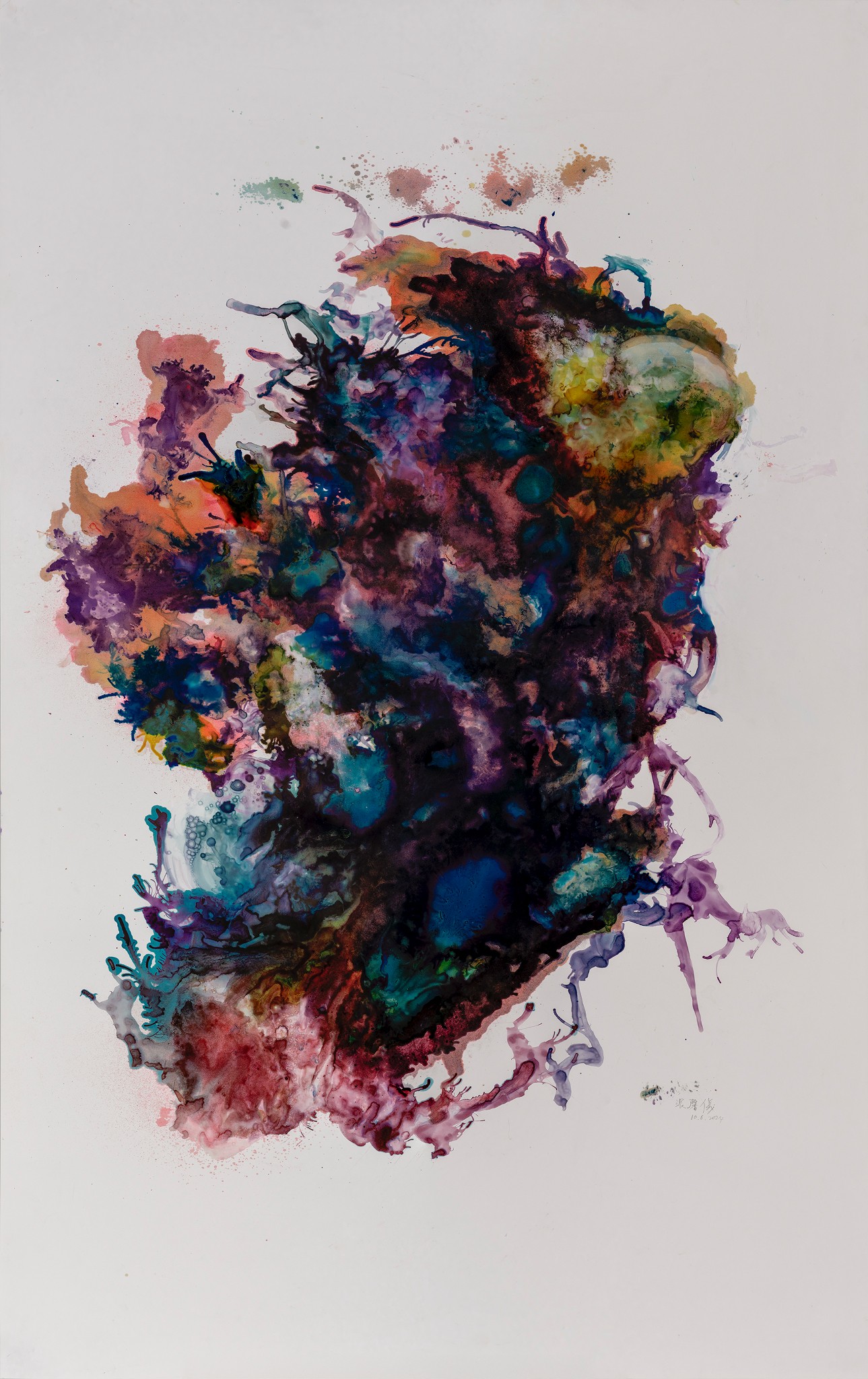
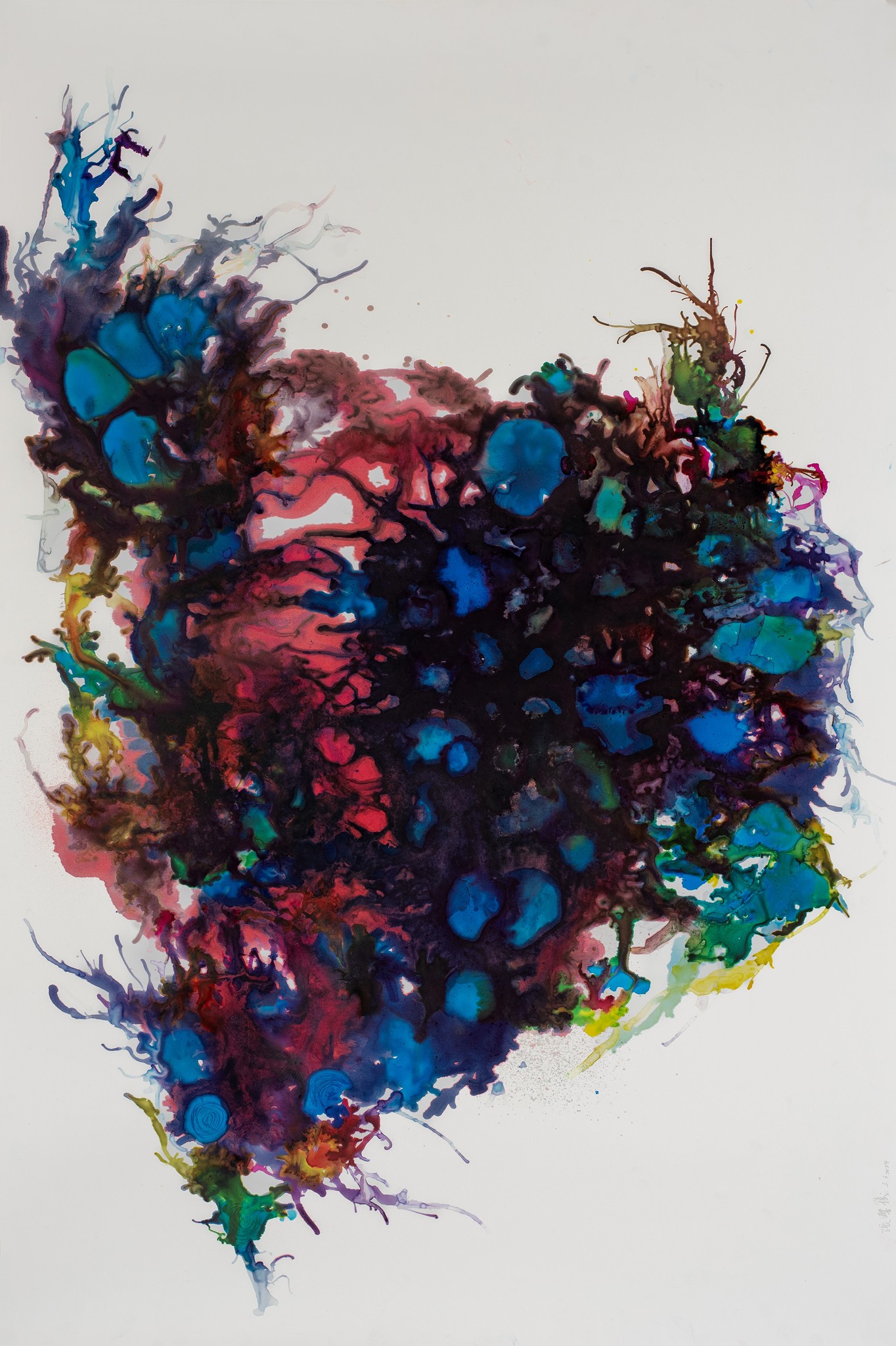
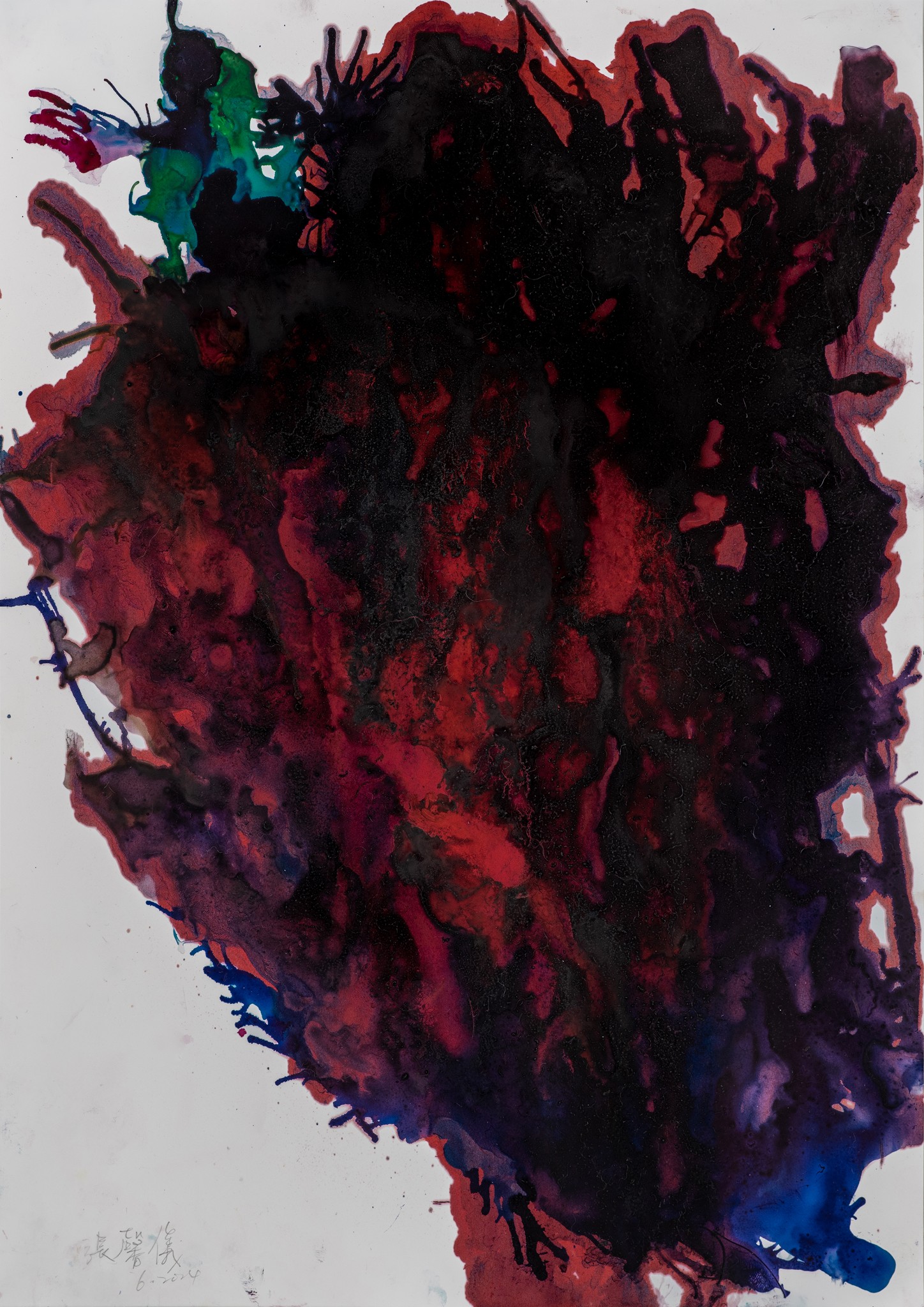
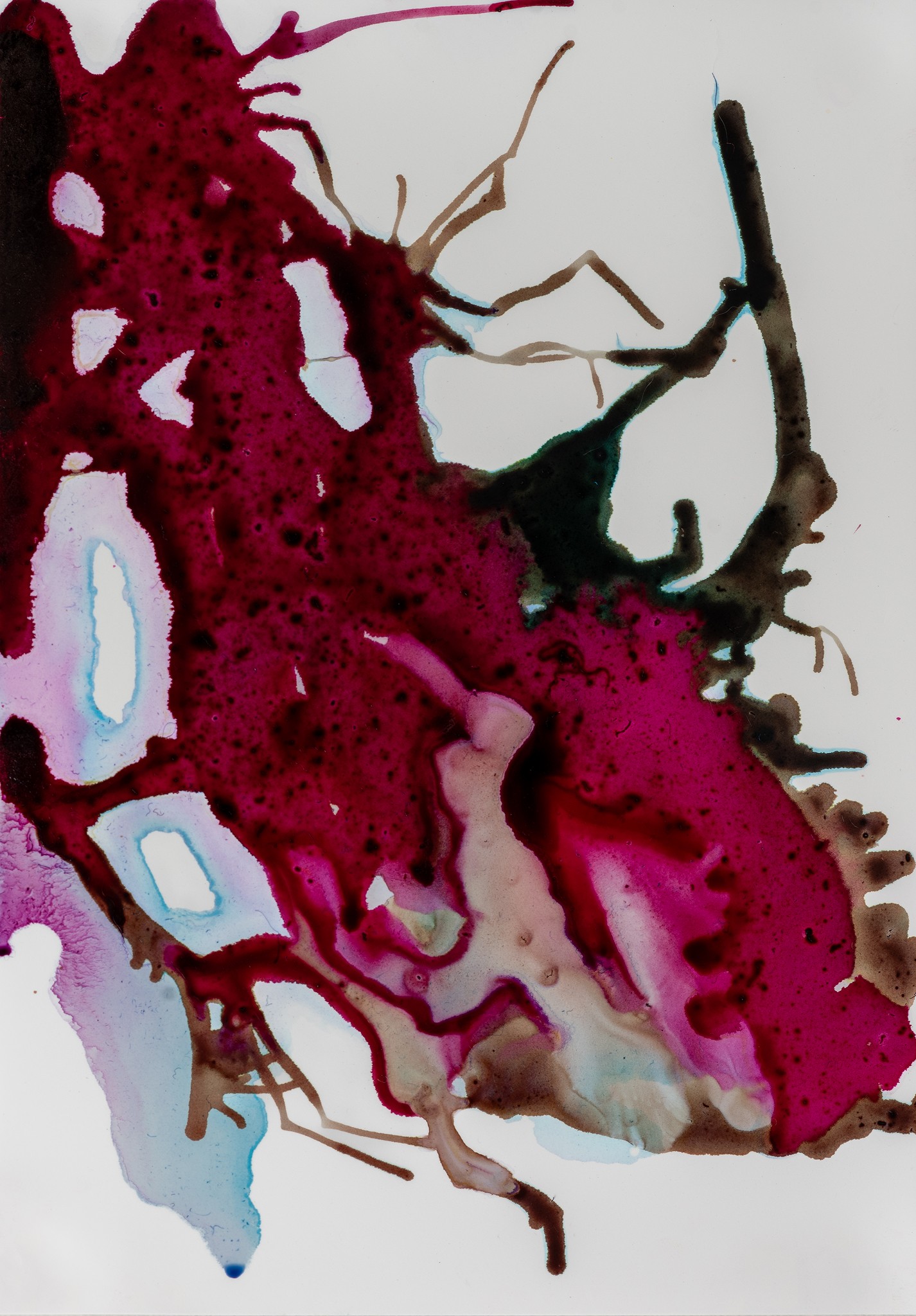
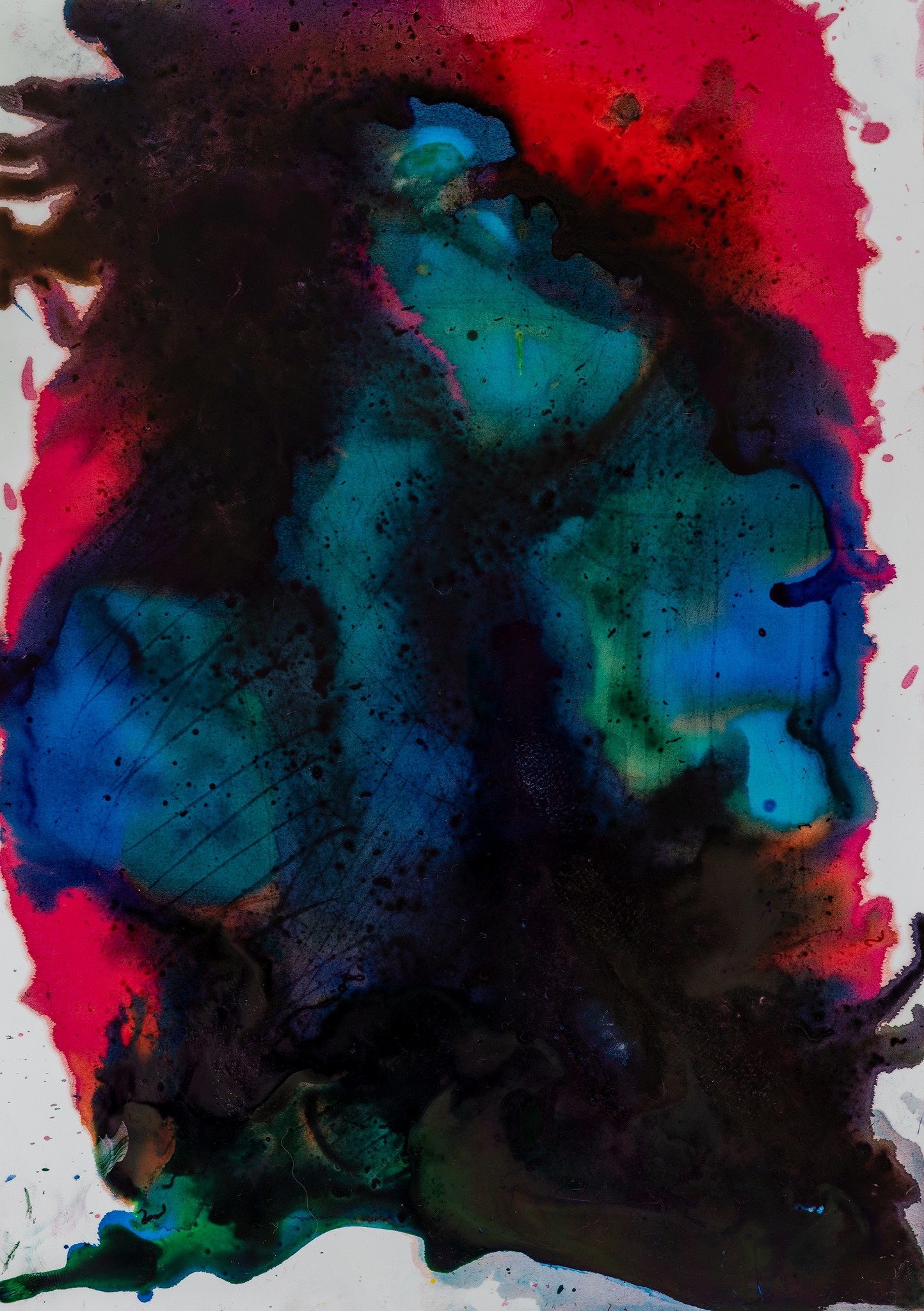
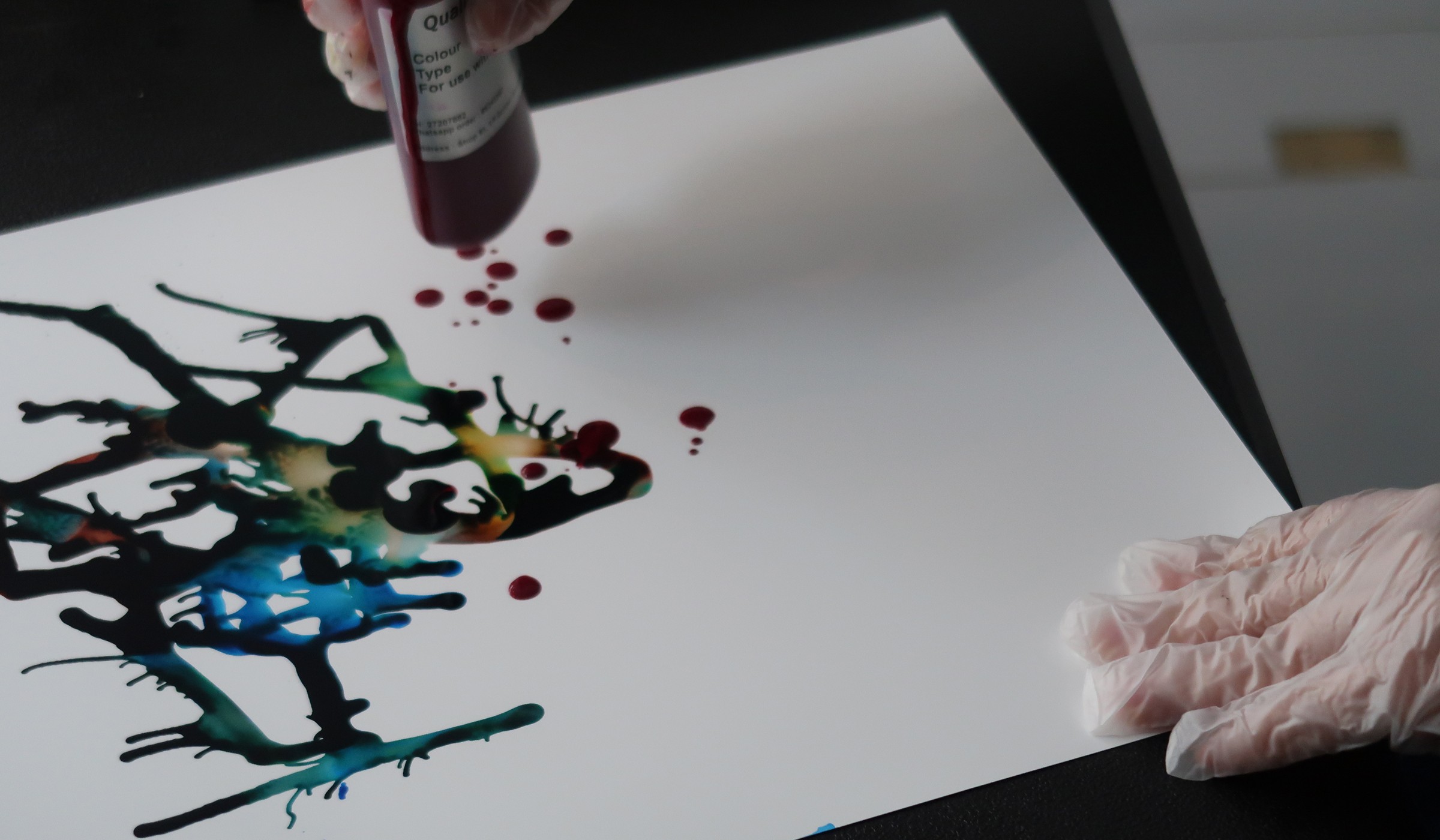
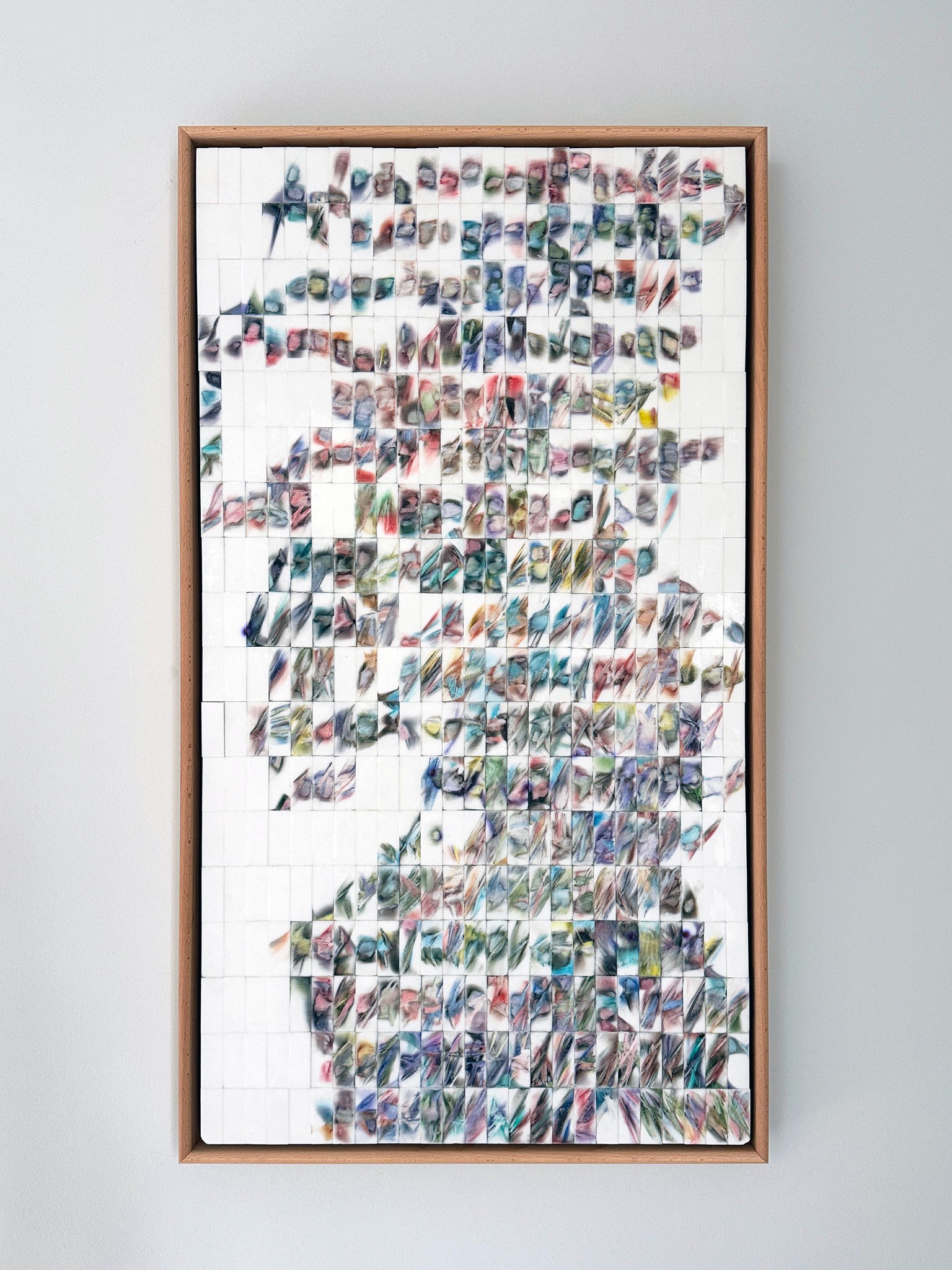
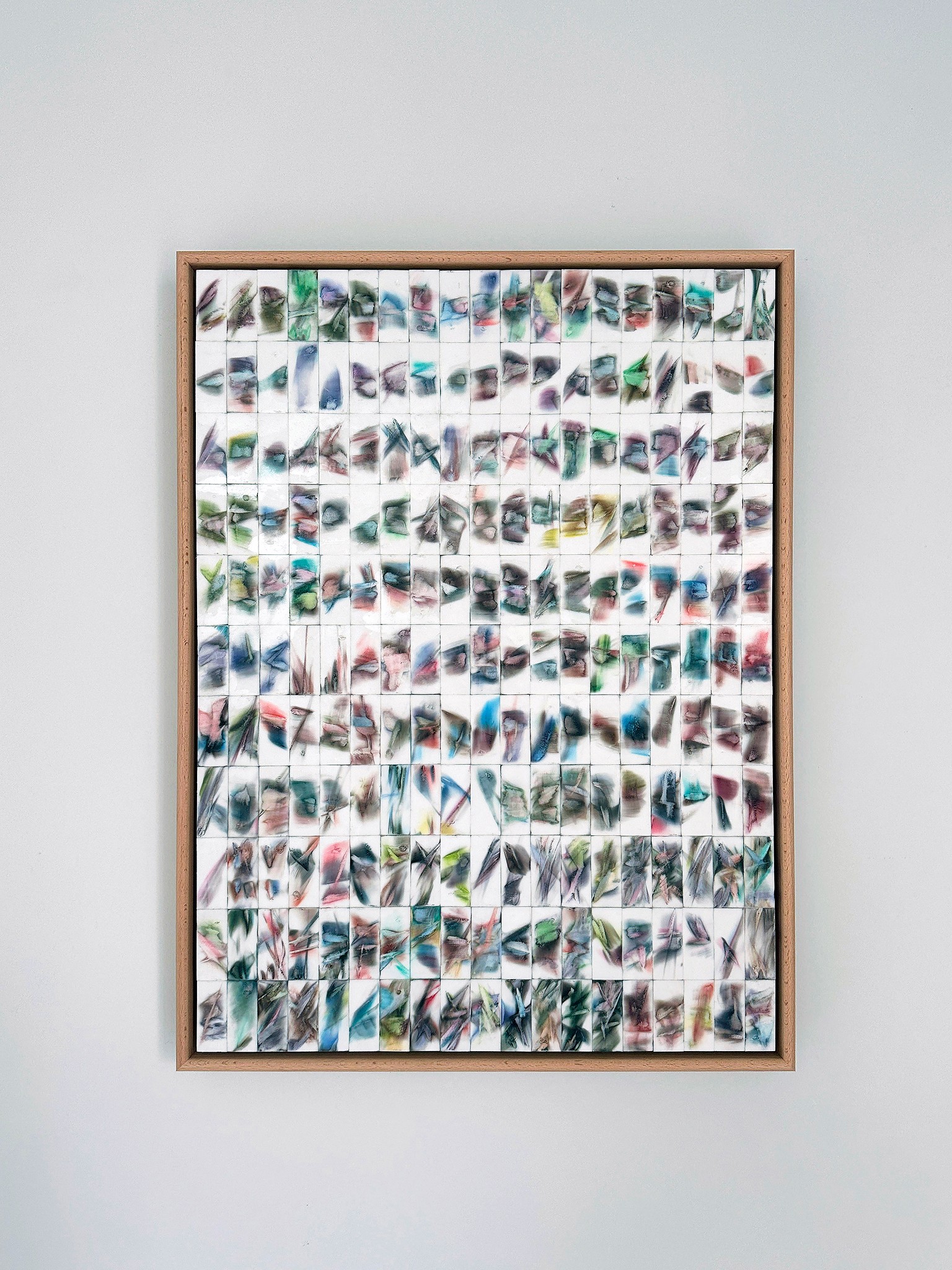
In my new CMYK series of paintings, inkjet printer ink is used as a painting pigment, liberated from the printing process. Its functional change sparks transformation and transition. What intrigues me is that four colour plates become compatible as a result of the interplay between repulsion and absorption on the specific paper. The plastic coating of the paper filters the industrial ink plates, CMYK, to manifest textures and colours of nature and colours shown in tomography produced by technology. Surprisingly, the bottom layer of colour appears more prominently and becomes a rather neon-like tone in time.
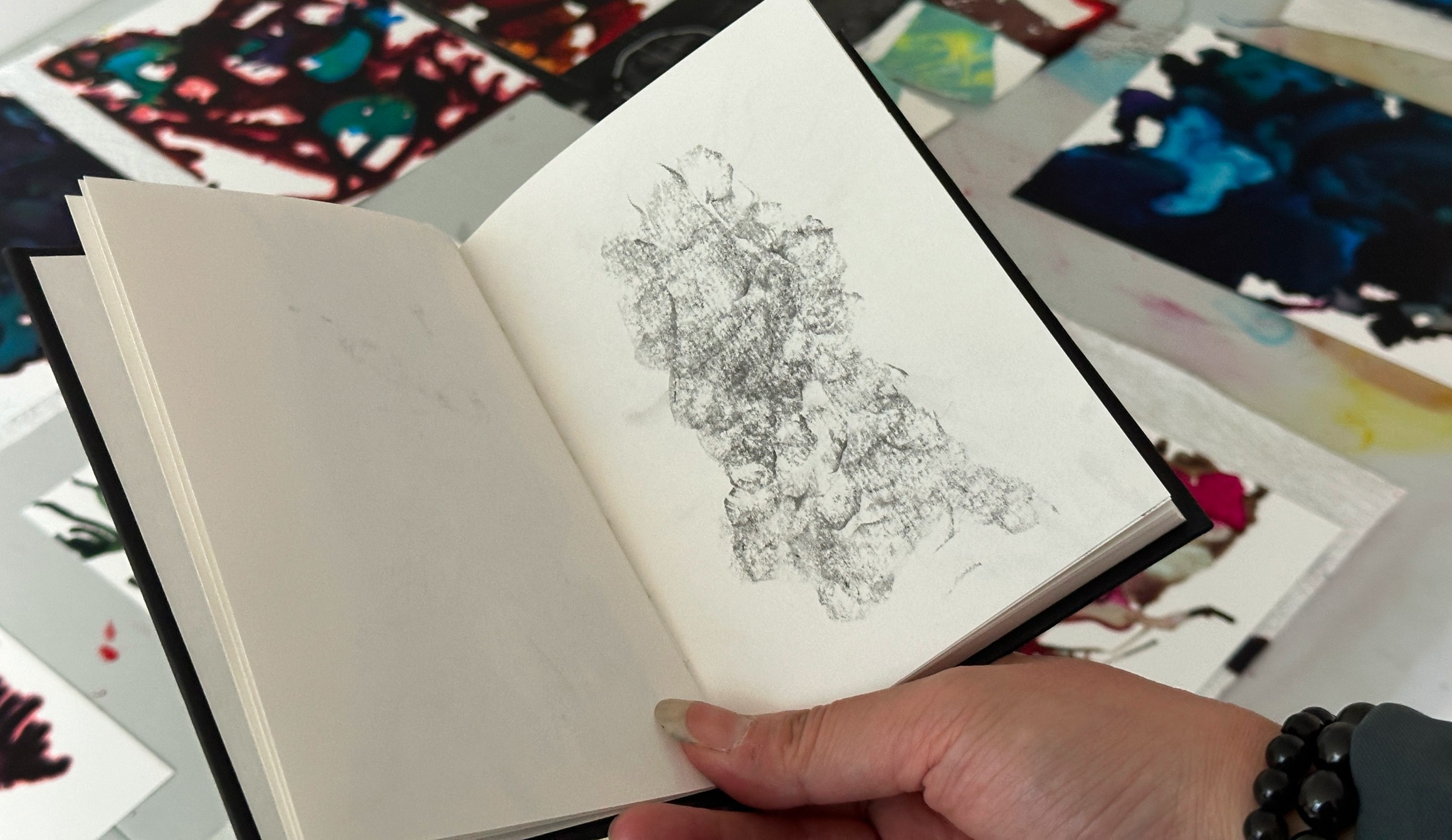
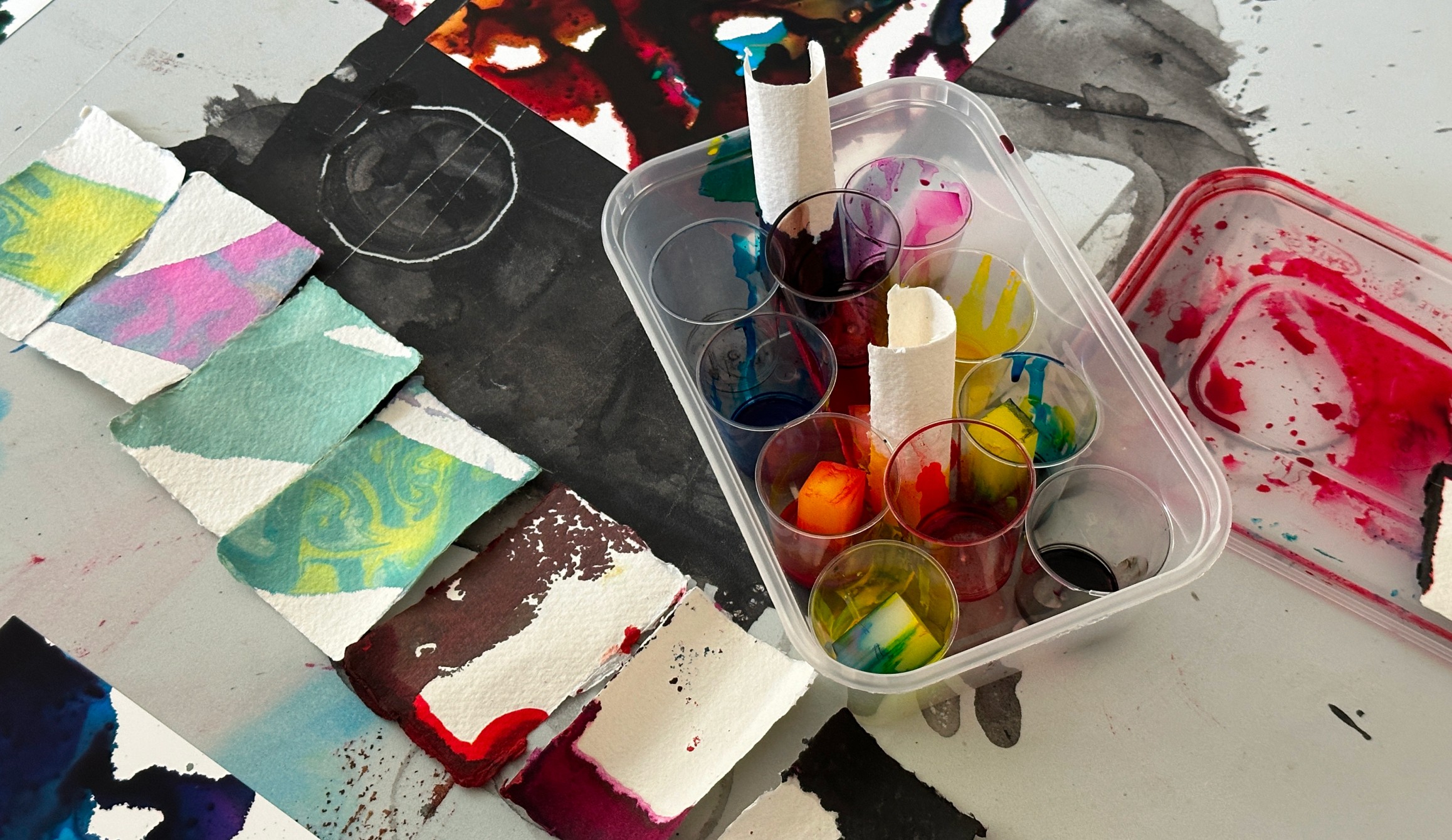
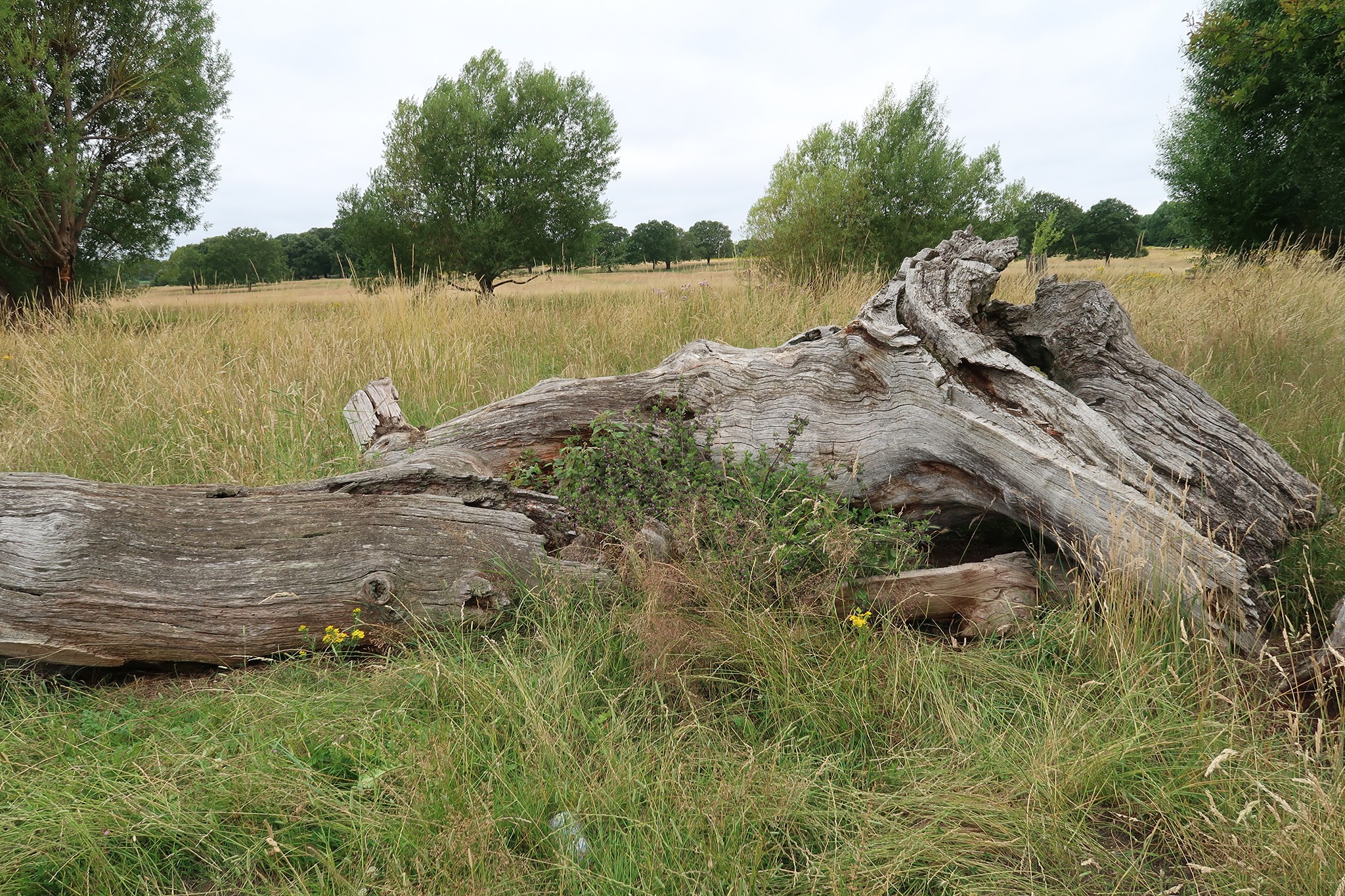
On the other hand, I used erasers and UK newspapers, rubbing them on domestic objects such as plants, lamps, and tables to build distinctive folds and patterns, to explore the memories of each object in the residency home. I also rubbed erasers on the tree trunks and stumps to touch on the passage of time tracing the tree that had been felled by humans. My work often finds links between the natural world and the human one.
CNTRFLD. You’ve written extensively on disability and the psychosocial experience, including your book ‘Disabilities CV.’ How does your work in writing intersect with your visual art, and how do both mediums contribute to your advocacy?
SC. My general hope is to transform my experiences into a positive for the community. Specifically, I believe in upholding the United Nations Convention on the Rights of Persons with Disabilities (CRPD), which I have worked on implementing in Hong Kong since 2012. In 2015, I published Disabilities CV: The Stories of the Persons with Psycho-social Disability in Hong Kong, a book that examines and re-conceptualizes the multi-faceted meanings of disability and the disability experience, in an attempt to affect a paradigm shift towards social inclusion. My work involved challenging the dichotomous and dialectical relationship between people with disabilities and those without, as well as the barriers and resources allocated to the vulnerable and to the advantaged. ⠀⠀
My studies and interest in mental health link closely to my art practice. My dissertation at Goldsmiths was on the subject of (de)colonising madness, with a comparative study on mental health issues and legal capacity between Hong Kong and Britain. I was mostly inspired by the sociologist and philosopher Zygmunt Bauman. In Liquid Modernity (2000), Bauman pointed out a tension between de jure (jurisprudential individuals) and de facto (factual individuals). He writes of the struggle to “gain control over their fate and make the choices they truly desire.” By unleashing the true potential of all the materials that I use in my art practice, this is my way of realising my true self or being de facto in Bauman’s terms.
For example, in CMYK Painting: Embodies Coral and Human Brain, coral on the seabed bonds with a scan of the human brain, an exploration of my own inner dilemmas and quest for self-discovery.
CNTRFLD. You’ve been recognised with significant awards, such as the Hong Kong Human Rights Arts Prize. How has receiving these accolades impacted your career and the direction of your art?
SC. The most recent award led directly to my latest body of work. In 2024, I was delighted to be awarded the MLS Artist Residency, hosted by Schoeni Projects in London. Clapham Common became a studio, and a space where I developed my Erasing News series, along with a completely new collection of inkjet printer paintings.
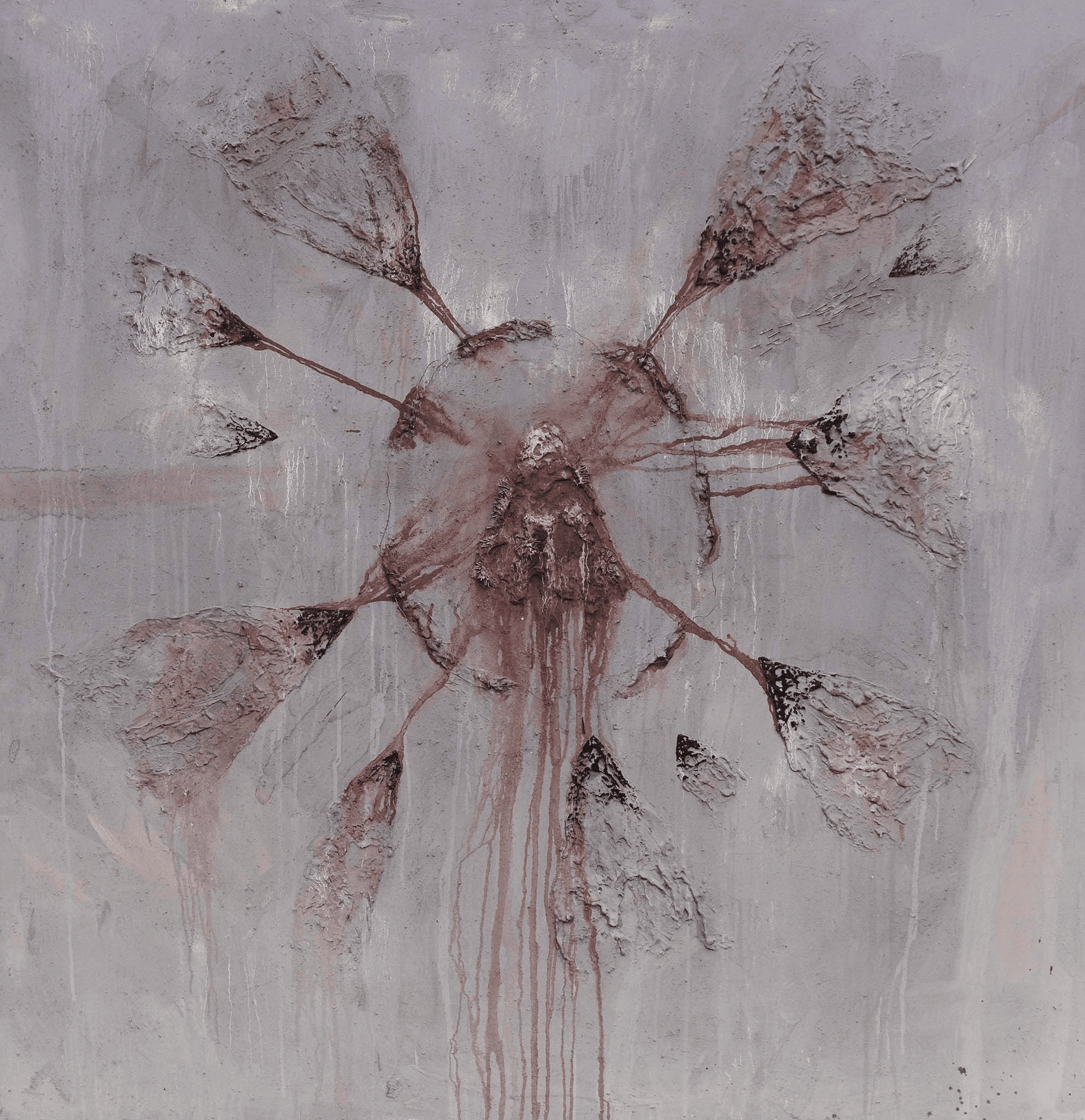
Whilst in London, I drew additional inspiration from the tree stumps across Clapham Common and began to see manifold meaning in their form. They immediately conveyed the idea of a kind of peaceful violence. I was struck by the dichotomy of the morbid state of those stumps, with the shelter they gave to so many life forms. It seemed to run counter to the human perception of life and death. These stumps were plentiful in public areas in London, and each seemed to document the passage of time in their own unique shape, which resonated strongly with the role of time in my work.
The stumps’ monumentality became personal to me, and a haven of memory and mourning. Whilst in London, I lost friends and mentors to unrelated illnesses, including a mentor in disability rights advocacy who first brought me into the Transforming Communities for Inclusion (TCI-Global) family in 2014, Dr. Bhargavi V.; another mentor and fellow equality advocate Graham Dowdall, lecturer at Goldsmiths College, with whom I collaborated during my MA in Anthropology and Community Arts between 2020 and 2022.
In my new CMYK series of paintings, inkjet printer ink is used as a painting pigment, liberated from the printing process. In other works, from my residency, I used erasers and UK newspapers, rubbing them on domestic objects such as plants, lamps, and tables to build distinctive folds and patterns.
CNTRFLD. As someone who has navigated both the art world and the realm of disability rights, what advice would you give to aspiring artists, especially those who wish to merge their creative practice with social justice work?
SC. I believe in the value of education as an important catalyst to my advocacy and to my practice. My MA experience at Goldsmiths was a transformational one for me, and I now consider London my second home. I think education is important where possible.
Additionally, surrounding oneself with good influences is important. For example, I found inspiration in Graham Dowdall’s album Komorebi. When he died, I visualised his music in my artwork Erasing News: Komorebi for Gagarin. When working with Graham, I felt that I was treated as a whole person. He understood my loneliness, and the struggle of navigating the boundaries of being a student both of a legal system and of art. He also had a dual identity as a defence lawyer as well as being a community music educator and music composer. Specifically, I learned from him about the “affirmative model” of disability rights and the history of community engagement in the UK. This remains an influence on me, underlining the value of self without comparison with others. I think this is a valuable point for our own self-worth when we seek to create.
Recently, throughout my residency with Schoeni Projects, I reaffirmed my belief in treating myself as a whole person. This does not mean being perfect. It means acceptance of the whole self, accepting weaknesses and strength in co-existence, eliminating “ready-made” language and approaches in art practice. Acceptance of imperfection is critical for all artists.
CNTRFLD. Looking ahead, how do you envision your work evolving, particularly in relation to your ongoing studies in Applied Anthropology and Community Arts? What new perspectives or directions do you hope to explore?
SC. I am working to foster intersectional studies, by bringing religious philosophy, especially Buddhism, into my research project titled Decolonising Madness